
Winter in China can mean frozen landscapes and deep snow in one region, but relatively mild weather in another. With such a vast country and varied geography, choosing the right destination makes a big difference to your winter experience.
From Harbin’s famous ice attractions to snowy mountains, ski resorts, and the possibility of seeing Beijing under fresh snow, there are many ways to experience the season.
This guide covers where and when to find snow in China, the best winter destinations, and practical tips for planning your trip. Stay connected with an iRoamly China travel eSIM to check weather and travel updates along the way.
Does It Snow in China?
Yes, snow falls across many parts of China, especially in the north, northeast, and high-altitude regions.
Northern and northeastern China generally experience colder winters and more reliable snowfall.
Harbin and other parts of the northeast can remain snowy for long periods, while Beijing and surrounding areas receive less frequent and less predictable snow.
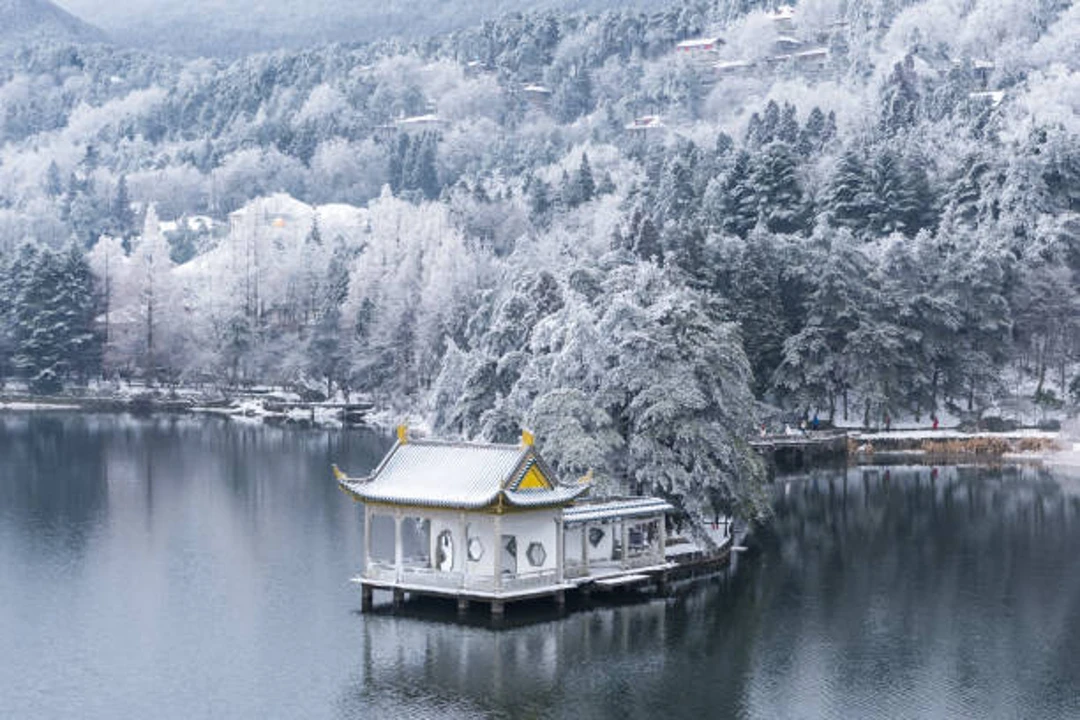
Altitude also matters. Mountain destinations may see significant snowfall even when nearby cities remain snow-free. In contrast, much of southern China has relatively mild winters with little or no snow.
Because conditions vary so widely, where you go matters just as much as when you travel.
Where to See Snow in China
Choose a destination according to the kind of winter you want.
The northeast gives you the best chance of sustained snow and severe cold; Beijing and Inner Mongolia combine winter scenery with history or grassland culture; western and high-altitude regions offer mountain snow; central and southwest mountain parks can be spectacular but more weather-dependent.
Northeast China
Harbin and Yabuli
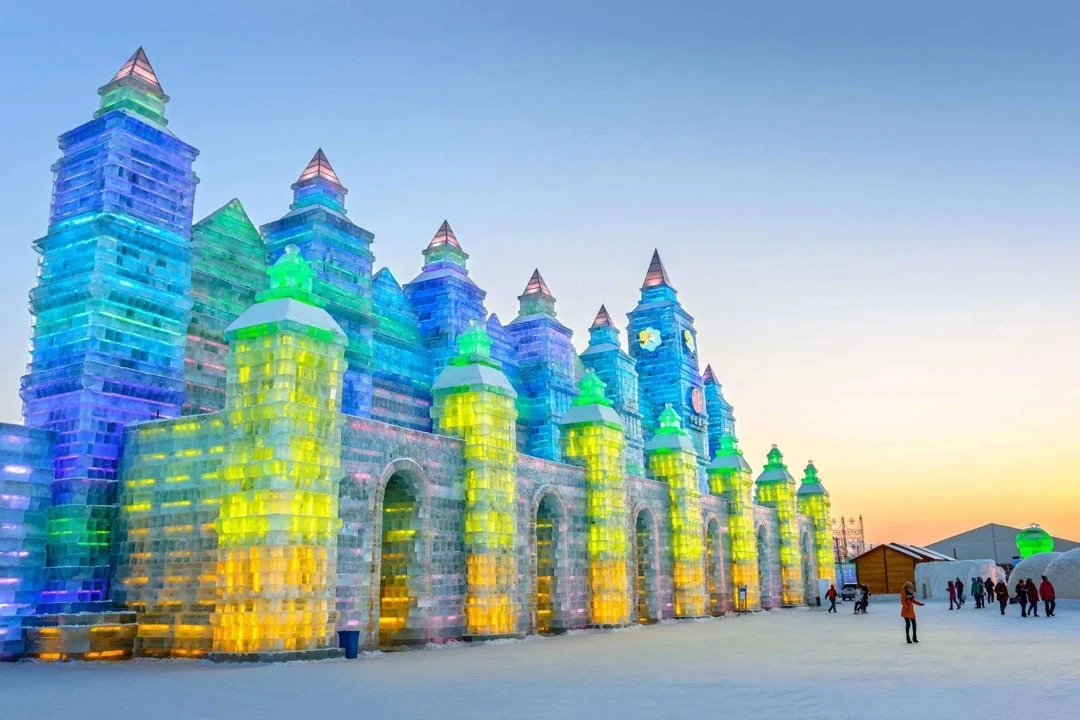
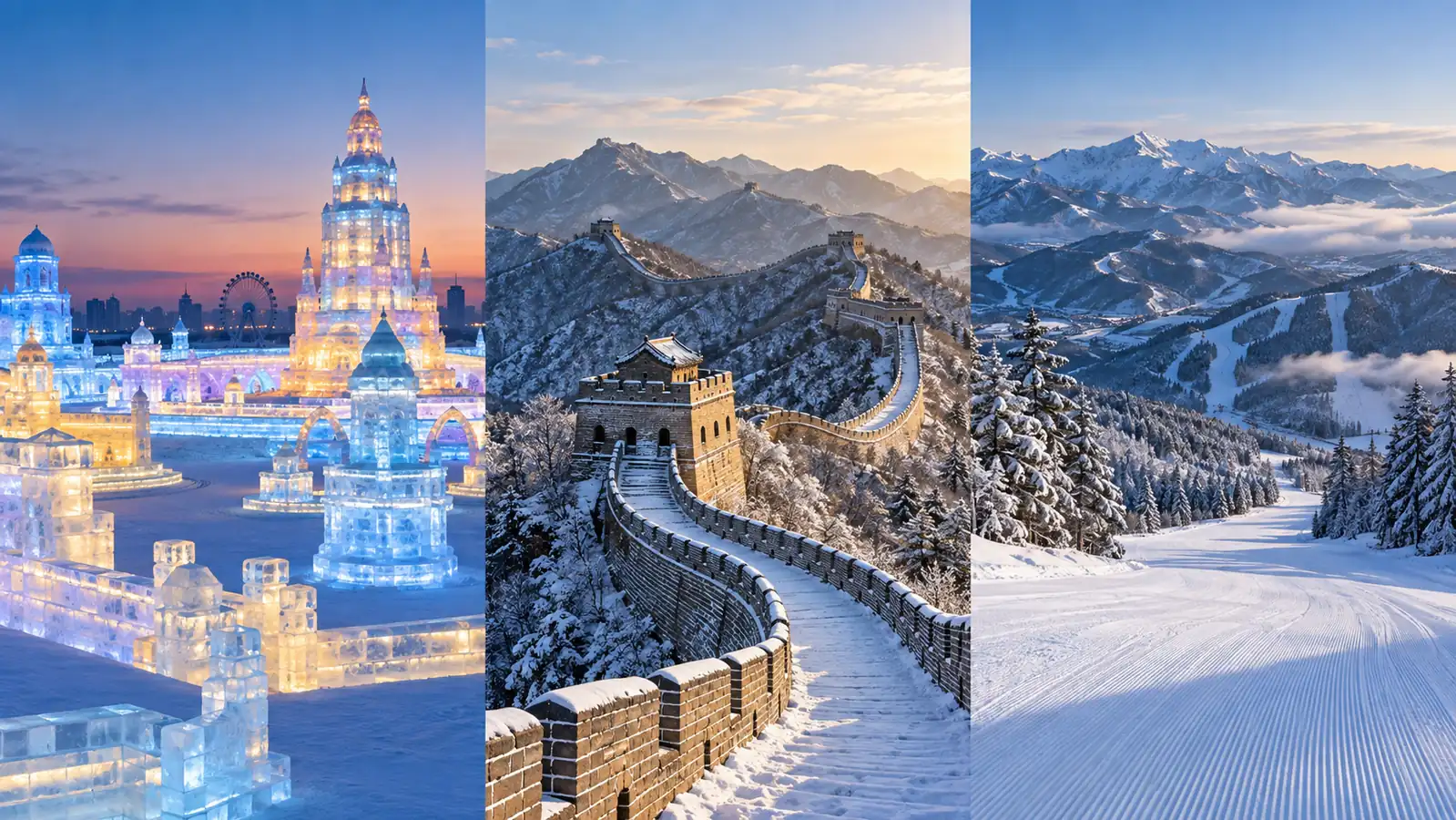
Harbin is the clearest first choice for an urban winter trip. Its long, cold season supports ice architecture, frozen-river activities, and a strong winter atmosphere even when fresh snow is not falling.
Yabuli adds a ski-focused extension, but it requires extra transfer time and is better treated as a separate day or overnight stay than a quick city stop.
Best for: first-time winter visitors who want dependable cold, major ice attractions, and the option to ski.
China Snow Town
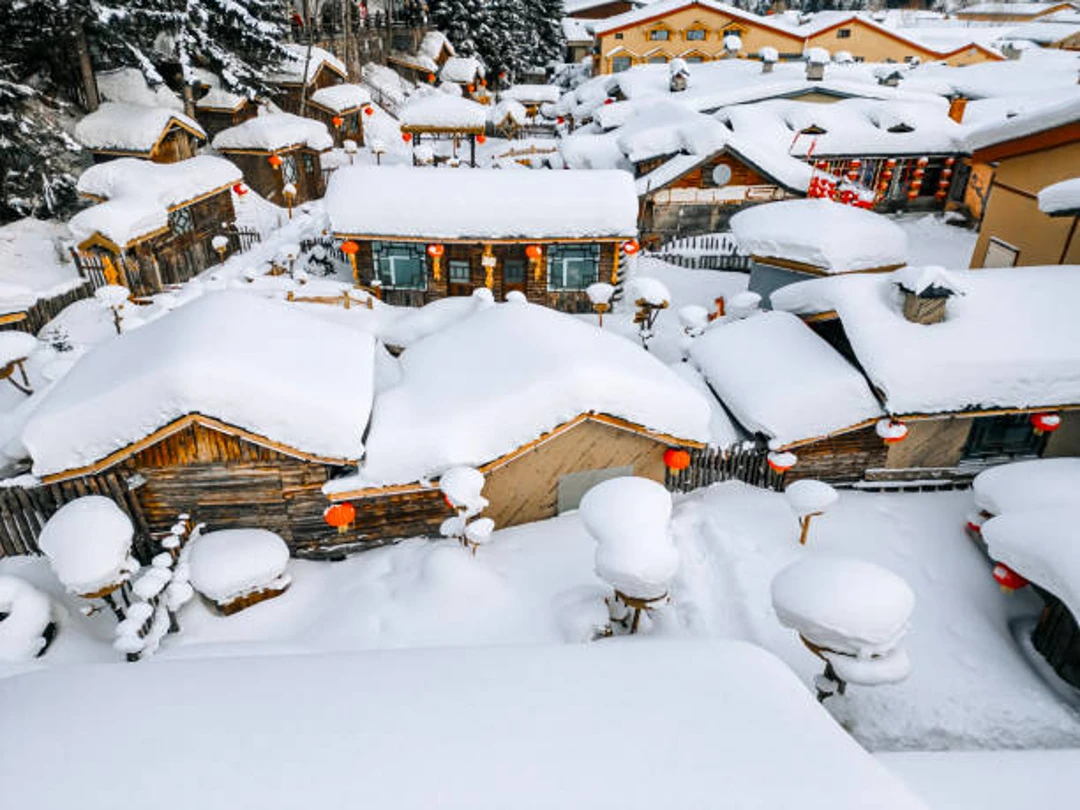
China Snow Town, also called Xuexiang, is known for deep snow settling over wooden houses and forested hills. It offers a village landscape rather than Harbin’s city spectacle.
Accommodation and road transfers can be limited during busy winter periods, so confirm transport and lodging before committing to the detour.
Wusong Island and Changbaishan
Wusong Island near Jilin is associated with rime, the delicate frost that forms on trees when moisture meets very cold air.
The effect depends on weather conditions and is often best sought in the morning, so it should be treated as a possibility rather than a guaranteed daily sight.
Changbaishan offers a different mountain experience, with ski areas, hot-spring options, and high-altitude scenery. Check lift, road, and scenic-area notices because wind or heavy weather can temporarily affect access.
Mohe
Mohe sits at China’s far northern edge and suits travelers seeking an extreme-winter experience. The appeal is the cold itself: frozen forests, long nights, and a remote borderland atmosphere.
This is not the easiest add-on; allow flexibility for severe weather and prepare for much lower temperatures than in Beijing or central China.
North China
Beijing and the Great Wall
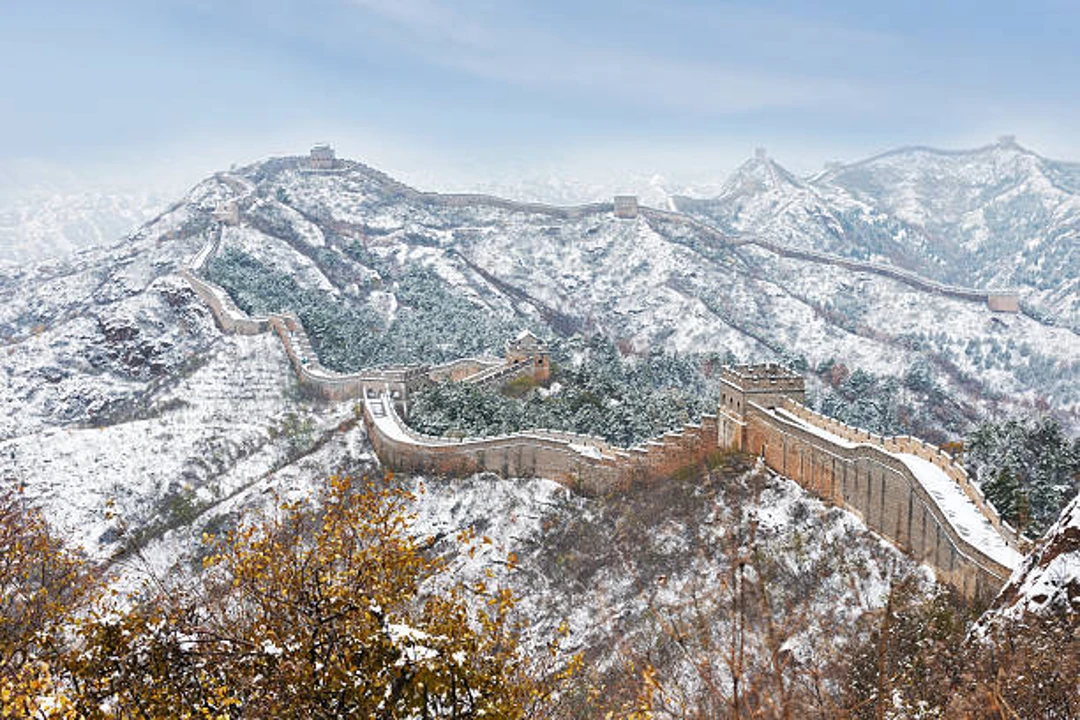
Beijing is ideal if culture comes first and snow would be a bonus. A fresh fall can transform the Forbidden City, Jingshan Park, and the Great Wall, but snow is intermittent and may melt quickly in the city.
Build the trip around landmarks that are rewarding in any weather rather than planning around one forecast.
For a more dependable snow activity, a resort such as Nanshan can provide prepared ski runs near the capital.
At outdoor heritage sites, expect exposed wind and icy steps; footwear with strong grip matters more than a heavy snow forecast.
Hulunbuir and Inner Mongolia
Inner Mongolia offers snow-covered grasslands, forest scenery, and winter traditions that feel very different from a city break. Hulunbuir is especially suited to travelers interested in wide landscapes and regional culture.
Distances are long and winter services can be less frequent, so arrange transfers carefully and avoid an overly tight schedule.
Western China
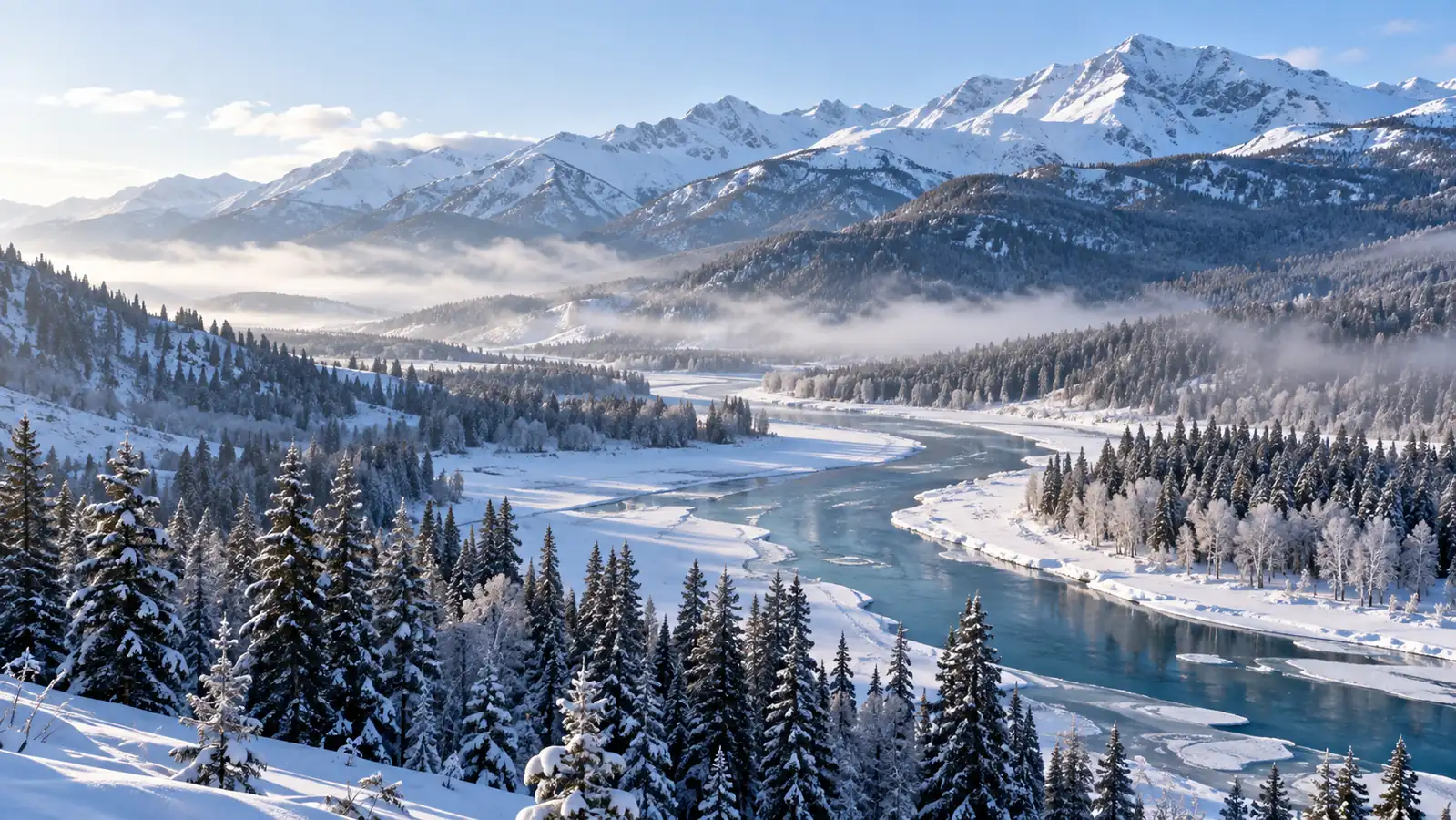
Xinjiang and Kanas
Xinjiang combines dry continental cold with mountain snow. Urumqi works as a transport base, while Kanas and other northern landscapes deliver the stronger scenic experience.
The distances between cities, resorts, and nature areas are substantial; choose one cluster instead of trying to cover the whole region in a short trip.
Tibet’s High-Altitude Landscapes
Tibet’s peaks and passes may be snowy, but that does not mean every urban area is blanketed throughout winter. The main appeal is high-altitude mountain scenery and clear, cold-season views.
Road conditions, elevation, and local access rules make this a specialist choice rather than the simplest answer for a first snow holiday.
Central and Southwest Mountains
Huangshan
Huangshan, or Yellow Mountain, can combine rime, snow-covered pines, granite peaks, and a sea of clouds.
Conditions change quickly with elevation, and icy paths can slow walking. It is best for travelers who value mountain photography and are comfortable adjusting plans to cableway or trail conditions.
Xiling Snow Mountain
Xiling Snow Mountain is a practical snow option from Chengdu, with prepared winter activities and a mountain setting.
It fills an important role for travelers who want snow without traveling to the far northeast. Check the current operating status and separate mountain conditions from Chengdu’s much milder city forecast.
Zhangjiajie
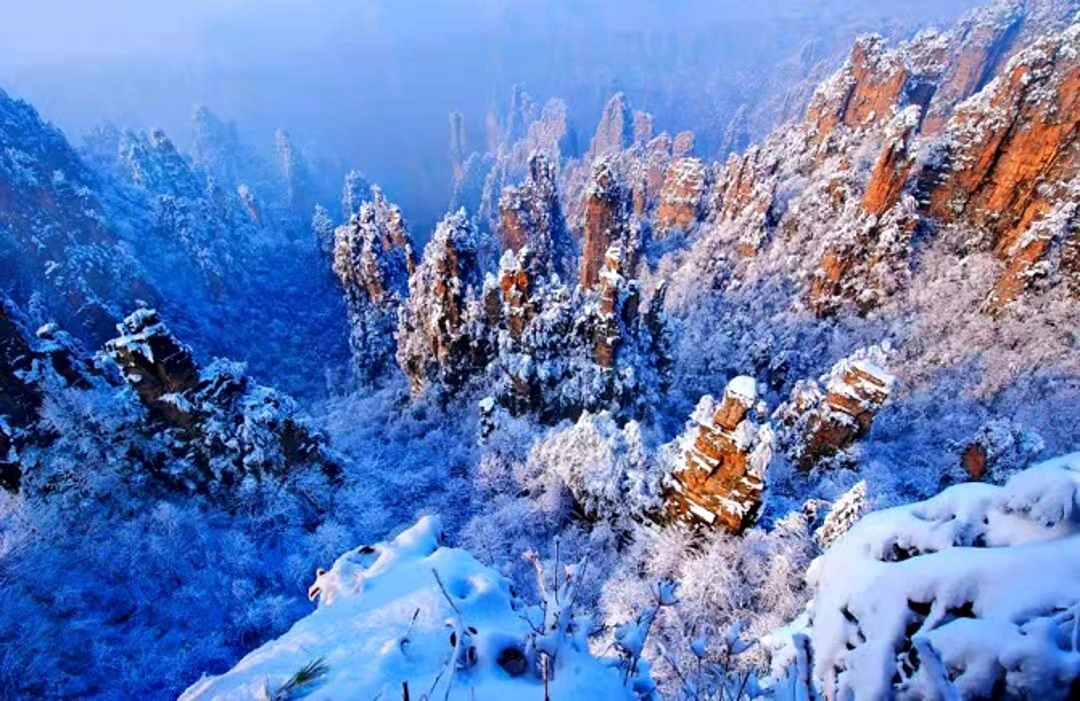
Zhangjiajie’s sandstone pillars are extraordinary after snow or rime, but the event is irregular. Visit for the national park itself and consider snow a dramatic extra.
Fog, ice, and temporary route changes can affect visibility and walking conditions even when the landscape is beautiful.
Jiuzhaigou Valley
Jiuzhaigou’s winter appeal comes from quiet valleys, snow-edged forests, and frozen or partly frozen water features. The experience is more about landscape than deep-snow play.
Scenic-area routing and access can change with weather, so consult current visitor notices before arrival.
How to Choose a Snow Destination
The most useful question is not simply where snow falls, but how much uncertainty you are willing to accept.
A traveler who wants a guaranteed winter atmosphere should not make the same choice as someone who mainly wants Beijing’s history or a mountain hike with the possibility of rime.
Travel Priority | Strong Choices | Snow Reliability | Main Constraint |
|---|---|---|---|
Ice city and festival atmosphere | Harbin | High winter reliability | Severe cold and busy peak dates |
Deep village snow | China Snow Town, Mohe | High in the core season | Longer transfers and limited flexibility |
History with possible snow | Beijing, Great Wall | Variable | Natural snow cannot be promised |
Mountain scenery | Huangshan, Jiuzhaigou, Zhangjiajie | Elevation-dependent | Ice, fog, or temporary access changes |
Skiing near a major gateway | Yabuli, Xiling, Nanshan | Prepared slopes during operation | Verify current snow and lift status |
Choose Reliable Deep Snow
Prioritize Harbin, China Snow Town, Mohe, or the higher-elevation resorts of the northeast. These destinations build their winter identity around prolonged cold.
The tradeoff is physical comfort: outdoor sessions need to be shorter, equipment must be suitable for severe temperatures, and transfers deserve more buffer time.
Combine Snow With Culture
Choose Beijing when the Forbidden City, hutongs, and the Great Wall are the real priorities. Natural snowfall may or may not appear, but winter still brings crisp air, fewer crowds at some sights, and nearby prepared ski options.
Inner Mongolia is stronger for grassland culture and winter traditions, though it requires more complex transport.
Pick Mountains or Skiing
Choose Huangshan, Jiuzhaigou, Zhangjiajie, or Xiling Snow Mountain for elevated scenery.
These places differ sharply: Xiling is activity-led, Huangshan is hiking and photography focused, Jiuzhaigou is a valley landscape, and Zhangjiajie is a high-reward but weather-dependent snow gamble.
Best Time to Experience Snow in China
The Most Reliable Winter Window
December through February is the simplest planning window for most snow trips.
January often brings the strongest winter atmosphere in the northeast, while mountain destinations may have different operating periods according to elevation and local conditions.
If Harbin’s major ice attractions are central to your trip, use the official event and attraction notices for the current season rather than relying on a fixed annual date. Construction, opening, and closing can respond to temperature.
Shoulder Seasons and Regional Exceptions
Late November and March can work in far-northern or high-elevation areas, but they are not interchangeable with midwinter.
Early-season coverage may be incomplete, while warmer March weather can soften snow, change trail conditions, or shorten the life of ice displays.
In Beijing, Huangshan, and Zhangjiajie, a winter date improves your odds but does not guarantee fresh snow. Keep a strong snow-free version of the itinerary so that the trip still succeeds.
Check Forecasts Before Committing
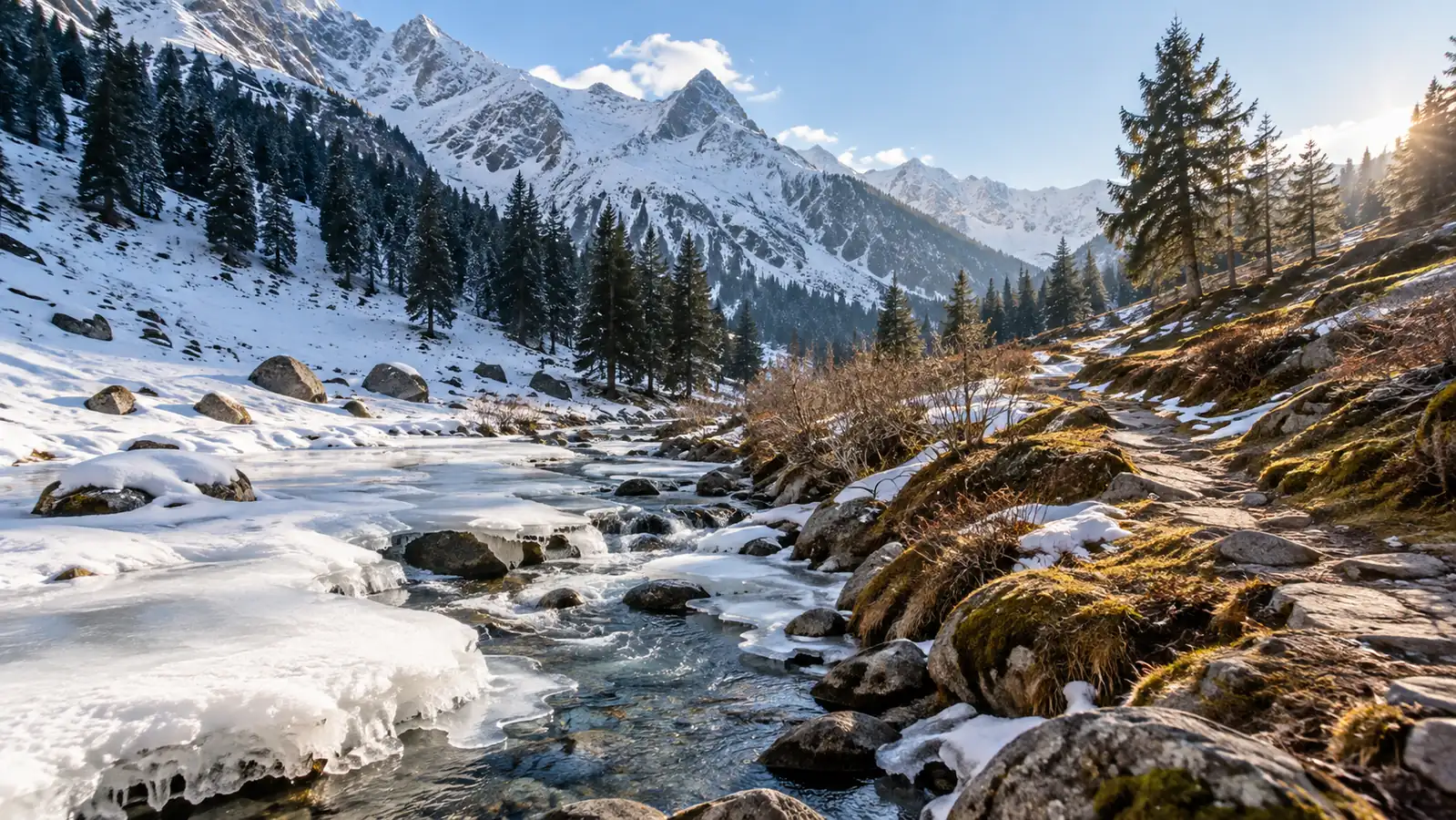
Use long-range climate patterns to choose the region, then switch to live forecasts and official attraction notices close to departure.
Check again before remote transfers, mountain ascents, and outdoor festival visits. If snow is the non-negotiable goal, stay several nights in a reliable region rather than attempting a single tightly timed day.
Unique Snow and Ice Activities in China
Winter in China brings more than snowy scenery. From illuminated ice cities to traditional celebrations on frozen grasslands, these experiences offer different ways to enjoy the season.
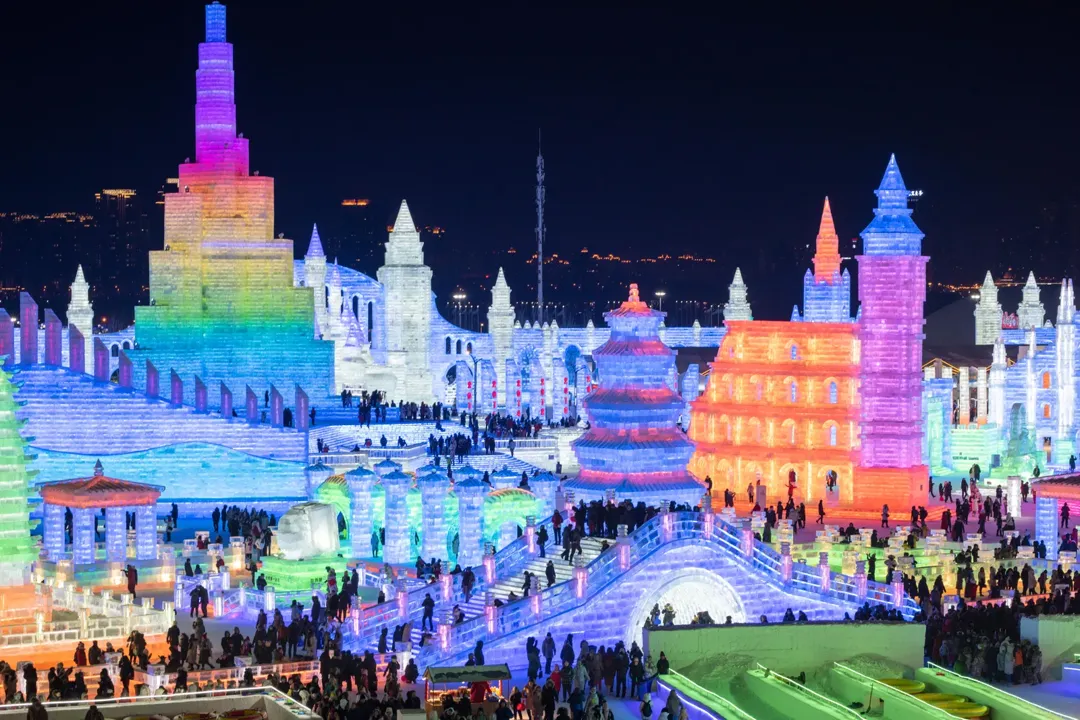
Explore Harbin’s Ice and Snow Festival
Harbin is famous for its enormous ice sculptures, illuminated buildings, and snow installations that transform parts of the city into a frozen wonderland. Visiting after dark is especially popular, when colorful lights bring the ice structures to life.
Temperatures can be extremely low, so keep outdoor visits manageable and take regular indoor breaks. Opening dates and venue schedules vary by season and weather conditions, so check current information before your trip.
See the Rime on Wusong Island
Wusong Island near Jilin is known for rime, a delicate layer of ice crystals that can cover trees and create a striking white landscape.
The phenomenon depends on temperature, moisture, and other weather conditions, so it cannot be guaranteed every day. Early mornings often provide better conditions, making an overnight stay nearby more practical than a tightly timed day trip.
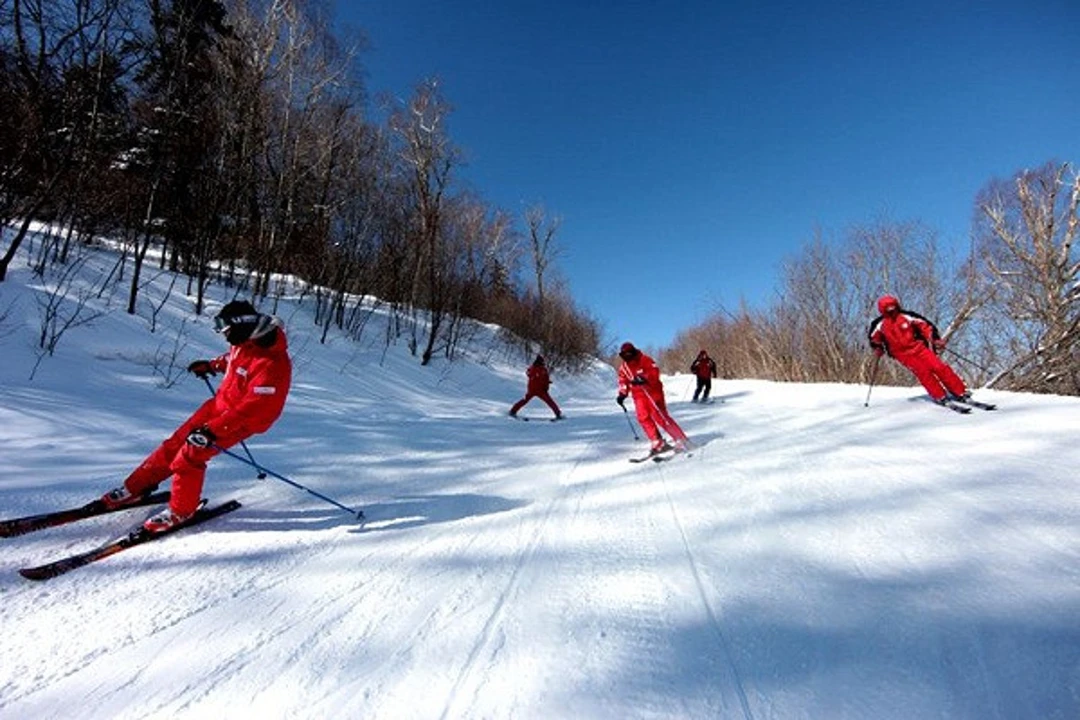
Go Skiing in China’s Snowy Mountains
China has ski areas that fit different travel routes. Yabuli and Changbaishan are suitable for dedicated winter trips, while Nanshan can be added to a Beijing itinerary and Xiling Snow Mountain is accessible from Chengdu.
Before heading to the slopes, check current snow conditions, open runs, equipment rentals, and lesson availability. Beginners should also allow extra time for equipment fitting and basic instruction.
Experience Winter Naadam in Inner Mongolia
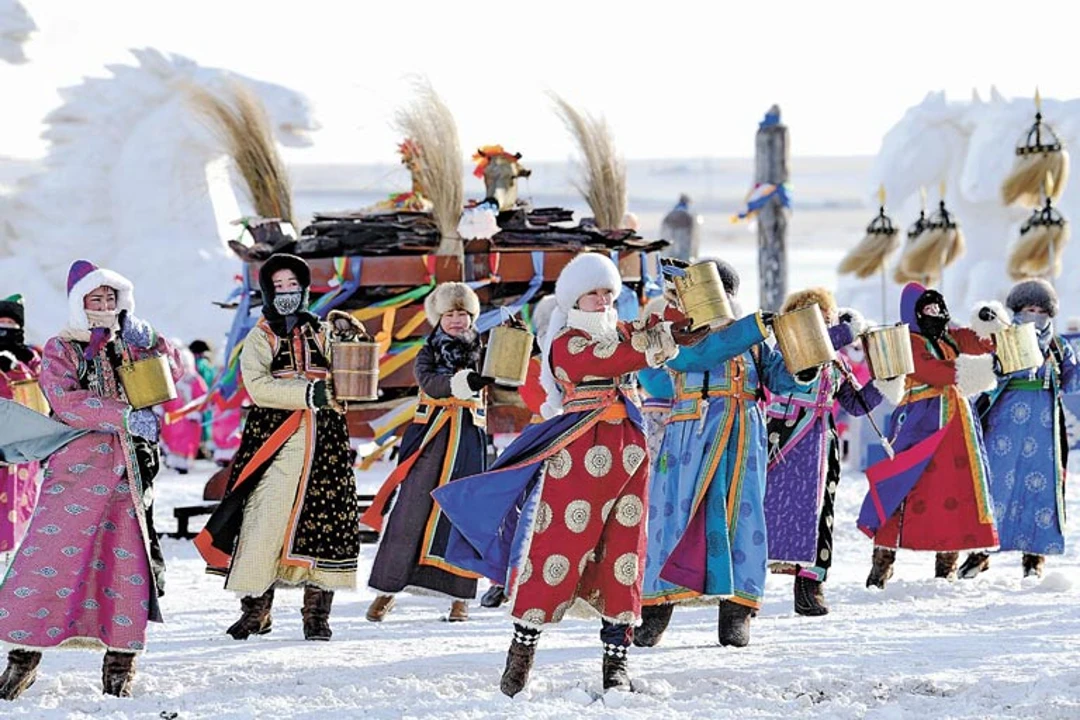
Winter Naadam offers a chance to experience Mongolian traditions against a snowy grassland setting. Depending on the event, programs may include traditional competitions, performances, ceremonies, and other seasonal activities.
Dates, locations, and programs can change from year to year. If Winter Naadam is a priority, confirm the official schedule and arrange transportation and accommodation before traveling to more remote areas.
Try Ice Activities on Frozen Rivers and Lakes
In colder parts of northern China, frozen rivers and lakes can become seasonal spaces for winter recreation. Depending on the destination, visitors may find activities such as ice skating and other organized ice-and-snow entertainment.
Only use officially opened areas, as ice conditions can change with temperature and weather. Check local notices before participating rather than assuming a frozen surface is safe.
Winter Travel Tips for Tourists
What to Pack
Pack for the destination’s coldest realistic conditions, not the average for China.
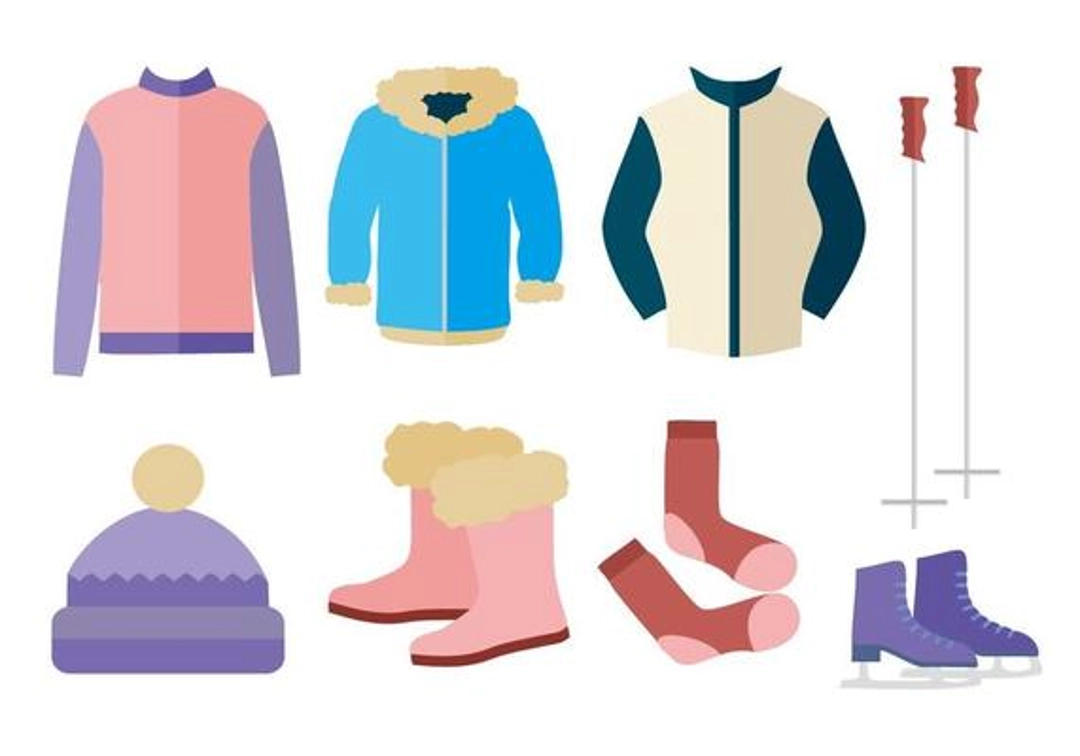
In Harbin, Mohe, and exposed grasslands, use a moisture-managing base layer, insulating mid-layer, windproof insulated coat, warm hat, gloves, scarf or face covering, and waterproof boots.
Beijing and central China may need fewer layers, but wind and long outdoor visits can still feel severe.
For icy ground: choose boots with strong tread and consider removable traction aids where local rules allow them.
For bright snow: bring sunglasses and sunscreen, especially in mountain areas.
For dry cold: carry lip balm and moisturizer.
For changing indoor heat: wear layers that are easy to remove rather than one bulky outfit.
Transportation and Route Buffers
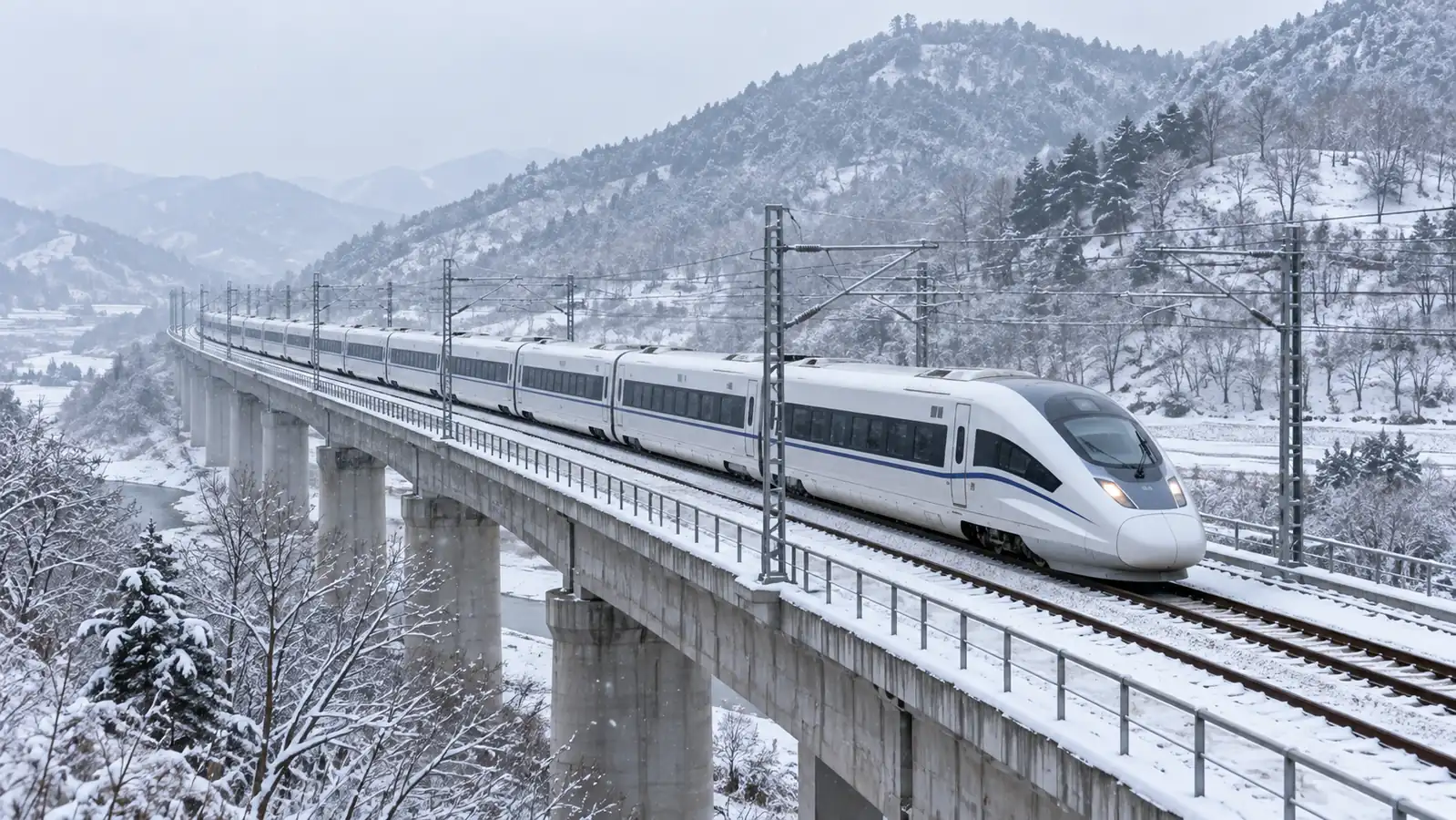
High-speed rail is often a practical link between major cities, while flights save time over China’s longest distances. Both can be affected by severe weather, and remote mountain or village transfers may be the most fragile part of the trip.
Avoid placing an international departure immediately after a long winter road transfer.
If you drive or hire a car, confirm that the vehicle and driver are prepared for snow and ice. In mountain parks, check whether shuttle buses, cableways, and trails are operating before leaving the city.
Bookings, Batteries, and Connectivity
Book early for major winter festivals, ski weekends, and the Chinese New Year period, whose dates change each year. Reserve scarce accommodation and remote transfers first, then build flexible city sightseeing around them.
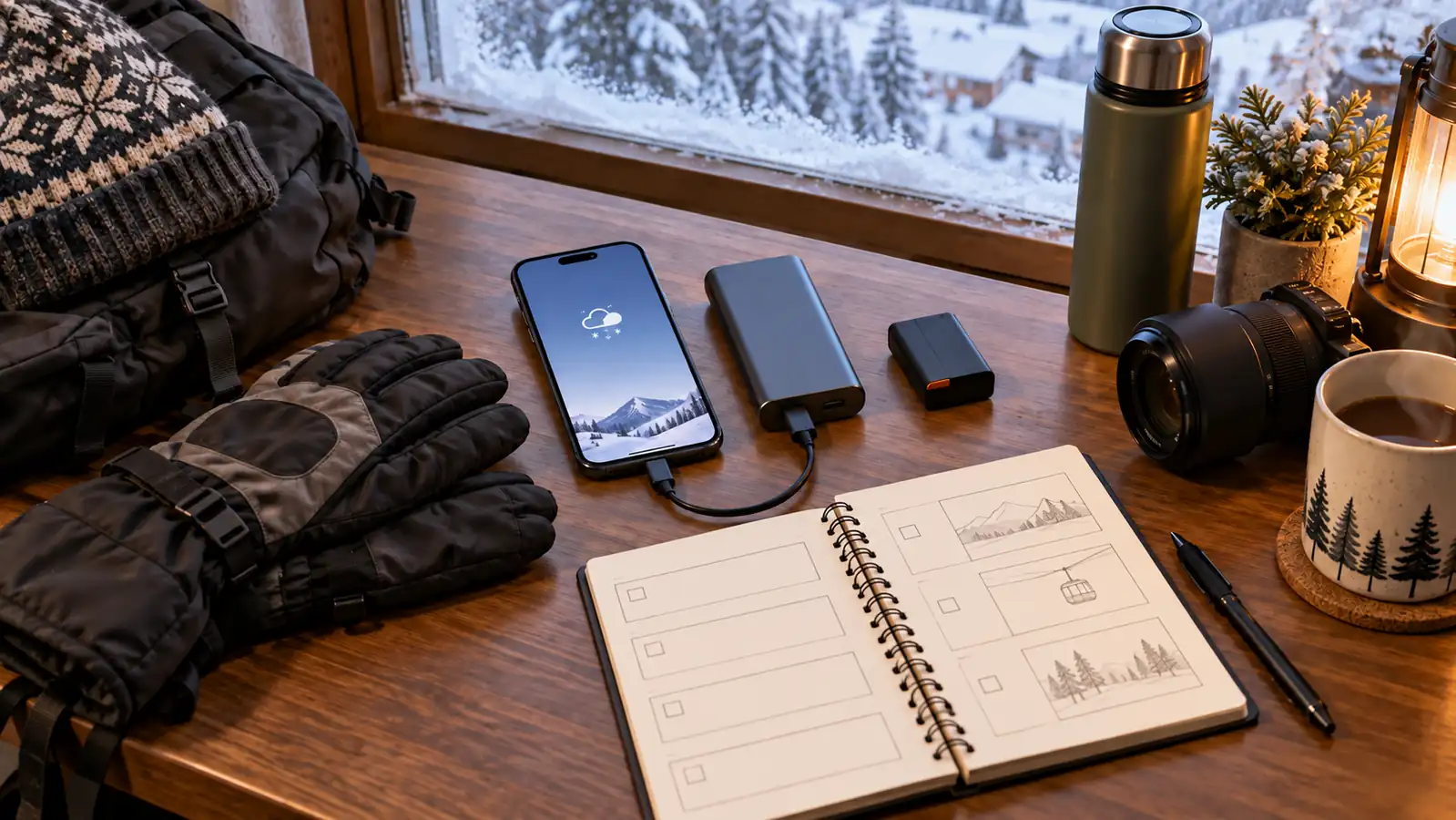
Cold drains phone and camera batteries quickly.
Keep devices and a power bank in an inner pocket, carry a charging cable, and download essential booking details before long rural transfers. Reliable mobile data is especially useful for forecast changes and transport messages.
Food and Warmth
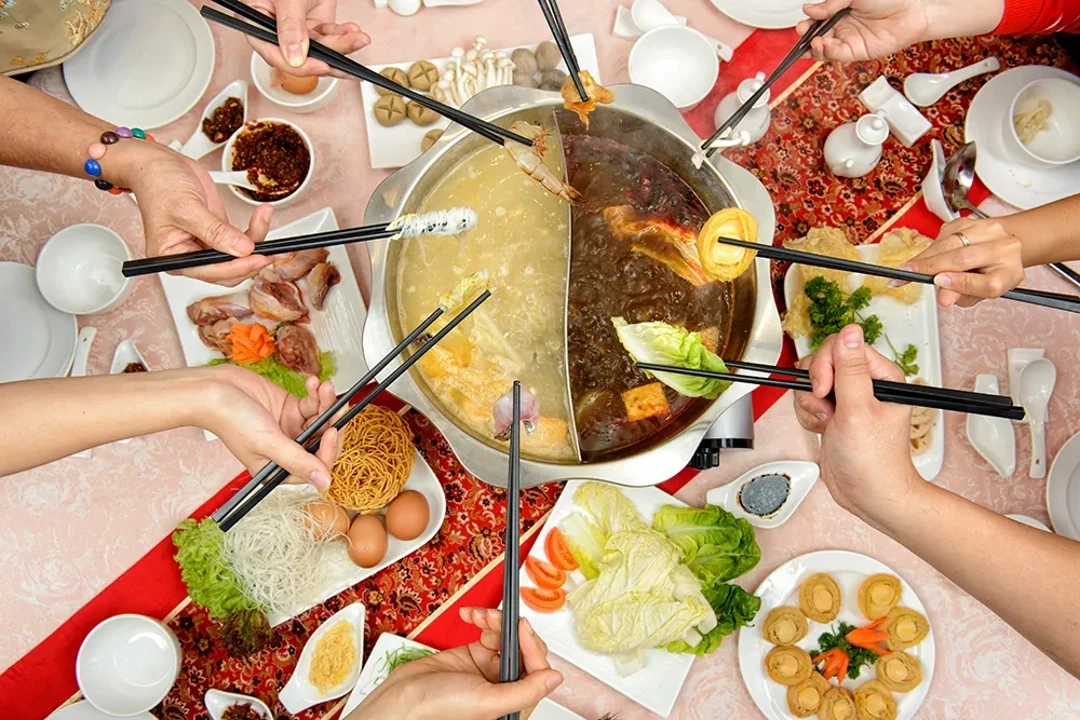
Warm indoor meals are part of the winter rhythm. Hot pot, noodle soups, dumplings, and regional stews create a natural recovery break between outdoor visits, while roasted chestnuts are a familiar cold-weather snack in many cities.
Plan those breaks before you feel chilled, especially in Harbin or on exposed mountain routes. A slower day with two substantial outdoor sessions is often more enjoyable than a packed schedule that leaves no time to warm up.
FAQ
1. Do ski resorts in China rent equipment?
Most established resorts rent skis or snowboards, boots, and poles, but inclusions vary. Confirm helmet availability, clothing rentals, child sizes, deposits, and lesson bookings directly with the resort before arrival.
2. Are indoor spaces heated in northern China?
Many hotels, trains, malls, and public buildings in northern China are well heated. Easy-to-remove layers help you stay comfortable when moving repeatedly between very cold outdoor air and warm interiors.
3. Is every Chinese ski resort covered in natural snow?
No. Many resorts supplement natural snowfall with machine-made snow to maintain prepared runs. Check the current open-trail report instead of assuming that nearby valleys, roads, or sightseeing areas will also be snow-covered.
Conclusion
China’s winter varies dramatically by region. The northeast offers the most reliable snow, Beijing combines winter scenery with history, while mountain destinations bring spectacular landscapes with less predictable conditions.
If snow is your priority, choose a reliable northern destination like Harbin. Otherwise, plan around culture, landmarks, and scenery so the trip remains rewarding whatever the weather.
Choose the right region, stay flexible, and you can experience the best of winter in China.