
Japan food can turn an ordinary itinerary into a trip that feels personal. Ramen near a station, a seafood breakfast at a market, or an izakaya dinner after a rail day can reveal as much about a place as its temples and skyline.
Plan a few priority meals, then leave room for casual finds in between. For maps, menu translation, and route checks between restaurants, an iRoamly Japan eSIM can be set up before departure so those tools are available after arrival without swapping your usual SIM.
This guide brings together must-try dishes, regional specialties, dining etiquette, ordering tips, budget choices, and a simple way to shape food stops around the rest of your Japan route.
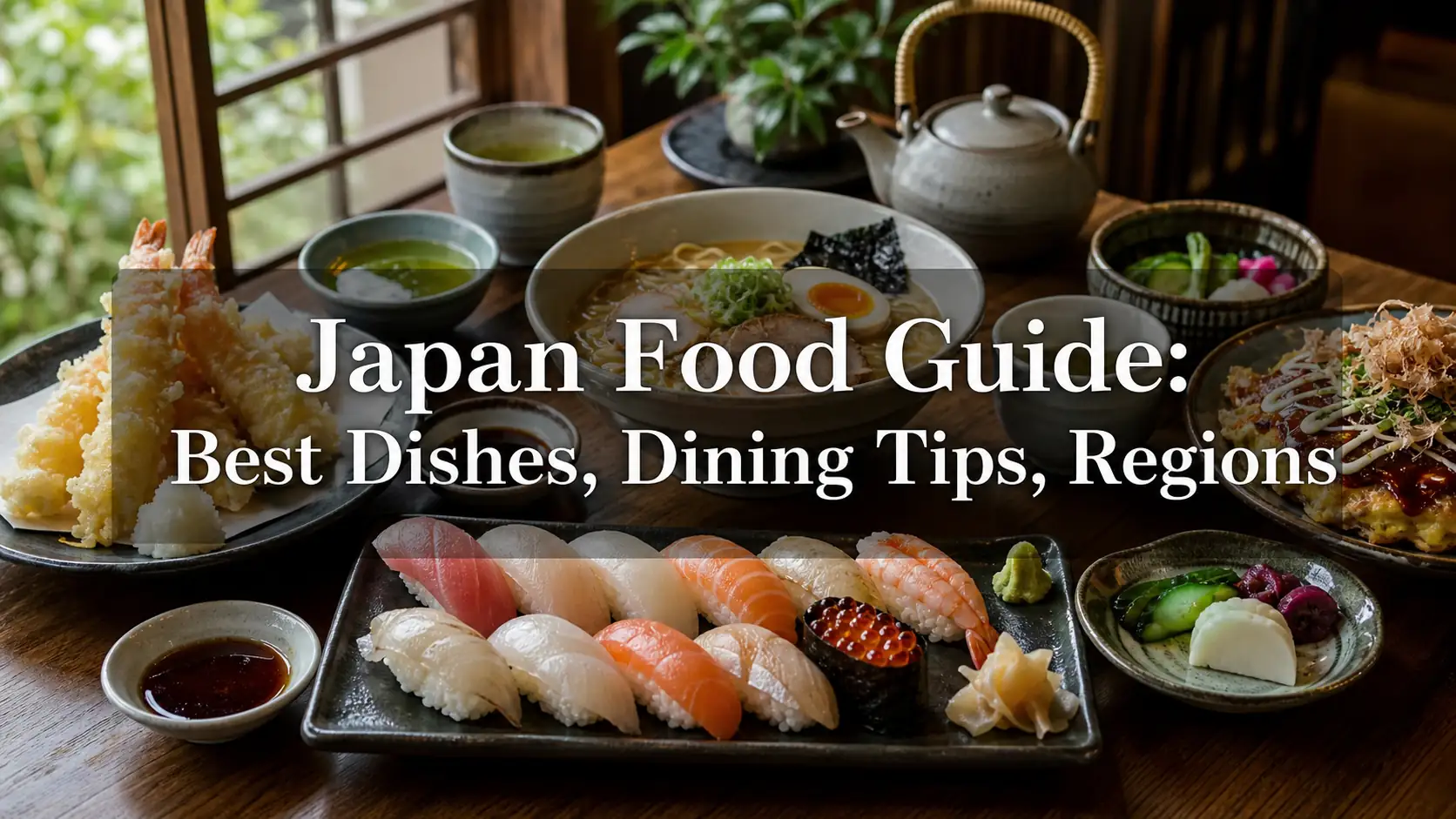
Why Japan Food Deserves Its Own Travel Plan
Japanese meals often balance season, texture, place, and pacing. Washoku developed around Japan's geography and climate, while everyday dining ranges from quick noodles and set meals to carefully sequenced kaiseki.
For travelers, that means Japan food is not one single cuisine to sample once. It changes with region, season, budget, and the kind of place you choose to sit down.
For travelers who decide meals on the move, an iRoamly Travel eSIM can support map checks, menu translation, and reservation messages while the food plan stays focused on where to eat.
Choose one anchor meal per day: book or plan the meal you care about most, then keep the other meals flexible.
Eat near transport hubs when busy: station areas can be good for ramen, soba, udon, bento, and department-store food halls.
Save regional dishes for their home cities: takoyaki in Osaka and miso-based dishes around Nagoya usually feel better in context.
Respect small spaces: many counters and local restaurants work best when travelers order clearly, eat at a reasonable pace, and avoid lingering during queues.
Food planning in Japan works best when it stays light. A short dish list gives each day some shape while leaving room for a bakery breakfast, market snack, or unexpected train bento.
Must-Try Japan Food Classics
Start with the dishes that appear across the country, then pay attention to local differences. The same broad category can taste completely different in Sapporo, Tokyo, Osaka, Fukuoka, or Kanazawa.
Sushi and Sashimi
Sushi is built around vinegared rice paired with seafood, egg, vegetables, or other toppings. A concise Japanese sushi guide helps distinguish common styles before choosing between a conveyor-belt shop, counter, or market meal.
First-time visitors do not need to chase only premium omakase meals. A good kaiten sushi stop, a market bowl, or a neighborhood counter can teach you plenty about freshness, rice temperature, and local seafood.
Ramen, Udon, and Soba
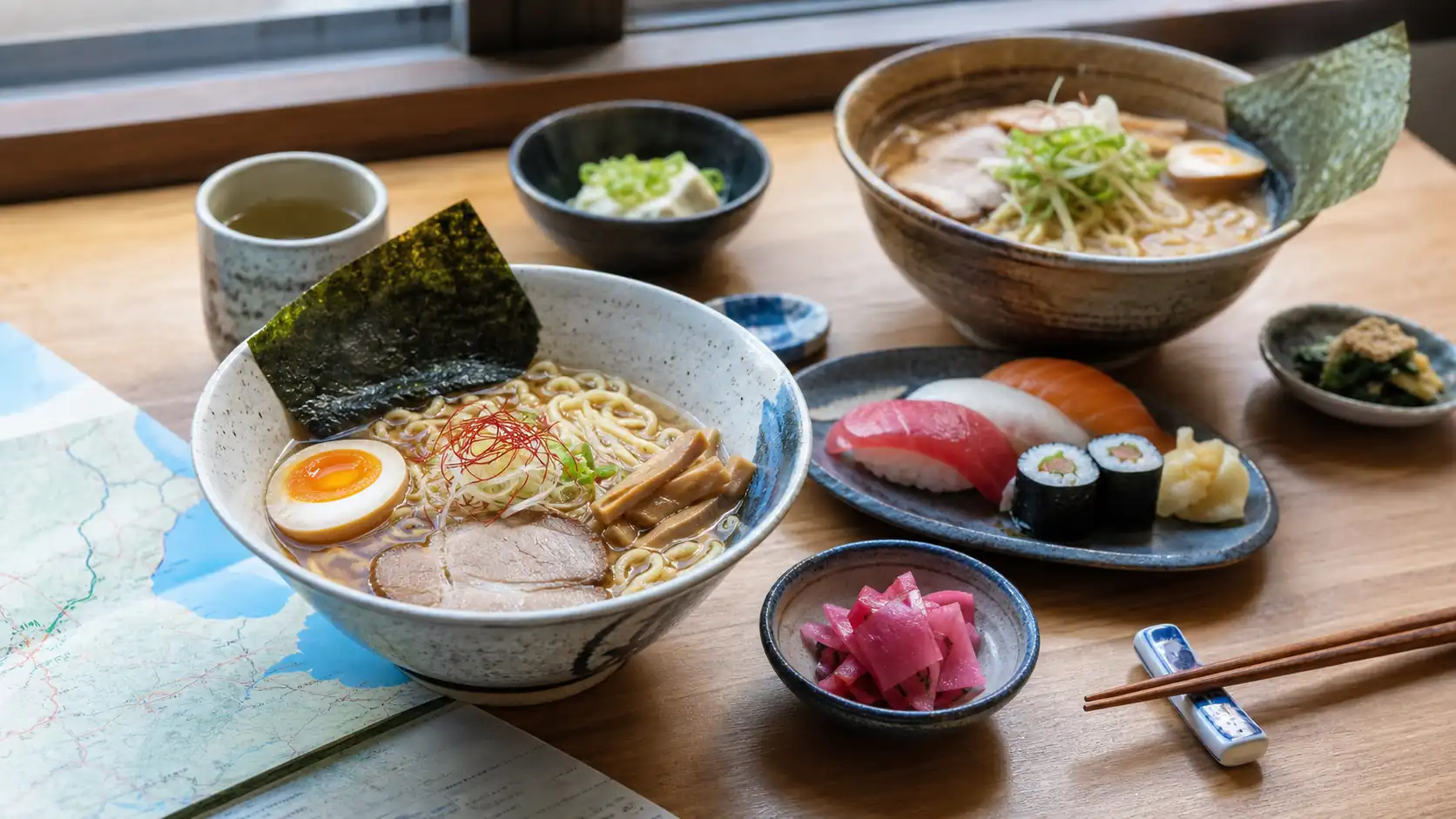
Ramen is a comfort-food favorite with regional variations, from miso ramen in Sapporo to rich tonkotsu styles in parts of Kyushu. Udon and soba are often easier on packed travel days because they can be quick, filling, and available near stations.
At busy ramen shops, order first, keep your seat area tidy, and leave after eating if a line is waiting. Slurping noodles is acceptable, and it helps cool hot noodles while you eat.
Tempura, Yakitori, and Izakaya Plates
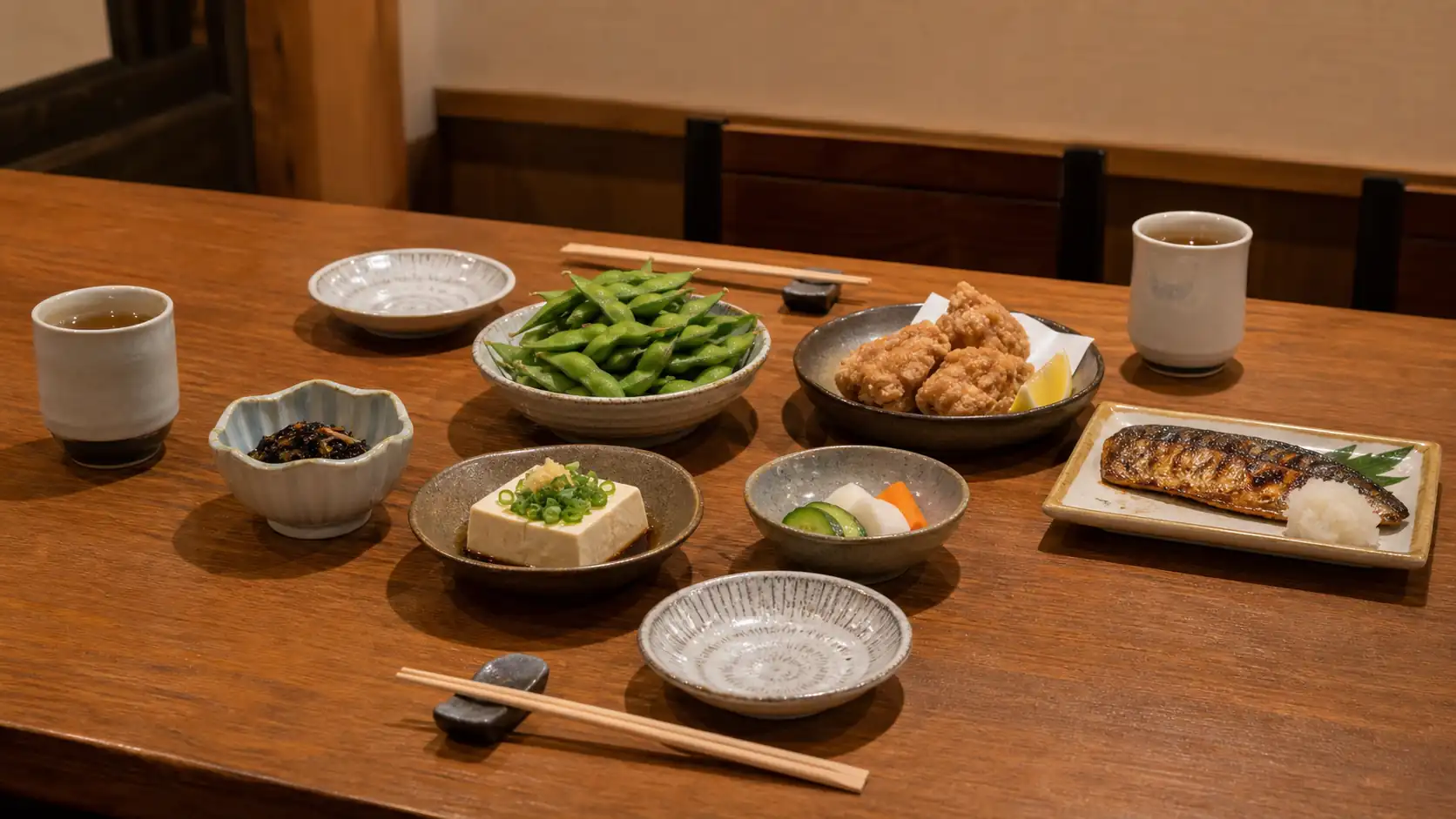
Tempura lets seasonal vegetables and seafood stay at the center of the meal, while yakitori turns grilled skewers into a relaxed dinner. Izakaya meals work well for groups because small dishes can be shared across the table.
Look for balance instead of ordering every fried dish at once. A satisfying izakaya meal might pair grilled fish, tofu, edamame, pickles, chicken skewers, and one rice or noodle dish.
Regional Japan Food Worth Planning Around
Regional cooking is where Japan food becomes especially rewarding. Climate, local ingredients, preservation methods, and trade routes all influence what appears on the table.
Japan’s Ministry of Agriculture, Forestry and Fisheries explains this variety in its regional WASHOKU overview, which connects local cuisines and preservation techniques to climate and geography.
Use the table as a starting point when matching meals to your route, not as a rigid checklist.
Region or City | Food to Try | Best Travel Moment |
|---|---|---|
Hokkaido | Miso ramen, salmon hotpot, fresh seafood, and lamb barbecue. | Cold-weather trips, seafood markets, and Sapporo food nights. |
Tohoku | Rice dishes, kiritanpo hotpot, gyutan, and local sake pairings. | Slow rail trips, hot spring stays, and autumn or winter meals. |
Tokyo | Sushi, monjayaki, soba, tempura, and downtown comfort dishes. | First nights, market mornings, and neighborhood food walks. |
Kansai | Osaka takoyaki and okonomiyaki, Kyoto obanzai, and udon. | Street-food evenings, temple days, and casual group meals. |
Kyushu and Okinawa | Tonkotsu ramen, local seafood, island dishes, and regional noodles. | Warm-weather routes, ferry days, and late-night noodle stops. |
The smartest food route usually follows your travel route instead of fighting it. If you are already moving through Kansai, make room for Osaka street food; if you are heading north, let seafood, rice dishes, and ramen styles guide a few meals.
Tip: When a dish is famous in a specific city, try it there first, then compare later versions with a clearer palate.
Casual Japan Food for Busy Travel Days
Not every memorable meal needs a reservation. Some of the most useful Japan food stops are the ones that fit between trains, museum visits, shopping streets, and late arrivals.
Street Food and Markets
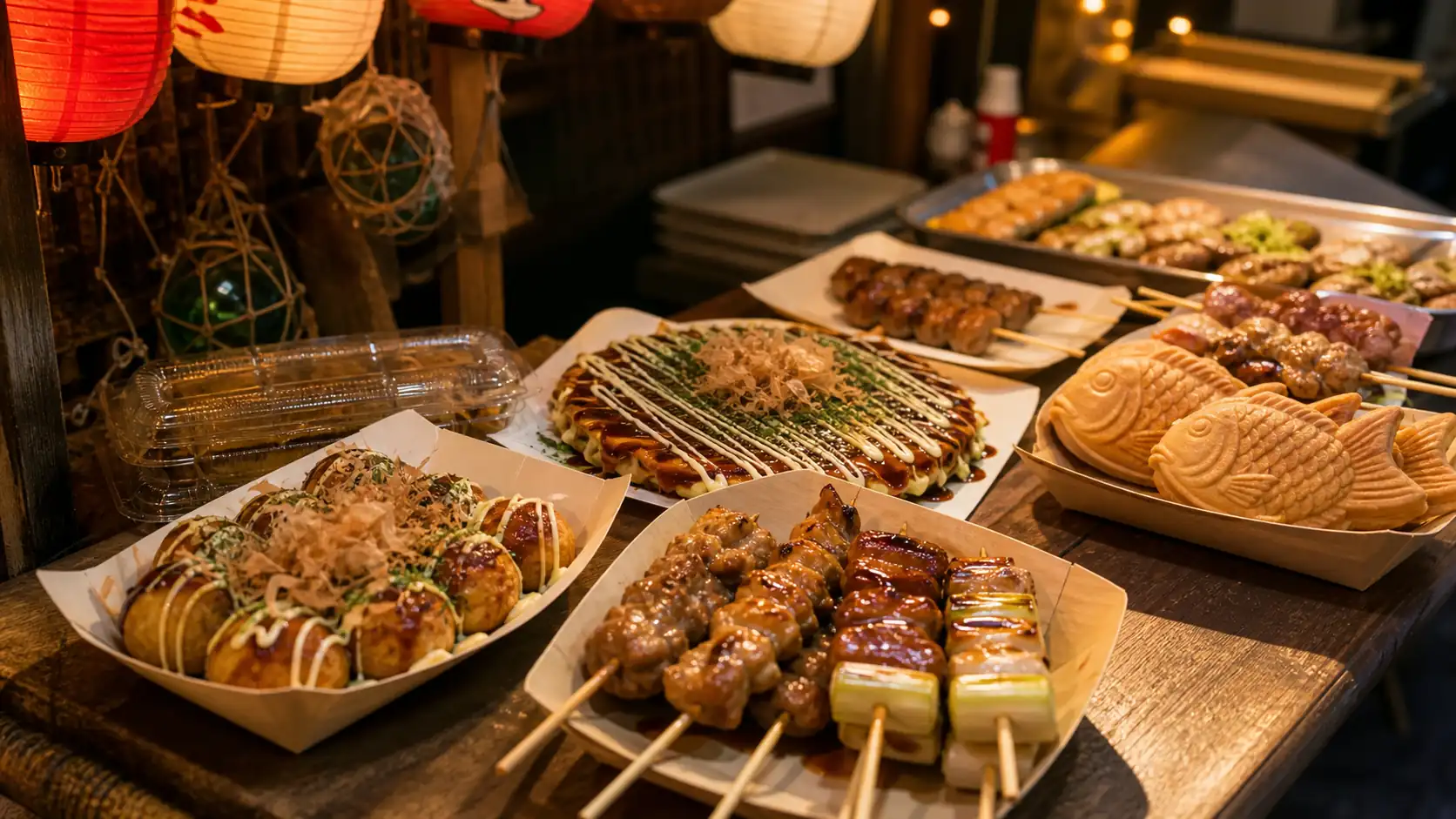
Street food in Japan includes takoyaki, taiyaki, okonomiyaki, yakitori, croquettes, gyoza, udon, and sweet snacks. Local markets can be fun, but eating while walking is not accepted everywhere, so follow posted rules and watch what locals do.
Markets such as Nishiki in Kyoto and Kuromon in Osaka are especially useful when you want variety without committing to one restaurant. Go earlier in the day for better choice and more relaxed browsing.
Department Stores and Convenience Stores
Depachika, the basement food floors of department stores, are excellent for bento, sweets, salads, fried dishes, and regional gifts. They are also practical when bad weather or a tired travel day makes a long dinner feel like work.
Convenience stores are not a replacement for Japan food culture, but they are reliable for onigiri, sandwiches, drinks, desserts, and late-night snacks. They help most when you have an early train or a hotel in a quiet area.
Ekiben and Station Meals
Train bento can turn a long ride into part of the food experience. Pick one before boarding, check whether the train and seat type suit eating, and keep packaging tidy until you can dispose of it properly.
How to Order and Eat Japan Food Politely
Japanese dining etiquette is mostly about respect, order, and shared space. You do not need perfect manners, but a few habits make small restaurants and counters much easier.
Ramen Shops and Ticket Machines
Many ramen and casual noodle shops use ticket machines near the entrance. Choose your dish, pay at the machine, hand the ticket to staff, and wait for directions if seating is tight.
Check the line system before entering, especially at small shops.
Buy a meal ticket if there is a vending machine near the door.
Choose toppings before you reach the counter so the queue keeps moving.
Place bags where staff indicate, not on extra seats in busy rooms.
Leave once you finish if people are waiting outside.
Sushi Counters and Shared Plates
At sushi counters, order calmly and avoid strong perfume, loud calls, or heavy sauce use that overwhelms the food. At izakaya and shared meals, take food from communal dishes onto your own small plate before eating.
Chopsticks should rest on a holder or across a dish when not in use. Avoid sticking them upright in rice, passing food chopstick to chopstick, or pointing with them while speaking.
Dietary Notes
Vegetarian and vegan travelers can eat well in Japan, but hidden fish or meat ingredients often appear in dashi, sauces, and broths. Clear translation cards and advance restaurant checks are more reliable than a quick verbal request.
A little preparation removes stress without making meals feel clinical. Save a few phrases, mark suitable restaurants on your map, and keep backup meals near your hotel or main station.
Tip: If you have a strict allergy or dietary rule, use written Japanese wording and confirm with staff before ordering.
A considerate rhythm matters more than memorizing every rule. Watch the room, keep your table compact, and remember that a small restaurant has its own queue, pace, and limited seating.
Staying Connected Between Food Stops
Food days often change in the moment, so mobile data helps with restaurant hours, maps, menu translation, and reservation messages. Pairing a short Japanese language guide with an eSIM set up before departure can keep those tools ready after arrival without swapping your usual SIM.
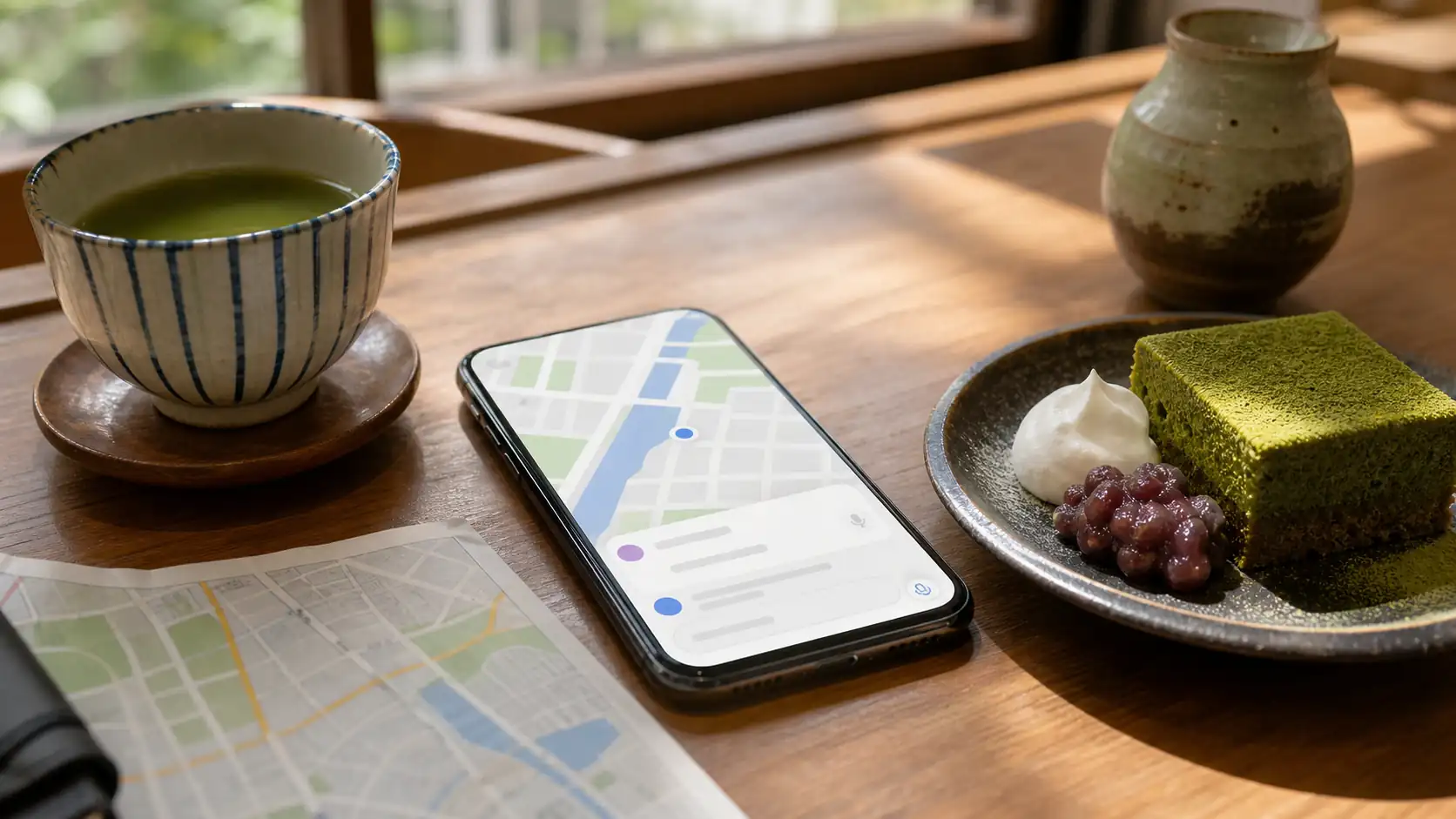
Keep essential reservation details saved offline as well, especially for basement restaurants or stations where finding the correct entrance may take longer than expected.
Simple Japan Food Itinerary Ideas
Food itineraries work best when they match your energy level and overall Japan trip budget. One anchor meal plus casual stops usually feels more relaxed than a full day of reservations.
Tokyo First-Timer Day
Start with a market or department-store breakfast, eat ramen or soba near your sightseeing area, and save sushi, tempura, or izakaya dining for the evening. This structure keeps travel time low while giving you contrast.
Osaka and Kyoto Food Day
Use Osaka for takoyaki, okonomiyaki, kushikatsu, and late-night casual dining. Use Kyoto for tofu, obanzai, sweets, tea, and slower meals that fit temple or garden days.
Rail Day Between Regions
Buy an ekiben before boarding, save a snack from the arrival station, and choose a local dinner near your hotel. That turns a transfer day into a small regional food route without adding stress.
Japan food rewards curiosity, but it also rewards restraint. Pick a few dishes you truly want, eat them where they make sense, and leave enough open time for the small places you notice only after arriving.
FAQ
1.Can I enjoy Japan food if I do not eat raw fish?
Yes, Japan food includes ramen, udon, soba, tempura, yakitori, tofu dishes, curry, grilled fish, vegetables, sweets, and many cooked sushi options.
2.Should I reserve restaurants before arriving in Japan?
Yes, reserve small popular restaurants, kaiseki meals, and omakase counters early, while casual ramen, udon, market, and department-store meals often work without booking.
3.Are Japanese food markets good for dinner?
Yes, some markets work for early meals or snacks, but many stalls close before dinner hours, so check the latest opening times before planning your evening around one.
4.Do I need cash for casual Japan food stops?
Yes, carrying some cash helps at small ramen shops, market stalls, and older local restaurants even though card and mobile payments are increasingly common.
Conclusion
Japan food is easiest to enjoy when you mix structure with curiosity. Plan a few meals around the dishes or regions that matter most to you, then let station counters, markets, depachika, and small restaurants fill the spaces between bigger plans.
The best meals often come from matching food to place: ramen after a cold walk in Sapporo, takoyaki in Osaka, sushi near a market, tofu in Kyoto, or a local bento on a long train ride. Good etiquette, simple ordering habits, and a little dietary preparation make those meals smoother.
Maps, translation, reservations, and transit checks can make a food-focused day easier to manage. Arrange connectivity before departure, keep the schedule flexible, and let each meal lead naturally into the next neighborhood.