
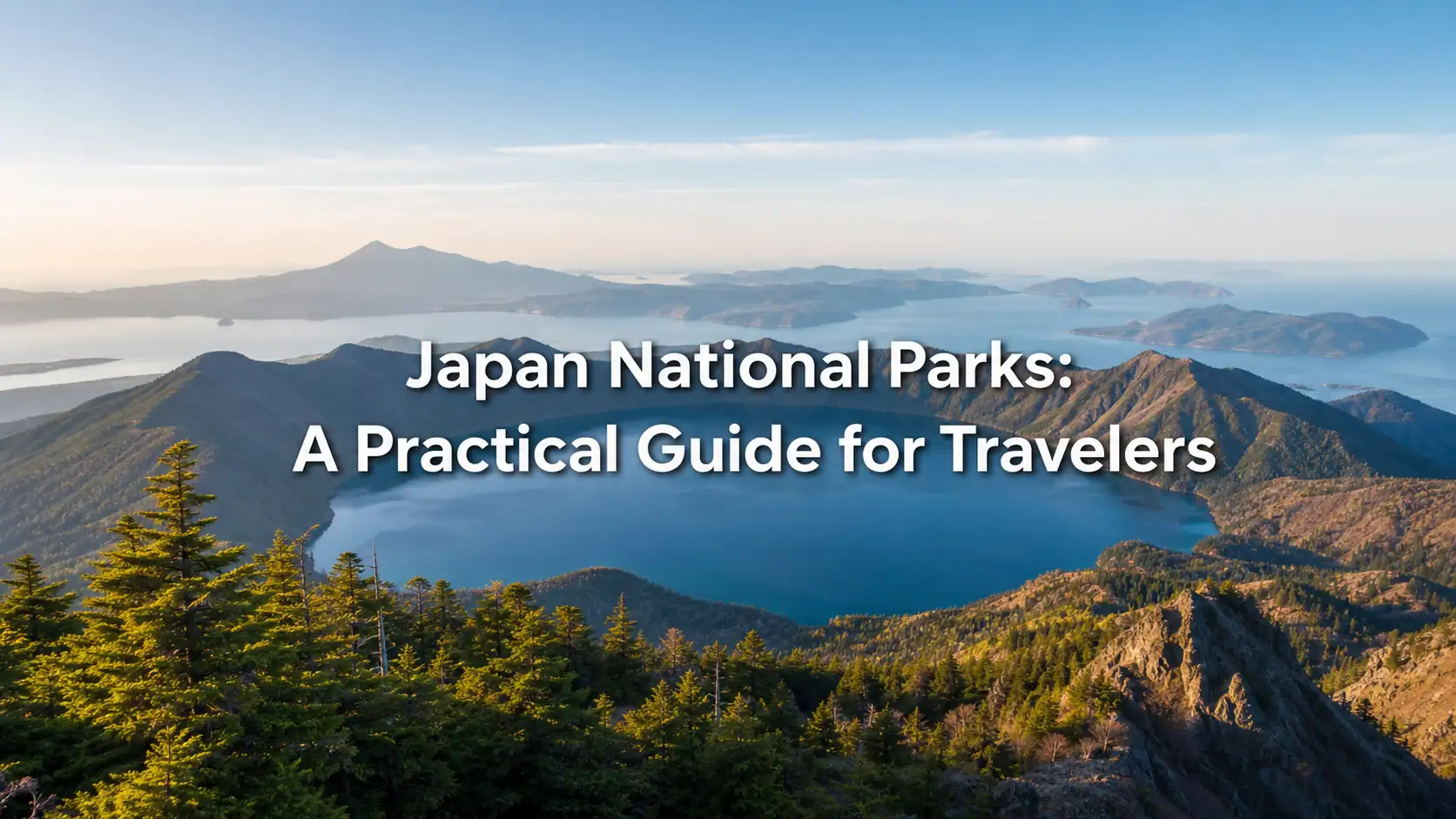
Japan National Parks are where the country feels at its wildest: volcanic ridges rise beyond quiet hot-spring towns, ancient forests hold the rain, and island trails end beside clear blue water. There are 35 parks spread from Hokkaido to Okinawa, so the hard part is rarely finding somewhere beautiful; it is choosing a park that fits your route and the season.
Park days also involve practical decisions that city trips do not. Bus times may be sparse, weather can change quickly, and a trail closure can alter the day, so dependable mobile data helps travellers check official notices and use their preferred transport and weather apps; iRoamly Official eSIM Site provides travel eSIM service for that kind of connected journey.
This guide introduces five distinctive parks, shows how their settings and access styles differ, suggests realistic route ideas, and shares the planning habits that make a national park trip in Japan feel rewarding rather than rushed.
Why Visit Japan National Parks?
Japan's parks are not one repeated idea of wilderness. Within the same national system you can walk through Hokkaido's alpine terrain, watch steam rise from a Kyushu volcano, cycle beside the Seto Inland Sea, or enter a subtropical forest on Yakushima.
The parks also reveal how nature and daily life overlap. Shrines, working villages, farms, fishing communities, hot springs, and old pilgrimage paths can sit within or beside protected scenery, giving a visit more texture than a simple viewpoint stop.
Connectivity becomes especially useful when a rural bus is delayed or mountain conditions change. An mobile data in Japan supplies mobile data across the trip, allowing travellers to use their own apps and online services without hunting for public Wi-Fi at every stop.
These are the strongest reasons to build at least one park into a wider Japan itinerary:
Remarkable variety: Alpine plateaus, calderas, marshes, cedar forests, coral seas, and island coastlines all sit within the park network.
Flexible experiences: A park day can mean a serious hike, a lakeside walk, a scenic drive, a boat trip, or a hot-spring stay.
Strong local character: Food, crafts, spiritual traditions, and land-use practices help each region feel distinct.
Seasonal depth: Snow, alpine flowers, summer greenery, and autumn colour can make the same place feel entirely different.
How to Choose the Right Japan National Park
Start with the experience you want, then check access and weather. A famous name is not always the best choice if reaching it consumes most of the available time or if seasonal transport has stopped.
This comparison gives a practical first filter rather than a ranking:
National Park | Region | Defining Experience | Best Fit |
|---|---|---|---|
Daisetsuzan | Hokkaido | High alpine ridges, volcanic terrain, and broad mountain views | Hikers who can allow time for variable mountain weather |
Fuji-Hakone-Izu | Kanto and nearby islands | Mount Fuji views, hot springs, lakes, coast, and islands | First-time visitors adding nature to a Tokyo route |
Setonaikai | Seto Inland Sea | Island scenery, waterfront cycling, and coastal viewpoints | Travellers who prefer gentle outdoor days and island culture |
Aso-Kuju | Central Kyushu | Vast caldera scenery, grasslands, and volcanic ridges | Road trips, scenic walks, and active volcano enthusiasts |
Yakushima | Kagoshima Prefecture | Ancient cedar forest, mossy trails, and dramatic coastline | Forest hikers prepared for rain and an island transfer |
For a short trip, the park that fits naturally beside an existing city route often wins. Season also changes which choice is realistic, so compare the broader best Japan travel timing before committing to an alpine, volcanic, coastal, or rainforest route. With a week or more, a flight or longer rail journey can justify scenery that feels completely different from the rest of the holiday.
Tip: Treat the official park page and visitor centre as day-of-travel tools, not just pre-trip reading; trail access, volcanic restrictions, road conditions, and seasonal buses can change.
Five Japan National Parks Worth Planning Around
Each park below offers a clear sense of place and a different level of effort. The best choice depends less on a universal “must-see” list than on how you enjoy spending a full day outdoors.
Daisetsuzan National Park: Hokkaido at Full Scale
Daisetsuzan is Japan's largest national park and a serious mountain destination. Its average elevation is around 2,000 metres, with volcanic peaks, gorges, alpine plants, and trail systems that feel far removed from Hokkaido's cities.
Asahidake and Sounkyo are useful gateways, but they create different trips, so choose a base before booking transport. Even when a ropeway shortens the climb, carry layers and leave room in the schedule for a weather change.
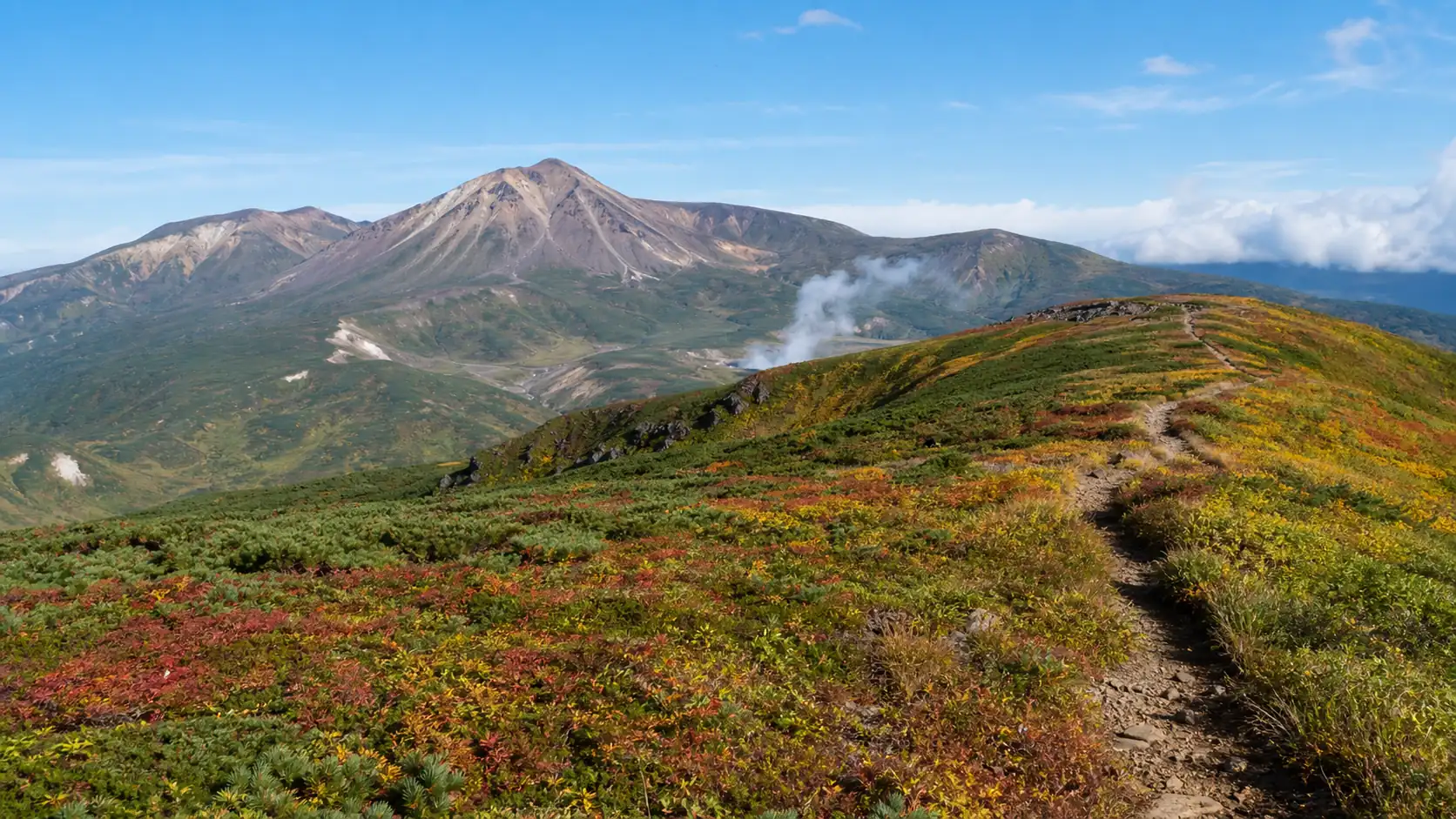
Autumn colour can arrive here earlier than many visitors expect. During peak foliage periods, traffic controls and shuttle arrangements may apply in some areas, which makes an early check with the visitor centre worthwhile.
Fuji-Hakone-Izu National Park: The Most Versatile Choice
This park stretches well beyond Mount Fuji. It brings together the mountain, Fuji Five Lakes, Hakone's volcanic and hot-spring scenery, the Izu Peninsula, and island environments south of Tokyo.
That range makes it easy to match the park to energy and weather. A clear day may favour a Fuji viewpoint or lakeside walk, while cloudier conditions can still work well for an onsen stay, a museum, or coastal scenery elsewhere in the park.
Do not try to cover every zone in one day. Pick one compact area, check the last return connection, and let the park feel like a destination rather than a hurried photo stop.
Setonaikai National Park: Islands at a Slower Pace
Setonaikai protects scenery around the Seto Inland Sea, where green islands, working ports, beaches, and elevated viewpoints create a gentler outdoor rhythm. It shows how varied the islands of Japan can be and suits travellers who like movement without needing every day to be a summit day.
Cycling routes, short walks, ferries, and waterfront towns can be combined without overloading the schedule. Spring and autumn are especially comfortable for active days, though ferry and rental-bike times still deserve advance checking.
The pleasure here is often in the transitions: a bridge view, a small harbour lunch, or the changing shape of the islands from a ferry deck. Leave spare time instead of treating every island as a box to tick.
Aso-Kuju National Park: Grasslands and Volcanoes
Aso-Kuju's centrepiece is the Aso Caldera, roughly 18 kilometres across and 25 kilometres long, surrounded by volcanic peaks, grasslands, farmland, and hot-spring areas. The scale becomes most obvious when you stop at more than one elevation.
Volcanic activity can affect access around active areas, so follow current official restrictions even if older trip reports describe an open route. The Kuju side offers its own mountain and marshland experiences, making the park rewarding beyond the best-known crater viewpoints.
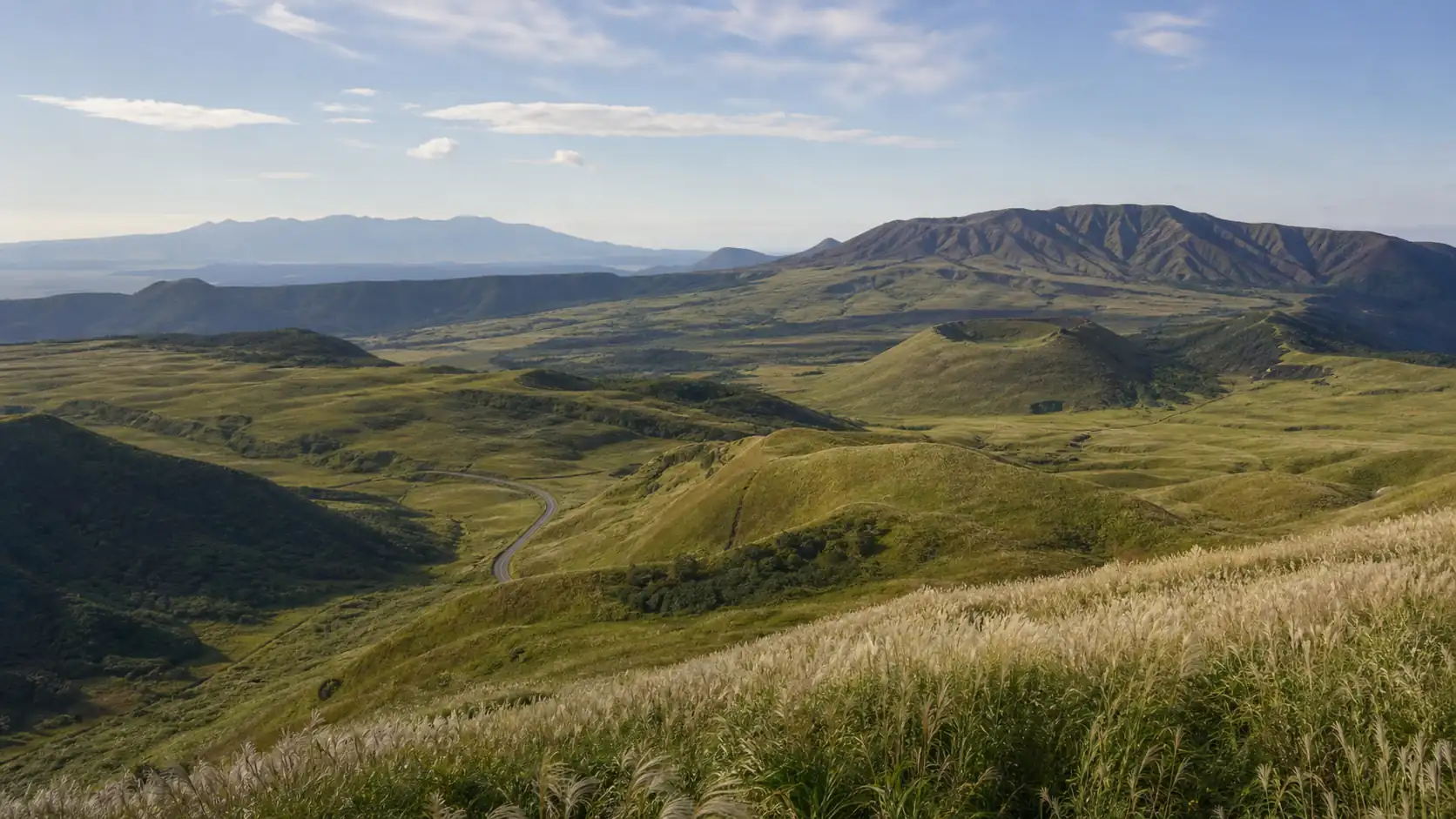
A car gives the most flexibility for scattered viewpoints, but buses can work when the day is planned around the timetable. Whichever method you choose, avoid squeezing a distant trailhead and several scenic stops into the same short daylight window.
Yakushima National Park: Rainforest and Ancient Cedars
Warm currents and heavy rain help create Yakushima's deep green forests. Ancient Japanese cedars, moss-covered roots, mountain terrain, and a dramatic coastline make the island feel different from mainland park trips.
Forest routes range from accessible walks to long, demanding hikes. Rain gear, footwear with reliable grip, and a realistic turnaround time matter more than chasing a particular photograph.
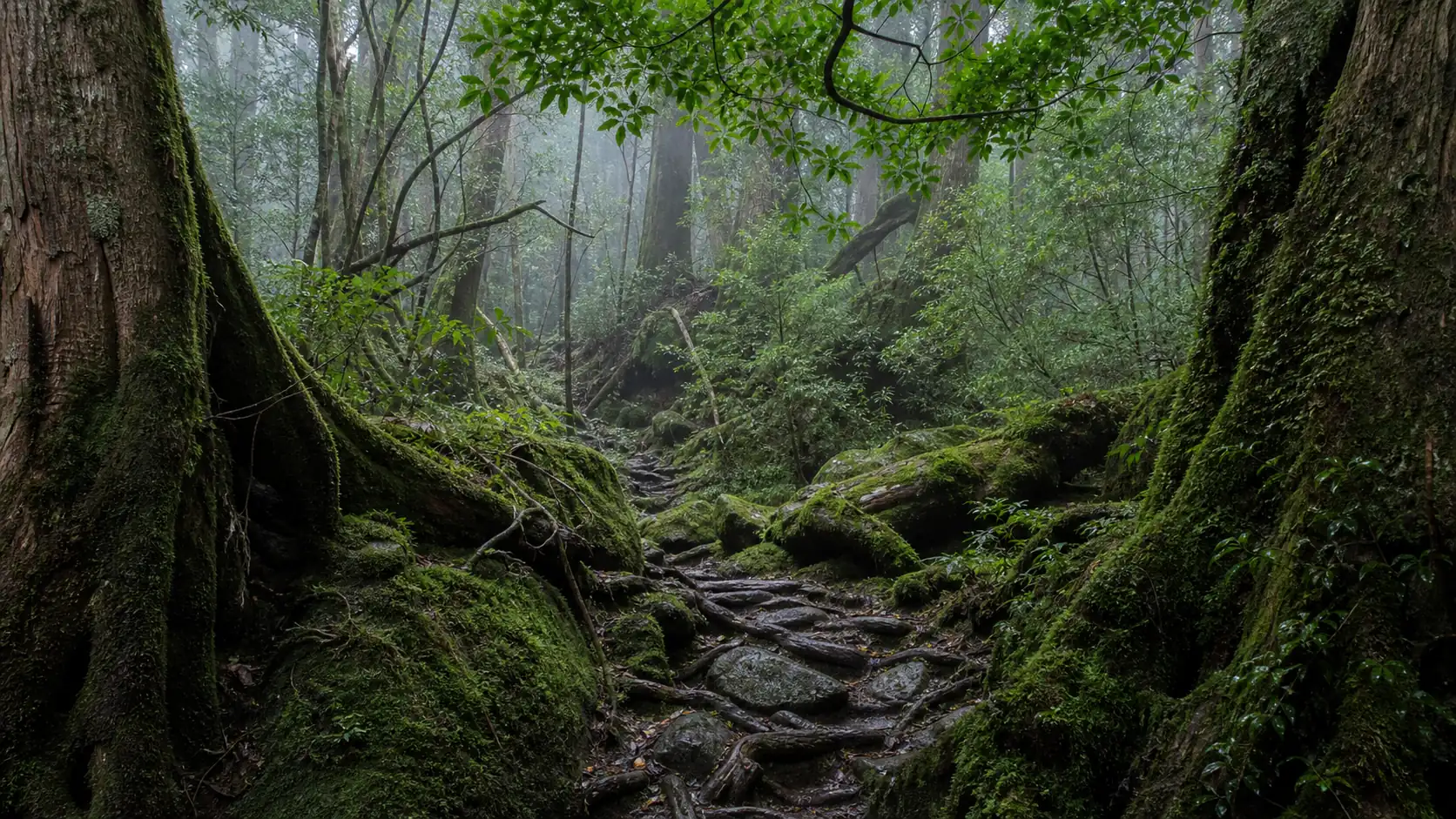
Give Yakushima at least two nights if possible. Flights and ferries add transfer risk, while an extra day creates room for poor weather, a coastal drive, or a shorter forest route.
Recommended Japan National Park Itineraries
A good park itinerary limits major transfers and gives weather some space. These two patterns are easy to adapt without pretending that every region can fit into one rushed holiday.
Three-Day Park Break
Day 1: Travel to one gateway town, stop at the visitor centre, and take a short orientation walk rather than starting a major hike late.
Day 2: Reserve the best forecast window for the main trail, cycling route, caldera viewpoint, or island outing.
Day 3: Choose a lower-effort experience such as a lakeshore, hot spring, coastal stop, or local museum before the onward journey.
This format works particularly well for Fuji-Hakone-Izu from Tokyo, Aso-Kuju from Fukuoka or Kumamoto, and Setonaikai alongside Hiroshima, Okayama, or Shikoku.
Seven-Day Two-Region Route
Pair one convenient park with one destination park. For example, combine several days around Tokyo with Fuji-Hakone-Izu, then fly south for Aso-Kuju, or build a Hokkaido week around Daisetsuzan and a second nearby nature area.
Avoid pairing two places that both require fragile ferry or mountain-bus connections unless you have buffer time. On a 10-day Japan route, one deliberately quiet transfer day between a city and a park can save the rest of the trip.
Practical Travel Tips for Japan National Parks
Japan's park infrastructure can be excellent, but it is not uniform. A lakeside resort and a remote trailhead may sit within the same park yet require completely different preparation.
Check Conditions at the Right Level
Use the official national parks directory to find park-specific visitor information, then check the relevant visitor centre, local transport operator, and weather forecast close to departure.
Mountain conditions can differ sharply from the nearest city. Confirm trail status, volcanic alerts, ropeway operation, road closures, and the final bus or ferry before committing to a route. The official park safety guidance explains the baseline checks and conservation rules.
Pack for the Park, Not the City
Comfortable shoes are only the starting point. The exact kit depends on the season and terrain, but a small day pack should usually make room for water, sun protection, a light insulating layer, and rain protection.
Carry cash for small rural facilities and transport that may not accept every payment method.
Bring back your rubbish when bins are limited.
Stay on marked paths and give wildlife plenty of distance.
Save essential route details offline as a backup.
Plan Transport Before Accommodation
A beautiful hotel is not helpful if it sits on the wrong side of a large park. First choose the gateway, trailhead, or activity zone; then book a base that works with the earliest useful departure and the last realistic return.
Renting a car can improve flexibility in places such as Aso-Kuju, but it also brings parking, weather, and mountain-road considerations. Rail, bus, ferry, ropeway, and local taxi combinations can be more relaxing when schedules align.
Stay Connected Without Depending on Public Wi-Fi
Mobile data is most valuable between the obvious stops: on the approach to a trailhead, during a timetable change, or when a clouded-in viewpoint calls for a new plan. Download offline maps as a backup because even broad national coverage cannot guarantee a signal in every gorge, forest, or mountain basin.
For travellers moving between city stays and rural park gateways, Japan mobile data plan is a practical option throughout the journey. Before departure, confirm that the phone is unlocked and eSIM-compatible, install the eSIM while reliable Wi-Fi is available, and keep the QR code or manual details somewhere secure.
The most satisfying Japan National Parks trip usually combines one strong scenery choice with conservative timing. Choose the park for its setting, respect seasonal access, and give transport as much thought as the trail itself.
A clear base, a flexible weather window, and a modest daily plan create more room for the moments that cannot be scheduled: mist lifting from a ridge, a quiet ferry crossing, or rain brightening an old cedar forest.
FAQ
1.Can I enjoy a Japan national park without a long hike?
Yes, many parks offer lakeside walks, ropeways, scenic roads, ferries, visitor centres, hot springs, and short viewpoints.
2.Do I need a permit for every national park trail?
No, requirements vary by route and activity, so check the park's current official guidance before departure.
3.Can I camp anywhere inside Japan National Parks?
No, use designated campsites and follow each area's reservation, fire, waste, and seasonal rules.
4.Should I reserve park transport in advance?
Reserve when the operator allows it, especially for limited seasonal buses, ferries, and popular holiday periods.
5.What is the best season for Japan National Parks?
There is no single best season: alpine parks may have short summer access, Hokkaido foliage can arrive early, coastal and island parks may suit spring or autumn, and winter changes transport and equipment needs. Match the park to its current access window.
6.Where should I check trail or volcanic alerts?
Start with the official park page, then confirm the visitor centre, local authority, transport operator, weather forecast, and volcanic information relevant to the exact route shortly before travel.
Conclusion
Japan National Parks reward travellers who choose depth over distance. Daisetsuzan's high ridges, Fuji-Hakone-Izu's variety, Setonaikai's island pace, Aso-Kuju's volcanic scale, and Yakushima's wet cedar forests each offer a distinct way to experience the country.
The practical formula is simple: match the park to the season, select one workable gateway, and keep enough time for transport and weather changes. Official visitor information and sensible equipment matter more than a packed list of viewpoints.
Choose one park that genuinely excites you, build the route around it, and leave some open space in the day; Japan's wild places are at their best when you have time to notice them.