
Japan’s mountains range from accessible volcanic viewpoints to exposed alpine ridges, active volcanoes, and deep-snow ski terrain.
This guide organizes 27 notable peaks by hiking, skiing, access, season, and difficulty, while highlighting the checks that matter before you enter the mountains.
Prepare offline maps and emergency details, and check weather, trail, transport, and volcanic-alert updates before leaving reliable coverage.
An iRoamly travel eSIM can support current checks where service exists. Never make mobile connectivity the only layer of a mountain safety plan.
15 Notable Hiking Peaks in Japan
Quick Guide to Japan's Must-Visit Mountains
First, here's an at-a-glance peek at what makes each mountain so unmissable. The table below will give you a quick overall idea, with full details on each to follow.
|
Name |
Exact Location |
Altitude (m) |
|
Mount Fuji |
Shizuoka & Yamanashi |
3776 |
|
Mount Hotaka |
Nagano |
3190 |
|
Mount Kita |
Yamanashi |
3193 |
|
Mount Ainodake |
Yamanashi |
3190 |
|
Mount Yari |
Nagano |
3180 |
|
Mount Warusawa |
Shizuoka |
3141 |
|
Mount Akaishi |
Shizuoka |
3120 |
|
Mount Arakawa |
Shizuoka |
3088 |
|
Mount Ontake |
Nagano |
3067 |
|
Mount Kaikoma |
Yamanashi |
2967 |
|
Mount Shiomi |
Shizuoka |
3047 |
|
Mount Senjo |
Yamanashi |
3033 |
|
Mount Norikura |
Nagano |
3026 |
|
Mount Tateyama |
Toyama |
3015 |
|
Mount Ishizuchi |
Ehime |
1982 |
Many peaks in the table rise to around 3,000 meters, but elevation alone does not describe the difficulty. Exposure, weather, snow, volcanic restrictions, route length, and transport cut-off times can make a lower mountain the more serious objective.
Here's a run-down of each of Japan’s magnificent mountains, from their highest points to their most accessible trails, so you can make the most of your Japanese mountain expedition.
1. Mount Fuji
Mount Fuji is Japan’s highest peak and a major cultural symbol. The official Mount Fuji climbing season page lists route-specific opening dates and warns that summit trails are closed outside the designated season.
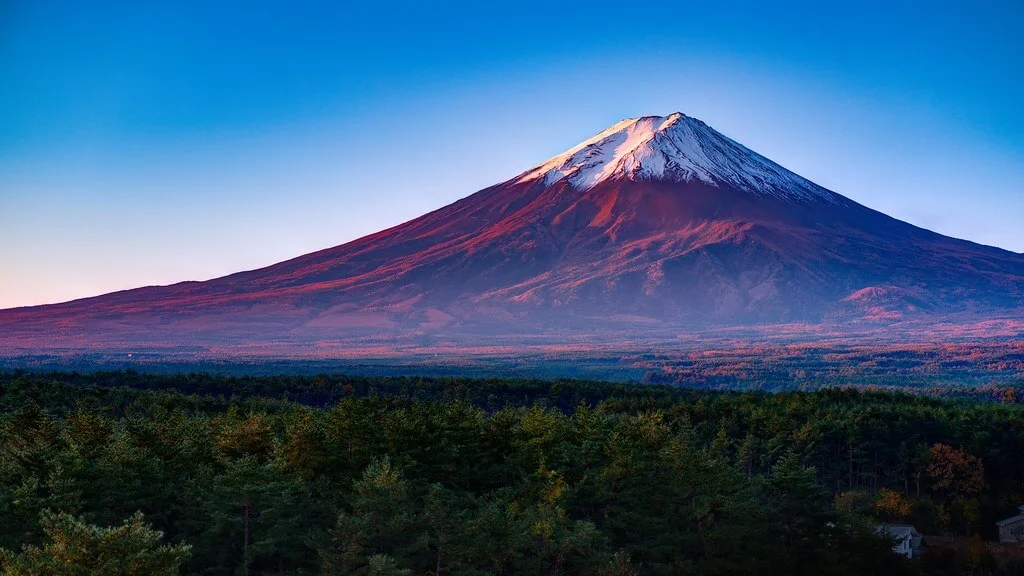
Planning a Mount Fuji Climb
Tips: Choose one of the four official fifth-station routes, check the route-specific season and access rules, and allow enough time for both the ascent and descent. A fuller look at Mount Fuji’s route choices can help you compare the Yoshida, Subashiri, Gotemba, and Fujinomiya approaches before booking transport or a hut.
2. Mount Hotaka
Mount Hotaka is a rugged group of high peaks in the Northern Japan Alps, with approaches that can involve steep, exposed, and technically serious terrain. It is better treated as an experienced mountaineer’s objective than a casual sightseeing hike.
Tips: Kamikochi is a common gateway for routes in the Hotaka area. Check the exact peak, trail, hut plan, weather, and required skills rather than relying on a single generic ascent time.
3. Mount Kita
The second highest peak in Japan, Mount Kita has the kind of ascent and views that make climbing a truly rewarding experience. The sense of achievement is almost as spectacular as the natural splendor hikers will take in along the way.
Tips: Access from Hirogawara; 8-hour hike; best climb is in late summer; bring rain gear.
4. Mount Ainodake
Golden alpine flora is a hallmark of Mount Ainodake, but the route remains a serious high-mountain objective. Check current conditions before departure, and carry offline navigation and a route-specific safety plan.
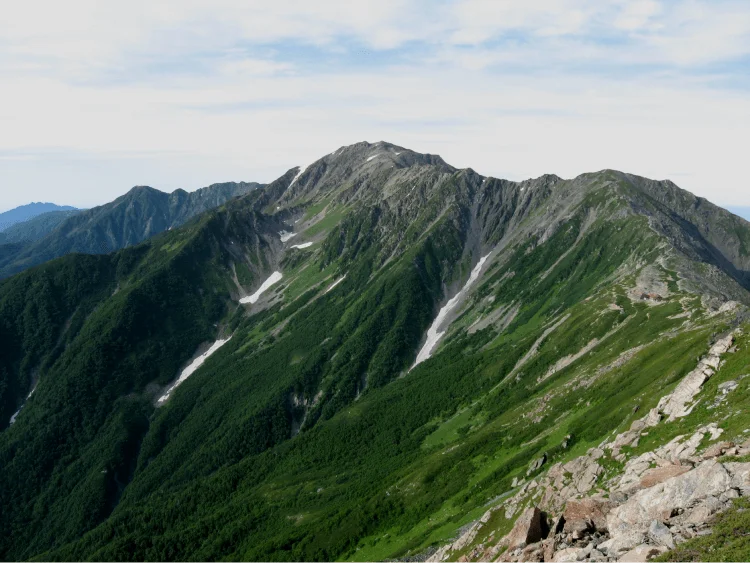
Tips: Start from Kitazawa Pass; about 7 hours to the summit. Visit in August for optimal weather.
5. Mount Yari
Its peak seeming to pierce the heavens, the sharply defined summit of Mount Yari has long stood as an icon of mountaineering ambition in the Japanese Alps, offering some of the most exhilarating ascents the range has to offer. Its distinctive silhouette makes it a popular draw for photographers and climbers alike.
Tips: Access via Shinhotaka Ropeway; 10 hours to summit. Check weather forecasts frequently.
6. Mount Warusawa
Belonging to the Akaishi Mountains, Mount Warusawa's rougher terrain and relative obscurity grant hikers a more secluded experience. Roughly hewn paths and a scarcity of other walkers lend an air of isolation that's tough to find on the more beaten trails.
Tips: Begin at Shizuoka; 5-hour ascent. Best climbed in September for stable weather.
7. Mount Akaishi
This mountain is famous for its steep slopes and the rich natural biodiversity that surrounds it. Hikers can enjoy a challenging climb coupled with the opportunity to observe unique wildlife and lush vegetation.
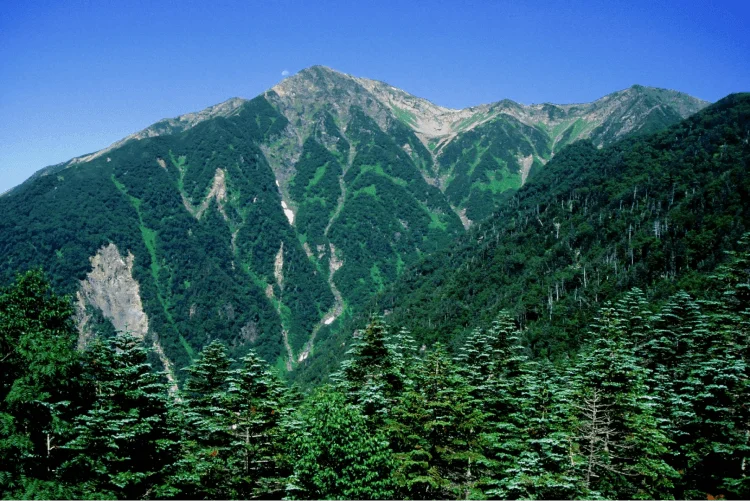
Tips: Trail starts at Minami Alps; 6 hours to reach the top. Weather can be unpredictable; pack accordingly.
8. Mount Arakawa
Quiet solitude awaits hikers on Mount Arakawa, one of the least-treaded of routes but offering up some of the Southern Alps’ best panoramas for those willing to stray off the beaten path.
Tips: Approach from the Aoki village; expect a 7-hour trek. Perfect in early autumn.
9. Mount Ontake
Where nature meets the divine, Mount Ontake offers hikers a chance to find their own spiritual path while scaling the range’s sharp volcanic cones.
Tips: Take a bus to Ontakesan; 5-hour climb. Ideal from June to October, beware of volcanic activity.
10. Mount Kaikoma
Tough, isolated, and eternally begging to be explored, Mount Kaikoma is the Southern Alps’ forgotten gem, largely ignored even when the walks are this tough. Pack supplies and settle in for a true hike into the undiscovered wilderness.
Tips: Access via Ina city; 8 hours to summit. Visit in clear weather conditions, usually around July.
11. Mount Shiomi
Mount Shiomi is a challenging peak, offering some of the best views of the central Alps. Its rugged terrain and the promise of panoramic vistas draw hikers who are looking for an adventurous and rewarding climb.
Tips: Start from Hirogawara; requires 9 hours. Best in mid-summer, prepare for strong winds.
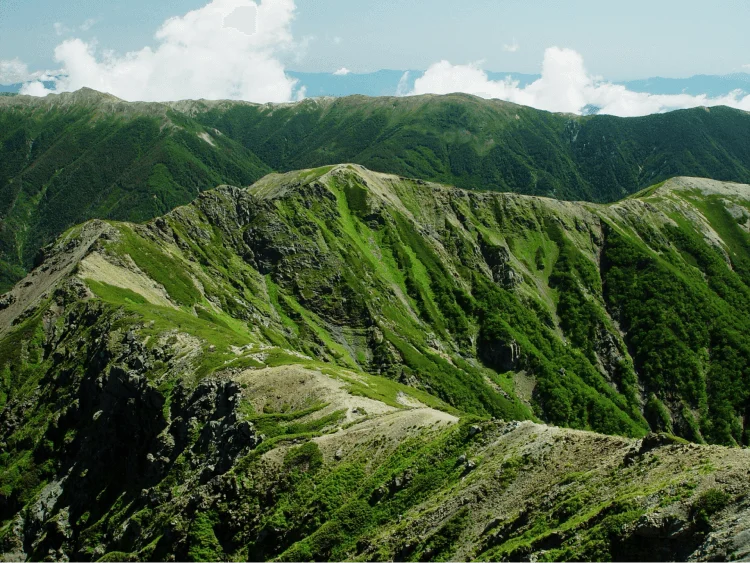
12. Mount Senjo
Mount Senjo is known for its ridges and is a great destination for photographers and hikers alike. Beautiful trails and scenery make for an enjoyable day out.
Tips: Start at the Kitazawa Pass, a 7-hour climb. Best in late summer with light gear.
13. Mount Norikura
Accessible Mt. Norikura is a great choice for families, with delightful wildflowers in summer. Gentle slopes are suitable for beginners and those seeking a more relaxed day out.
Tips: Ride the bus to Tatamidaira, a 3-hour ascent. Best in summer but beware of altitude sickness.
14. Mount Tateyama
Mount Tateyama forms part of the Tateyama Kurobe Alpine Route and offers high-elevation scenery, pilgrimage history, and seasonal hiking. Access, remaining snow, and trail conditions should be checked for the intended date rather than assuming the summit routes operate year-round.
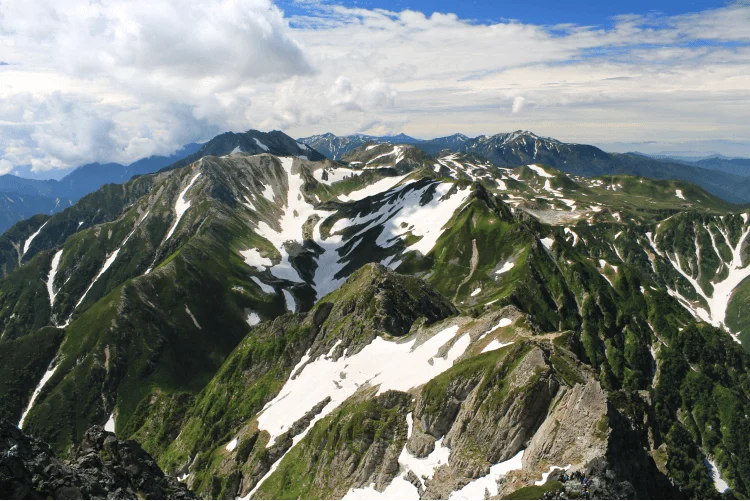
Tips: From Murodo, it takes 4 hours to reach the top. Compare Tateyama’s May-to-October access window with the broader best time to visit Japan before building a multi-region itinerary; sudden weather changes remain possible.
15. Mount Ishizuchi
The highest mountain in Western Japan appeals to hikers, pilgrims, and harmony-seekers. Japan's intertwined relationship with spirituality and nature is in clear view.
Tips: Ride a cable car to Joju for a 2-hour climb. Ideal in early autumn with steep sections.
5 Famous Ski Mountains in Japan
The best time to enjoy ski trips in Japan is usually from late December to early March. If you want to experience Japan’s famously high quality snow for yourself, make sure to check out these five renowned ski resorts.
16. Mount Hakuba
One of the most well-known and popular ski mountains in Japan, Mount Hakuba is situated in the Northern Japanese Alps and is popular due to its deep powder snow and amazing vertical drop. Boasting terrain for all abilities, it draws skiers and snowboarders from across the globe.
Tips: If you’re visiting in the high season, come early to escape the crowds and get some fresh snow on the mountains.
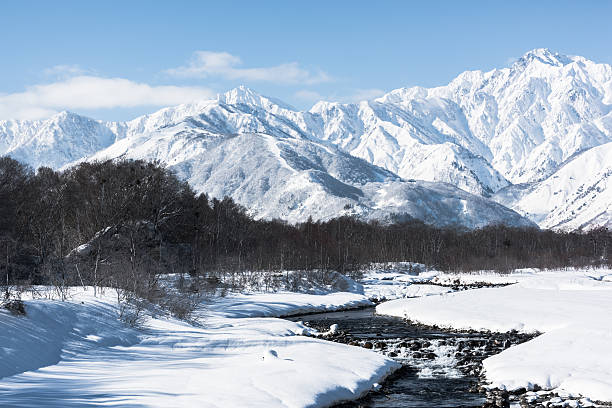
17. Mount Naeba
Mount Naeba is an iconic mountain in the Niigata Prefecture that provides picturesque scenery and great skiing.
It’s most famous for its long, wide runs and snow quality, which are some of the best in the region, attracting more advanced skiers and snowboarders.
Tips: Just check the weather before you visit. There could be heavy snowfall, but paradise for powder enthusiasts and snowboarders!
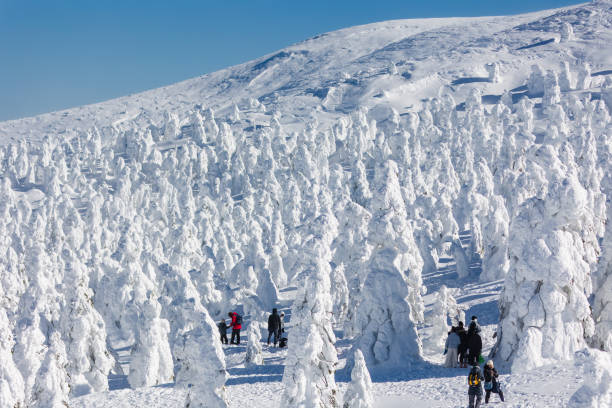
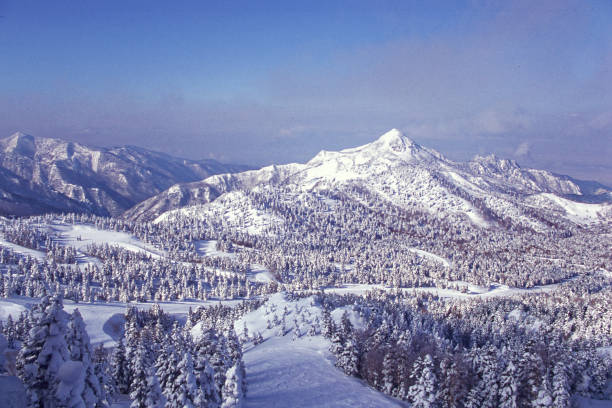
18. Mount Zao
Known for its “snow monsters”—trees coated in snow and ice—Mount Zao offers a winter landscape unlike Japan’s lower-elevation resorts.
The area, located in the Tohoku region, is both beautiful and filled with good runs that cater to every ski level.
Tips: Try to come in the early morning in order to see the snow monsters in all their glory. They are truly magical.
19. Mount Yotei
Known as the “Fuji of Hokkaido,” Mount Yotei is a dormant volcano that offers breathtaking vistas and ideal off-piste skiing opportunities.
Its backcountry areas attract experienced skiers seeking powder and more isolated terrain.
Tips: The backcountry routes should only be skied by very experienced skiers, as avalanches can be lethal; hire a guide.
20. Mount Shiga
With its picturesque landscape and extensive courses, Mount Shiga in the Chubu region is a popular ski destination, particularly for travelers who seek a more peaceful and tranquil skiing experience.
The mountain is not as busy as some others, creating a more subdued environment for hitting the slopes.
Tips: Compare resort shuttles, buses, and road conditions before deciding whether a rental car suits the route.
7 Other Famous Mountains in Japan
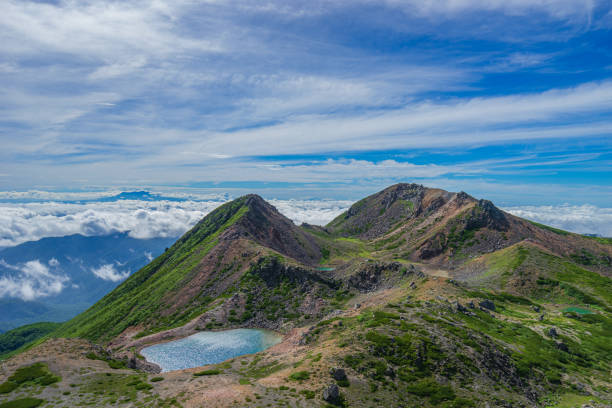
21. Mount Hakusan
Mount Hakusan, one of Japan’s “Three Holy Mountains,” is 2,702 meters and is a beautiful and spiritually sacred peak that attracts both pilgrims and hikers.
Tips: A scenic drive through alpine meadows, waterfalls, and volcanic landscapes, this is best seen late summer when the wildflowers are in bloom. Temperatures are cooler here, so pack a sweater.
22. Mount Takao
At 599 meters, Mount Takao offers a lower-altitude alternative to the alpine peaks in this list. Its maintained routes, cable car and lift access, temple, and proximity to Tokyo make it a practical first mountain day for visitors who are not prepared for exposed high-country terrain.
Tips: Take the Keio Line to Takaosanguchi Station and choose a route that matches your footwear and available time. Autumn weekends can be crowded, so an early start is useful.
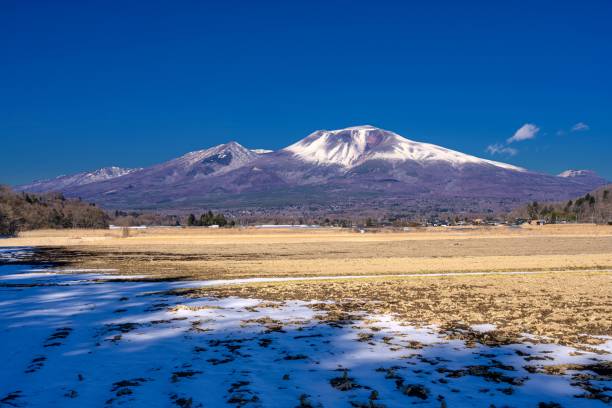
23. Mount Asama
Rising 2,568 meters, Mount Asama is a live volcano in Nagano Prefecture. The steep peak here, surrounded by thick forests and valleys, is among the most active volcanoes in the country.
Tips: Watch the updates on volcanic activity before you go. Late spring and fall are the ideal times to hike. Summer becomes hot and winter gets a lot of snow.
24. Mount Unzen
In the Kyushu region, Mount Unzen is 1,486 meters tall and renowned for its volcanic terrain, geothermal hot springs, and historical importance. It erupted in the 1990s and is now a spectacular landscape.
Tips: The hike up to the Caldera provides amazing panoramic views of the Shimabara Peninsula. As you roam, don’t miss Unzen Jigoku (Hell Valley), home to some boiling hot springs.
25. Mount Goryu
Located in the Northern Alps and standing at 2,814 meters, Mount Goryu combines alpine plants with a demanding high-mountain route. Conditions and crowd levels vary, so plan around the specific trail, season, and hut schedule.
Tips: The hike itself is a moderate climb, and you can make it to the summit in around 6 hours. Best for those wanting to avoid the most popular paths.
26. Mount Daisen
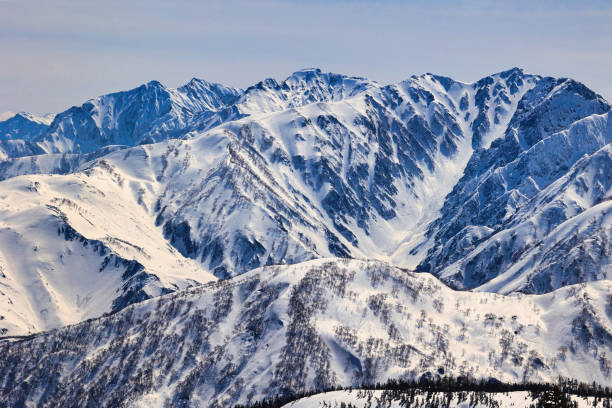
At 1,709 meters, Mount Daisen is Chugoku’s tallest mountain, boasting the Western Japan region’s most spectacular vistas. This combination of natural beauty and historical interest shouldn’t be missed if you’re a hiker.
Tips: The trails here are less difficult, so if you’re traveling with family this is the place to do it. It really appeals to both nature lovers and people wanting to see Daisen-ji Temple.
27. Mount Rausu
At 1,661 meters, Mount Rausu — situated on Hokkaido Island — has a rough landscape, abundance of wildlife, and is part of Japan’s 100 Famous Mountains and 100 Famous Mountains of Flowers lists.
Tips: Check remaining snow, brown-bear guidance, trail conditions, and seasonal access before attempting the route.
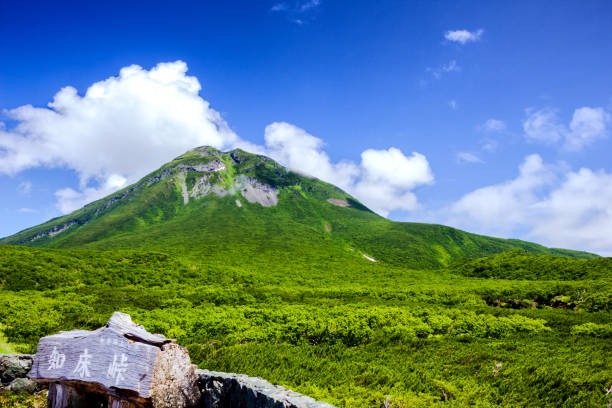
Comparing Mountain Trips Across Countries
Peak height alone does not determine the experience. Japan often emphasizes compact access, volcanic landscapes, pilgrimage history, and seasonal trail operations, while routes elsewhere may involve different altitude, transport, or permit decisions.
|
Planning dimension |
Japan |
Comparison |
|---|---|---|
|
Primary question |
Season, route opening, volcano status |
Apply the same checks for mountain travel in China |
|
Access |
Bus, ropeway, rail, and trailhead timing |
Confirm local gateway and final transfer |
|
Safety |
Weather, exposure, snow, and alerts |
Use destination-specific authorities |
Mountain Safety and Current Conditions
Trail time alone is not a difficulty rating. Elevation gain, exposure, navigation, snow, heat, hut availability, volcanic restrictions, and the last return transport all change the risk.
Before approaching an active volcano, check the JMA volcanic warnings. Turn back when conditions exceed your equipment or experience, and never treat a previous trip report as a live status update.
|
Check |
Why it matters |
Backup |
|---|---|---|
|
Trail and gate status |
Seasonal or emergency closures |
Lower-elevation route |
|
Weather and wind |
Rapid exposure changes |
Earlier turnaround time |
|
Volcanic alert |
Access restrictions and eruption risk |
Choose a non-volcanic area |
|
Transport |
Last bus, ropeway, or road closure |
Stay nearby or shorten the route |
Mobile Connectivity in Mountain Areas
Mobile connectivity can support weather, trail, transport, and volcanic-alert checks where cellular service is available. Download maps and emergency contacts before the hike because reception can disappear in valleys and on remote ridges.
Information | Live use | Offline backup |
|---|---|---|
Route | Current closure notice | Downloaded map |
Weather | Updated forecast | Conservative turnaround plan |
Emergency | Contact or alert | Written numbers and itinerary |
Choosing a Japan eSIM for Outdoor Travel
A Japan eSIM is one digital SIM option for accessing maps, travel apps, and current notices. It does not replace offline navigation, appropriate equipment, a conservative turnaround time, or an emergency plan.
Plan factor | Outdoor-travel question |
|---|---|
Coverage | Does the plan serve the regions near each trailhead? |
Duration | Does validity include every hiking and transfer day? |
Data use | Will maps and forecast checks fit the allowance? |
FAQ
1. What are Japan’s Three Holy Mountains?
Mount Fuji, Mount Tateyama, and Mount Hakusan are commonly known as Japan’s Three Holy Mountains.
2. How mountainous is Japan?
Roughly three quarters of Japan is mountainous or hilly, which concentrates many cities and farms on limited plains.
3. Why is Mount Fuji famous?
Its near-symmetrical cone, height, religious importance, artistic legacy, and World Heritage status make it Japan’s best-known mountain.
4. Can beginners climb Japanese mountains?
Yes, but beginners should choose maintained lower-risk routes, check current conditions, and avoid exposed alpine or backcountry terrain without appropriate skills.
Conclusion
Japan offers mountains for sightseeing, day hiking, pilgrimage, climbing, and skiing, but the correct choice depends on season and experience.
Treat access notes and historical averages as planning context, then verify live trail, weather, transport, and volcanic information.
A conservative turnaround plan, suitable equipment, and a realistic route are more important than reaching any summit. Mobile access can support live checks where coverage exists, but it does not replace offline maps, emergency contacts, or the decision to turn back.