
The Marmara Region is a historic bridge between Europe and Asia, blending tradition, history, and innovation.
This article explores its past, from the Byzantine and Ottoman Empires to Istanbul's transformation from Constantinople. The region's cities combine history and modernity, each with unique charm.
Sustainability and conservation efforts show a positive shift, highlighting the balance between environmental and economic interests. Exploring the Marmara reveals its significance as a link connecting diverse civilizations.
To stay connected while exploring its mix of past and present, consider using an iRoamly eSIM—offering fast speeds and flexible packages for modern travelers.
Let’s now take a closer look at the Marmara Region.
Historical and Cultural Significance
The historical tale of the Marmara Region is truly fascinating. It was once the core of the Byzantine Empire—and Constantinople was the empire’s grand capital city. Positioned at the crossroads of Europe and Asia, it was a center of commerce and civilization.
But when the Ottomans moved in and Constantinople was rechristened Istanbul, this city gained new life and new stories; it became a modern metropolis linking the ancient and contemporary hemispheres.
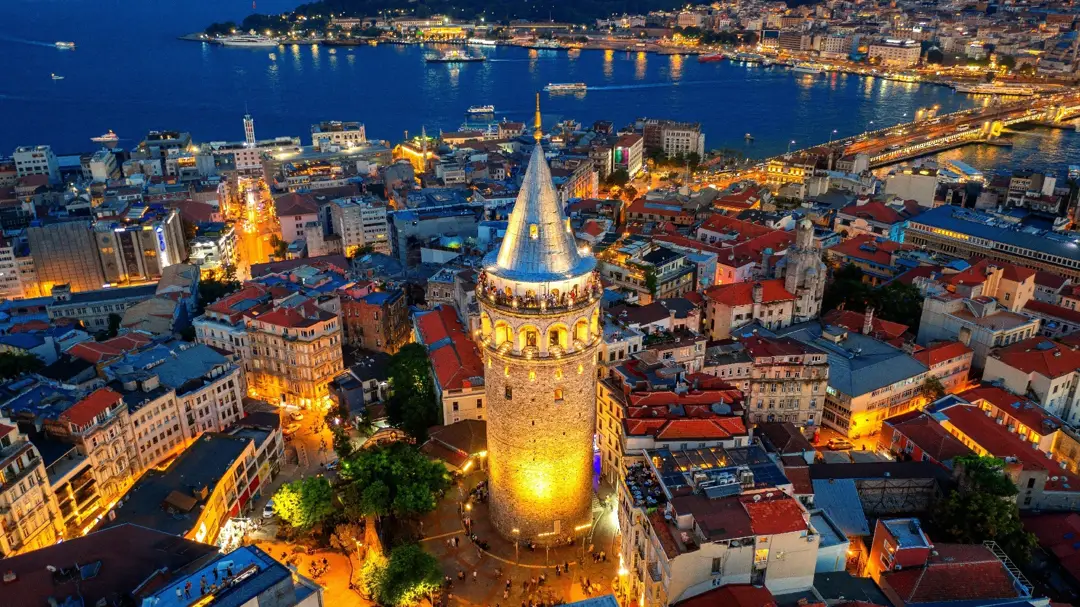
Istanbul is a city that has witnessed the course of history. As you walk through its streets, you cannot help but feel the weight of the past.
The city walls tell stories of former emperors and sultans, of imperial glory, and of how the Byzantine Empire transformed into Constantinople, and eventually into present-day Istanbul.
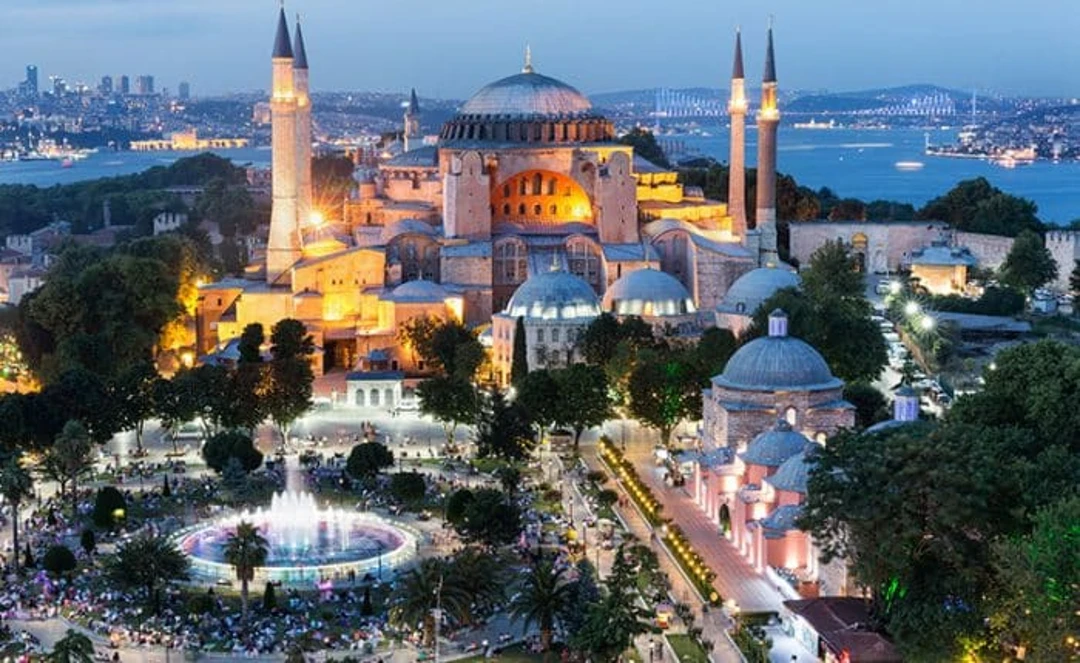
Here, the Hagia Sophia, much like China’s famous landmark—the Great Wall—stands as an eternal monument in the history of human civilization. The once magnificent palaces and bustling markets still feel vividly present, as if they were right before your eyes.
It’s eastern and western, it’s ancient and modern, all at the same time. It’s all the things!
Famous cities
Istanbul
Istanbul is a living, breathing museum of when Europe and Asia collide. Sitting at the mouth of the Bosphorus Strait, the city is alive with constant activity.
There’s the stunning Hagia Sophia, the imposing Topkapi Palace, and the bustling and loud Grand Bazaar—just a few of the popular Istanbul things to do that draw visitors from around the world.
Every street is a story, leaving you feeling as if you’ve stepped into an epic, never-ending story.
Bursa
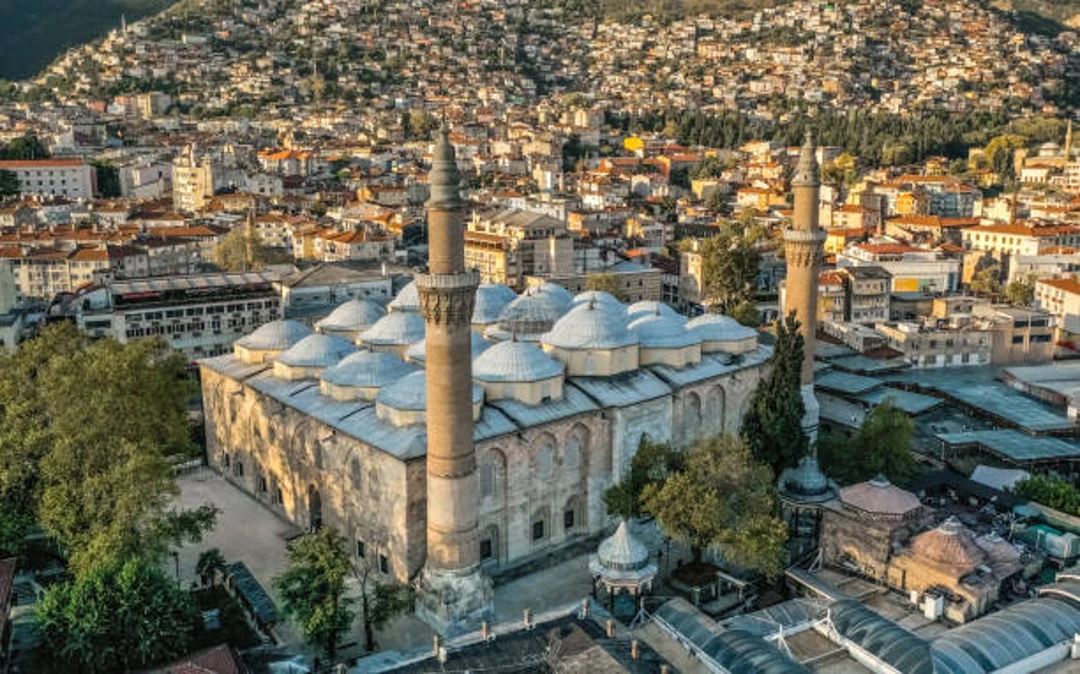
Bursa Turkey, located to the south of the Sea of Marmara, is where the Ottoman Empire was first established. It is surrounded by beautiful greenery, and its thermal springs and historic mosques (notably the Grand Mosque) are sure to impress you.
On the streets, the scent of Iskender kebab will make your mouth water — a dish worth sampling.
Edirne
At the European end of Turkey, you’ll find Edirne, once the capital of the Ottoman Empire and home to the magnificent Selimiye Mosque. The architecture is detailed and the history rich. The Kirkpinar wrestling festival has been happening here for centuries, which gives the city a bit of flavor.
Çanakkale
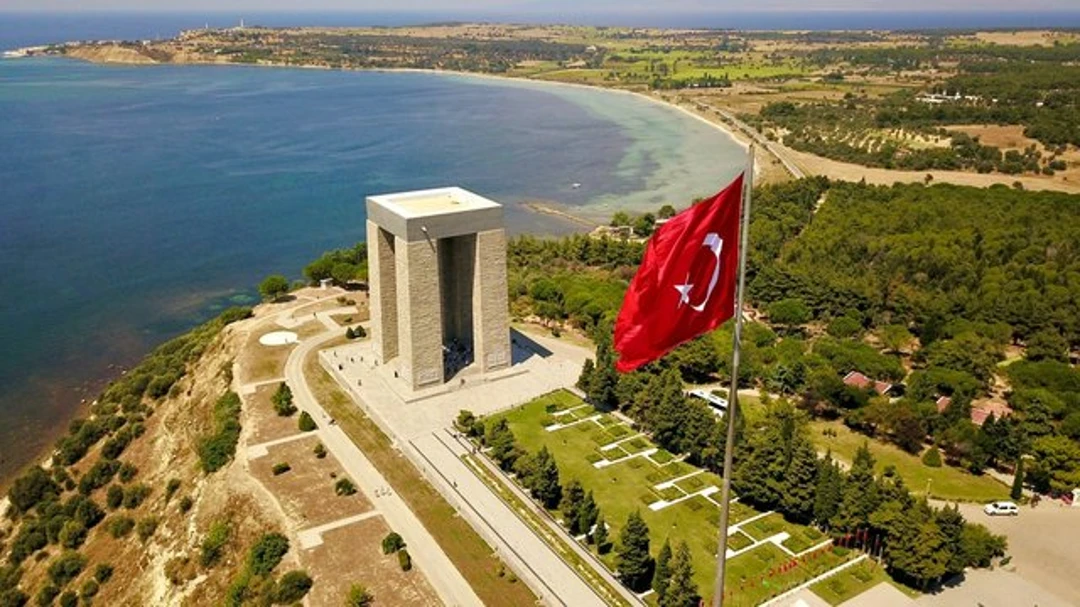
Overlooking the Dardanelles Strait, Çanakkale is a city steeped in history. It’s the launching point for the historic ruins of Troy, the place where myths of warriors and war were realized. Its seafront appeal is amplified by the grand Çanakkale Martyrs’ Memorial, a tribute to those who served in the Gallipoli Campaign.
Iznik
A small town steeped in history, Iznik sits on the south-eastern banks of Lake Iznik. It was an important fortress town in the Byzantine era, and is well-known for its historic walls, and for the Iznik tiles that decorated Turkish palaces. Walking around, you’ll feel transported to the past…a past full of life.
Sustainability and Conservation Efforts
The Marmara Region is a great advocate for the environment. One of the things it’s best at is protecting Marmara Sea and its fragile ecosystems. Locals have made huge efforts to protect the region, keeping these waters healthy and alive for years to come.
Sustainable tourism is a focus here too. Many communities will have eco-safe tours and sustainable initiatives in place for their local hotel amenities. So, rather than see a lot of plastic and non-recyclable items, you’ll find environmentally-friendly options and local organic goods.
If you’re traveling sustainably, consider using a Turkey eSIM instead of a physical SIM card — it reduces plastic waste and packaging while keeping you connected across all the Marmara destinations.
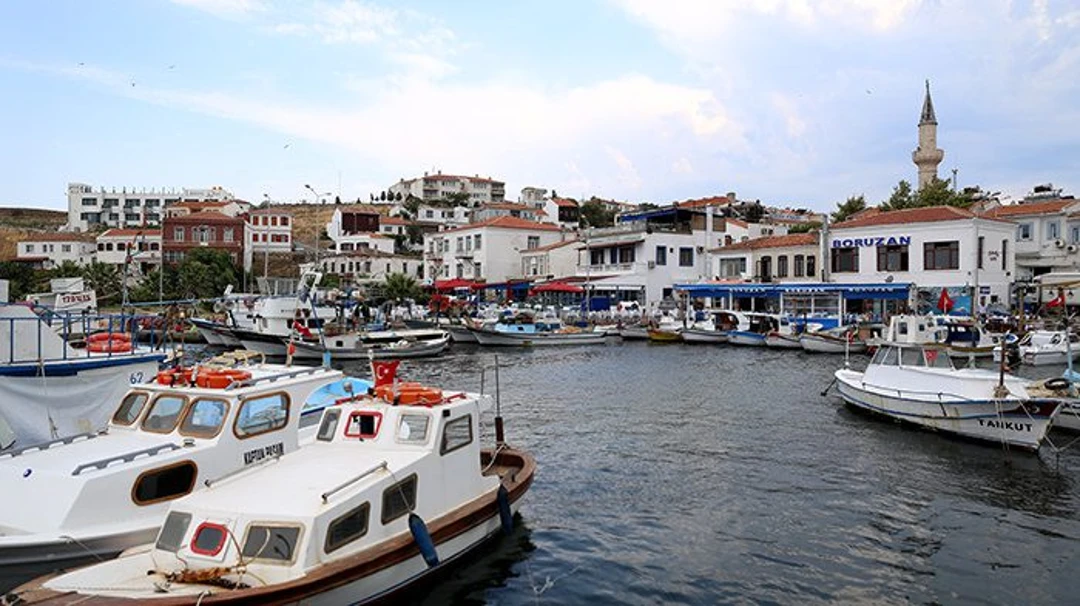
Moreover, any attempts to restore ancient structures are done traditionally to ensure it maintains its sustainability. I found the approach heartening as it ensures that the old never really gets left behind for the new, making it a better world.
FAQ
1. What is the Marmara Region known for?
It is home to historic sites, Ottoman ruins, bustling modern cities, stunning beaches, and gastronomic delights.
2. When should I go to the Marmara Region?
The best time to visit is spring (April-June) and autumn(September-October). Crowds are lower and the weather is mild.
3. Are there any islands in the Marmara Region that are worth visiting?
Yes, the Princes' Islands near Istanbul, as well as Marmara Island, are common destinations for day trips and beautiful vistas.
Conclusion
The Marmara Region blends old and new, connecting Europe and Asia. From the ancient history of the Byzantine and Ottoman empires to the lively streets of Istanbul and the peaceful corners of Bursa and Çanakkale, each city offers its own rich cultural story.
The region is also making progress in sustainability, preserving its natural beauty and traditions. It invites the world to experience its unique mix of ancient and modern worlds.