
Hanoi is the capital of Vietnam, but it never feels like a purely administrative city. It is a place of lakes, temple courtyards, colonial facades, busy street food corners, and neighborhoods where daily life still unfolds outdoors.
This guide looks at why Hanoi matters, what first-time visitors should actually prioritize, and how to turn the city from a quick stop into one of the most memorable parts of a Vietnam trip.
Before you start exploring Hanoi, it is worth setting up a reliable mobile connection so you can check directions, call rides, and keep booking details close at hand. The Vietnam eSIM plan from iRoamly is one of the simplest ways to do that before arrival.
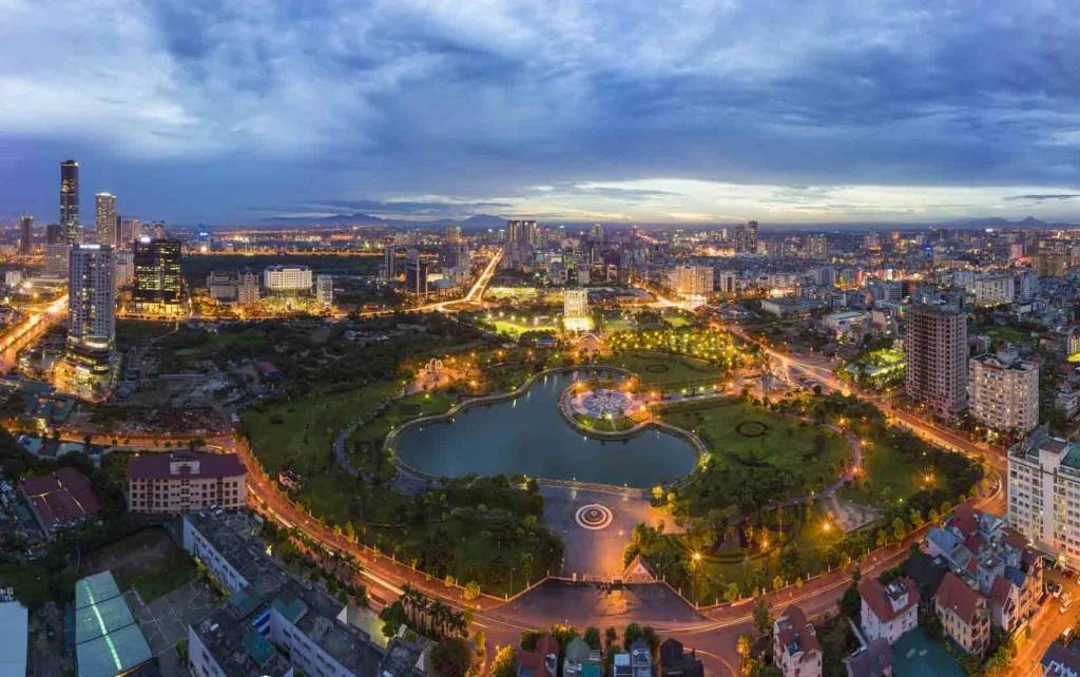
Why Hanoi Is Vietnam's Capital
Hanoi is the political capital of modern Vietnam and the city where much of the country’s historical continuity is easiest to feel. It has served as a center of power since 1010, when it was established as Thang Long, and it still carries that sense of national importance in its monuments, lakes, museums, and ceremonial spaces.
For travelers, that means Hanoi is more than a gateway city. It is the place where Vietnam’s imperial past, colonial architecture, revolutionary history, and modern street life sit unusually close together.
Best for: History, street food, walkable neighborhoods, and a strong sense of everyday culture.
Ideal stay: 2 to 3 full days in the city, with longer stays if you want day trips.
City mood: More layered and traditional than Ho Chi Minh City, with cooler winter weather and a stronger old-neighborhood feel.
Trip role: A destination in its own right, not just a transit point for Ha Long Bay, Ninh Binh, or Sapa.
Essential Information About Hanoi
History
The history of Hanoi is central to understanding Vietnam as a whole. Founded as Thang Long in 1010, the city became a long-running political and cultural center whose influence lasted through dynasties, colonial rule, war, and reunification.
As one of Vietnam’s most iconic cities, Hanoi still makes that history visible rather than abstract. Imperial relics, French-era villas, socialist monuments, and narrow merchant streets all exist within the same urban fabric, which is why the city feels so layered even on a short visit.
That mixture is part of Hanoi’s appeal. It never reads as a museum city frozen in time; instead, it feels like a capital that kept absorbing new influences without fully surrendering its older character.
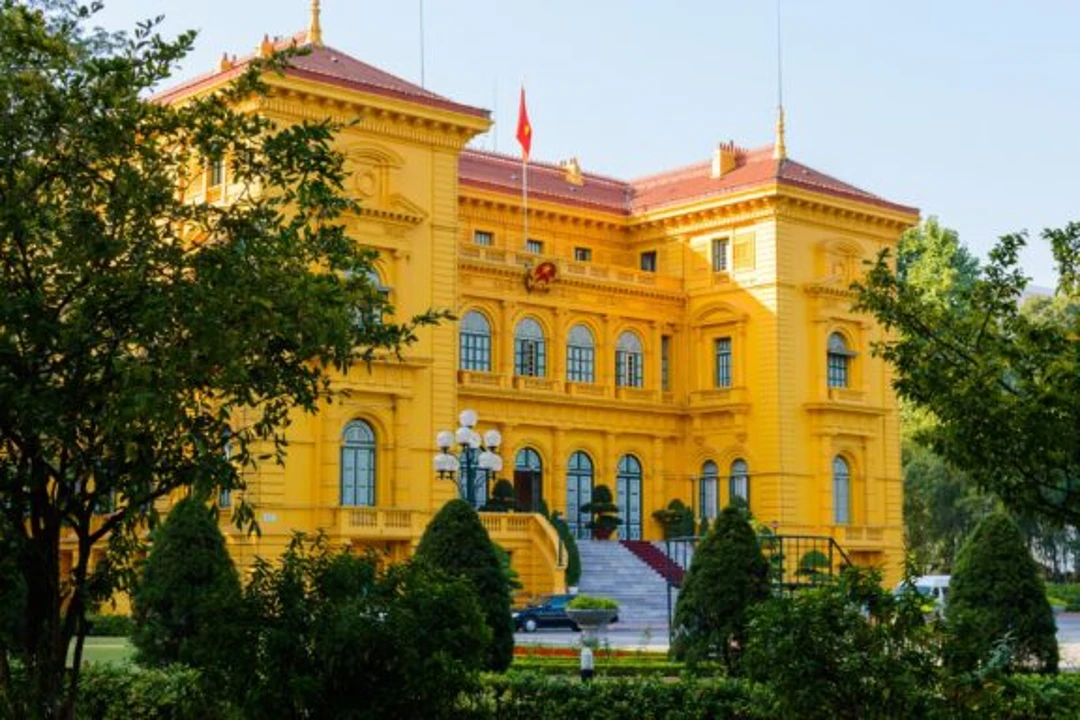
Geographical Location and Climate
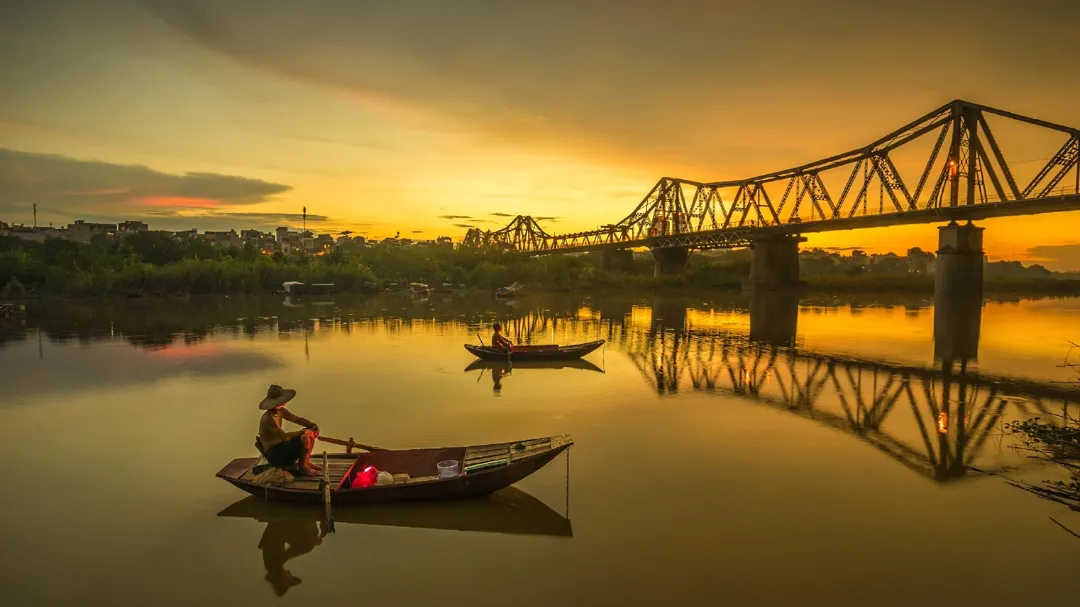
Hanoi sits in northern Vietnam along the Red River and acts as a cultural and logistical gateway to the country’s north. Its location helps explain why the city feels different from the south: the seasons are more distinct, the winter can feel cool and gray, and spring and autumn often bring the most comfortable weather for walking-heavy itineraries.
If part of the reason you are coming is to better understand Vietnam's unique culture, Hanoi is one of the best places to do it. Daily life still plays out in public spaces here, from morning tai chi by the lake to pavement coffee stools and neighborhood markets.
For most visitors, the most comfortable seasons are spring and autumn, when the temperatures are easier for sightseeing and the humidity feels less oppressive. Summer brings lush greenery and dramatic storms, while winter can be atmospheric but occasionally damp and chilly by local standards.
How Many Days to Spend in Hanoi
Two to three full days is enough for most first-time visitors to experience Hanoi well. That gives you time for the Old Quarter, Hoan Kiem Lake, one or two major historical sites, and a proper run through the city’s street-food staples without feeling as if you are only checking boxes.
If Hanoi is part of a wider route, it also works well as the urban anchor of a longer plan. A broader Vietnam travel guide can help if you want to place Hanoi at the start of a north-to-south trip rather than treating it as a standalone stop.
Stay longer if you enjoy museums, cafes, and slower neighborhood wandering, or if you want to use Hanoi as a base for side trips before moving on.
Getting Around Hanoi
Hanoi is easiest to understand in layers. The Old Quarter and Hoan Kiem area reward walking, especially in the early morning and late afternoon, while longer hops between districts are usually easiest by taxi or ride-hailing app.
From the airport, many travelers use Bus 86 because it connects Noi Bai International Airport with the city center at a relatively low cost. If you prefer to compare the current route and timing before arrival, the airport-to-Old Quarter guide gives a practical overview.
Inside the city, the biggest adjustment is not transport cost but street rhythm. Crossing roads takes patience, sidewalks are often shared with parked motorbikes, and the city feels much easier once you stop trying to rush it.
Famous Attractions
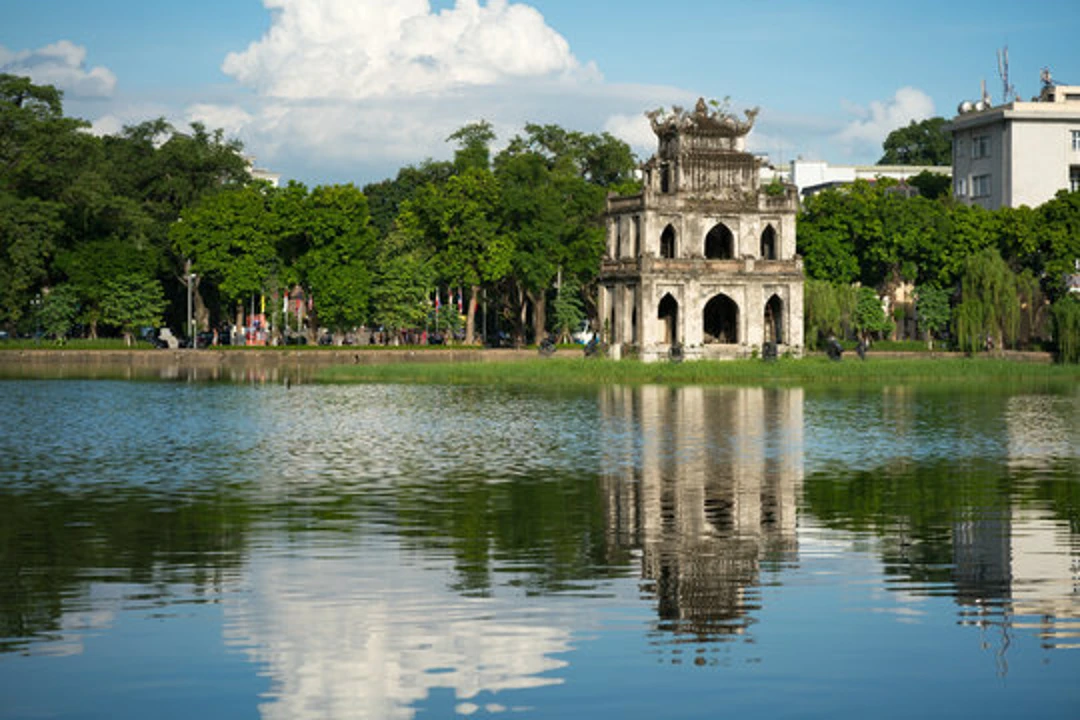
Hoan Kiem Lake
Hoan Kiem Lake is the easiest place to understand Hanoi’s emotional center. It sits between the Old Quarter and the French Quarter and gives the city a breathing space that feels completely different depending on the time of day.
Why visit: You get folklore, local life, and one of the city’s best walking areas in a single stop. Sunrise is especially memorable because local residents come out to walk, stretch, and socialize before the traffic builds.
Practical tip: Plan one early-morning visit and one evening visit if your schedule allows. The lake area changes character dramatically after dark, and weekends often bring a more festive atmosphere around the surrounding pedestrian streets.
The Old Quarter
The Old Quarter is where Hanoi feels most immediate. Its narrow streets still reflect the old guild layout, but what makes the area memorable is not only the architecture. It is the density of small businesses, food stalls, cafes, shopfronts, scooters, and everyday routines happening at once.
Why visit: This is the best place to absorb Hanoi’s street-level energy. You come here to wander, snack, people-watch, and notice the contrast between worn facades and hyperactive commerce.
Practical tip: Go out early for a calmer version of the district, then return in the evening for street food and atmosphere. This is one of the neighborhoods where Hanoi feels most rewarding when you leave room for spontaneous food stops.
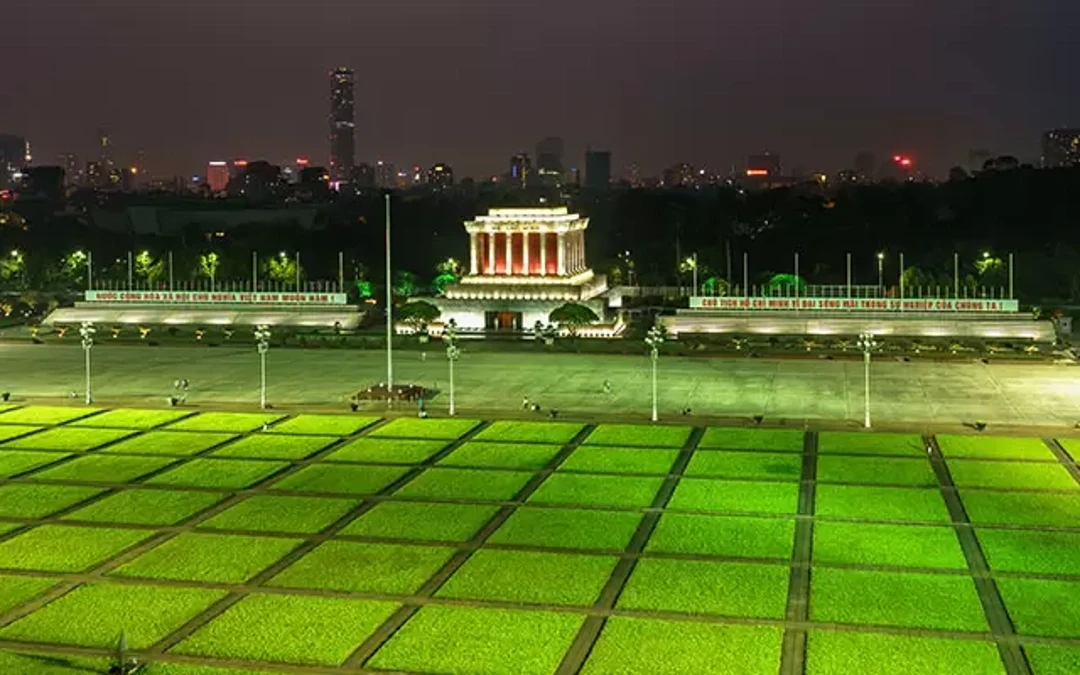
Ho Chi Minh Mausoleum
Visiting the Ho Chi Minh Mausoleum is one of the clearest ways to understand Hanoi’s political and symbolic role in Vietnam. The setting around Ba Dinh Square feels formal and deliberate, which is part of the experience.
Why visit: This is not only about one monument. The wider area helps travelers connect Hanoi’s cityscape to Vietnam’s twentieth-century history and state identity.
Practical tip: Go early, dress modestly, and expect stricter visitor rules than at many other city attractions. Opening windows are limited and can vary, so it is smart to double-check current visitor information shortly before your visit.
Temple of Literature
The Temple of Literature is one of Hanoi’s most rewarding cultural stops because it combines architecture, education history, and a calmer atmosphere than the surrounding streets. Built in 1070 and associated with Vietnam’s first national university, it gives real context to the country’s long scholarly tradition.
Why visit: It is one of the best places in Hanoi for travelers who want beauty and historical meaning without the pace of a large museum.
Practical tip: Give it at least an hour, preferably longer if you enjoy photography or details of traditional design. The official Temple of Literature site is the best place to confirm opening times and current evening programs.
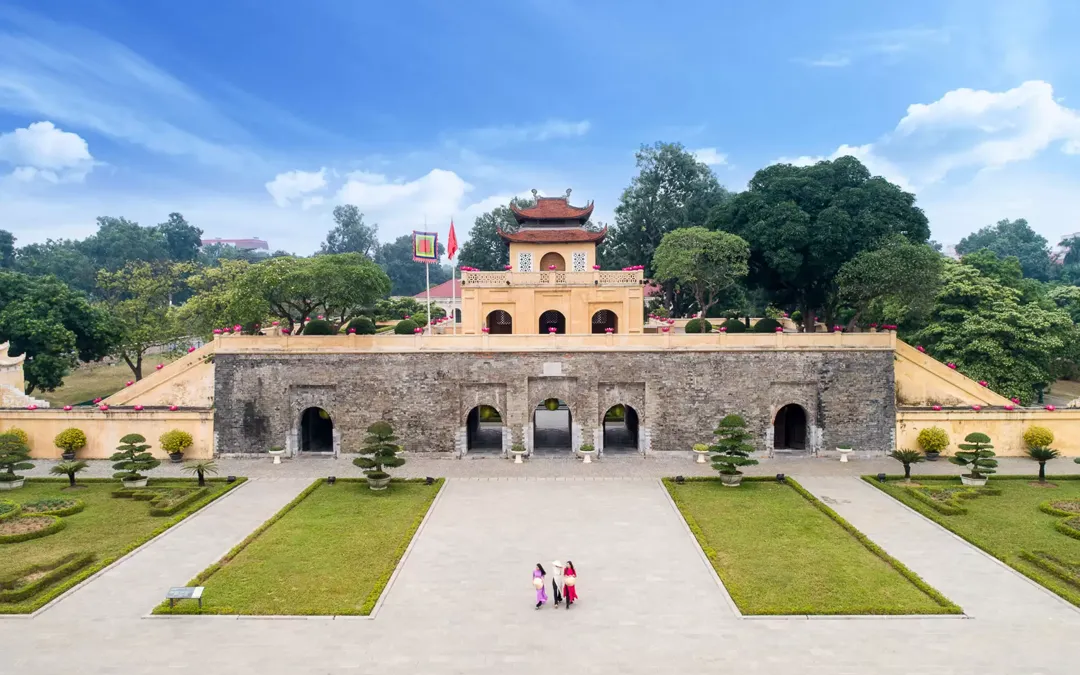
Thang Long Imperial Citadel
A UNESCO World Heritage Site, the Thang Long Imperial Citadel is one of Hanoi’s strongest stops for understanding how deep the city’s political history really runs. The site is broad enough that it rewards visitors who slow down and read the context rather than rushing through it as a photo stop.
Why visit: It adds depth to the story of Hanoi as Vietnam's capital, especially if you have already seen the lake district and want something more historically grounded. It also belongs on any broader list of must-visit places in Vietnam.
Practical tip: Expect to spend 1 to 2 hours here, and consider checking for special exhibitions or night-tour options before you go. The official Imperial Citadel site is the most useful source for current visitor details.
Culinary Delights
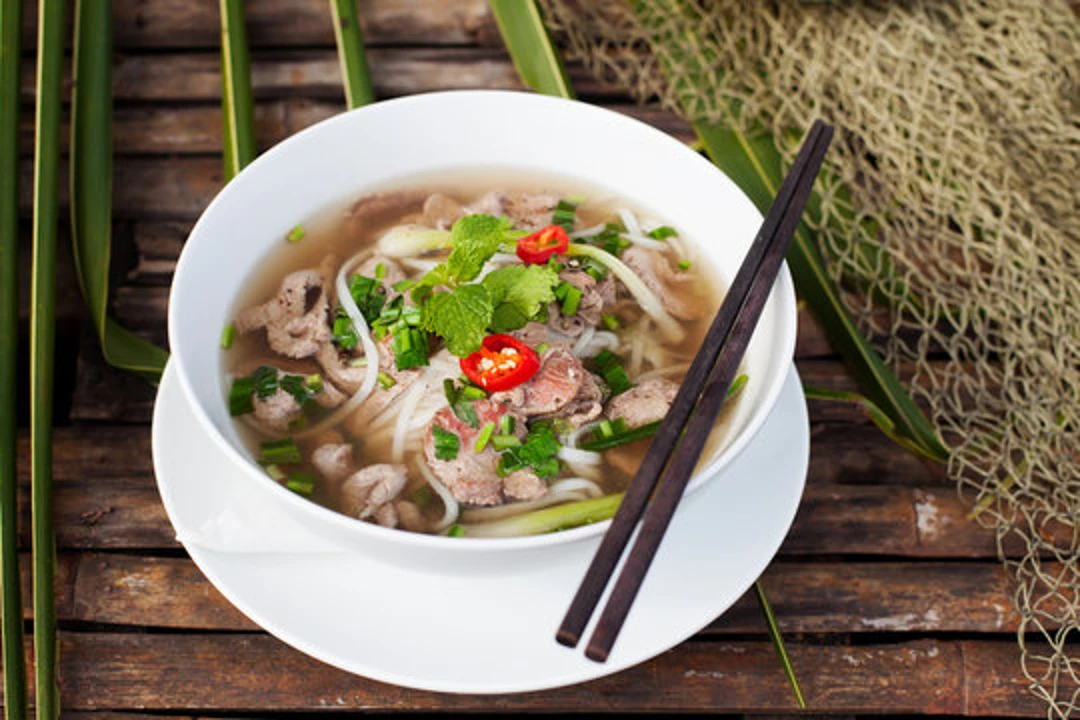
Pho
Pho is one of Hanoi’s defining dishes, and it is best treated as part of the city’s daily rhythm rather than a once-only checklist item. In Hanoi, pho often feels like breakfast, comfort food, and neighborhood ritual all at once.
What to expect: A clearer, more aromatic broth than many visitors imagine, usually balanced with rice noodles, herbs, and either beef or chicken.
Best way to try it: Have it early in the day at a busy local spot rather than waiting for dinner. That timing usually gives you the strongest sense of how locals actually eat it, and it is a good starting point for exploring a broader Vietnamese food guide afterward.
Bun Cha
Bun cha is one of Hanoi’s most satisfying midday meals: grilled pork, herbs, vermicelli, and a dipping broth that balances savory, sweet, and tangy flavors surprisingly well.
What to expect: Smoke from charcoal grills, quick turnover, and a dish that feels both hearty and fresh.
Best way to try it: Go for lunch, when bun cha is at its most common and freshest. It is one of the dishes that best captures Hanoi’s mix of simplicity and depth.
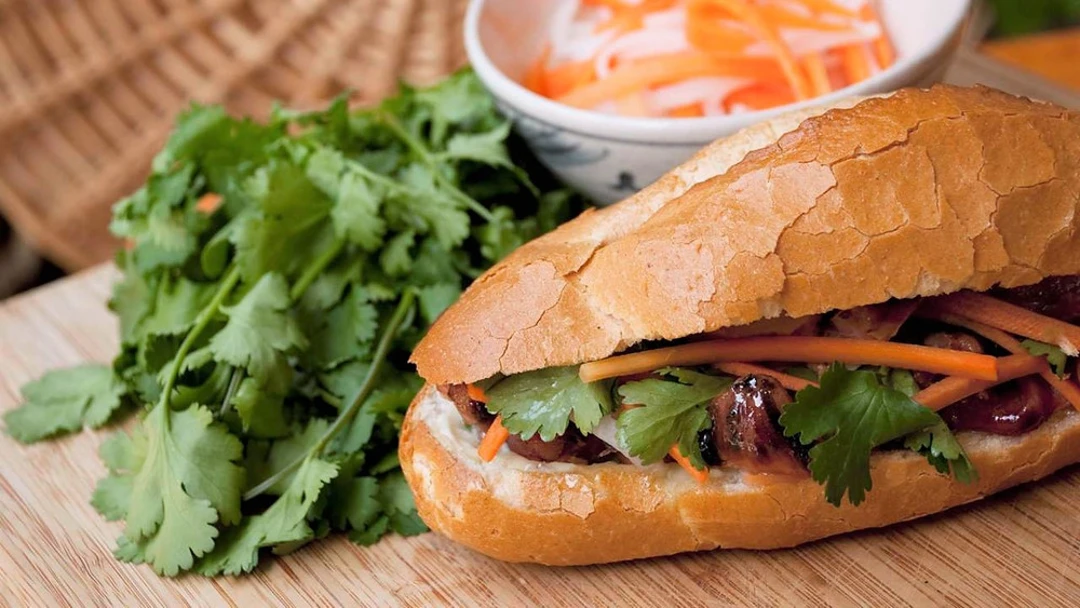
Banh Mi
Banh mi may be found all over Vietnam, but it still earns a place in Hanoi because it is one of the easiest ways to eat well between sights. The combination of crusty bread, savory filling, herbs, and pickles makes it ideal for travelers who want something quick without sacrificing flavor.
What to expect: A lighter, portable meal that works especially well during a day of walking.
Best way to try it: Treat it as a late-morning snack or an easy dinner after a long day of sightseeing rather than comparing every bite to versions in other cities.
Egg Coffee
Egg coffee is one of Hanoi’s most distinctive signature drinks and is worth trying even if it sounds slightly strange at first. The whipped egg mixture turns a strong coffee base into something close to a dessert.
What to expect: A thick, creamy top layer with a sweet finish over an intensely brewed coffee underneath.
Best way to try it: Sit down for it rather than taking it to go. Part of the appeal is the slower cafe moment, especially if you want to explore more of Vietnamese coffee culture beyond one cup.
Practical Tips for First-Time Visitors
Stay near Hoan Kiem Lake or the Old Quarter if you only have a few days. It keeps most major sights, food stops, and evening walks within easy reach.
Use the weather to shape your sightseeing plan. Outdoor walking is easiest in spring and autumn, while summer is better handled with early starts and indoor breaks.
Cross roads steadily, not suddenly. Hanoi traffic feels chaotic at first, but predictable movement is usually safer than hesitation.
Keep your schedule loose enough for food and cafes. Hanoi rewards unplanned stops more than many capital cities do.
Build Hanoi into a wider route thoughtfully. If the city is only one part of your trip, a best time to visit Vietnam guide helps you balance Hanoi’s seasons with the rest of the country.
FAQ About Vietnam's Capital
Is Hanoi or Ho Chi Minh City the capital of Vietnam?
Hanoi is the capital of Vietnam. Ho Chi Minh City is the country’s largest economic hub, but Hanoi is the political and historical capital.
How many days do you need in Hanoi?
Most first-time visitors do well with 2 to 3 full days in Hanoi. That is enough for the key sights, food, and neighborhood atmosphere without rushing every stop.
When is the best time to visit Hanoi?
Spring and autumn are usually the most comfortable seasons for sightseeing because the temperatures are milder and walking is easier.
Is Hanoi worth visiting if I already plan to see other parts of Vietnam?
Yes. Hanoi offers a different tone from central and southern Vietnam and is one of the best places in the country for history, street food, and city atmosphere.
Conclusion
Hanoi is not only Vietnam’s capital on paper. It is one of the best places in the country to understand how Vietnamese history, food, architecture, and daily life connect to each other.
If you give the city enough time for a lake walk, a temple courtyard, a strong coffee, and a meal eaten on a plastic stool, Hanoi usually stops feeling like a checklist destination and starts feeling like the heart of the trip.