
The best places to see autumn leaves in Japan range from alpine valleys and temple towns to lakes and city gardens, so timing matters as much as destination. Color may begin high in Hokkaido while Tokyo is still warm, then move south and downhill through late autumn.
Autumn routes often combine rail transfers, mountain buses, temple districts, and lakeside viewpoints. Setting up an iRoamly Japan eSIM before arrival can keep maps, route checks, translation, and hotel messages available once you land.
Use this guide to match Japan's main foliage regions with typical timing windows, realistic routes, transport constraints, and planning habits that reduce unnecessary rushing.

Why Japan Autumn Leaves Reward Careful Planning
Japan's autumn color season is long because the country stretches from cool northern mountains to mild southern islands. The Hokkaido official autumn guide identifies Daisetsuzan as one of Japan's earliest foliage areas, which is why timing shifts with latitude and elevation; nationally, late September to early December works only as a broad planning range.
That range is useful for early planning, but a single fixed route can still miss the best color. Seasonal forecasts appear closer to autumn, so pair earlier mountain areas with later city gardens and keep enough flexibility for rain, temperature shifts, and weekend crowds.
Tip: Treat autumn leaves timing as a moving window, not a fixed appointment, and check the latest local park, railway, or tourism-board updates a few days before each side trip.
Best Places to See Autumn Leaves in Japan
The best koyo spots are not all temple courtyards. For a richer trip, mix one mountain or gorge, one lake view, one temple town, and one easy city option.
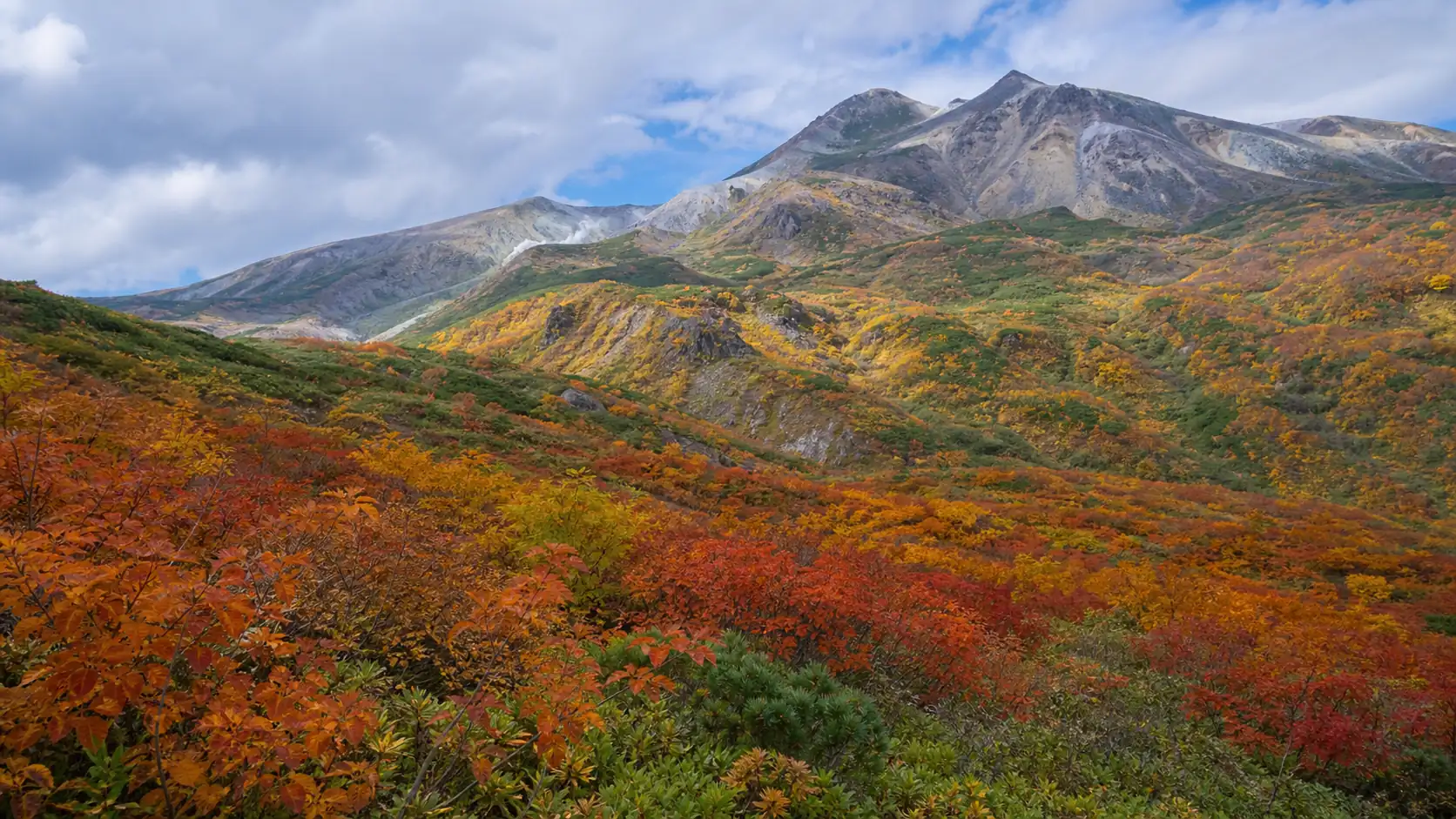
Daisetsuzan National Park, Hokkaido
Daisetsuzan is one of Japan's earliest major autumn-color areas, with the highest zones often changing from September into early October. It suits travelers who want alpine scenery, cooler air, and a route distinct from the classic Kyoto–Tokyo trip.
Base yourself near Asahidake or Sounkyo if you want ropeway access and mountain viewpoints. Weather changes quickly here, so keep a warm layer and a backup lowland plan.
Tateyama Kurobe Alpine Route, Toyama and Nagano
The Tateyama Kurobe Alpine Route works well for travelers who want dramatic elevation changes in one day. Color tends to arrive earlier in the high sections and later around lower valleys, so the route can show several stages of autumn at once.
It is a transport-based mountain day rather than a casual stroll, so check operating dates, last departure times, luggage rules, and weather conditions before booking.
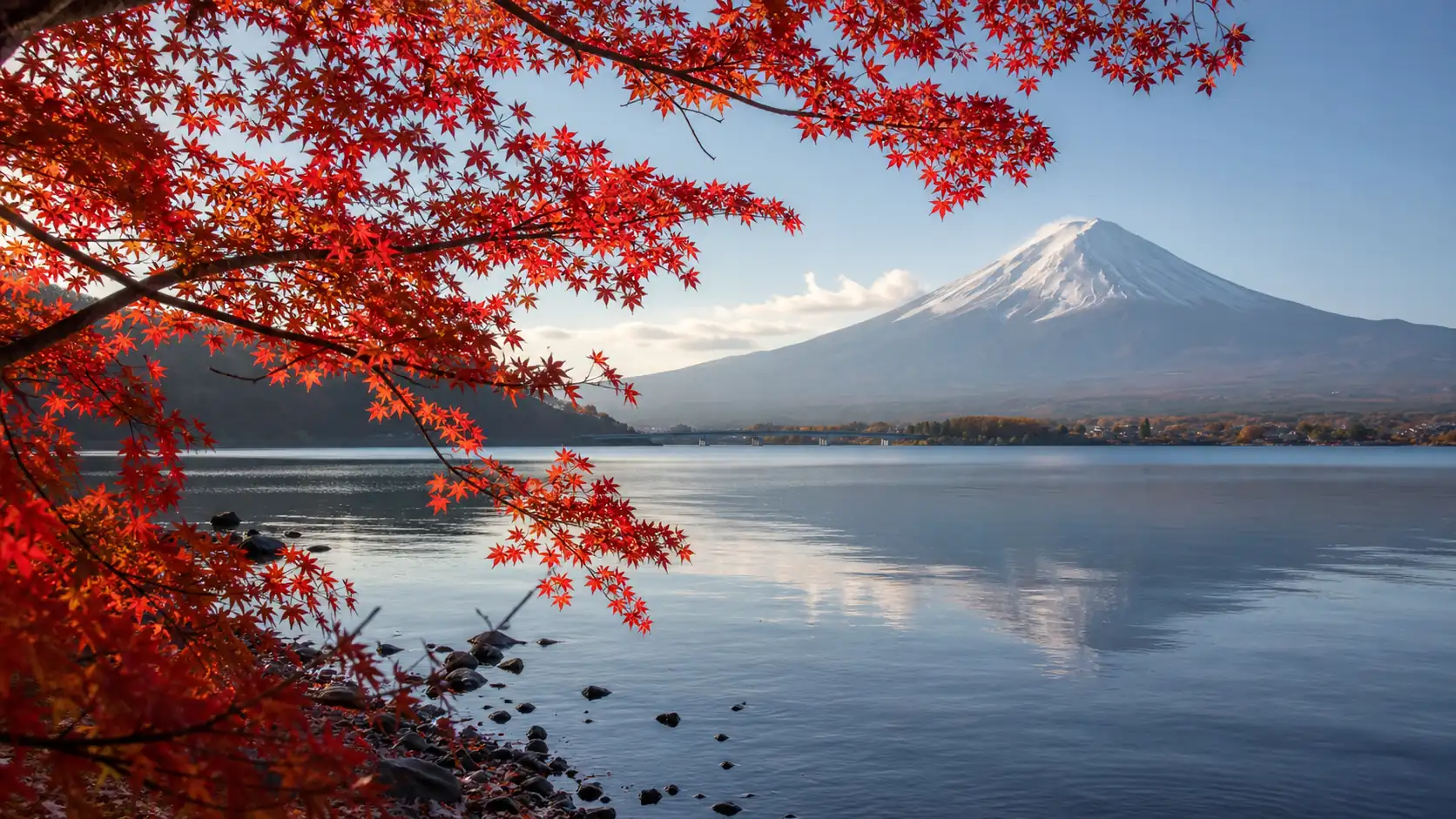
Lake Kawaguchi and the Fuji Five Lakes
Lake Kawaguchi is one of the most rewarding places to pair autumn leaves with Mount Fuji. The north shore is known for maple-lined views, and November is usually the key month for the classic red leaves and mountain backdrop.
Stay overnight if Mount Fuji photography matters to you. Morning visibility is often better than late afternoon, and clouds can cover the summit even when the leaves are excellent.
Nikko and Irohazaka Winding Road, Tochigi
Nikko is strong for travelers who want shrines, waterfalls, lake views, and mountain color without going far from Tokyo. Irohazaka Winding Road links central Nikko with the Lake Chuzenji area, making it a classic autumn drive or bus route.
Start early on peak weekends. Traffic can build on the mountain road, and the best day feels calmer when you choose one or two Nikko areas instead of trying to collect every viewpoint.
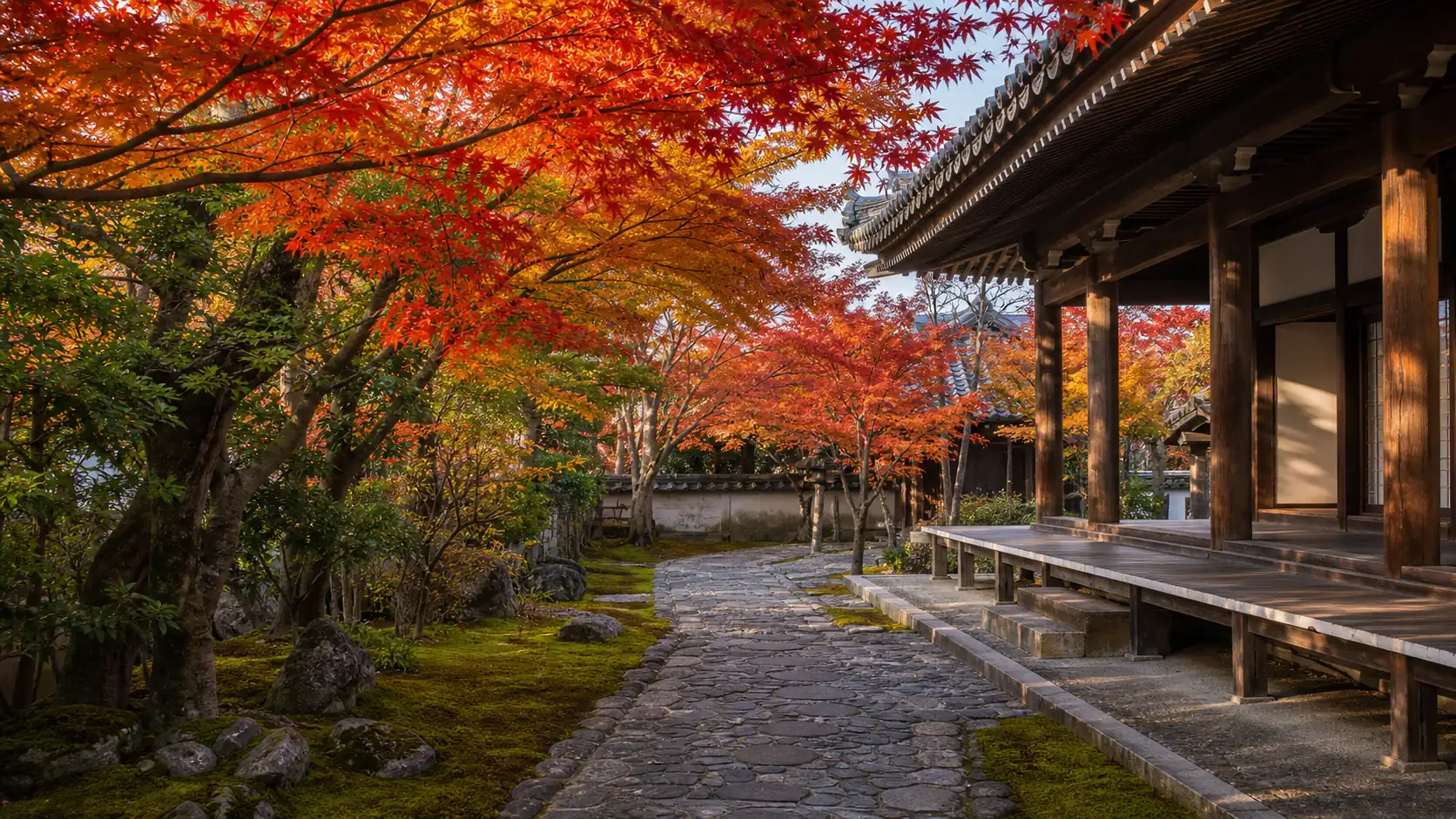
Kyoto Temples and Gardens
Kyoto is hard to beat for temple roofs, moss gardens, maple tunnels, and evening illuminations. Kiyomizudera, Tofukuji, Arashiyama, and the eastern temple districts all draw heavy autumn interest for good reason.
The mistake is treating Kyoto like a checklist. Choose one early-morning temple, one quieter garden, and one evening walk, then let the city breathe between them.
Tokyo Icho Namiki and City Gardens
Tokyo is useful when your trip falls late in the season or you only have a spare half day. Icho Namiki is known for golden ginkgo trees, while Rikugien, Koishikawa Korakuen, and Shinjuku Gyoen give you a gentler garden setting.
City color is easier to fit around flights, shopping, and business travel. It also gives you more bad-weather options than a remote mountain route.
Hakone and Lake Ashinoko, Kanagawa
Hakone gives you hot springs, lake views, museums, ropeways, and Mount Fuji angles in one compact region. It is a good choice when you want autumn scenery without committing to long rural transfers.
Build the day around one loop rather than every attraction. Ropeway, lake, and bus schedules can turn a relaxed plan into a tight one if you start too late.
Naruko Gorge, Miyagi
Naruko Gorge is a strong Tohoku pick, especially if you like deep valleys, bridges, and dense color rather than manicured gardens. The usual window runs around mid-October to early November, though weather can shift the peak.
It pairs well with an onsen stay. Book lodging early if you want a weekend room during the main foliage period.
When to See Japan Autumn Leaves by Region
Use this timing table as a planning starting point, not as a fixed forecast. Elevation, latitude, and yearly weather shift the dates, so verify local foliage reports before booking inflexible transport or hotels.
Region or Spot | Usual Window | Best Fit | Planning Note |
|---|---|---|---|
Daisetsuzan, Hokkaido | Early September to early October | Early-season mountain color | Pack for cold, wet, and windy conditions. |
Tateyama Kurobe Alpine Route | October in higher areas, later lower down | Big elevation change in one route | Check transport operating dates and last departures. |
Naruko Gorge and Tohoku valleys | Mid-October to early November | Gorge views and onsen towns | Reserve weekend lodging early. |
Lake Kawaguchi and Fuji Five Lakes | November | Maples with Mount Fuji views | Stay overnight for better morning visibility. |
Kyoto, Tokyo, and lower city gardens | Late November to early December | Temples, gardens, and ginkgo walks | Start early and avoid stacking too many famous sites. |
Japan gives foliage travelers a longer, more geographically staggered window: color can begin in high-elevation Hokkaido in September and continue into warmer cities in early December.
Japan and South Korea are close East Asian destinations with four-season climates, and in both countries autumn color appears first in cooler mountain areas before progressing toward warmer regions.
The difference becomes clear in an actual route. South Korea's national peak is usually concentrated from late October to early November, so a five-day South Korea itinerary can link Seoul and Busan within one compact trip. Japan's longer archipelago spreads color from Hokkaido in September to central and southern cities in late November or early December, so a Japanese foliage route is more reliable when the dates determine the region and long transfers are kept to a minimum.
Use that wider Japanese window by matching your dates to the most likely color zone—northern mountains first, central valleys next, then lower-elevation cities—and confirm local reports before committing to inflexible day trips.
A Sensible Autumn Leaves Route Through Japan
If this is your first Japan autumn trip, build the route around rail access and the best time to visit Japan for your chosen regions. Contrast matters more than crossing the country every other night.
Start in Tokyo for late-season gardens, food, and easy arrival logistics.
Add Nikko for shrines, waterfalls, and mountain roads within reach of the capital.
Move to Lake Kawaguchi if Mount Fuji views and maple scenery are high priorities.
Finish in Kyoto for temples, gardens, evening lights, and slower walks.
Swap in Hokkaido or Tohoku if your trip falls earlier than the main Kansai and Tokyo season.
Keep one transfer-light day between the longest moves so a delayed bus or weather change does not compress the whole route.
For a five- to seven-day trip, Tokyo, Nikko, Lake Kawaguchi, and Kyoto can already feel full. With more time, a ten-day Japan itinerary can add one northern mountain or gorge without turning every day into a transfer.
Practical Travel Tips for Japan Autumn Leaves Trips
Autumn travel in Japan rewards small decisions: earlier starts, fewer hotel changes, and realistic transfer times. These habits make a bigger difference than adding another famous viewpoint.
Choose weekday visits for famous temples, ropeways, and lake viewpoints when you can.
Book accommodation early near Kyoto, Nikko, Hakone, and onsen towns during peak foliage periods.
Carry layers because mountain mornings can feel much colder than city afternoons.
Keep one flexible half day for rain, late color, or a return to a favorite garden.
Check the last bus, ropeway, or train before you start a rural side trip.
Transport and Crowd Timing
Popular autumn routes can become slow on weekends, especially mountain roads near Nikko, Hakone, and Fuji Five Lakes. Early trains and one-night stays near the target area can save more time than a perfect itinerary spreadsheet.
For Kyoto, decide whether you want famous views or quieter walks. You can have both, but usually not at the same hour of the same day.
Mobile Data for Autumn Routes
Rural buses, ropeway suspensions, hotel check-ins, and weather changes are easier to handle with data between stations. An iRoamly Travel eSIM arranged before departure can keep maps, messages, and route checks ready from arrival without swapping your usual SIM.
Save the last departure and hotel address offline as a backup, since mountain weather or an early service suspension can change the return plan.
Packing for Mountain and City Days
Pack for both crisp mornings and warm afternoons. A seasonal Japan clothing guide helps refine the layers, while a rain shell, comfortable shoes, and small power bank cover most foliage days.
Seen this way, Japan autumn leaves work best when you match timing to elevation, choose a few strong base areas, and leave space for weather, crowds, and slower rural transport.
FAQ
1.Can I see autumn leaves in Japan if I travel in December?
Yes, lower-elevation cities and some warmer-region gardens can still have color in early December, but timing changes with weather and location.
2.Is Kyoto or Tokyo better for a first autumn leaves trip?
Kyoto is better for temple-and-garden scenery, while Tokyo is easier for short stays, late-season ginkgo walks, and flexible city plans.
3.Do Japan autumn leaves spots require advance tickets?
Some temples, gardens, ropeways, and festivals may use timed tickets or crowd controls, so check the official venue page before travel.
4.Can I use public transport for Japan autumn leaves trips?
Yes, many major spots work by train and bus, though rural gorges and mountain routes need schedule checks and early starts.
Conclusion
The best places to see autumn leaves in Japan depend on when you travel, how far you want to move, and whether you prefer mountain color, temple gardens, lake views, or city walks. Daisetsuzan and Tohoku suit earlier trips, while Fuji Five Lakes, Kyoto, Tokyo, Hakone, and Nikko work well for classic mid-to-late autumn travel.
A good Japan autumn leaves route does not need every famous spot. It needs the right region for your dates, early starts for crowded places, enough rest between transfers, and a backup plan for weather.
If the trip includes rural buses, mountain viewpoints, and last-minute route checks, arranging mobile data before departure can make the practical parts of each day calmer while the leaves remain the focus.