
Choosing the right destinations to visit in Japan is the difference between a trip that feels rushed and one that actually lets the country open up. Japan can be neon and fast in Tokyo, ceremonial and quiet in Kyoto, deeply reflective in Hiroshima, wild in Hokkaido, and beach-soft in Okinawa.
For a first visit, the smartest route is usually not the longest list. Pick a few anchor cities, leave room for day trips, and use the rail network where it saves time. If your phone supports eSIM, setting up iRoamly Japan eSIM before departure helps with airport transfers, map checks, and hotel messages once you land.
This guide walks through the best Japan destinations by travel style, shows how to group them into realistic routes, covers food and seasonal pacing, and closes with practical tips for transport, stays, culture, and mobile data.
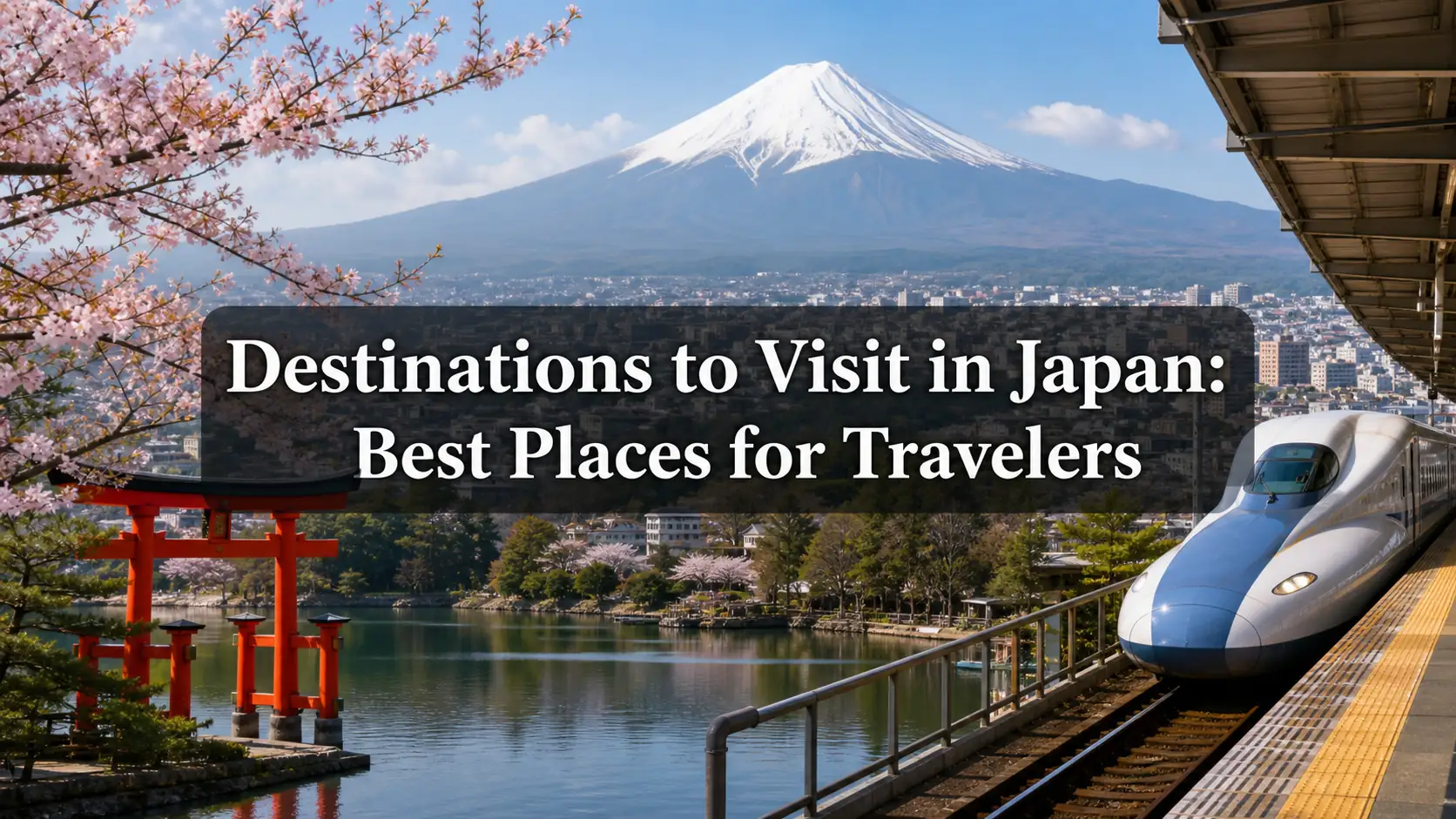
Why Visit Japan?
Japan works well for many kinds of travelers because its regions feel distinct without requiring a different country or language environment every few days. Grouping the country by regions, cities, nature areas, food interests, and vacation styles is a useful way to plan beyond the usual headline cities.
The country is also unusually rewarding for layered trips. You can pair museums with ramen counters, temples with shopping streets, hot springs with mountain views, and island beaches with city breaks.
For mobile data between train platforms, hotel check-ins, map searches, and translation apps, a travel eSIM can fit this kind of multi-stop trip because it avoids arranging a physical SIM pickup after arrival.
First-time travelers: Tokyo, Kyoto, Osaka, Nara, and Hiroshima create a balanced introduction.
Nature-focused travelers: Mount Fuji, Hakone, Hokkaido, and Okinawa give the trip more space and slower days.
Food travelers: Tokyo, Osaka, Sapporo, Fukuoka, and local market towns make meals part of the itinerary.
Repeat visitors: Kanazawa, Takayama, Setouchi, Tohoku, and smaller islands help the route feel more personal.
Best Destinations to Visit in Japan
The best route usually starts with two or three major bases, then adds nearby day trips. That keeps luggage transfers, station changes, and check-in days from taking over the trip.
Tokyo
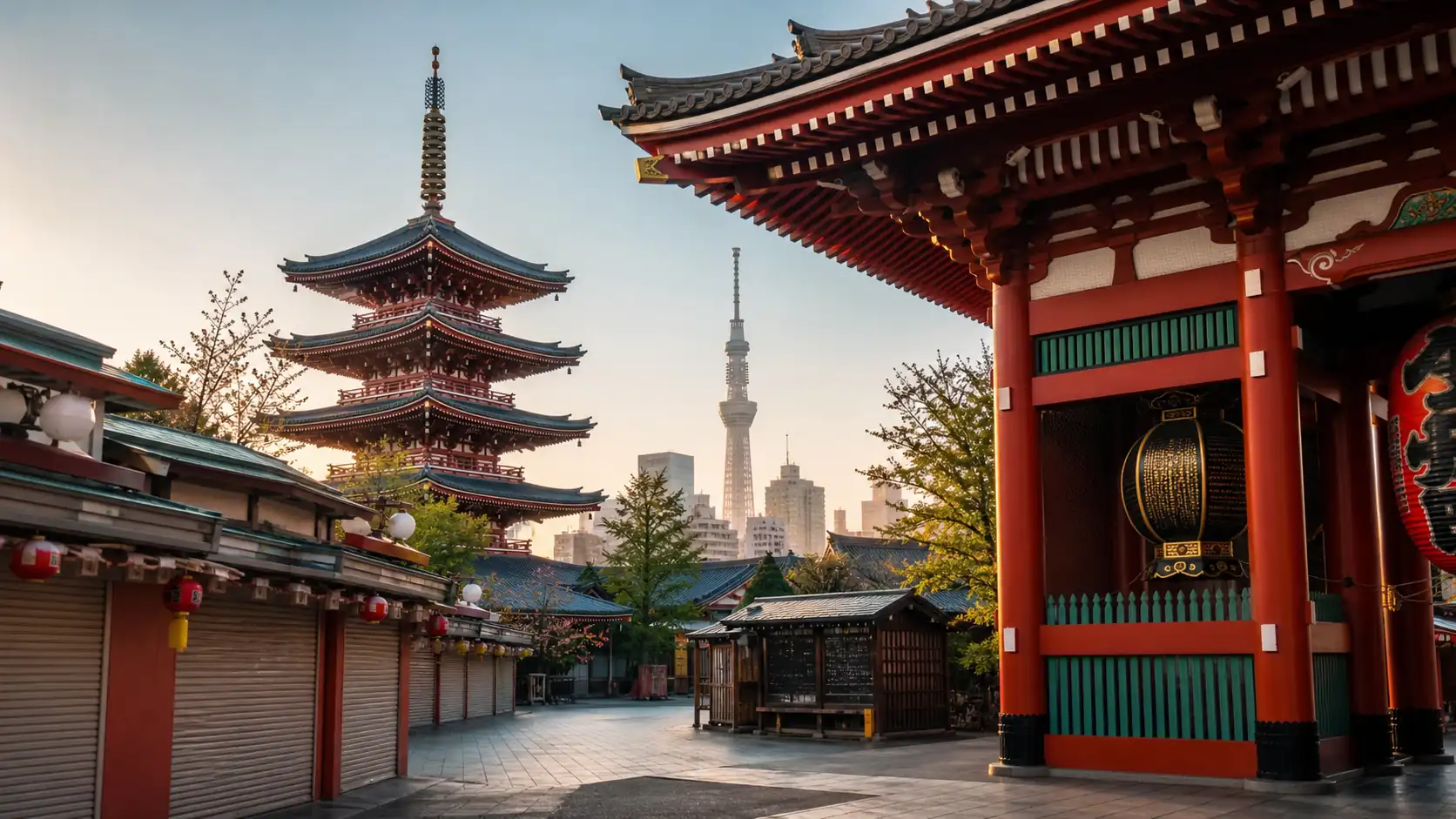
Tokyo is the easiest first stop because it gives you airports, transit, food, neighborhoods, shopping, museums, and day-trip options in one place. Shinjuku, Shibuya, Asakusa, Ueno, Ginza, and the bay area all feel different enough to justify several days.
If you land at Haneda or Narita, keep the first transfer simple: have your accommodation address, train route, and arrival message ready before leaving the airport.
Give Tokyo at least three nights if it is your first visit. A practical list of Tokyo attractions can help group temple mornings, shopping districts, and one open evening without crossing the city repeatedly.
Kyoto
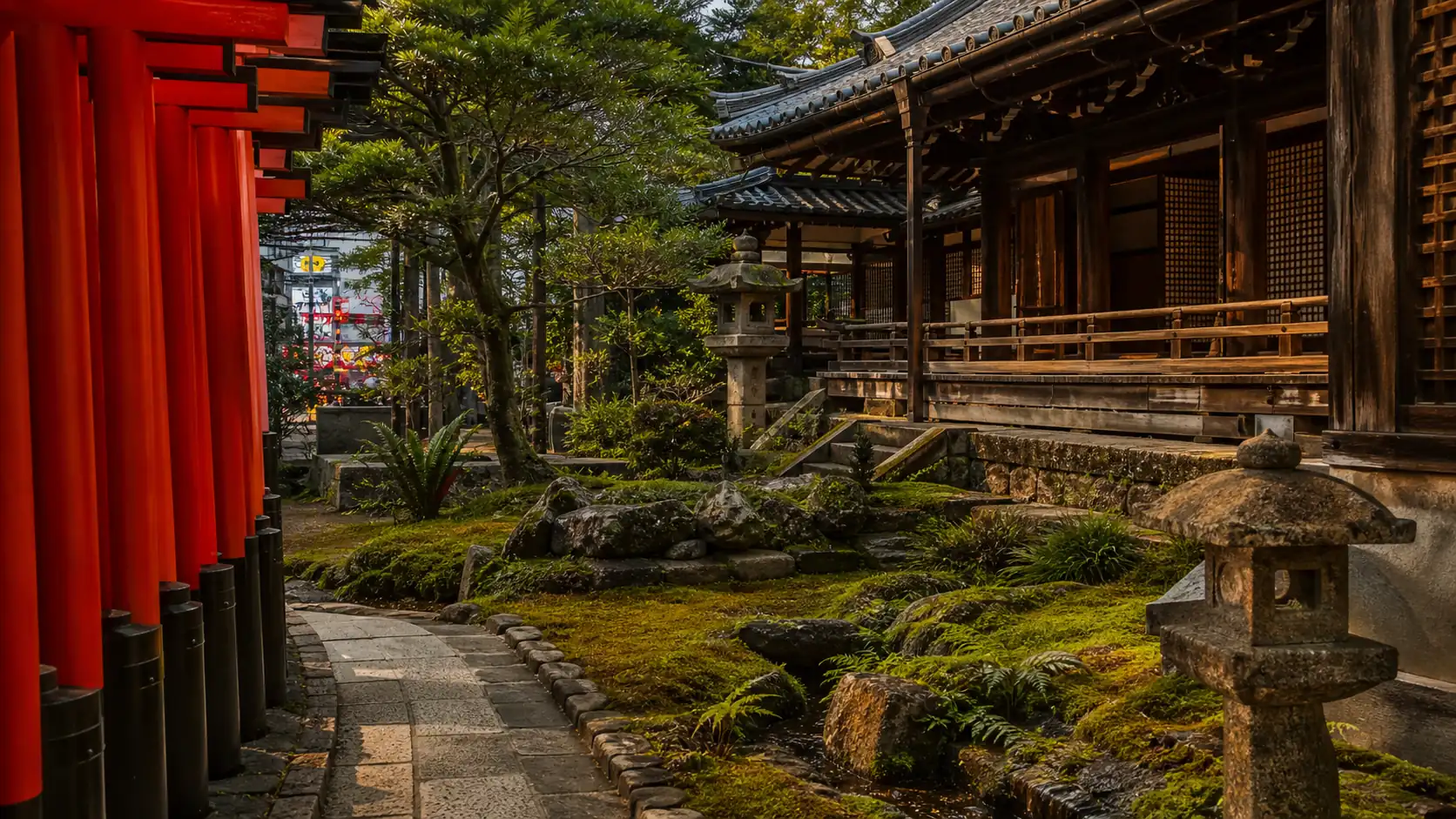
Kyoto is the classic culture stop, but it is best when planned by area rather than by famous name. Arashiyama, Higashiyama, northern Kyoto, and the station area each need their own rhythm.
Start temple days early, then spend the warmest or busiest part of the day in smaller gardens, cafes, craft streets, or covered markets. Kyoto can feel crowded if you chase only the same photo spots everyone else is chasing.
Tip: Put one major Kyoto sight at the start of the day, then build the rest of the route from nearby streets instead of crossing the city repeatedly.
Kyoto also pairs naturally with Nara, Uji, Osaka, and Lake Biwa. That makes it a strong base for travelers who want heritage without changing hotels every night.
Osaka and Nara
Osaka is a lively food and nightlife base, especially for travelers who like casual meals, station convenience, and easy links to Kyoto, Nara, Kobe, and Universal Studios Japan. It is less formal than Kyoto and often easier for late dinners.
Nara works beautifully as a day trip or overnight pause. Todai-ji, Nara Park, Kasuga Taisha, and quiet lanes around Naramachi create a softer heritage day than most Kyoto schedules.
Together, Osaka and Nara keep a Kansai route from becoming only temples. Use a focused set of Osaka activities for meals and city energy, then give Nara a slower heritage day.
Mount Fuji and Hakone
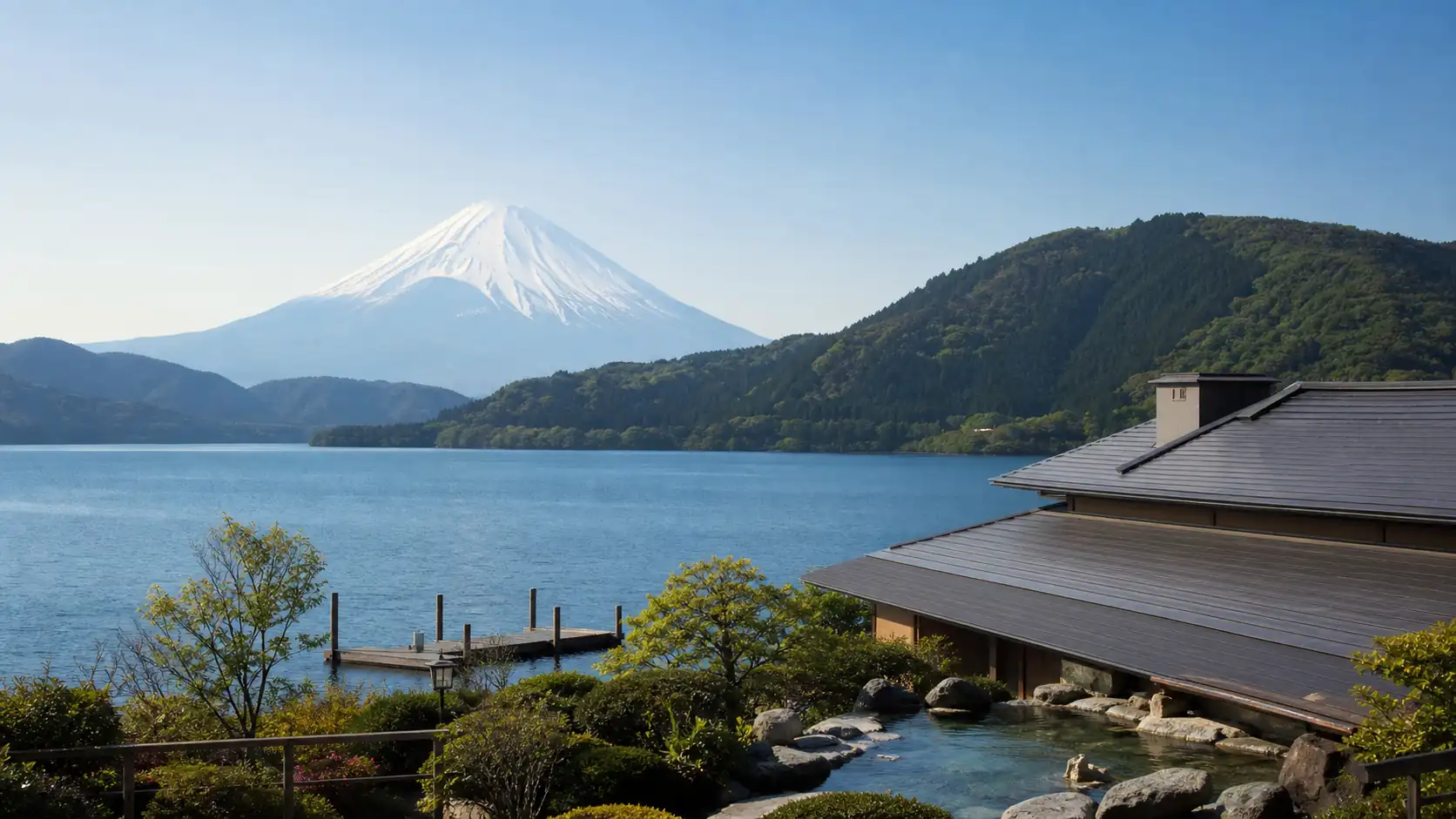
Mount Fuji is both a symbol and a weather-dependent destination, so treat visibility as a bonus rather than a guarantee. Check current local weather and transport information before committing to a mountain day, because conditions can change the best viewpoint and route.
Hakone is often the easier add-on for first-time travelers because it combines lake views, hot springs, ropeways, museums, and ryokan stays. If your route already includes Tokyo and Kyoto, Hakone can be a calm stop between big-city energy and temple days.
Travelers who want mountain scenery without overcommitting can also consider Fujikawaguchiko, the Fuji Five Lakes area, or a single overnight near Hakone.
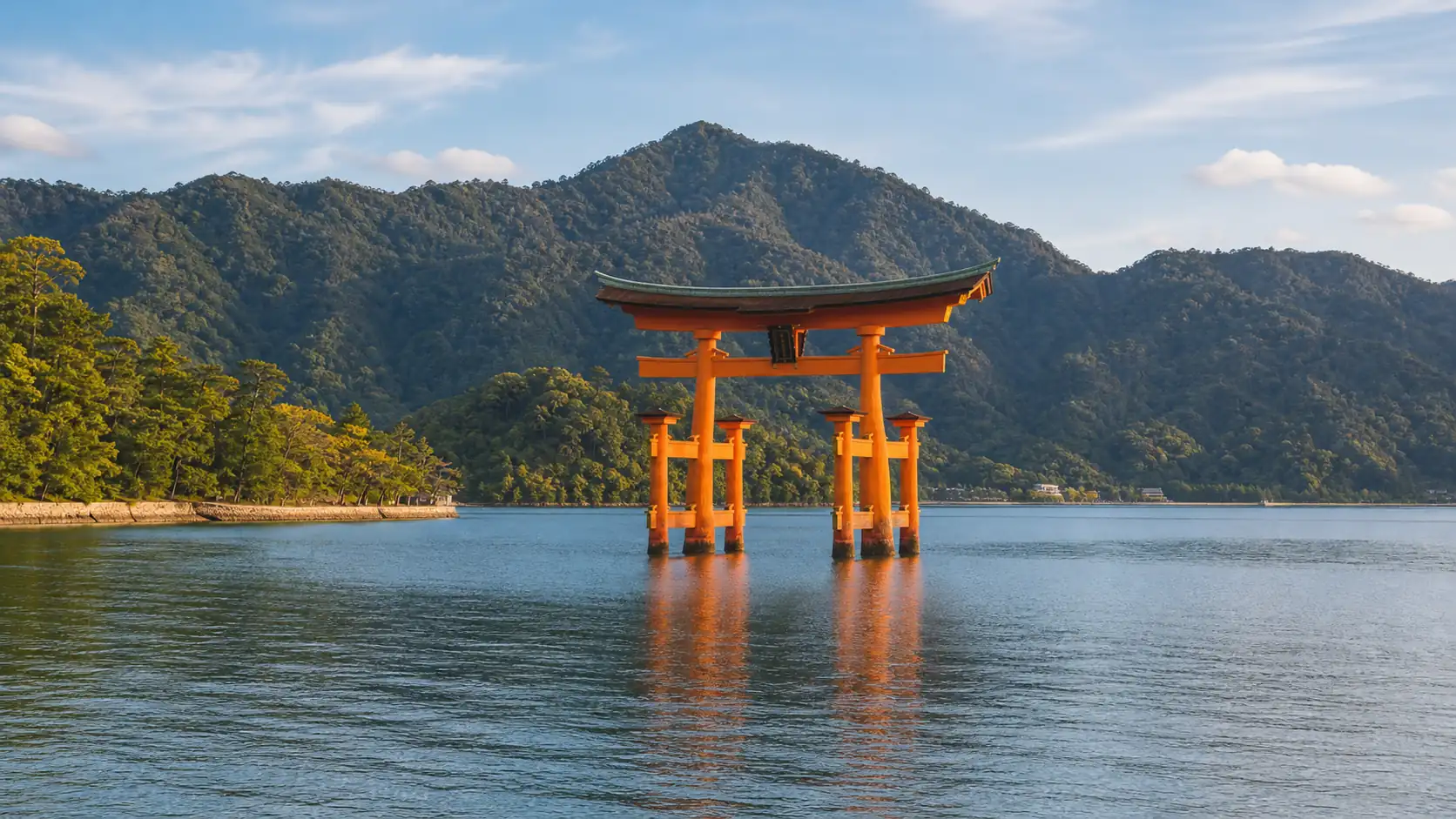
Hiroshima and Miyajima
Hiroshima brings emotional depth to a Japan route, especially when paired with the Peace Memorial Park, the museum, local food, and a ferry trip to Miyajima. It deserves more than a rushed stop between trains.
Miyajima is best when you leave room for tide timing, shrine views, forested walks, and one quieter lane away from the ferry crowd. Staying overnight can change the island completely once day visitors leave.
For travelers moving along the Tokyo-Kyoto-Osaka route, Hiroshima is the destination that most changes the tone of the trip. It adds memory, regional food, and Seto Inland Sea scenery.
Hokkaido and Okinawa
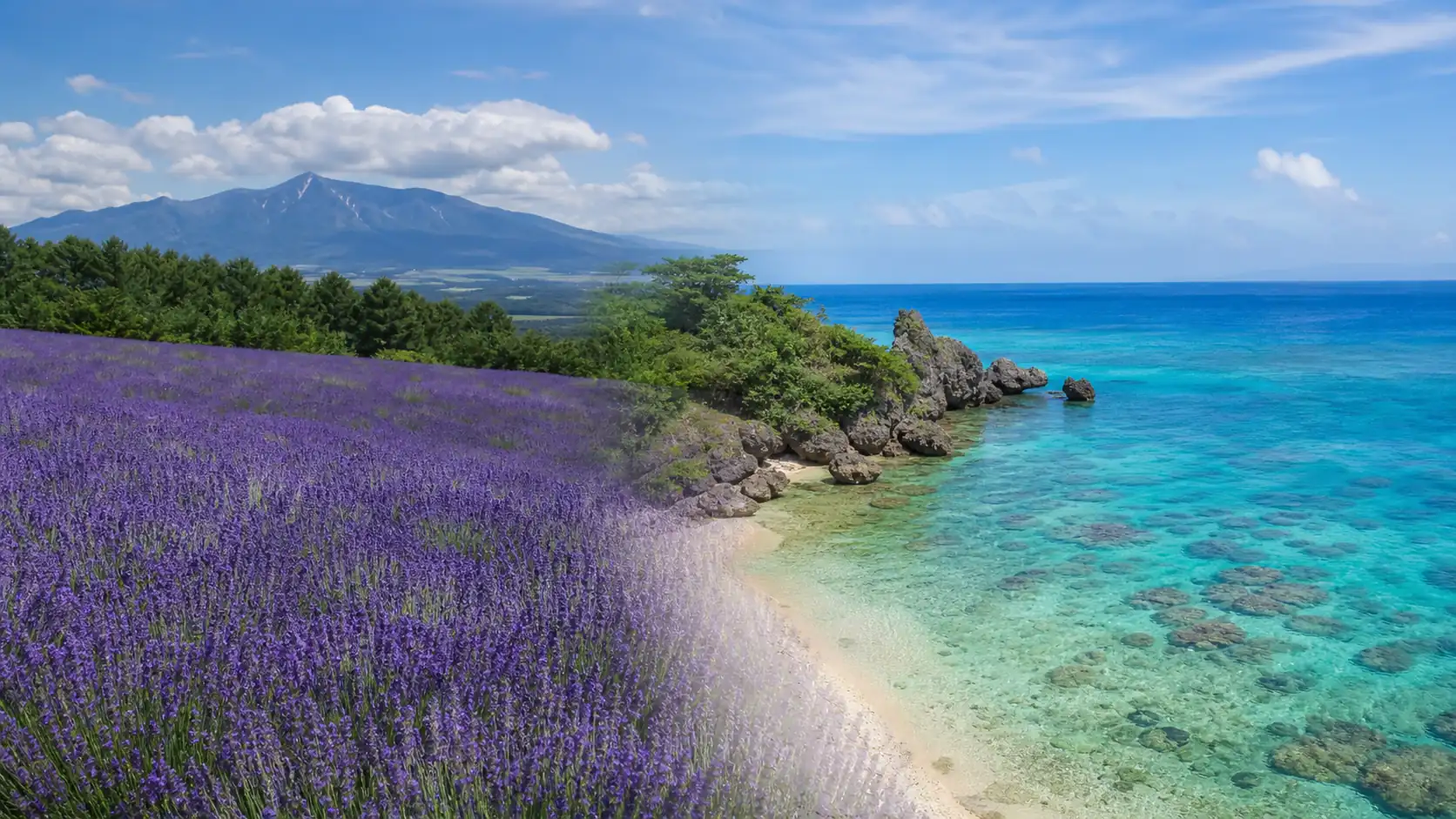
Hokkaido is Japan at a wider scale: cooler air, open roads, national parks, ski areas, flower fields, seafood markets, and long distances. The Hokkaido official tourism site is useful for checking regional ideas before treating the island as its own trip or a focused northern extension.
Okinawa is the island contrast, with beaches, coral-blue water, subtropical culture, and a slower pace than the main Golden Route. Flights make it possible to add Okinawa, but it works better when you can give it several unhurried days.
If you have less than ten days, choose either Hokkaido or Okinawa rather than trying to add both. They sit far from the classic Tokyo-Kyoto-Osaka spine and deserve breathing room.
Recommended Japan Itinerary Ideas
For a five-to-seven-day trip, keep the route to Tokyo and Kyoto or stay within Kansai. A practical one-week Japan route can help balance sightseeing time with hotel changes before you use the table below to compare shorter and longer options.
The table below gives a quick way to match trip length with realistic destination choices.
Trip Length | Best Route | Best For | Planning Note |
|---|---|---|---|
3 to 4 days | Tokyo with one nearby day trip | Short stopovers and first tastes of Japan | Avoid changing hotels unless the flight city changes. |
5 to 7 days | Tokyo and Kyoto, or Kansai only | Classic culture, food, and city contrast | Add Nara or Osaka as day trips from Kyoto. |
8 to 10 days | Tokyo, Hakone, Kyoto, Osaka, and Nara | First trips with a hot spring or mountain pause | Use luggage forwarding or pack lighter for the Hakone stop. |
11 to 14 days | Tokyo, Kyoto, Osaka, Hiroshima, and one regional extension | Travelers who want history plus nature | Choose Hokkaido, Okinawa, Kanazawa, or Takayama, not all of them. |
This structure keeps the most common first-trip route manageable while still leaving space for a personal extension. It also helps you decide when the shinkansen is worth the time and when a domestic flight is cleaner.
For most travelers, the real gain comes from fewer rushed station mornings. One extra night in the right base often creates a better trip than adding one more famous destination.
Tip: If your route has more hotel check-ins than full sightseeing days, remove one destination and turn it into a day trip or save it for the next visit.
Simple Route-Building Order
Build the trip from practical anchors first, then add atmosphere. This keeps the itinerary useful when weather, jet lag, or train delays change the day.
Choose your arrival and departure airports before choosing cities.
Pick two or three hotel bases that fit your trip length.
Place long train rides between slower days, not between packed sightseeing days.
Add one regional stretch only if you have enough nights to enjoy it.
Leave one flexible half-day in each major base for food, shopping, weather changes, or a neighborhood walk.
Food, Seasons, and Local Pacing
Food is one of the best reasons to slow down in Japan. Tokyo is strong for range, Osaka for casual eating, Kyoto for seasonal cooking and tea culture, Hokkaido for seafood and dairy, and Hiroshima for okonomiyaki and oyster dishes.
Season changes also affect route quality. Spring and autumn are famous for flowers and leaves, summer is better when you plan heat breaks, and winter can make Hokkaido, Nagano, Tohoku, and hot spring areas feel especially rewarding.
Do not chase every famous seasonal image in one trip. Cherry blossoms, autumn leaves, snow, beaches, and summer festivals happen in different regions and windows, so pick the season you are actually traveling in and plan around that reality.
Practical Travel Tips for Japan Destinations
Japan is efficient, but that efficiency works best when travelers make a few grounded choices before arrival. The right base, transit plan, and mobile setup make the trip feel much lighter.
Where to Stay
For first trips, stay near a useful station rather than only near the most famous landmark. Tokyo, Kyoto, Osaka, Sapporo, Fukuoka, and Hiroshima are easier when your hotel sits near a line you will actually use.
Ryokan stays are more rewarding when you treat them as the main event for that night. Arrive early enough to use the bath, eat dinner calmly, and avoid turning a hot spring stop into a late check-in.
Transport Between Destinations
Japan routes can combine rail, subway, bus, taxi, bicycle, rental car, ferry, and domestic air. Trains work well on the main island corridors, while flights can make more sense for Hokkaido and Okinawa.
For city travel and small purchases, a prepaid IC card can be practical, but check the current card, service area, and acceptance details for the regions in your route.
Mobile Data for Your Ski Trip
A day on the slopes often means checking weather updates, lift status, shuttle timetables, train connections, and maps between resorts and nearby towns. Reliable mobile data also makes it easier to contact your accommodation, translate signs, or adjust plans if winter weather affects transport.
If you prefer to set up your mobile data before you travel, the iRoamly Travel eSIM lets you compare plans based on your trip length, expected data use, hotspot needs, and device compatibility, so you can choose an option that fits your Japan ski itinerary.
Culture and Safety Basics
Keep trains quiet, follow local queueing habits, use bins when you find them, and carry a small bag for trash between stops. These habits sound small, but they make travel days smoother.
For mountain, coastal, or island destinations, check local weather and transport notices before you move. Rural buses, ferries, ropeways, and seasonal trails can be more sensitive to weather than major city trains.
A strong Japan route has a clear purpose for every stop: one city for arrival energy, one base for culture, one pause for scenery or hot springs, and one regional extension if time allows.
FAQ
1.How many destinations should I choose for a first Japan trip?
Choose two to four main destinations for a first Japan trip, then add day trips from those bases instead of changing hotels too often.
2.Is Tokyo or Kyoto better for a first visit to Japan?
Tokyo is better for arrival ease and modern variety, while Kyoto is better for temples, gardens, and traditional atmosphere.
3.Can I visit Hokkaido or Okinawa on a short Japan trip?
Yes, but either region works better as a focused extension than as a rushed add-on to Tokyo, Kyoto, and Osaka.
4.Do I need cash when visiting smaller Japanese destinations?
Yes, carrying some yen is still useful for smaller restaurants, temple fees, local buses, lockers, and rural shops.
Conclusion
The best destinations to visit in Japan depend less on a universal ranking and more on the kind of trip you want. Tokyo, Kyoto, Osaka, Nara, Mount Fuji, Hakone, Hiroshima, Miyajima, Hokkaido, and Okinawa each solve a different travel need.
For a first visit, keep the route compact: Tokyo for energy, Kyoto and Nara for heritage, Osaka for food, and either Hakone or Hiroshima for a change in tone. Add Hokkaido, Okinawa, or another regional destination when the trip is long enough to enjoy the distance.
Plan the trip around real travel days, not just map pins. With sensible bases, official transport checks, and reliable mobile data for maps and messages, Japan becomes much easier to enjoy at ground level.