
Tokyo combines historic neighborhoods, contemporary art, parks, shopping streets, observation decks, and food experiences within one dense transport network.
This list of 15 things to do in Tokyo explains what each stop offers, how long to allow, when reservations matter, and how to group nearby sights.
Save essential tickets and a basic route offline, then use an iRoamly travel eSIM for live transport information where coverage is available. Keep offline copies for delays, underground gaps, and last-minute schedule changes.

Mobile Access for Tokyo Bookings
Mobile data can support live maps, ticket confirmations, and translation apps. Download essential reservations and addresses before leaving Wi-Fi in case reception is weak inside a station or venue.
Before leaving Wi-Fi | Why it helps |
|---|---|
Save ticket QR codes | Faster venue entry |
Download a station-area map | Backup underground |
Copy the venue address | Easier search or taxi use |
Historical and Cultural Experiences
1. Sensō-ji Temple
Visit Sensō-ji for the contrast between the temple grounds, the Thunder Gate, and the busy approach along Nakamise. No reservation is needed for the general grounds, so it works well as an early start before nearby shops and streets become busier. Browse respectfully and allow extra time if you plan to choose an omamori charm or explore the surrounding lanes.
How to get there: The Tokyo Metro Ginza Line stops at Asakusa Station, a 5-minute walk to the temple grounds.
Estimated Time: 1-2 hours
Recommended Season: Spring or autumn, for milder temperatures and lower crowds.
2. Kabuki-za Theater
Catch a show at the historic Kabuki-za Theatre. Experience this highly stylised form of drama, complete with elaborate costumes and artful narrative. Booking ahead required, especially for English-guided performances. Suited to cultural thrill-seekers.
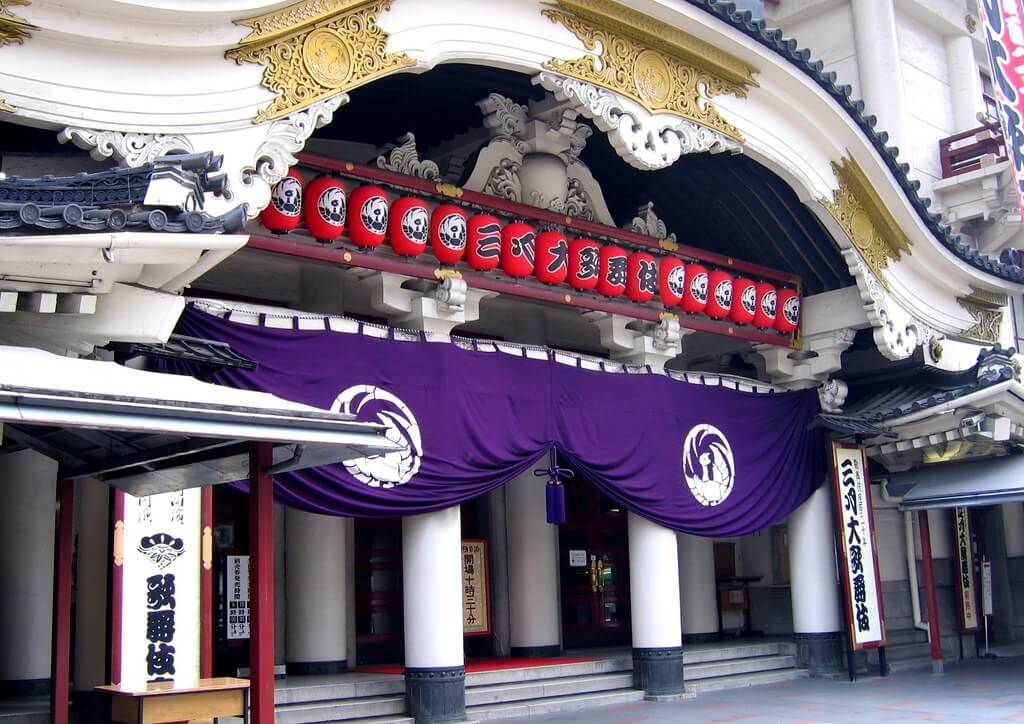
How to get there: Alight at Higashi-Ginza Station, accessible on the Asakusa or Hibiya Lines.
Estimated Time: 2-3 hours
Recommended Season: Year-round.
3. Japanese Tea Ceremony
Take part in a traditional Japanese tea ceremony. Discover the history and immerse yourself in the reverence of preparing and consuming tea. Often appointment-only. Perfect for introspective travelers.
How to get there: Many tea houses across Tokyo host ceremonies. One convenient location is near Hamarikyu Gardens, a short walk from Shiodome Station on the Oedo Line. Confirm the exact meeting point and arrival time when you book.
Estimated Time: 1-2 hours
Recommended Season: Year-round, particularly in a garden setting.
Digital Art at teamLab Borderless
Enter the immersive digital-art world of teamLab Borderless at Azabudai Hills. Timed tickets can sell out, so reserve in advance and confirm current hours on the official teamLab Borderless page.
How to get there: Use Kamiyacho Station on the Tokyo Metro Hibiya Line; Exit 5 is about a two-minute walk from teamLab Borderless at Azabudai Hills.
Estimated Time: 2-3 hours
Recommended Season: Year-round
5. Shibuya Crossing
Feel the heartbeat of Tokyo at the iconic Shibuya Crossing, one of the world's busiest intersections. Watch the crowd ballet from above or be part of it yourself. Excellent for photographers and solo travelers. Regardless of rain or shine, it’s an experience to savor.
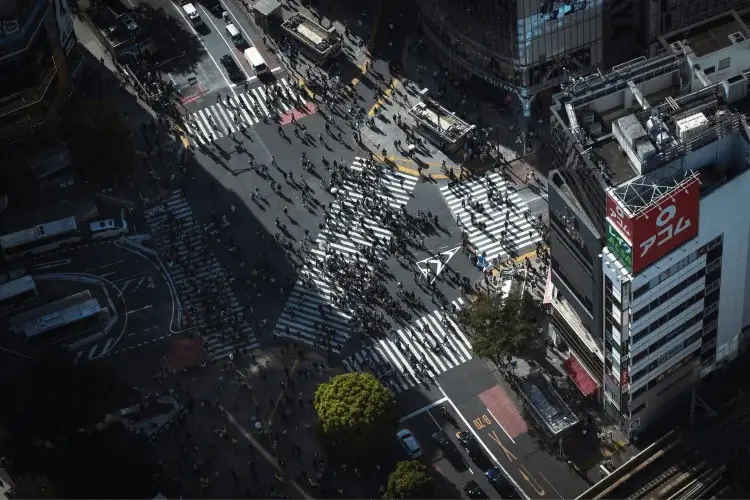
How to get there: JR Yamanote Line to Shibuya Station – the crossing is directly accessible.
Estimated Time: 30 min
Recommended Season: Any season
6. Takeshita Street in Harajuku
Ogle at the latest fashion trends at Takeshita Street, ground zero for Tokyo’s youth fashion culture. Snack on crepes and feel the pulse of Tokyo’s teenage spirit. Best on weekdays to avoid crowds. Great for fashion followers and knick-knack collectors.
How to get there: JR Yamanote Line to Harajuku Station – the street is across from the station exit
Estimated Time: 1-2 hours
Recommended Season: Spring or autumn
7. Tokyo Disneyland
Tokyo Disneyland is a full-day theme-park commitment rather than a stop to add between central neighborhoods. Buy dated admission in advance, check the current operating calendar, and allow for the journey to Maihama in Chiba Prefecture. It best suits travelers who are comfortable giving one complete day to rides, shows, parades, and queues.
How to get there: JR Keiyo Line or Musashino Line to Maihama Station – where Tokyo Disneyland is
Estimated Time: Full day
Recommended Season: Mid-week, spring or autumn to avoid the worst of the crowds
8. Roppongi Hills
Enjoy night life, shopping, and stunning views of the city at Mori Tower in Roppongi Hills as the lights go down. Mori Art Museum is a hot spot for art connoisseurs. Recommended for couples or solo travelers.
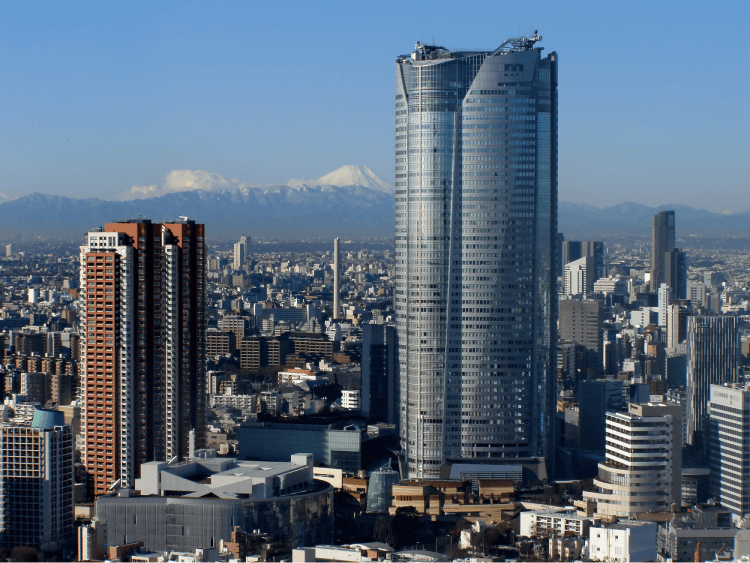
How to get there: Hibiya Line to Roppongi Station or Oedo Line to Roppongi Station – it’s a short walk to Roppongi Hills.
Estimated Time: 2-3 hours
Recommended Season: Any evening
Sumo at Ryogoku Kokugikan
Experience a real sumo match at Ryogoku Kokugikan and feel the energy of the national sport. A guide to the most popular sports in Japan explains sumo’s place in the country’s sporting culture. Tokyo tournaments are seasonal, so confirm the official schedule before building a day around Ryogoku.
How to get there: A short walk from Ryogoku Station on the JR Sobu Line
Estimated Time: 2-3 hours
Recommended Season: During Tokyo tournament periods, after confirming the current schedule.
Visit type | Planning priority |
|---|---|
Grand tournament | Confirm dates and secure admission |
Ryogoku neighborhood | Combine the arena area with nearby museums |
No tournament date | Choose a different sumo-related experience |
Shopping and Pop Culture in Akihabara
Akihabara suits visitors interested in electronics, manga, games, character shops, and themed cafés. Compare prices and voltage or warranty conditions before buying electronics, and use a guide to souvenirs available across Japan to separate distinctive finds from items sold widely elsewhere.
Interest | What to check |
|---|---|
Electronics | Voltage, warranty, and tax-free terms |
Collectibles | Condition and authenticity |
Themed cafés | Reservation and cover-charge rules |
Animation Beyond Central Tokyo
If animation craft matters more than shopping, reserve a separate half day for the quieter Ghibli Museum experience in Mitaka. It requires a date-and-time reservation and works best as a west-Tokyo outing rather than a quick addition to Akihabara.
How to get there: Take the JR Chuo Line to Mitaka Station, then walk or use the local bus after checking the museum’s current directions.
Estimated Time: Allow a half day including the trip from central Tokyo.
Choice | Best for |
|---|---|
Akihabara | Retail, games, and character goods |
Ghibli Museum | Animation craft and a reserved museum visit |
Both | Separate time blocks on different routes |
Parks and Nature
11. Imperial Palace
Roam the peaceful gardens and historical buildings of Tokyo’s Imperial Palace. Guided tours are available, or simply explore the East Gardens at your own pace. Some tours require advance reservation. Best on a nice day, and good for small or large parties.
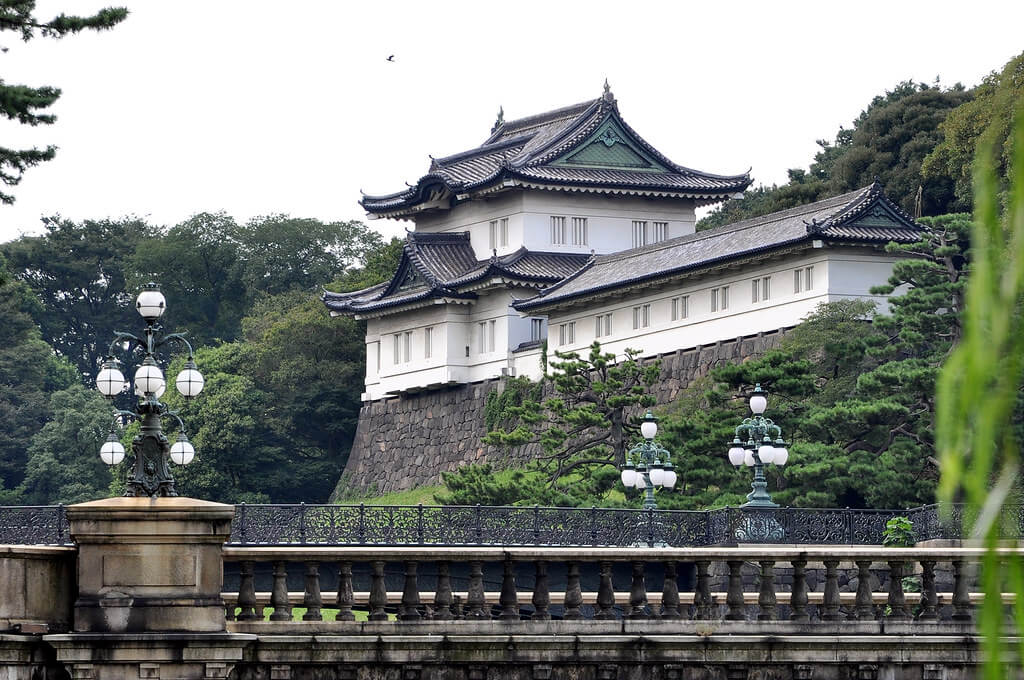
How to get there: Short walk from Tokyo Station or Nijubashimae Station on the Chiyoda Line.
Estimated Time: 2-3 hours
Recommended Season: Cherry blossoms in early spring
12. Sumida River Cruise
Cruise down the Sumida River to see Tokyo’s skyline and landscapes. Sail under bridges and past landmarks while enjoying the tranquility of the boat trip. Weather doesn’t matter – the boats are all covered. Good for couples or families wanting a unique look at Tokyo.
How to get there: Cruises usually embark from Asakusa Pier, near Asakusa Station.
Estimated Time: 1 hour
Recommended Season: Spring or autumn
13. Ueno Park and Zoo
Walk through Ueno Park, a massive expanse of green that hosts a zoo, museums, and cherry blossoms. Great for families and nature lovers; cherry blossom season is particularly beautiful. The zoo is a must-see for kids in Tokyo.
How to get there: JR Yamanote Line to Ueno Station, which is attached to the park.
Estimated Time: 2-4 hours
Recommended Season: Cherry blossoms in spring or colorful autumn foliage
14. Mori Art Museum
Check out contemporary art at Roppongi Hills’ Mori Art Museum, with views of Tokyo looming below. See what exhibitions are scheduled before you visit. Ideal for art lovers or more cerebral tourists.
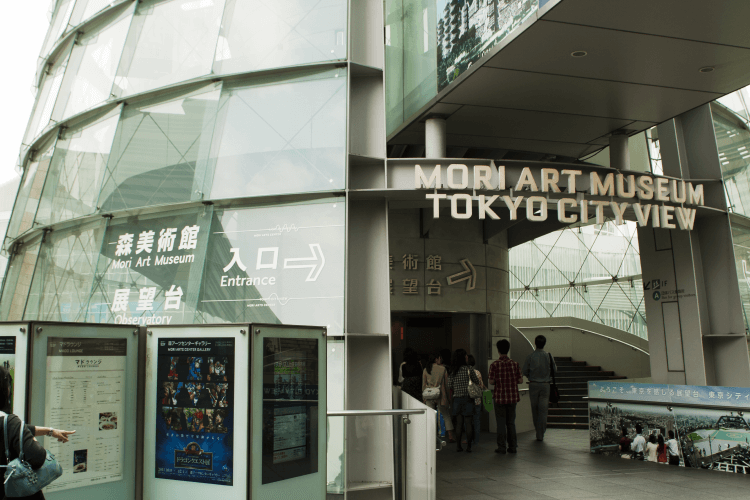
How to get there: Hibiya Line to Roppongi Station, follow signs to Roppongi Hills.
Estimated Time: 1-2 hours
Recommended Season: Any
15. Odaiba
Say goodbye to Tokyo in Odaiba, a manmade island featuring shopping centers, attractions, and a fantastic view of the Rainbow Bridge from across the bay. Visit at night for a stunning view of the glowing city. Suitable for families or couples.
How to get there: Yurikamome Line from Shimbashi Station to Daiba Station.
Estimated Time: 2-3 hours
Recommended Season: Evenings, any
Comparing Tokyo with Seoul
For travelers choosing between major East Asian city breaks, Tokyo rewards neighborhood clustering around its rail network, while Seoul combines palace districts, markets, design areas, and hillside neighborhoods in a different daily rhythm. Reviewing a five-day South Korea route can help you decide whether to add a second country or give Tokyo more time.
Factor | Tokyo emphasis | Seoul emphasis |
|---|---|---|
Daily planning | Rail-linked neighborhood clusters | Districts connected across varied terrain |
Extra day | Slower neighborhood exploration | Market, palace, or hillside combination |
Two-country trip | Protect airport-transfer time | Recheck separate entry requirements |
How to Build a Tokyo Sightseeing Route
Cluster each day by neighborhood: Asakusa and Ueno pair naturally, Shibuya and Harajuku share a corridor, while Roppongi and Azabudai suit an art-and-view evening.
The official Tokyo transport guide explains JR, subway, bus, taxi, bicycle, and waterbus options. Use an IC card for convenience, but compare passes against the lines you will actually ride.
|
Day style |
Example cluster |
Booking priority |
|---|---|---|
|
Historic east |
Sensō-ji, Ueno, Sumida River |
River cruise if timing is fixed |
|
Modern west |
Harajuku, Shibuya, evening view |
Observation deck or performance |
|
Art and culture |
Azabudai, Roppongi, Kabuki-za |
teamLab and theater tickets |
Staying Connected While Sightseeing
A Japan eSIM is one digital option for train directions, timed-ticket pages, maps, and messages. Check device compatibility and plan terms, then keep reservation confirmations and an offline route available for weak reception inside stations or venues.
Travel need | Live use | Offline fallback |
|---|---|---|
Rail route | Delay and platform updates | Saved neighborhood map |
Venue entry | Account or ticket page | Downloaded QR code |
Meeting point | Message or map pin | Written address |
FAQ
1. How many days should you spend in Tokyo?
Three to five days covers several major districts without turning every day into a cross-city sprint.
2. Which Tokyo attractions need advance booking?
Timed digital-art museums, theme parks, popular observation decks, theater performances, and special tours are the highest priorities.
3. What is the easiest way to get around Tokyo?
Trains and subways cover most visitor routes; an IC card simplifies payment across many operators.
4. Is Tokyo Disneyland in central Tokyo?
No. Tokyo Disneyland is in Urayasu, Chiba Prefecture, and is commonly reached from central Tokyo via Maihama Station.
Conclusion
The best Tokyo itinerary mixes major icons with one or two neighborhoods explored at street level.
Group nearby attractions, reserve capacity-limited experiences first, and keep travel time realistic during rush hours.
With a flexible route and current transport information, Tokyo’s scale becomes an advantage rather than an obstacle.