
Japan holidays can mean both the public-holiday calendar and the trip you want to build around it. Planning for both matters, because national holidays can change hotel demand, reserved-seat availability, attraction crowds, and local opening hours.
If your route crosses Tokyo, Kyoto, Osaka, or smaller regional stops, mobile data helps with maps, rail updates, translation, and accommodation messages when plans change. An iRoamly Travel eSIM can be arranged before departure, so those tools are ready soon after arrival without swapping your usual SIM.
Use this guide to compare Japan's public holidays, peak travel periods, seasons, sample routes, and booking priorities before you commit to your dates.
Japan Holidays and Peak Travel Dates
Japan has national holidays set by law, and several of them cluster into long weekends or full travel weeks. The biggest planning issue is not only whether museums or banks are open; it is how many domestic travelers are moving at the same time.
The official Cabinet Office calendar is the source to check before booking, especially when substitute holidays create a longer break.
Use this table as a practical reading of the holiday calendar rather than a fixed schedule for every year.
Holiday Period | Usual Timing | Travel Impact | Smart Move |
|---|---|---|---|
New Year | January 1, with many year-end routines nearby | Family travel, altered opening hours, and busy intercity routes | Stay longer in one city and confirm restaurant hours early |
Golden Week | Late April through early May | One of Japan's busiest domestic travel periods | Book rail seats, hotels, and theme parks well ahead |
Summer Travel | July holidays and the Obon family travel period in August | Hot weather, festivals, beach trips, and regional congestion | Use early starts and keep outdoor plans flexible |
Autumn Long Weekends | September and October holiday Mondays, plus equinox dates | Short domestic trips and foliage-route demand | Pick one base city and reserve limited-express trains early |
Late Autumn and Winter | November holidays and the year-end travel build-up | Temple visits, illumination events, snow routes, and ski travel | Watch weather updates and leave buffer time for mountain routes |
The practical pattern is simple: when a public holiday connects with a weekend, treat the dates as a peak travel window.
Japan's official 2026 calendar lists May 6 as a substitute holiday; it also places Respect for the Aged Day on September 21, a statutory holiday on September 22, and the Autumnal Equinox on September 23, forming a five-day Silver Week stretch from September 19 to 23.
Best Seasons for Japan Holidays
Season choice shapes the trip as much as the holiday calendar. A practical guide to the best time to visit Japan helps compare weather, daylight, and crowd patterns before choosing dates.
Spring
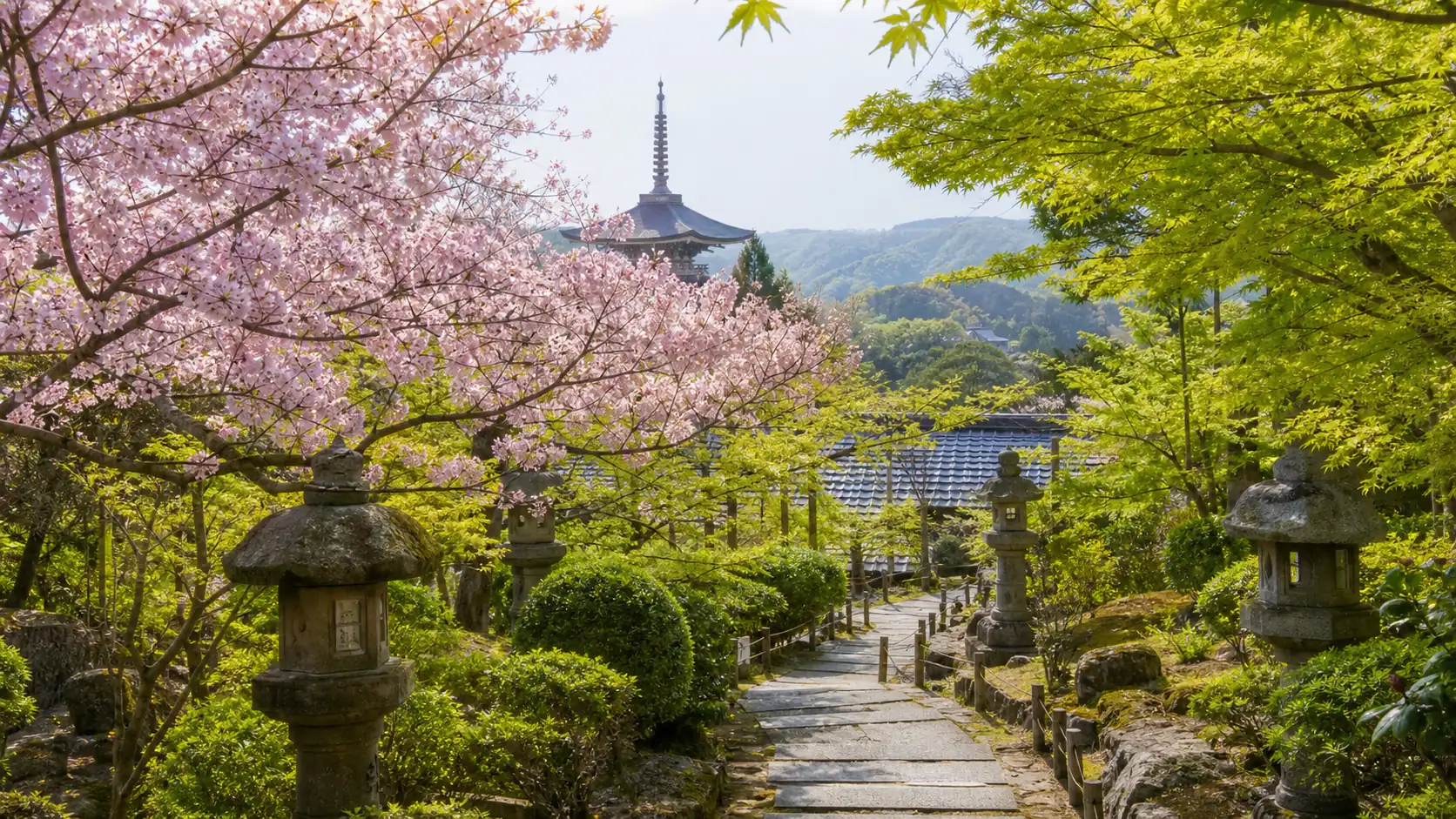
Spring suits first-time Japan holidays because the weather is often comfortable and sightseeing days can be long without feeling too hot. Cherry blossom timing changes by region, so Tokyo, Kyoto, Tohoku, and Hokkaido can peak at different moments.
The tradeoff is crowd pressure around famous parks, riversides, and temple districts. If you travel during blossom season, book accommodation early and leave space for a quieter neighborhood walk when the headline viewing spots fill up.
Summer
Summer holidays in Japan work best when you plan around heat, rain, and festivals. Northern areas, alpine routes, coastal towns, and evening events can feel more comfortable than a packed midday schedule in city centers.
Obon is a traditional family travel period rather than a single national holiday, but it still affects trains, roads, and hotel availability. If you need to move between regions then, reserve transport early and avoid tight same-day connections.
Autumn
Autumn is a strong choice for travelers who want temples, gardens, food markets, and countryside routes in one trip. Foliage moves by altitude and latitude, so mountain areas usually change earlier than major cities.
Public holidays in September, October, and November can turn short trips into busy long weekends. Visit famous foliage spots early, then keep an afternoon alternative such as a smaller museum, local shopping street, or lesser-known garden.
Winter
Winter Japan holidays split into two styles: snow travel in places such as Hokkaido, Nagano, and the Japan Alps, or calmer city trips with clear air, hot food, and illuminations. A focused winter in Japan guide can help match snow festivals, onsen, and city stays to the route.
New Year needs extra care because temple visits, family travel, and business closures can change the normal rhythm of a city. For a first winter trip, choose hotels near major stations and check dining options before the holiday period starts.
Japan Holiday Itinerary Ideas
The right itinerary depends on how much holiday time you have and whether your dates overlap with peak domestic travel. Shorter trips work better with fewer hotel moves, while longer holidays can add regional depth without racing between stations.
This table gives practical route shapes for different trip lengths.
Trip Length | Route Idea | Best For | Planning Note |
|---|---|---|---|
3 days | Tokyo only, or Kyoto only | A short public-holiday break | Stay central and avoid long day trips |
5 days | Tokyo, Hakone or Fuji Five Lakes, then Kyoto | First-time travelers with limited leave | Reserve mountain-area lodging early |
7 days | Tokyo, Kyoto, Nara, Osaka, and one side trip | A balanced first Japan holiday | Keep one flexible day for weather or crowds |
10 to 14 days | Add Hiroshima, Kanazawa, Takayama, or Hokkaido | Travelers who want regional variety | Group nearby cities to reduce luggage moves |
For a nearby East Asian comparison, a South Korea five-day itinerary shows the same value of grouping major cities into a compact route instead of adding too many hotel changes.
A route with fewer hotel changes usually feels better during Japan public holidays. You spend less time finding platforms and more time using the dates you traveled for.
Seven-Day Classic Route
For a first trip, this route keeps the famous places but avoids turning every day into a transfer day; the same pacing appears in this seven-day Japan itinerary.
Arrive in Tokyo and stay near a major rail line so the first evening is simple.
Spend a full Tokyo day around one east-side area and one west-side area instead of crossing the city repeatedly.
Use a day for Kamakura, Nikko, or a local Tokyo neighborhood, depending on weather and crowd levels.
Move to Kyoto and keep the afternoon light with one temple district or a food-focused walk.
Visit Kyoto early, then shift to Nara or Osaka later in the day if the main sights feel crowded.
Add Himeji, Uji, or a quieter Kyoto district rather than forcing a distant overnight stop.
Return to your departure city with enough time for luggage, airport rail, and last-minute schedule changes.
Short Holiday Upgrade
If your travel dates touch Golden Week, Obon, or New Year, add one buffer night instead of one more city. That single slower day can save the trip when trains sell out, weather shifts, or a restaurant you wanted is closed.
Practical Travel Tips for Japan Holidays
Japan rewards precise planning, but it also rewards restraint. The best holiday schedule usually has a clear route, early bookings for scarce items, and open space for local discoveries.
Booking and Transport
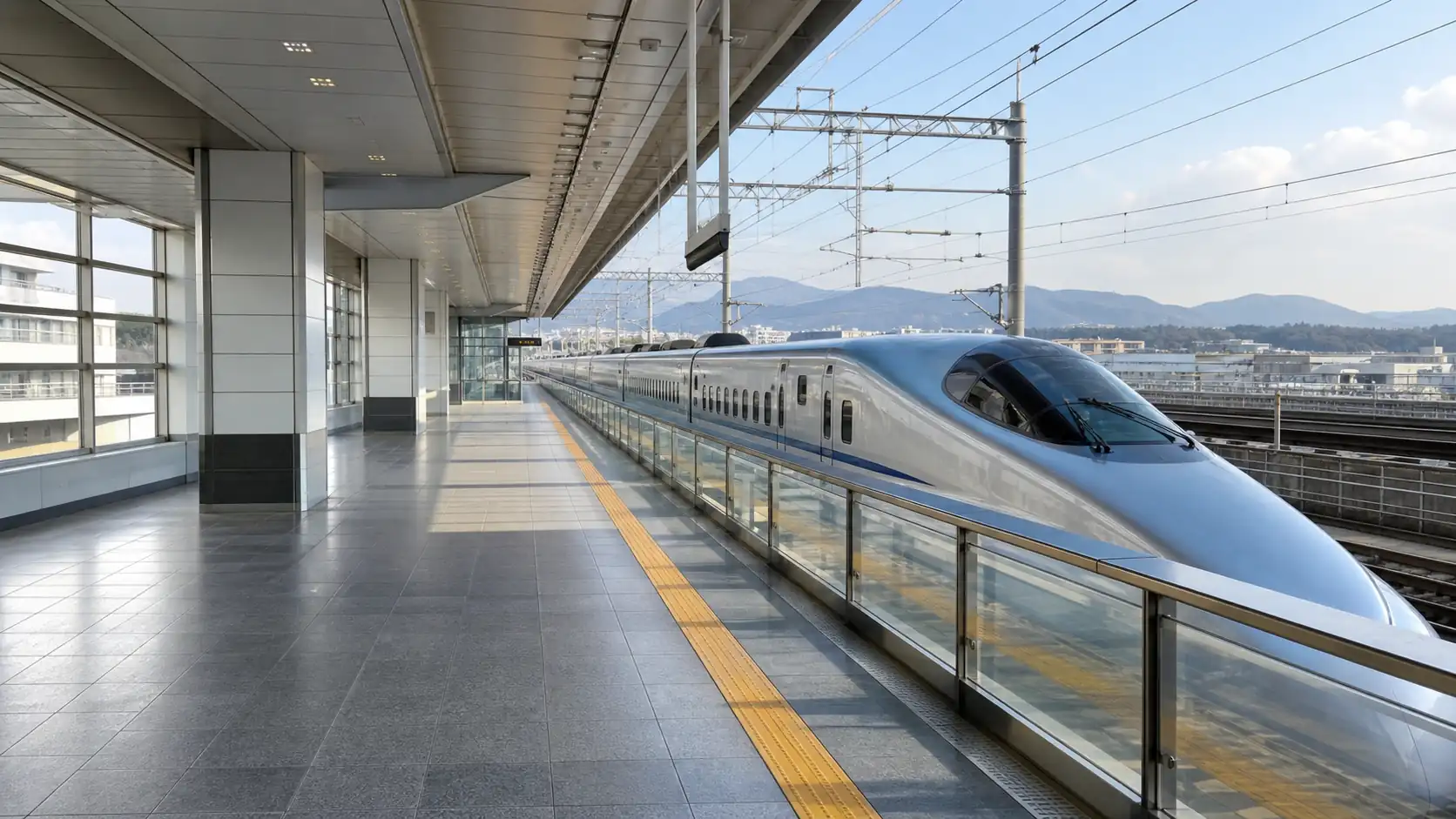
Reserve long-distance trains early: Peak holiday windows can fill reserved seats faster than normal travel weeks.
Stay near useful stations: A slightly simpler commute matters when streets, lockers, and platforms are crowded.
Check opening hours: Museums, restaurants, markets, and small shops may change hours around public holidays.
Plan luggage moves carefully: Forwarding services and station lockers are helpful, but popular areas can run out of convenient options.
Keep one flexible meal plan: Convenience stores, department-store food halls, and station dining areas can save a crowded evening.
Culture, Closures, and Crowd Timing
Holiday travel pressure also varies within Japan. A national holiday may affect intercity transport across the country, while museum hours, restaurant closures, and local event schedules still need to be checked venue by venue.
Tip: During long holiday periods, book the item that can ruin the day first: a train seat, a timed museum ticket, a restaurant for a special meal, or a hotel near your main station.
For specific museums, restaurants, and attractions, check each venue’s current calendar because holiday opening patterns are not uniform across Japan.
Staying Connected on Busy Travel Days
During Japan holidays, mobile data helps with platform changes, opening-hour checks, weather alerts, maps, and accommodation messages. Setting up an iRoamly Japan eSIM before departure can keep those essentials available from arrival without swapping your usual SIM.
FAQ
1. Are Japan holidays a bad time to travel?
No, Japan holidays can be enjoyable if you book transport and hotels early and choose less crowded neighborhoods for peak travel days.
2. Do shops and restaurants close on Japan public holidays?
Some small businesses close or shorten their hours, while large shopping areas, hotels, transport hubs, and convenience stores may follow different holiday schedules.
3. How early should I book Golden Week travel?
Book as soon as your dates are firm, because hotels, reserved train seats, domestic flights, and timed attractions can sell out during the busiest travel windows.
4. Can I travel in Japan without mobile data?
Yes, but mobile data makes train changes, maps, translation, weather checks, and accommodation contact much easier when public-holiday crowds disrupt plans.
Conclusion
Japan holidays are easier to plan when you separate the calendar from the dream trip. Public holidays tell you when domestic travel pressure may rise, while the season tells you which regions, routes, and experiences are worth prioritizing.
For most travelers, the safest formula is simple: confirm official holiday dates, book scarce transport and accommodation early, keep the itinerary compact during peak periods, and leave one flexible block for weather, crowds, or a slower local meal.
With that foundation, a Japan holiday can stay organized without becoming rigid. Choose dates carefully, limit unnecessary hotel changes, and keep enough flexibility for the small route adjustments that make a crowded travel day easier.