
Japan snow varies dramatically by region. Hokkaido can have deep powder while Tokyo stays cold and clear, so a successful winter trip begins with choosing the right base rather than expecting snow everywhere.
Weather can change rail, bus, and resort plans at short notice. Setting up a Japan travel eSIM before departure can keep forecasts, transport notices, maps, and accommodation messages available after arrival on a compatible unlocked phone.
This guide explains when snow is most dependable, how Japan's main winter regions differ, what to pack, and how to leave enough flexibility for a comfortable trip.
Why Snow Varies Across Japan
In winter, cold air moving across the Sea of Japan picks up moisture and releases heavy snow over western coastal areas and mountain ranges. The Pacific side often has drier winter weather, which is why Tokyo can be sunny while Niigata or Nagano is dealing with deep snow.
Elevation and local terrain also matter. Two towns in the same prefecture can have very different conditions, so check the exact resort, town, and transport route rather than relying on a nationwide forecast.
This regional contrast is central to choosing the right travel period. A general winter city trip and a powder-focused mountain trip need different dates, clothing, and transfer plans.
For current planning, use the official forecast and the destination's own notices. Historical averages can suggest a pattern, but they cannot confirm what a road, lift, or railway will be doing on the day.
When to Plan a Snow Trip
December can bring good conditions in Hokkaido and high mountain areas, although lower elevations may still have an uneven snowpack. It suits flexible travelers who are comfortable checking resort openings close to departure.
January and February generally offer the widest choice of established winter conditions across the main snow regions. They are also popular months for ski trips and seasonal events, so transport and accommodation can require earlier booking.
March and early April can still work in northern or high-altitude areas. Lower towns begin to thaw, making destination selection more important than it is in midwinter.
Period | Typical Pattern | Best For |
|---|---|---|
December | Snowpack building in northern and high mountain areas. | Flexible travelers and early-season resort stays. |
January to February | The broadest choice of established winter conditions. | Skiing, snow festivals, onsen stays, and winter scenery. |
March to early April | Thawing at lower levels, with better odds farther north or higher up. | Late-season skiing and travelers avoiding midwinter peaks. |
Japan's official tourism site provides a useful overview of snow activities and regions. Use it to shortlist destinations, then verify live conditions with the resort and transport operator.
If snow scenery is the main goal, choose one reliable region and build the rest of the route around it. Hoping that every major city will be white creates more uncertainty than a focused winter base.
When snow is only one part of a wider holiday, choose the travel period by balancing winter conditions, crowds, and the rest of the itinerary rather than expecting every region to be snowy at the same time.
Choose the Right Snow Region
Unlike winter snowfall in China, which is concentrated mainly in the north, high-altitude mountain regions, and parts of the interior, Japan’s major ski areas are spread across Hokkaido, Tohoku, Hokuriku, Shinetsu, and several other regions.
Hokkaido
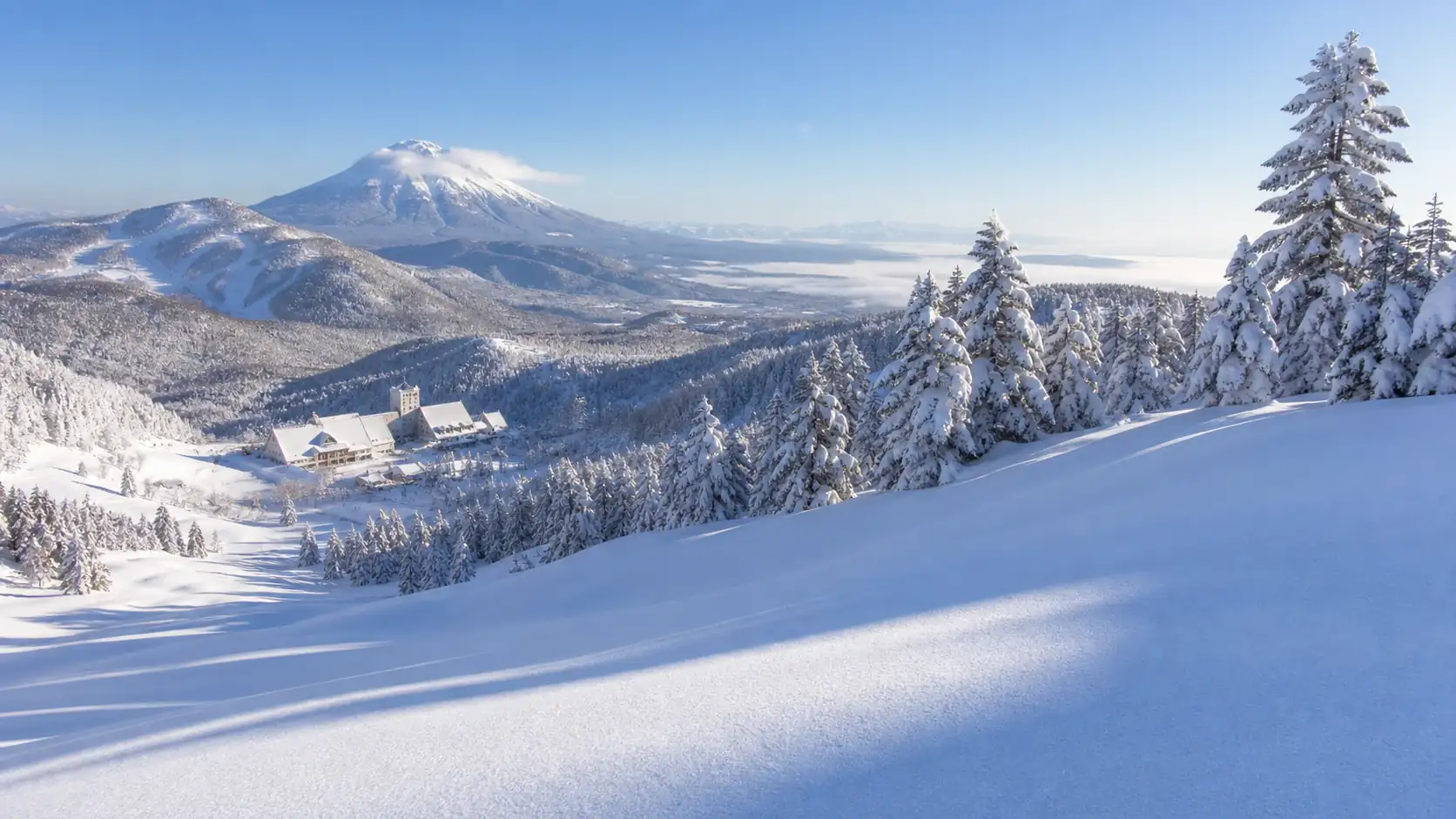
Hokkaido is a strong choice for a dedicated snow trip, with major resort areas around Niseko, Rusutsu, Furano, and Sapporo. It works well when powder, skiing, winter food, and a northern-city stay all belong in the same itinerary.
Tohoku
Tohoku offers snow-heavy mountain and inland areas with a quieter feel than the largest international resorts. Yamagata, Aomori, Akita, and Iwate can combine hot springs, winter festivals, scenic rail travel, and small-town stays.
Hokuriku and Shinetsu
Niigata, Nagano, Toyama, and nearby mountain areas are practical choices for travelers whose wider route already includes Tokyo or Kanazawa. Rail access can make them easier to add than a separate domestic flight north.
Winter Cities and Snow Towns
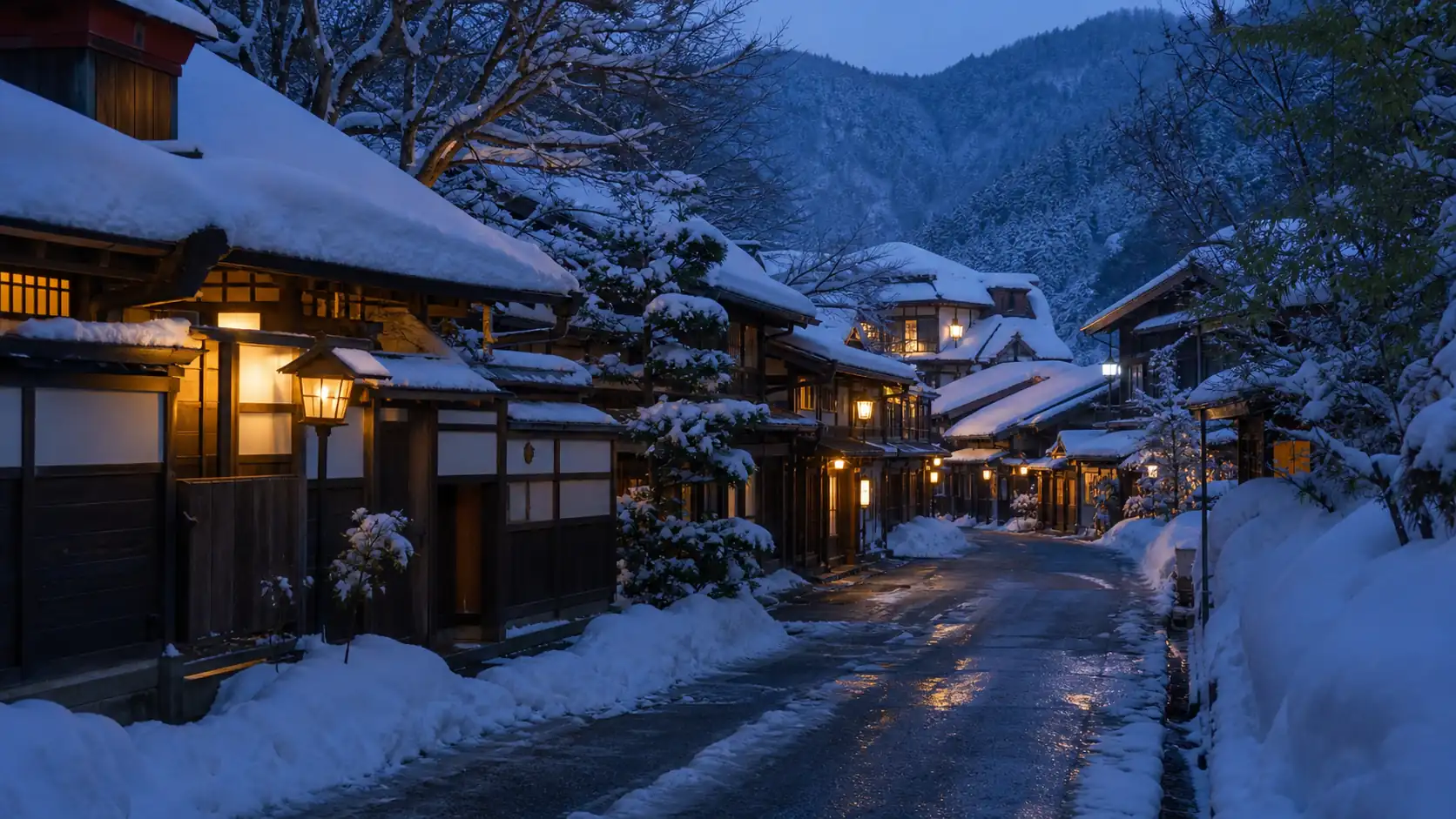
Sapporo offers the clearest large-city winter experience, while Otaru, Takayama, Shirakawa-go, and hot-spring towns suit travelers who care more about snow scenery than full days on the slopes.
Broader winter travel in Japan includes festivals, food, hot springs, and indoor alternatives, which can keep the trip rewarding when wind or heavy snow changes an outdoor plan.
Availability and access vary in peak winter. A famous village is not automatically the easiest base, especially when its final bus or shuttle leaves early.
Region | Winter Character | Best Fit |
|---|---|---|
Hokkaido | Long northern winter and powder-focused resort areas. | Skiers, food trips, and dedicated winter holidays. |
Tohoku | Deep snow, hot-spring towns, and quieter regional travel. | Scenic rail trips, festivals, and repeat visitors. |
Hokuriku and Shinetsu | Heavy mountain and Sea of Japan snowfall. | Tokyo or Kanazawa add-ons and mixed sightseeing trips. |
Pacific-side cities | Cold days with less dependable settled snow. | Clear-weather city travel with an optional snow side trip. |
Plan a Flexible Winter Route
Use one main snow base instead of changing accommodation every night. A stable base reduces luggage transfers and gives you a better chance to move an outdoor activity when the forecast changes.
Check whether the hotel is near a station, resort shuttle, or bus stop.
Leave one flexible half-day for weather, gear rental, or a slower onsen visit.
Save the last practical return service, not only the fastest morning route.
Check the official operator notice before leaving the hotel on a storm day.
Keep an indoor or lower-altitude alternative within the same region.
For slope-focused travel, a dedicated Japan ski trip should keep lodging, equipment pickup, lessons, and weather backups close enough to work as one plan.
Mixed groups can pair the resort with hot springs, food streets, museums, or seasonal light events. That gives non-skiers worthwhile days without requiring everyone to travel to a second region.
Pack for Stations and Snow
Winter travel in Japan means moving repeatedly between heated trains, icy sidewalks, hotel lobbies, and outdoor viewpoints. A practical guide to what to wear in Japan helps translate those temperature changes into adjustable layers rather than one very bulky outfit.
Footwear: Choose water-resistant shoes with reliable grip for compacted snow and station stairs.
Layers: Use a breathable base, warm mid-layer, and weather-resistant outer layer.
Hands: Pack gloves that still let you handle luggage, ticket gates, and a phone.
Power: Keep a charged battery pack in an inner pocket during long outdoor days.
Day bag: Use a compact water-resistant bag for spare layers, heat packs, and essentials.
Item | Why It Helps | Packing Note |
|---|---|---|
Water-resistant shoes | Snow and slush can change within one block. | Prioritize grip for mountain towns. |
Light thermal layers | Indoor heating can feel strong after a cold walk. | Two thinner layers are easier to adjust. |
Portable battery | Cold weather and frequent photos can drain a phone faster. | Keep it warm and follow airline battery rules. |
Compact day bag | Useful for gloves, a scarf, heat packs, and snacks. | Water-resistant fabric is easier in wet snow. |
Tip: Carry a small waterproof zip bag for wet gloves and socks so they do not soak your phone, tickets, or spare layers during station transfers.
Check Conditions Every Day
Before a resort bus, ropeway, or rural onsen transfer, compare the destination notice with official weather and transport updates. Yesterday's forecast is not enough for a route exposed to wind or heavy snow.
The Japan Meteorological Agency snow map provides current official information, while railway, bus, and resort operators publish their own service notices.
Keep an earlier return option when visibility, wind, or road conditions deteriorate. After dark, unfamiliar icy walks with luggage can be harder than the distance suggests.
Stay Connected Without Overplanning
Winter connectivity should serve the trip rather than become a separate project. The useful tasks are checking transport, opening maps, reading weather notices, translating a message, and contacting the hotel when a delay changes arrival time.
Save installation details and the first accommodation address offline before flying. If Japan is one stop on a multi-country trip, the iRoamly Travel eSIM also offers destination information and eSIM setup guides for the other countries on your itinerary.
Offline screenshots still matter. Keep booking numbers, the hotel name in Japanese, and the final return route available even when coverage is weak or the phone battery is low.
FAQ
1.Does Tokyo get snow in winter?
Yes, but Tokyo snow is usually occasional, so choose a northern or mountain side trip when settled snow is the main goal.
2.Can I enjoy Japan snow without skiing?
Yes, snow festivals, hot springs, winter food, scenic rail routes, and historic towns offer plenty to do without skiing.
3.Is late March too late for snow?
No, northern and high-altitude areas can still have snow in late March, although lower towns may already be thawing.
4.Should I rent a car for a winter trip?
No, rail and bus routes are often easier unless you have suitable winter-driving experience and the itinerary genuinely requires a car.
Conclusion
Japan snow is a regional experience rather than a nationwide guarantee. Choose Hokkaido, Tohoku, or a mountain area when dependable winter scenery matters more than a general city itinerary.
January and February usually offer the broadest choice, but a good base and flexible transfer plan matter as much as the month. Check official weather, transport, and resort notices throughout the trip.
Pack for icy streets, keep offline backups, and leave enough time for winter transport. With those basics in place, the trip can remain calm even when the forecast changes.