
Ahlat sits on Lake Van’s northwestern shore in Bitlis Province, where Seljuk tombstones, monumental mausoleums, volcanic-stone buildings, and lakeside remains preserve several layers of eastern Anatolian history.
The town is most rewarding for travelers who slow down, distinguish its separate heritage zones, and allow for outdoor walking. Its headline sites are not all packed into one pedestrian center.
Save offline maps and current venue notices before arriving. A Turkey eSIM can help with navigation and transport calls where public visitor information is limited.
Why Ahlat Matters Historically
Ahlat grew at a strategic point between Anatolia, the Caucasus, Iran, and Mesopotamia. Its surviving monuments are especially important for understanding medieval Turkish-Islamic funerary architecture and regional stone craftsmanship.
Ahlat’s role becomes clearer within Turkey’s history, particularly the Seljuk period and the routes that connected eastern Anatolia with neighboring regions.
Two UNESCO designations are often confused. Ahlat’s historic tombstones are on Türkiye’s World Heritage Tentative List, while traditional Ahlat stonework is separately recognized as living intangible heritage needing urgent safeguarding.
The Seljuk Cemetery
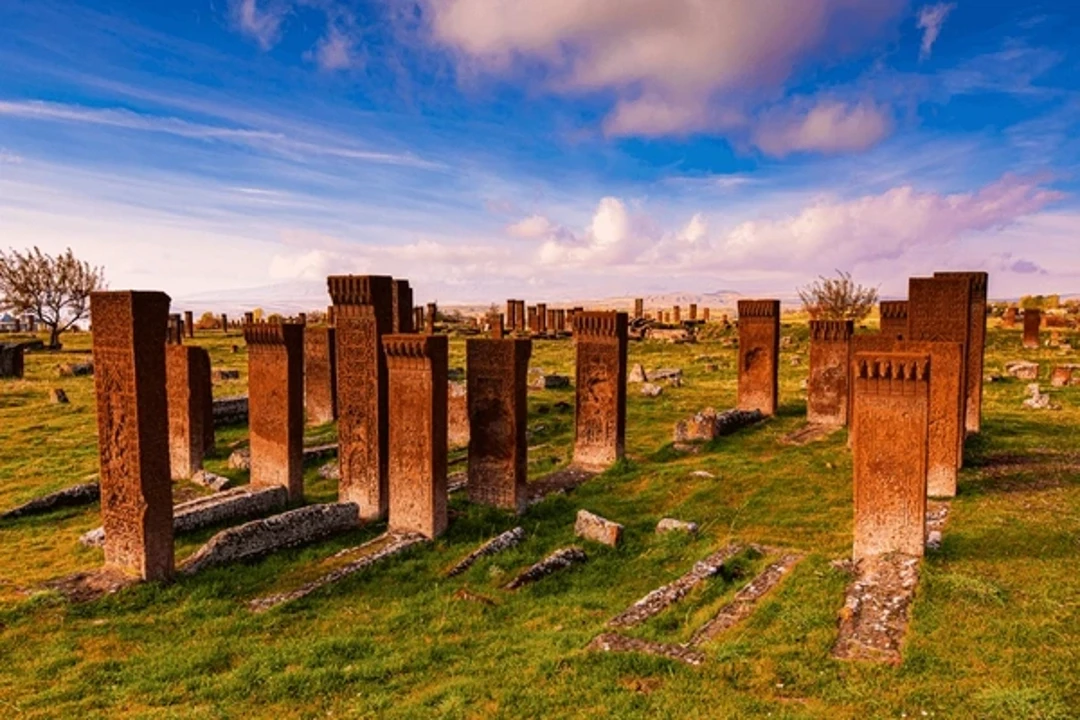
The UNESCO Tentative List entry describes six cemetery groups with tombstones mainly dating from the twelfth to fifteenth centuries. Tentative status is not the same as World Heritage inscription.
The main cemetery covers roughly 210,000 square meters, and some carved markers rise to about four meters. Look for changing scripts, geometric patterns, vegetal motifs, and stone-carver signatures rather than treating the site as a single monument.
Traditional Ahlat Stonework
Traditional Ahlat stonework entered UNESCO’s Urgent Safeguarding List in 2022. The craft includes extracting, shaping, ornamenting, and building with the region’s volcanic stone.
The same material links tombstones, mausoleums, houses, and newer construction across Ahlat. Seeing these structures together reveals a living craft tradition, not only an archaeological style.
Sightseeing and Attractions
Ahlat’s key sights differ in setting and condition. Use the table to separate the cemetery, mausoleums, museum, lakeside castle, and shoreline before planning a route.
Place |
Why visit |
Typical pace |
Check before going |
|---|---|---|---|
Seljuk Cemetery |
Monumental carved tombstones and funerary history |
Slow outdoor walk |
Weather, footwear, and current hours |
Ulu Kümbet and other mausoleums |
Seljuk and later stone architecture |
Short stops spread across town |
Exact map pins and road access |
Ahlat Museum |
Regional finds from several historical periods |
Visit only if reopened |
Current closure status |
Sahil Kalesi |
Lakeside fortification and Ottoman rebuilding |
Short exterior visit |
Accessible areas and site condition |
Lake Van shoreline |
Landscape views and a quieter finish |
Flexible |
Wind, season, and distance from your lodging |
Ahlat Sahil Kalesi
Sahil Kalesi is a lakeside fortification, not a hilltop castle. The surviving complex largely reflects Ottoman rebuilding during the reign of Süleyman the Magnificent and has a rectangular plan with multiple bastions.
Seljuk Cemetery and Kümbets
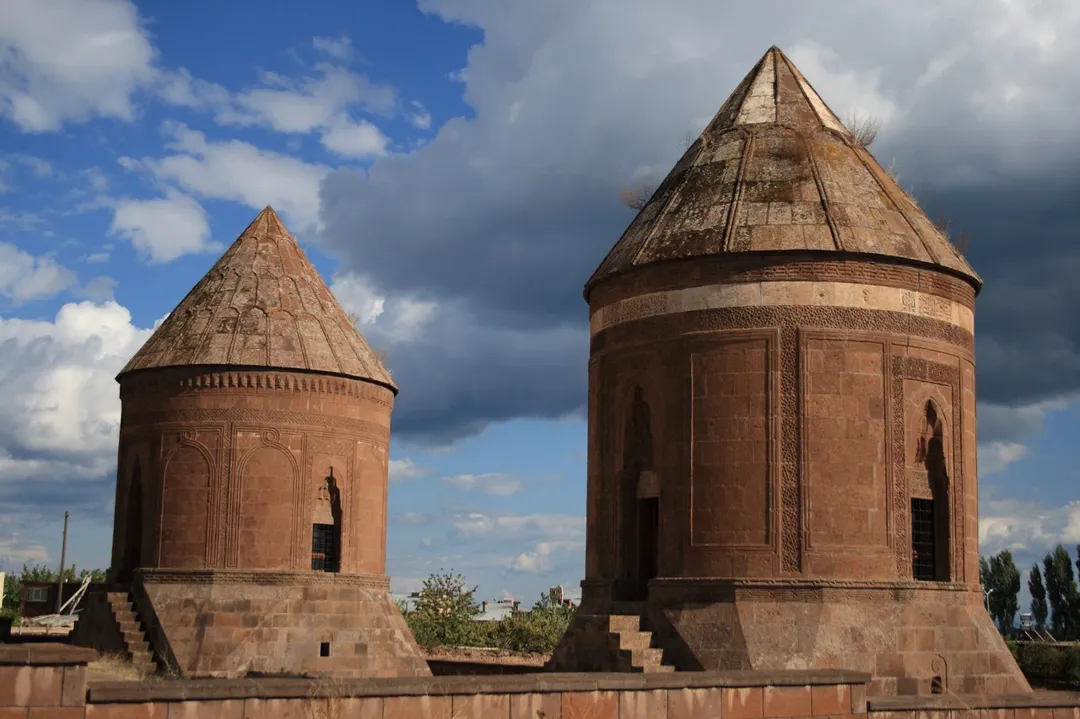
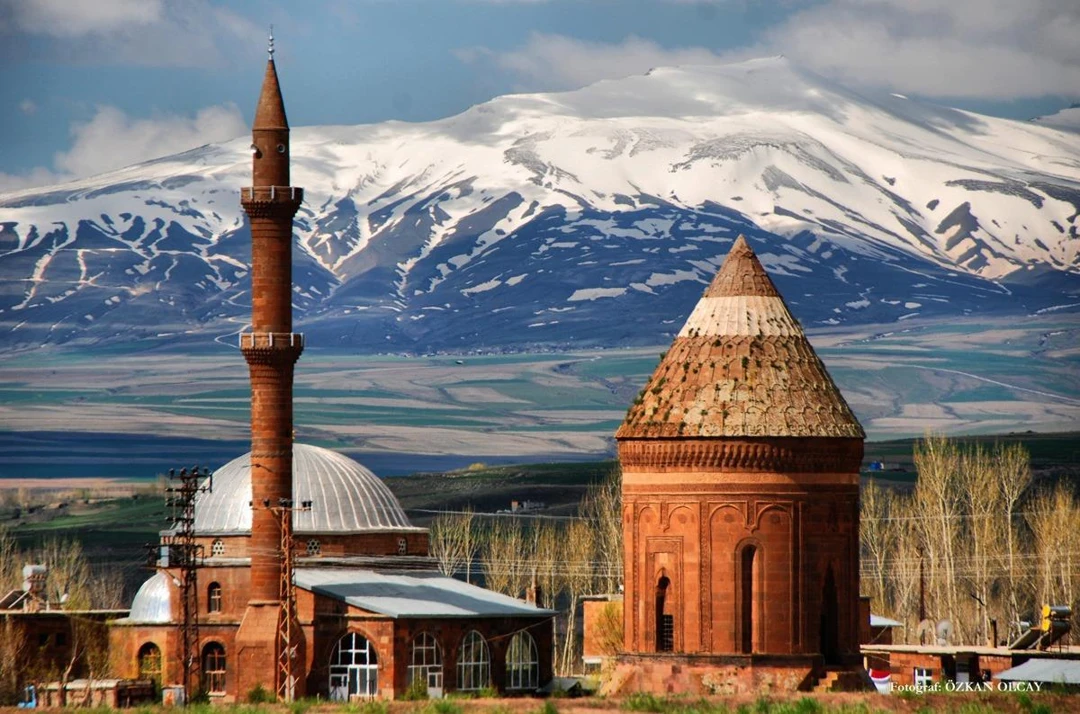
Within Turkey’s history, monumental mausoleums such as Ulu Kümbet, Bayındır Kümbet, and the Çifte Kümbet group show how Ahlat’s stone architecture changed across periods.
The main cemetery and individual mausoleums are separate stops. Save exact map pins instead of assuming every kümbet stands inside the cemetery grounds.
Ahlat Museum
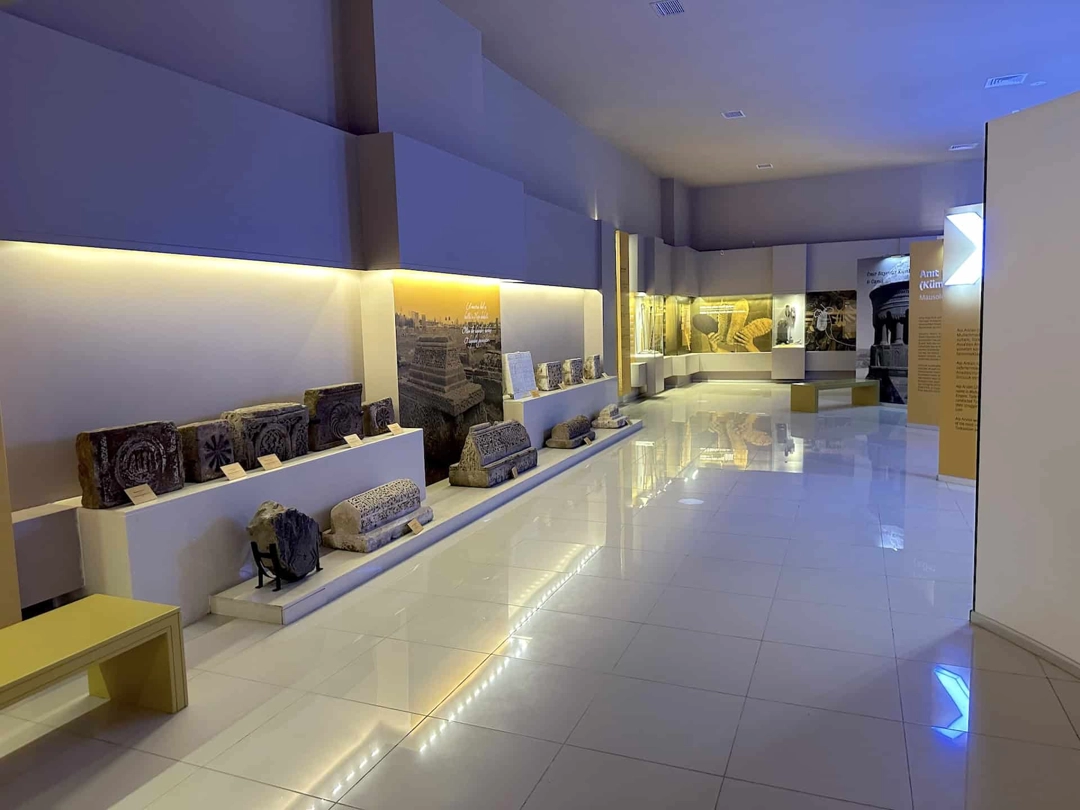
The Ministry’s Ahlat Museum listing currently marks the museum temporarily closed. Recheck the official status before building your day around an indoor visit.
When open, its regional collection spans the Bronze and Iron Ages through Hellenistic, Roman, Seljuk, and Ottoman material. It should not be described as a small display of local memorabilia.
Lake Van Shoreline
The lake is beside Ahlat, but walking time depends on your starting point and the section of shore. Treat it as a landscape stop, not a guaranteed five-minute detour from every attraction.
Local Cuisine
Ahlat’s food reflects Bitlis traditions built around bulgur, meat, legumes, cabbage, and breads cooked on a sac or in a tandır. Menus vary, so ask what was prepared that day.
What to Look For
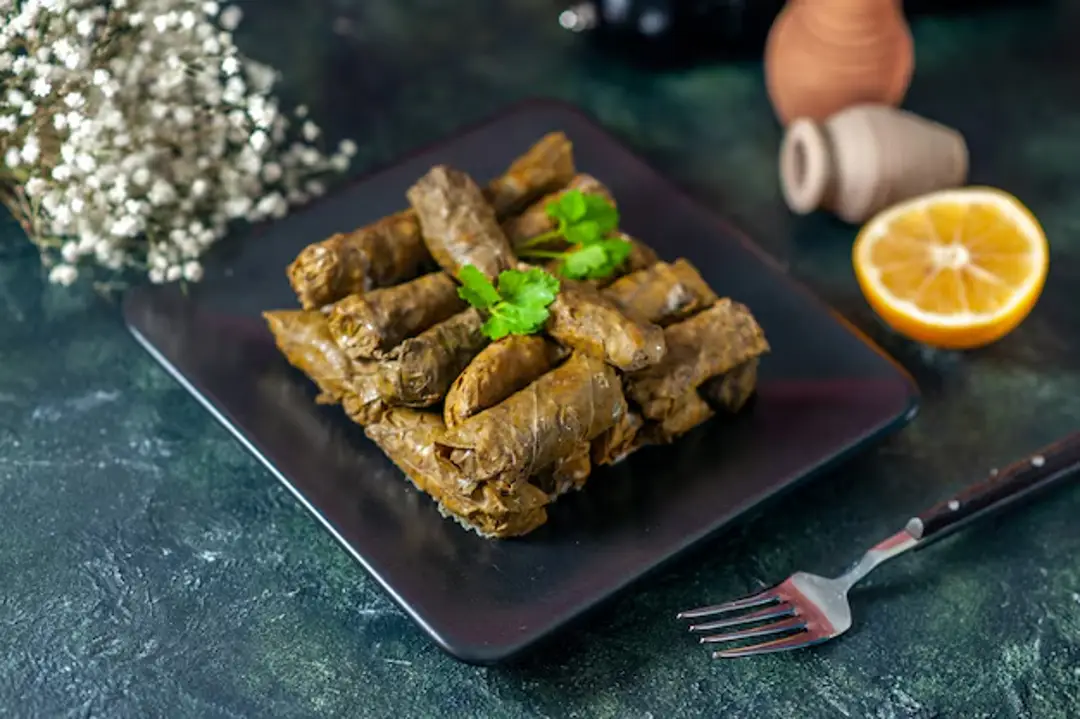
Documented local dishes include harse, ciğer taplaması, mercimekli köfte, lahana dolması, hes dolması, and regional breads. They belong to wider Turkey food traditions, but spellings and recipes may differ between households and restaurants.
Rather than expecting one signature kebab everywhere, ask about the day’s bulgur dishes, stuffed vegetables, soups, and breads. This gives a more accurate taste of local cooking.
Choosing a Place to Eat
Restaurant names and opening patterns change, especially outside the busiest season. Check recent local listings, confirm hours by phone, and avoid traveling across town for an unverified recommendation.
Events and Best Seasons
Ahlat’s most prominent annual period is the late-August commemoration connected with Ahlat and the Battle of Malazgirt. Dates, venues, road controls, and programs vary each year.
Period |
What to expect |
Planning advice |
|---|---|---|
Late spring |
Milder walking conditions and greener landscapes |
Carry layers and check rain |
Summer |
Long daylight and easier outdoor touring |
Use sun protection and expect cool evenings |
Late August |
Ahlat and Malazgirt commemorative programs |
Verify official dates and reserve early |
Winter |
Cold, snow, and fewer comfortable outdoor hours |
Confirm roads and venue access |
Broader Turkey weather patterns help explain the contrast between inland winters and coastal conditions, but local forecasts should guide Ahlat walking days.
Do not plan around an “international ceramics symposium” unless a current organizer publishes verified dates. The recurring late-August commemorations have stronger official documentation.
Getting Around and Accessibility
Ahlat is about 60 kilometers from Bitlis city center, but regional arrival routes depend on your origin. Compare road connections through Bitlis and Tatvan with flight options serving Muş or Van.
Arrival route |
Likely next step |
Important caveat |
|---|---|---|
Bitlis or Tatvan |
Regional road transport or prearranged transfer |
Confirm the departure point and final service time |
Muş airport |
Prearranged onward road transfer |
Do not assume a direct public airport bus |
Van airport |
Reach Van, then continue by regional road transport |
Confirm the connection before flying |
Arriving by Air
No single airport is best for every itinerary. Compare flight times, road distance, transfer availability, and your next destination before choosing between Muş and Van.
Airport transport pages usually describe links into their own city, not a direct service to Ahlat. Arrange the onward leg separately and reconfirm it close to departure.
Moving Between Sights
Historic towns do not share the same walking pattern. Attractions in Toledo, Spain cluster within a compact but hilly old center, whereas Ahlat’s cemetery, mausoleums, castle, and shoreline are dispersed even though some sites can be combined. Use a taxi, local driver, or rental car instead of planning one continuous pedestrian loop.
Accessibility
The cemetery is an outdoor archaeological landscape with uneven ground, while historic structures may have steps or rough approaches. Ask each venue and transport provider about the exact assistance required.
Practical Travel Tips
Ahlat rewards preparation more than speed. Current opening status, accurate map pins, weather, footwear, and an agreed return ride matter more here than a packed attraction list.
A Realistic One-Day Route
Begin at the Seljuk Cemetery, add nearby mausoleums, and visit the museum only if it has reopened. Continue to Sahil Kalesi, then finish by the Lake Van shoreline.
Weather and Clothing
Summer days can be sunny while evenings feel cool, and winter can bring snow and difficult outdoor conditions. Bring layers, sun protection, water, and shoes with reliable grip.
Maps and Connectivity
Download the town map, save Turkish place names, and pin your accommodation before leaving a stronger connection. Agree on a pickup location when using a local driver.
If your wider trip also crosses rural eastern Türkiye, an iRoamly travel eSIM can support route checks and messages, subject to local network coverage.
Frequently Asked Questions
1. Is Ahlat a UNESCO World Heritage Site?
No. Its historic tombstones are tentative candidates, while Ahlat stonework has a separate intangible-heritage safeguarding designation.
2. What is Ahlat best known for?
Ahlat is best known for its monumental Seljuk-era cemetery, carved volcanic-stone tombstones, mausoleums, and traditional stone craftsmanship.
3. How long should I spend in Ahlat?
Reserve one full day for the main heritage sites. An overnight stay adds flexibility for weather and transport.
4. Is Ahlat Museum open?
The official listing currently says it is temporarily closed. Recheck shortly before visiting because the status may change.
5. Can I see Ahlat without a car?
Yes, but dispersed sites make planning important. Walking plus local taxis or a prearranged driver is more realistic than walking everywhere.
6. Is the Seljuk Cemetery wheelchair accessible?
Uneven outdoor terrain may create barriers. Contact the site for current routes and assistance instead of assuming complete step-free access.
Conclusion
Ahlat is not simply a stop beside Lake Van; it is a connected landscape of funerary art, volcanic-stone architecture, regional history, and living craft knowledge.
Its strongest visit combines the Seljuk Cemetery, selected kümbets, the lakeside castle, and accurate checks on the museum’s current status.
With realistic transport, weather, and accessibility planning, one focused day can reveal why Ahlat holds an exceptional place in eastern Anatolia’s cultural history.