
China Airlines is a solid full-service choice for many trips to Taiwan and onward destinations in Asia, especially when the fare includes a convenient schedule, checked baggage, and a modern aircraft.
Its strongest points are usually courteous cabin service, comfortable long-haul cabins, and a useful Taipei hub.
The experience is not identical on every flight. Seat design, entertainment, Wi-Fi, and even the cabin offered can change with the aircraft and route, so the flight number and seat map matter almost as much as the airline name.
This review explains where China Airlines performs well, what to check before paying, and which cabin or traveler type gets the best value. While planning the rest of your trip, an iRoamly China travel eSIM can help you stay connected after arrival.
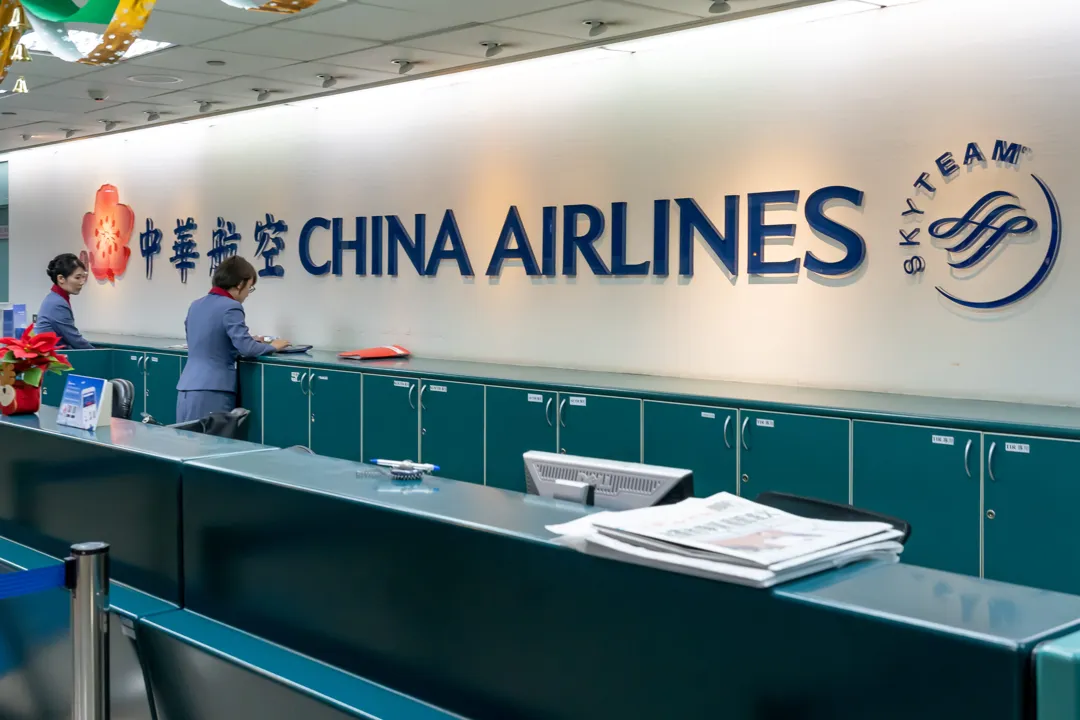
Is China Airlines a Good Airline?
Yes—for the right itinerary, China Airlines is generally a good airline.
It combines full-service basics with an international network centered on Taipei. Travelers often find the crew professional, the meals more substantial than a bare-bones fare, and the newer widebody cabins comfortable enough for long flights.
The most important qualification is consistency. An A350 long-haul flight can feel quite different from a regional service or a flight on an older configuration. A low fare is most attractive when the schedule, aircraft, seat-selection rules, and baggage allowance also work for you.
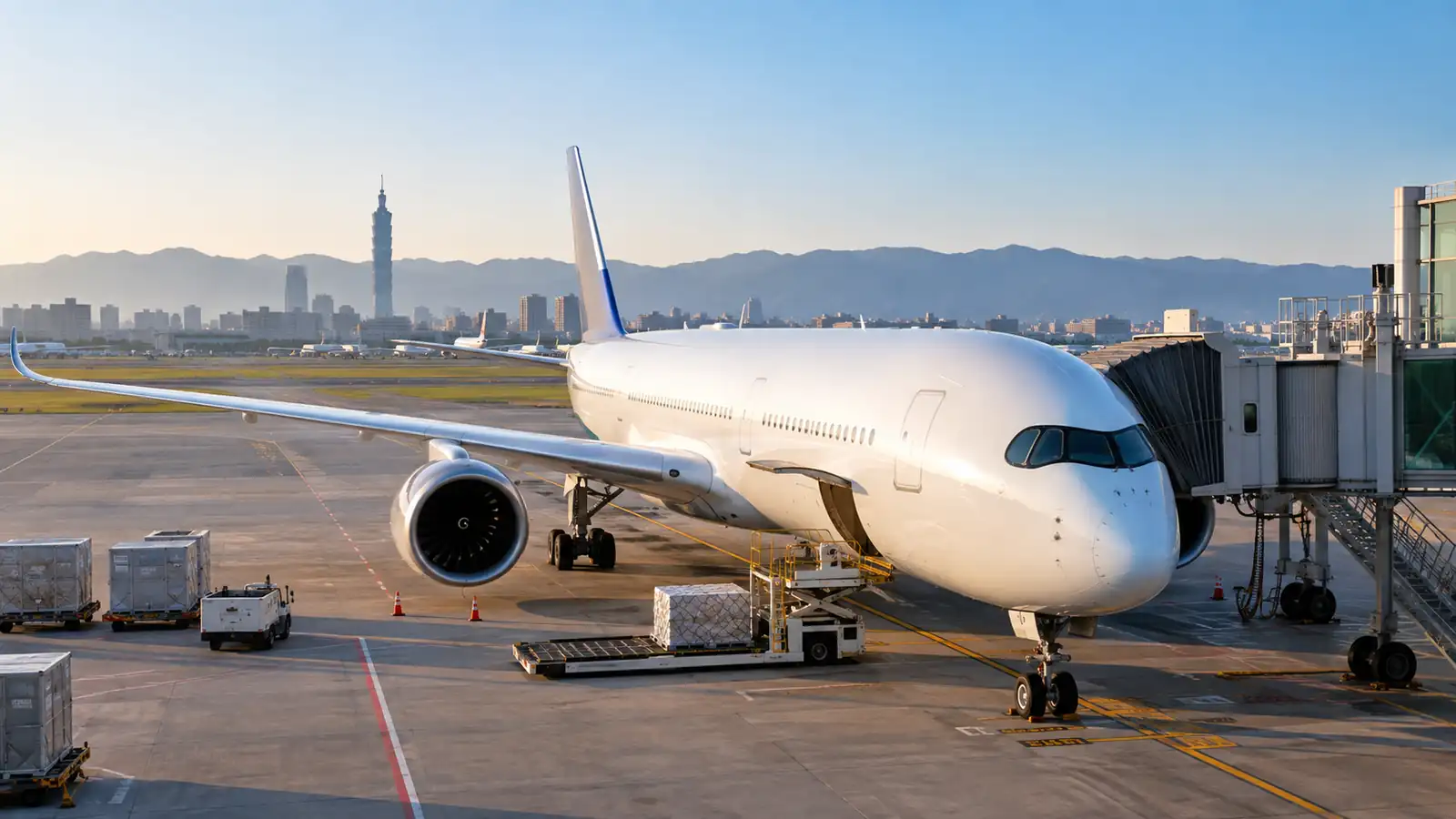
China Airlines makes the most sense for travelers who value a practical connection through Taipei, want a middle ground between budget service and the most expensive premium carriers, or can book a modern aircraft at a competitive price.
If you need a particular seat feature, guaranteed Wi-Fi, or a very specific premium experience, check the operating aircraft before booking.
China Airlines at a Glance
China Airlines is based in Taiwan and uses Taipei Taoyuan International Airport as its main hub. It should not be confused with Air China, which is based in mainland China. That distinction matters when you compare routes, reviews, loyalty programs, and airport connections.
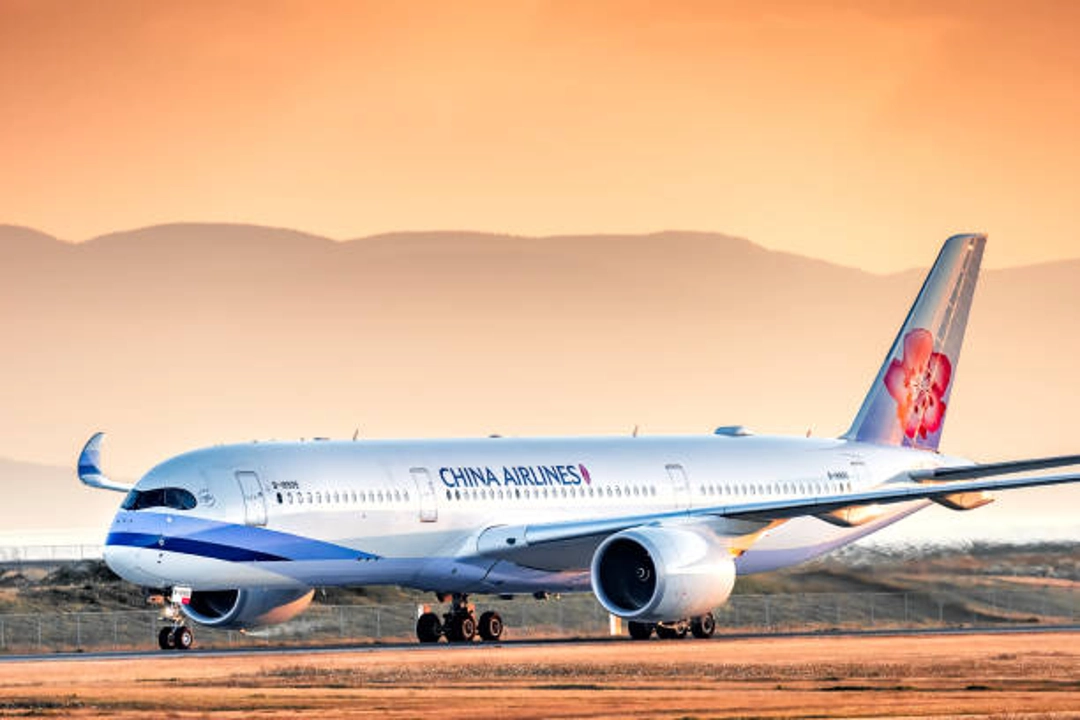
The airline connects Taiwan with destinations across Asia, Europe, North America, and Oceania. Its SkyTeam membership also extends the practical network through partner airlines, while the Dynasty Flyer program can add value for frequent customers.
The benefit depends on your booking class and partner rules, so check earning and redemption conditions before choosing a fare for the miles alone.
What Changes by Aircraft and Route
China Airlines uses different aircraft and cabin layouts across its network.
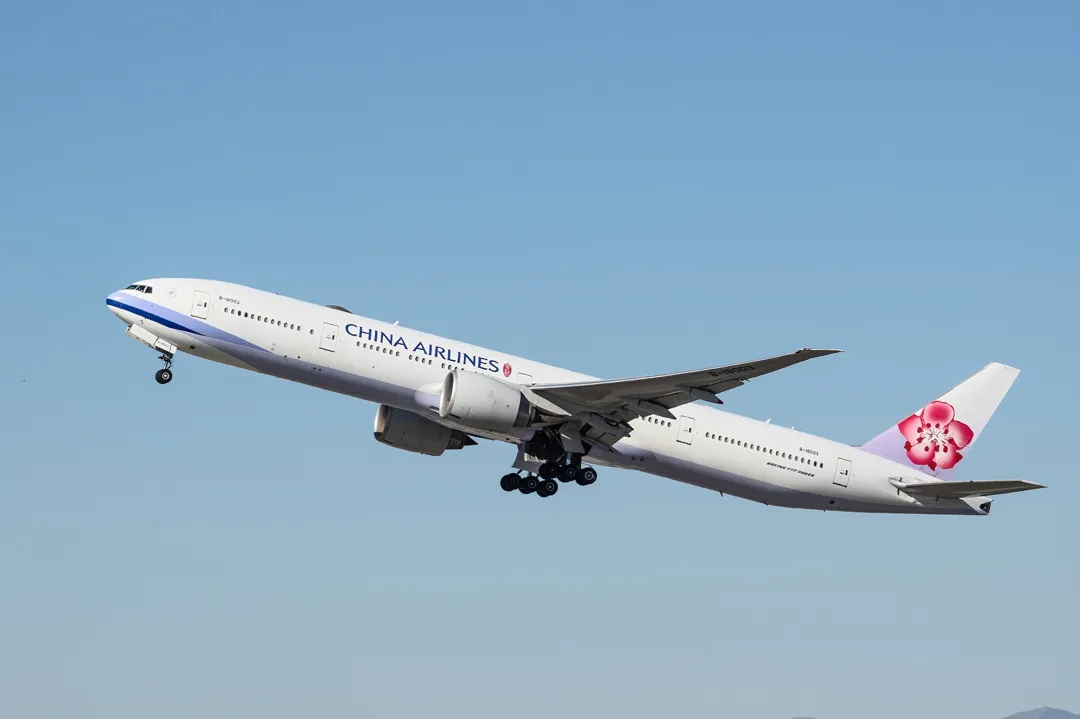
Reviews of an A350 or Boeing 777 are useful evidence for that aircraft, but they do not guarantee the same seat, screen, storage, power supply, or Wi-Fi on another flight. Codeshare services may follow the operating airline’s rules instead of China Airlines’ onboard standards.
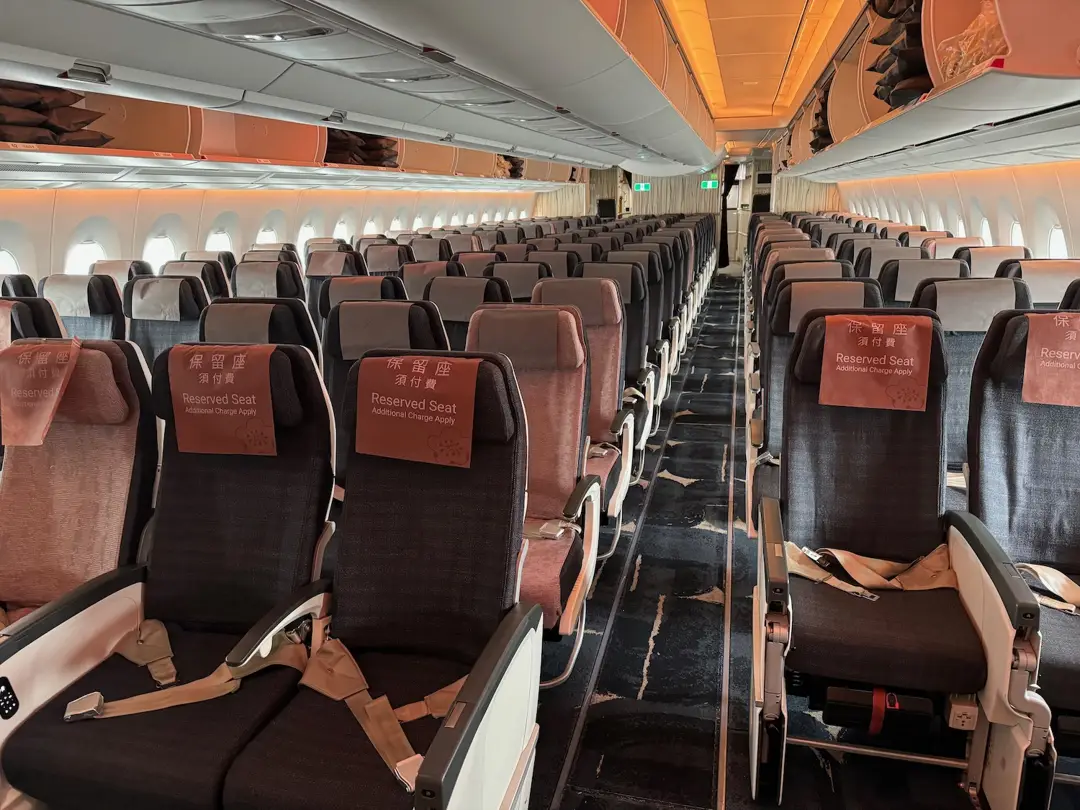
Before paying, open the seat map and confirm the operating carrier and aircraft type. Then check whether the flight has Premium Economy, how the seats are arranged, and whether a preferred seat carries an extra fee.
Aircraft swaps can still happen, but this check gives you a much more realistic expectation than relying on an airline-wide review.
This variation also explains why passenger reviews can look contradictory. A traveler on a newer long-haul aircraft may praise the cabin and entertainment, while someone on a different route may encounter an older screen or fewer amenities.
Route-specific and recent reports deserve more weight than a single overall score.
Cabin Classes Compared
The right cabin depends on flight length, aircraft, and how much you value sleep or personal space. Use the comparison below as a decision guide, then verify the seat map for your exact flight.
Cabin | Best For | What to Check |
|---|---|---|
Economy | Price-conscious travelers who still want a full-service flight | Seat pitch, power, screen, seat-selection fee, and ticketed baggage allowance |
Premium Economy | Long-haul travelers who want more space without paying for a flat bed | Fixed-shell recline, aisle-seat foot space, price gap, and lounge eligibility |
Business or Premium Business | Overnight travel, privacy, priority services, and arriving rested | Aircraft-specific seat, bed length, lounge, and ground-service inclusions |
On newer widebody aircraft, Economy can provide a comfortable long-haul cabin with seatback entertainment and adjustable headrests.
A cheaper booking class may include less flexibility, different seat-selection terms, or a smaller checked-baggage allowance on some routes, so the conditions shown in your booking matter more than the cabin name alone.
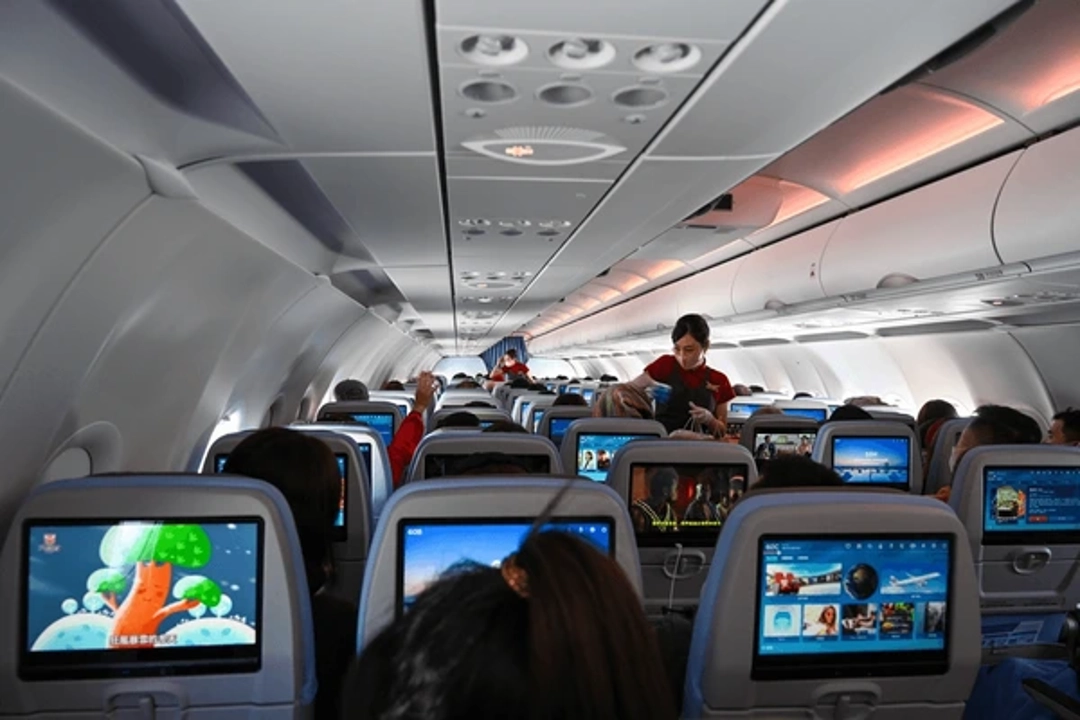
Premium Economy can be the airline’s most appealing compromise.
Its fixed-shell seat prevents the passenger ahead from reclining into your space, but the seat slides within that shell, which may reduce foot or lower-leg room for taller travelers when fully reclined.
Premium Economy also does not automatically include lounge access.
Business or Premium Business adds privacy, priority services, and a seat that becomes a bed on eligible long-haul aircraft. China Airlines does not sell a standard First Class product in its current cabin lineup.
If a booking site labels a front cabin differently, verify the product on the operating airline’s page and seat map.
Service, Meals, and Entertainment
Onboard Service
Service is one of the airline’s more consistent strengths in detailed flight reviews. Crews are commonly described as polite, efficient, and attentive, and multilingual service helps on international routes.
The pace can feel more functional than highly personalized in Economy, particularly during a full meal service, but the overall standard is usually appropriate for a full-service carrier.
Families may appreciate crews who handle meal delivery and cabin needs calmly, while long-haul travelers benefit from regular cabin checks. As on any airline, the exact experience depends on the crew, route, load, and flight conditions.
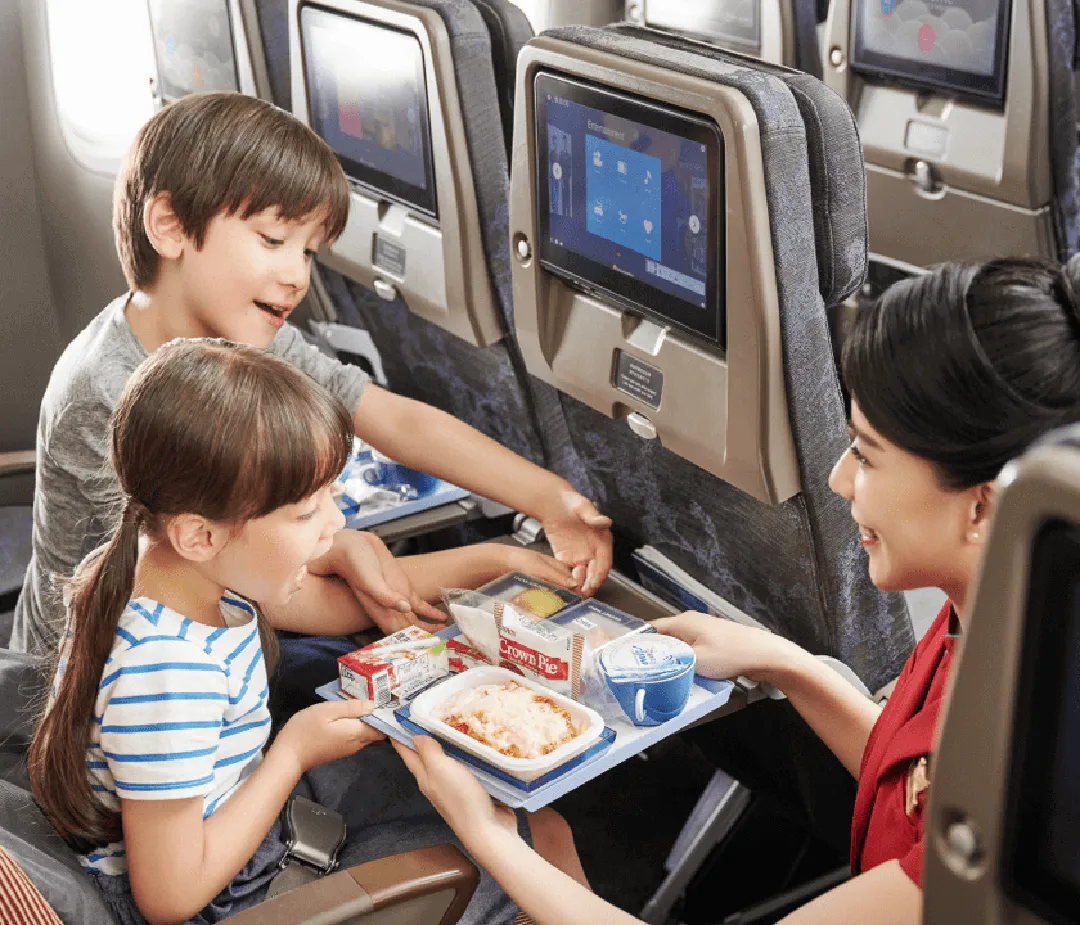
Food and Beverage
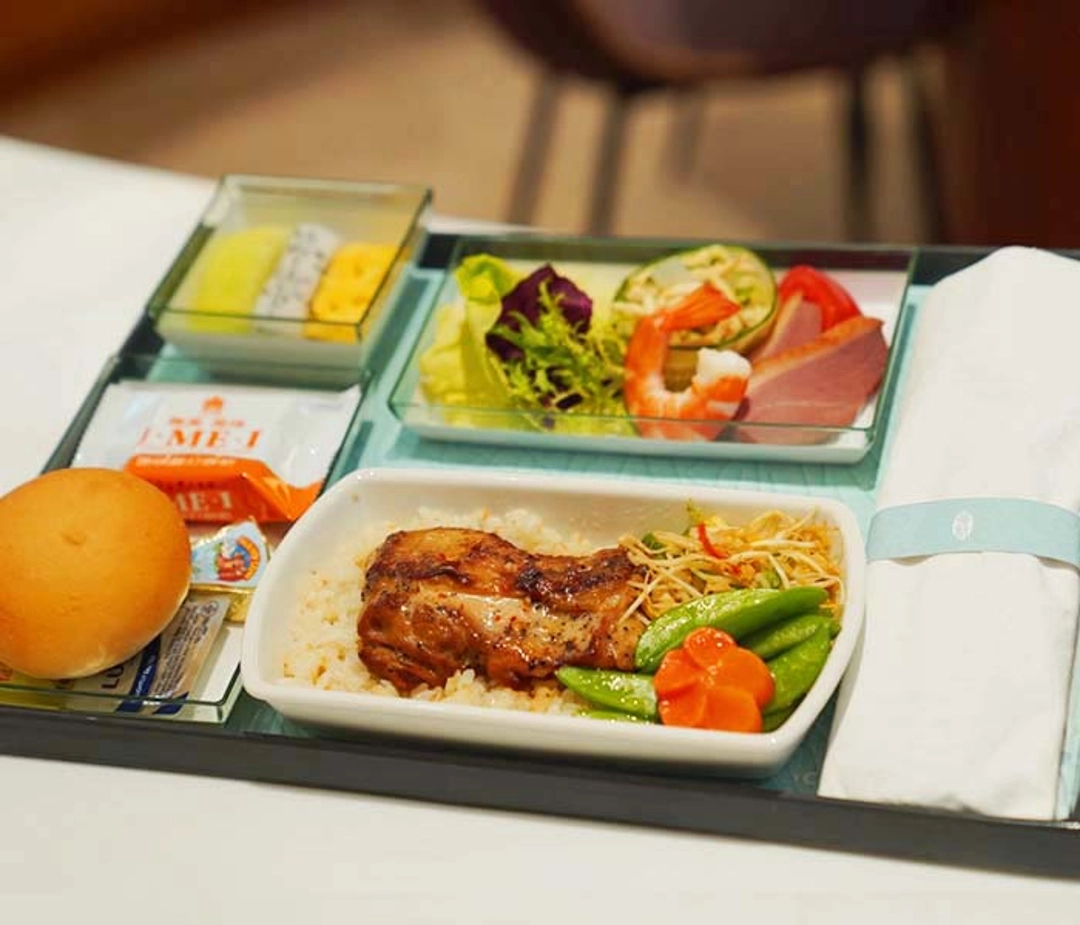
China Airlines normally serves meals on eligible international services, with Taiwanese and international choices depending on the route.
Special meals may be available when requested before the deadline. Premium cabins can also offer advance meal selection on certain flights.
Meal quality is generally a positive, but timing and quantity can matter on a very long flight.
If you have dietary restrictions or become hungry between services, confirm your special-meal request and carry a suitable snack. Catering can change by departure airport, so one attractive menu should not be treated as a fleet-wide promise.
Entertainment, Wi-Fi, and Power
Newer long-haul aircraft typically provide seatback entertainment with movies, television, music, and games. The library and screen quality can vary, and not every regional aircraft offers the same setup.
Bring downloaded entertainment and a charged device if the selection matters to you.
China Airlines currently offers free messaging to Economy passengers and complimentary browsing to eligible Premium Business and Premium Economy travelers on supported Boeing 777, A350, and A321neo flights.
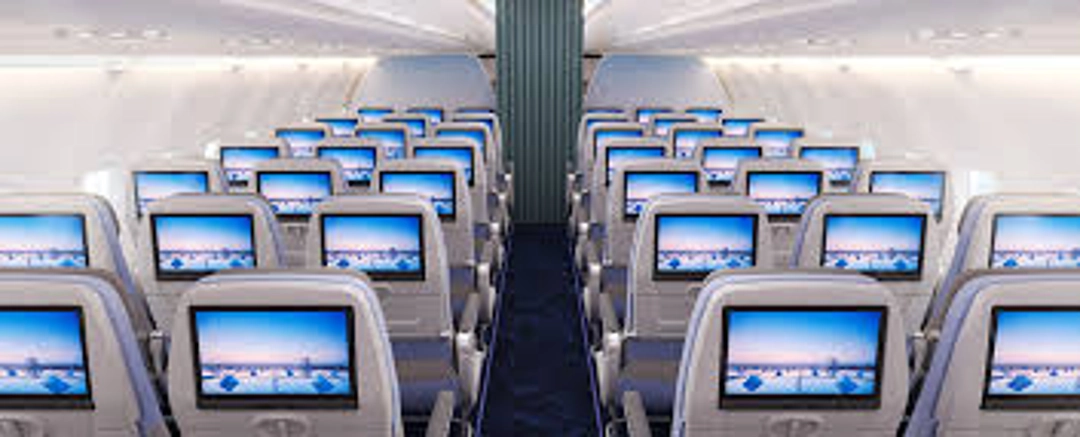
Some aircraft or individual flights may be excluded, and codeshares follow the operating carrier’s arrangements. Power outlets and USB ports also vary, so treat them as aircraft-specific features rather than guarantees.
Airport and Transit Experience
Check-In and Boarding
Online check-in and the mobile app can reduce airport time, but eligibility and opening windows depend on the route and ticket.
At the airport, premium-cabin and eligible status passengers may receive dedicated counters or priority boarding. Leave extra time when documents must be checked manually or when a partner airline handles the flight.
Connecting Through Taipei
Taipei Taoyuan is a practical hub for connections across Asia. Terminals are linked, signage is generally clear, and a well-timed transfer can be easier than adding a long detour through another region.
Still, check the arrival and departure terminals and allow enough time for the transfer, especially when the itinerary uses separate tickets.
A longer connection can be more comfortable when you plan where to eat, rest, or charge devices in advance. Lounge access depends on cabin, frequent-flyer status, membership, or a separate pass; a Premium Economy ticket alone should not be assumed to include it.
Baggage Policy
China Airlines uses a piece-based checked-baggage system, but Economy allowances can vary by route and fare family.
Premium Economy and Business generally include heavier pieces, while some discounted fares or short routes may be more restrictive. The allowance printed in your booking confirmation takes priority over a general online summary.
Check dimensions, weight, codeshare rules, and through-checking before departure. This is especially important when another carrier operates the first flight or when you connect on separate tickets.
Reliability and Safety in Context
No airline can promise an on-time journey on every route. Weather, air-traffic restrictions, late inbound aircraft, and airport congestion all affect punctuality.
Instead of relying on a broad claim that China Airlines is always on time, check the recent operating pattern of your flight number and protect tight connections with a reasonable buffer.
For safety, use current regulatory and audit information rather than old anecdotes or a single rating site.
China Airlines operates as a major international carrier, but a responsible booking decision still includes following official travel notices, confirming the operating airline on codeshares, and reviewing current information when your trip approaches.
The practical takeaway is simple: do not let one delay report or one smooth flight define the entire airline. Route, season, airport, and operating conditions provide the context that an overall star score cannot.
How to Judge the Fare
China Airlines often represents good value, but the cheapest number on the search page is not automatically the best deal.
Compare the complete trip: total journey time, connection length, aircraft, seat-selection fee, ticket flexibility, baggage, and arrival time. A slightly higher fare can be better value when it avoids a poor connection or includes the allowance you need.
Check | Why It Matters |
|---|---|
Operating aircraft | Determines the likely seat, cabin layout, entertainment, and Wi-Fi. |
Fare family | Controls flexibility, seat-selection terms, and sometimes baggage. |
Taipei connection | A short, protected connection may be valuable; a very long layover may cancel the fare saving. |
Cabin price gap | Premium Economy is compelling when the extra space justifies the upgrade on a long flight. |
Loyalty value | Dynasty Flyer or SkyTeam benefits help only when your fare earns miles and the benefits fit your trip. |
Seasonal sales can be attractive, and Dynasty Flyer can reward repeat travel.
Compare the cash saving with any restrictions, then price the same itinerary against at least one strong alternative. Value comes from the combination of fare and trip quality, not from the airline name alone.
China Airlines Pros and Cons
The balance is favorable when you can identify the exact product before booking.
Most disadvantages are not reasons to avoid the airline; they are prompts to check the aircraft, fare rules, and connection instead of buying on price alone.
Pros | Cons |
|---|---|
Courteous, efficient cabin service on many routes | Experience can vary noticeably by aircraft and route |
Comfortable newer widebody cabins | Seat selection and fare flexibility depend on fare family |
Useful Taipei hub for travel around Asia | Premium Economy does not automatically include lounge access |
Full-service meals and entertainment on eligible flights | Wi-Fi and power are not available in the same form on every flight |
Potentially strong value in Economy and Premium Economy | A long or awkward connection can reduce the apparent saving |
Who Should Choose China Airlines?
China Airlines is especially suitable for travelers visiting Taiwan, connecting onward in Asia, or flying a route where its schedule avoids a larger detour.
Economy works well for budget-aware passengers who still want a full-service experience, while Premium Economy is attractive for long-haul travelers who want more space without paying for a flat bed.
Families may value the attentive service, meal options, and seatback entertainment on equipped aircraft. Business travelers should focus on the exact schedule, lounge eligibility, and arrival time; those factors may matter more than a small fare difference.
Choose another option when a competitor provides a much better nonstop schedule, a more suitable seat, or clearer flexibility for the same total cost. China Airlines is at its best when the route and aircraft fit the trip—not simply when its fare is the lowest.
FAQ
1. Can a China Airlines ticket be changed or refunded?
It depends on the fare family and ticket conditions. Review the change fee, cancellation rule, and no-show condition before payment; the cheapest fare may be the least flexible.
2. How does China Airlines compare with China Southern?
They are separate airlines with different hubs and networks. China Airlines is based in Taiwan and often suits Taipei connections, while China Southern is based in mainland China and has a large Asia-Pacific network. Recent China Southern flight reviews can help you compare the exact routes, aircraft, and connection airports.
3. How does China Airlines compare with Turkish Airlines?
China Airlines is usually the more natural option for Taiwan and many East Asian itineraries, while Turkish Airlines can be more convenient for journeys routed through Istanbul. A current Turkish Airlines service review is useful when both carriers offer similar total travel times.
Conclusion
China Airlines earns a positive overall verdict because it delivers the core qualities most travelers need: a useful network, capable service, and comfortable cabins on its stronger aircraft.
Its best feature is not one luxury touch, but the way these basics come together on a well-chosen itinerary.
The decision becomes easier when you look beyond the headline fare. Confirm the aircraft, fare family, baggage, connection, and cabin price gap; if those details suit your trip, the airline can offer very good value in Economy or Premium Economy.
Book for the specific flight you can verify, rather than an airline-wide promise, and China Airlines is a choice you can make with confidence.