
Indonesia, with its vast archipelago, rich culture, and breathtaking landscapes, is a popular travel destination for people all over the world.
Understanding the country’s weather patterns, peak tourist seasons, and regional differences will help you decide the ideal time for your trip.
In this guide, we’ll explore the best times to visit Indonesia, based on the weather, activities, and specific travel preferences.
No matter when you arrive at your destination, stay connected to a reliable mobile signal in Indonesia, allowing you to record and share your journey anytime.
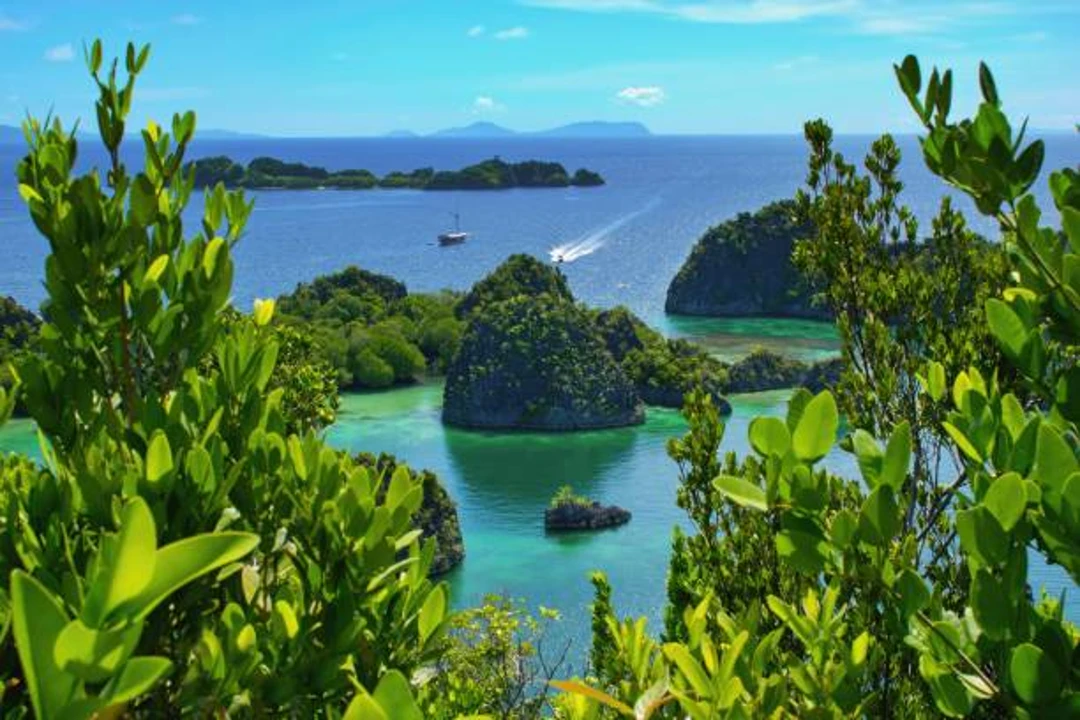
Understanding Indonesia’s Climate
Indonesia’s tropical climate means it experiences warm weather throughout the year, with temperatures typically ranging from 77°F (25°C) to 86°F (30°C). The country’s climate can be broadly categorized into two main seasons: the wet season and the dry season. However, regional variations exist, with some areas receiving more rain than others.
Tropical Climate: The weather in Indonesia is generally hot and humid, making it a year-round destination. However, the humidity level and rainfall fluctuate depending on the season.
Wet and Dry Seasons: The wet season generally lasts from November to April, bringing heavy rain, particularly in coastal and rainforest areas. The dry season, from May to October, offers clearer skies and less rain, making it ideal for outdoor activities and beach vacations.
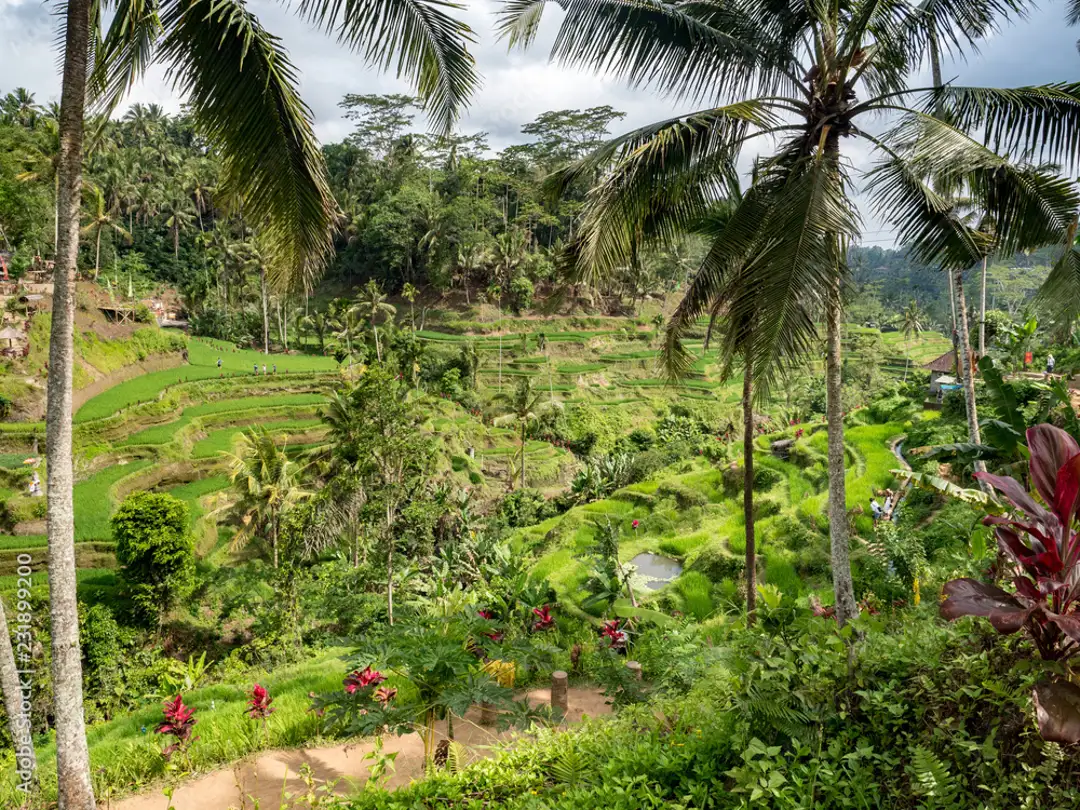
Temperature: Throughout the year, temperatures are fairly consistent, but the rainy season brings cooler nights and higher humidity, which can affect comfort levels, especially in more remote areas.
Best Time to Visit Based on Weather
When considering the best time to visit Indonesia, the dry season tends to be the most favorable. Here's a deeper look at both seasons:
Dry Season (May - October)
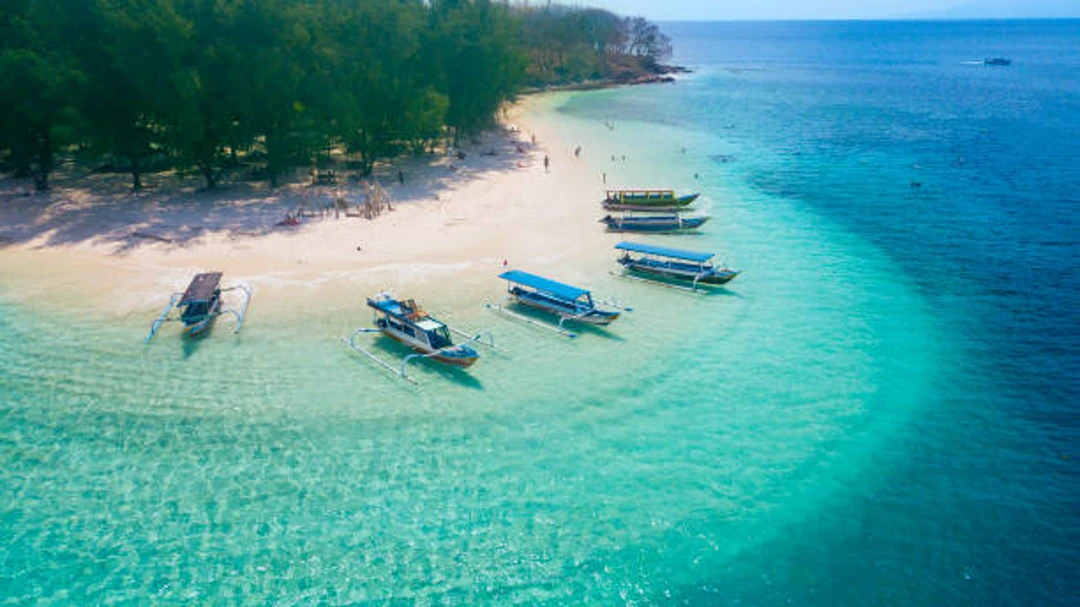
The dry season is considered the best time to visit Indonesia, especially if you're looking for good weather for outdoor activities, sightseeing, and beach vacations. During this period, rain is minimal, and you can enjoy long days of sunshine.
Key advantages: Ideal for exploring the country’s outdoor attractions like temples, hiking trails, and beaches.
Popular destinations: Bali, Jakarta, Lombok, and the Gili Islands.
Wet Season (November - April)
The wet season is marked by frequent rain showers, particularly in the western and central regions of Indonesia. While it may not be the best time for beach activities, it does offer a different kind of experience, including lush, green landscapes and fewer crowds at popular tourist spots.
Key advantages: Lower accommodation prices, fewer tourists, and beautiful, lush landscapes.
Popular destinations: Sumatra’s rainforests, cultural hubs like Yogyakarta, and inland areas that are less affected by rain.
However, since the weather in Indonesia can be unpredictable, it’s recommended to have a reliable network service like iRoamly, so you can easily check real-time weather updates and adjust your travel plans accordingly.
Best Time for Specific Activities
Indonesia offers diverse activities, each best enjoyed at different times of the year.
Beach Holidays
Best time: Dry season (May - October) is ideal for beach activities like snorkeling, diving, and relaxing on the islands.
Locations: Bali, Gili Islands, Komodo National Park, and Raja Ampat.
Hiking and Trekking
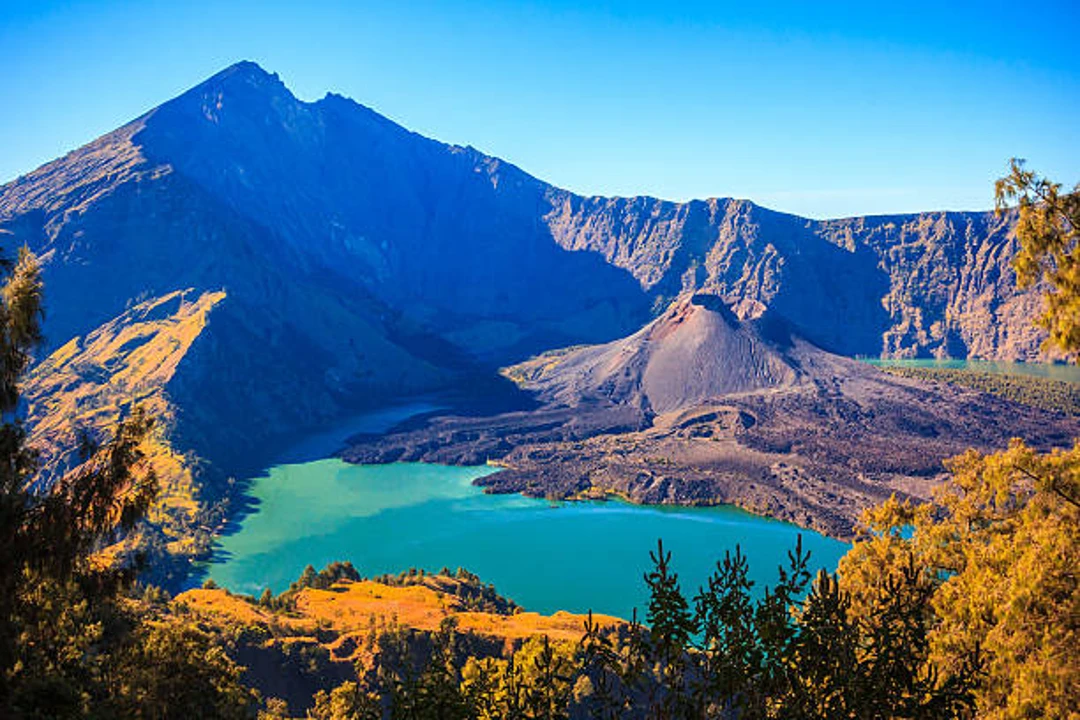
Best time: The dry season is the best for outdoor activities such as trekking up Mount Batur in Bali or Mount Rinjani in Lombok.
Locations: Mount Rinjani, Mount Batur, and other volcanic peaks offer incredible views and are safest to hike during the dry season.
Cultural Experiences
Best time: You can visit cultural sites and enjoy festivals year-round. However, the wet season offers fewer crowds, making it easier to experience places like Ubud in Bali or historical Yogyakarta.
Locations: Ubud, Yogyakarta, and temples like Borobudur and Prambanan.
Festivals and Events to Consider
Indonesia is home to several vibrant festivals and cultural events throughout the year. Traveling during one of these festive seasons offers a wonderful opportunity for exploring Indonesian traditions and experiencing the country’s rich local culture up close.
Nyepi Day (March): Nyepi Day is Bali’s Day of Silence, during which unique ceremonies are held. The atmosphere is somewhat like the French holiday. All Saints’ Day (November 1 - Toussaint), making it a good time for quiet reflection. It’s a fascinating cultural experience, but travel may be restricted during the holiday.
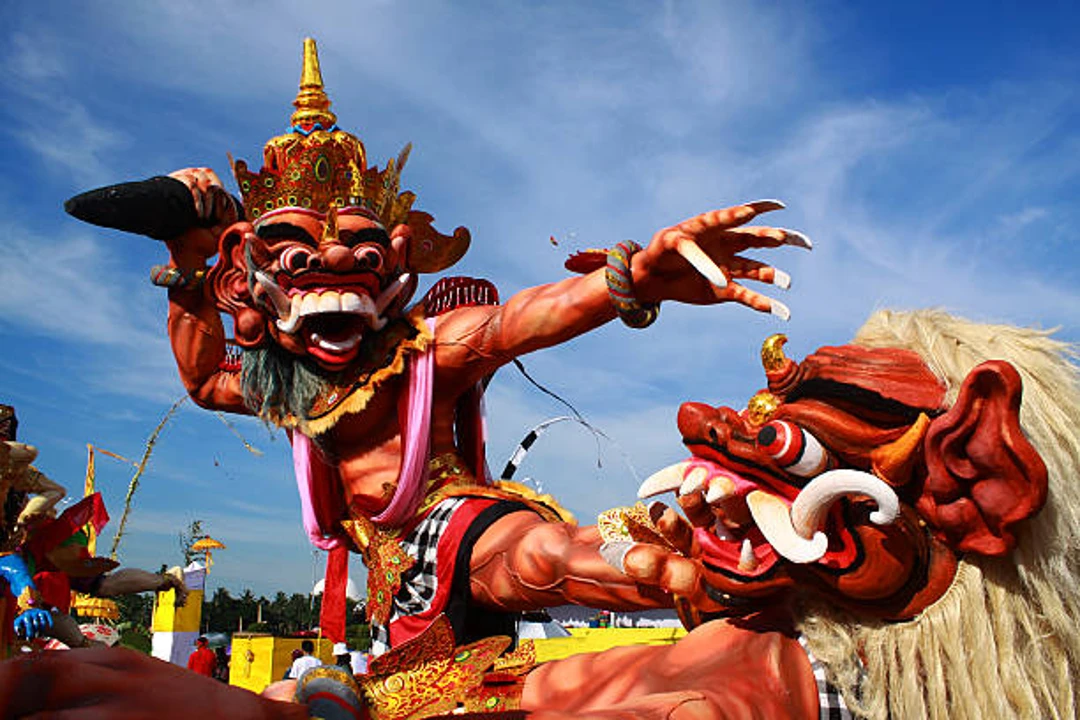
Bali Arts Festival (June): A month-long festival showcasing Balinese culture, arts, and performances. It’s an excellent time for those interested in traditional arts and cultural displays.
Ramadan (Varies): The Islamic holy month of fasting affects Indonesia, with many locals observing fasting from dawn to dusk. Traveling during this time may offer a unique cultural experience, but some services and restaurants may be closed during the day.
Conclusion
In conclusion, the best time to visit Indonesia depends on what you're looking for in your travel experience. If you're after clear skies, sunny beaches, and outdoor adventures, the dry season (May - October) is the ideal choice.
However, if you're seeking fewer crowds, lower prices, and a more relaxed travel experience, the wet season (November - April) might be the perfect option.
Ultimately, it’s all about aligning your travel goals with Indonesia's diverse seasons and regional climates.