
The best things to do in Nagoya bring together samurai history, hands-on museums, distinctive local food, and shopping streets where you can spend an entire afternoon. Nagoya Castle's palace, the Toyota industrial museum, and a meal of grilled eel or miso katsu are strong starting points.
Two days gives you time for the main city sights without making every stop brief. Add another day for Ghibli Park or Inuyama, and choose your museums by interest: the railway collection, science exhibits, and aquarium each deserve a substantial visit.
Below, you'll find the sights worth prioritizing, what to order and buy, and routes for one to three days. The practical notes explain which visits combine well, where advance booking matters, and how to avoid confusing similarly named museums or port-area destinations.

Historic Sights and Gardens in Nagoya
The castle and Tokugawaen suit a history-focused day, especially if you want to see the Tokugawa Art Museum. Atsuta Jingu and Shirotori Garden form a more relaxed pairing in the south of the city.
Castle and Shrine Visits
Nagoya Castle and Hommaru Palace
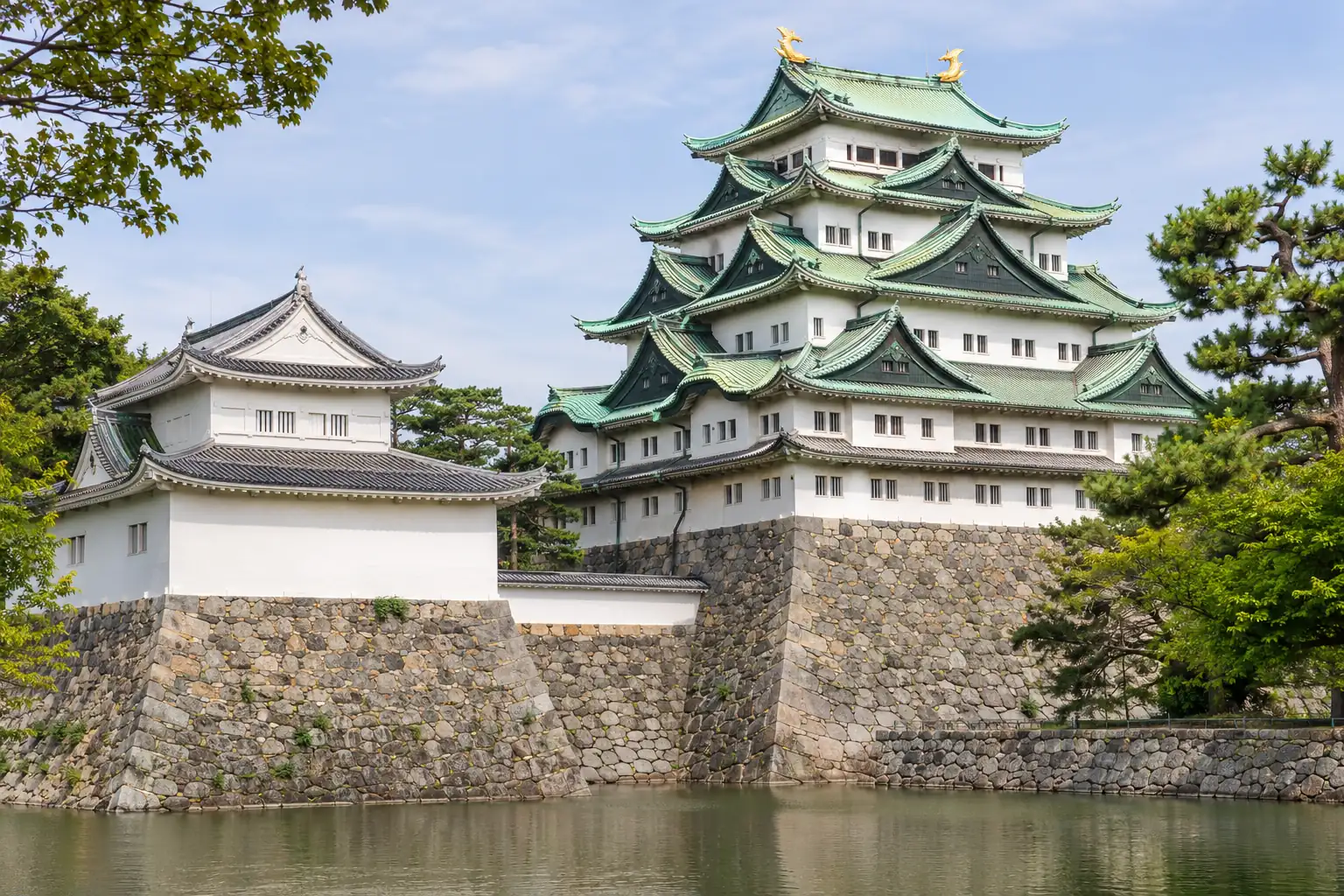
The castle's green roofs and golden shachihoko ornaments make it Nagoya's landmark, but the reconstructed Hommaru Palace is the highlight inside the grounds. Its painted partitions and carved woodwork are the reason to visit while the main tower keep remains closed.
Allow about two hours for the palace and grounds; adult admission is currently ¥1,000. Use Nagoyajo Station on the Meijo Line, and arrive well before the palace's 4 p.m. last admission, allowing time to walk from the entrance gate.
Atsuta Jingu
Wooded paths and large trees give Atsuta Jingu a quieter atmosphere than the castle. The shrine is associated with the sacred Kusanagi sword, but that sword is not on public display; visit for the shrine setting or choose a separate museum visit for its other treasures.
Plan roughly an hour for the grounds, with extra time for a museum or an eel lunch nearby. Meitetsu's Jingumae Station and the subway's Atsuta Jingu Temma-cho Station provide useful approaches; follow photography restrictions around worship areas.
Japanese Gardens
Tokugawaen and the Tokugawa Art Museum
Tokugawaen's pond, rock arrangements, and seasonal foliage make it a good place to slow down after the castle. The adjacent Tokugawa Art Museum adds armor, tea utensils, and other objects connected with the Owari Tokugawa family.
Choose the garden alone for a shorter visit, or reserve most of an afternoon for both. Admission arrangements are separate and exhibitions rotate, so check the museum calendar if a particular collection is your main interest.
Shirotori Garden
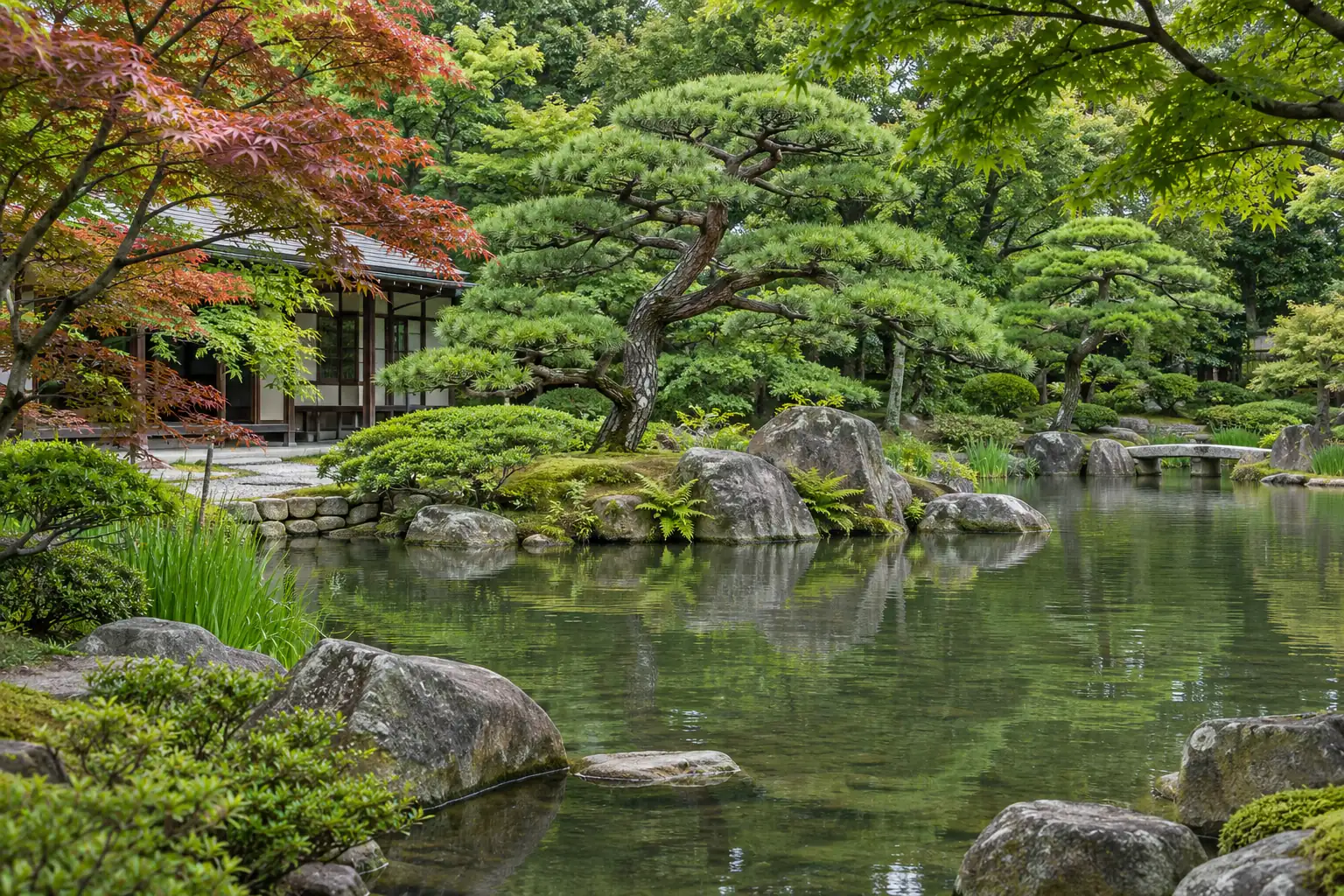
Shirotori Garden's streams and ponds evoke the waterways and landscapes of central Japan. It is the more convenient garden choice on an Atsuta Jingu day, while Tokugawaen makes sense when you also want the art museum.
If you want tea at Seiu-tei, check the tea-room schedule separately from garden admission.
Nagoya Museums and Family Attractions
Choose a half-day outing according to what your group enjoys: machinery, science experiments, trains, or marine life. Families looking for rides can instead devote a day to LEGOLAND Japan at Kinjofuto.
Central Museums
Toyota Commemorative Museum of Industry and Technology
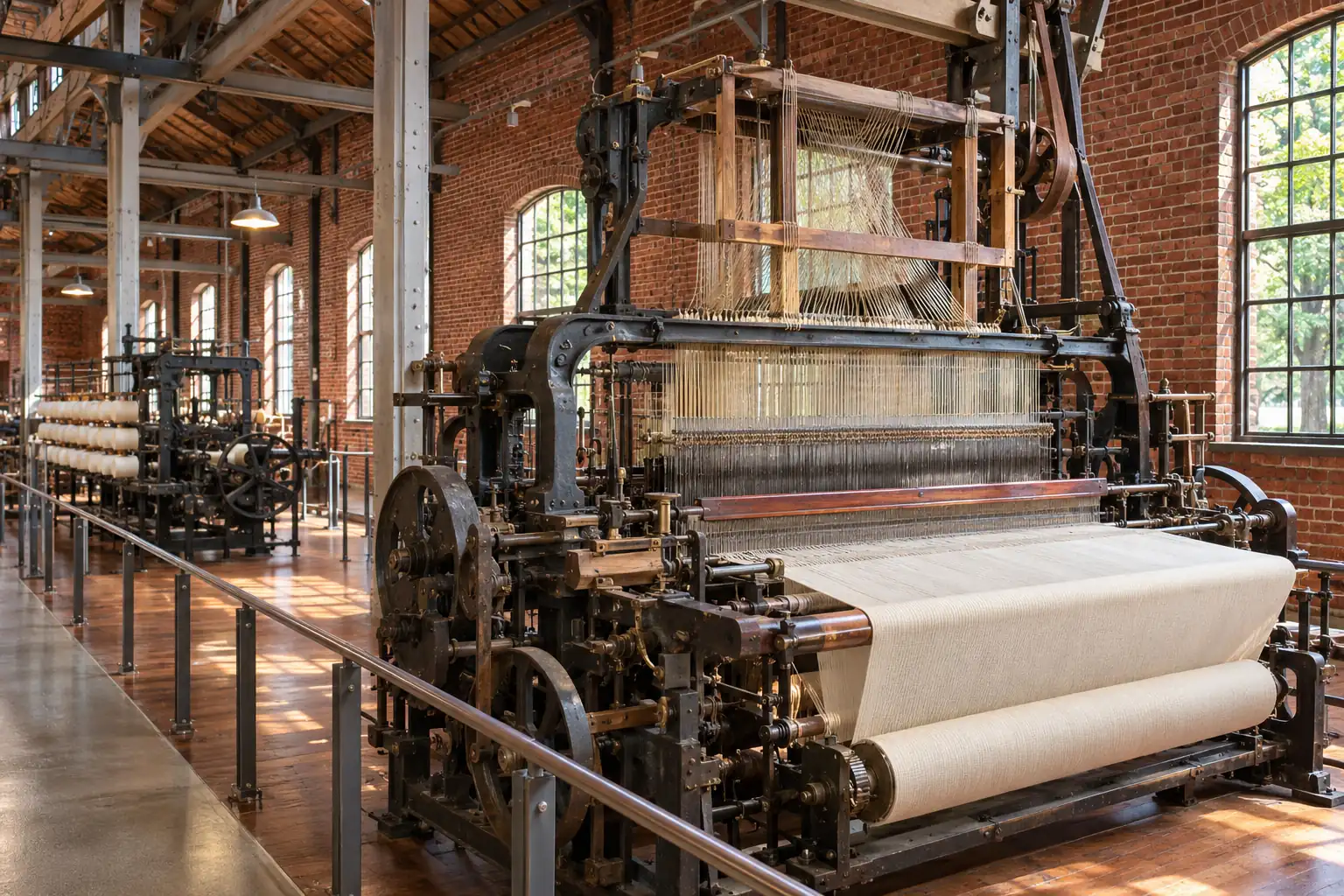
Inside a preserved factory, this museum follows the Toyota Group from textile machinery into automobile manufacturing. The working-machine demonstrations make the loom galleries worth seeing before you reach the automobile pavilion.
Give it two to three hours, then combine it with nearby Noritake Garden. Check that your map shows the Commemorative Museum in Nagoya: the Toyota Automobile Museum in Nagakute is a separate destination focused on automotive history and vehicles from different manufacturers.
Nagoya City Science Museum
The huge silver sphere in Shirakawa Park houses the planetarium, while the museum's interactive galleries make this a useful choice for a rainy afternoon. Its central location also lets you combine it with Osu shopping.
The planetarium's live commentary is in Japanese, with no simultaneous translation. Choose the exhibition galleries alone if that would limit your enjoyment of a show, or check planetarium ticket availability before arranging the afternoon around a screening.
Port-Area Attractions
SCMAGLEV and Railway Park
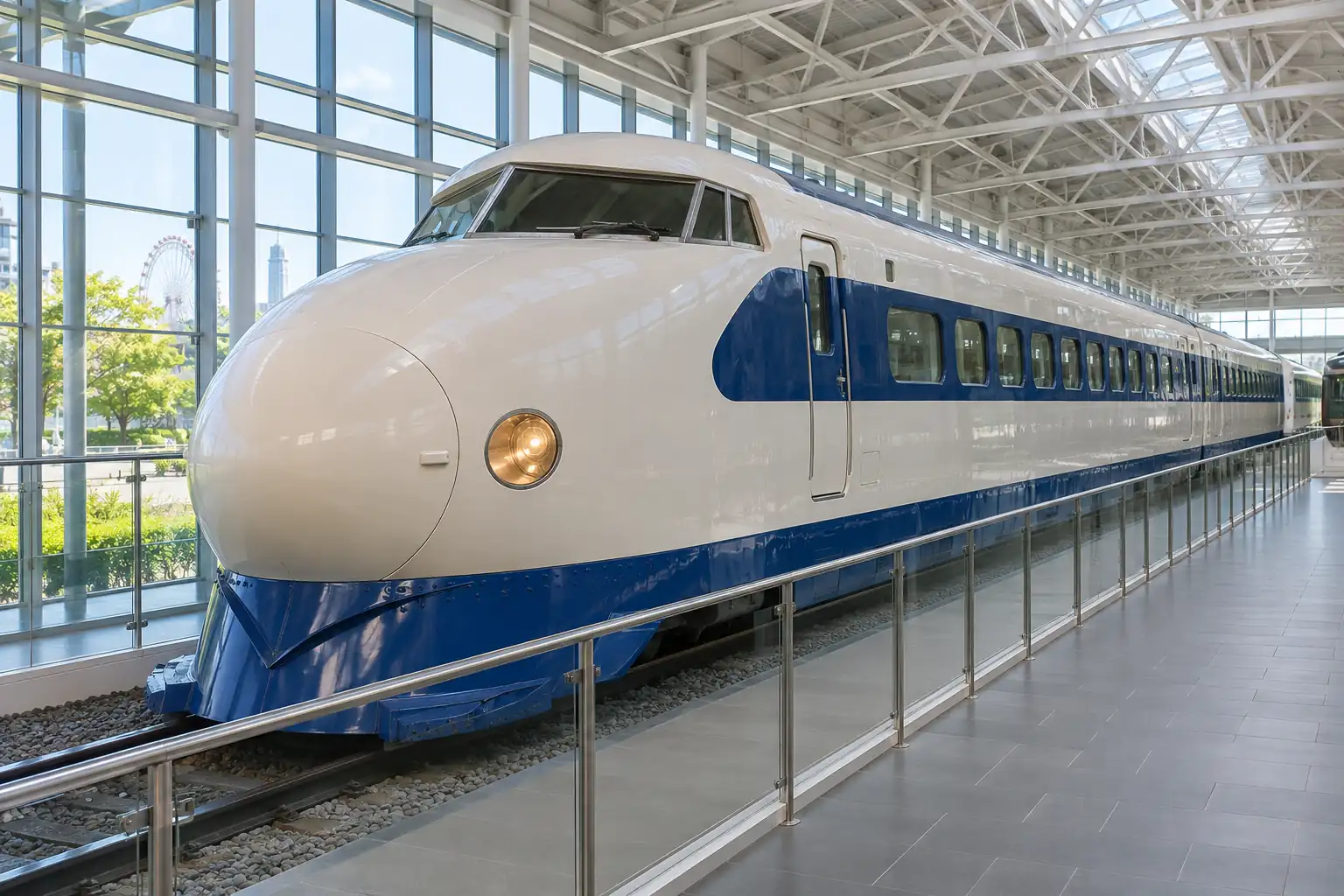
Full-size trains, high-speed rail exhibits, and magnetic-levitation technology make SCMAGLEV and Railway Park especially appealing to railway fans. The large model railway adds another reason to linger beyond the vehicle displays.
Take the Aonami Line to Kinjofuto and allow at least a couple of hours. If you want a simulator session, check the day's booking and fee arrangements before starting the galleries.
Port of Nagoya Public Aquarium
The aquarium is a good half-day choice for families who prefer marine-life exhibits, including penguins and large viewing tanks, to machinery or rides. Check the day's presentation schedule on arrival if there is a particular session you want to see.
Travel to Nagoyako Station on the Meiko subway line. This is a different part of the port from Kinjofuto, where the railway museum and LEGOLAND are located, so combining them involves a transfer rather than a short walk.
Shopping and Evening Walks
Osu is best for eclectic browsing, Sakae combines department stores with an evening stroll, and Noritake and Arimatsu offer gifts tied to local craftsmanship. Choose the area by what you want to bring home.
Central Neighborhoods
Osu Shopping District and Osu Kannon
Start at Osu Kannon, then browse the covered streets toward Kamimaezu for secondhand fashion, manga, collectibles, and electronics. Midday or afternoon gives you more shopping options than an early-morning temple visit.
Osu suits travelers hunting for a vintage jacket or a specific hobby item rather than a standard souvenir box. Try on secondhand clothes where permitted, and check region locks, language settings, and voltage before taking electronics home.
The small food stalls make this a convenient snack stop between shops. Eat beside the business you bought from so you do not block the shopping streets.
Sakae, Hisaya-Odori Park and MIRAI TOWER
Browse Matsuzakaya or Nagoya Mitsukoshi Sakae for fashion, cosmetics, and food-hall gifts, then walk through Hisaya-Odori Park toward MIRAI TOWER. Stay for the evening lights or pay for the tower's observation areas if you want a view from above.
Shrimp crackers make a compact savory gift, while uiro is a chewy rice-flour sweet associated with Nagoya. Compare expiry and storage labels before choosing a box; chilled desserts are better suited to eating during your stay.

Oasis 21's Spaceship-Aqua rooftop is scheduled to remain closed for renovation through April 30, 2027. Ground and underground areas also have partial closures, so check the city's renovation notice and use Hisaya-Odori Park as the main walking stop while work continues.
Crafts With a Local Connection
Noritake Garden
Noritake Garden combines former factory buildings, ceramics heritage, green space, and tableware shopping near Nagoya Station. It pairs naturally with the Toyota Commemorative Museum for a day centered on Nagoya's manufacturing traditions.
Look for a porcelain cup or small plate if you want a useful gift without the bulk of a dinner set. Request protective packing, and check craft-center or painting-workshop availability separately if you want to include an activity.
Arimatsu's Shibori Shops
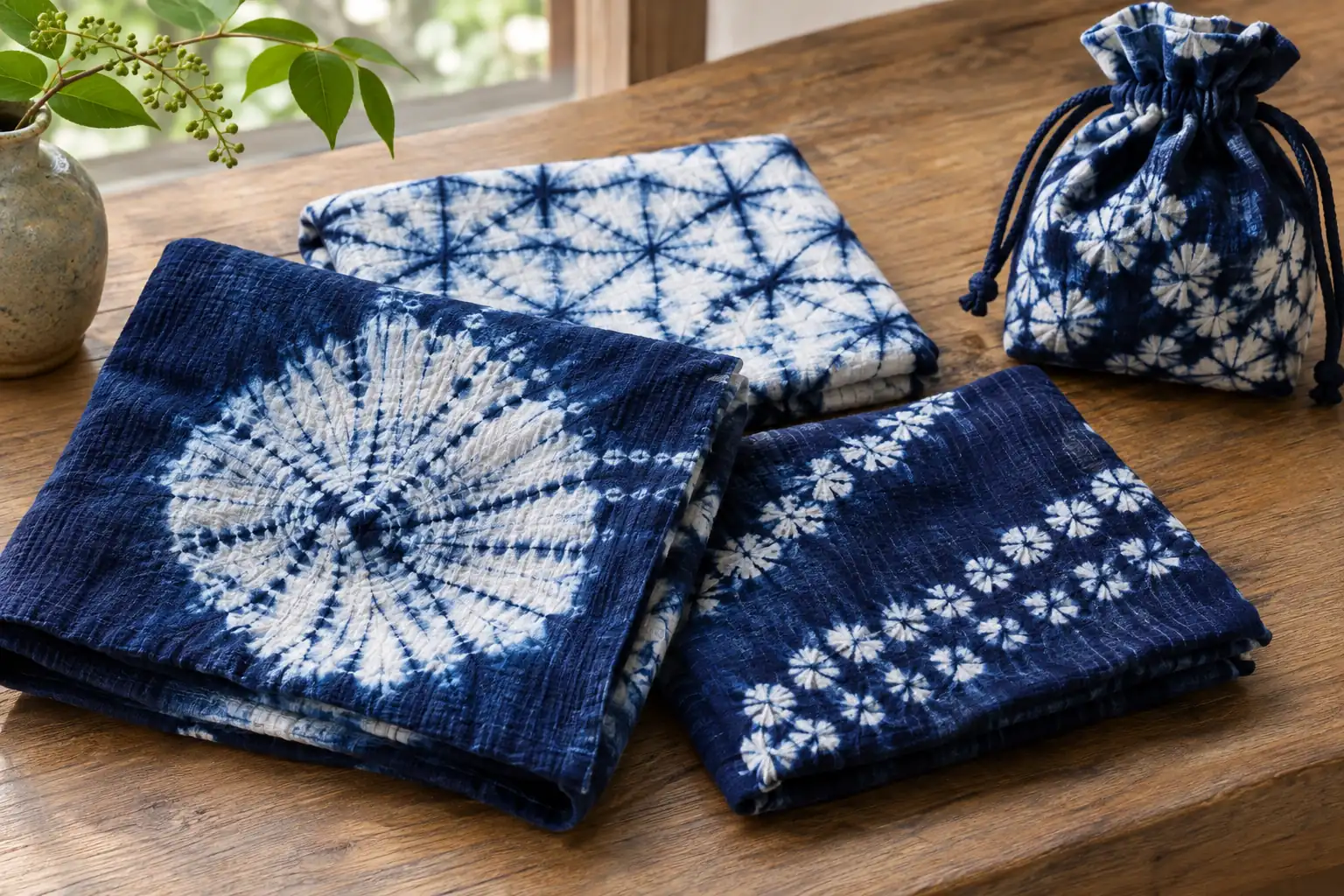
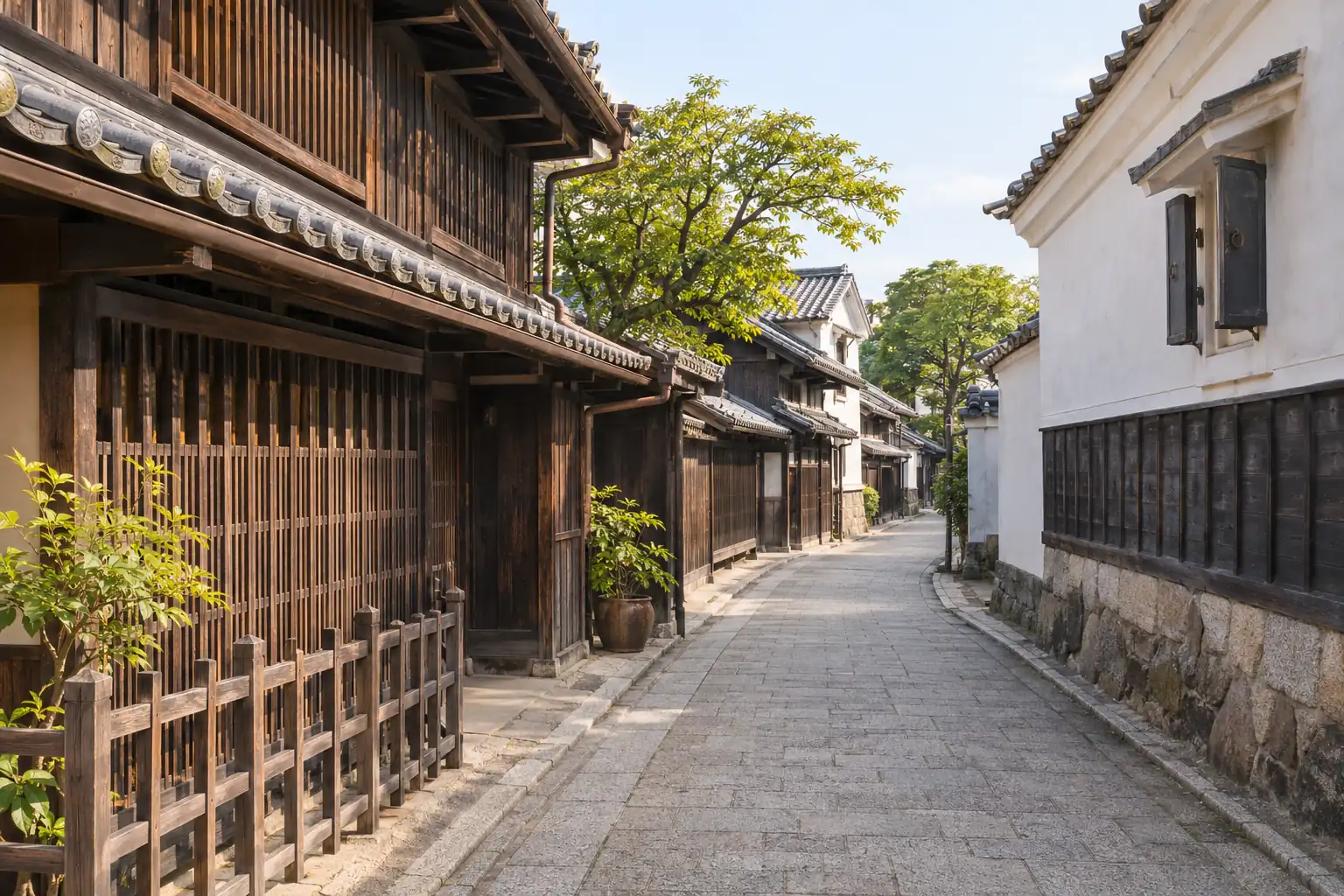
Arimatsu's historic merchant streetscape is the setting for the region's shibori tie-dye tradition. Visit the Arimatsu Narumi Shibori Hall for context, then compare textiles in the neighborhood's shops.
A hand towel, scarf, or pouch is easier to pack than a large textile piece. Ask which technique was used and how to wash it, particularly whether dark dye may transfer; book ahead if a hands-on workshop is the reason for your visit.
What to Eat in Nagoya
Nagoya meshi, the local food culture, gives you several distinct meals to plan around. Start with a cafe breakfast, choose eel or miso katsu for a substantial meal, and leave chicken wings for an izakaya evening.
Breakfast and Lunch
Ogura Toast and Cafe Morning Service
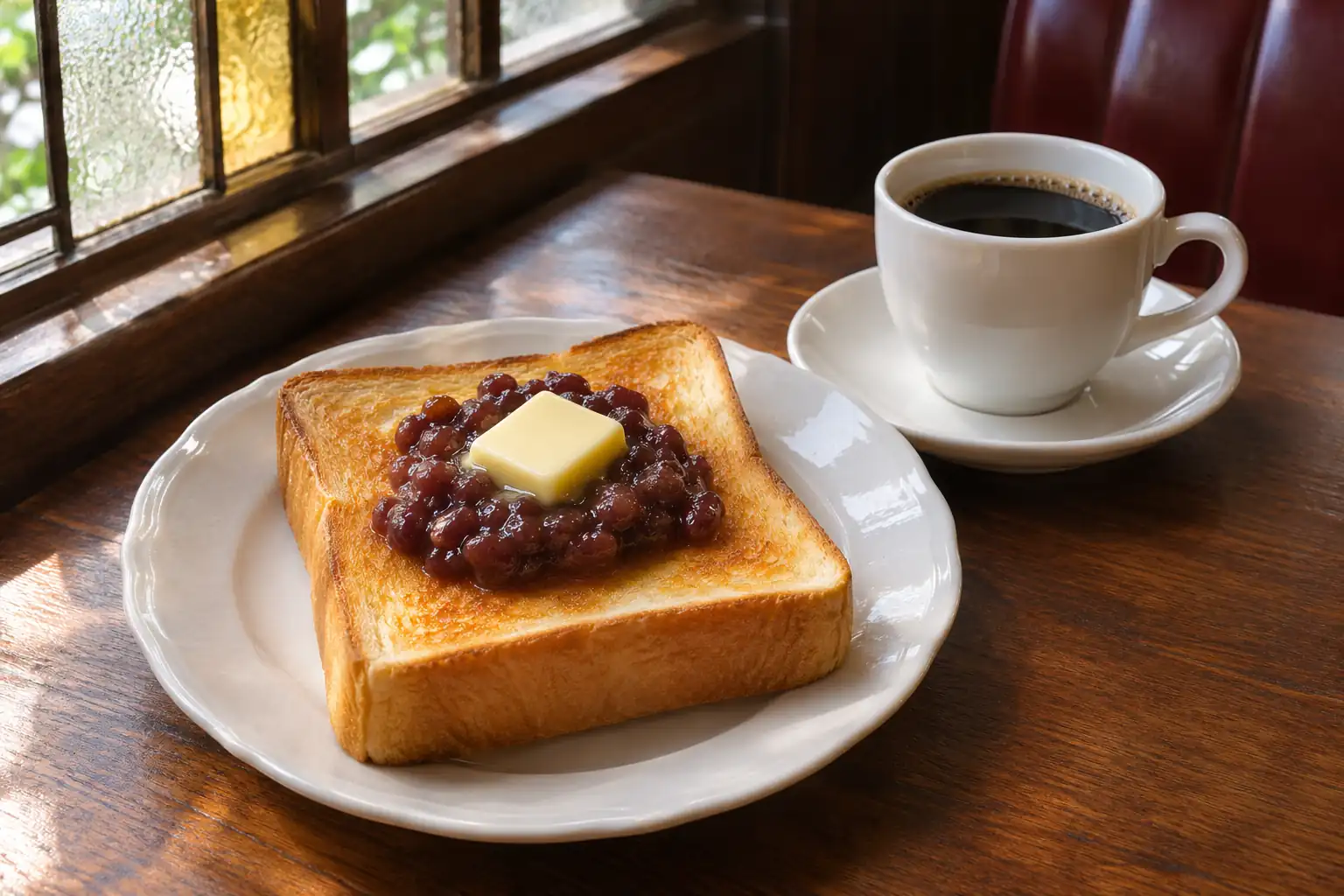
Ogura toast pairs thick toast with sweet red bean paste, often with butter. A kissaten, or traditional-style coffee shop, is a good place to try it before the day's sightseeing.
For a straightforward chain option, Komeda's Coffee offers morning service from opening until 11 a.m.: order a drink and choose bread with an accompaniment such as ogura bean paste. Availability varies by branch, and separately ordered side dishes cost extra.
Hitsumabushi
This grilled-eel-and-rice dish comes with condiments and broth or tea so you can change its flavor as you eat. Atsuta Horaiken is an established specialist to consider alongside an Atsuta Jingu visit.
Divide the serving into four portions: try the first plain, add condiments to the second, pour the supplied liquid over the third, and finish in your favorite style. Leave a flexible lunch window at a popular eel restaurant rather than putting it immediately before a fixed departure.
Comfort Food and Evening Plates
Miso Katsu
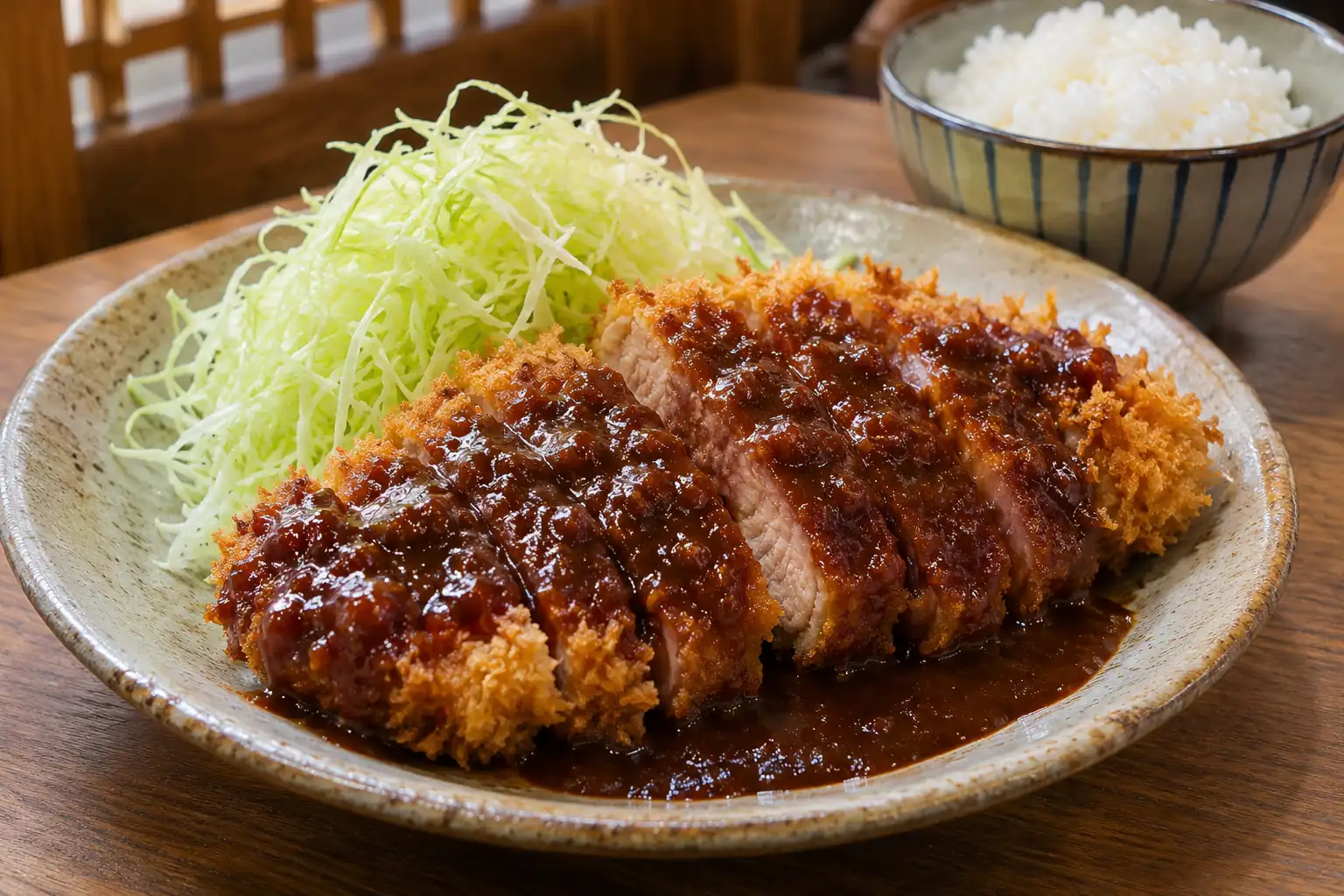
Miso katsu is a breaded pork cutlet served with rich soybean-miso sauce. Yabaton's Yabacho main restaurant is convenient for an Osu outing, with access from Yabacho or Kamimaezu stations.
On another day, try kishimen's broad, flat noodles or miso nikomi udon's hearty miso broth for a different local comfort meal.
Tebasaki Chicken Wings
For an izakaya dinner, try Nagoya-style tebasaki chicken wings at Sekai no Yamachan, known for its peppery seasoning. Furaibo is another established option, serving wings finished with its sauce and seasoning.
These are bone-in wings, and the pepper can be assertive; ask about the seasoning if you are sensitive to spice. Choosing a branch near Sakae or your hotel makes this an easy evening meal after shopping or the tower.
Day Trips from Nagoya
Reserve a full day for Ghibli Park if its themed areas are a priority, or choose Inuyama for an original castle keep and a historic town walk. These work best as alternatives to a city sightseeing day.
Ghibli Park in Nagakute
Ghibli Park sits within Expo 2005 Aichi Commemorative Park in Nagakute, outside Nagoya. Its five themed areas reward fans who want to explore Studio Ghibli settings and buildings, rather than spend the day on conventional thrill rides.
Advance reservations are required, and access to areas and interiors depends on the ticket. Compare the options on the official overseas ticket page before booking, then plan your journey around any timed entry.
A common rail route uses the Higashiyama subway line to Fujigaoka, followed by Linimo to Ai-Chikyuhaku Kinen Koen. The park is extensive, so include walking between areas when deciding how much you can fit around a reservation.
Inuyama Castle and Castle Town
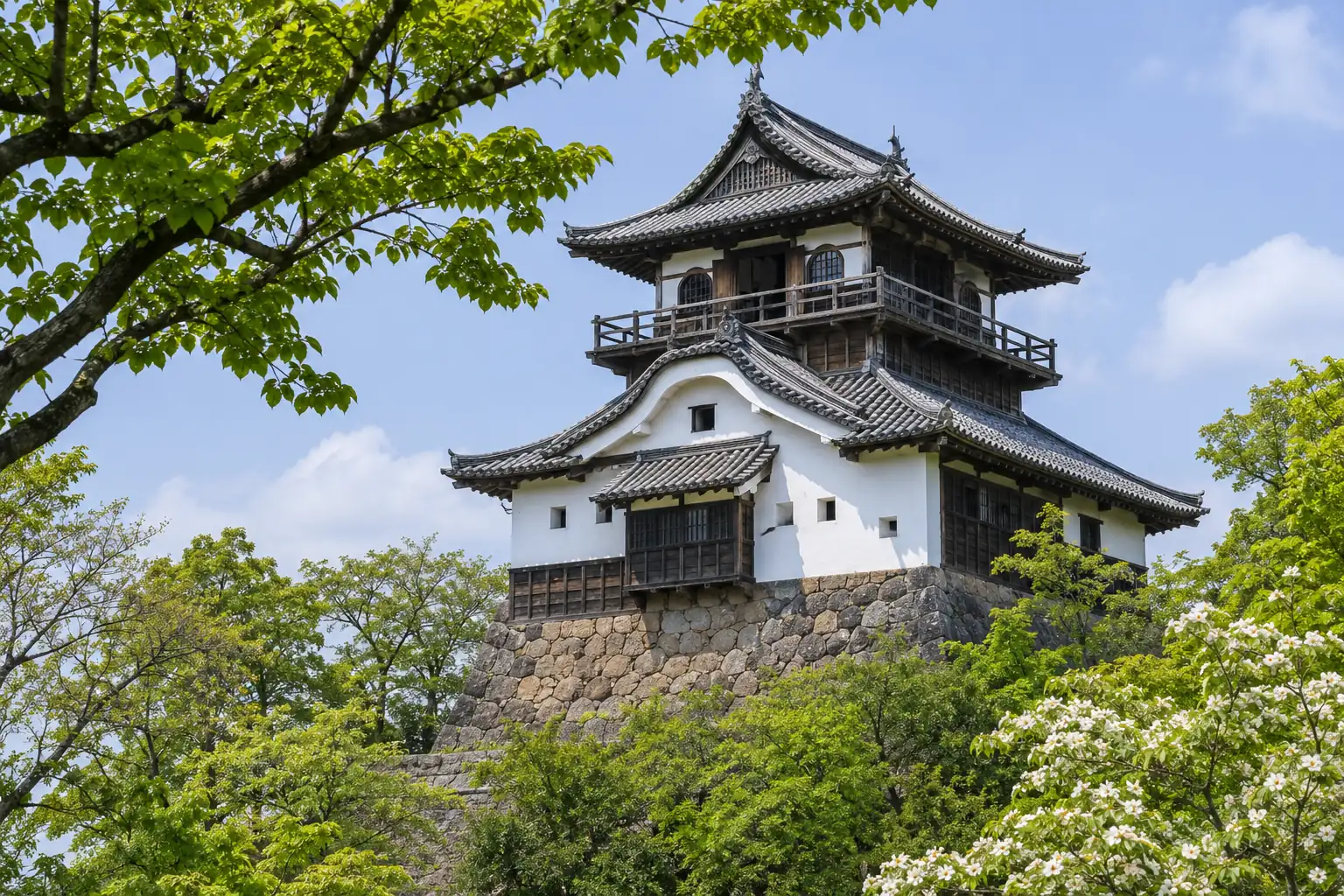
Inuyama combines an original castle keep with Kiso River views and a town street lined with snack stops and small shops. It is a good choice if you want a historic excursion without organizing the day around a theme-park reservation.
Take Meitetsu services from Nagoya, allowing time to walk through the town to the castle. The keep has narrow, steep stairs and no lift; travelers with limited mobility should plan around the town and riverside rather than assume the interior is accessible.
Planning Your Nagoya Visit
Use two days for a balanced city visit, or one full day if Nagoya is a stop between other destinations. Add a third day when Ghibli Park, Inuyama, or a major family attraction is important to your group.
Routes for One to Three Days
The routes below give each day a focus. Museum and garden options are alternatives, leaving time for lunch and travel between areas.
Time available | Suggested route |
|---|---|
One full day | Cafe breakfast, Nagoya Castle and palace, lunch, Osu shopping, then Sakae and Hisaya-Odori Park in the evening. |
Two days | Follow the first-day route, then pair Toyota's industrial museum with Noritake Garden. For a quieter second day, choose Atsuta Jingu, an eel lunch, and Shirotori Garden instead. |
Three days | Add Ghibli Park or Inuyama. Families can use this day for the aquarium or LEGOLAND instead of leaving the city. |
For art, replace the Osu afternoon with the Tokugawa Art Museum and Tokugawaen; for wet weather, choose the science museum. A half-day stopover calls for just one attraction and a meal near your arrival or departure station.
Transport, Timing and Where to Stay
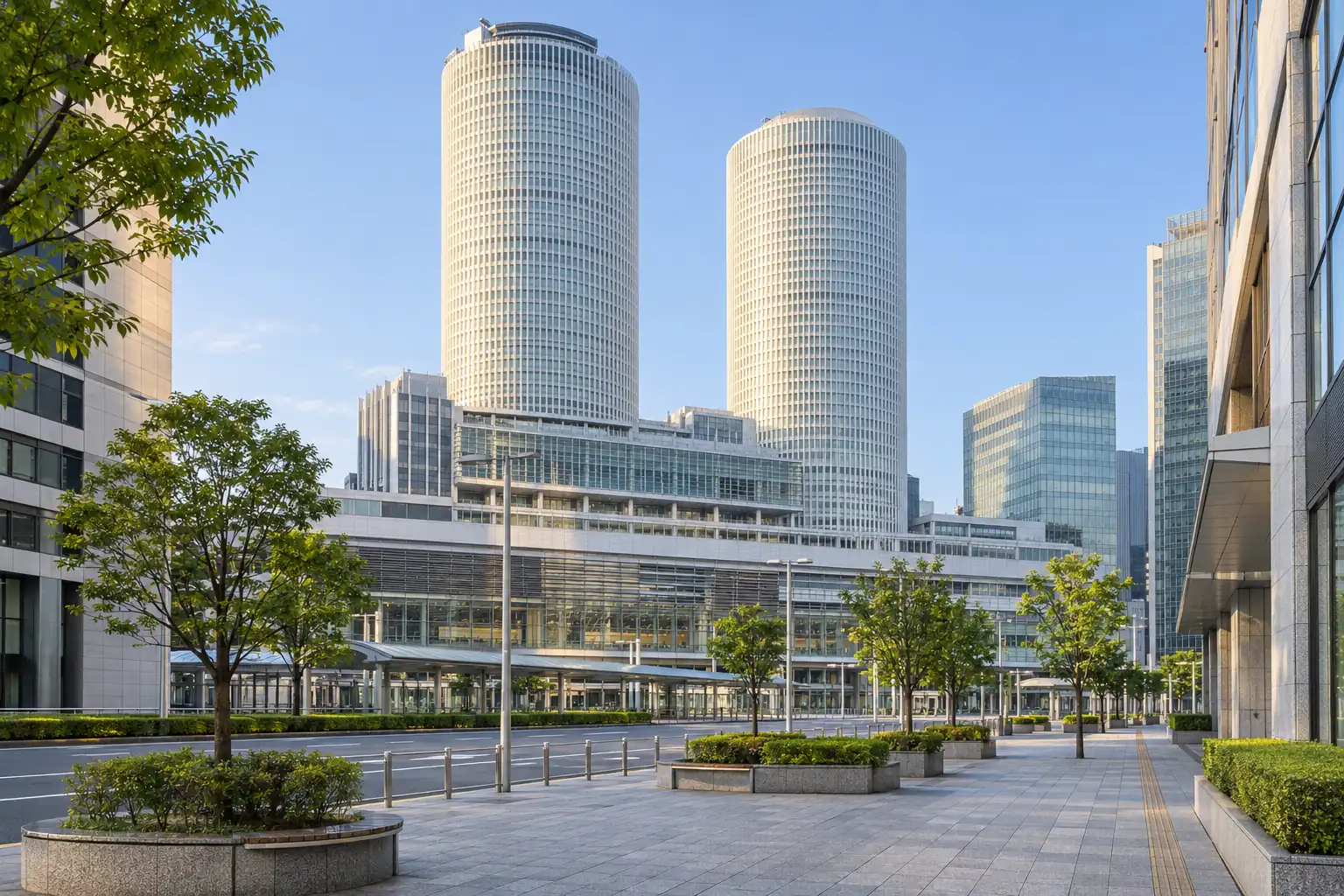
Nagoya Station is a convenient base for onward trains and the Aonami Line, while Sakae puts evening restaurants and shopping closer to your hotel. Local sightseeing uses several operators, so a city subway pass will not cover every journey: Kinjofuto requires the Aonami Line, Inuyama uses Meitetsu, and the Ghibli rail route includes Linimo.
On a lower-spend day, combine Osu, Hisaya-Odori Park, or Atsuta Jingu's grounds with one paid attraction; keep a separate allowance for an eel lunch or a theme-park ticket.
Spring and autumn suit walking-heavy days; summer heat and rain make a longer museum visit useful, while winter calls for shorter outdoor stretches. Check venue closure calendars before assigning days, especially for a Monday visit.
Mobile Data and Booking Access
Keep ticket confirmations available offline, then use mobile data for live routes, station exits, and menu translation. An iRoamly Japan eSIM is one option for a compatible, carrier-unlocked phone; check compatibility and the selected plan's activation instructions before departure.
FAQ
1. What can I do in Nagoya for free?
Walk around Osu and Hisaya-Odori Park or visit Atsuta Jingu's main grounds. Observation decks, museums, and some facilities within larger sites require separate admission.
2. Can I use Suica or PASMO in Nagoya?
Yes, these interoperable transport IC cards can be used for ordinary fares on Nagoya's city subway and buses. They are a way to pay as you travel, not an unlimited-ride pass; reserved-seat and special-service tickets may need separate purchase.
3. Where can I leave luggage during a stopover?
Nagoya Station has coin lockers around several exits and concourses, including large and extra-large sizes at selected locations. Use the station's locker map and availability display, and photograph the location before leaving; access hours follow the opening and closing of station entrances.
Conclusion
Build your Nagoya visit around the experiences that interest you most: the palace, industrial heritage, gardens, or a day outside the city. Two days gives you a useful balance of sightseeing and time for local meals.
Choose shopping stops with a purchase in mind, whether that is vintage clothing in Osu, porcelain at Noritake, or an indigo textile in Arimatsu.
Once any fixed-entry tickets are booked, group the remaining visits by a sensible route. That leaves space for the cafe breakfast or unhurried dinner that makes Nagoya more than a stop between trains.