
If you are planning to travel to the United States and you are a Russian citizen, one of the first questions you will ask is "Can I go to the United States?"
It is not as simple as a simple "yes" or "no" - to be precise, it depends on the purpose of your trip and how long you will stay in the United States.
In this article, we will analyze the relevant rules and requirements for Russian citizens to travel to the United States.
Whatever the purpose of your trip, fully understanding the relevant entry regulations of the United States before departure can make your trip smoother and more pleasant.

Can Russians Travel to USA
Yes, Russian citizens can still travel to the United States.
But the US does not allow visa-free travel for Russian citizens so, as a Russian citizen, you need a visa to visit the US.
No matter whether you plan to live or just visit the country, you will need a valid visa before you travel to the United States.
Don’t worry. Although obtaining a U.S. visa can sometimes be challenging, everything can go smoothly with proper preparation.
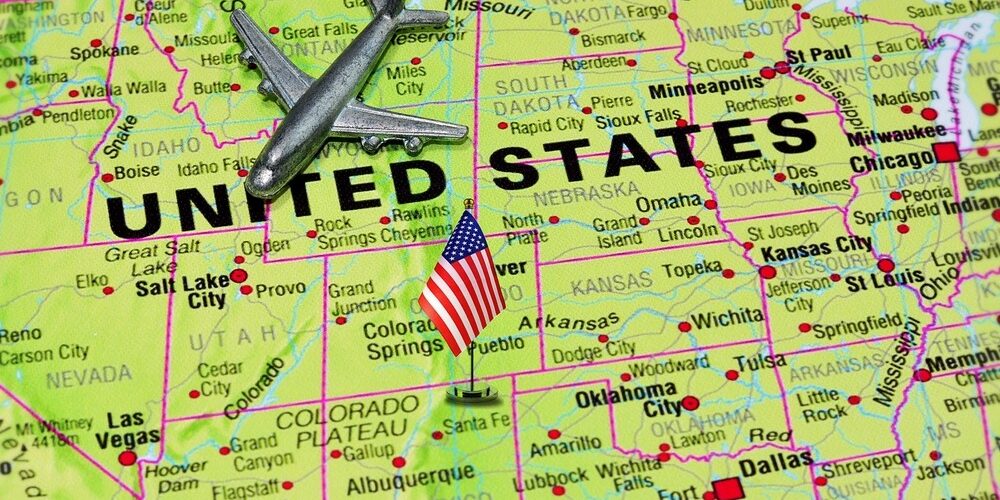
To make your trip to the U.S. even easier, besides preparing your visa, you can also get an eSIM in advance from a reliable international mobile network platform, such as iRoamly.
This way, whether you’re navigating, checking attraction information, or booking a restaurant, you can stay connected at all times, making your entire journey more convenient and worry-free.
Next, I’ll provide you with information about various visa types, the U.S. visa process, and everything else you need for a successful trip to America.
Types of Us Tourist Visas for Russian Citizens
Russian nationals are able to apply for both short-term and long-term visas, depending on the purpose of their stay. Specific types of Russian visas include:
1. Common Short-Term Us Visas (Non-Immigrant Visas)
These visas are for people coming to the U.S. for a short time because of tourism, business, or to study:
Visitor Visa (B1, B2)
Business Visa(B1): The B-1 visa is for individuals visiting the US for business purposes, such as attending meetings, conferences, or negotiating contracts.
Tourist Visa (B2): The B-2 visa is for individuals traveling to the US for tourism, leisure, or medical treatment. It is usually valid for up to 6 months.
B-1 and B-2 visas can also be combined into a single visa: B-1/B-2 visa.
B-1 (business) visas and B-2 (tourist) visas are also usually valid for a maximum of 6 months.
Transit Visa
Transit (C) visas are for persons traveling in immediate and continuous transit through the United States enroute to a foreign destination.
2. Common Long-Term Us Visas (Immigrant Visas)
These visas enable foreigners to live and work in the US permanently. They are designed for people emigrating to the US on the basis of family, work, or to attend school, among other long-term visas.
Employment Visa (H1B, L1, O1, EB) : Visas that are employment-based give people permission to live and work in the US by taking advantage of a job offer or exceptional skill.
Family-Based Visas: Family-based visas are how U.S. citizens and permanent residents can bring over close family members.
Diversity Visa (DV) Lottery: The Visa Lottery Is a pathway to legal residency for those in countries where few immigrants are coming from.
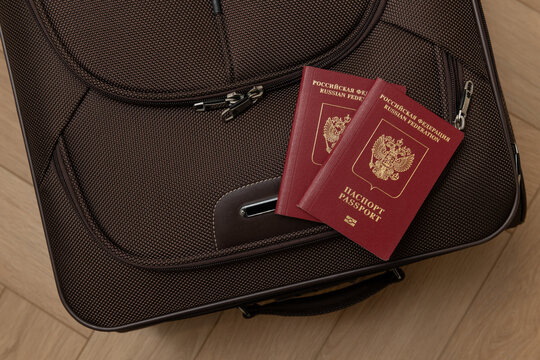
3. Student Visa
This visa is for international students who have been accepted to a U.S. school and are traveling to the U.S. for education.
F-1 Visa (Academic Students):The F-1 visa is for students attending full-time courses of study at academic institutions in the United States. These visas usually last the length of the academic program.
M-1 Visa (Vocational Students): The M-1 visa is for vocational students. The visa is commonly issued for the duration of the program, which is usually about 1 year.
The above is a general list of US visa types. If you have doubts or further questions visit the official website: https://travel.state.gov/content/travel/en/us-visas/visa-information-resources/all-visa-categories.html
US Visa Application Documents
Typically, you will need the following documents:
1. Valid Passport
Your passport must be valid for at least six months beyond your period of stay in the United States. This is to ensure validity as you move around the U.S. and head back home.
2. The DS-160 form
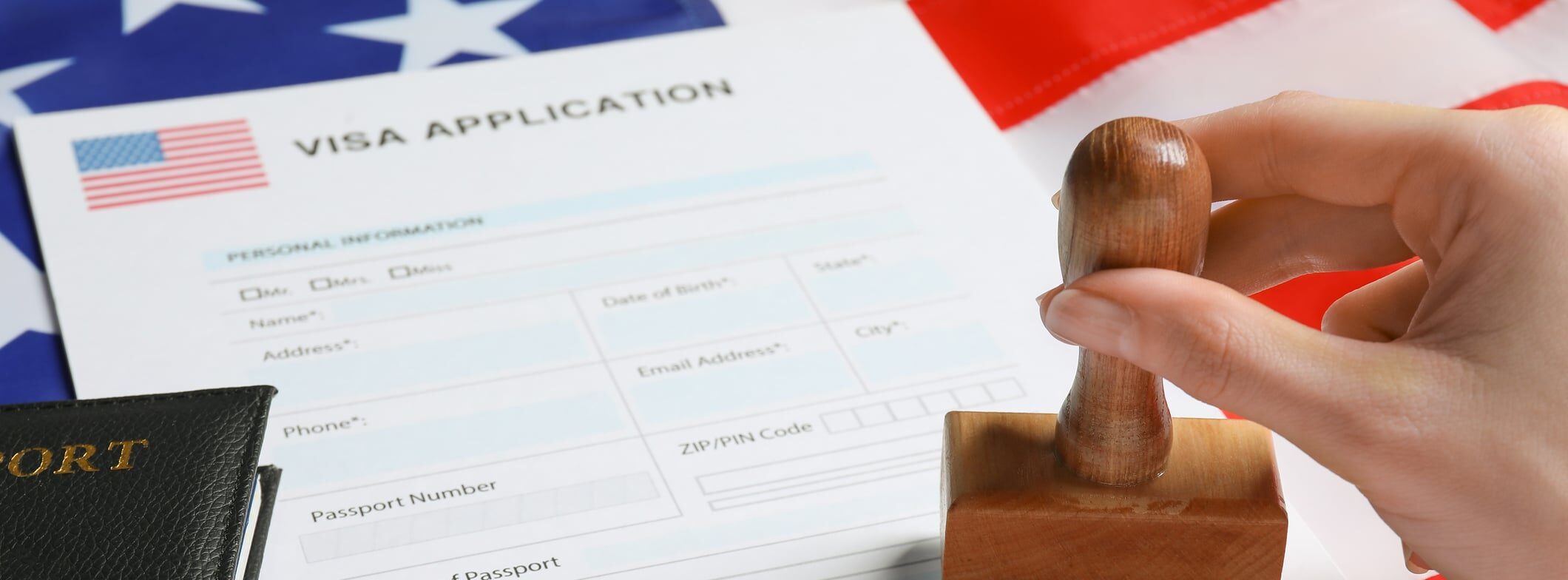
You must complete the DS-160 form, which is a detailed application that asks for personal information and the reason for your visit.
The DS-160 form: https://ceac.state.gov/GenNIV/Default.aspx
3. A photo that meets the US visa requirements.
Along with your application, you will need to provide a passport-sized photo that meets the specific U.S. visa photo requirements.
4. Proof of Accommodation in the U.S.
You might need to show where you will be staying in the U.S.A. This could be a hotel booking or a letter of invitation from someone in the United States verifying that you will be staying with them.
5. Flight Tickets or Proof of Departure
One requirement is your itinerary or booking confirmation that shows you’ll be exiting the U.S. This is to give U.S. officials evidence that you have a return ticket and no plans to remain in the country.
6. Proof of Sufficient Funds
In order to be sure you are able to financially take care of yourself while in the USA, you will need to prove that you have enough money to stay in the USA.
You can visit the website of the U.S. embassy or consulate in the country where you will apply for a visa. It will list what documents you need. https://travel.state.gov/content/travel/en/us-visas/tourism-visit/visitor.html#apply
Travel Tips
1. Embassy Closures in Russia
Owing to the suspension of immigrant visa services in the U.S. Embassy in Moscow, the U.S. Department of State has designated the U.S. Embassy in Warsaw as the processing post for immigrant visas for residents of Russia.
2. Power outlets and mobile communication issues
The U.S. uses 120V electricity and Type A/B plugs. If your devices use a different plug type, you should bring a plug adapter. Regarding mobile connectivity, it’s recommended to purchase a local U.S. mobile eSIM in advance to ensure smooth communication.
3. Safety and Local Laws
Is it safe to visit America? Many people wonder before traveling. Overall, the U.S. is safe, but laws and safety standards vary. Avoid unsafe areas, follow traffic rules, and never drink and drive. Be respectful in public places like parks and historic sites.

4. Transportation and Driving
If you choose to travel by public transportation, keep in mind that it varies by city. In cities like New York, public transit is very convenient, while in other cities, renting a car might be more practical.
If you’re planning a road trip, especially one that may pass through U.S. border areas (such as states near Canada), it’s very important to familiarize yourself with local conditions in advance. This way, when planning your interstate route, you can avoid restricted areas and ensure a smooth and worry-free journey.
Please confirm whether your Russian driver’s license is valid or if you need an International Driving Permit (IDP).
5. Customs and Border Protection
Be honest and cooperative at customs. You may be asked about the purpose of your visit, your accommodation, and return ticket. U.S. border officers have discretion to deny entry, even with a valid visa.
FAQ
1. How much money can I bring into the USA?
You can bring up to $10,000 USD (or its equivalent in other currencies) without declaring it to U.S. Customs. If you bring more than this amount, you must declare it on arrival.
2. Can I travel to multiple U.S. states during my visit?
Once you're allowed into the U.S., you can travel freely between states as long as your visa is valid. If you're a budget-conscious nature lover, Arkansas is a great choice, one of the most budget-friendly locations in America. For a taste of vibrant city life, New York is a must-visit.
3. Can I bring food or alcohol into the United States?
Some food imports are restricted. Alcoholic beverages may be brought into the United States, but quantities are limited (usually up to one liter per person). When bringing food into the U.S., you must declare it to U.S. Customs.
4. What should I know about using Russian bank cards in the U.S.?
Due to sanctions, many Russian-issued credit or debit cards may not work in the U.S. It's advisable to bring internationally accepted cards (like those from non-sanctioned banks), or plan ahead with cash (USD) or alternative payment methods.
5. How can you ensure your U.S. trip is safe?
Try to stay in well-populated areas, especially after dark, and never let your belongings out of sight. To ensure safety during your trip, it’s recommended to get U.S. trip insurance, which can cover emergency medical situations, lost luggage, and other issues, giving you peace of mind throughout your journey.
Conclusion
Traveling to the United States as a Russian citizen is still possible but requires careful planning, patience, and flexibility due to ongoing visa challenges and global political dynamics.
While the process may be more complex than before, the U.S. remains a diverse and exciting destination filled with iconic landmarks, natural wonders, and vibrant culture.
With proper preparation, Russian travelers can enjoy a rewarding and memorable experience in the United States.