
France changes character quickly: one rail journey can carry you from Parisian boulevards to Mediterranean harbors, vineyard quays, or half-timbered Alsatian lanes.
Each of these ten cities brings a distinct atmosphere, signature sights, and regional flavor, making the choice less about fame and more about the trip you want.
Use the list as a route-planning tool rather than a ranking; two or three well-matched bases will usually create a richer getaway than ten rushed check-ins.

1. Paris
Once your route is taking shape, a France travel eSIM can keep station changes, attraction bookings, and walking directions available as you move between cities.
Why visit: Paris isn’t just France’s iconic capital; it's the beating heart of global art, fashion, food, and culture. Its age-old magic lies in the contrast between the grandeur of marquee sights like the Eiffel Tower and Notre-Dame, and the intimacy found in its corners, in its cafés and markets.
Don’t miss:
Eiffel Tower: Gaze at Gustave Eiffel’s emblematic iron structure.
Louvre Museum: Marvel at the world’s most iconic pieces, including the Mona Lisa.
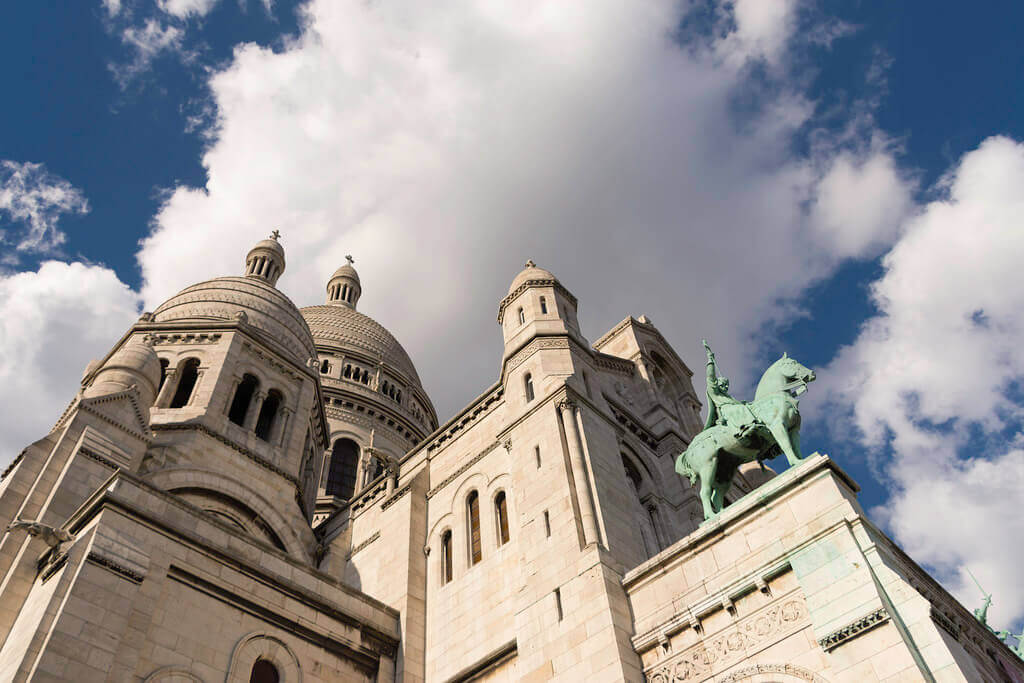
Montmartre: Delve into this artists’ enclave and café-lined hilltop neighborhood.
Seine River Cruises: Take a boat ride down the Seine to see Paris from another angle, especially at sunset.
Le Marais: Shop, eat and explore one of Paris' most vibrant neighborhoods.
Tips: Avoid dining near big sights and stick to where the locals eat. Say “bonjour” when entering a shop.
2. Lyon
Why visit: Food-lovers won’t go hungry in Lyon – France’s culinary capital delivers a feast of vibrant dining scenes and historical landmarks.
It may be a city where the past is piled up high, but the present is just as compelling. Discover the secrets of the ancient old town, art, and lavish city parks.
Don’t miss:
Vieux Lyon: Wander through Europe's largest Renaissance neighborhood.
Basilica of Notre-Dame de Fourvière: For one of the best vistas of Lyon.
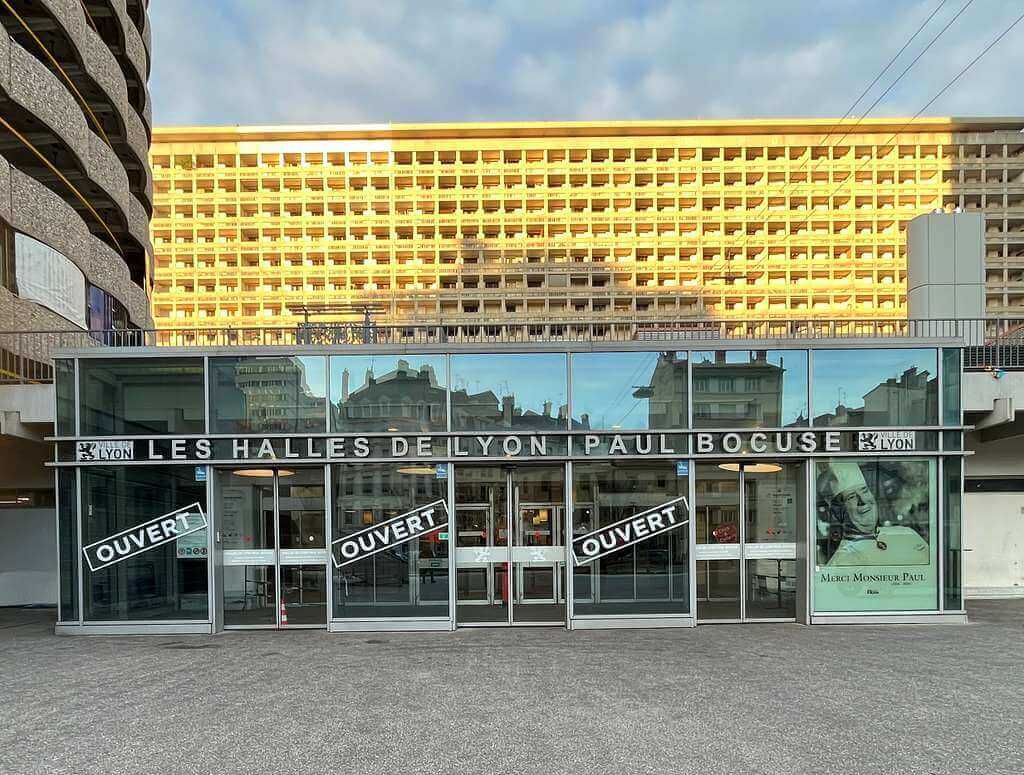
Les Halles de Lyon Paul Bocuse: Sample local and international gourmet dishes.
Parc de la Tête d'Or: Visit the zoo and the lake in this expansive park.
Musée des Confluences: Explore the science and anthropology museum.
Tips: Taste local dishes; visit during the Fête des Lumières for the best light show.
3. Marseille
Why visit: Marseille, France’s most ancient city, is a multicultural port town with an unapologetic attitude, a big heart, and a history that’s anything but conventional.
From its gritty urban corridors to its glittering Mediterranean coastline, Marseille is a multifaceted city where visitors could lose themselves in its cinematic neighborhoods, verdant parks, and looming massifs.
Don’t miss:
Old Port (Vieux Port): Savor the fish markets and color of city life.
Notre-Dame de la Garde: The emblematic basilica above the city.
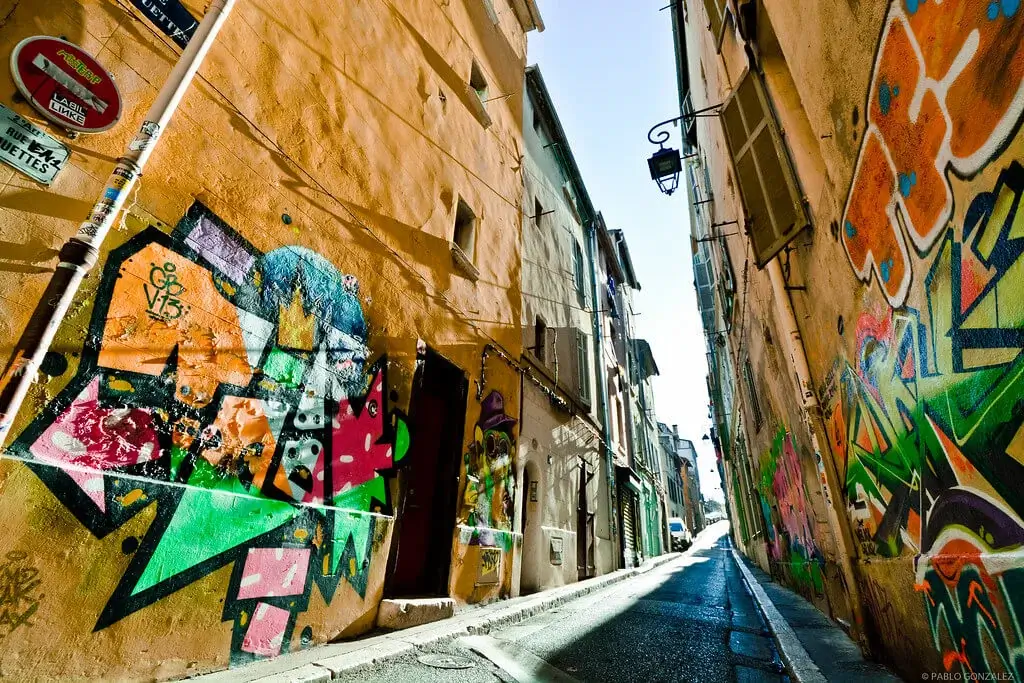
Le Panier: The foundation of Marseille rich in history and art.
Calanques National Park: The limestone cliffs and coves by foot or boat.
MUCEM: Mediterranean cultures museum.
Tips: Devour the local bouillabaisse; use public transport to motor around.
4. Bordeaux
Why visit: Global fame for its vineyards aside, Bordeaux is a charismatic city once again. Its 18th-century grandness, vibrant cultural scene, and revitalized riverfront are just a few of the reasons to go.
Don’t miss:
La Cité du Vin: A museum and cultural center celebrating the culture of wine.
Place de la Bourse and the Miroir d’Eau: The square and its water mirror allow for unbeatable photos.
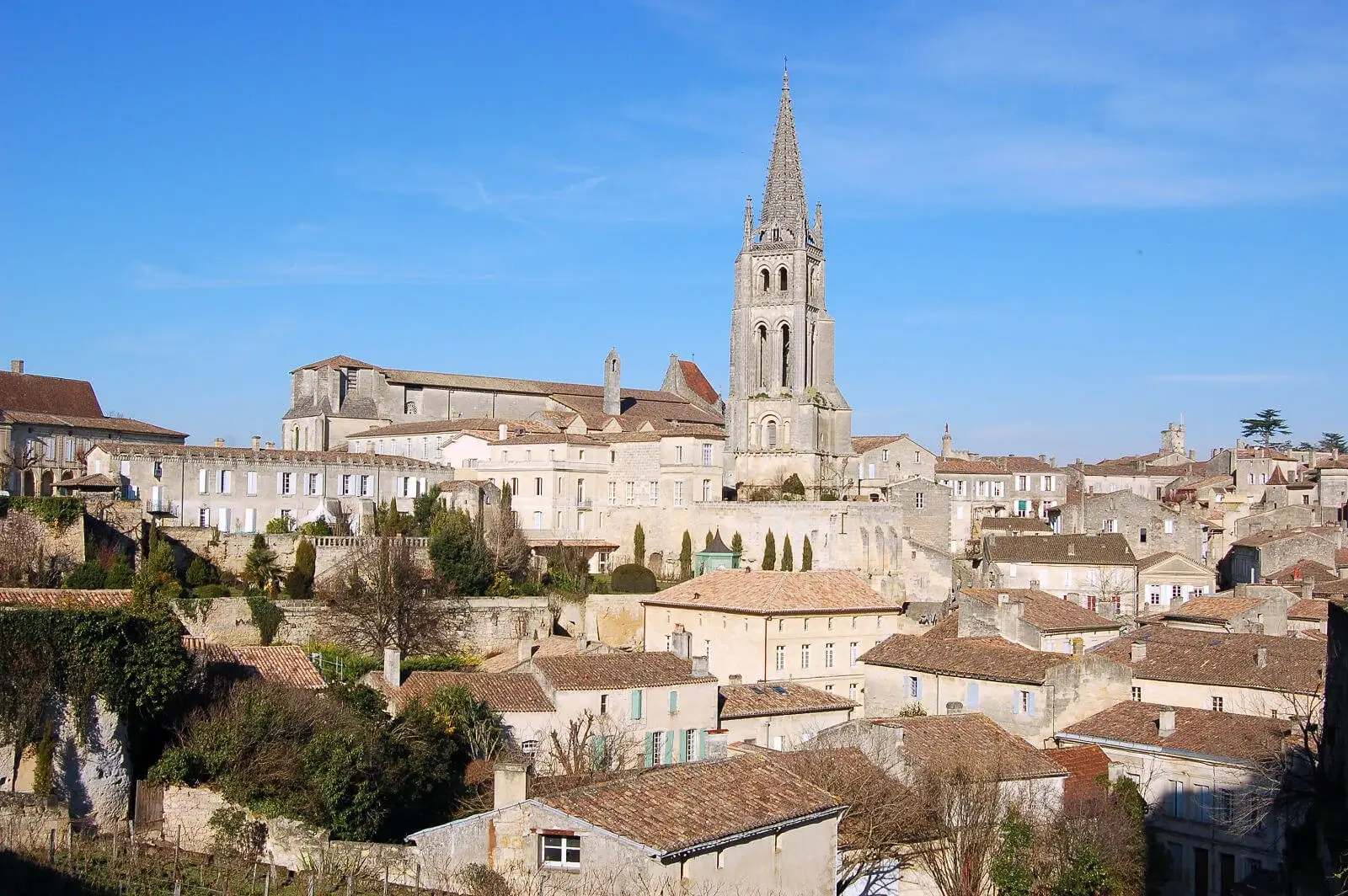
St-Émilion: A good choice for a day trip from Bordeaux, this Unesco-listed vineyard town oozes charm.
Darwin Ecosystem: A cool mix of eco-businesses, urban culture and skatepark.
Rue Sainte-Catherine: Shop til you drop on one of Europe’s longest pedestrian shopping streets.
Tips:
Go in autumn for Bordeaux’s wine harvest; getting a bike to uncover hidden corners of the city would be a great idea.
Use the iRoamly travel hub alongside your saved bookings when comparing urban sights with vineyard day trips beyond Bordeaux.
5. Carcassonne
Why visit: The fairy-tale image of Carcassonne, a fortified medieval town in the Languedoc region, is as iconic as it gets. The vast double walls, nearly two miles long, shroud a city that was meticulously restored from a near-ruin in the 19th century.
If you are also comparing European city routes, this guide to the best cities to visit in Spain offers a useful contrast: Spain favors regional city clusters, while Carcassonne works best as a focused medieval stop within a southern France itinerary.
Yes, it’s touristy, but this living bastion of history will win you over, particularly under the pergola at La Barbacane where you can eat regional specialities.
Don’t miss:
Medieval City: Walk the fortified city walls and explore the castle within.
Basilica of Saints Nazarius and Celsus: Admire its stained-glass windows.
Château Comtal: Learn about the region’s history in the castle and on the ramparts.
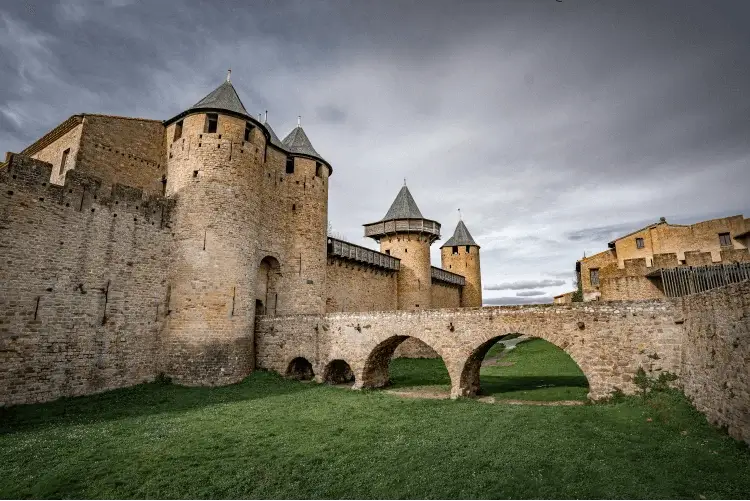
Lac de la Cavayère: A lake near town with water and recreational opportunities.
Local Markets: Shop for handmade crafts and regional specialities.
Tips: Spend the night inside the walls of the Cité and you’ll have the site to yourself after the day trippers have left.
6. Nice
Why visit: Nice enjoys a privileged status as the unofficial capital of the Riviera with beautiful beaches and bustling markets. Sunlight is often angled like a Matisse painting, and art galleries far outnumber bars.
Strolling through every corner of the city, you’ll discover the old-world luxury, lively street life, and vibrant Mediterranean charm mentioned in this Nice travel guide, all brought vividly to life before your eyes.
Don’t miss:
Promenade des Anglais: Take a stroll along the beachfront on Nice’s famous promenade.
Old Town (Vieille Ville): Wander through narrow streets chock-full of shops and eateries.
Matisse Museum: See an impressive collection of works by Henri Matisse set in a Cimiez villa.
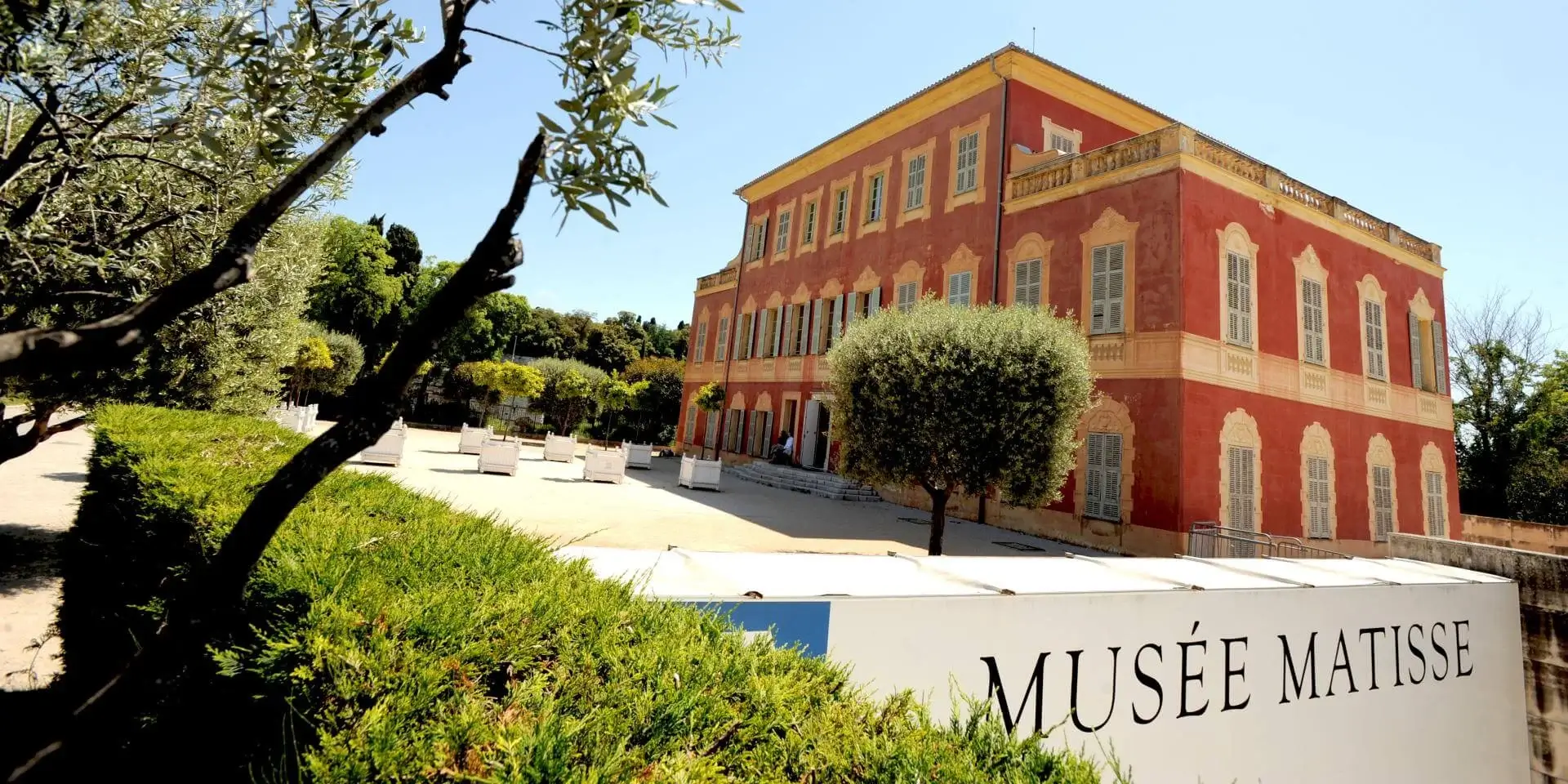
Colline du Château: Trek to this nearby park for lovely views across Nice.
Cours Saleya Market: Regarding the flowers and taste local fare at Nice's lively daily market.
Tips: Come in late spring or early autumn when the weather is still pleasant but the tourist crush abates.
7. Strasbourg
Why visit: The seat of the European Parliament, Strasbourg represents a seamless blend of French and German activities owing to its position on the fence between France and Germany.
The city is known for its captivating Gothic architecture – especially Strasbourg Cathedral – and its lively Christmas market, one of Europe’s oldest and most famous.
Don’t miss:
Strasbourg Cathedral: Admire the delicate facade and climb the tower for a view of the Rhine.
Petite France: Stroll through this picture-postcard quarter of half-timbered houses.
European Parliament: Take a guided tour to learn about EU politics.
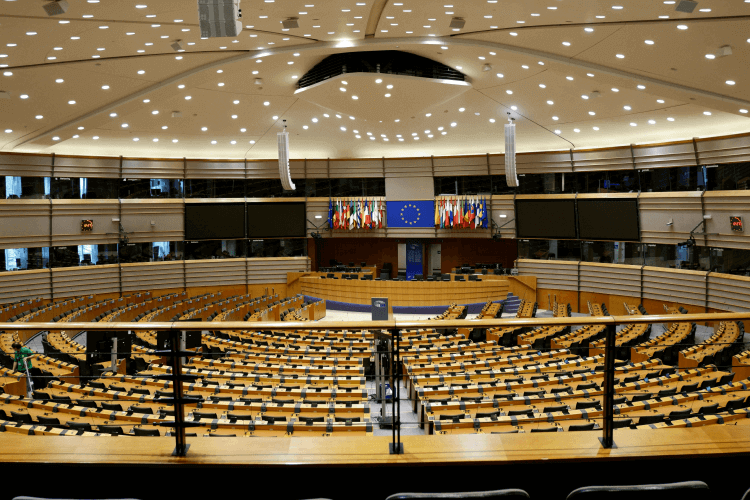
Parc de l’Orangerie: Unwind in Strasbourg’s oldest park, which dates back to the French Revolution.
Alsatian Museum: Study the history and culture of the Alsace region.
Tips: Sample local Alsace wines, particularly Riesling and Gewürztraminer; time your visit for the Christmas market.
8. Toulouse
Why visit: Known as ‘La Ville Rose’ (The Pink City) for its pink terracotta bricks, Toulouse is a must-visit for aerospace buffs, with Airbus headquartered here and a heritage in space exploration. A city of historical charm and scientific innovation, it offers an original mix of past and future to visitors.
Don’t miss:
Capitole de Toulouse: Visit the grand city hall and the square it overlooks.
Cité de l’Espace: Learn about space exploration through interactive exhibits and spacecraft displays.
Basilica of Saint-Sernin: Tour one of Europe’s largest Romanesque churches.
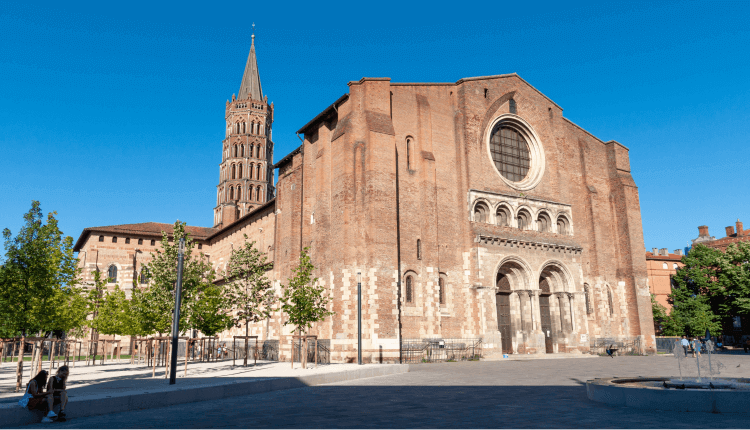
Garonne River: Go on a river cruise or take a stroll along its banks for views.
Augustins Museum: Marvel at the fine arts in this 14th-century convent.
Tips: Visit the Airbus plant; try local favorites like cassoulet for a taste of regional cuisine.
9. Nantes
Why visit: Nantes, which once served as the historical capital to the Dukes of Brittany, is now an artsy hub of culture. A city with a rich past but a youthful spirit, it is brimming with innovative art installations and green spaces. From its medieval castle to weird mechanical attractions at Les Machines de l’Île, Nantes is a quirky and captivating city...
Don’t miss:
Château Des Ducs de Bretagne: Visit the castle and its museum for a deep dive into Nantes and Brittany’s past.
Les Machines de l’Île: Discover huge mechanical critters that you can ride and interact with.
Jardin des Plantes: Walk around this beautiful botanical garden.
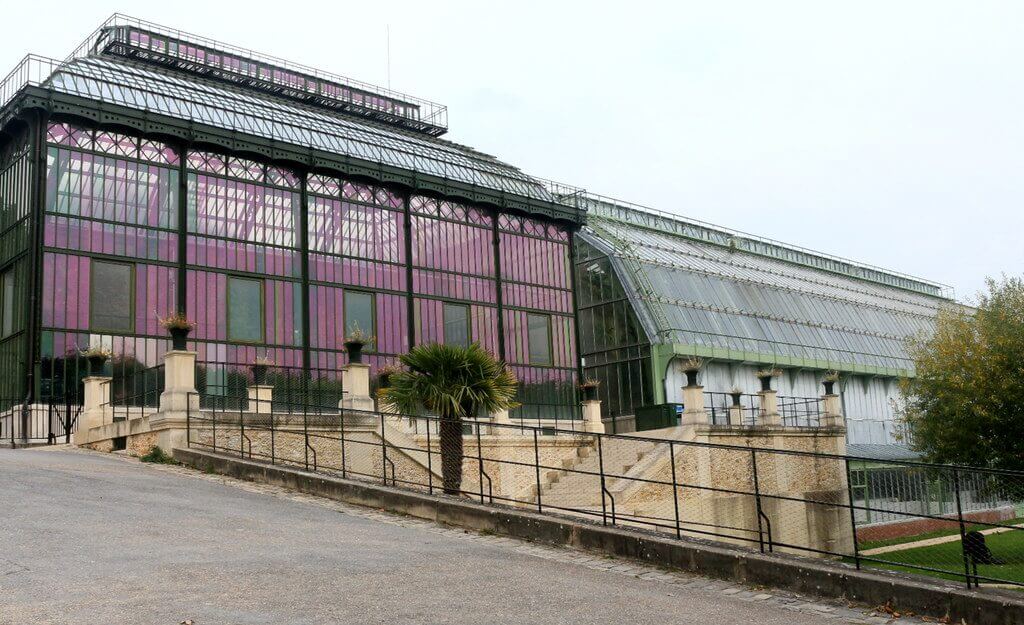
Passage Pommeraye: Shop inside this 19th-century shopping gallery.
Île de Versailles: Loosen up in the Japanese-style gardens on this island in the Erdre river.
Tips: Look out for events at Les Machines de l’Île; sip local Muscadet wine, along with fresh seafood.
10. Lille
Why visit: As the northern French city of Lille effortlessly blends French sophistication with Flemish flavor, it is little wonder it is to be found in our top ten.
It knows how to enjoy life, particularly in the arts, and has robust markets and an amiable atmosphere. It also offers plenty of beautiful old buildings and a good range of museums and galleries.
Don’t miss:
Vieux Lille: Discover the old town’s narrow streets and inviting boutiques.
Palais des Beaux-Arts: One of France’s biggest galleries, with everything from the Middle Ages to modern art.
La Piscine Museum: A museum of art and industry in a stylish art deco pool complex.
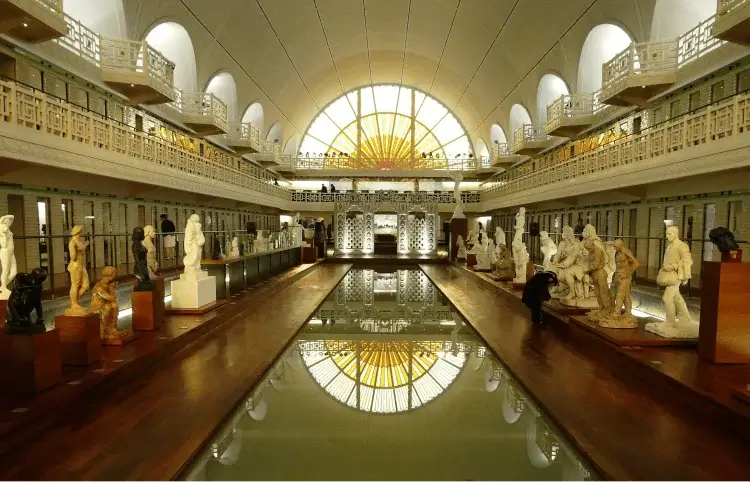
Grand Place: The heart of Lille is surrounded by fine buildings; sit, watch the world go by and sip a drink.
Marché de Wazemmes: A lively market good for sampling foods from around France and the world.
Tips: Eat the local waffles, drink the beer; come for Braderie de Lille in September, Europe’s largest flea market.
How to Combine French Cities Without Losing Days to Transit
The strongest city itinerary is usually a regional line, not a collection of names scattered across the map. Paris connects well with every part of the country, but crossing from the Atlantic coast to Alsace and then to the Riviera can turn a short holiday into a sequence of stations and check-ins.
Trip length | Realistic city pattern | Example from these 10 cities |
|---|---|---|
4–5 days | One city with one nearby excursion | Paris as a single base, or Nice with a Riviera day trip |
7 days | Two bases in a logical direction | Paris + Lyon, or Bordeaux + Toulouse |
10 days | Two or three bases with a slower middle stay | Paris + Lyon + Marseille, or Paris + Strasbourg + Lille |
14 days | Three or four cities within one broad route | Paris + Lyon + Marseille + Nice |
These are planning patterns, not fixed packages. Check live timetables on SNCF Connect, then count the complete door-to-door transfer: hotel checkout, station arrival, the train, local transit, luggage storage, and the next check-in.
Choose a Regional Route Cluster
For a north and northeast trip, Paris, Lille, and Strasbourg offer contrasting capital, Flemish, and Alsatian character. In the southeast, Lyon leads naturally toward Marseille and Nice, mixing food, Mediterranean history, and the coast.
Bordeaux and Toulouse form a practical southwest pairing, while Nantes can anchor a western journey. Carcassonne works best when it fits a southern rail route rather than as a rushed detour from Paris.
Give Each City Enough Full Days
A transfer day is rarely a full sightseeing day. For most travelers, Paris deserves at least three full days on a first visit, while two full days gives Lyon, Bordeaux, Marseille, Nice, Strasbourg, Toulouse, Nantes, or Lille room for a historic center, food, and one major museum or neighborhood.
Carcassonne can be explored more quickly, but an overnight reveals a calmer fortified city after day visitors leave. Add nights when the city is also a base for vineyards, beaches, villages, or another regional excursion.
Know When Rail Is Enough and When a Car Helps
The 10 city centers are generally easier without a car: parking, restricted streets, and one-way systems add friction. High-speed and intercity trains serve the major city pairs, while trams, metros, buses, and walking handle most central visits.
A car becomes more useful after the urban stay, particularly for countryside, small villages, vineyards with limited transit, or flexible coastal stops. Rent it when leaving the city rather than paying to store it during several nights of urban sightseeing.
French City Planning Tips
The strongest route balances travel time with variety. Use this quick comparison to narrow the list before booking accommodation.
| Trip priority | Best city choices | Why they fit |
|---|---|---|
| First-time landmarks | Paris, Lyon, Strasbourg | Major museums, historic districts, and straightforward city sightseeing |
| Food and wine | Lyon, Bordeaux, Toulouse | Distinct regional dishes, markets, and nearby wine country |
| Mediterranean coast | Nice, Marseille | Waterfront walks, beaches, markets, and coastal day trips |
| Medieval atmosphere | Carcassonne, Strasbourg, Lille | Fortifications, old quarters, and layered regional architecture |
| Creative city break | Nantes, Lille, Toulouse | Art, design, science, and lively neighborhoods beyond the classic circuit |
Tips: Build a Realistic Route
For one week, choose two or three bases in the same broad region. Paris pairs naturally with Lille or Strasbourg, while Lyon can lead south toward Marseille or Nice without forcing a cross-country zigzag.
Check schedules and ticket conditions on SNCF Connect before confirming hotels, especially when a route needs reservations or a transfer.
Leave at least two nights for major cities and keep one flexible half-day for weather, transport changes, or a neighborhood you decide to explore slowly.
French Cities FAQ
1. Which French city is best for a first visit?
Paris offers the broadest introduction to French art, architecture, food, and transport. Add one contrasting city, such as Lyon for gastronomy or Nice for the coast, if your schedule allows.
2. How many French cities can I visit in one week?
Two or three cities are comfortable when the rail connections are direct. More stops usually create too much packing and station time.
3. Which French cities are best for food?
Lyon is the classic gastronomic choice, while Bordeaux suits wine-focused travelers and Marseille or Nice add strong Mediterranean flavors.
4. Do I need a car to visit these cities?
No car is needed inside the ten cities, and many pairs work well by train. Rent one only for rural vineyards, villages, or countryside routes that are awkward by public transport.
5. Which cities are best outside summer?
Paris, Lyon, Lille, Nantes, and Strasbourg all work well for museum-rich breaks in cooler months. Strasbourg is especially atmospheric during its Christmas-market season, though accommodation can book early.
6. Which city is best for the coast?
Choose Nice for a polished Riviera base and easy seaside excursions, or Marseille for a larger, more energetic port city near the Calanques.
Conclusion
The best French cities are the ones that match your pace: Paris for headline culture, Lyon for food, Bordeaux for wine, Strasbourg for borderland character, and Nice or Marseille for the Mediterranean.
Build your itinerary around two or three complementary bases, then protect enough time for markets, meals, waterfronts, and old quarters rather than collecting station arrivals.
With realistic rail days and a clear trip theme, France’s regional differences become the highlight of the journey instead of a logistical challenge.