
Paris is the capital of France and the country’s largest city, as well as its main center for national government, transport, culture, and international tourism.
The city is compact enough to explore by neighborhood, but its major museums and monuments require advance planning. A France eSIM can help with metro directions, timed-entry tickets, and restaurant or museum updates.
This overview explains why Paris became the capital, gives current population context, and turns the city’s attractions, food, weather, and transport into a practical first-trip plan.
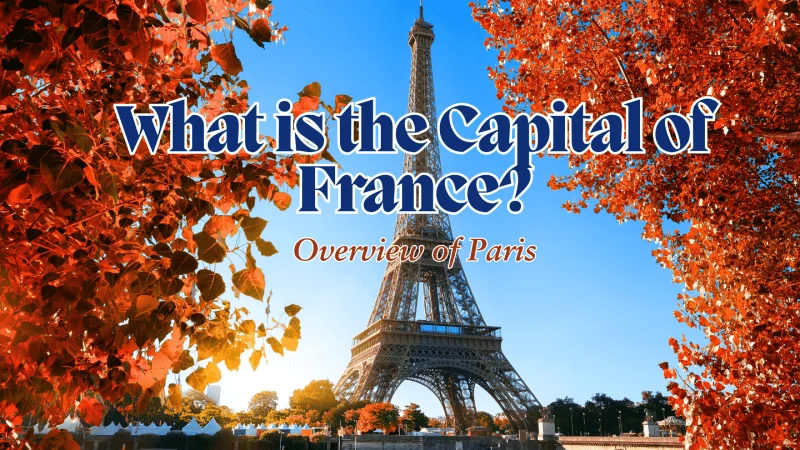
What Is the Capital of France?
Paris is the capital of France. The City of Paris covers about 105 square kilometers and is divided into 20 arrondissements that spiral outward from the historic center.
The national presidency, Parliament, ministries, senior courts, and many cultural institutions are based in or around Paris. The wider Île-de-France region extends far beyond the municipal boundary, so a population figure for “Paris” may refer either to the city proper or the much larger metropolitan area.
Paris is often called the “City of Light,” a name associated with both the Enlightenment and the city’s early public lighting. “Paname” is a familiar local nickname, while “City of Love” is mainly a modern tourism label.
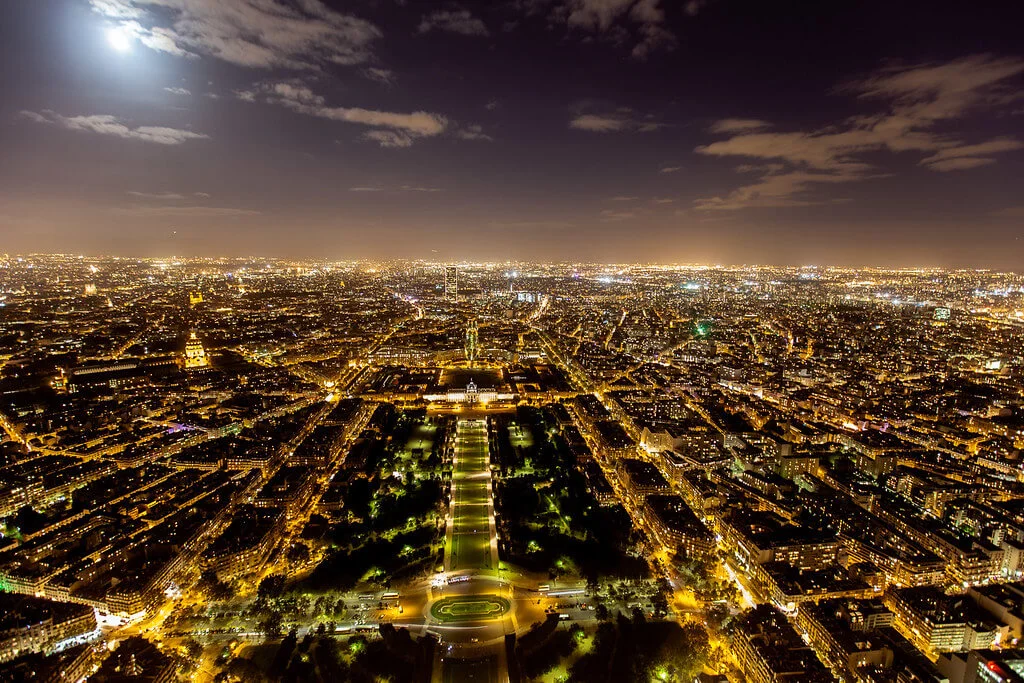
How Did Paris Become the French Capital?
Paris developed from the ancient settlement of Lutetia on the Seine and gained lasting political importance under the Capetian kings from the late 10th century. Royal administration, trade, scholarship, and church institutions increasingly concentrated in the city.
The royal court moved to Versailles in 1682, but Paris remained a major administrative, economic, and cultural center. In October 1789, the royal family and government were brought back to Paris during the French Revolution.
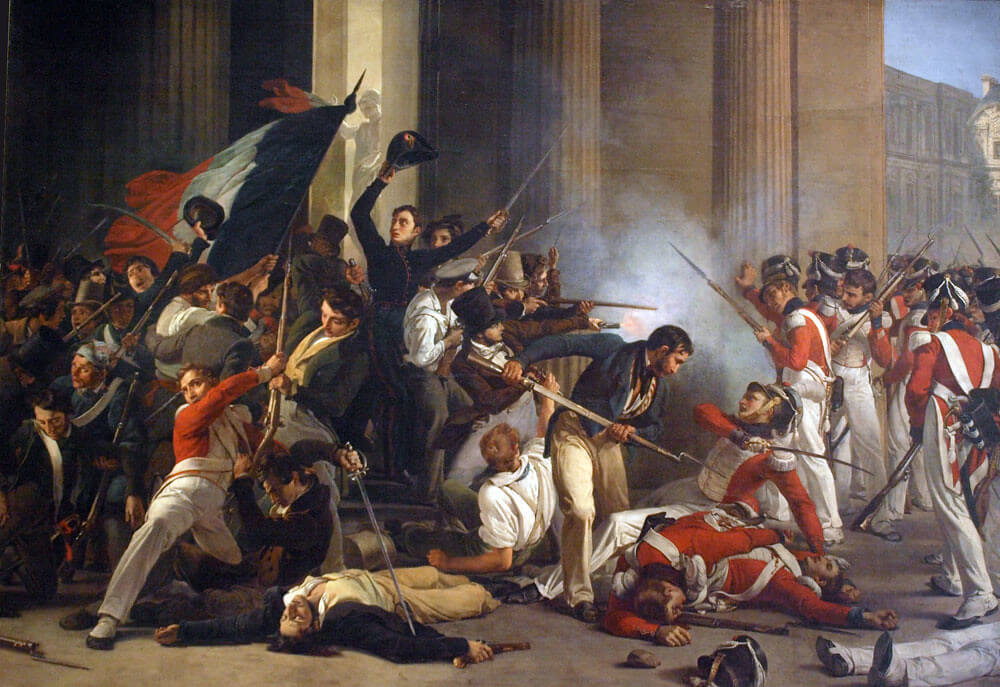
War and political crisis later caused temporary relocations of national authorities, but Paris retained its role as France’s enduring capital. Marseille is older as a city, yet age alone did not determine where the French state centered its institutions.
How Many People Live in Paris?
France’s official statistics agency reports a municipal population of 2,103,778 for Paris in the 2023 reference population, which entered into force in 2026. That figure applies to the city’s administrative boundary, not the full urban region.
The same official series shows that the city proper had 2,240,621 residents in 2012 and 2,187,526 in 2017. The decline does not mean the wider Paris region has ceased to be a major European metropolis; it reflects the tight municipal boundary and changing housing and migration patterns.
Use the exact geographic label when comparing cities. The official Paris population figures distinguish the municipal population from people counted separately and from broader metropolitan measures.
When Is the Best Time to Visit Paris?
Paris has a temperate climate with rainfall in every season. Spring and autumn usually balance moderate temperatures with good walking conditions, while summer brings longer days and larger crowds.
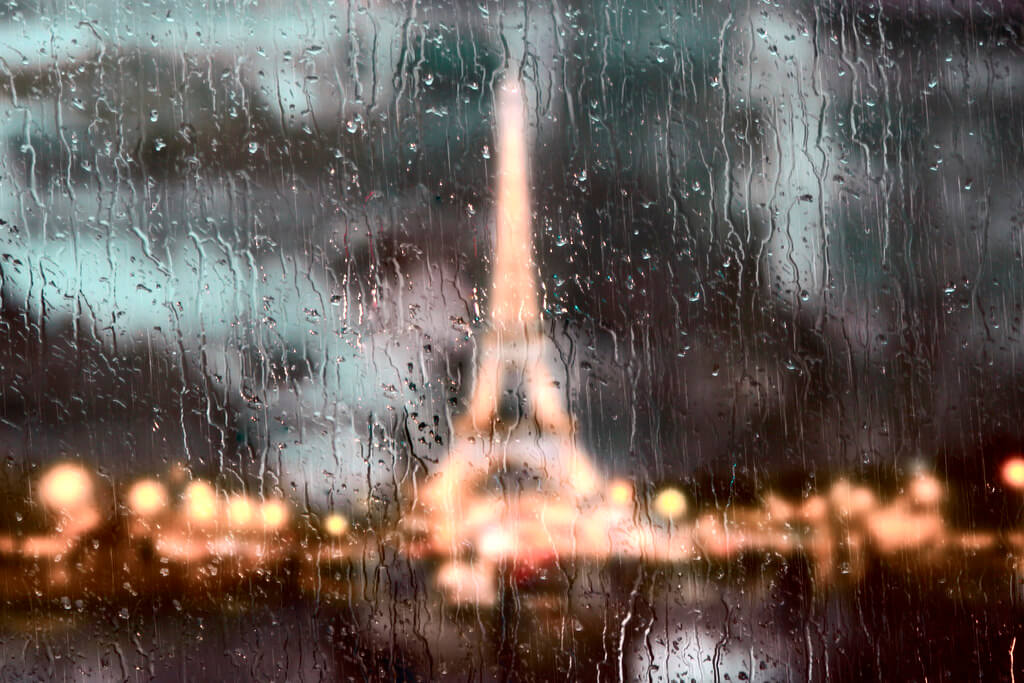
Winter can be gray and damp but offers shorter queues outside the holiday period. Heatwaves can occur in summer, so choose accommodation with suitable cooling if you are sensitive to heat.
For month-level temperatures, rainfall, packing, and daylight tradeoffs, compare the Paris weather by season before fixing outdoor plans.
Which Paris Areas Fit a First Trip?
This table groups sights by area so you spend less time crossing the city. It is a planning map, not a checklist: choose two adjacent clusters per day and leave room for meals and unplanned walks.
Area |
Main experiences |
Best for |
Planning note |
|---|---|---|---|
Historic center |
Notre-Dame, Sainte-Chapelle, Île de la Cité, Latin Quarter |
Architecture and first-time orientation |
Walk between sights; reserve Sainte-Chapelle when busy |
Louvre–Tuileries |
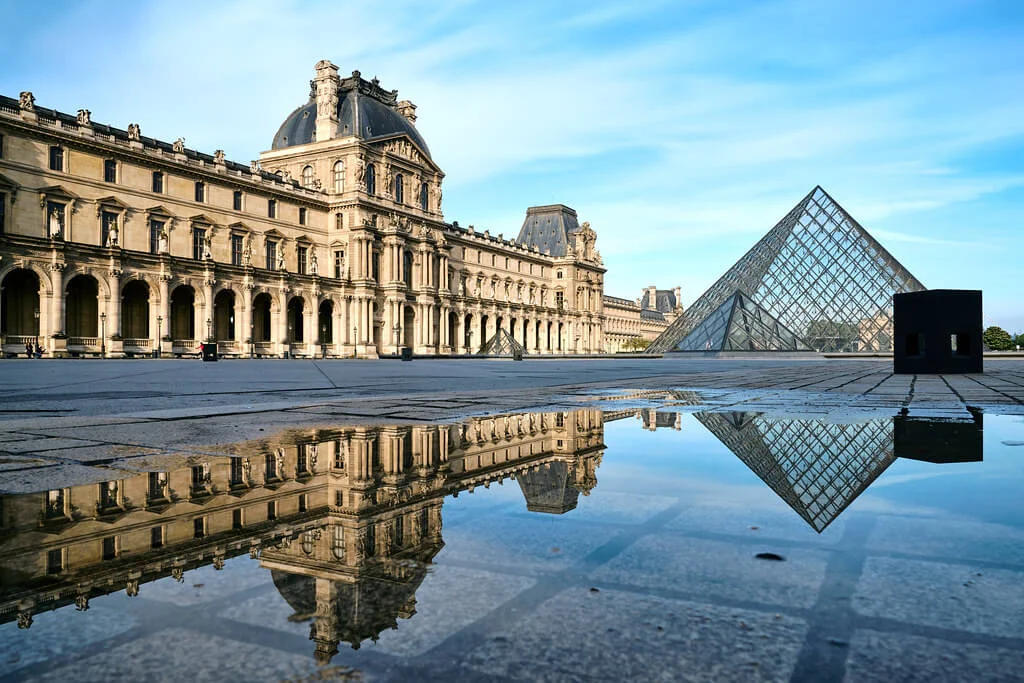
Louvre, Tuileries Garden, Palais Royal, Seine |
Art and formal cityscapes |
Give the Louvre at least half a day |
Eiffel Tower–Invalides |
Eiffel Tower, Champ de Mars, Invalides, Seine cruise |
Landmarks and evening views |
Book tower access; check cruise departure points |
Montmartre |
Sacré-Cœur, hillside streets, viewpoints, cafés |
Photography and neighborhood atmosphere |
Go early; expect steep streets and steps |
Le Marais |
Place des Vosges, small museums, shops, food streets |
Mixed culture, shopping, and evening walks |
Opening days vary among small museums and boutiques |
For a first visit, the historic center and Louvre–Tuileries cluster offer the easiest orientation, while Montmartre and Le Marais work better as separate half-day blocks. Choose areas by the experience you value rather than trying to cover every row.

Which Attractions Need Advance Booking?
The Eiffel Tower, Louvre, Sainte-Chapelle, major exhibitions, and popular Seine cruises can sell out at desirable times. Reserve the non-negotiable experience first, then build nearby walks around that time slot.
Use Official Rules for Timed Entry
The Louvre’s official page lists current opening days, late openings, ticket categories, and reservation rules. Check the Louvre hours and admission directly because seasonal requirements can change.
Choose a Realistic Paris Priority
Do not try to fit the Louvre, Versailles, Montmartre, and the Eiffel Tower into one day. A route focused on the Seine and central Paris is more realistic; the broader list of Paris experiences can help you prioritize by interest.
What Should You Eat in Paris?
Start with foods that fit naturally into the day: a croissant or pain au chocolat at breakfast, a baguette sandwich or market lunch, and a longer bistro meal in the evening. Look for bakeries that bake on site rather than assuming every shop near a landmark is equally good.

Classic Paris choices include onion soup, steak-frites, duck confit, pâté, cheeses, and seasonal pastries. Ratatouille and bouillabaisse are associated more strongly with southern France, so treat them as regional dishes available in Paris rather than Parisian specialties.
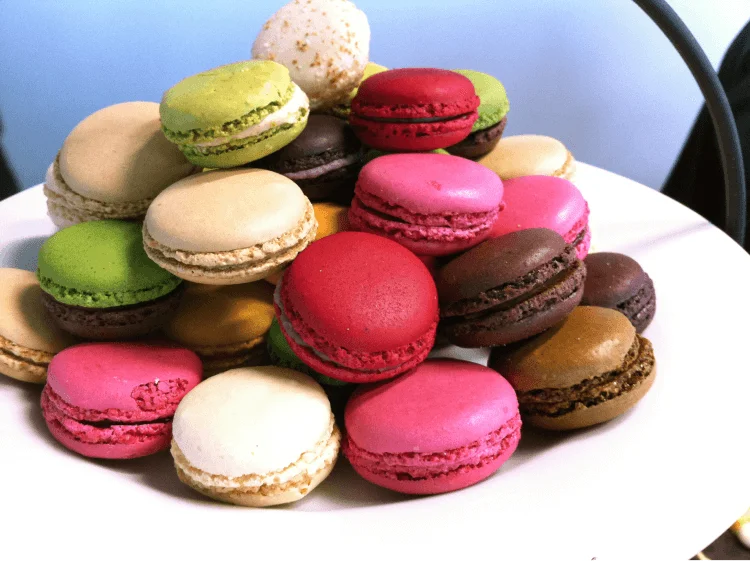
For sweets, compare neighborhood bakeries and specialist shops for macarons, éclairs, Paris-Brest, and fruit tarts. Avoid declaring one restaurant “best” without current evidence; menus, chefs, and opening status change frequently.
Practical Tips for a First Paris Visit
Group sights by neighborhood: Two compact clusters usually produce a better day than zigzagging across Paris.
Reserve only the anchors: Book major timed entries, then keep parks, streets, and cafés flexible.
Use the Metro for long jumps: Walk within each area and allow extra time for transfers and stairs.
Keep tickets and valuables secure: Busy stations, queues, and crowded viewpoints require normal city awareness.
Check closing days: Many museums close one day each week, and holiday schedules vary.
Carry a light layer and rain protection: Weather can change between morning and evening.
If you have only a short stop, use a realistic one-day Paris route and choose one major paid attraction rather than rushing through several.
FAQ
1. Is Paris the capital of France?
Yes. Paris is the national capital and the seat of France’s central political institutions.
2. Was Versailles ever the capital of France?
Versailles became the royal court and seat of government under Louis XIV, but Paris remained the country’s dominant city and later regained the government during the Revolution.
3. How many days do you need in Paris?
Three to four full days cover several major neighborhoods and two or three headline attractions at a reasonable pace.
4. What is the best area for first-time visitors?
The central arrondissements offer easy walking access, while areas near a convenient Metro interchange can provide better value without sacrificing mobility.
5. Do you need to book Paris museums in advance?
Advance booking is wise for the Louvre, major exhibitions, and popular monuments, especially in summer, on weekends, and during holidays.
6. Is Paris easy to explore without a car?
Yes. Walking, Metro, RER, buses, and trams cover most visitor routes; a car is usually more burden than benefit in the center.
Conclusion
Paris is the capital of France, and its political importance is matched by a dense concentration of museums, monuments, neighborhoods, restaurants, and transport connections.
The city is most rewarding when planned geographically. Pair nearby sights, reserve a few essential time slots, and leave space for the streets, markets, gardens, and cafés that do not require a ticket.
Whether you have one day or a week, prioritize the experiences that matter most to you. A focused route will reveal more of Paris than an overloaded checklist.