
Paris is generally manageable for visitors who use normal big-city precautions. The most common tourist problems are pickpocketing, distraction scams, lost belongings, and disruption around demonstrations or major events.
Keeping route changes, hotel details, and emergency contacts available can reduce stress; a France eSIM is one way to maintain mobile access away from public Wi-Fi.
This guide focuses on practical prevention, crowded transport, nighttime judgment, scams, emergencies, and how to respond without treating whole neighborhoods as uniformly unsafe.
Safety Tips for Visiting Paris
Is France safe to visit? For many travelers planning a trip, this is the top question. In general, France has a good level of public safety, and Paris, as the capital, is relatively secure.
But like any major city, there are still some risks to be aware of. By following a few simple safety tips, you can explore with confidence and make the most of your journey.
Keep bags closed and in front in crowded tourist areas, favor card or mobile payments over carrying large amounts of cash, and ignore unsolicited help at ticket machines.
Watch For Pickpockets
Pickpocketing is likely the most widespread threat to your safety on the streets of Paris, particularly in crowded areas, on public transport, or in bustling markets. Pay attention, keep your possessions close, and try to avoid carrying too much cash.
If possible, keep your wallet and phone in a secure inside pocket of a jacket or coat, rather than an easily accessible bag or pocket.
Use a Bank Card
Not only is this a safer approach to carrying around large amounts of cash, it's often safer nowadays.
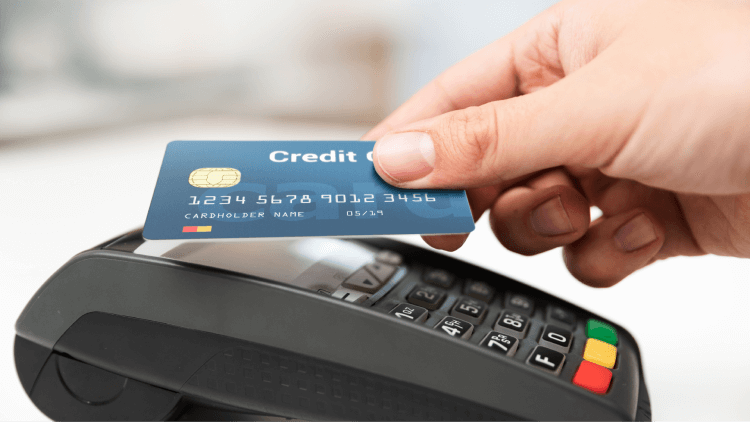
Many places in Paris accept contactless payments with bank cards, making everything from visiting museums to buying a freshly cooked crepe even more convenient.
And, when exchanging French currency, using a card can help you avoid high exchange fees at kiosks and ensure a more secure transaction.
Be Wary: The Petition Scam
Most Parisians are friendly and welcoming, but some bad actors exist who will try to take advantage of tourists' generosity.
One common scam in Paris sees men and women approach you to sign a petition – don't engage, as they will likely be trying to pick your pockets at best.
Similarly, be cautious of people trying to sucker you into a game of bonneteau, the 'find the pea under the cup' street hustle.
Never Leave Your Bags
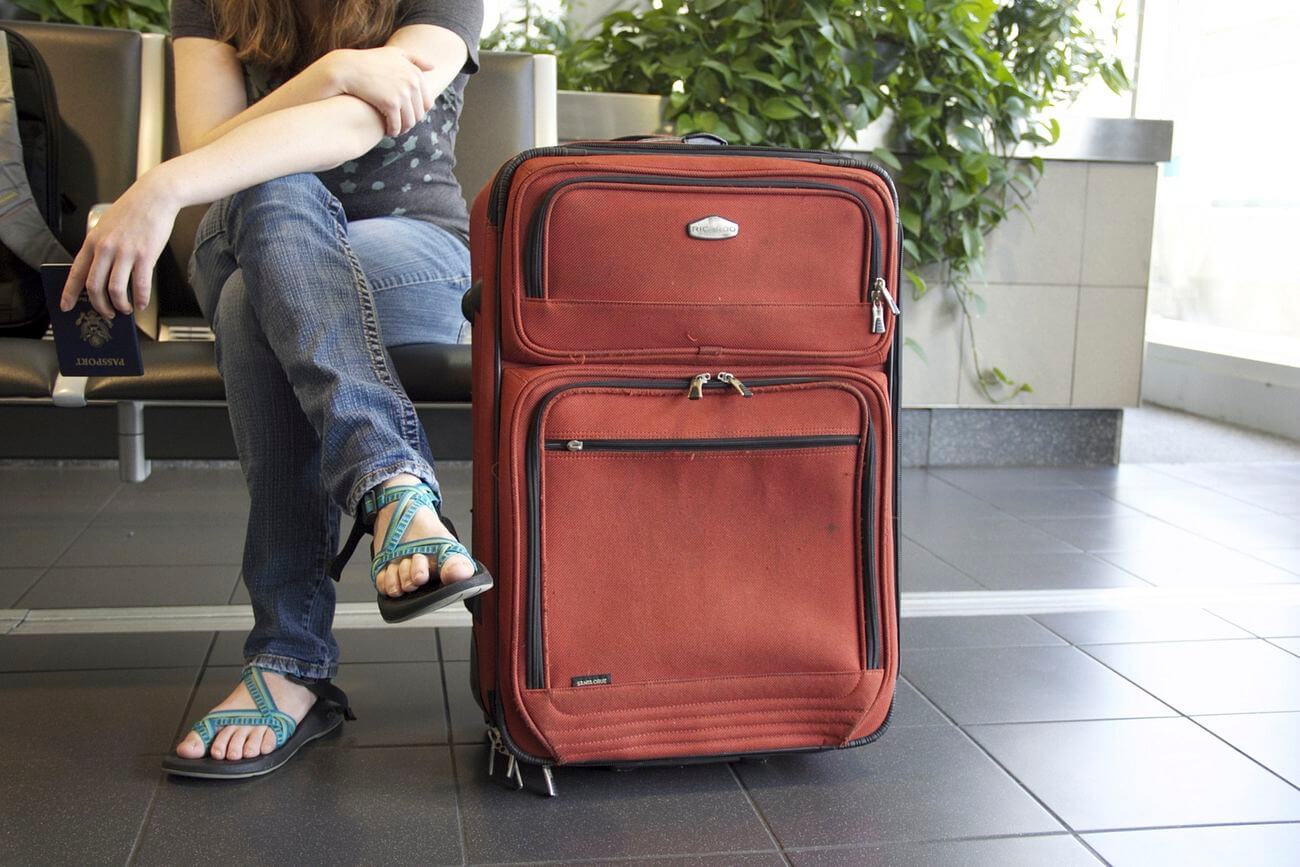
It can be easy to let your guard, and your bags, down as you sit at a café or stand on a metro platform, but try to make sure that your bags are close to you – under an arm, or sitting directly in front of you if possible.
Don't leave your luggage unattended, such as at your feet or on a café chair, either. It's too easy to swipe.
Photocopy Your ID Card
Should your ID or passport be lost or stolen, having a photocopy will make life much easier for you if you need to report the matter to the authorities or your embassy. Better safe than sorry!
Report Losses Immediately
If the worst happens and you lose valuable items – your ID card, a bank card – contact French police sooner rather than later. On ground level, the police generally file reports for missing property, but they can be crucial in recovering or protecting your identity from being used by crooks, too.
Emergency Numbers: Know Who to Call
If you are ever in danger or need assistance, remember that the emergency number in France is 112, dialable for police, fire, and medical emergencies. We would suggest saving the number on your phone.
To quickly access maps, contact friends and family, or use translation apps in an emergency, it’s wise to have iRoamly’s reliable internet service ready in advance. Keeping your phone connected at all times helps you stay calm and in control when unexpected situations arise.

Use SAVE to make a report in your language
If you need to make a report to the police in your own language, there is an online tool called the Foreign Victims Assistance System (SAVE). You will then receive a receipt in your own language, which may help facilitate administrative processes at your embassy.
If You Live In Paris, Avoid Four Areas At Night
Paris does not divide neatly into “safe” and “unsafe” arrondissements. Conditions can change street by street and by time of day, especially around large stations, nightlife clusters, and quiet transport interchanges.
At night, use well-lit routes, avoid empty station exits, and change carriages or platforms if a situation feels uncomfortable. A licensed taxi or reputable ride-hailing pickup can be preferable when carrying luggage.
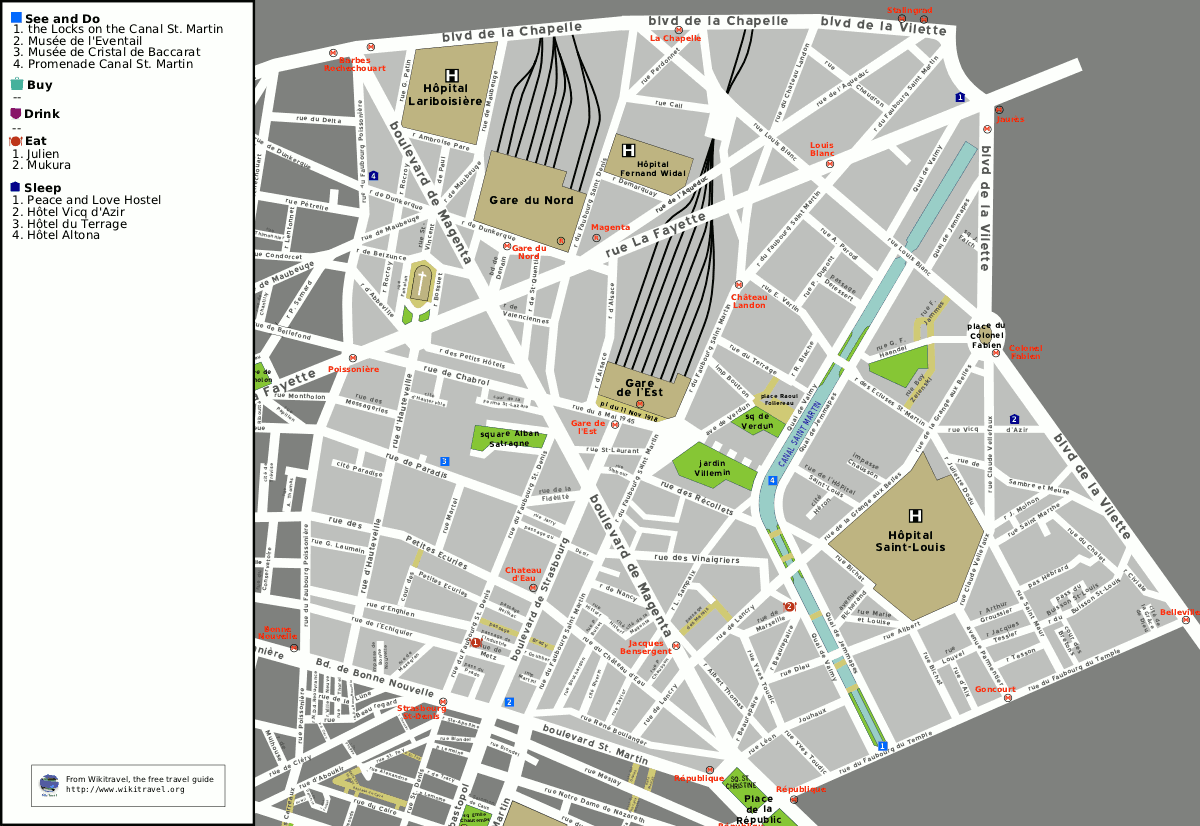
The official tourism office’s Paris safety advice highlights crowded areas, secure bags, and common distraction scams.
Major stations
Gare du Nord, Gare de l’Est, Châtelet-Les Halles, and other transport hubs are busy rather than automatically off-limits. Keep bags closed, ignore unsolicited help at ticket machines, and use official taxi ranks.
Nightlife areas
Busy nightlife streets can involve harassment, intoxication, or opportunistic theft. Stay with companions, watch drinks, and plan the return route before the last train.
Emergency and Connectivity Plan
Save essential information before leaving the hotel so one lost phone, weak signal, or dead battery does not remove every option.
Need | Preparation | Action |
|---|---|---|
Police or urgent help | Save 112 and 17 | Move to a staffed, well-lit place |
Lost bank card | Store issuer number separately | Freeze the card immediately |
Lost passport | Keep a secure digital copy | Contact police and your consulate |
An iRoamly travel eSIM can keep maps and messaging available, but emergency numbers and hotel details should also be saved offline.
FAQ
1. Is Paris safe for first-time visitors?
Yes, with ordinary big-city precautions, especially around crowded transport, landmarks, and nightlife.
2. What is the most common tourist risk?
Pickpocketing and distraction scams are more common visitor concerns than serious violence.
3. Should travelers avoid Gare du Nord?
No, but keep bags secured, use official transport, and stay alert in crowded areas and late at night.
4. How does Paris safety compare with Italy?
The same habits apply: secure belongings, avoid distraction scams, and review current Italy travel safety before a multi-country trip.
5. What emergency number works in Paris?
Call 112 for the European emergency service or 17 for police assistance in France.
Conclusion
Paris is not risk-free, but most visitors can reduce common problems through bag security, route planning, and awareness in crowded places.
Stations and nightlife areas require more attention, yet broad neighborhood labels are less useful than judging the immediate street, time, and transport conditions.
A simple emergency plan, offline copies, and official local advice provide more protection than alarmist lists of places to avoid.