
If you’re traveling to France, you’ll need to know what currency to use and how best to manage your money.
In this guide, we’ll explain everything you need to know about euros, currency exchange and how you can typically pay for things in France.
Practical Tip: By purchasing a France eSIM plan, you can easily check your balance online and locate nearby currency exchange points.
Let’s dive into a detailed introduction!

What Currency is Used in France?
It’s the euro (€), the currency used by most European Union-countries. The euro replaced the French franc in 2002, and it’s been the official currency of France ever since. Let’s take a closer look at it.
A Bit of Euro History in France
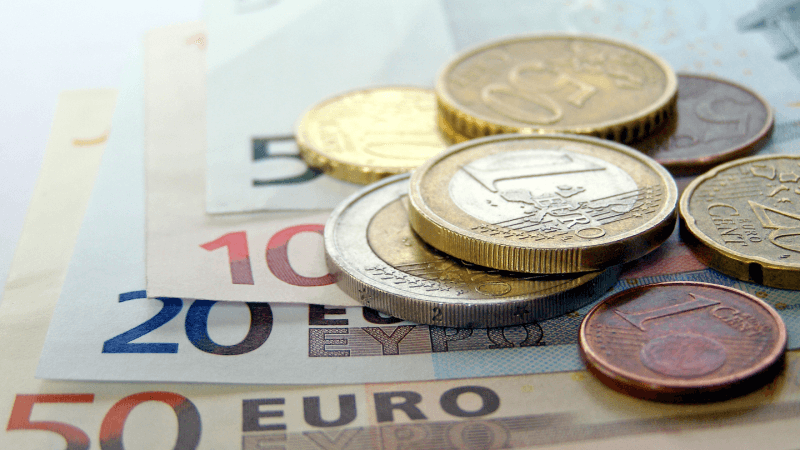
The euro is designated by the EUR, and represented by €. It may have come into effect as currency in France on January 1, 2002, but before that, it somewhat existed as a "book currency" during a three-year changeover period, existing mostly in electronic form or on paper.
Euro banknotes and coins did not officially enter circulation until 2002, although the euro had already been used in many European countries for some time before that.
Today, if you travel across multiple European countries, you’ll find that out of the 27 EU member states, 19 have adopted the euro. For example, the currency used in Italy and France is the euro.
This unified monetary system greatly facilitates cross-border travel.
The French Franc: A Brief History
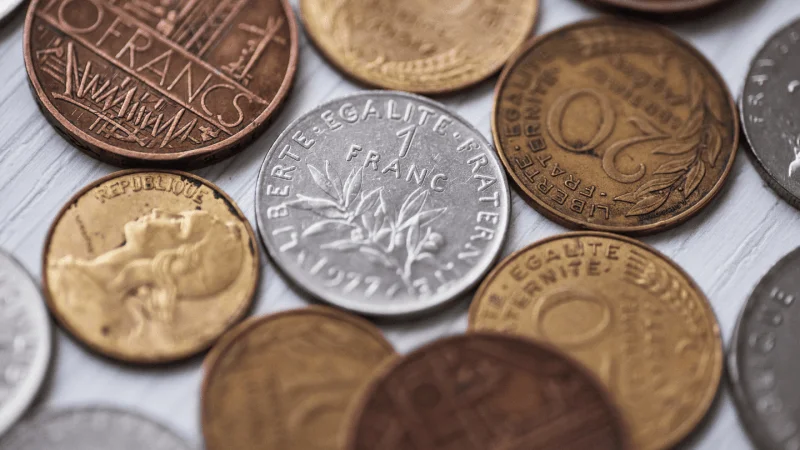
Before the euro, there was the French franc (FF). It was first minted as a coin in the early 14th Century, and underwent several changes in its history, including being redenominated in the 1960s as the “Nouveau franc” (NF) with 100 converted franc to a NF.
The euro squeezed it out over time, though some people in France continued to refer to prices in "old francs" for a while following the switch. While the franc is long gone, in spoken French metaphors and phrases, references to money or value are still often made in francs to indicate an old, outdated number.
Exchange Rate and Denominations
If you are visiting France, you will most likely need to exchange your own currency for euros. Please note that rates fluctuate, so always check on a currency conversion site for the most up-to-date rates. As of writing, 1 US dollar will buy you approximately €0.90-0.95, but this amount can vary.
Here are some major global currencies and their exchange rates:
Top 10 Nov 08, 2024 07:38 UTC | |
Euro | 1.00 EUR |
US Dollar | 1.078043 |
British Pound | 0.831063 |
Indian Rupee | 90.957666 |
Australian Dollar | 1.621389 |
Canadian Dollar | 1.497294 |
Singapore Dollar | 1.425291 |
Swiss Franc | 0.941064 |
Malaysian Ringgit | 4.726559 |
Japanese Yen | 164.735439 |
Chinese Yuan Renminbi | 7.714627 |
Euro Denominations
Here’s what you can expect in terms of euro notes and coins:
Denomination | Coins/Notes |
Coins | 1c, 2c, 5c, 10c, 20c, 50c, €1, €2 |
Notes | €5, €10, €20, €50, €100, €200, €500 |
Where Can you Exchange Currency in France?
While in France, you have a variety of options for exchanging foreign currency into euros:
1. Currency Exchange Bureaus
Benefits: Located in airports or tourist locations; immediate money, generally in native currency.
Drawbacks: Higher fees and less favorable exchange rates; rates may differ widely.
2. ATMs
Pros: Usually better exchange rates than at currency exchange agencies; many available throughout France.
Cons: Potential fees from both your U.S. bank and the French ATM; daily withdrawal limits.
Tech Tip: Many banks now approve international withdrawals in real time via mobile apps. Use iRoamly’s data on arrival to stay connected and receive verification codes instantly, avoiding failed transactions.
3. Local Bank
Advantages: Convenient before departure; rate is locked in at time of purchase.
Disadvantages: Rates are often not the most competitive; advance planning required; may have service fees.
4. Travel Money
Advantages: Home delivery of foreign currency available; potentially better rates when ordering online.
Disadvantages: Limited physical locations; additional fees for small amounts or expedited services.
5. S Money
Advantages: Highly competitive exchange rates; efficient transaction processing.
Disadvantages: No physical branches for direct exchanges; limited availability depending on the region.
Payment Methods in France
When in the country, you’ll have a few different ways to pay for your expenses:
Bank Card
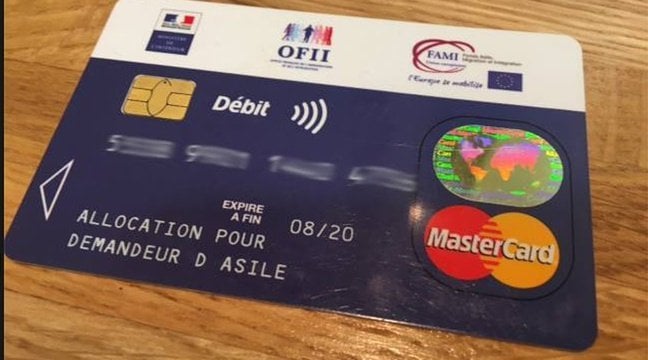
1. Debit Card
Advantages:
Direct access to your funds, helping with budgeting.
Widely accepted across France.
Generally lower fees compared to credit cards.
Disadvantages:
No loans allowed; all spending is restricted to the amount in your account.
Limited fraud protection compared to credit cards.
2. Credit Card
Advantages:
Ability to buy now and pay later on credit.
Rewards and additional benefits such as travel insurance.
Better protection against fraud.
Disadvantages:
High interest and transaction fees if balance not paid in full early.
The risk of borrowing money and going into debt by spending more than you have.
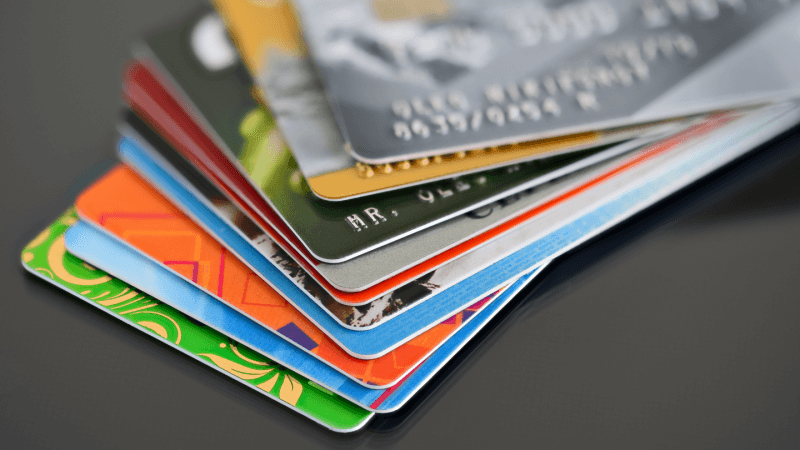
3. Prepaid Travel Card
Advantages:
Assists in budgeting for travel by loading set amount.
More secure, because it's not connected to a checking account.
The ability to lock in currency exchange rates to protect against market fluctuations.
Disadvantages:
Fees for loading funds and possibly per transaction.
May be less flexible if you have an unexpected need for more money.
Some acceptance problem as not all places might prefer prepaid cards over traditional bank cards.
Euro Cash
Try to keep a bit of cash on you, especially if you plan to visit smaller shops, markets, or rural areas. Some locations, particularly in the countryside, may not accept cards.
Traveller’s Cheques
Although increasingly less of a thing these days, traveler’s cheques can still be used. Best bets for cashing them would be at a bank or exchange point, though be prepared to pay a small service charge for the hassle. Don’t forget your passport as well for identity checking.
Travel Tips for France
Get a VAT Refund
France is renowned for its luxury goods. If you purchase high-value items at boutiques along the Champs-Élysées, non-EU residents may be eligible for a partial refund of the Value Added Tax (VAT) paid.
The minimum spending requirement is €175 in a single day to qualify for a tax refund. At these high-end shopping locations, simply request a tax refund form (retail export form) at the time of purchase, which can help you save a significant amount of money.
Tipping in France
Tipping isn’t obligatory, but it’s generally appreciated as good manners. Many restaurants will include a service charge in the bill (look for “service compris”), but leaving coins or rounding up to around 5-10 percent of the bill is a nice touch.

Using Public Transportation
Navigating France is really straightforward, thanks to a mix of public transport options. If you’ll be in France’s capital for a few days and using public transport a lot, consider picking up a Paris Visite pass for big savings on time and money.
FAQ
1. Should I exchange some cash into euros before our trip to France?
Yes, it is a good idea to convert some currency into euros before you leave for France.
2. How does money work in France?
You will find that in most places you can pay for goods and services using cash, credit cards, or debit cards.
3. Can I use US dollars in France?
France mostly uses euros and does not accept US dollars.
4. Should I take cash to France?
It’s best to bring some cash, particularly if you plan to visit small towns or markets where cards may not be accepted.
Summary
To sum up, France uses the euro (€).
Given France’s vast size—being one of the largest countries in Europe—ATM availability and card acceptance can vary from bustling Paris to the remote countryside of Provence.
Therefore, it’s wise to carry both cash and a bank card for flexibility. Keeping these basics in mind will help you manage your finances smoothly throughout your trip in France!