
Japan can be a good place to live if you value convenient public transport, walkable neighborhoods, and a daily routine built around local shops, food, and community. Whether those advantages improve your life depends on the work, home, and relationships you can build there.
The difference between enjoying Japan and enjoying life in Japan often appears in ordinary situations: commuting on a rainy morning, explaining symptoms at a clinic, or finding time to meet friends after work. A memorable holiday gives you a starting point, but it does not reveal the whole picture.
To decide whether Japan suits you, consider both its everyday benefits and the compromises they may involve. The following sections examine those trade-offs, the costs of setting up a home, and what to test before committing to a move.

Who Is Japan Best Suited For?
Japan is more likely to suit you when its everyday advantages match the life you want, rather than simply the places you enjoy visiting.
Someone who prefers a compact apartment near useful transport may find city living convenient. Someone who needs a large home, drives frequently, or wants to conduct every interaction in English may face more compromises.
Your Priority | Why Japan May Suit You | What Could Change the Answer |
|---|---|---|
Living without a car | Well-connected urban neighborhoods can put transport and shops within reach | Your home or workplace is outside convenient public transport routes |
Exploring food and culture | Living locally gives you time for neighborhood restaurants, classes, and seasonal activities | Dietary needs or language barriers make regular participation difficult |
A more manageable routine | A suitable home and commute can simplify everyday errands | Long working hours or crowded, lengthy journeys consume that benefit |
Raising a family | Local schools, parks, and services may fit your needs | School language, childcare, housing space, or fees create difficulties |
Building a career abroad | A suitable role can provide a practical foundation for the move | The available job does not match your skills, salary needs, or expectations |
These are starting points for a decision, not promises about every part of Japan. The same person could thrive in one neighborhood and struggle in another, especially if the job and commute differ.
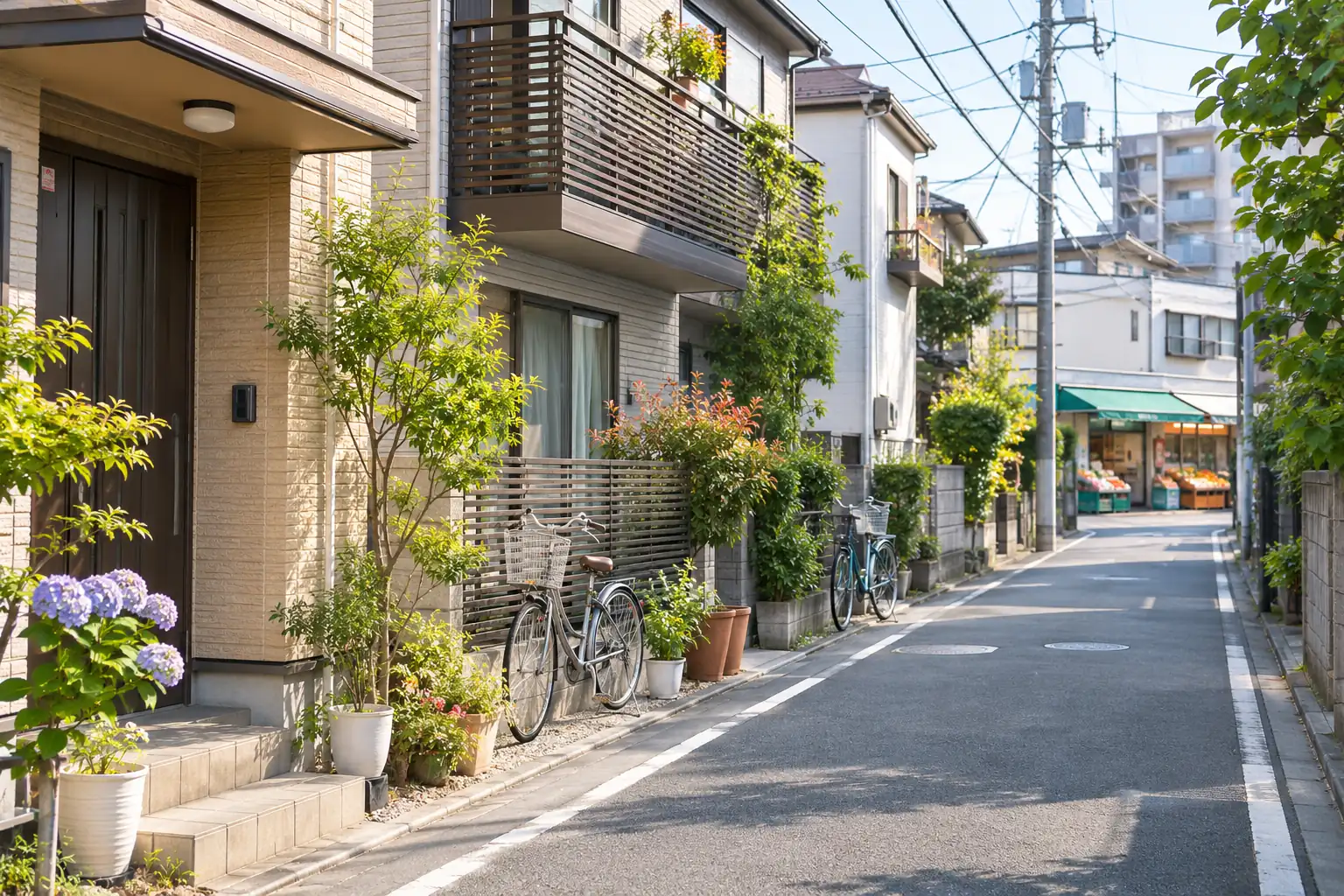
The Benefits of Living in Japan
Convenient Transport and Everyday Services
In well-connected parts of major cities, you can organize much of your week around trains, buses, walking, and cycling. A home near a useful station may make it possible to reach work, buy groceries, and meet friends without owning a car.
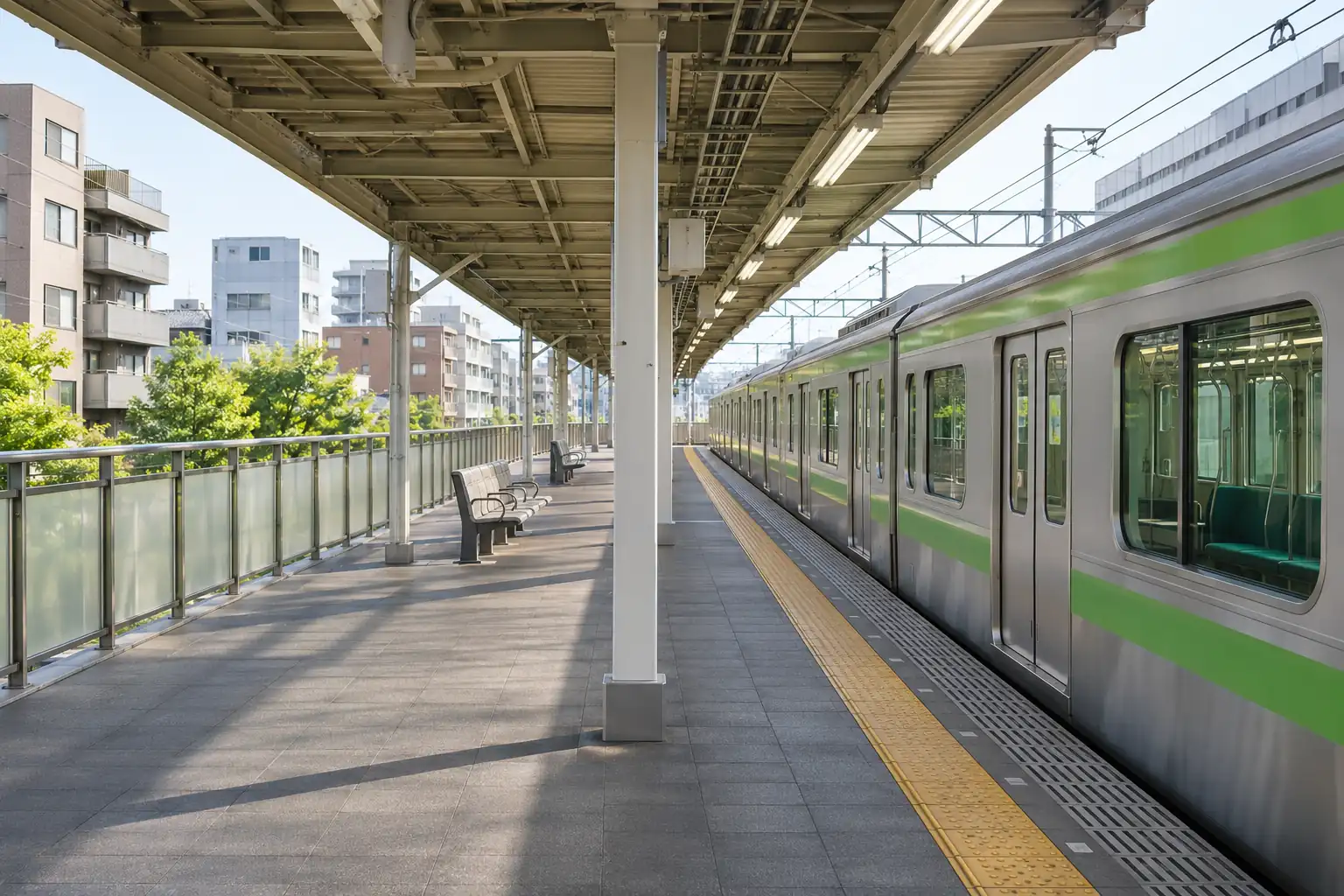
That convenience extends beyond the commute. Nearby supermarkets, convenience stores, pharmacies, and other services can make small errands easier to fit into the day.
The benefit depends on location, however. A property described as “near a station” may still involve an inconvenient transfer or a long walk to the places you use most. Compare complete journeys rather than station names alone.
Food and Culture Beyond Sightseeing
Living in Japan gives you time to develop familiar routines around its food and culture. A neighborhood bakery, a favorite lunch spot, or a local market can become part of your week rather than a one-time attraction.
You also have more opportunities to participate. A language class, sports group, or craft course offers a reason to return regularly and get to know people through a shared interest.
This can be more rewarding than trying to fill every weekend with famous sights. Over time, the appeal of living somewhere often comes from the places and people you return to.
Healthcare With Public Insurance Coverage
For eligible residents, Japan’s public health-insurance system helps reduce the cost of covered medical care. Many working-age patients generally pay 30% of covered treatment costs, although the applicable share varies by age and circumstances. Insurance premiums are a separate expense.

This can make access to treatment more financially manageable, but finding the right provider still matters. Language support, appointment arrangements, and access to specialists can affect how comfortable you feel using the system.
If you have an ongoing condition, investigate the care you would need before choosing a home. A nearby clinic that can manage your treatment may matter more than proximity to a popular neighborhood.
The Challenges of Living in Japan
Language Affects Independence and Opportunity
You can handle some situations with English-language services and translation apps, particularly in larger cities. The challenge becomes clearer when the conversation is unexpected or complicated.
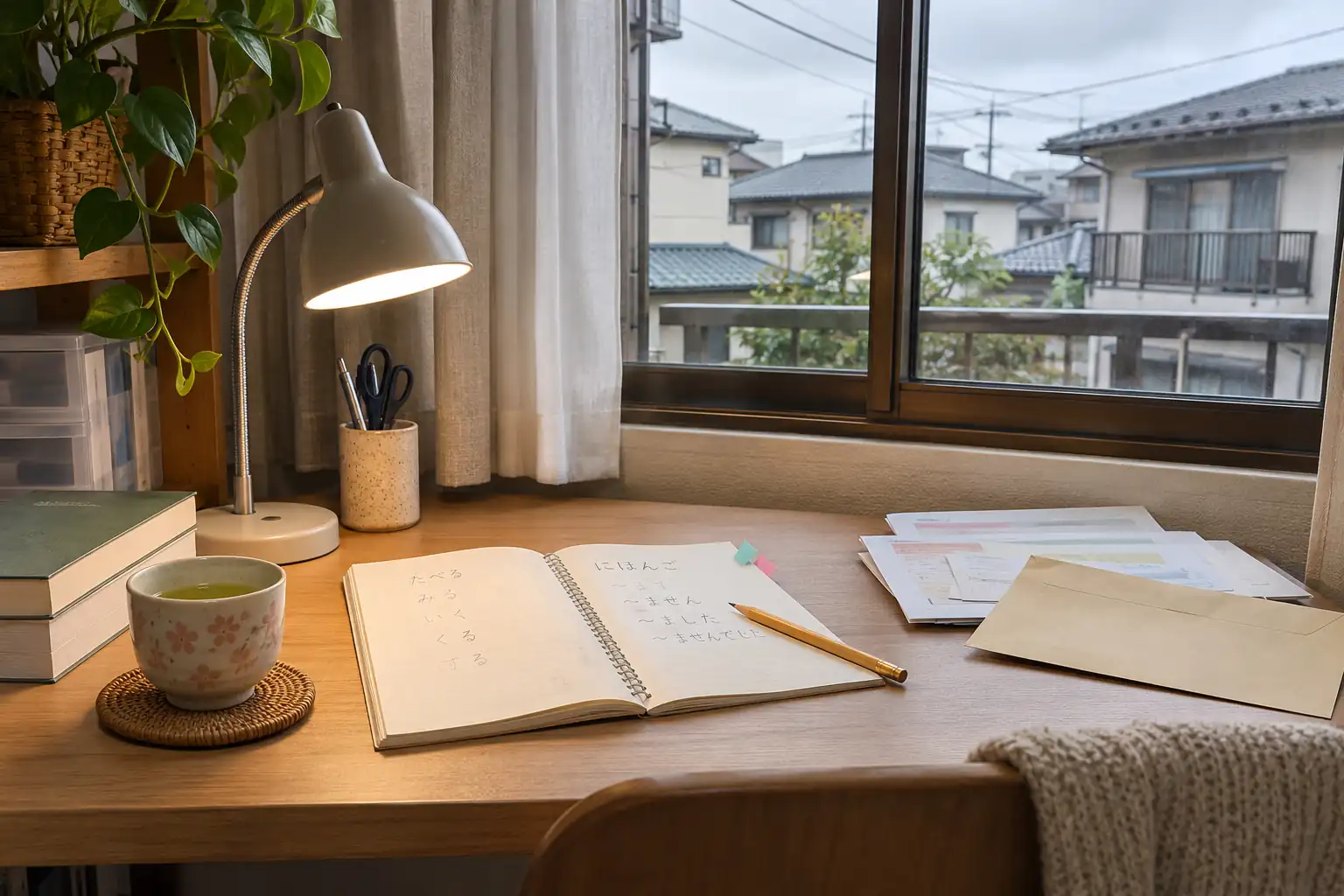
A delivery notice may be manageable with a translation tool. Discussing a contract, resolving a billing problem, or explaining a medical concern can require more support.
Learning practical Japanese therefore improves more than convenience. It can widen your housing and employment options and make social participation easier. You do not need to be fluent before arriving, but you should be comfortable with continued learning and occasional help.
Your Employer Shapes Your Daily Life
A good transport system cannot compensate for a job that leaves you exhausted. Working hours, management, leave, meeting language, and flexibility vary between employers and teams.
Before accepting an offer, move beyond the written job description. Ask how a normal week works, how overtime is handled, and whether employees actually take the leave available to them.
If you work with people overseas, consider time zones too. A flexible remote role may still produce regular late-night meetings, reducing the time you expected to spend enjoying life locally.
Housing Can Involve Unfamiliar Compromises
The apartment that fits your budget may require a choice between space, location, building age, and commuting time. Limited storage or a small kitchen can matter more after several months than during a short stay.
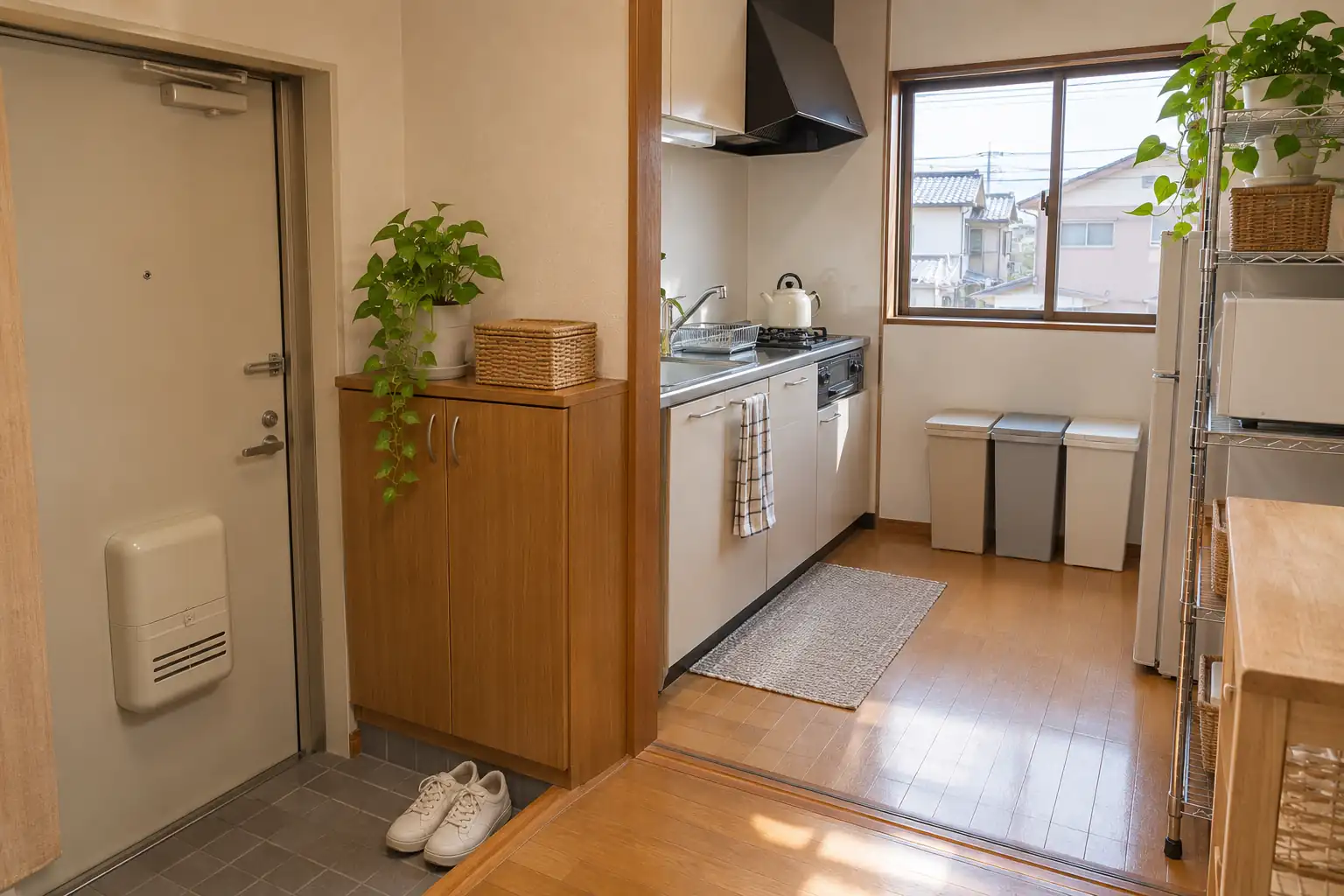
Rental applications can also involve unfamiliar documents, guarantor arrangements, and upfront charges. These are easier to evaluate when you understand the full contract rather than focusing on the advertised rent.
At a viewing, imagine an ordinary day: where you would work, dry laundry, store belongings, and take calls. The right apartment is one that supports your routine.
Building Relationships Takes Consistent Effort
Moving abroad can be lonely even when everyday services work well. Friendly encounters do not always develop into close relationships, especially when language differences or demanding work schedules limit contact.
Regular activities help because they create repeated, low-pressure opportunities to meet people. Choose something you would enjoy even before friendships develop.
Your existing relationships need attention as well. Calls home, visits, and maintaining ties across time zones require both time and money.
Weather and Local Conditions Matter
A pleasant spring visit does not show you how an apartment feels during a humid summer or a cold winter. Heating, cooling, ventilation, and the walk to the station all influence comfort.
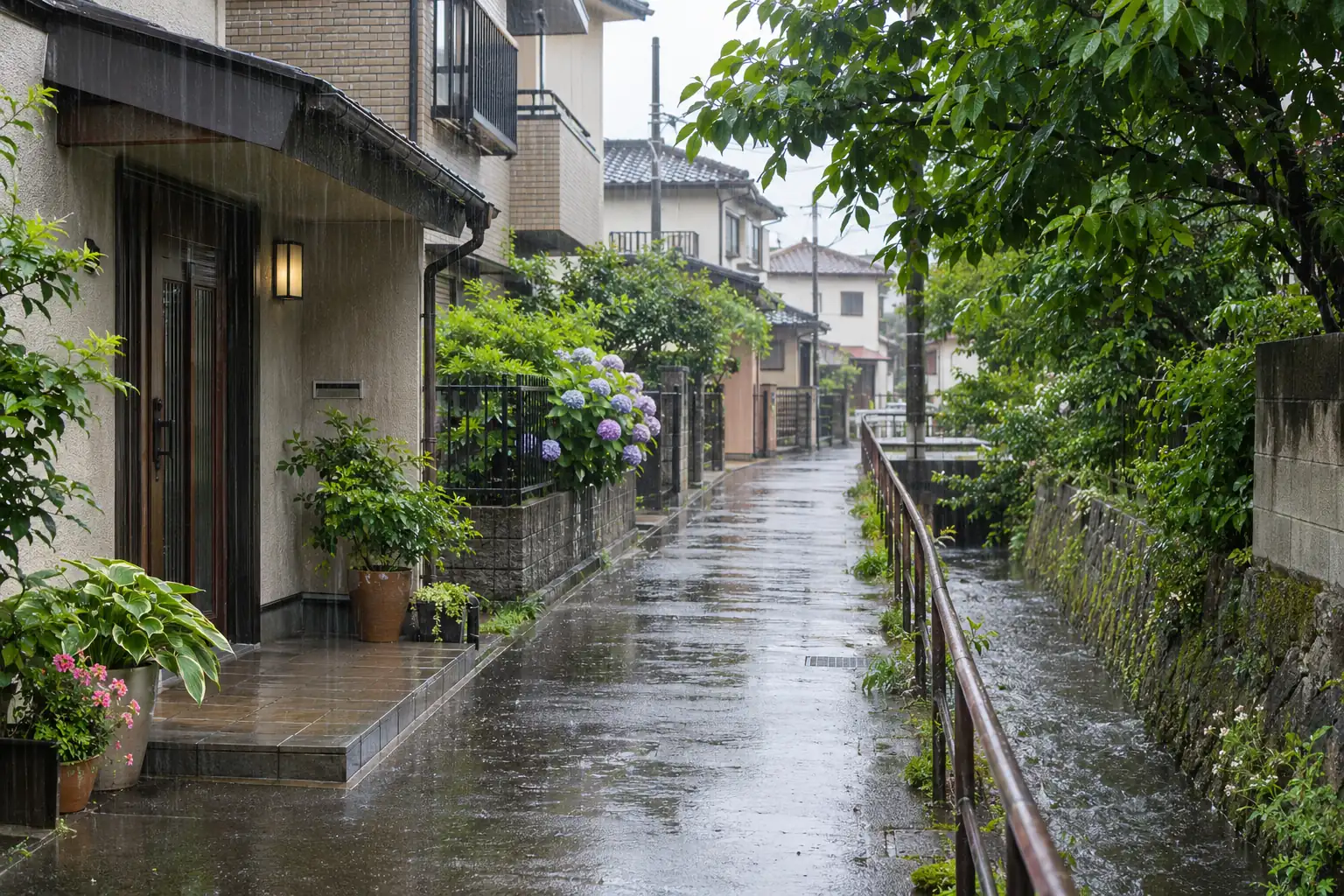
Conditions also differ substantially across Japan. A snowy northern location creates different daily demands from a warmer coastal city.
Include local disaster preparation in your housing decision. Review the municipality’s hazard information for the address and understand nearby evacuation arrangements before committing.
How Much Does Living in Japan Cost?
Your budget depends on whether you are moving alone, with a partner, with children, or as a student. Housing, location, and education choices can change the total considerably, so start with data for a household similar to yours.
The official figures below provide reference points. They describe observed spending among specific groups, rather than recommended budgets for every newcomer.
Household Type | Average Monthly Spending | Source and Scope |
|---|---|---|
Single worker | ¥191,523 | 2025 Family Income and Expenditure Survey; one-person workers’ households |
Couple without children | ¥301,952 | 2024 National Survey of Family Income, Consumption and Wealth; workers’ households with the husband aged 30–39 |
Couple with two children, eldest preschool-aged | ¥279,645 | Same 2024 survey; workers’ households |
Couple with two children, eldest in elementary or junior high school | ¥309,485 | Same 2024 survey; workers’ households |
Privately financed international student | ¥105,000 per person | 2023 JASSO survey; excludes study and research expenses |
The single-worker figure is a 2025 annual monthly average. The couple and family figures cover October–November 2024, while the student figure comes from a separate survey. Different survey periods and household characteristics mean these amounts should not be treated as a direct cost ranking.
Living Costs for Single Workers
For someone relocating alone for employment, the ¥191,523 monthly average for single workers is more relevant than a figure combining workers and retirees. The same 2025 table reports average monthly spending of ¥45,787 on food and ¥30,327 on housing.
The housing amount is not an expected rental price. The surveyed group includes different housing arrangements, including owner-occupied homes, so a newcomer renting privately may face a substantially different bill.
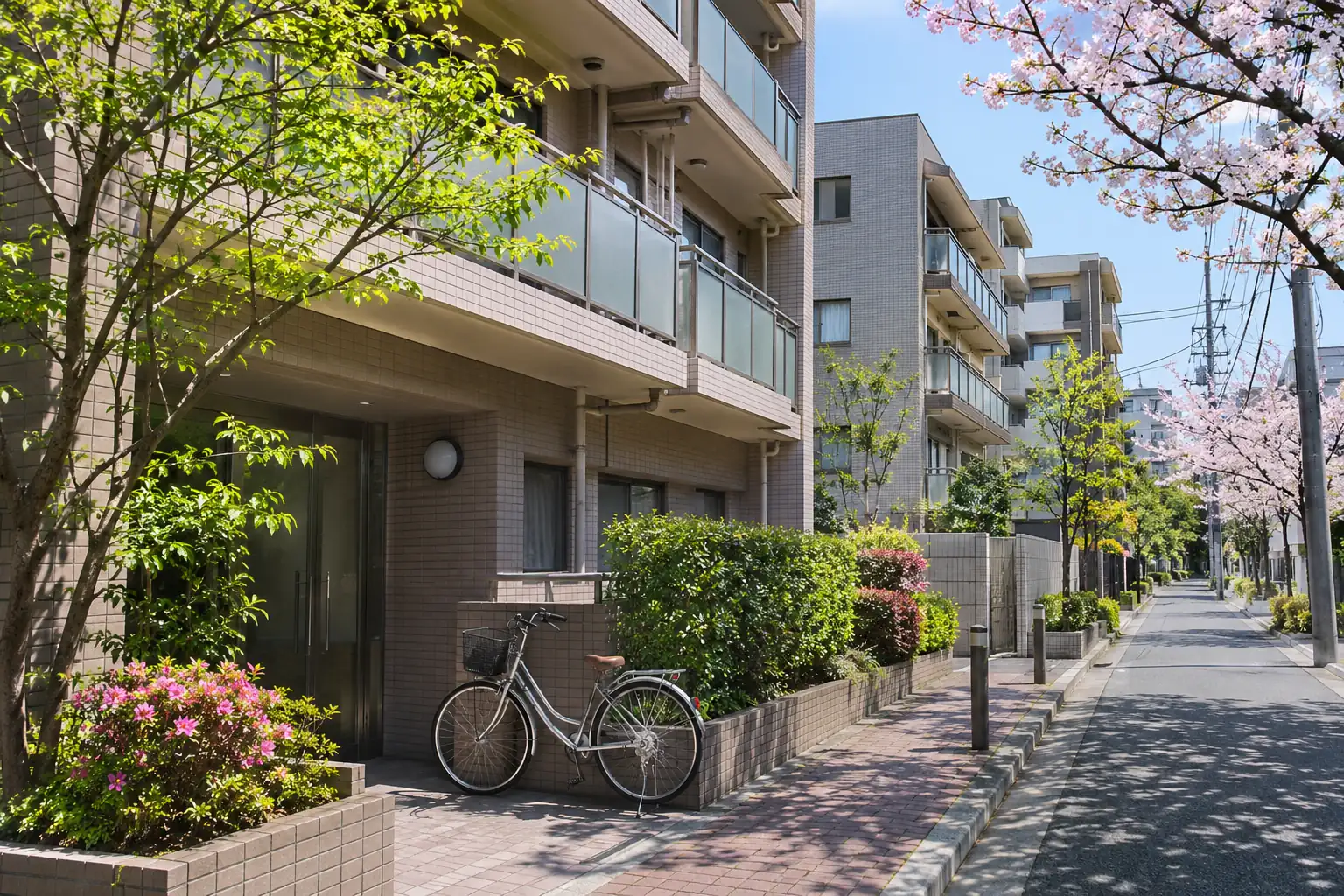
For a separate rental reference, the University of Tokyo gives ¥60,000–¥100,000 per month as general guidance for a one-room apartment in Tokyo. Use current listings to establish your likely rent, then adjust your budget around the location and commute you actually choose.
Living Costs for Couples
The couple-only benchmark describes a particular working household group, not all two-person households. More than 80% of couples in that group were dual-income households.
Use it as a starting point for a shared budget rather than doubling a single person’s expenses. Rent, internet, and household purchases may be shared, while commuting and personal spending remain partly separate. If only one partner will initially work, assess affordability against that confirmed income.
Living Costs for Families
Children’s ages and household circumstances affect spending, which helps explain why the family averages differ. These are observed totals—not estimates of the additional cost of having children.
Build your family budget around the home and education arrangements you will use. Obtain school or childcare fees directly, including meals, transport, activities, and enrollment charges. Price international-school plans separately rather than assuming they fit within a general household average.
Living Costs for International Students
JASSO’s ¥105,000 monthly average applies to privately financed international students and excludes study and research expenses. Reported housing spending averaged ¥41,000 nationally and ¥57,000 in Tokyo. These are historical student benchmarks, not current private-rental quotations.
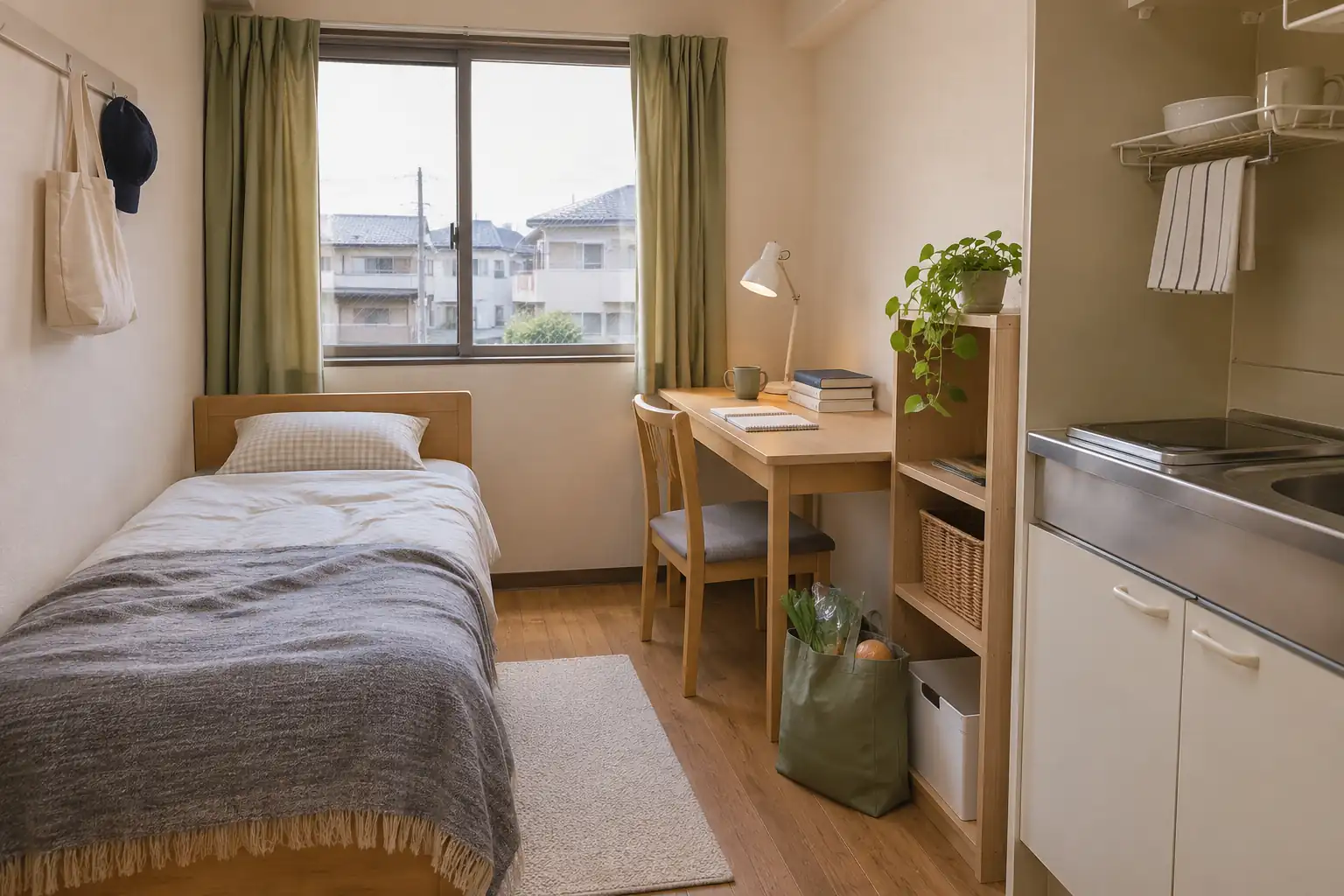
Add your institution’s tuition and other academic charges separately. Whether you obtain a dormitory room, share accommodation, or rent privately can substantially change the amount you need.
What Your Budget Should Include
Once you have identified the closest reference group, replace broad averages with your own expected expenses. Separate regular monthly bills from variable spending and costs that arise only occasionally.
Budget Item | What to Include | Costs Easily Overlooked |
|---|---|---|
Housing | Rent, management charges, and parking if needed | Contract renewal charges and recurring guarantor fees |
Food | Groceries, workday lunches, and meals out | Coffee, deliveries, imported products, and dietary requirements |
Utilities | Electricity, gas, and water | Seasonal heating and air-conditioning use |
Transport | Commuting and personal travel | Unreimbursed journeys; parking, insurance, and maintenance if using a car |
Communication | Mobile service and home internet | Installation, activation, and equipment charges |
Healthcare | Applicable insurance payments, treatment copayments, and medication | Dental care, glasses, and services outside insurance coverage |
Children | Childcare, school, meals, and extracurricular activities | Uniforms, supplies, school transport, and holiday care |
Household and personal needs | Clothing, toiletries, cleaning supplies, and haircuts | Seasonal purchases and appliance replacement |
Leisure and social life | Dining with friends, fitness, subscriptions, and weekend activities | Gifts, celebrations, and holidays |
Overseas commitments | Visits home, remittances, and continuing obligations abroad | Peak-season airfare, transfer charges, and exchange-rate changes |
Not every item will apply to you. Confirm what your employer, school, accommodation, or existing contracts already cover before adding a separate allowance.
Compare Expenses With Take-Home Income
The household surveys distinguish consumption spending from direct taxes, social-insurance contributions, savings, and loan repayments. Their consumption totals therefore do not represent every payment leaving your account.
Keep your calculation consistent. If you budget from take-home pay, do not subtract payroll deductions a second time. Add any obligations you must pay separately, using an employer’s estimate or appropriate professional advice where needed.
For occasional expenses, such as an annual trip home or a contractual renewal charge, estimate the yearly amount and set aside a monthly share. Keep emergency savings separate from ordinary spending, and avoid relying on an unconfirmed bonus, overtime, or a partner’s future job to cover fixed bills.
Keep Moving Costs Separate
Monthly affordability is only part of the decision. You also need enough money to establish your home before your regular routine begins.
The University of Tokyo notes that a private rental contract may require approximately four to five months’ rent upfront, covering items such as the deposit, key money, agency commission, and initial rent. For an ¥80,000 apartment, that would be approximately ¥320,000–¥400,000, depending on the contract.
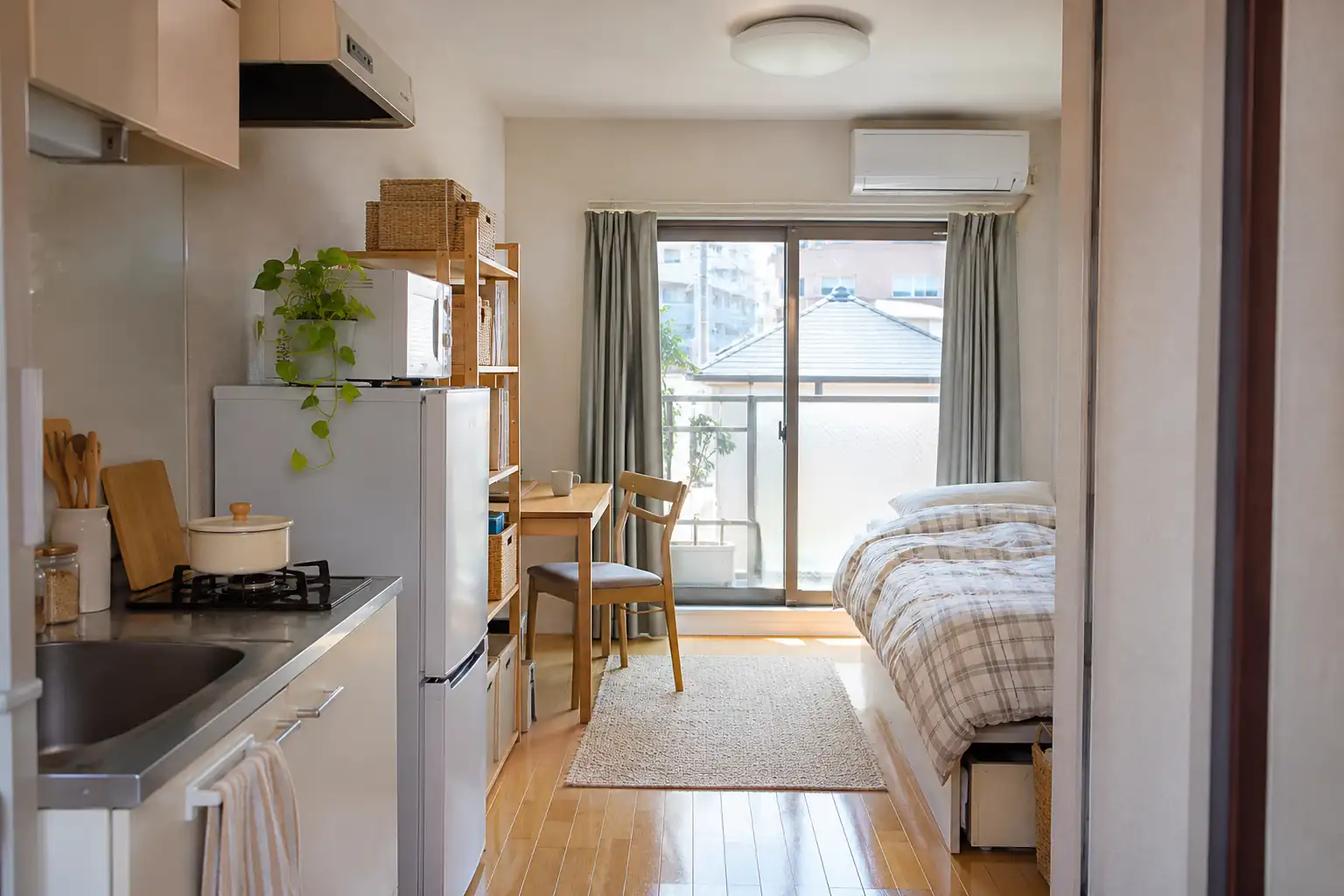
Furniture, appliances, temporary accommodation, and moving services may add further costs. Obtain an itemized quotation, keep this initial fund separate from your ongoing budget, and avoid counting prepaid rent twice.
With both figures established—your move-in costs and your sustainable monthly spending—you can judge whether the proposed move leaves enough financial room for the life you want in Japan.
What to Arrange Before Moving
A workable lifestyle needs both financial and practical foundations. Before making non-refundable commitments, establish the permission you need to stay and the arrangements most important to your household.
Confirm Your Residence and Work Route
Japan has different categories for work, study, and eligible family circumstances. The appropriate route depends on your intended activities and qualifications; begin with the Ministry of Foreign Affairs’ work and long-term stay information, then confirm your requirements with the responsible embassy or consulate.
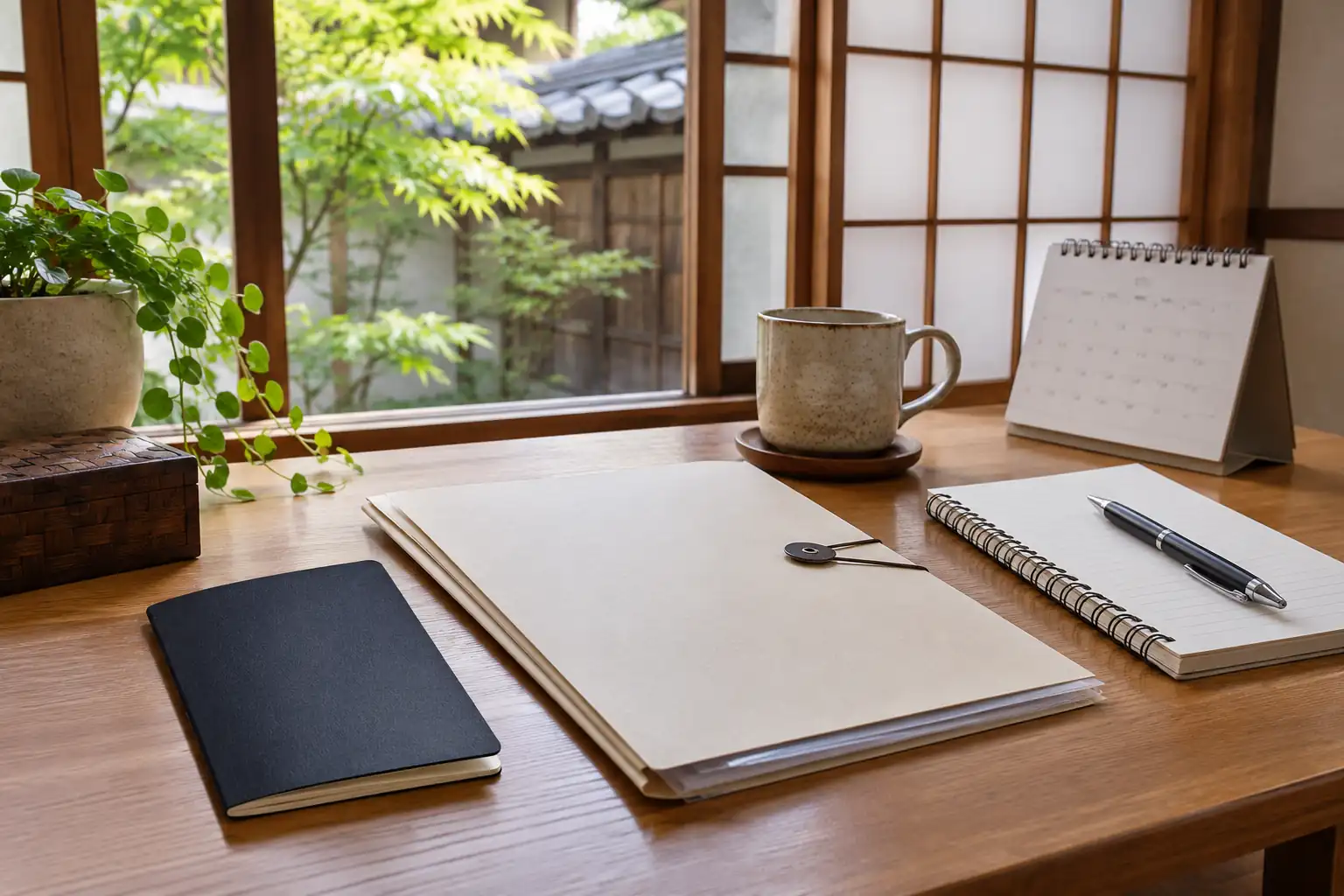
Remote workers should examine their position separately. Japan’s digital nomad route permits eligible applicants to stay for up to six months without extension, making it a temporary option rather than an open-ended relocation arrangement.
The aim here is to establish whether your proposed life is feasible before organizing it around a particular apartment.
Match Services to Your Household
For a single worker, the priority may be a manageable commute and a suitable clinic. For a family, school language, childcare, housing space, and support networks can determine the right neighborhood.
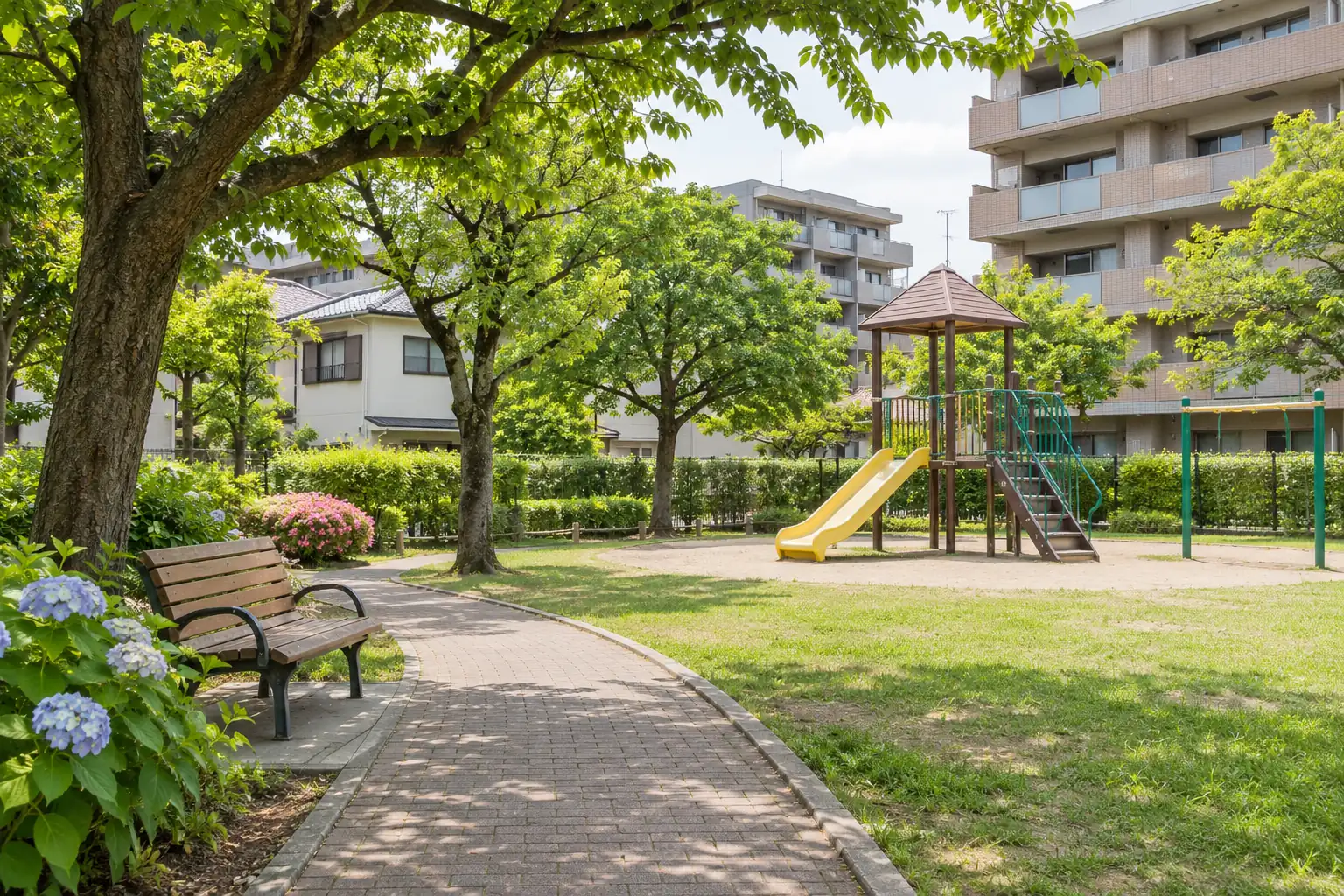
Foreign children can be accepted into Japanese public elementary and junior high schools, where tuition and textbooks are free. That does not make every associated expense free or establish what language support an individual school can provide. Discuss your child’s needs with the local board of education.
Resolve these major needs before choosing a home. It is easier to search around a suitable school or workplace than to discover afterward that your preferred apartment creates an impractical journey.
How to Test Life Before Moving
A scouting visit is most useful when it resembles the life you could actually afford. Stay in a realistic neighborhood and spend part of the trip following an ordinary weekday routine.
Experience Your Likely Working Week
Travel your potential commute at the times you would use it. Buy the groceries you normally need, try cooking in your accommodation, and spend an evening locally without relying on sightseeing.
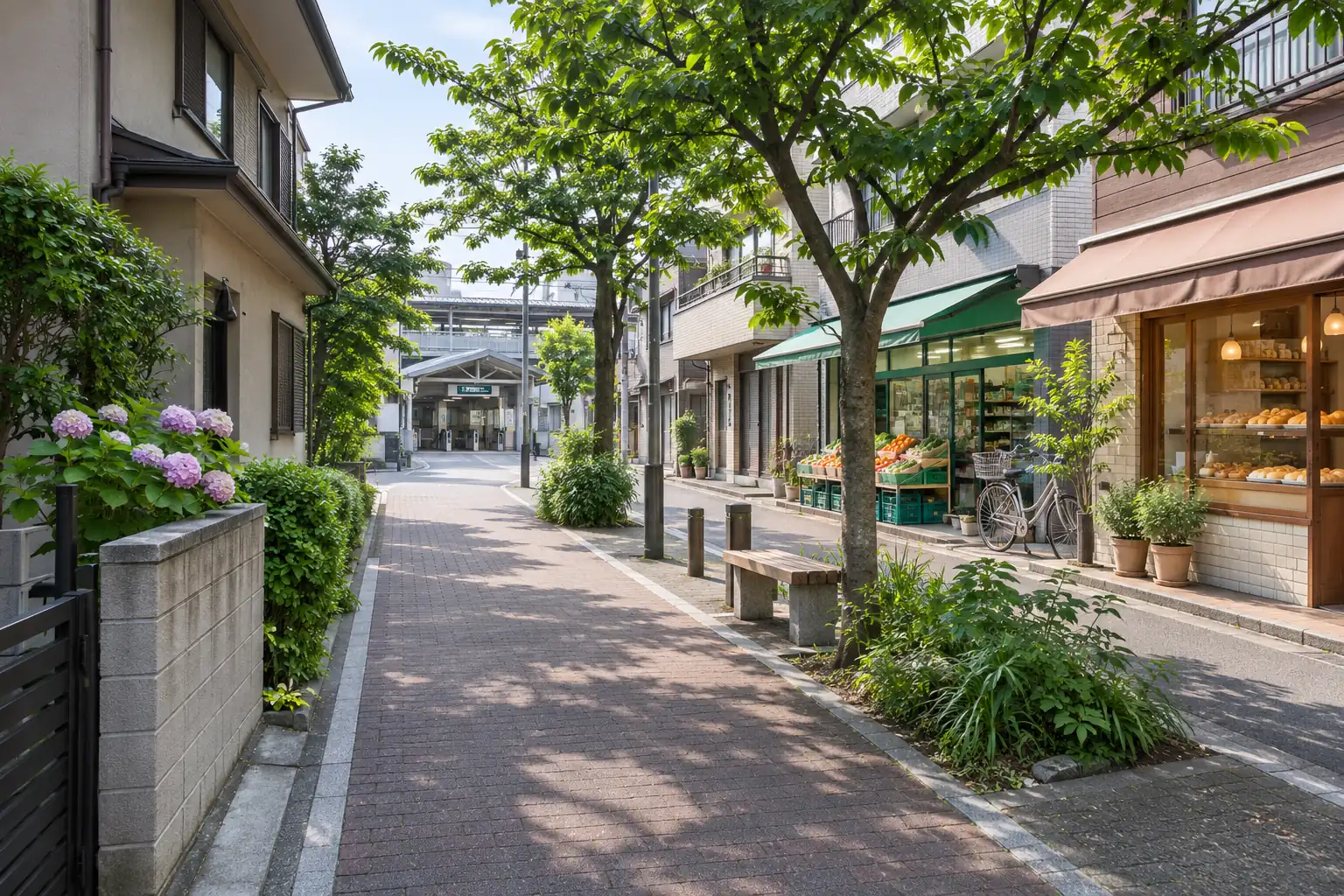
Notice the small details: whether the route feels tiring, whether shops are open when you return, and whether the area offers activities you would regularly attend.
For a family, test the school journey and arrange relevant discussions in advance. For someone with ongoing healthcare needs, investigate providers and appointment procedures.
Turn Uncertainty Into Specific Questions
Keep a short record of what worked and what required help. “I liked the neighborhood” is useful, but “the commute took 50 minutes and involved two crowded transfers” gives you something concrete to evaluate.
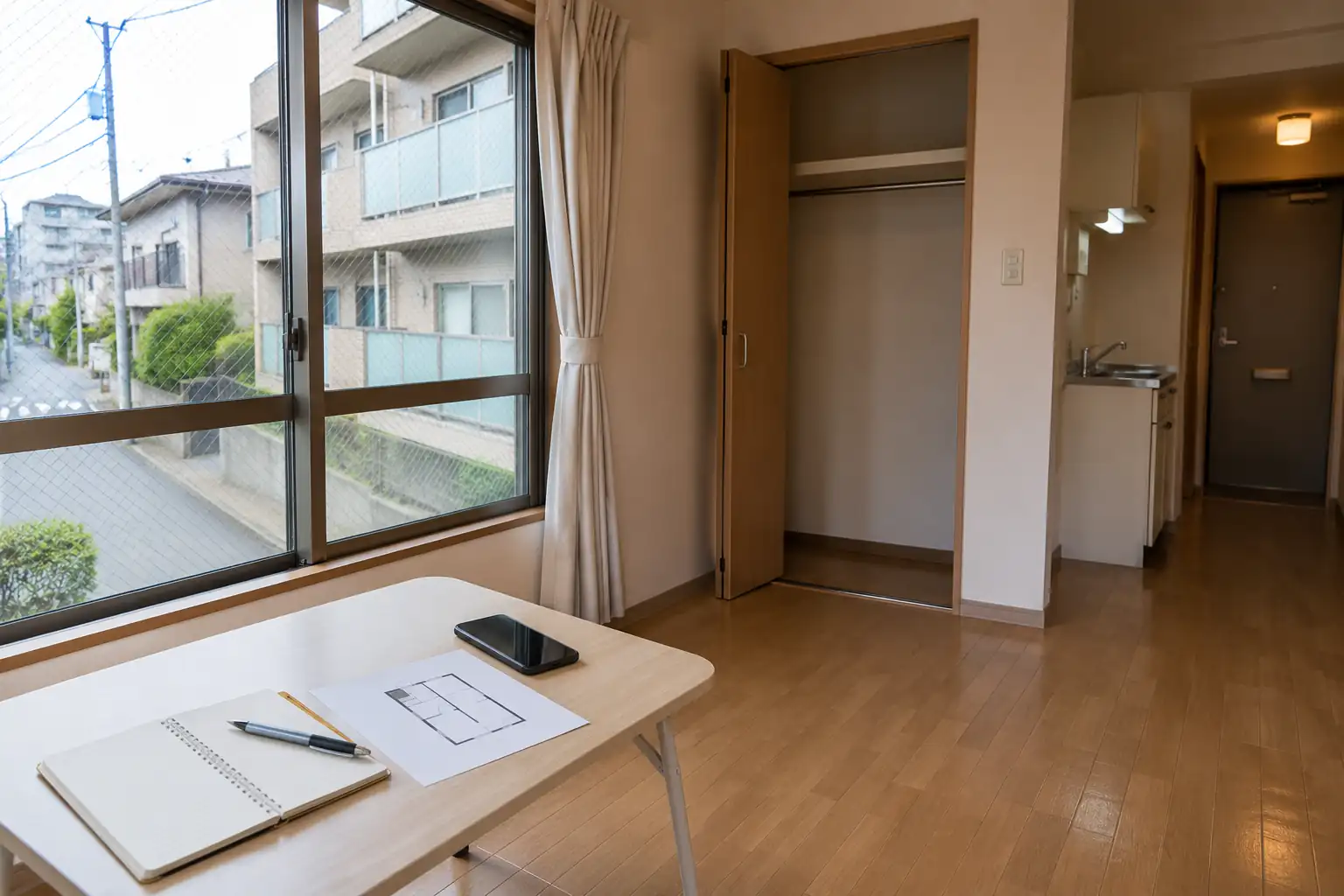
View suitable apartments and obtain complete quotations where possible. A realistic rent and move-in figure can change your assessment more than another general cost-of-living article.
You do not need to resolve everything during the visit. You should leave knowing which remaining issues need answers.
Prepare Communication for Your First Days
Maps and translation apps help when viewing properties and exploring local services. An iRoamly Japan eSIM can provide mobile data on a compatible, unlocked phone during a scouting trip or initial arrival.
A travel data plan serves a different purpose from a longer-term mobile service with a Japanese phone number. Confirm whether your chosen providers require local calls or SMS, and arrange an appropriate resident service when needed.
FAQ
1. Can I Live in Japan Without Fluent Japanese?
You may be able to manage with limited Japanese, depending on your job, location, and available support. However, improving your language skills makes administration, housing, healthcare, and relationships easier. Plan for continued learning rather than assuming English will cover every situation.
2. Is Tokyo the Best Place to Live?
Tokyo may suit you if your work and interests are there, but it is not automatically the best choice. Compare the complete routine you could have in each location: housing, commute, services, social opportunities, and access to the people or activities that matter to you.
3. Is Rural Japan an Easier Option?
It may offer more space or a quieter setting, but transport, employment, and access to services can involve greater compromises. Evaluate the need for a car, seasonal conditions, and language support before choosing a rural home mainly for its advertised price.
4. Can I Find an English-Speaking Job?
Such roles exist, but availability depends on your experience, industry, and employer. Search for positions that match your skills, and confirm the working language and applicable residence requirements before building a relocation plan around them.
5. How Can I Tell Whether Moving Is Worth It?
Compare a realistic week in Japan with your current life. If the work, housing, budget, and relationships you could build support your priorities, the move may be worthwhile. If the attraction depends mainly on holiday experiences while essential needs remain unresolved, investigate those gaps first.
Conclusion
Japan can be a good place to live when you value its everyday conveniences and are willing to adapt to the language and local routines. The strongest case for moving comes from a suitable job, a workable home, and activities and relationships that make ordinary weeks enjoyable.
It may be a less comfortable fit if the available work leaves little personal time, your housing needs exceed your budget, or important family and healthcare requirements remain unresolved. Those conditions matter more than how much you enjoyed visiting.
Begin with a viable residence route and a realistic budget, then test the neighborhood and routine you could actually have. That gives you a clearer basis for deciding whether Japan belongs in your future as a home, rather than only as a destination.