
Japan uses the Japanese yen, the currency you will see on restaurant menus, shop price tags, and train tickets throughout the country.
Getting familiar with its notes, coins, and price symbols makes everyday spending easier. Before departure, it also helps to consider where to get yen and how much cash your itinerary might require.
Here is what to know about Japan’s currency, from recognizing the denominations to choosing how to pay during your trip.
What Currency Does Japan Use?
Japan’s official currency is the Japanese yen, with the international currency code JPY. Prices are commonly written using ¥ or the Japanese character 円.
For example, ¥1,000, 1,000円, and JPY 1,000 all mean the same amount. Booking websites may use JPY to identify the currency, while menus and price tags often use ¥ or 円.
Everyday payments are calculated in whole yen, so there are no cents to work out when paying. The main adjustment is becoming familiar with the denominations.
Japanese Yen Banknotes and Coins
Japan has four banknote denominations and six coin denominations:
Cash Type | Denominations |
|---|---|
Banknotes | ¥1,000, ¥2,000, ¥5,000, ¥10,000 |
Coins | ¥1, ¥5, ¥10, ¥50, ¥100, ¥500 |
The ¥1,000, ¥5,000, and ¥10,000 notes are the ones you are most likely to handle. The ¥2,000 note is valid but uncommon.
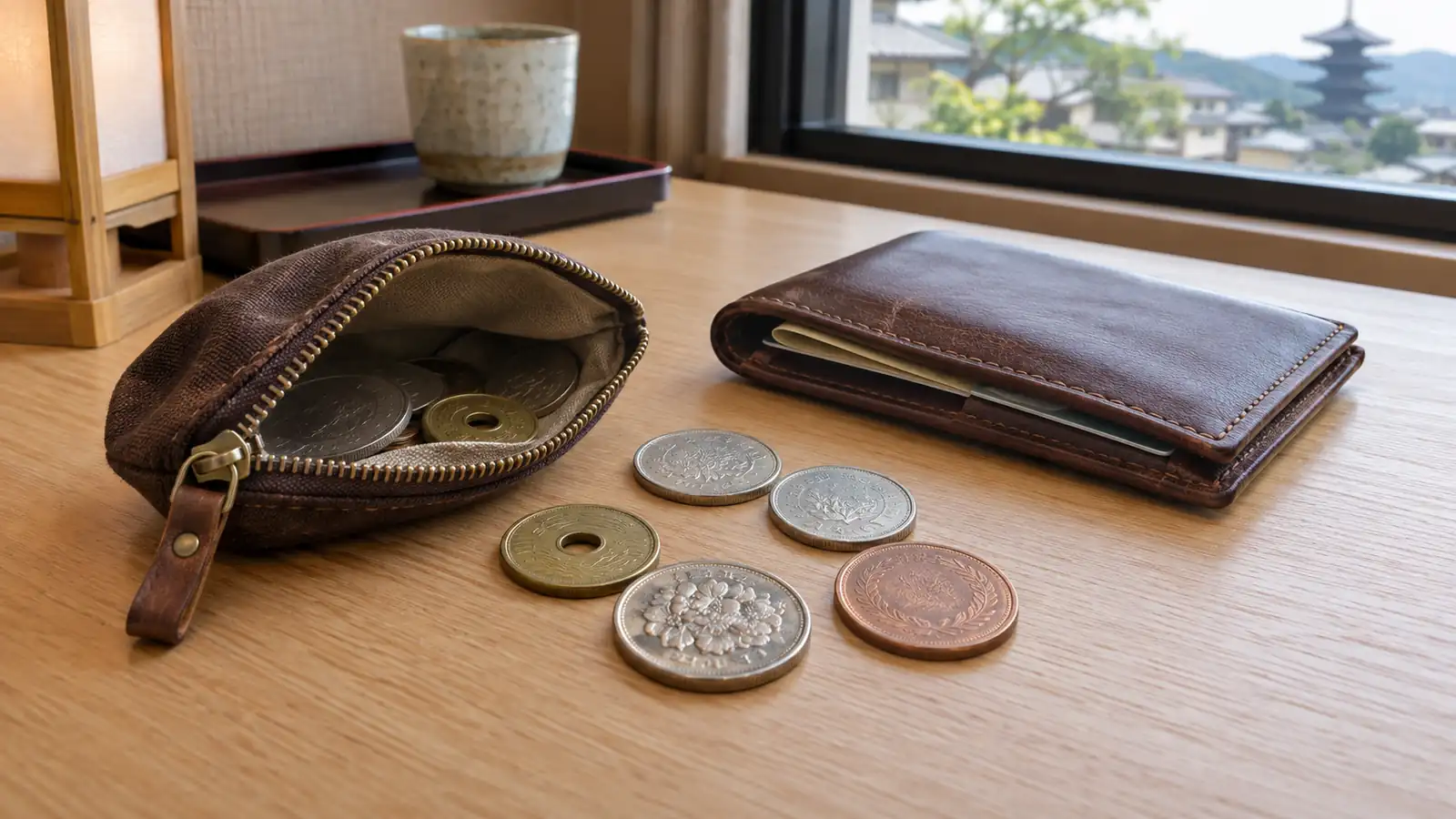
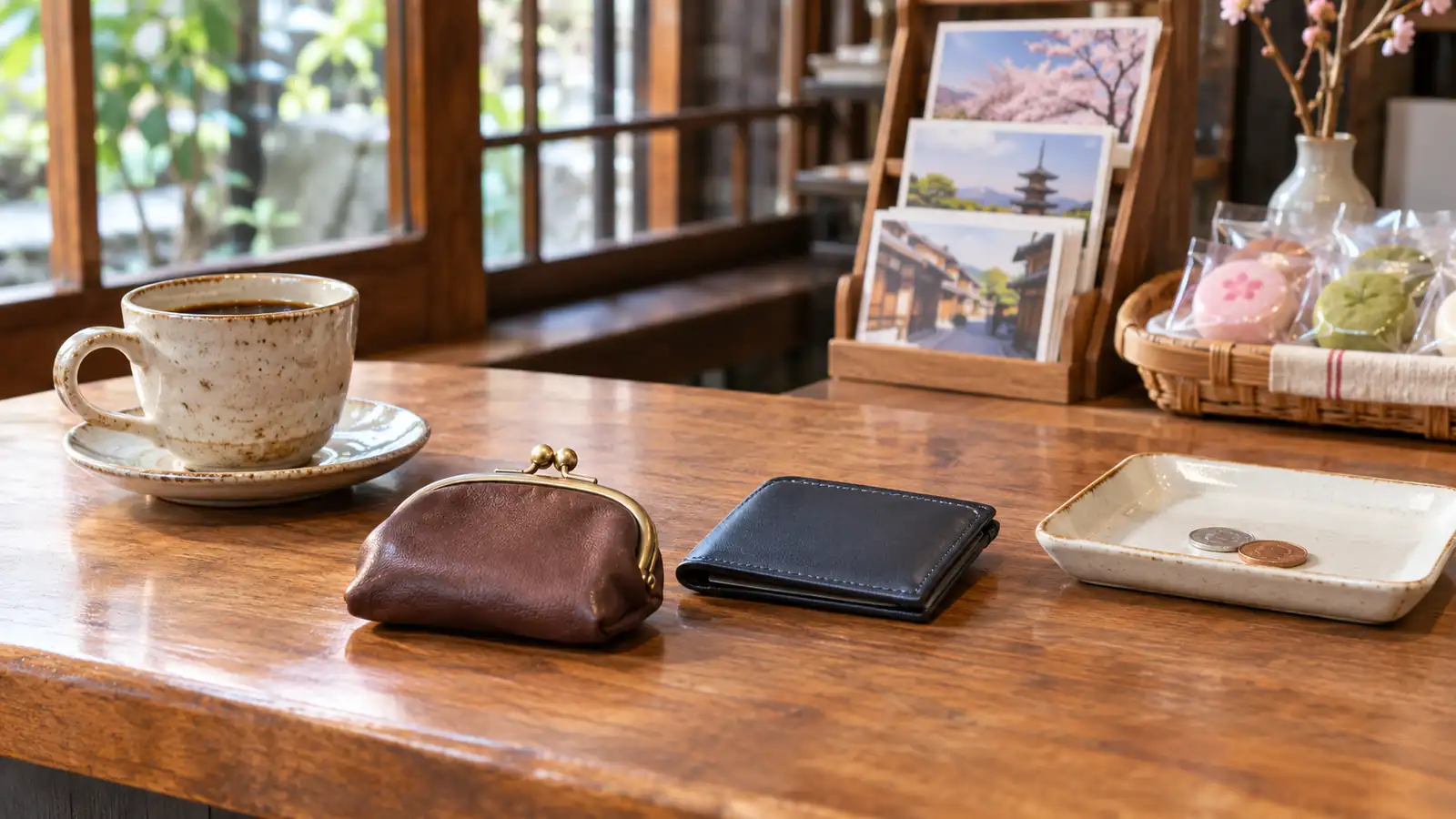
Among the coins, the brass-colored ¥5 and silver-colored ¥50 both have a hole in the center. Check the printed value while you are getting used to them. A small coin purse can help keep your change organized after several purchases.
Recognizing Older and Newer Banknotes
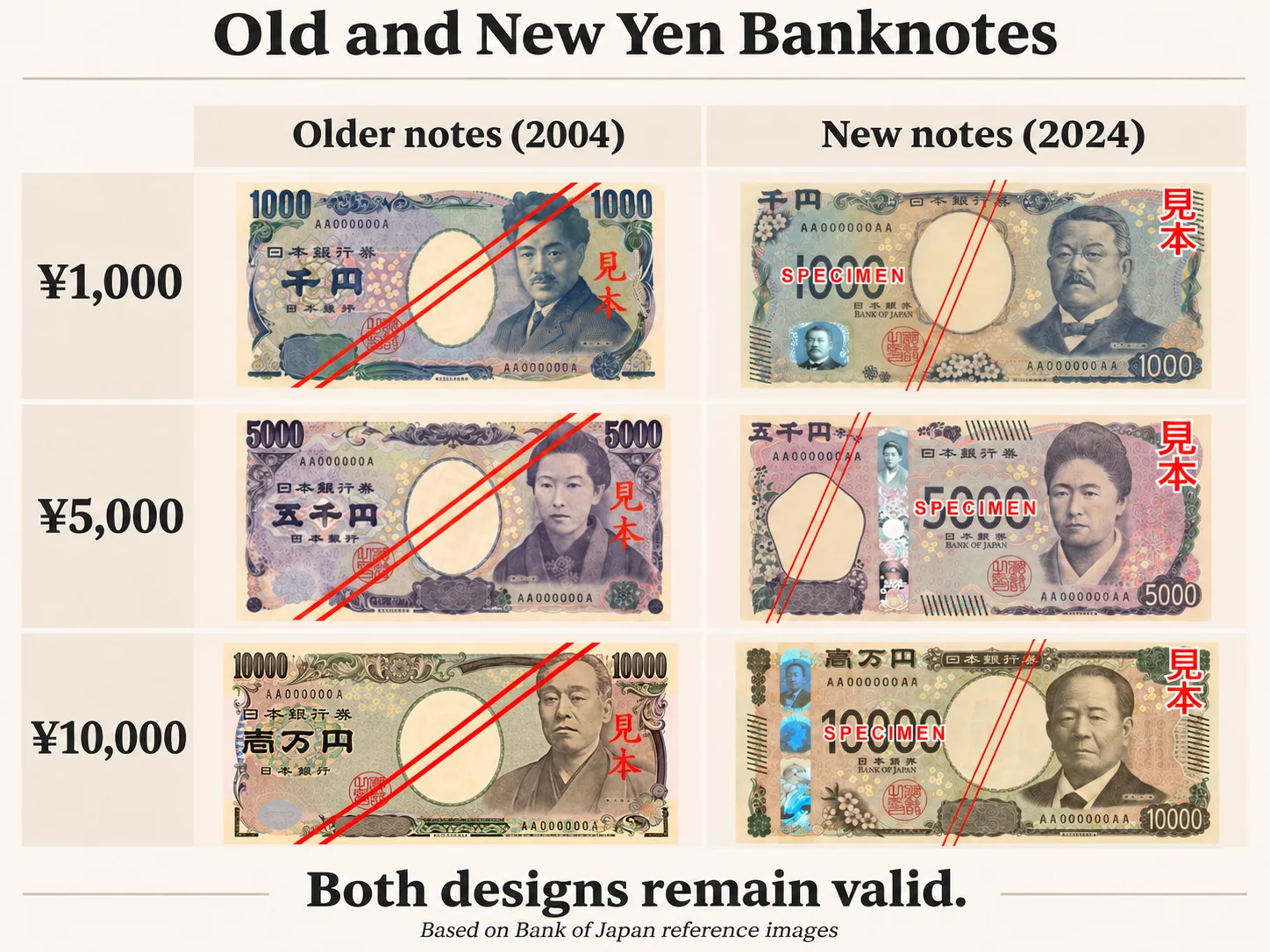
The denomination is also worth checking because you may receive different banknote designs during your trip. New ¥1,000, ¥5,000, and ¥10,000 notes entered circulation in July 2024, while the previous 2004-series notes remain valid.
You do not need to exchange an older note simply because it looks different. The Bank of Japan’s banknote guide shows the designs if you want to compare them.
Japanese Yen Exchange Rates
Recognizing a ¥1,000 note tells you its denomination, but an exchange rate helps you understand its value in your home currency. This is useful when estimating anything from a restaurant meal to your overall spending.
The following table shows approximate yen values for six common currencies, calculated from the European Central Bank’s reference rates dated November 11, 2026.
Currency | Amount | Approximate Value in Japanese Yen |
|---|---|---|
US Dollar (USD) | US$1 | ¥159.23 |
Euro (EUR) | €1 | ¥177.18 |
British Pound (GBP) | £1 | ¥211.89 |
Australian Dollar (AUD) | A$1 | ¥109.22 |
Canadian Dollar (CAD) | C$1 | ¥111.86 |
Chinese Yuan (CNY) | CN¥1 | ¥23.87 |
Figures are rounded to two decimal places. Non-euro conversions are calculated using the same day’s euro reference rates.
At the reference rate above, US$100 is approximately ¥15,923 before fees. Exchange rates change, so check the latest ECB reference rates when planning your spending. These are informational rates rather than guaranteed transaction rates.
Compare Exchange Rates and Fees
When you are ready to exchange money, compare the final amount of yen you receive for the same amount of your home currency. A provider may charge a separate fee, include a margin in its exchange rate, or do both. A “zero commission” offer is therefore not necessarily cheaper.
The same principle applies when obtaining yen through an ATM. A withdrawal may involve an ATM operator fee, your bank’s withdrawal fee, and currency-conversion costs. Card purchases may also attract foreign-transaction fees.
Check your card’s overseas charges before departure, then review any additional fee displayed before confirming a transaction.
Choose Yen When Paying or Withdrawing
Another choice may appear on the ATM or payment terminal itself: whether to charge you in yen or your home currency. The home-currency option uses dynamic currency conversion (DCC), with conversion handled by that provider at its offered rate.
Selecting JPY leaves conversion to your card issuer or network and avoids the provider’s DCC markup, although your card’s own fees may still apply. Read the options carefully; at an ATM, declining the conversion offer is different from canceling the withdrawal.
Where to Get Japanese Yen
With an understanding of exchange costs, you can choose how to obtain your cash. The main options are exchanging before departure, exchanging foreign banknotes in Japan, or withdrawing yen after arrival.
Convenience matters alongside price. If you land late or head straight to a smaller destination, having some yen ready can save you a search for an open counter or compatible ATM.
Exchanging Money Before Your Trip
Banks and currency-exchange providers in your home country may be able to supply yen. Ask whether you need to order it in advance, particularly if you want time to compare options before departure.
You do not have to arrange your entire cash budget at once. Preparing enough for arrival and your first planned expenses leaves you free to obtain more during the trip.
Exchanging Cash After You Arrive
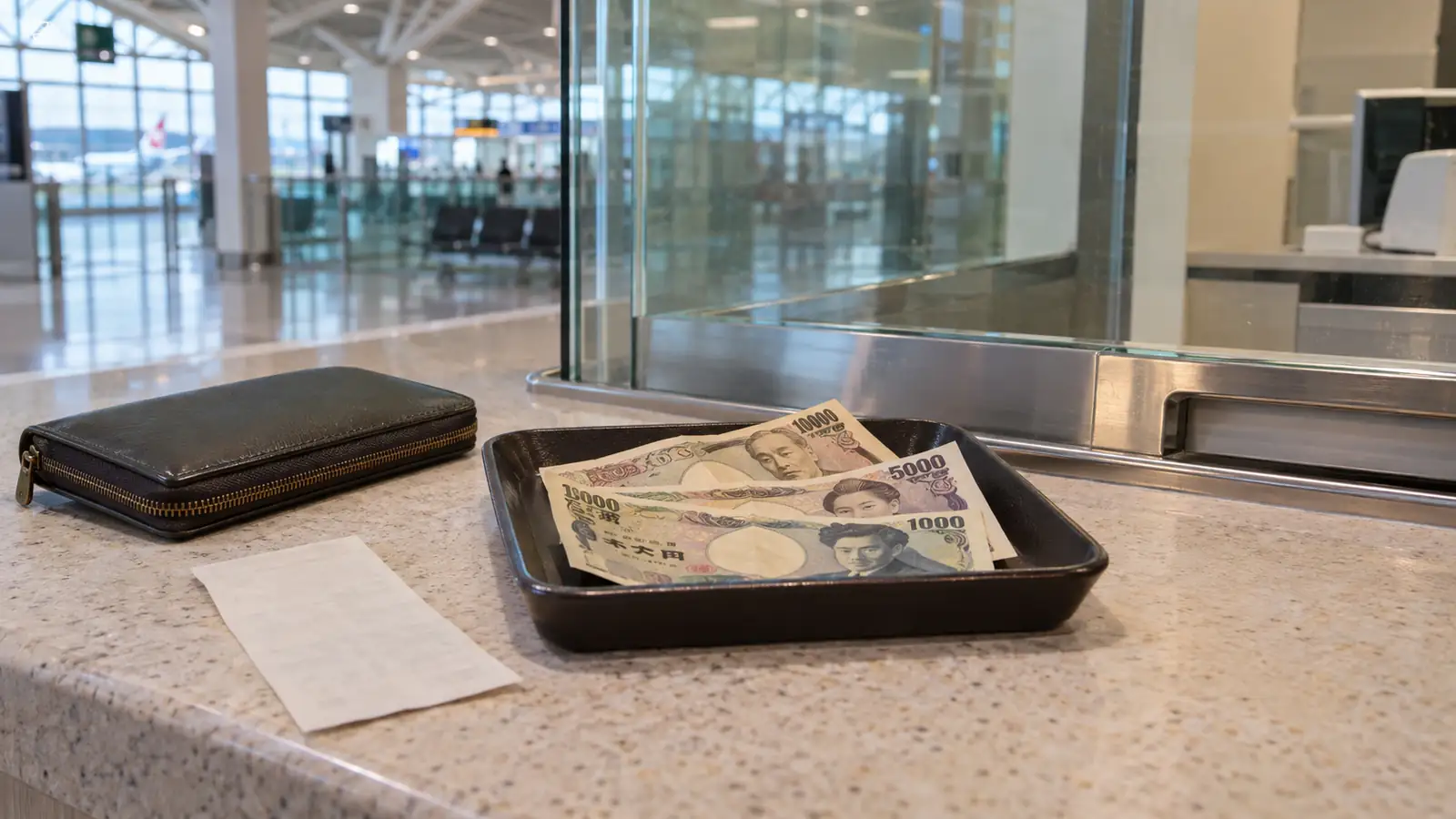
If you prefer to bring foreign banknotes, major Japanese airports have currency-exchange counters, and cities offer additional exchange services.
Before relying on a particular location, check its opening hours and accepted currencies. This is especially important if you arrive outside normal business hours or carry a less commonly exchanged currency.
Withdrawing Yen From Japanese ATMs
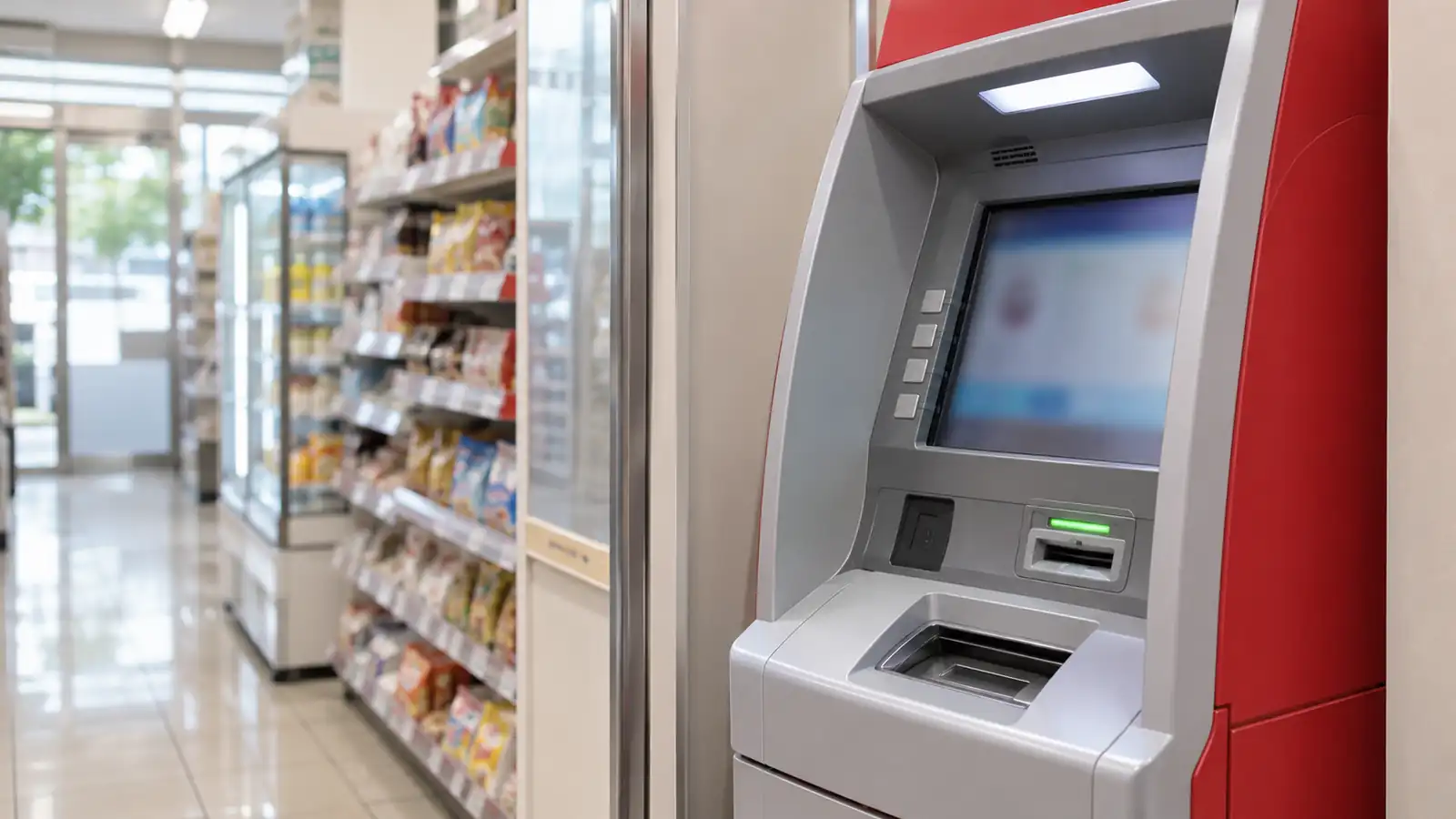
For travelers using a bank card to obtain cash, Seven Bank ATMs—found in 7-Eleven stores and other locations—and Japan Post Bank ATMs support many foreign-issued cards.
Look for a network matching your card, such as Visa/PLUS or Mastercard/Cirrus. Individual cards can still be declined, so keep another payment option available.
Your withdrawal is subject to both the ATM’s transaction limit and your bank’s daily limit. Service hours can also vary by location and card network, even when the convenience store containing the machine is open. Before leaving, collect your cash, card, and any receipt.
Payment Methods in Japan
Getting yen does not mean every purchase needs to be paid in cash. Bank cards and prepaid transport cards are useful too, and understanding where each works helps you avoid carrying more cash than necessary.
Paying With Japanese Yen Cash
Cash is useful at small restaurants, market stalls, and businesses displaying cash-only notices. Some rural businesses also have fewer electronic payment options.
Keep smaller notes and coins handy for inexpensive purchases and machines that accept a limited range of denominations. If a restaurant’s payment methods are unclear, ask before ordering.
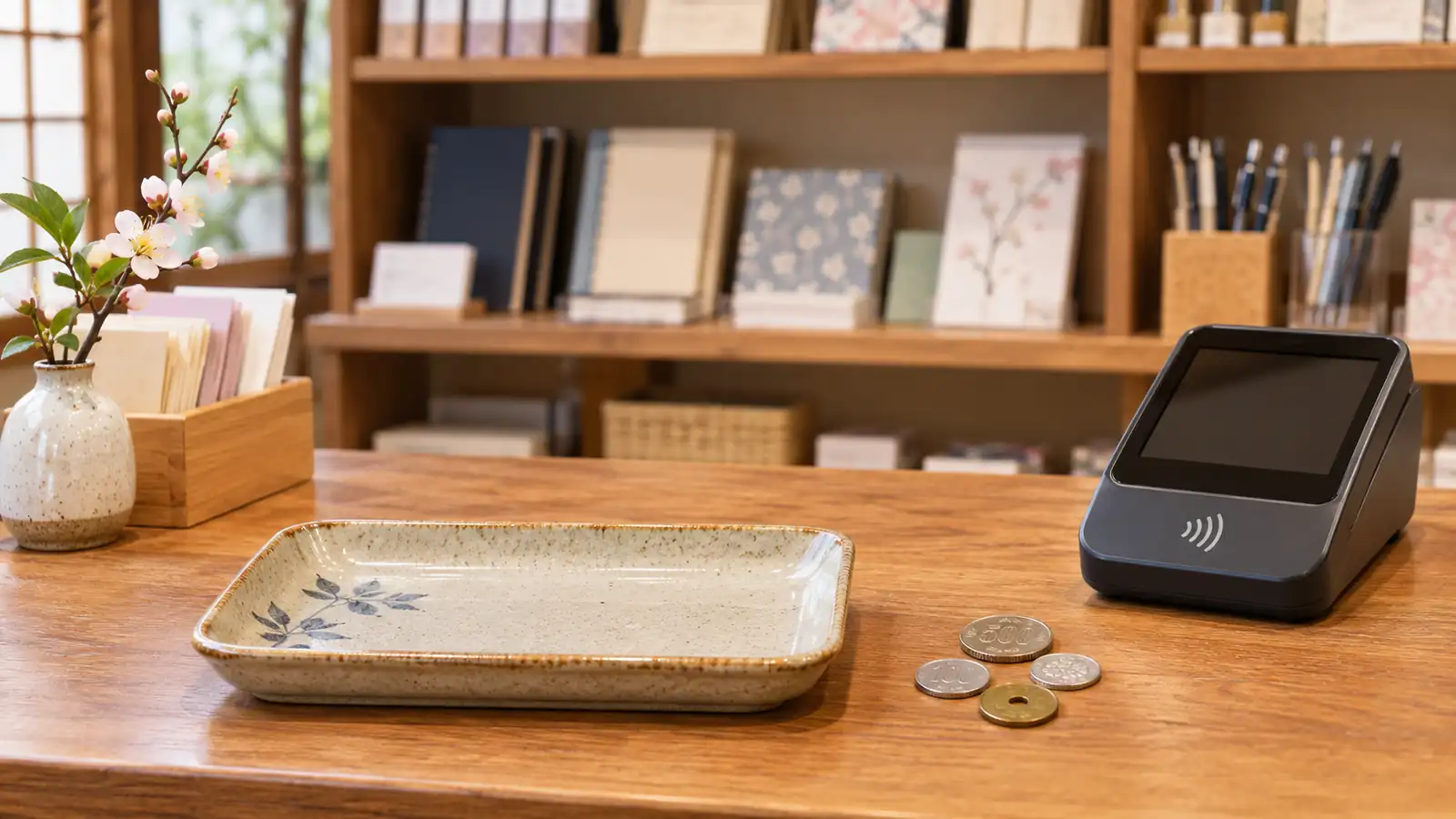
At the checkout, use the payment tray when one is provided and follow the cashier’s directions. Routine tipping is not customary in Japanese restaurants, cafés, hotels, or taxis.
Using Credit and Debit Cards
For larger purchases, many hotels, department stores, and bigger shops accept international credit and debit cards. Look for your card network’s logo at the entrance or checkout, and ask staff if you are unsure.
Before departure, confirm your PIN and whether overseas payments need to be enabled. Bring the physical card even if you normally pay by phone, since a terminal accepting your card does not necessarily support your mobile wallet.
Paying With Transport IC Cards
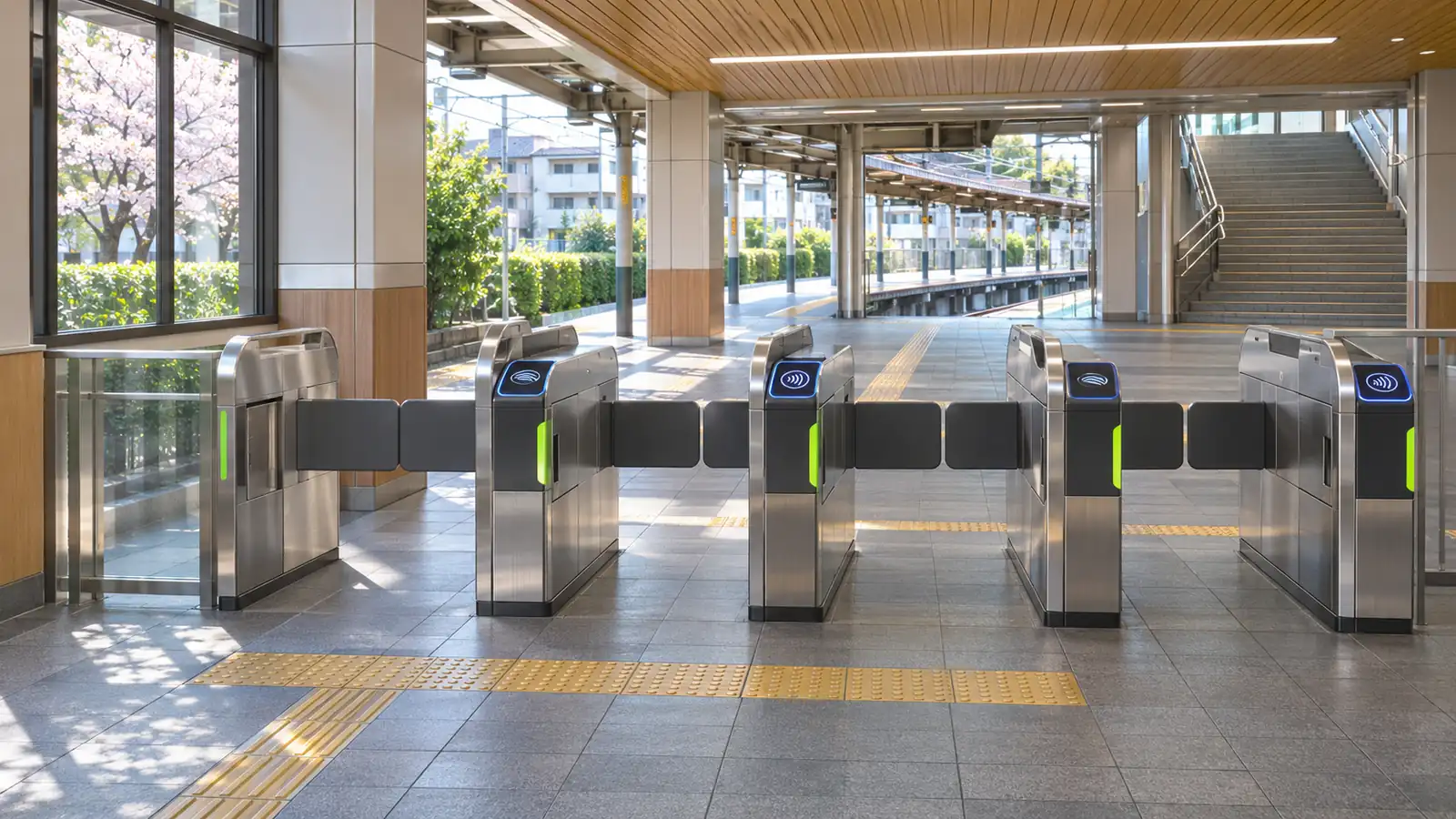
For frequent small payments, prepaid transport cards such as Suica, PASMO, and ICOCA can be convenient. They hold a yen balance that is deducted when you tap on participating trains and buses or at shops displaying the relevant IC-card logo.
These cards are not unlimited travel passes. Coverage varies, and some journeys require separate tickets or additional charges.
Before choosing a card, check how it can be topped up. Physical cards and mobile versions can have different funding requirements, so include any cash top-ups in your cash planning.
Using Mobile Wallets and QR Payments
A mobile wallet can hold a supported bank card or transport IC card, allowing you to tap your phone at compatible readers. Set it up before departure where possible, and keep another payment method available.
Local QR-payment apps are separate services with their own registration requirements. Check whether your existing payment app is accepted rather than assuming every QR-payment sign supports it.
If you need to find another ATM or access your banking app while out, mobile data can help. An iRoamly Japan eSIM can provide connectivity on a compatible, unlocked phone during your trip.
How Much Yen Should You Exchange?
Once you know which payment methods you will use, it becomes easier to estimate your cash needs. Start with the expenses you expect to pay in cash before your next ATM withdrawal, rather than converting your entire travel budget.
Accommodation and major journeys already paid for—or payable by card—can be left out of that calculation. For the remaining expenses, use your planned meals and activities as a starting point.
Use Daily Costs as a Reference
Japan Guide provides the following per-person estimates for a mid-range budget:
Expense | Estimated Cost |
|---|---|
Breakfast | ¥500–¥1,000 |
Lunch | ¥800–¥1,500 |
Dinner, excluding alcoholic drinks | ¥1,000–¥2,500 |
Sightseeing and admission fees | ¥1,000–¥3,000 |
Together, these total approximately ¥3,300–¥8,000 per person per day, excluding accommodation, transport, and shopping. These are planning ranges; actual costs depend on your choices.
Work Out Your Cash Portion
You do not necessarily need that entire daily amount in banknotes. Check which purchases you can pay for by card, then prepare cash for the others.
For example, the meal estimates above total ¥2,300–¥5,000 per person per day. Paying for all meals in cash for your first two days would therefore require ¥4,600–¥10,000 for food alone. Add cash transport costs, admission fees, and unpaid cash-only bookings separately. This is an example based on those meal ranges, rather than a universal cash recommendation.
Plan Until Your Next Withdrawal
Your route determines how long that cash needs to last. During a city stay, you may be able to replenish it as you go. Before a rural visit or late arrival, check ATM availability and prepare enough to reach your next reliable withdrawal point.
Keep daily spending money accessible and store the remainder securely. Carry a second payment card separately from your main wallet, and save your bank’s contact details offline.
As your departure approaches, compare your remaining yen with the expenses still ahead before withdrawing more. Allow for final meals, transport, and any unpaid purchases.
FAQ
1. Can I Use Foreign Currency in Japan?
For everyday purchases, plan to pay in Japanese yen. Most shops, restaurants, and transport services do not accept foreign cash. Foreign-issued bank cards can be used where accepted, with conversion handled by your card issuer or network.
2. Should I Exchange Everything Before Traveling?
You can prepare some yen for arrival and obtain more later. Consider your unpaid expenses, arrival time, exchange costs, and access to ATMs before deciding how much to arrange in advance.
3. Can I Pay Entirely by Phone?
Do not rely on your phone alone. Support depends on your device, card, payment service, and the business’s terminal. Carry a physical payment card and some cash as alternatives.
4. What If an ATM Rejects My Card?
Check that the machine supports your card network and that overseas withdrawals are enabled. A smaller amount may help if a transaction limit is the issue. For a PIN error or repeated declines, stop retrying and contact your bank.
Conclusion
Japan uses the Japanese yen (JPY), commonly shown as ¥ or 円. Familiarity with its denominations and their approximate value helps you read prices, make purchases, and check your change.
Prepare cash around your itinerary, compare exchange costs, and keep more than one way to pay. You can replenish your yen as needed rather than converting your entire travel budget before departure.
With these preparations in place, you can approach your first train ticket, restaurant bill, or shopping stop with confidence—and get on with enjoying Japan.