
If you have ever wanted to step into the world of Pokémon, PokéPark KANTO at Tokyo’s Yomiuriland deserves a place on your itinerary. Search for familiar Pokémon among the trees, then explore a game-inspired town where the Pokémon Center and Gym stand before you.
There is more to enjoy than photo opportunities. Woodland scenes, Pokémon shows, and themed food all deserve time, so it helps to check which areas your pass includes and which activities need separate reservations.
This guide covers ticket options, park highlights, and transport to help you plan a day that suits your group. Start with the Pokémon you most want to see and the experiences you are excited to try.

What to Expect at PokéPark KANTO
PokéPark KANTO sits within Yomiuriland in Inagi City, Tokyo, among the Tama Hills. Its address is 4015-1 Yanokuchi, Inagi City, Tokyo 206-8725; it is a suburban outing rather than a stop you can walk to from central Tokyo sightseeing districts.
The attraction brings together more than 600 Pokémon across a forest and town, with an entrance plaza connecting the experience. That figure counts Pokémon throughout the setting, not 600 different species.
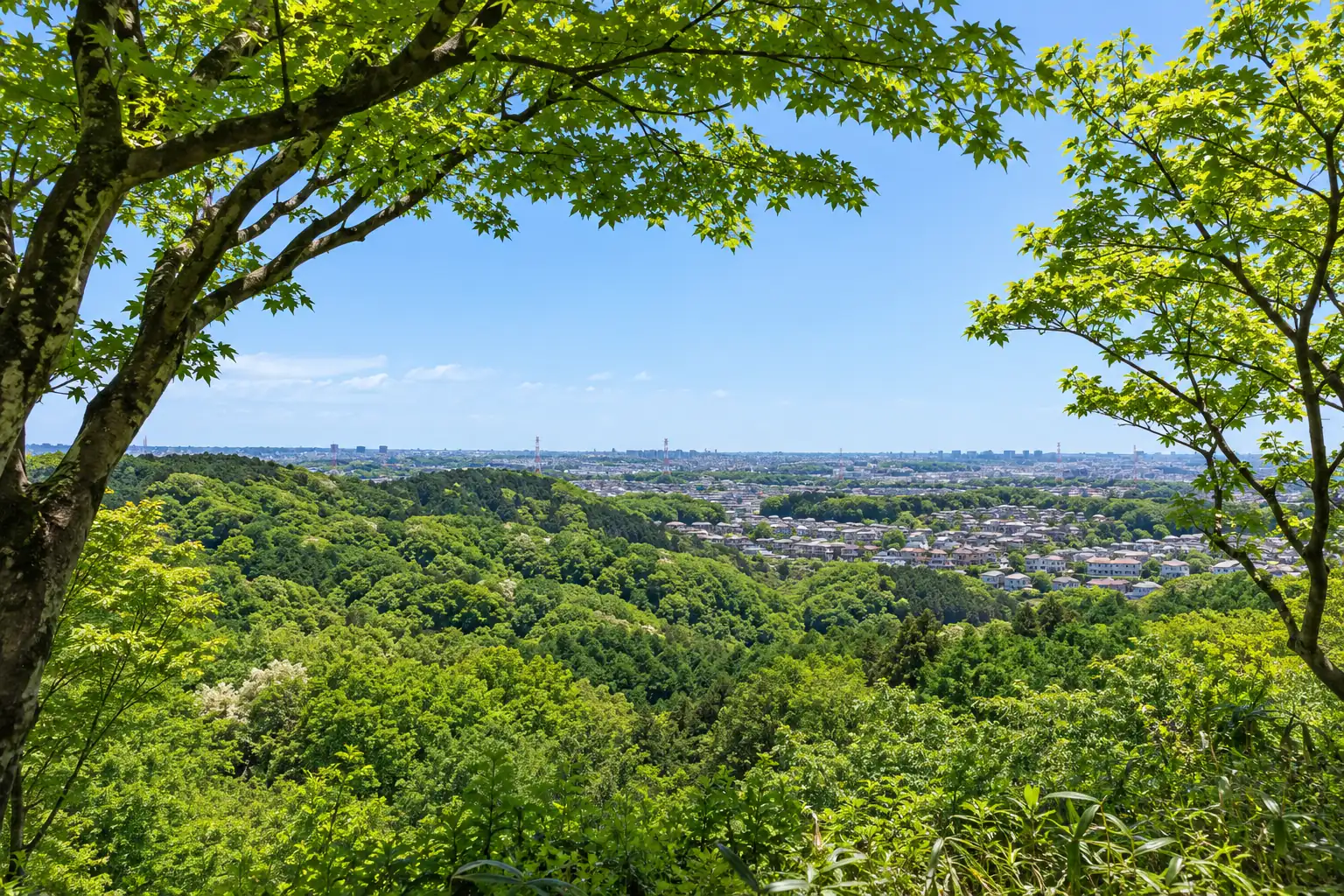
Expect character sculptures, small scenes to discover, photo opportunities, entertainment, and two family rides within PokéPark. A fan who enjoys noticing Pokémon details has more reason to make the trip than someone choosing a park primarily for high-speed rides.
Every PokéPark admission pass also includes entry to Yomiuriland, but the wider amusement park’s rides require separate tickets. Keep that distinction in your budget if part of your group wants roller coasters as well as Pokémon.
PokéPark KANTO Tickets and Reservations
Choose your pass around the areas you want to visit and the people traveling with you. The most expensive option adds specific benefits, while several popular experiences still use their own reservation process.
Which Pass Should You Choose?
The main differences are forest access, flexibility, and included premium experiences. Check the price for your chosen date and age category before comparing the total for your group.
Pass | Main access | When it makes sense |
|---|---|---|
Town Pass | Timed entry to Sedge Town, with re-entry allowed; no Pokémon Forest | You want the town, or someone in your party cannot use the forest route |
Trainer’s Pass | Sedge Town and one forest entry within the assigned time slot; no forest re-entry | You want to explore the forest once and can plan around its time slot |
Ace Trainer’s Pass | Flexible forest entry and re-entry, Sedge Town, one reserved Gym show seat, one included priority ride on each of the two attractions, a special greeting, and original merchandise | You will use the flexibility and named extras enough to justify the higher quote |
For an eligible first-time visitor who wants the forest, the Trainer’s Pass is a sensible starting point: it includes the woodland visit without requiring you to pay for premium extras. Town Pass suits a town-focused day, while Ace is most useful when its reserved show seat, greeting, and ride benefits matter to you.
Prices vary by visit date. Adult tickets apply from age 13, child tickets from ages 3–12, and a senior category is available from age 65; children under three do not need a ticket for Sedge Town.
How Overseas Visitors Apply
Use the official overseas ticket website if you live outside Japan. Its current process is a monthly application and lottery, so older instructions describing only direct ticket purchases should not determine your plans.
Apply between the 1st and 12th of the month, three months before your visit month. For example, May visits use the February application window.
The current opening time for applications is 7 p.m. Japan Standard Time on the 1st. Confirm the window shown for your intended visit month.
Check your email and order status for the result around the end of the application month. Selected applicants must pay by the last day of that month.
Keep watching the registered email if your status remains in progress: a redraw may occur when tickets become available, but there is no guaranteed extra sale.

Enter each visitor’s details exactly as requested and bring the passports used for the booking, following the identification instructions supplied with your tickets. An application is not a confirmed booking; wait for selection and successful payment before treating the park day as secured.
Japan residents use the domestic website, which has its own membership and SMS-verification requirements. Follow the channel for your residence, and check its current rules rather than combining domestic and overseas sale schedules.
Check Forest Eligibility Before Paying
The full Pokémon Forest route uses natural terrain, slopes, and stairs. Visitors must be at least five on the day of entry; carrying a younger child or bringing a stroller does not create an exception.
The published restrictions also cover pregnancy, certain conditions that could worsen on the route, and difficulty safely climbing and descending a 110-step staircase independently. Review the official ticket and forest restrictions for the full requirements before choosing a forest pass.
Wheelchair users should ask reception about the supported entry to a relatively gently sloped section near the forest entrance, using a stairlift. This limited assistance is separate from access to the full trail and remains subject to staff safety decisions.
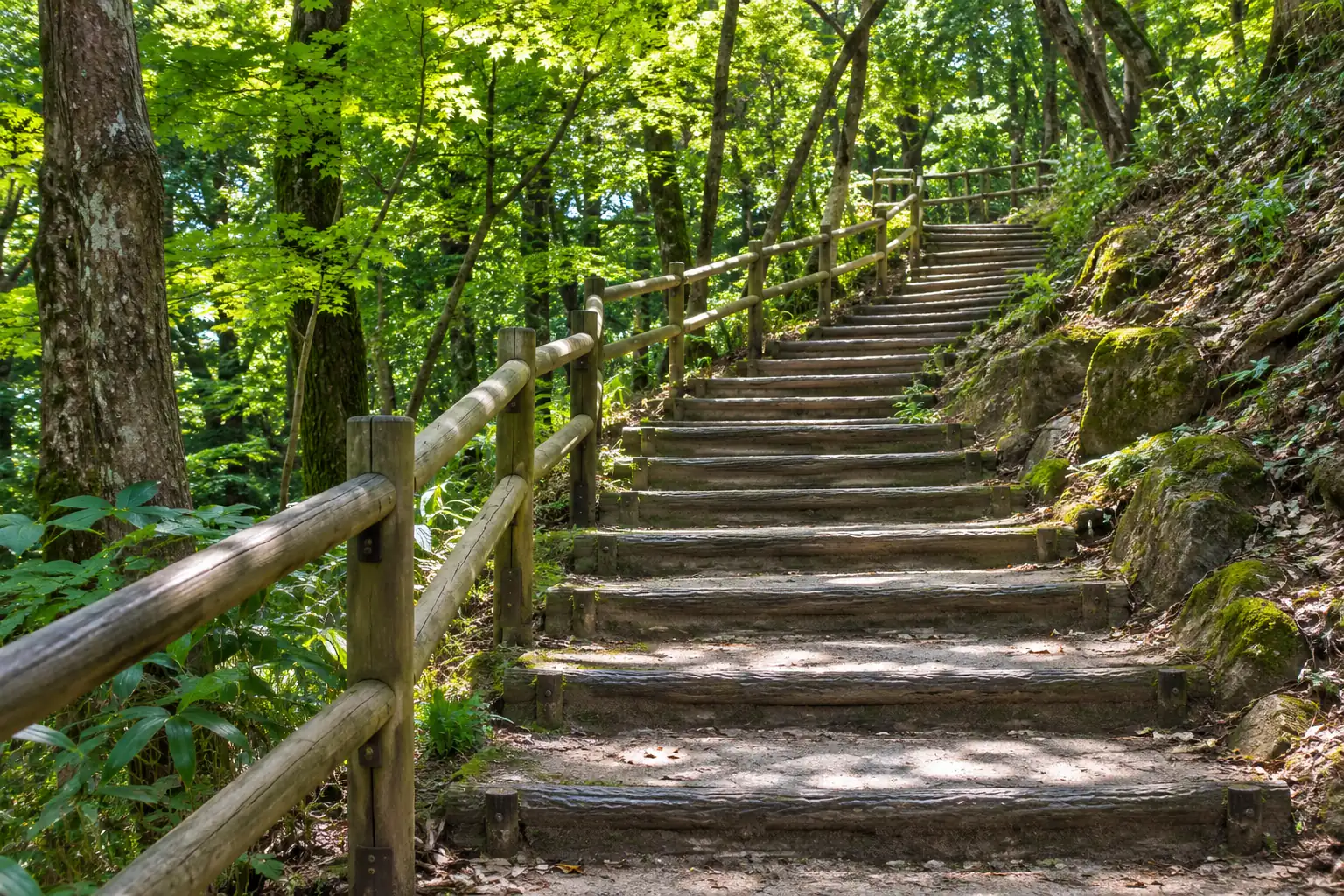
For a family with an under-five, plan Sedge Town together or decide in advance which adults will accompany older children into the forest. A premium ticket does not override the route restrictions.
Admission and App Reservations Are Separate
Pokémon Daisuki Shop, Pokémon Playhouse, and Sedge Gym show seating use limited-access tickets in the official app. These requests become available only after entering Yomiuriland and after the published release time.
Ace includes a reserved seat for one Gym show and its own Sedge Condominiums greeting, but it does not automatically reserve Daisuki Shop or Pokémon Playhouse. Those two bookings still need attention even if you buy the premium pass.
Things to Do at PokéPark KANTO
Build your priorities around the forest, town, rides, and entertainment. These offer different kinds of enjoyment, so the best day leaves room for the parts your group actually cares about.
Explore Pokémon Forest
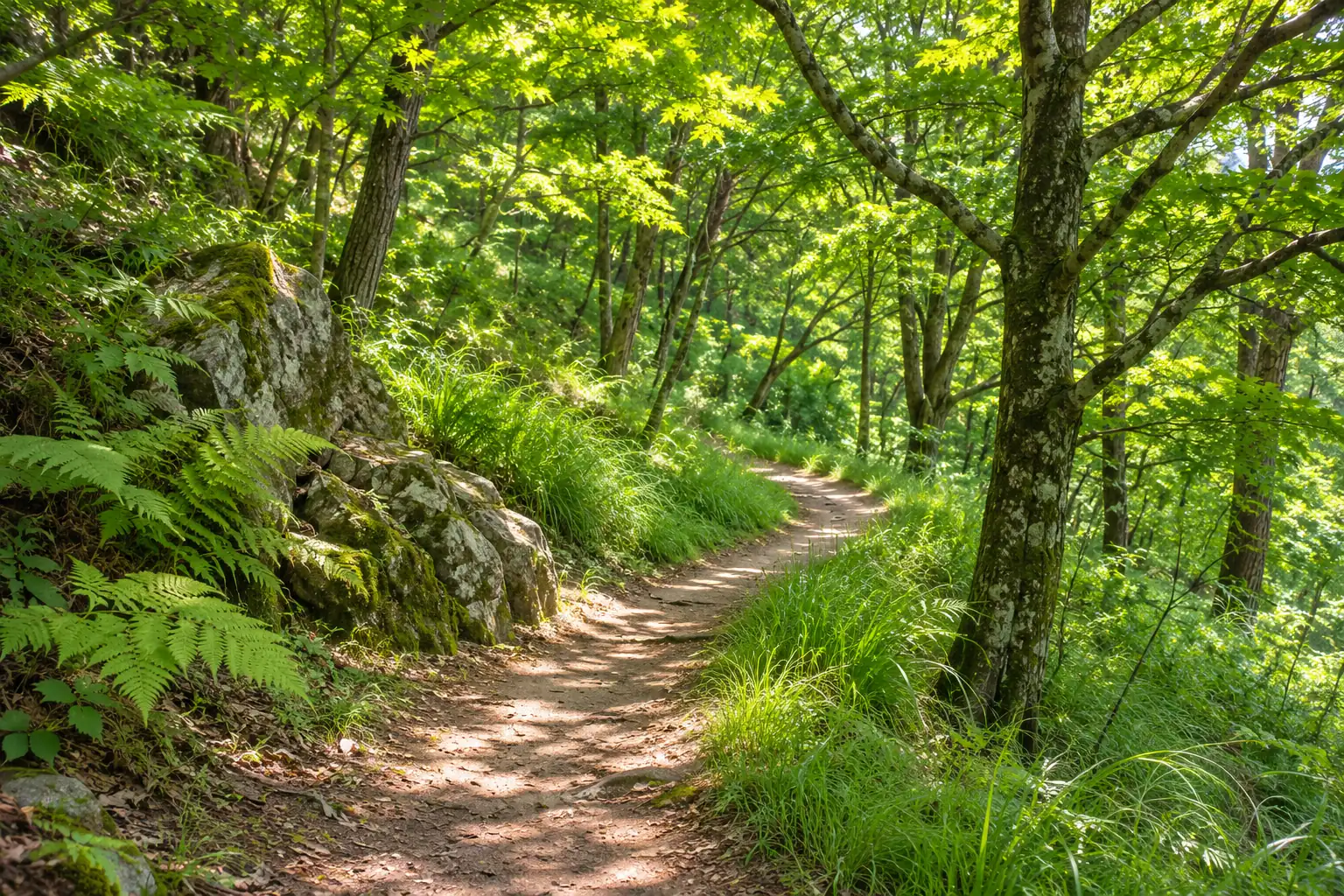
The roughly 500-meter woodland route passes through tall grass, hilly paths, rocky areas, and tunnels, with Pokémon posed in scenes along the way. Look beyond the largest figures: smaller characters among plants and branches are part of the attraction.
Allow about an hour as a planning guide, consistent with the park’s walking advice, and wear shoes suited to uneven ground. With a Trainer’s Pass, take your photographs as you go because you cannot re-enter after leaving.
Look Around Sedge Town
Primarina Fountain is a useful landmark for exploring Sedge Town. The town recreates familiar places from the games, including the Pokémon Center, Poké Mart, and Gym, with more Pokémon to spot around the setting.
At the red-roofed Pokémon Center, Chansey and the Healing Machine bring a recognizable game moment into the visit. Leave time to look above eye level as well as around the paths; the small background scenes reward a slower pace.
Try the Two Pokémon Rides
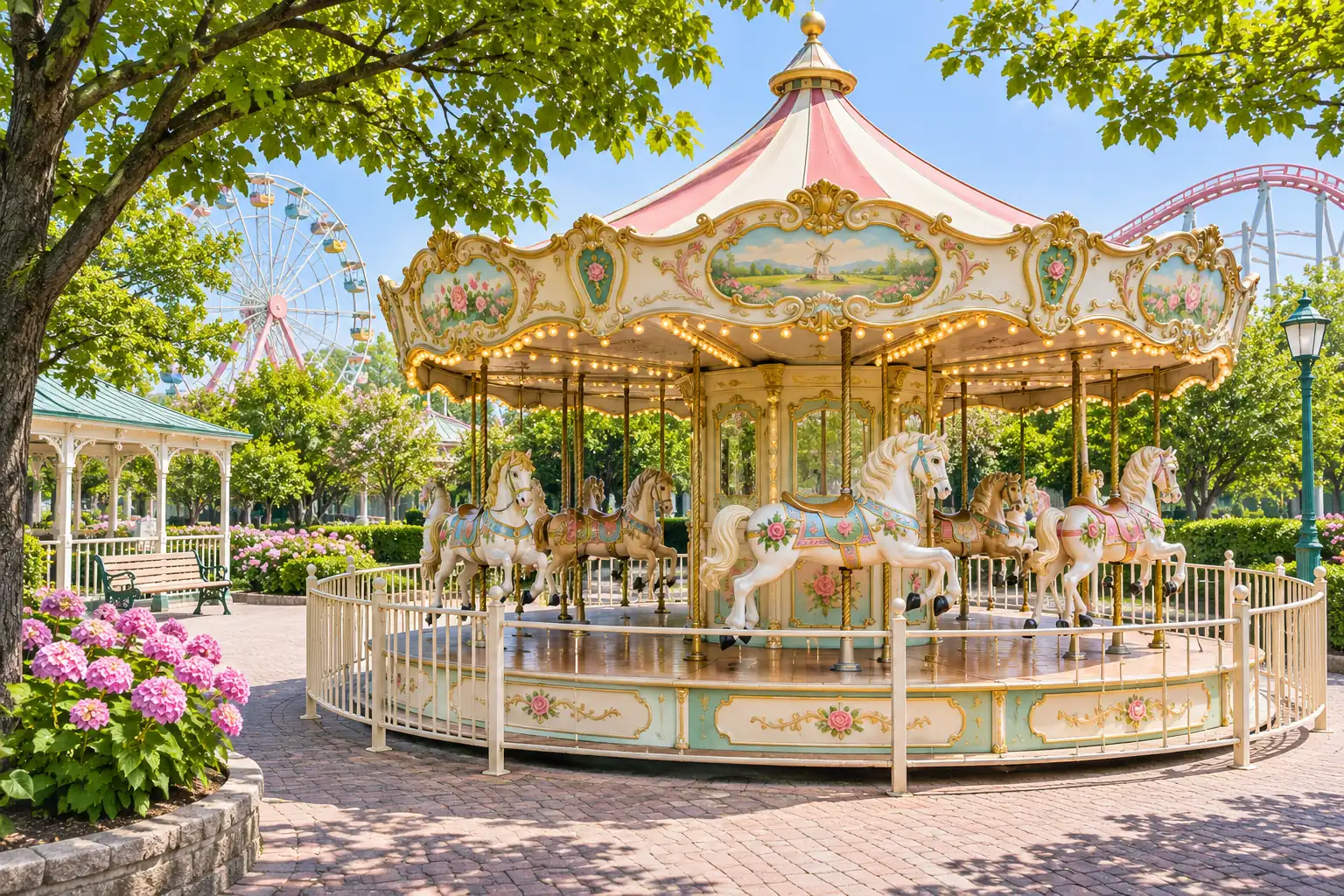
Pika Pika Paradise is an aerial spinning ride themed around Pikachu and other Electric-type Pokémon. Vee Vee Voyage is a carousel featuring Eevee, Ponyta, and Rapidash, making the pair appealing for visitors who want a playful ride as well as photographs.
Trainer’s Pass and Town Pass holders buy ride tickets separately at the designated mobile kiosk in Sedge Town. Ace includes one priority-lane ride on each attraction; additional rides require another purchase, and each rider must still satisfy the attraction’s rules.
Make Time for Shows and Character Encounters
Sedge Gym hosts stage entertainment, while the town also has scheduled Pokémon appearances and parade activities. Check the day’s app schedule before choosing a meal or ride time, because entertainment times can change with operations and season.
If a close-up character meeting is a priority, distinguish Pokémon Playhouse’s app reservation from the greeting included with Ace. Neither admission nor a preferred character appearance should be treated as a promise that every encounter will be available.
How to Get There from Tokyo
Two similarly named stations serve different routes to Yomiuriland: Keio-Yomiuriland on the Keio network and Yomiuriland-mae on the Odakyu network. Check the full station name when planning your journey and return trip.
Keio Line and Sky Shuttle
From Shinjuku, take the Keio Line toward Chofu and connect to a suitable Sagamihara Line service for Keio-Yomiuriland Station. Check the train’s stopping pattern, since your fastest connection may require a change.
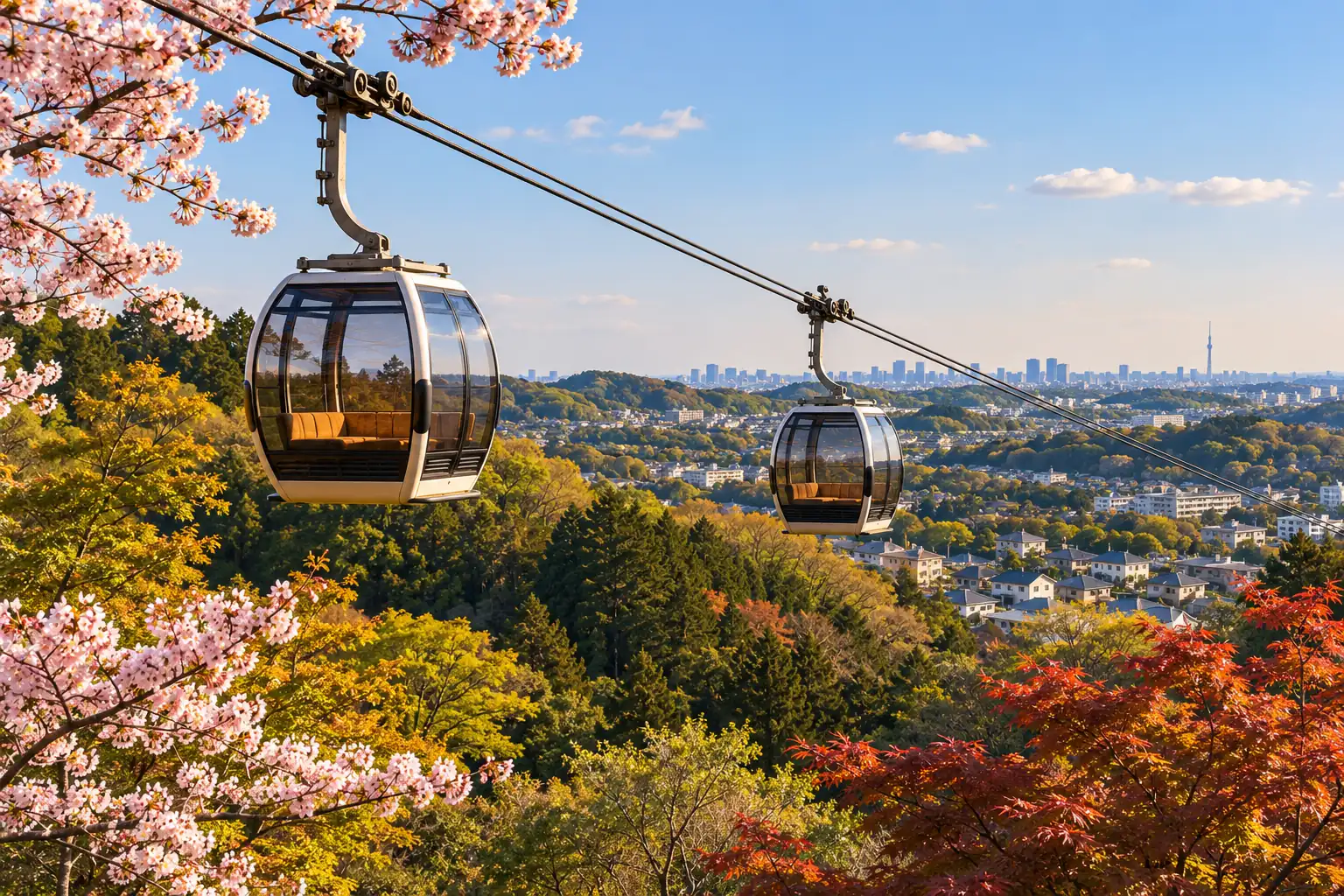
From the station, the Sky Shuttle gondola takes roughly 5–10 minutes to the amusement park, excluding queues. A route bus is another option; check the day’s operation if the gondola is affected by weather.
Odakyu Line and Bus
The alternative is an Odakyu train to Yomiuriland-mae Station followed by a bus to Yomiuriland. This can suit accommodation with a convenient Odakyu connection, so compare the complete journey from your hotel.
As a planning allowance, leave around 60–90 minutes from Shinjuku to reach the PokéPark area, including transfers, the last connection, queues, and the walk inside Yomiuriland. This is a buffer, not a published train journey time; add your hotel-to-station travel separately.
After entering Yomiuriland, follow the signs to PokéPark KANTO. Reaching the nearest railway station is not the same as reaching your timed forest entrance, so avoid a tight arrival plan.
Food and Souvenirs at the Park
Food and shopping work best around your reserved activities. Leave some spending room beyond admission, and decide whether your priority is a themed snack, a wearable souvenir, or a larger collectible.
Where to Eat
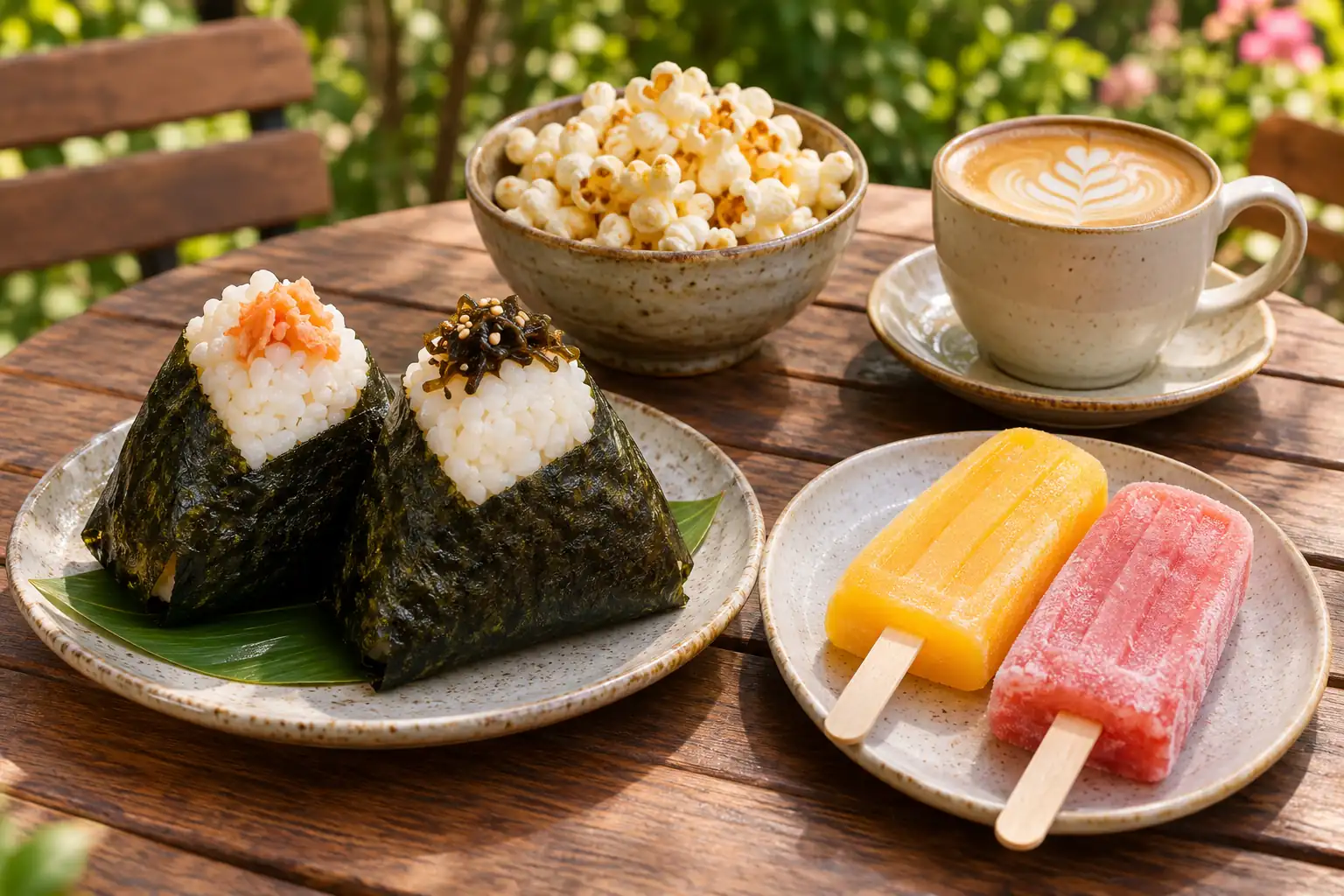
Pikachu’s Onigiri Shop is a place to look for rice-ball options, while Eevee’s Café offers character-themed drinks and ice bars. Snorlax’s Popcorn makes sense for a snack between activities rather than a substitute for a meal.
Check the current menu before joining a queue, especially if you need a substantial lunch or have dietary restrictions. Character shapes do not indicate ingredients, so ask staff about allergens and suitable choices instead of assuming an item is vegetarian or allergy-safe.
What to Buy and Where
Pokémon Daisuki Shop in the entrance plaza is the main stop for park merchandise such as plush toys, headbands, keychains, and stationery. Small paper goods and keychains are easier to pack than a large plush, while a headband can be enjoyed during the visit.

Use your app booking time for the shop, and check current stock and purchase limits before promising a particular character to someone at home. Keep packaging around fragile purchases and protect paper souvenirs from rain.
The Trainers’ Market in Sedge Town also has merchandise kiosks, including wearable accessories and small souvenirs. It is worth checking these if you want something to use during the day, though their selection should not be assumed to match Daisuki Shop.
Payments inside PokéPark KANTO are cashless. Bring a supported payment method, and keep a second usable option if possible so a failed card transaction does not leave you unable to buy food.
How to Plan Your Visit
Reserve a Tokyo day for the outing and, as a flexible starting point, allow roughly four to six hours for PokéPark itself.
More shopping, show reservations, or paid Yomiuriland rides can turn it into a longer visit; this allowance is a suggested pace rather than a guarantee of completing everything.
Build the Day Around Fixed Times
Start with your ticket’s entry conditions and forest slot, then fit any confirmed show, shop, and greeting bookings around them. Leave gaps for walking, toilets, queues, and food instead of filling every interval.
At the time of writing, limited-access requests open after you have entered Yomiuriland and after 10:45 a.m. The official site announces a change to 9:45 a.m. from February 2027, so use the rule for your actual visit date.
Before leaving the hotel, check opening hours, service notices, your tickets, and the route to the correct station.
After entering Yomiuriland, be ready to request your highest-priority app experiences when eligible. Check allocations before heading to a venue.
Protect the forest appointment if you have a Trainer’s Pass, then use unreserved time for Sedge Town, food, and rides.
Keep the return evening flexible so a shop queue or transport delay does not jeopardize an important booking in central Tokyo.
Prepare for an Outdoor, Phone-Based Day
Pack comfortable shoes, suitable weather layers, and a charged power bank. Rain does not necessarily close the park, but severe weather can suspend the forest, rides, or change entertainment; check the latest notices before traveling.

Install the official app and register your tickets before arrival, following the instructions for your purchase channel. Reliable mobile data helps with reservation requests, schedules, and the journey back; an iRoamly Japan travel eSIM is one option if your phone supports eSIM and is carrier-unlocked.
Avoid relying on a phone with a nearly empty battery for both entry and the day’s reservations. Save your booking confirmation somewhere you can access easily, while following the ticket provider’s instructions for displaying the valid admission code.
FAQ
1. Can You Enjoy PokéPark KANTO Without Speaking Japanese?
The overseas booking website and an English version of the official app help with planning. Character scenes and rides are largely visual, but keep a translation tool available for detailed staff instructions and food questions.
2. Can You Cancel Tickets If Your Plans Change?
Use the conditions from the website where you purchased. The current international portal says cancellations after payment may be available within a designated period, so check the exact deadline and Important Note for your booking rather than applying a domestic-site refund rule.
3. Does a Yomiuriland Ticket Include PokéPark KANTO?
A regular Yomiuriland ticket is not a substitute for the relevant PokéPark admission pass. The inclusion works the other way: PokéPark tickets include Yomiuriland entry, with additional tickets needed for the wider park’s rides.
4. Should You Stay Near the Park?
For one visit, choose accommodation around your wider Tokyo itinerary and compare the route from that hotel. A closer overnight stay is worth considering if reducing the morning journey or avoiding a long return trip matters more than easy access to central Tokyo.
Conclusion
PokéPark KANTO turns the familiar world of Pokémon into a place you can explore. From figures tucked among the trees to recognizable scenes in town, there are plenty of reasons to pause and look closer.
Choose your pass around your group’s ages, interests, and eligibility for the forest, then plan around the activities that matter most. Leave room for walking, meals, and photographs rather than filling every moment.
Come with a few favorite Pokémon in mind, but keep an eye on unexpected corners too. A small figure among the branches or a familiar face around a bend could become your favorite discovery of the day.