
The Ghibli Museum in Mitaka is a small, reservation-only museum devoted to animation, storytelling, and the creative process behind Studio Ghibli. It is not a conventional theme park, and the experience works best when visitors leave time to explore rather than rush between a fixed list of exhibits.
Admission must be reserved in advance. Ticket methods, sales dates, closure days, and entry conditions can change, so use the official ticket page before building the rest of a Tokyo day around the museum.
Save your reservation and route offline before leaving your hotel. An iRoamly eSIM helps you access maps and ticket updates without relying on public Wi-Fi.
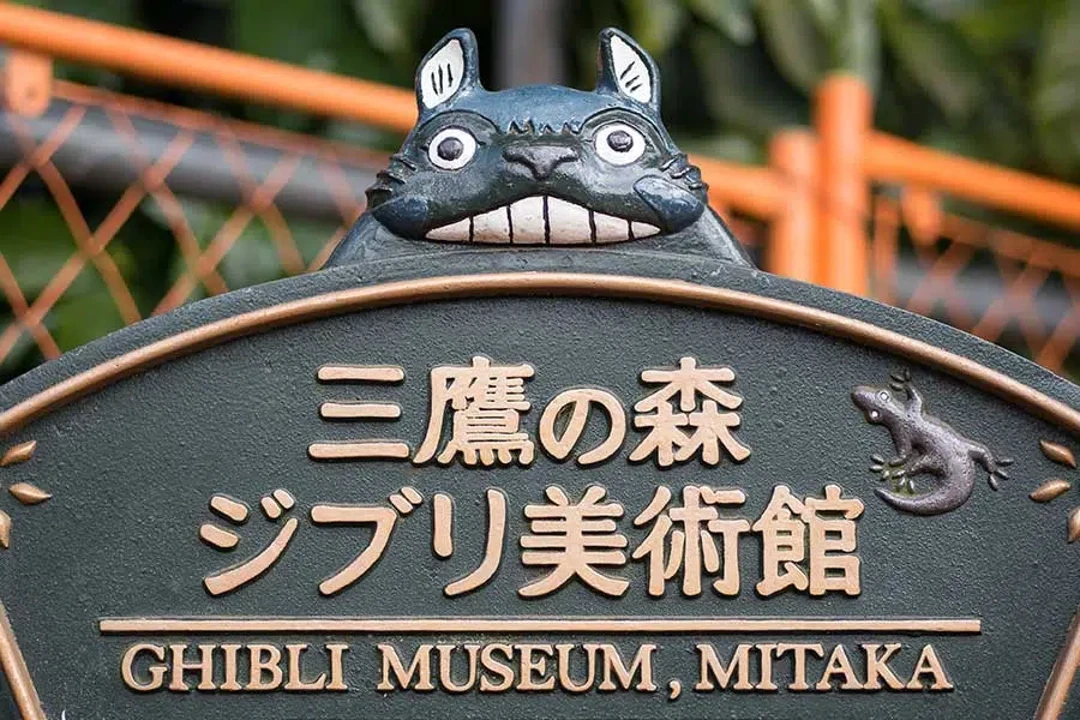
Ghibli Museum Tickets and Reservations
All admission is by advance reservation. The museum does not support a spontaneous walk-up plan, and popular dates can sell out.
Start with the official Ghibli Museum ticket page. Confirm the sales channel for your country, date and entry time, required visitor details, identification rules, and the way the reservation is exchanged or scanned.
For overseas online sales, tickets are currently released at 10 a.m. Japan Standard Time on the 10th of each month for the following month. Recheck the calendar and sales method before the release date because official procedures can change.
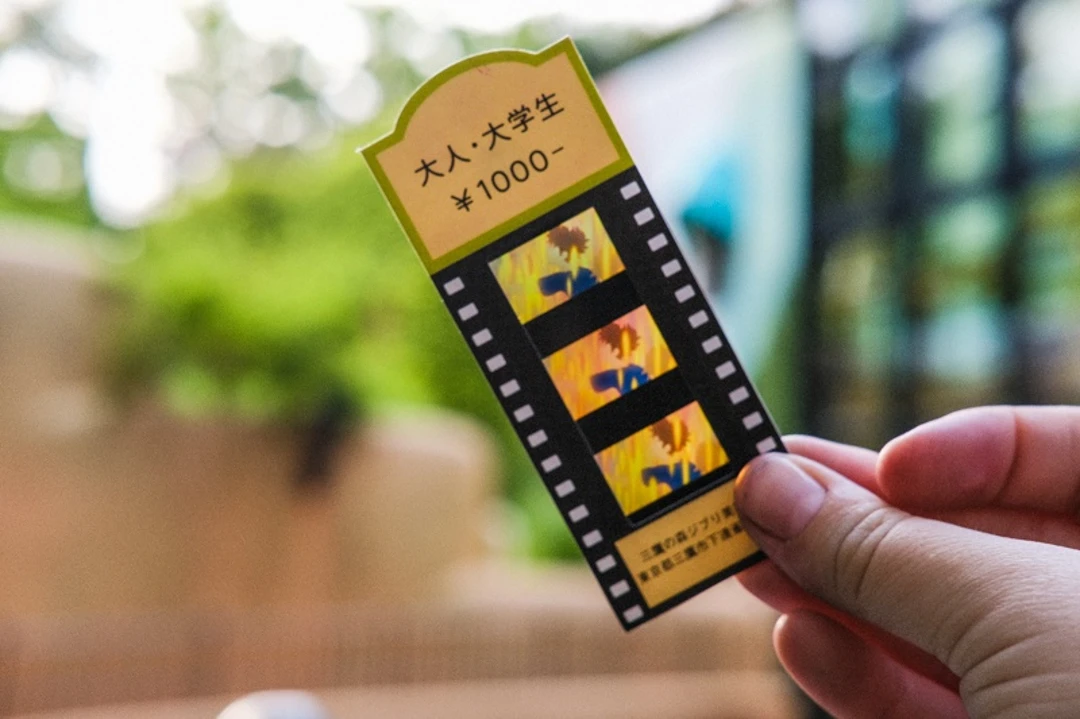
Choose the museum date first: Do not wait until every other Tokyo booking is fixed.
Enter names accurately: Match the details required by the sales channel and bring the specified identification.
Read cancellation rules: Tickets may have strict change, transfer, or refund conditions.
Check closure dates: Regular and maintenance closures can affect a short Tokyo visit.
Avoid resale offers: A listing outside an authorized channel may not be valid or transferable.
How to Get to the Ghibli Museum
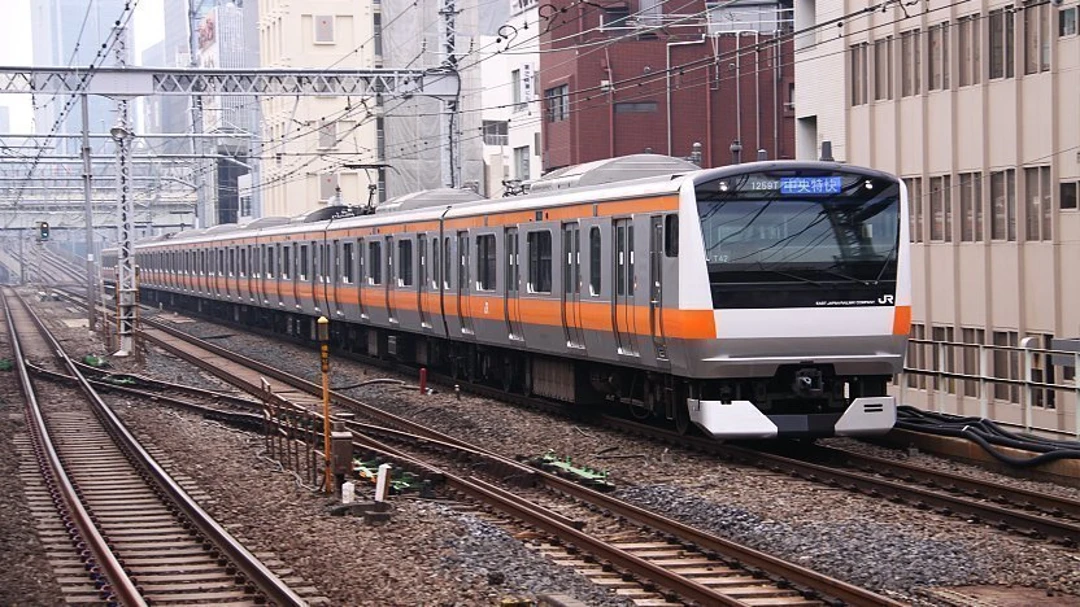
The museum is in Mitaka, west of central Tokyo, near Inokashira Park. A common route uses the JR Chuo Line from Shinjuku to Mitaka, followed by a walk or local bus.
A Japan eSIM can support live route checks, while the reservation should also be saved offline.
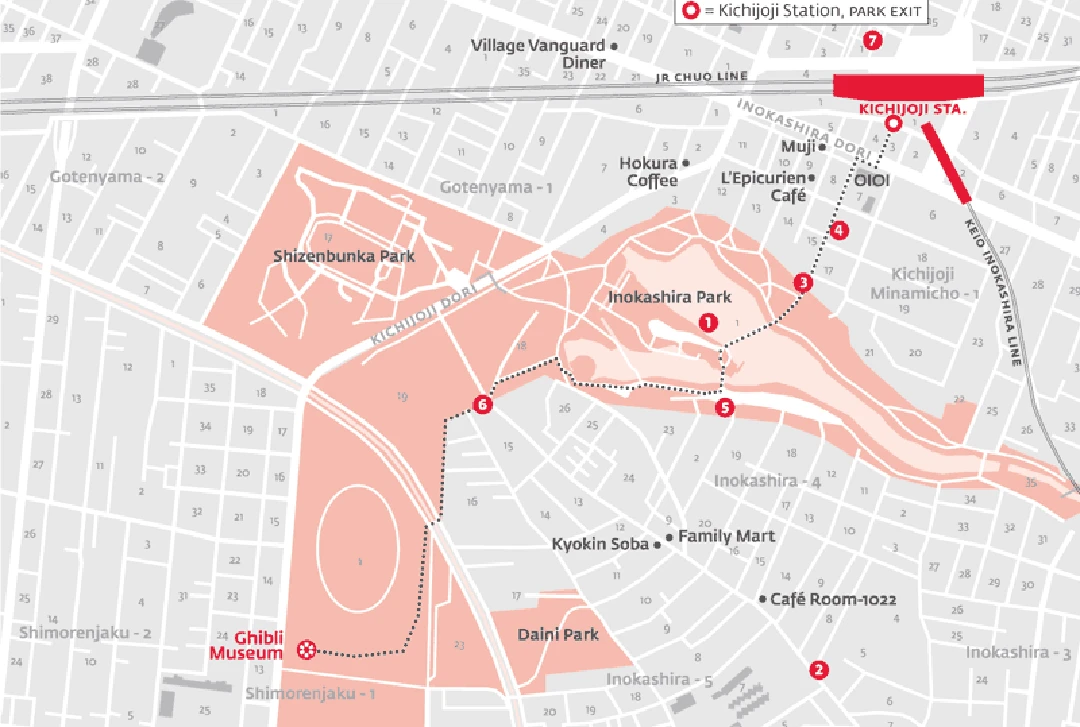
Build a West Tokyo Route
Group the museum with west-Tokyo neighborhoods rather than placing it between distant east-side attractions. Do not confuse this museum with Ghibli Park in Aichi Prefecture.
A guide to things to do in Tokyo can help keep the rest of the day geographically sensible.
Choose one nearby continuation rather than adding a second cross-city transfer after the museum.
Route choice | Best for | Pacing note |
|---|---|---|
Inokashira Park | A quiet walk | Stay near the museum |
Kichijoji | Food and shopping | Allow time for dinner |
Central Tokyo return | Evening reservations | Leave a rail buffer |
What to Expect Inside
The museum reveals how animation is imagined and made through rooms, architectural details, rotating material, and playful spaces. Exact displays can change, so treat these as experience types rather than a guaranteed exhibit checklist.
Animation and Creative-Process Displays
Rooms may present sketches, background art, story development, optical devices, and working-space details. Slow down for the small labels and visual sequences; the value is often in how individual drawings build movement and mood.
Saturn Theater Short Film
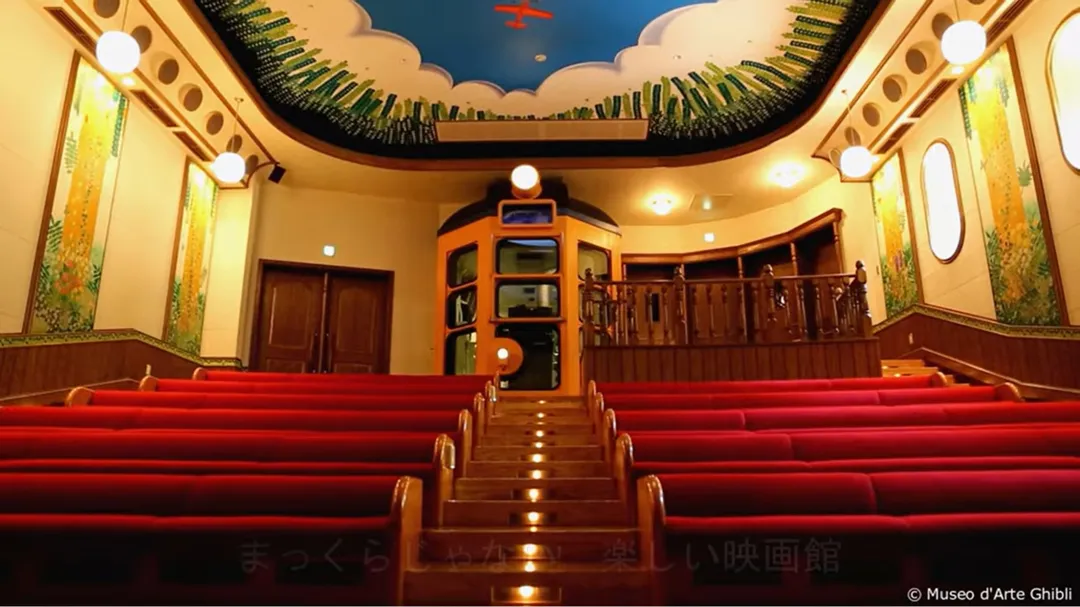
The museum's small theater screens original short films associated with Studio Ghibli. Check the screening information after entry and plan the visit around the time shown for your day.
Catbus and Family Areas
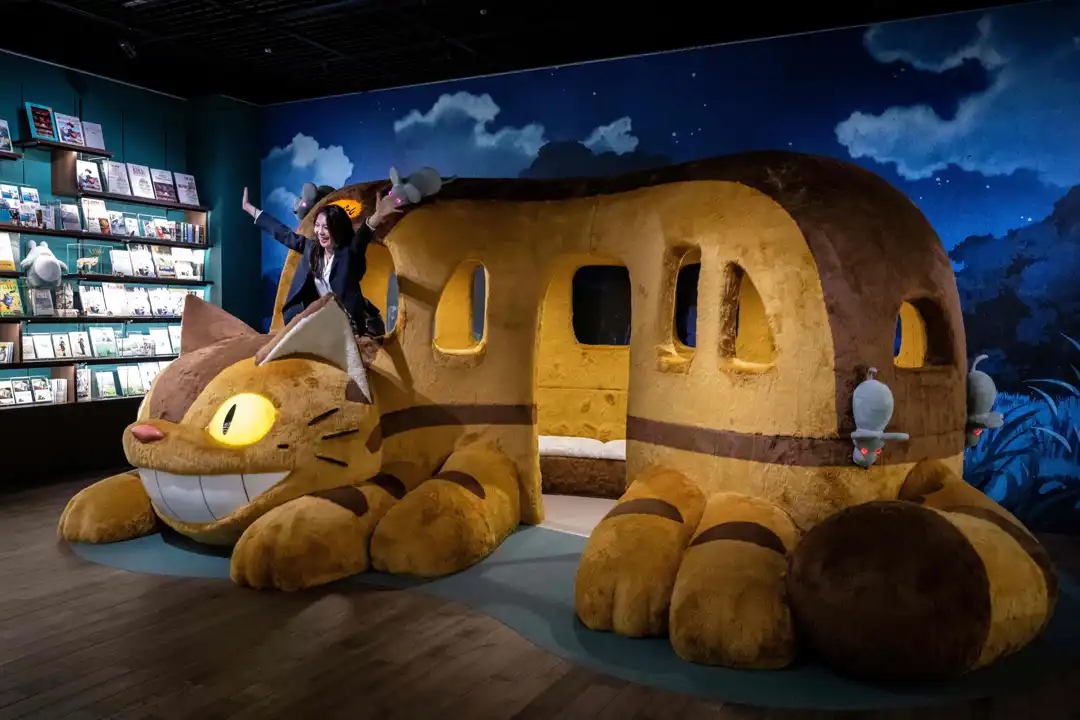
The Catbus is one of the best-known spaces, but access and play rules can be age-specific. Families should follow staff instructions and allow children to use the area without adults blocking or staging photographs.
Rooftop Garden and Robot Soldier
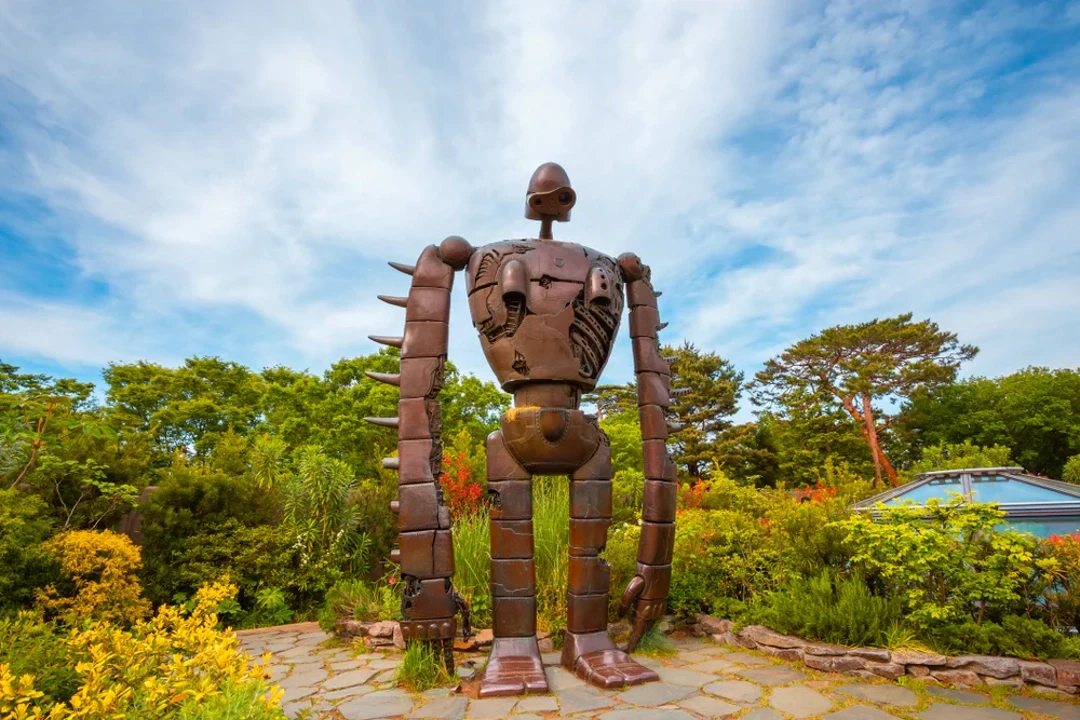
The rooftop garden provides an outdoor pause and the Robot Soldier from Castle in the Sky. Weather can affect how long this part of the visit feels comfortable.
Shop and Café
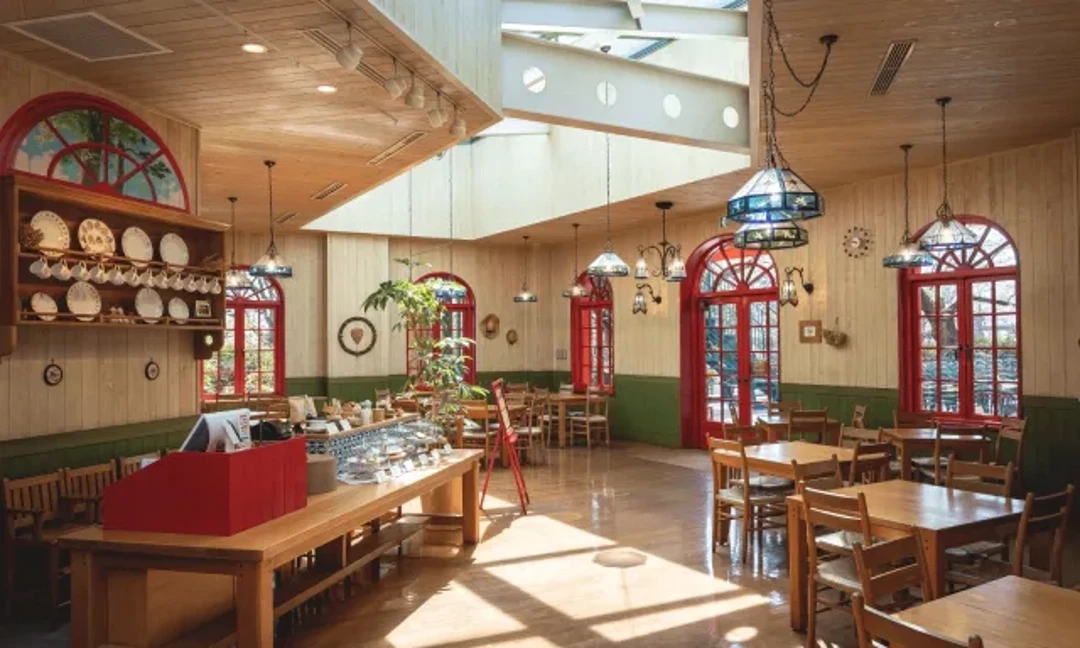
The shop and café can develop queues, especially around midday. Treat merchandise and food as optional parts of the visit rather than sacrificing the main galleries to a long line.
If you are choosing gifts elsewhere, a guide to souvenirs from Japan can help distinguish museum-exclusive items from products available widely.
Museum Rules and Visitor Etiquette
Photography and video are not allowed inside the museum. Outdoor photography may be possible in permitted areas, but follow signs and staff instructions. The no-camera rule protects the atmosphere and lets visitors discover the interior directly.
Arrive within the permitted entry window shown on the reservation.
Keep voices and phone use considerate in compact rooms.
Do not photograph indoor exhibits, the Catbus, or theater spaces.
Supervise children and follow age or capacity instructions.
Use lockers or staff guidance for bulky luggage.
A Practical Half-Day Plan
Leave central Tokyo with buffer for the JR ride and final walk or bus.
Arrive early enough to confirm the entrance and organize reservation documents.
Check the short-film information after entry.
Explore the main rooms before joining a café or shop queue.
Use the rooftop and outdoor areas as a slower final section.
Continue through Inokashira Park or return to a west-Tokyo neighborhood.
The pace of an Asian city trip can vary greatly depending on whether travelers focus on a single cultural attraction or explore a destination through a multi-day route.
The Ghibli Museum offers a relaxed half-day visit centered on animation craftsmanship, while a 5-day Singapore itinerary covers a broader mix of attractions, food, neighborhoods, and city experiences.
Choose Mitaka when the group prefers animation craft and a slower indoor visit, then keep the rest of the Tokyo day local.
Choosing the Season for a Wider Japan Trip
For a longer trip, the best time to visit Japan depends on the wider route. Mitaka works well in any season, but rain, heat, and early winter darkness can change how much time feels comfortable in Inokashira Park.
The museum remains the fixed indoor anchor; adjust only the outdoor time before or after it.
Conditions | Route adjustment |
|---|---|
Rain | Shorten the park walk |
Summer heat | Schedule outdoor time earlier |
Early winter sunset | Walk the park before entry |
Keeping Your Reservation and Route Accessible
An iRoamly travel eSIM can provide mobile connectivity for train updates, maps, and messages on the way to Mitaka. Keep the ticket confirmation, entry time, and essential directions saved offline as a backup.
A simple two-layer plan prevents a signal problem from becoming an admission problem.
Item | Online use | Offline backup |
|---|---|---|
Ticket | Open confirmation email | Saved file or screenshot |
Route | Live train updates | Saved station sequence |
Museum details | Check current notices | Written entry time |
FAQ
1. Can I buy Ghibli Museum tickets at the door?
No. Admission is by advance reservation, so use the official ticket instructions before visiting.
2. How long should I allow?
Many visitors use about two to three hours, but add transport time, a meal queue, and Inokashira Park if you want a relaxed half day.
3. Can I take photographs inside?
No. Indoor photography and video are prohibited; follow signs for any permitted outdoor areas.
4. Is the museum suitable for children?
Yes, but some interactive areas have age or capacity rules. Adults should follow staff guidance.
5. Is the Ghibli Museum the same as Ghibli Park?
No. The museum is in Mitaka, Tokyo, while Ghibli Park is in Aichi Prefecture.
6. What happens if my date sells out?
Choose another official date or adjust the itinerary. Avoid unauthorized resale listings because admission conditions can prevent transfer or use.
Conclusion
A successful Ghibli Museum visit begins with the reservation, not the exhibit list. Secure the official ticket, allow enough time for Mitaka, and expect a compact museum built around discovery and animation craft.
Respect the indoor photography rule, keep the route geographically simple, and leave room for the short film, rooftop, and small details that make the museum different from a conventional attraction.
With the ticket secured and a realistic half-day route, the museum can remain the focus without turning the rest of a Tokyo day into a rushed cross-city schedule.