
Visiting China is thrilling and learning how to navigate the visa process as a U.S. citizen is vital.
Whatever length of time you visit for, understanding visa requirements, visa types, and hacks can help your journey go better and be a little less stressful.
This step-by-step guide breaks down everything you need to know to obtain a Chinese visa and includes handy tips for making your life that little bit easier.
To make your trip even smoother, consider bringing along an iRoamly China travel eSIM for seamless connectivity while navigating the visa process and beyond.
Do Americans Require a Visa for China
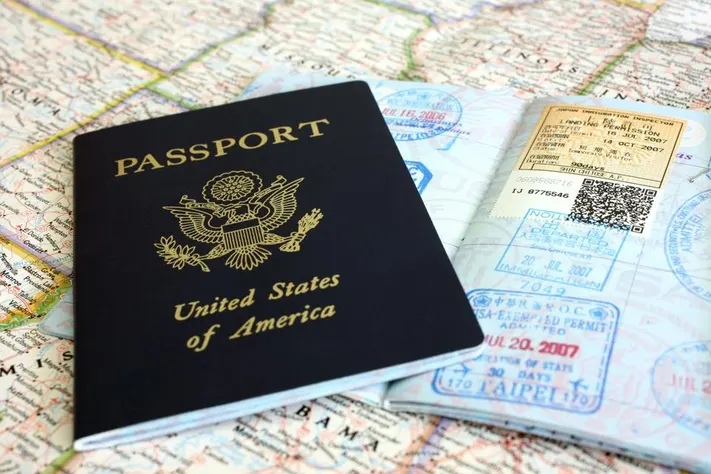
Yes, American citizens must have a visa for China.
Whether you intend on visiting the Great Wall, getting lost in the hustle and bustle of Shanghai, or seeing the Terracotta Warriors in Xi’an, you’ll need a visa before you go.
If your itinerary includes China’s major highlights, it’s essential to secure your visa beforehand.
But fear not! It’s actually quite simple once you know what to do. I’ll detail out the different types of visas, how to get one, and what you need to know to ensure you have a hassle-free visit to China.
Current planning note: Visa and visa-free transit rules can change quickly. Use this guide as a practical checklist, then confirm the final requirements with the Chinese Embassy, the Chinese Visa Application Service Center, or China’s National Immigration Administration before booking nonrefundable travel.
Types of China Visas for U.S. Citizens
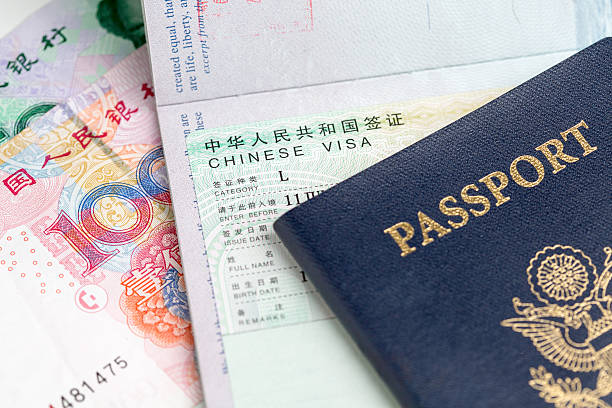
1. Tourist Visa (L Visa)
This type of visa is intended for tourists visiting China, for example, for sightseeing or cultural reasons. The L Visa usually allows for a stay of up to 60 days per entry.
2. Business Visa (M Visa)
For people who will be dealing with business and trade activities in China. An M Visa may be issued with a single or multiple entries. Normally, stays are for no more than 60 days.
3. Non-Commerce Visa (F Visa)
Intended for travelers involved/engaged in non-commercial activities, e.g. academic exchanges, cultural programs, or training. The F Visa is usually issued for short visits.
4. Work Visa (Z Visa)
For Those Seeking Employment in China. To be eligible, you need to have been offered a job and been granted an employment permit. This is usually a single-entry visa, and the holder will need to apply for a residence permit once they arrive for longer stays.
5. Student Visas (X1 and X2 Visas)
X1 Visa: For long-term studies (over 180 days). Upon arrival in China, you will need to apply for a residence permit.
X2 Visa: This is for those going to China to study for a period of 180 days or fewer. It’s typically a single entry visa.
6. Family Reunion Visas (Q1 and Q2 Visas)
Q1 Visa: Designed for family of Chinese nationals or foreigners with Chinese permanent residence, the Q1 visa is for those seeking a stay longer than 180 days. A residence permit is required within 30 days of arrival.
Q2 Visa: This is for visiting Chinese citizens or foreign relatives in China for a period of up to 180 days.
7. Private Affairs Visas (S1 and S2 Visas)
S1 Visa: This visa is for the family of people who are working or studying in China and are staying for more than 180 days. They need to apply for a residence permit once they arrive.
S2 Visa: This is for short visits (up to 180 days) to visit relatives already in China and also for personal matters.
8. Transit Visa (G Visa)
For those passing through China on the way to another country. G Visas are for short visits and the length will be based depending on the specific itinerary.
U.S. Citizens' Requirements for Chinese Visa
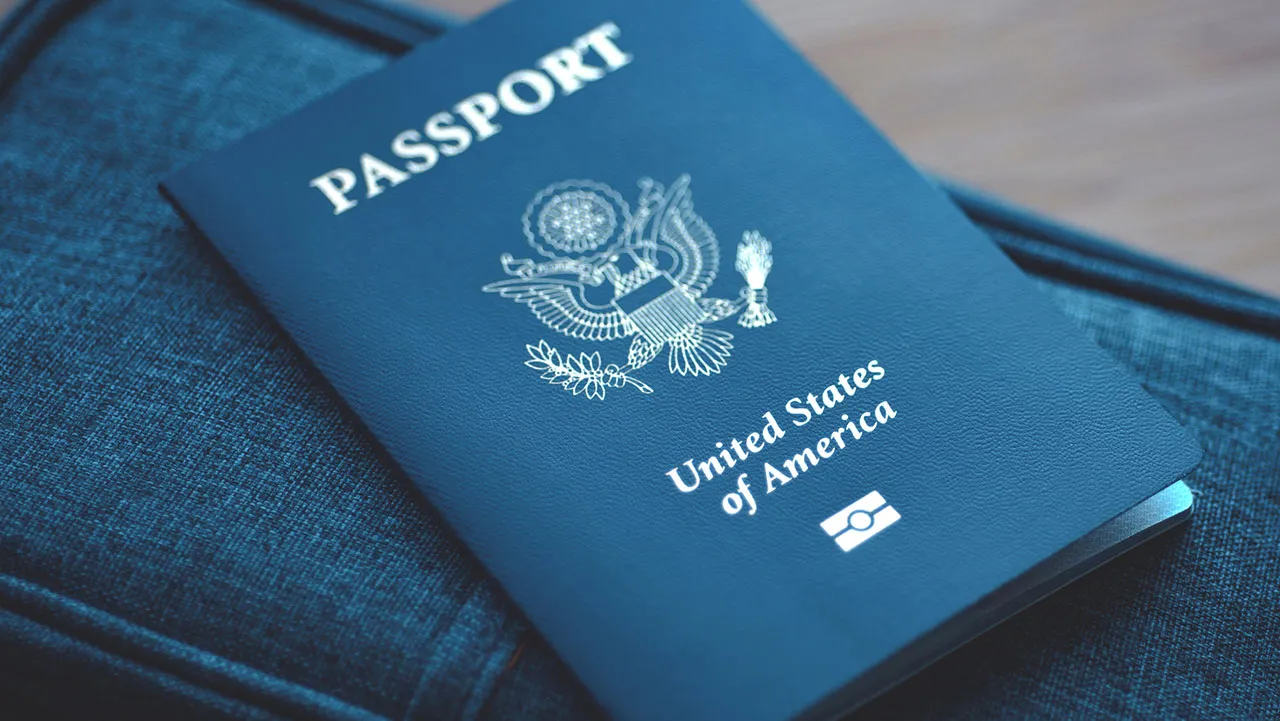
1. Valid Passport
Your passport must have at least 6 months’ validity and at least 2 blank visa pages. If you have an old, expired multi-year, multi-entry visa in another passport, that passport and visa must be submitted along with the new passport.
2. Photocopy of the Bio-Page of Your Passport
You will have to submit a clear photo/scan of the bio-page of your passport which includes your personal details.
3. COVA Visa Form
You’ll have to complete the COVA (Chinese Online Visa Application) form online. You can do so on the COVA website.
The COVA visa application form: COVA visa application form
4. Photocopy of Your Latest Chinese Visa or Residence Permit
If you have had a Chinese visa before, or you have an existing Chinese resident/work visa, you are required to provide a copy of the previous visa.
5. Proof of Residence in the U.S.
You need a photocopy of a document that proves you are a resident of the United States, such as a driver’s license, utility bill, or bank statement.
6. Where You Stay Form
This form must be filled out with your accommodations in China. Be sure to handwrite your signature, as it is a mandatory field on this form.
Since Jan 1, 2024, Chinese embassies in the U.S. no longer require flight tickets, hotel bookings, itineraries, or invitations for tourist visa applications.
7. Legal Residence Proof
If you do not have U.S. citizenship, submit a photocopy of your green card, U.S. visa, I-20, or I-94 to confirm your legal residency in the country.
8. If You Have Naturalized as a U.S. Citizen and Are of Chinese Ancestry
If you were a Chinese citizen in the past but this is your first time applying for a Chinese visa as an American citizen, you’ll be required to submit two photocopies of the info page of your Chinese passport and a copy of your naturalization certificate.
Additionally, you’ll have to turn in your most recent physical Chinese passport.
9. Special Requirements for Minors of Chinese Origin
You will need to follow a different set of rules for the visa application if you are a minor born in the U.S. and are of Chinese ancestry.
Minor applicants of Chinese origin may need extra documents; the minor visa rules explain the special cases.
For full visa details including the list of required documents,) check the China Embassy’s official website: China Embassy visa checklist.
China's Visa-Free Policy
1. 10-Day Visa-Free Transit
China extended its visa-free transit policy on December 17, 2024. Eligible travelers, including U.S. passport holders, may use the 240-hour transit policy when they hold valid travel documents and confirmed onward tickets to a third country or region.
The policy applies through designated ports and permitted stay areas, so the route matters as much as nationality. Do not book an open-ended China stopover and assume it qualifies; your entry port, exit destination, ticket sequence, and travel area must all fit the official rules.
Visa-free access to China depends on nationality, route, port, and stay area. The 240-hour transit notice is the official source for the expanded transit policy.
2. 24-Hour Visa-Free Transit at All Border Checkpoints
If you’re just connecting, U.S. citizens are eligible for the 24-hour visa-free transit rule. It works at all land border crossings with Mainland China.
You don’t need a visa if you are staying under 24 hours and stay in the airport, port, or train station during your stopover. But if you plan to go out of the station or airport, you need to get a temporary entry permit from the border police.
3. Visa-Free Entry to Hainan Province
Americans can currently enter Hainan Province without a visa for up to 30 days. You can use this visa exemption for tourism, business meetings, conferences, sporting events, and visiting relatives.
This policy does not apply to travelers going to work or school in China. If you wish to cross to get to mainland China, you will have to secure a visa or residence permit for all further travel.

4. Regional Visa-Free Entry for Tourist Groups
Tourist Groups from Hong Kong and Macau
Tourists entering China with tours to Guangdong and Hainan Provinces as a group through Hong Kong or Macau can stay for 144 hours without a visa.
This includes the Guangdong Province locations of Dongguan, Foshan, Guangzhou, and more, and the entire Hainan Province.
To qualify, tourists must first enter Hong Kong or Macau, then travel with a registered tour group from one of these regions.
Cruise Ship Tourists
If you’re cruising to China, you don’t need a visa to enter the country as long as the visit is brief.
This only applies to foreign tourist groups coming in through certain ports, such as Shanghai, Tianjin, Xiamen, and others.
These groups can remain in cities and provinces along the coast (as well as in Beijing) for up to 15 days as long as they arrive and depart on the same cruise ship.
Step-by-Step Application Checklist
For a standard tourist visa, organize the application in the same order an officer will review it. This reduces mistakes and makes it easier to spot missing documents before your appointment or mailing submission.
Choose the correct visa type: Most leisure travelers use the L visa, while business, study, work, and family visits require different categories.
Complete the COVA form carefully: Match names, passport numbers, dates, and previous China travel exactly to your documents.
Prepare passport and residency proof: Your passport should have at least six months of validity and blank visa pages, plus any U.S. residence proof requested by your consular jurisdiction.
Check jurisdiction: Submit through the embassy, consulate, or visa center responsible for your U.S. residence area.
Review before submission: Recheck signatures, photo quality, old Chinese visas, and minor-child documents if applicable.
Keep copies while traveling: Carry digital and paper copies of your passport, visa, hotel address, and emergency contacts.
After the visa is approved, finish practical travel setup too. China is highly mobile-payment oriented, so reviewing what currency China uses and how visitors pay can prevent problems on arrival.
Travel Tips for China
Whether you’re traveling to China on a U.S. passport or another nationality, you’re bound to have an incredible cultural experience — but there are some important things to know before you go.
For Americans going to China, here are some tips:
Pack for a Long Flight: Don’t forget to bring snacks, entertainment, and chargers for a long flight.
Learn Basic Chinese: Although English is widely spoken in major cities, having a few key words in Chinese (like “hello” and “thank you”) is always wise.
Get Copies of Your Important Documents: Scan your passport and visa and email them to yourself.
Bring Cash: Credit cards are becoming more accepted in larger cities but bring Chinese Yuan for smaller transactions.

Prepare for the Internet Censorship: Most Western websites are blocked in China. Install essential apps before departure and read up on the best VPN for China if you need access to services such as Gmail, Google Maps, WhatsApp, or Instagram.
Check Air Quality: Pollution problems exist in some cities so be sure to check and take precaution.
Follow Local Customs: Greet with a handshake or slight bow, and be mindful of your body language.
Pack the Right Clothing: Bring clothes that will allow you to dress in layers as China has varied weather.
FAQ
1. How long is my Chinese visa valid for?
The length of your Chinese visa will vary depending on the type you get but most tourist visas are good for 30 to 90 days. Some visas offer multiple entries.
2. What happens if I overstay my Chinese visa?
Getting caught with an expired visa can result in a fine, detention, and deportation, and you may be banned from returning to China for a specific amount of time. Don’t overstay your visa.
3. What is the processing time for a Chinese visa?
Visa processing can take around 4-5 business days in many cases, but timing depends on consular workload, document completeness, holidays, and whether expedited service is available. Start early if your trip includes peak travel periods or multiple passports in one family.
4. Can U.S. citizens use China’s 240-hour visa-free transit?
Yes, U.S. citizens may be eligible when they are transiting through China to a third country or region, hold confirmed onward tickets, enter through eligible ports, and stay within permitted areas. It is not a substitute for a normal tourist visa if China is your only destination.
5. Do I need flight and hotel bookings for a tourist visa?
Chinese visa document rules for U.S. applicants have changed in recent years, and some tourist applications no longer require the same itinerary proof as before. Always follow the current checklist from the embassy or visa center serving your jurisdiction.
Conclusion
With the right information and preparation, getting a Chinese visa and visiting the country doesn’t have to be that difficult.
By following these recommendations and suggestions, though, you’ll have a smooth trip and be able to enjoy the wonderful culture, history, and scenery this incredible country has to offer.
Safe travels!