
China has some of the oldest and most distinctive dog breeds in the world. From the fluffy Chow Chow to the regal Shih Tzu, Chinese dog breeds have deep histories, recognizable looks, and very different care needs.
Many of these breeds were royal companions, temple guardians, working dogs, or symbols of loyalty, luck, and protection. Others became beloved household pets far beyond China.
Whether you are thinking of adopting one of these breeds or simply love learning about dogs, this guide will help you compare their temperaments, grooming needs, health concerns, and best owner fit.
If you are traveling in China to explore historic neighborhoods, palace sites, or regional culture connected with these breeds, mobile maps and translation apps are easier to use with a practical China travel eSIM.
Quick Comparison of Chinese Dog Breeds
Chinese dog breeds are not all alike. Some are toy companions suited to apartments, while others are powerful guardians that need experienced owners, space, and consistent training. Use this table as a first filter before reading the breed details.
Breed | Typical Size | Personality | Best Fit |
|---|---|---|---|
Chow Chow | Medium | Independent, loyal, reserved | Experienced owners who can train early |
Shih Tzu | Toy | Affectionate, social, indoor-friendly | Apartments, companionship, gentle families |
Pekingese | Toy | Confident, loyal, stubborn | Quiet homes and owners comfortable with grooming |
Chinese Crested | Toy to small | Playful, affectionate, sensitive | Indoor companionship and attentive skin or coat care |
Tibetan Mastiff | Giant | Protective, strong-willed, territorial | Experienced owners with space and training commitment |
Lhasa Apso | Small | Watchful, clever, independent | Apartment living with regular grooming and training |
Shar-Pei | Medium | Calm, devoted, protective | Owners prepared for skin-fold care and socialization |
Pug | Toy | Friendly, comic, people-focused | Indoor homes that can manage heat and breathing risks |
Kunming Wolfdog | Large | Alert, intelligent, active | Working-dog handlers and highly active owners |
Top Chinese Dog Breeds You Should Know
1. Chow Chow
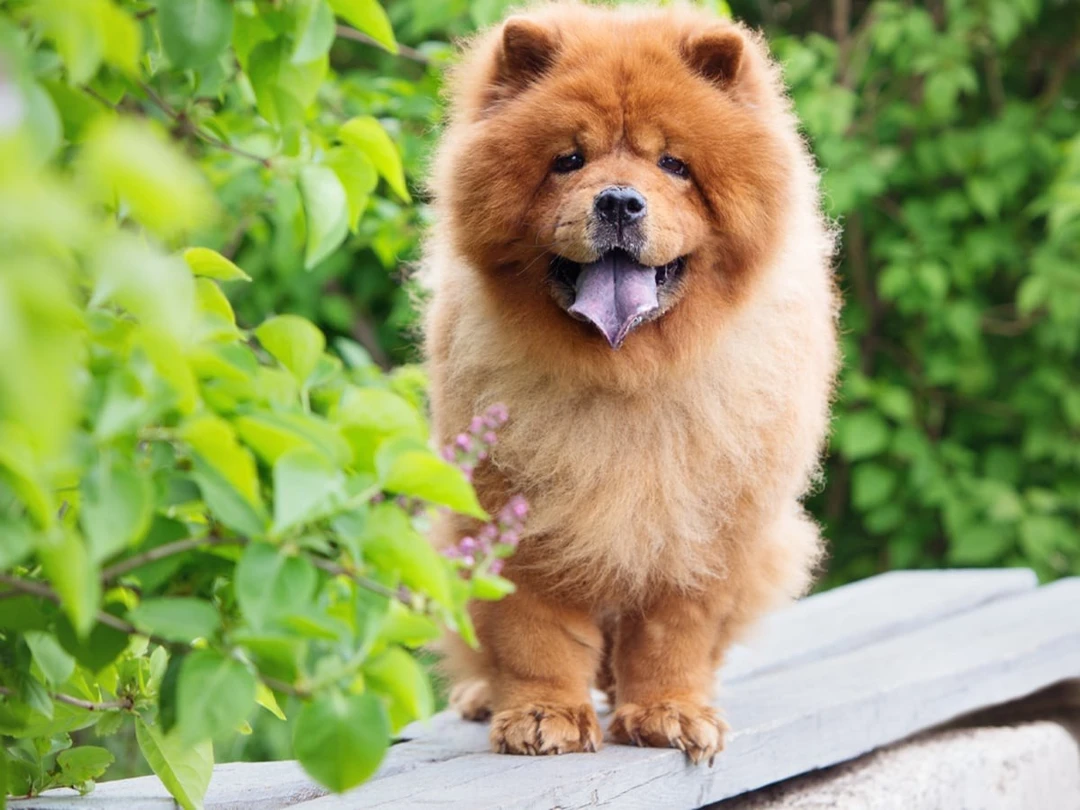
The Chow Chow is one of the most recognizable Chinese dog breeds, with a lion-like coat, sturdy body, curled tail, and famous blue-black tongue. It often bonds deeply with its household but may remain reserved around strangers.
Origin: An ancient breed from northern China, historically used for guarding, hunting, and general working roles.
Appearance: Dense coat, broad head, curled tail, and blue-black tongue.
Temperament: Loyal, independent, dignified, and sometimes aloof.
Common Health Issues: Hip dysplasia, entropion, thyroid problems, and heat sensitivity in thick-coated dogs.
Average Lifespan: Often around 9-15 years, depending on genetics, weight, and care.
Owner fit: Chow Chows are best for owners who respect an independent dog and start socialization early. They are not usually the easiest first dog for a busy household with many visitors.
2. Shih Tzu
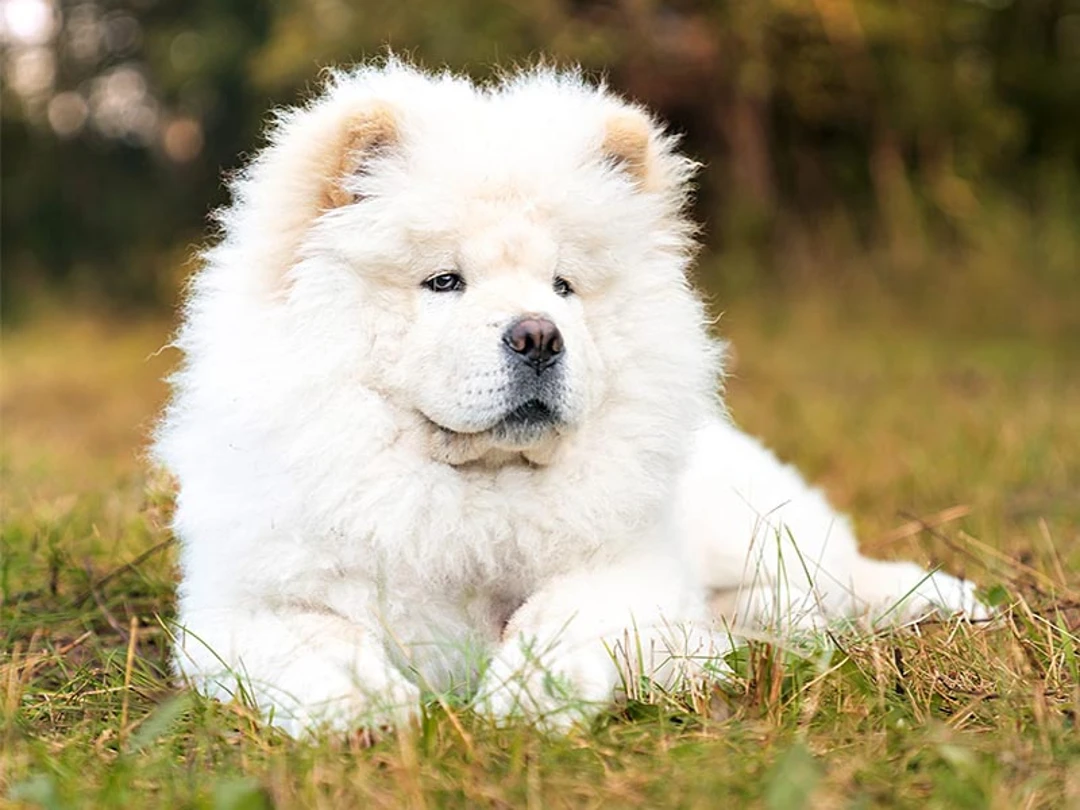
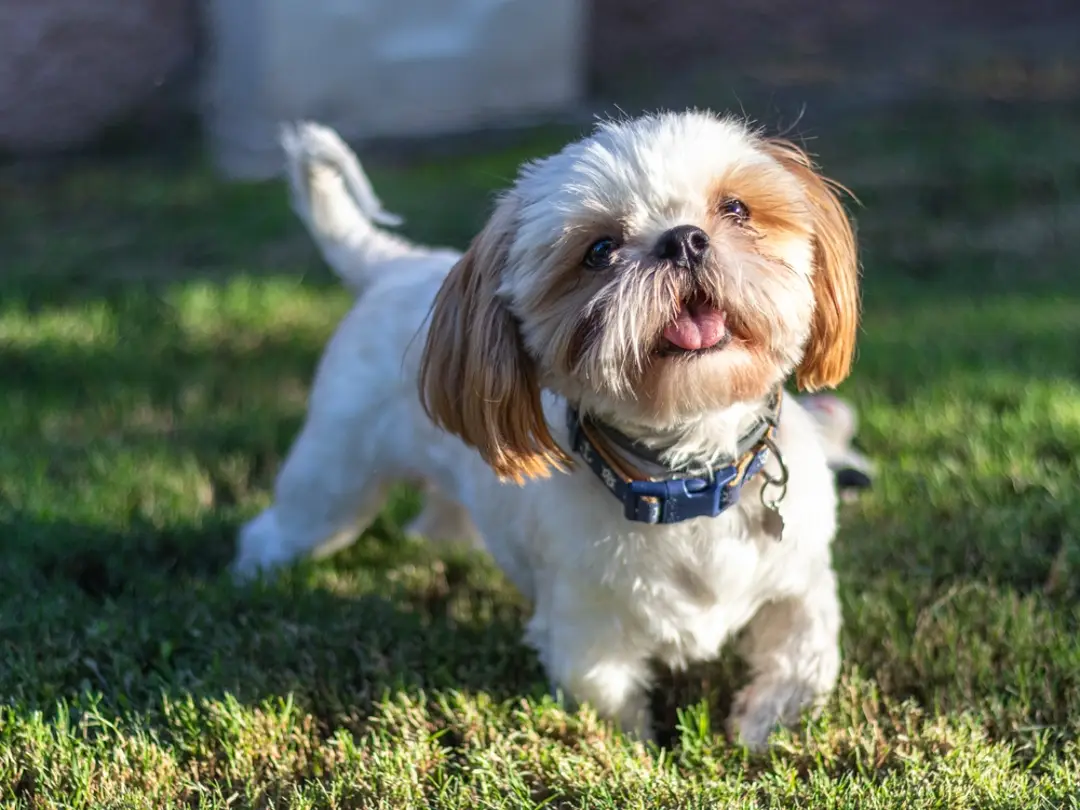
The Shih Tzu is a small companion breed associated with Chinese nobility and the “lion dog” image. It is popular because it is affectionate, adaptable, and well suited to indoor life.
Origin: Developed as a treasured companion for Chinese nobility, with roots connected to Tibetan and Chinese court dogs.
Appearance: Small, sturdy body, long double coat, round face, and short muzzle.
Temperament: Friendly, affectionate, playful, and people-oriented.
Common Health Issues: Brachycephalic airway concerns, eye problems, dental issues, and hip dysplasia.
Average Lifespan: Commonly about 10-16 years.
Care note: Shih Tzus need regular grooming, face cleaning, dental care, and careful heat management. Their small size does not mean zero maintenance.
3. Pekingese
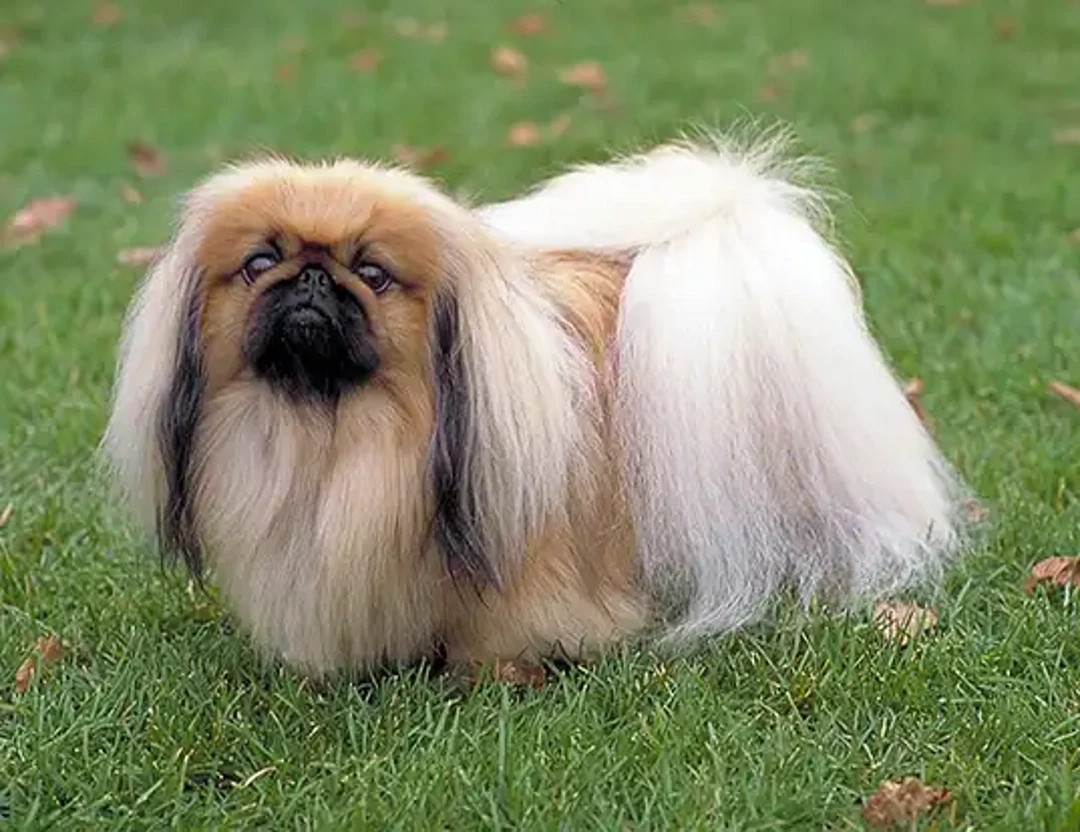
The Pekingese is a compact, confident toy breed with a strong connection to imperial China. Its long coat and flat face make it instantly recognizable, but those same features require attentive care.
Origin: Favored by the imperial household and closely associated with palace life.
Appearance: Small, low-set body, long mane, flat face, and confident expression.
Temperament: Loyal, calm, proud, and sometimes stubborn.
Common Health Issues: Breathing difficulty, eye disorders, spinal problems, and heat intolerance.
Average Lifespan: Often around 12-14 years.
Owner fit: Pekingese suit quieter homes and owners who can handle daily grooming and gentle exercise. They may not enjoy rough play from very young children.
4. Chinese Crested
The Chinese Crested is unusual because it comes in two coat types: Hairless and Powderpuff. Both types are affectionate companion dogs, but their care needs are different.
Origin: Often linked with Chinese trading ships, where small dogs were used as ratters and companions.
Appearance: Hairless dogs have hair mainly on the head, feet, and tail; Powderpuffs have a soft full coat.
Temperament: Playful, affectionate, alert, and sensitive.
Common Health Issues: Skin problems in Hairless dogs, dental issues, patellar luxation, and eye concerns.
Average Lifespan: Often around 13-18 years.
Care note: Hairless dogs need sun protection, skin care, and cold-weather clothing. Powderpuffs need coat brushing to prevent tangles.
5. Tibetan Mastiff
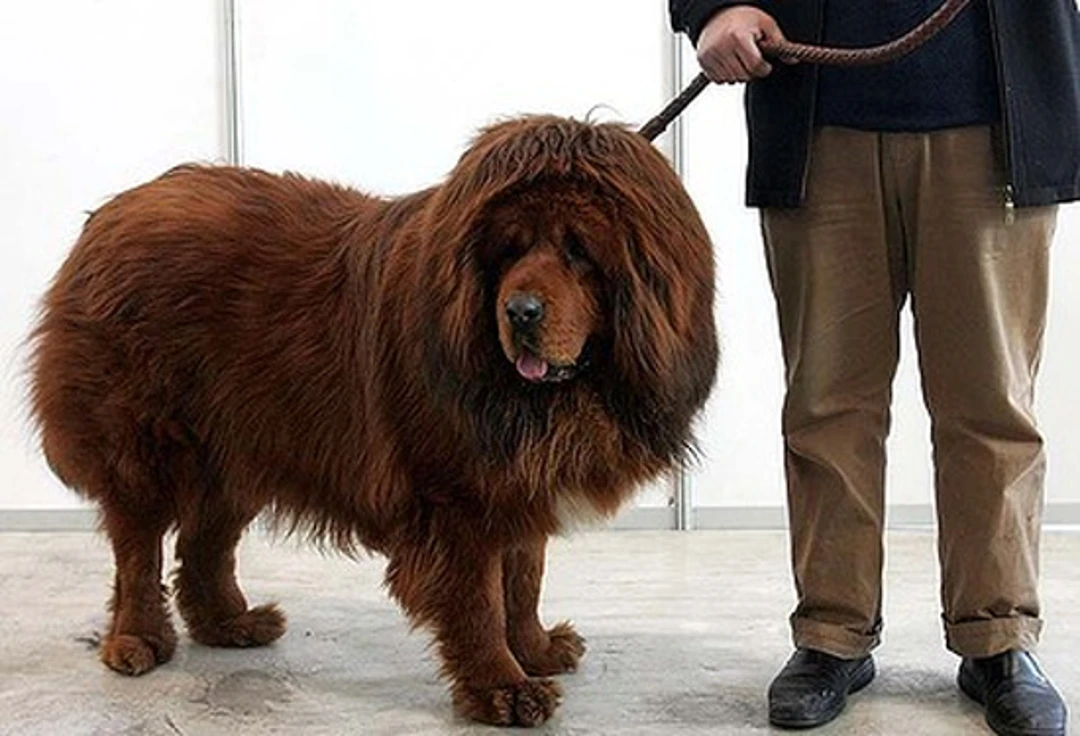
The Tibetan Mastiff is a powerful guardian breed associated with the Himalayan region. It is impressive, protective, and independent, but it is not a casual apartment pet.
Origin: Guardian dog used by Tibetan communities and monasteries to protect livestock and property.
Appearance: Large body, heavy bone, thick double coat, and imposing presence.
Temperament: Protective, strong-willed, territorial, and often wary of strangers.
Common Health Issues: Hip dysplasia, hypothyroidism, elbow issues, and bloat risk.
Average Lifespan: Often around 10-14 years.
Owner fit: Tibetan Mastiffs need experienced owners, secure space, early training, and realistic expectations. Their guarding instincts can become difficult without structure.
6. Lhasa Apso
The Lhasa Apso is a small but confident watchdog-style companion. It was developed around Tibetan monasteries and is known for alertness, loyalty, and a long flowing coat.
Origin: Developed in Tibet as an indoor sentinel dog for monasteries and homes.
Appearance: Small body, long coat, expressive eyes, and sturdy build.
Temperament: Loyal, watchful, clever, and independent.
Common Health Issues: Eye problems, skin allergies, kidney issues, and orthopedic concerns.
Average Lifespan: Often around 12-15 years.
Care note: A full coat requires serious grooming. Many pet owners choose a shorter “puppy cut” to make daily care easier.
7. Shar-Pei
The Shar-Pei is famous for its wrinkled skin, small ears, and blue-black tongue. Historically, it was used for guarding and farm work in southern China, and modern owners value its calm loyalty.
Origin: Southern China, where the breed was used for guarding, hunting, and farm protection.
Appearance: Wrinkled skin, broad muzzle, small ears, and a short bristly coat.
Temperament: Devoted, calm, protective, and sometimes suspicious of unfamiliar people or dogs.
Common Health Issues: Skin-fold infections, ear problems, eye issues, allergies, and Shar-Pei fever in some lines.
Average Lifespan: Often around 8-12 years.
Owner fit: Shar-Pei can be deeply loyal, but they need careful socialization and owners prepared for skin and ear care. Choose breeders or rescues that discuss health history openly.
8. Pug
The Pug is widely associated with Chinese imperial companionship and later became popular around the world. It is cheerful and people-focused, but its flat face requires responsible care.
Origin: An ancient companion breed with strong historical links to China and elite households.
Appearance: Compact body, curled tail, large eyes, short muzzle, and expressive face.
Temperament: Friendly, comic, affectionate, and often good with families.
Common Health Issues: Breathing problems, heat intolerance, eye injuries, dental crowding, and weight gain.
Average Lifespan: Often around 12-15 years.
Care note: Pugs need weight control, gentle exercise, wrinkle cleaning, and protection from heat. Avoid strenuous activity in hot weather.
9. Kunming Wolfdog
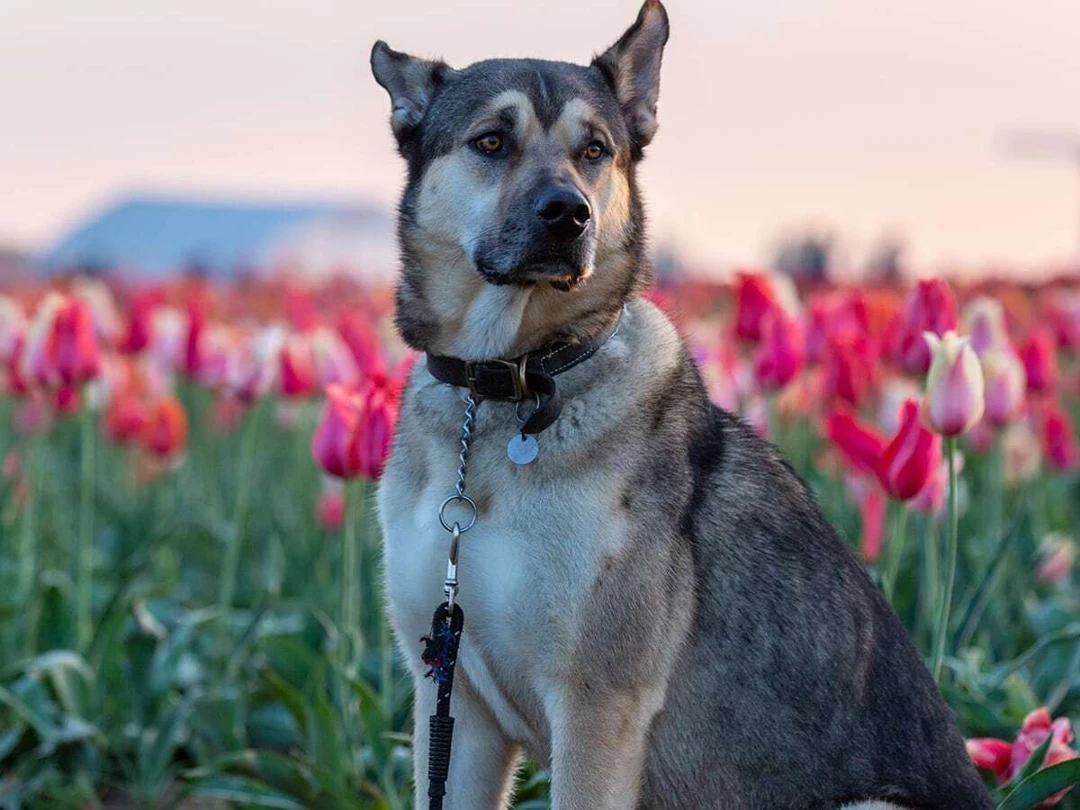
The Kunming Wolfdog is a modern Chinese working dog that resembles a German Shepherd and is known for intelligence, stamina, and trainability. It is not as common internationally as toy companion breeds.
Origin: Developed in China in the 1950s and used in military, police, and search-related work.
Appearance: Athletic body, upright ears, strong frame, and shepherd-like outline.
Temperament: Intelligent, alert, obedient with training, and protective.
Common Health Issues: Hip dysplasia, bloat risk, and joint stress in active dogs.
Average Lifespan: Often around 12-14 years.
Owner fit: This breed suits handlers who can provide exercise, training, structure, and work-style mental stimulation. It is usually too intense for low-activity homes.
Why Chinese Dog Breeds Stand Out
1. Rich History
Chinese dog breeds are connected with royal courts, monasteries, working farms, trade routes, and guardian traditions. Some breeds were kept as companions, while others protected homes, livestock, or property.
Dogs also appear in wider Chinese symbolism. The Dog is one of the twelve animals in the zodiac cycle, which is often discussed during Chinese New Year traditions and family celebrations.
2. Unique Traits
From the lion-like look of the Chow Chow to the elegant coat of the Shih Tzu, many Chinese breeds are visually distinctive. Blue-black tongues, flat faces, heavy coats, wrinkles, and flowing hair all appear across different breeds.
3. Loyal and Protective
Many Chinese dog breeds are loyal and family-oriented, but “protective” does not always mean easy. Guardian-type dogs such as the Chow Chow, Shar-Pei, Tibetan Mastiff, and Kunming Wolfdog need early socialization so protectiveness does not become fear, reactivity, or territorial behavior.
For readers interested in the cultural side of the topic, broader facts about China can help explain why animal symbolism, imperial history, and regional identity often overlap in Chinese cultural stories.
Detailed Health and Care Guidelines
1. Breeding and Genetics Shape Long-Term Health
Regular vet visits are essential, but health starts before a dog comes home. Responsible breeders screen for breed-related risks, and reputable rescues should share known medical and behavior history when possible.
Ask about hip and elbow health in larger breeds, eye checks in flat-faced or wrinkle-prone breeds, breathing risks in brachycephalic breeds, and skin issues in Shar-Pei or Chinese Crested dogs.
2. Proper Nutrition Protects Joints, Breathing, and Energy
High-quality food should match the dog’s size, age, activity level, and health needs. Weight control is especially important for Pugs, Shih Tzus, Pekingese, and other flat-faced breeds because excess weight can make breathing and joint problems worse.
Large guardian breeds need controlled growth as puppies to reduce stress on developing joints. Avoid overfeeding and ask a vet about body condition rather than judging by coat thickness alone.

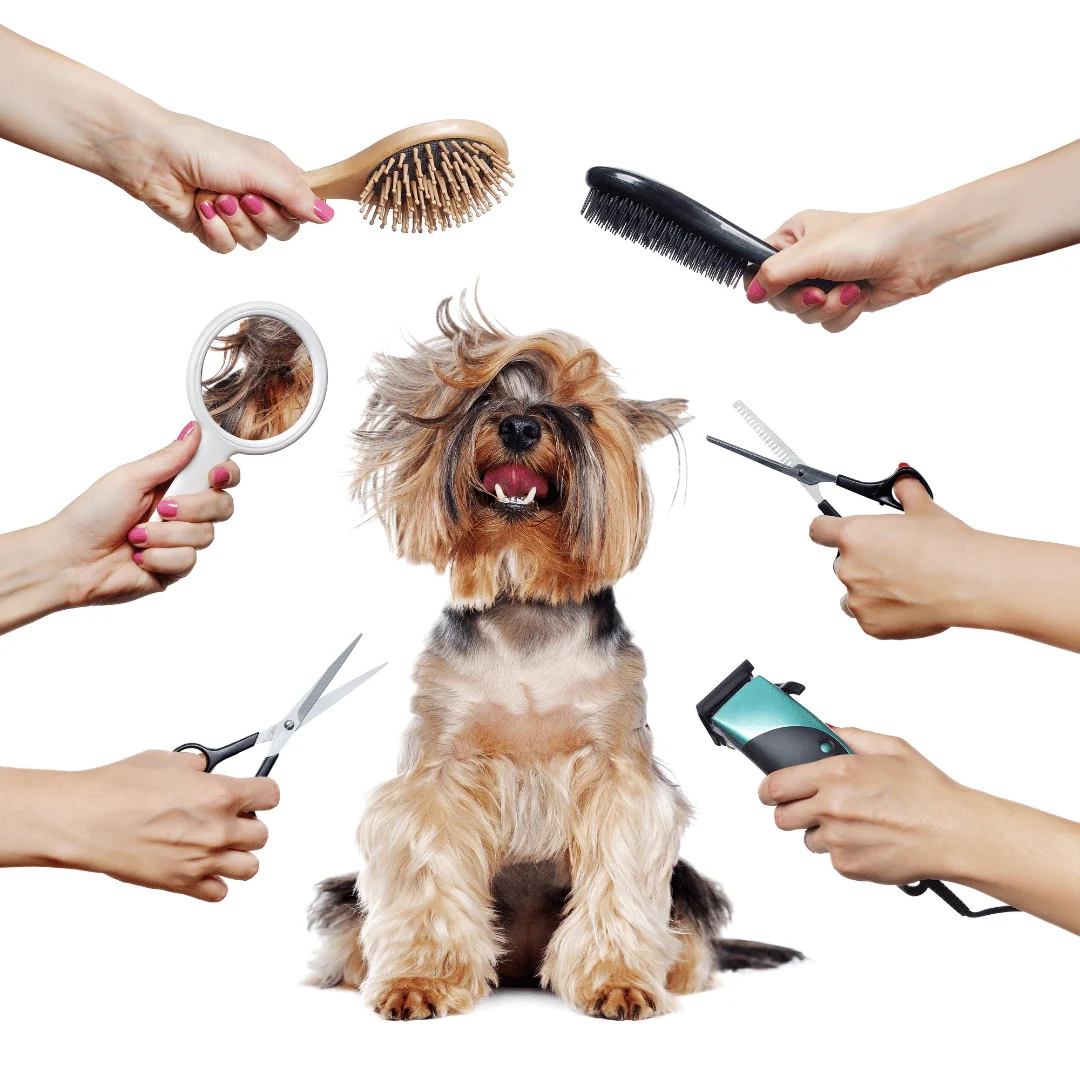
3. Grooming Is Health Care, Not Just Appearance
In breeds like the Pekingese, Shih Tzu, and Lhasa Apso, grooming prevents mats, skin irritation, eye discharge buildup, and discomfort. Thick-coated breeds such as the Chow Chow and Tibetan Mastiff need seasonal coat maintenance.
Wrinkled breeds such as the Shar-Pei need careful fold checks, while Hairless Chinese Cresteds need sun protection and skin care. Grooming is also a chance to inspect ears, teeth, nails, eyes, and skin changes.
4. Training and Mental Enrichment Matter
Interactive toys, short training sessions, scent games, and calm social exposure help keep Chinese dog breeds mentally balanced. Independent breeds may not respond well to harsh correction, but they often improve with patient, reward-based consistency.
Start early with handling practice, grooming practice, leash manners, and controlled introductions to people and other dogs. This is especially important for protective breeds.
5. Heat and Breathing Risks Need Attention
Flat-faced breeds such as the Shih Tzu, Pekingese, and Pug can struggle in heat or during intense exercise. Heavy-coated dogs such as Chow Chows and Tibetan Mastiffs may also overheat quickly in warm climates.
Plan walks for cooler hours, provide shade and water, avoid strenuous play in hot weather, and talk to a vet if a dog snores heavily, tires quickly, coughs, or has noisy breathing.
How to Choose the Right Chinese Dog Breed
The best breed is not the rarest or most dramatic one. It is the dog whose needs fit your home, schedule, budget, and experience level.
For apartments: Shih Tzu, Pekingese, Lhasa Apso, Chinese Crested, and Pug are more realistic than giant guardians, provided daily walks and grooming are handled.
For first-time owners: Shih Tzu or Pug may be easier than Chow Chow, Shar-Pei, Tibetan Mastiff, or Kunming Wolfdog, though health research is still essential.
For families with children: Look for a stable individual temperament and teach gentle handling. Small breeds can be injured by rough play.
For active working-dog homes: Kunming Wolfdogs need serious training and exercise; they are not a casual choice.
For allergy-sensitive homes: No dog is truly allergen-free, but some people tolerate Shih Tzus, Lhasa Apsos, or Chinese Cresteds better. Spend time with the breed before deciding.
Adoption, breed rescue, and responsible breeders are all possible paths. Avoid sellers who will not discuss health testing, living conditions, socialization, or return policies.
FAQ
1. What dog breed from China is considered good with children?
Shih Tzus and Pugs are often good family companions, and some Pekingese can do well in calm homes. With very young children, supervision is important because small dogs can be injured by rough handling.
2. Are Chinese dog breeds easy to train?
It depends on the breed. Kunming Wolfdogs can be highly trainable but need experienced handling, while Chow Chows, Shar-Pei, Lhasa Apsos, and Pekingese may be independent. Positive, consistent training works best.
3. Which Chinese dog breeds need the most grooming?
Shih Tzus, Pekingese, Lhasa Apsos, Chow Chows, and Tibetan Mastiffs need regular coat maintenance. Chinese Cresteds need either skin care for the Hairless type or brushing for the Powderpuff type.
4. Are Chinese dog breeds healthy?
Some are long-lived, but many have breed-specific risks. Flat-faced breeds may have breathing and heat issues, Shar-Pei may need skin and ear care, and large breeds may face joint problems. Responsible sourcing and regular veterinary care matter.
Conclusion
Chinese dog breeds can bring history, charm, loyalty, and personality into a home, but each breed has its own temperament, grooming needs, and health risks.
Small companion breeds may suit apartment life, while guardian and working breeds need experienced handling, structure, and space.
By comparing their needs honestly before choosing, you can find a Chinese dog breed that fits your lifestyle rather than falling only for appearance or history.