
Choosing the best airline to fly to Japan means balancing comfort, price, and convenience. On a long flight, your seat matters—but so do the hours spent connecting and how easily you can reach your hotel after landing.
Japan Airlines and ANA are natural starting points, though a convenient nonstop flight with another airline or a lower-cost ZIPAIR ticket may suit your trip better. The strongest choice depends on your departure city, the cabin you are booking, and which benefits are worth paying extra for.
This comparison focuses mainly on long-haul economy travel, with guidance on upgrades where they make a meaningful difference. Start with the airlines that serve a practical route, then compare what you will actually get for your money.

Which Airline Should You Choose?
For travelers prioritizing economy comfort, Japan Airlines is our first airline to check, particularly when the flight offers its eight-across SKY WIDER 787 cabin. ANA belongs alongside it on the shortlist, while ZIPAIR is worth comparing when reducing the total fare matters most.
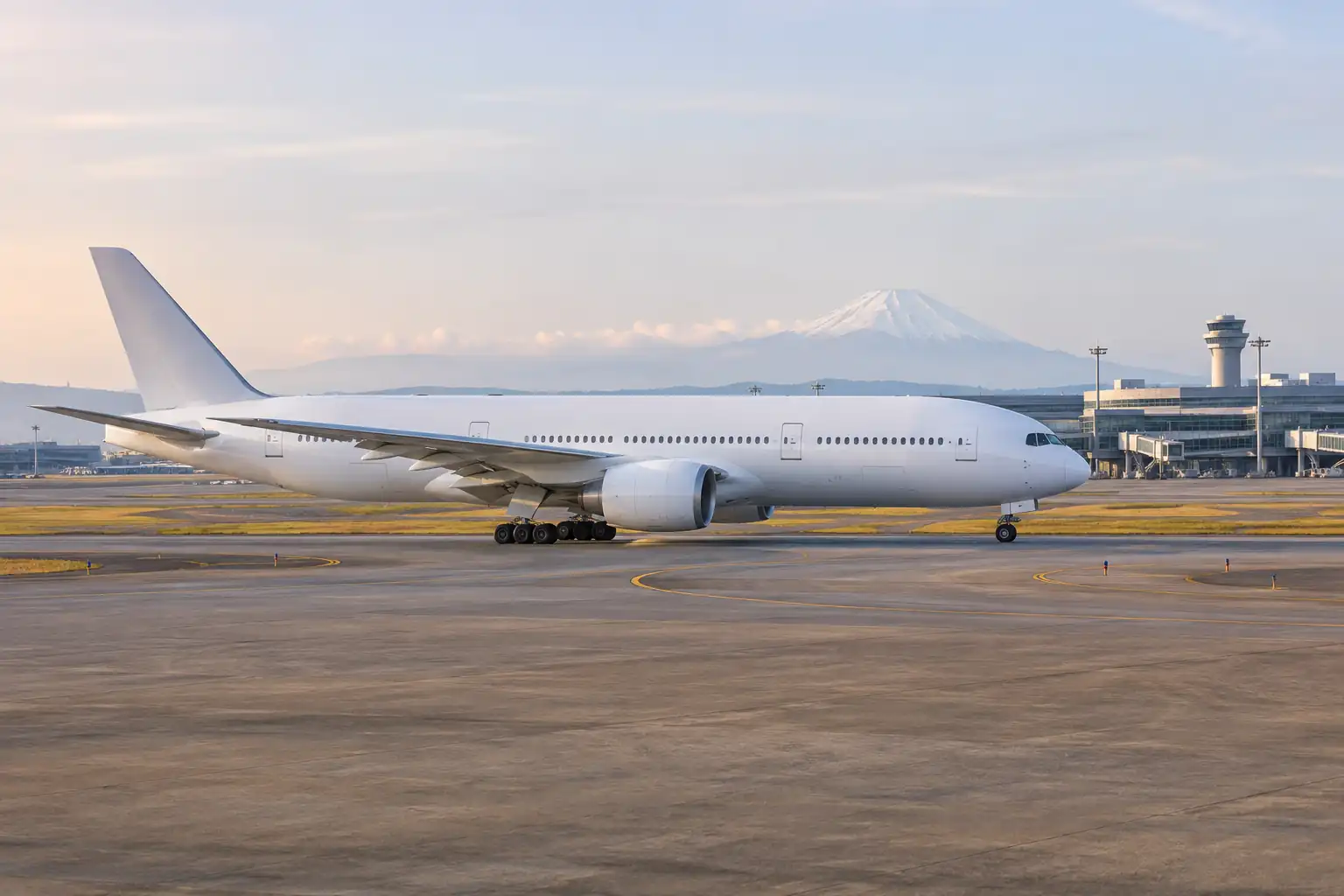
That recommendation changes when the journey becomes less convenient. A nonstop flight with United, Delta, or American may be a better purchase than connecting solely to reach a preferred Japanese carrier.
Airline | Most Worth Considering For | Main Reason to Choose It | Main Trade-Off |
|---|---|---|---|
Japan Airlines | Economy travelers who value personal space | Wider seating on its SKY WIDER 787 configuration | The advantage depends on the aircraft and fare difference |
ANA | Travelers comparing a Japanese full-service option | A competitive alternative when its seat, schedule, and connections fit | Economy configurations vary |
United Airlines | Travelers connecting from within the US | An itinerary combining its network with ANA’s | Convenience does not automatically mean a better long-haul seat |
Delta Air Lines | Travelers with a convenient Delta departure | A suitable nonstop flight or worthwhile cabin upgrade | Compare the specific cabin rather than the airline name alone |
American Airlines | Travelers whose route or loyalty benefits favor American | Its network and partnership with JAL | The marketing airline may differ from the operating airline |
ZIPAIR | Travelers focused on keeping costs down | An unbundled fare that lets you choose paid extras | Meals, checked bags, and seat selection add to the price |
The table is a starting point rather than a universal ranking. Once you have two or three realistic flights, compare the long-haul seat, total journey time, and final price.
Six Airlines Worth Comparing for Japan
Each airline below can be a sensible choice under the right conditions. The useful question is what it improves about your particular journey—and what you give up in return.
Japan Airlines for Economy Seat Comfort
JAL is especially appealing if you want more personal space without paying for premium economy. On its JAL SKY SUITE 787 aircraft, SKY WIDER economy uses a 2-4-2 layout, with approximately 48 cm of width between the armrests and 84 cm of seat pitch. Individual seats may vary.
The paired window seats are a practical advantage for couples: you can sit together without sharing your section with a third passenger. For someone who finds narrow seats uncomfortable, that layout may matter more than a small difference in ticket price.
However, this recommendation applies to that published configuration, not every JAL aircraft. Check the JAL SKY WIDER seat information and your flight’s seat map before paying extra.
Choose JAL when the suitable cabin is available and the fare premium feels reasonable for a long flight. If it requires a difficult connection or a much higher fare, compare the alternatives before committing.
ANA for a Strong All-Round Alternative
ANA is the first alternative we would compare with JAL. Rather than choosing between them by reputation alone, look at the flights available on your dates: one may offer a better departure time, a more useful arrival, or an easier onward journey.
Its published 215-seat and 246-seat Boeing 787-9 economy configurations offer 34 inches of seat pitch, making them worth examining if legroom is your priority. ANA also operates other configurations, so those dimensions should not be applied to every flight.
Seat pitch measures the distance between corresponding points on successive rows; it does not tell you everything about knee space or seat comfort. Use ANA’s aircraft and seat maps to identify the actual configuration.
Choose ANA when its overall itinerary works better than JAL’s, or its lower fare lets you keep the comfort you want without spending more. There is little reason to add an inconvenient transfer simply to favor one of these two airlines.

United for Convenient US Connections
United becomes particularly relevant when you need a domestic flight before crossing the Pacific. Its joint venture with ANA provides options for itineraries using the two airlines’ networks between North America and Japan.
The benefit is practical: search whether you can book your journey from your home airport to your Japanese destination on one ticket, rather than arranging a separate flight to an international gateway.
Read the “operated by” details on every segment. A United flight number can appear on a partner-operated flight, so the number alone does not identify the aircraft or onboard experience.
Choose United when it produces a straightforward journey at a competitive total price. Then assess the long-haul seat separately; an easy connection is valuable, but it does not by itself establish which economy cabin is more comfortable.
Delta for a Convenient Direct Flight
Delta is worth considering when its available flight removes a connection or gives you a better arrival time. For a short holiday, saving several hours in transit may be more useful than choosing another airline for a modest seat advantage.
If you have room in the budget, compare the upgrade offered on the long-haul segment. Delta Comfort adds legroom, while Delta Premium Select is a separate premium economy product offering a wider seat, additional recline, and leg and foot support on the relevant aircraft.
These solve different problems. More legroom may help a taller traveler, while someone seeking more shoulder room should inspect premium economy rather than assume an extra-legroom economy seat will be wider.
Choose Delta when its route is convenient and the cabin available matches your needs. Compare the upgrade price with other airlines’ premium economy fares before treating it as a bargain.

American for Its Route and JAL Partnership
American is a useful option when its departures, domestic connections, or existing loyalty benefits suit you. Its Pacific joint business with JAL gives travelers access to itineraries across the two airlines’ networks.
This also means that two results on a booking website may look more different than they really are. One might carry an American flight number but be operated by JAL. Check the operating airline before comparing the cabin.
When two sellers offer the same flight, focus on the complete ticket: baggage, seat selection, flexibility, and how any onward segments are arranged. The booking website’s name does not change the seat you will occupy.
Choose American when the itinerary or price gives you a clear advantage. If its flight costs about the same as another option, compare the actual seat maps and arrival arrangements before deciding.
ZIPAIR for a Lower Total Fare
ZIPAIR is worth checking if your departure city is served and you are comfortable paying separately for the services you need. Its fare includes 7 kg of carry-on baggage, while meals, checked baggage, and seat selection carry additional charges.
That model can suit a light traveler better than a family checking several bags and paying to sit together. Neither should judge the ticket by its starting price alone.
ZIPAIR also offers ZIP Full-Flat, but it should be compared as its own product rather than assumed to include a conventional full-service business-class package. The fare is available to passengers aged seven and older.
Choose ZIPAIR when the complete price remains attractive after adding your essentials. If the difference becomes small, weigh it against the included services, schedule, and conditions of a full-service ticket.

Compare Flights From Your Departure Region
The six-airline shortlist is most useful for transpacific travel. If you are starting elsewhere, use the same comparison method without restricting yourself to those names.
United States and Canada Departures
Begin with flights from your nearest practical airports. Compare nonstop options first, then check whether a connection offers enough savings or a better cabin to justify the extra travel.
If you plan to buy a separate positioning flight to reach a cheaper gateway, include its baggage charges, possible overnight accommodation, and the consequences of a delay. A lower international fare does not necessarily produce a cheaper or easier trip.
Europe and United Kingdom Departures
Compare Japanese airlines with the European carriers offering practical routes from your departure city. A convenient nonstop service may be more useful than traveling to another hub to board a preferred airline.
For connecting options, examine the whole timetable. A low fare with a long overnight wait can cost you both accommodation and usable holiday time.

Australia and New Zealand Departures
Start with the nonstop services available for your dates, then compare connecting itineraries. Consider whether the connection creates a worthwhile saving or supports a stopover you already want.
If you are comparing a budget carrier with a full-service airline, price the same luggage, meals, and seating needs on both sides.
Departures From Elsewhere in Asia
Search for the Japanese city where your trip actually begins. If your first stay is in Osaka or another regional destination, arriving there directly may avoid an unnecessary Tokyo transfer.
For a shorter flight, you may also place less value on a larger seat and more on departure time, baggage allowance, or the airport used. Apply the priorities to the length of your flight rather than copying a long-haul ranking.

Choose the Right Japan Arrival Airport
After narrowing down the flights, check what happens after landing. The best airfare can lose its appeal if it sends you far from your first overnight stop.
Haneda for a Tokyo City Stay
Haneda is closer to central Tokyo than Narita and is often a convenient choice for a Tokyo arrival. However, compare the actual journey to your accommodation rather than airport distance alone.
For a late landing, allow time for immigration and baggage collection before assessing the last suitable train or bus. A convenient airport is less helpful if your arrival leaves you needing an unplanned overnight stay.
Narita for the Better Overall Flight
Narita can still be the better choice when it offers a useful schedule, a preferred aircraft, or worthwhile savings. Include the journey to your hotel when making the comparison.
Be especially careful with onward flights. Haneda and Narita are different airports, and changing between them requires ground travel across the Tokyo area.

Kansai for an Osaka or Kyoto Start
If your trip begins in Osaka or Kyoto, compare flights to Kansai International Airport before defaulting to Tokyo. Avoiding a long onward journey may be worth more than a small airfare saving.
For a holiday covering both Tokyo and Kansai, search a multi-city ticket arriving in one region and departing from the other. Compare it with the cost and time of returning to your original airport.
Compare Tickets Before You Book
With the airline and route narrowed down, make the final comparison between complete tickets. This is where seat details and fare restrictions become more useful than broad airline rankings.
Check the Long-Haul Seat Map
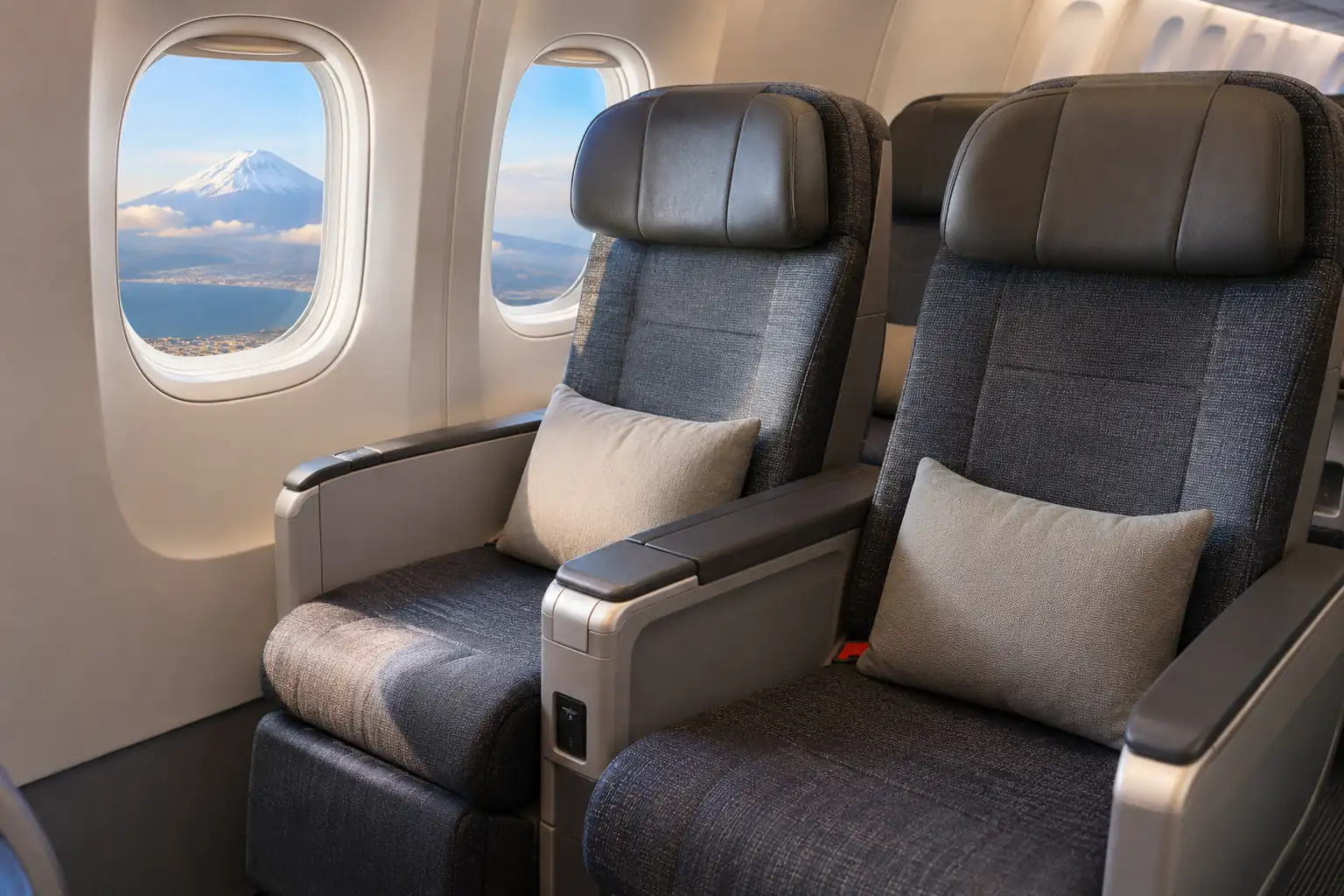
Inspect the aircraft and cabin on the longest segment. Seat width, row spacing, and layout answer different questions, so decide which matters most to you.
For example, a couple may prefer a paired window section, while a taller traveler may prioritize legroom. If sleeping flat is essential, compare the actual business-class product rather than paying for a smaller economy upgrade that will not meet that need.
Aircraft can change after booking. Check again closer to departure, and confirm any bassinet, accessible seating, or assistance requirements directly with the operating airline.
Compare the Complete Ticket Price
Use the same requirements for every option:
Checked baggage and any additional cabin baggage.
Seat selection, including the cost of sitting together.
Meals and services you would buy separately.
Airport transfers and schedule-related hotel stays.
Change and cancellation conditions.
A slightly higher fare may be worthwhile if it includes services you need. Equally, an inexpensive unbundled ticket can be good value if you genuinely do not need the extras.
Allow Realistic Time for Connections
Where practical, compare journeys issued as one through ticket. Read the arrangements for missed connections, especially if the itinerary involves more than one airline.
Separate tickets require more care because a delay on the first booking may leave you responsible for the next flight. Transfers involving immigration, baggage collection, or a change of airport also need more time than a simple airside connection.
Keep your arrival day reasonably flexible. A tightly timed train, domestic flight, or prepaid activity can create unnecessary pressure after a long journey.

Prepare for the Journey After Landing
Save your booking confirmations and hotel address offline. Check the route from the airport before departure, including an alternative if your flight is delayed.
Mobile data is useful for live transport information, navigation, and contacting your accommodation. An iRoamly Japan eSIM is one option for a compatible, unlocked phone; review the selected plan’s installation and activation instructions before traveling.
FAQ
1. Is JAL Better Than ANA?
For economy travelers who value seat width, JAL’s SKY WIDER 787 configuration is a strong reason to choose it. ANA may be the better purchase when its aircraft, schedule, or fare suits you more closely. Compare the specific flights rather than assuming either airline always wins.
2. Is a Nonstop Flight Worth More?
It can be, particularly for a short trip or travel with children. Compare the additional fare with the connection time, extra expenses, and inconvenience you would avoid. There is no single price difference that makes sense for everyone.
3. How Early Should I Book?
Start comparing once your dates are reasonably firm, and use fare alerts to monitor suitable flights. Give yourself more time for popular travel periods, but do not rely on a particular weekday or booking window to guarantee the lowest fare.
4. Which Airline Is Best for Families?
Prioritize manageable flight times, suitable seating, and the arrangements your children need. Compare the family’s total price, including bags and seat selection, and confirm bassinet availability or other requirements before booking.
5. Should I Use Points or Cash?
Check award-seat availability for the actual flights before transferring points. Then compare the points required, taxes, surcharges, and cancellation conditions with the cash ticket. An advertised starting redemption rate does not guarantee availability on your dates.
Conclusion
For long-haul economy comfort, Japan Airlines is our first choice when its wider SKY WIDER 787 seating is available at a reasonable fare. ANA is a strong alternative when its seat, timing, or connections make the journey work better.
ZIPAIR deserves a full-price comparison if saving money comes first. United, Delta, and American can be better choices when they offer a simpler route, a competitive fare, or an upgrade that meets your needs.
The best airline to fly to Japan is the one that balances a comfortable flight with a practical arrival and a price you can accept. Confirm those details before booking, and you can spend less time second-guessing the ticket and more time planning the trip.