
Want to add a countryside stop to your Japan trip but unsure where to go? Thatched farmhouse stays, forest trails and fields that change with the seasons offer plenty of reasons to venture beyond the cities.
Rural Japan also invites you to take part. Follow an old travelers’ route into a historic post town, make a cup at a pottery workshop, or stay in a farmhouse and enjoy dinner prepared with local ingredients.
This guide introduces ten distinctive countryside destinations, with advice on seasons, transport and accommodation to help you find a place you want to explore and fit it into your Japan itinerary.

Best Places to Visit in the Japan Countryside
Shirakawa-go’s thatched villages and the historic post towns along the Nakasendo are classic starting points for exploring rural Japan. If you prefer open landscapes, consider Hokkaido’s flower fields or a bicycle ride through Asuka’s rice terraces.
These ten destinations offer different experiences, so start with the ones that appeal to you most.
Place | Experience and access |
|---|---|
Shirakawa-go | Gassho farmhouses. Bus from Takayama or Kanazawa. |
Gokayama | Smaller thatched villages. Possible with careful bus timing. |
Magome–Tsumago | Historic walking trail. Train, connecting buses, then walking. |
Miyama | Farmhouses near Kyoto. Train and infrequent local bus. |
Biei and Furano | Fields and summer flowers. Rail plus selected tours or local transport. |
Iya Valley | Gorges and vine bridges. Limited buses; tour or transfer helps. |
Asuka | Rice terraces and ancient sites. Train, then bicycle or local bus. |
Aso | Grasslands and caldera views. Train plus buses to selected sights. |
Ohara | Temples and village walks. Bus from Kyoto. |
Mashiko | Pottery and craft shops. Rail connections or bus via Utsunomiya. |
Historic Villages and Walking Routes
1. Shirakawa-go, Gifu
Ogimachi, the main village in Shirakawa-go, is known for steep thatched roofs called gassho-zukuri.
Walk between the farmhouses and rice plots, then visit a house open to the public to understand how these large timber buildings were used.
Time: Allow half a day for the village, a house visit, and a meal; an overnight stay gives you time outside the main day-trip hours.
Access: The bus from Takayama takes about 50 minutes. Kanazawa is another useful gateway; check and reserve the services that require bookings.
Before you go: This is a popular destination and a residential village. Keep to public paths and enter only buildings that welcome visitors.
2. Gokayama, Toyama
Gokayama's UNESCO-listed Ainokura and Suganuma villages offer the same distinctive farmhouse tradition in smaller settlements.
Their compact scale suits a visit centered on a short village walk, thatched architecture, and the mountain setting.
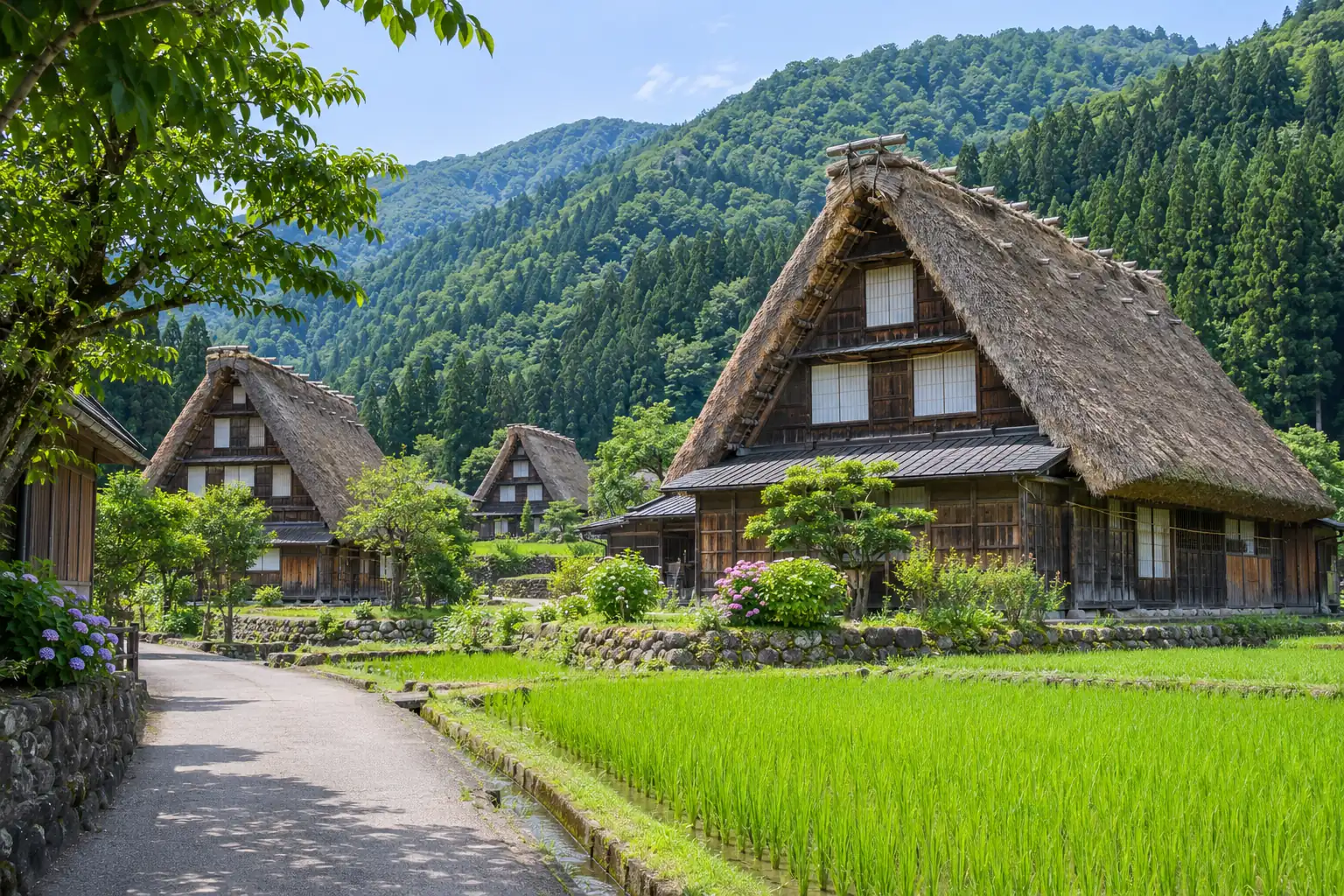
Allow half a day for one village and its connections, using the World Heritage Bus from the Takaoka or Shin-Takaoka side if it fits your route.
Adding both villages and Shirakawa-go can create a day dominated by connections; a tour or car is more flexible for that combination.
3. Magome and Tsumago, Gifu and Nagano
The Nakasendo trail between these former post towns passes timber houses, farmland, and forest. It suits travelers who want the countryside to be part of an active day, with an old town to explore at either end.
Walking: The route is roughly 8 kilometers and takes around three hours at a leisurely pace, before longer meal and town stops. Starting in Magome involves less uphill walking.
Access: Nakatsugawa is a gateway for Magome, while Nagiso serves the Tsumago side; connecting buses make a one-way walk possible.
Preparation: Wear shoes with grip, carry water, and check current trail conditions and the return bus before setting out.
4. Miyama, Kyoto Prefecture
Miyama's Kayabuki no Sato has traditional thatched farmhouses surrounded by fields and wooded hills. It is a good choice when you want a village stay within Kyoto Prefecture and have time to travel beyond the city's immediate outskirts.
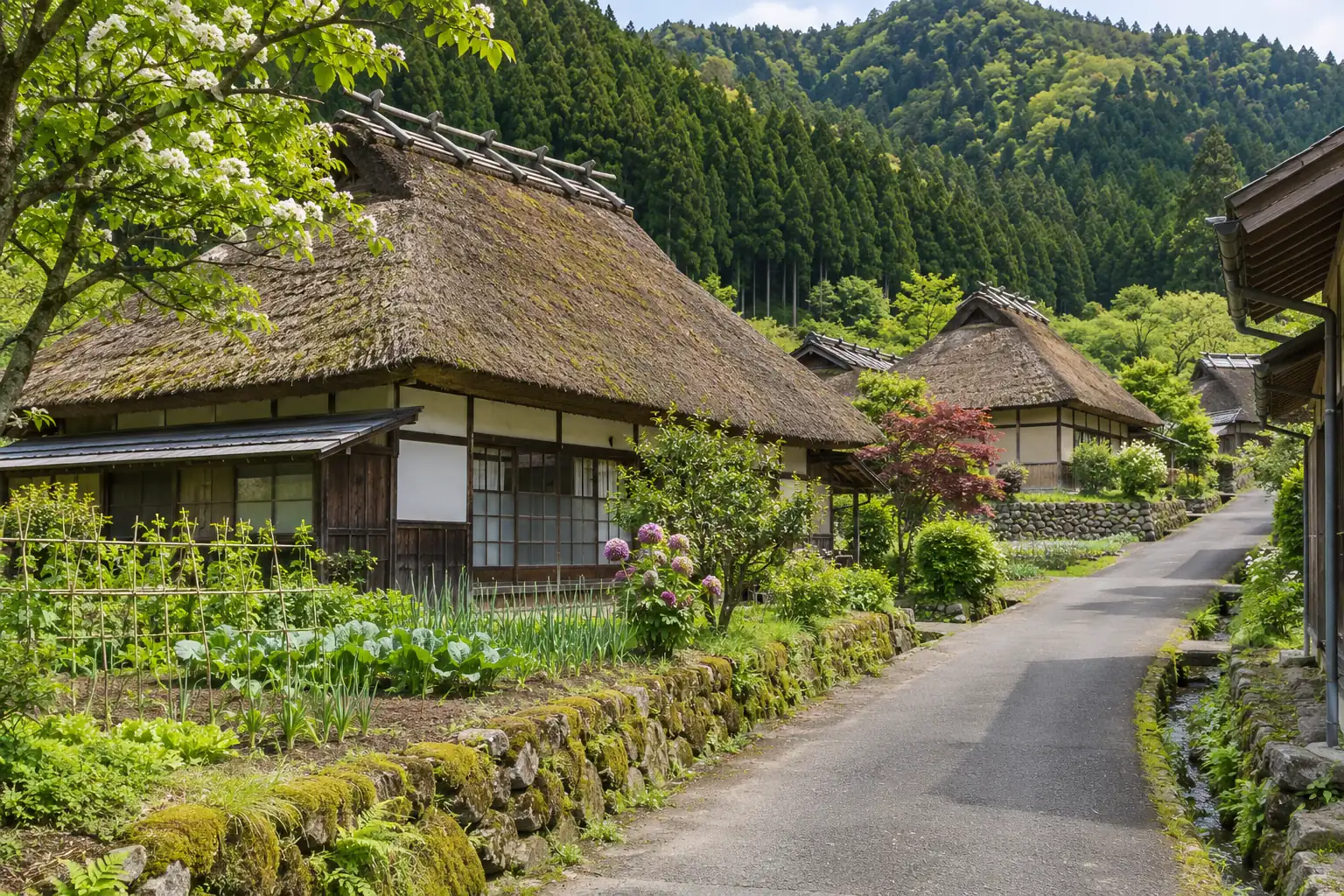
Public transport involves a train to Hiyoshi followed by a local bus; the two riding legs alone total roughly two hours from Kyoto Station, before connection waits. Give the trip a full day, or book a rural stay and confirm how to reach it from the bus stop.
Rice Fields, Mountain Valleys, and Open Scenery
5. Biei and Furano, Hokkaido
Biei's rolling agricultural hills and Furano's summer flower fields suit travelers planning a Hokkaido countryside trip.
In the warmer months, you can combine designated viewpoints and flower farms with cafes serving local produce, rather than spending the whole day at one landmark.
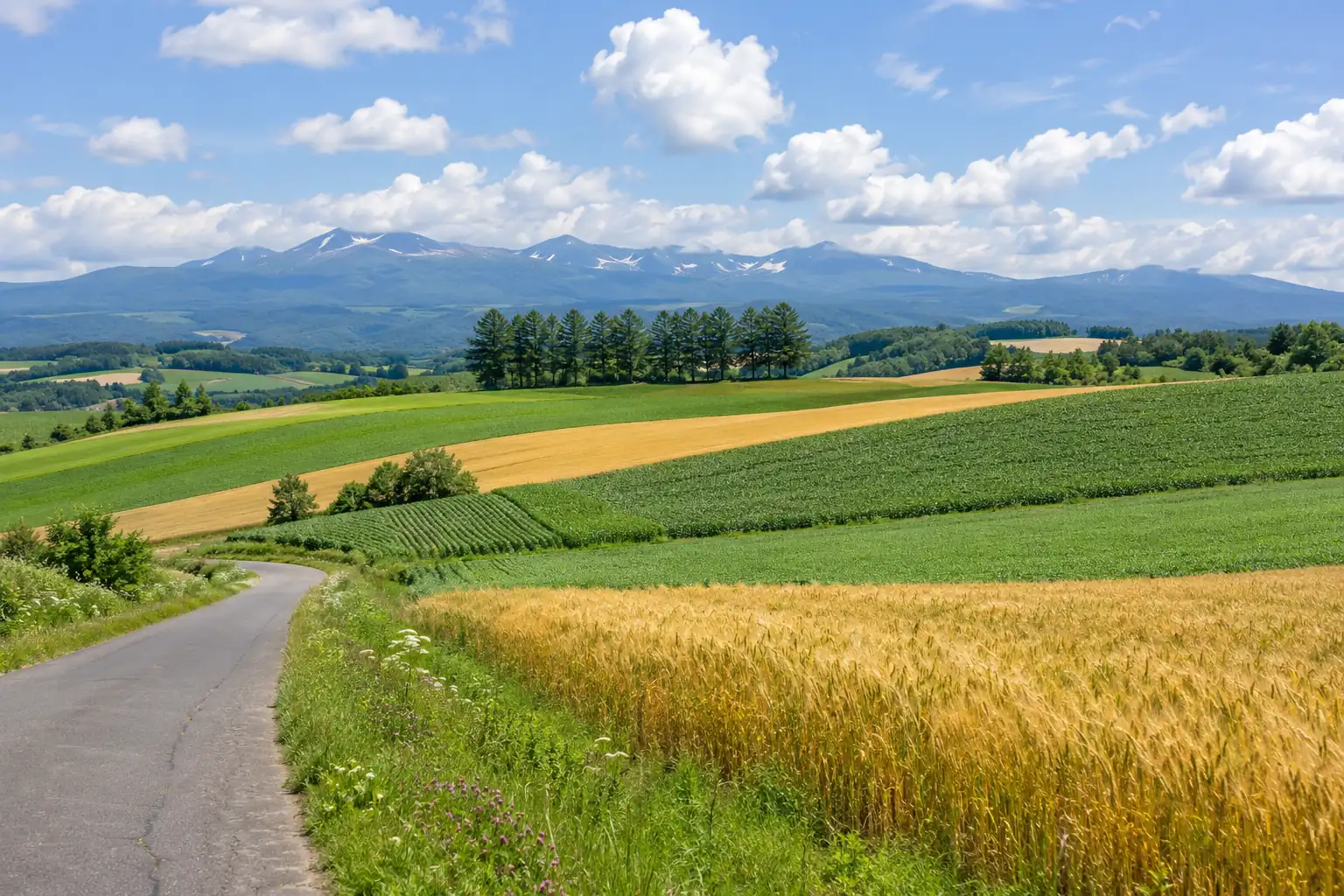
Time: Set aside two days if you want both areas without rushing between widely spaced stops.
Transport: The JR Furano Line connects the towns, but it does not deliver you to every field or viewpoint. Choose a limited route, a sightseeing tour, or a car.
Season: July is a useful starting point for lavender planning; actual flowering varies by farm, variety, and weather.
Photograph farmland from permitted roads and viewpoints. A planted field is a working space, even when it has become a famous view.
6. Iya Valley, Tokushima
Iya Valley is a stronger match for deep mountain scenery: steep forested slopes, hillside settlements, and the Kazurabashi vine bridge. Stay a night if you want time for a valley-view bath or a farmhouse meal alongside sightseeing.
Oboke Station is a useful arrival point, but the railway does not run through the valley's main sights. Buses can work for selected stops; arrange a tour, taxi, or confirmed accommodation transfer if you want to visit more widely.
The bridge's gaps and movement may be uncomfortable if you dislike heights or have difficulty walking on uneven surfaces. You can make the valley scenery your focus without crossing it.
7. Asuka, Nara Prefecture
Asuka combines rice terraces and low hills with ancient burial mounds and temple sites. A bicycle lets you connect small landmarks through an agricultural landscape, making it a rewarding day for travelers interested in both scenery and early Japanese history.
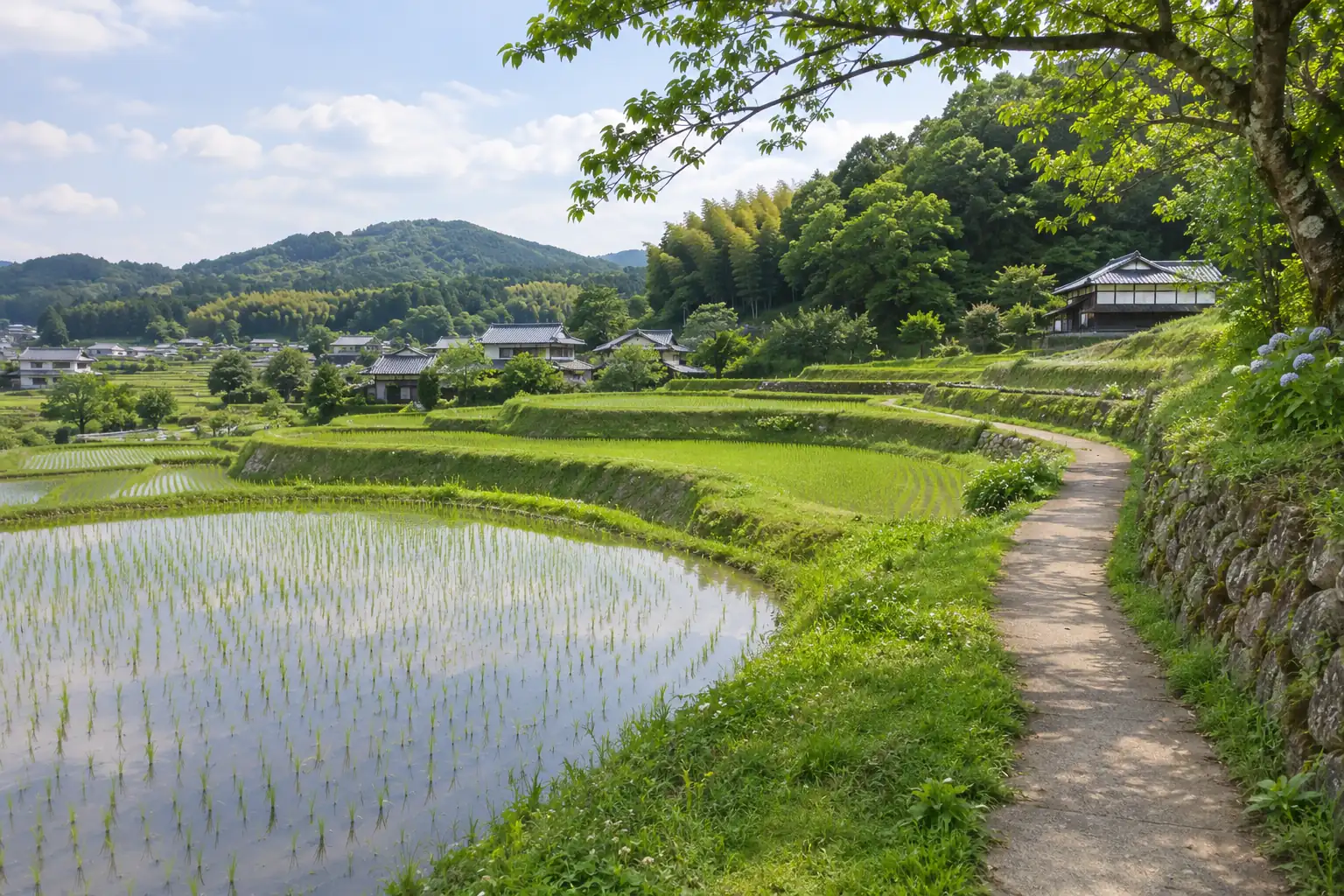
Arrive through Kintetsu Asuka or Kashiharajingu-mae Station and choose a manageable cluster of sites.
An electric bicycle helps with hills, while the local sightseeing bus offers an alternative; leave time to walk once you reach a historic site.
8. Aso, Kumamoto
Aso's appeal is its scale: broad grasslands, the surrounding caldera rim, and farms across the basin.
Kusasenri is a good focal point for open scenery, while a longer stay lets you explore rural roads and local food stops without a hurried return to Kumamoto.
Allow a full day for selected Aso sights, or two days to explore more widely. A car gives you more flexibility between viewpoints, although buses from Aso Station serve selected sightseeing stops.
Crater access is separate from visiting the wider Aso area and can change with volcanic activity, gas, and weather; check the local Aso visitor information before arranging your day.
Short Countryside Escapes from the Cities
9. Ohara, Kyoto
Ohara is a practical introduction to rural scenery for visitors based in Kyoto. Sanzen-in's moss garden and tall trees give the day a clear focus, with village lanes and fields nearby for a slower walk.
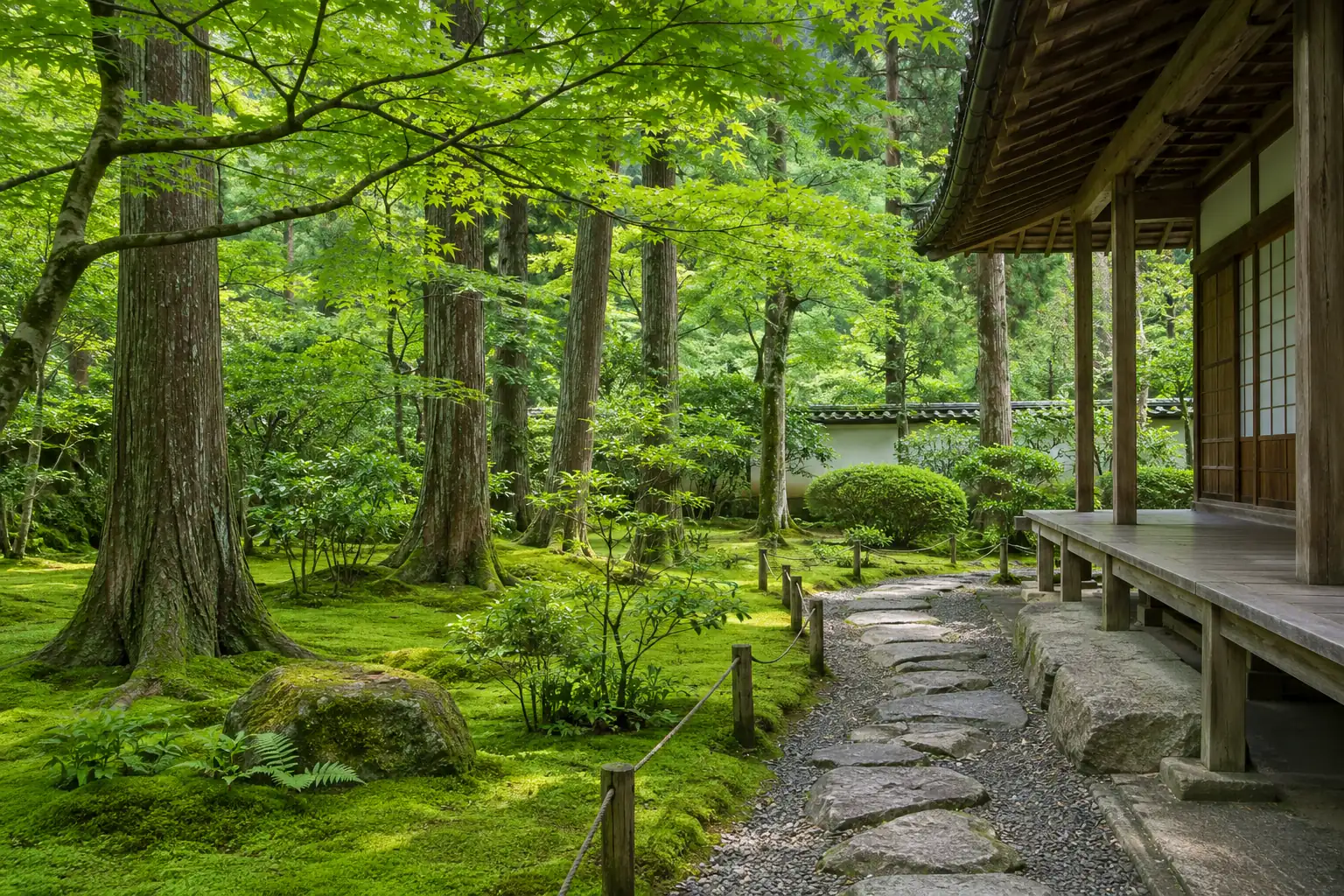
Travel by bus to Ohara, then walk uphill toward the temple. Allow half a day for the temple and nearby lanes, or more if you want lunch and another temple; this is an easier addition to a Kyoto stay than making a separate mountain-region detour.
10. Mashiko, Tochigi
Mashiko pairs a small-town visit with pottery traditions, making it useful when you want a countryside excursion with something specific to do.
Browse the Jonaizaka area for Mashiko-yaki mugs, rice bowls, and serving plates, comparing glazes and how comfortably each piece sits in your hand.
From Tokyo, plan a full day and check the rail connections or bus from Utsunomiya before committing.
Pottery workshops need advance checking, especially if you want English guidance; fired work may need later shipping, so buy a finished piece if you need to carry it home immediately.
Best Time to Visit Rural Japan
Once you have a destination in mind, consider when you can see the scenery that drew you there. Furano’s flower fields, autumn forest trails and snow-covered thatched roofs each have their season.
Even cherry blossoms and autumn foliage arrive at different times in Hokkaido and central Japan.
In spring, lower-elevation villages become comfortable earlier than mountain areas. For a Magome–Tsumago walk or an Asuka cycling day, prioritize a workable weather forecast and open facilities over trying to match one exact blossom date.
Summer brings green rice fields and Hokkaido's flower season. It also brings heat, humidity, and periods of heavy rain in many regions, so plan outdoor activity earlier in the day and leave room to change plans when transport or trails are affected.
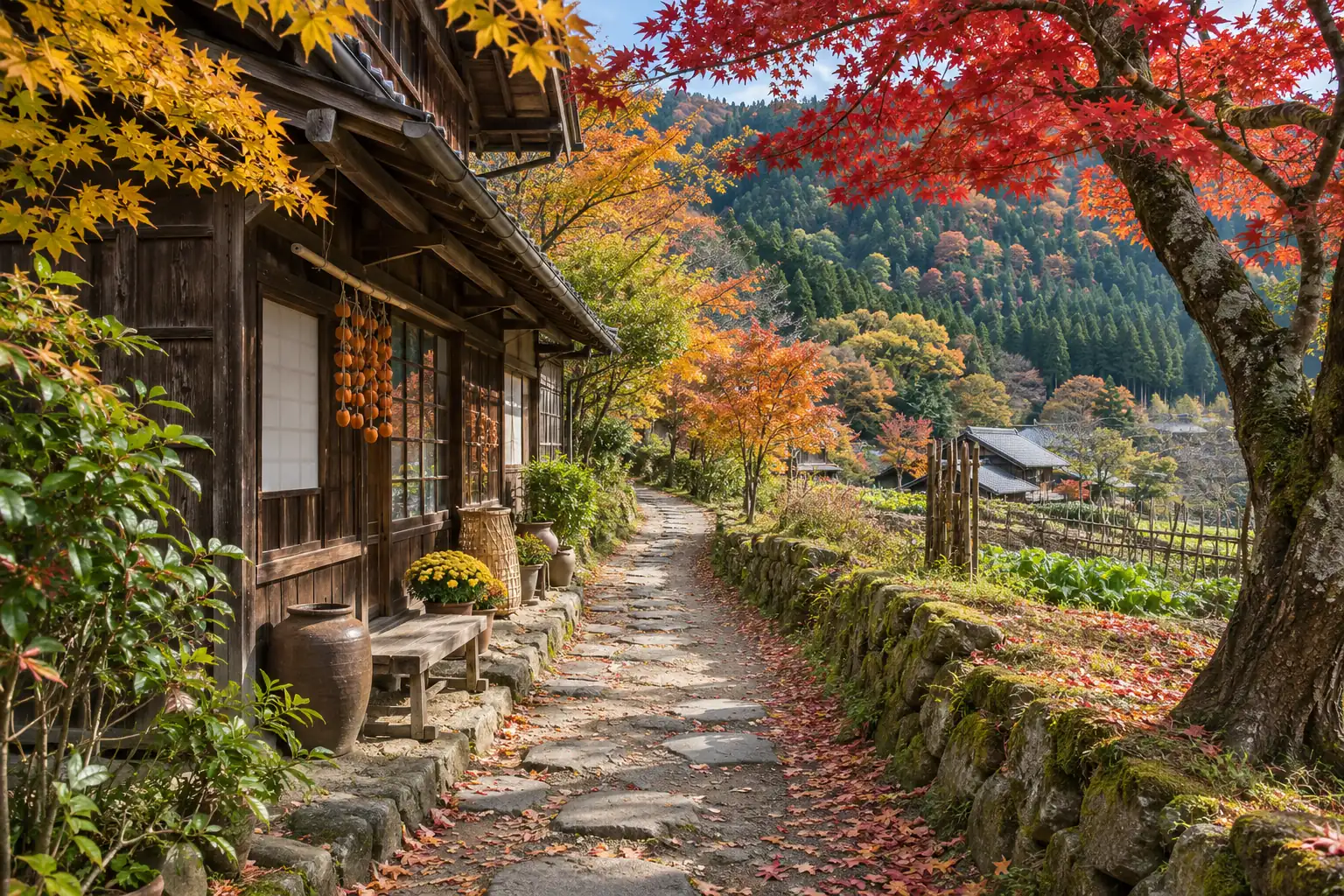
Autumn is attractive for forest walks and mountain views, with colors generally arriving earlier at higher elevations and farther north.
Winter suits travelers seeking snowy villages and warm indoor stays, but requires closer attention to icy paths, heating, and transport disruptions.
If a special illumination or festival is the reason for your trip, confirm its current dates and access arrangements first. A village can be open for ordinary visits while a particular evening event has separate booking rules.
How to Get Around the Countryside
With your destination and season in mind, the next question is how to get there after leaving the train.
Rural attractions are often scattered beyond the station, and local bus schedules can shape your day. Checking that final connection will help you decide whether public transport is practical or a car would be more useful.
Use Trains and Buses for a Focused Route
Public transport works best when you choose a reachable village and explore it on foot.
Shirakawa-go, Ohara, and the Magome–Tsumago route are useful starting points; linking several scattered rural sights in the same day needs much closer timetable planning.
Check the journey home before choosing your arrival time. Look up the final bus as well as the final train, distinguish weekday and weekend services, and leave room for the connection between them.
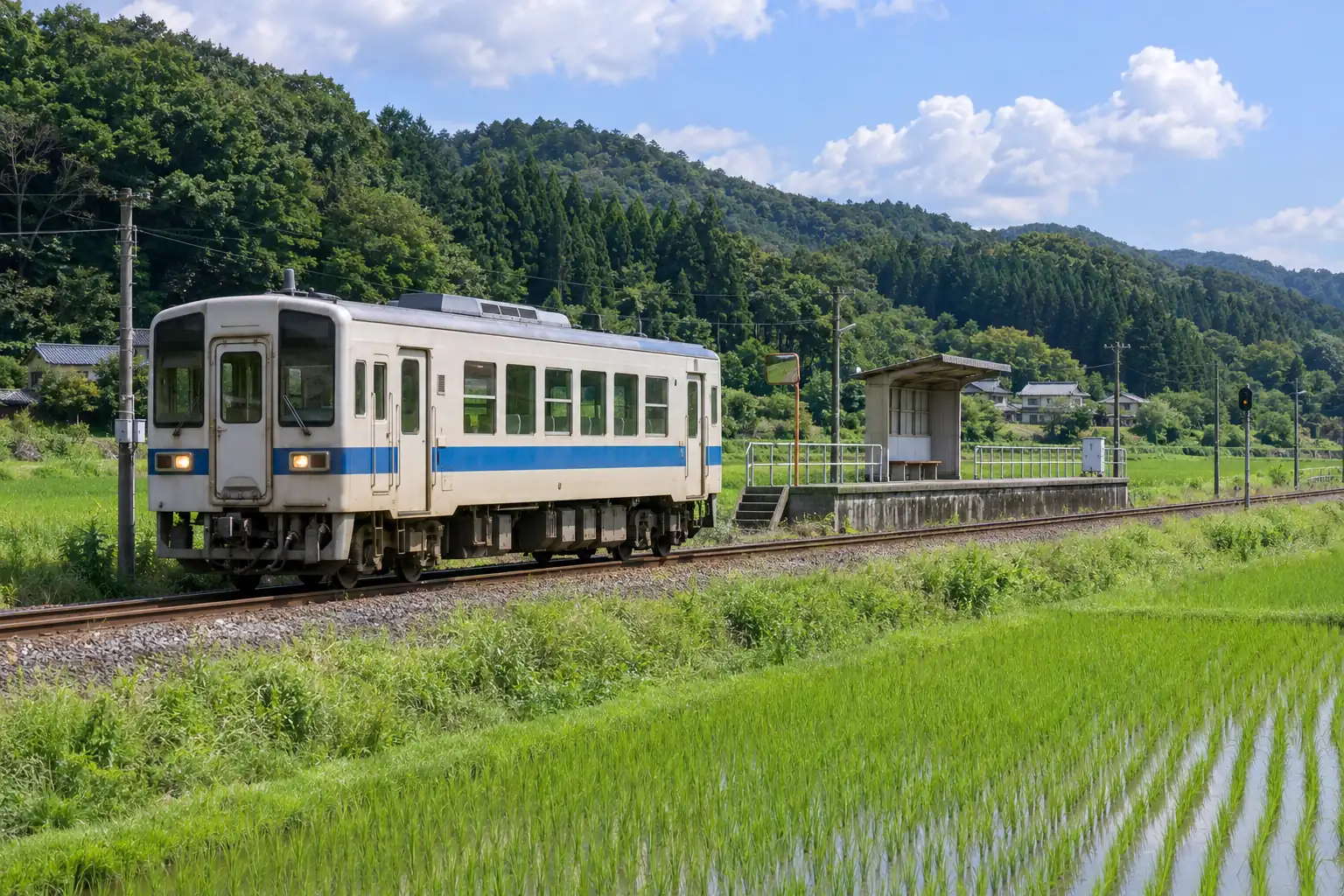
For Shirakawa-go, consult the Nohi Bus route and reservation information. Some services require reservations, and a rail pass should not be treated as a substitute for checking the particular bus ticket and seat rules.
Mobile data helps you check changes, translate menus, and contact your accommodation.
An iRoamly Japan eSIM is one option for a compatible, unlocked phone; save the timetable and your host's address offline as well, since mountain signal can be uneven.
Choose a Car for Scattered Sights
A car is particularly useful for Biei's viewpoints, the wider Aso basin, or a broader Iya Valley visit. Compare the whole day's cost, including parking and any return-location fee, with a small-group tour or a prearranged taxi.
Check the driving-document requirements for your license-issuing country before booking.
Choose a route you are comfortable driving: narrow mountain lanes, snow, and darkness can make a short distance more demanding than it looks on a map.
If you prefer cycling, Asuka is a more manageable introduction than a remote mountain valley. Confirm rental hours and the return location, and allow extra time for hills and walking around the sites.
Where to Stay and What to Eat
Transport arrangements affect how long you can stay and where it makes sense to sleep. If you would rather avoid rushing for the last bus, consider spending a night in the village.
A farmhouse room and dinner made with local ingredients can be part of the experience, but confirm transfers, meal times and room facilities before booking.
Choose the Stay Around Your Evening
A minshuku, or family-run guesthouse, can suit travelers who value a small property and home-style meals.
A ryokan may offer a more elaborate dinner and bathing facilities, while a restored kominka farmhouse may be rented as a whole home; check the actual inclusions rather than relying on the label.
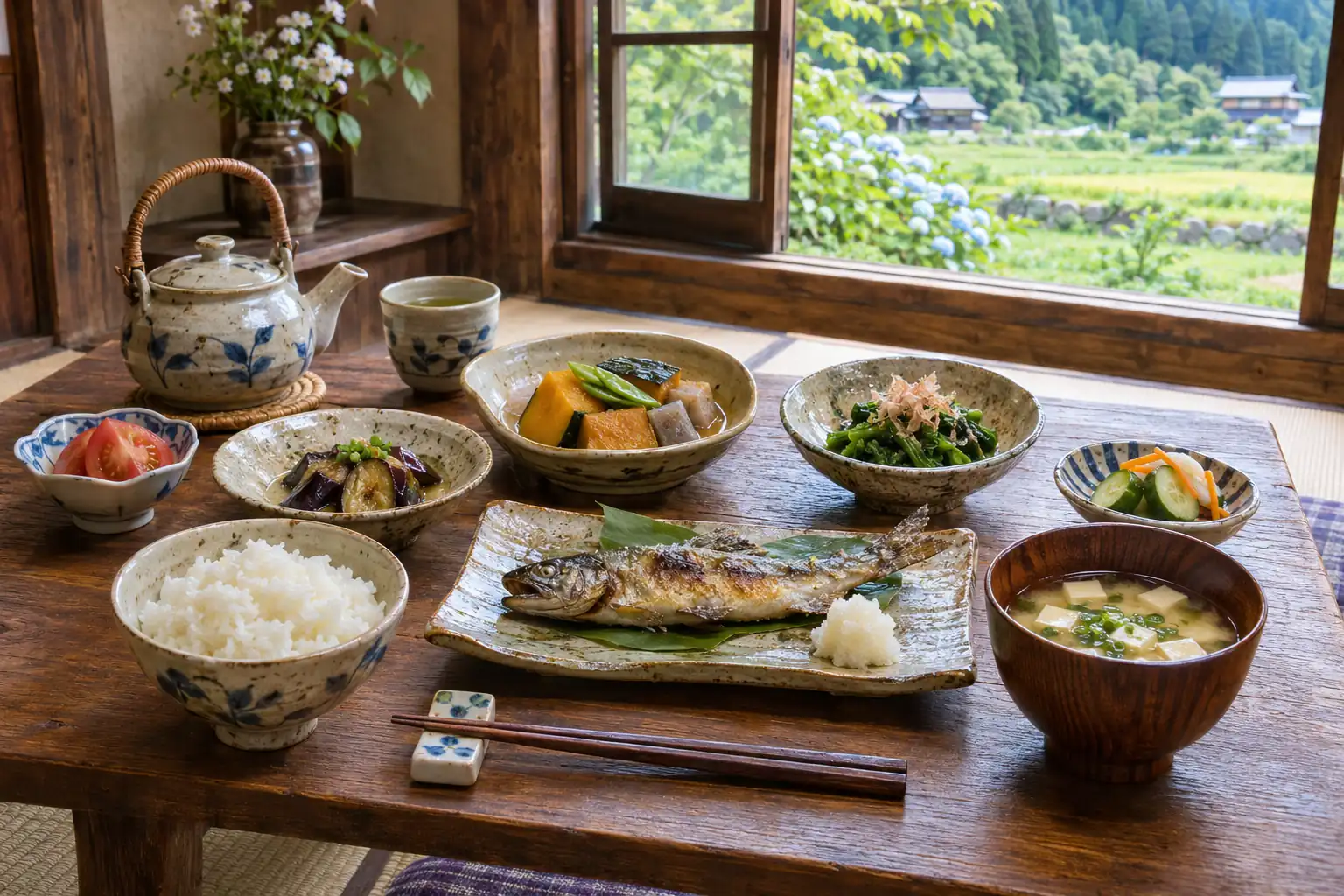
Before booking, confirm how far the property is from the last bus stop, whether a pickup is available, and when dinner is served.
For older buildings, also check heating, stairs, toilets, and sleeping arrangements if comfort or mobility is a concern.
A countryside trip is not automatically cheaper than a city stay. Compare the final price with meals and transport included: a room-only bargain can become less convenient if there is no nearby dinner option or evening bus.
Make Time for Local Food and Small Purchases
In the Kiso area, look for soba and grilled gohei mochi; in Hokkaido, try seasonal produce and dairy foods. A meal at your accommodation can be especially useful in a small village, but tell the host about allergies and dietary requirements before you book.
For souvenirs, choose Mashiko's pottery shops for usable bowls and cups, or farm shops around Biei and Furano for locally labeled jams and packaged produce.
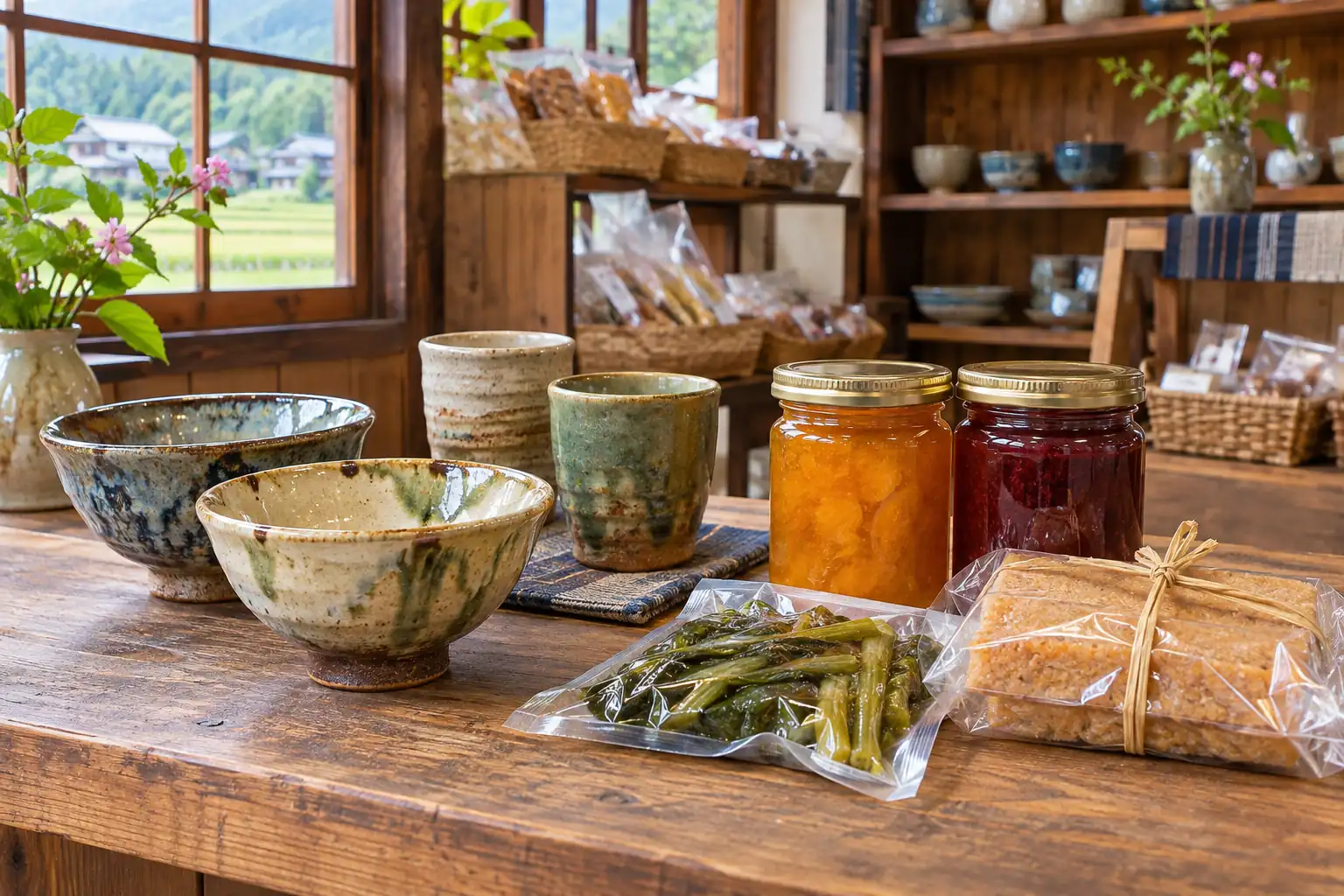
Ask for protective packing for ceramics, check refrigeration instructions on food, and check your destination's import rules before buying fresh products.
Carry enough cash for your planned meals, smaller purchases, and local transport, with a backup for an unexpected ride.
Card and IC-card acceptance varies by business and route; confirm payment arrangements with your accommodation rather than assuming the whole area works the same way.
Easy Countryside Itineraries
With transport and accommodation in mind, you can begin turning your chosen stops into a workable route. Ohara suits a day trip from Kyoto, while an overnight stay near Magome or Tsumago gives you more time for the walk.
The following one- to three-day suggestions show how to fit a countryside visit into your wider Japan itinerary.
One Day from Kyoto: Ohara
Take a morning bus to Ohara, visit Sanzen-in, and have lunch before a walk along the surrounding lanes. Return to Kyoto in the afternoon, leaving room for the uphill temple approach and the bus journey rather than squeezing in another distant district.
Two Days from Nagoya: Magome and Tsumago
On day one, travel via Nakatsugawa to Magome and explore the town before staying locally. On day two, walk to Tsumago, allow time for lunch and its old street, then use the bus connection to Nagiso for the onward rail journey.
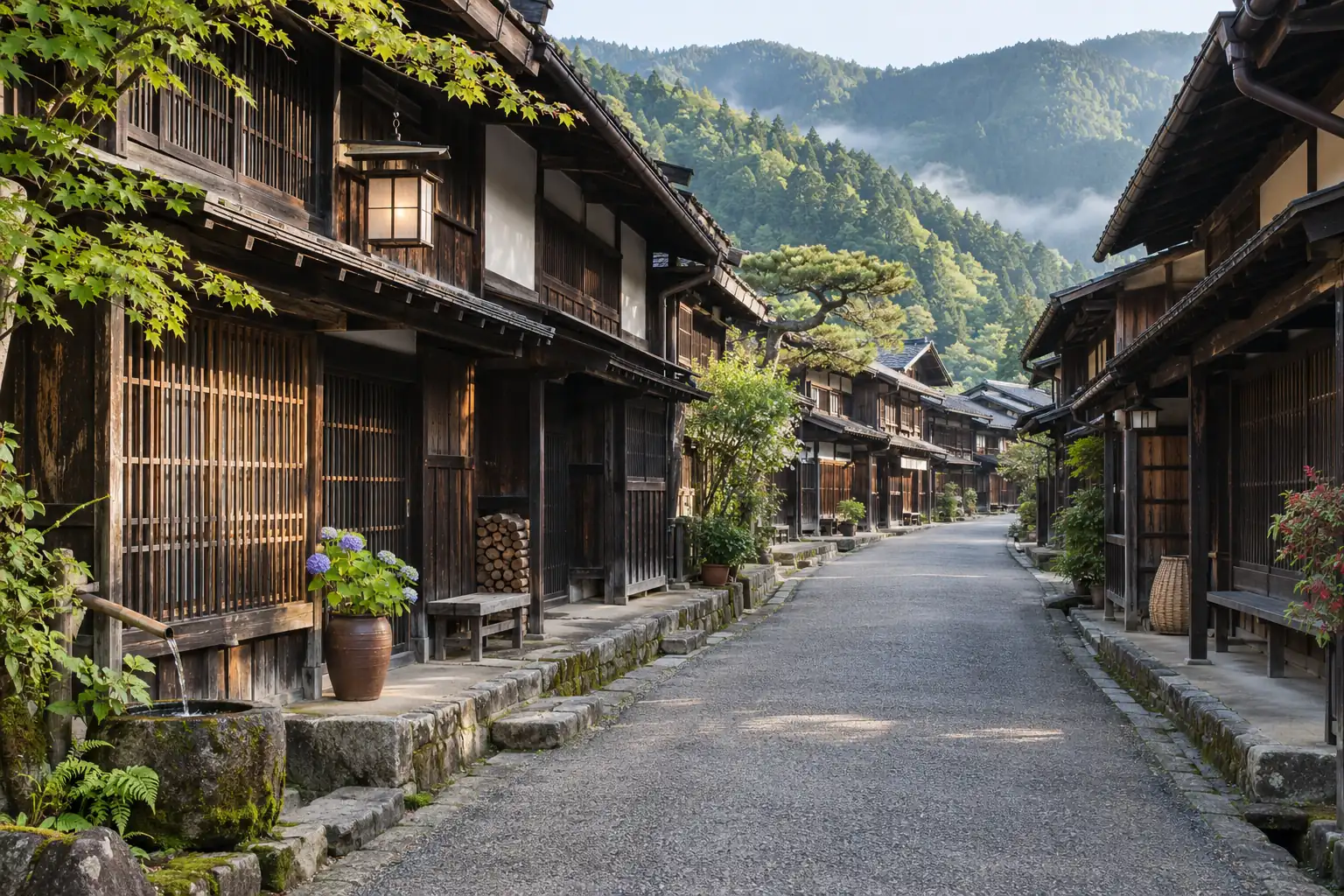
This works best when you can leave your main luggage at an agreed storage point or forward it ahead through a confirmed service.
A small overnight bag makes the forest walk easier; check the weather and transport again before leaving your inn.
Three Days: Takayama, Shirakawa-go, and Kanazawa
Begin in Takayama on day one, then travel to Shirakawa-go on day two for a village visit or an overnight farmhouse stay. Continue to Kanazawa on day three, using it as your onward transport base and allowing time for the city itself.
Book each required bus leg separately and leave time for baggage handling.
This plan begins in Takayama; travel there from Tokyo or Kyoto needs additional time, and adding Gokayama is a reason to extend the trip rather than shorten every stop.
FAQ
1. What does “inaka” mean in Japan?
Inaka generally refers to the countryside or a rural hometown. It is a broad everyday term, so a place described as inaka might be an accessible farming town or a much more remote mountain settlement.
2. Can I visit rural Japan without speaking Japanese?
Yes, especially with a confirmed booking and a simple route. Save place names and your accommodation address in Japanese, use a translation app, and communicate dietary or pickup requirements in advance.
3. Is the countryside suitable for travelers with limited mobility?
It depends on the route and property. Older houses may have steep stairs, villages can have slopes, and a station's accessible facilities do not establish whether the connecting bus or attraction is accessible; confirm those details before booking.
4. Can I join farming activities during any farmhouse stay?
No. A rural location does not mean hands-on farm work is included; ask what the host offers on your dates, whether advance booking is required, and what happens in bad weather.
Conclusion
The memories you bring home from rural Japan may go beyond the scenery. A trail you walked, a farmhouse dinner or a piece of pottery you chose can each deepen your connection to a place.
For a first visit, choose somewhere near your existing route and give it half a day, a full day or an overnight stay. Arrange the essential transport and accommodation ahead of time so you can explore properly once you arrive.
When planning your next Japan trip, leave room for a countryside stop and discover the landscapes and everyday life beyond the cities.