
Tokyo Disneyland, Osaka’s marine-life displays and Kyoto’s red shrine gates each offer a different kind of family adventure. The best things to do in Japan with kids depend on whether your children love characters, hands-on activities, animals or exploring outdoors.
Age is only part of the decision: ride restrictions, walking distances, queues and advance reservations can all shape the day. A few well-chosen activities, grouped around a sensible route, give families time to enjoy each experience.
This guide compares 16 family-friendly experiences in Tokyo, Kyoto, Osaka and nearby areas, with practical advice on booking, pacing and combining stops. Use it to choose the activities that deserve a place in your own Japan itinerary.
Choose Activities for Your Family
Start with one activity each child particularly wants to do, then build your route around those priorities. These age groups are planning suggestions; attraction height limits, workshop ages and admission rules still need checking separately.
Children’s stage | Good starting choices | Plan around |
|---|---|---|
Babies and preschoolers | Aquariums, parks, short temple visits and familiar characters | Nap breaks, feeding facilities and easy exits |
Primary-school children | Train museums, cooking, wildlife and selected theme-park rides | Hands-on time and a flexible afternoon |
Tweens and teenagers | Universal Studios Japan, digital art, character shopping and scenic outings | Their interests, ride requirements and time to explore |
For around a week, consider Tokyo with one nearby outing, or a Kansai base with Kyoto, Osaka and Nara. With 10–14 days, a Tokyo stay followed by a Kyoto or Osaka base gives you more variety without changing hotels every night.
Spring and autumn can suit outdoor sightseeing, but popular blossom and foliage periods bring crowds. A Hokkaido snow trip or an Okinawa beach stay can be an alternative focus; allow dedicated travel days rather than adding either as a quick detour.
Theme Parks and Character Experiences
Choose the character experiences your family cares about most before buying several major park tickets. Full theme-park days are easier to enjoy when the following morning stays flexible.
1. Choose Tokyo Disneyland or DisneySea
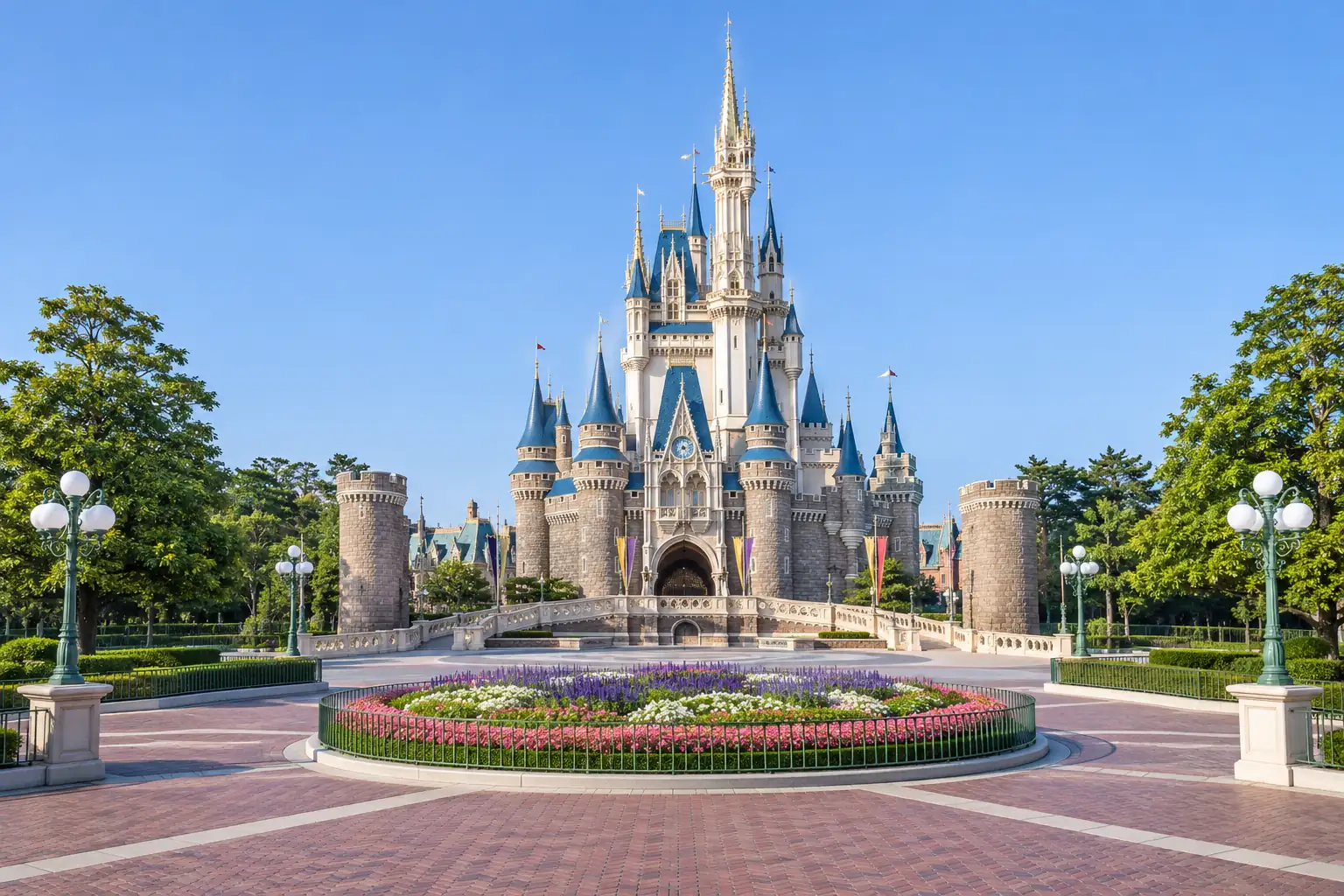
Tokyo Disneyland is a natural choice for classic Disney characters, storybook settings and families who want the familiar castle-park experience. DisneySea offers elaborately themed waterfront areas and attractions that can appeal just as strongly to adults and older children.
Both parks have gentler options, so choose by your family’s favorite stories and the attractions your children can actually ride. Allow a full day for one park; visiting both deserves separate days on most family trips.
Buy a dated ticket and check the official calendar for your chosen park.
Check individual attraction restrictions before promising a particular ride.
Children aged three and under do not need a park ticket; the child ticket category covers ages 4–11.
2. Explore Universal Studios Japan in Osaka
Universal Studios Japan is an obvious contender for families excited about Mario, Donkey Kong or Harry Potter. Its themed environments can be a highlight even when you spend part of the day exploring rather than riding.
A Studio Pass, area entry and an Express Pass serve different purposes. Entry to SUPER NINTENDO WORLD may require an Area Timed Entry or Standby Entry Ticket, depending on conditions that day; ordinary park admission alone does not guarantee access.
Review the official area-entry instructions, and check exactly which areas and rides any paid Express Pass includes. Download the park app and review height requirements before your visit.
3. Visit the Ghibli Museum in Mitaka
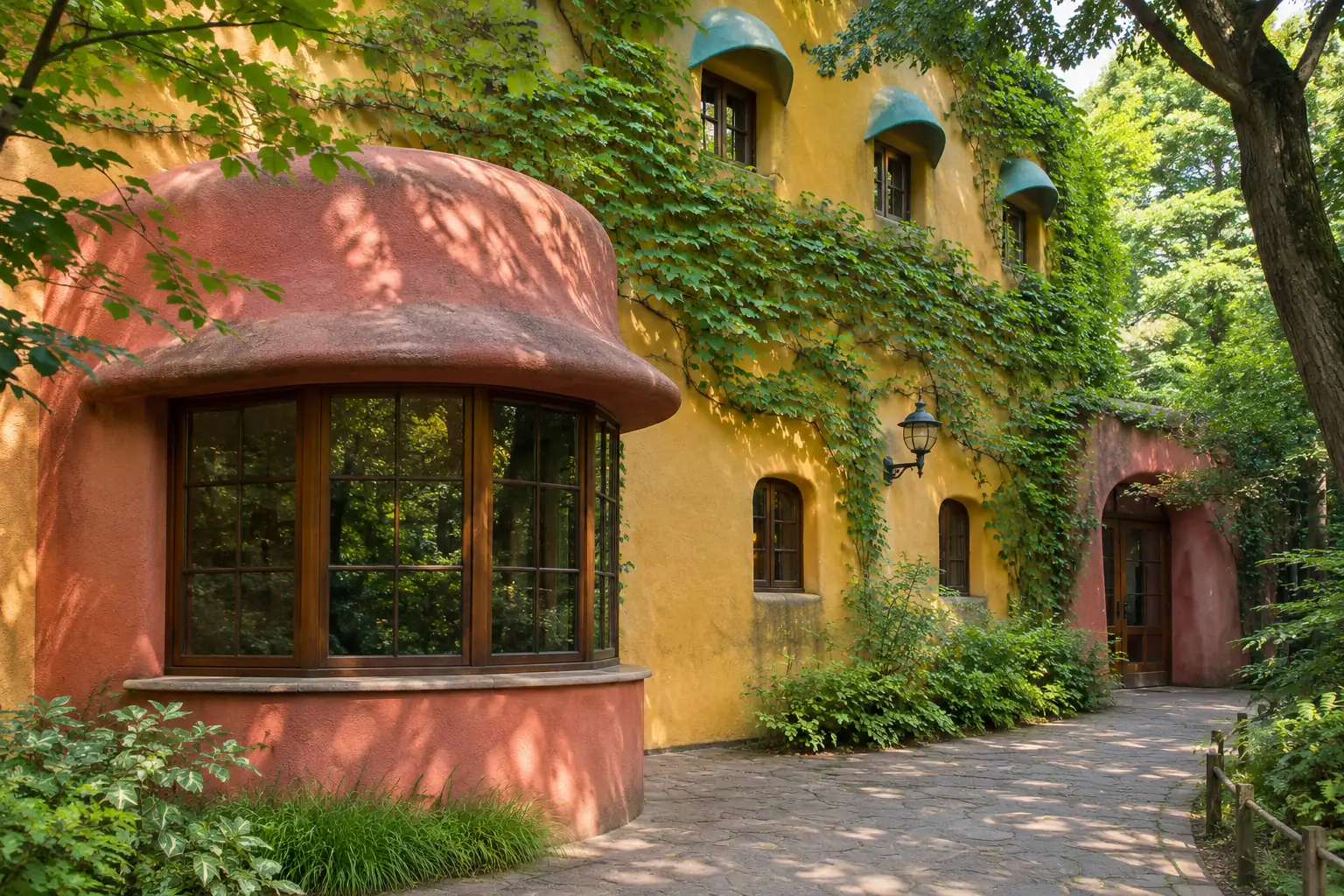
The Ghibli Museum is a good fit for children who already love films such as My Neighbor Totoro, as well as older visitors interested in animation. Its imaginative building and film-making displays offer a quieter kind of character experience than a theme park.
This is the museum in Mitaka, Tokyo, rather than Ghibli Park in Aichi. Plan roughly half a day including travel and a relaxed stop in nearby Inokashira Park.
Admission is by advance reservation, with no ticket sales at the museum. Overseas online tickets normally go on sale at 10 a.m. Japan time on the 10th of each month for the following month.
Use the Ghibli Museum ticket page for the official sales link and calendar. Admission is ¥1,000 for ages 19 and over, ¥700 for ages 13–18, ¥400 for ages 7–12 and ¥100 for ages 4–6; children three and under enter free.
4. Browse a Pokémon Center
A Pokémon Center is a useful shorter stop for fans who want character displays and official merchandise without a full theme-park day. Pokémon Center TOKYO DX in Nihombashi and Pokémon Center OSAKA DX in Shinsaibashi are options to match to your existing route.
Look for plush toys, stationery or a small accessory your child will actually use, and agree on a souvenir budget before browsing. Stock and purchase limits vary; check product language carefully if buying trading cards or games as gifts.
A shop visit and a Pokémon Café meal are separate plans. Check current store entry notices, and treat the café’s reservation process as a separate booking rather than assuming a shopping visit includes a table.
Museums and Indoor Activities
Keep an indoor option close to each base so rain or heat does not force a complicated journey. Choose one substantial venue and give children time to linger at what interests them.
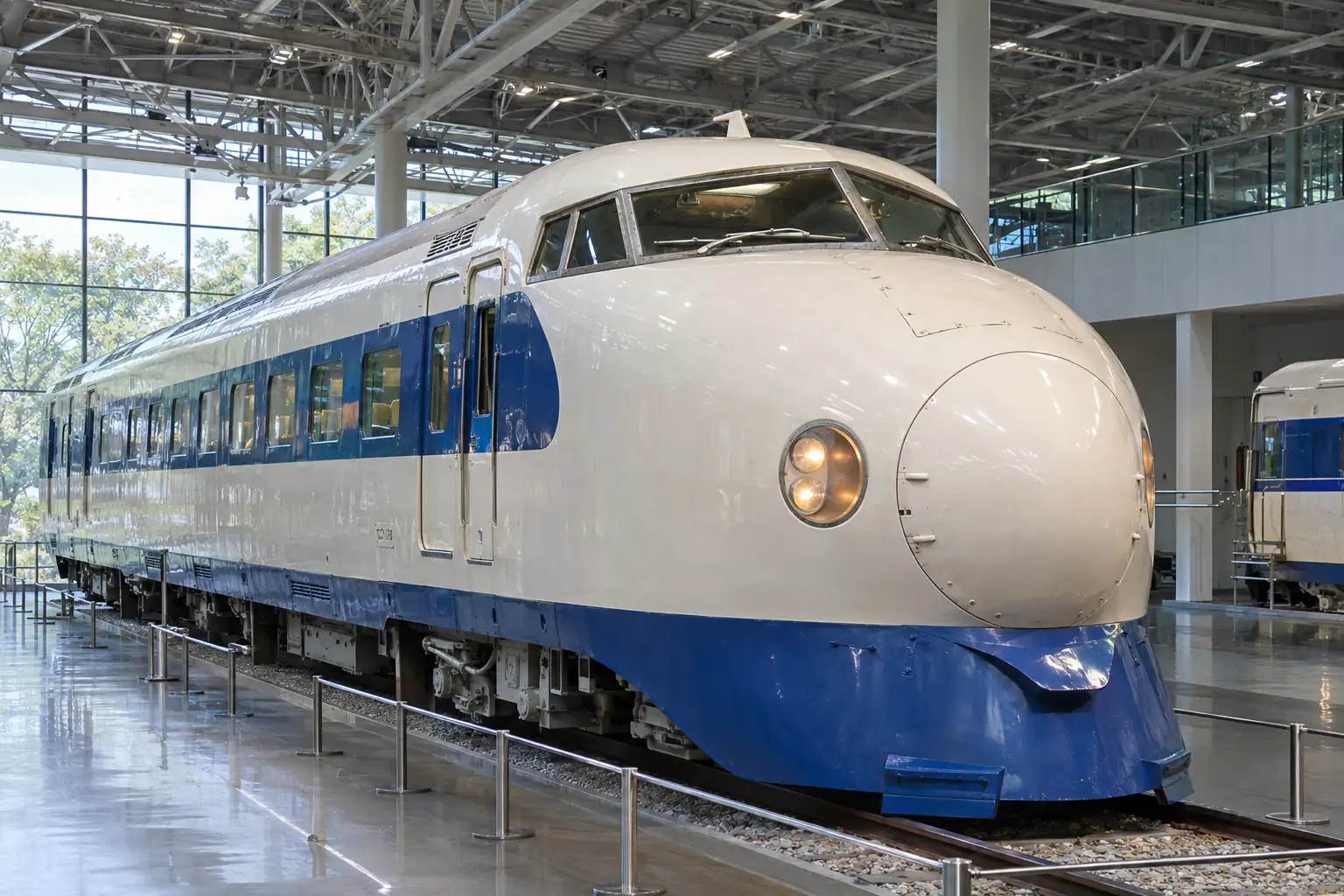
5. Explore Kyoto Railway Museum
Historic locomotives, Shinkansen displays and railway models make Kyoto Railway Museum an engaging break from temple sightseeing. It particularly suits children fascinated by how vehicles work.
Allow a half-day as a starting point, with Umekoji Park nearby if the weather improves. The driving simulator requires a separate advance ticket; museum admission does not include a guaranteed simulator session, and simulator tickets are not sold inside the museum.
6. Discover teamLab Borderless in Tokyo
At teamLab Borderless in Azabudai Hills, digital artworks move between spaces and invite visitors to explore without a fixed route. It can suit visual, curious children who enjoy discovering patterns and changing light.
Choose a timed ticket, review the current visitor guidance and consider whether dark rooms, sound and moving projections will suit your child. Keep younger children close in the changing spaces, and agree on how to regroup before entering.
The museum has no nursing room, so plan a feeding stop before or after the visit.
Borderless and teamLab Planets in Toyosu are different venues. If you choose Planets instead, check its water-area, clothing and accessibility guidance before booking.
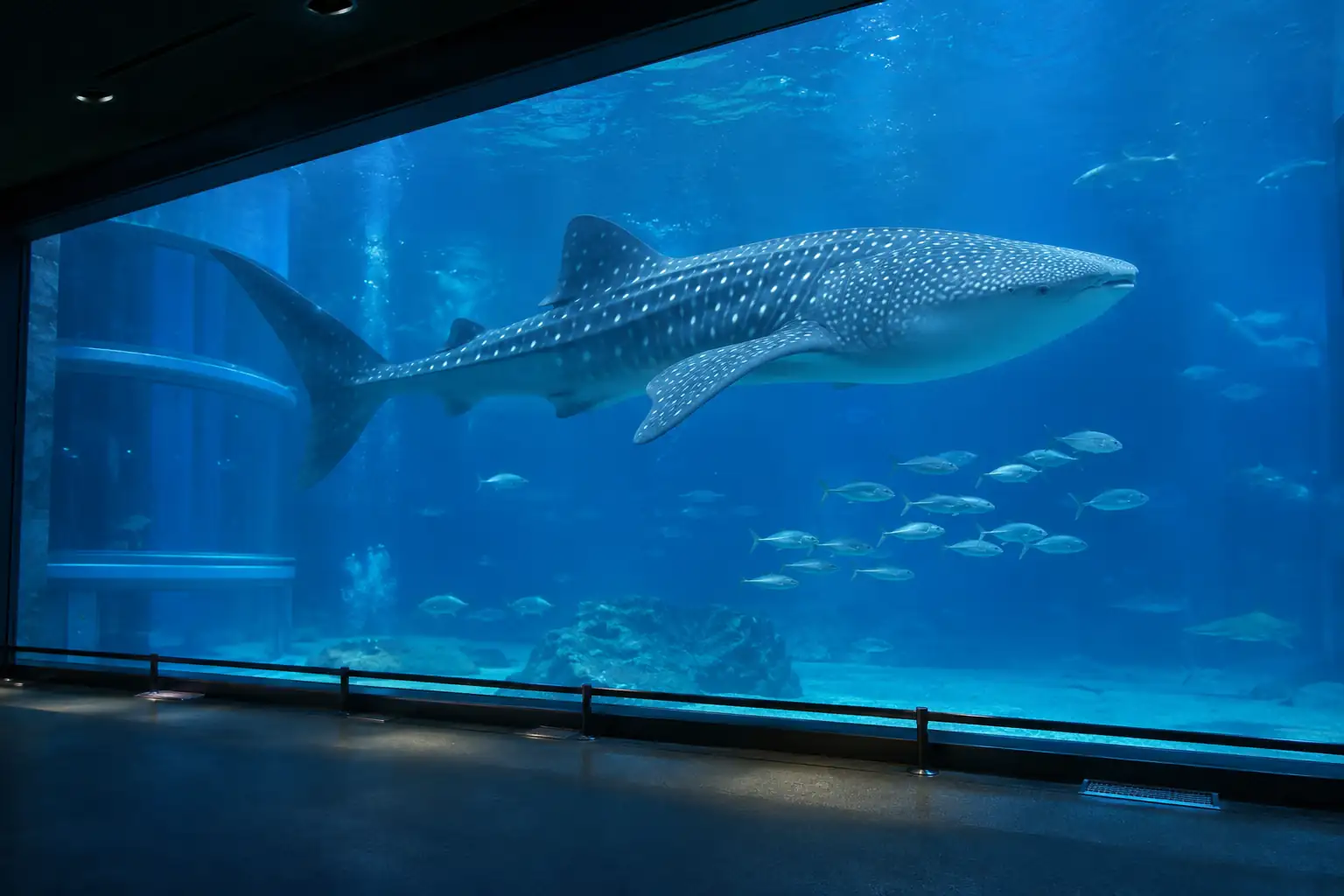
7. Watch Marine Life at Osaka Aquarium Kaiyukan
Kaiyukan’s large central tank and Pacific-themed habitats give families plenty to watch, including whale sharks. It is a strong option when younger children need an absorbing indoor visit with less reliance on reading signs.
Set aside a relaxed half-day in the Tempozan area rather than combining the aquarium with Universal Studios Japan. Check your entry time and current stroller guidance, especially if your child will need a nap during the visit.
8. Design Cup Noodles in Yokohama
At CUPNOODLES MUSEUM YOKOHAMA, children can decorate a cup and choose soup and toppings at My CUPNOODLES Factory. It turns a familiar snack into something they have helped design.
The museum offers an online admission package with a My CUPNOODLES Factory voucher; same-day numbered tickets can also run out. Read the ticket inclusions carefully, because the Chicken Ramen Factory is a different workshop with its own booking and participation conditions.
Keep this as a Yokohama outing, with a waterfront walk if everyone has energy. Check ingredients before participating if your family has allergies, and protect the finished cup from being crushed in your luggage.
Temples, Forests and Wildlife
Short visits with something concrete to notice often work better than several long historical stops. These places also give you room to vary the day after a busy museum or park.
9. Explore Senso-ji and Asakusa in Tokyo
The giant lantern, temple buildings and Nakamise shopping street make Asakusa an accessible introduction to traditional Tokyo. Let children choose a detail to look for, then take a break toward the Sumida River.
Nakamise is useful for small folding fans, patterned hand towels and traditional sweets such as ningyo-yaki cakes. Compare designs and package sizes before buying, and check the expiry date on food gifts you plan to take home.
An early temple visit can be calmer, although the shops may open later. Pause to eat in an appropriate spot near the seller, and keep voices and play respectful around worshippers.
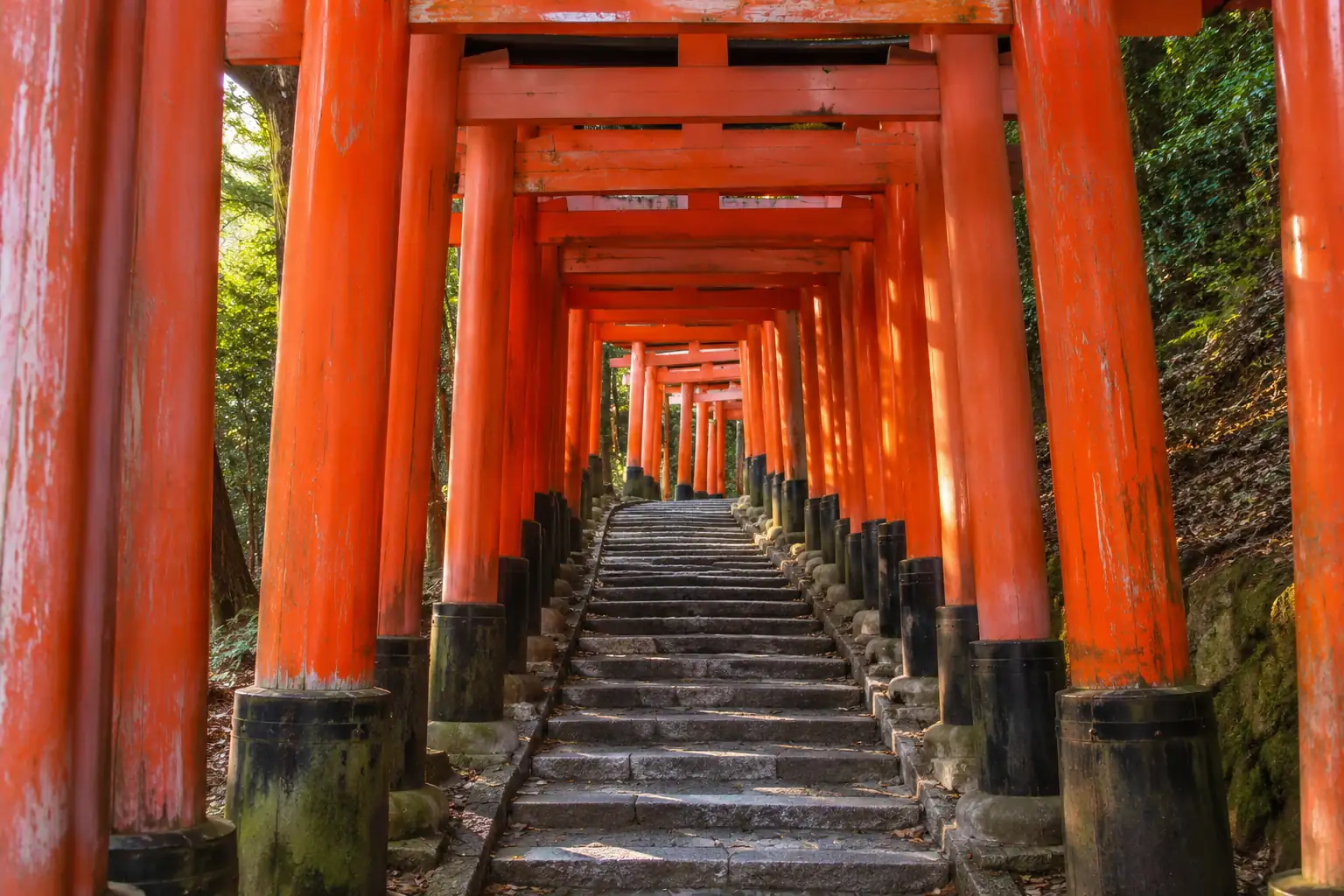
10. Walk Through Fushimi Inari’s Torii Gates
Fushimi Inari Taisha in Kyoto turns a shrine visit into a walk through vivid red gates and wooded paths. Looking for fox statues gives children a simple focus without needing a long history lesson.
You do not need to reach the summit to enjoy the shrine. Choose a turnaround point that suits your family, bring drinking water and use a carrier rather than relying on a stroller for the stepped mountain paths.
11. Take a Gentle Walk in Arashiyama
Arashiyama’s bamboo paths and riverside scenery offer a change of pace from central Kyoto. An early bamboo-grove walk followed by the river and an unhurried lunch makes a manageable family outing.
The bamboo grove and the climb to Iwatayama Monkey Park are different levels of effort. Make the monkey park an optional extra only if your children can manage the uphill walk and your schedule has room for it.
For tired legs or limited mobility, keep the outing around the river and accessible streets. Avoid trying to cross Kyoto for another major attraction immediately afterward.
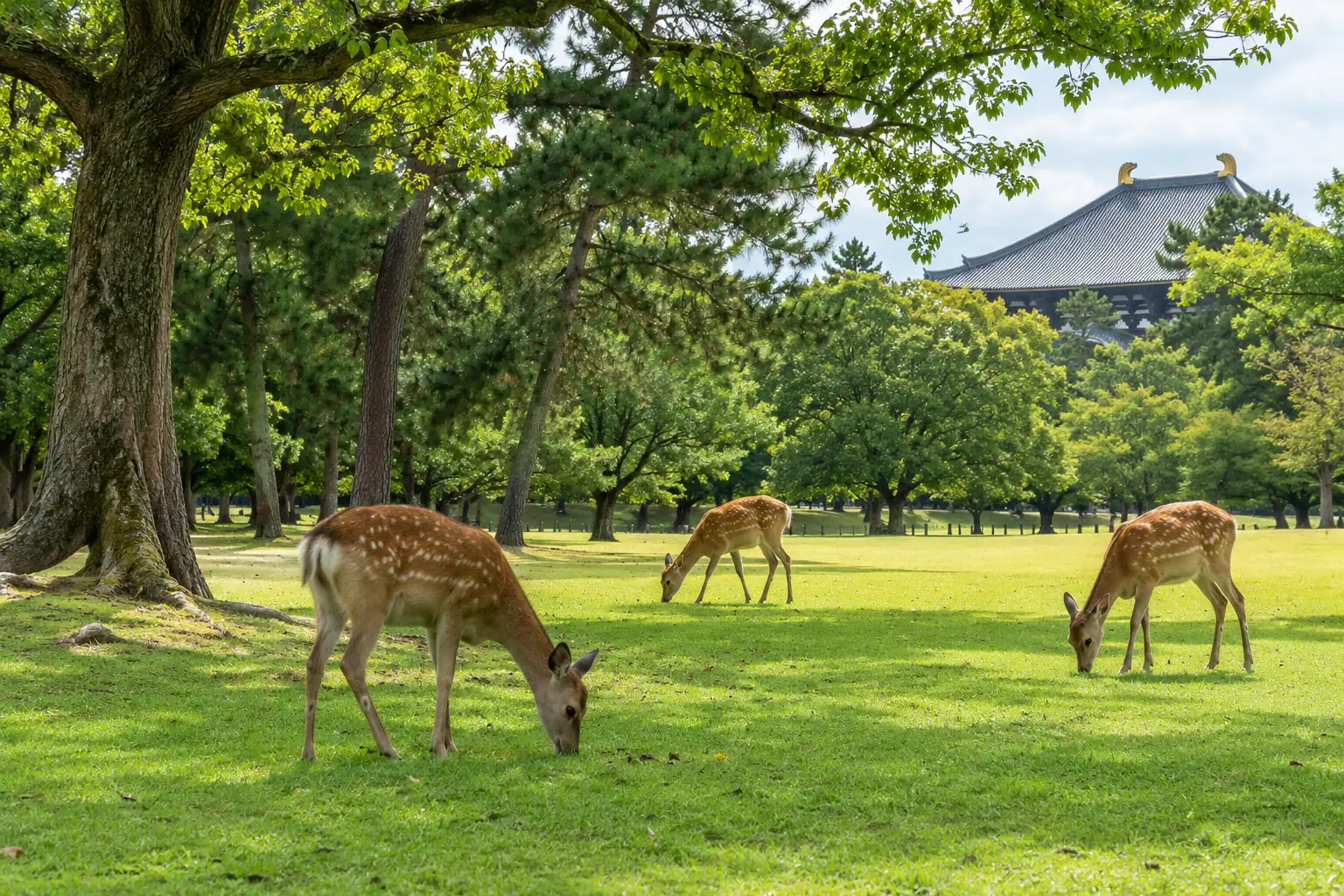
12. Watch the Deer in Nara Park
Nara Park combines open space, free-roaming deer and the impressive buildings around Todai-ji. It works as an outing from Kyoto or Osaka, with a full day available if you want a leisurely temple visit and lunch.
The deer are wild animals and may bite or push. Watching from a little distance is a perfectly good choice for younger children; if your family feeds them, an adult should supervise and use only the designated deer crackers.
Keep human snacks, paper maps and bags away from the deer.
Do not tease animals by withholding visible crackers or chase them for photos.
Allow extra time for walking between the station, park and temple; temple admission is separate from wandering in the park.
Food, Scenic Rides and Hot Springs
A memorable family experience can be a meal, a journey or an evening at your accommodation. These choices help vary a trip that might otherwise become a sequence of entrance queues.
13. Enjoy Lake and Mountain Scenery in Hakone
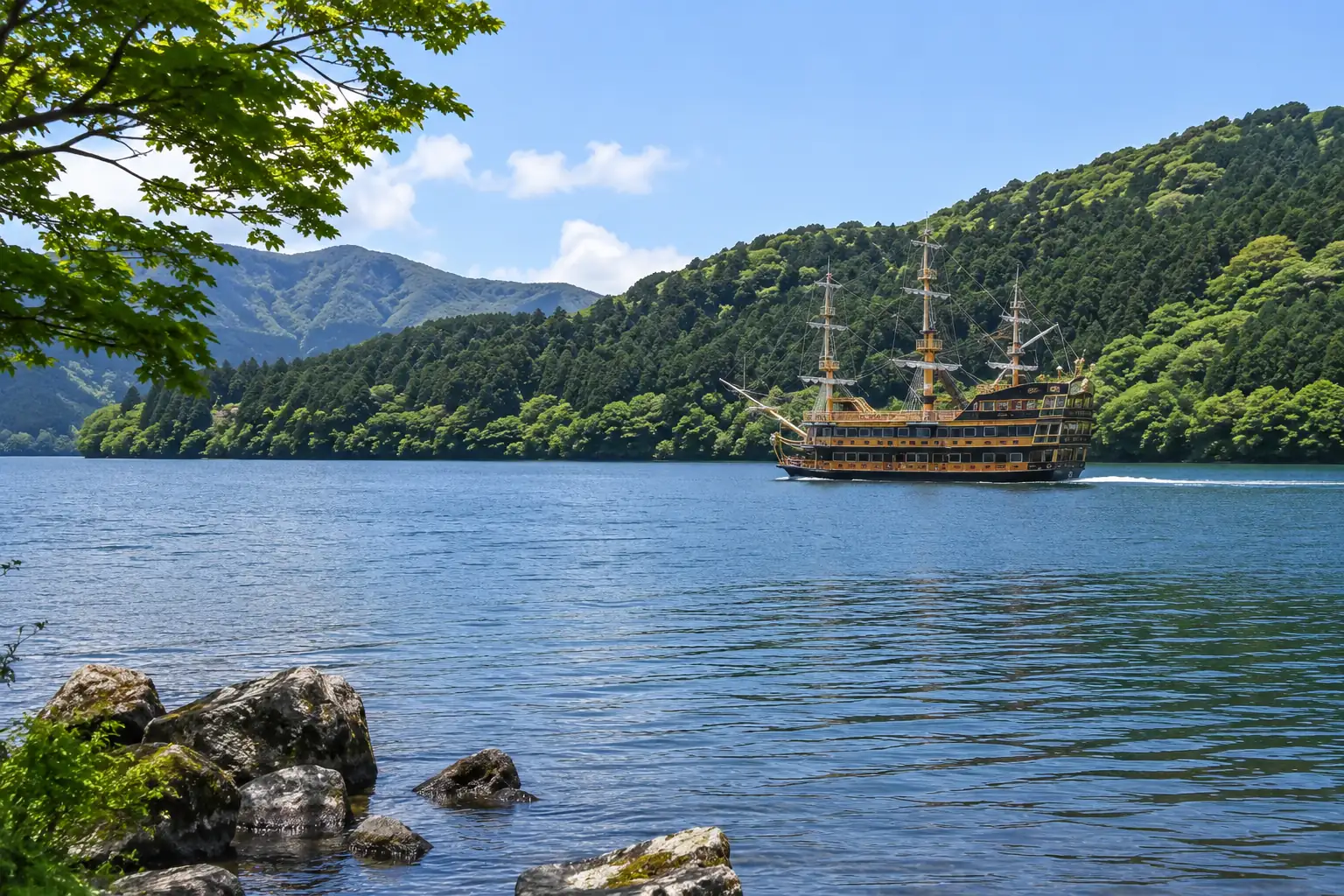
A Lake Ashi sightseeing cruise or a ride on Hakone’s mountain railway gives children a reason to enjoy the scenery. Choose a few connected stops rather than treating the whole transport circuit as a compulsory checklist.
An overnight stay leaves more room for slow connections and an early dinner. On a day trip, make the lake or another single area your main goal and check the last services you need to get back.
Mountain views depend on weather, and transport may be suspended. If considering the ropeway through Owakudani, check current operating notices and volcanic-gas restrictions, especially when traveling with small children or anyone with a respiratory condition.
14. Turn a Shinkansen Journey into an Experience
When your route already includes Tokyo and Kyoto or Osaka, the bullet train can be an activity in its own right. Choose an ekiben station bento together before boarding, and leave time to find the platform without rushing.
Reserve seats together if that matters to your family. On JR Central, children aged 6–11 generally use child fares; a child under six who occupies their own reserved seat also needs the relevant child ticket.
Compare your actual journeys with the cost of a rail pass before buying one. A simple two-base trip does not automatically make a nationwide pass the cheapest choice.
15. Make Sushi, Gyoza or Another Japanese Dish
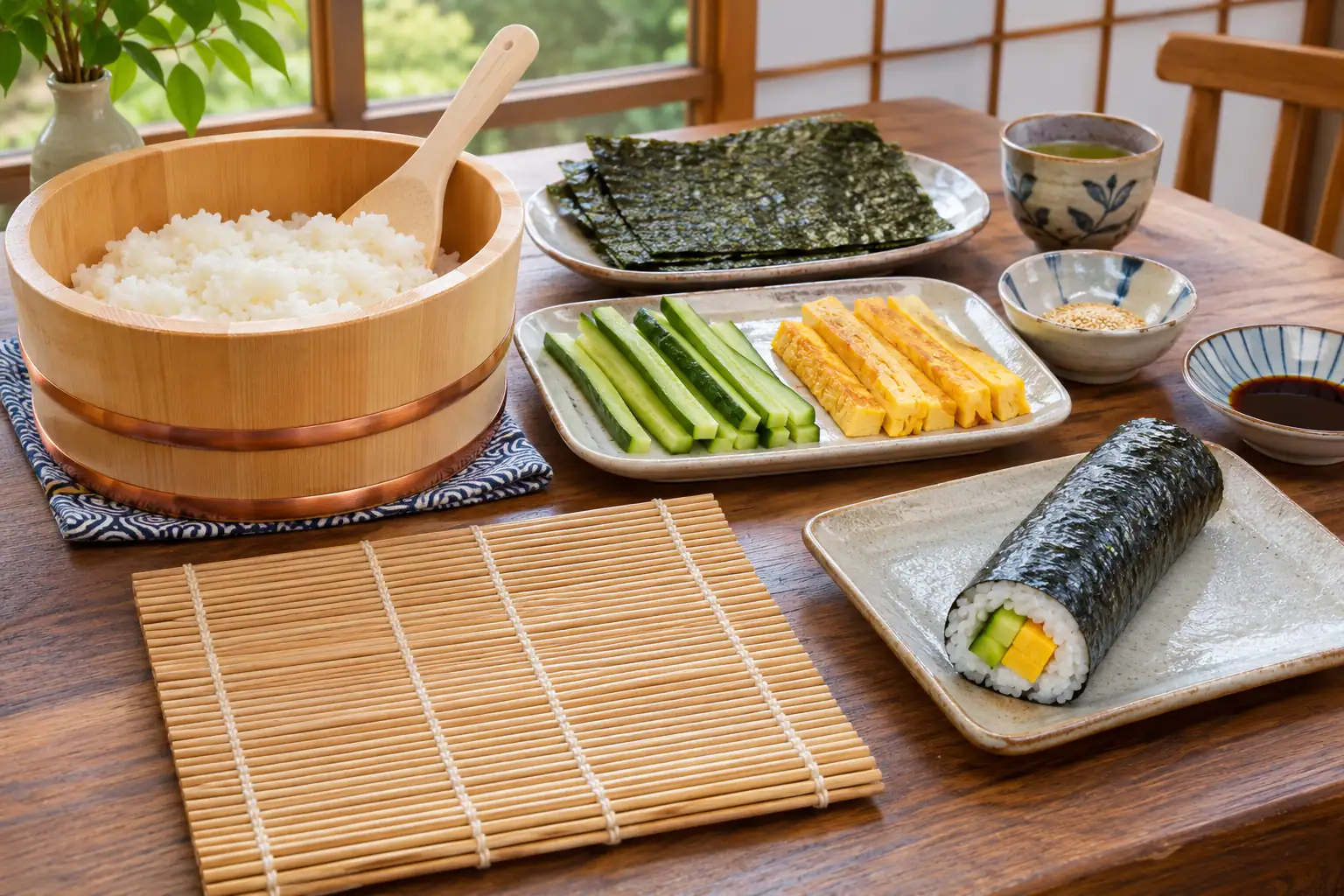
A family cooking class gives children a chance to roll, shape and taste something they made. Simple sushi rolls, gyoza or another familiar dish can suit children who prefer doing to listening.
Before booking, ask what children actually prepare, the minimum age, whether instruction is in English and whether adults must participate. Confirm allergies and ingredient substitutions directly, and choose a session that includes a meal at a sensible time.
If a class does not suit your budget, make a relaxed meal part of the adventure: try udon, Japanese curry or cooked sushi options at a casual family restaurant. Food halls are useful for choosing different dishes, but check where you can sit before buying a takeaway meal.
16. Try a Private Family Onsen
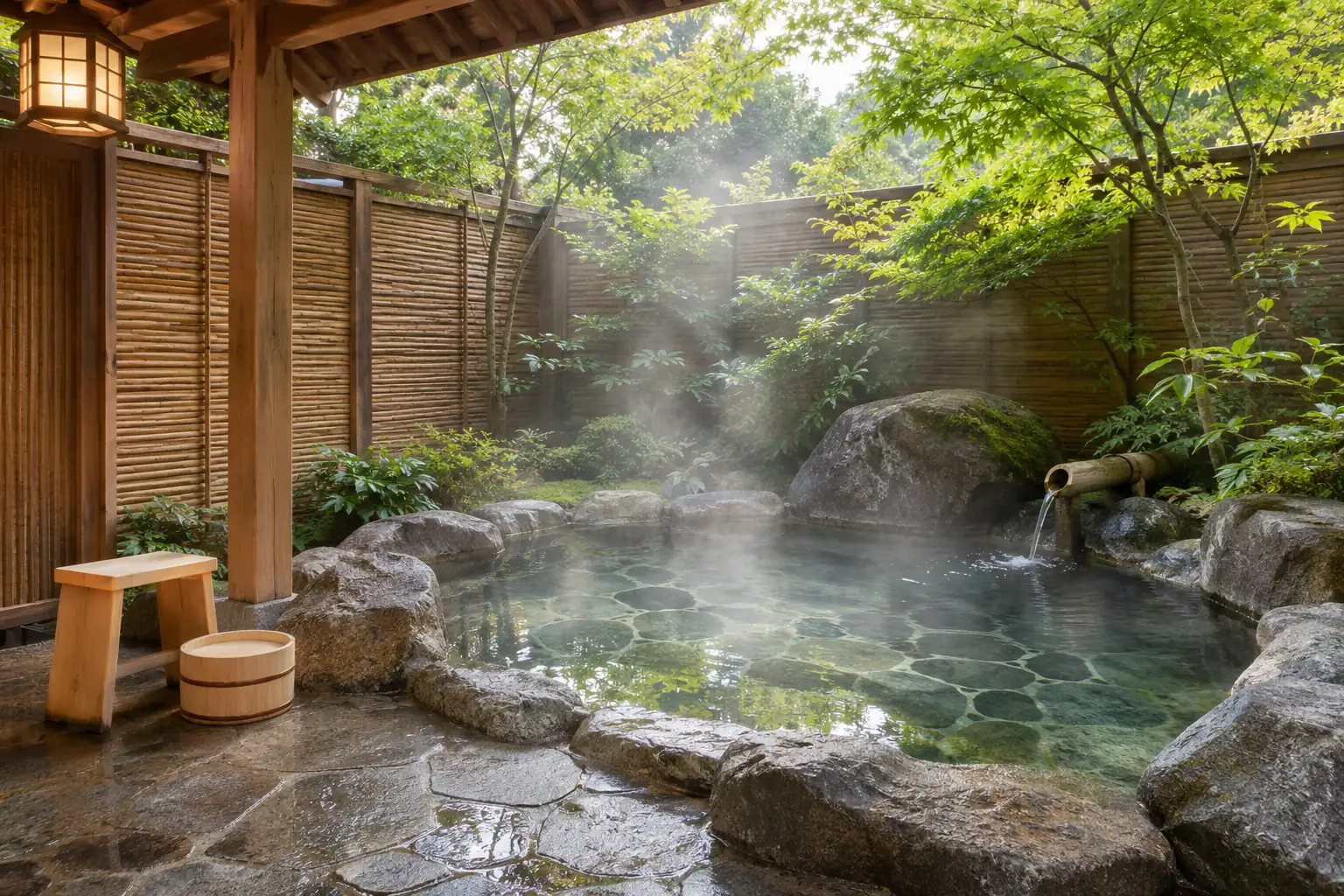
A ryokan stay with a private bath lets the family experience Japanese bathing at its own pace. Look for a reservable family bath or a room with its own bath, and confirm that it uses hot-spring water if an onsen is your priority.
Ask about child policies, water temperature, reservation fees, diapers and tattoos before booking. Wash before entering, keep towels out of the water and supervise children closely; this is a quiet soak rather than a swimming session.
Check dinner timing and children’s meal options when choosing a ryokan package. An elaborate set dinner may suit your family less well than an earlier, simpler meal.
Practical Tips for Japan with Kids
Book the Difficult Experiences First
Secure any must-have Ghibli reservation, dated theme-park ticket or limited workshop before filling the rest of your schedule. Keep booking confirmations available offline and check the name, date, cancellation conditions and included activities.
Build compact days around the reservations: Kyoto Railway Museum with Umekoji Park, Asakusa with the Sumida River, or Kaiyukan with the Tempozan waterfront. Treat Kyoto and Osaka as neighboring bases, rather than assuming every family needs to change hotels between them.
Make Transport and Rest Stops Easier
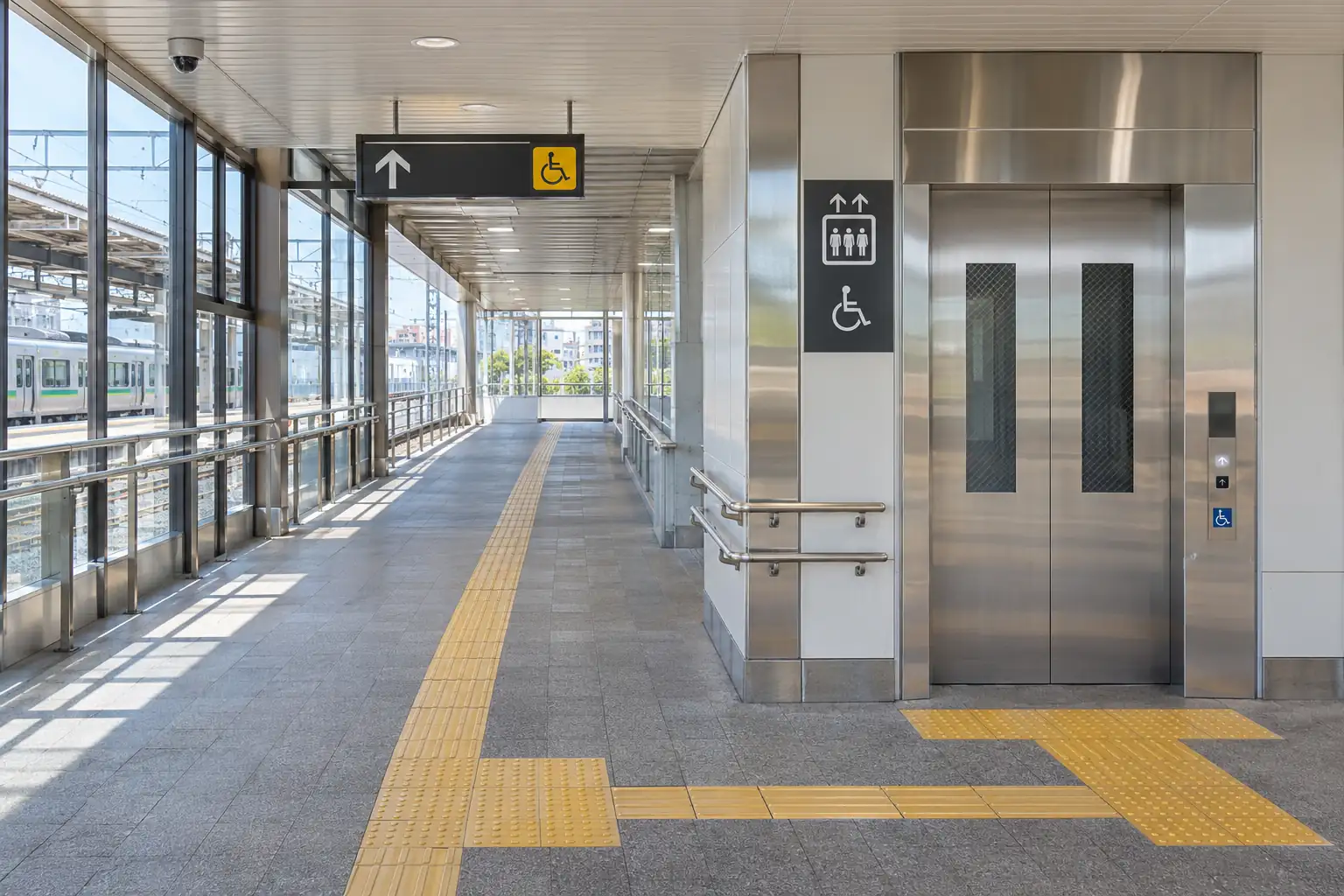
A compact folding stroller can help on long city days, while a carrier is useful where steps interrupt the route. Check elevator exits before setting off and allow longer connections at unfamiliar stations.
Department stores and larger malls can provide useful feeding and changing stops. If using luggage forwarding, confirm the delivery date with your accommodation and carry enough essentials for the time your bags will be away.
Plan Food and Spending Around Your Family
Keep a few dependable meal options near your hotel, such as udon, curry, rice dishes or a family restaurant with a children’s menu. For allergies, carry a clear Japanese-language explanation and confirm ingredients with staff; a familiar dish name does not establish what is in its broth or sauce.
Price accommodation for your family’s actual occupancy, including beds, breakfast and children’s meals. Add major park tickets, intercity transport and paid experiences separately, then balance them with parks, neighborhood walks and shrine visits.
For a sense of the difference between activities, the Ghibli Museum’s adult admission is ¥1,000, while Kyoto Railway Museum’s general adult admission is ¥1,500. Theme parks can take a much larger share of the budget, especially when paid queue options, food and souvenirs are included.
Keep Maps and Translation Available
Mobile data is useful when finding a station’s elevator exit, translating a menu or changing plans around the weather. Save your hotel address and essential tickets offline, and keep a charged phone available for navigation.
If your phone supports eSIM and is unlocked, an iRoamly Japan eSIM is one option for getting mobile data for your chosen maps and translation apps. Check device compatibility, the selected plan’s terms and installation instructions before departure.
FAQ
1. What Is the Best Age to Visit Japan with Kids?
There is no single best age. Preschoolers can enjoy parks and aquariums, school-age children can engage with hands-on activities, and teenagers can help choose food, shopping and entertainment; the right pace matters more than a particular birthday.
2. What Can Families Do in Japan on a Rainy Day?
Choose an aquarium, railway museum, digital-art venue or a pre-booked cooking session near your base. Check availability before traveling across the city, since a rainy day can increase demand for indoor attractions. A reservable private bath at a family-friendly ryokan can also offer a relaxed break.
3. Are There Free Things to Do in Japan with Kids?
Yes: public parks, riverside walks and browsing neighborhood streets can fill enjoyable parts of a day. Senso-ji’s main precincts, Fushimi Inari and wandering Nara Park can be low-cost anchors, with transport, purchases and separately ticketed sights added as needed.
4. Can We Travel in Japan Without Speaking Japanese?
Yes, especially along major city routes, but English support varies at smaller venues and workshops. Carry your accommodation address in Japanese, use translation tools and confirm the language of any instructed activity before booking.
Conclusion
The best family trip to Japan starts with a few experiences everyone is excited about. Choose your priorities, then build days that leave enough time to enjoy them.
Mix a major park or museum with quieter discoveries: a temple walk, a favorite bowl of noodles or the view from a train window. Those changes of pace help keep the trip enjoyable across different ages.
You can save the rest for another visit. A manageable route gives your family more room to notice the Japan that catches your own curiosity.