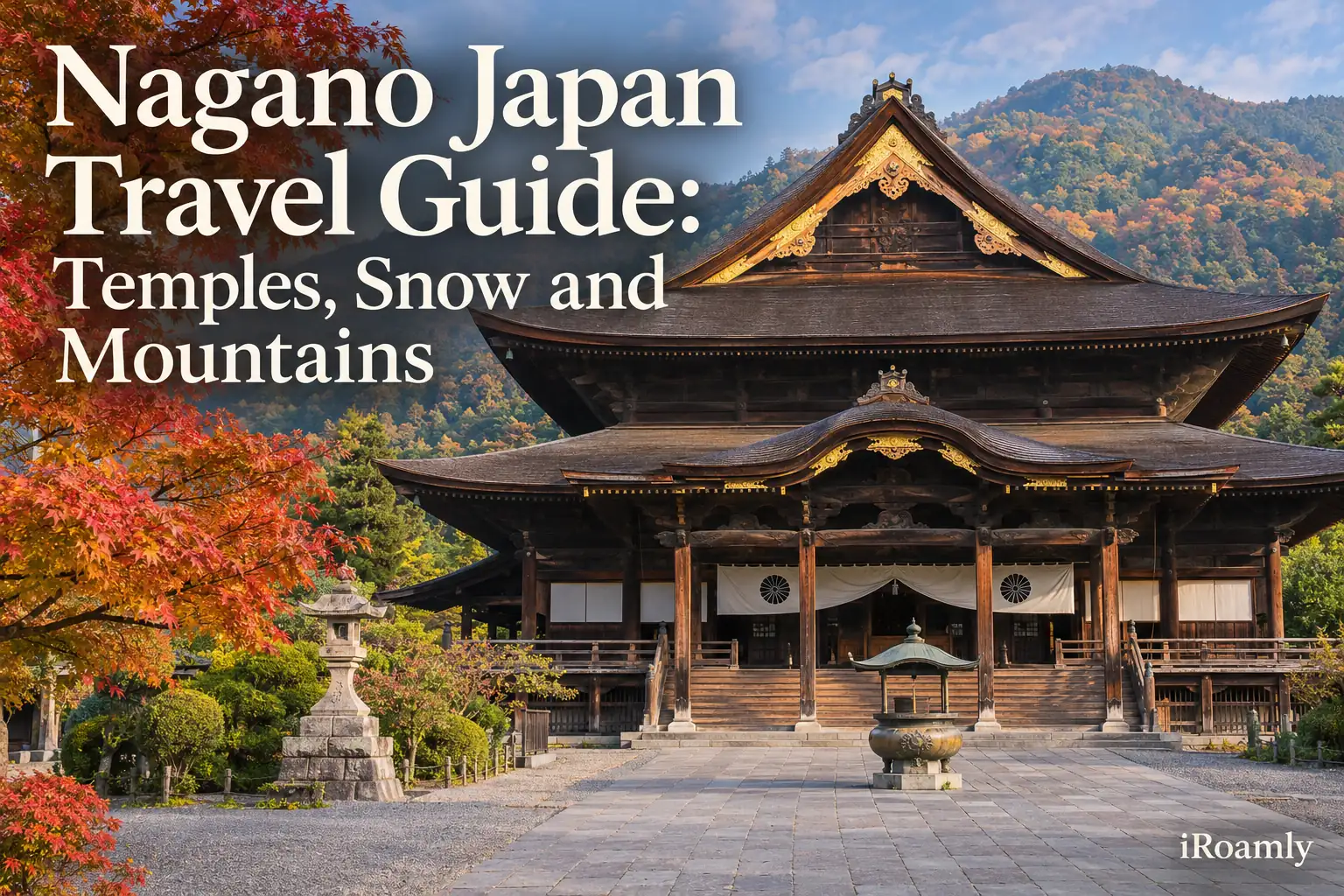
Nagano’s appeal lies in its cedar-lined shrines, traditional onsen streets, and mountain scenery. Winter brings skiing and monkeys bathing in hot springs, while the warmer months invite forest walks and riverside strolls beneath the Japanese Alps.
From the old streets around Zenkoji to Matsumoto Castle and Kamikochi, Nagano offers both relaxed town visits and nature outings worth planning a day around. Your interests and travel season will help determine your route and where to stay.
This guide covers Nagano’s main sights, local food, transport, and accommodation, with suggested itineraries for different trip lengths. Start with the experiences that interest you most and build a trip at your own pace.
Where Is Nagano?
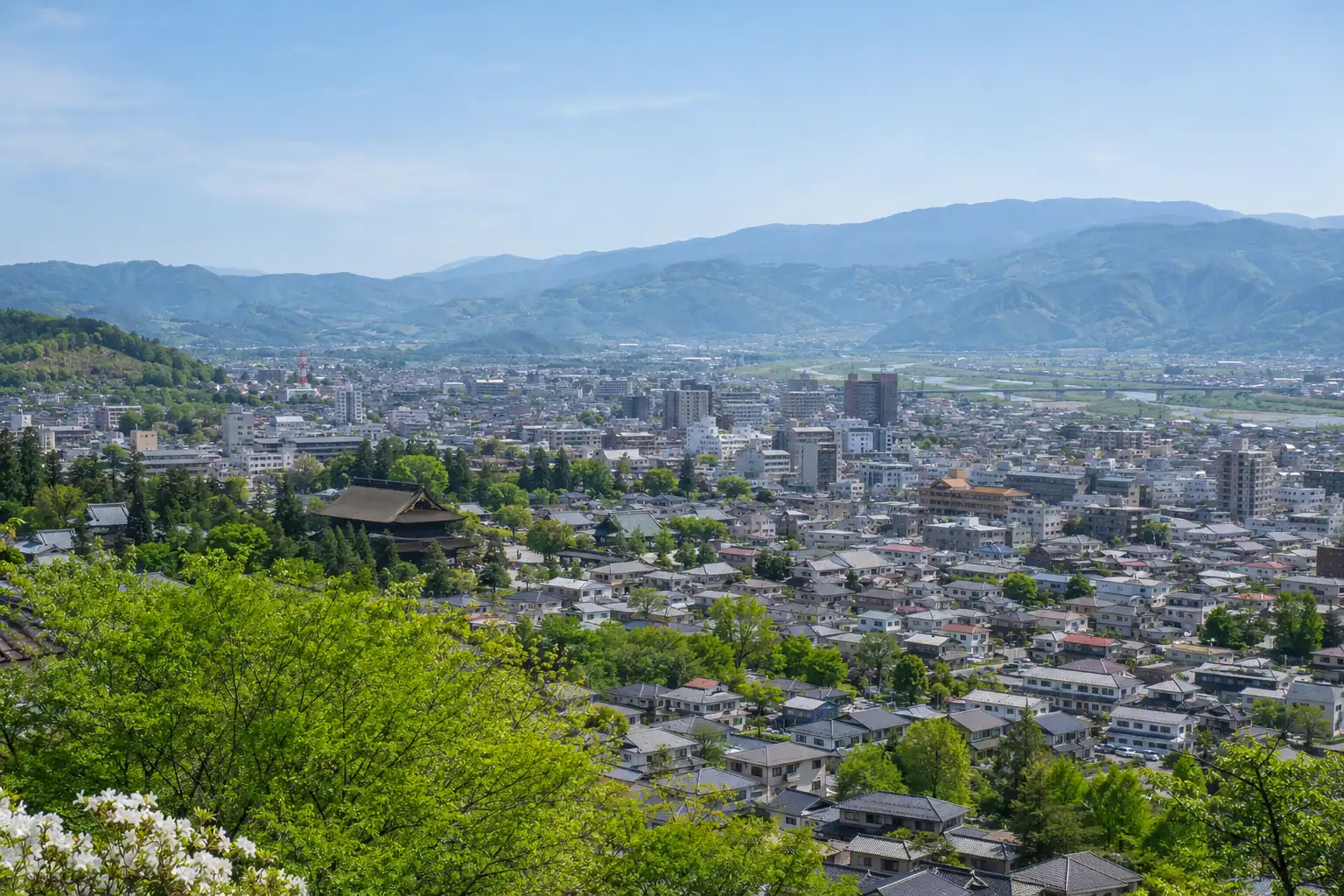
Nagano Prefecture lies inland in central Honshu, Japan's main island.
Nagano City is its capital in the north; Matsumoto, the Kiso Valley and the prefecture's mountain resorts are separate destinations rather than neighborhoods of the same city.
For a first visit of two or three days, Nagano City is a useful base for Zenkoji, Togakushi, Obuse and the snow monkey area. Choose Matsumoto when the castle, Narai-juku and Kamikochi are your main priorities.
A longer trip can combine both cities, but give each side its own days. Fast trains between the cities do not remove the extra bus journeys needed to reach the mountains.
Best Time to Visit Nagano
Choose winter for skiing and snowy onsen scenery; choose late spring through autumn for forest walks and the wider range of mountain outings. Conditions vary sharply with altitude, so the weather in Nagano City does not tell you whether a high trail is open.
December to March: A useful window for a snow-focused trip, with January and February often favored for wintry scenery. Check snow and resort operations before booking early- or late-season skiing.
April and May: City blossom and fresh greenery arrive while higher ground can retain snow. Kamikochi's transport and facilities reopen in stages; do not treat opening day as the start of snow-free mountain hiking.
June to September: Good scope for green-season valley walks and mountain stays, with rain, thunderstorms and occasional transport disruption to account for. Nagano's lower city basins can still be hot in summer.
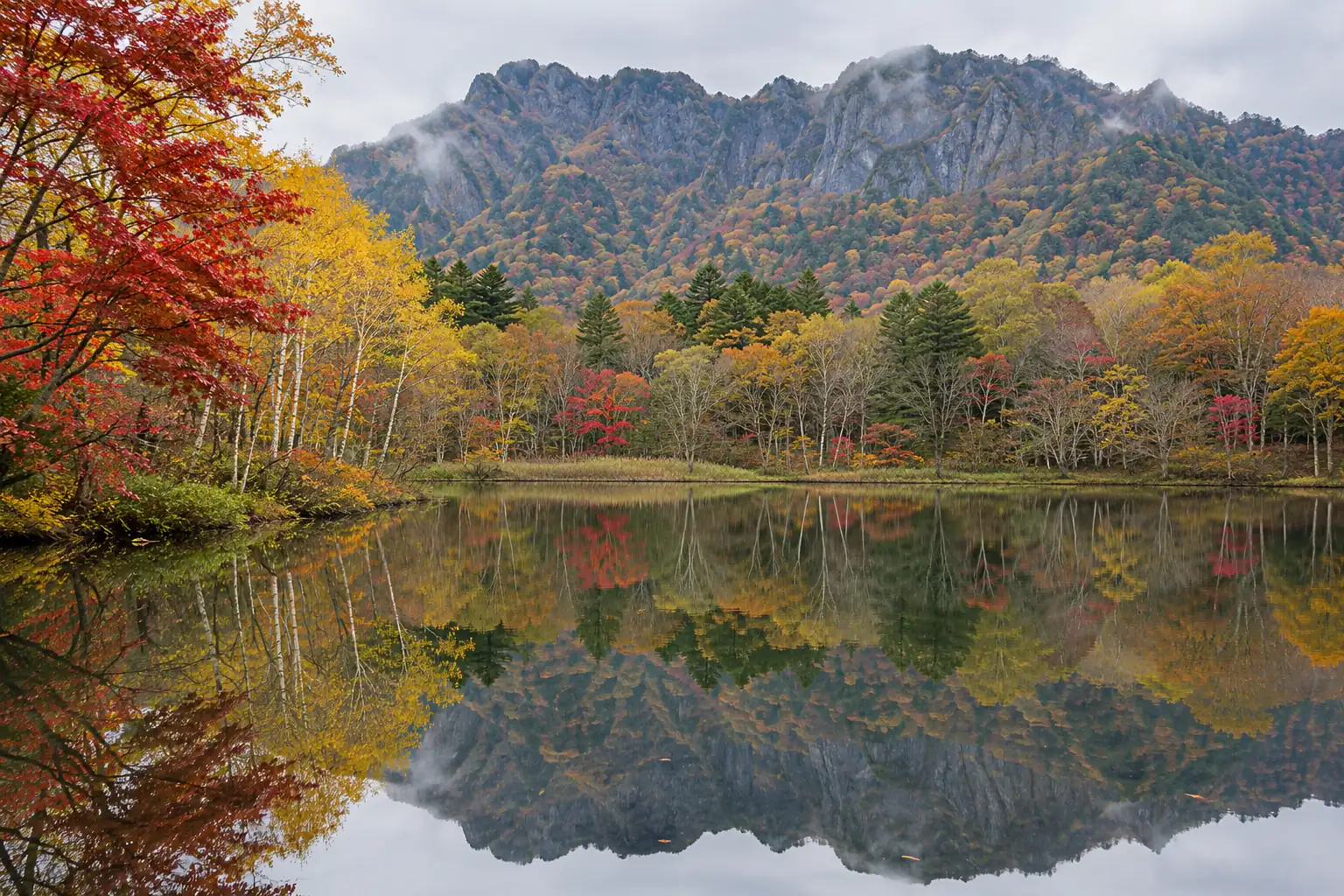
October to mid-November: Autumn color moves down through different elevations. Higher places can be cold or past their foliage peak while lower towns still have color.
Book ahead for Japanese holiday periods, autumn weekends and popular ski dates. For outdoor days, leave an alternative city or museum day that you can swap in when the weather changes.
Things to Do in Nagano
Temples and Historic Towns
1. Visit Zenkoji Temple
Zenkoji is the place to start understanding Nagano City: the town developed around this Buddhist temple, whose history dates to 642. Its broad wooden main hall and monumental gates give the visit a sense of scale that the surrounding shopping streets gradually reveal as you approach.
Walk through the temple district, explore the grounds and decide whether to enter the ticketed inner areas, including the dark underground passage. The main sacred image is hidden from public view; a visit does not include seeing the original statue.
Allow around two hours for the temple and nearby streets, longer if you stop for lunch or visit the neighboring Nagano Prefectural Art Museum.
From Nagano Station, allow roughly 30 minutes on foot, with an uphill approach, or take a city bus toward Zenkoji.
For the early morning service, consider a nearby shukubo temple lodging and confirm the day's service time with your host.
2. Walk the Forest Paths at Togakushi
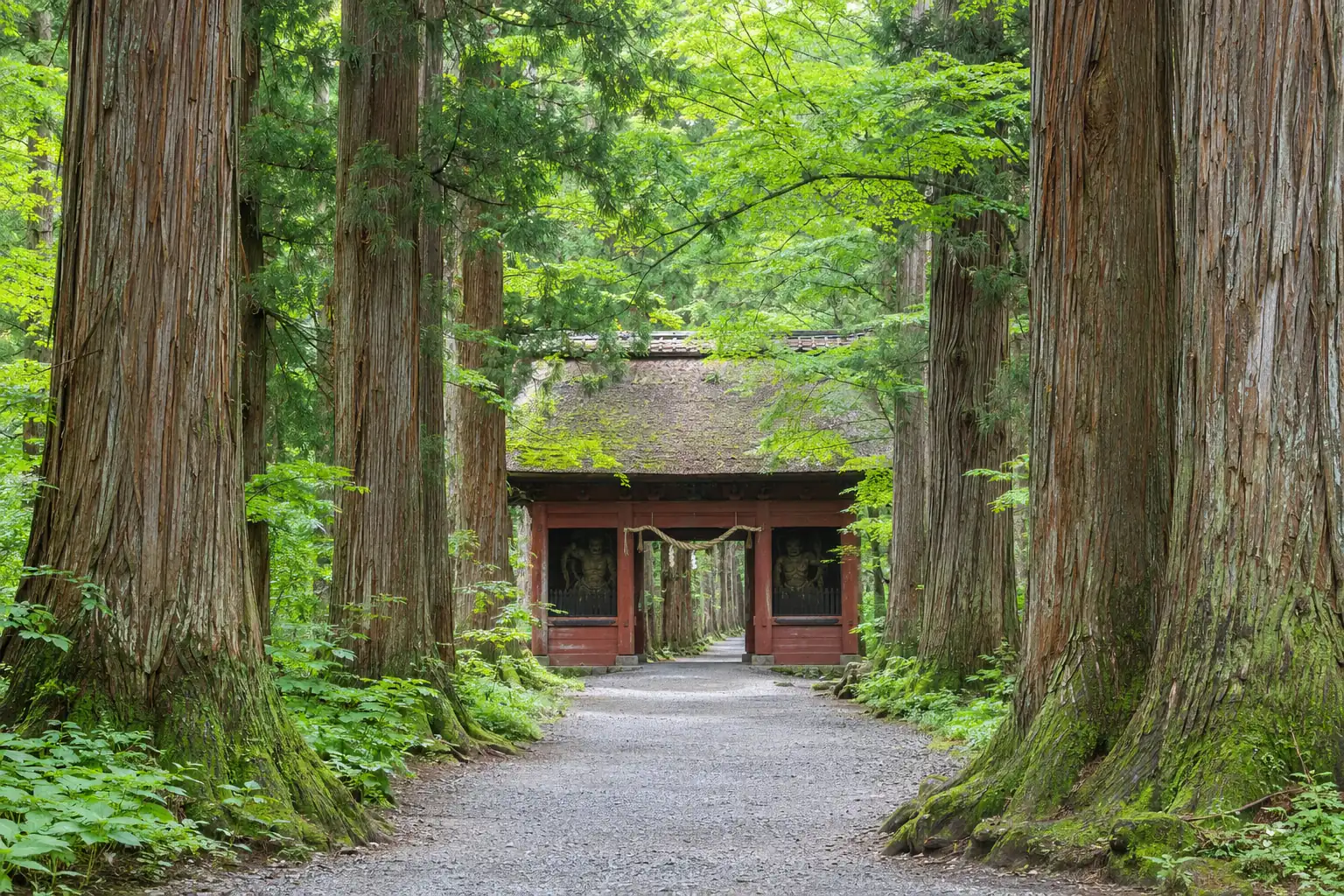
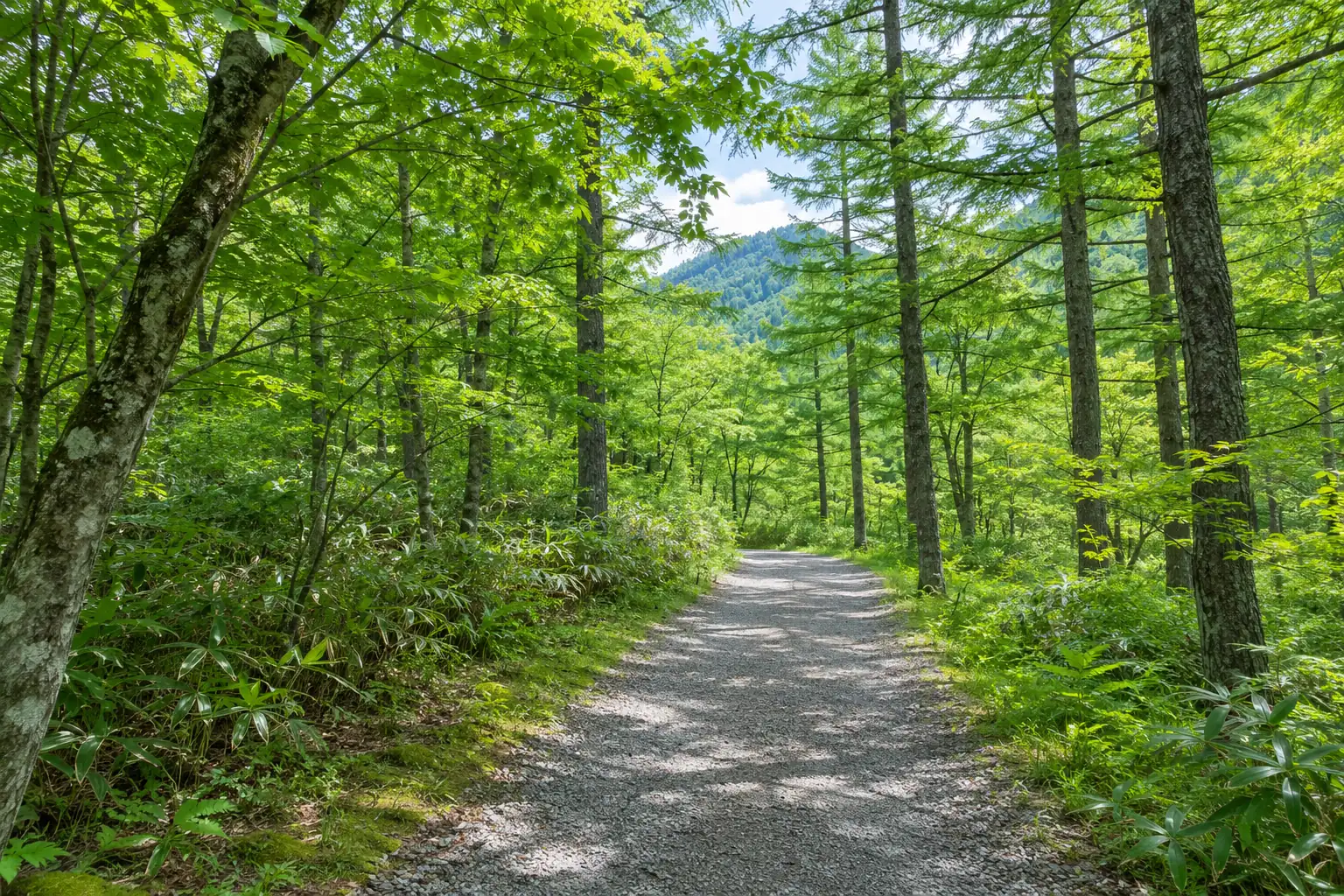
Togakushi's five shrines spread through the mountains above Nagano City. The best-known walk follows the approach to Okusha, the Upper Shrine, through the Zuishinmon gate and an avenue of enormous cedar trees.
The approach is about two kilometers each way, with steps near the shrine, so leave time to enjoy the forest rather than treating it as a quick photo stop.
Chusha, the Middle Shrine, and a soba lunch make a rewarding shorter outing if you do not want the full five-shrine walk. Allow most of a day from Nagano City when combining the bus journeys, walking and lunch.
Winter brings shrine closures, restricted sections and different bus stopping patterns; check current local notices and follow barriers rather than planning a summer walking route through snow.
3. Explore Obuse's Art and Chestnut Shops
Obuse offers a gentler outing built around Hokusai, small streets and chestnut sweets. Visit the Hokusai Museum for works connected with the artist's time in the town, then browse the center and stop for a chestnut dessert.
Art lovers can add Gansho-in Temple for Hokusai's phoenix ceiling painting, but it sits outside the central museum-and-shop area. Give Obuse half a day for the center or longer with the temple; a Nagano Dentetsu train from Nagano makes this a practical trip without a car.
4. See Matsumoto Castle
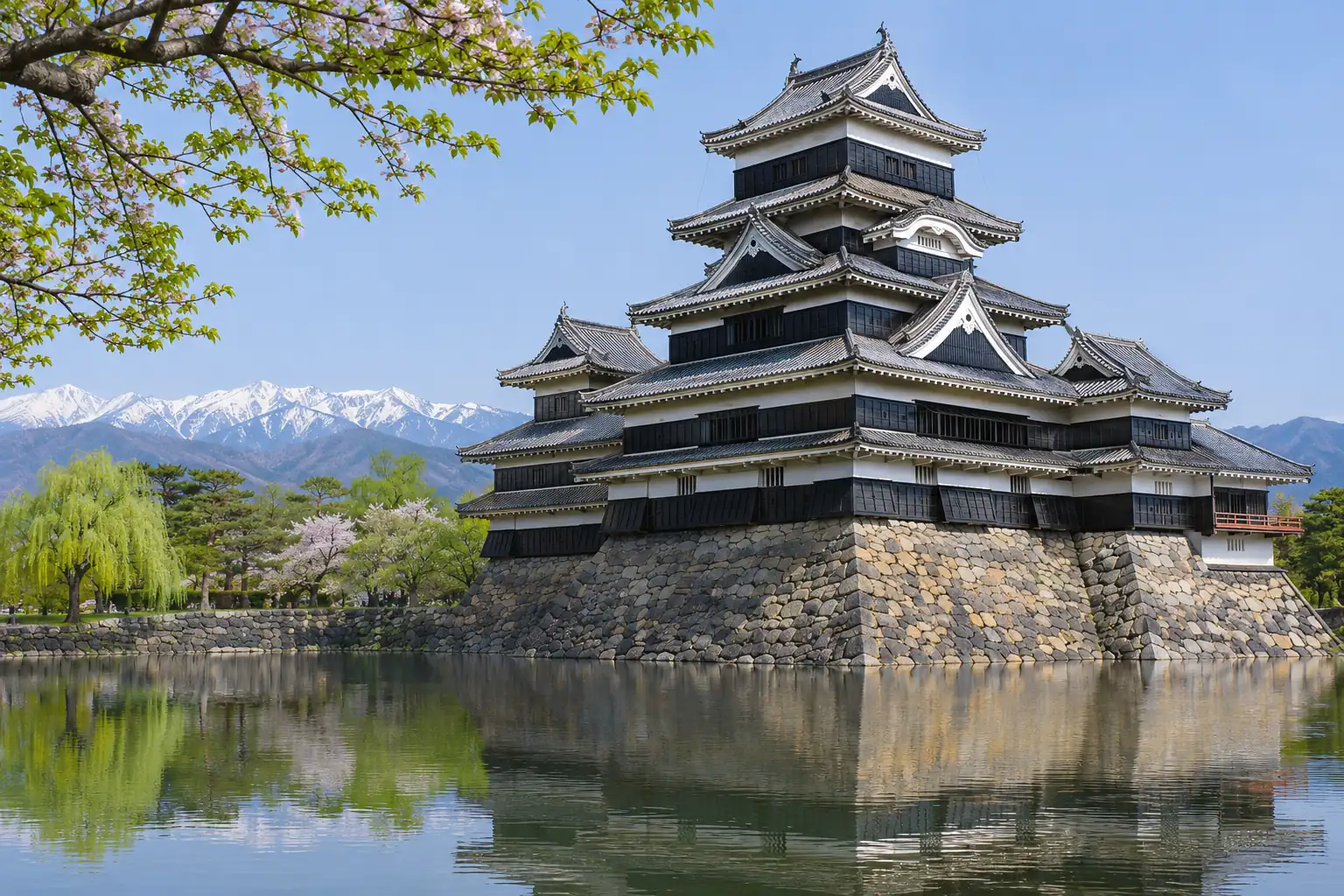
Matsumoto Castle's black-and-white keep reflected in its moat is one of Nagano's most memorable sights. This surviving historic castle rewards visitors interested in its timber interior and defensive design as well as those content to admire it from outside.
The keep has steep stairs and can involve queues, so arrive early if you want to go inside and consider a timed-entry e-ticket.
Travelers who cannot manage the climb can still enjoy the exterior and surrounding park without attempting the interior route.
Set aside a full Matsumoto day for the castle, Nakamachi's old merchant buildings and nearby Nawate Street. The city works as a day trip from Nagano, but staying overnight is more convenient before an early departure to Kamikochi.
5. Wander Through Narai-juku
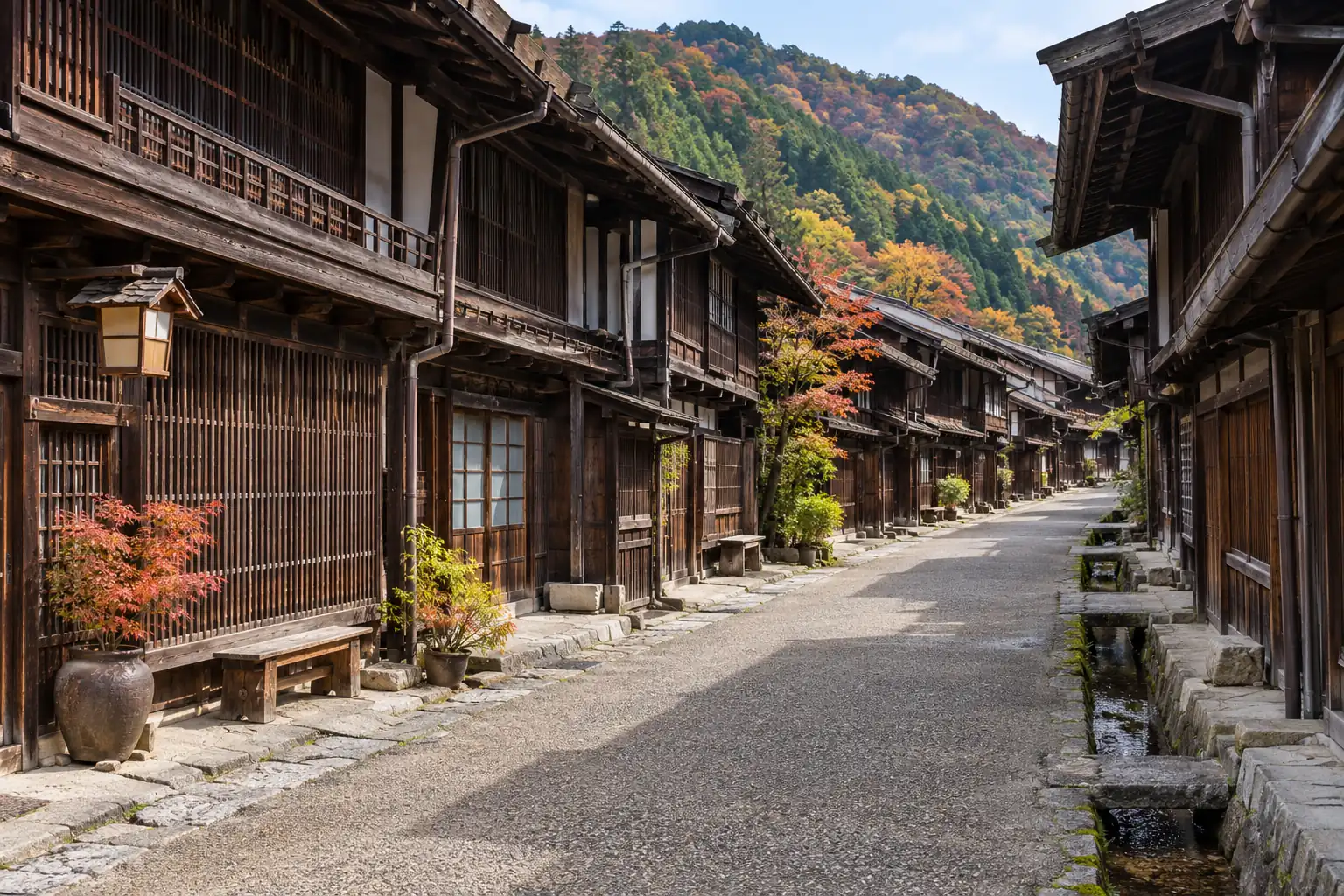
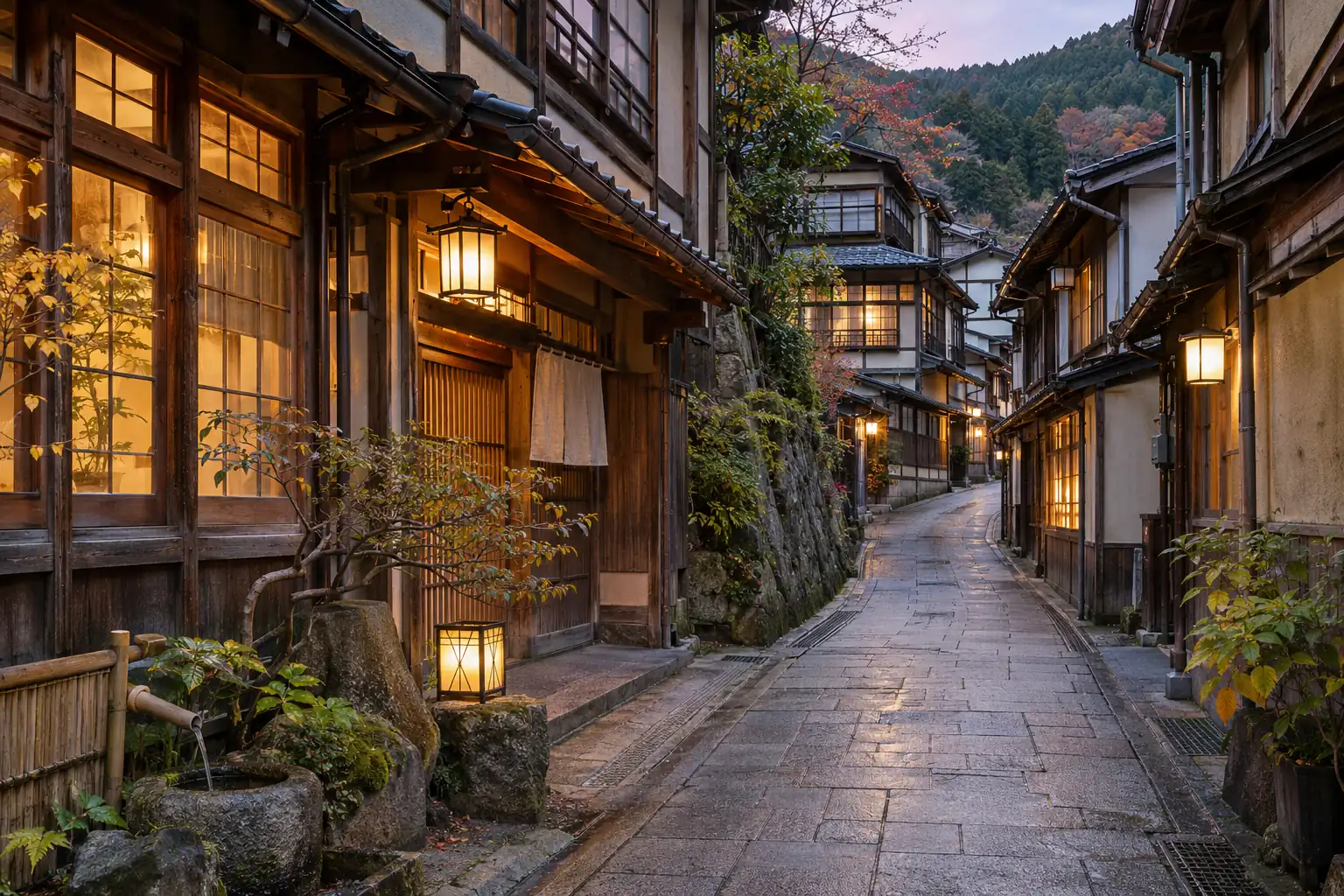
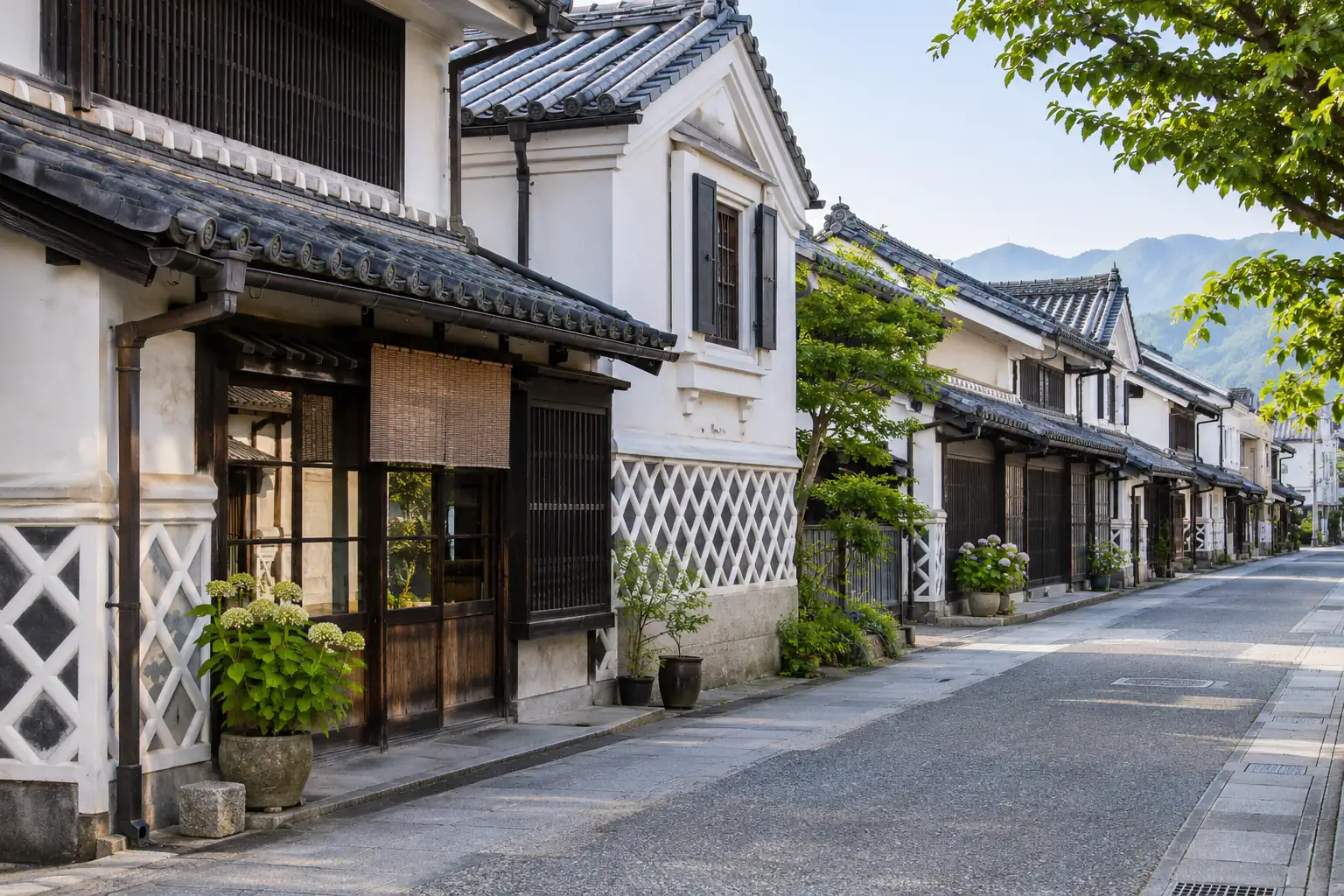
Narai-juku preserves a long street of timber buildings from the Nakasendo's former post-town network. Deep eaves, small inns and craft shops make it a good choice for travelers who enjoy traditional streetscapes at an unhurried pace.
From Matsumoto, travel by JR train toward Narai, checking whether your service requires a change at Shiojiri. Allow half a day for the town and lunch, and check the return train before lingering in the shops.
Narai is a town visit in its own right. The better-known Magome–Tsumago walking route is a separate excursion farther south; Magome is across the prefectural border in Gifu.
Wildlife, Hot Springs and Mountains
6. Watch the Monkeys at Jigokudani
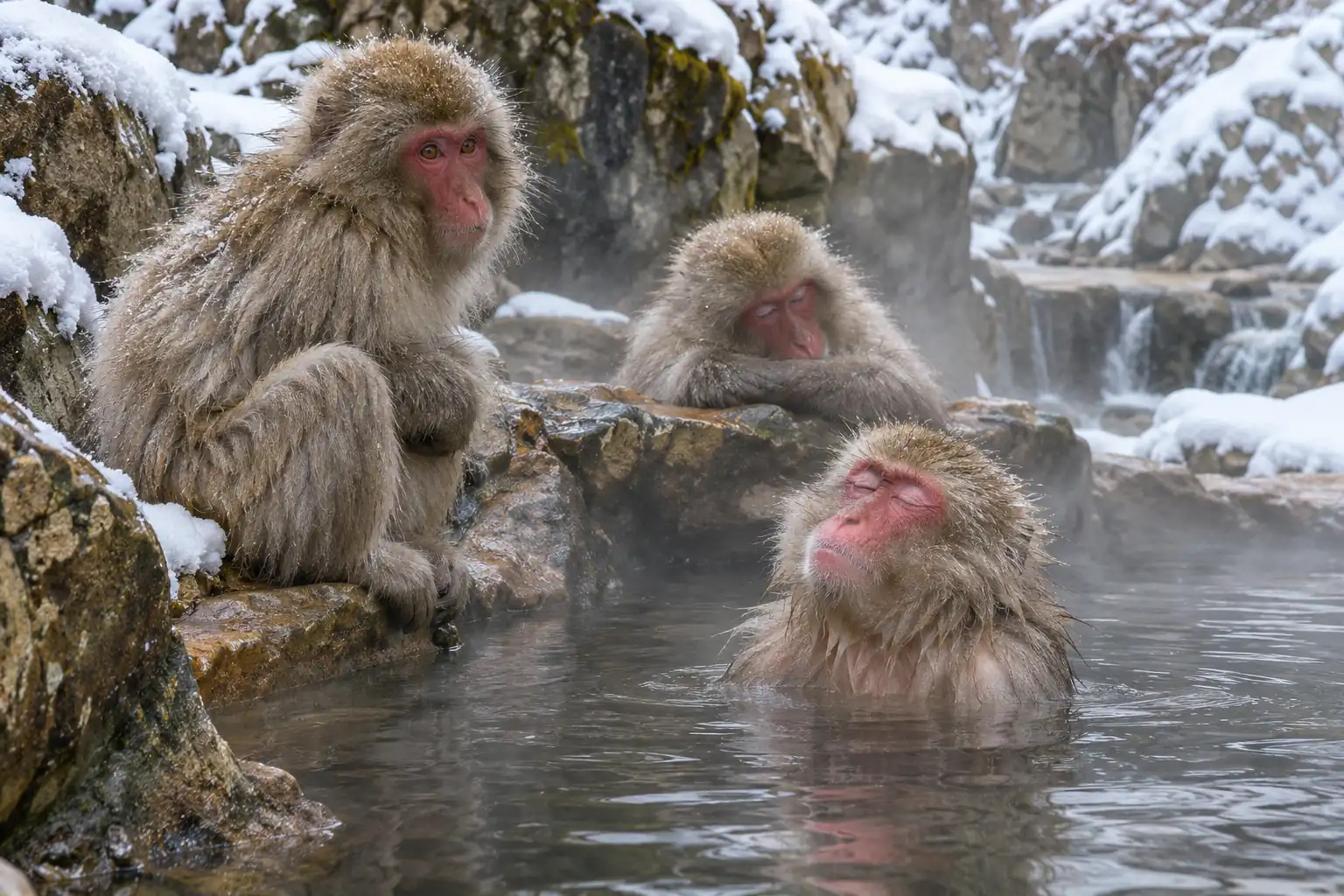
Jigokudani Wild Snow Monkey Park lets you observe Japanese macaques in a mountain valley, with winter offering the familiar scene of monkeys in a steaming pool beside snow-covered rocks.
The animals roam freely, so neither their appearance nor bathing is guaranteed.
From Nagano, take an express bus toward the Snow Monkey Park stop, or a Nagano Dentetsu train to Yudanaka followed by a local bus.
You still need to walk in: allow roughly 30–40 minutes each way from the Kanbayashi approach, plus the walk from your bus stop.
Plan at least half a day from Nagano City; allow longer for winter footing, bus waits and lunch.
Wear sturdy shoes, with waterproof winter footwear and suitable traction when conditions require it. The uneven approach is unsuitable for wheelchairs and strollers.
Keep food out of sight, give monkeys space and do not touch them. The pool is for the monkeys, with no visitor bathing.
Check the park's official visitor updates before setting out. Winter visitors with online tickets receive entry priority, and the park has announced a fare revision from December 1, 2026, so use the price shown for your visit date.
7. Stay for an Evening in Shibu Onsen
Shibu Onsen adds an experience that a quick monkey-park visit misses: an evening among traditional inns, hot-spring bathhouses and narrow lanes.
Book a ryokan if you want time for a bath, a leisurely dinner and a quieter walk after day visitors leave.
Access to the nine public bathhouses is a benefit for guests staying at participating Shibu Onsen inns, with a key borrowed from the accommodation.
A room in neighboring Yudanaka does not automatically include the same access, so check before booking.
Wash before entering, keep towels out of the bath and follow the rules at each facility. If very hot water or communal bathing does not suit you, look for an inn with a reservable private bath.
8. Choose a Ski Base in Hakuba
Hakuba Valley suits travelers who want skiing or snowboarding to be the main event. Its ten resorts offer different terrain, and your accommodation's position relative to lifts, lessons and shuttle stops matters more than a general claim that it is “in Hakuba.”
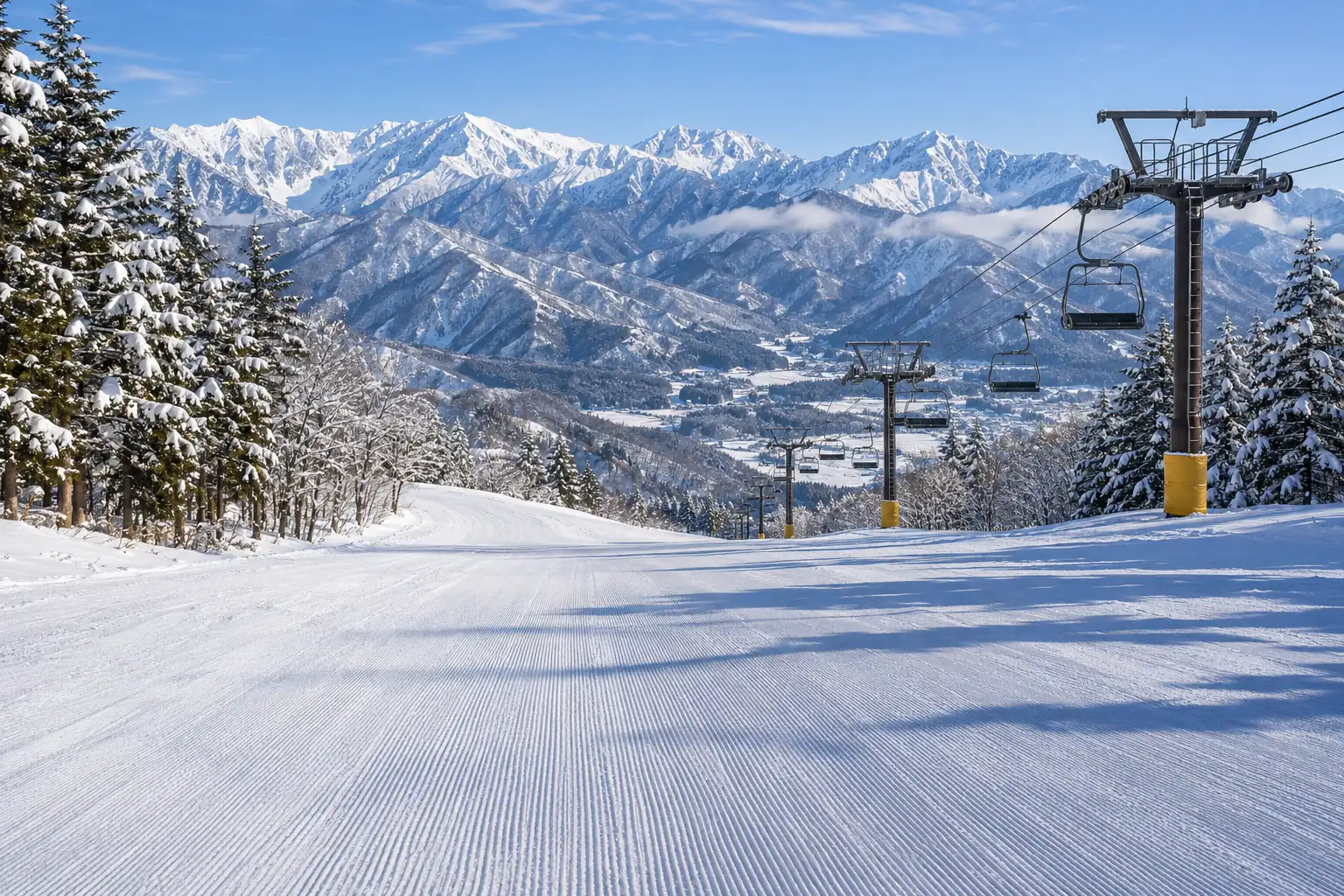
Beginners should choose their lesson and equipment arrangements before choosing a hotel; experienced skiers can prioritize the terrain they want.
A few nights in the valley avoid repeating the Nagano bus journey each morning, while a shorter visit still needs time for rental fitting and getting to the slopes.
For a ski holiday centered on a compact hot-spring village, consider Nozawa Onsen as an alternative, reached via Iiyama and an onward bus.
In the green season, Hakuba's gondolas and walks are separate seasonal operations; check the specific resort and route rather than assuming a winter lift ticket or opening schedule applies.
9. Walk Beside the River in Kamikochi
Kamikochi is a highland valley where clear water, forest and the Hotaka mountains create a very different outing from the temple town. You can enjoy the riverside scenery around Kappa Bridge without taking on a summit climb.
Use Matsumoto as the convenient starting point, traveling by the Kamikochi Line to Shin-Shimashima and then by bus, or by a direct bus where offered.
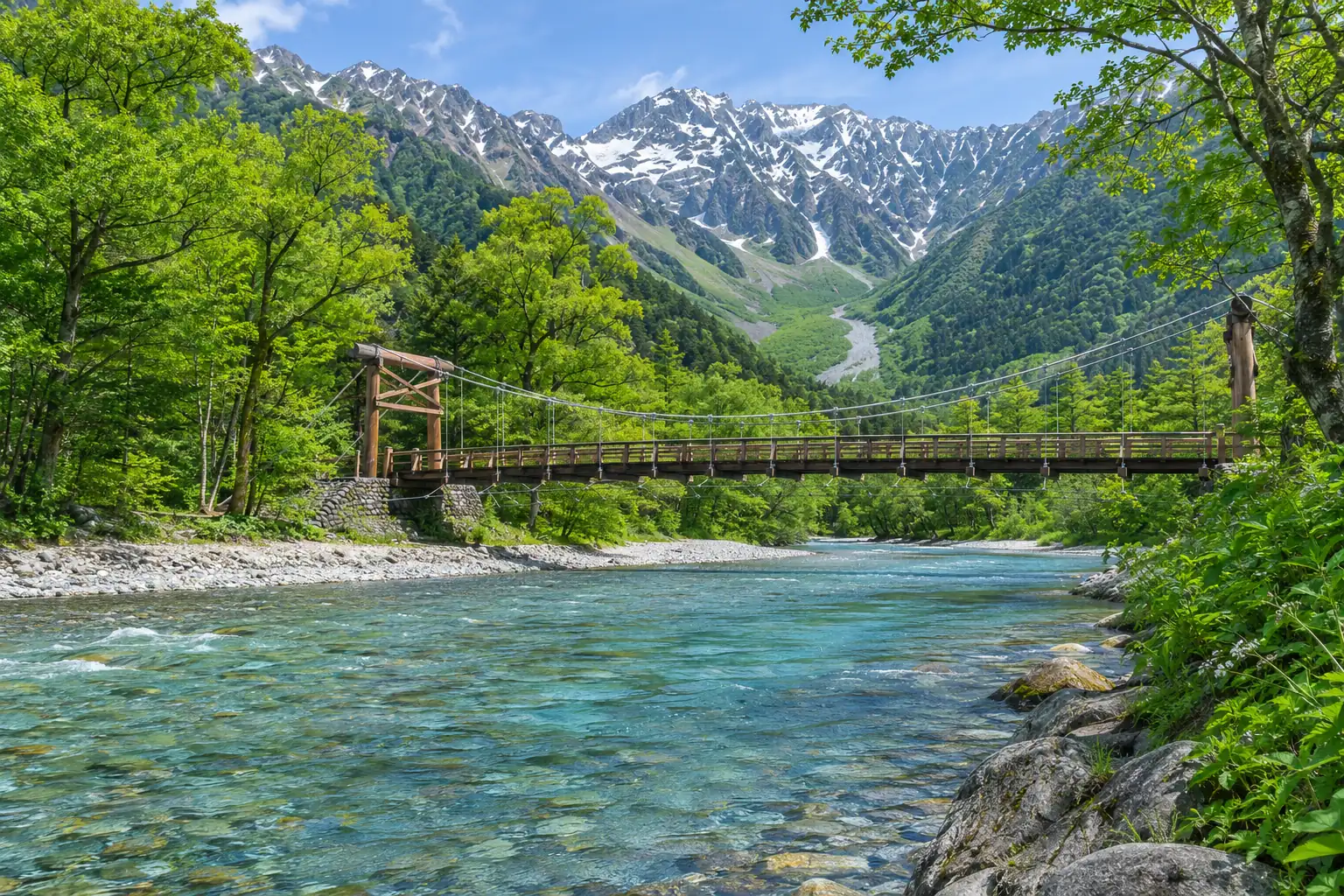
Reserve the bus legs in both directions under Alpico's current booking system; same-day seats are available only when space remains. Allow a full day and choose your walk around your return reservation.
The normal visitor season runs from mid-April to November 15, with some facilities closing earlier. Private cars cannot enter the valley: drivers transfer to a bus or taxi at Sawando or Hirayu.
Choose one riverside walk that fits the weather and your return journey. A valley stroll and a high mountain trek require very different preparation; consult the official Kamikochi guide for current access and trail information.
Where to Stay in Nagano
Near Nagano Station: Choose this for a short first visit with several train or bus outings. It is convenient for arrivals and departures, though less atmospheric than the temple district.
Near Zenkoji: A good fit for a slower city stay or early temple service. A shukubo offers a temple-lodging experience; confirm meals, bathing facilities and check-in arrangements with the individual property.
Shibu Onsen or Yudanaka: Choose these for an overnight onsen stay near the monkey-park area. Compare the bath access, station transfer and dinner-inclusive check-in deadline before booking.
Matsumoto: The practical base for the castle, Narai-juku and an early Kamikochi departure. Stay near the station for transport or closer to the center if evening dining and walking matter more.
Hakuba or Nozawa Onsen: Stay in your chosen resort area for several ski days. Check the walk or shuttle to your actual lift and lesson meeting point.
Compare what the room rate includes: a business hotel, a room-only inn and a ryokan with two meals are different purchases. Ski dates, weekends and holiday periods can change prices substantially, so use quotes for your dates instead of a fixed prefecture-wide nightly budget.
What to Eat in Nagano
Shinshu Soba
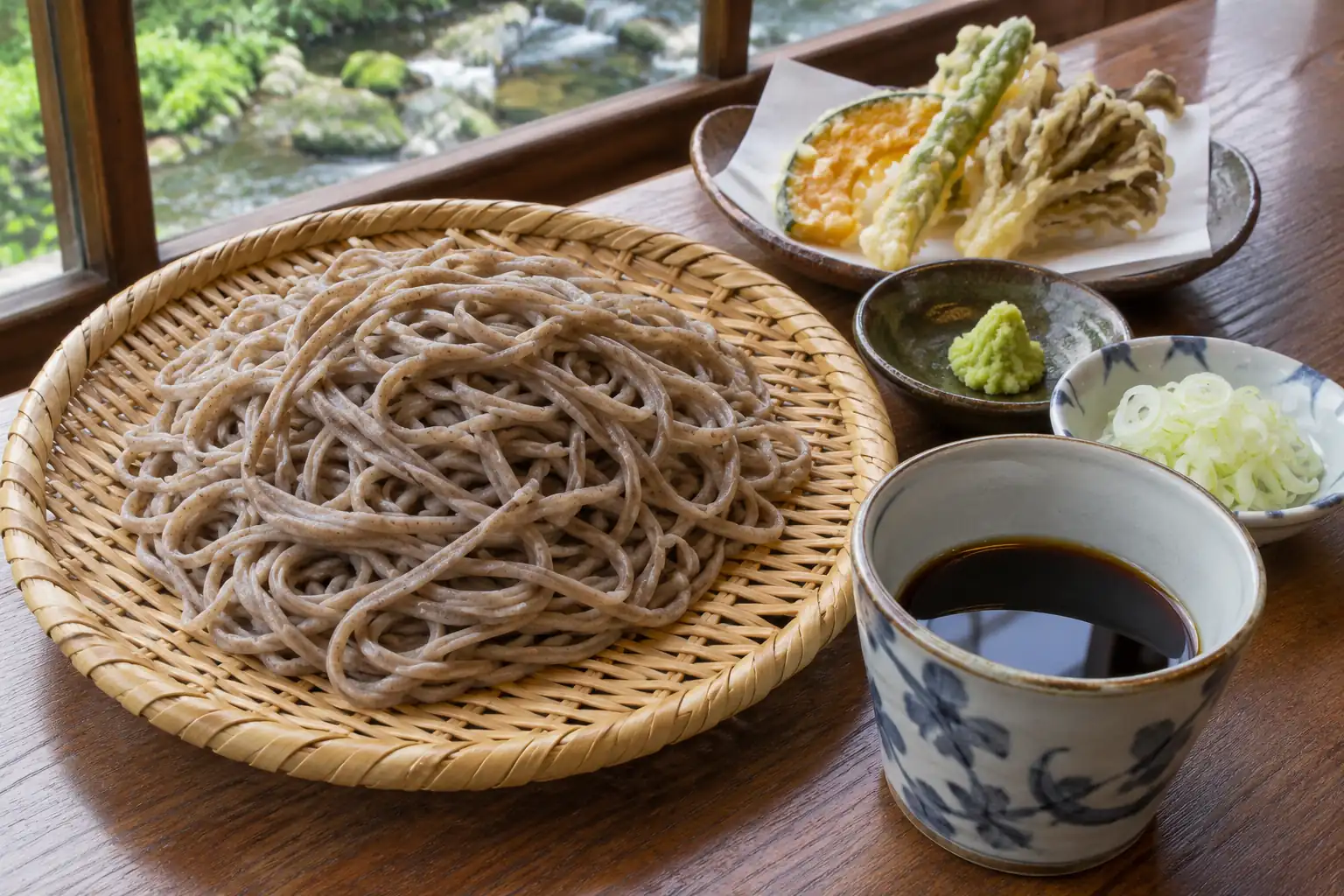
Buckwheat noodles are the local meal to make time for, especially around Zenkoji or in Togakushi. Order cold zaru soba to taste the noodles with a separate dipping sauce, or choose a hot bowl when you want something warming.
A vegetable tempura side makes a fuller lunch without turning the meal into a long tasting course. Soba restaurants near the shrines can be busiest at lunchtime, so allow for a wait rather than fitting lunch into a tight bus connection.
Oyaki Dumplings
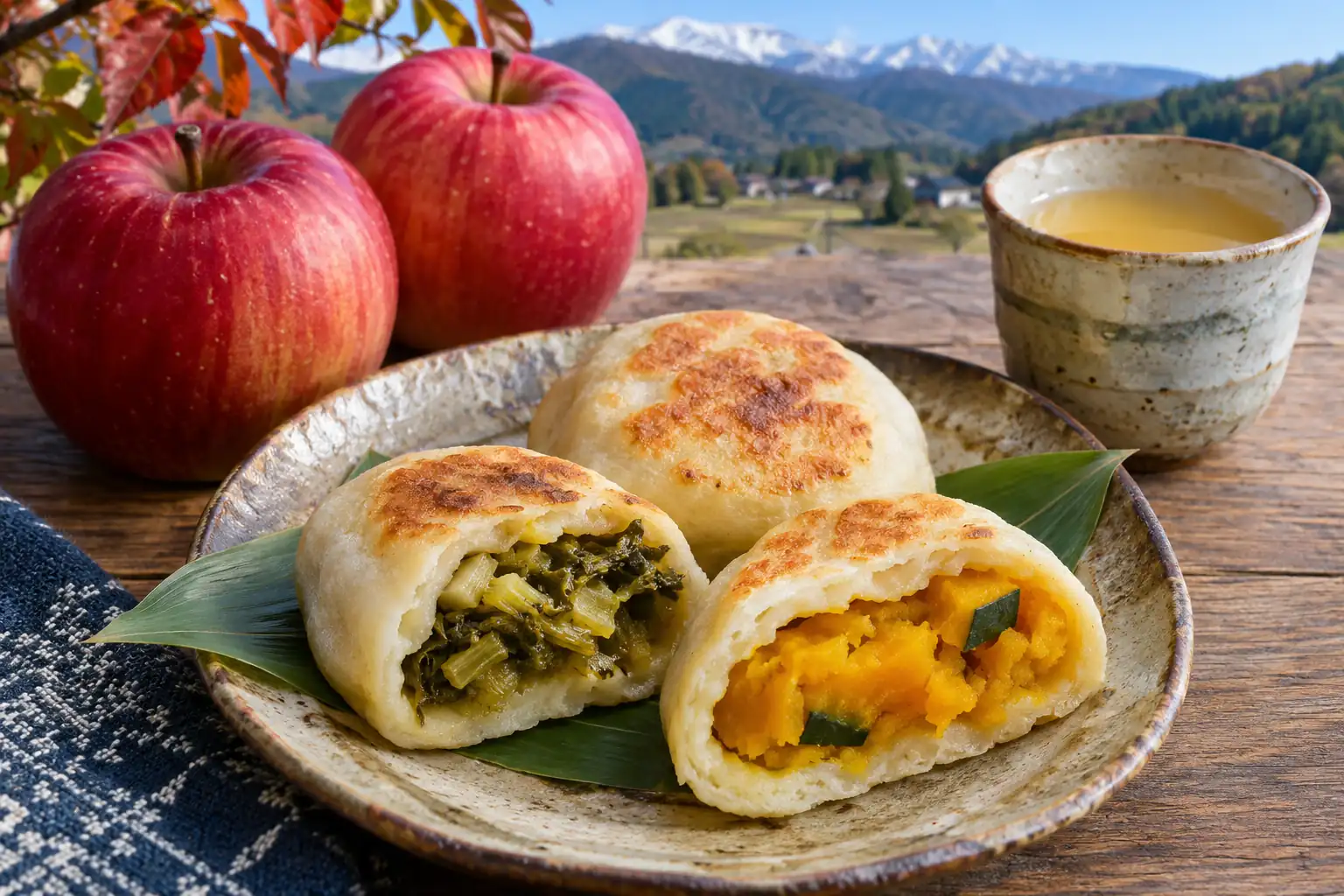
Oyaki are rustic filled dumplings, commonly made with vegetable or sweet fillings. Try nozawana pickled greens, pumpkin or sweet bean, and buy a small selection while exploring the temple approach or station shops.
They work well as a snack between visits, but ask which ones are ready to eat and which are sold chilled or frozen. If you avoid animal ingredients, check the filling and seasoning rather than assuming every vegetable version is vegan.
Apples and Chestnut Sweets
Look for Shinshu apple juice, seasonal fruit and apple sweets in local shops. In Obuse, leave room for a chestnut dessert at a café, where you can enjoy it during the visit rather than carry it through a full day of sightseeing.
Local Sake
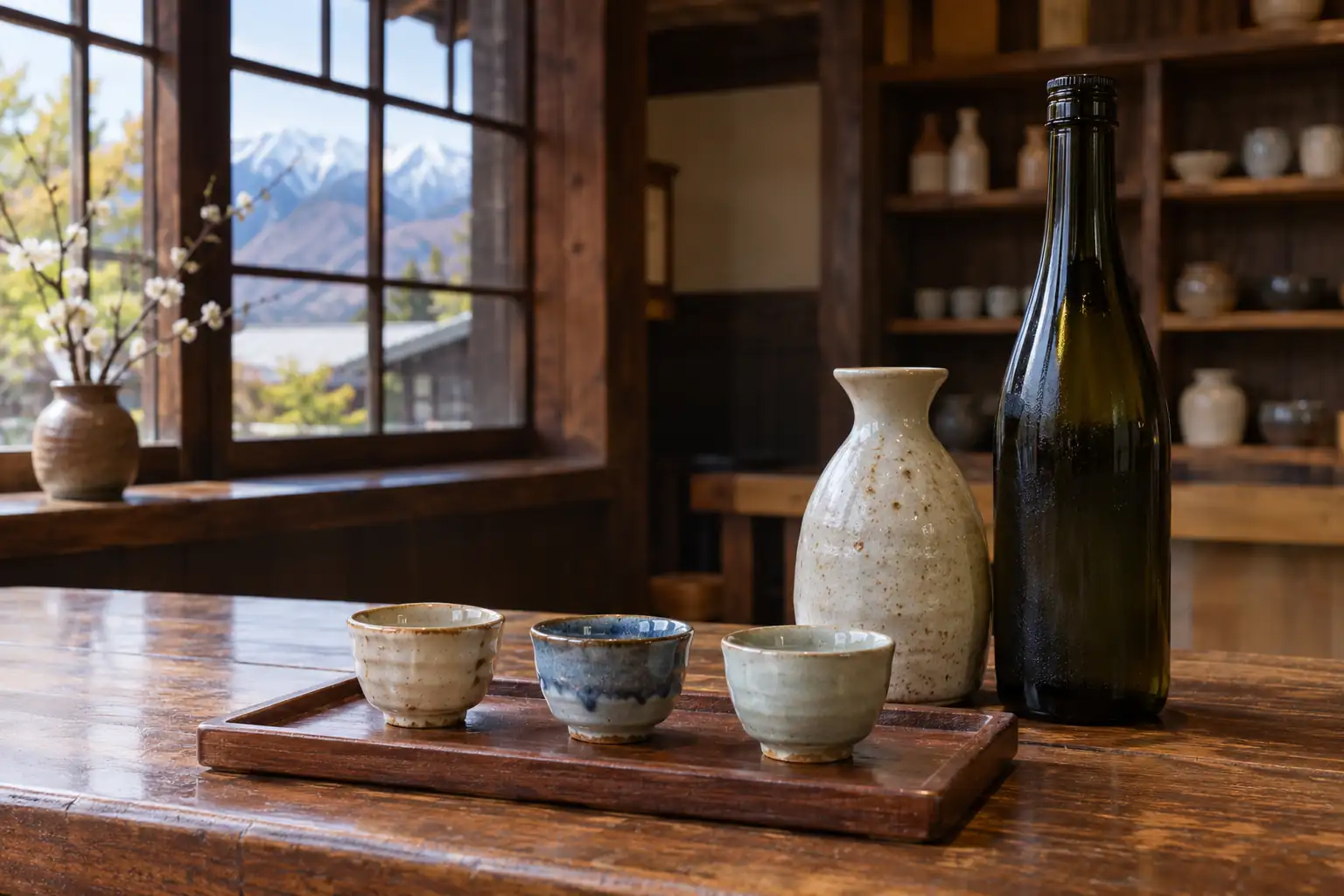
If you enjoy sake, a tasting at Shinshu Kuraudo in Nagano Station's MIDORI building lets you compare local bottles without making a separate brewery excursion. It is a convenient stop when your route brings you back through the station.
Shopping and Souvenirs in Nagano
Zenkoji's Approach: Spice and Small Gifts
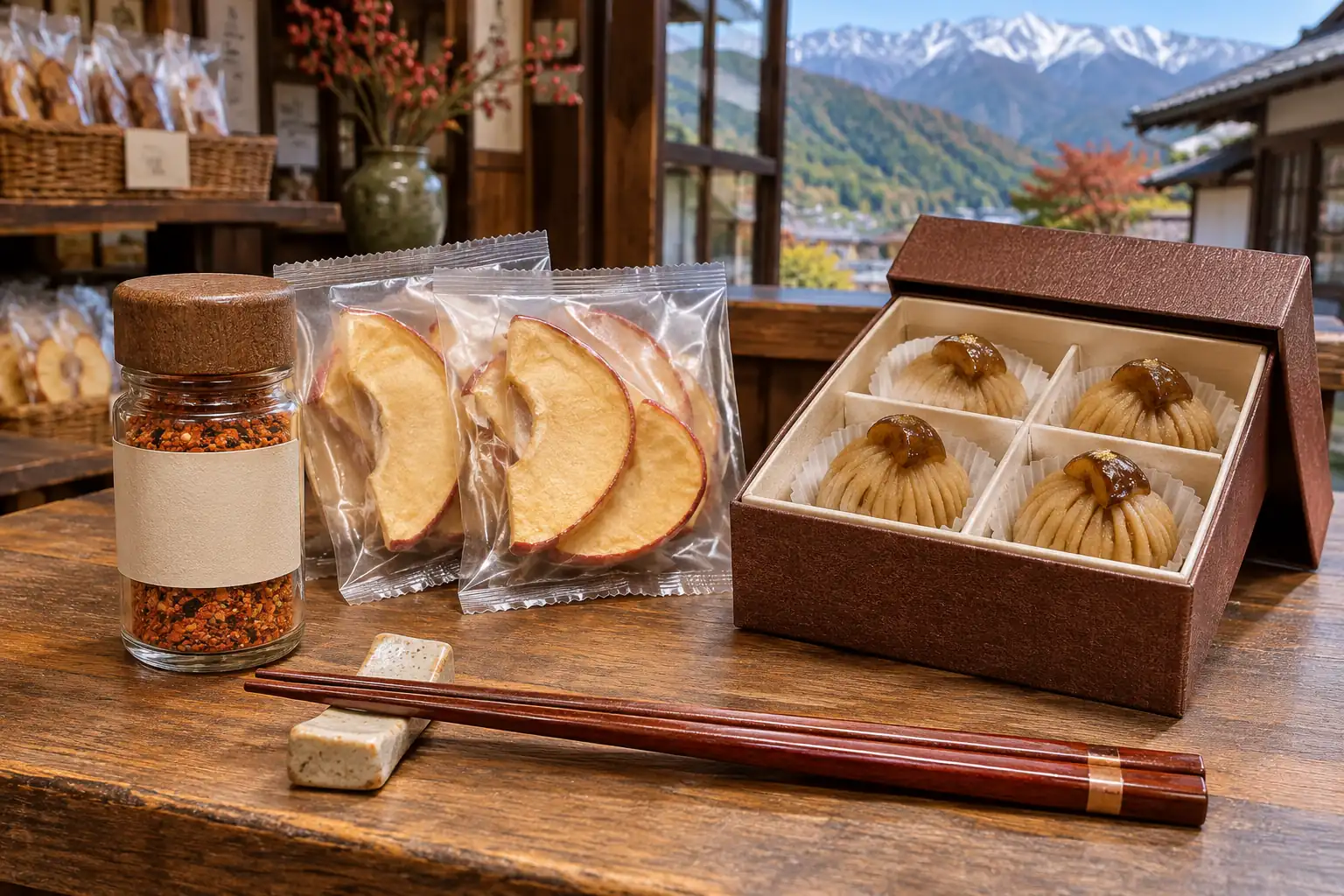
Browse Nakamise and the streets below Zenkoji for snacks and compact souvenirs. At Yawataya Isogoro's main shop near the temple, shichimi togarashi, a seven-ingredient chili blend, is a distinctive choice for someone who cooks.
Compare the blends and ask about ingredients or products suitable for taking overseas. Keep the original packaging so the contents remain identifiable; choose a small tin or sealed refill if luggage space is limited.
MIDORI Nagano: Food Gifts Before Departure
The station's MIDORI shopping area is useful for packaged apple snacks, local sweets and last-minute food gifts. For Nagano sake or wine to take home, browse Shinshu Kuraudo's bottles and pairing snacks.
Buy chilled products only when your remaining journey suits their storage requirements. For bottles, ask for protective packing and check your carrier's baggage rules before deciding how much to carry.
Obuse: Packaged Chestnut Sweets
Confectioners such as Sakurai Kanseido sell chestnut yokan and other packaged sweets. Choose individually wrapped products for sharing and compare use-by dates with the length of your remaining trip.
Narai-juku: Lacquerware and Craftwork
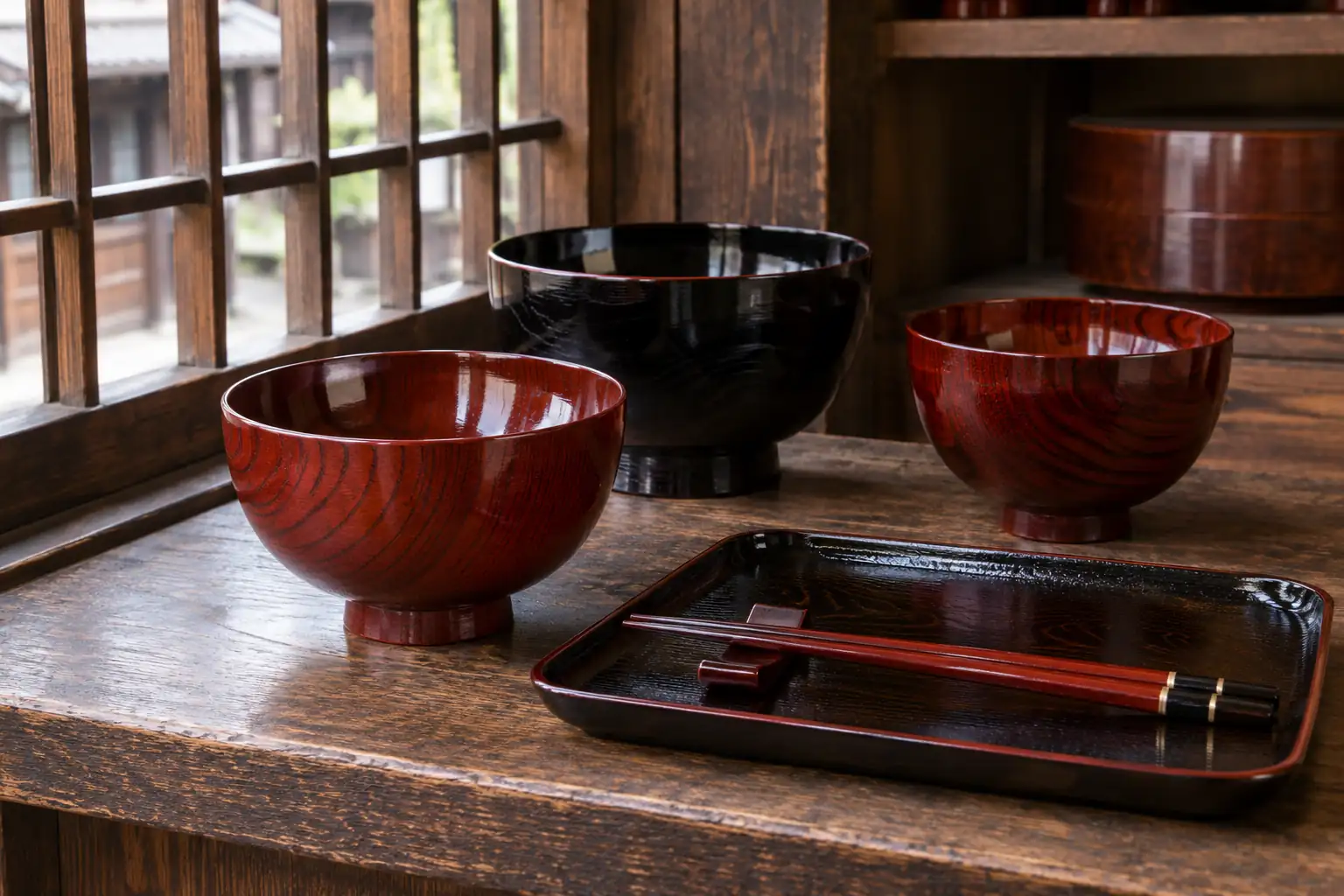
In Narai-juku, browse lacquerware shops for chopsticks, bowls or small trays that fit your luggage. Ask whether the finish is suitable for your intended use and how to wash it, then have fragile pieces wrapped separately.
Getting to and Around Nagano
Choose Your Arrival Station
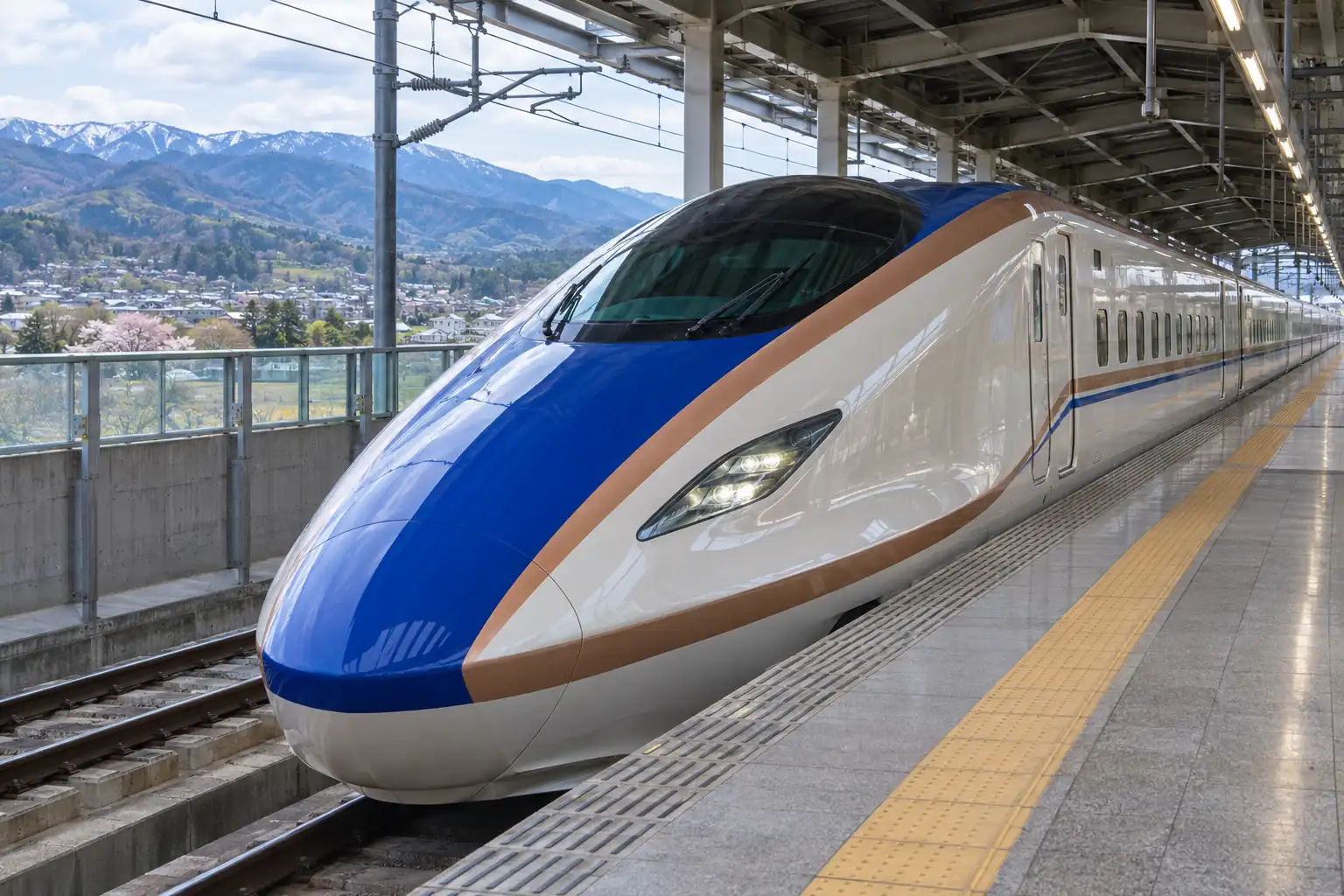
From Tokyo, take the Hokuriku Shinkansen to Nagano City, typically around 80–110 minutes depending on the train. For a trip focused on Matsumoto and Kamikochi, a limited express Azusa from Shinjuku is often the more direct starting point.
From Nagoya, limited express Shinano services connect with Matsumoto and Nagano. Travelers coming from Kyoto or Osaka can connect through Nagoya; compare the full journey to your chosen base rather than searching only for “Nagano.”
Nagano and Matsumoto are connected by limited express Shinano trains, taking roughly an hour. Use the exact train time when planning a transfer, particularly if it connects with an infrequent rural bus.
Use Trains and Buses for the Main Sights
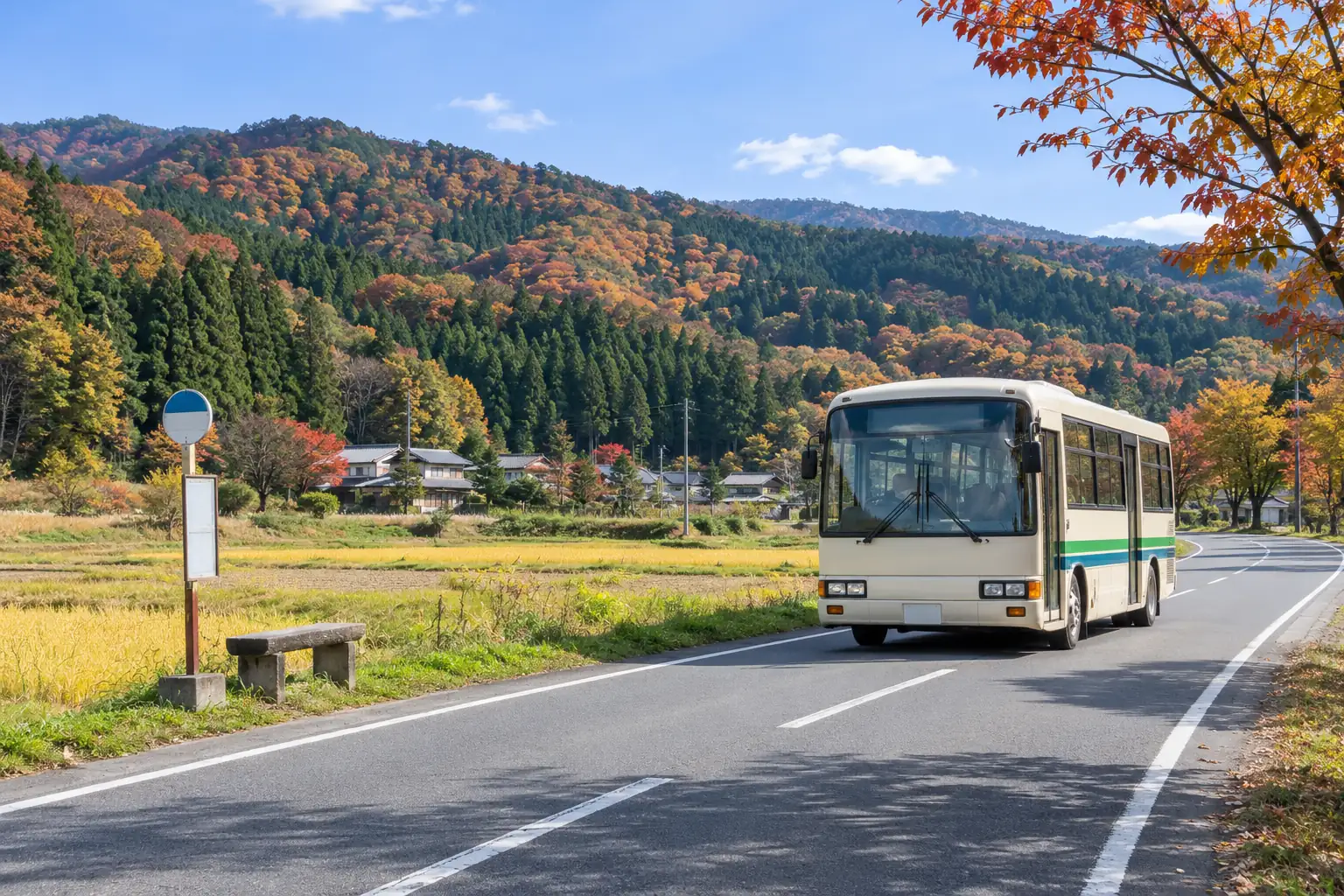
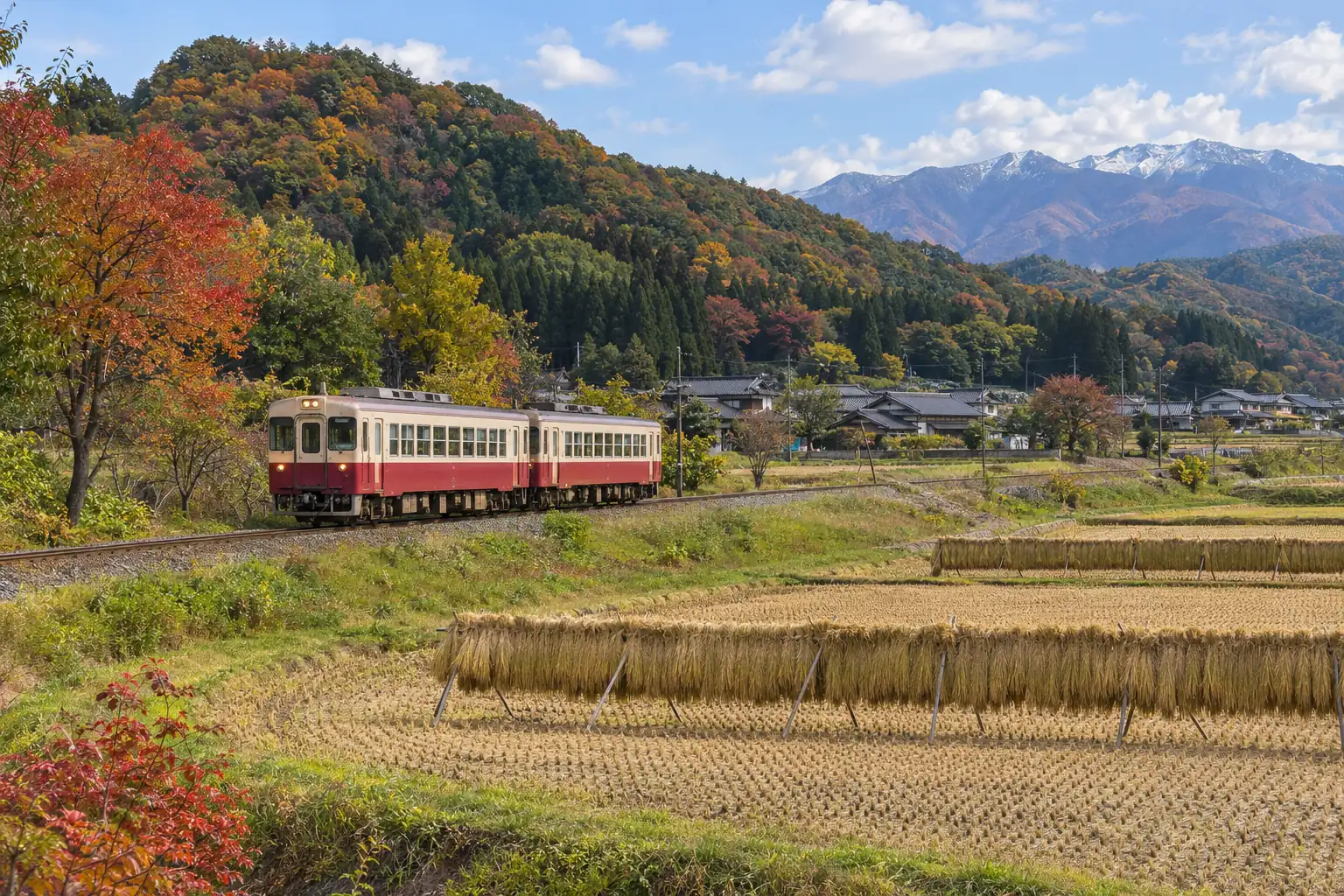
Public transport works well for the routes in this guide, provided you plan the rural departures. Nagano Dentetsu serves Obuse and Yudanaka; buses connect Nagano with Togakushi, the monkey-park area and Hakuba.
Nagano to Hakuba Happo is roughly 70–90 minutes by bus in published schedules, with different seasonal services and reservation arrangements. For Togakushi, allow about an hour each way before any walking between shrines.
A Japan Rail Pass does not automatically cover every journey: Nagano Dentetsu, Alpico buses and other private services have their own tickets and conditions.
Compare any regional pass with the journeys you will actually make, and carry some cash for places or services that do not accept your usual payment method.
Decide Whether You Need a Car
A car is most useful for scattered rural stops, luggage-heavy trips or accommodation away from public transport. It adds parking and winter-driving considerations, and does not remove Kamikochi's private-car restriction.
For changing platforms, bus times and hotel messages, mobile data is useful between stops. An iRoamly Japan eSIM is one option for a compatible, unlocked phone; compare the available plan details before purchase.
Download your day's map and save the return timetable as well. Mountain terrain can interrupt reception, so keep essential route information available offline.
Nagano Itineraries for 1, 3 or 5 Days
One Day: Stay in Nagano City
For a day trip from Tokyo, give the morning to Zenkoji and its approach, stop for soba, then choose the art museum or more time in the old streets. Return to the station with time to browse MIDORI before your train.
This is the simplest plan if you want a relaxed introduction. A monkey-park day trip is also possible with carefully aligned transport, but it leaves much less room for the city.
Three Days: Explore Northern Nagano
Day 1: Arrive in Nagano, visit Zenkoji and settle into the city. Stay near the station if easy morning departures matter most.
Day 2: Make Togakushi the main outing in suitable walking conditions, with a soba lunch. In deep winter, choose Obuse or another accessible cultural outing if shrine closures affect your plan.
Day 3: Visit Jigokudani using an early connection, then return to Nagano.
For a slower onsen experience, transfer to Shibu on Day 2 instead, stay overnight and visit the park the following morning; that replaces the full Togakushi day.
Choose the Shibu version if a ryokan dinner and bathing are priorities. The city-base version suits travelers who prefer one hotel and a forest-shrine day.
Five Days: Add Matsumoto and a Mountain Day
In the green season, spend Day 1 in Nagano City and Day 2 at Togakushi or Jigokudani. Transfer to Matsumoto that evening if the connections and hotel check-in suit, then give Day 3 to the castle and town center.
Use Day 4 for Kamikochi and Day 5 for Narai-juku before continuing your journey.
Staying in Matsumoto through these days avoids repeated cross-prefecture travel; on the final day, check train connections and leave luggage at your accommodation or a suitable station facility where available.
For a ski-focused winter trip, replace the Matsumoto and Kamikochi extension with several nights at one ski base. Trying to add a new resort every day usually costs more time in transfers and equipment arrangements than it gives back on the slopes.
FAQ
1. Is Nagano Worth Visiting If You Do Not Ski?
Yes. Zenkoji, Obuse's art, Matsumoto Castle and onsen stays make a worthwhile cultural trip, while Togakushi and Kamikochi add walking in the appropriate season. Choose by interest and open access rather than treating skiing as the reason you must visit.
2. Can You Visit Nagano as a Day Trip from Tokyo?
Yes, particularly for Nagano City's temple district. For a rural destination, plan the complete train, bus and walking journey in both directions before buying tickets; an overnight stay gives you much more flexibility.
3. Is Nagano Suitable for Children or Travelers with Limited Mobility?
It can be, with a carefully chosen route. Matsumoto Castle's steep interior stairs, Togakushi's approaches and the uneven trail to the monkeys have specific limitations; check facilities directly and build your day around the parts your group can comfortably manage.
4. Can Visitors with Tattoos Use the Onsen?
Policies differ between inns and bathing facilities. Ask your chosen property directly about its current policy, any covering requirements and private-bath options before booking; permission at one facility does not establish a rule for the whole town.
Conclusion
Nagano offers temple visits and historic streets alongside forests, hot springs, and ski slopes. Whether you visit briefly or stay several nights, the season and your interests can guide how you explore.
For a short trip, base yourself in Nagano City and choose one or two nearby outings. Stay in Matsumoto for the castle, Narai-juku, and Kamikochi, or choose accommodation near your preferred ski resort to avoid long daily transfers.
Begin with the place you most want to see, then leave time for local shops, a soba lunch, or an evening soak. Those unhurried stops are part of getting to know Nagano, too.