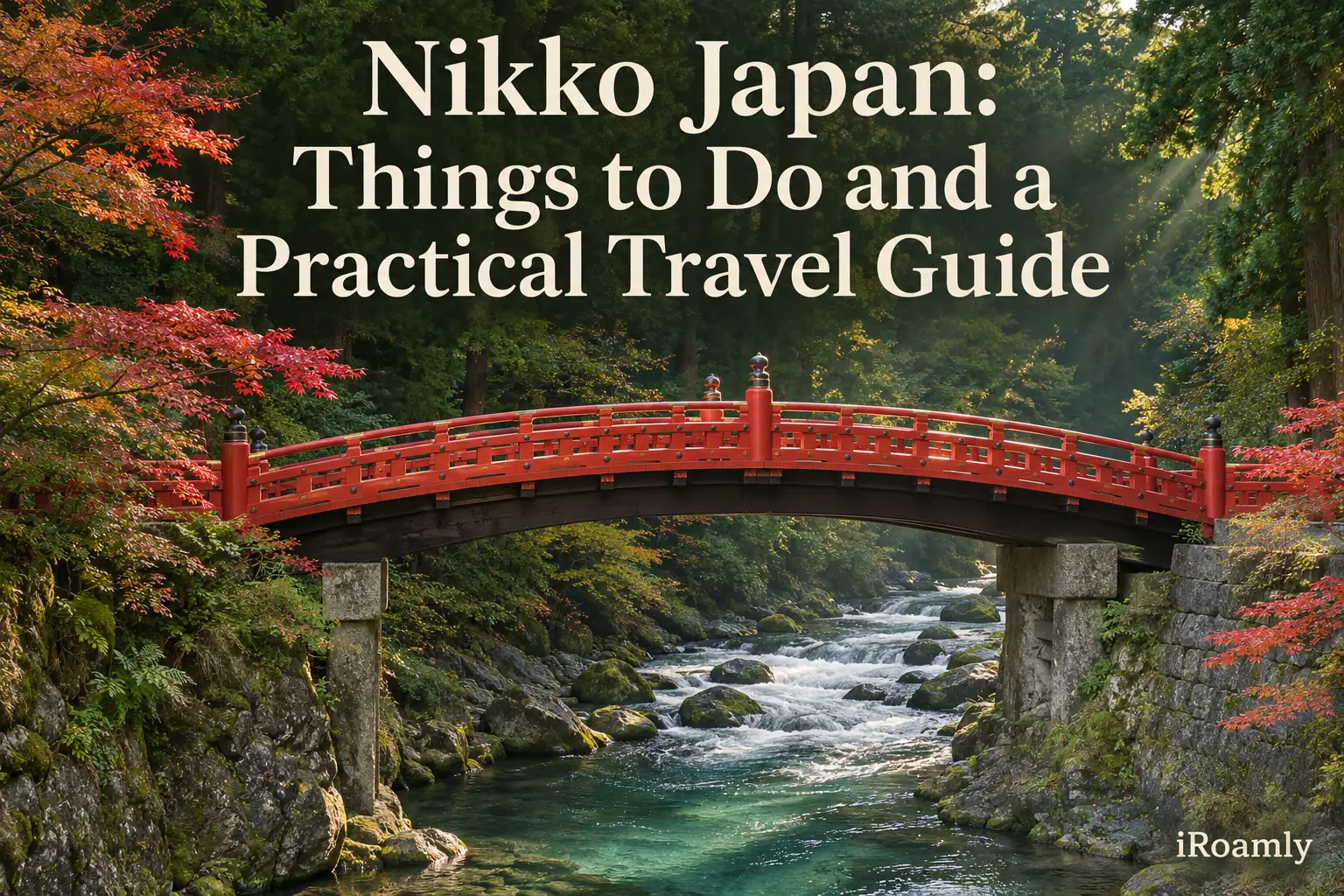
Nikko offers an easy change of pace from Tokyo, with ornate shrines set among towering cedars and mountain scenery farther beyond. You can spend a day exploring its historic sites or stay overnight to enjoy lakeside walks and hot springs.
Toshogu Shrine is the highlight for many first-time visitors, while Lake Chuzenji, Kegon Falls, and the trails of Okunikko give you reasons to stay longer.
These areas are spread out, so how much you can comfortably see depends on your transport, the season, and the time available.
Whether you are planning a day trip or a longer stay, this guide will help you choose what to see, how to get around, and where to stay. Start with the places that interest you most, and leave enough time to enjoy them.
When to Visit Nikko
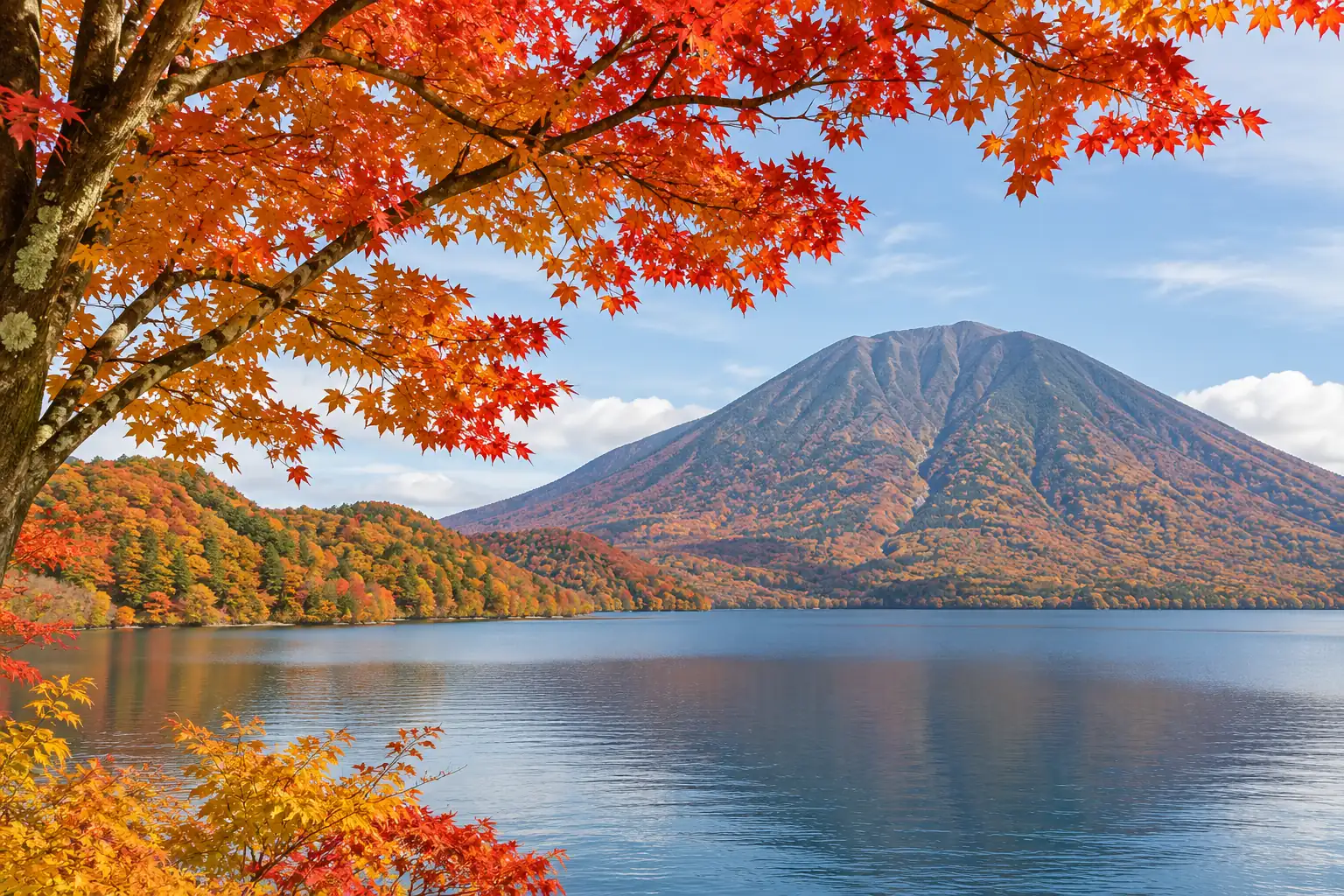
Autumn is especially appealing for colorful forests, but the leaves change at different times across Nikko's elevations.
The higher Okunikko area generally colors earlier than the central shrine district, so check reports for the specific places you want to visit rather than relying on one citywide peak date.
October is a useful starting point for planning a mountain foliage trip, while central Nikko can retain color into November.
Weekends and public holidays attract heavy traffic; a weekday and an overnight mountain stay give you more flexibility, although neither guarantees quiet roads.
Late spring brings fresh greenery and a good balance of cultural sightseeing and outdoor walks.
Summer suits visitors who want time around the highland lakes, but rain, mist, and mountain weather can change the day's plans.
Winter can be beautiful for a shrine visit and a hot spring stay, though snow and ice make outdoor routes more demanding.
Do not treat an easy summer boardwalk as an equally easy winter walk, and confirm seasonal services before choosing a mountain base.
Allow one day for the central shrines and riverside area, or two days if Lake Chuzenji and the waterfalls are priorities. Add more time for a long hike or an onsen stay where relaxing is part of the purpose.
Best Things to Do in Nikko
The most useful way to choose sights is to separate the central cultural area from the mountain destinations.
The visit allowances below are suggested planning ranges, with extra time needed for queues, meals, transport, and photography.
Shrines and Riverside Walks
1. Nikko Toshogu Shrine
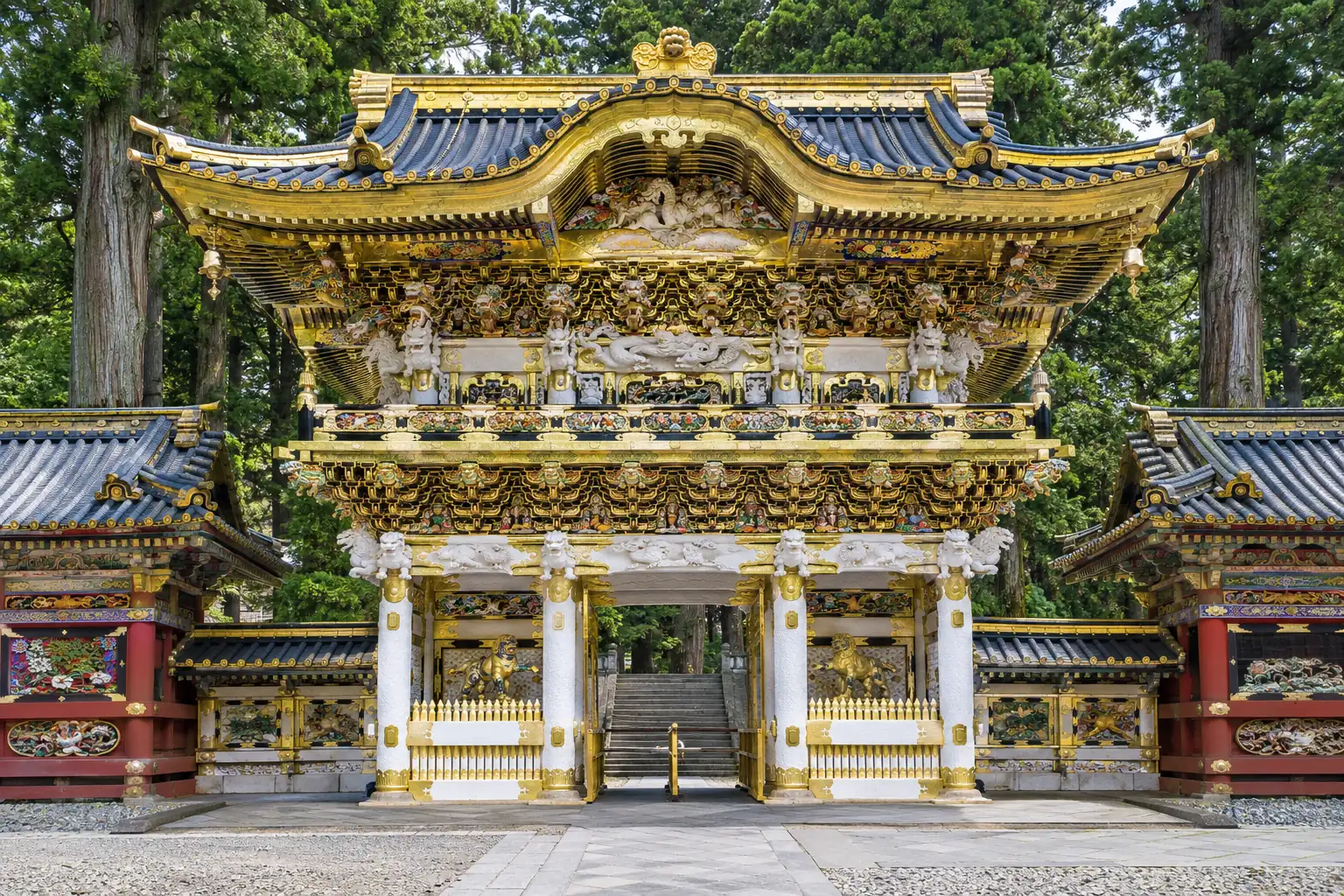
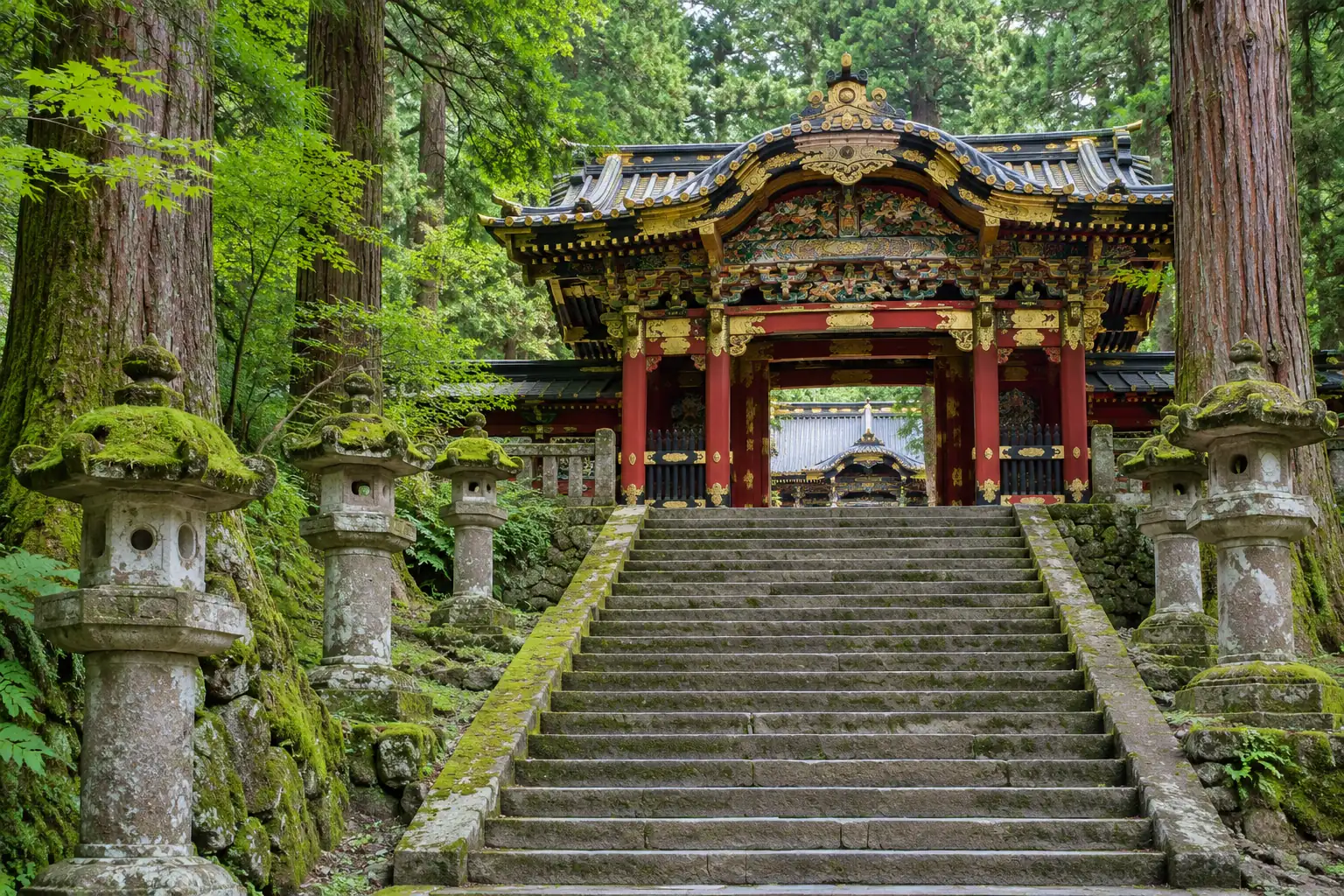
Toshogu is the place to prioritize if you want to understand Nikko's reputation for ornate architecture. Dedicated to Tokugawa Ieyasu, it rewards close attention to the gilded Yomeimon Gate, the Three Wise Monkeys, and the small Sleeping Cat carving.
Allow roughly 1.5–2 hours for an unhurried visit.
The stairs toward Ieyasu's tomb add effort, so travelers with limited mobility should plan their route around the parts they can comfortably reach.
Adult shrine-only admission is ¥1,600; the museum combination is a separate ticket option.
Listed opening hours are 9:00–17:00 from April through October and 9:00–16:00 from November through March, with admission ending 30 minutes before closing.
The tourism association currently lists cash-only payment at the ticket counter. If buying an online voucher, check its exchange instructions before heading straight to the shrine.
2. Rinnoji Temple
Rinnoji's Sanbutsudo Hall offers a different focus from Toshogu: large Buddhist figures and the connection between Nikko's religious traditions and its sacred mountains. It is a worthwhile companion to the shrine rather than another version of the same visit.
Set aside about 45–60 minutes for the main hall, with additional time if you include the treasure hall and Shoyo-en Garden. Check which buildings a ticket covers, especially if you also intend to visit Taiyuin.
3. Futarasan Shrine
Futarasan Shrine centers on the worship of Nikko's sacred mountains, with cedar trees and a quieter forest setting alongside its religious buildings. Its central grounds fit naturally into the walk between Toshogu and Taiyuin.
Allow about 30–45 minutes for a short visit. Distinguish this central shrine from the Futarasan sites at Lake Chuzenji and Mount Nantai when checking directions.
4. Taiyuin Mausoleum
Taiyuin, part of Rinnoji, is the mausoleum of the third Tokugawa shogun, Iemitsu. Its decorated gates, lanterns, and wooded setting make it especially appealing if you enjoy the approach through a religious complex as much as the main building.
Plan roughly 45–60 minutes and expect steps. If you are already tired after Toshogu, choose between Taiyuin and a longer afternoon walk instead of adding both automatically.
5. Shinkyo Bridge
The vermilion Shinkyo Bridge spans the Daiya River at the entrance to the historic district. The contrast between red timber, the river, and the wooded banks makes it an easy photo stop on your way to or from the shrines.
You can admire it from the nearby public roadside without paying to enter the bridge itself. Allow 15–20 minutes, stay on pedestrian paths, and leave room for others on the busy pavement.
6. Kanmangafuchi Abyss
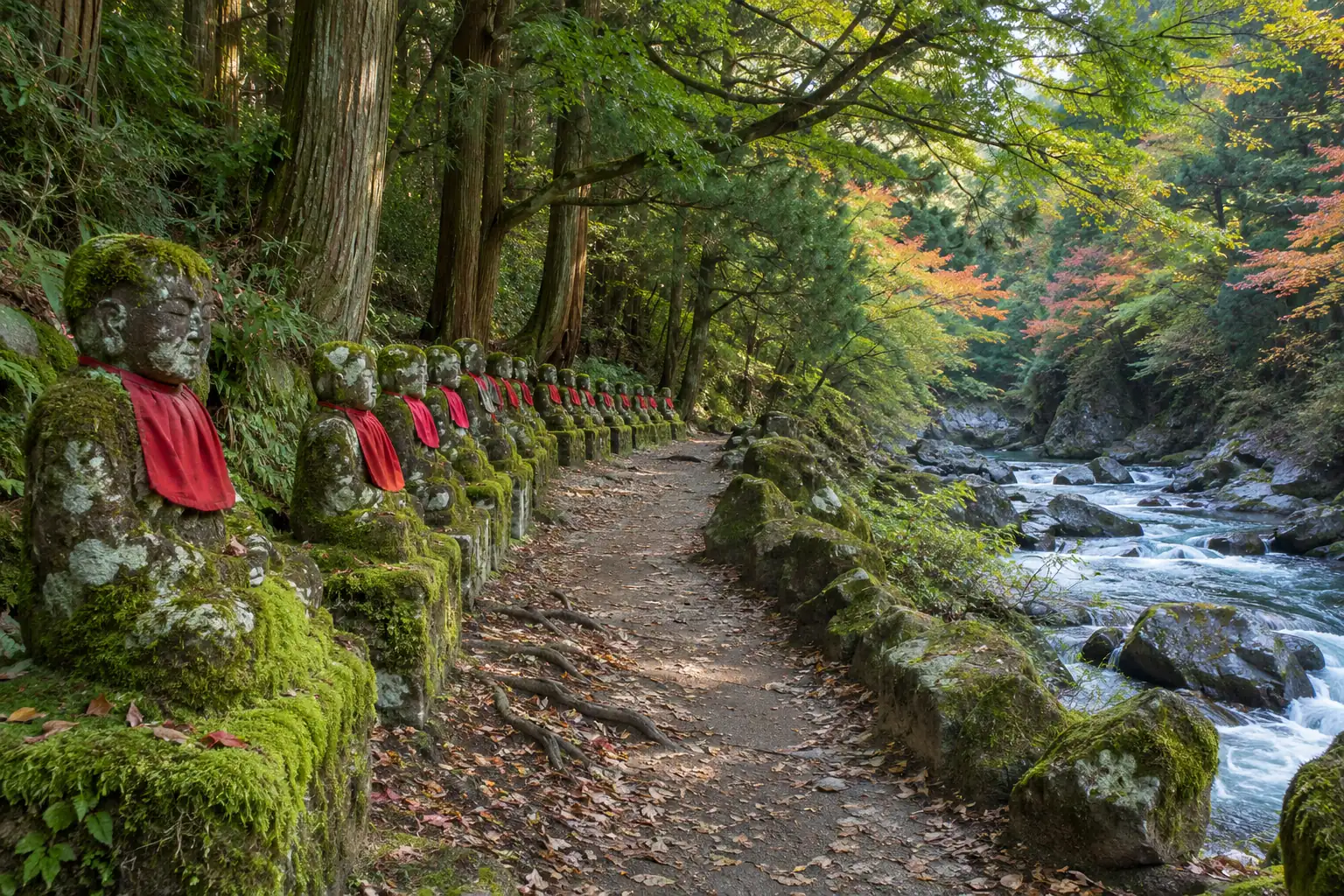
Kanmangafuchi is a riverside gorge lined with weathered Jizo statues, many wearing red bibs. It gives a central Nikko day a change of pace after the concentrated detail of the shrines.
Budget around an hour for the riverside visit and local approach, adjusting for where you start.
This is an outdoor path with uneven and potentially slippery surfaces; it is best saved for daylight and reasonably dry conditions.
Lakes, Waterfalls, and Hot Springs
7. Kegon Falls
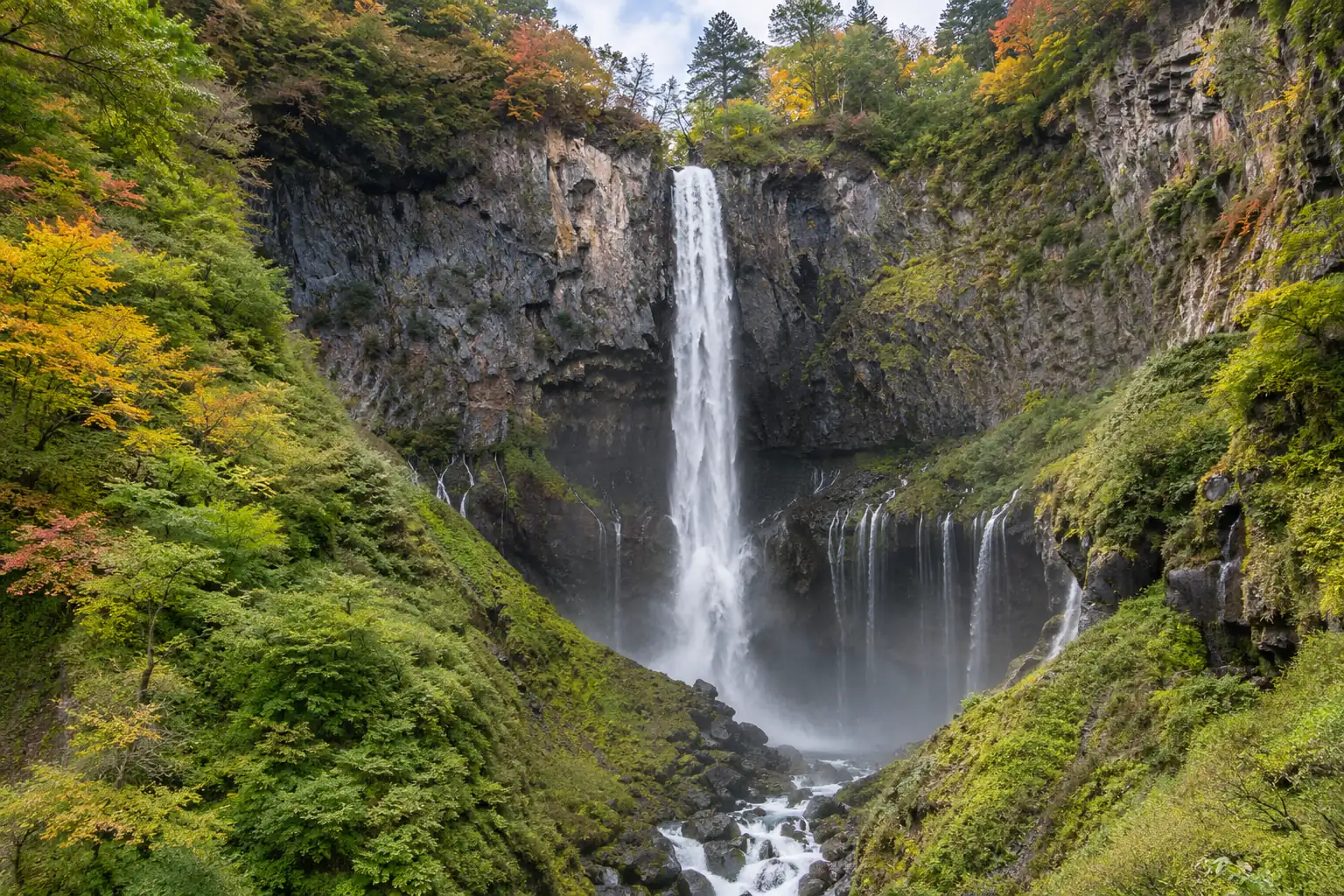
Kegon Falls drops 97 meters from the Lake Chuzenji area into a steep gorge. Its scale makes it a strong first mountain stop, and its proximity to the lakeside bus terminal means you do not need a long hike to see it.
There is an upper viewing area and a paid elevator to a lower observation platform.
Allow about 30–60 minutes depending on queues and visibility; mist can hide the falls, so assess the view before committing extra time.
8. Lake Chuzenji
Lake Chuzenji sits beneath Mount Nantai, with a shoreline that suits a slower walk after visiting Kegon Falls. It is a good choice for travelers who want mountain scenery without committing to a summit climb.
Give the eastern lakeshore at least an hour rather than treating the lake as a photograph between buses. A cruise or a longer shoreline outing can fill much more of the day; check seasonal operations and pay attention to the wind and temperature.
9. Ryuzu Falls
Ryuzu Falls follows a rocky cascade before dividing around a rock near the lower viewing area. Its shape and wooded surroundings offer a different experience from Kegon's vertical drop.
Allow roughly 30–45 minutes for the lower view and a short look along the river, with more time for a meal stop.
It lies farther along the mountain bus route, making it easier to combine with Senjogahara than with a rushed central Nikko afternoon.
10. Senjogahara Marshland
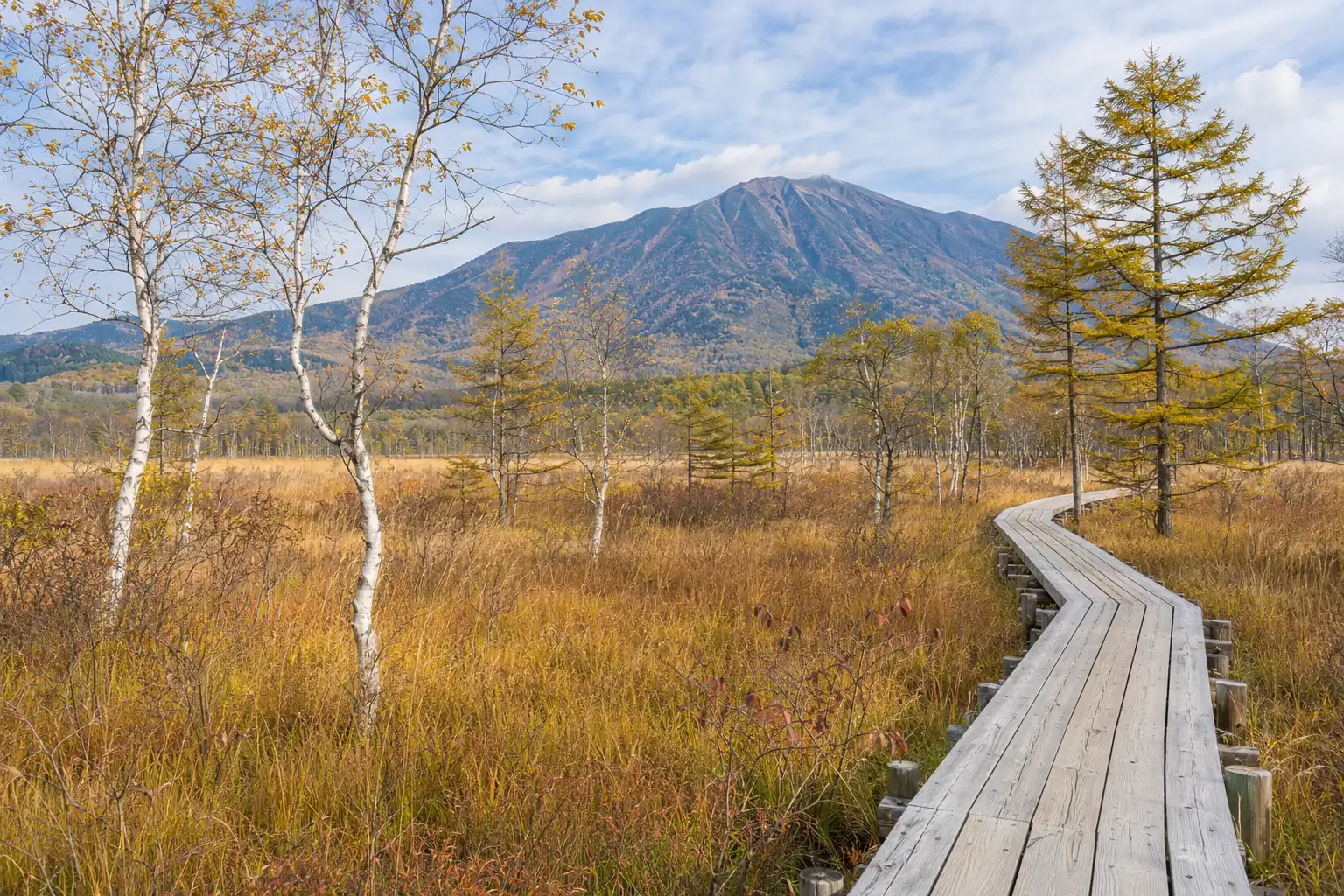
Senjogahara opens into marsh grasses, mountain views, and stretches of raised boardwalk. Choose it for a longer nature walk and a more open landscape than the cedar-lined shrine paths.
A brief viewpoint visit and a full wetland walk are very different commitments. Allow about 2–3 hours for a substantial route, then add bus waiting time and breaks; ask the visitor center which route suits the weather and your walking ability.
Trail work currently affects the eastern section between the Yudaki rest house and Kotaki, with closure scheduled from August 18, 2026, through the end of March 2027.
A signed alternative allows passage toward Senjogahara; consult the Nikko Yumoto Visitor Center notices for the latest map and conditions.
11. Yudaki Falls
Yudaki spills down a broad rock face below Lake Yunoko. It is a rewarding option for visitors continuing beyond Senjogahara, particularly when they want a closer waterfall view rather than another distant overlook.
Allow about 30–45 minutes for a focused visit, accounting for the walk between the bus stop and viewing area.
Access near a road does not make every connecting trail step-free, and slippery paths may change what is practical.
12. Yumoto Onsen and Lake Yunoko
Yumoto is a small hot spring settlement beside Lake Yunoko, farther into Okunikko. It suits an overnight nature-and-onsen trip better than a quick detour at the end of a day from Tokyo.
A lakeside stroll can be a short stop, but bathing needs more planning. Check whether a particular inn accepts day visitors, its bathing hours, and its rules on tattoos or private baths before traveling specifically to use it.
What to Eat and Buy in Nikko
Try Yuba with Soba or a Set Meal
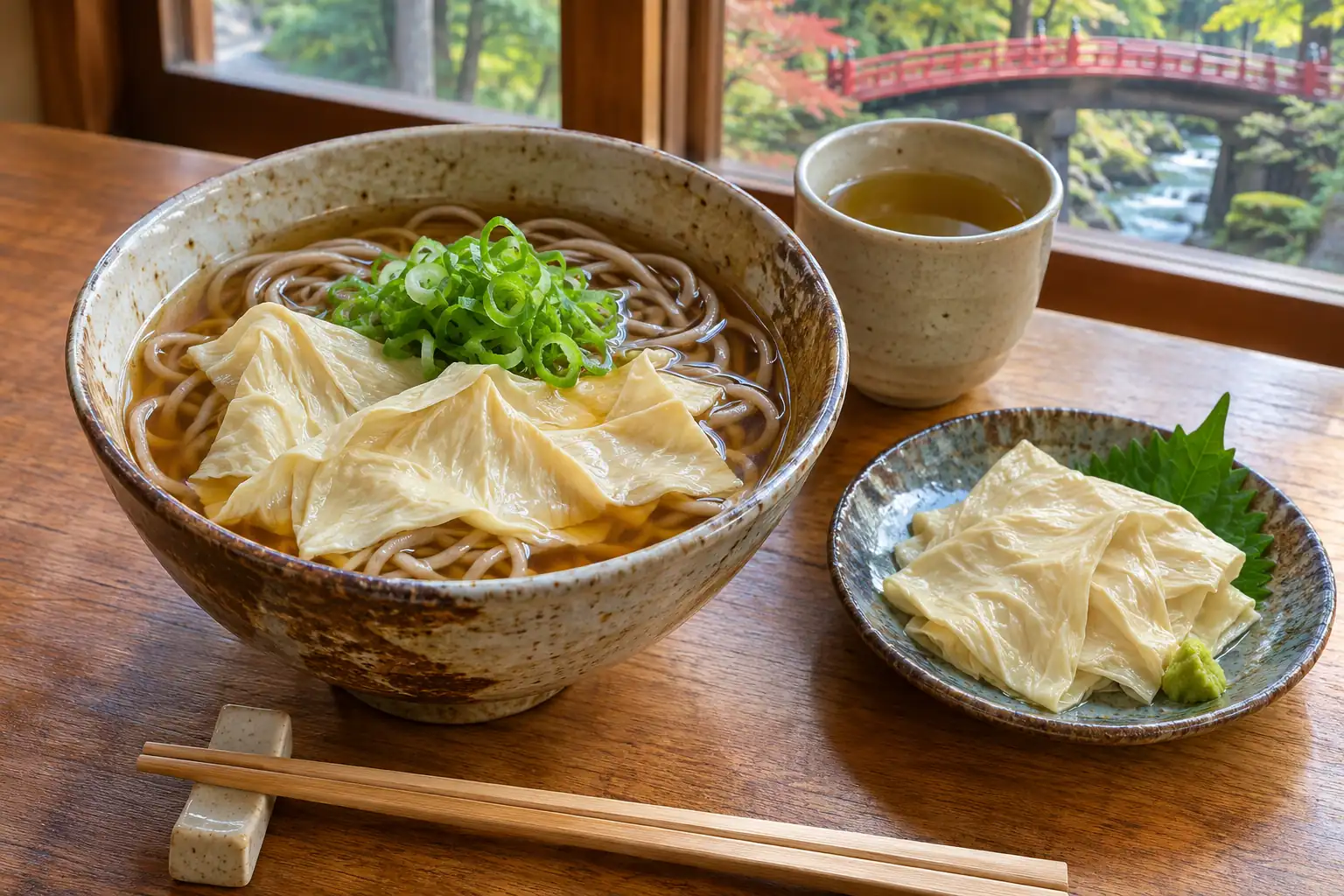
Yuba is the delicate skin that forms on heated soy milk, and it is Nikko's signature ingredient. Try it in a bowl of soba for a straightforward lunch, or choose a yuba set meal if you want to compare fresh, simmered, and other preparations.
Look for lunch restaurants along the station-to-Shinkyo road and around the historic district.
Yuba itself is plant-based, but noodle broth and set-meal sides may contain fish or meat, so ask about the full dish if you have dietary requirements.
Stop for Fried Yuba Manju or Shaved Ice
Sakaeya near Tobu-Nikko Station is known for fried yuba manju: a crisp snack with sweet bean filling and a salty finish. Eat it fresh during a station-area break rather than expecting it to stay equally crisp in your suitcase.
In warmer weather, look for kakigori made with Nikko's natural ice, often paired with fruit syrup. Check availability when you arrive, and allow for a queue if you want it before a train.
Buy Yokan and Packaged Local Foods
The confectionery shops on the road between the stations and Shinkyo are convenient for yokan, the dense bean-paste jelly often sold in gift boxes.
Compare individual portions with larger blocks, and check the label for storage and best-before instructions rather than assuming every variety keeps equally well.
If you are shopping at Lake Chuzenji, Lake Center Hitachiya lists Nikko yokan and several yuba products among its souvenirs.
Ask which yuba items need refrigeration; a shelf-stable packaged option is usually easier to carry through a full sightseeing day than fresh chilled food.
Choose Nikko-bori Woodcraft
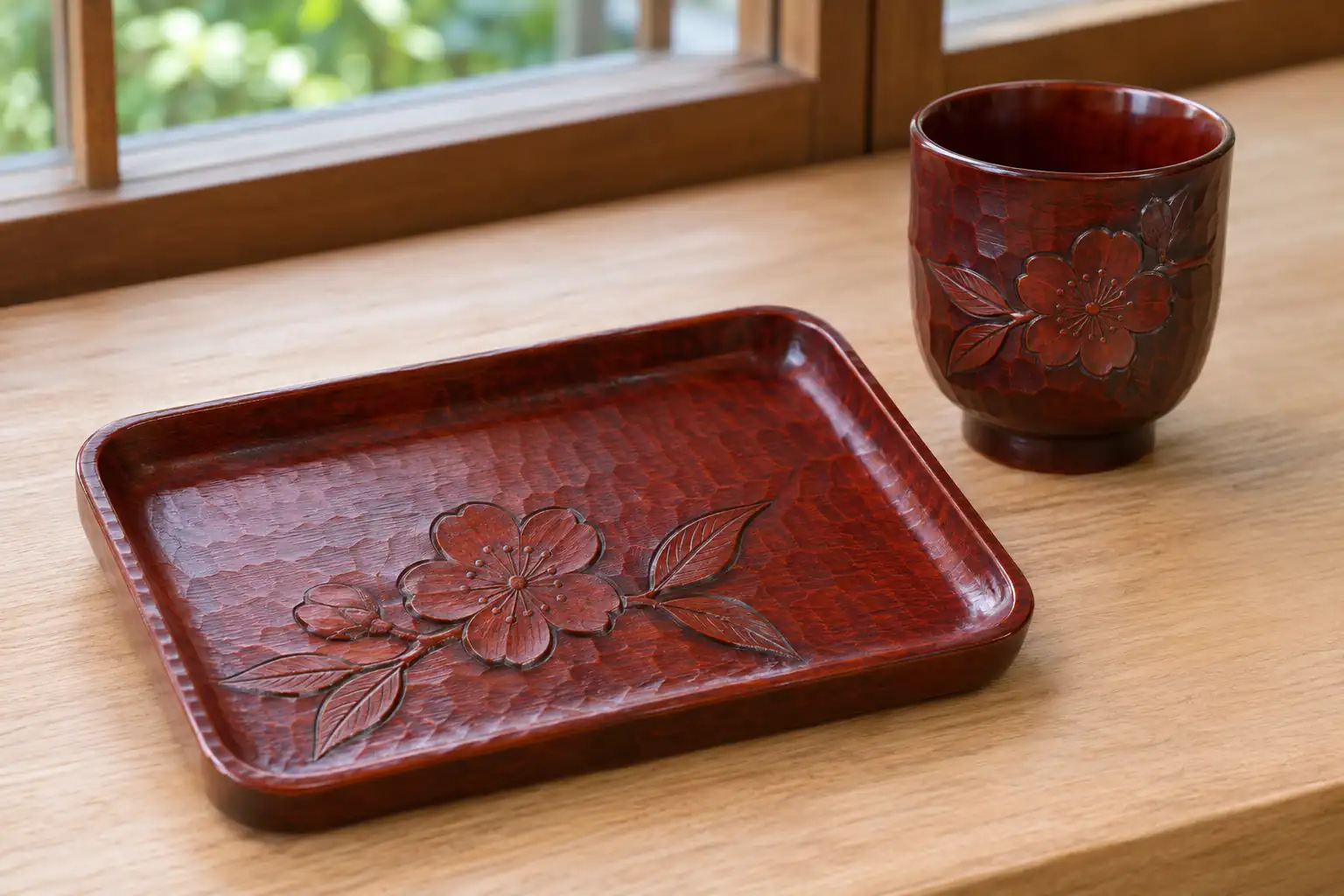
For a lasting souvenir, look at Nikko-bori carved woodwork, known for floral and other carved designs with a lacquered finish. Small trays or cups can be more practical to pack than larger decorative pieces.
Kishino in front of Toshogu lists Nikko-bori among its traditional crafts, while Igarashi Lacquer Ware near the stations is another place to explore the tradition.
Ask about the maker, intended use, and care instructions, and protect raised carving and lacquer surfaces with soft wrapping for the journey home.
Where to Stay in Nikko
Your base affects the first and last hours of each day more than the hotel photographs suggest. Check the property's exact location and nearest transport stop before booking; “Nikko” covers a much larger area than the central shrine district.
Central Nikko for a First Visit
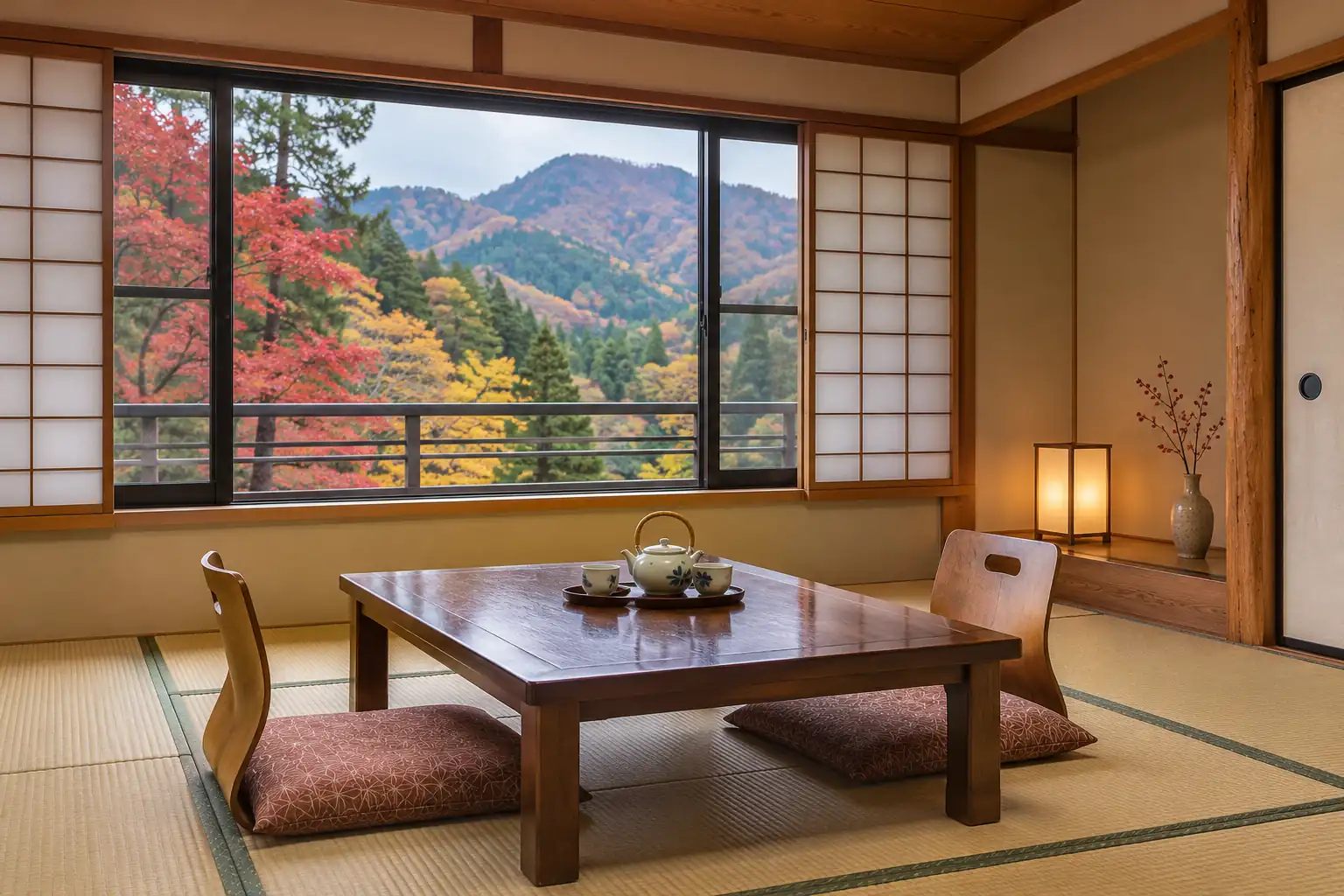
Stay near the stations if you value easy arrivals and departures, or nearer the historic district if an early shrine visit is your priority. Central Nikko is a practical default for a first trip that combines cultural sights with one mountain day.
There is still a tradeoff: a station-area room is not directly beside Toshogu, and a quiet riverside inn may require an extra walk or bus ride with luggage.
Check dinner options and the last useful transport to the property.
Lake Chuzenji or Yumoto for Nature and Onsen
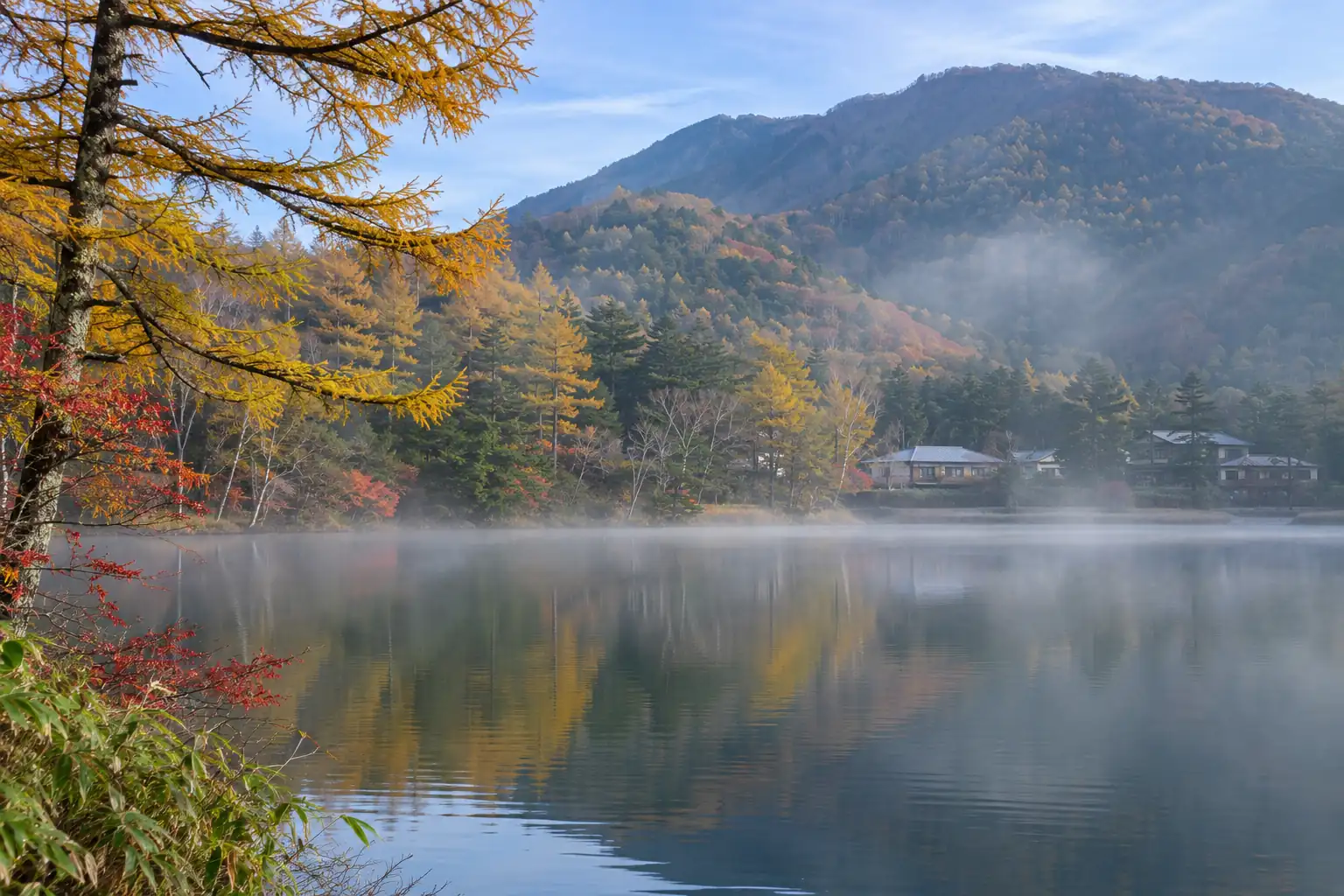
Lake Chuzenji puts you closer to the lakeshore, Kegon Falls, and routes deeper into Okunikko. It suits travelers who want a slower mountain morning or wish to avoid making the uphill journey at the busiest sightseeing time.
Yumoto offers a more secluded lake-and-hot-spring setting but requires a farther transfer.
In either area, a stay with dinner can be useful because independent evening dining is limited; confirm meal times, check-in deadlines, and any dietary arrangements.
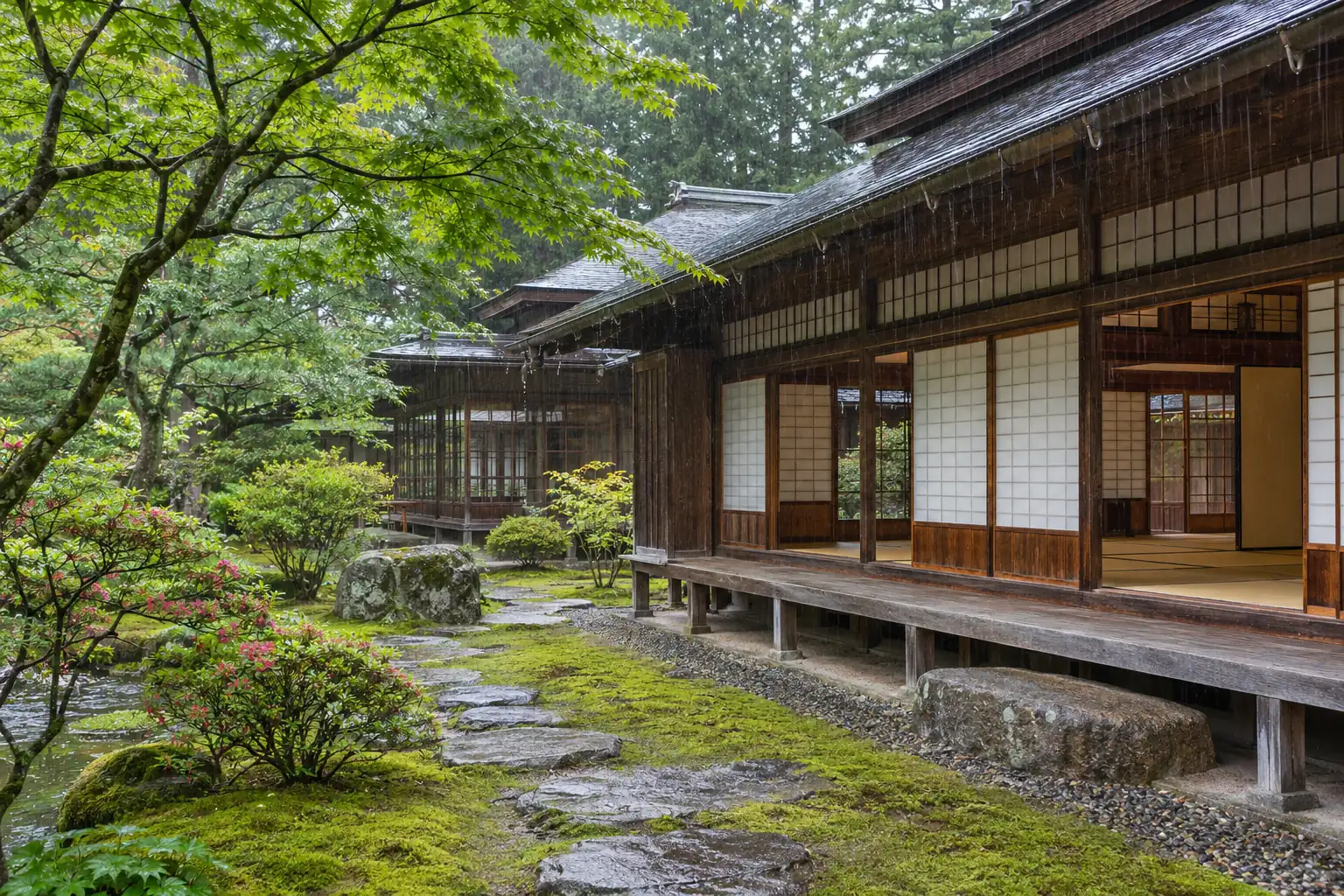
Kinugawa for a Separate Hot Spring Stay
Kinugawa Onsen offers a different resort base along the river. Consider it when a hot spring hotel stay is a major part of the trip, rather than assuming it is interchangeable with accommodation beside Lake Chuzenji.
It is on a different transport branch from the lake route, so allow for the connection when combining them. With only one night, choose the base that reduces travel to your highest-priority sights.
Getting to and Around Nikko
Choose Your Train from Tokyo
For a straightforward journey from eastern Tokyo, look at Tobu limited express services from Asakusa to Tobu-Nikko. Direct services take around two hours; confirm that your train reaches Tobu-Nikko, since some services run toward Kinugawa and require a change.
From Tokyo or Ueno, another option is the Tohoku Shinkansen to Utsunomiya followed by the JR Nikko Line to Nikko Station. This route is useful if it fits an existing eligible JR pass, but compare the whole journey from your hotel rather than just the fastest train segment.
JR Nikko and Tobu-Nikko are separate stations within walking distance of one another.
Reserve the services that require seats, and choose your return journey early enough to leave a buffer after sightseeing.
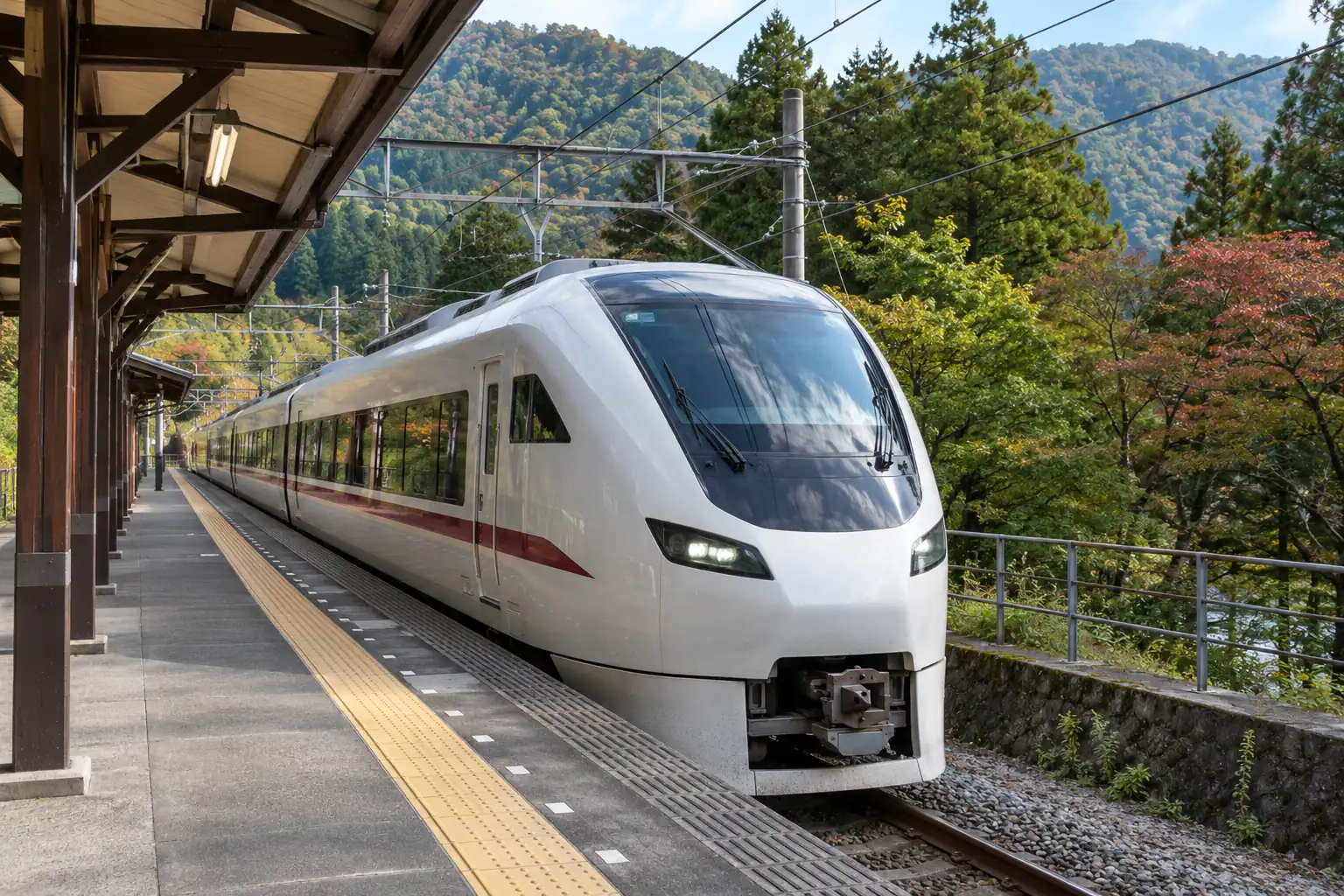
Use Buses for the Mountain Area
The central shrine district is uphill from the stations, so a bus toward the historic area can save energy before the walking begins. Once there, the main religious sites are close enough to connect on foot.
For Kegon Falls and Lake Chuzenji, use buses toward Chuzenji Onsen; services continuing toward Yumoto serve farther mountain stops. Check the destination display and current timetable, as not every bus goes the full route.
In ordinary conditions the station-to-lake ride is roughly 45–60 minutes, but autumn congestion can extend it by hours.
Mountain buses use the same roads as cars, so a reserved evening train needs a generous return margin.
Compare Passes with Your Actual Route
The two visitor passes below solve different travel needs. Both include the specified Asakusa round trip and transport within their respective zones, but neither includes shrine admission or the extra ticket required for a limited express train.
Pass | Adult price / validity | Best fit |
|---|---|---|
NIKKO PASS world heritage area | ¥3,000 / 2 consecutive days | Central shrines and the designated Nikko–Kinugawa transport area |
NIKKO PASS all area | ¥8,000 / 4 consecutive days | A broader trip including Lake Chuzenji and Okunikko buses |
The longer pass is not automatically better value for one outing to the lake.
Compare it with individual fares or a suitable local bus pass, especially if your train travel is already covered elsewhere; verify eligibility and the exact route map on the official Tobu pass page before buying.
For your budget, keep transport, limited express supplements, admission, meals, and accommodation as separate costs. Toshogu alone adds ¥1,600 for an adult shrine ticket, and visiting several paid interiors increases spending beyond the rail pass price.
Nikko Itineraries for One or Two Days
These routes prioritize time at the stops over collecting every attraction. Adjust them to the day's opening hours and return transport, with fewer stops during short winter days or busy autumn weekends.
One Day: Focus on Central Nikko
Take an early train from Tokyo, then go toward Toshogu while you still have plenty of visiting time.
Visit Toshogu, followed by Futarasan or Taiyuin according to your interest and energy. Add Rinnoji if Buddhist art is a priority, or use it in place of another paid site.
Have lunch near the historic district or on the road toward the stations. Build in a proper break rather than waiting until every site is finished.
Stop at Shinkyo Bridge, then choose either Kanmangafuchi for a longer riverside walk or a slower return through the shops.
Reach the station with time to spare before your booked return train.
This plan leaves Lake Chuzenji for another visit.
If mountains are your sole priority, you can instead spend the day at Kegon Falls and the lake, accepting that the main shrines will receive little or no time.
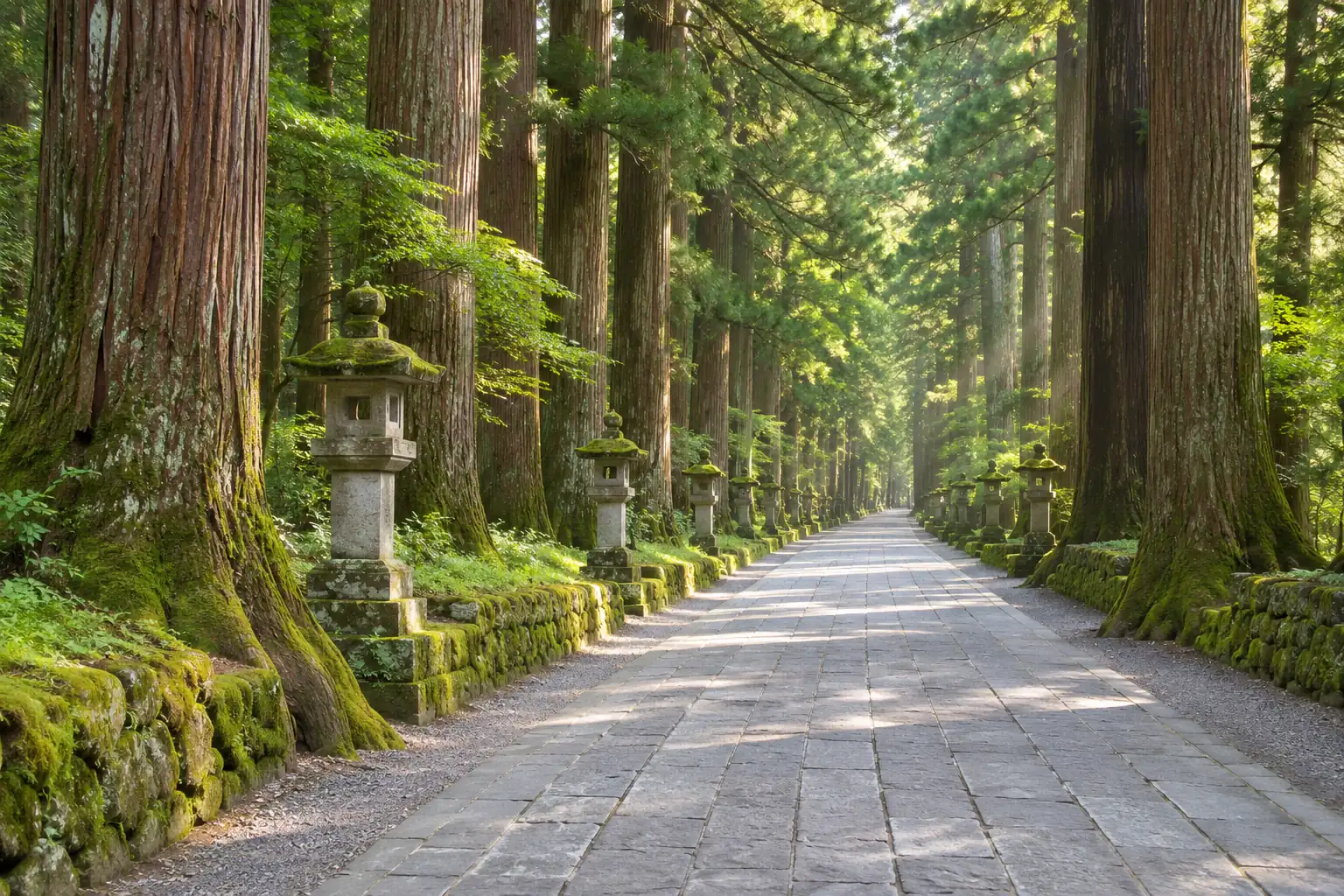
Two Days: Add a Mountain Day
Spend the first day in central Nikko, then stay centrally for easy station access or move to the lake if your accommodation and dinner arrangements make that convenient. Transfer before the evening becomes a scramble for transport and food.
On day two, start with Kegon Falls and a Lake Chuzenji walk, then choose one of two extensions:
Gentler sightseeing: continue to Ryuzu Falls, have lunch, and enjoy more time by the lake before returning.
A walking day: keep the lake stop brief and devote the main part of the day to an open Senjogahara route. Include Yudaki only if the route, trail condition, daylight, and buses allow it.
Yumoto works best when you are staying there or have deliberately left time for the farther journey. Do not add a bath, a long wetland hike, and every waterfall to the same return-to-Tokyo afternoon.
One current itinerary change is essential: Akechidaira Ropeway is closed for renewal, with reopening planned for September 2027. Use lakeside and waterfall viewpoints for this trip rather than building your day around the ropeway.
Practical Tips for Your Visit
Prepare for Steps and Colder Weather
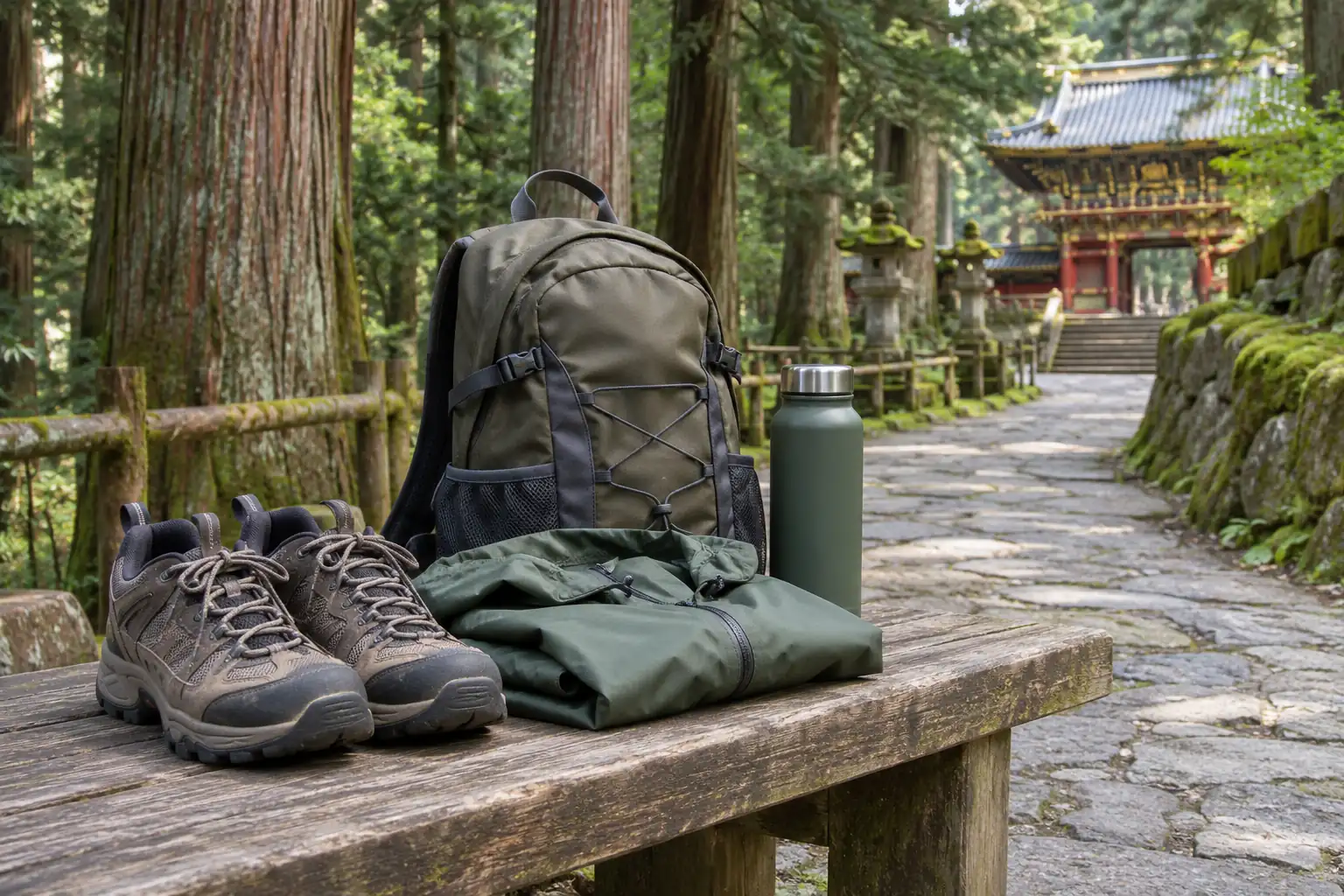
Wear shoes with grip for shrine stairs, damp stone, and forest paths.
Carry a rain layer and something warm even if Tokyo feels mild, particularly when you are continuing to the higher lakes.
Travelers using a wheelchair or bringing a stroller should check individual access routes in advance. A bus connection and a short distance on the map do not establish that an attraction or its interior is step-free.
Arrange Food, Cash, and Luggage Early
Bring cash for admission counters and smaller businesses, alongside your usual payment cards.
Have lunch during normal daytime service and confirm dinner before heading farther into the mountains, where many visitor-facing restaurants close early.
Keep large luggage out of a walking-heavy day if possible. Ask about station storage or your accommodation's luggage arrangements, and confirm capacity and collection times rather than relying on an available locker.
Keep Maps and Timetables Accessible
Save your accommodation address, trail map, and return timetable offline before leaving town.
Mobile data is useful for checking directions and transport changes, but mountain terrain can interrupt reception.
If you need a data option, compare an iRoamly Japan eSIM with your trip length and usage, and confirm that your phone supports eSIM and is unlocked. Keep the offline copies even when you have an active plan.
FAQ
1. Do you need a car in Nikko?
No. Trains, buses, and walking cover the main central sights and popular Okunikko stops; a car adds flexibility for remote accommodation or less-served places, but it also shares the autumn traffic and requires suitable preparation for winter roads.
2. Is Nikko suitable for children?
Yes, with a shorter route matched to their ages and walking ability. Pick one main cultural visit and a manageable outdoor stop, then allow time for meals and rest; repeated stairs and long bus connections can make an ambitious checklist tiring.
3. What should you do if it rains?
Favor a shorter central itinerary, with indoor portions of Rinnoji or Tamozawa Imperial Villa when open, plus a relaxed meal. Both still involve outdoor access, and heavy rain, poor visibility, or slippery paths may justify postponing the mountain day.
4. Can you use the Japan Rail Pass to visit Nikko?
The JR route via Utsunomiya is covered by the nationwide pass, while Tobu-only trains from Asakusa and local Tobu buses require separate arrangements. Regional JR passes have their own conditions, so check your exact pass before choosing a through service.
Conclusion
Nikko brings together historic sites such as Toshogu and Rinnoji with lakes, waterfalls, and hot springs. Whether you visit for a day from Tokyo or stay overnight, it offers a welcome change of scenery and pace.
With one day, focus on the central shrines and riverside walks. Two days give you more time for Lake Chuzenji, a wetland walk, or an onsen visit. Build your route around the experiences that interest you most, rather than trying to fit every attraction into one trip.
Leave a little time to enjoy Nikko without rushing. Pause beneath the cedars between temple visits or take a quiet walk beside the lake. Those simple moments can be just as memorable as the famous sights.