
The best things to do in Okinawa range from exploring Ryukyu royal heritage to snorkeling over coral reefs and eating noodles in a neighborhood diner. A rewarding first trip gives each of these experiences some room.
Start with Naha for markets and culture, then choose a coastal base or a day trip into the north. The Kerama Islands offer a separate sea adventure, while southern Okinawa adds caves and a deeper understanding of the islands’ wartime history.
These 16 experiences focus on the main island and the nearby Keramas, with food, shopping, seasonal advice, and a four-day route to help you choose. Extra route options let you adapt the trip to your interests.

Must-See Attractions in Okinawa
Begin with the places that show Okinawa’s royal heritage, marine life, and coastal scenery. Group nearby attractions into separate outings, using the suggested route later in this guide to avoid repeated journeys.
History and Museums in Naha
Naha is an easy starting point without a car. Use the monorail for longer hops, allowing extra walking time for the approach to Shuri.
1. Explore Shurijo Castle Park
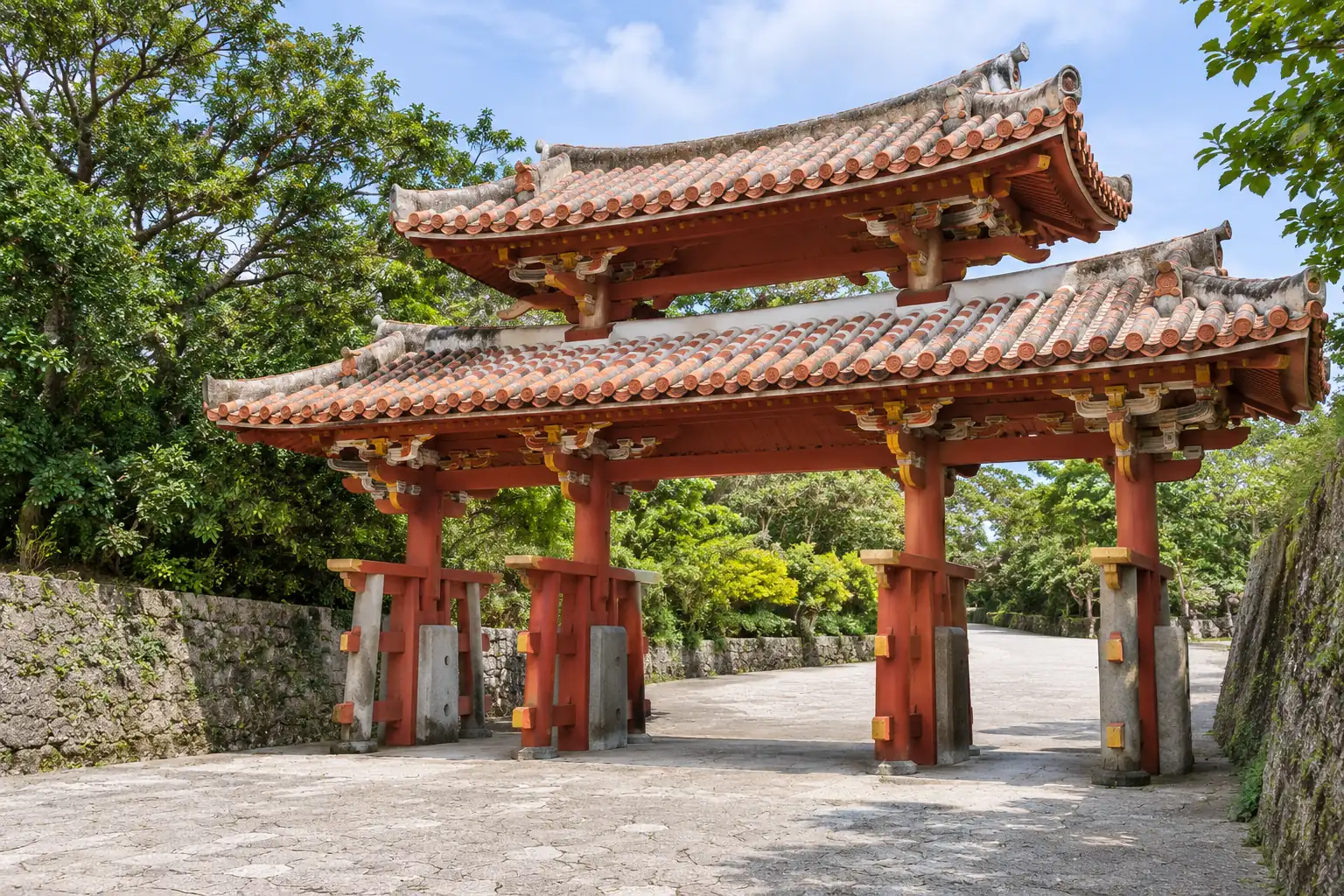
Shurijo Castle Park introduces the Ryukyu Kingdom through its stone walls, ceremonial gates, and hilltop setting. Start at Shureimon Gate, then leave time to understand the site’s destruction and reconstruction rather than treating it as a quick photo stop.
The restored Seiden main hall is scheduled to open to the public on November 23, 2026, with a timed reservation required for its interior. Check the official castle reservation guide for your date; an ordinary paid-area ticket does not include an interior reservation.
Allow roughly two hours at the park, plus the walk from Shuri Station. The approach includes slopes, so comfortable shoes and an unhurried arrival are useful, particularly before a reserved entry time.
2. Visit the Okinawa Prefectural Museum & Art Museum
In Omoromachi, this museum complex connects Okinawa’s natural environment with its history, daily life, and art. It is especially useful near the beginning of a trip, when the exhibits can give context to the places you will visit later.
Choose the history and nature exhibits, the art collection, or both according to your interests; they have separate admission arrangements. Keep a couple of hours free and check the calendar before setting aside a Monday, the usual closing day.
Churaumi Aquarium and Bise
On the Motobu Peninsula, combine the aquarium with Bise’s tree-lined village lanes. This pairing gives you an indoor attraction and a quieter outdoor stop in the same area.
3. See the Kuroshio Sea at Churaumi Aquarium
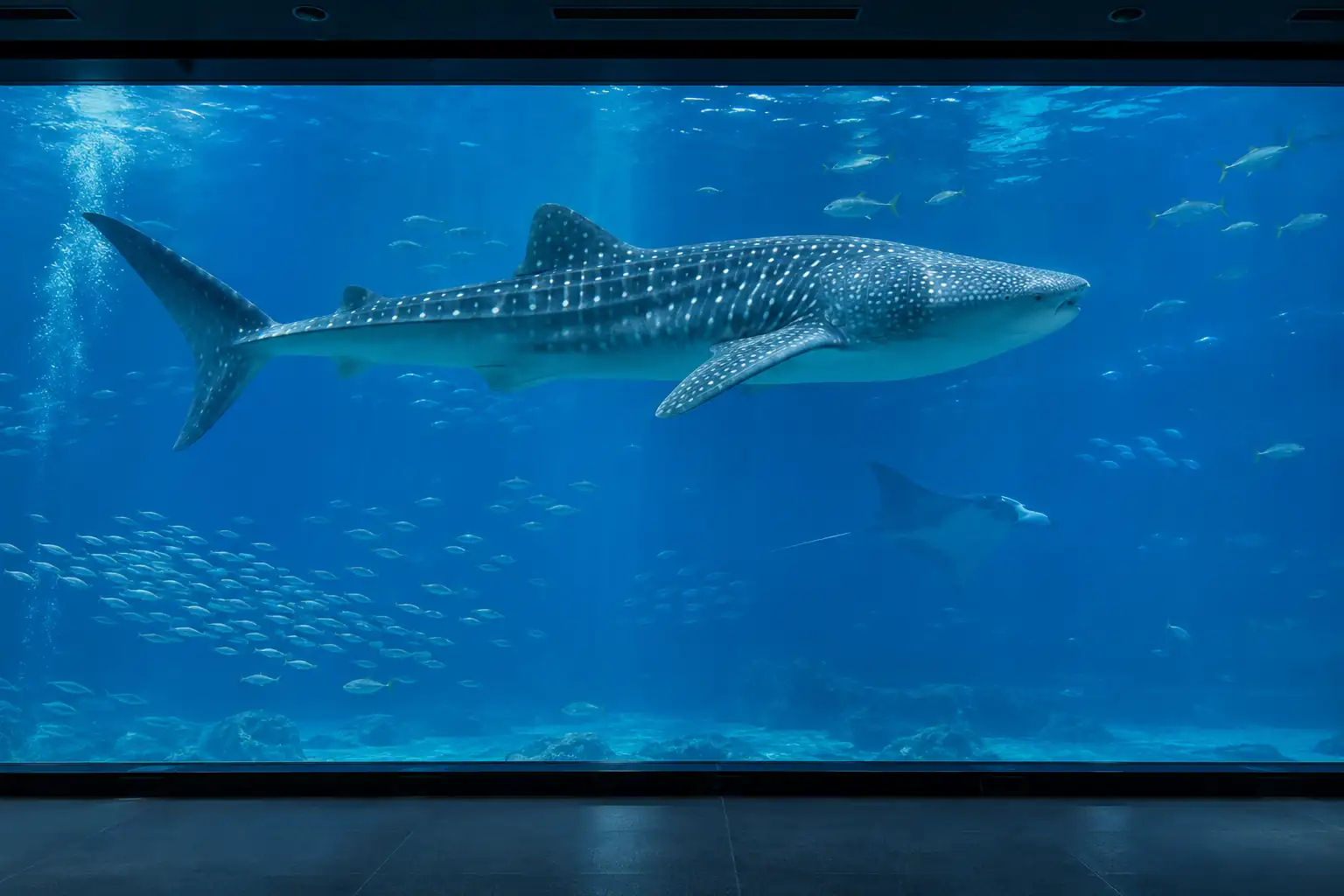
Okinawa Churaumi Aquarium’s Kuroshio Sea tank brings whale sharks, manta rays, and schooling fish into view through an enormous window. Give the coral and deep-sea exhibits attention too, rather than heading straight to the best-known tank and leaving.
Plan two to three hours for the aquarium, with more time if you want to explore Ocean Expo Park. From Naha, treat this as a substantial day out; compare a direct bus or organized tour with driving before committing to extra stops.
4. Slow Down in Bise’s Fukugi Lanes
Near the aquarium, Bise’s lanes pass beneath evergreen fukugi trees and between village homes. A quiet walk or gentle bicycle ride provides a change of pace after the aquarium’s indoor exhibits.
Allow around an hour for an unhurried wander, keeping entrances clear and remembering that people live here.
West Coast Viewpoints
Onna and Chatan suit a scenic west coast outing. Visit Cape Manzamo in daylight, then choose American Village for a waterfront evening.
5. Walk the Clifftop at Cape Manzamo
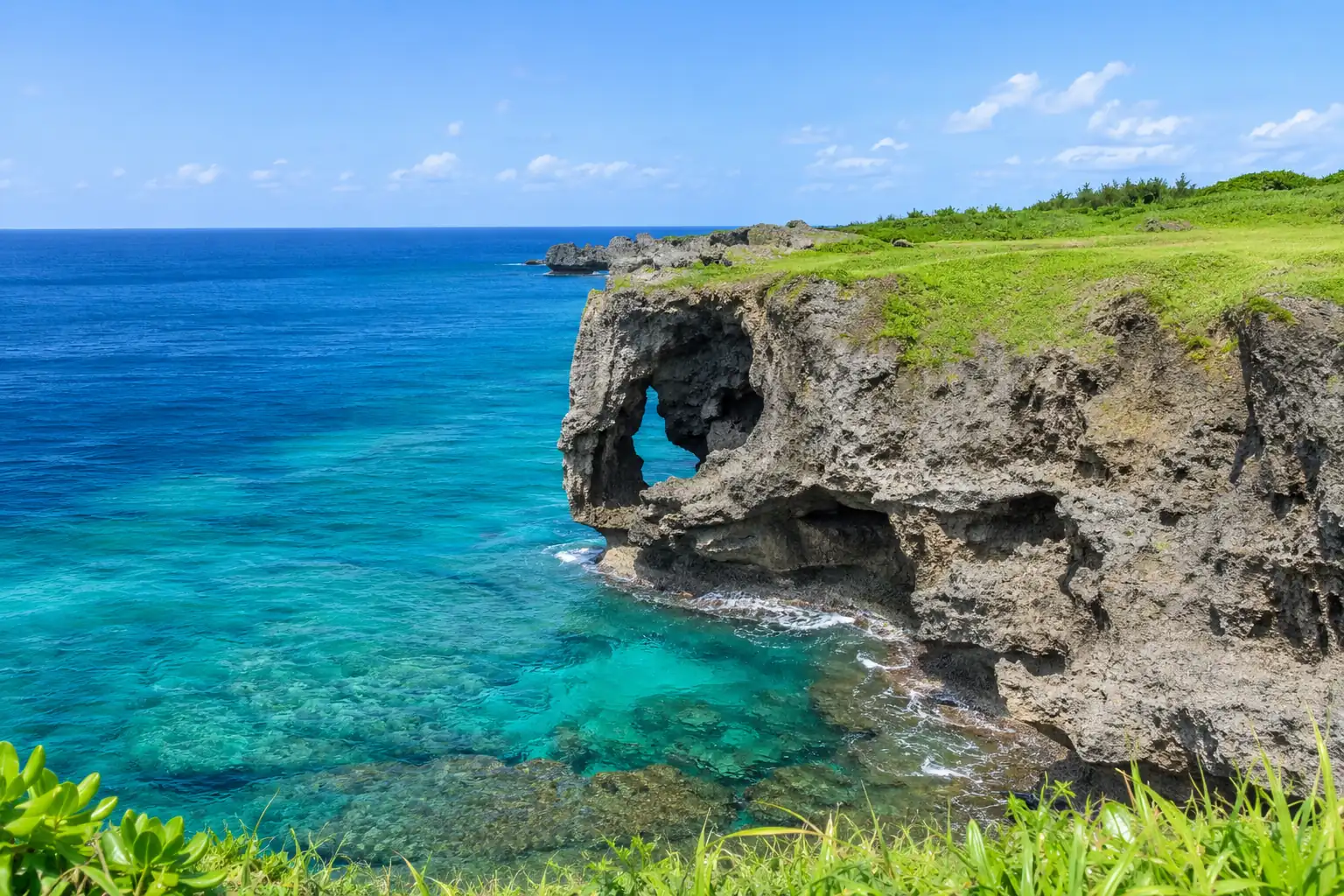
Cape Manzamo in Onna is known for its limestone cliff shaped like an elephant’s trunk. The appeal is the contrast between the grassy headland, rough rock, and clear water below, all visible without a demanding hike.
Set aside about 45 minutes to an hour as a suggested stop, allowing longer if you want refreshments at the visitor facilities. Stay on the designated route and avoid planning your visit around a dramatic cliff-edge photograph.
6. Spend an Evening at American Village
Mihama American Village in Chatan suits a relaxed late afternoon and dinner by the sea. Walk the waterfront, browse the colorful shopping streets, and settle in for sunset rather than squeezing it into a hurried midday stop.
Taco Rice Cafe Kijimuna is one option for trying taco rice, including its omelet-topped version. If you arrive by bus, check the trip back before dinner; a pleasant evening is easier when the return journey is already settled.
Caves and Memorials in Southern Okinawa
Nanjo and Itoman offer a different day out from the northern aquarium route. Leave enough time for the cave and for a thoughtful visit to the memorial grounds.
7. Walk Through Gyokusendo Cave
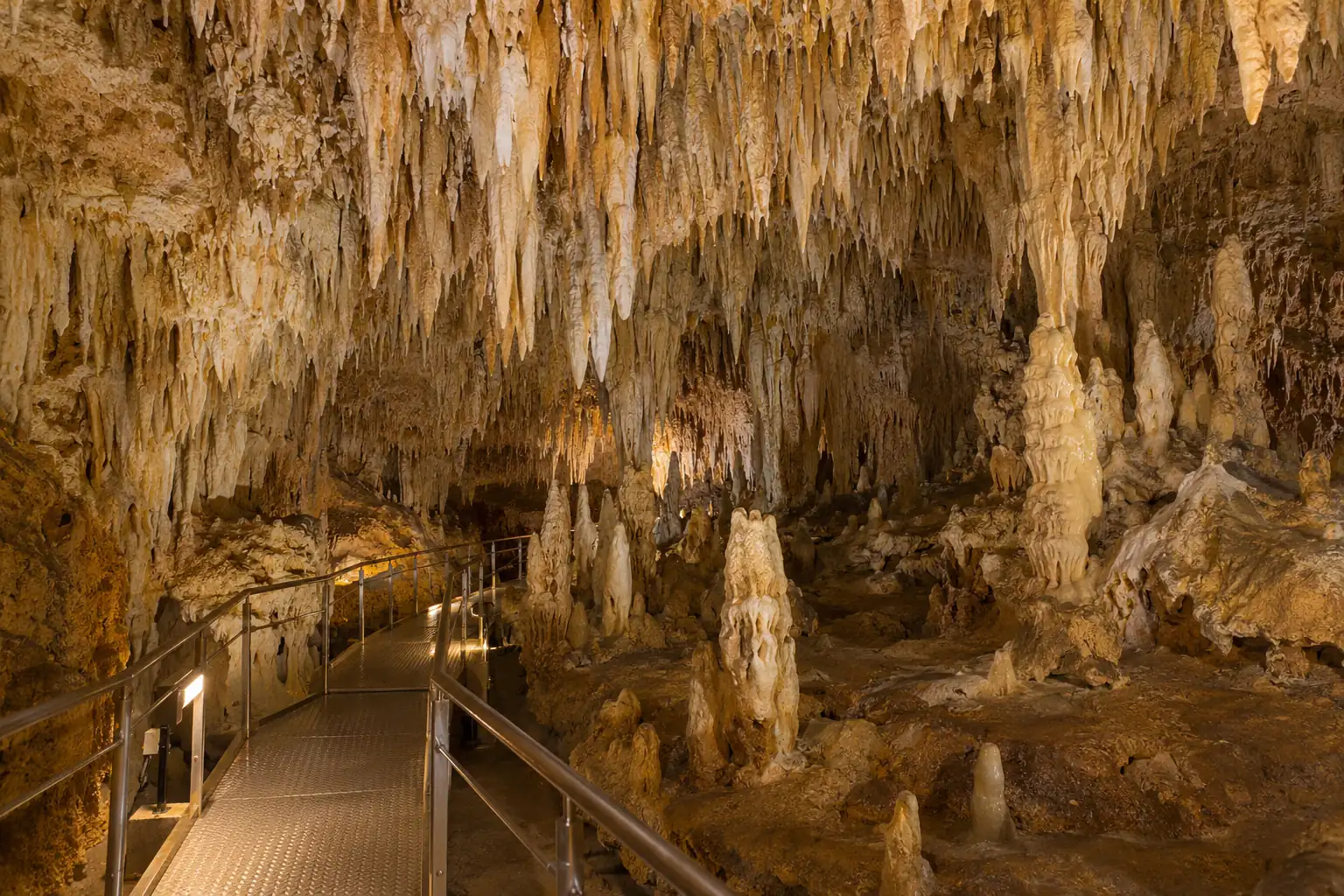
Gyokusendo at Okinawa World in Nanjo reveals dense limestone formations along a developed visitor route. The cave is the main draw for nature lovers, while the wider park adds traditional crafts and an eisa performance program.
Reserve half a day if you want to combine the cave with the park’s other activities. Wear shoes with grip, check access arrangements if stairs are difficult, and remember that moving between attractions can involve outdoor walking even when the cave itself is sheltered.
8. Reflect at Peace Memorial Park
Peace Memorial Park in Itoman commemorates those who died in the Battle of Okinawa. The memorial grounds and the Okinawa Prefectural Peace Memorial Museum offer a meaningful way to understand the human cost of the conflict.
Allow time to read and reflect instead of fitting the site into a short photo break. If traveling with children, consider how much of the museum’s difficult subject matter they are ready for, and leave space afterward for conversation.
Beaches and Water Activities in Okinawa
Choose between a guided outing on the main island and a full day in the Keramas. For a simpler beach day, compare managed beaches such as Manza Beach or Moon Beach in Onna, checking swimming-season dates and visitor fees before going.
A Blue Cave tour fits a main-island stay, while a Kerama excursion needs its own day. Check what the booking includes: a boat-based snorkeling trip may not include time ashore.
9. Join a Blue Cave Snorkeling Tour
The Blue Cave at Cape Maeda is known for the blue light in its seawater and the fish around the rocky coast. A guided snorkeling trip is a practical way to visit if you want instruction and equipment organized together.
Before booking, check the meeting point, whether access is by boat or shore, participation requirements, and what happens if the cave cannot be entered. Leave room for a changed location or cancellation when sea conditions are unsuitable.
10. Take a Kerama Islands Day Trip
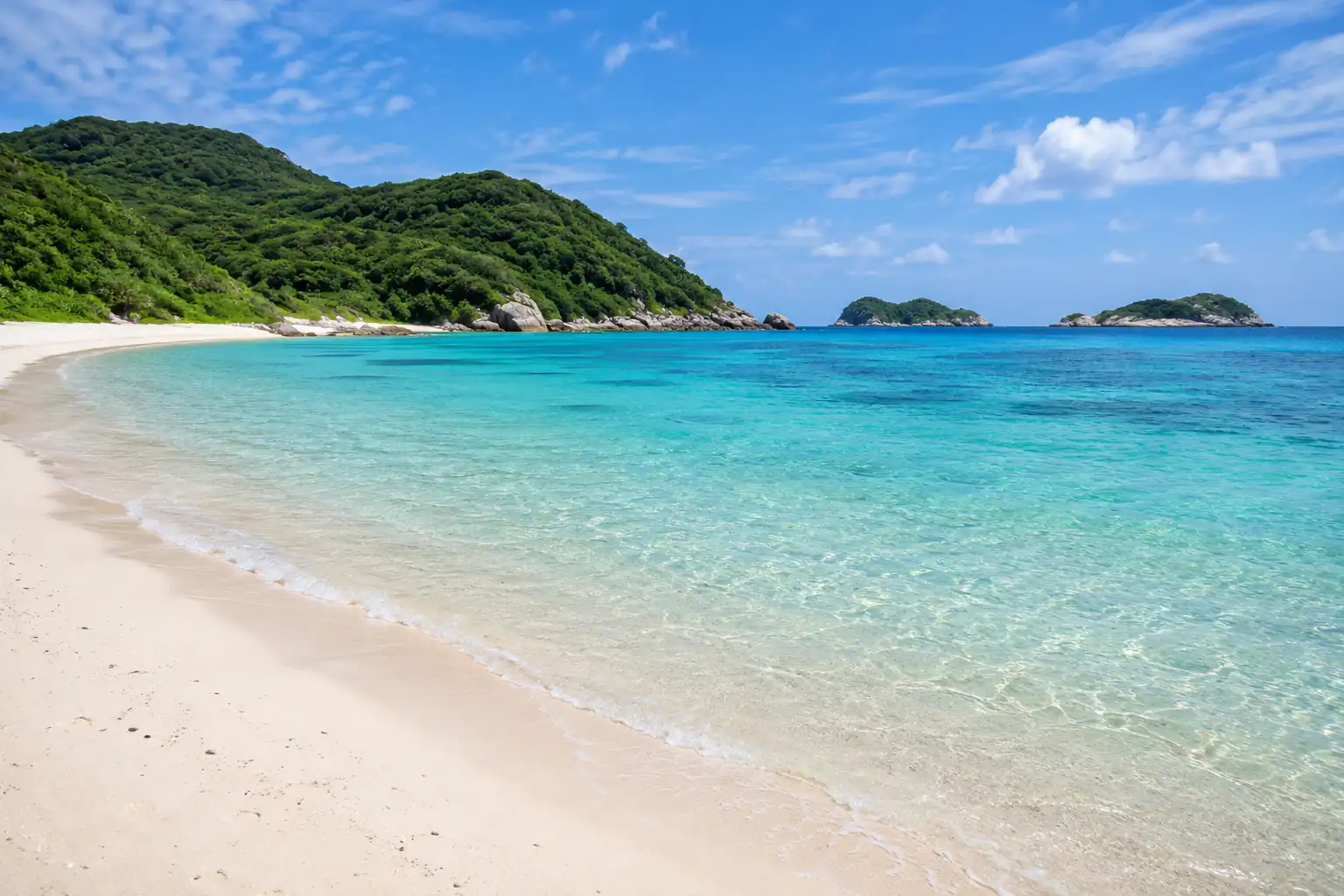
Choose Tokashiki or Zamami for an island day built around beaches and clear water, or join a boat-based snorkeling tour from Naha. These are different experiences: a snorkeling boat may visit offshore sites without landing on an island.
For an independent trip, reserve the outward and return boats, then work out transport from the island port to your chosen beach. Aharen Beach on Tokashiki and Furuzamami Beach on Zamami are options to investigate, with beach operations checked for your dates.
Wear a life jacket for snorkeling, follow local instructions, and keep clear of coral and marine life. Keep a Naha alternative available, since ferries and tours depend on sea conditions.
What to Eat in Okinawa
Plan at least one market lunch and one meal in a neighborhood diner or izakaya. Okinawa’s wheat noodles, bitter melon dishes, seafood, and pork give you plenty to try without arranging every meal around a famous restaurant.
11. Eat Lunch at Makishi Public Market
Browse the fish, meat, and produce stalls downstairs at First Makishi Public Market, then head upstairs for a meal. The displays make this a good introduction to ingredients you may later recognize on restaurant menus.
If you want to buy seafood downstairs and have it prepared upstairs, agree on the seafood price, preparation charge, and portion size before paying. For a simpler lunch, choose a restaurant dish directly and spend the rest of your visit exploring the surrounding arcades.
12. Try Okinawa Soba
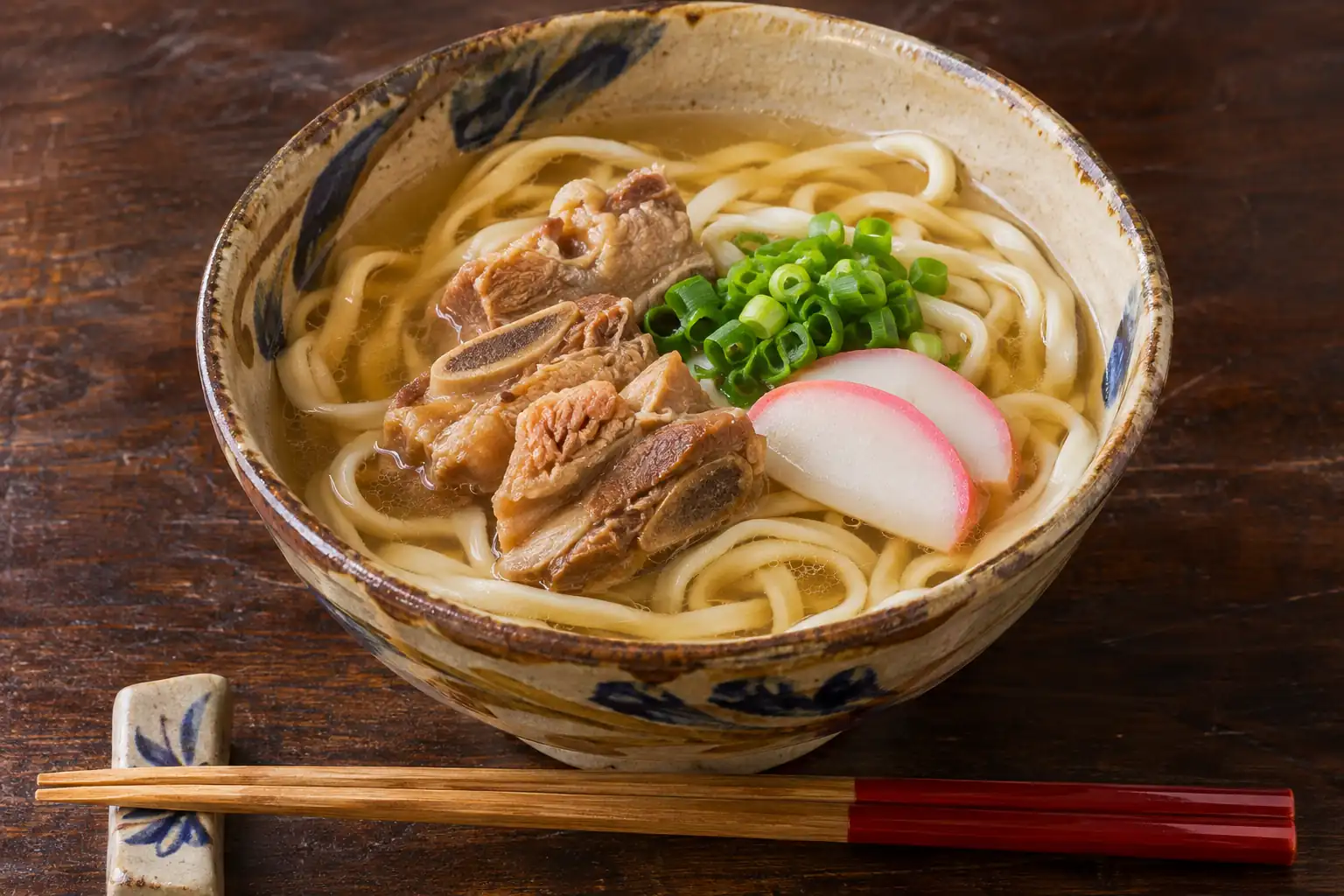
Okinawa soba uses wheat noodles rather than buckwheat and is commonly served with pork and fish cake in broth. Try a neighborhood soba shop in Naha, leaving time for lunch between the market and pottery streets.
Soki soba, topped with pork ribs, is a useful dish to look for on menus. If you have dietary restrictions, check the broth as well as the toppings, since a bowl without visible meat is not necessarily vegetarian.
13. Order Goya Champuru
Goya champuru combines bitter melon with ingredients such as tofu, egg, and pork in a stir-fry. Its savory bitterness gives you a different side of Okinawan cooking from noodle soup or sweet snacks.
Look for it at a set-meal restaurant or an Okinawan izakaya in Naha. Sharing a plate alongside rafute, braised pork belly, lets a group try contrasting textures and flavors without ordering a full meal of every dish.
Where to Shop in Okinawa
Central Naha is convenient for comparing local crafts and packaged gifts on foot. Choose Tsuboya for pottery, Kokusai Street for a broader souvenir selection, or a workshop if you would like to make something yourself.
Pottery and Food Gifts
14. Browse Tsuboya Yachimun Street
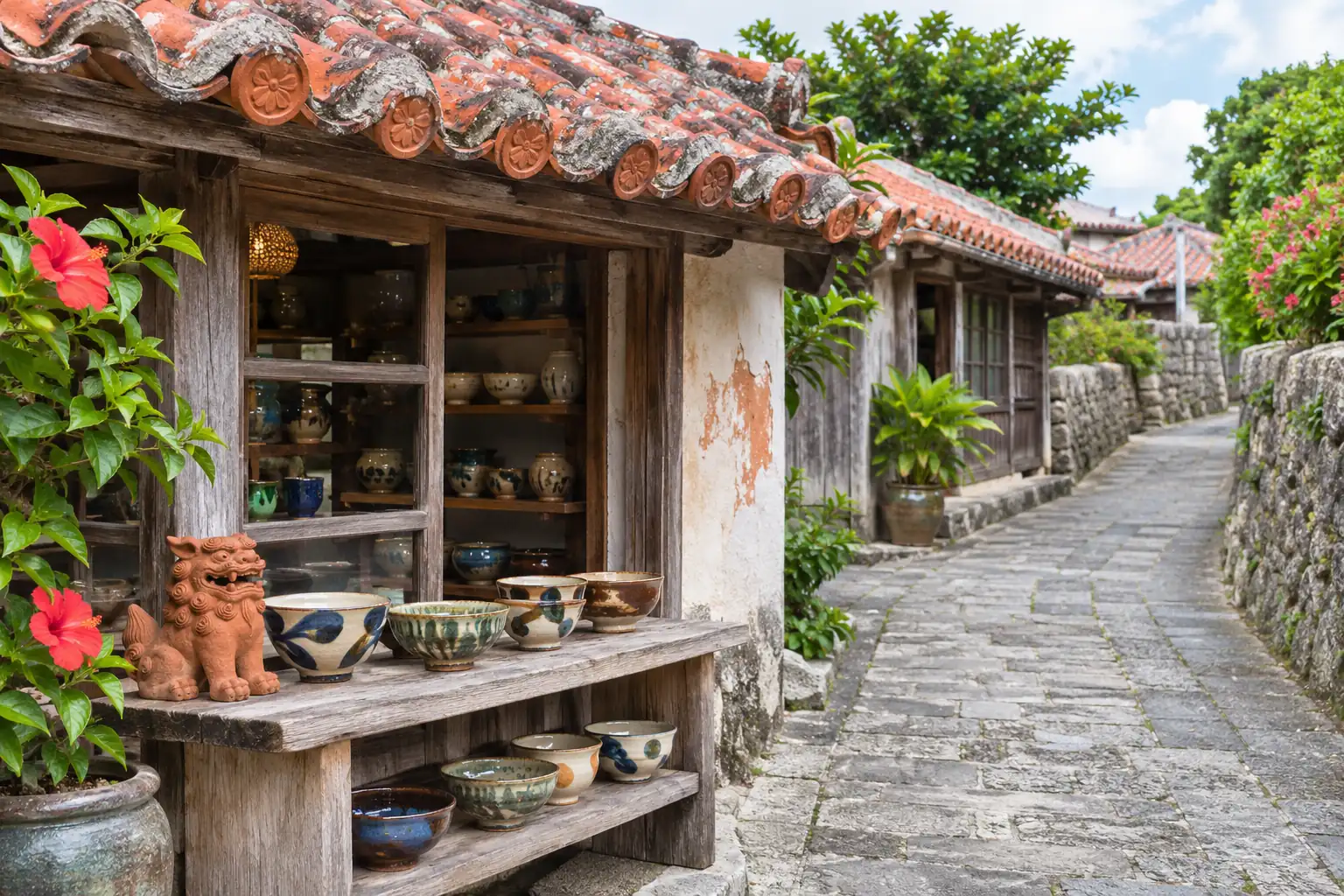
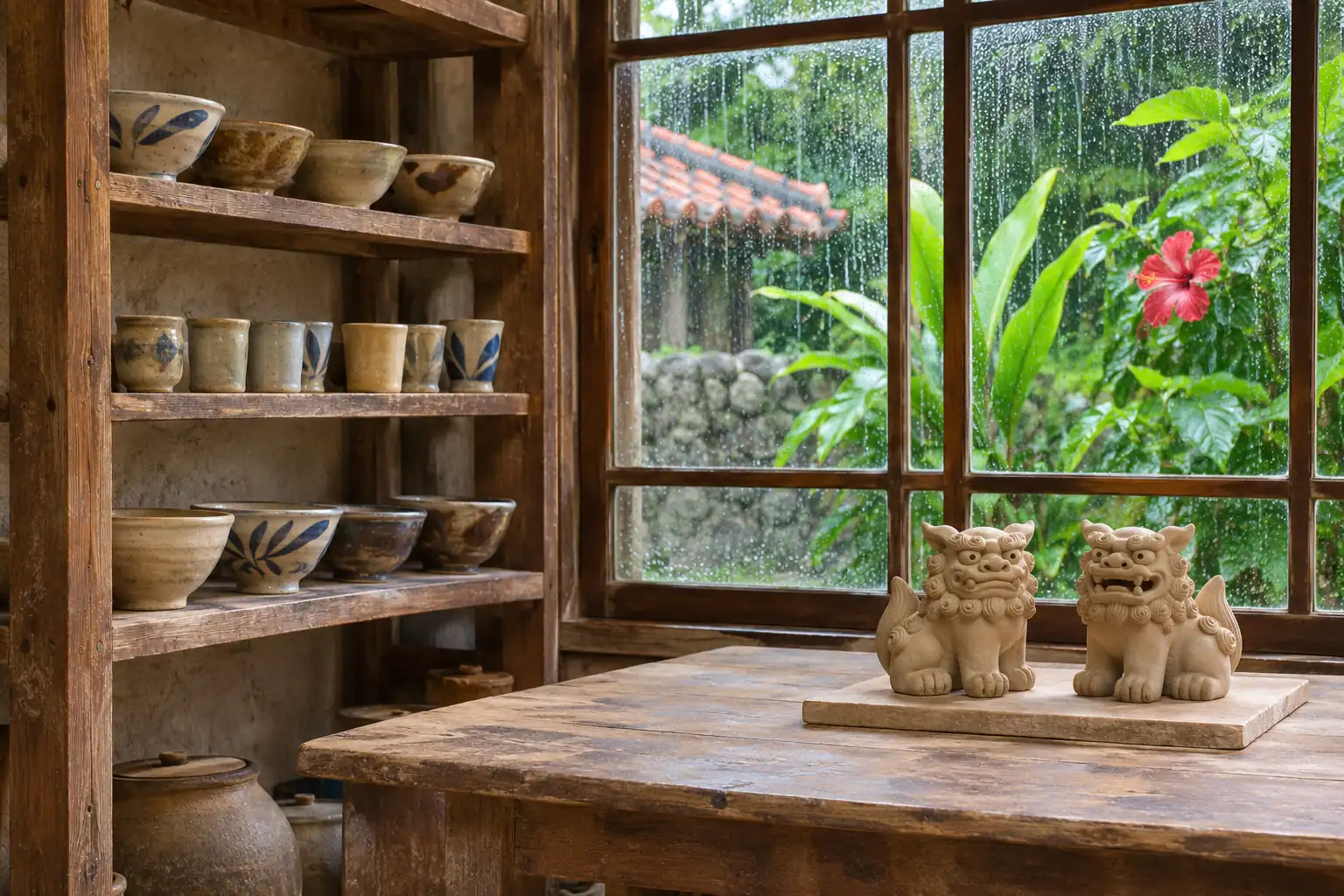
Tsuboya’s pottery shops offer a slower-paced walk near the market area. Look for yachimun bowls, cups, small plates, and shisa guardian figures, comparing the glaze and shape of individual pieces before choosing a souvenir.
A small cup or plate is an easier first purchase than a large serving bowl. Ask about the maker, food use, and care instructions, and have fragile pieces wrapped separately with space around them in your luggage.
15. Shop Kokusai Street and Its Arcades
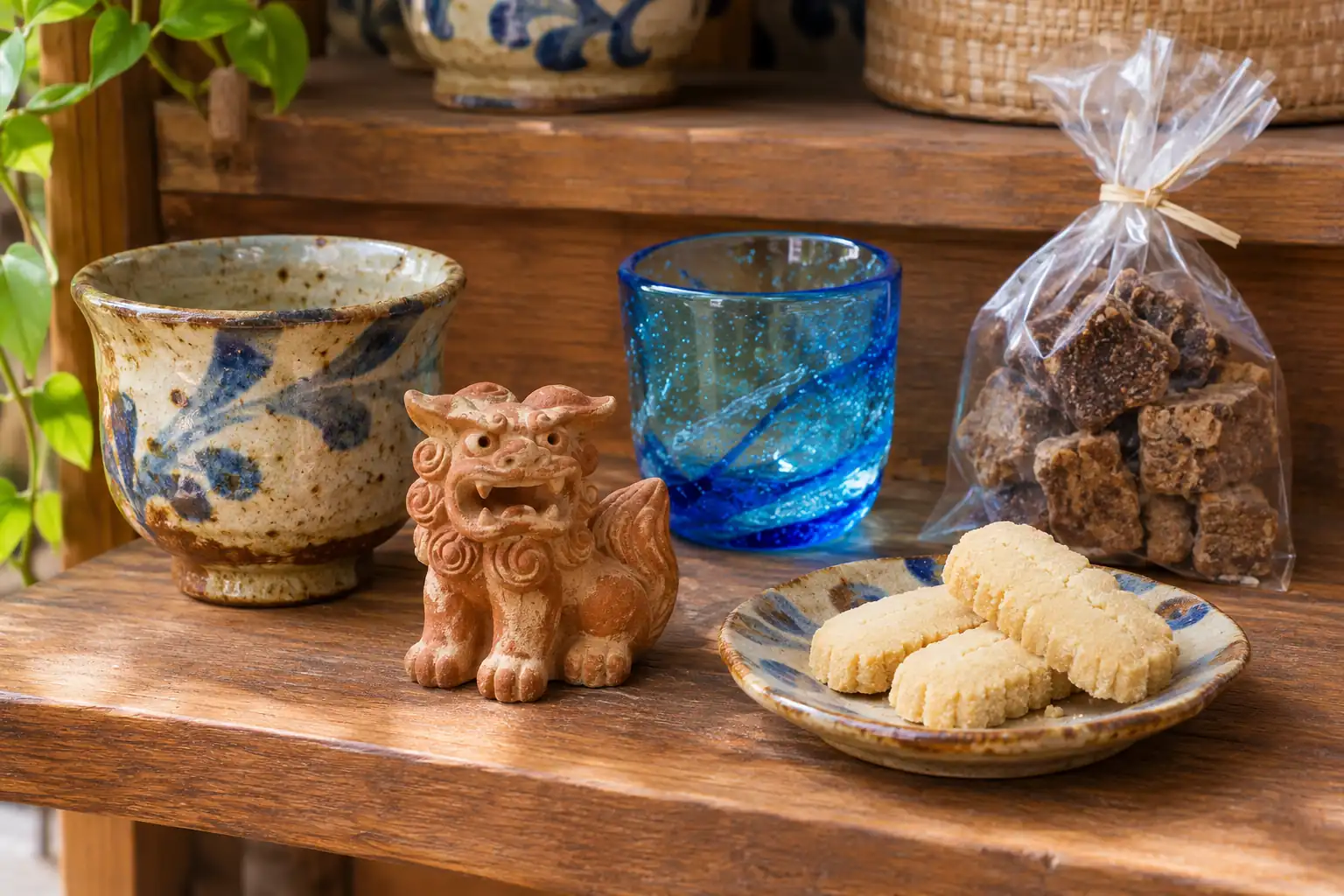
Kokusai Street and the covered lanes branching from it are convenient for comparing Okinawan snacks and souvenirs. Look for chinsuko cookies, beni-imo sweet potato tarts, brown sugar, and small Ryukyu glass pieces rather than buying the first mixed souvenir box you see.
Check the place of manufacture, ingredients, expiry date, and storage instructions on packaged food. Choose sturdy boxes for fragile cookies and pastries, and check your destination’s import requirements before buying fresh produce or products containing meat.
Hands-On Craft Experiences
Book a craft session early enough in your stay to allow for collection. Firing, cooling, or shipping arrangements can matter more than the length of the workshop itself.
16. Try a Craft Workshop at Tenbusu Naha
The Naha City Traditional Arts and Crafts Center offers a way to spend time with Okinawan craft traditions, with experiences such as weaving, pottery, and glass work. Choose the activity for the process as well as the finished object.
Confirm the current workshop schedule, booking method, age requirements, and language support with Tenbusu Naha before going. Ask whether your piece needs firing or cooling and whether collection or shipping fits your trip; a small textile may be more practical than an unfinished ceramic on your last day.
Best Time to Visit Okinawa
Spring and autumn are useful starting points for a trip combining sightseeing and time by the sea. Check the operating season of the beach or activity you want most, since comfortable sightseeing weather does not guarantee suitable swimming conditions.
The rainy season typically runs from mid-May to late June. Showers do not necessarily last all day, but summer into autumn also calls for flexible sea bookings and close attention to weather and transport updates.
For ordinary rain, switch to the museum in Naha or a booked craft workshop. If severe weather interrupts transport, follow local guidance and check closures before setting out.
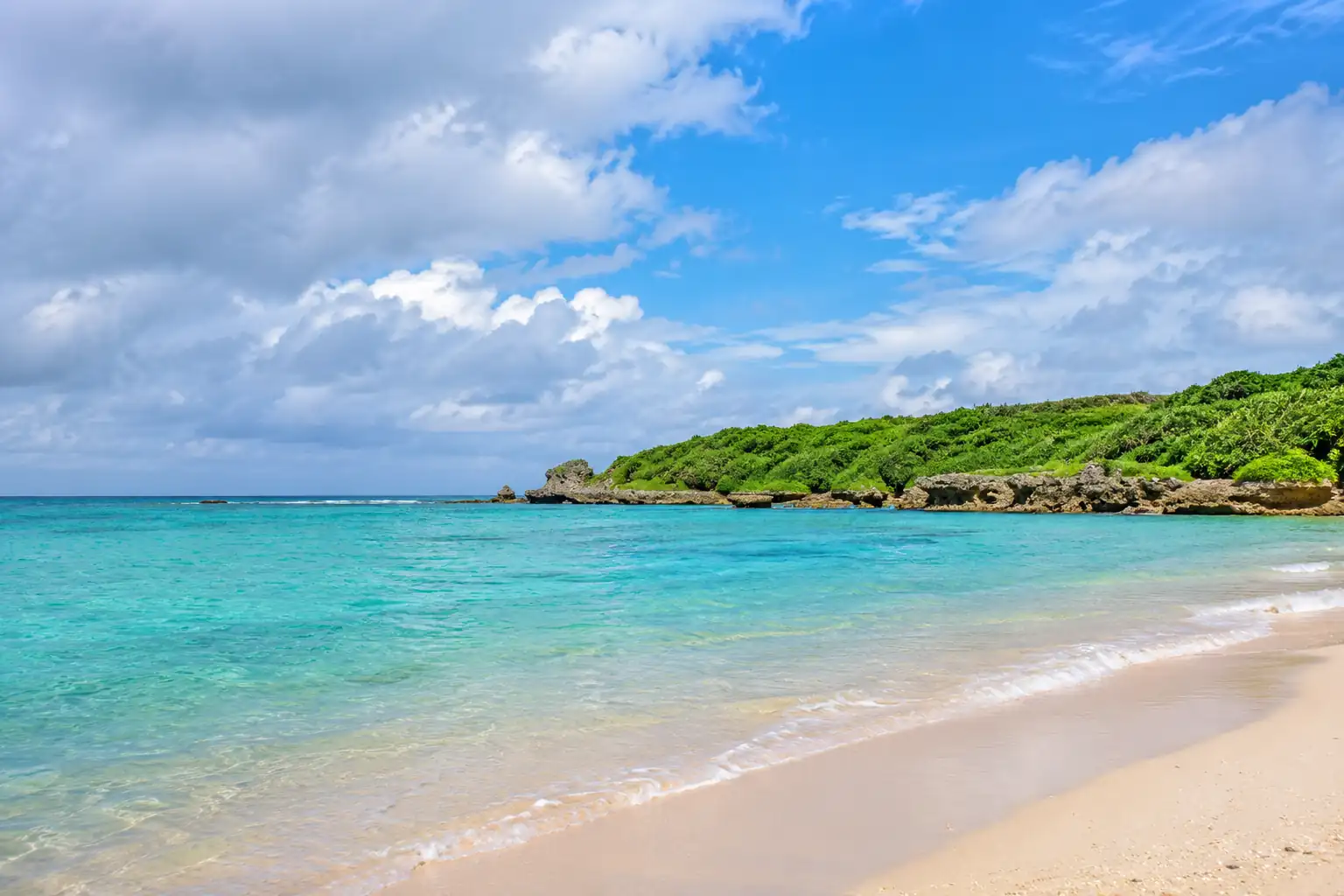
Winter suits travelers who prioritize museums, food, and cultural sights over a conventional beach holiday. Whale watching and early cherry blossoms offer seasonal reasons to visit, while northerly winds can make a light jacket useful.
Okinawa Itinerary and Transport Tips
Where to Stay
Naha works well for city walks, restaurants, and departures for the Keramas. Onna suits a resort-focused stay, while Motobu is convenient when the aquarium and northern scenery are priorities.
Keep one base for a short trip if packing and hotel transfers would slow you down. With more nights, splitting the stay between Naha and the coast can reduce repeated journeys.
A Suggested 4-Day Okinawa Itinerary
This route gives each day one main area or excursion. Swap the sea day with another outing if conditions change.
Day | Suggested Focus | Keep in Mind |
|---|---|---|
1 | Shuri, Makishi, and Tsuboya | Use the monorail and walk; leave the museum as an alternative. |
2 | Churaumi Aquarium and Bise | Make the north your main outing rather than adding southern sights. |
3 | Kerama excursion or a west coast day | Choose one; move the sea activity to the best available conditions. |
4 | Okinawa World and Peace Memorial Park | Allow enough time for the cave and a thoughtful museum visit. |
With three days, drop the south or the sea excursion according to your interests. Add a fifth day if you want both the Keramas and a relaxed west coast outing.
Alternative Stops for Your Route
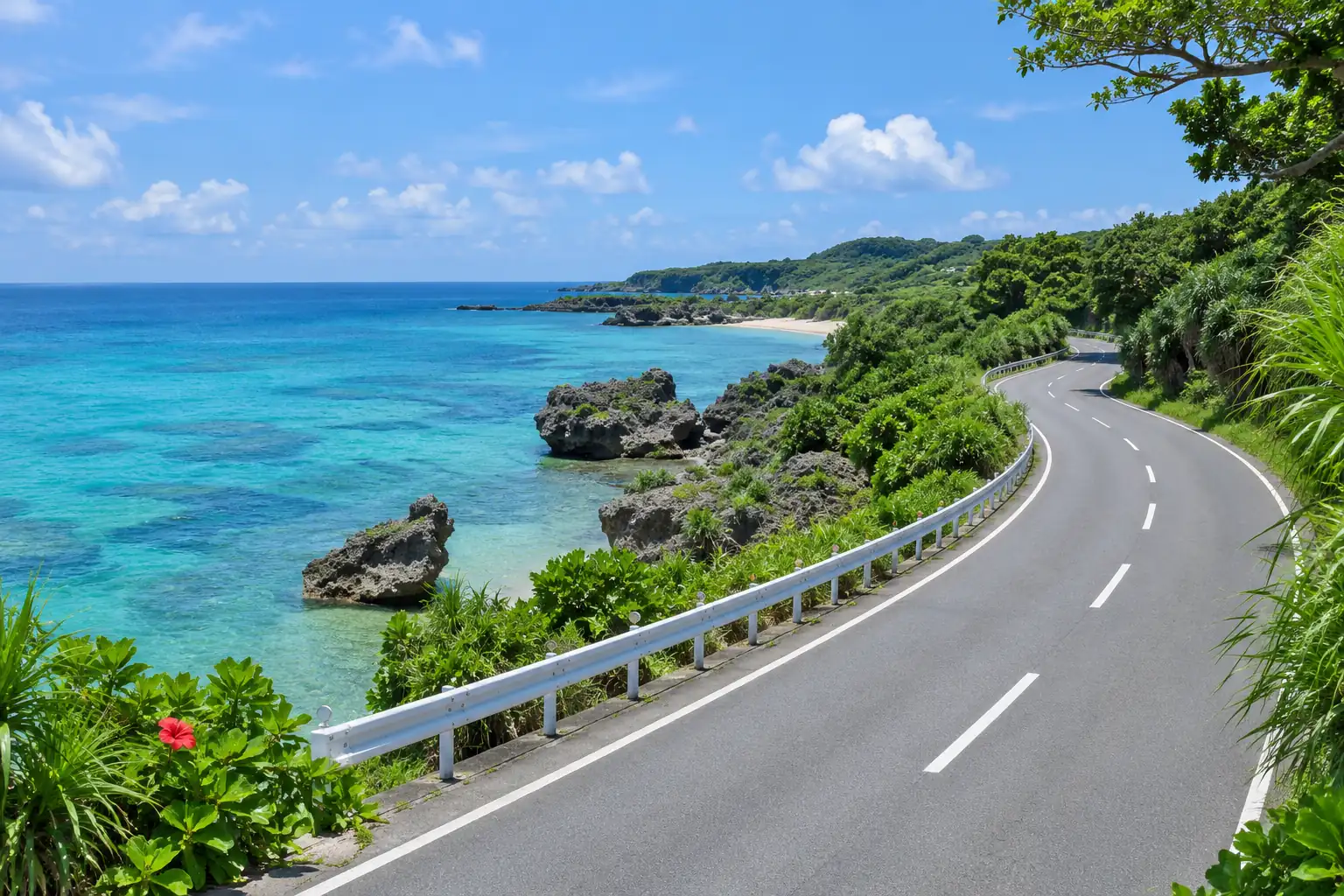
In the north, Kouri Island offers bridge and sea views via Yagaji Island. Choose it as an alternative to a longer Bise walk if a scenic drive matters more to you, allowing time for parking and stops.
Nakijin Castle Ruins is another northern option, known for its curving limestone walls. History-focused travelers can replace some village or beach time with the castle rather than adding every northern stop to one aquarium day.
In Nanjo, Sefa Utaki adds Ryukyuan spiritual heritage to a southern outing. It remains a sacred site, and entry to the Sanguui area is prohibited; check current access arrangements and choose it in place of another substantial stop if time is short.
Getting Around Okinawa
You can enjoy Okinawa without driving by combining Naha’s monorail, buses, taxis, and organized day trips. Outside Naha, compare departure points and the last return service before booking accommodation or activities; the monorail does not reach Churaumi Aquarium or Onna.
If renting a car, confirm the required driving documents with your rental company before travel and include fuel, parking, and tolls in your comparison. A northern bus tour can be simpler when you only want one day outside the city.
Mobile data helps when checking a bus stop, translating a menu, or finding a changed meeting point. On a compatible, unlocked phone, an iRoamly Japan eSIM is one option to consider for these tasks; download key directions and booking details before leaving your accommodation too.
Okinawa Travel FAQs
1. Which Activities Are Free or Low Cost?
Walking the public streets around Tsuboya, browsing Kokusai Street, and enjoying the American Village waterfront can keep spending down. Budget separately for meals, purchases, parking, transport, and any paid facilities you use.
2. Is Okinawa Good for Families With Children?
The aquarium, a gentle Bise walk, and a suitable craft session can make an enjoyable family combination. Build in breaks, and check each marine activity’s age and participation requirements rather than assuming every snorkeling tour accepts young children.
3. Should I Add Ishigaki or Miyako?
Consider them as an extension with additional nights and a separate transport plan. They are distinct island destinations reached from Naha by air, so a first main-island trip does not need to include them to feel complete.
4. Can I Enjoy Okinawa Without Swimming?
Yes. Combine the castle, museums, pottery streets, aquarium, caves, and food with coastal walks when conditions allow. You can make the sea part of the scenery without booking an activity in the water.
Conclusion
Okinawa’s appeal goes well beyond its beaches. Ryukyu heritage, coastal scenery, and local food bring variety to a first visit. Start with the experiences that interest you most and explore at your own pace.
Group nearby sights together and keep sea activities flexible. Focusing on one area each day gives you more time to enjoy it, with fewer hours spent traveling between stops.
Leave room for discoveries along the way. A small pottery shop, a shaded village lane, or a satisfying bowl of Okinawa soba may become one of your favorite memories.