
Kochi sits on Shikoku’s Pacific coast, bringing together a historic castle, lively food markets, and wooded hills. Spend a morning exploring its history, try straw-seared bonito for lunch, then head toward a temple garden or the sea.
Kochi Castle and Hirome Market are good starting points, while Mount Godai and Katsurahama offer a change of scenery beyond downtown. With more time, explore the prefecture’s clear river valleys or try making traditional Tosa washi paper.
This guide covers 16 things to do in Kochi, from local sights and food to rewarding day trips. Use the transport tips and suggested itineraries to plan a visit around what interests you most.
When to Visit Kochi
Spring and autumn are good starting points for a walking-focused trip, with seasonal flowers or changing leaves adding interest to the castle grounds and Mount Godai.
Weather and bloom timing vary, so choose your dates around the experiences you want rather than one promised peak day.
August brings the Yosakoi Festival, making it a compelling time for dance and street performances if you are comfortable with summer heat and crowds.
Book accommodation early for a festival visit and check the published program for the year you travel.
For summer river activities, confirm the operator’s season and cancellation policy, and leave flexibility for heavy rain or typhoon disruption.
Winter can suit food and museum visits, but year-end closures and more limited outdoor activity schedules need attention.
Whatever the season, arriving in time for Sunday morning is worthwhile if you want the street market. Check museum closing days before fixing the rest of the week around a particular collection or workshop.
Places to Visit in Kochi
Once you’ve chosen when to visit, plan your sightseeing around your interests and the time available. Start with Kochi Castle and downtown, then add Mount Godai’s temple and gardens or the coast at Katsurahama to build a manageable route.
City Landmarks and Culture
1. Climb Kochi Castle
Kochi Castle is a rewarding first stop if you enjoy historic buildings: it is one of Japan’s 12 surviving original castle keeps. The wooden interiors and view across the city give you more than an exterior photo, although reaching the upper floors involves steep stairs.
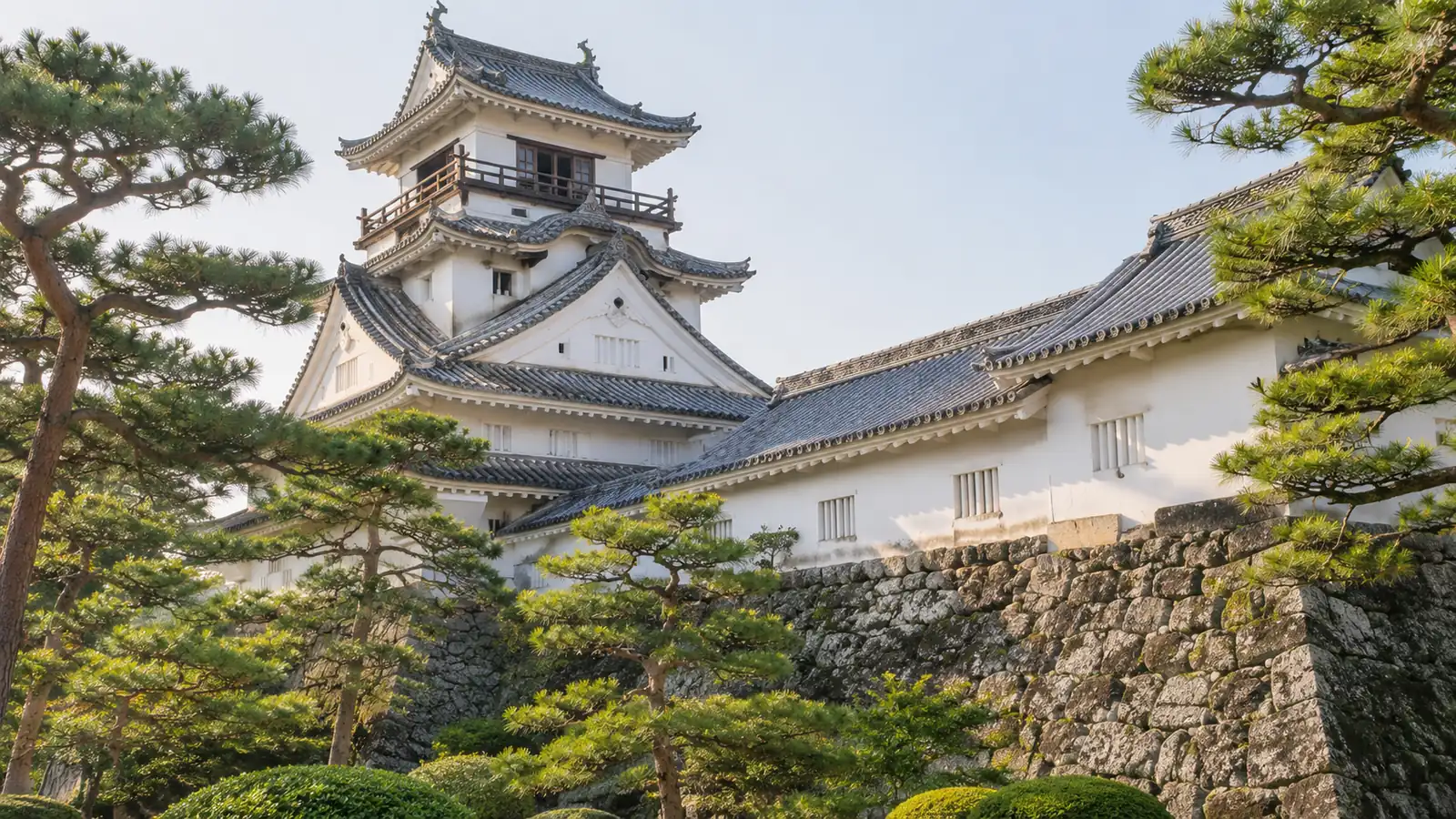
Construction began in the early 1600s, but much of what you see was rebuilt in the 18th century after a fire. That distinction matters here: “original” describes surviving historic architecture, rather than a modern concrete reconstruction.
Allow about 60–90 minutes for the grounds and interior, longer if you stop frequently for photos.
Adult admission is ¥500; normal interior hours are 9:00–17:00, with last entry at 16:30. The interior closes over the year-end holiday.
Kochijo-mae tram stop is nearby, and Hirome Market is an easy next stop for food.
2. Visit the Kochi Castle Museum of History
Across from the castle, this museum adds context through documents, armor, and objects connected with the Tosa domain.
It suits travelers who want to understand the people behind the buildings, especially if the castle visit leaves you with questions about local history.
A multilingual audio guide, including English, is available on a phone or tablet. Allow another hour if you are interested; on a short visit, choosing one museum you really want to explore leaves more time for the city outside.
3. Stop at Harimaya Bridge
Harimaya Bridge is a small vermilion landmark associated with a local love story preserved in the folk song yosakoi-bushi. Its appeal lies in that story and its setting in a little strolling park, so treat it as a short stop while crossing downtown.
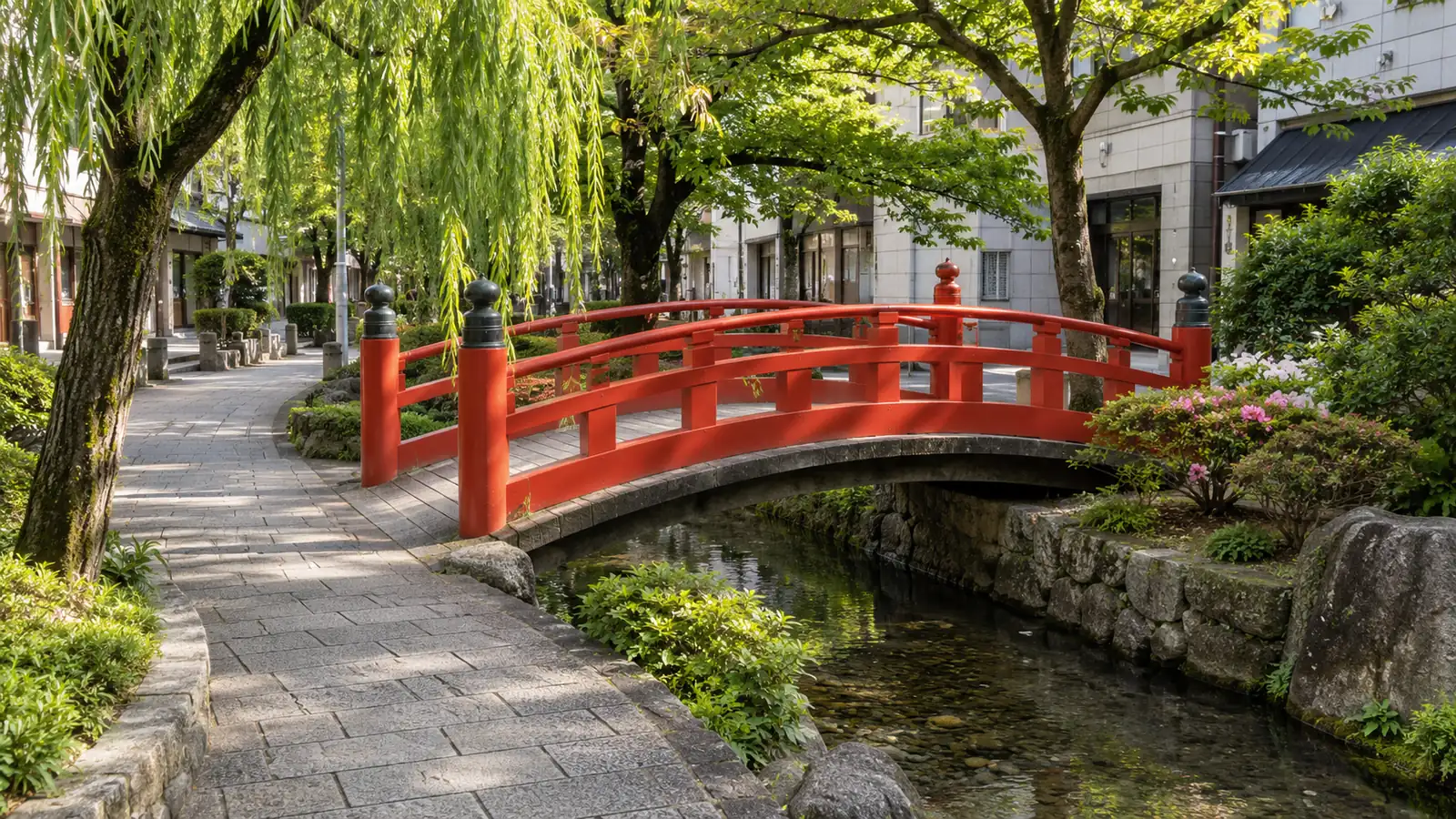
Ten or fifteen minutes is enough for a look and a photo. Nearby shops sell hairpins and hairpin-shaped sweets recalling the legend, and the surrounding tram interchange makes the area a useful point of orientation.
4. Discover Yosakoi at the Kochi Yosakoi Museum
Kochi’s Yosakoi Festival fills the city with teams dancing to music while carrying wooden naruko clappers. The museum explains the festival through costumes, displays, and footage, making it a useful introduction even when your trip falls outside August.
Ask which dance or clapper-making activities are available during your visit rather than assuming every activity runs continuously. Admission is free, but the museum normally closes on Wednesdays; allow roughly 30–60 minutes.
Temples, Gardens, and the Coast
5. Explore Chikurin-ji Temple
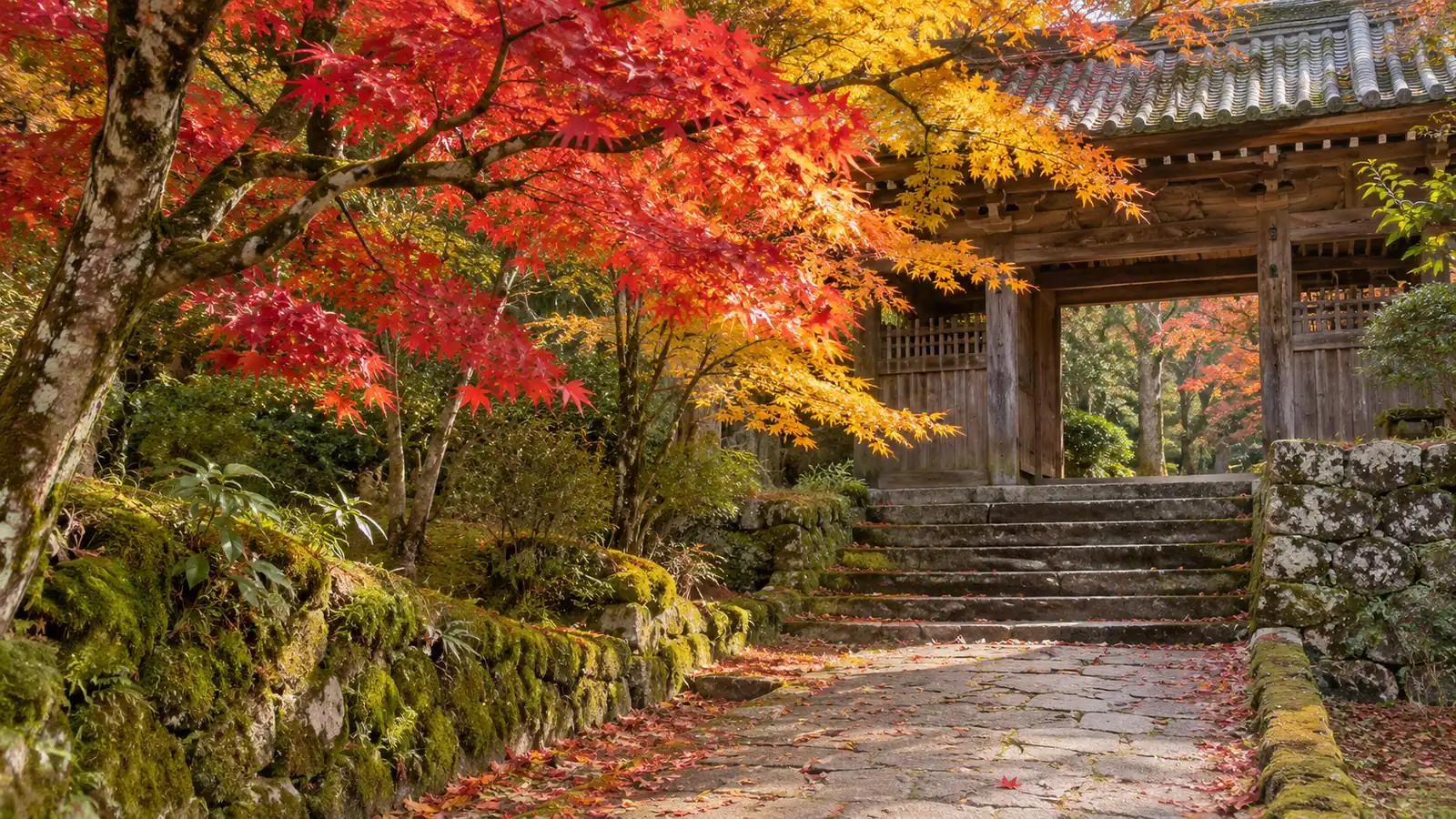
On Mount Godai, Chikurin-ji is temple 31 on the Shikoku 88 Temple Pilgrimage. Mossy approaches, maple trees, and a five-story pagoda make it a good choice for a quieter visit away from the shopping streets.
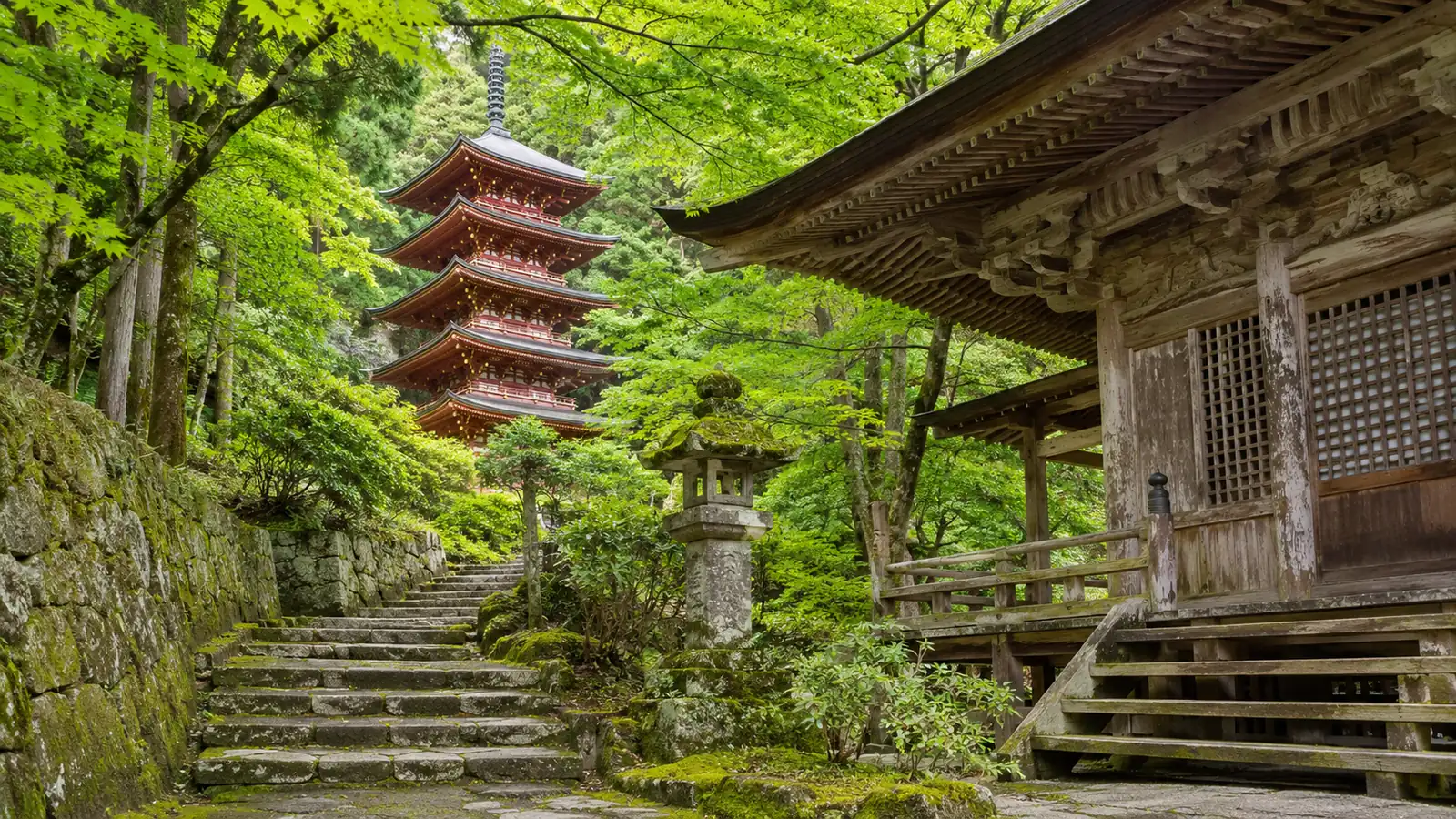
Allow around 45–60 minutes for the main grounds, with extra time for the separately charged garden or other areas you choose to enter.
Stone steps and uneven surfaces deserve consideration if stairs are difficult, and worshippers should have space to pray without being photographed at close range.
6. Wander Through Makino Botanical Garden
Next to Chikurin-ji, Makino Botanical Garden combines planted slopes, a tropical greenhouse, and exhibitions about botanist Tomitaro Makino. It is particularly worthwhile if you enjoy plants or want a longer outdoor stroll with places to pause.
Give the garden about two hours rather than squeezing it into a quick photo stop. The hillside setting means walking between different levels, while the greenhouse provides an indoor highlight without making the entire visit weatherproof.
Adult admission is ¥850, and normal hours are 9:00–17:00, with last entry at 16:30.
Combine it with the neighboring temple to avoid a second trip up Mount Godai.
Check maintenance closures and the year-end calendar before building a day around the garden.
7. Walk Along Katsurahama
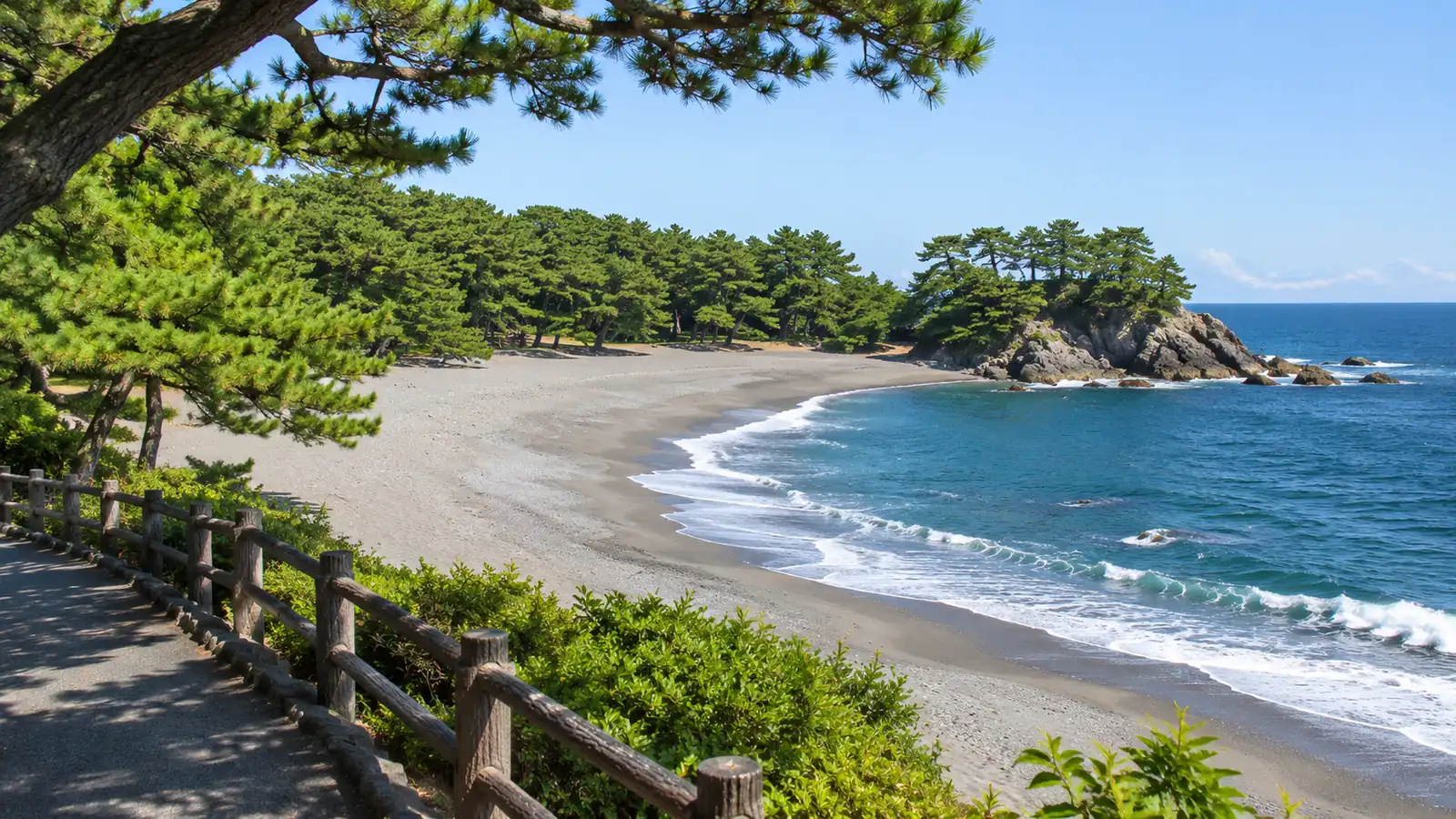
Katsurahama brings together a crescent of beach, pine trees, and an open Pacific outlook.
Follow the paths through the park and look for the prominent statue of Sakamoto Ryoma, the Kochi-born figure associated with Japan’s transition out of the feudal era.
Swimming is prohibited because of strong currents and waves. Plan this as a coastal walk, keeping away from the water’s edge when the sea is rough.
Allow roughly an hour for the beach and park, or longer for a meal at the Umi-no-Terrace area. A visit to the nearby Ryoma museum adds a separate block of time, especially once you include the uphill approach.
8. Learn About Sakamoto Ryoma
The Sakamoto Ryoma Memorial Museum stands on a hill above Katsurahama. Letters and historical exhibits explain why Ryoma appears so often in Kochi, making this a stronger choice for history enthusiasts than simply photographing his seaside statue.
Allow about an hour and check the current exhibition before visiting, as admission varies with the program. This is the prefectural museum near the coast; the Memorial Museum at Ryoma’s Birthplace is a different attraction in the city.
What to Eat in Kochi
Kochi’s food combines Pacific seafood with vegetable dishes and bright citrus flavors. Its markets are a natural place to sample these tastes, whether you want a full meal or a few local snacks.
9. Eat Katsuo no Tataki at Hirome Market
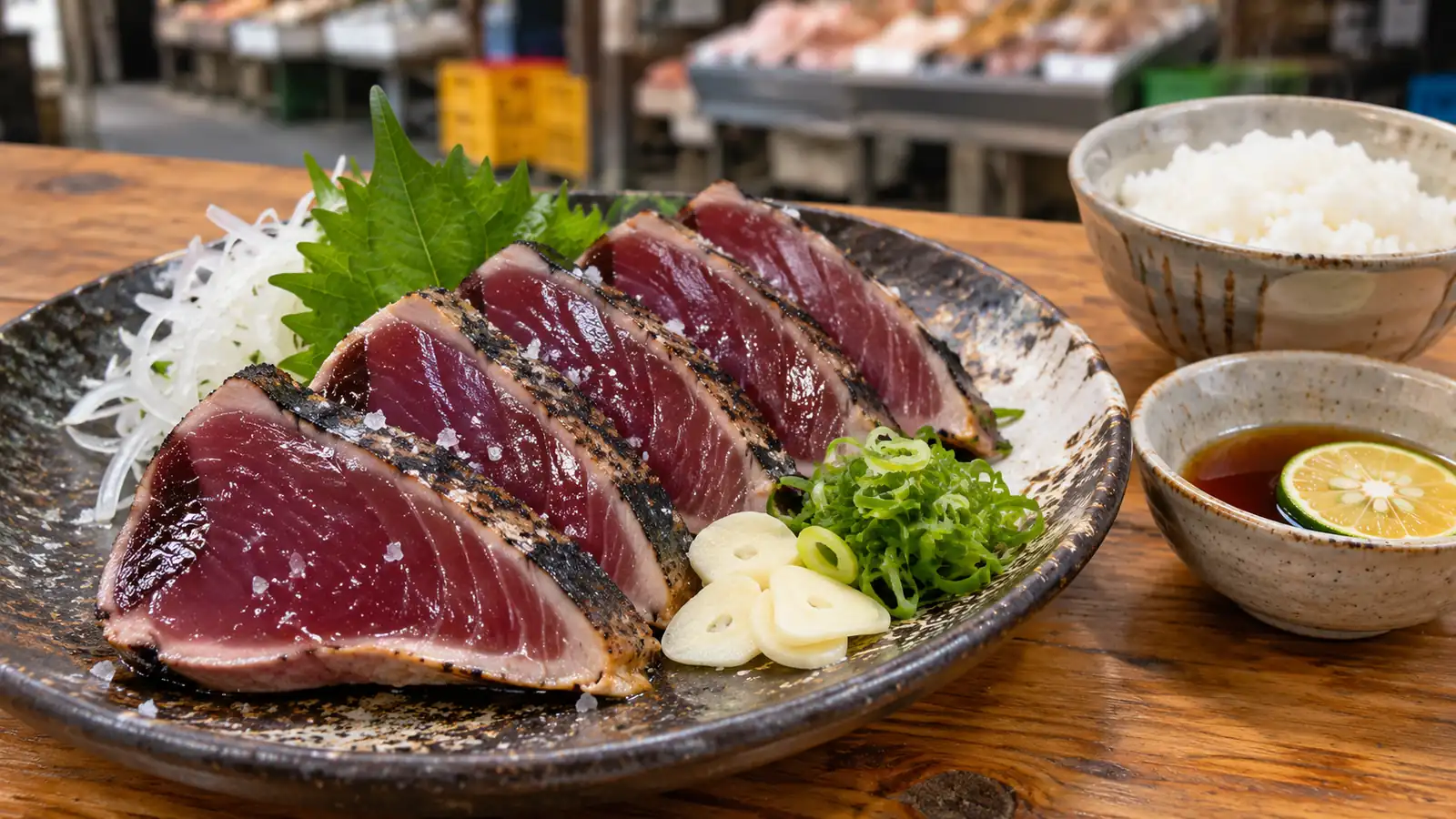
Hirome Market is an indoor collection of food stalls and shops with shared tables, close to the castle and the western end of Obiyamachi. It works particularly well for groups with different appetites because you can buy from several stalls and eat together.
Start with katsuo no tataki: bonito briefly seared over flames, often fueled by straw, then sliced with a rare center. Salt, citrus-based sauce, garlic, and other garnishes vary by vendor, so check how your serving comes dressed.
Look for available seats before ordering a large tray, and buy food and drinks from businesses inside the market; outside food and drinks are not allowed.
Individual stall hours differ, and the busiest meal periods can make shared seating harder to find.
10. Try Inaka Sushi and Yuzu Flavors
Inaka sushi offers a different taste of the region, with vegetables such as ginger, mushrooms, or konjac taking the place of familiar fish toppings. Look for it at the Sunday Market or local food stalls, where you can try a small selection alongside other snacks.
Vegetable toppings do not automatically make every preparation vegan: ask about fish stock, seasonings, and accompaniments if that matters to you. A photo translation app can help with ingredient lists when there is no English menu.
For something sweet or refreshing, look for yuzu drinks, citrus desserts, or imo-kenpi, crisp sugar-coated sweet-potato sticks. Local sake is another option with dinner, while bottled yuzu drinks give non-drinkers a regional flavor to try.
Where to Shop in Kochi
Shopping downtown fits naturally between sightseeing and meals. Obiyamachi’s covered arcades connect many central stops, while the Sunday Market and a dedicated local-products shop offer different kinds of purchases.
11. Browse the Kochi Sunday Market
Held along Otesuji near the castle, the Sunday Market stretches for about 1.3 kilometers and brings together roughly 300 stalls.
It is especially good for seasonal produce, local snacks, and browsing crafts or household goods alongside residents doing their shopping.
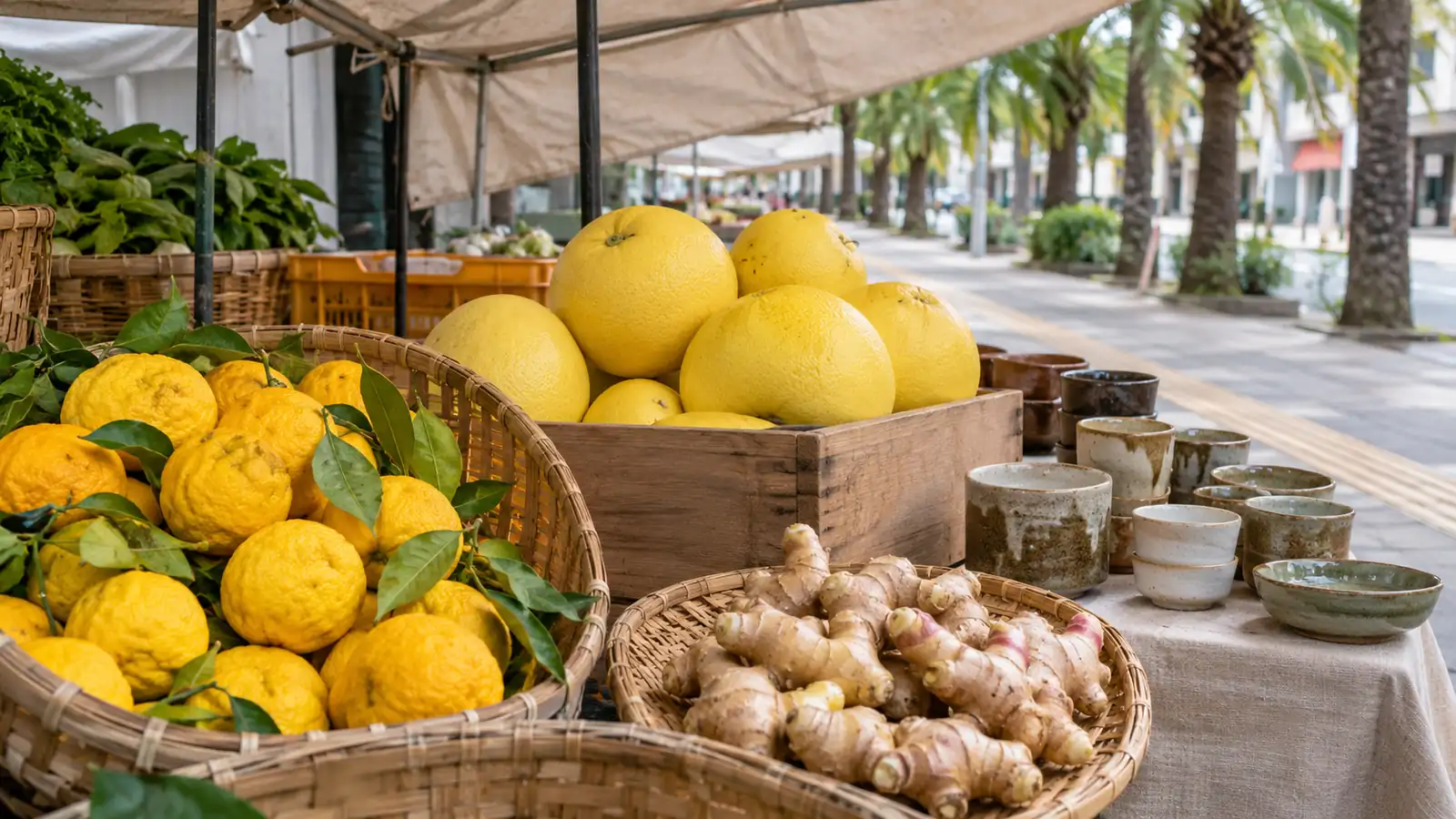
Go in the morning for a broader choice, carry yen in small denominations, and leave room for hot imo-ten, battered sweet potato. Unlike packaged imo-kenpi, these are best bought to eat during your visit.
Look for ceramics and other craft items if you want a lasting souvenir, checking size and weight before buying.
Fresh fruit and plants are better enjoyed locally unless you have checked the destination’s import rules; for gifts to carry home, sealed snacks are generally more practical.
If the market is a priority, arrange your Kochi stay around Sunday morning and visit the castle afterward. This avoids crossing town twice and keeps the afternoon available for another activity.
12. Choose Local Gifts at Tosa Select Shop Tenkosu
Tosa Select Shop Tenkosu is useful when you want regional food products and crafts in one place, particularly if your visit misses Sunday.
Look for yuzu products, tea, packaged sweet-potato snacks, and Tosa washi paper goods rather than relying on generic souvenirs.
Compare food labels for expiry dates and refrigeration requirements, and keep delicate paper purchases flat and dry in your luggage.
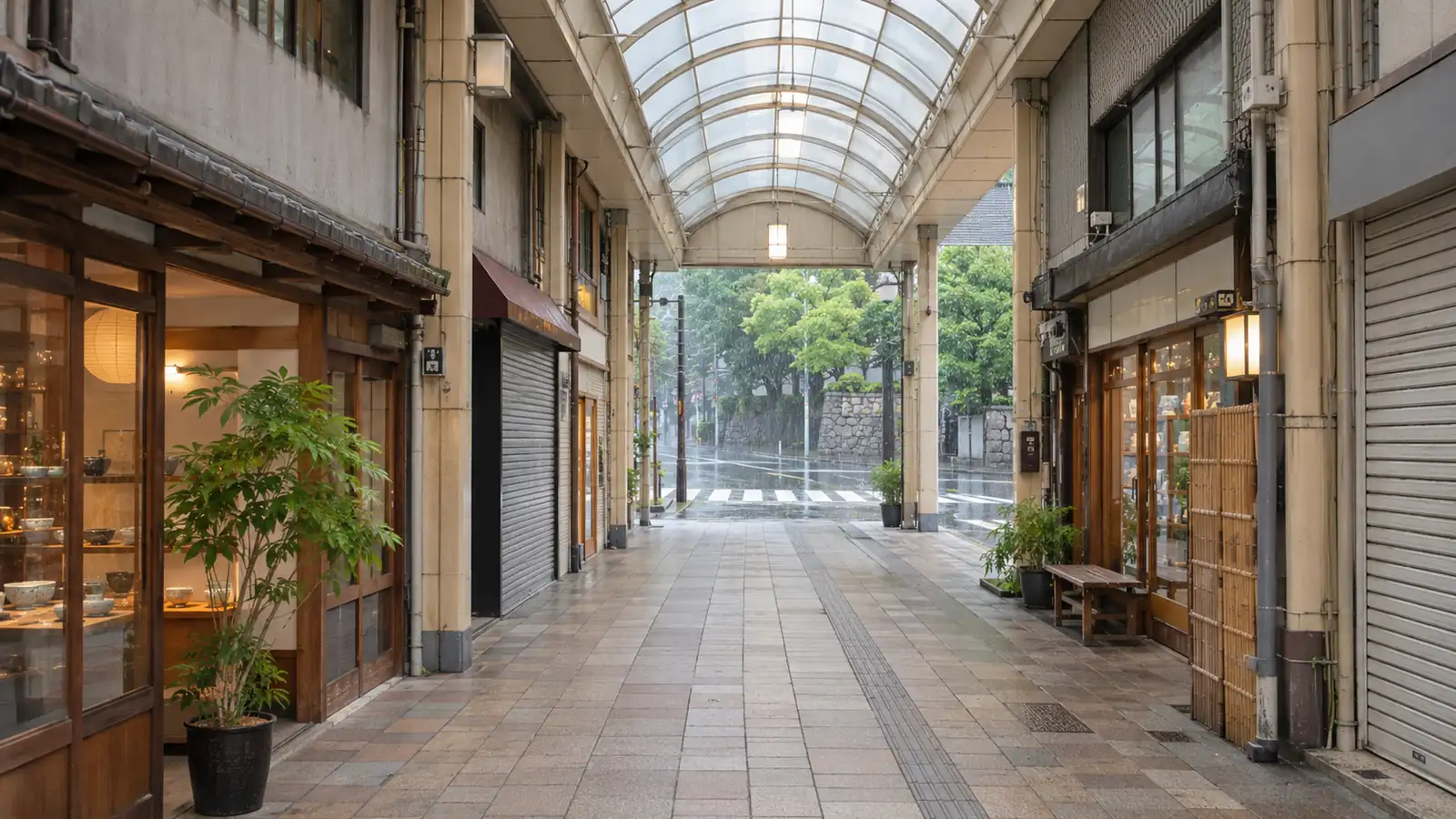
The covered shopping streets around Obiyamachi also make an easy browsing break, with shops selling local food gifts as well as everyday clothing and goods.
Day Trips from Kochi
Beyond the city, Kochi’s river valleys and limestone caves offer a different pace from its castle and markets. The excursions below range from hands-on papermaking in Ino to gorge walks, cave visits, and activities along the region’s rivers.
13. Make Tosa Washi in Ino
The Ino-cho Paper Museum introduces the materials and techniques used to make Tosa washi, with opportunities to make paper yourself. It is a good choice for a craft-focused excursion without committing to a remote mountain drive.
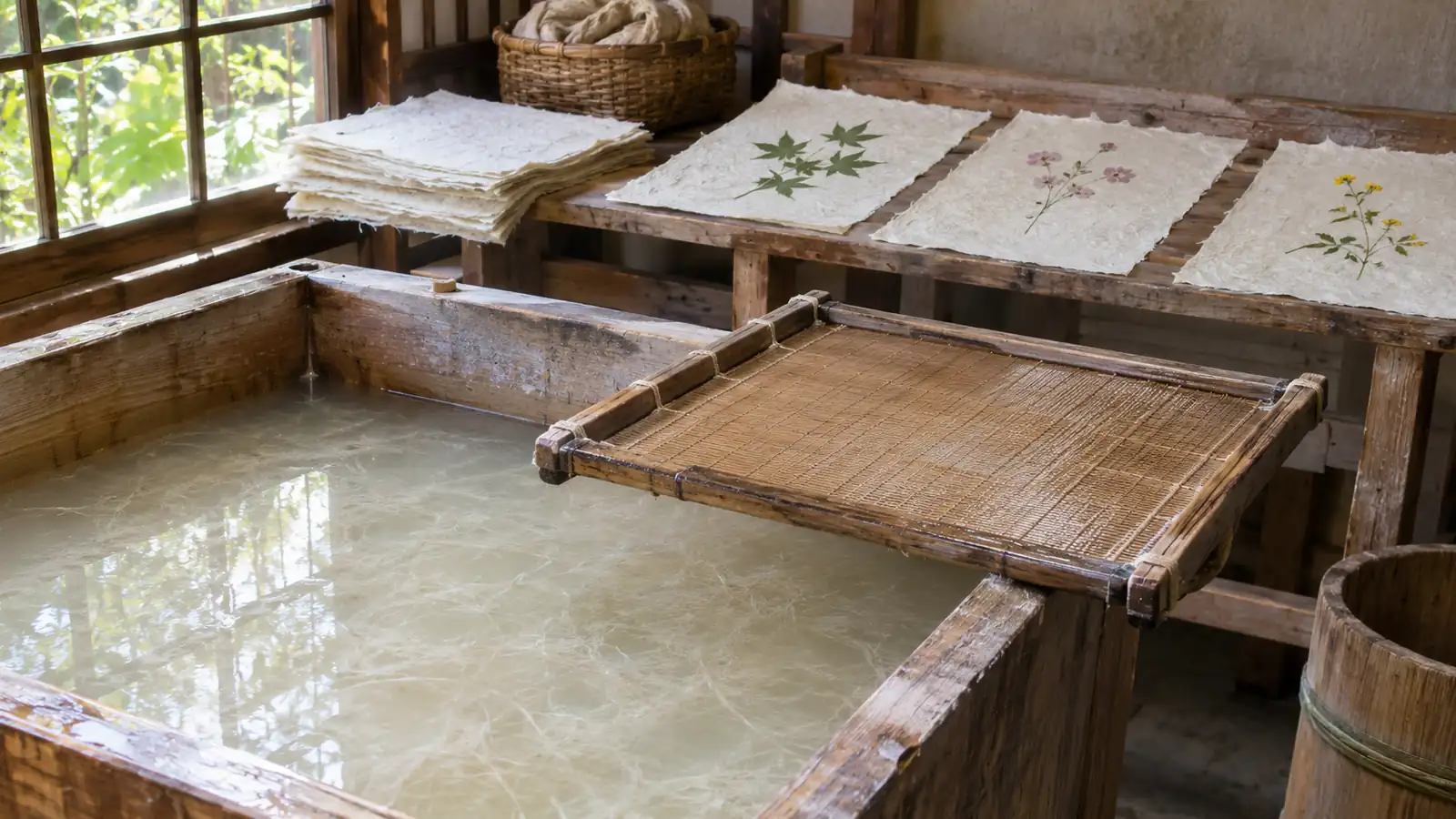
JR Ino Station has rail connections with Kochi, and the museum is about a ten-minute walk from the station. Allow a half-day including travel, the exhibits, and a workshop; confirm the session times and how long your finished paper needs before collection.
The museum normally closes on Mondays, moving its closure when Monday is a public holiday. Its shop also sells washi products if you want a finished gift alongside your own handmade piece.
14. See Niyodo Blue at Nakatsu Gorge
Nakatsu Gorge is a good choice for a walk among boulders, small bridges, and clear pools on a tributary of the Niyodo River. In favorable light and water conditions, the blue-green color gives you a close look at the scenery known as “Niyodo Blue.”
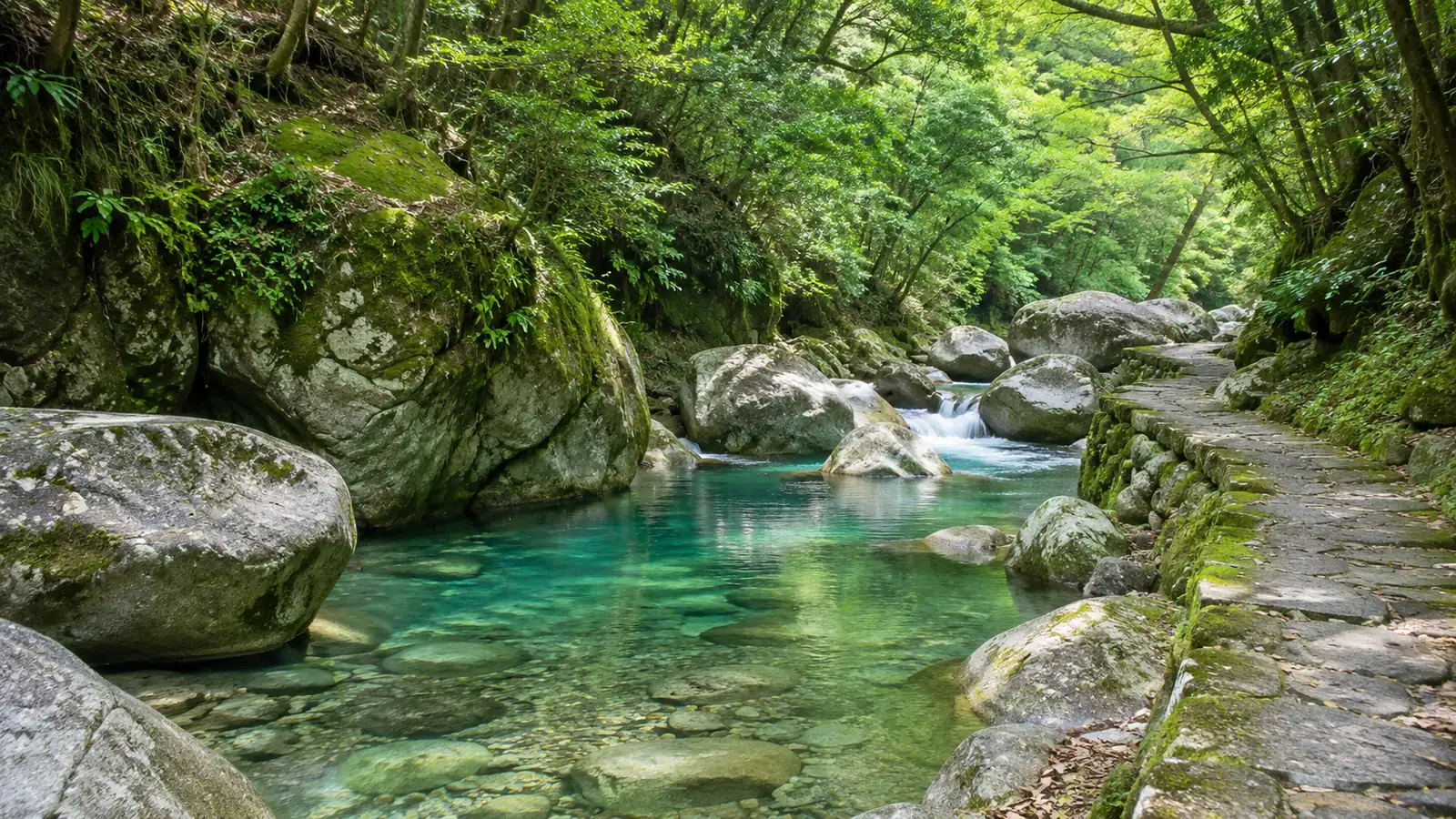
Allow around an hour or more for an unhurried walk toward Uryu Falls, with additional time for photos and breaks. Grippy shoes help on damp surfaces, and the color and visibility of the pools change with rainfall and light.
A rental car or a tour makes the journey more flexible; by public transport, work out both the outward and return connections before leaving Kochi.
Guided paddling or canyoning is a separate booking, so check the meeting point rather than assuming it starts at the gorge entrance.
15. Explore Ryugado Cave
Ryugado Cave, in Kami City, offers limestone formations and an underground sightseeing route about one kilometer long. It suits travelers who want a different landscape from Kochi’s gardens and coast, provided narrow passages and stairs are comfortable for them.
Allow a half-day from Kochi once you include transport and time around the entrance area.
Check the connection from Tosa-Yamada Station if traveling by train and bus, and distinguish the regular sightseeing course from guided adventure courses that require advance arrangements.
Wear shoes with a firm grip and follow staff instructions inside. A sheltered attraction can be appealing in light rain, but severe-weather access notices still take priority over a planned visit.
16. Spend a Day on the Shimanto River
The Shimanto River is worth considering for a full day of cycling, a guided paddle, or a leisurely boat ride. Its low chinkabashi bridges, built without side railings so floodwater can pass over them, are distinctive sights along the valley.
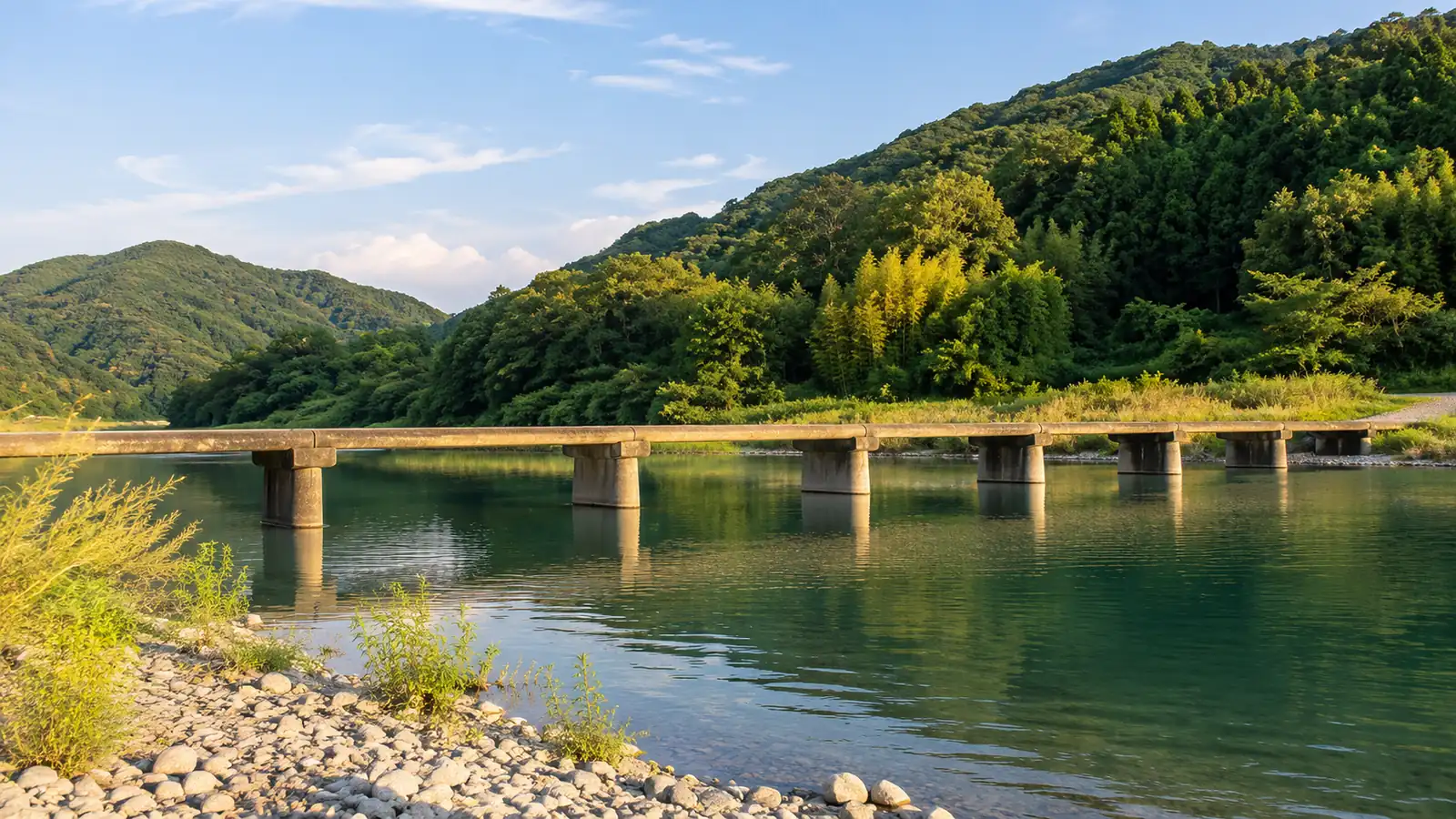
Nakamura is a useful gateway, roughly two hours from Kochi by limited-express train, followed by local travel to your chosen activity. That journey makes an overnight stay attractive if you want a longer river experience without watching the clock all afternoon.
Choose the activity and transfer arrangements before booking your train. Keep clear of flooded crossings, and leave space for local traffic when viewing bridges that remain in everyday use.
More distant places such as Cape Ashizuri, Kashiwajima, and Shikoku Karst deserve their own route planning on a longer prefecture trip. Adding them to an already full city-and-river itinerary is likely to leave more time on the road than at the sights.
How to Spend One or Two Days in Kochi
The suggested visit lengths above are planning estimates, rather than required tour durations. Use them to leave space between stops, especially when a bus connection determines your next departure.
One Day: Downtown and One Excursion
Start with the castle, stopping at the Sunday Market first if it is running, and have lunch at Hirome Market. On other days, an earlier castle visit leaves time for the history museum or a walk through the shopping arcades.
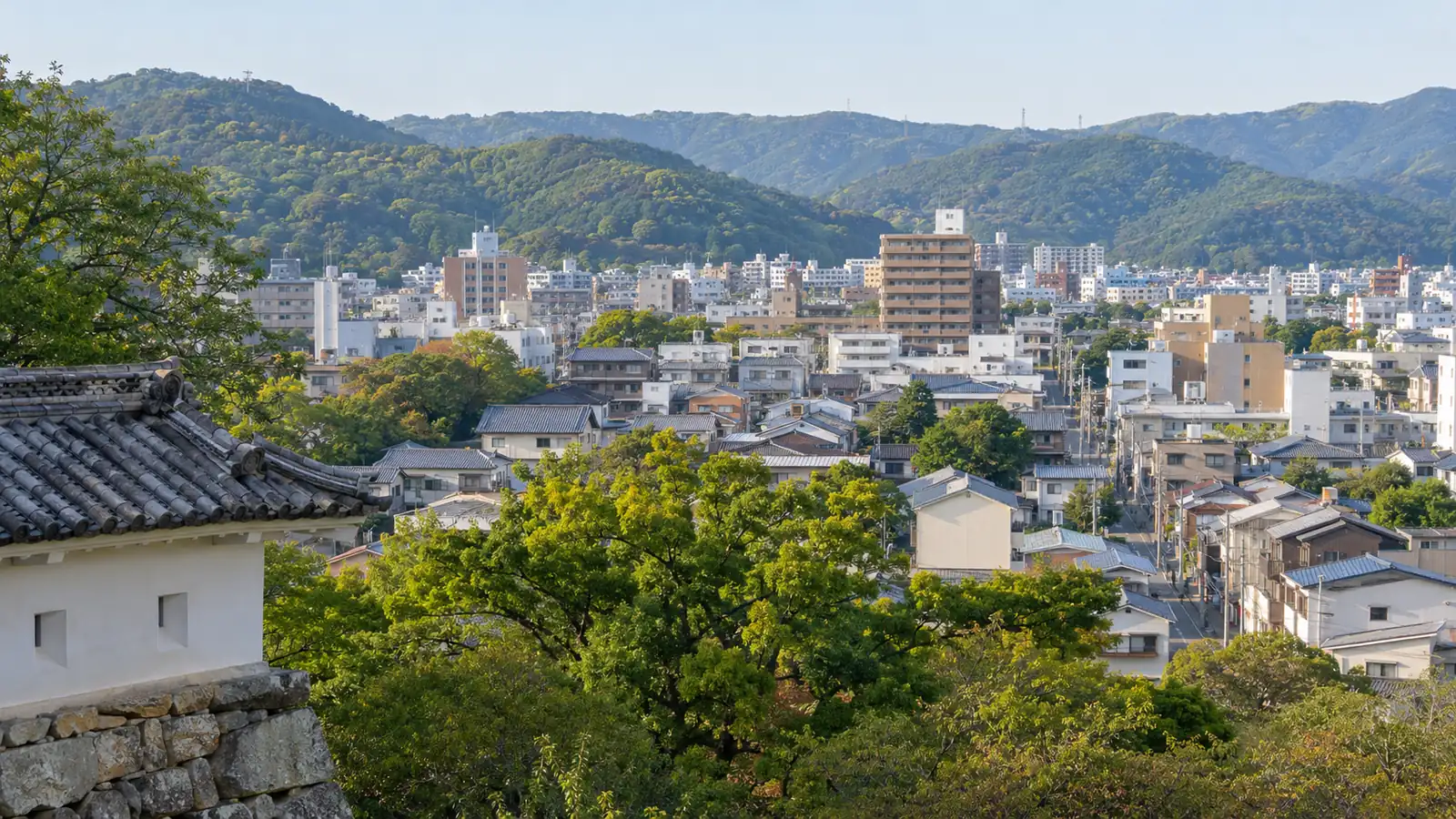
For the afternoon, choose either Katsurahama and its coastal atmosphere, or Mount Godai for the temple and botanical garden. Trying to give both areas a thorough visit after a full downtown morning creates a rushed day, particularly on the sightseeing bus.
Two Days: City, Gardens, and Coast
Use the first day for the castle, one central museum, Harimaya Bridge, shopping, and a relaxed meal. On the second, visit Chikurin-ji and Makino Botanical Garden, then continue to Katsurahama if the bus timetable leaves enough time.
If the Ryoma museum is a priority, shorten the garden visit or make the coast your main second-day outing.
Add a third day for Ino, Nakatsu Gorge, or Ryugado; choose Shimanto with a willingness to devote the whole day or stay overnight.
Getting to and Around Kochi
Arriving by Train or Air
From Japan’s main island, a common rail route connects through Okayama to the Limited Express Nanpu for Kochi. There is no Shinkansen directly into the city, so compare the complete journey when deciding between rail and a flight.
Kochi Ryoma Airport has buses into central Kochi. Check the current connection for your arrival and your hotel’s nearest stop, particularly if you are continuing straight to a rural accommodation or collecting a rental car.
Using Trams and the MY-YU Bus
Walking and trams work well for downtown, while the MY-YU sightseeing bus links Kochi Station with Mount Godai and Katsurahama. Its ticket also includes tram travel within the designated flat-fare area, which can help connect the station with central sights.
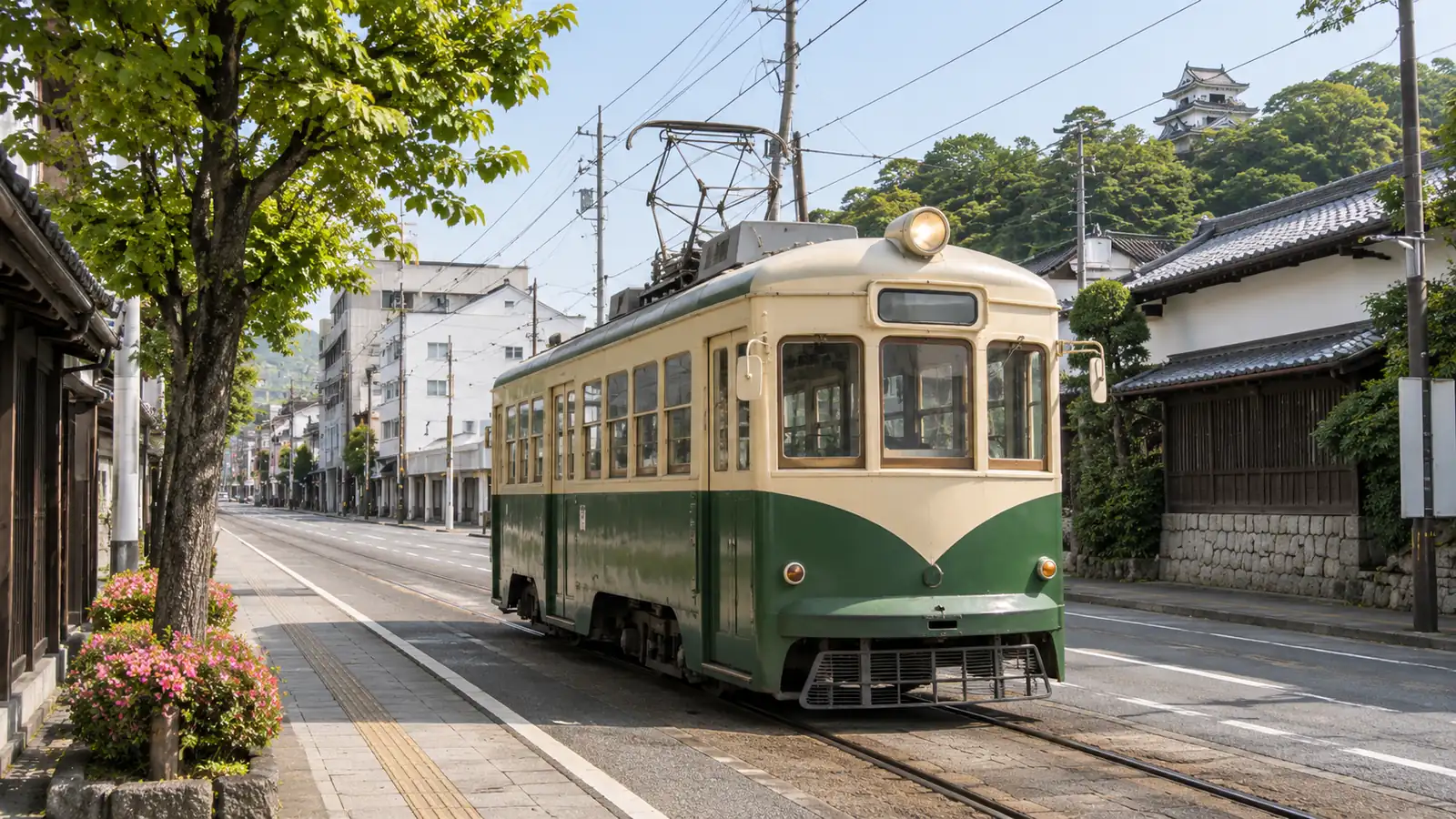
The currently listed regular adult fares are ¥1,500 for the Katsurahama ticket and ¥1,000 for the Godaisan ticket.
Check the official MY-YU timetable and ticket information for your travel date; older articles quoting a ¥500 tourist ticket predate recent fare changes.
Buy the ticket before boarding and plan around actual departures. Seats are not reserved, so a full bus can affect a tightly timed itinerary.
Planning Beyond the City
A rental car is useful when you want several rural stops, while rail works well for towns such as Ino and Nakamura. Decide how you will cover the final distance from the station before committing to a workshop or river tour.
Mobile data helps with bus directions, menu translation, and messages to activity providers.
If your phone supports eSIM and is unlocked, an iRoamly Japan eSIM is one option to compare; also download the relevant maps and save your return timetable before heading into rural areas.
FAQ
1. What Can Cruise Passengers Do in Kochi?
The castle and Hirome Market make a practical downtown combination once you have arranged transport from the port.
Add Katsurahama only if your port-call hours and transfers allow it, and confirm the ship’s all-aboard time and any shuttle service rather than assuming the cruise terminal is in the center.
2. What Can You Do in Kochi When It Rains?
The Castle Museum of History, Yosakoi Museum, covered shopping arcades, and Hirome Market provide options with substantial indoor time.
Makino has a greenhouse, but much of the garden is outdoors; in severe weather, check transport and closure notices before setting out.
3. Should You Carry Cash in Kochi?
Carry some yen for street-market purchases, small food orders, and transport where your preferred payment method may not be accepted.
Card and contactless acceptance varies by business, so check before ordering or boarding rather than relying on one payment method throughout the trip.
4. Can You Enjoy Kochi’s Food Without Eating Raw Fish?
Yes. Katsuo no tataki normally has a rare center, so choose cooked dishes if that does not suit you; vegetable sushi, hot sweet-potato snacks, and citrus treats offer other flavors to explore, with ingredient checks where you have dietary requirements.
Conclusion
Kochi’s appeal lies in how closely its history, food, and landscapes come together. A morning around the castle can lead to a lively shared table at Hirome Market, while the coast and wooded hills reveal a quieter side of the city.
You do not need to fit all 16 experiences into one visit. Choose the places that interest you most and leave time to linger—whether that means trying another local dish, browsing a market stall, or following a shaded temple path.
Let those smaller discoveries become part of the trip. Beyond its best-known sights, Kochi rewards the time you spend getting to know it.