
The best things to do in Takayama bring together wooden merchant streets, morning markets, regional food, and the mountain scenery of central Japan. Start with Sanmachi Suji and Takayama Jinya, then choose between farmhouse architecture, a temple walk, or a sake tasting.
Known as Hida Takayama, this city in Gifu Prefecture rewards an overnight stay: you can browse the markets before lunch and enjoy the old town before its busiest hours. A second full day opens up trips to Shirakawa-go, Hida-Furukawa, or the Japanese Alps.
This guide explains what makes each experience worthwhile, what to eat and buy, and how to connect your choices into a realistic one- or two-day visit.
Best Things to Do in Takayama
For a first visit, prioritize the old town, a morning market, and one historic interior. The remaining options suit different interests, so you can build a day around food, architecture, walking, or family activities.
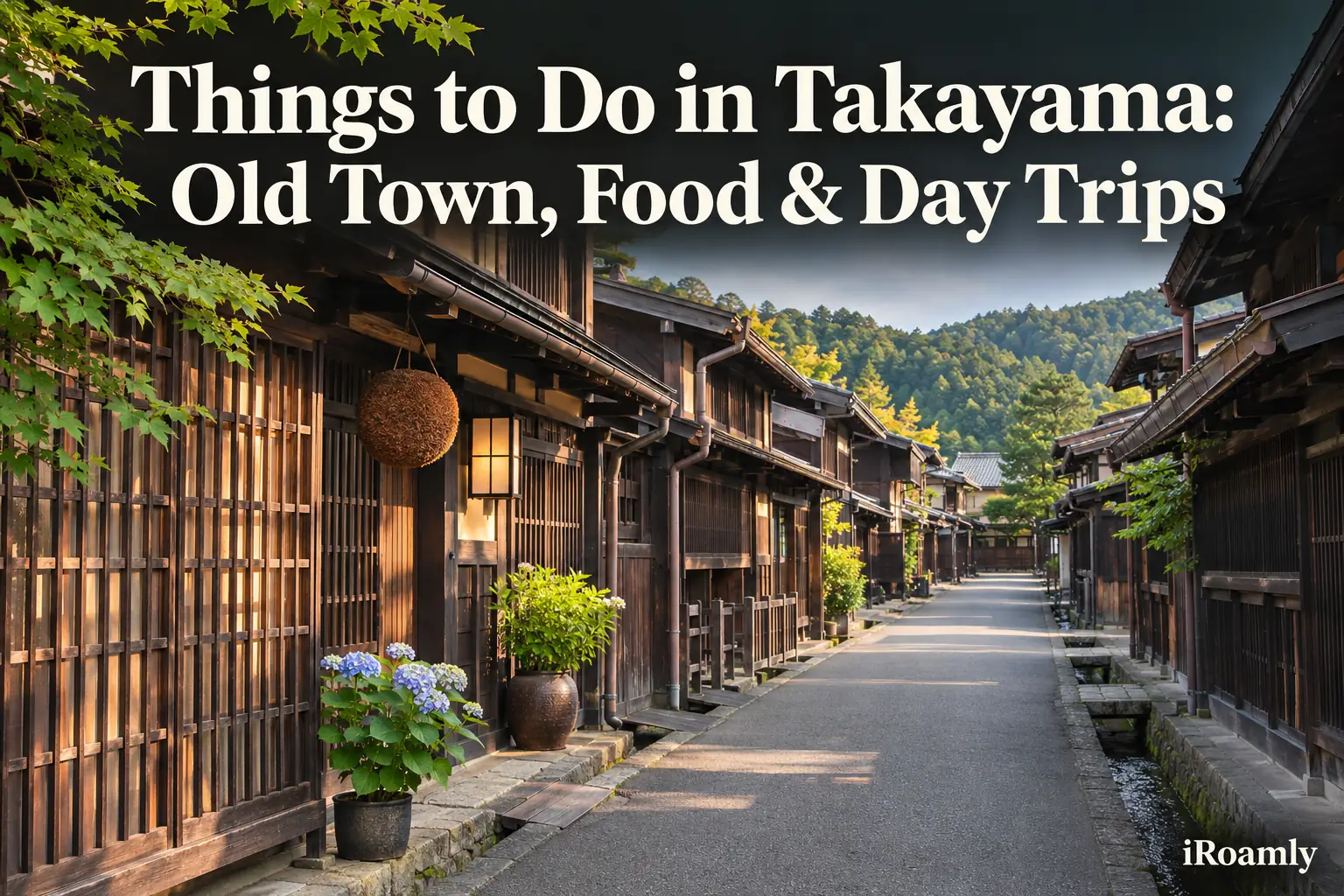
1. Walk Through Sanmachi Suji
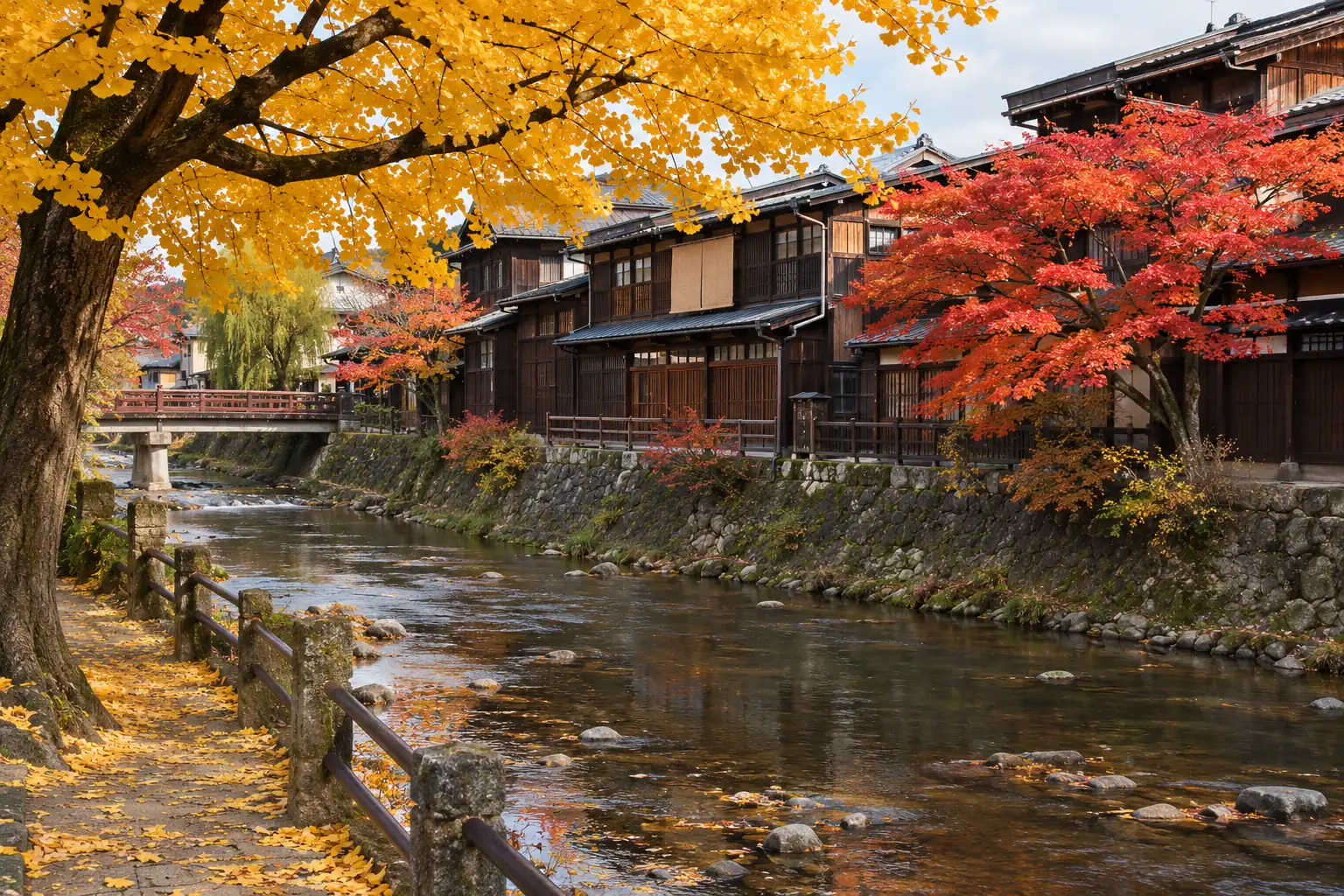
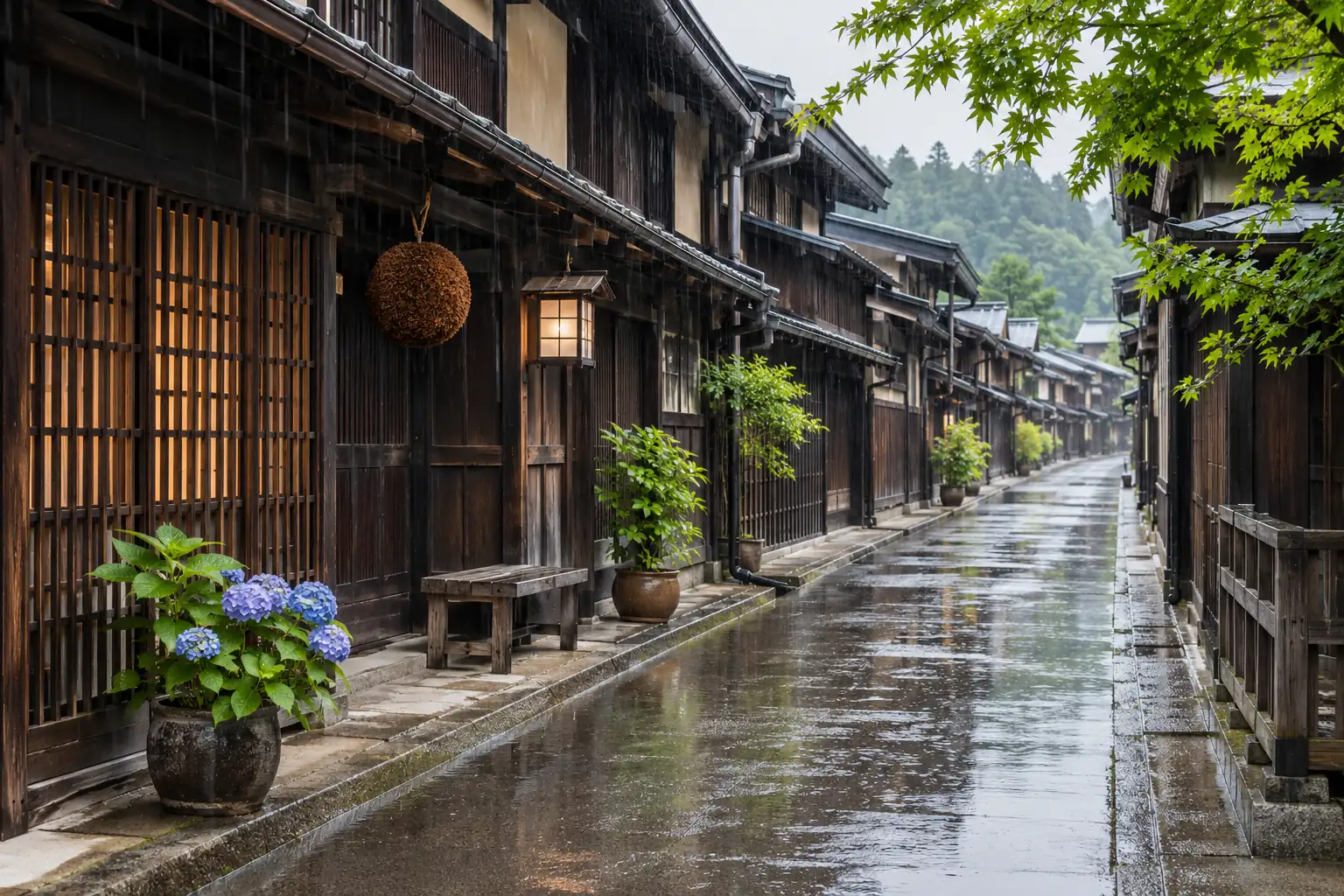
Sanmachi Suji is Takayama’s preserved merchant quarter, where dark wooden facades, lattice windows, and narrow water channels frame shops and breweries. Wander the parallel lanes rather than staying on the busiest stretch of Kamisannomachi.
Allow about 60–90 minutes for a relaxed first look, with longer for shopping and food stops. An early walk suits photography, but return during business hours if you want to enter shops; quiet evening streets offer a different experience.
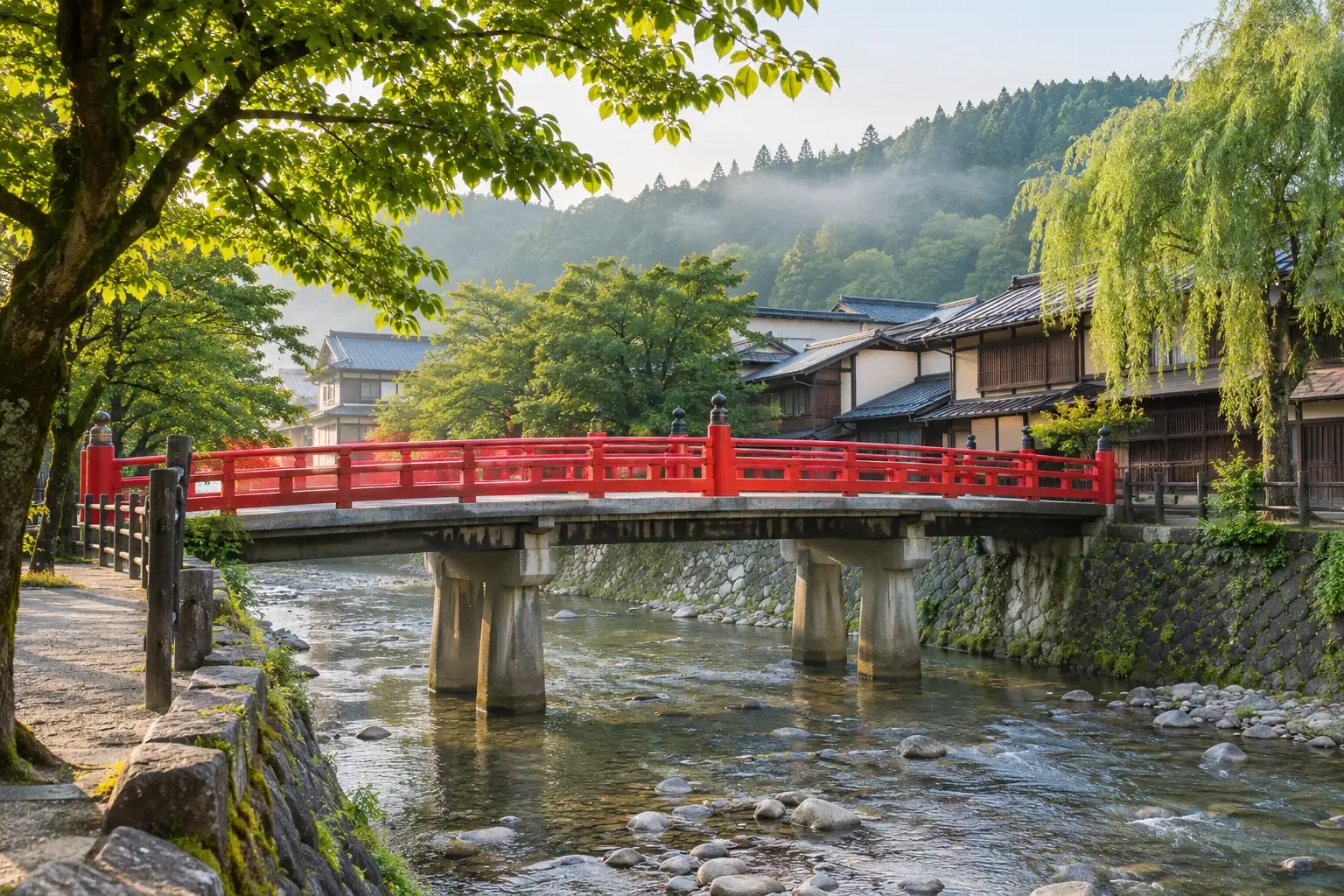
The red Nakabashi Bridge is an easy extension near the southern end of the old town. Cross it for river views before continuing toward Takayama Jinya.
2. Browse the Two Morning Markets
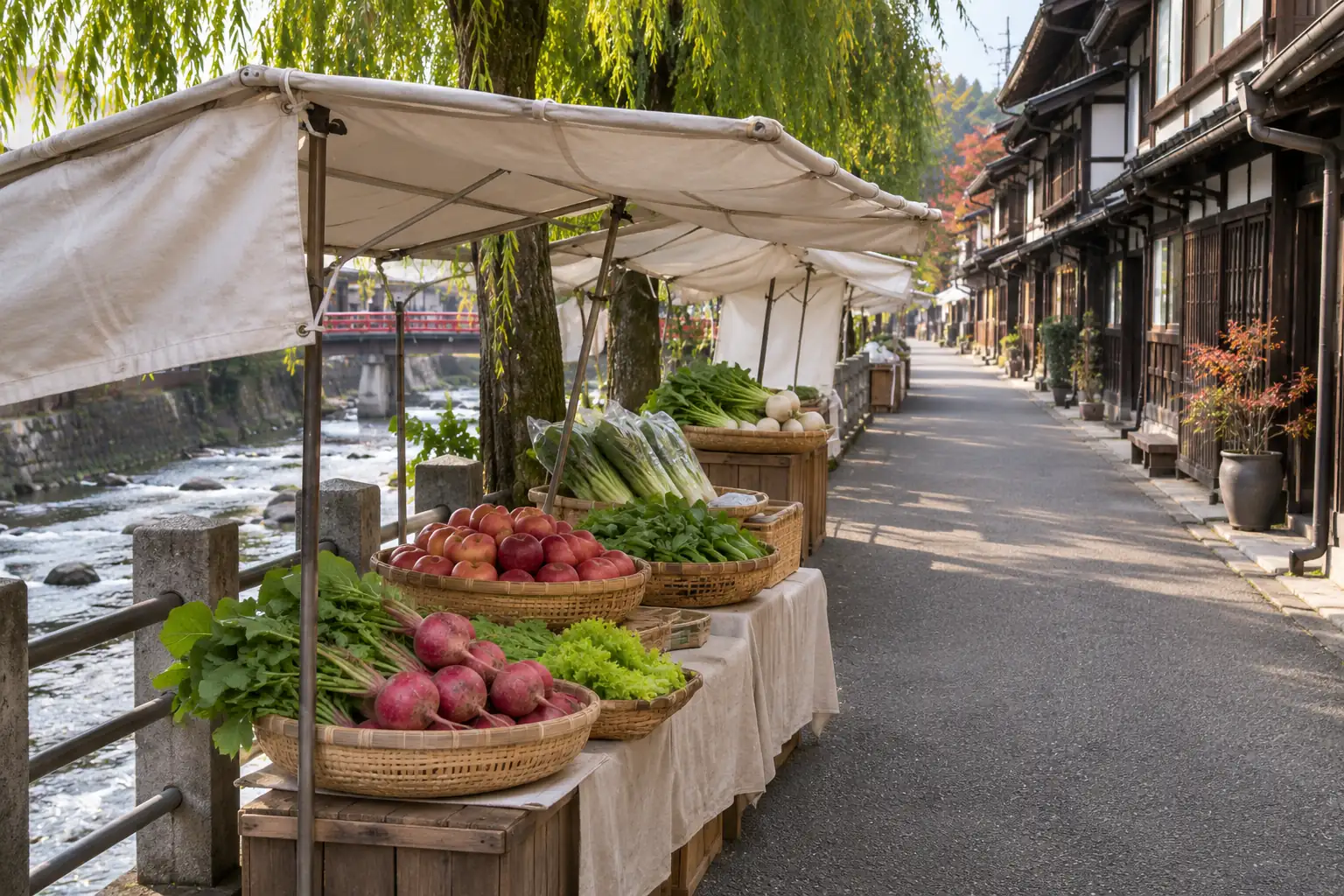
Miyagawa Morning Market follows the river, with produce, snacks, and crafts alongside nearby shops. Jinya-mae Morning Market, outside Takayama Jinya, is a convenient choice for seasonal vegetables, fruit, pickles, and a visit to the government house afterward.
Visit before noon. Miyagawa normally starts at 7 a.m. from April to November and 8 a.m. from December to March; Jinya-mae switches to its 8 a.m. winter start in November.
Allow roughly 30–45 minutes at one market, or more if sampling and shopping. Bring small yen notes and coins, and expect the selection to vary with season and weather.
3. Step Inside Takayama Jinya
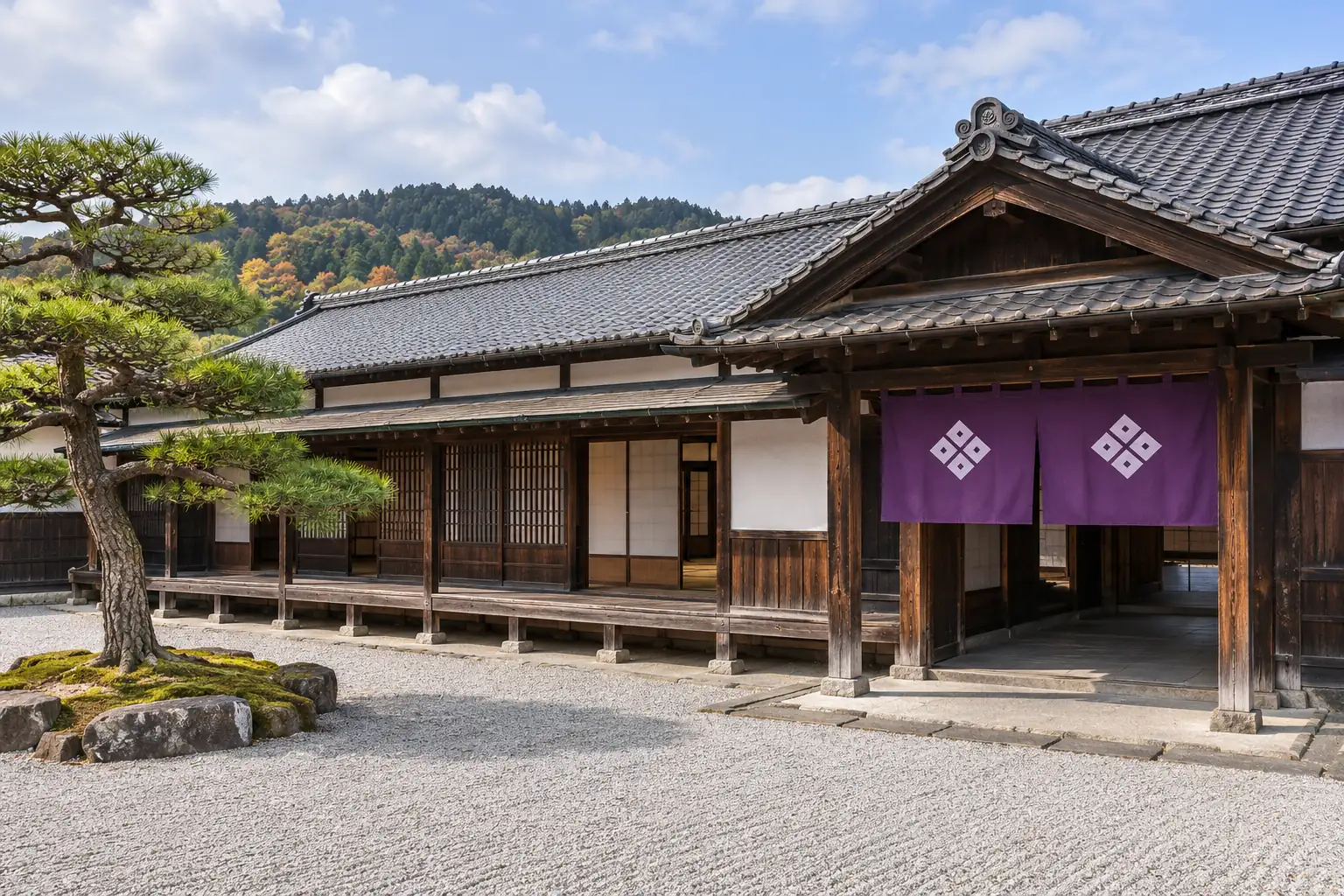
Takayama Jinya was a regional government office under the Tokugawa shogunate. Its tatami rooms, administrative spaces, and rice storehouse explain a different side of the city from the merchants’ streets.
Allow around 45–60 minutes for the buildings and displays.
Adult admission is ¥500; visitors aged 18 and younger enter free.
Regular hours are 8:45 a.m.–5 p.m. from April through October and 8:45 a.m.–4:30 p.m. from November through March, with ticket sales ending 30 minutes earlier. It closes December 29–January 3.
You remove your shoes inside. Bring a shoe bag and, in winter, warm socks: the historic building has no heating.
4. See Festival Floats and Sakurayama Hachimangu
The Takayama Festival Floats Exhibition Hall displays a rotating selection of the elaborate floats used in the autumn festival. Carvings, metal fittings, and decorative textiles make it worthwhile for visitors interested in local craftsmanship.
Pair the hall with neighboring Sakurayama Hachimangu Shrine, the autumn festival’s spiritual center. Allow about an hour for the two, and keep voices low around worshippers.
5. Visit a Traditional Merchant House
Kusakabe Folk Crafts Museum lets you examine the large beams and spacious interior of a prosperous merchant household. Nearby Yoshijima Heritage House is another option for appreciating timber construction and the changing light within a traditional home.
Choose one if your time is limited; architecture enthusiasts may enjoy comparing both. Allow around 30–45 minutes per house and confirm that your chosen property is open on the day.
6. Try a Local Sake Tasting
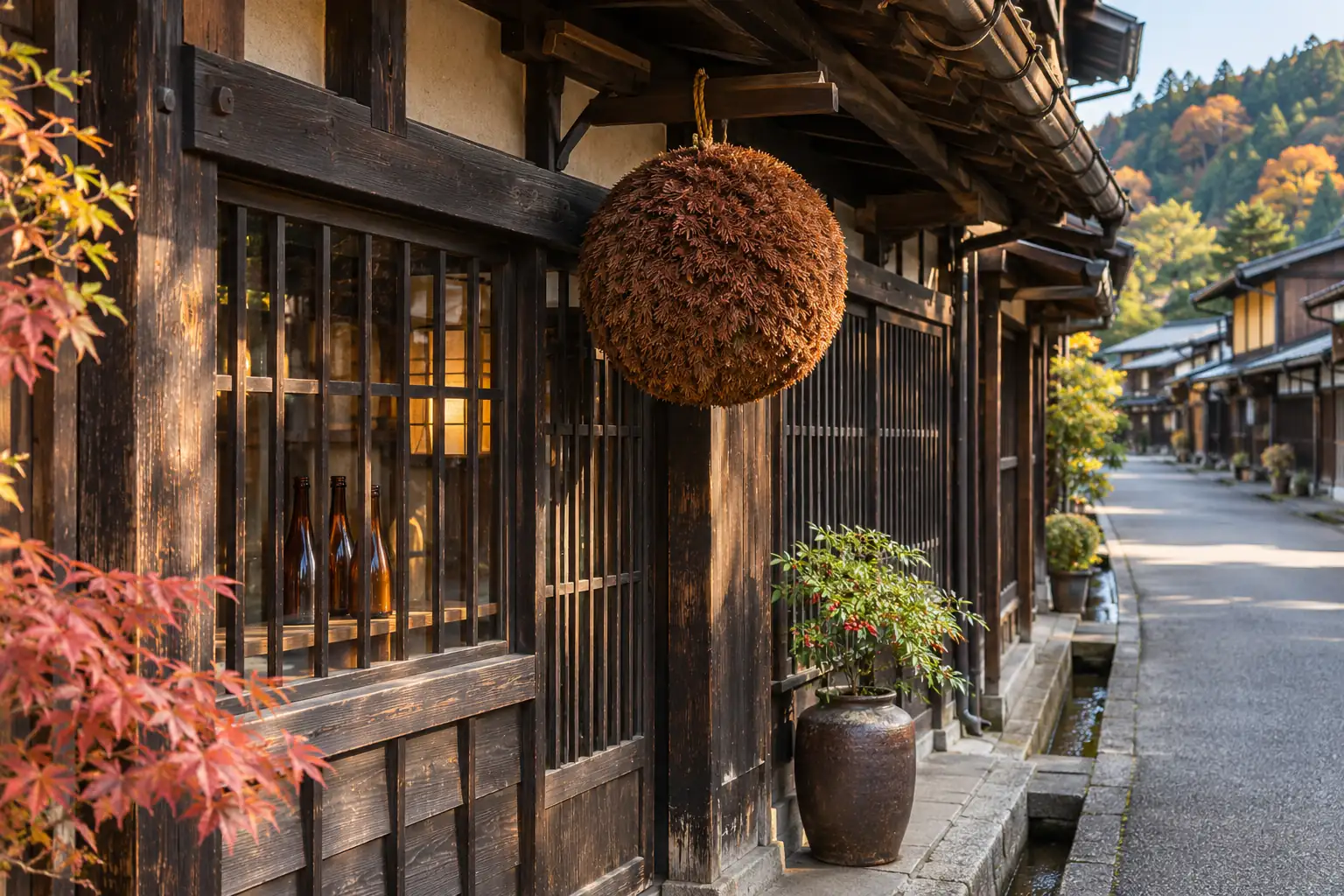
Look for the hanging cedar balls, called sugidama, outside breweries in and around Sanmachi. A tasting gives you a way to explore the local brewing tradition without leaving the old-town walking route.
Ask about the available tasting selection and price before ordering, as formats differ between breweries. A shop tasting does not automatically include access to the production area; arrange a tour separately if that is what you want.
7. Follow the Higashiyama Walking Course
The Higashiyama Walking Course links temples, shrines, and historic sites along the eastern side of the city. It suits travelers who want a quieter walk after the shops and food stalls of Sanmachi.
The official route is about 4 km; allow roughly two hours with stops, or follow a shorter section through the temple district. Steps, slopes, and uneven surfaces make comfortable footwear useful.
Use the tourist walking map, respect cemetery and temple access signs, and check local notices before continuing into wooded hill paths. Shorten the route when snow, ice, or heavy rain affects footing.
8. Stop at Hida Kokubunji Temple
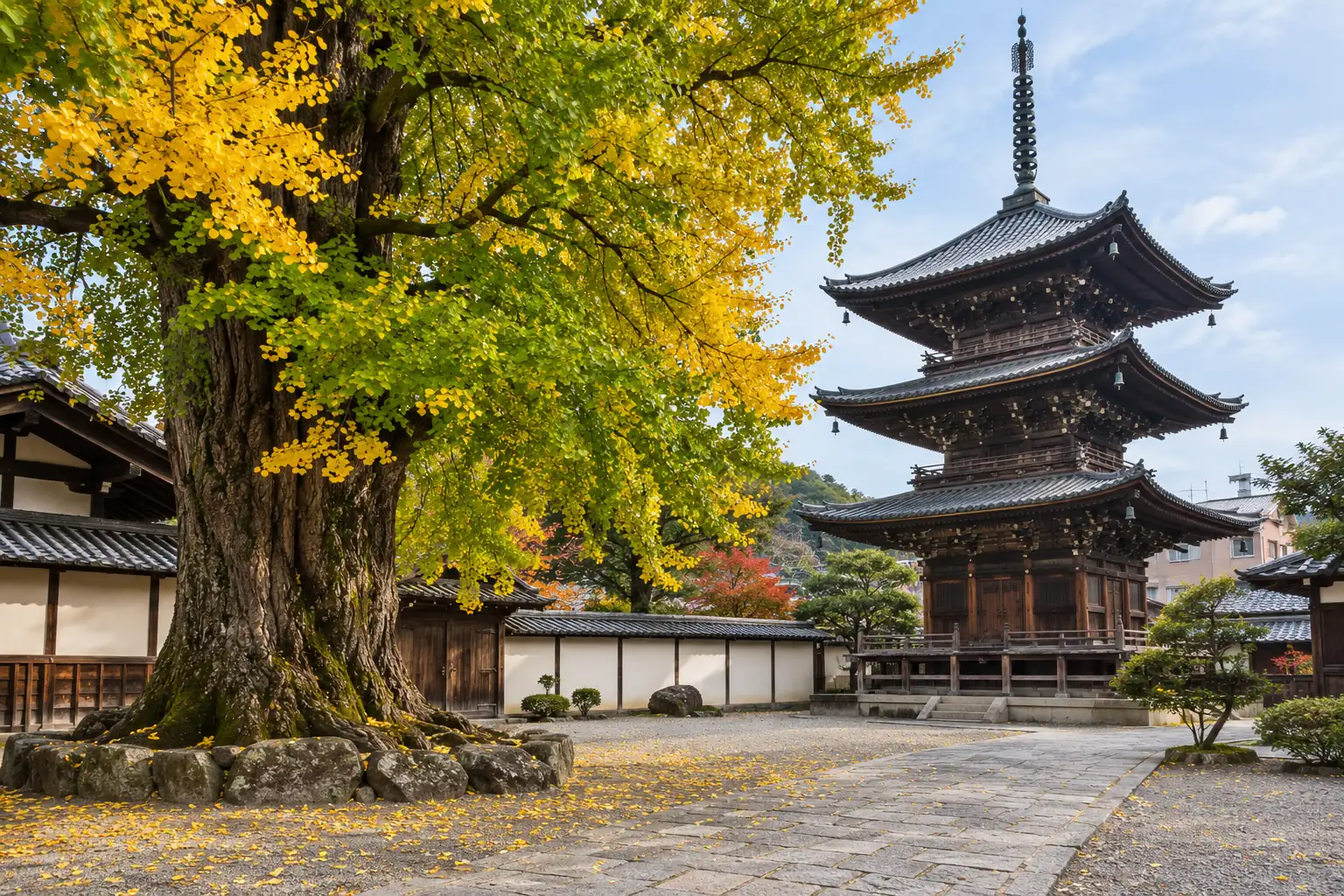
Hida Kokubunji is a convenient stop between the station area and the old town. Its three-story pagoda and enormous ginkgo tree offer an architectural contrast to the merchant houses.
Allow about 15–30 minutes for a look around the grounds. It is a useful shorter alternative when you have time for a temple visit but cannot fit in the longer Higashiyama walk.
9. Explore Hida Folk Village
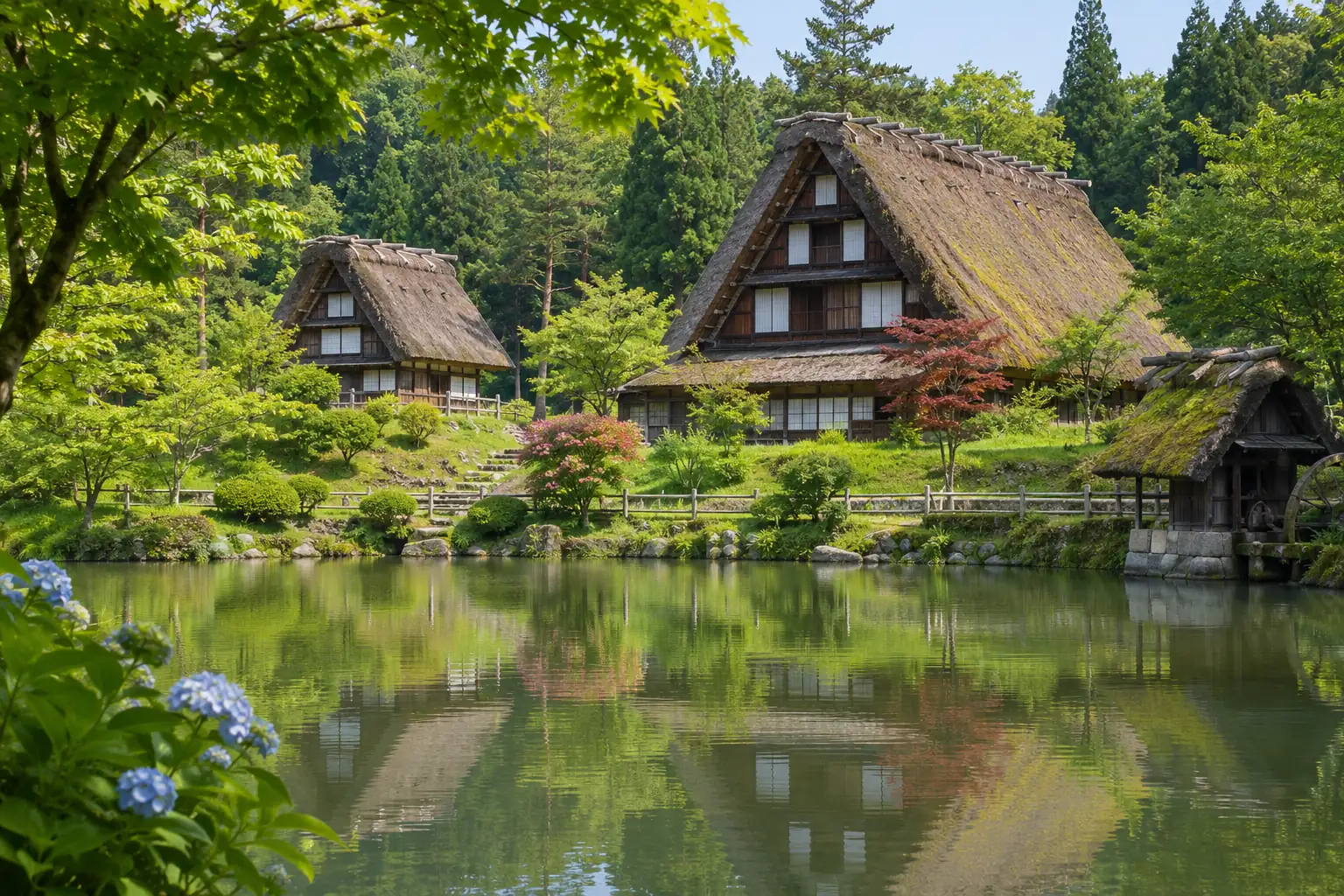
Hida Folk Village, or Hida no Sato, is an open-air museum with roughly 30 traditional buildings relocated from across the Hida region. Thatched farmhouses, household tools, and rural interiors show how mountain communities lived.
Set aside 90 minutes to two hours, plus transport; the local bus journey from the station area takes about ten minutes. Regular opening hours are 8:30 a.m.–5 p.m., and admission is ¥700 for adults and ¥200 for elementary and junior high school children.
Choose Hida Folk Village for an accessible farmhouse visit within Takayama. Choose Shirakawa-go for a larger excursion to a living village; you do not need both on a short first trip.
10. Explore Takayama Showa-kan
Takayama Showa-kan turns the focus from Edo-period streets to everyday life in twentieth-century Japan. Recreated shop interiors and collections of household objects give it a different atmosphere from the city’s historic houses.
This is a useful indoor alternative for families or anyone who enjoys retro design and memorabilia. Choose it according to your interests rather than adding another museum simply to complete the list.
11. Spend a Night in a Ryokan
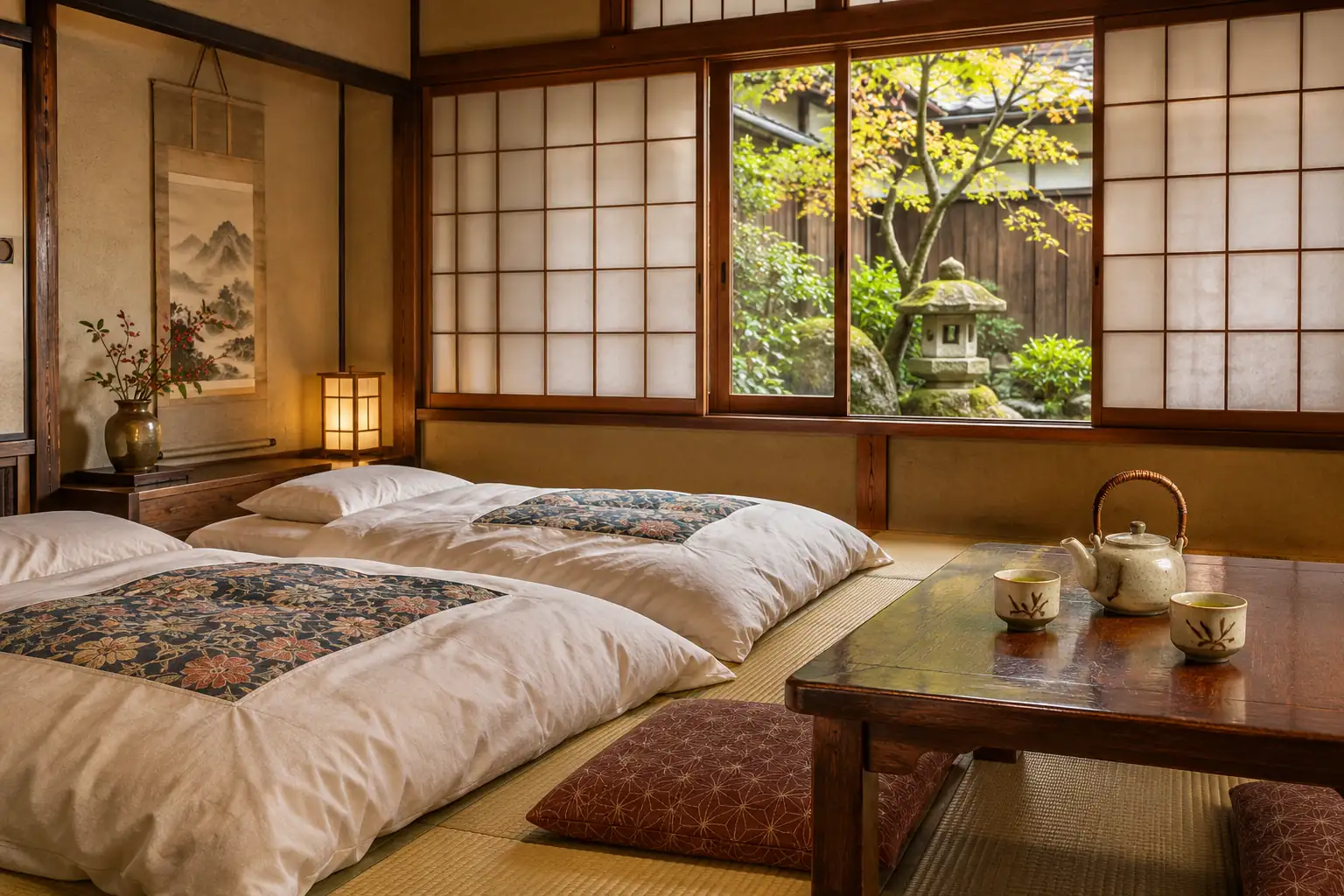
A ryokan stay can make the accommodation part of your visit, with Japanese-style rooms and meal plans that may include a multi-course dinner. Compare the room, bath arrangements, and included meals together when booking.
Confirm the arrival deadline if dinner is included, and leave time to enjoy the stay. If a natural hot-spring bath is important, verify that the specific property offers one; bath facilities differ between inns.
What to Eat in Takayama
Build meals around the regional specialties rather than filling up entirely on snacks. A few tastes in the old town and one leisurely dinner give you more variety.
Hida Beef
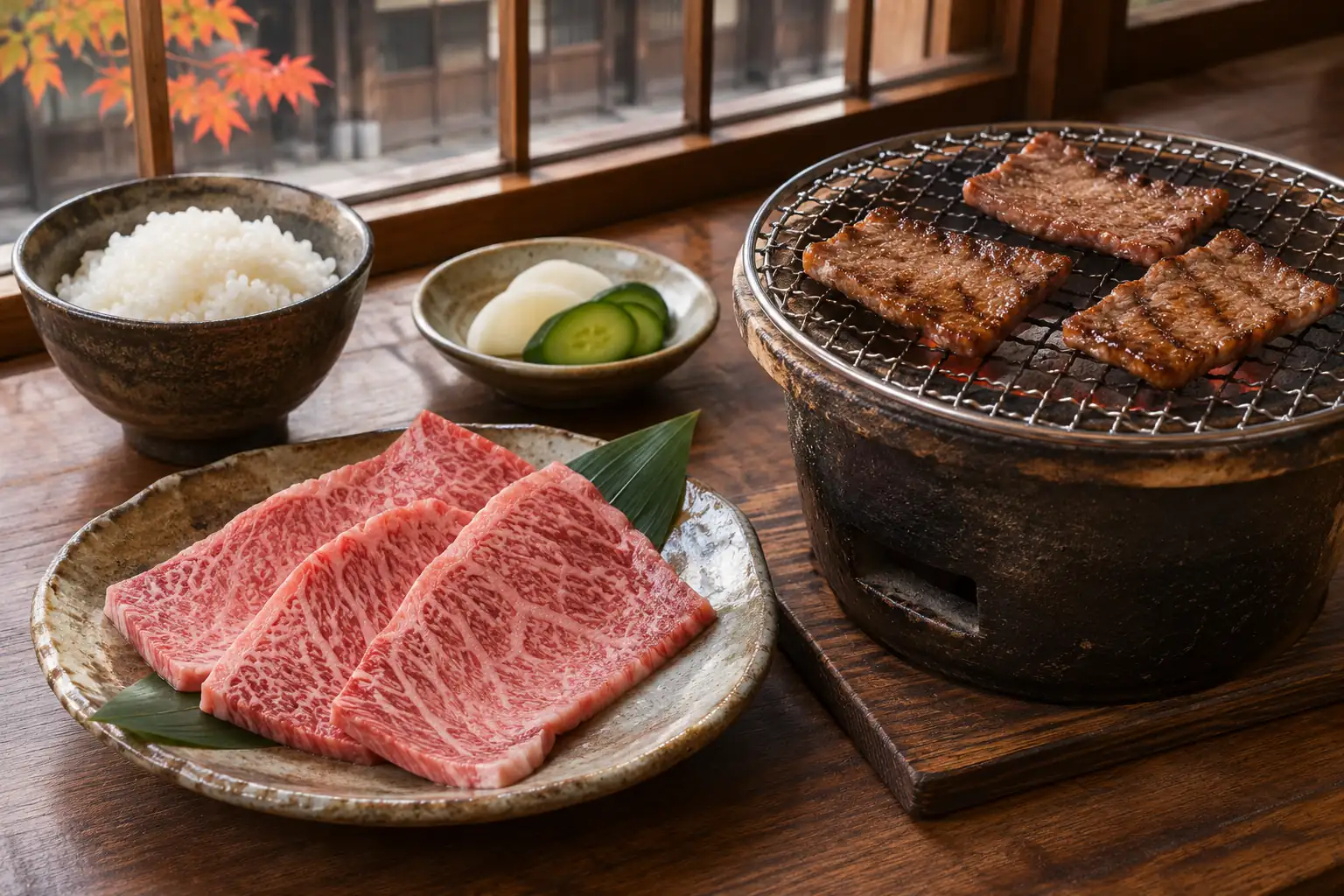
Hida beef is the region’s celebrated marbled beef, served as skewers, nigiri, steak, and yakiniku. Try a small portion in Sanmachi if you want a taste, or choose a specialist restaurant for a sit-down meal.
Compare the cut and portion size when looking at prices. If you book a ryokan meal that includes Hida beef, you may prefer ramen or another local dish for lunch.
Takayama Ramen
Takayama ramen typically combines thin, curly noodles with a soy-based broth. Look for ramen shops around the center and station area for a warm lunch between sightseeing stops.
The style of broth does not establish whether it is vegetarian. Ask about stock and toppings if you avoid meat or fish.
Hoba Miso
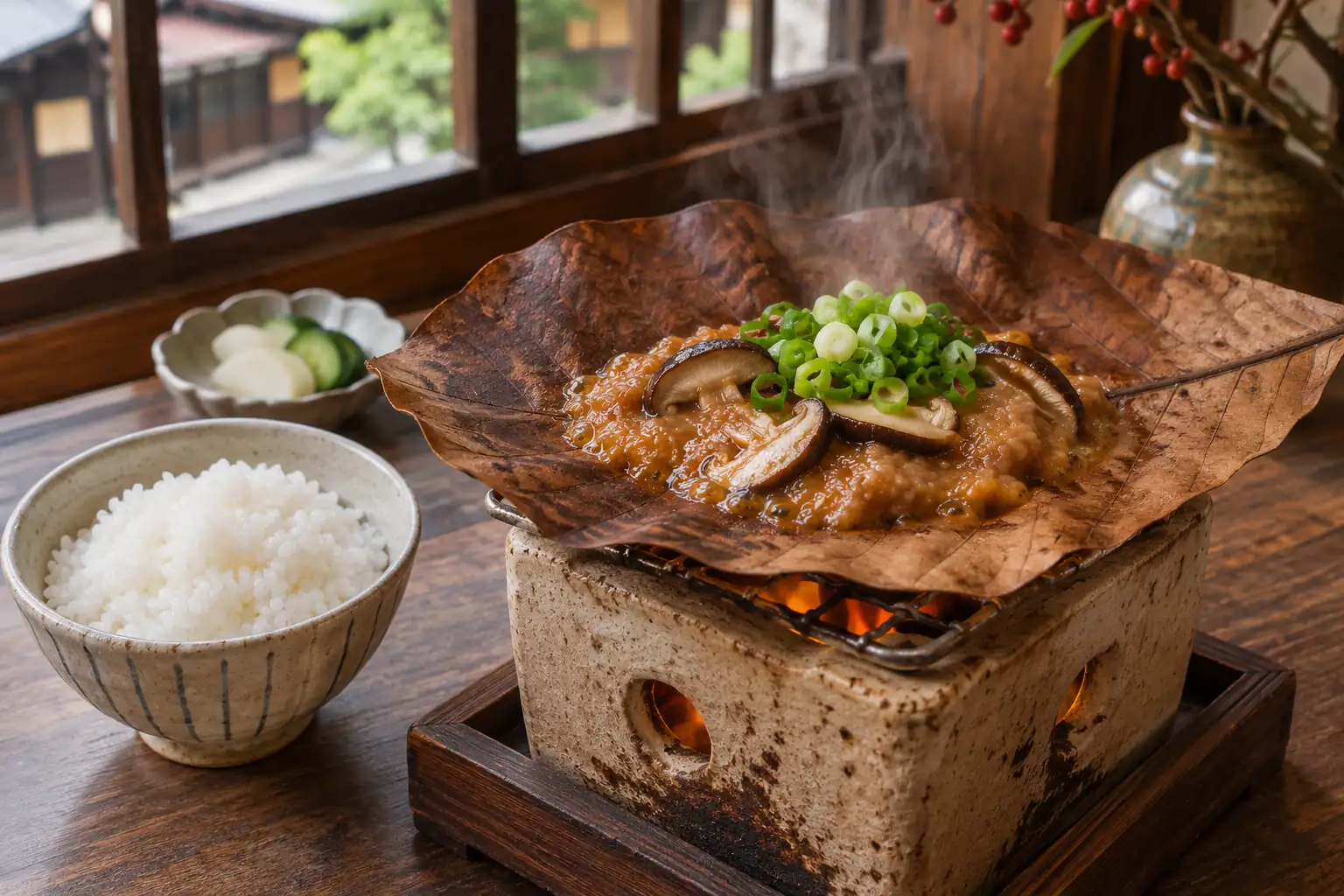
Hoba miso is miso paste grilled on a magnolia leaf, often with mushrooms and spring onions. Order it with rice at a local-cuisine restaurant or look for it in your accommodation’s meal plan.
Some versions include beef or other meat, so check the ingredients when ordering.
Takayama-Style Dango
For a smaller snack, try the grilled rice dumplings sold in the old-town area. Takayama’s version is brushed with unsweetened soy sauce, giving it a savory flavor rather than the sweet glaze common elsewhere.
Eat beside the vendor or in the designated space before continuing along the narrow streets.
Where to Shop for Local Souvenirs
Morning Markets for Food Gifts
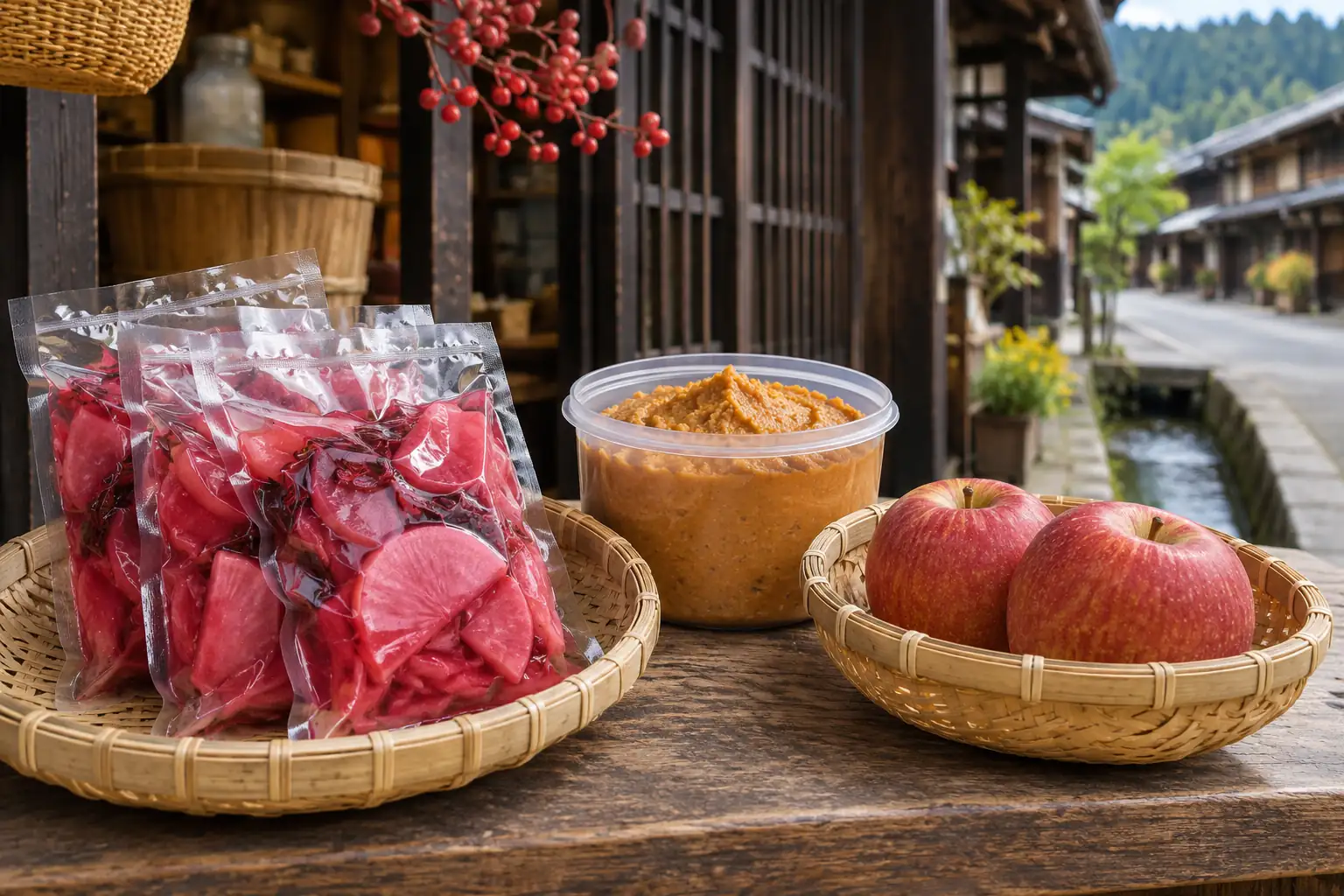
At Miyagawa and Jinya-mae, look for local red-turnip pickles, miso, and seasonal produce. Apples or other fruit work well as snacks during your stay, while sealed products are easier to carry onward.
Check refrigeration instructions and expiry dates before buying food gifts. Ask which products will tolerate the rest of your journey, and check your destination’s import rules before taking fresh produce abroad.
Sanmachi and Shrine-Approach Shops for Crafts
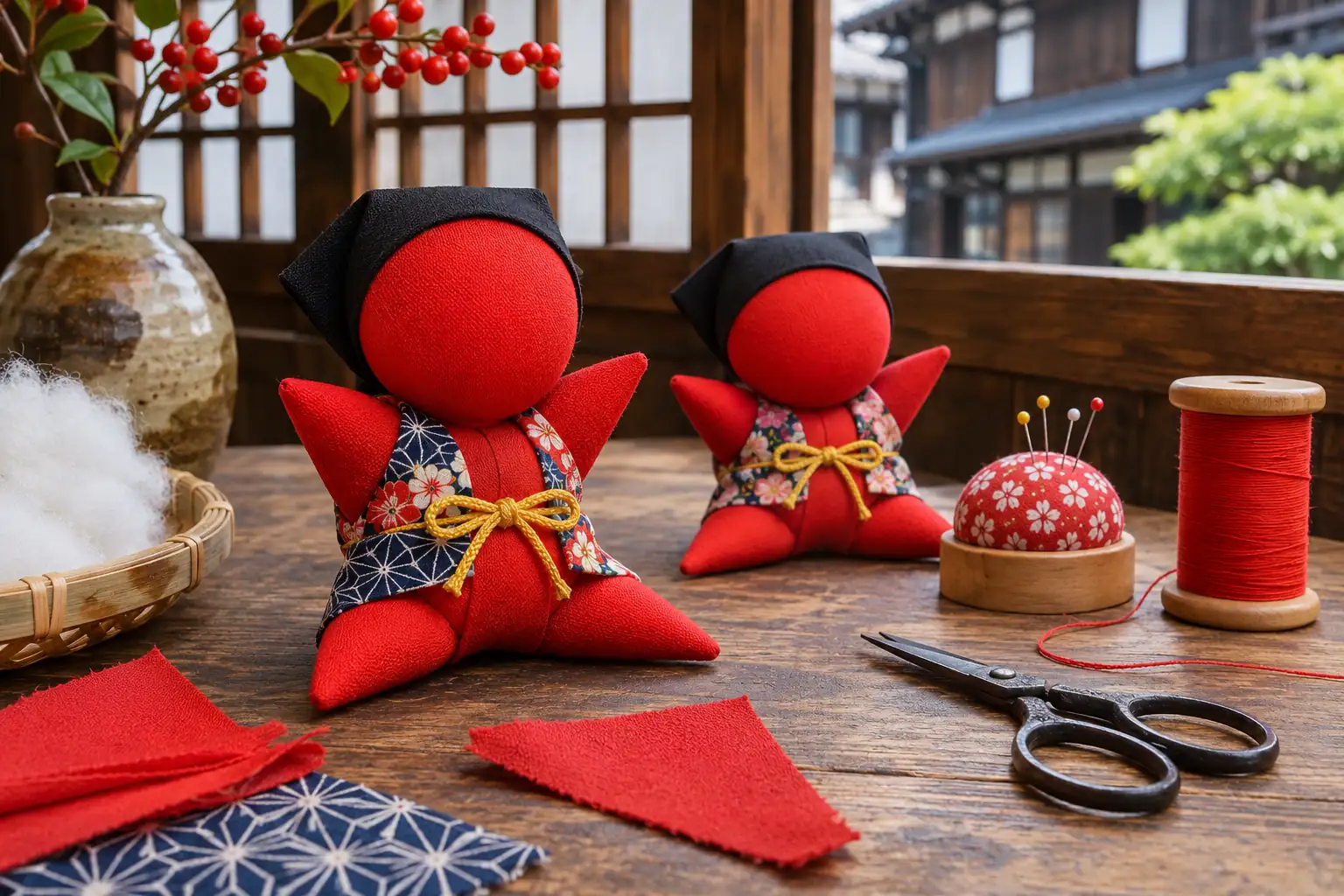
Browse Sanmachi’s craft shops for sarubobo dolls, the local faceless cloth charms. For a more substantial gift, look for Hida Shunkei lacquerware or Ichii Itto-bori woodcarvings, also sold around the approach to Sakurayama Hachimangu.
Ask about the maker and material if local craftsmanship is your priority. Request protective packing for lacquerware and carved pieces, and check care instructions before treating a decorative item as everyday tableware.
Craft Centers for a Souvenir You Make Yourself
The Hida Takayama Crafts Experience Center near Hida Folk Village offers hands-on activities such as making a sarubobo. It pairs naturally with the farmhouse museum and gives children an activity beyond sightseeing.
Check the day’s program, closing day, and last admission before traveling there. Ask how long the activity takes and whether the finished piece can be carried away immediately.
Best Day Trips from Takayama
Choose one main outing for each extra day. Mountain journeys and village visits involve different transport routes, so combining several can leave more time in transit than exploring.
Shirakawa-go for Thatched Farmhouses
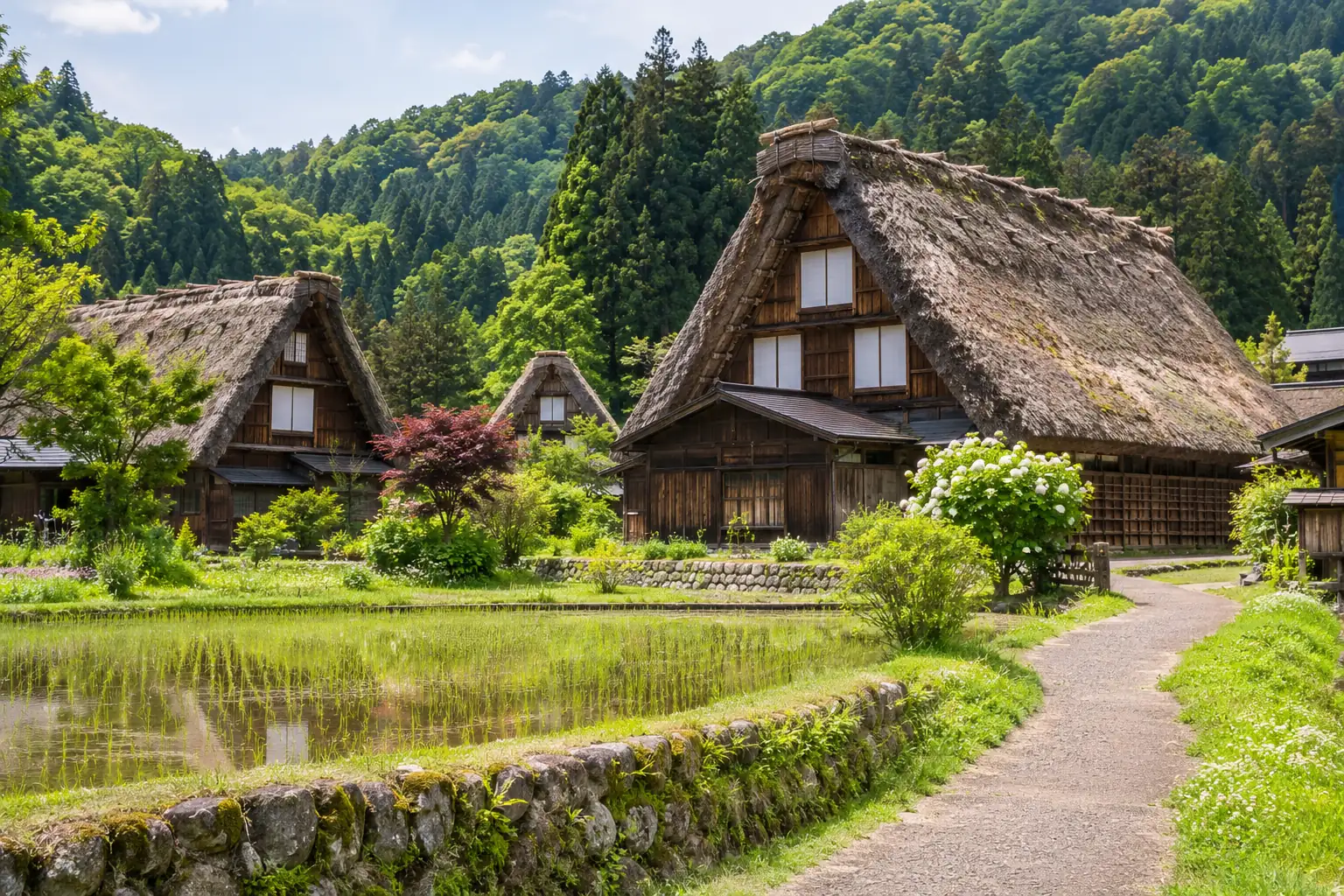
Shirakawa-go’s Ogimachi village is known for steep-roofed gassho-zukuri houses and its UNESCO World Heritage setting. Walk the village lanes and choose a farmhouse open to visitors for a closer look inside.
Buses from the Takayama Nohi Bus Center take about 50 minutes on the main direct services. Some departures require reservations; check both directions on the Nohi Bus timetable and reservation page before fixing your day.
Give the outing at least half a day, including travel and waiting time. The houses are also homes and businesses, so follow public paths and respect private entrances.
Hida-Furukawa for Canal-Side Streets
Hida-Furukawa offers white-walled storehouses and an easy walk beside the Seto Canal. It suits travelers who want another historic town without committing to a longer mountain-bus excursion.
The train journey from Takayama is roughly 15–20 minutes, depending on the service. Allow a leisurely half-day and check return departures; the canal’s carp are a seasonal sight and are moved elsewhere for winter.
Shinhotaka Ropeway and Okuhida for Mountain Views
Choose Shinhotaka Ropeway for high mountain scenery without a long climb on foot. Buses travel through the Okuhida hot-spring area, making a bath a possible addition if the visiting hours and return connections line up.
Plan a full day and check the forecast and ropeway operating status before leaving. Strong winds can suspend operation, cloud can obscure the peaks, and an extra layer is useful at altitude.
For an onsen stop, confirm day-use admission and any private-bath or tattoo arrangements with the individual facility.
Kamikochi for a Day of Walking
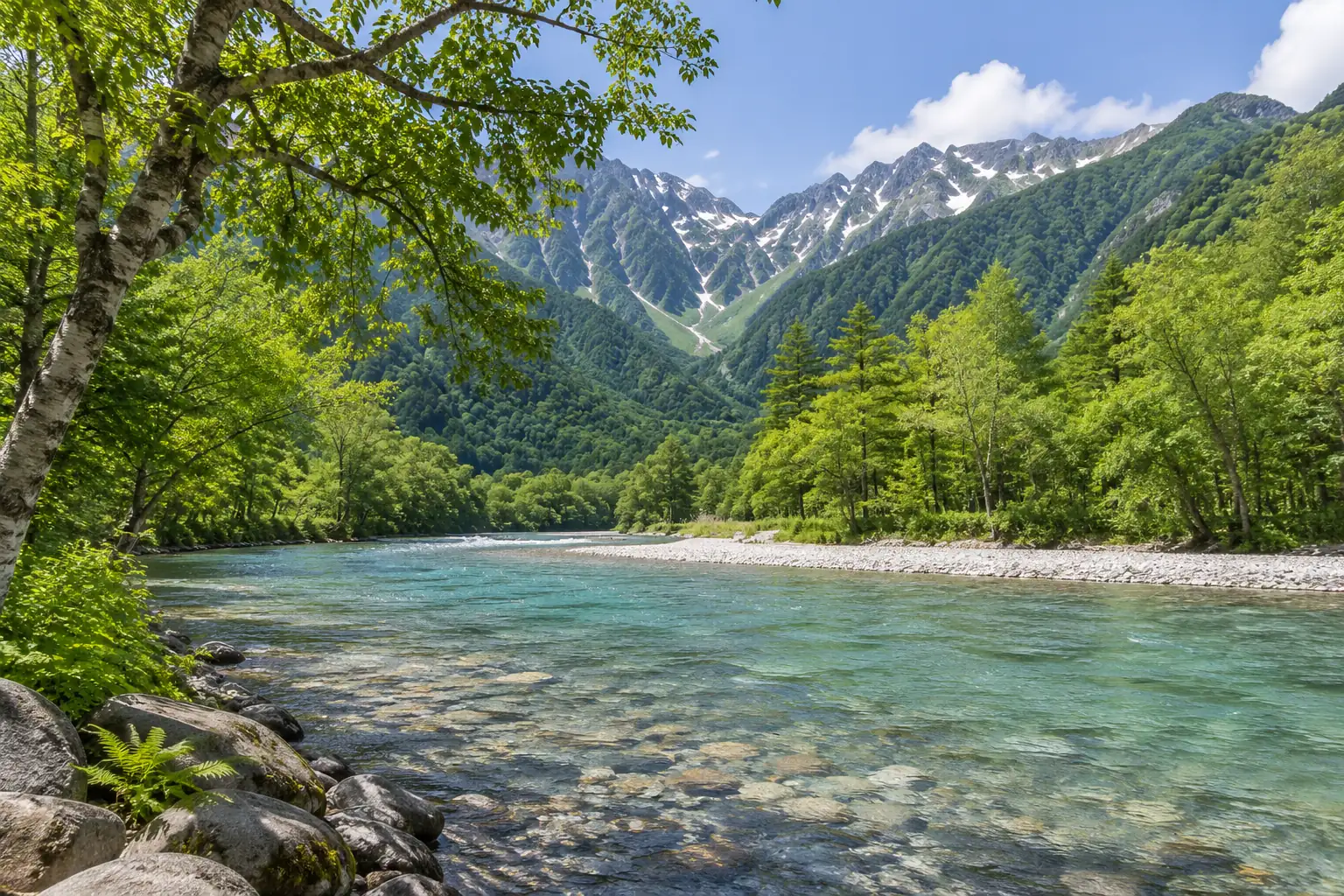
Kamikochi’s river scenery and paths around Kappa Bridge make it a rewarding choice for an active day. From Takayama, buses connect through Hirayu Onsen; the journey is around 90 minutes before allowing for connection waits.
Ordinary visitor access is seasonal, generally from mid-April to mid-November. Check the current opening period and Kamikochi bus connections, then choose your walk around the last practical return service.
How to Spend One or Two Days in Takayama
One Full Day: Markets, Old Town, and One Extension
Start at Miyagawa Morning Market, then explore Sanmachi as shops begin opening.
Continue toward Nakabashi and Takayama Jinya. If you prefer Jinya-mae Market, visit it before entering the government house.
Have lunch, then choose the festival hall and shrine, the Higashiyama temple walk, or Hida Folk Village for the afternoon.
Finish with souvenir shopping or a sake tasting during opening hours, followed by dinner.
This assumes you already have the morning in town. If arriving around midday, save the markets for the next morning and choose fewer afternoon stops.
Two Full Days: Add More of Takayama or One Day Trip
Use the first day for the central sights. On the second, either visit Hida Folk Village and a craft center, with a merchant house or museum later, or choose one of the regional outings above.
Shirakawa-go is a good match for village scenery; Kamikochi or Shinhotaka better suits mountain interests. If you leave Takayama that evening, build in a buffer between the return bus and your onward train.
A late arrival followed by an early departure gives you less sightseeing time than two full days. Two nights usually provides a more comfortable base for exploring the city and taking one substantial excursion.
When to Visit Takayama
Spring and autumn suit walking, but decide whether you want festival crowds or a quieter visit. The spring Takayama Festival takes place on April 14–15, and the autumn festival on October 9–10; book accommodation early for those dates.
Cherry blossoms in the city usually peak around mid- to late April, while city foliage generally arrives later than the mountain colors. Neither is guaranteed to coincide with the festivals, so choose dates according to your main priority.
Summer works well for combining town sightseeing with the mountain visitor season, although Takayama can still be hot and rainy. Winter offers snowy scenery and hot-spring stays, with colder interiors, slippery paths, and more potential for travel disruption.
If Kamikochi is essential to your trip, check its seasonal access before booking your stay. Takayama’s year-round attractions and the higher mountains do not share the same operating calendar.
Getting to and Around Takayama
Arriving by Train or Regional Bus
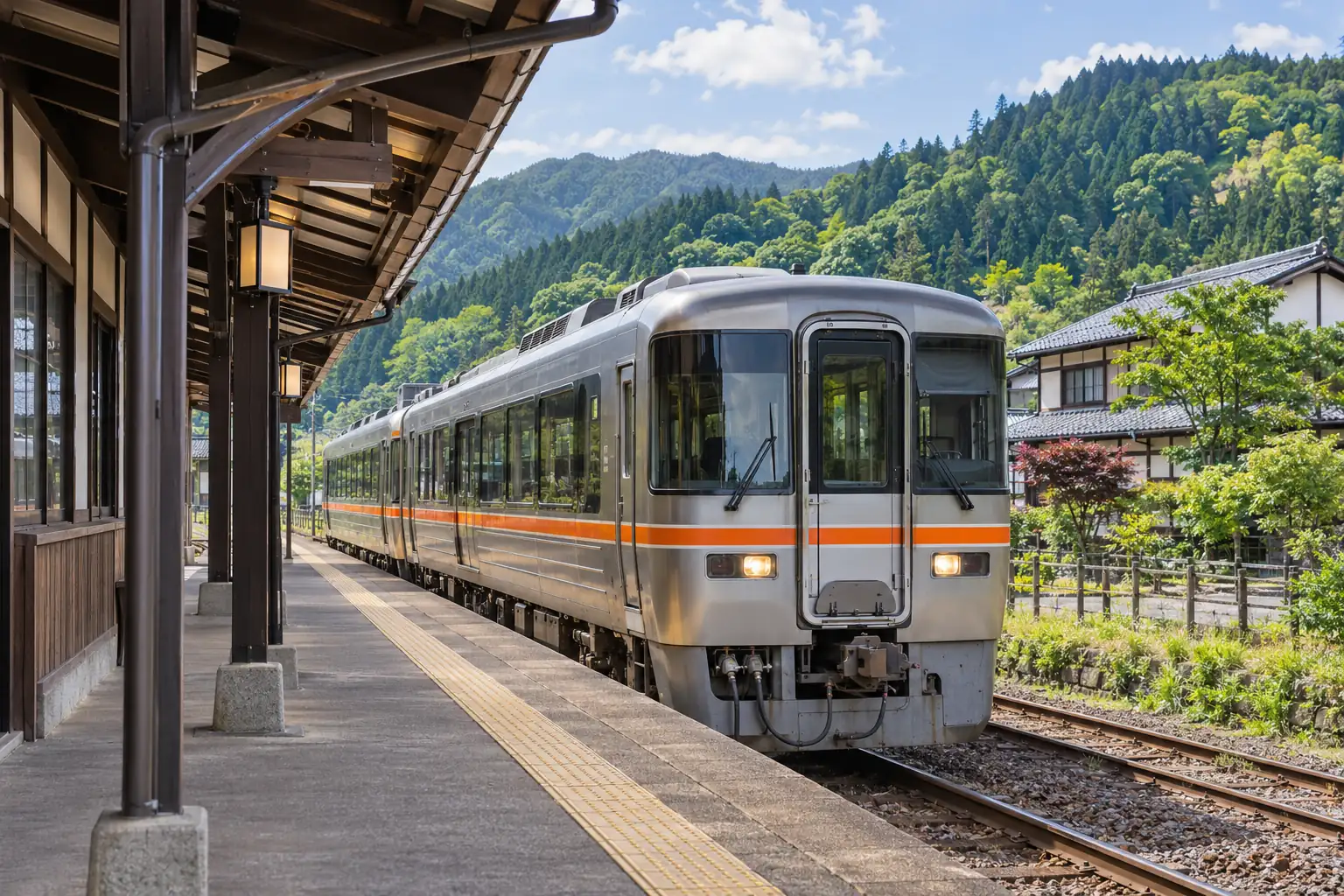
The Limited Express Hida links Takayama with Nagoya and Toyama. From Tokyo, Kyoto, or Osaka, compare connections through Nagoya with a northern route if Toyama or Kanazawa is already part of your itinerary.
Travel through Shirakawa-go can also connect Takayama with Kanazawa by bus. If stopping in the village en route, plan each bus leg and luggage storage separately rather than assuming a through ticket permits any stopover.
Walking, Local Buses, and Luggage
The station, old town, markets, and central historic sights can be connected on foot. Use a local bus or taxi for Hida Folk Village if you want to save walking time and energy.
Store larger bags at your accommodation or check available station-area lockers before sightseeing. A hotel near the station helps with early departures; staying near the old town makes short morning and evening walks easier.
Cash, Maps, and Mobile Data
Carry some cash for market purchases and small businesses. Save your hotel address and essential bus details offline, especially before a regional excursion.
Mobile data is useful for checking connections, translating menus, and finding your way between quieter streets. An iRoamly Japan eSIM is one option for using your preferred travel apps on a compatible, unlocked phone.
FAQ
1. What can you do in Takayama when it rains?
Choose Takayama Jinya, a merchant house, the festival float hall, or Takayama Showa-kan. The Takayama Museum of History and Art is another indoor option with free exhibitions; farmhouses at Hida Folk Village are connected by outdoor paths.
2. What is there to do in Takayama at night?
Plan an unhurried dinner, enjoy your ryokan, or take a short walk around the central riverside streets. Do your shopping earlier, and check restaurant hours or reserve dinner if you have a particular place in mind.
3. Is Takayama suitable for families and travelers with limited mobility?
Families can mix short walks with the folk village, retro museum, or a craft activity. Historic interiors, steps, and uneven paths can complicate access, so confirm the facilities at individual sites; Takayama Jinya provides specific wheelchair guidance.
4. Can vegetarians enjoy the local food?
Yes, with some advance menu checking. Ask about fish stock, meat, and sauces even when ordering tofu, mountain vegetables, or hoba miso; vegetable ingredients alone do not establish that the complete dish is vegetarian.
Conclusion
Takayama is easiest to enjoy when you leave time between its main sights. Begin with a market, wander Sanmachi, and choose a historic interior that interests you.
Make room for regional food and locally made souvenirs, then use an extra day for farmhouse scenery, a smaller town, or the mountains.
With sensible transport plans and a little flexibility for weather, one or two days can offer a memorable introduction to the Hida region.