
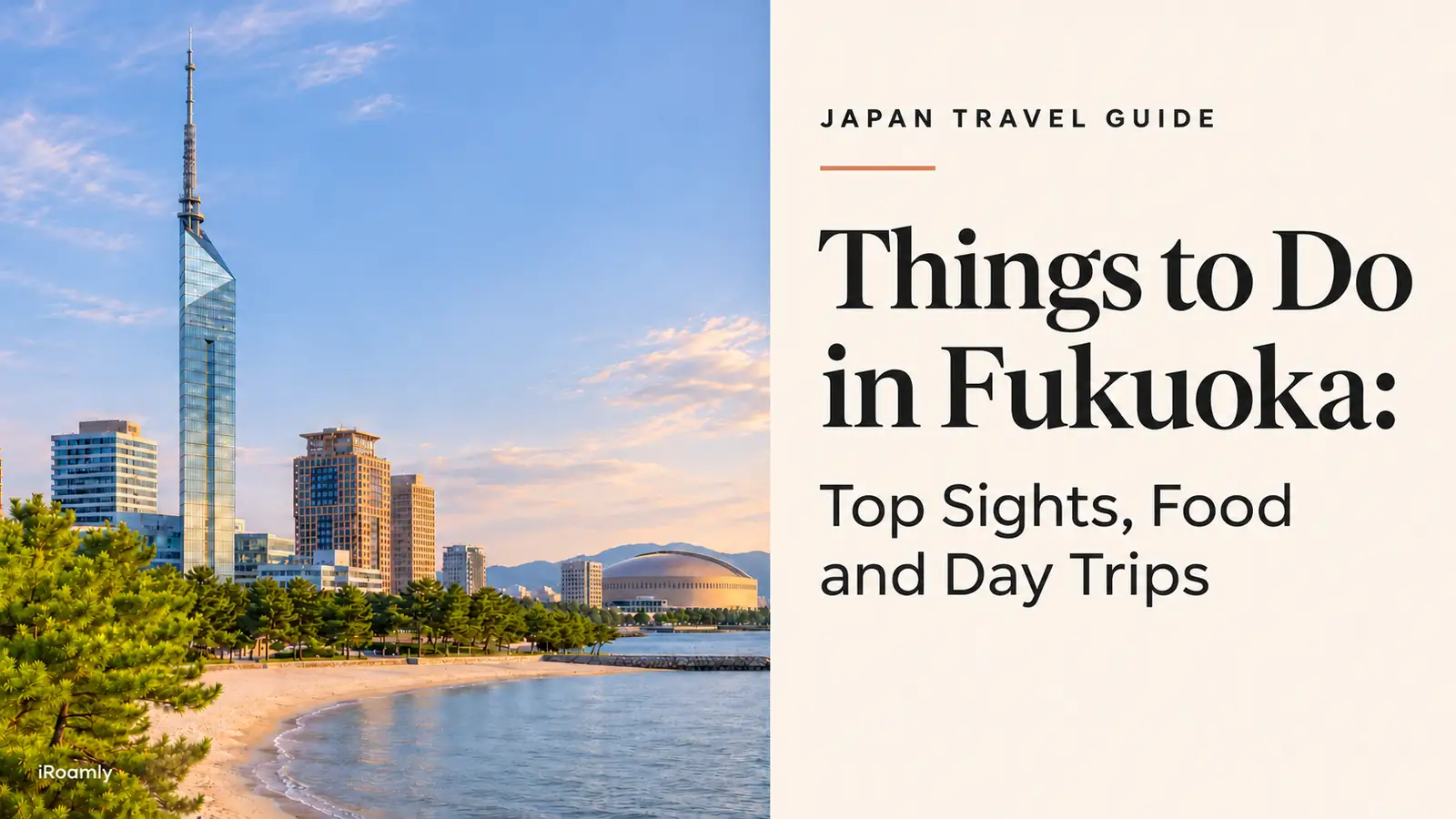
Fukuoka is a city where a good day can begin at a centuries-old temple and end over a steaming bowl of ramen. Between the two, there is time for lakeside walks, art museums, shopping streets, and views across Hakata Bay.
Its appeal lies partly in how easily these experiences fit together. You can spend a morning walking through historic Hakata, take the subway to another neighborhood, and leave the evening open for a food stall that catches your attention.
This guide covers the best things to do in Fukuoka, from its main attractions and outdoor spaces to local food, shopping, and nearby excursions. You will also find practical advice for connecting those stops into a trip that feels enjoyable rather than rushed.
Top Attractions in Fukuoka
Start with the side of Fukuoka that interests you most: its religious heritage, its art collections, or its modern landmarks. Several attractions combine naturally, so choose a few favorites rather than trying to see everything.
Temples and Shrines
Hakata Old Town is a useful starting point for understanding Fukuoka's history. Its temples and shrines sit among modern streets, bringing quieter religious spaces within a short walk of everyday city life.
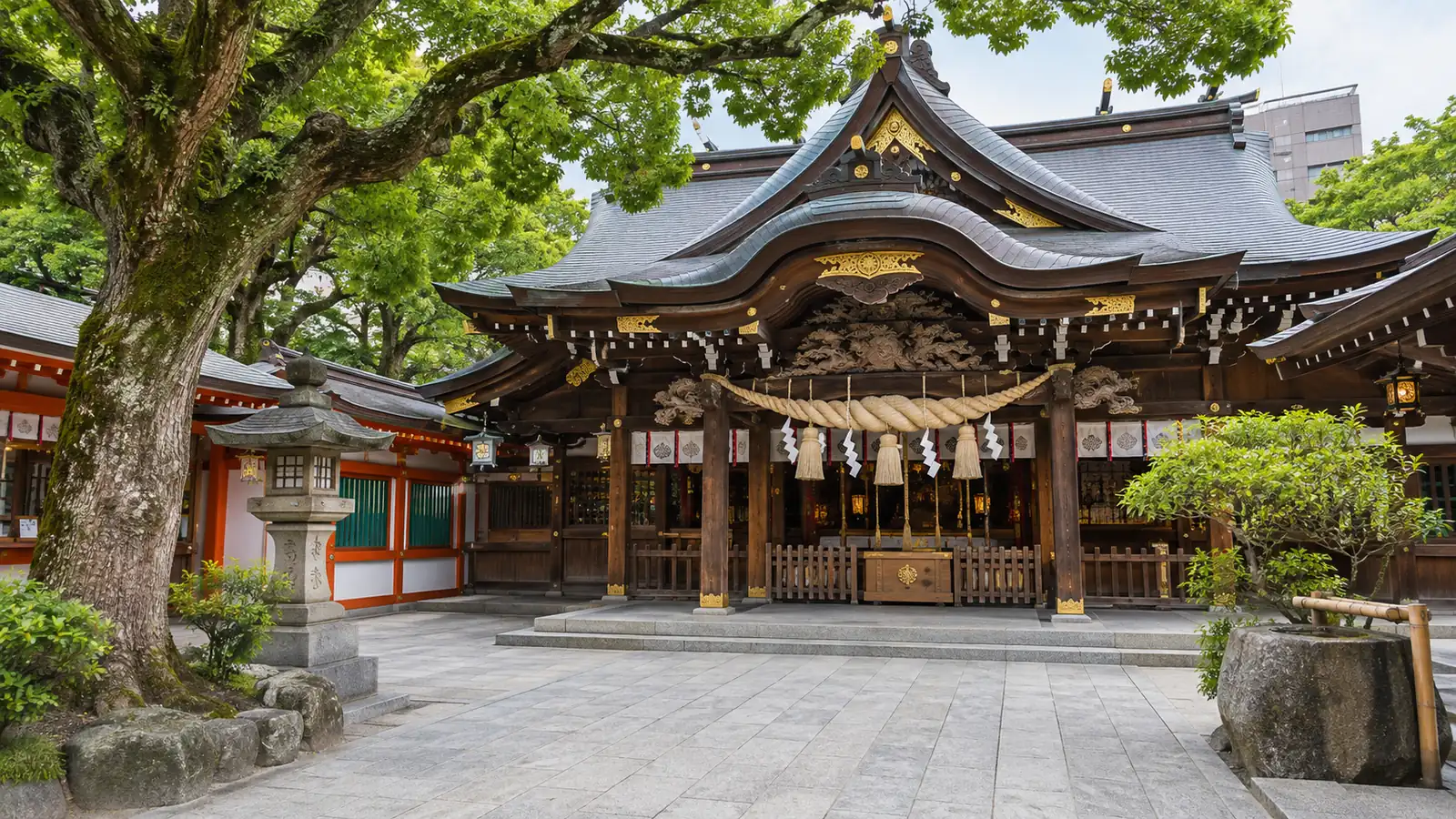
Kushida Shrine
Kushida Shrine is closely associated with the Hakata Gion Yamakasa festival. Its elaborate festival float, decorative gates, and smaller shrine spaces introduce traditions that remain part of local life.
Look beyond the main entrance and take time to walk around the grounds. Nearby Kawabata Shopping Arcade makes a convenient next stop, while a history-focused route can continue toward Tochoji.
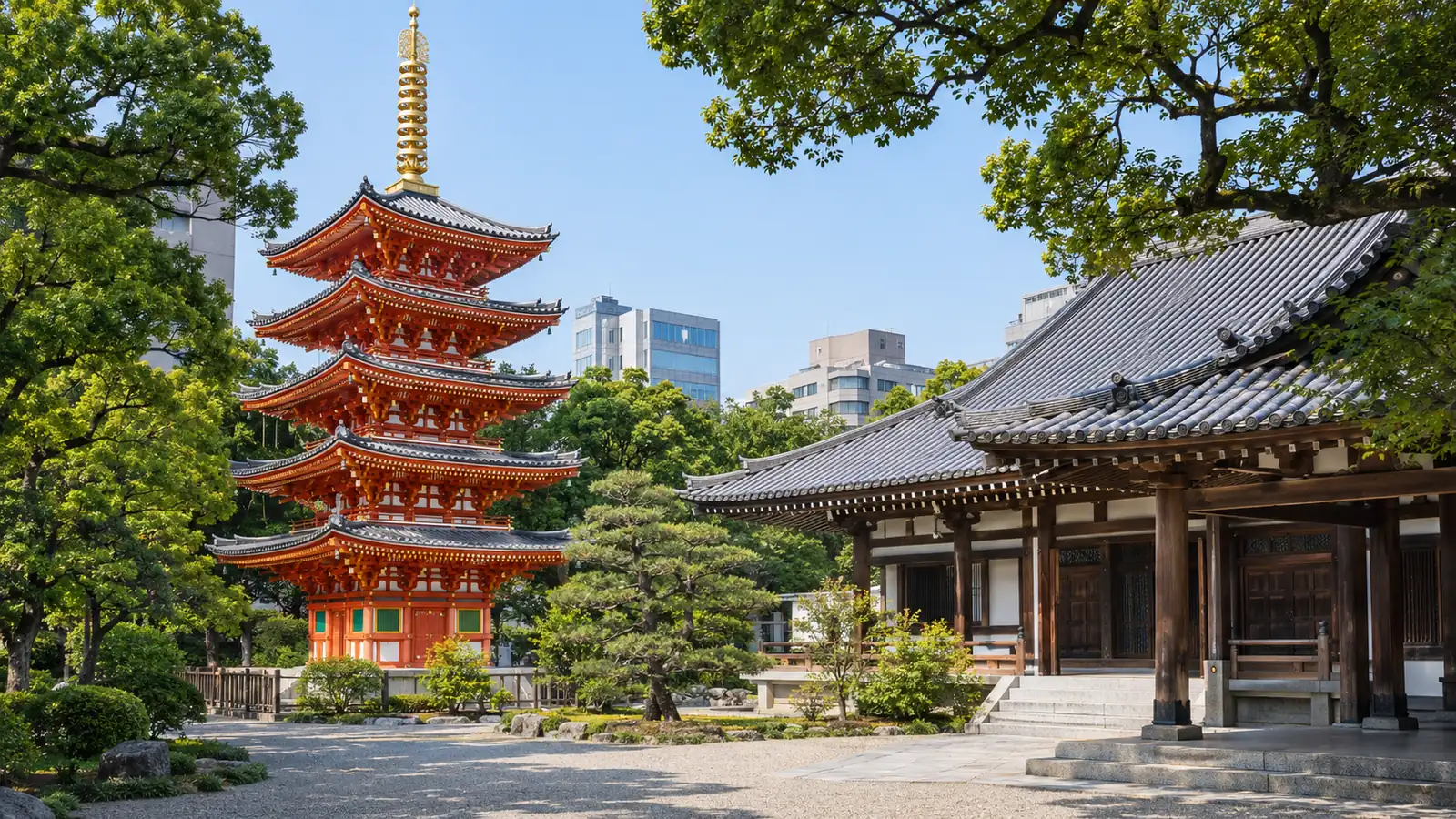
Tochoji Temple
Tochoji is known for its red five-story pagoda and large wooden seated Buddha. It is particularly rewarding if you enjoy religious architecture or want a closer look at Buddhist art.
Follow the admission and photography signs for individual areas. After Tochoji's more prominent features, nearby Shofukuji offers a quieter continuation of the walk.
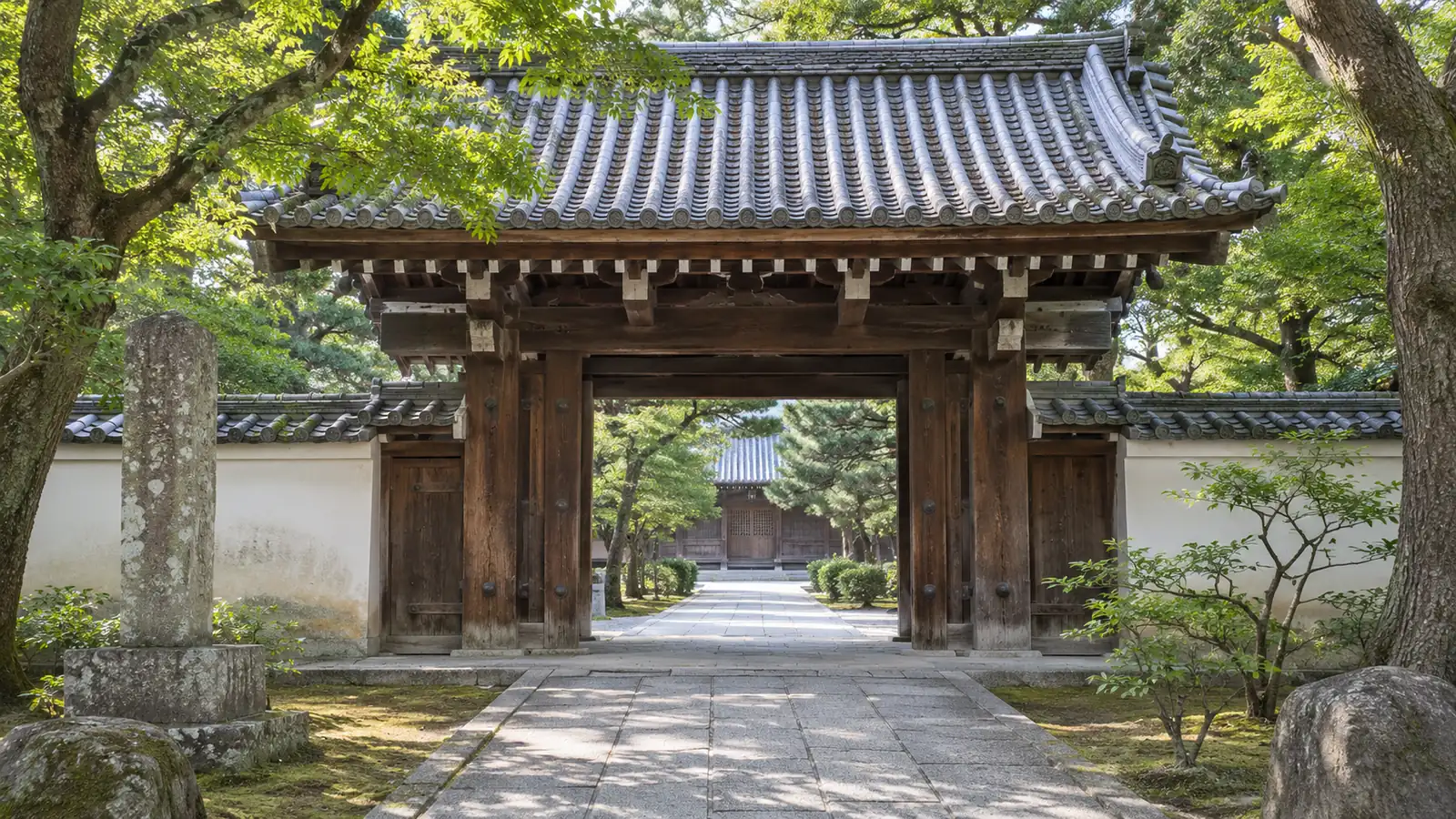
Shofukuji Temple
Shofukuji holds an important place in the history of Zen Buddhism in Japan. Its grounds invite a slower visit, with attention to the gates, buildings, and atmosphere.
Stay within the areas open to visitors and respect restricted spaces. Together, these three stops make a rewarding morning without requiring long journeys between them.
The historic streets introduce one side of Fukuoka's culture. Its museums offer another, with collections ranging from older Japanese works to contemporary Asian art.
Museums and Art
Choose a museum for its collection or current exhibition, or opt for digital art if you prefer something more interactive. The location of each attraction also helps determine where it fits into your day.
Fukuoka Art Museum
Beside Ohori Park, Fukuoka Art Museum presents works ranging from older Japanese art to modern and contemporary pieces.
Its location makes it easy to balance gallery time with fresh air. Check the exhibition program, then leave part of the afternoon free for the surrounding park.
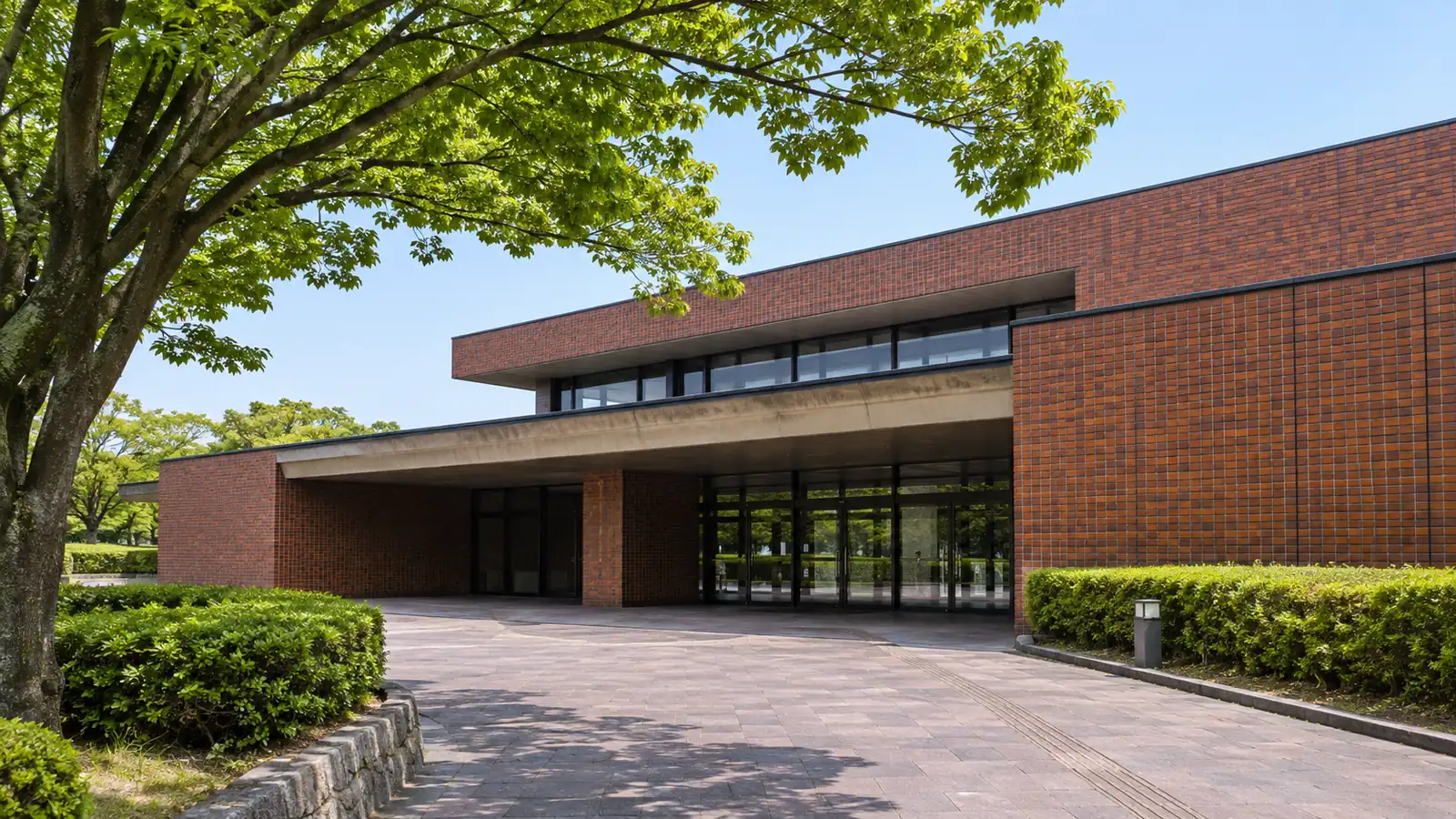
Fukuoka Asian Art Museum
Fukuoka Asian Art Museum focuses on modern and contemporary art from across Asia. Its exhibitions introduce different cultural perspectives through painting, sculpture, and other forms of expression.
The Nakasu-Kawabata location suits a day centered on historic Hakata, nearby shopping streets, or an evening by the river. Check closing days before deciding which day to visit.
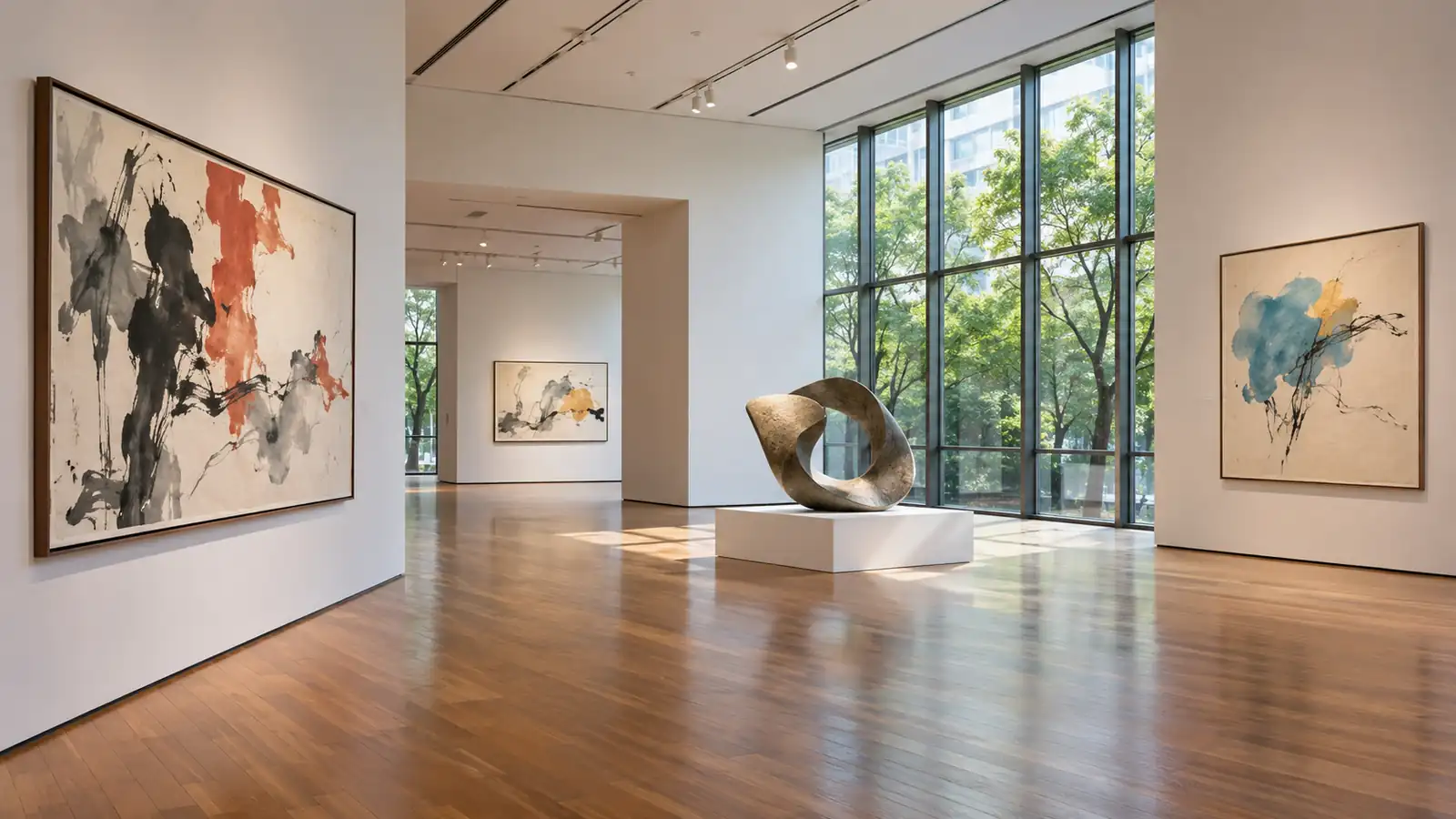
teamLab Forest Fukuoka
Inside BOSS E・ZO FUKUOKA, teamLab Forest features interactive digital-art environments built around color, movement, and participation.
Read the ticket conditions and accessibility guidance before booking, particularly if anyone in your group has limited mobility. Some installations involve uneven surfaces or physical movement.
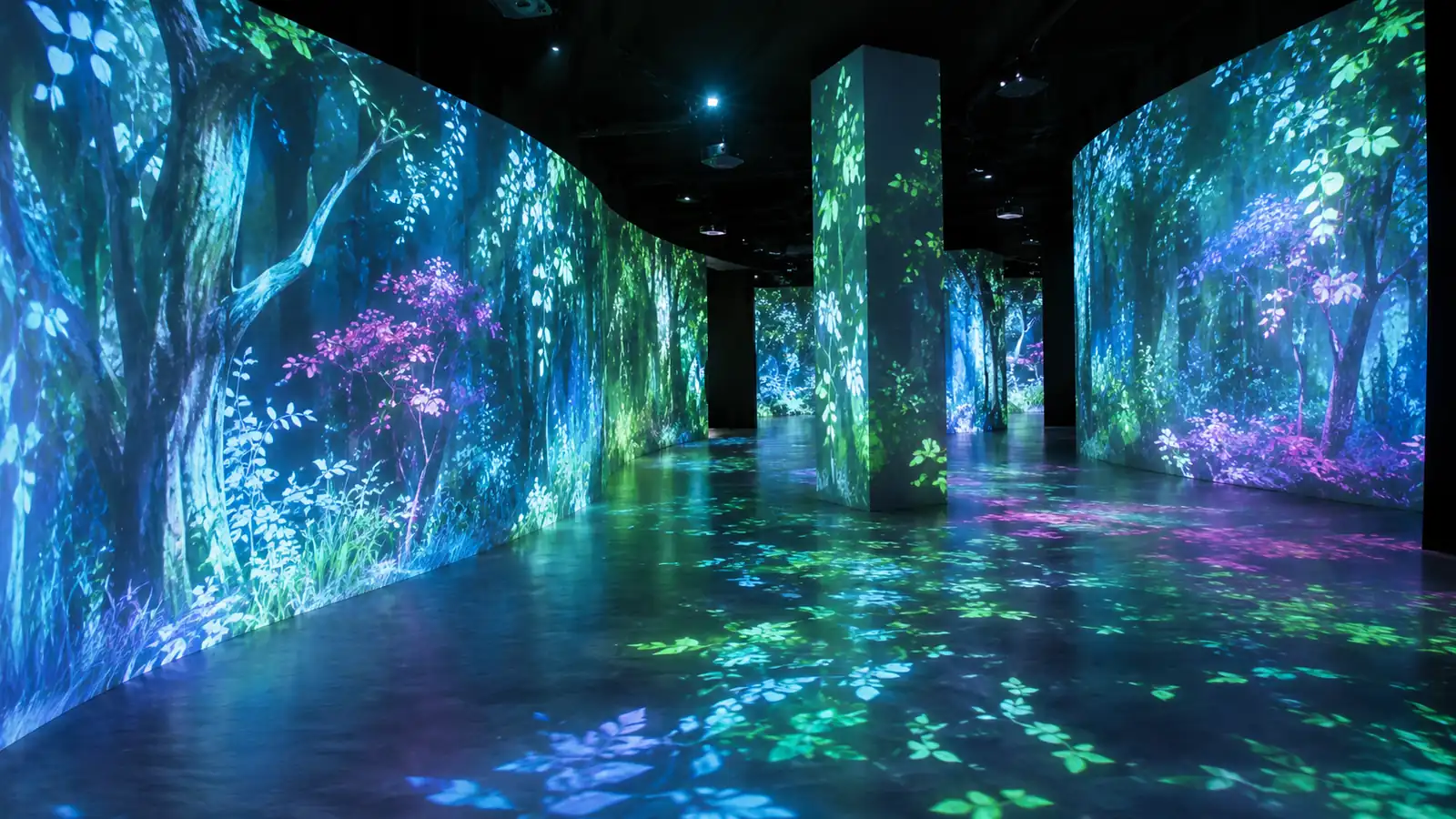
Because teamLab Forest is beside the dome, it also fits into a day spent around Fukuoka's western waterfront attractions.
Landmarks and Entertainment
For city views or live sport, head toward Fukuoka Tower and the dome area. Choose one main activity here and arrange the surrounding stops around it.
Fukuoka Tower
Fukuoka Tower offers panoramic views of the city and Hakata Bay from its highest observation floor, 123 meters above ground.
Clear weather provides better visibility. Late afternoon gives you the chance to see the coast in daylight before the city lights appear, although popular visiting times can bring queues.
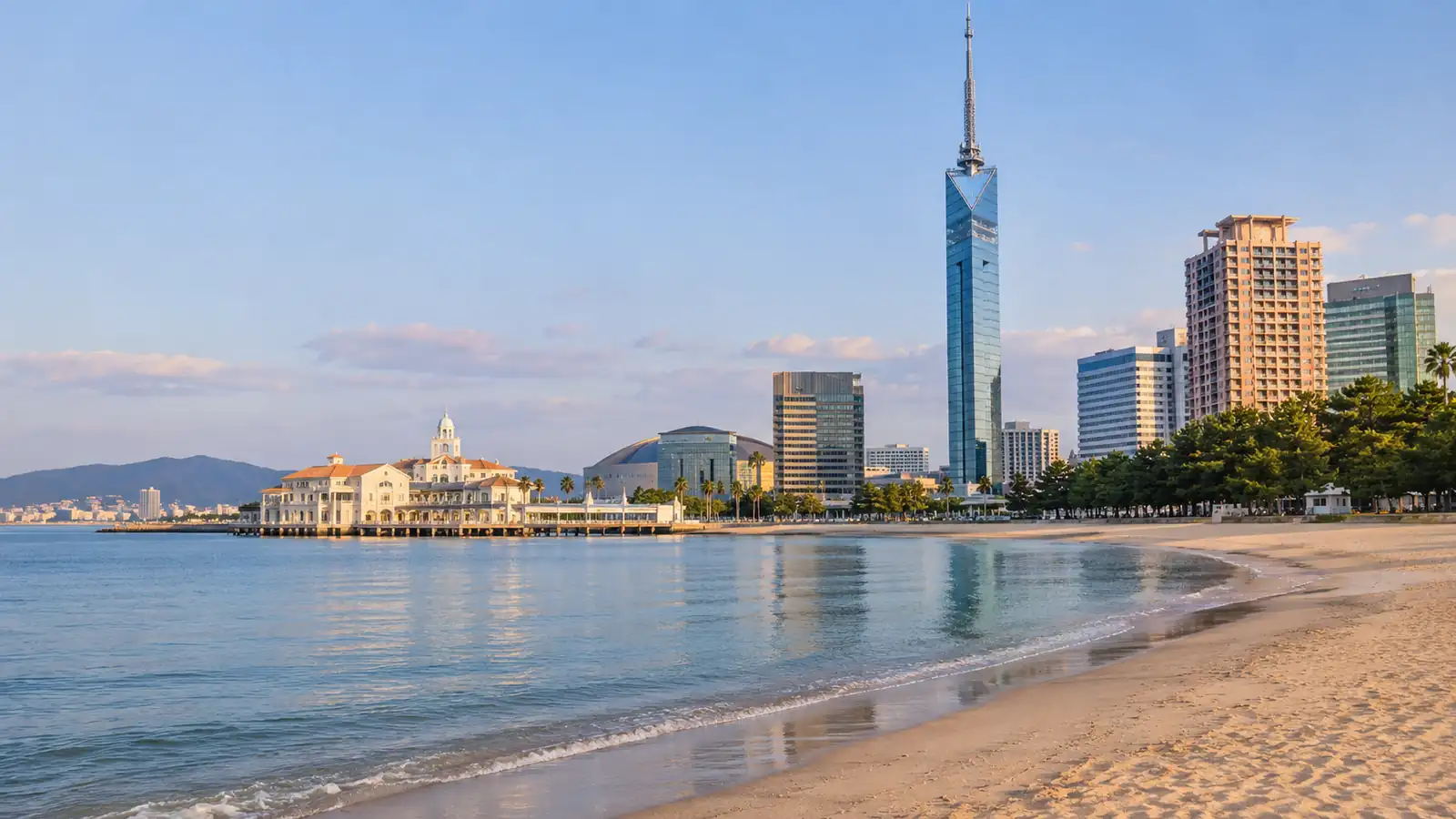
MIZUHO PayPay Dome FUKUOKA
The home of the Fukuoka SoftBank Hawks offers an entertaining introduction to Japanese baseball. Team songs, organized cheering, and stadium food are part of the experience.
Check the home-game schedule before arranging your itinerary. Allow several hours for the game, plus time for arrival and entry.
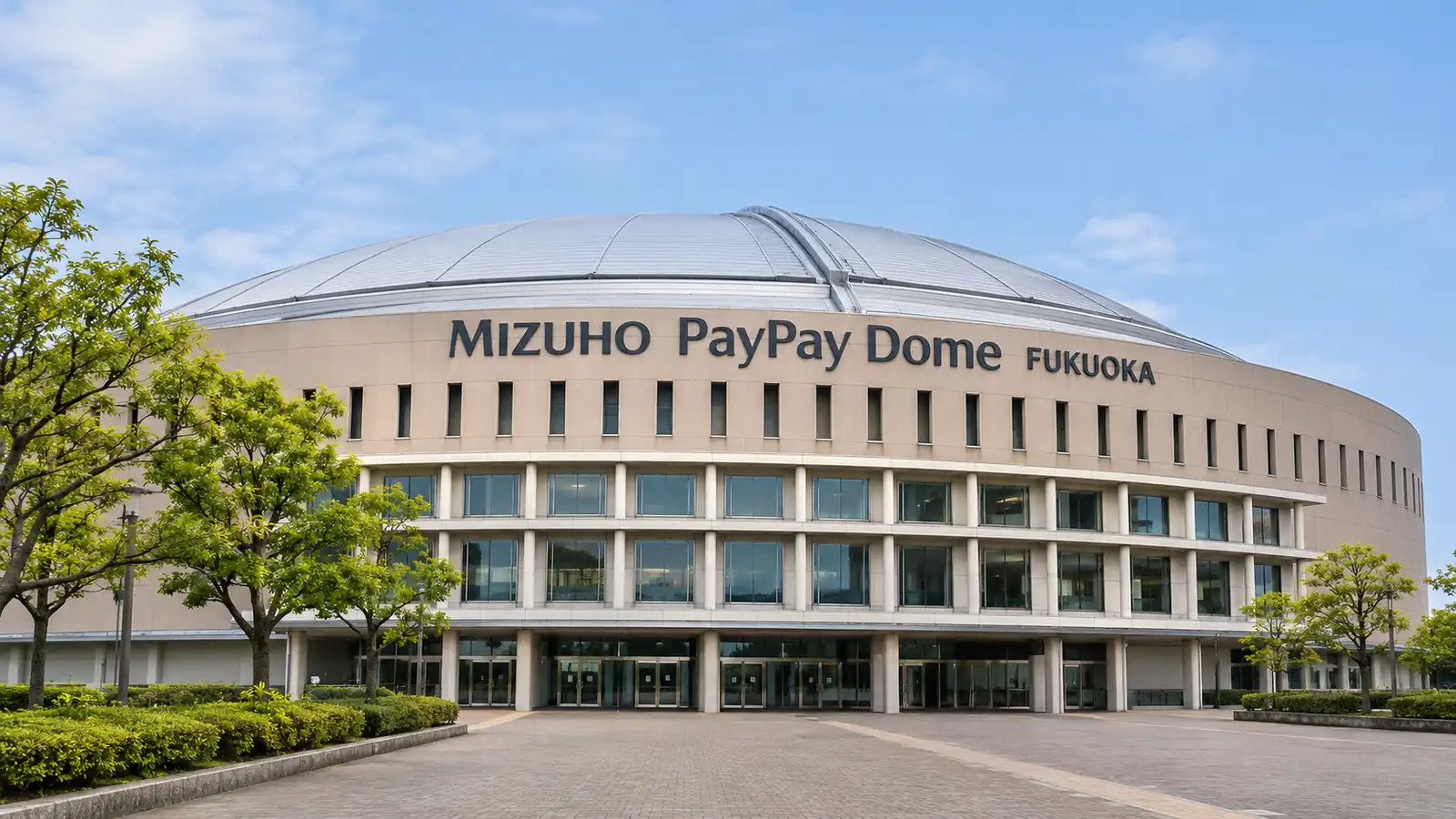
If you prefer a less scheduled afternoon, the nearby waterfront provides an easier option. That balance between major attractions and open space is one of Fukuoka's strengths.
Parks and Beaches in Fukuoka
Fukuoka's parks and waterfront areas give the day a different rhythm. Choose a short lakeside walk between attractions or set aside several hours for a larger outdoor outing.
City Parks
Ohori Park and Maizuru Park sit beside each other, making them one of the simplest combinations in the city. Visit both on foot and adjust the length of the outing as you go.
Ohori Park
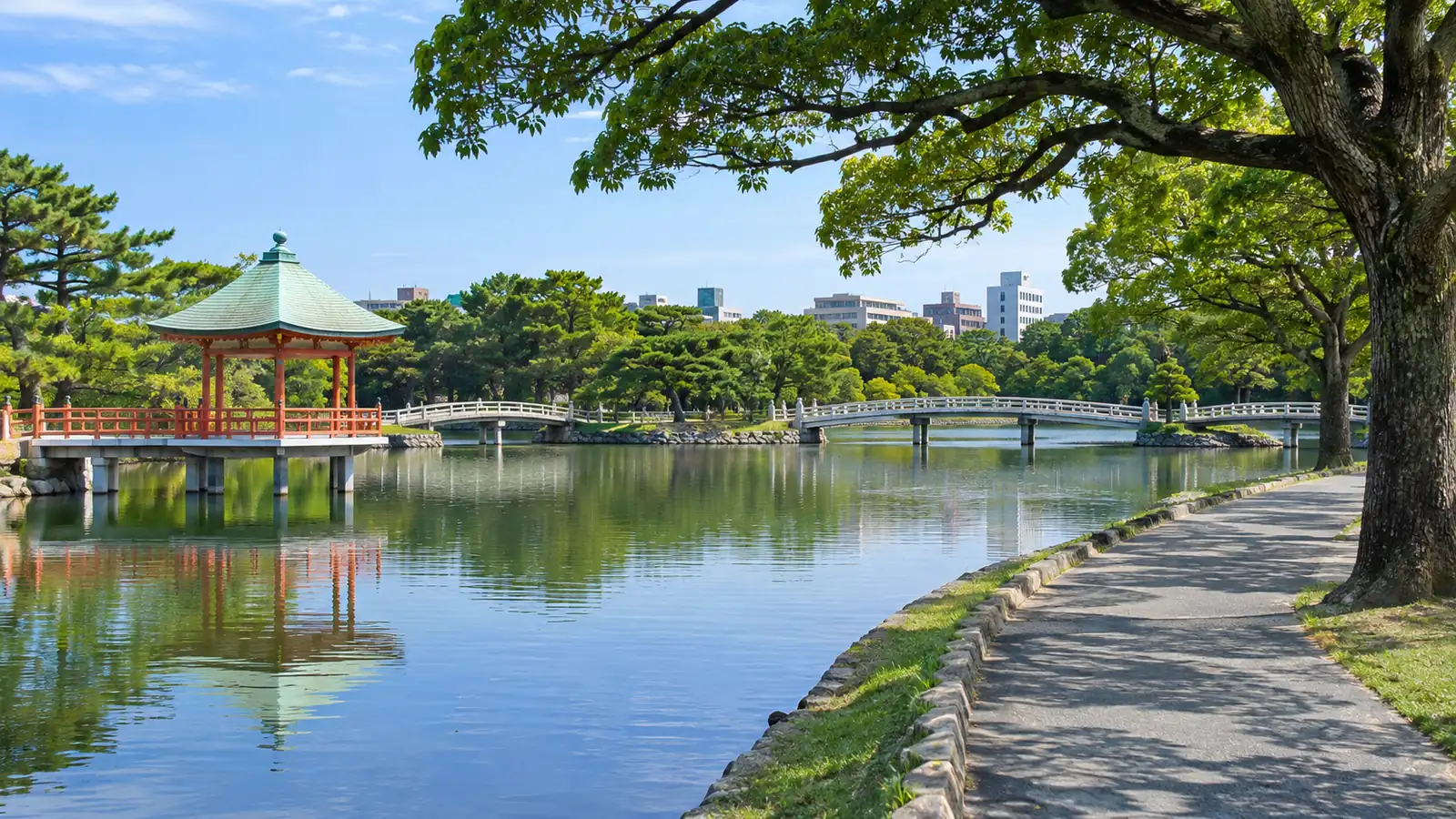
Ohori Park is built around a large pond, with walking paths, bridges, and places to pause beside the water. It suits an early walk, a relaxed afternoon, or a break after Fukuoka Art Museum.
The Japanese garden adds a more focused garden visit. Allow extra time if you want to include it rather than simply walking around the lake.
Maizuru Park and Fukuoka Castle Ruins
Maizuru Park contains the remains of Fukuoka Castle. Expect surviving stone walls, foundations, and open grounds rather than a complete castle building.
Visit as an extension of your Ohori walk, especially during cherry blossom season. Follow signs for temporary restrictions, since maintenance, archaeological work, and events can affect individual areas.
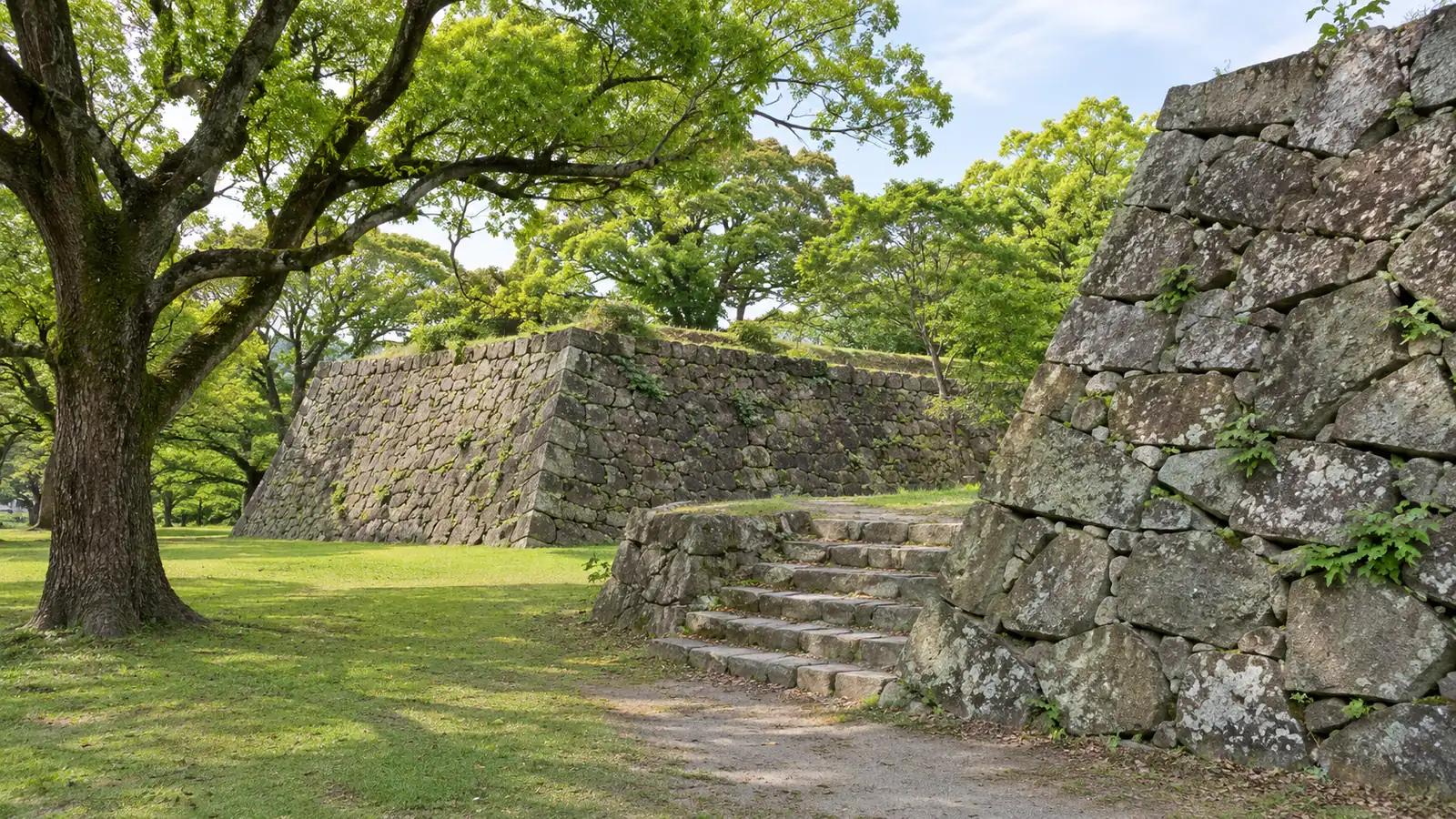
After spending time among the trees and historic walls, continue the outdoor theme by heading toward the bay. Your choice of coastal stop will depend on how much of the day you want to spend there.
Beaches and Bay Outings
Choose Momochi for a convenient waterfront stop or Uminonakamichi for a longer outing. Both offer a change of pace from the central shopping and business districts.
Momochi Seaside Park
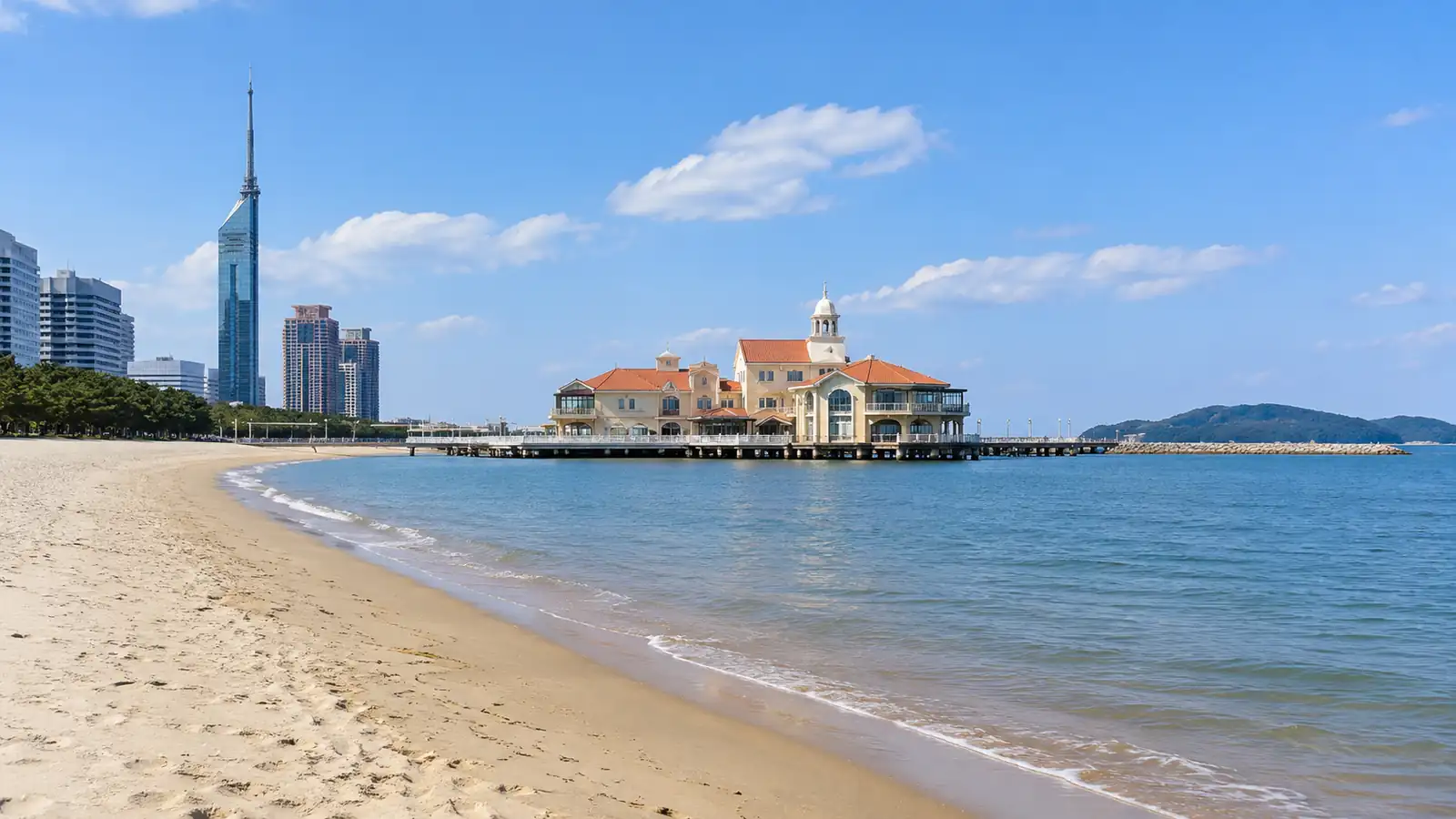
Momochi is the easiest beach stop to combine with Fukuoka Tower. Its urban waterfront setting suits a walk along the sand, a café break, or time looking across Hakata Bay.
Treat it as a scenic addition to your day rather than assuming it will be a full swimming outing. Nearby attractions make it easy to combine beach time with other activities.
Uminonakamichi Seaside Park
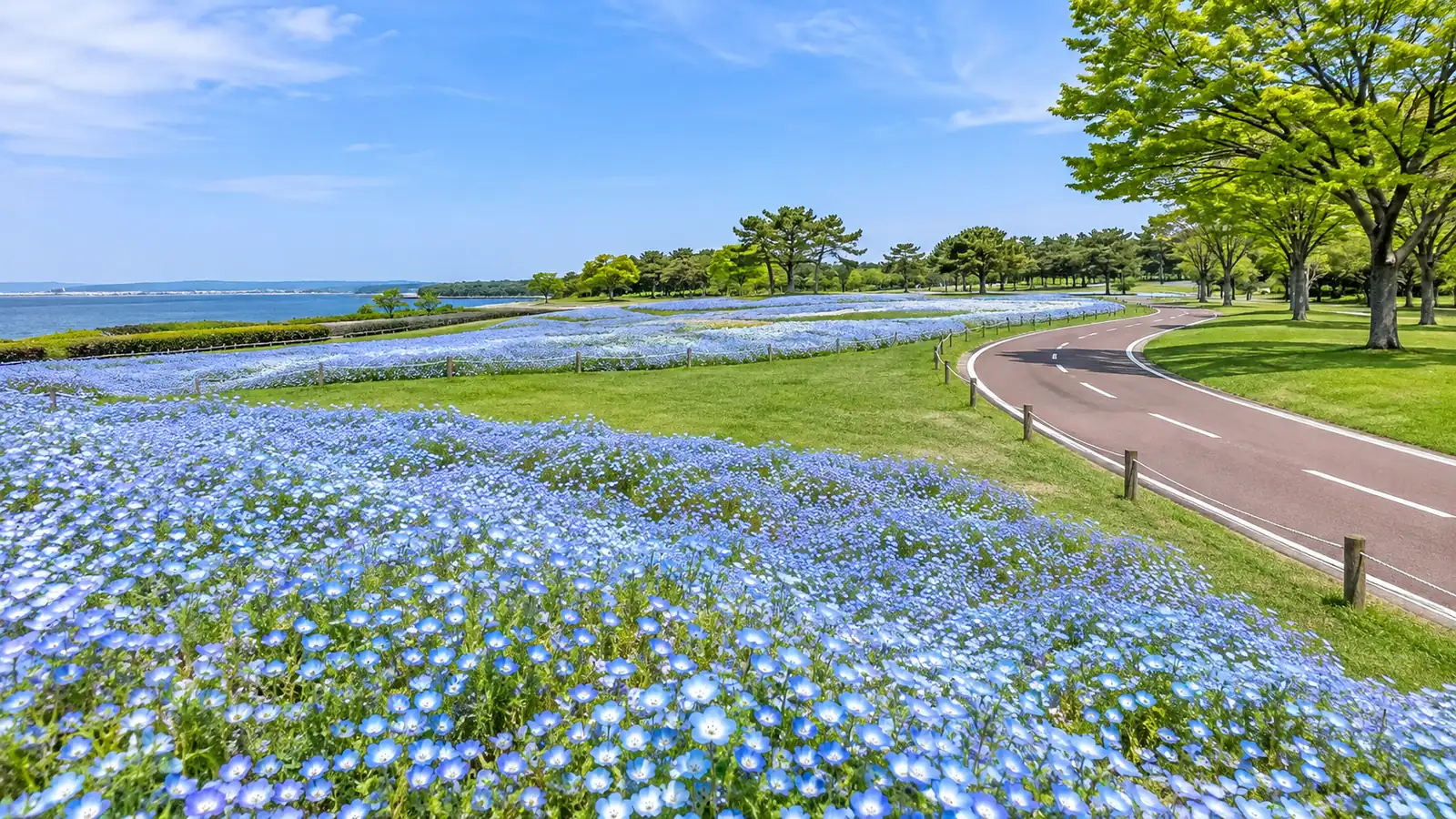
Uminonakamichi offers seasonal flower displays, broad lawns, playgrounds, and cycling routes. It is a good choice when you want room to move around, especially with children.
Give it several hours rather than squeezing it between central attractions. Check flower conditions and bicycle-rental arrangements before setting out.
A longer outdoor day is a good reason to keep the evening simple. In Fukuoka, a well-chosen dinner can become the main event.
Food and Nightlife in Fukuoka
Food deserves more than a spare hour between attractions. Plan a few different meals so you can experience the city beyond its best-known bowl of ramen.
Local Food to Try
Start with Hakata ramen, then make room for dishes suited to a longer lunch or shared dinner. This gives you a broader introduction to the city's cooking.
Hakata Ramen
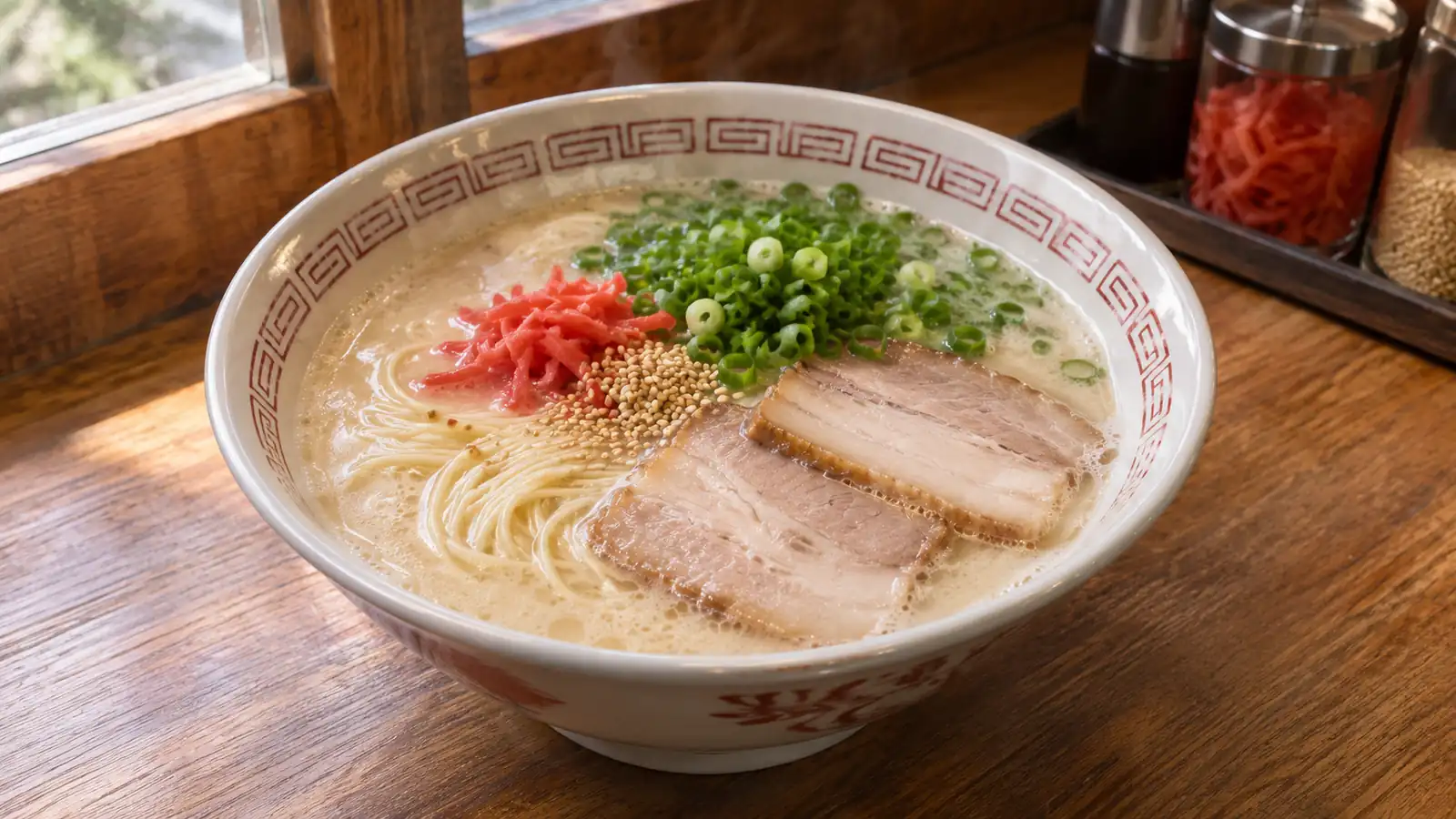
Hakata ramen is known for its rich pork-bone broth and thin noodles. You will find specialist restaurants, small neighborhood shops, and convenient options around transport hubs.
Some restaurants let you choose noodle firmness and order an extra serving of noodles called kaedama. Begin with a normal bowl before adding extras, particularly if another meal is not far away.
Other Fukuoka Specialties
Once you have tried ramen, look for these local dishes:
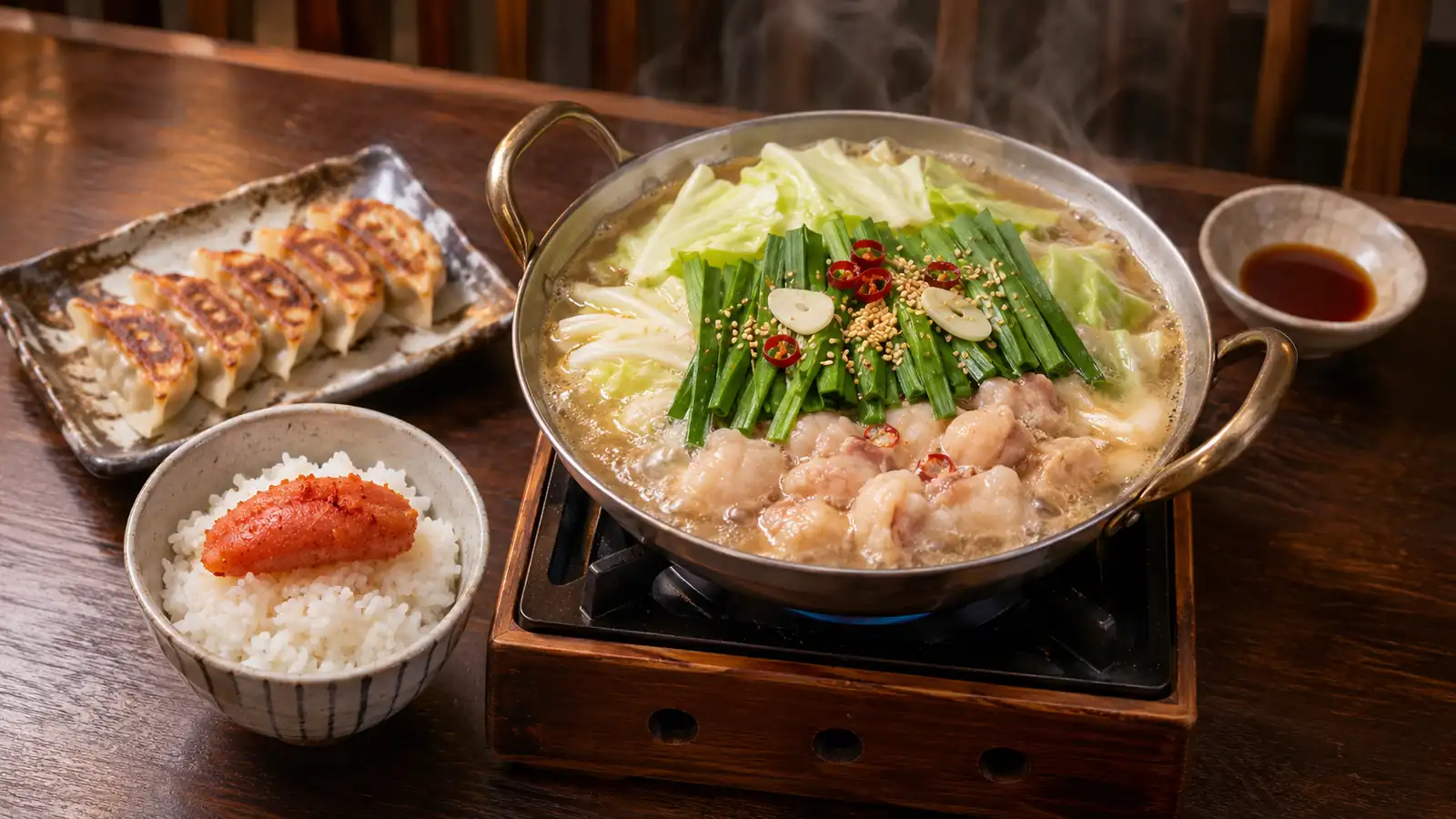
Mentaiko: Seasoned pollock roe, served with rice or used in other dishes.
Motsunabe: A hot pot containing offal, vegetables, and a strongly flavored broth.
Mizutaki: A chicken hot pot often served with ponzu.
Hitokuchi gyoza: Small, bite-sized dumplings.
If you are dining alone, check minimum orders before choosing a hot-pot restaurant. For a more informal meal, the city's outdoor food stalls offer a different way to eat.
Yatai Food Stalls
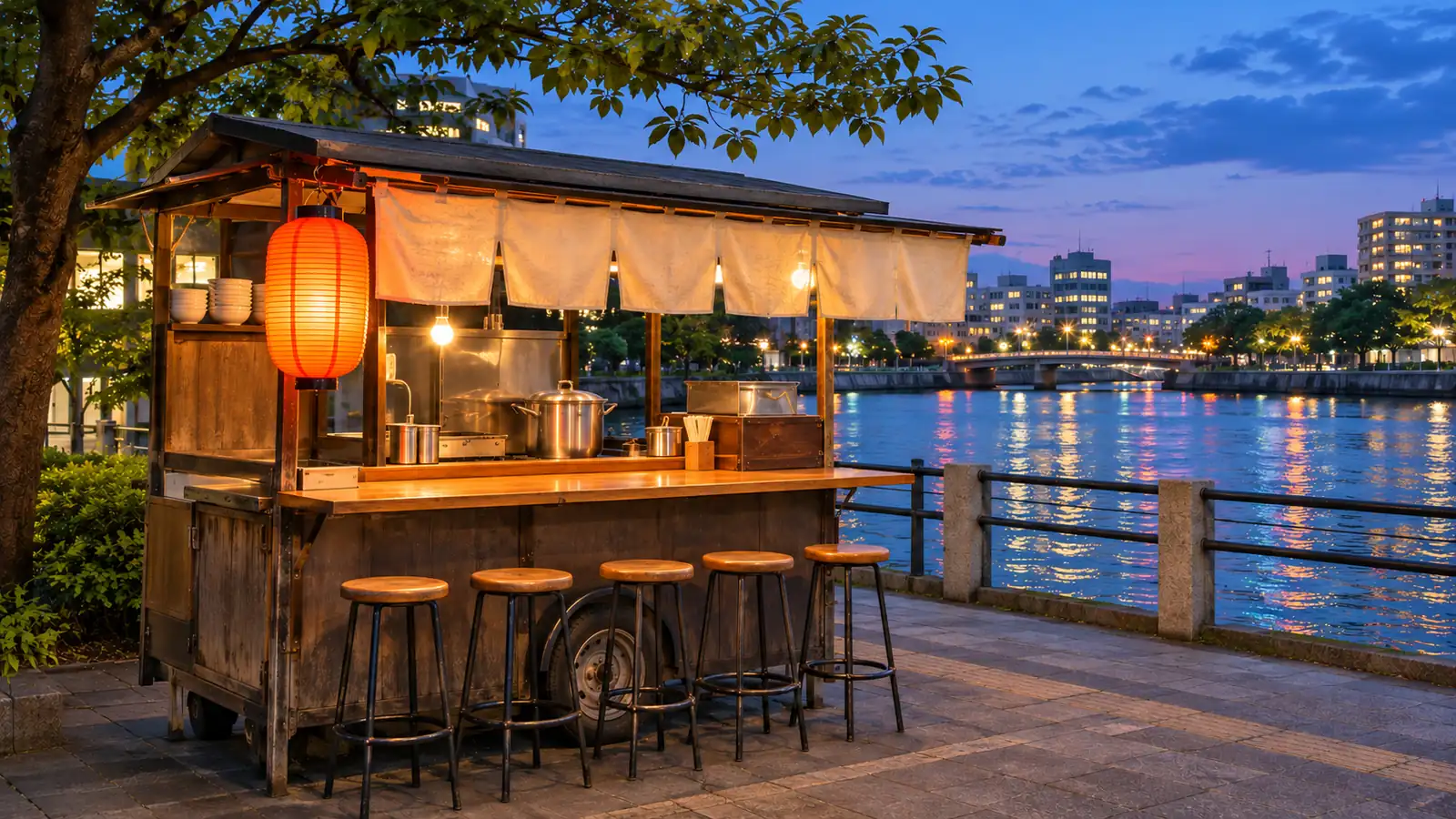
Eating at a yatai is one of the most distinctive things to do in Fukuoka. These small outdoor stalls operate in areas including Nakasu, Tenjin, and Nagahama, serving ramen, skewers, oden, and stir-fried noodles.
Most begin opening around early evening, but individual schedules and weather affect availability. Nakasu offers the familiar riverside setting, while Tenjin and Nagahama give you other areas to consider.
For a comfortable first visit:
Check the menu and prices before ordering.
Bring cash and keep bags compact.
Ask staff before taking an empty seat.
Order food and a drink rather than occupying a seat only for photos.
Avoid lingering after finishing when other customers are waiting.
One enjoyable meal followed by a walk can be just as satisfying as visiting several stalls. Leave the evening flexible enough to stay where you are enjoying yourself.
Evening Walks and Bars
After dinner, walk beside the Naka River to see city lights reflected in the water. It is an easy way to extend the evening without another booking.
For a longer night out, consider bars in Tenjin and Daimyo as well as Nakasu. Choose a venue that suits your preferred atmosphere, and check the last train before settling in.
Those same neighborhoods are worth returning to during the day, when their shops and cafés become the focus.
Shopping in Fukuoka
Shopping in Fukuoka is most rewarding when you know what you want to bring home. Tenjin and Daimyo suit fashion, Canal City appeals to character-goods fans, and Hakata is convenient for local crafts and food souvenirs.
Tenjin and Daimyo
Start in Tenjin for department stores, Japanese retailers, and several shopping options within one area. The underground mall is particularly convenient when the weather makes outdoor browsing less appealing.
Things worth looking for include:
Japanese skincare and cosmetics: Practical purchases if you already have products or brands in mind.
Clothing, shoes, and accessories: Useful choices that you can wear after the trip.
Boxed sweets: Department-store food halls offer gifts for friends or colleagues.
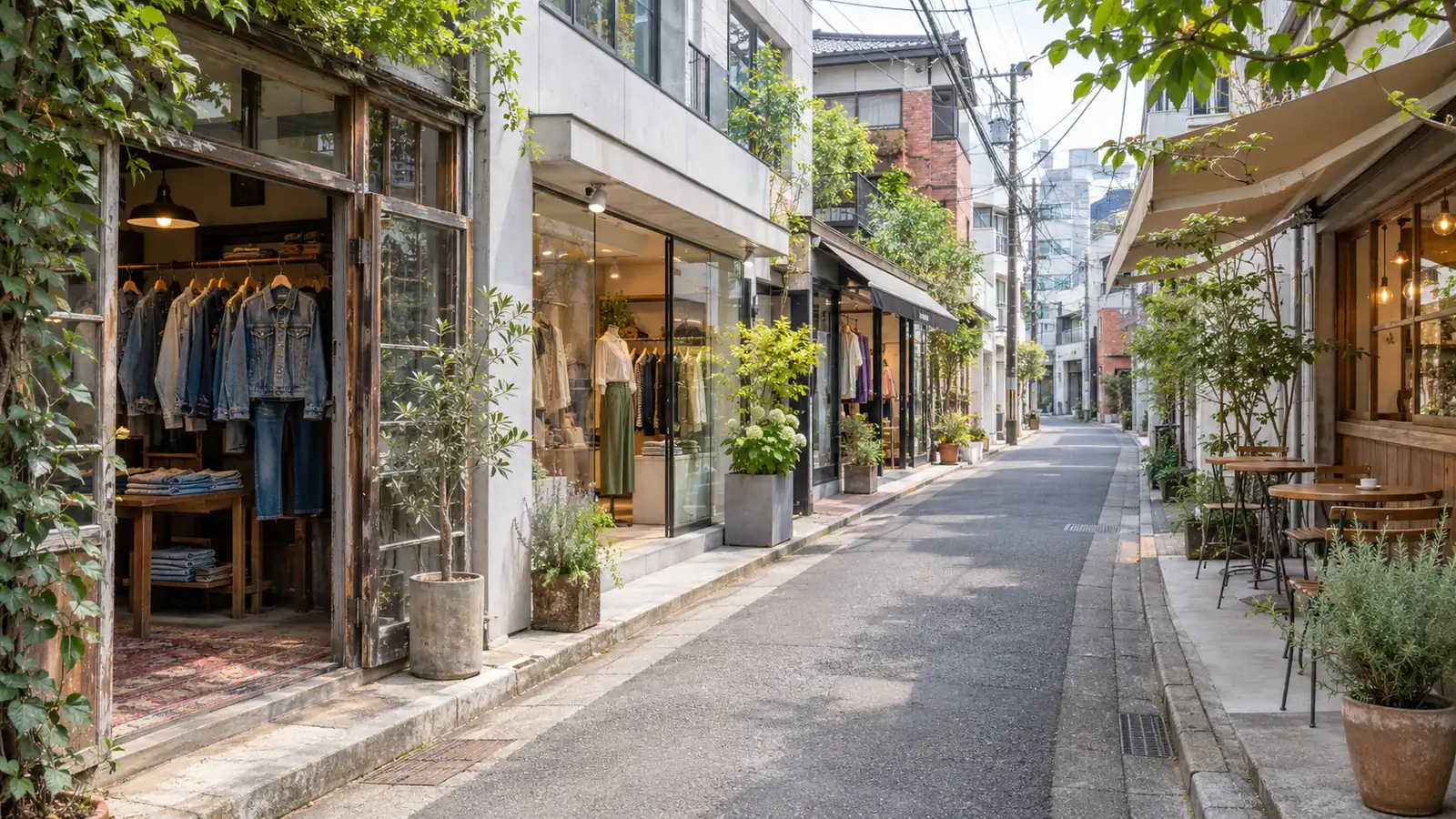
Continue into Daimyo for smaller boutiques and vintage shops. Look for secondhand denim, jackets, streetwear, and accessories if you prefer finding an individual piece.
Allow time to compare shops and try clothing on. A café break makes the area more enjoyable than treating it as a shopping checklist.
Canal City Hakata
Canal City combines shopping with restaurants and entertainment, making it convenient when people in your group have different interests.
It is especially worth browsing for:
Studio Ghibli merchandise: Character-themed household items, stationery, and small gifts at Donguri Republic.
Manga and anime goods: Licensed merchandise from popular series at JUMP SHOP.
Character accessories: Keyrings, pouches, and other small items that are easy to pack.
Choose something connected to a character or series you enjoy. After browsing, stay for a meal or continue toward Kawabata for a more traditional shopping experience.
Kawabata Shopping Arcade
Kawabata's covered shopping street fits naturally into a visit to Kushida Shrine. Its smaller shops are good places to look for gifts with a stronger connection to Hakata.
Items worth considering include:
Hakata-ori accessories: Pouches, card cases, and small items made with the area's traditional woven textile.
Japanese chopsticks: Compact, useful gifts available in different materials and finishes.
Traditional sweets: A snack for your walk or a small gift, depending on shelf life.
For a more substantial craft purchase, consider Hakata dolls at a specialist retailer in the wider historic district. These decorative pieces need more careful packing than textile accessories.

Hakata Station
Hakata Station is a practical final stop for food souvenirs, especially if you are leaving by train. Its shopping areas let you compare local products without adding another journey.
Good options include:
Menbei: Savory crackers associated with Fukuoka's mentaiko food culture.
Mentaiko products: Choose according to storage requirements and the length of your journey.
Boxed regional sweets: Convenient for sharing, particularly when individually wrapped.
Small Kyushu crafts: Keepsakes to bring home alongside edible gifts.
Check expiry dates and storage labels before buying. For a long journey, shelf-stable snacks are usually easier to manage than products requiring refrigeration.
Leave most food shopping until the end of your stay to keep bags lighter during sightseeing. If your schedule has room beyond the central neighborhoods, use the extra day for a different setting.
Day Trips from Fukuoka
Choose a day trip that offers something you have not already experienced in the city. These time allowances are planning suggestions, including sightseeing rather than just transport.
Destination | Main appeal | Suggested time |
|---|---|---|
Dazaifu | Shrine grounds, museums, and snacks | Half to full day |
Nanzoin | Reclining Buddha and temple grounds | Half day |
Itoshima | Coastal scenery, cafés, and beaches | Full day |
Yanagawa | Canal boats and local eel dishes | Most of a day |
For a short stay, one well-chosen excursion usually works better than combining several distant places. Decide whether you would prefer a heritage visit or a day beside the water.
Temples and Heritage
Dazaifu suits a broader outing with shops and a museum. Nanzoin offers a more focused temple visit with a straightforward rail connection.
Dazaifu
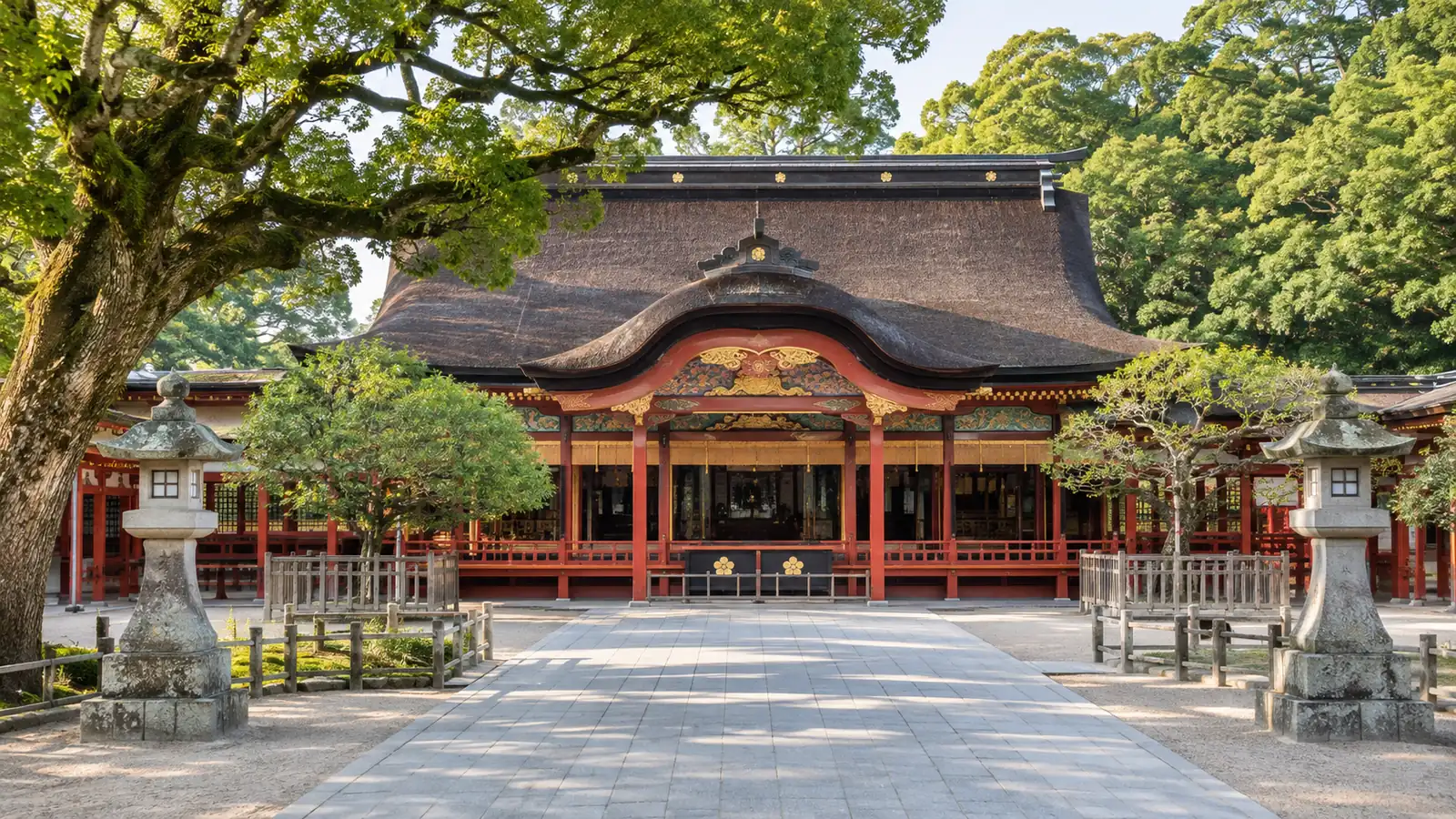
Dazaifu Tenmangu is a shrine associated with learning and scholarship. Combine the grounds with the approach street, where shops sell umegae mochi, grilled rice cakes filled with sweet bean paste.
The nearby Kyushu National Museum can turn the visit into a fuller day. Check current access notices, since restoration work can change routes through the grounds.
Nanzoin
Nanzoin, in Sasaguri outside Fukuoka City, is known for its reclining Buddha. The temple is a short walk from Kido-Nanzoin-mae Station, making it a manageable rail excursion from Hakata.
Dress appropriately before leaving your accommodation. Adults should cover shoulders, midriff, legs to the knees, and tattoos in accordance with the temple's rules.
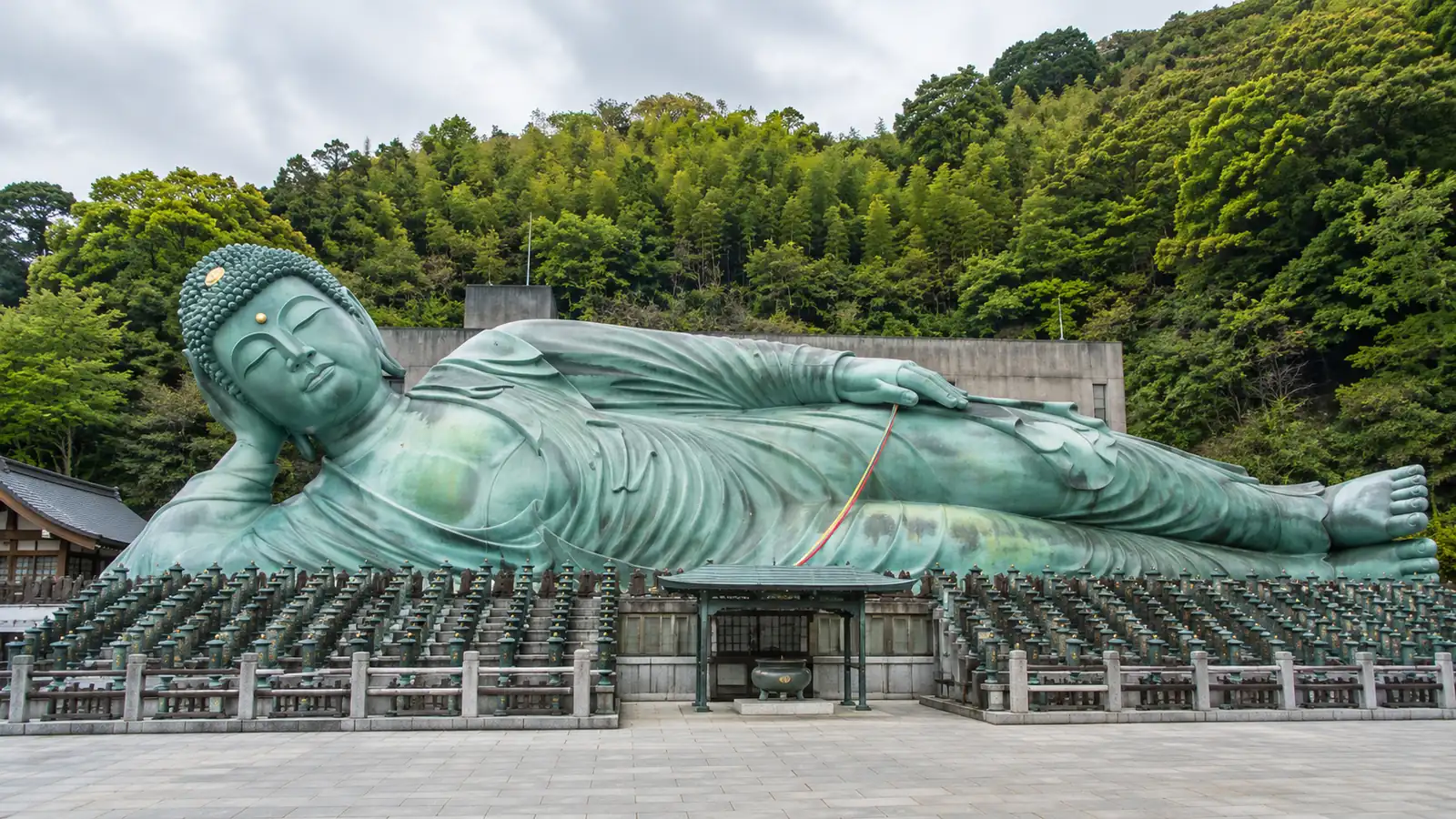
Read the photography restrictions and clothing requirements in advance, and do not assume covers will be available. If you prefer an outing with fewer religious-site considerations, turn toward the coast or canals instead.
Coastal and Canal Towns
Itoshima suits a day built around coastal stops. Yanagawa offers a slower outing centered on its waterways and local food.
Itoshima
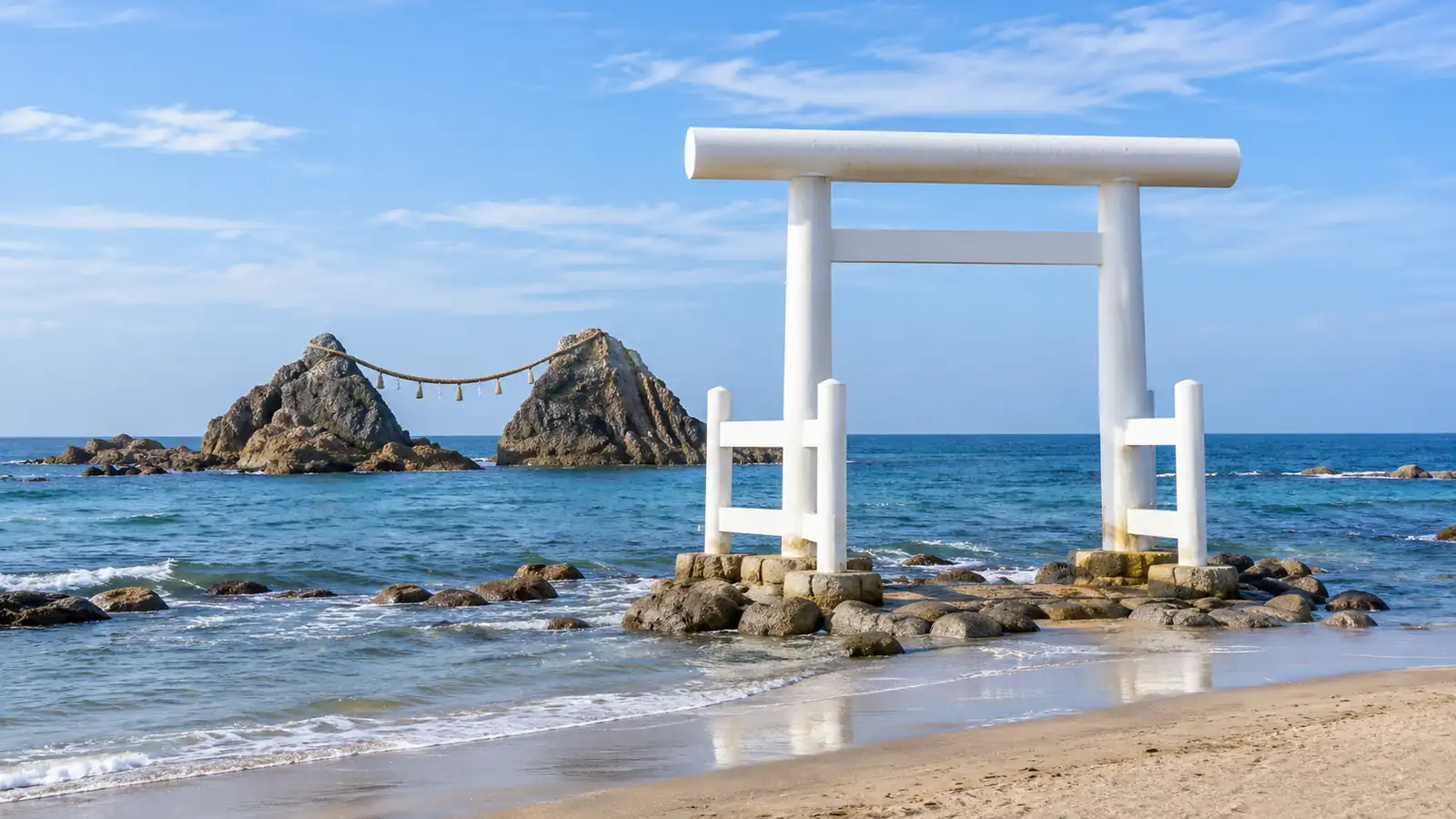
Sakurai Futamigaura, with its white torii gate and paired offshore rocks, is one of Itoshima's best-known sights. The wider area offers beaches, cafés, and places to pause along the coast.
Distances between attractions are the main planning challenge. Pick a small number of stops and check onward transport, since reaching a railway station does not put every coastal attraction within walking distance.
Yanagawa
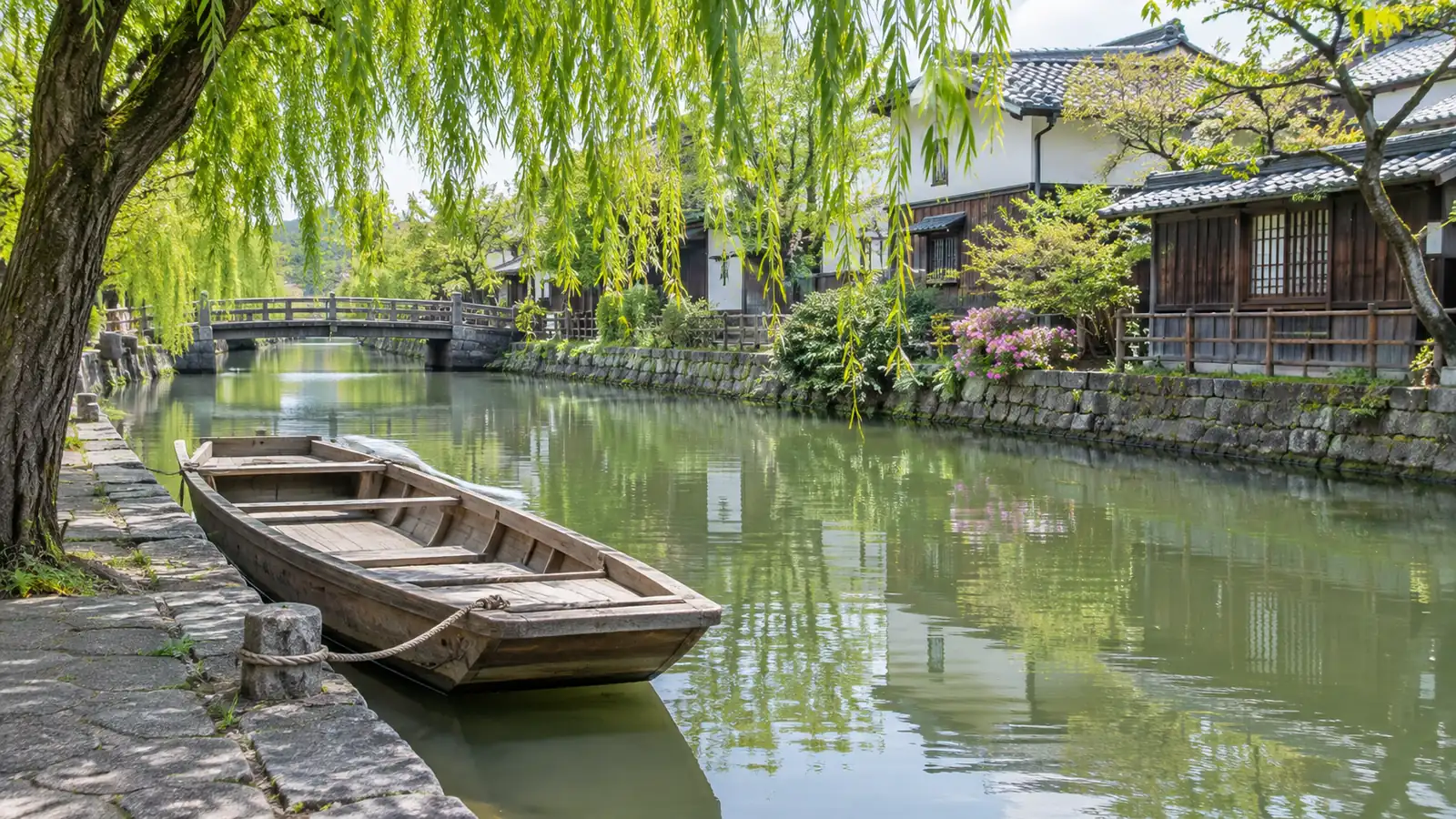
Yanagawa's canal boats let you see the town from close to water level. Pair a cruise with a local eel lunch and time walking around the surrounding streets.
Confirm the boarding point and return arrangements with your chosen operator. With your preferred excursion in mind, decide how much to fit into the rest of your stay.
Planning Your Fukuoka Trip
A good Fukuoka itinerary leaves room for meals, short walks, and changes of plan. Group nearby places together and keep weather-dependent outings flexible.
How Many Days to Spend
One full day gives you an introduction to the city. Two days allow a more balanced visit, while three days create space for an excursion or a longer bay outing.
Use this as a starting point:
Day one: Walk through Hakata Old Town, visit Kushida Shrine, browse Kawabata or Canal City, and finish with a yatai dinner.
Day two: Visit Ohori and Maizuru parks, then choose either Tenjin and Daimyo or Fukuoka Tower and Momochi.
Day three: Take one day trip, or spend longer at Uminonakamichi and another attraction that interests you.
If you add a museum or baseball game, reduce the number of other stops that day. Both are more enjoyable when you are not watching the clock.
When to Visit
Spring and autumn are sensible choices for walking, gardens, and outdoor sightseeing. Cherry blossoms and autumn colors depend on the weather, so avoid building a trip around one predicted peak date.
Summer brings heat, humidity, and major festivals, including Hakata Gion Yamakasa in July. Winter suits food-focused breaks and indoor attractions, with outdoor walks fitted around the day's conditions.
Festival periods can affect accommodation availability. Once you choose your dates, look at transport connections and accommodation together.
Getting Around
For most central sightseeing, combine walking with the subway. Fukuoka has three subway lines: the Airport, Hakozaki, and Nanakuma lines.
The airport subway station connects to the domestic terminal, with a ride of about five minutes to Hakata. International-terminal passengers need additional time for the free terminal shuttle before taking the subway.
A car is usually unnecessary for central sightseeing. Consider driving when it meaningfully simplifies a particular coastal or rural excursion.
Where to Stay
Choose your base around how you expect to spend your time:
Hakata: Convenient for rail arrivals, departures, and excursions.
Tenjin: Useful for shopping, restaurants, and evening plans.
Nakasu-Kawabata: Handy for the river, historic Hakata, and nearby dining.
Being close to a useful station often matters more than staying beside one attraction. It also makes it easier to return for a rest before dinner.
Managing Your Budget
Balance paid attractions with parks, shrine grounds, shopping streets, and waterfront walks. Check admission separately for gardens, exhibitions, and special events rather than assuming an entire site is free.
Choose transport passes after deciding your route. A subway day pass does not automatically include buses, JR trains, or private railways needed for an excursion.
Staying Connected
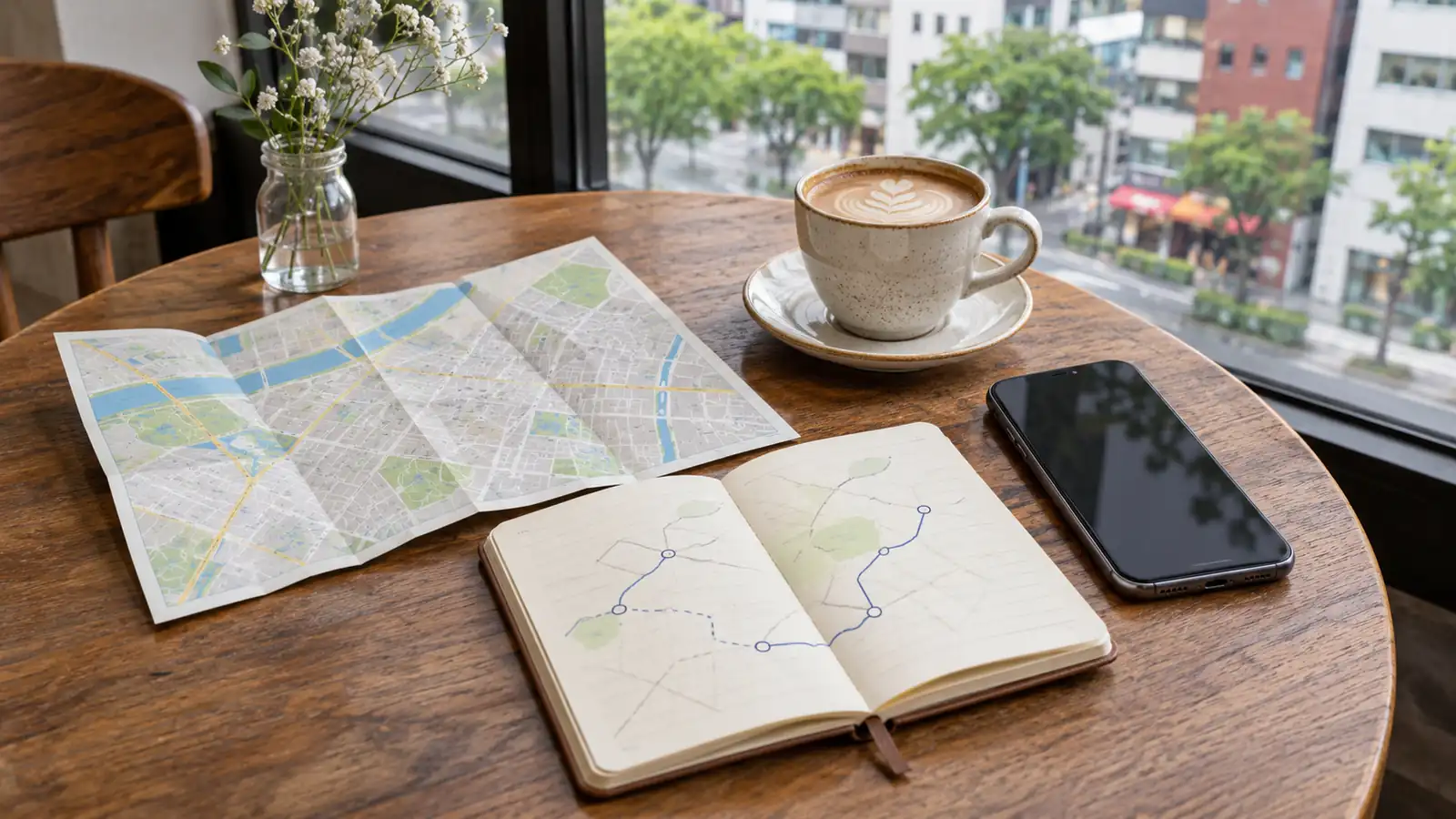
Day trips and evening walks are easier when you can check your chosen map and transport apps while moving. A travel eSIM provider such as iRoamly offers a way to arrange mobile data before the trip.
Confirm that your phone supports eSIM and is carrier-unlocked. Save your accommodation address and key tickets offline as a backup.
For data during your stay, consider an iRoamly Japan eSIM and follow the installation and activation instructions for your selected product.
Before setting out, check opening information for your main attraction and return transport for any excursion. Keep one nearby alternative in mind so rain or a closure does not require rebuilding the whole day.
Fukuoka Travel FAQs
A few practical details can make arrival and everyday sightseeing easier. These answers cover questions that may remain after choosing your route.
1. Is Hakata the same as Fukuoka?
Hakata is part of modern Fukuoka City and the name of its main railway station; the former towns of Hakata and Fukuoka merged in 1889.
2. Do I need to speak Japanese?
No, but saving addresses in Japanese and using a translation app will make restaurant visits and smaller local shops easier.
3. Can vegetarians eat local ramen?
Vegetarians should confirm the broth, sauces, and toppings individually, because a bowl topped with vegetables may still contain pork broth or fish-based ingredients.
4. Can I store luggage near Hakata Station?
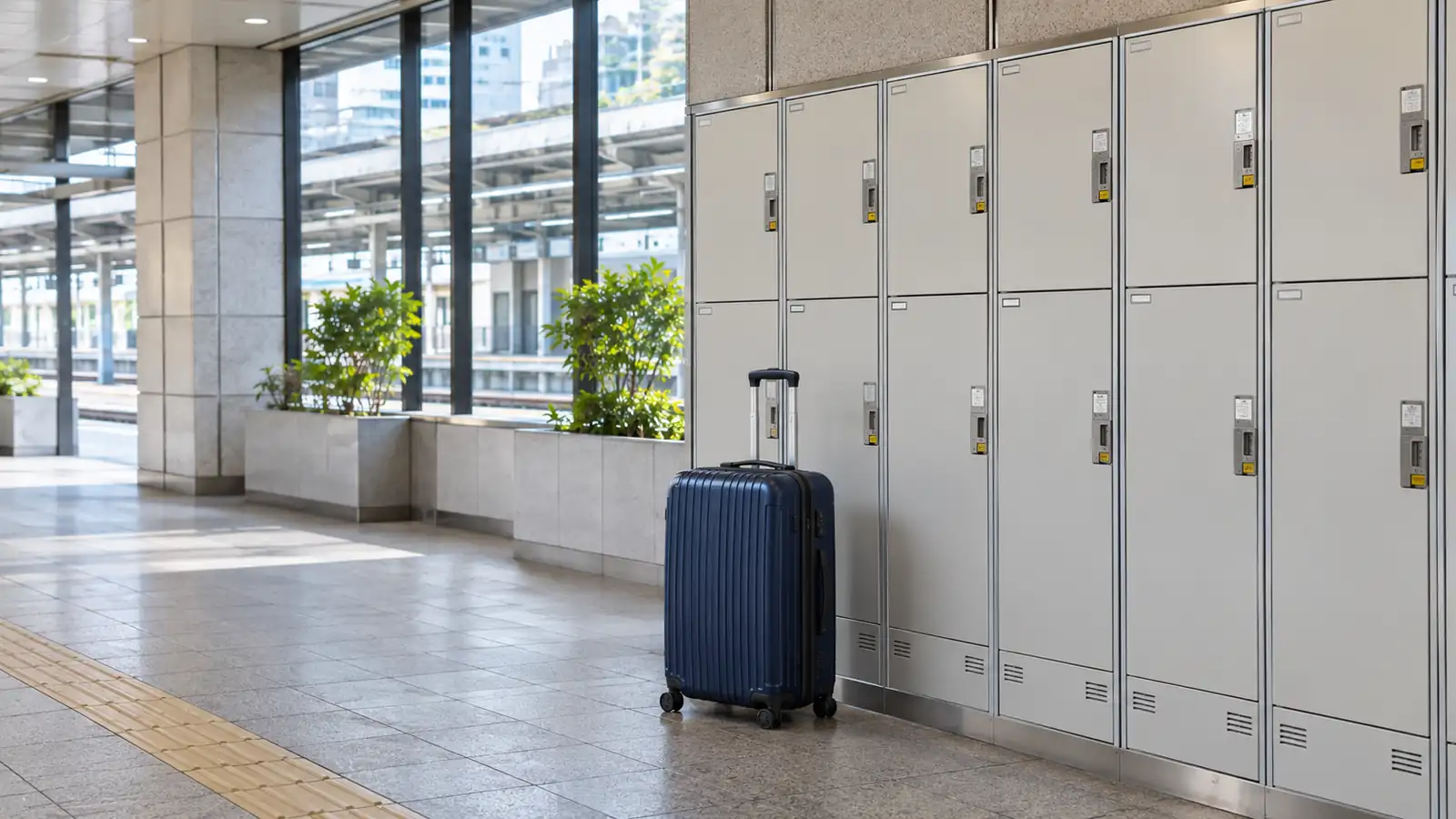
Yes, JR Hakata City provides coin lockers and a baggage-storage service, subject to available space, size restrictions, and service hours.
Conclusion
The best things to do in Fukuoka are easy to enjoy at your own pace. Start with a few attractions that interest you, then leave room for the streets, meals, and small discoveries between them.
For a first visit, two days gives you time to experience different sides of the city. Add another day for a shrine visit, a coastal outing, or a canal-town excursion that matches your interests.
You do not need to fill every hour. Leave time to sit beside the water, order another small dish, or follow a shopping street a little farther—those unplanned moments are part of what makes Fukuoka worth visiting.