
The cost of living in Japan depends more on household size, city, housing standard, and lifestyle than on a single national average. Rent creates the widest regional difference, while food and utility inflation can change a budget even when housing stays fixed.
Official household statistics are useful benchmarks, but they are not a ready-made budget for every student, worker, family, or short-term visitor. Compare like with like and keep one-time setup costs separate from recurring monthly expenses.
This guide explains housing, food, clothing, utilities, transport, and income context for realistic planning. A Japan eSIM can cover short-term mobile data while a new resident compares local contracts.
How Much Does It Cost to Live in Japan?
There is no universal monthly figure. A shared apartment in a regional city, a central Tokyo studio, and a family home produce very different totals even before food, commuting, insurance, and taxes are added.
The 2025 Family Income and Expenditure Survey reported average monthly consumption expenditure of ¥314,001 for households of two or more people. That is a national statistical average, not a minimum salary or recommended personal budget.
Use three budget layers instead:
Layer | Examples | Planning method |
|---|---|---|
Fixed | Rent, insurance, subscriptions | Confirm exact monthly contracts |
Variable | Food, utilities, transport | Use a range and seasonal buffer |
One-time | Deposit, furniture, relocation | Keep outside the monthly total |
Housing Costs: Tokyo, Osaka, and Regional Japan
Housing is usually the largest controllable expense. Central location, building age, floor area, distance from a station, furnished status, and contract fees can matter as much as the city name.
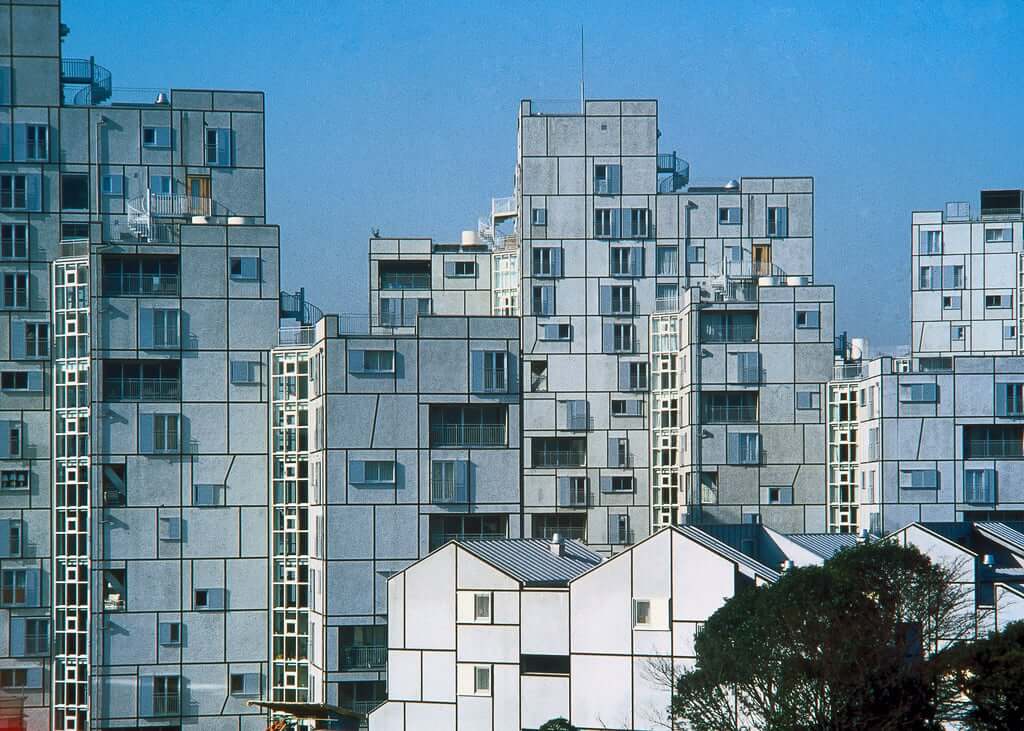
Initial move-in costs may include a deposit, key money, agency fees, guarantor charges, insurance, and the first month’s rent. Ask for a complete written estimate before judging an apartment by monthly rent alone.
Regional tradeoffs are easier to compare qualitatively:
Area type | Typical advantage | Common tradeoff |
|---|---|---|
Central Tokyo | Shorter access to jobs and services | Higher rent for less space |
Osaka urban area | Strong transport with varied rents | Popular districts still cost more |
Regional city | More space for the budget | Fewer specialized jobs |
Rural area | Lowest housing potential | Car and heating costs may rise |

Food and Everyday Grocery Costs
Food spending changes with household size, imported products, dining frequency, and access to discount supermarkets. Cooking Japanese staples is normally more economical than relying on convenience-store meals or restaurants.
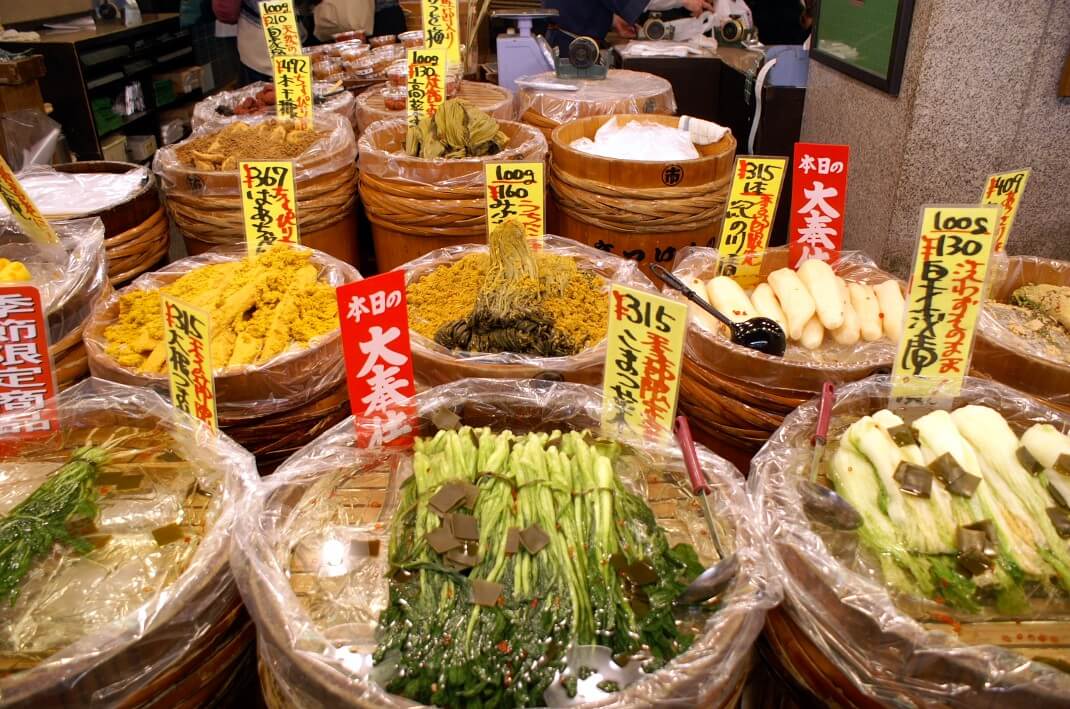
Japan’s 2025 consumer-price data showed food prices rising faster than the overall index, so older fixed budgets can become misleading. Track your own receipts for the first month and adjust categories rather than defending an outdated target.
A practical food plan separates these choices:
Category | Lower-cost approach | Cost pressure |
|---|---|---|
Groceries | Seasonal local products | Imported and specialty foods |
Lunch | Home-prepared meal or set lunch | Daily café or delivery |
Dinner | Cook several portions | Frequent restaurant meals |
Drinks | Water and home preparation | Convenience purchases |
Transport, Utilities, and Connectivity
Public transport can reduce the need for a car in major cities, but commuting cost depends on distance and whether an employer reimburses the route. Rural living may exchange lower rent for fuel, parking, and vehicle expenses.

Electricity, gas, and water vary with climate, building insulation, appliance efficiency, and household size. Winter heating in colder regions and summer air-conditioning can create seasonal peaks.
Separate arrival connectivity from long-term service. iRoamly travel eSIM plans can support maps and apartment setup during a short transition, while residents should compare local mobile and home-internet contracts for ongoing use.
Expense | Main driver | Useful check |
|---|---|---|
Rail commute | Distance and transfers | Employer reimbursement |
Electricity | Heating and cooling | Seasonal billing history |
Mobile service | Data and contract term | Activation and cancellation fees |
Home internet | Building and provider | Installation wait and equipment |
Clothing, Healthcare, and Other Monthly Costs
Clothing can remain modest when a wardrobe matches the local climate and workplace expectations. New arrivals often overspend by buying season-specific items before understanding indoor heating, humidity, rain, and commuting needs.
A practical Japan seasonal clothing guide helps identify what to bring first and what is better purchased locally after arrival.
Healthcare, pension, taxes, childcare, education, and social insurance can outweigh discretionary shopping. Eligibility and payroll deductions vary, so confirm the rules for your employment and residence status instead of using a generic expat total.
Category | Why budgets differ |
|---|---|
Clothing | Climate, workplace, and imported sizes |
Healthcare | Insurance status and household needs |
Taxes | Income, municipality, and prior-year basis |
Leisure | Travel frequency and chosen activities |
What Salary Supports a Comfortable Life?
Comfort is not a national salary number. Compare net income with rent, commute, insurance, taxes, savings goals, family obligations, and the lifestyle you expect in the specific city.
An average salary in Japan overview provides income context, but your offer should be evaluated by contract type, included bonuses, overtime, benefits, and take-home pay.
Use this order before accepting a relocation budget:
Estimate net monthly income.
Confirm rent and move-in charges.
Add insurance, tax, and pension obligations.
Price the actual commute.
Reserve savings and emergency funds.
Offer item | Question to ask |
|---|---|
Base salary | Is the figure gross or net? |
Bonus | Is it guaranteed or discretionary? |
Housing | Is allowance taxable or time-limited? |
Transport | Which commute costs are reimbursed? |
Japan Versus Other Cost-of-Living Choices
Country comparisons are useful only when they continue the same budgeting question. Currency conversion alone misses city tier, household size, public services, taxes, and the lifestyle assumed by each source.
Across major East Asian cities, housing and international lifestyle choices often drive the largest differences. A current China cost of living guide uses the same rent, food, transport, and lifestyle dimensions, making it a clearer comparison than a raw country ranking.
Japan may suit someone who values dense rail networks and predictable urban services, while China can offer lower local costs in many second-tier cities. The better choice depends on visa eligibility, job package, city, and housing expectations.
Comparison dimension | What to normalize |
|---|---|
Housing | City tier, location, size, furnishings |
Food | Local versus imported basket |
Transport | Commute distance and car need |
Income | Net pay, benefits, and currency risk |
Visitor Budget Versus Resident Budget
A tourist budget includes flights, hotels, sightseeing, and short-term transport, while a resident budget includes deposits, insurance, utilities, taxes, and recurring contracts. Mixing the two produces unreliable totals.
Travelers should use a dedicated Japan trip cost breakdown, while relocation planners should model at least the first three months separately from a stable monthly routine.
The distinction is simple:
Budget | Major costs | Time basis |
|---|---|---|
Visitor | Flight, hotel, attractions, daily transport | Per day or trip |
New resident | Move-in fees, setup, contracts | First 1–3 months |
Established resident | Rent, food, utilities, insurance | Recurring month |
FAQ
1. Is Japan expensive to live in?
It can be, but city, rent, household size, and lifestyle create wider differences than one national label suggests.
2. What is usually the largest monthly expense?
Housing is often the largest expense, especially in central urban areas and for people living alone.
3. Are official household averages a personal budget?
No. They describe surveyed households and must be adjusted for household type, city, and individual circumstances.
4. Is Tokyo always more expensive than Osaka?
Tokyo often has higher central rents, but neighborhood, apartment, commute, and lifestyle can reverse an individual comparison.
5. How much emergency savings should a newcomer keep?
Keep enough for move-in surprises, delayed pay, medical needs, and an unplanned return or relocation.
Conclusion
Japan’s cost of living is best planned as a city- and household-specific budget rather than a single national figure.
Housing, food, transport, utilities, insurance, and taxes should be modeled separately, with one-time relocation costs kept outside the recurring total.
Official statistics provide a credible benchmark, but a sustainable plan comes from verified contracts, take-home income, and a realistic buffer.