
Wondering how much it costs to live in China? If you’re thinking about moving here, staying awhile, or even picturing your life in a new culture, knowing your day-to-day expenses is essential.
From sky-high Shanghai towers to street food in Chengdu, China is home to a wide array of experiences. Living in China can be much cheaper than you think!
Having an iRoamly China travel eSIM with you ensures you stay connected without any hassle, making it easier to share your life and experiences while navigating the local costs.
So, let’s break it down and figure things out.
The cost of living: China vs Other Countries
To put the cost of living in China into context, you need to consider how it compares to the cost of living in other places.
China’s cost of living varies significantly by city, region, and lifestyle, but for the most part, it’s pretty affordable when compared to Western countries, especially for daily essentials, such as food and transportation.
In the table below, I broke down the cost of living in China versus several other places in the world.
Country | Cost of living |
|---|---|
China | $656 |
United States | $2498 |
United Kingdom | $2193 |
Canada | $1980 |
Norway | $1954 |
Austria | $1731 |
Germany | $1601 |
France | $1542 |
Croatia | $1179 |
Japan | $1135 |
South Korea | $1116 |
Turkey | $837 |
Thailand | $832 |
Vietnam | $617 |
Indonesia | $586 |
Source of the table: https://livingcost.org/cost, March 2, 2025.
Cost of Living Comparison in China's Cities
The cost of living in China varies widely by city. The largest metropolises (Beijing, Shanghai, and Guangzhou) are considerably more expensive, especially when it comes to accommodation and eating out.
Smaller cities like Chengdu, Xi’an, and Changsha, on the other hand, have much cheaper prices while still providing all the cultural and modern conveniences.
The table below shows the average cost of living in various destinations throughout China. That will help give you an idea of the differences by city.
City | Cost of living |
|---|---|
Shanghai | $1097 |
Beijing | $1016 |
Shenzhen | $916 |
Suzhou | $868 |
Hangzhou | $805 |
Guangzhou | $774 |
Nanjing | $746 |
Tianjin | $687 |
Wuhan | $656 |
Harbin | $653 |
Chongqing | $634 |
Chengdu | $623 |
Qingdao | $612 |
Xi'an | $587 |
Changsha | $577 |
Changchun | $573 |
Source of the table: https://livingcost.org/cost/china, March 2, 2025.
Detailed Breakdown of Living Costs in China
Now I want to go into each living expense category in more detail so you can budget no matter where you are.
1. Accommodation: Rent, Utilities & Housing Services
Accommodation is typically your largest cost in China, however, the cost can be quite different depending on where you are.
Rent:
Pricing is based on cities. This should give you a general start:
One-bedroom apartment in city center (Beijing/Shanghai): ¥3,000 – ¥8,000/month ($420 – $1,110)
One-bedroom apartment outside city center: ¥1,500 – ¥4,500/month ($210 – $625)
In second-tier cities, rent drops to ¥1,000 – ¥3,000/month ($140 – $420)
Utilities:
Electricity, water, gas, and garbage collection cost around ¥100 - ¥300/month ($14 - $42), depending on use. During the summer the air conditioner can be expensive. The same goes in winter with the heat.
Housing services:
Often included in rent or billed separately at ¥1 - ¥5 per square meter (that’s $0.14 - $0.70/m²).
2. Food
Chinese food is famously delicious — and cheap if you eat like a local!
Eating Out:
Local street food or small restaurants: ¥10 – ¥20 ($1.40 – $2.80) for a filling meal
Mid-range restaurant for two: ¥80 – ¥150 ($11 – $21)
Upscale dining: ¥300+ ($42+) for two people
Groceries:
If you prefer cooking at home, here’s a quick look at typical prices:
1 liter of milk: ¥12 ($1.70)
1 kg of rice: ¥6 ($0.85)
1 dozen eggs: ¥12 ($1.70)
1 kg of chicken breast: ¥25 ($3.50)
Fresh local vegetables: ¥3 – ¥6/kg ($0.40 – $0.85)
Shopping at local wet markets is generally less expensive than at international grocery stores, but imported goods (cheese, olive oil) were pricey.

On many occasions, I found that it was actually cheaper to eat out in Chinathan cook for myself, particularly in smaller towns!
3. Transportation
Getting around in China is surprisingly affordable.
Public Transport:
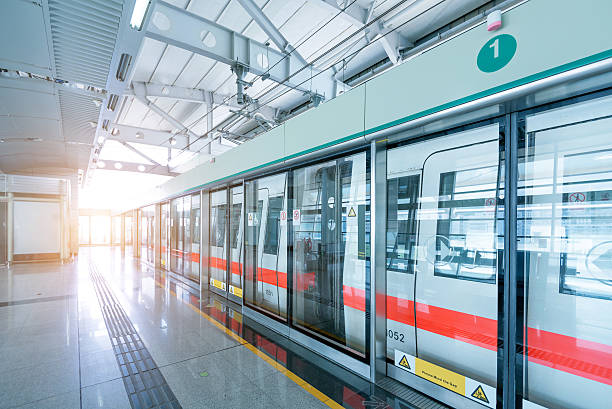
Metro ticket (depends on distance): ¥2 – ¥6 ($0.30 – $0.85)
Monthly metro pass (in some cities): ~¥150 ($21)
Bus fare: ¥1 – ¥3 ($0.14 – $0.42)
Didi (Chinese Uber): ¥10 – ¥30 per ride ($1.40 – $4.20)
Taxi base fare: ¥10 – ¥14 ($1.40 – $2.00)
Intercity Travel:
High-speed train (e.g., Beijing to Shanghai): ¥550 – ¥1,000 ($76 – $140)
Domestic flights (one-way): ¥300 – ¥1,200 ($42–$170)
4. Clothing
China has everything from affordable streetwear to luxury boutiques.
Local T-shirt: ¥50 – ¥100 ($7 – $14)
Local brand jeans: ¥150 – ¥300 ($21 – $42)
Branded sneakers (e.g., Nike, Adidas): ¥600 – ¥1,000 ($83 – $140)
Winter coat: ¥300 – ¥600 ($42 – $83)
Shopping online via platforms like Taobao or JD.com can save you quite a bit.
5. Daily Life & Entertainment
Living in China isn’t all about the necessities — it’s also a place where you can enjoy life!
Mobile phone plan: Around ¥50 – ¥150 RMB/month ($7 – $21 USD), depending on your data usage.
Gym membership: Prices range from ¥100 – ¥400 RMB/month ($14 – $56 USD), based on location and gym type.
Cinema ticket: ¥35 – ¥80 RMB ($5 – $11 USD).
Night out: A cocktail or beer might cost ¥40 – ¥80 RMB ($6 – $11 USD) at most city bars.
Entertainment in China is quite affordable, especially compared to Western countries.
Average Salary for a Comfortable Life in China
In terms of the cost of living in China, one of the most crucial denominators is how much you’ll need to make to live a good life.
The average wage depends on which part of the country you’re in, as living costs differ widely from smaller cities to larger ones such as Beijing, Shanghai, or Shenzhen.
To live a little better in the first-tier cities such as Beijing, Shanghai, and Guangzhou, you’ll probably want to get paid 15,000 - 20,000 RMB ($2,200 – 2,900 USD) per month.
This amount should allow you to rent a nice flat, eat out a few times a week, pay for your transportation, enjoy the occasional night out, and buy most of the things you need with ease.
In smaller cities or more rural areas, the cost of living is lower, so a salary of around 8,000 to 12,000 RMB ($1,100 - $1,700 USD) is a “comfortable” amount.
These regions frequently have cheaper accommodation and less daily spending, allowing you to get more for your money.
FAQ
1. Is China a good place to retire in terms of cost of living?
Sure. While China doesn’t have retirement visas, some retirees do make their home in China for an extended period on other visas. It’s affordable, with good infrastructure too, making it a cheap place to retire.
2. Is tipping expected in China?
No, tipping is not a regular part of Chinese culture, including in restaurants and taxis. Tipping is expected in some higher-end establishments but is not the norm.
3. Are luxury goods and electronics cheaper in China?
Chinese electronics (like Xiaomi or Huawei) are affordable, making them great souvenirs from China. However, Apple and other luxury brands are often pricier due to import duties.
Conclusion
Living in China is a blend of modern and traditional, offering a rich culture and plenty of history. It’s also cheap compared to the West. But while prices do fluctuate by city, and by personal lifestyle, costs are manageable and generally quite low.
Whether you visit for a year or a lifetime, understanding price always means you’ll have a better time. With a decent budget, not only can you live life to the fullest in China — you can comfortably sustain it.