
The best things to do in Kobe combine harbor walks, hillside gardens, historic neighborhoods and a memorable meal. With the Rokko Mountains behind it and Osaka Bay in front, the city offers plenty beyond its famous beef.
A day trip works well for central Kobe, while an overnight stay gives you room for sake breweries, mountain views or Arima Onsen. The key is choosing an outing that fits your time instead of trying to cover the entire city.
These 17 recommendations cover the waterfront, cultural sights, nature, food and shopping, followed by practical routes for one or two days. Use them to build a trip around your interests, the weather and the experiences worth booking ahead.

Explore Kobe’s Waterfront
Meriken Park and Harborland face each other across the harbor, making this the easiest area for an unhurried afternoon that continues into the evening. Motomachi is convenient for approaching the park; JR Kobe Station is useful for leaving from Harborland.
1. Walk Through Meriken Park
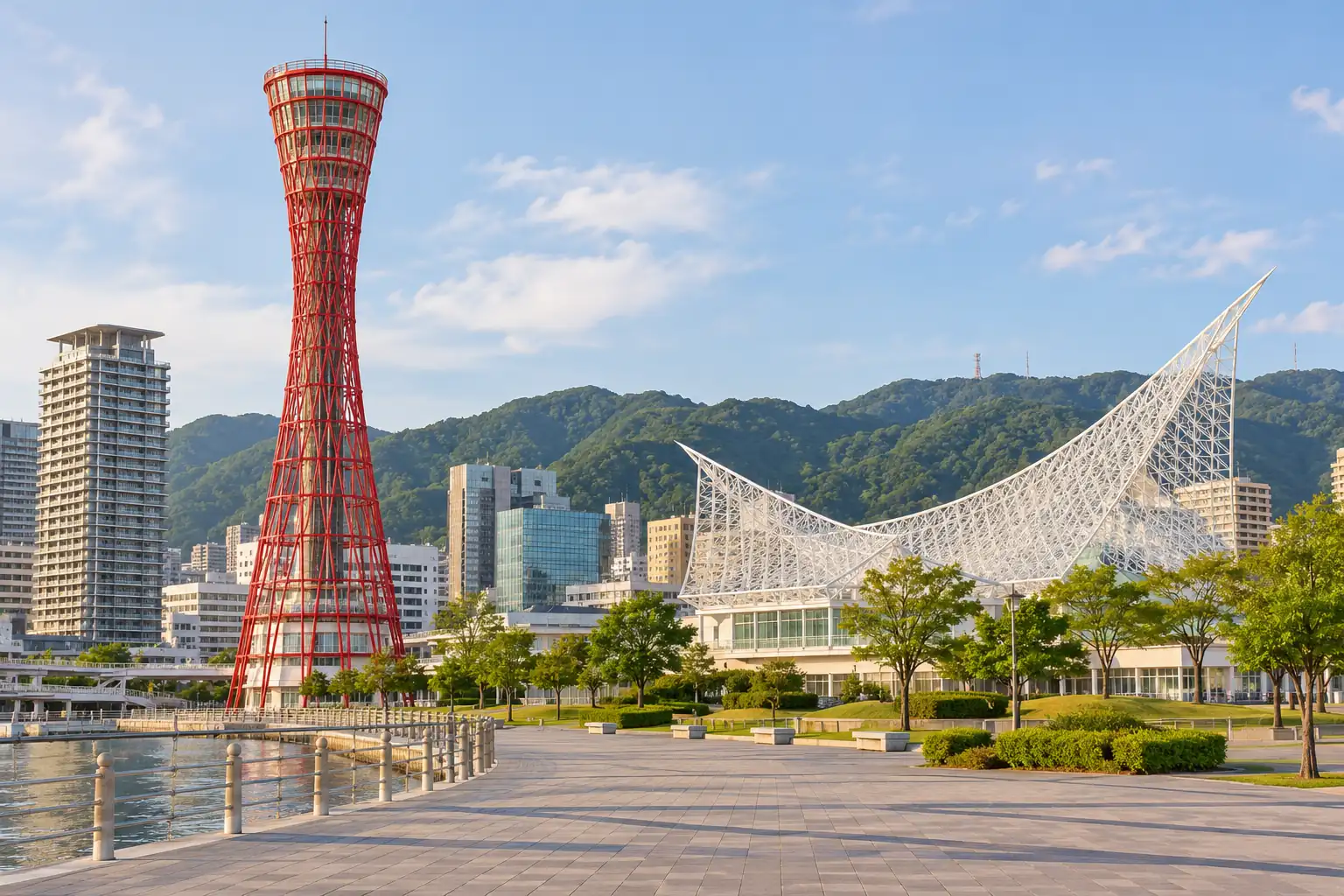
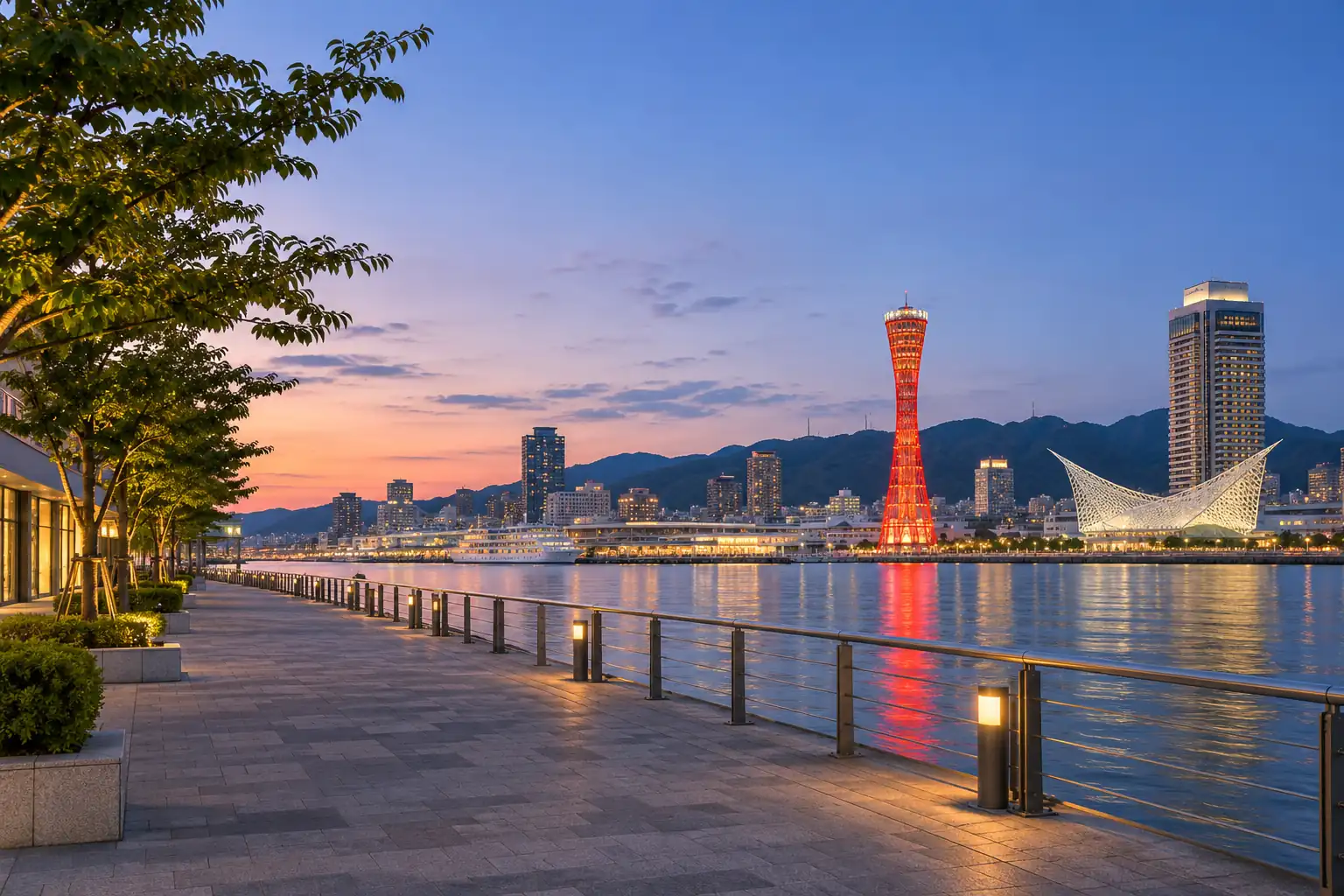
Meriken Park brings together Kobe’s red Port Tower, the Maritime Museum’s white sail-like roof and the BE KOBE monument. Walk along the water for the skyline views, then stop at the preserved damaged quay in the Port of Kobe Earthquake Memorial Park.
Allow roughly 45–60 minutes as a planning estimate, longer if you want to linger by the bay. The outdoor park is free, so it also works well if you are keeping paid attractions to a minimum.
2. See the City From Kobe Port Tower
Kobe Port Tower gives you a compact overview of the city’s setting: working port, tightly packed streets and mountains rising behind them. A late-afternoon slot lets you watch the harbor lights appear if the timing suits that day’s sunset.
Standard adult admission is ¥1,000 for the observation area, or ¥1,200 including the rooftop; check the current ticket options before booking.
Ordinary admission uses a specified date and time. Same-day tickets depend on remaining availability, so reserve popular slots through the Port Tower ticket page.
The rooftop requires stairs and may close in poor weather. Travelers who need step-free access should check the indoor observation-area arrangements separately.
3. Spend the Evening at Harborland
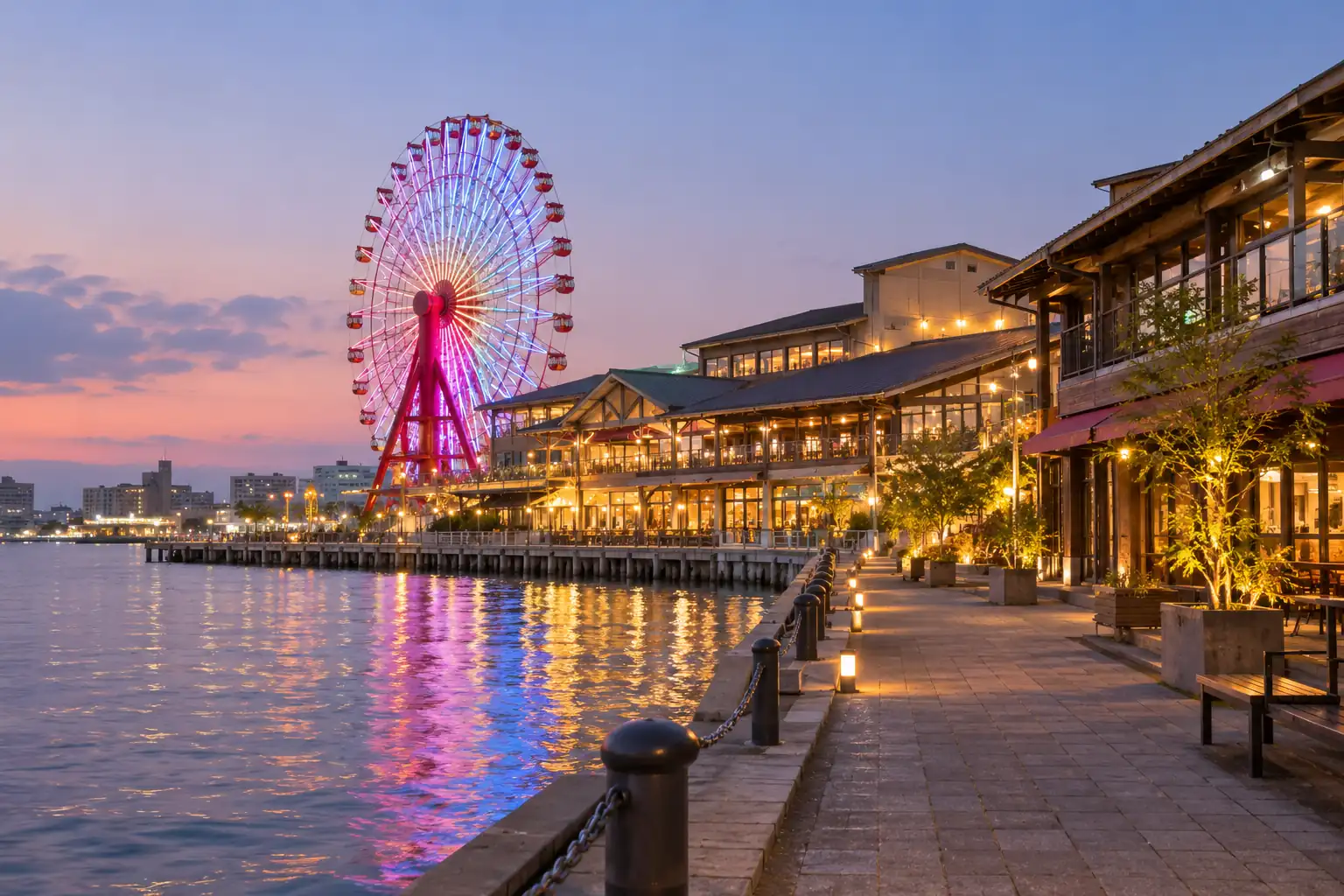
Harborland is a good choice for waterfront dining, the illuminated Mosaic Ferris Wheel and views back toward Port Tower. The broad promenades suit a relaxed evening better than another tightly timed sightseeing stop.
Browse the umie complex for clothing, everyday accessories and character goods, then choose dinner around Mosaic if you want a harbor outlook. If the restaurant view matters, check the seating arrangement before reserving rather than assuming every table faces the water.
4. Take a Kobe Harbor Cruise
A cruise shows how close the mountains sit behind Kobe’s port and gives a different perspective on the waterfront architecture. Choose a short sightseeing sailing if the view is your priority, or a meal cruise if you want the boat trip to replace lunch or dinner.
Check the actual pier, route and duration for your sailing: departures around the Port Tower side and Harborland are not interchangeable. Reserve dining cruises ahead, and keep some flexibility for weather-related changes.
Visit Kobe’s Cultural Sights
Kobe’s cultural stops offer different ways to understand the city, from its international trading past to the recovery after the 1995 earthquake. Pick the places that interest you most; the earthquake museum needs a separate journey east of the central sightseeing area.
5. Explore the Kitano Ijinkan District
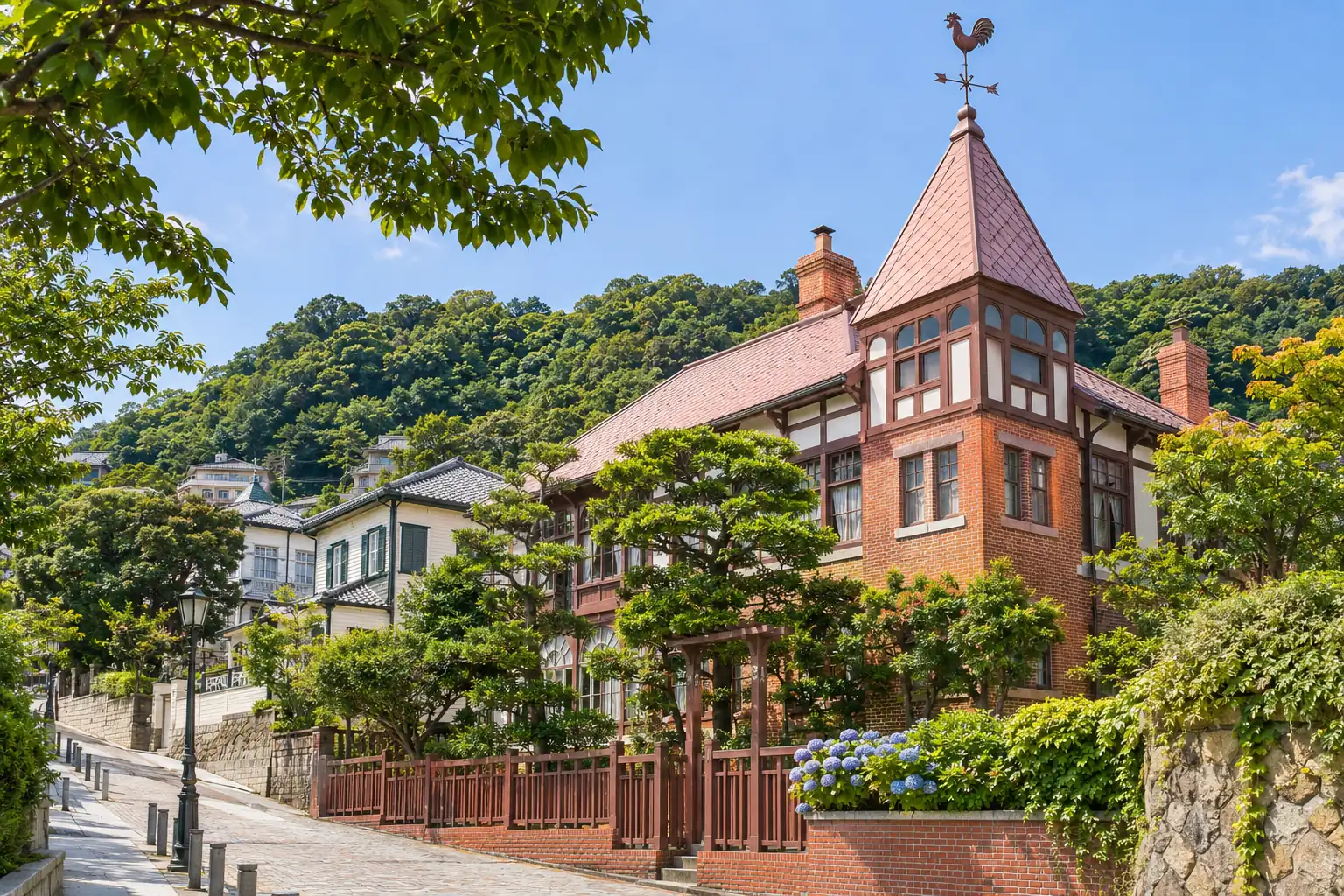
Kitano’s sloping streets contain former foreign residences known as ijinkan, with verandas, bay windows and brick chimneys. The red-brick Weathercock House is a recognizable landmark, but the neighborhood’s appeal also comes from simply walking between the houses.
Choose one or two interiors that appeal to you rather than buying a multi-house ticket before seeing what it covers. Budget around 60–90 minutes for a modest visit, and expect slopes and steps; checking individual building access is worthwhile if mobility is a concern.
6. Pause at Ikuta Shrine
Ikuta Shrine is a convenient cultural stop near Sannomiya, with a vermilion gate, shrine buildings and a wooded area behind the main hall. It is associated with relationships and connections, making its charms and fortune slips particularly popular.
The main grounds are free to enter. A short visit pairs easily with Kitano or lunch downtown; give worshippers space and follow any photography restrictions around ceremonies.
7. Slow Down in Sorakuen Garden
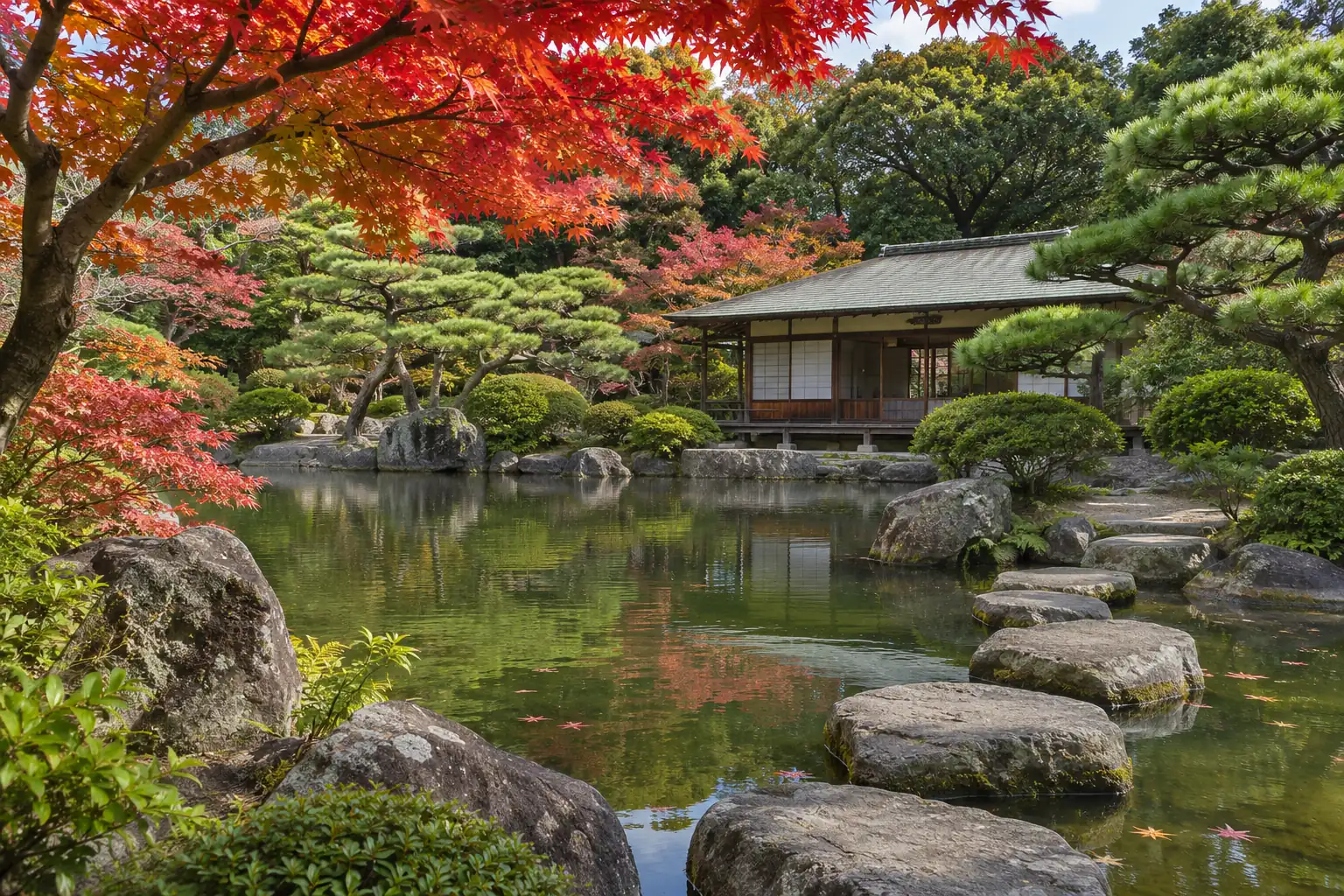
Sorakuen is a traditional strolling garden with a central pond, stone bridges and carefully shaped trees. Choose it for a quieter garden visit, especially when spring azaleas or autumn leaves add color.
Adult admission is ¥300, with regular hours of 9:00 a.m.–5:00 p.m. and last entry at 4:30 p.m. It normally closes on Thursdays, with holiday and seasonal exceptions; allow about 45–60 minutes and approach from Kencho-mae or Motomachi.
8. Learn About the Earthquake and Recovery
The Disaster Reduction and Human Renovation Institution in HAT Kobe explains the Great Hanshin-Awaji Earthquake and the region’s rebuilding through exhibits, testimony and disaster-preparedness activities. It adds context to the small preserved quay you can see at Meriken Park.
Set aside about two hours as a planning allowance, plus travel time, and check the museum calendar before going because Monday closures and holiday substitutions apply. Some immersive earthquake exhibits may be intense for younger children.
Enjoy Mountain Views and Hot Springs
For an easy addition to a city visit, stay near Shin-Kobe for Nunobiki. For a larger outing, choose the mountain viewpoints or Arima Onsen and leave enough time for transfers.
9. Ride Up to Nunobiki Herb Gardens
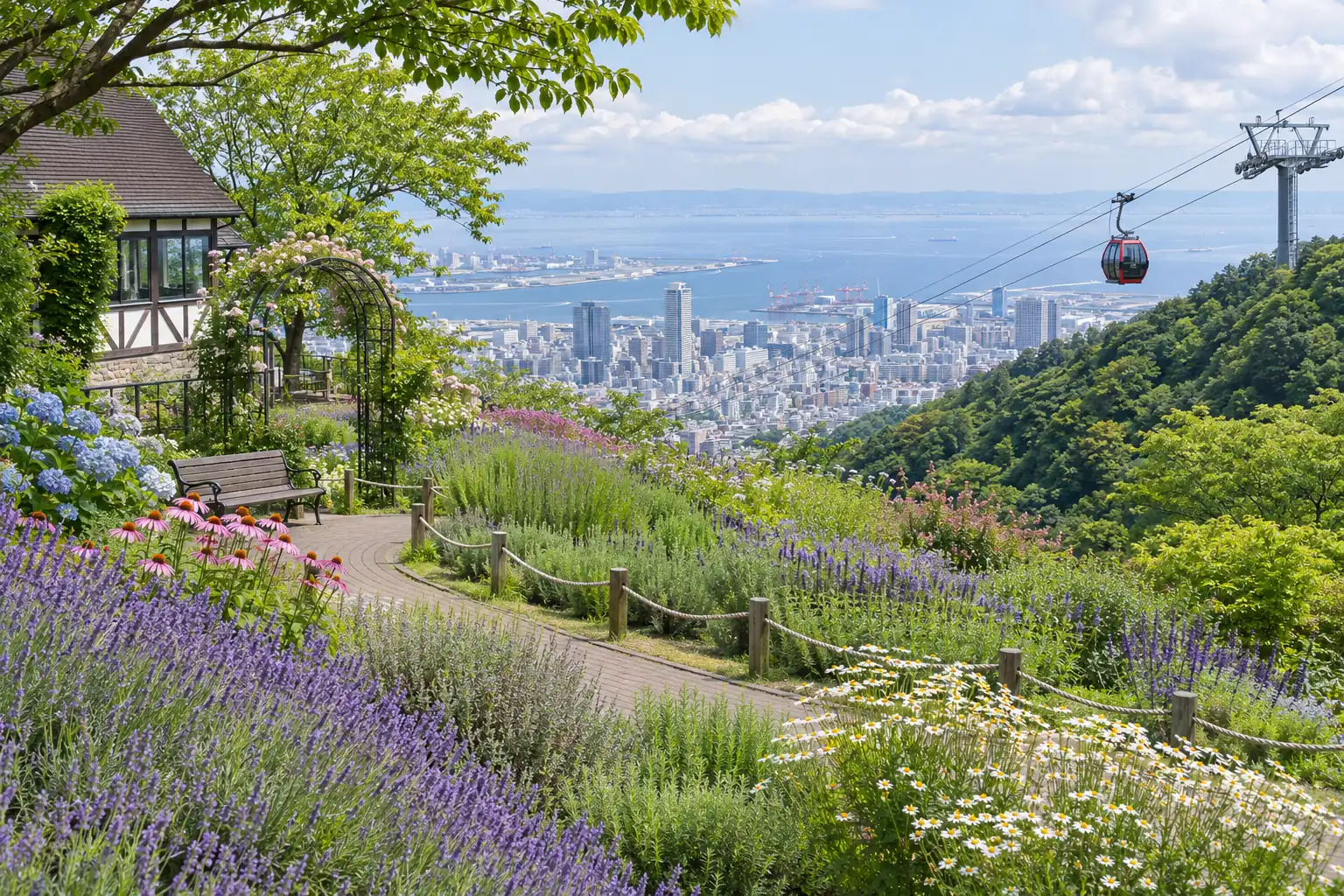
The Nunobiki Ropeway starts near Shin-Kobe Station and climbs to gardens overlooking the city and bay. Seasonal flower beds, herb planting and hillside paths make this a good option when you want scenery without committing to a long mountain hike.
A useful plan is to ride to the upper station, walk downhill through the gardens and return from the intermediate station. Allow two to three hours, including the ride, walking and a break.
Garden access and evening opening areas vary by season, and maintenance or strong winds can interrupt service. Check the current ropeway schedule and fares, especially during the Christmas season.
10. Walk to Nunobiki Falls
The forest trail behind Shin-Kobe reaches the Nunobiki waterfalls surprisingly quickly for such an urban starting point. It is a rewarding free option if you prefer trees and running water to a paid garden visit.
Allow around an hour for a short out-and-back walk with stops; continuing uphill toward the reservoir or gardens makes it a longer outing. Wear shoes with grip, expect steps and uneven ground, and leave this route for another day after heavy rain or when paths are closed.
11. Choose a Mountain Viewpoint
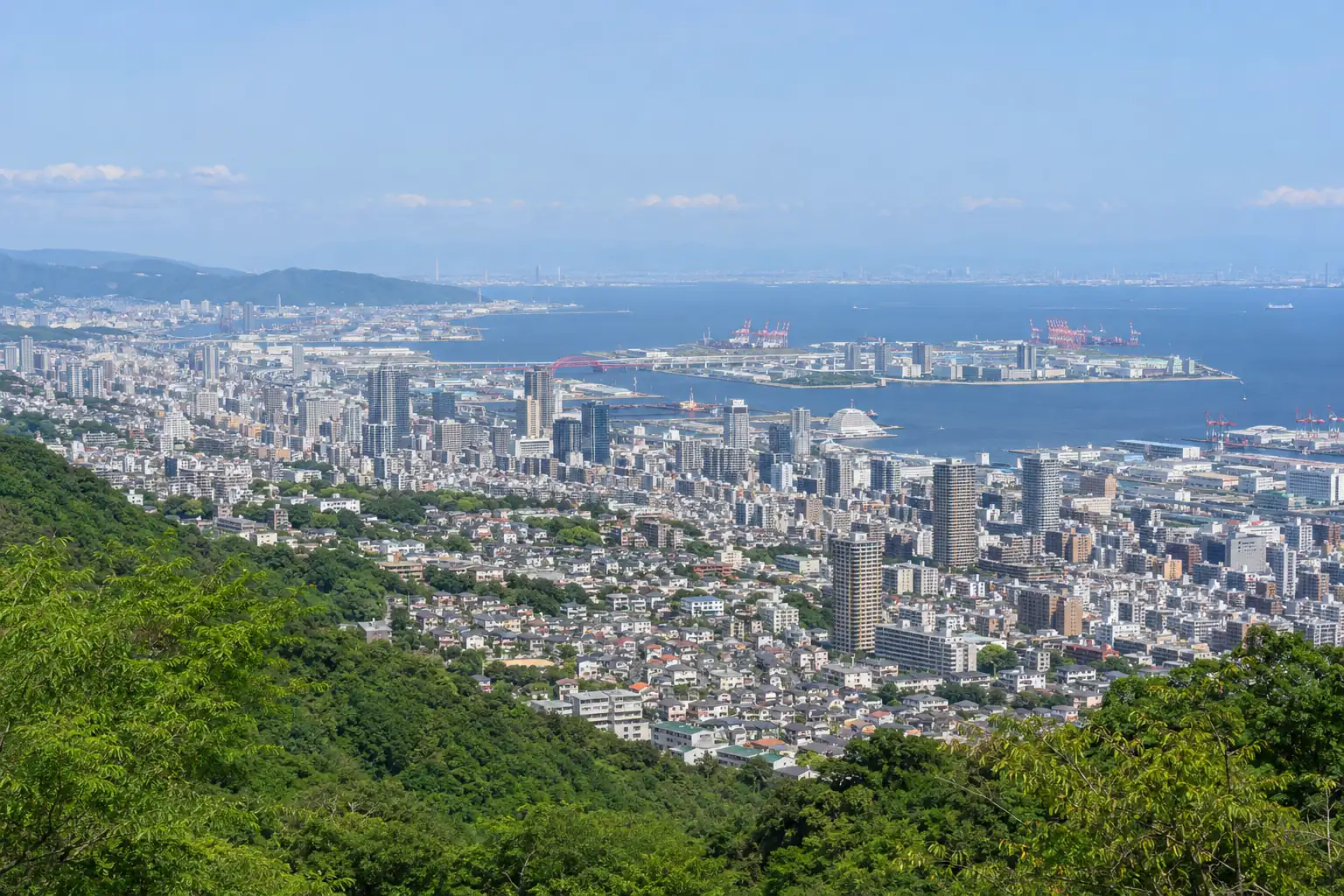
Mount Maya’s Kikuseidai observation platform is a classic choice for a wide view of Kobe and Osaka Bay. Access commonly combines a bus to the foothills with the Maya Cable and Maya Ropeway, so it takes more planning than the Nunobiki ride.
Rokko Garden Terrace is an alternative if you want to combine viewpoints with other Mount Rokko attractions. Its access uses the separate Rokko Cable and mountain bus network; the Nunobiki Ropeway does not take you directly there.
Choose a clear day; low cloud can hide the view even when the city below looks bright.
For an evening visit, check the last downhill service before committing to dinner or sunset. Night operations vary by day and season.
Bring an extra layer for the exposed viewpoints and check operating notices before leaving central Kobe.
12. Soak and Stroll in Arima Onsen
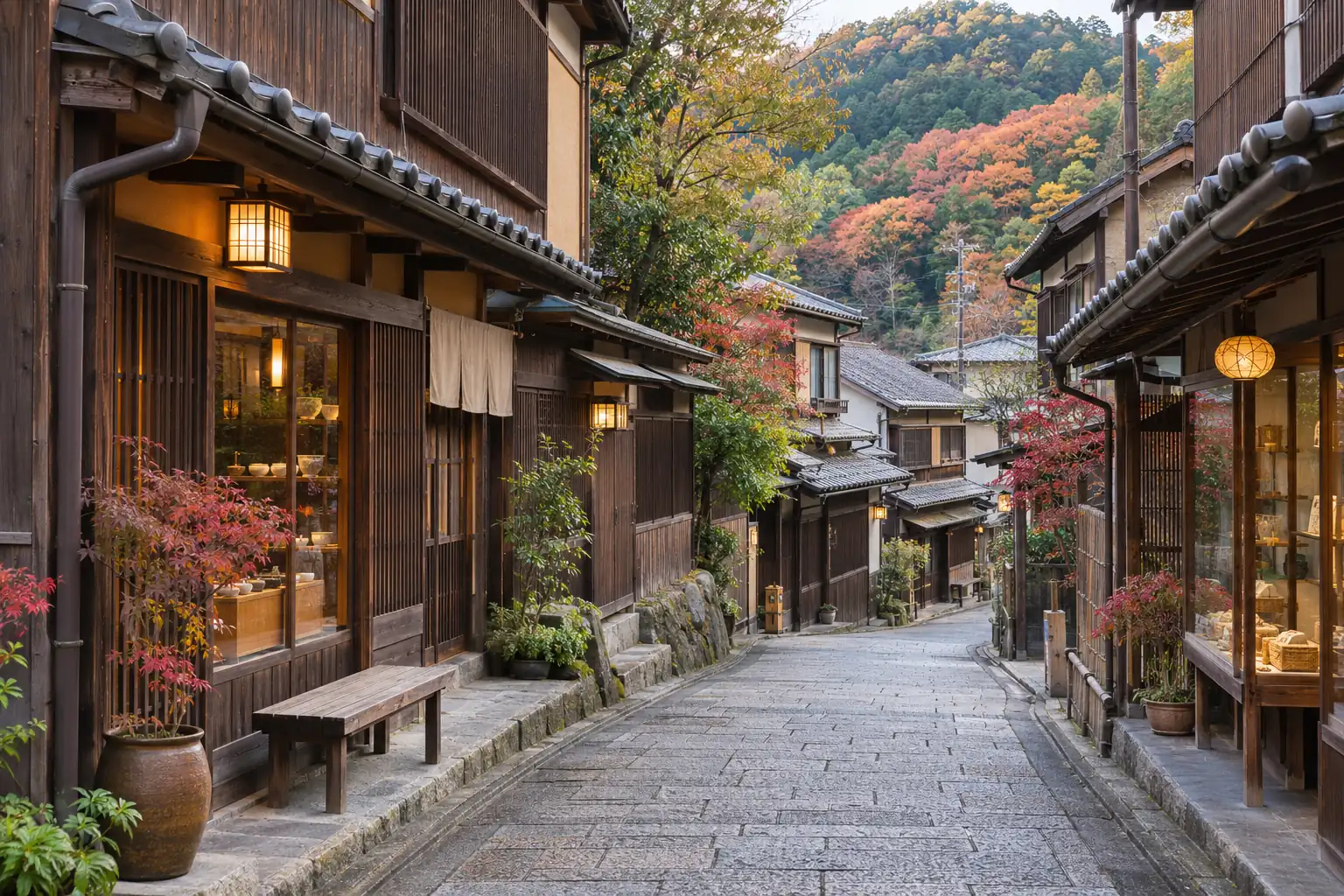
Arima Onsen lies beyond the mountains within Kobe’s city limits, but it feels like a separate hot-spring getaway. Visit for the bronze-colored kinsen water, a public bath and a stroll through the compact old streets.
Kin no Yu offers the golden-water experience, while Gin no Yu is associated with the clear silver spring. Public bathing is usually communal and separated by gender; if you want a private bath, book a property that specifically offers one.
Give Arima at least a half-day including travel, or stay overnight in a ryokan. Buy light, crisp tansan senbei crackers or local carbonated cider along the shopping streets, protecting the crackers from being crushed in your bag.
Direct buses from Sannomiya or Shin-Kobe avoid the mountain transfers; check the current timetable and reservation requirements. If you choose the scenic Rokko–Arima crossing, check the complete bus, cable-car and ropeway connections before setting out.
What to Eat and Drink in Kobe
Make room for both a planned meal and casual tasting stops. A beef reservation, Chinatown snacks and a brewery visit serve very different appetites, so spacing them across two days often works better than squeezing them into one afternoon.
13. Book a Certified Kobe Beef Meal
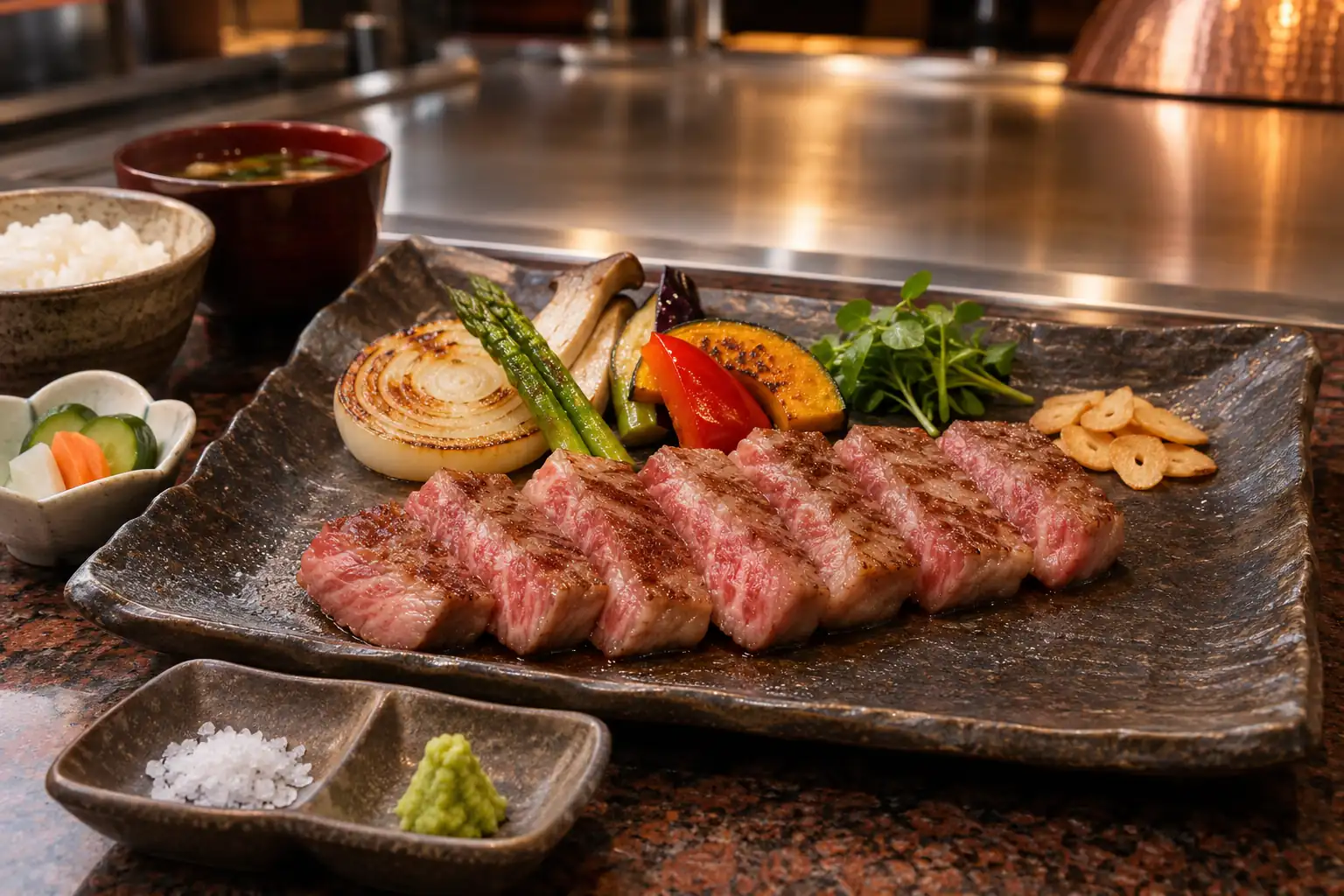
For beef eaters, a teppanyaki meal is a memorable Kobe experience: you can watch the meat cooked at the counter and compare cuts. Kobe beef is a certified product from qualifying Tajima cattle raised in Hyogo; the word wagyu alone does not mean the menu offers Kobe beef.
Compare menus for the certification, cut, portion size and included courses. Lunch sets can be a useful way to control the total spend, but check the actual menu rather than assuming every lunch includes the same meat as dinner.
Sannomiya and Kitano are convenient areas to look for a steakhouse. Reserve a small counter restaurant ahead, and check whether tax, service and drinks are included before confirming your choice.
14. Taste Your Way Around Nankinmachi
Nankinmachi, Kobe’s Chinatown beside Motomachi, is ideal for a casual food stop. Start with a steamed pork bun, then choose dumplings, a duck wrap or another small portion that leaves room to try a second stall.
Visit around lunchtime or earlier in the afternoon if food is the main reason you are coming; individual businesses keep their own hours. Eat beside the stall or in designated spaces, and return packaging to the seller when permitted.
If you have a reserved beef meal, keep Chinatown to a snack stop rather than arriving already full. Visitors avoiding meat should check fillings and stocks carefully, even when a dish looks vegetable-based.
15. Visit a Nada Sake Brewery Museum
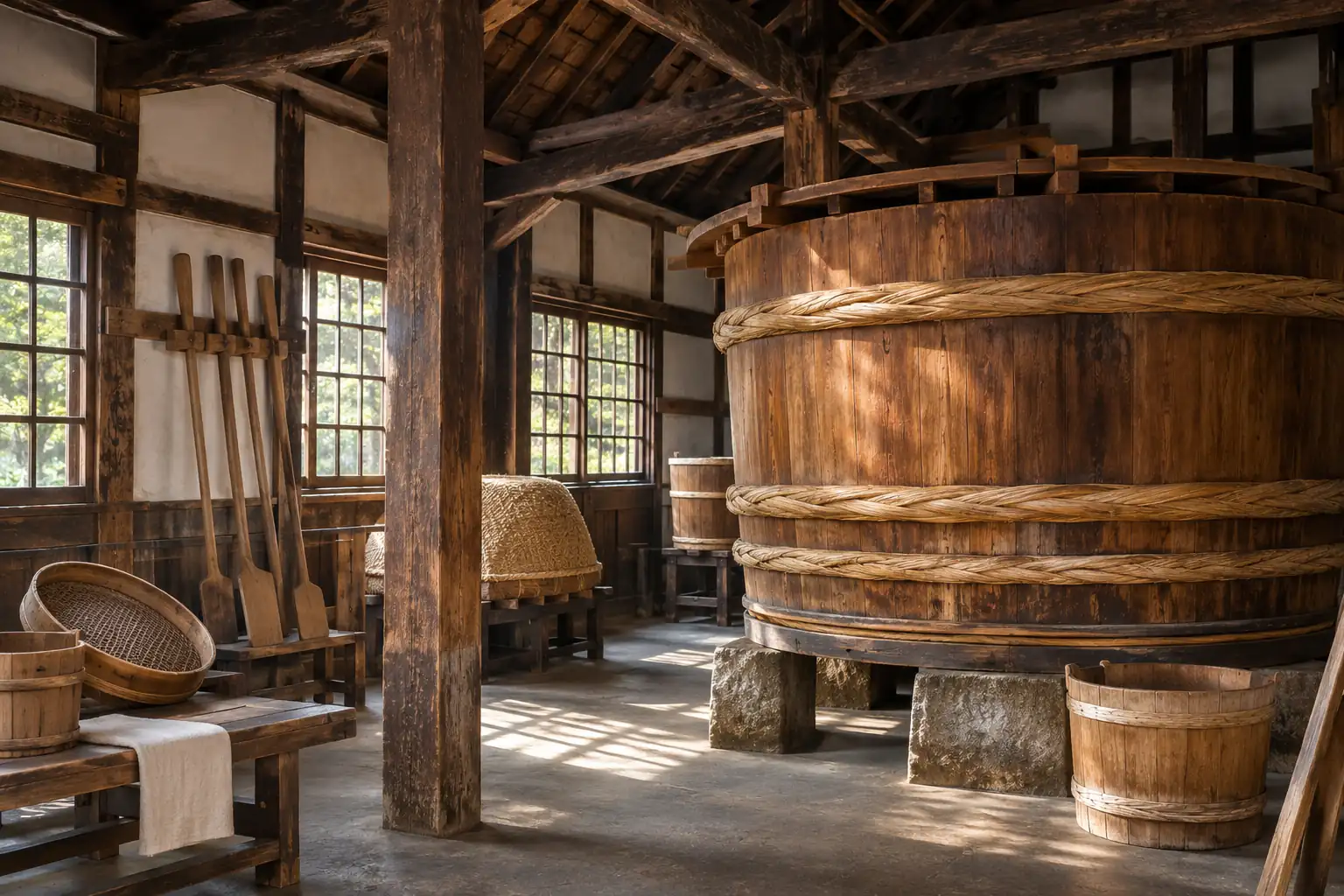
Nada’s brewing district is a worthwhile detour for learning how sake is made, with traditional tools, old brewhouses and tasting opportunities. Hakutsuru Sake Brewery Museum is an approachable first stop, with displays explaining the brewing process and a shop for bottles and gifts.
Admission is free; its published hours are 9:30 a.m.–4:30 p.m., with entry ending at 4:00 p.m. Hanshin Sumiyoshi Station is about five minutes away on foot, and summer and New Year closures mean you should check the calendar.
Choose one or two breweries and map the walks between them rather than treating the whole district as one compact complex. For bottles to take home, ask about storage, use protective packing and check your airline’s baggage rules.
Where to Shop in Kobe
Motomachi and the neighboring Former Foreign Settlement fit naturally between a downtown meal and the waterfront. They are especially useful when you want food gifts without a separate shopping excursion.
16. Browse Motomachi Shopping Street
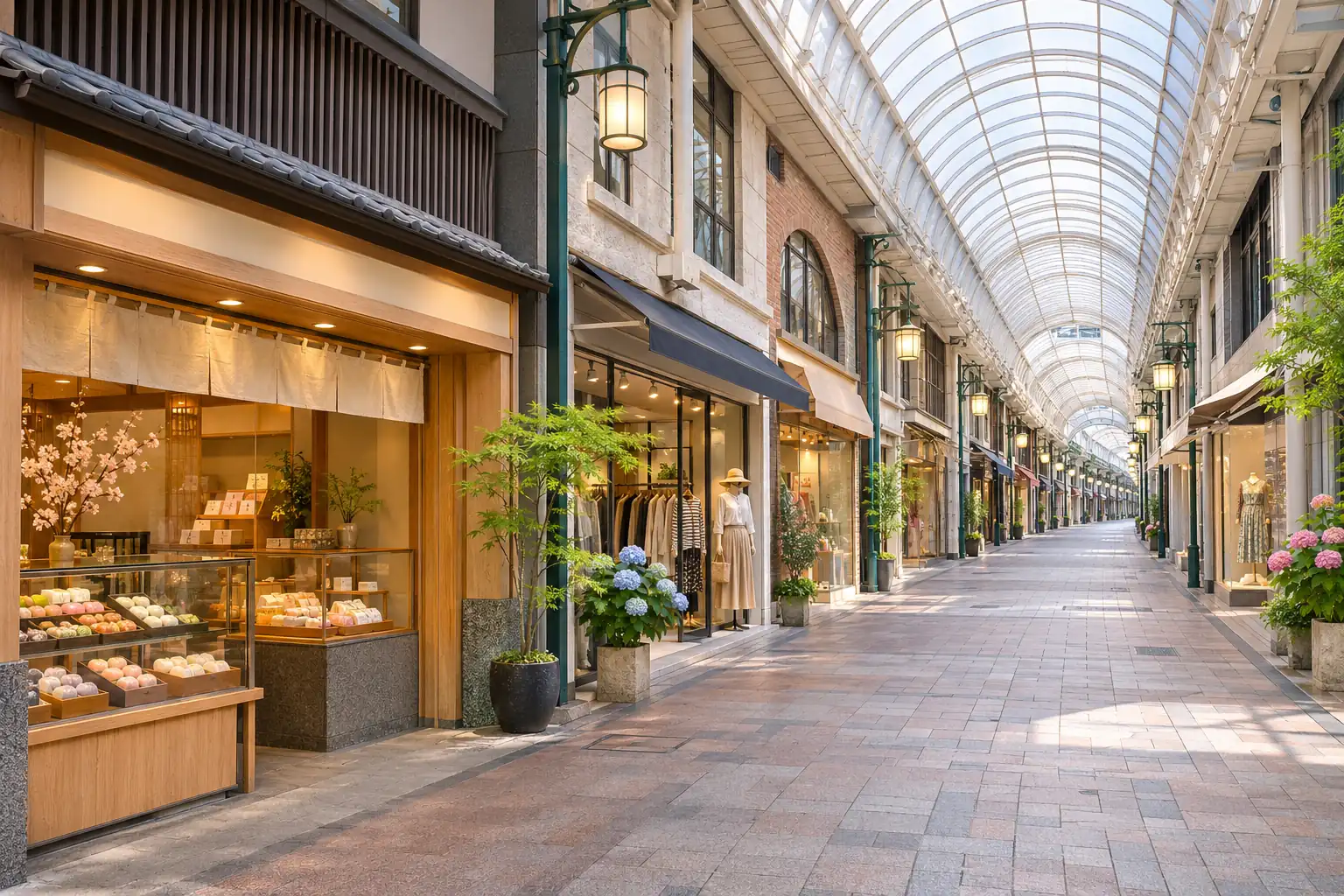
Motomachi’s covered arcade mixes longstanding businesses with clothing, accessories, cafes and specialty shops. Look for Kobe-style Western confectionery, packaged biscuits, tea and practical fashion items rather than expecting every storefront to sell souvenirs.
For gifts, favor sealed baked goods with an expiry date that comfortably covers your journey. Fresh pastries are better bought for eating that day, and individually wrapped sweets are easier to share at home.
17. Pick Up Food Gifts at Daimaru Kobe
Daimaru Kobe, beside the Former Foreign Settlement, is convenient for comparing food gifts in one place. Look for Kobe Fugetsudo’s gaufre wafers in the basement food hall, alongside boxed cakes, chocolates and Japanese sweets, or choose a prepared meal for your accommodation.
Check whether a product needs refrigeration before buying it for a long train ride or flight. After shopping, walk through the surrounding stone-fronted streets for a look at the district’s trading-era character.
Plan Your Kobe Itinerary
A central-city route works well on foot with a few transit connections. The more distant museums, breweries and hot springs are best treated as choices that shape the day.
A One-Day Kobe Route
For a first visit, start near Shin-Kobe and work downhill toward the harbor. The following is a suggested pace, with time allowances rather than guaranteed travel times.
Spend the morning at Nunobiki Herb Gardens, allowing two to three hours. If you prefer a free walk, choose Nunobiki Falls instead.
Walk through Kitano for about an hour, choosing a house interior only if it particularly interests you.
Have lunch near Sannomiya, then make a brief stop at Ikuta Shrine. If lunch is your Kobe beef experience, reserve it in advance.
Continue toward Motomachi and Nankinmachi for a snack or shopping stop, then walk down to Meriken Park.
Finish at Harborland around dusk, with Port Tower as an optional booked stop. Leave the cruise for another visit if queues or a long lunch have used up your afternoon.
If that feels busy, drop the herb gardens and begin in Kitano. Arima Onsen or a full Mount Rokko outing would replace a substantial part of this route.
How to Use a Second Day
Choose Arima Onsen for a slower half-day or longer, returning to Kobe for dinner. Alternatively, combine a morning brewery visit in Nada with the earthquake museum in HAT Kobe, or spend the day around Mount Rokko.
Sannomiya is a convenient overnight base for dining and transport. Stay by the waterfront if the harbor atmosphere matters most, or in Arima if the ryokan and bathing experience is the main reason for staying.
Getting to and Around Kobe
JR Sannomiya and the neighboring Kobe-Sannomiya stations serve the central city; Shin-Kobe is the Shinkansen station and the starting area for Nunobiki. JR Kobe Station is farther west, near Harborland, so check which station your route actually needs.
From Osaka, regular rail services to Sannomiya are often the simplest option for downtown sightseeing. From Kyoto, compare a direct JR Special Rapid journey with a Shinkansen trip to Shin-Kobe, accounting for the transfer to your first stop.
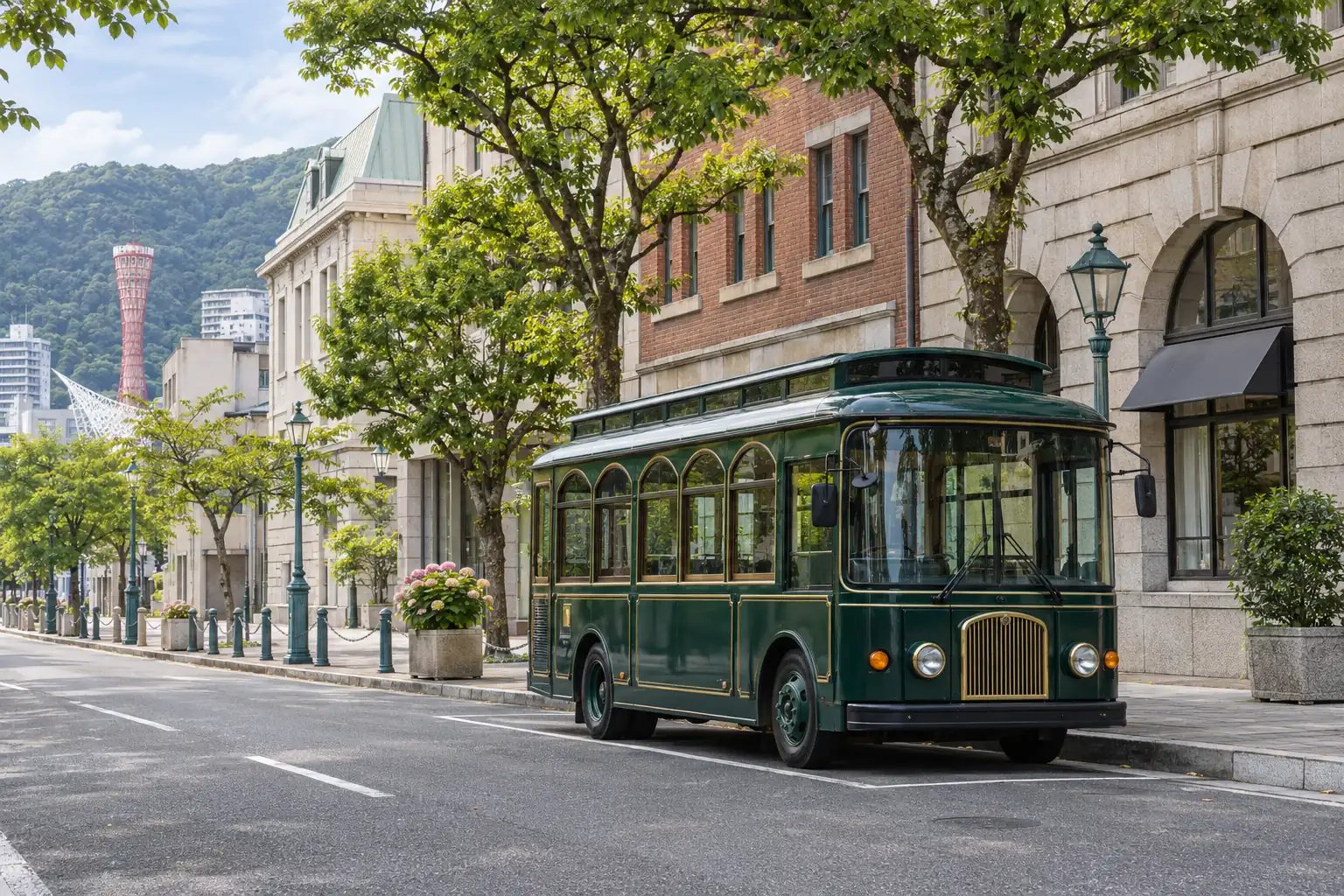
Walk the central districts when the weather is comfortable, and consider the City Loop bus if you want to reduce the uphill walking. Compare the current pass coverage with your planned rides; mountain transport uses separate systems and may need additional tickets.
When to Visit Kobe
Spring and autumn are comfortable choices for walking, with flowering gardens or autumn foliage depending on your dates. Summer calls for earlier starts and indoor breaks; winter can bring clear views but cold wind on the waterfront and mountain viewpoints.
Check mountain visibility before paying for an ascent, and verify the current dates if you want to see Kobe Luminarie. A flexible indoor alternative is useful during heavy rain or transport disruption.
Bookings, Payments and Useful Apps
A little preparation makes it easier to move between a garden visit, a reserved lunch and an evening by the harbor. Keep the details you will need during the day together, so you can adjust your route without repeatedly searching through emails.
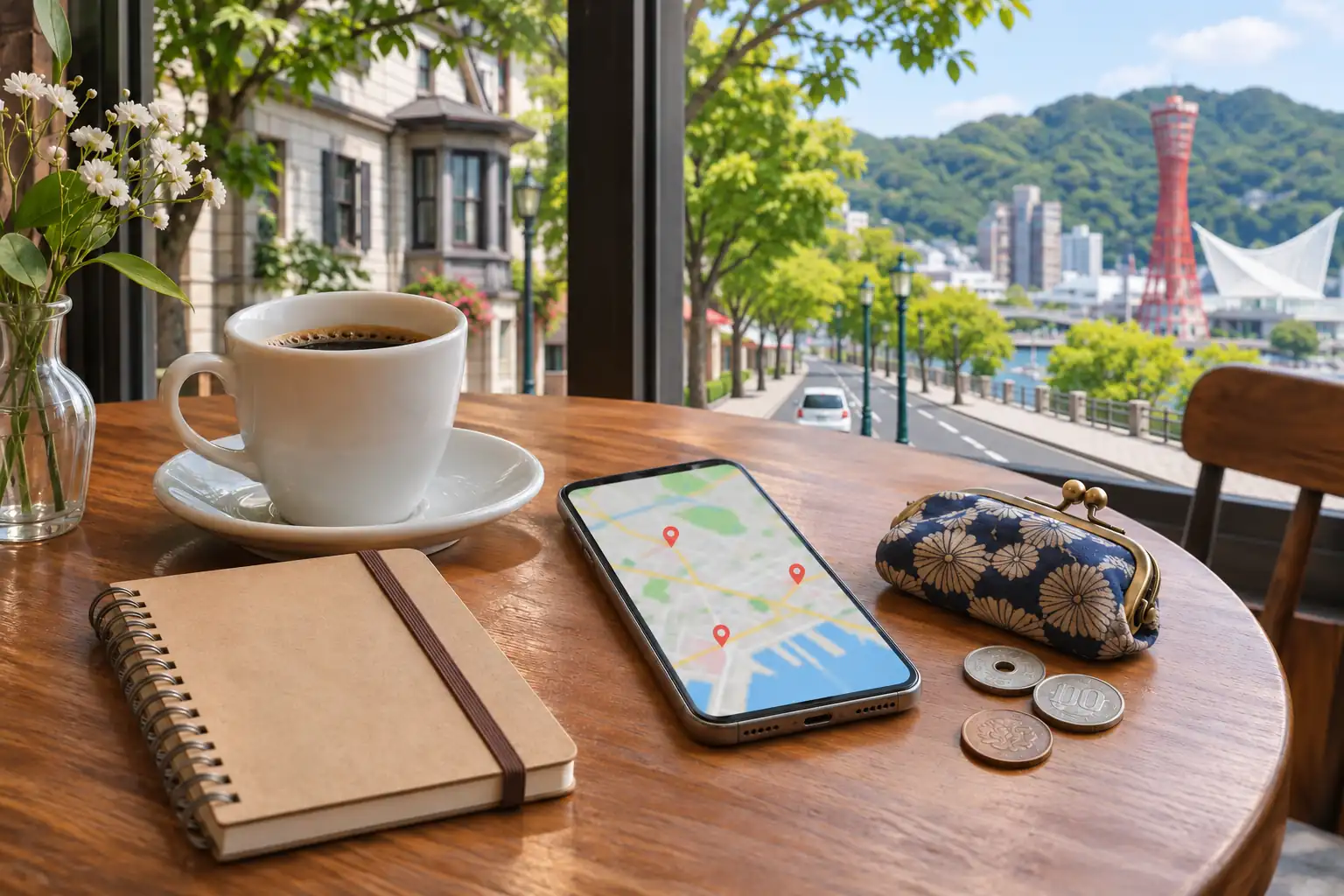
Save your booking time, venue name and meeting point for Port Tower, a cruise or a restaurant. Keep any voucher or QR code offline when the booking instructions allow it, and note whether you must arrive before your reserved time.
Carry some yen for smaller purchases and check accepted payment methods before ordering. Cashless payment is common in Japan, but an individual stall or small business may still require cash.
Pin the exact bus stop, cruise pier or ropeway station in your map app. A result for the wider harbor or mountain area may put you a long walk from the boarding point you actually need.
A translation app helps with Japanese menus and short signs; download the available language files before your trip for offline use. Save your accommodation’s Japanese name and address too, which is useful when asking for directions or showing a taxi driver where to go.
For live route updates or checking a reservation away from your hotel, an iRoamly Japan eSIM can provide mobile data on a compatible, unlocked phone. Check device support and your chosen plan before departure.
FAQ
1. What Can You Do in Kobe for Free?
Walk Meriken Park, the Harborland promenade and Kitano’s public streets, or visit Ikuta Shrine. Nunobiki Falls adds a free nature outing, while house interiors, observation decks and transport are separate expenses.
2. What Are Good Things to Do in Kobe When It Rains?
Choose the earthquake museum, Kobe Maritime Museum and Kawasaki Good Times World, or the aquarium-and-art attraction átoa. Motomachi’s covered arcade and Daimaru also work for shorter breaks; check closure days before building the whole day around a museum.
3. Is Kobe a Good Destination With Children?
Harborland’s open spaces and Ferris wheel are easy additions to a family day. Kobe Animal Kingdom on Port Island is a larger alternative outing; choose one main paid attraction and allow for naps, meals and transfers rather than following the full adult route.
4. Is Kobe Worth Visiting if You Do Not Eat Beef?
Yes. The harbor, gardens, historic districts, hot springs and sake museums give you plenty to do, while bakeries and international restaurants broaden the food options.
Vegetarian and vegan visitors should check broths, sauces and fillings, since a vegetable dish may still contain fish or meat ingredients. Saving a dietary explanation in Japanese can make ordering easier.
Conclusion
Kobe works best when you give its different settings time to register: hillside streets, a garden or hot spring, and a waterfront evening. Choose a few experiences that suit you and leave room for a cafe or unexpected stop.
For one day, keep most of your route in the center and book the meal or observation slot you care about. With two days, add Arima, Nada or the mountains according to your interests and the forecast.
Bring comfortable walking shoes and check the key operating notices before heading out. A little route planning leaves more time to enjoy the city once you arrive.