
The best things to do in Sapporo combine central landmarks with Hokkaido food and time outdoors. Start with Odori Park and the Clock Tower, then choose a clear evening for Mount Moiwa's city panorama.
The season changes your options: warm-weather parks and outdoor dining give way to autumn foliage, skiing and February's Snow Festival. Miso ramen, soup curry and seafood make the city rewarding throughout the year.
This guide covers 20 experiences, with advice on what to order, where to shop and which outings need more time. The two-day route gives you a manageable starting point, while Otaru, Jozankei or skiing can fill an extra day.
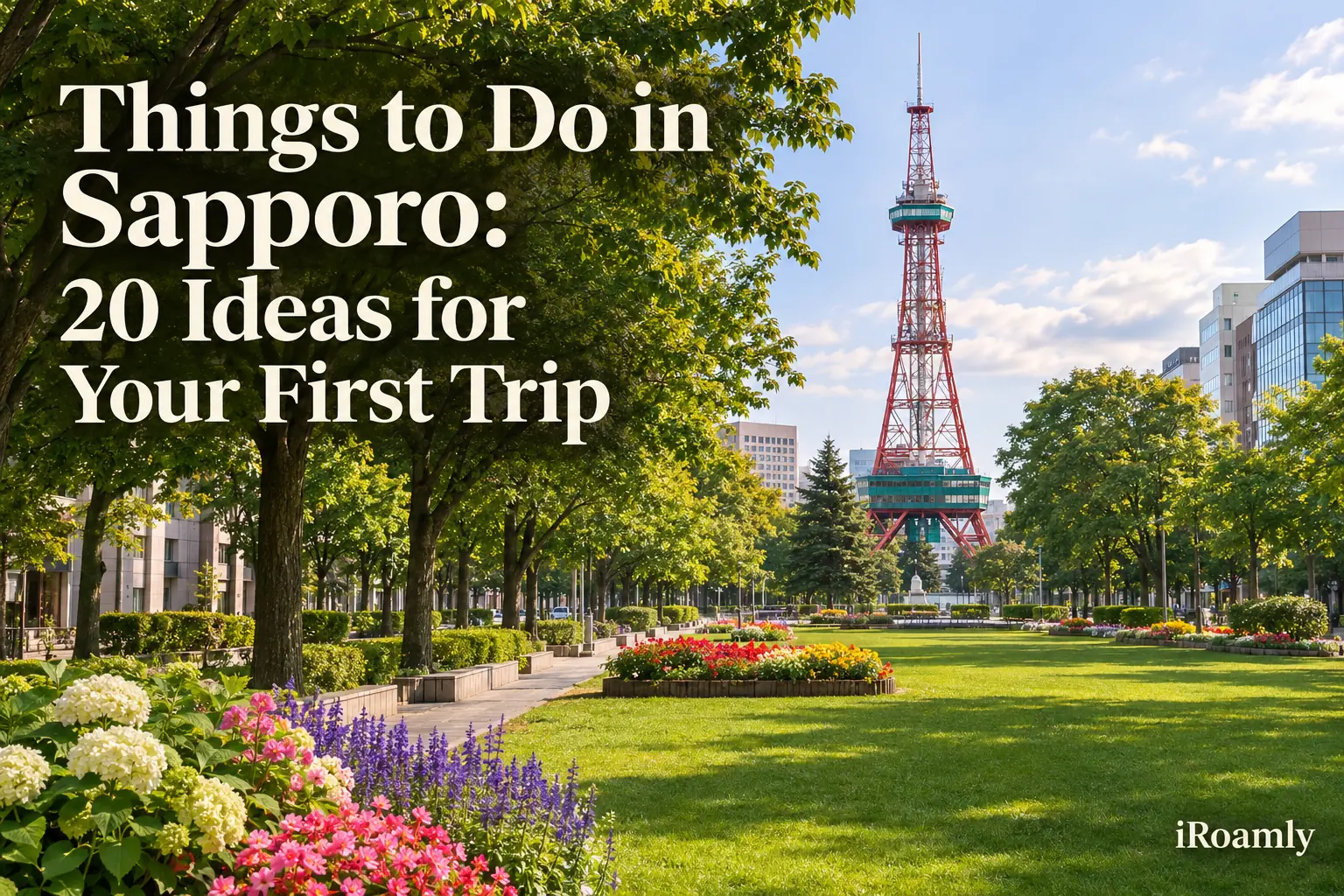
Sapporo's Main Sights
Odori Park and the Clock Tower fit into the same central walk. Keep Mount Moiwa flexible until you know the visibility, then return to Susukino for dinner.
Central Landmarks
1. Stroll Through Odori Park
Odori Park stretches through central Sapporo, with lawns, flowerbeds and the red TV Tower at its eastern end. Walk the eastern blocks between other central sights, or allow around an hour to explore more of the park.
Choose the TV Tower observatory for an easy city-center view along Odori; choose Mount Moiwa if you want a wider panorama and have a few hours for the outing. There is little need to pay for both on a short first visit unless viewpoints are a particular interest.
2. Step Inside Sapporo Clock Tower
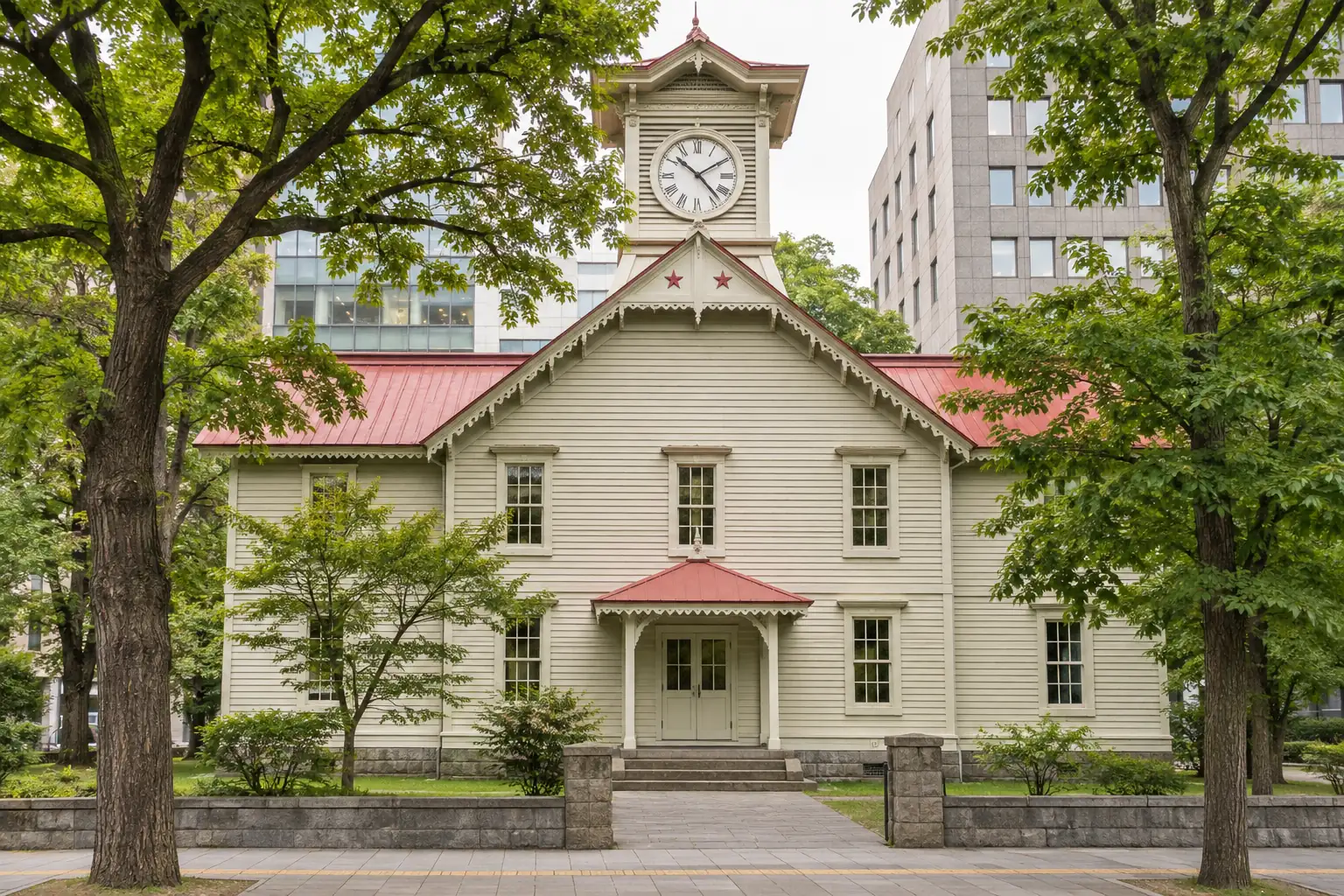
The Clock Tower is a small wooden building surrounded by offices, with exhibits on its former role as the Sapporo Agricultural College drill hall. It suits visitors interested in the city's development more than those expecting a large tower or a high viewpoint.
Allow roughly half an hour for the interior, or make an exterior photo stop while walking between Sapporo Station and Odori. This is an easy addition to a central route rather than a reason to cross town on its own.
Evening Sights
3. Watch Sunset From Mount Moiwa
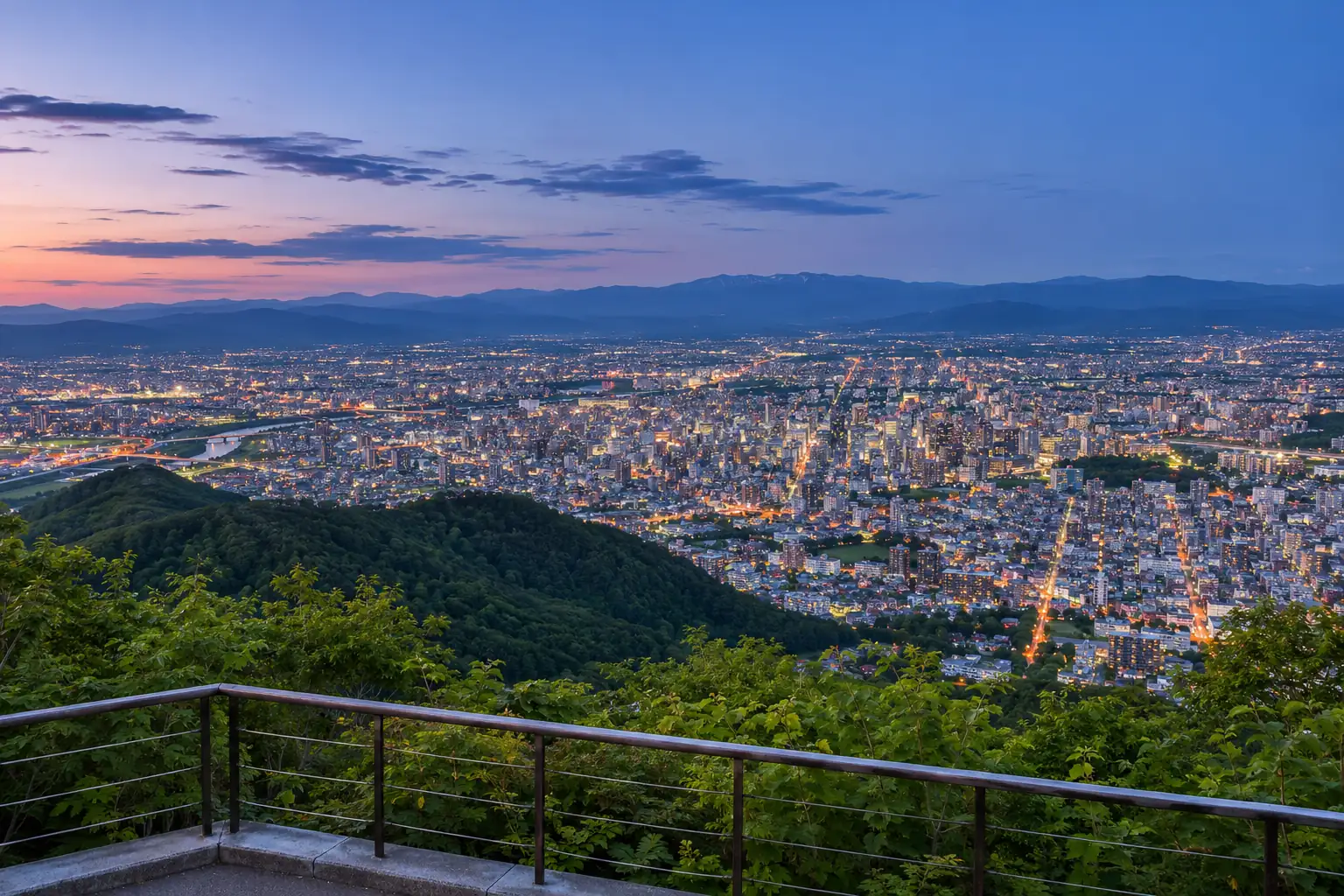
Mount Moiwa offers a much broader panorama than a downtown observation deck: wooded slopes fall away toward Sapporo's illuminated street grid. The usual sightseeing ascent combines a ropeway with a smaller cable car to the summit.
Choose a clear afternoon and aim to reach the top before sunset so you can see both daylight and evening views. Allow a few hours for the return outing, bring an extra layer, and check operation notices before leaving town because weather can affect the service.
4. Spend an Evening in Susukino
Susukino combines bright signs, small bars, izakayas and ramen restaurants in Sapporo's main evening entertainment district. Go around dinner if you want the lights and food without committing to a late night.
Finish with a shime parfait, an elaborate dessert traditionally enjoyed after an evening out. At small bars, confirm any cover charge before sitting down; for a food-focused evening, dinner and a parfait shop are enough.
Parks and History in Sapporo
Choose the shrine or Nakajima for a shorter outing; Moerenuma and the Historical Village need a larger part of the day. Pick between landscape design and historic buildings rather than trying to visit both outlying sites in one afternoon.
Parks and Shrines
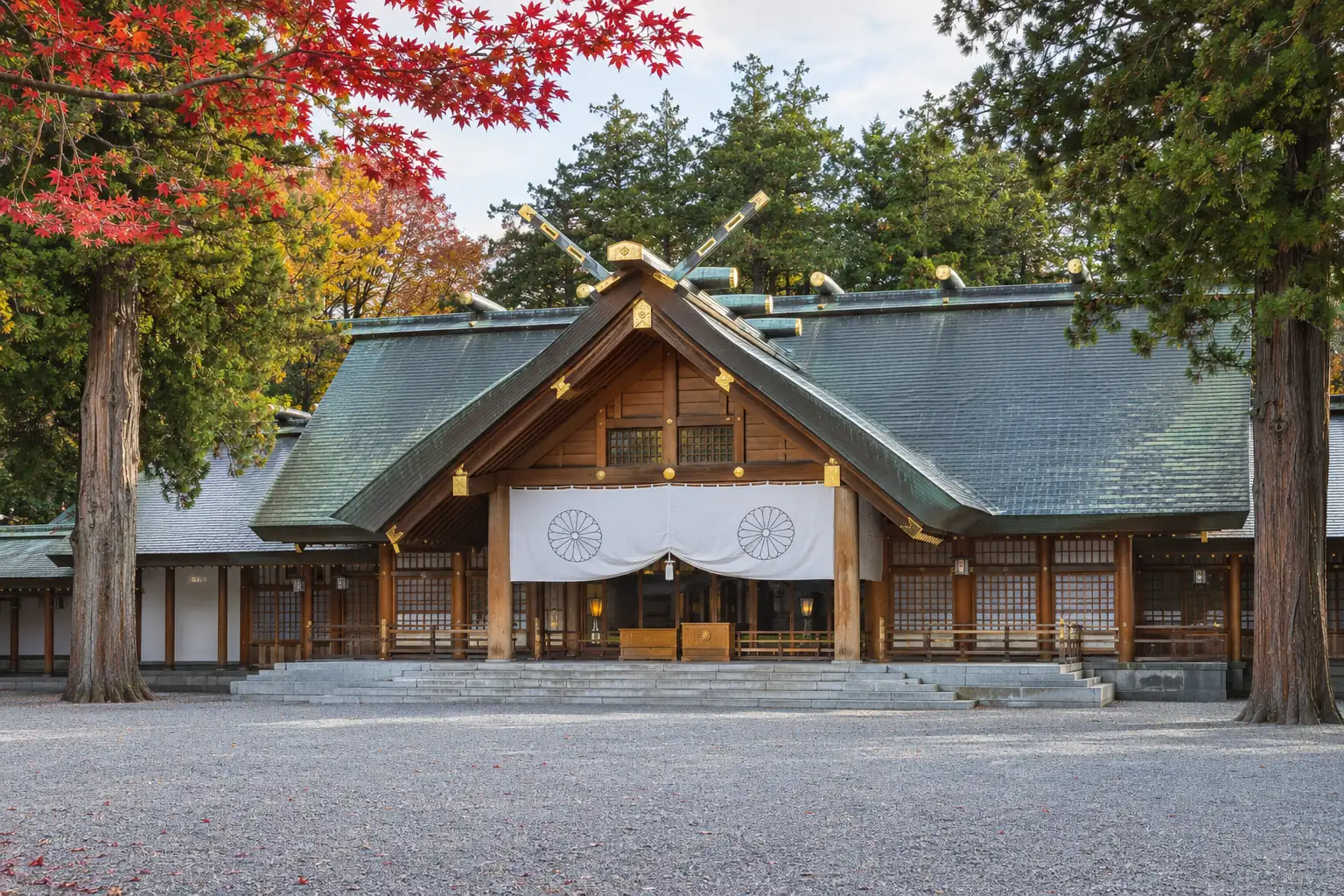
5. Visit Hokkaido Jingu and Maruyama Park
Hokkaido Jingu stands among tall trees beside Maruyama Park, giving you a peaceful change from downtown. Approach it as an active place of worship: keep your voice low and follow any posted photography restrictions.
Travel to Maruyama Koen on the Tozai subway line, then walk through the area to the shrine. Combine the grounds and park into a relaxed morning, with a tea break rather than a rushed detour to another distant attraction.
6. Take a Slow Walk in Nakajima Park
Nakajima Park, just south of Susukino, is a quieter alternative to Odori for a pond-side walk. The white-and-blue Hoheikan building adds an architectural stop without turning the outing into a distant excursion.
Use Nakajima Koen Station on the Namboku line and allow around 45–60 minutes for a simple park walk. It is an easy morning option if you are staying in Susukino, or a shorter substitute when you do not have half a day for Moerenuma.
Landscape Art and Local History
7. Explore Moerenuma Park
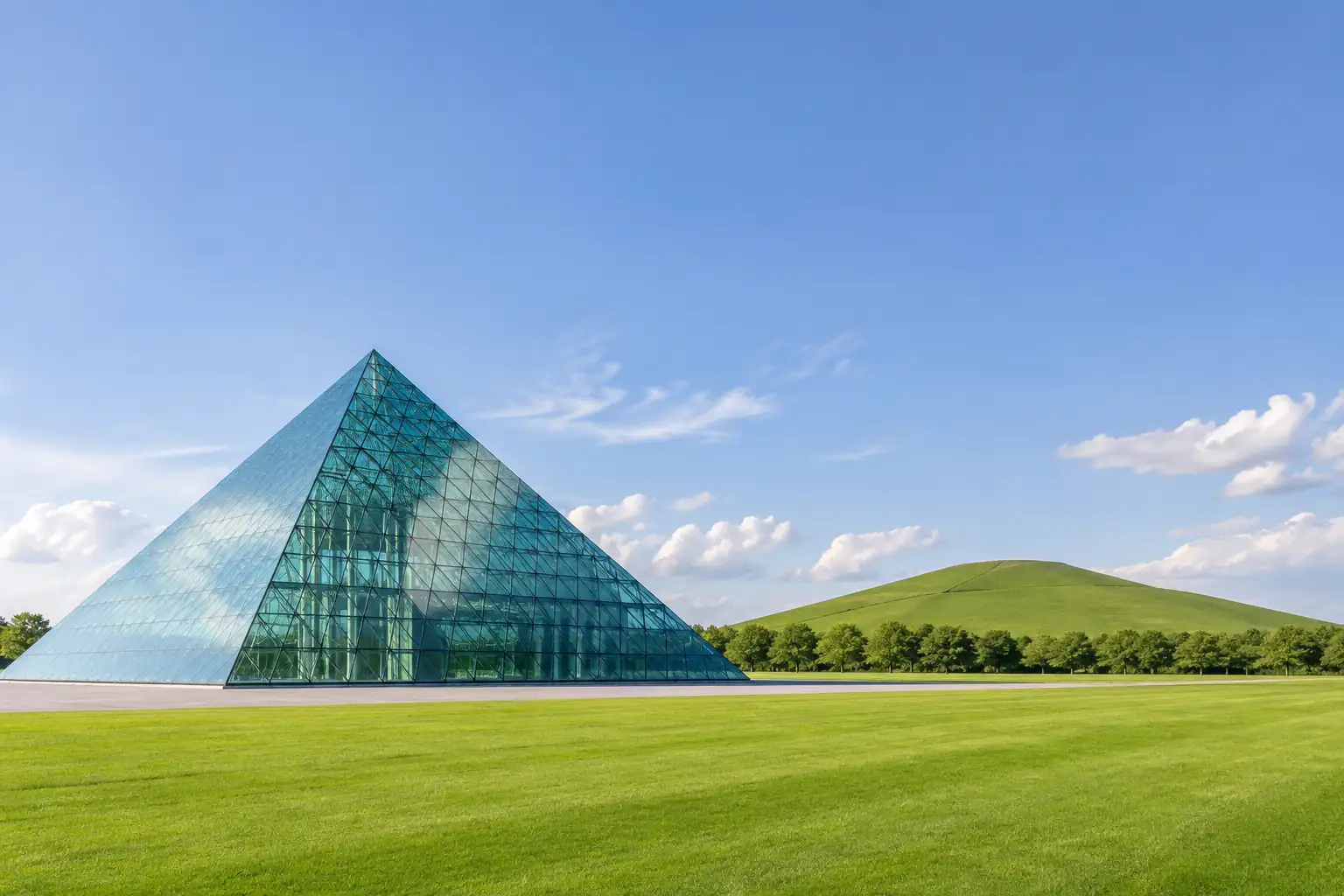
Moerenuma Park follows sculptor Isamu Noguchi's concept of the whole landscape as one sculpture. Its geometric landforms, broad lawns and glass pyramid HIDAMARI make it the stronger choice for design and landscape enthusiasts.
Allow half a day including transport and plan around the bus connection to the entrance. Explore a few features on foot, or use seasonal bicycle rental when available; this is a large park, so it does not fit comfortably into a brief gap between downtown stops.
8. Walk Through the Historical Village of Hokkaido
The Historical Village brings together restored and replica buildings showing life in Hokkaido from the late nineteenth to early twentieth centuries. Choose it for shops, homes and workspaces you can explore, rather than a conventional indoor gallery visit.
Allow two to three hours on site and take the Kaitaku-no-mura bus from Shin-Sapporo. From October through April, Mondays are normally closed, with holiday exceptions; build the visit around the operating calendar, especially on a short winter trip.
What to Eat and Drink in Sapporo
Plan Nijo Market for breakfast, leave an evening for jingisukan, and use ramen or soup curry for the other meals. Shiroi Koibito Park and the Beer Museum are separate outings when you want more than a restaurant stop.
Markets and Local Meals
9. Have a Seafood Breakfast at Nijo Market
Nijo Market is a compact, centrally located introduction to Hokkaido seafood. Look for kaisendon, a bowl of rice topped with seafood, and choose toppings such as salmon roe, crab or sea urchin according to the menu and your budget.
Go in the morning and compare a few menus before sitting down; individual shops keep different hours. A short browse plus breakfast is enough for many visitors, so pair it with nearby central sights rather than reserving an entire morning for the market alone.
10. Order Miso Ramen in Ramen Alley
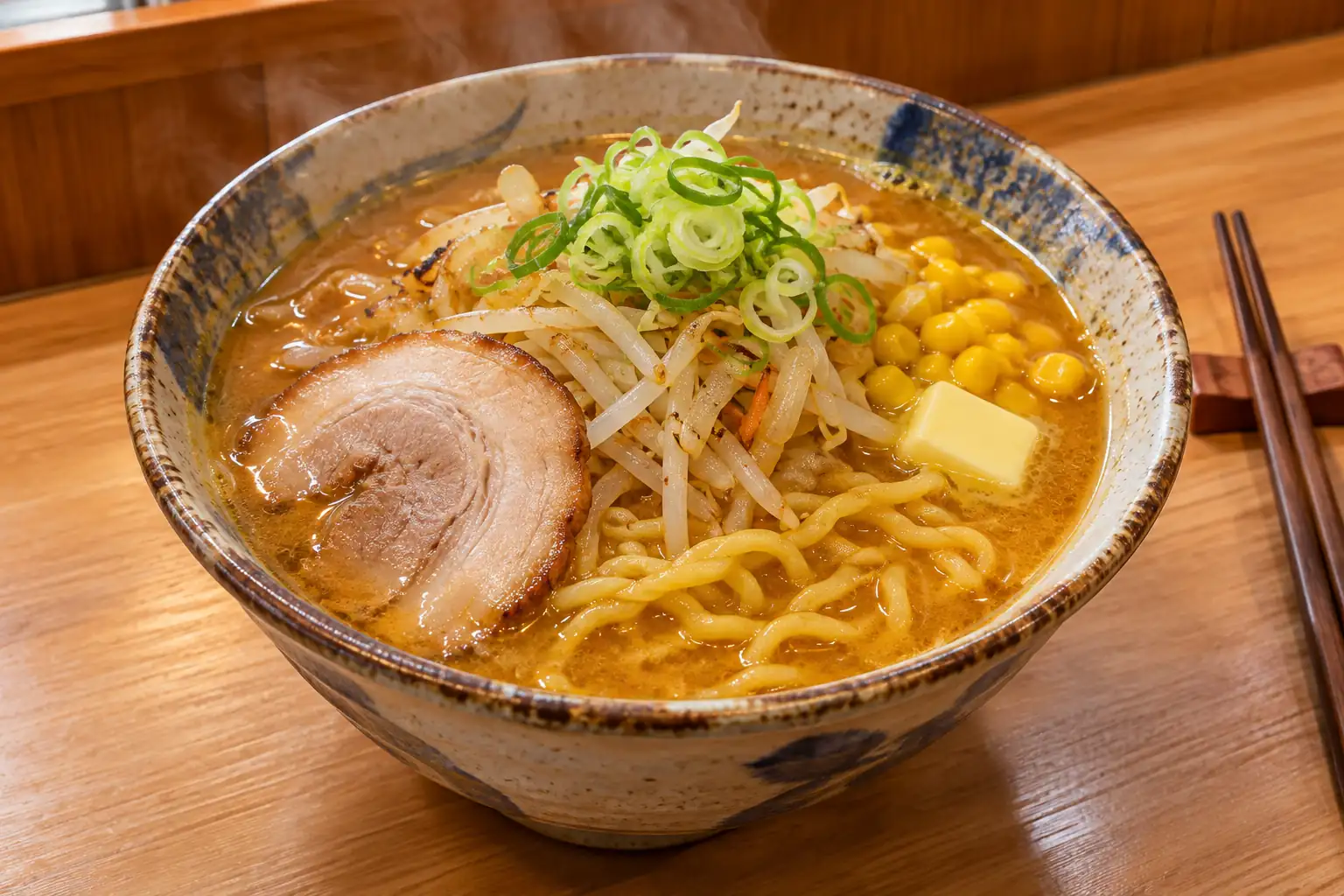
Ganso Sapporo Ramen Yokocho in Susukino is a narrow lane of small restaurants where you can try Sapporo-style miso ramen. It works well as dinner after central sightseeing or as a warming stop on a winter evening.
Start with miso ramen if you want the local signature; butter and corn are familiar optional additions. Compare the individual shop menus and opening times, since the alley is a collection of separate restaurants rather than one venue.
11. Try Sapporo Soup Curry
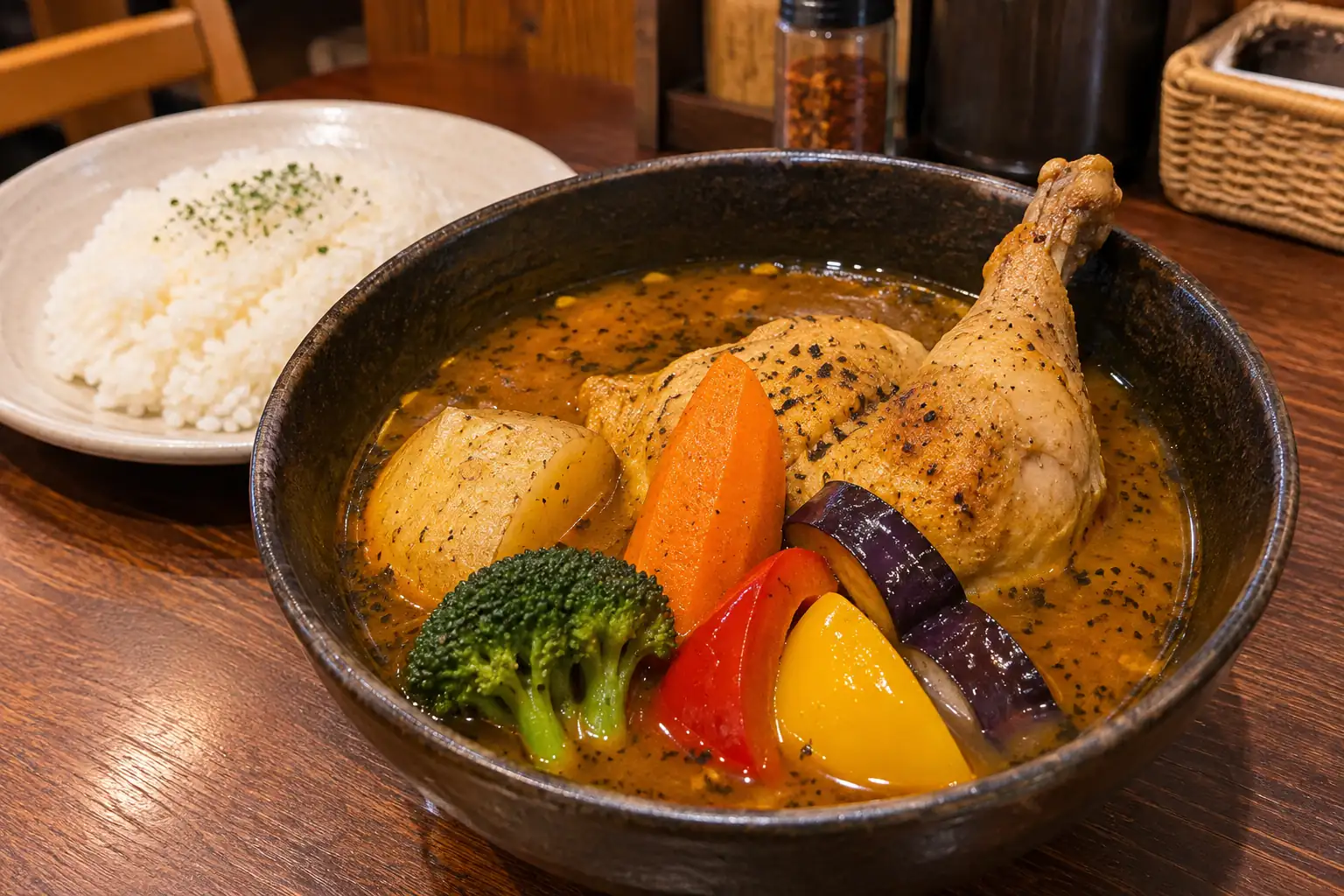
Soup curry pairs a spiced, brothy curry with substantial vegetables and a separate serving of rice. Chicken is a common choice, while vegetable-focused options can be a useful change after several seafood meals.
At places such as GARAKU or Suage, check the specific branch's menu and opening arrangements before setting out. Spice scales vary by restaurant, and a vegetable topping does not guarantee a vegetarian broth, so ask about the stock if that matters to you.
12. Share a Jingisukan Dinner
Jingisukan is Hokkaido's lamb or mutton barbecue, usually cooked with vegetables on a domed metal grill. Try a dedicated restaurant in Susukino, or reserve a meal at the Sapporo Beer Garden after visiting the neighboring museum.
For groups, a booked table makes dinner easier to plan around sightseeing. Compare an à la carte meal with a timed set according to appetite, and ask staff about cooking unfamiliar cuts; the museum visit and restaurant reservation are separate arrangements.
Sweets and Beer
13. Visit Shiroi Koibito Park
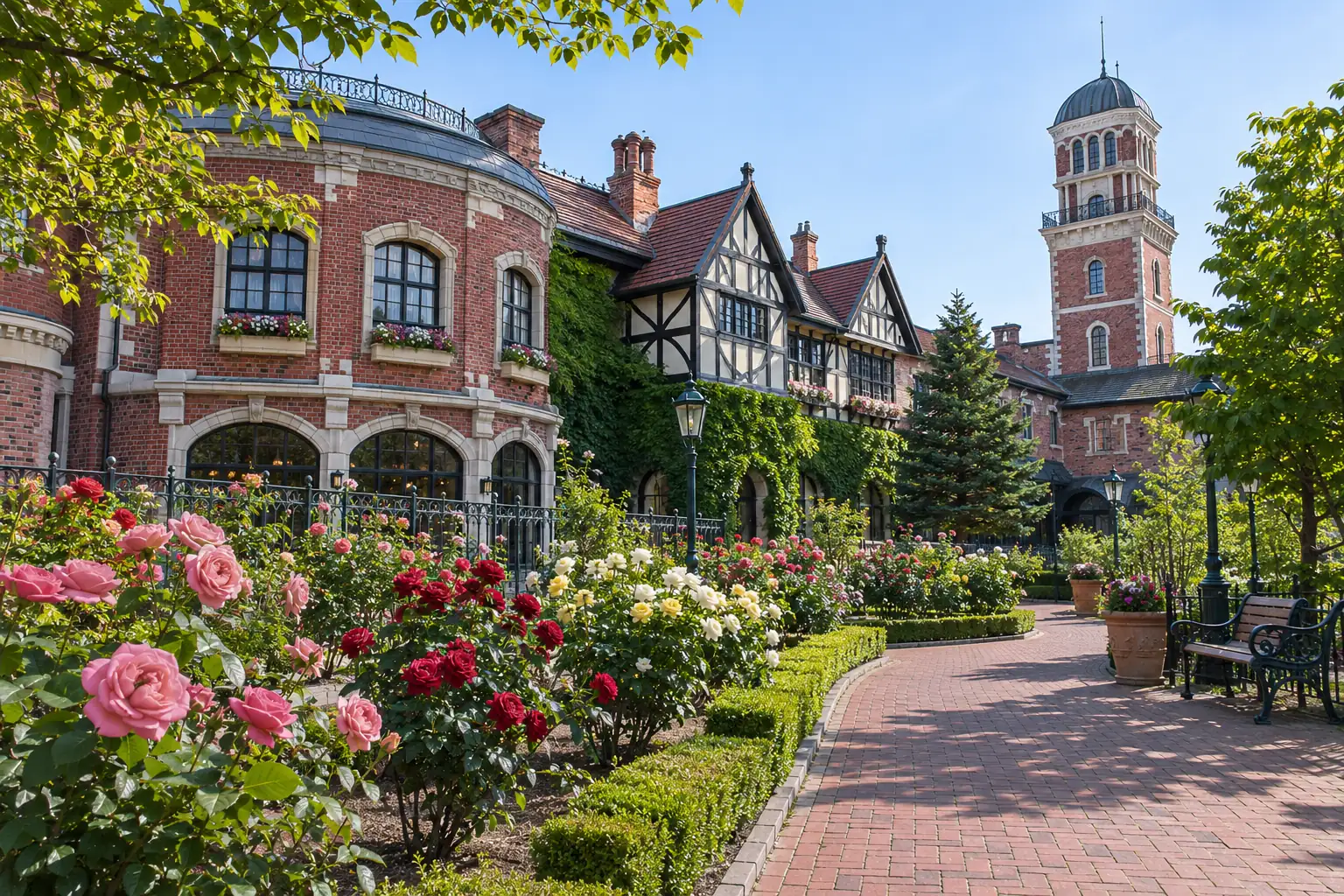
Shiroi Koibito Park combines the famous chocolate-sandwich cookie with a garden, shops and paid sweets-themed attractions. The rose garden and shopping area can be visited without an admission ticket, making a short visit possible without committing to the full attraction.
Choose the paid area if the factory displays or a sweets-making experience are the reason for your visit, and reserve a specific workshop ahead. Travel via Miyanosawa Station on the Tozai line, with walking time after the subway journey.
14. Learn About Beer at Sapporo Beer Museum
Sapporo Beer Museum is a good history-and-tasting stop, housed in a red-brick heritage setting. Choose the self-guided visit for a shorter outing, or book the 55-minute Premium Tour, which includes tasting, if you want the guided experience.
English and Korean audio-guide devices are available for Premium Tour participants at an additional charge. The brewery in Eniwa is a different facility, so book this museum for beer history rather than an operating production line.
Shopping in Sapporo
Tanukikoji suits browsing between meals, while the station area is convenient for choosing several food gifts in one stop. Buy chilled products near the end of your shopping day.
15. Browse Tanukikoji Shopping Street
Tanukikoji's covered arcade sits between Odori and Susukino, so it is an easy shopping stop before dinner or during rain. Browse the smaller tea and clothing stores as well as the large souvenir retailers.
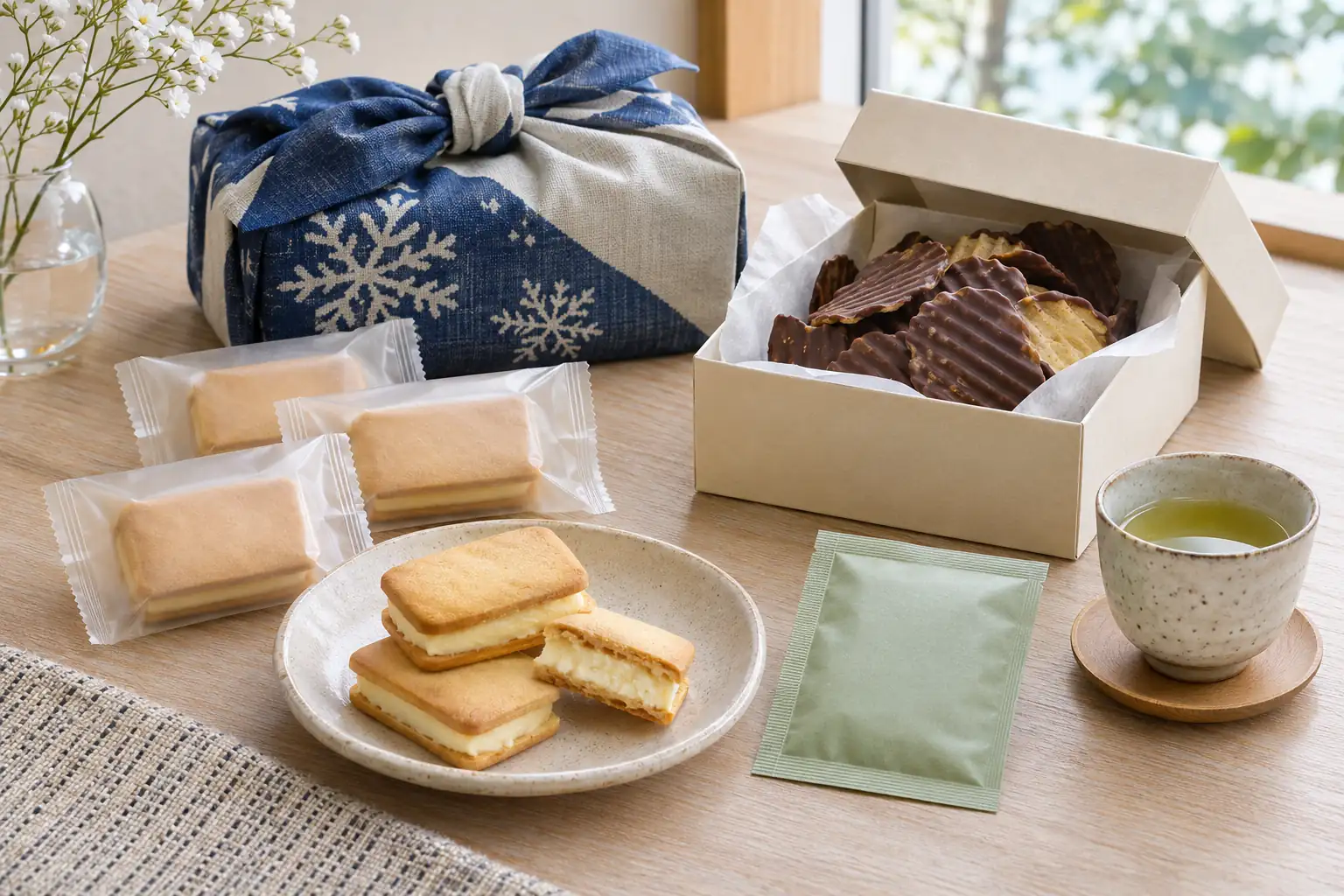
Look for boxed Shiroi Koibito cookies, regional potato snacks and Japanese tea if you want gifts that are easy to pack. Compare expiry and storage labels before choosing a large food box, particularly if Sapporo comes early in your itinerary.
16. Shop Around Sapporo Station
For a single stop with several Hokkaido confectionery brands, head to Daimaru's basement food hall beside Sapporo Station. Compare ISHIYA's Shiroi Koibito, Rokkatei's raisin-and-butter Marusei Butter Sand and Kinotoya cookies; Stellar Place is useful nearby for fashion and lifestyle shopping.
Choose shelf-stable biscuits for a longer onward journey, and buy fresh cream desserts only when you can meet their storage requirements. ROYCE' Nama Chocolate needs refrigeration at 10°C or below, so ask about transport cooling and refrigerate it promptly rather than treating it like an ordinary chocolate bar.
Day Trips from Sapporo
Choose Otaru for a walkable port town and shopping, or Jozankei for hot springs and a slower mountain outing. Each works better with its own day than as an addition to a packed city itinerary.
17. Spend a Day in Otaru
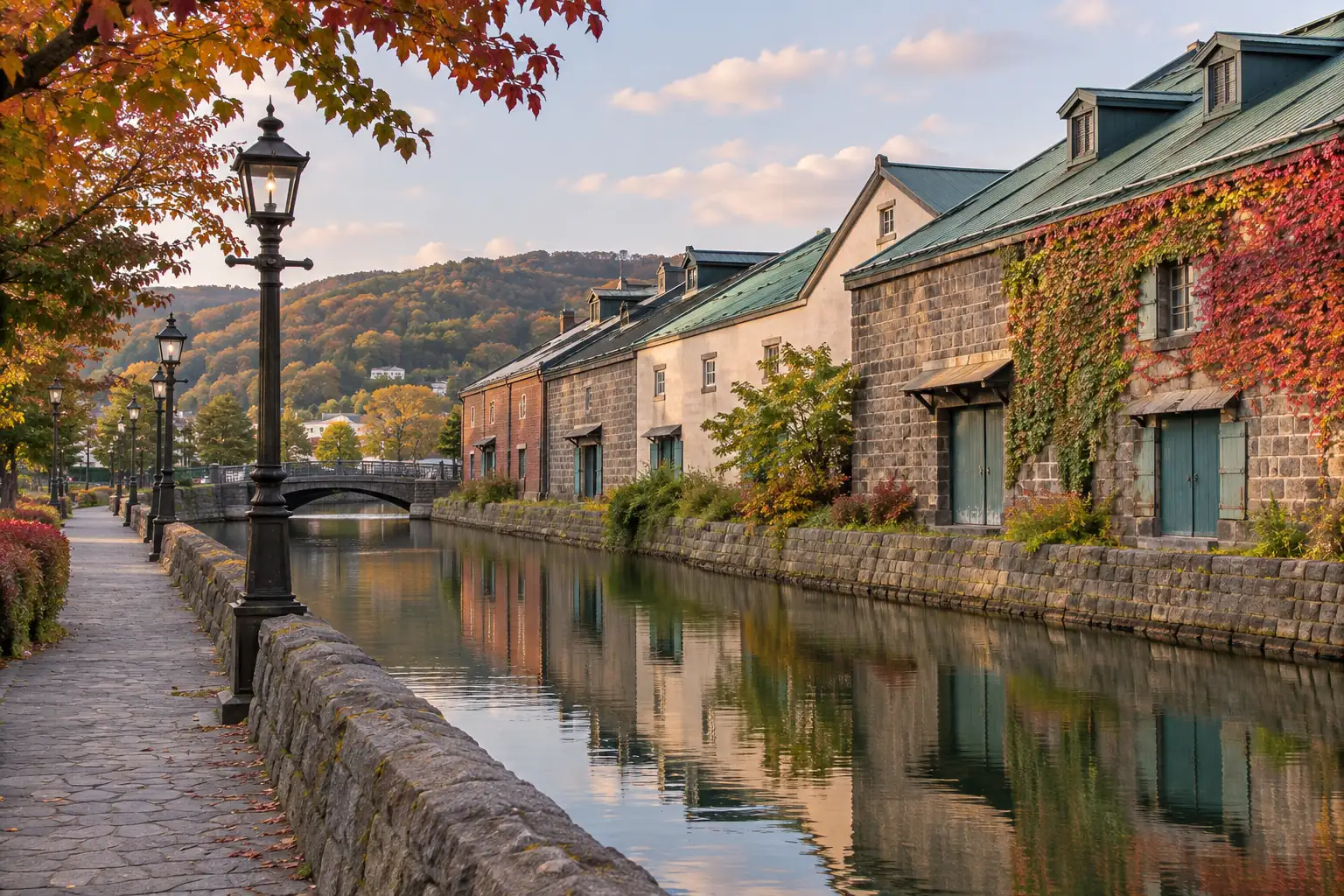
Otaru is the better excursion if you want a canal walk, former warehouses, glassware shops and confectionery stops. Take a JR train from Sapporo and allow a full day for the canal, Sakaimachi browsing and an unhurried lunch.
Start at the canal before heading to Sakaimachi for shops and sweets. A small glass cup or ornament makes a distinctive souvenir, but ask for protective packing and consider its weight before buying several pieces.
18. Unwind at Jozankei Onsen
Choose Jozankei for a mountain setting and hot springs rather than shops and city landmarks. Although it is within Sapporo's wider municipal area, give it a dedicated outing instead of combining it with Otaru.
Pick a day-use bath before booking transport, because admission hours, towel provision and tattoo policies vary by venue. For a shorter visit without a communal bath, use a public footbath and bring a small towel; confirm the return bus and any reservation requirement before leaving the center.
Winter Activities in Sapporo
The festival and skiing need different plans: one depends on a fixed event week, while the other requires a full day, suitable snow conditions and equipment. Add either by replacing part of the city route or extending your stay.
19. See the Sapporo Snow Festival
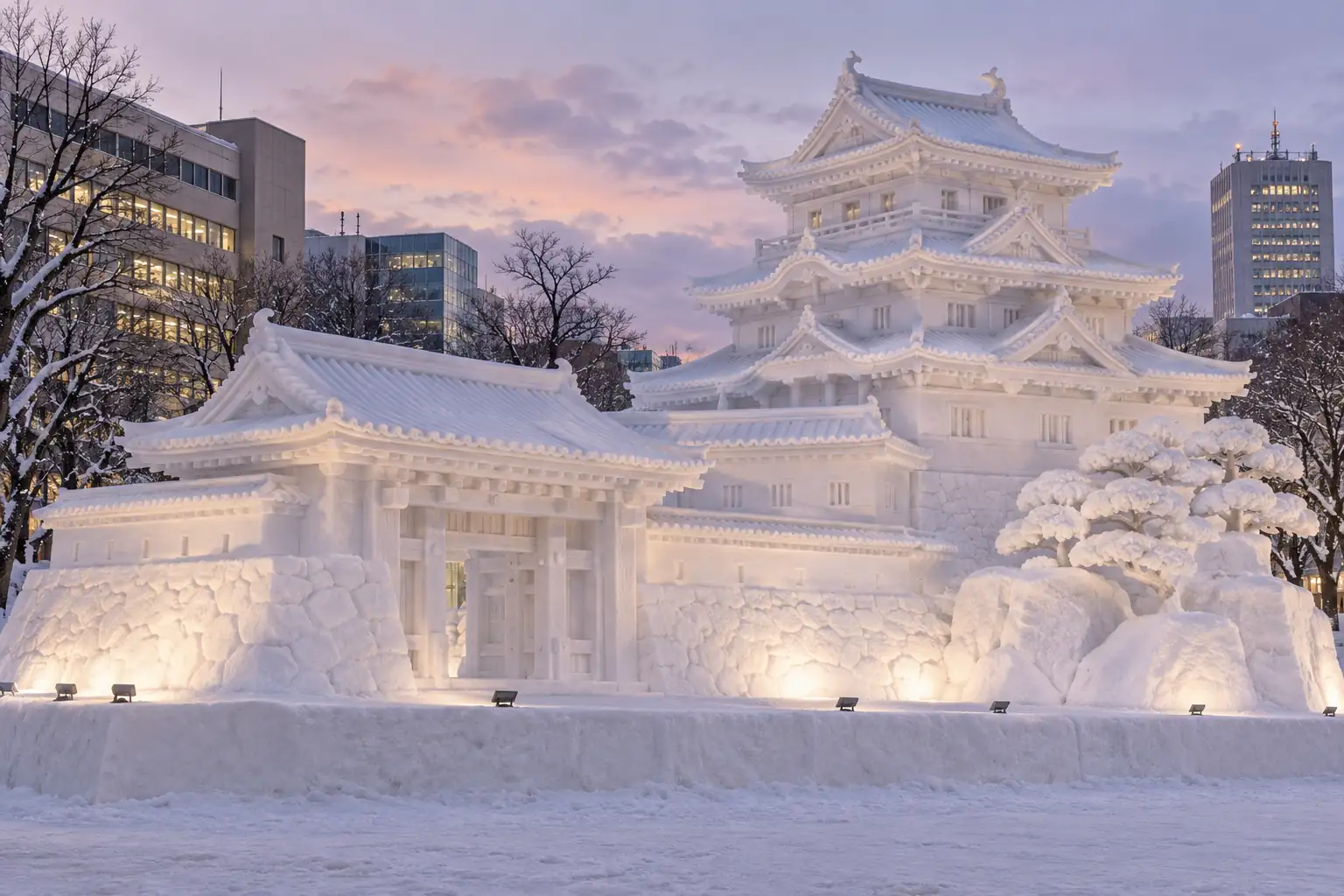
The Sapporo Snow Festival's next announced edition runs February 4–11, 2027. Odori has the main snow sculptures, Susukino has ice displays, and Tsudome is the separate snow-play venue.
Use the official Snow Festival website to plan around the correct dates and venue arrangements. Combine Odori and Susukino on a central walking day, but allow a separate trip for Tsudome and book accommodation early if the festival is your main reason for visiting.
20. Try a Ski Day at Sapporo Teine
Sapporo Teine makes a ski or snowboard day possible while staying in the city. First-time skiers should choose an appropriate lesson and begin in the Olympia area's beginner facilities rather than choosing terrain for its views.
One public-transport option is a JR train to Teine Station followed by a local bus from the south exit. For the 2026–27 season, the direct Big Runs hotel bus requires reservations by 6 p.m. ten days ahead, so arrange it through the resort's access information before planning lessons and rentals.
Plan Your Sapporo Trip
Two full days cover the center and a selection of farther-out sights. Allow three or four days if you also want Otaru, Jozankei, skiing or a relaxed museum day.
When to Visit and Where to Stay
Choose the warmer months for Moerenuma, gardens and longer walks; choose autumn for foliage, using current reports to select dates. Winter suits snow activities, but icy pavements and shorter daylight mean fewer outdoor stops per day.
Stay around Sapporo Station for airport trains and JR excursions, Odori for central sightseeing, or Susukino for evening restaurants. If you want quiet nights in Susukino, prioritize the hotel's exact street and room location over the district name alone.
Airport Transfers and City Transport
JR airport trains connect New Chitose Airport with Sapporo Station, with the fastest services taking 33 minutes. For non-reserved seats, you can use a compatible IC card such as Suica or Kitaca without reserving a seat.
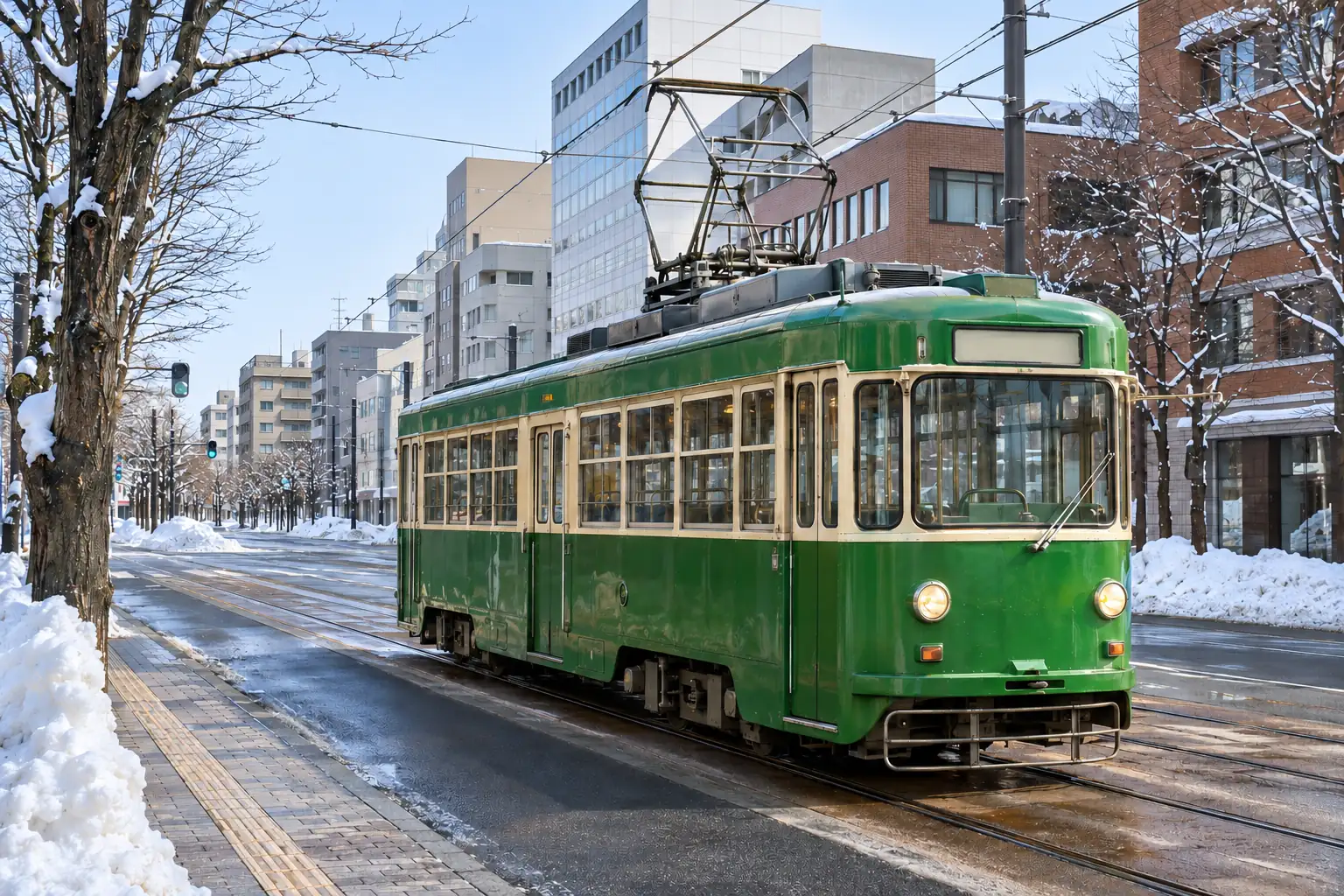
Use the subway for Miyanosawa and Maruyama Koen, and a combination of streetcar, walking and the ropeway for Mount Moiwa. For Moerenuma, the Historical Village or Teine, check the final bus connection as well as the rail journey.
Underground passages between the station area, Odori and Susukino are useful in rain and snow. Keep the surface destination and nearest exit saved: a sheltered walk downtown does not remove the outdoor section to every attraction.
Mobile data helps with live bus times, menu translation and finding an entrance after dark. On an unlocked, eSIM-compatible phone, an iRoamly Japan eSIM is one option for using those apps; save key addresses offline before heading to an outlying attraction.
A Two-Day Sapporo Itinerary
This route prioritizes central sights on day one and the west side on day two. Move Mount Moiwa to whichever evening has clearer skies.
Day | Daytime | Evening |
|---|---|---|
1 | Nijo Market breakfast, Clock Tower, Odori Park and Tanukikoji. | Mount Moiwa in clear weather, then dinner in Susukino. |
2 | Hokkaido Jingu and Maruyama Park, then Shiroi Koibito Park via the Tozai line. | Soup curry or jingisukan, with a parfait afterward. |
If beer history interests you more than sweets, replace Shiroi Koibito Park with the Beer Museum and allow for the transfer across town. On a wet or low-visibility day, keep the museum or shopping and move the mountain view rather than paying for a panorama you cannot see.
FAQ
1. What Can Families Do in Sapporo?
Shiroi Koibito Park suits families who want a sweets-making activity, while Nakajima offers an easy park break near the center. Moerenuma works better when you have time outdoors; match any paid workshop's age conditions to your children before booking.
2. What Can You Do in Sapporo for Free?
Walking through Odori or Nakajima Park is an easy way to keep costs down. Shiroi Koibito Park's rose garden and shopping area do not require an admission ticket, although its paid attractions and workshops are separate.
3. Do You Need a Car in Sapporo?
Most first-time city trips work well with public transport, and the recommended central sights do not require a car. For a group visiting several outlying places, compare actual bus connections with taxis before deciding whether a rental would help, especially in winter.
4. What Can You Do in Sapporo on a Rainy Day?
Choose the Clock Tower's interior, the Beer Museum, station-area shopping or the indoor attractions at Shiroi Koibito Park. Tanukikoji and underground passages provide sheltered walking, but the approach to individual attractions can still be outdoors.
Conclusion
For a first visit, combine the central landmarks with the meals you most want to try. Odori, Nijo Market and Susukino give you a useful starting route without spending the whole day in transit.
Use your next day for one larger interest: the west-side shrine and sweets, brewing history, or an excursion. Keep the mountain view dependent on the weather and reserve a separate day for skiing.
A few well-chosen experiences leave room for the slower parts of Sapporo, from a park walk to a bowl of ramen after dark. Let the season and your interests decide which of the 20 ideas make your trip.