
Within easy reach of Tokyo, Kamakura makes a rewarding day trip for ancient temples and sea air. The Great Buddha sits against green hills, while the Enoden winds through neighborhoods toward the coast.
Enjoy the sea view from Hasedera, sample sweets on Komachi Street, or explore a bamboo garden or Kita-Kamakura’s Zen temples. Each area has its own appeal, and you do not need to see them all in one visit.
Discover 15 things to do in Kamakura, with food, shopping, and route suggestions. Choose a few favorites and start planning your day.
Temples and Shrines in Kamakura
For a first visit, the Great Buddha, Hasedera and Tsurugaoka Hachimangu give you three different experiences: a monumental statue, a hillside garden temple and a major Shinto shrine. The other choices are worthwhile additions or substitutions, depending on your interests.
Major Landmarks and the Bamboo Garden
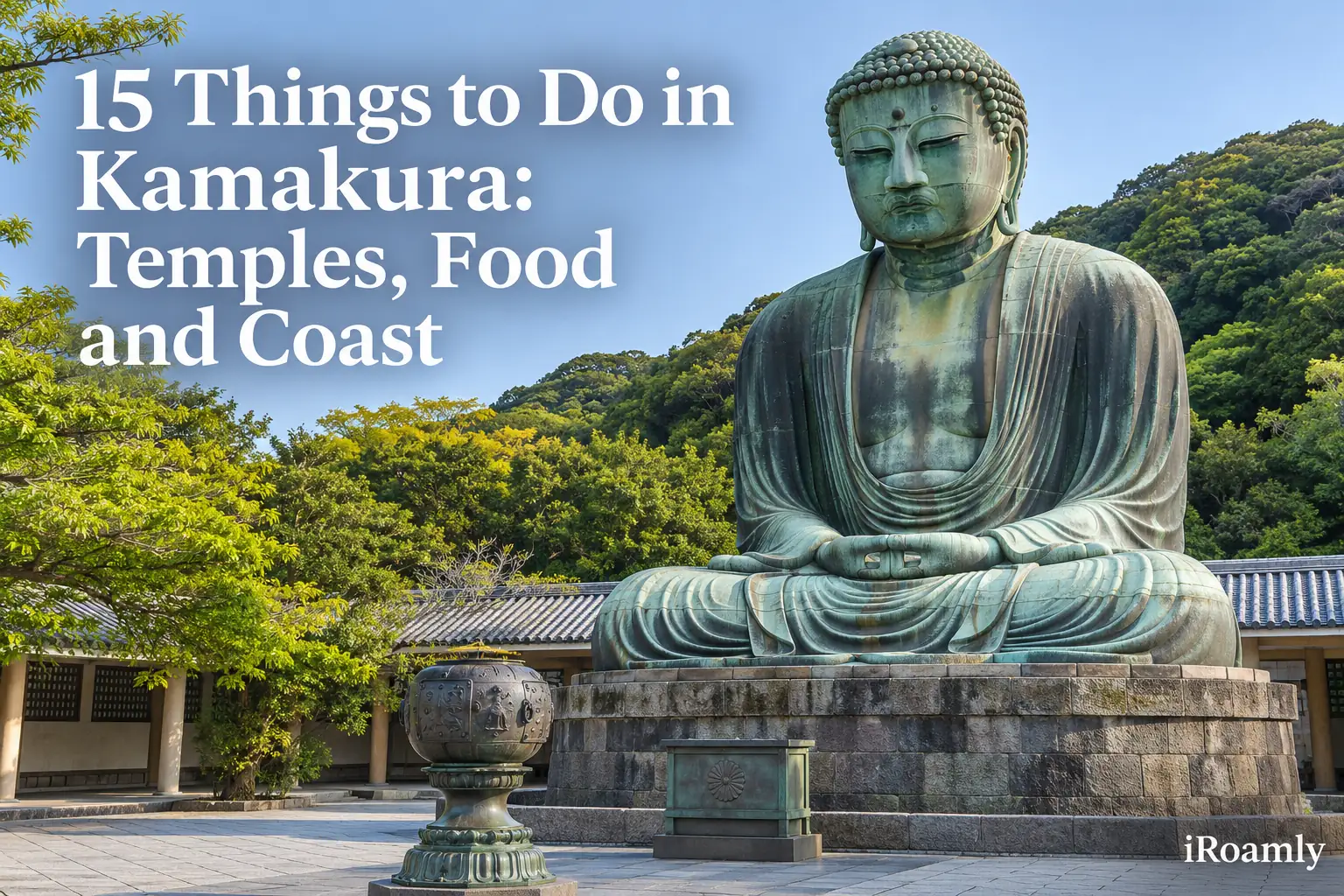
1. See the Great Buddha at Kotoku-in
The open-air bronze Amida Buddha is Kamakura's signature sight, with wooded hills behind its enormous seated figure. Visit if you want one memorable historic landmark without committing to a large temple complex.
Walking around the permitted paths reveals the statue's scale and the folds of its robes; the optional hollow interior offers a closer look at the bronze construction.
Access: Kotoku-in is about a 7-minute walk from Hase Station, making it easy to pair with Hasedera.
Time: Allow roughly 30–45 minutes, with longer waits possible at busy times.
Cost: General admission is ¥300; entry inside the Buddha costs another ¥50 when available.
Hours: The grounds open at 8:00 and close at 17:30 from April to September or 17:00 from October to March, with last entry 15 minutes earlier. Interior entry finishes earlier still.
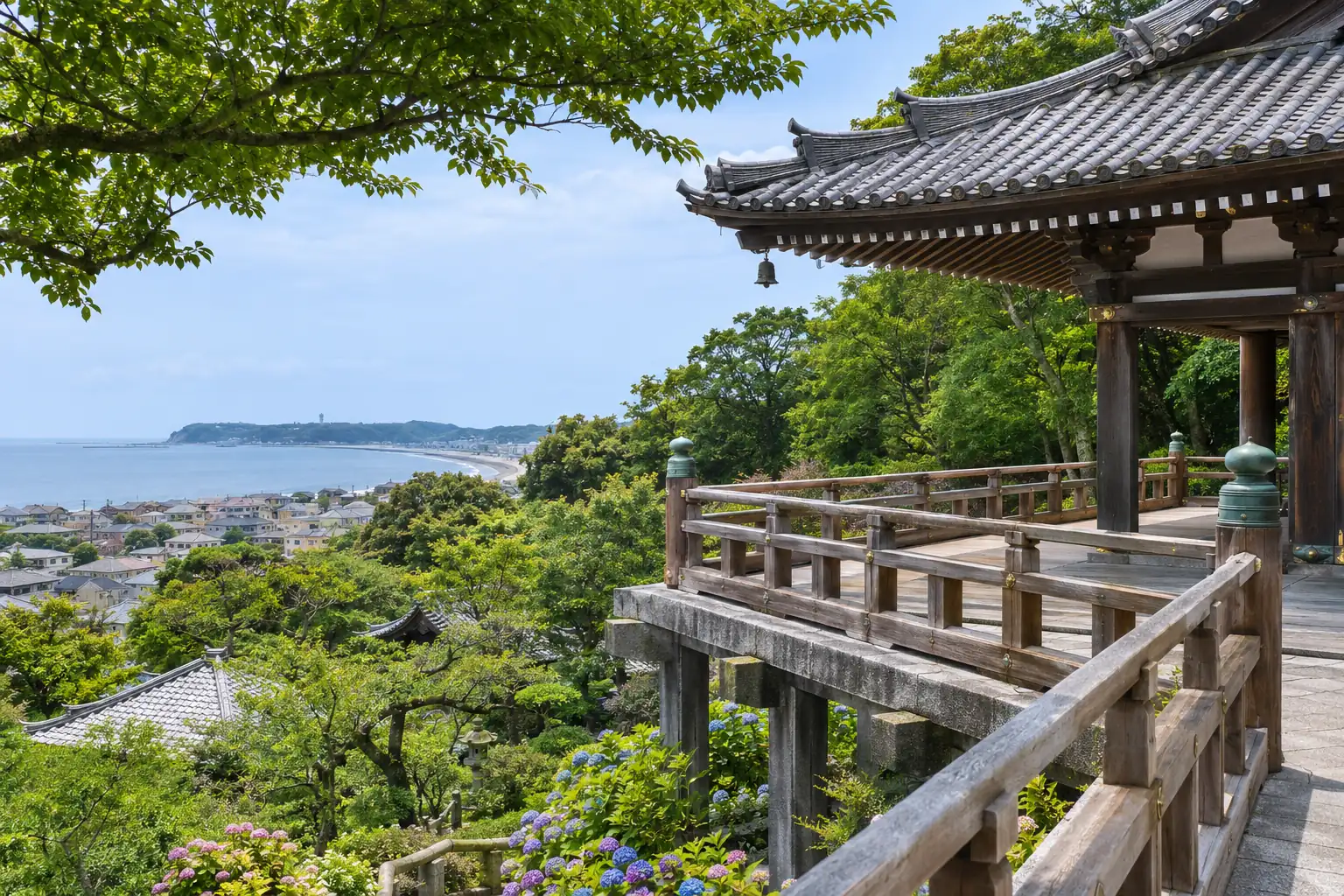
2. Explore Hasedera's Gardens and Sea View
Hasedera is especially rewarding if you enjoy gardens as much as religious architecture. Its eleven-headed Kannon statue, ponds and upper terrace give you more variety than a quick visit to a single monument.
Climb to the terrace for a view across Kamakura's rooftops toward the sea, then leave time for the lower gardens.
Access: The entrance is about 5 minutes on foot from Hase Station.
Time: Around an hour is a useful starting allowance; flower season can require substantially longer.
Cost: Adult admission is ¥400. June hydrangea-path arrangements are separate from ordinary admission. Check the current seasonal notice before planning around the flowers.
Hours: From July to March, last entry is 16:30 and the grounds close at 17:00; from April to June, those times move to 17:00 and 17:30.
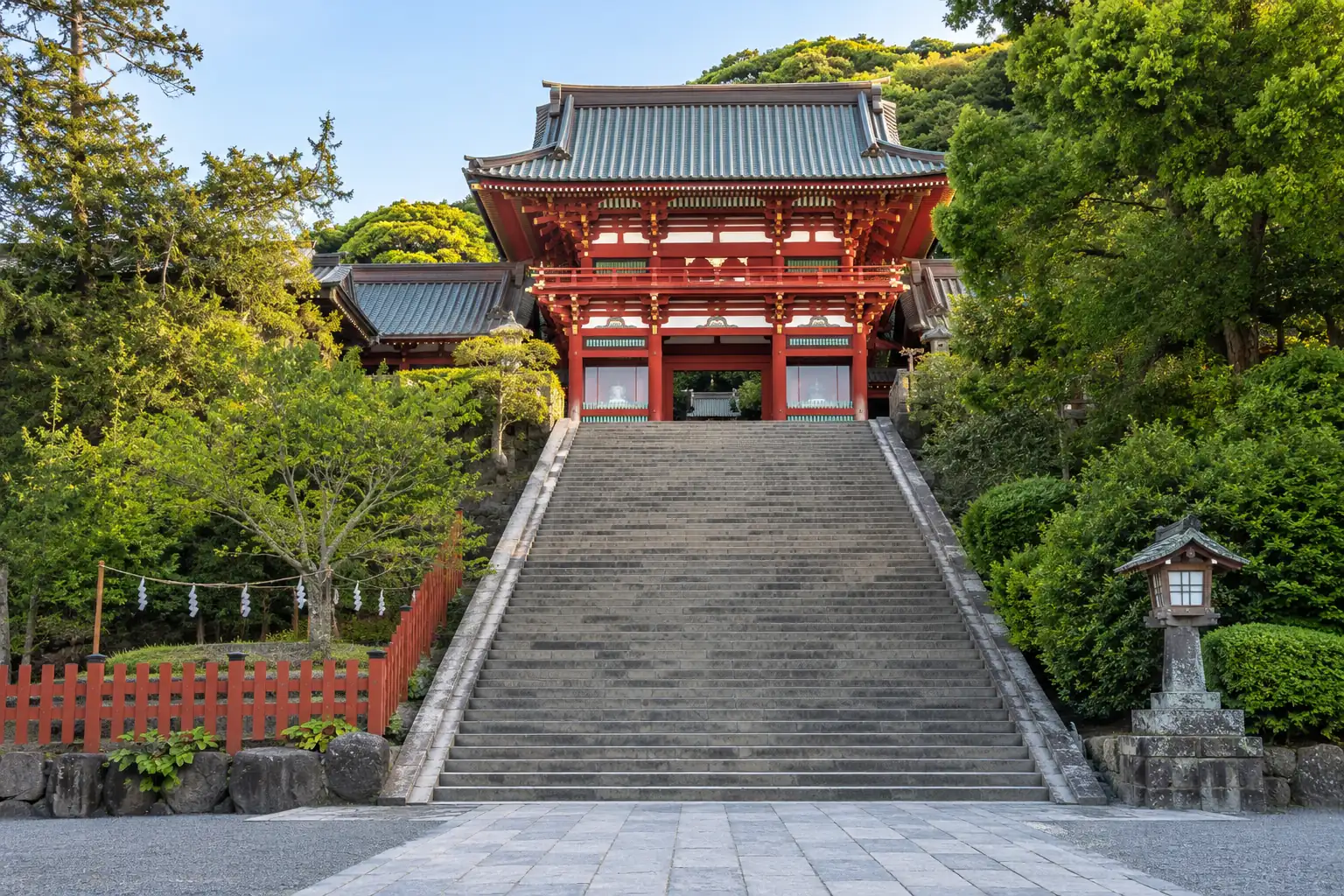
3. Walk to Tsurugaoka Hachimangu
Tsurugaoka Hachimangu is closely associated with Kamakura's samurai government and remains the city's most important shrine. The approach, ponds and broad staircase make it a worthwhile stop even if you do not enter a museum.
Walk along Wakamiya-oji and its raised Dankazura approach on the way from the station, then use nearby Komachi Street for the return. This creates a simple loop with a ceremonial avenue in one direction and food and shopping in the other.
Access: The shrine is about 10 minutes from Kamakura Station's east exit.
Time: Allow about 45–60 minutes.
Hours: The gates open from 6:00 to 20:00 year-round; museums and other facilities have separate schedules.
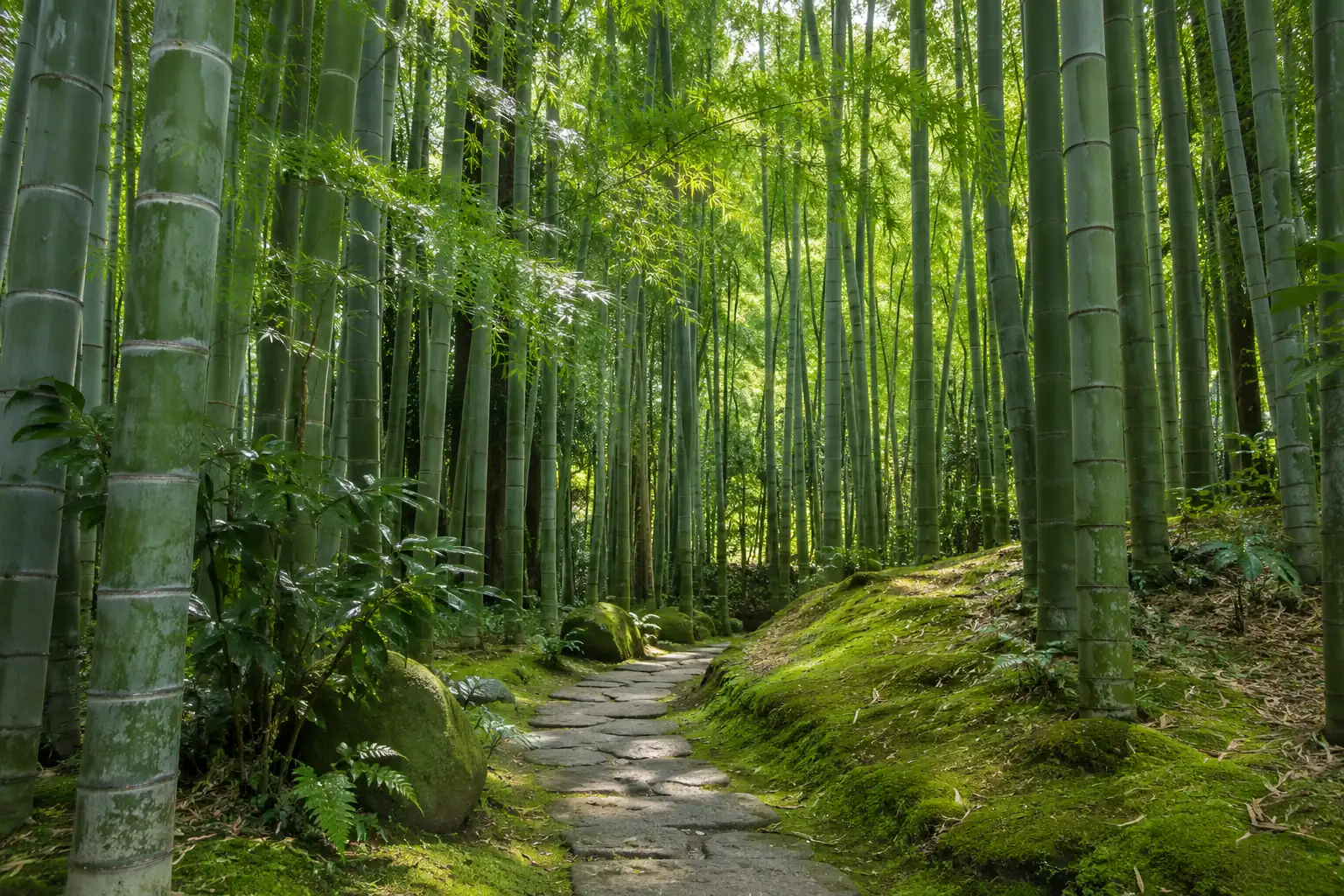
4. Visit Hokokuji's Bamboo Garden
Hokokuji offers a compact garden of tall bamboo, moss and narrow paths. Choose it if you would enjoy a focused garden visit, particularly when you have enough time to explore eastern Kamakura.
Access: From Kamakura Station, a bus to Jomyoji followed by a short walk is usually more practical than adding a long cross-town walk.
Time: Allow roughly 45–60 minutes at the temple, plus transport.
Cost: The bamboo garden costs ¥400 for high-school-age visitors and above. Matcha with a small sweet is an additional ¥600.
Hours: The garden normally opens from 9:00 to 16:00. Matcha ticket sales normally end at 15:30 and sometimes earlier when busy.
Tea-room closure: Hokokuji has announced that Kyukoan tea service will pause for renovation from January 18, 2027, with completion planned for mid-March. Check the temple's renovation notice if tea is a reason for your visit.
Zen Temples and Smaller Shrines
5. Wander Through Engakuji
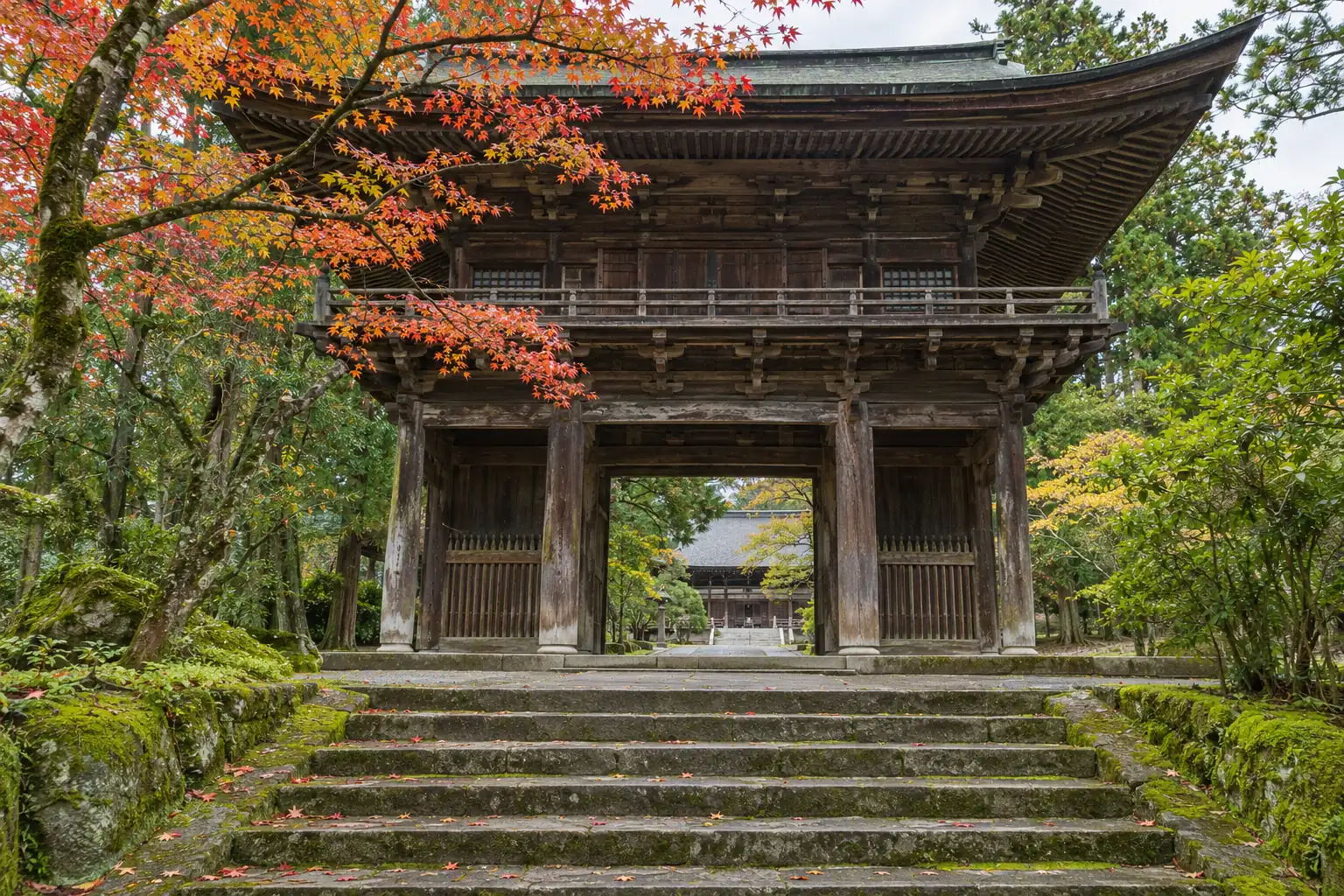
Engakuji is an easy choice for a quieter start near Kita-Kamakura Station, one JR stop north of central Kamakura. Its gate, halls and wooded valley setting reward an unhurried walk rather than a quick photograph.
Access: The entrance is about a minute from the station.
Time: Budget around an hour, staying on public paths and respecting the monastery's private areas.
Cost: Adult admission is ¥500.
Hours: Admission runs from 8:30 to 16:30 from March to November, shortening to 16:00 from December to February.
If you want only one northern temple, its convenient access makes Engakuji straightforward to fit into a rail-based visit.
6. Explore Kenchoji's Temple Halls
Kenchoji ranks first among Kamakura's Five Great Zen Temples. Its large gate and sequence of halls suit visitors who want to understand the scale of a working Zen temple complex.
Access: It is about 15 minutes on foot from Kita-Kamakura Station, in the direction of central Kamakura.
Time: Allow about an hour for the main grounds; climbing farther into the hills requires extra time and energy.
Cost: Adult admission is ¥500.
Hours: Ordinary visiting hours are 8:30–16:30.
Pairing Engakuji with Kenchoji creates a temple-focused morning, but visiting both is optional if you also want Hase and the coast.
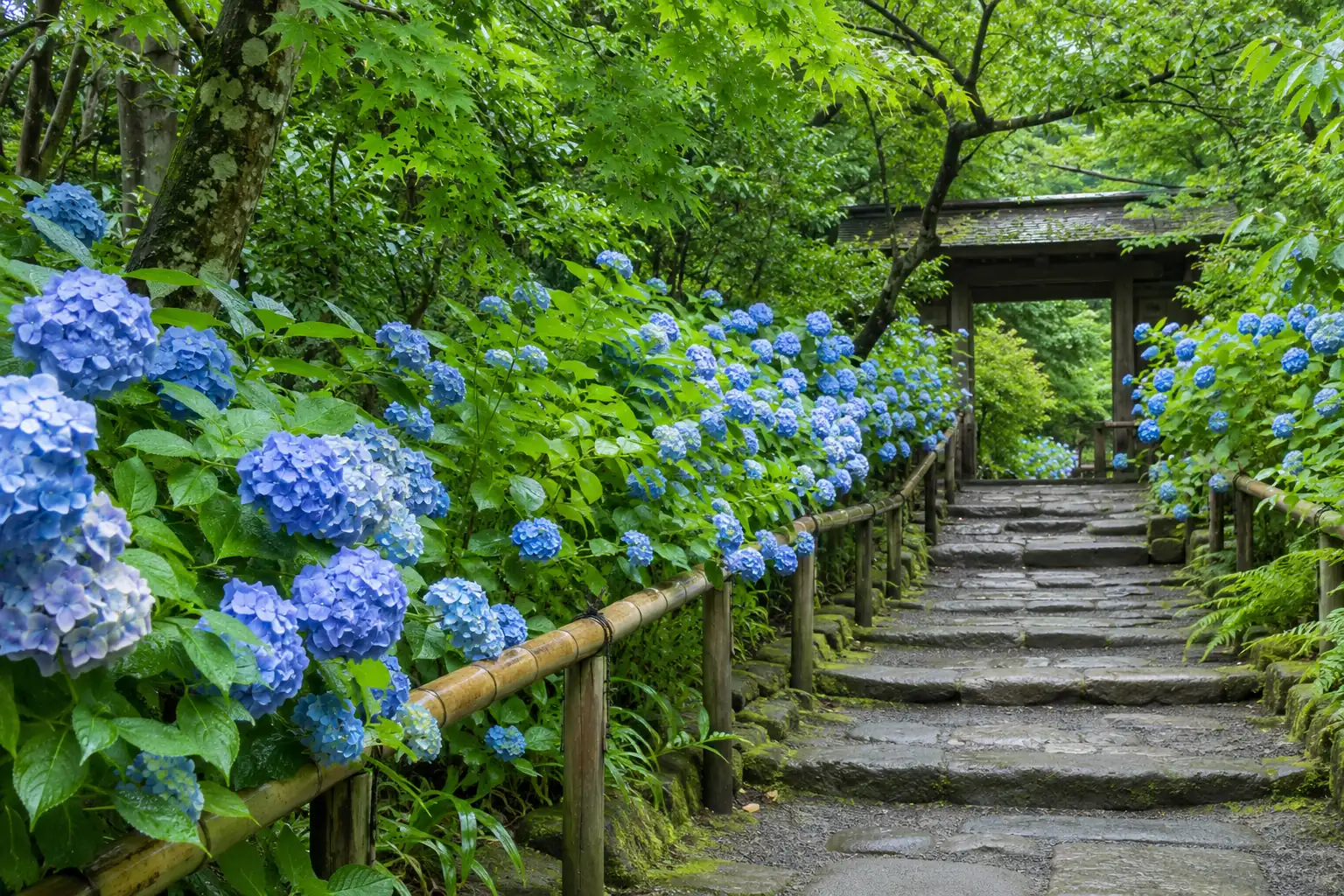
7. Choose Meigetsuin for Hydrangeas
Meigetsuin is best known for its blue hydrangeas, making it a strong seasonal choice in June. At other times, its gardens offer a smaller-scale stop near the larger Zen complexes.
Access: It is about 10 minutes from Kita-Kamakura Station.
Time: Allow around 45–60 minutes outside peak queues.
Cost: Adult admission is ¥500; the rear garden carries an additional ¥500 fee when specially opened.
Hours: Ordinary hours are 9:00–16:00, although June arrangements can change.
If flowers are the main reason for your trip, pick this or Hasedera as your first priority and leave room for waiting rather than assuming both will be quick stops.
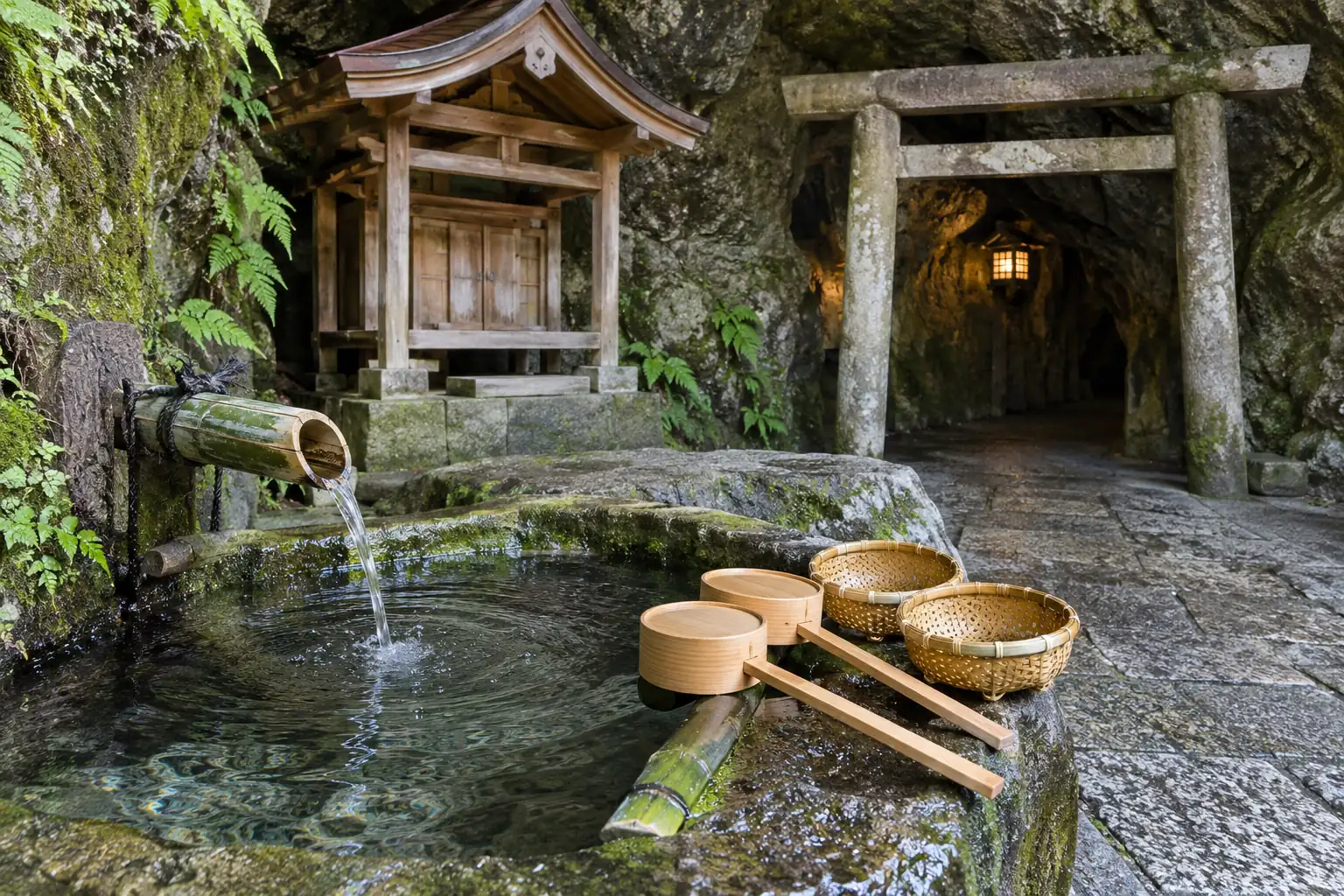
8. Try the Money-Washing Tradition at Zeniarai Benten
At Zeniarai Benzaiten Ugafukujinja Shrine, visitors wash money in spring water as a traditional prayer for prosperity. The enclosed hillside setting and ritual offer a different experience from the larger temple halls.
Bring a few coins if you wish to participate, follow the shrine's instructions and let them dry before putting them away.
Access: The shrine is about 25 minutes uphill on foot from Kamakura Station's west exit, so it fits a western walking route better than a rushed detour between train rides.
Time: Allow roughly 30 minutes at the shrine in addition to the walk.
Cost: The tourism association lists donation-based admission.
Hours: Visiting hours are 8:00–16:30, with arrival by 16:00.
The Coast and Outdoor Activities
9. Ride the Enoden Along the Coast
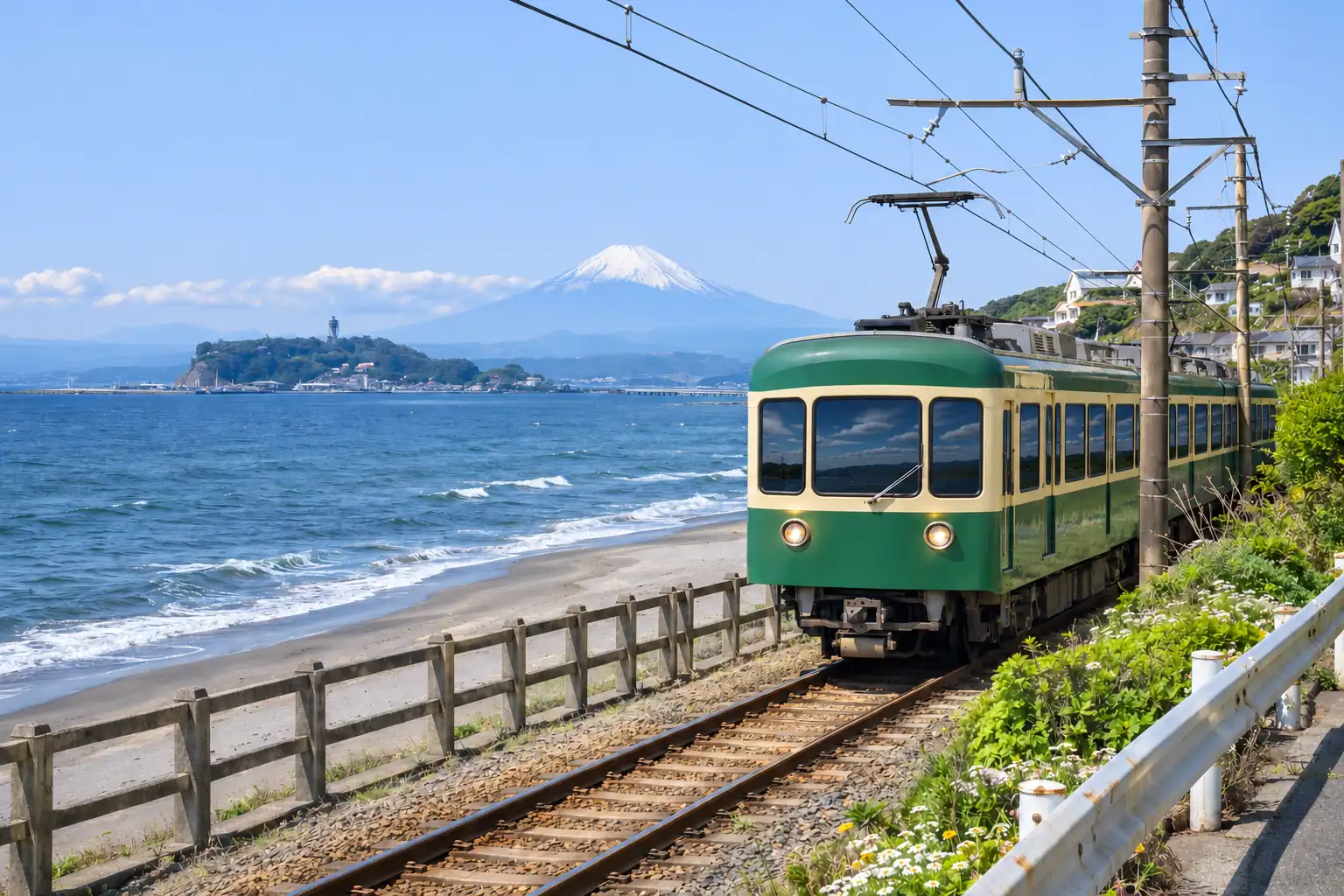
The Enoden connects Kamakura with Fujisawa through Hase, residential neighborhoods and the western coast. It is useful transport, but the changing views also make the journey an activity in its own right.
The short ride to Hase does not show you the full coastal scenery. Continue toward Inamuragasaki, Shichirigahama or Kamakurakokomae if seeing the sea from the train is a priority, allowing time for the journey back or onward.
At popular crossings, photograph only from permitted public spaces and keep roads and tracks clear. A busy railway crossing is part of a residential neighborhood, so a quick stop is more considerate than waiting in the way for a particular train.
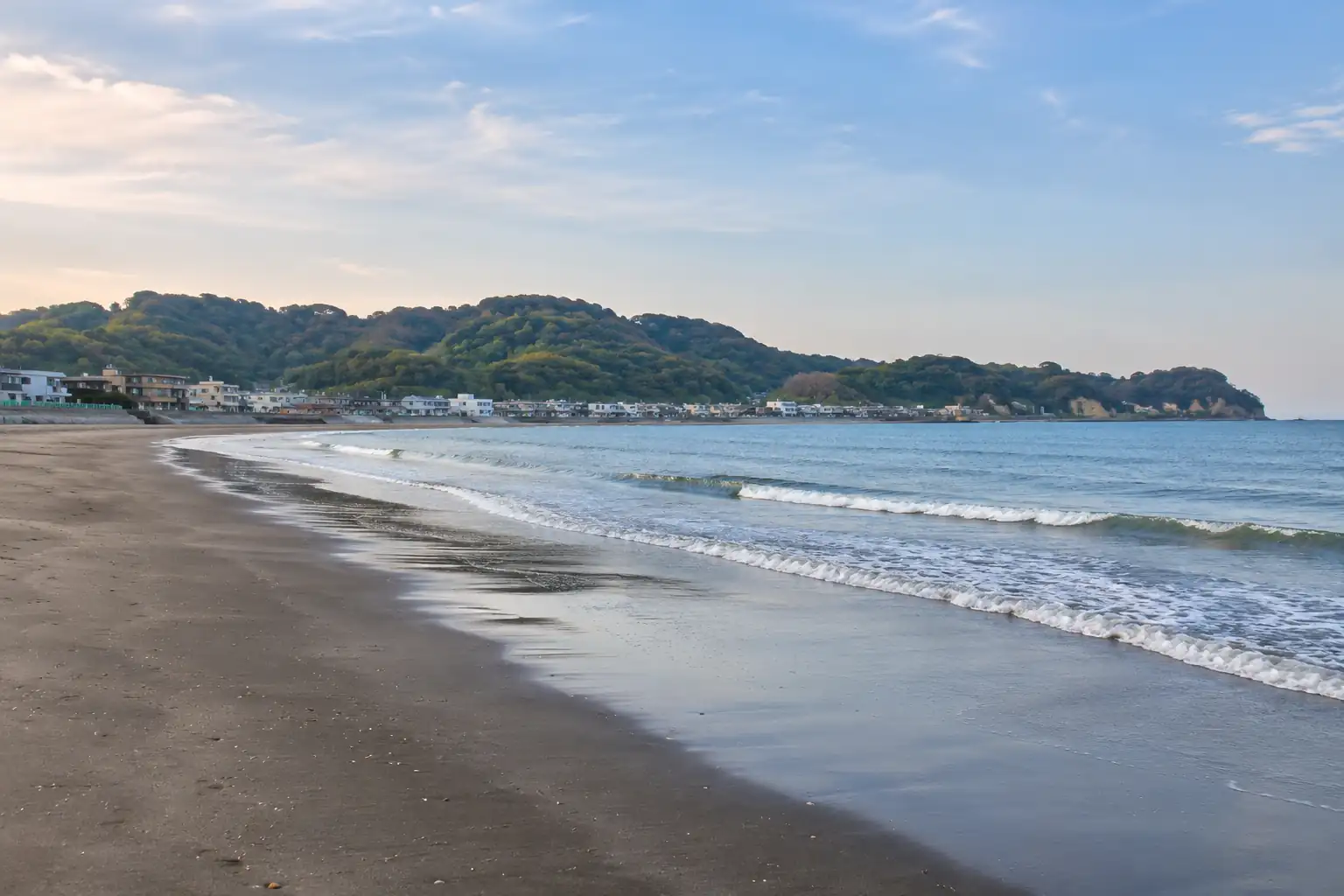
10. Walk Beside the Sea at Yuigahama
Yuigahama is a convenient beach break after Hasedera and the Great Buddha. You can enjoy the sand and sea breeze without making a separate journey to the far end of the Enoden line.
Give yourself 30–60 minutes for a walk, adjusting for heat, wind and daylight. Summer swimming depends on the officially supervised season and conditions on the day; a beach stroll is a more flexible year-round plan.
For a farther-west viewpoint, consider Inamuragasaki or Shichirigahama, where Mount Fuji may appear in clear conditions. Shichirigahama is not suitable for swimming, so choose it for scenery rather than treating every beach as interchangeable.
11. Follow the Kuzuharaoka–Daibutsu Hiking Route
This wooded route connects the Kita-Kamakura side of town with Hase, linking shrine visits with a proper walk through the hills. It suits travelers who enjoy uneven paths and would prefer a forest route to more time on shopping streets.
The tourist association's approximately 3-kilometer sightseeing route includes Jochiji, Kuzuharaoka Shrine, Zeniarai Benten and Sasuke Inari, ending near the Great Buddha. Its suggested 2.5–3 hours includes the sightseeing route, so do not treat that as a quick transfer between temples.
Wear shoes with grip and carry water; roots, slopes and steps make this different from walking through central town.
Check current trail notices and weather before starting. Use a street or rail alternative after heavy rain or when closures are posted.
If hiking is your main activity, reduce the other temple visits and leave enough daylight to finish comfortably.
12. Give Enoshima Its Own Time
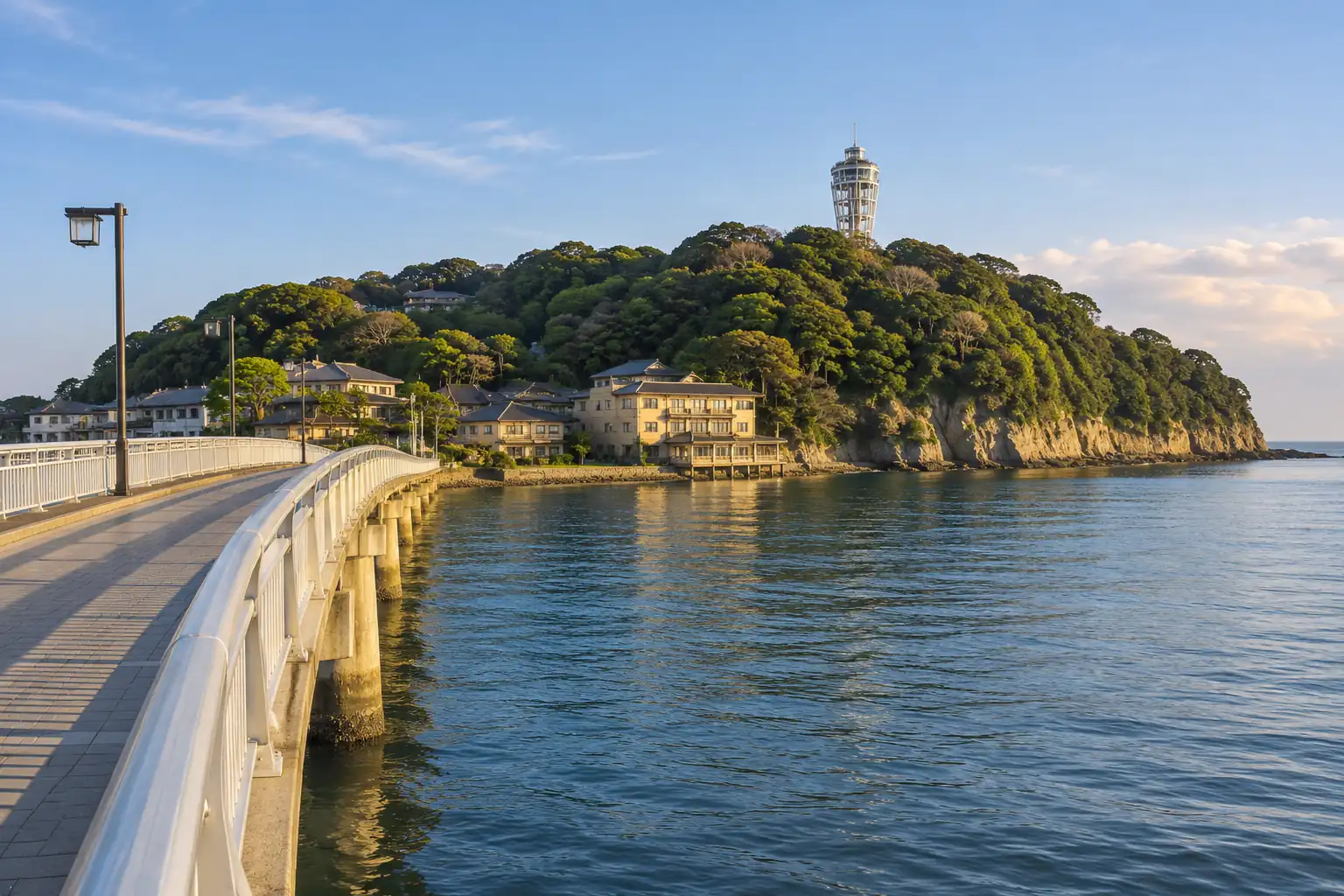
Nearby Enoshima is in Fujisawa rather than Kamakura, but the Enoden makes it a natural extension. Its shrine approaches, sea views and Sea Candle observation tower add a distinct island visit to the trip.
Allow at least half a day if you want to cross the bridge and explore beyond the entrance. The railway station is on the mainland, and the island includes plenty of walking and stairs.
With just one day, choose a short Kamakura visit plus Enoshima, or keep the whole day for Kamakura. For two days, putting the island on a separate day leaves much more time for meals, views and stops along the coast.
What to Eat and Buy in Kamakura
13. Try Shirasu and a Local Cafe
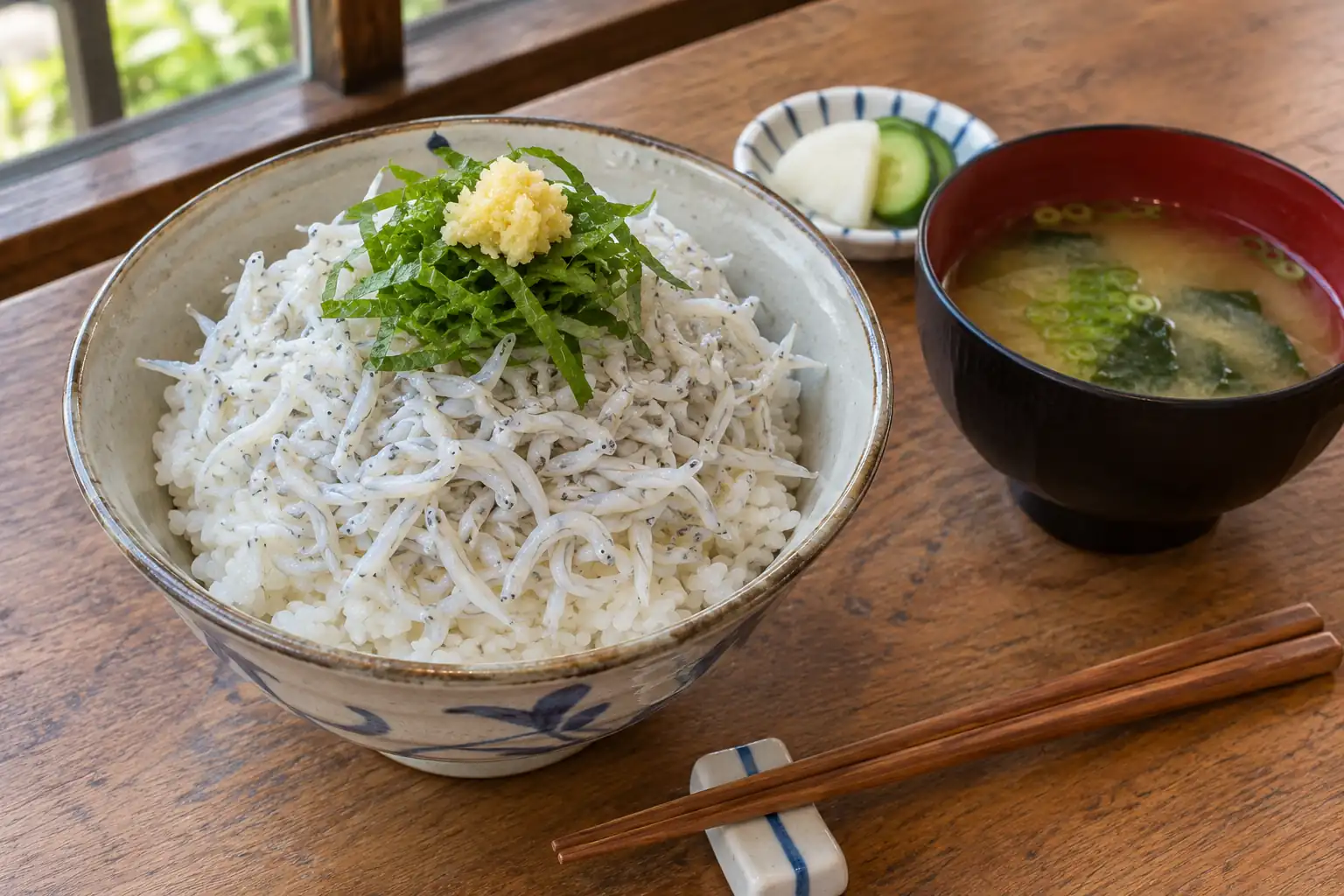
Shirasu, tiny whitebait caught in Sagami Bay, is a local specialty commonly served over rice. A shirasu-don makes a useful lunch between sightseeing stops, especially if you are exploring the coastal districts.
Choose kamaage shirasu for cooked whitebait, or look for a mixed bowl if you want several toppings. Raw shirasu depends on the fishing season and catch, so avoid building lunch around its guaranteed availability.
Kakiya in Koshigoe is one option near Koshigoe Station for travelers continuing toward Enoshima. If you are staying in central Kamakura, choose a restaurant around the station advertising shirasu-don so lunch does not require another train journey.
For a cafe stop along the coast, Yoridocoro in Inamuragasaki serves shirasu-don and dried-fish set meals, as well as coffee, cheesecake and tiramisu.
Access: It is about 2 minutes from Inamuragasaki Station, making it a useful meal or coffee break during a western-coast outing.
Closing day: The main store closes on Tuesdays.
Booking: Only its four Enoden-facing window-counter seats can be reserved through TableCheck; other seats are for walk-ins. Keep another lunch option if a particular view or a short wait is essential.
14. Browse Komachi Street and Buy Kamakura Sweets
Komachi Street begins beside Kamakura Station's east exit and combines snack stops with small souvenir shops. Look for rice crackers, Japanese sweets and matcha desserts, choosing one or two stops that appeal rather than joining every queue.
For an identifiable local gift, visit Toshimaya's main store at 2-11-19 Komachi, on nearby Wakamiya-oji, for its pigeon-shaped Hato Sablé butter biscuits. They are easy to share after the trip; choose protective packaging and carry them where they will not be crushed.
The main store lists occasional Wednesday closures, so check its current calendar if it is a priority. Finish snacks in the shop's designated area or another suitable place that keeps the narrow street clear, and carry a small bag for your rubbish.
15. Shop for Kamakurabori Lacquerware
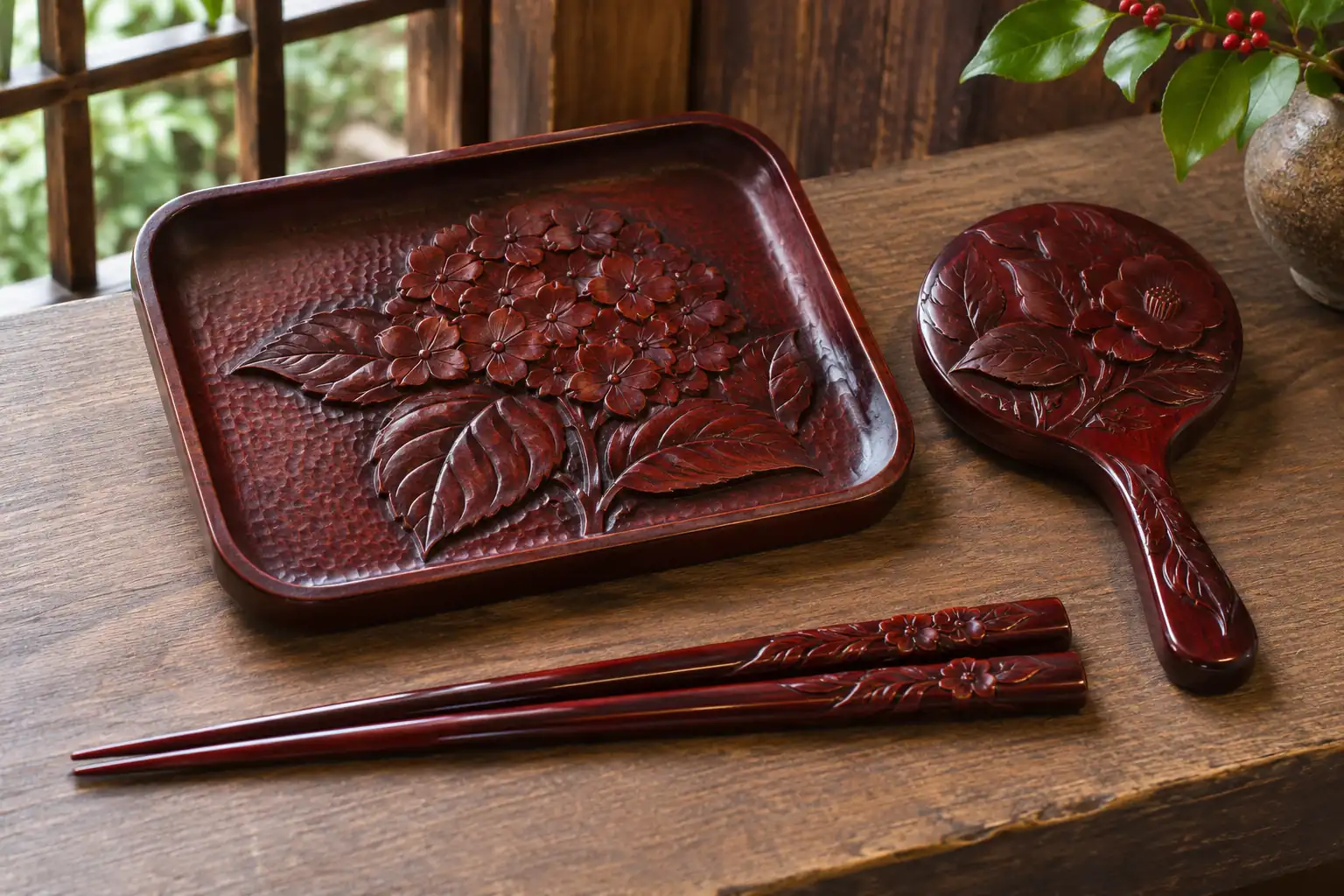
Kamakurabori combines carved wood with lacquer, producing textured trays, bowls and smaller accessories. It is a more lasting souvenir than food and a good choice if you enjoy objects with a clear connection to local craft.
The ground-floor shop at Kamakurabori Kaikan, 2-15-13 Komachi, is a practical place to compare pieces. Look for a small tray, chopsticks or a hand mirror if luggage space is limited, and ask staff about the finish and intended use before choosing tableware.
Request care instructions and protective wrapping, especially for carved edges or a mirror. If you also want a workshop or museum visit, check those arrangements separately rather than assuming a shopping stop includes an experience.
A One-Day Kamakura Itinerary
For a first visit, combine Hase's two main sights with the central shrine and shopping streets.
The route below gives you a full day without adding eastern Kamakura or Enoshima; its times are flexible planning allowances, so shorten stops when queues build.
The First-Visit Route
08:30–10:45 — Hasedera and the Great Buddha. Take the Enoden to Hase, visit Hasedera, then walk to Kotoku-in. Start with the larger garden while you are fresh, and leave the shorter Buddha visit for the second stop.
10:45–12:00 — Yuigahama and the return to town. Walk down to the beach if the weather is pleasant, then return to Kamakura Station on foot or by Enoden. Skip the beach if the temples have taken longer than expected.
12:00–14:00 — Lunch and Tsurugaoka Hachimangu. Eat near the station, then follow Wakamiya-oji and the raised Dankazura approach to the shrine. Allow time for the grounds and staircase.
14:00–16:00 — Sweets, crafts and Komachi Street. Return toward the station via Komachi Street, adding Toshimaya or Kamakurabori Kaikan according to your interests. This keeps the afternoon within the central area and finishes near your train.
Adapt the Route to Your Interests
Choose one of these changes to the day above. Each replaces part of the route, rather than adding another district to an already full schedule.
For a coastal train ride: Continue west from Hase toward Shichirigahama instead of walking to Yuigahama, then return to central Kamakura. Reduce shopping time to allow for the extra journey.
For the bamboo garden: Replace the beach and some shopping with Hokokuji, allowing for the bus journey to eastern Kamakura.
For Zen temples: Replace the Hase morning with Engakuji or Meigetsuin near Kita-Kamakura. Add Kenchoji only if you want a second substantial temple, then continue toward Tsurugaoka Hachimangu and central Kamakura for lunch.
For half a day: Choose Hasedera and the Great Buddha plus a meal, or the central shrine and shopping loop.
If you choose the northern temples, leave room for a tea or coffee break. June flower queues can take longer than expected, so keep the number of stops flexible.
Planning Your Kamakura Visit
When to Visit
Spring brings cherry blossoms, June brings hydrangeas and rain, and late autumn brings temple foliage. Flowers and leaf color vary with the weather, so check current bloom reports if a particular garden is the reason for your trip.
Summer calls for breaks from the heat, while winter's shorter daylight favors earlier temple visits and walks. Weekday mornings generally offer an easier start than busy weekend afternoons.
Getting There and Around
The JR Yokosuka Line connects Tokyo Station with Kamakura in about an hour. From Shinjuku or Shibuya, check for a Shonan-Shinjuku Line service continuing toward Zushi; the train's destination determines whether you need to transfer.
Once in Kamakura, use the Enoden for Hase and the coast, or buses for eastern sights such as Hokokuji. Check current departure times and fares, and allow extra boarding time on weekends and during flower season.
The Enoden Noriorikun one-day pass costs ¥800 for adults and excludes the JR journey from Tokyo. Compare it with the fares for your chosen stops: a short Hase return trip and several coastal stops have different ticket costs.
Day Trip or Overnight Stay?
A day trip suits the Hase sights and central shrine loop. Stay one night if you want a relaxed temple day followed by Enoshima or a longer walk the next morning, or time by the coast without a late return to Tokyo.
Choose a base near Kamakura Station for JR access, central food and shopping, or consider Hase and Yuigahama for the beach. Before booking, check the walk from the nearest station, luggage storage and check-in arrangements.
Budget and Essentials
Basic adult admission for Hasedera and Kotoku-in totals ¥700, or ¥750 with the optional Great Buddha interior. Add your return rail fare, local transport, meals and purchases to estimate the full day; this admission subtotal covers only those two sights.
Cash and footwear: Carry some cash for small payments and wear shoes suited to steps and the amount of walking you plan.
Accessibility: Hasedera's upper grounds, the shrine staircase and wooded routes can be demanding for visitors with limited mobility. Confirm accessible routes directly with each venue before finalizing your stops.
Maps and mobile data: Save your chosen stops and return route before leaving Tokyo. Data helps with buses, menu translation and changes of plan; if your phone supports it, an iRoamly Japan travel eSIM is one option for using your preferred apps.
Keep food covered near the beach, where black kites can swoop toward exposed snacks. Eat in a suitable sheltered place, keep temple visits quiet and follow each site's photography signs.
FAQ
1. Is Kamakura Suitable for Children?
Yes, especially with a short train ride, the Great Buddha and time by the sea. Limit the number of temple visits, build in snack breaks and expect to carry or fold a stroller where steps make progress awkward.
2. What Can You Do in Kamakura When It Rains?
Light rain can still suit a short garden visit followed by a cafe or craft-shopping stop. Many temple grounds remain outdoors, so shorten the route; avoid muddy hiking paths and exposed coastal plans when weather warnings or strong winds apply.
3. Do You Need to Book Attractions in Advance?
Kotoku-in's ordinary visit does not require a reservation. Check separately for seasonal flower access, special events, guided activities and workshops.
Restaurant rules also vary: Yoridocoro's Inamuragasaki branch reserves its four railway-facing counter seats, while other seats are for walk-ins.
4. Can You Visit With a Suitcase?
Leaving it at your accommodation is usually easier than taking it through crowded trains, narrow shopping streets and temple steps. If you need station storage, confirm available services and collection hours in advance and have a backup because lockers can fill.
Conclusion
Some of Kamakura’s most enjoyable moments come after a temple visit: following a lane toward the beach, settling into a café, or watching the Enoden pass outside the window. Leave room for these pauses as well as the main sights.
For a first visit, build your day around Hase and central Kamakura. If bamboo, Zen temples, or hiking interests you more, swap them into the route. Give Enoshima its own time so neither destination feels rushed.
Choose the place you most want to visit, then connect the nearby stops. Consider ending by the sea, with time to sit down, rest your feet, and enjoy a little distance from Tokyo’s bustle.