
Is Kanazawa worth a dedicated trip? If you enjoy Japanese gardens, well-preserved historic streets, and seafood, you can easily spend two days exploring the city.
For a first visit, it can be hard to know which sights are worth paying for, which experiences need reservations, and how much fits into one day. A well-planned route helps you enjoy the food and sights without unnecessary trips between districts.
This guide brings together 19 things to do in Kanazawa, covering attractions, local food, and shopping, with suggested one-day and two-day itineraries to help you choose the experiences you most want to try.

Historic Sights in Kanazawa
Kanazawa's historic sights reveal how the Maeda family shaped a castle town around power, refined gardens and everyday life.
Broad castle grounds and carefully composed landscapes sit alongside more intimate teahouses and samurai homes, where the scale of the rooms and gardens makes that history easier to picture.
Garden and Castle
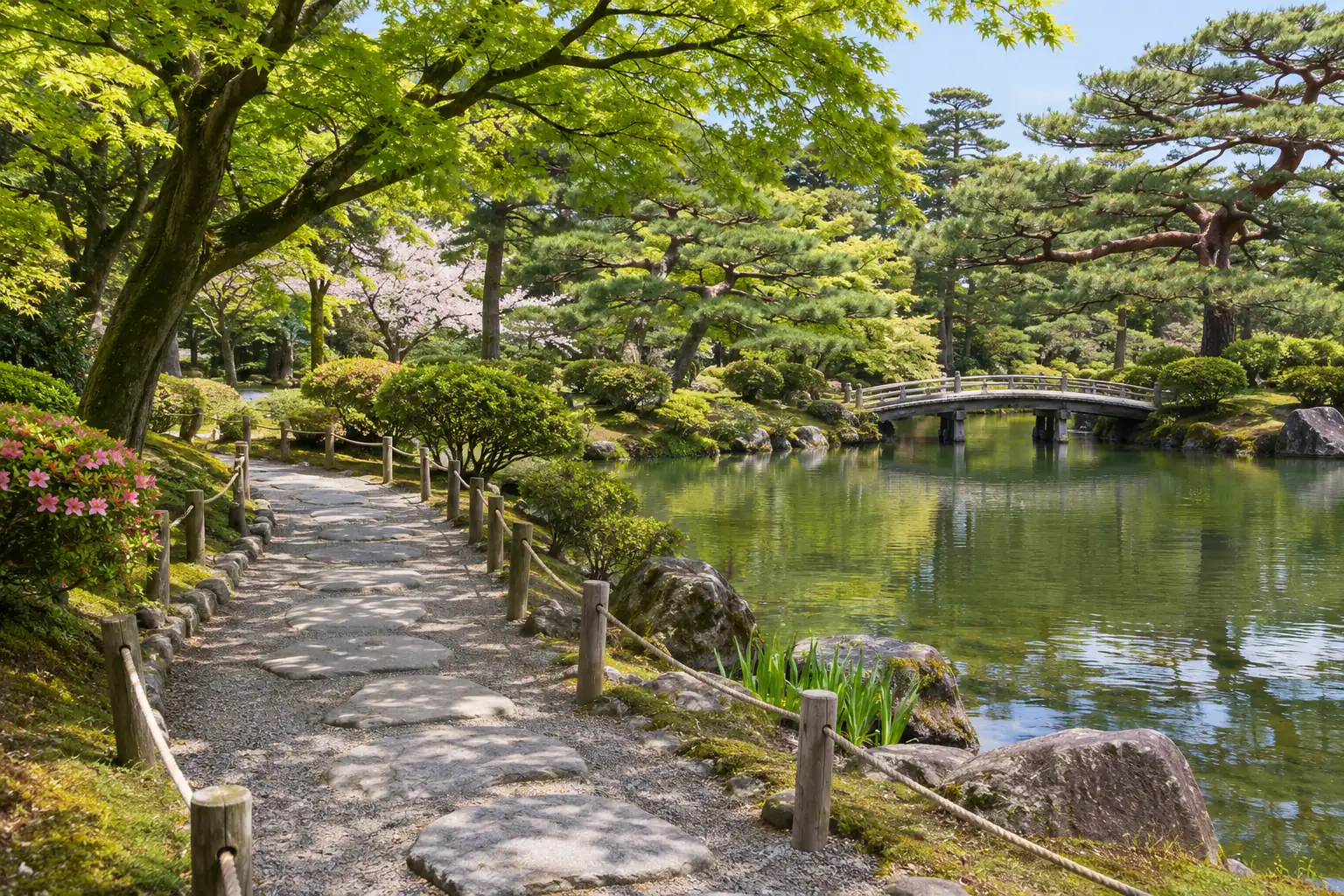
1. Wander Through Kenrokuen Garden
Kenrokuen is worth visiting for the changing views along its paths, not just the familiar stone lantern beside Kasumigaike Pond.
Follow the streams and bridges away from the busiest viewpoint to see how carefully shaped pines, open water and small hills frame the garden.
Time: Allow 60–90 minutes, longer if you stop for tea.
Admission: Standard entry is ¥320 for adults aged 18 and over and ¥100 for children aged 6–17; bring cash.
Hours: Regular opening is 7am–6pm from March 1 to October 15 and 8am–5pm from October 16 through February. Separate early-entry arrangements require leaving before regular opening.
Spring blossoms and autumn foliage are obvious draws, while winter's yukitsuri ropes support tree branches against snow. Choose a season for the atmosphere you want, and check the official garden information before an early-morning visit.
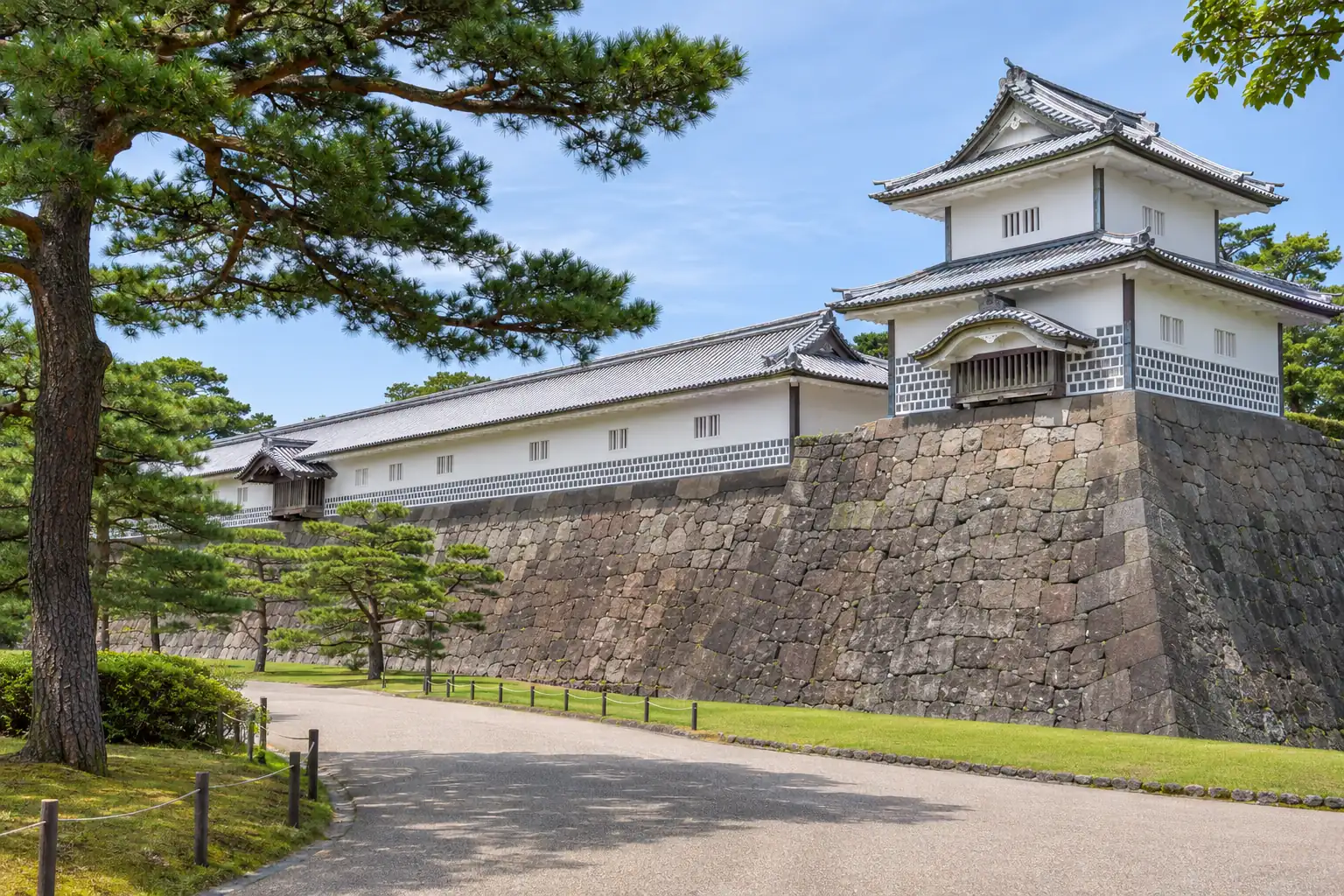
2. Explore Kanazawa Castle Park
Cross from the garden toward Ishikawa-mon Gate and explore the castle's stone walls, spacious grounds and reconstructed buildings.
This is a good place to notice differences in stonework and carpentry; it offers a different experience from a castle dominated by a tall surviving keep.
The park grounds are free, while some reconstructed interiors charge admission.
Allow about an hour for a walk, adding time for paid buildings if construction techniques and castle defenses interest you; Gyokusen-inmaru Garden is a worthwhile quieter corner within the park.
Historic Streets and Sacred Sites
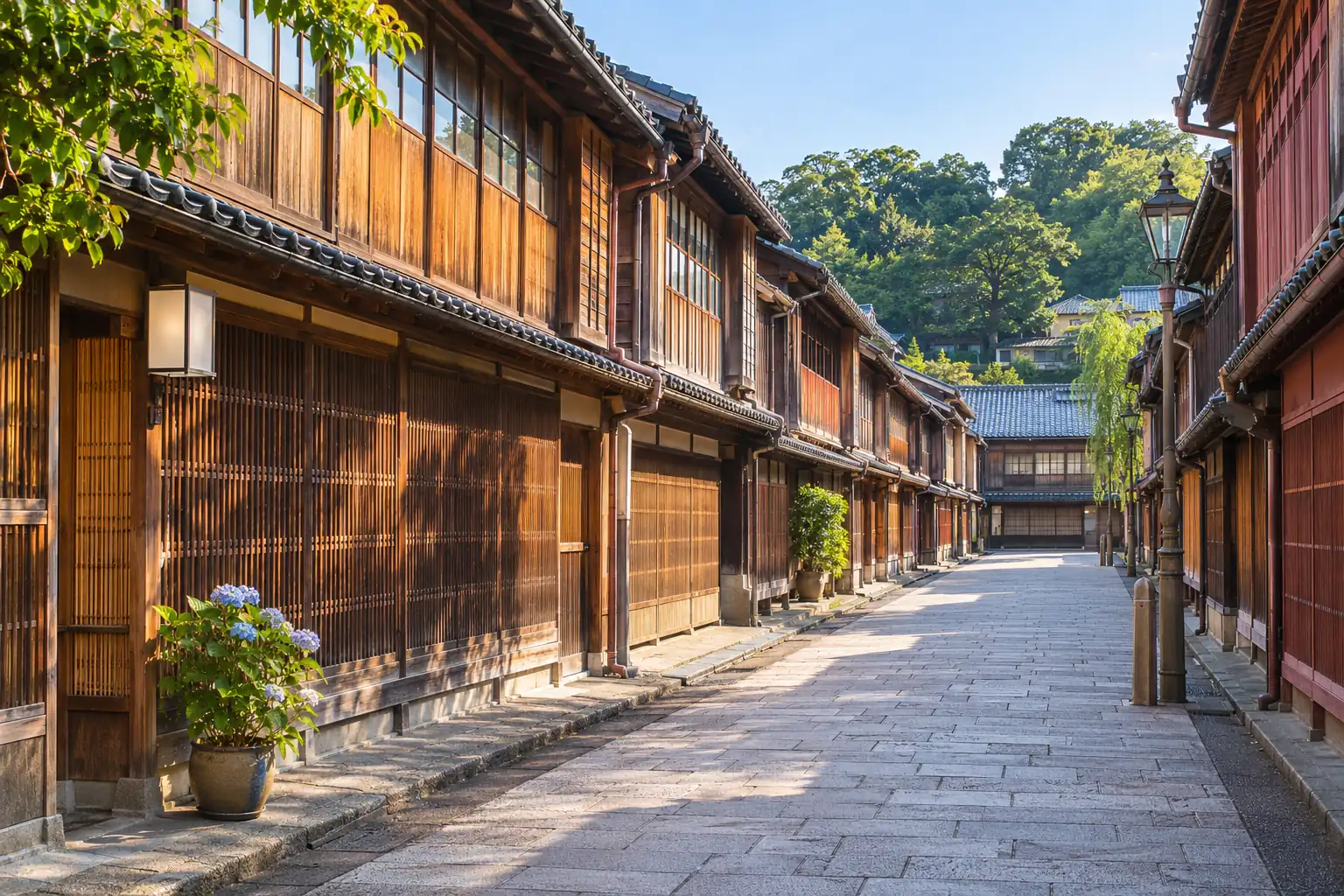
3. Explore Higashi Chaya and Step Inside Shima
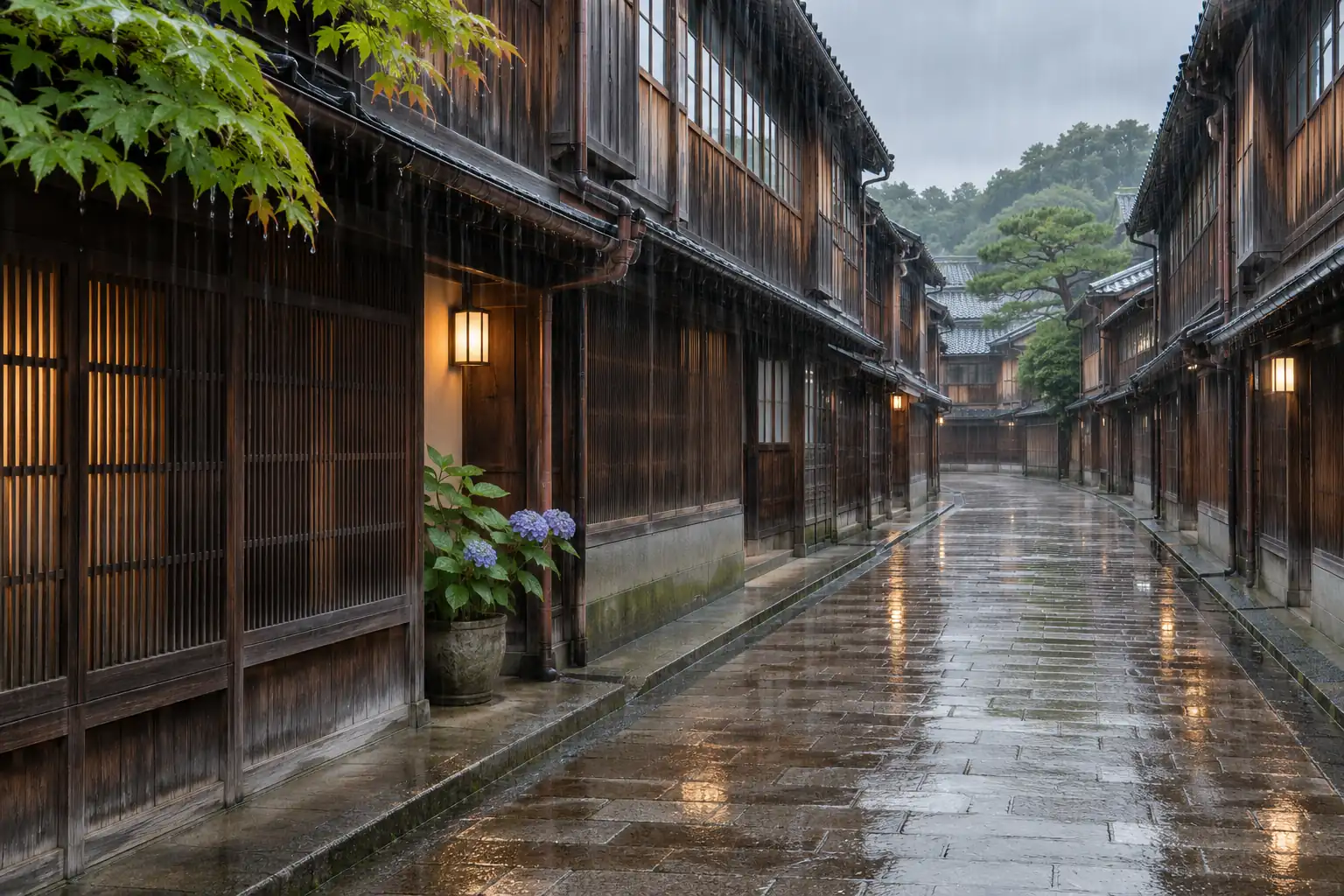
Wooden lattice fronts and narrow lanes make Higashi Chaya an appealing place to walk, but going inside gives the district more meaning. Shima is a preserved teahouse where the rooms and furnishings explain the setting for traditional entertainment.
Time: Set aside 60–90 minutes for the district, a teahouse interior and a small shop or café.
Cost: Walking the streets is free; historic interiors and refreshments are separate purchases.
Timing: Early morning suits a quieter walk, while later visits give you more open shops. Follow signs around private properties and photography restrictions.
4. Visit Nagamachi and the Nomura Residence
Nagamachi's earthen walls and narrow canals show a different side of old Kanazawa from the teahouse districts.
Follow the lanes at walking pace, then enter the Nomura Samurai Residence to see how a compact garden becomes part of the view from the rooms.
Allow 60–90 minutes for the neighborhood and residence together. The streets are free to explore and the house has its own admission charge; choosing one paid historic interior here or in Higashi Chaya is a sensible compromise if time is short.
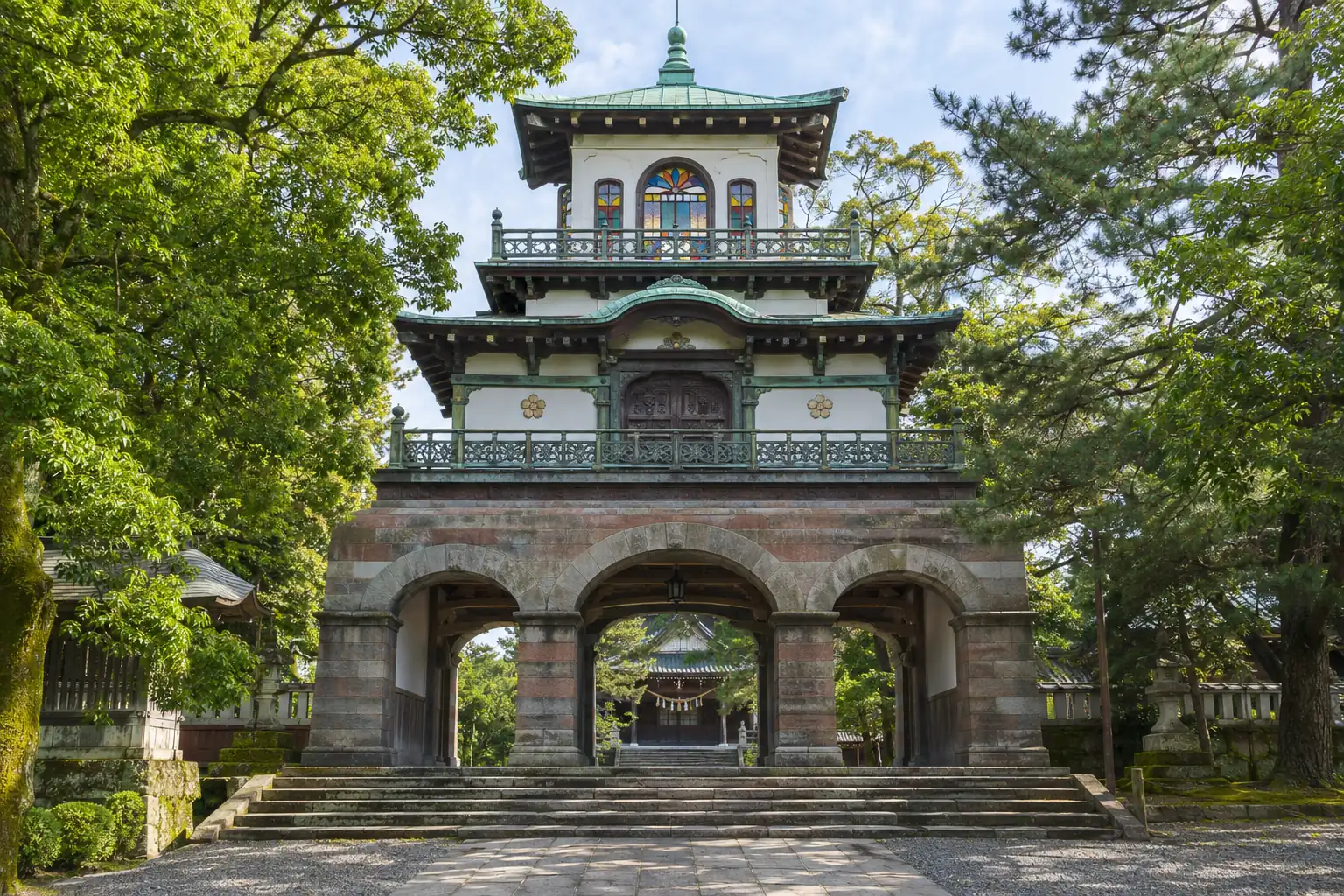
5. Look Closely at Oyama Shrine's Gate
Oyama Shrine's distinctive gate combines Japanese, Chinese and European influences, including stained glass.
Walk through into the grounds rather than stopping with a photograph from the street: the garden provides a pleasant pause between the castle area and Nagamachi.
This is an easy 20–30-minute addition for travelers who enjoy architecture. Keep it as a short stop in a busy day, or spend longer around the pond if you want a break from larger attractions.
6. Tour Myoryuji, the Ninja Temple
Myoryuji earned its nickname through defensive design, hidden stairs and unexpected passages, rather than a history as a ninja training site.
A guided tour is the reason to visit, making this a good choice for travelers more interested in ingenious interiors than another exterior temple view.
Booking: Advance telephone reservations are required. Call +81-76-241-0888; English-speaking reservation assistance is available.
Visit: Tours take about 40 minutes and are conducted in Japanese. Ask what English explanatory material is available when reserving.
Conditions: Preschool children cannot enter, payment is in cash, and the stairs make this unsuitable for some mobility needs. Confirm the current admission fee when booking.
Art and Museums
In Kanazawa's museums, the setting can be as engaging as the displays: glass walls open galleries toward the lawn, and quiet rooms overlook still water.
Contemporary works and finely made craft pieces add another dimension to the city's artistic traditions, with the buildings encouraging a different pace of looking.
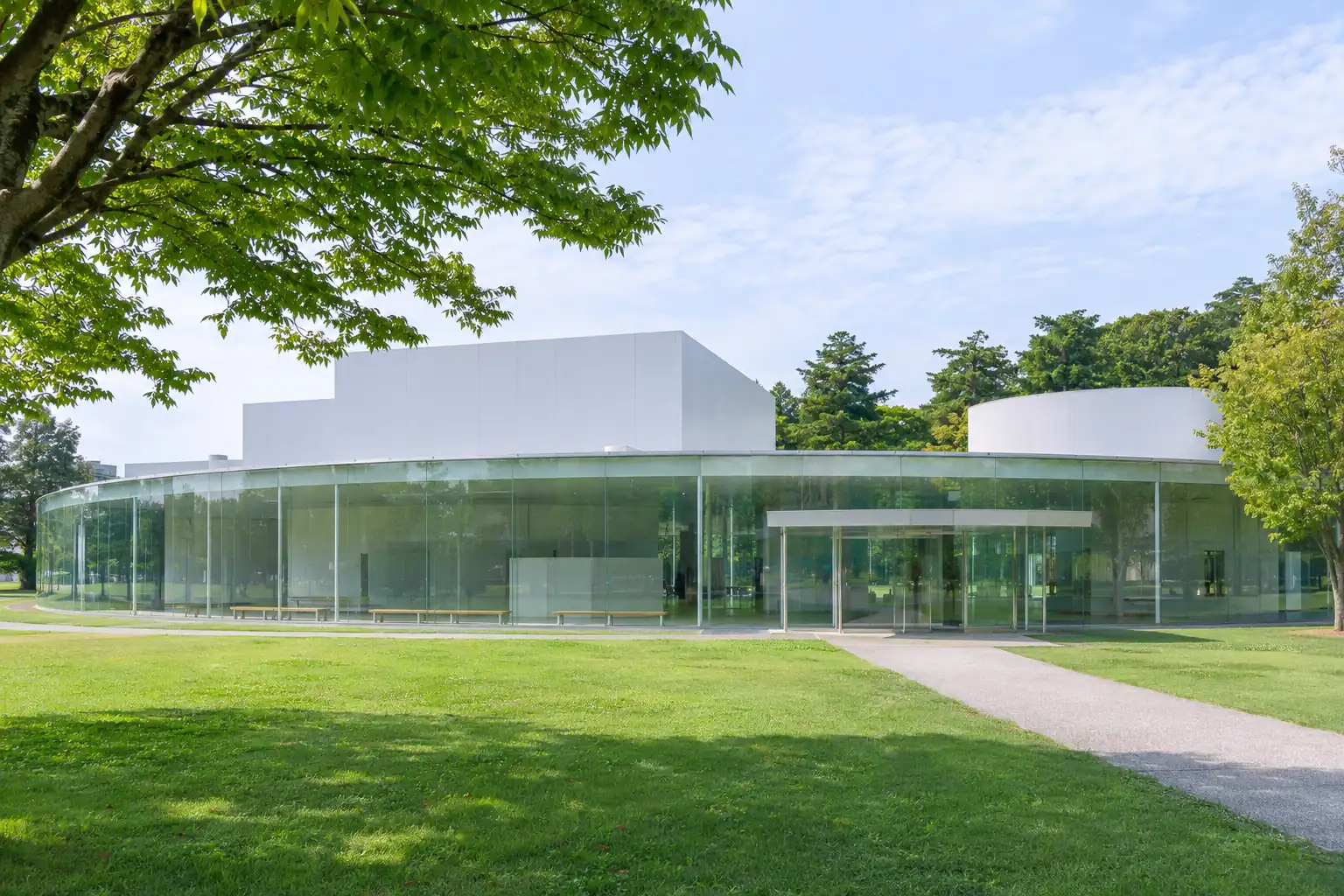
7. See Contemporary Art at the 21st Century Museum
The low, circular glass building of the 21st Century Museum of Contemporary Art gives Kanazawa a very different architectural landmark.
Pick an exhibition that interests you and allow 90 minutes to two hours, rather than treating the museum solely as a quick photo stop.
Public areas and paid exhibition spaces have different access rules. To enter the underground section of Leandro Erlich's The Swimming Pool, you need an eligible exhibition ticket and a separate same-day waiting-list reservation, currently available from 9am; buying a ticket alone does not secure entry.
Use the official museum website to check exhibitions, closure dates and pool reservations. The pool is a restricted exhibit, so keep a flexible museum plan if that particular experience is unavailable.
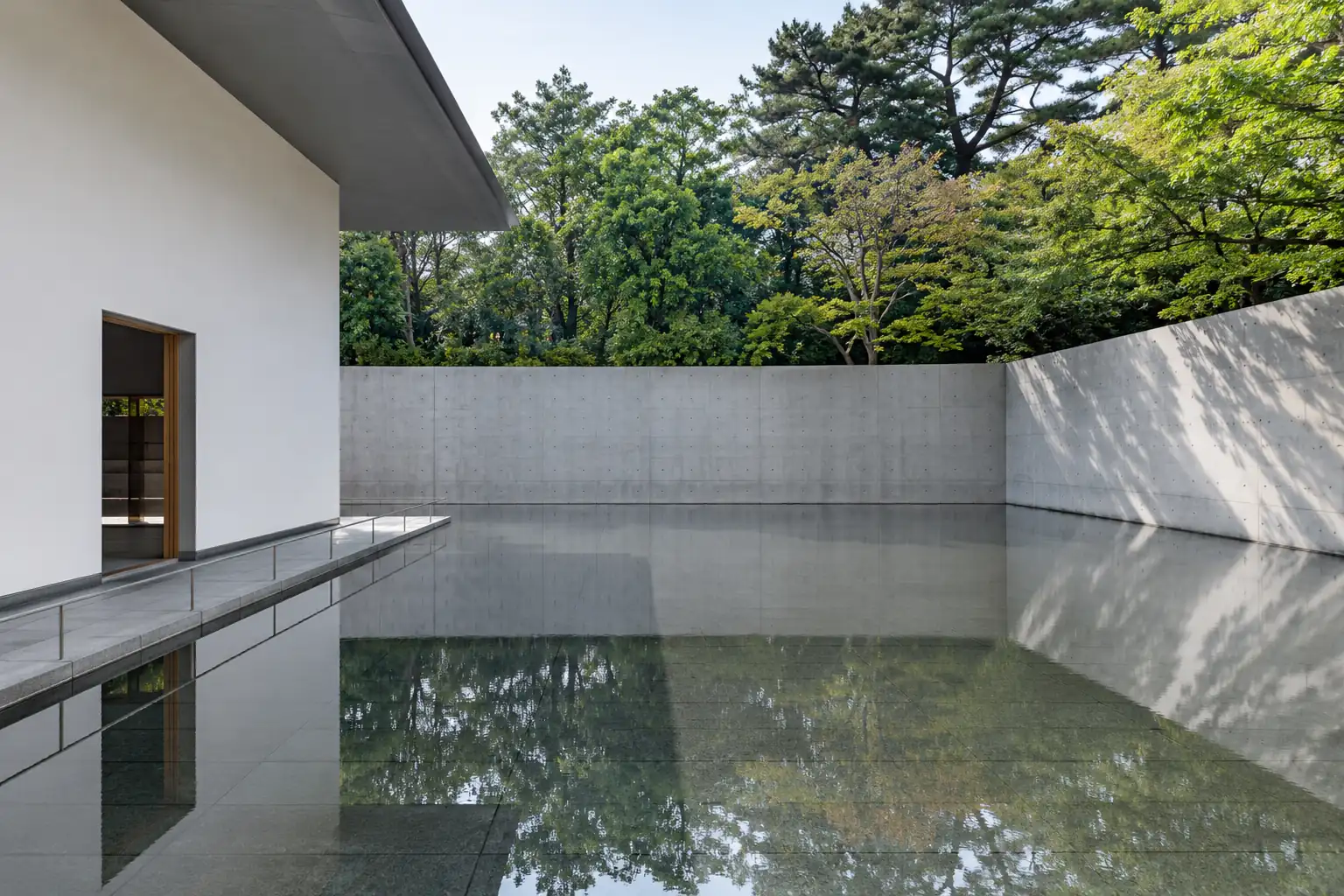
8. Slow Down at the D.T. Suzuki Museum
This small museum introduces the life and thinking of Buddhist philosopher Daisetz Teitaro Suzuki through exhibition and learning spaces.
Its Water Mirror Garden and restrained architecture are especially rewarding if you enjoy quiet places where the building itself shapes the visit.
Allow around 45–60 minutes and give the contemplative spaces some time. It is better suited to patient observation than a busy activity schedule; check the current calendar, particularly around Mondays and public holidays.
9. Discover Japanese Design at the National Crafts Museum
The National Crafts Museum focuses on modern and contemporary crafts and design, bringing together work in materials such as ceramics, lacquer and textiles.
It is a useful choice before souvenir shopping because it encourages you to look at technique and finish as closely as color and pattern.
The museum occupies restored historic buildings in the cultural area near Kenrokuen.
Budget about an hour, choose by the current exhibition and check opening dates before walking over; changing displays mean a particular object may not be on view.
What to Eat in Kanazawa
Seafood and seasonal ingredients give Kanazawa's cooking a strong sense of place, and market counters offer a direct view of what goes into a meal.
Regional dishes expand on that seafood reputation, while tea and carefully shaped sweets make a café visit part of the city's food culture.
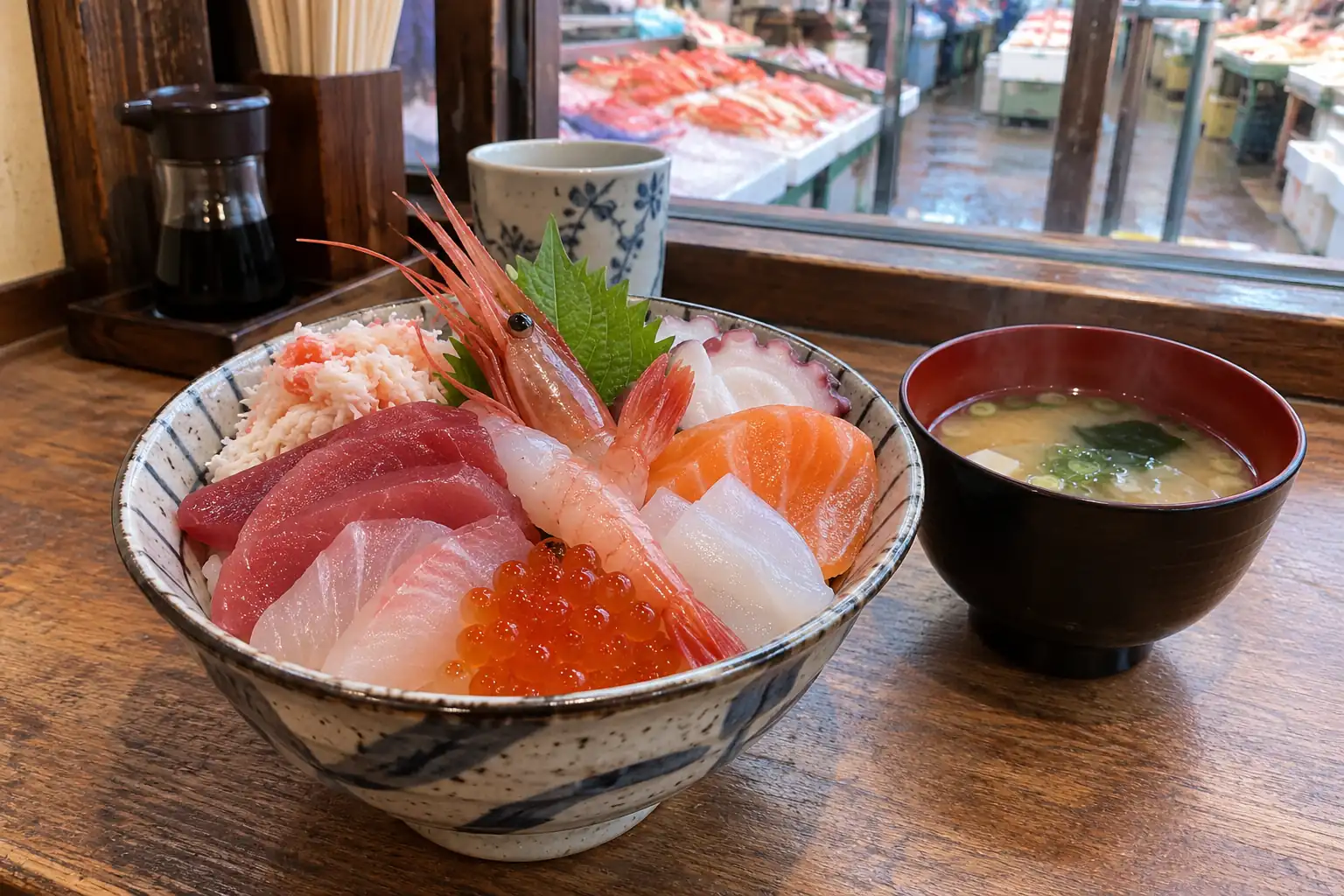
10. Have a Seafood Lunch at Omicho Market
Omicho is a working food market as well as a visitor attraction, with seafood counters, produce shops and places to eat.
Browse before choosing lunch: a kaisendon rice bowl lets you try several kinds of seafood, while cooked fish or grilled shellfish suit anyone avoiding raw dishes.
When: Visit in the morning or around lunch; individual shop hours vary, so avoid relying on the market for a late dinner.
What to order: Ask about seasonal fish, shrimp or winter crab, and check the displayed price before ordering expensive seasonal items.
Time: Allow 60–90 minutes including a meal, with extra room for popular restaurant queues.
11. Try Kaga Cooking or Kanazawa Oden
Give at least one meal to something beyond sushi. Jibuni, a regional simmered duck dish, introduces Kaga cooking, while Kanazawa oden offers a warming selection of ingredients in a light broth; Kanazawa curry is a more casual alternative.
Look around Korinbo, Katamachi and Kiguramachi for dinner, choosing a menu and price range before committing.
Reserve if you have a particular restaurant in mind, especially for a small counter or a set-course meal, and ask whether an appetizer or seating charge applies.
12. Take a Matcha and Wagashi Break
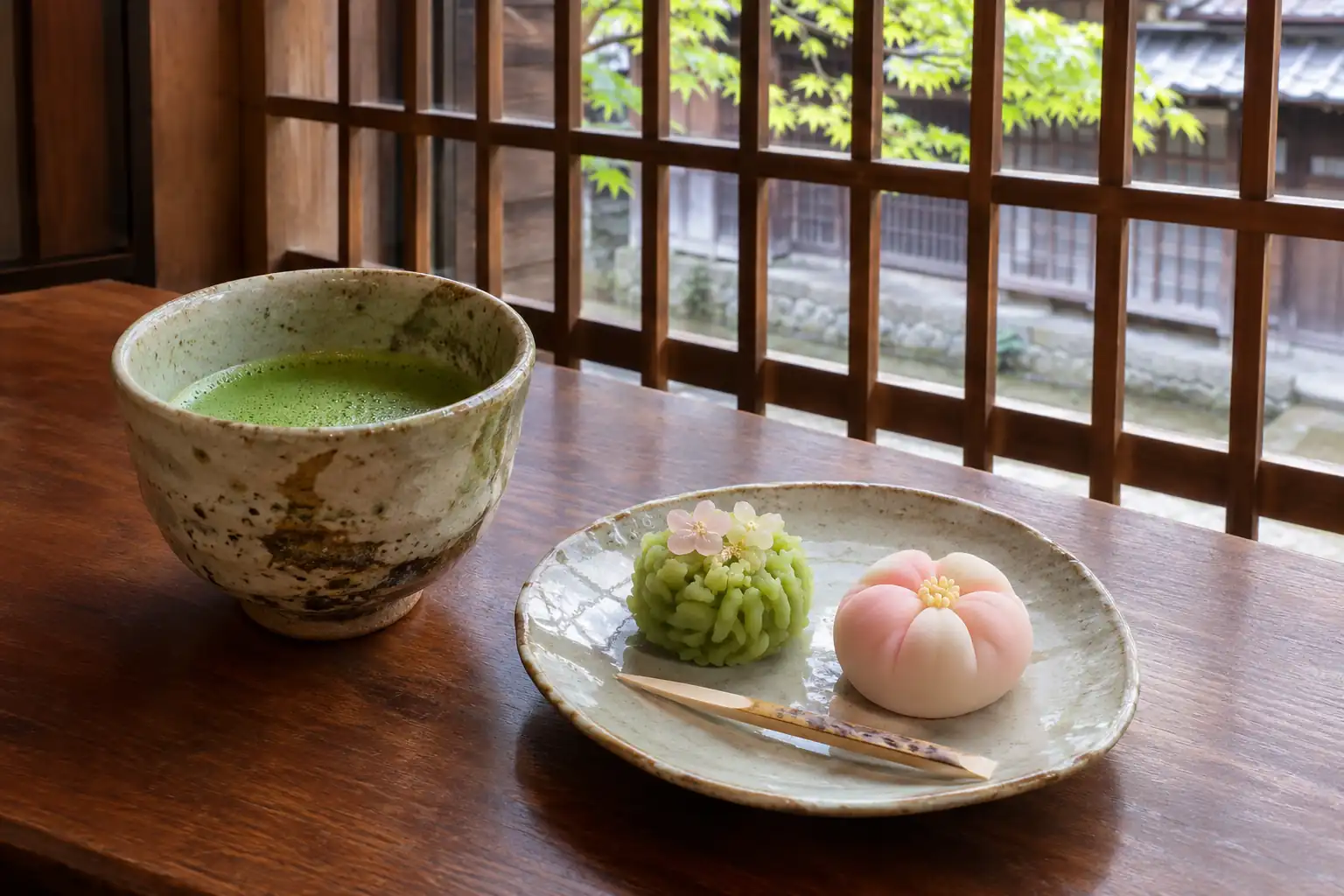
Seasonal wagashi make a tea break part of the destination: the shape and color often reflect flowers, leaves or other seasonal motifs.
Try a matcha-and-sweet set at a teahouse café in Higashi Chaya, or use Shiguretei inside Kenrokuen for a garden-day pause.
Allow enough time to sit rather than ordering between rushed stops. A casual tea set is a different experience from a formal tea ceremony, so reserve a dedicated ceremony if learning the procedure matters to you.
13. Decide Whether Gold-Leaf Ice Cream Is Your Treat
Gold-covered soft serve is a recognizable Kanazawa snack, sold by gold-leaf specialists such as Hakuichi in Higashiyama.
The attraction is the appearance and local craft connection, so choose it if that appeals to you rather than expecting a major flavor difference from the leaf itself.
If you would rather put the money toward a handmade souvenir, ordinary ice cream or a wagashi-and-tea set is an equally good break.
Check the menu price and enjoy your purchase where the shop directs, keeping the narrow district lanes clear.
Craft Experiences and Souvenir Shopping
Gold leaf is more than a finishing touch on a sweet: in Kanazawa, it is also a material visitors can learn to handle.
Workshops turn that curiosity into something handmade, while porcelain shops and food counters offer gifts whose appeal comes from their decoration, flavor or connection to the city's craft traditions.
14. Decorate a Souvenir With Gold Leaf
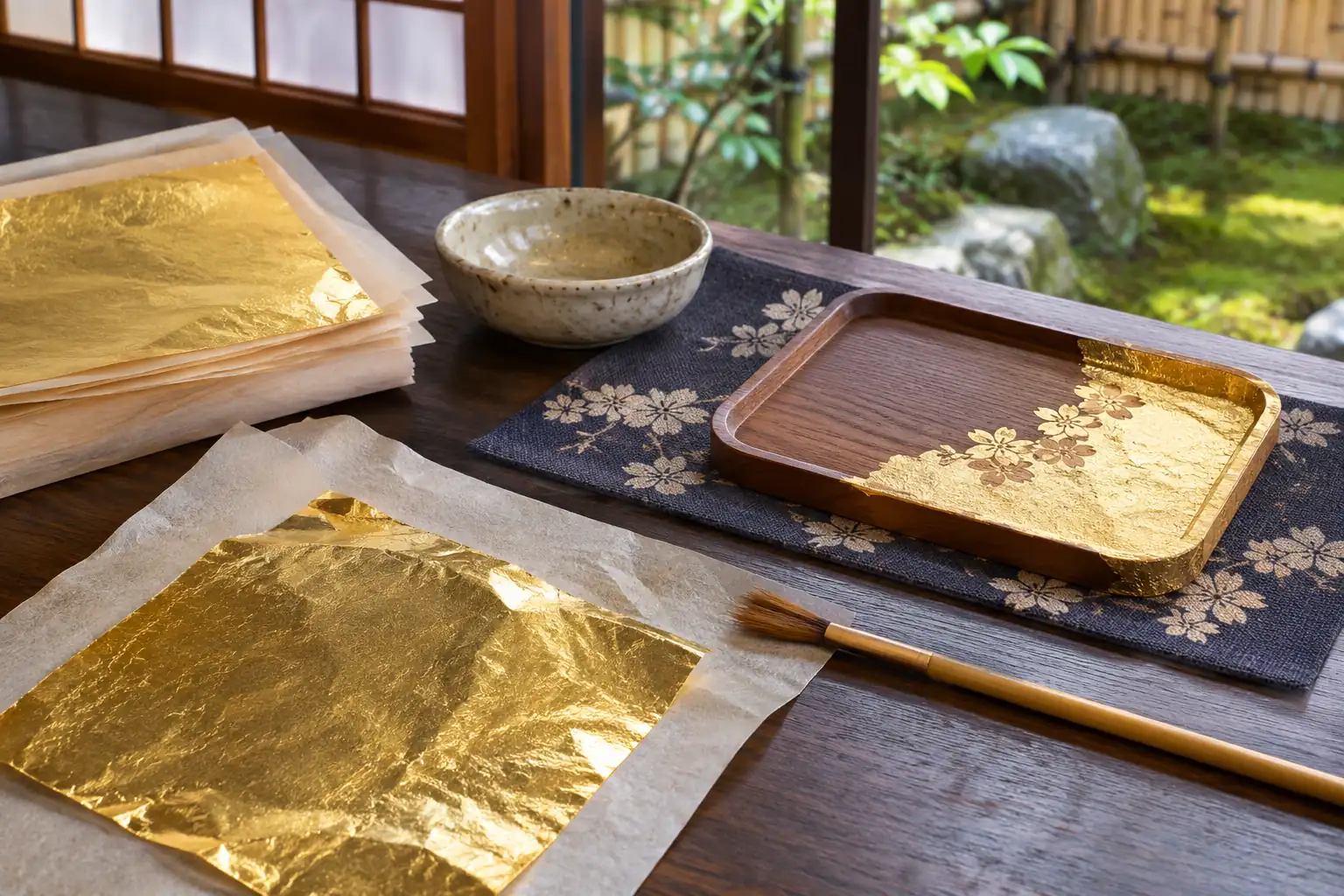
A gold-leaf application workshop makes the material's delicacy much easier to appreciate than simply seeing it in a display.
Shops such as Gold Leaf Sakuda near Higashi Chaya offer guided experiences, with the available objects and designs depending on the session.
Choose: Compare the item you will decorate, the total fee and the session length before reserving.
Schedule: Hold roughly an hour in your itinerary, then use the workshop's actual booking duration.
Take home: Ask about handling, packaging and care so the finished surface survives the rest of your trip.
15. Make Seasonal Japanese Sweets
At the Ishikawa Local Products Center near Kenrokuen, a wagashi-making experience offers a hands-on introduction to the shapes behind the sweets you see in tea shops. It works well as a planned indoor break on a wet or cold day.
Check the current session schedule and booking requirements rather than assuming you can join whenever you arrive. Ask about ingredients if you have allergies, and follow the advised storage and eating time for the sweets you make.
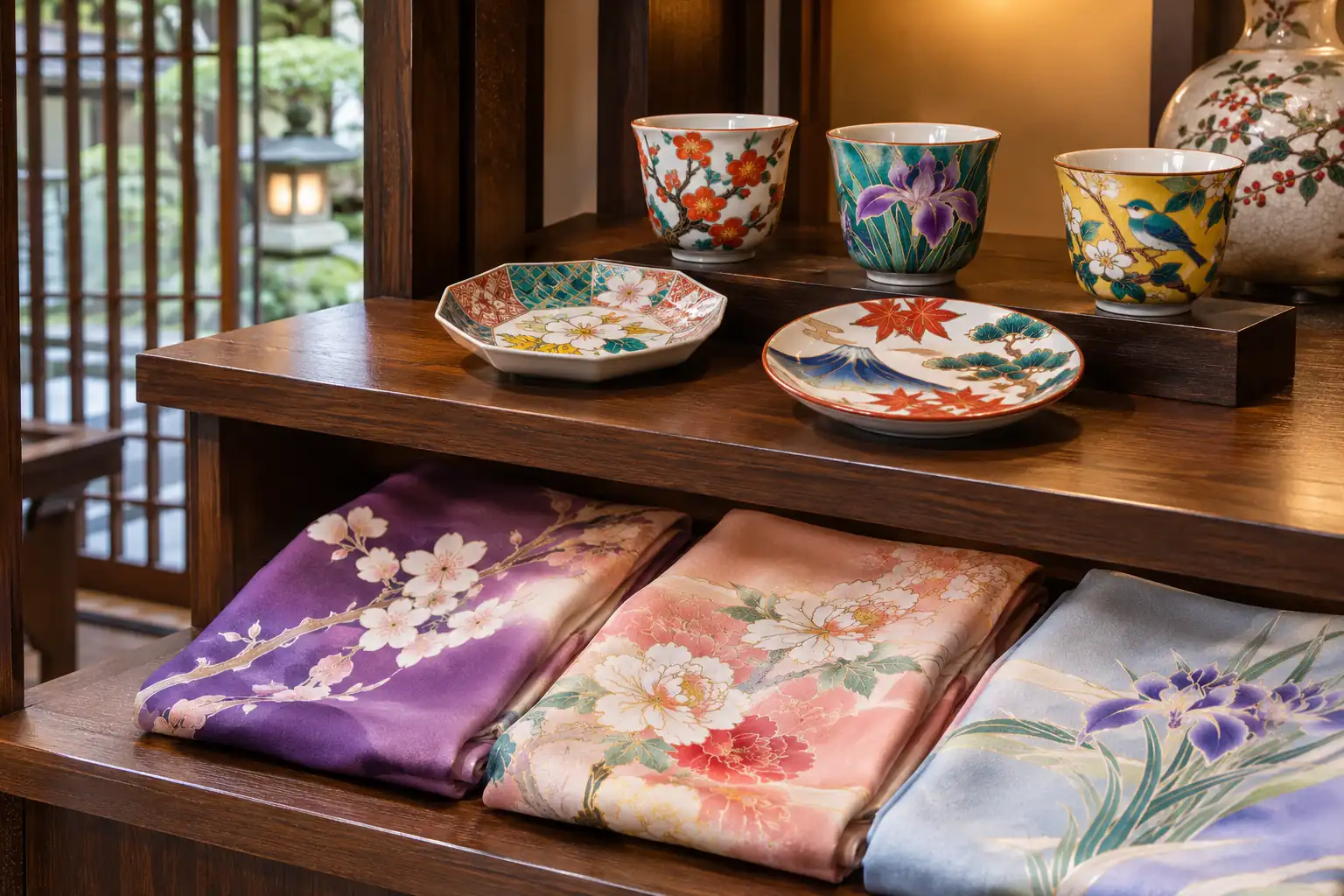
16. Choose Kutani Porcelain in Nagamachi
Kutani ware's colorful decoration makes even a small cup or dish a distinctive gift. Kutani Kaburaki in Nagamachi is a useful place to browse; compare a few pieces for their painted details and how you would actually use them at home.
A small plate, teacup or sake cup is easier to carry than a large serving bowl.
Ask whether the piece is suitable for hot liquids, a dishwasher or a microwave, and request protective wrapping rather than assuming every decorative finish has the same care requirements.
17. Buy Edible Gifts at Kanazawa Station's Anto
Anto, part of the station's Hyakubangai shopping complex, is convenient for comparing regional gifts before departure.
Look for Kaga bocha roasted stem tea, kintsuba bean sweets and boxed local confectionery; Maruhachi Seichajo's tea shop is one option for a lightweight gift.
Check best-before dates and storage instructions against the rest of your journey. Tea and suitable shelf-stable sweets are simpler to carry than chilled seafood, while individually wrapped boxes work well when several people will share the gift.
If you prefer a fabric gift, compare Kaga Yuzen small goods at the craft retailers in the complex.
Kanazawa in the Evening
A longer meal or an unhurried walk lets you enjoy Kanazawa beyond the opening hours of its museums and shops.
Evening life has two distinct settings: the Asano River's quieter historic streets and the more sociable dining lanes around Katamachi, where regional cooking and local sake are reasons to stay out.
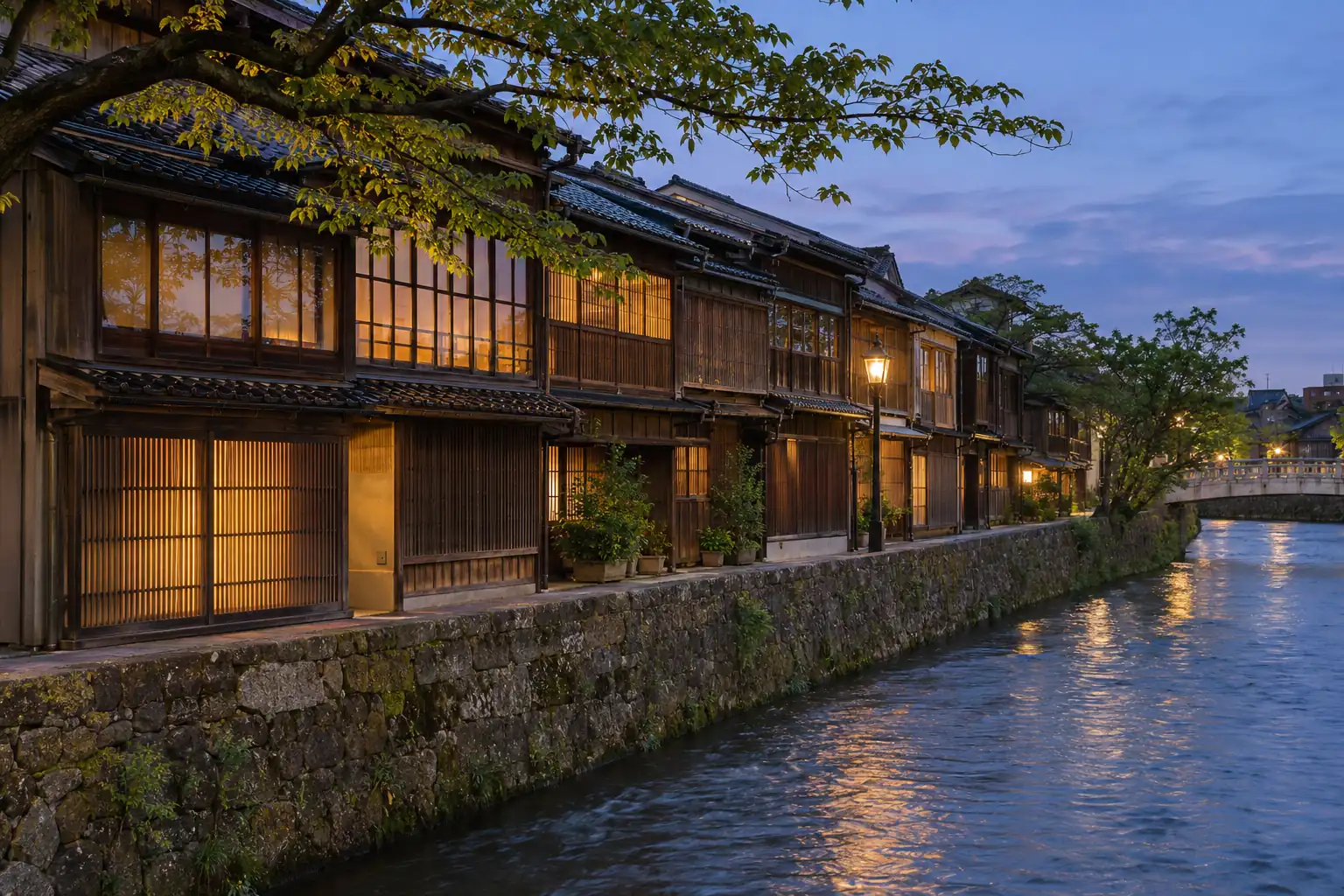
18. Walk Beside the Asano River at Kazuemachi
Kazuemachi's smaller cluster of wooden teahouses makes a pleasant follow-up to nearby Higashi Chaya.
Walk beside the Asano River around dusk, when the light softens and lit windows give the streets a different atmosphere from the daytime shopping district.
Allow about 30–45 minutes and keep to public routes. An evening walk does not guarantee open cafés or access to teahouse entertainment; this is a living neighborhood, so keep voices low and respect private entrances.
19. Spend an Evening Around Katamachi
Katamachi and nearby Kiguramachi are better choices when you want dinner followed by an izakaya or bar. You can try a few dishes with local sake, or keep it simple with one restaurant and a short walk after eating.
Choose a place whose menu suits your budget and dietary needs, and check the return journey before settling in. Evening dining fits well after Nagamachi, while Kazuemachi is easier to pair with Higashi Chaya on another day.
One or Two Days in Kanazawa
Kenrokuen and the castle sit close together, while the teahouse and samurai districts lead you toward different parts of the city.
A workable Kanazawa itinerary keeps nearby sights together and leaves a proper block for an exhibition or workshop, instead of trying to fit every experience between short walks.
With One Full Day
Begin with Kenrokuen and Kanazawa Castle Park, then walk toward Omicho Market for lunch. Continue to Higashi Chaya for the afternoon, choosing either Shima or a café stop, and finish with a short Kazuemachi riverside walk.
This gives you the core garden, castle, food and teahouse experiences without trying to fit all 19 ideas into one day.
If Nagamachi is your priority, replace the Higashi Chaya afternoon with Oyama Shrine and Nagamachi, finishing near Katamachi for dinner; a museum or workshop needs a similar swap.
With Two Full Days
Use the first day for Kenrokuen, the castle, a market lunch and Higashi Chaya. On day two, visit Nagamachi and Oyama Shrine, then choose one museum or a prebooked craft experience before dinner around Katamachi.
If art is the main reason for your visit, group the museums near Kenrokuen together and move the garden to that day.
Keep Myoryuji as a reserved appointment that shapes the route, and leave a separate extra day for an excursion outside the city.
Planning Your Visit
Kanazawa's central sights work well with a mix of walking and short bus journeys, but the season affects how comfortable that combination feels.
Wet paving, summer humidity and winter snow can all slow an outdoor day; knowing the local transport and booking arrangements makes it easier to adapt without losing the experience you most want.
Getting There and Around
From Tokyo, the Hokuriku Shinkansen runs directly to Kanazawa, with the fastest journeys taking about two and a half hours.
From Kyoto or Osaka, take the Thunderbird limited express to Tsuruga and change to the Hokuriku Shinkansen; check your specific connections rather than looking for a direct Thunderbird to Kanazawa.
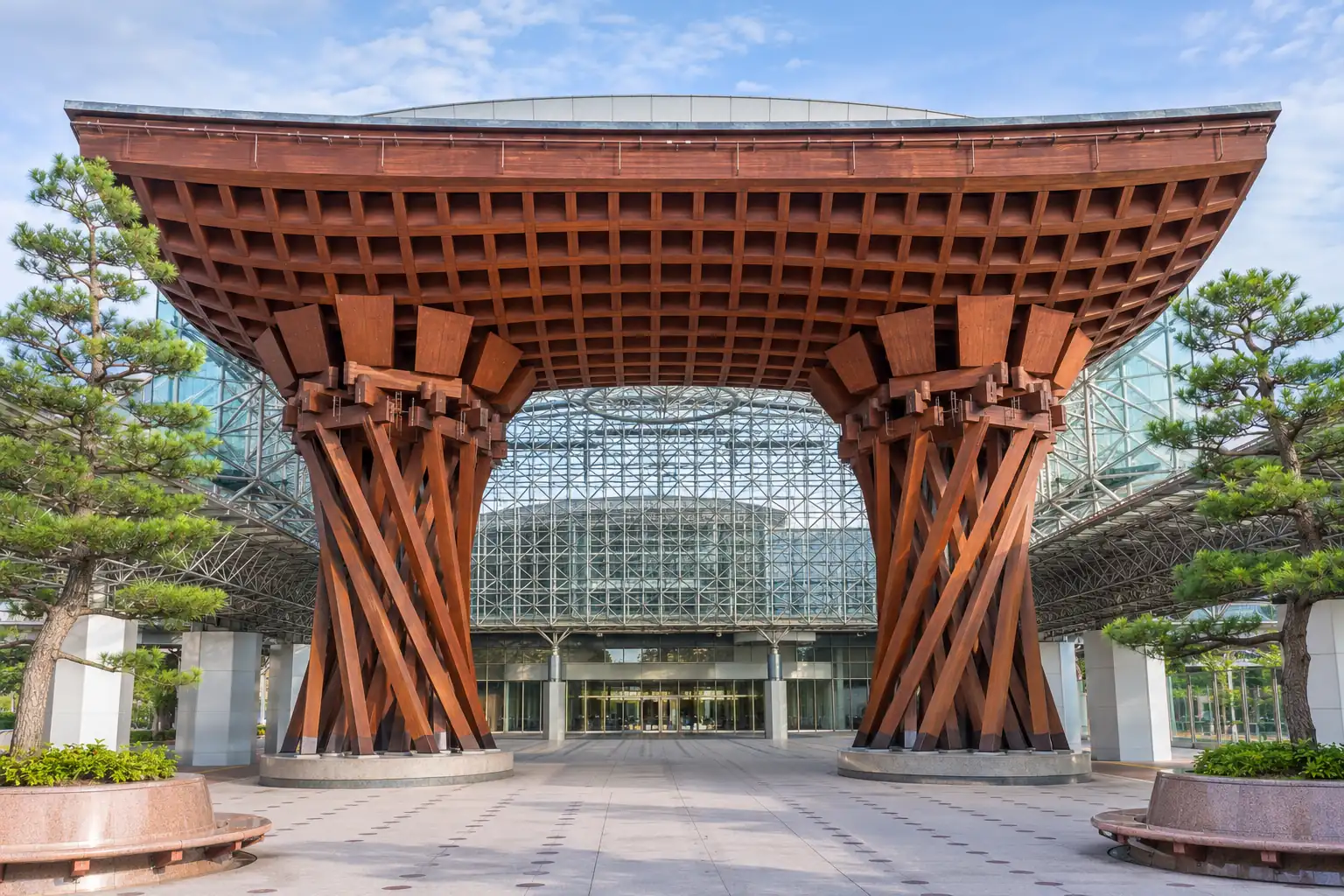
Walk within each sightseeing area and use buses or taxis for longer jumps or poor weather.
As a rough guide, Kanazawa Station to Omicho is about a 15-minute walk, and Kenrokuen's Mayumizaka Gate to the 21st Century Museum is only a few minutes on foot.
The Loop Bus connects the main sights, but payment rules differ across operators.
Nationwide IC cards are accepted on the sightseeing Loop Bus and JR buses; ordinary Hokutetsu local buses have different rules, so check the service before boarding and carry a backup payment method.
When to Visit and What to Bring
Spring and autumn are comfortable seasons for walking, with blossoms or autumn foliage adding color to the gardens.
Summer can be hot and humid, while winter brings cold weather and possible snow. Prepare for rain in any season, and keep a museum or indoor workshop as a backup.
Wear shoes with good grip for wet paving and garden paths. Some attractions have slopes or interior stairs, so check accessible entrances and routes if needed.
Bring cash for smaller purchases and sites such as Kenrokuen and Myoryuji.
Reservations and Staying Connected
Check museum opening days and book your priority experiences before arranging nearby walks around them. Save your planned stops and return routes before setting out.
Mobile data helps with finding bus stops, translating menus and making same-day museum reservations.
If your phone supports eSIM and is carrier-unlocked, consider an iRoamly Japan eSIM. Check device compatibility and your chosen plan’s data allowance and validity before buying.
FAQ
1. Do You Need a Car in Kanazawa?
A car is usually unnecessary for the central sights described here. Walking, buses and an occasional taxi fit the route well; consider a rental only for a separate regional journey, taking parking and seasonal driving conditions into account.
2. What Works Well With Young Children?
Garden and castle-park walks offer more flexibility than a sequence of quiet museum interiors. A craft session can work if its age rules suit your family, but Myoryuji does not admit preschool children; check stroller access and toilet stops before setting a long route.
3. Can Vegetarians Enjoy the Local Food?
Yes, but ask about broth and seasonings as well as visible ingredients. Vegetable dishes and sweets may still contain fish-based dashi, gelatin or other animal ingredients, so explain your dietary requirements clearly and arrange a suitable restaurant ahead if needed.
4. Can You Add Shirakawa-go to a Kanazawa Day?
It is better treated as a separate day trip than an extra stop on a full city itinerary. Highway buses connect Kanazawa with Shirakawa-go, but check reservations and return services first; in winter, allow extra flexibility for weather and road conditions.
Conclusion
Kanazawa deserves a day or two of exploration. Beyond sightseeing, you can step inside historic buildings, taste local dishes, or make a craft of your own, adding a more personal experience to the trip.
Start with what interests you most, book ahead where needed, and connect nearby stops. Leave time for meals and breaks so you can enjoy each visit without rushing.
Choose a few favorites from this list and start planning your Kanazawa trip. Keep some time free for shops you discover along the way—and if a sweet catches your eye, sit down and try it before moving on.