
For a first trip to Kyoto, you might picture Fushimi Inari’s endless red gates or the historic lanes below Kiyomizu-dera.
But once you start planning, the question becomes: with so many places to visit, how do you fit them into a few days?
Kyoto offers more than temples. Sitting down for a bowl of matcha, trying a local tofu meal or stepping into a small pottery shop can each help you get to know the ancient capital.
This guide brings together 18 things to do in Kyoto, from classic sights to cultural experiences, food and shopping, with a suggested three-day itinerary to help your plans fit together.

Explore Kyoto’s Temples and Historic Sites
Kyoto’s temples and historic landmarks deserve time on a first visit.
From Fushimi Inari’s torii-lined paths to Kiyomizu-dera’s wooden stage and Nijo Castle’s palace interiors, each offers something different. Start by choosing the places you most want to see in person.
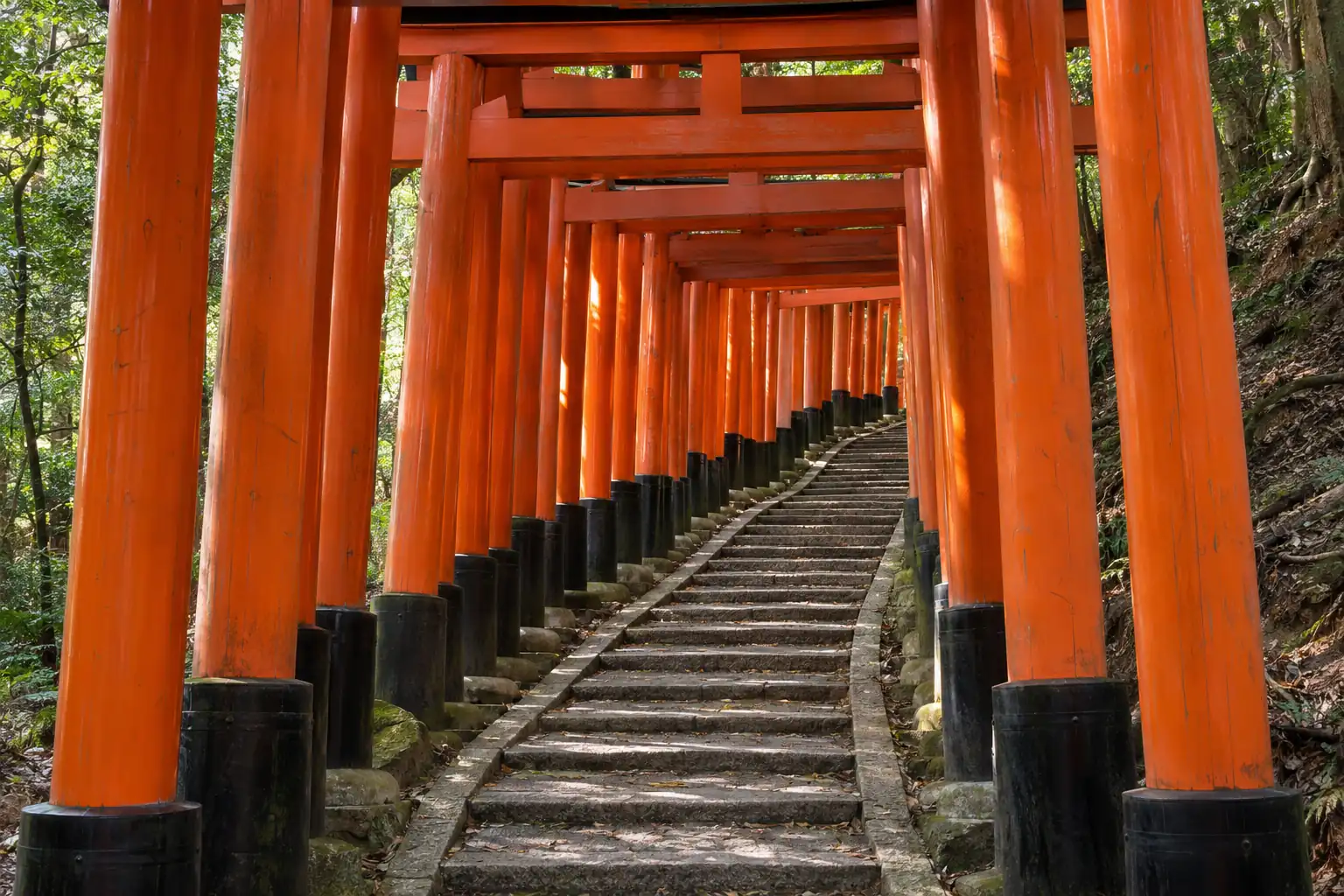
1. Walk Through the Gates at Fushimi Inari Taisha
Rows of vermilion torii lead from the main shrine into the wooded slopes of Mount Inari. You can enjoy the lower gate paths on a short visit, or continue uphill for smaller shrines and a more demanding walk.
Time: Allow 60–90 minutes for the lower grounds and gate paths, or roughly 2–3 hours for a longer mountain circuit.
Cost and access: The shrine grounds are free; JR Inari Station and Keihan Fushimi-inari Station are convenient arrival points.
Walking: The mountain route has many steps. Wear shoes with grip, carry water and turn back when the climb stops being enjoyable.
Arrive early if the gate tunnels are your priority, but expect other visitors even then. Stay on marked paths and keep moving through narrow sections so worshippers and walkers can pass.
2. See Kyoto from Kiyomizu-dera
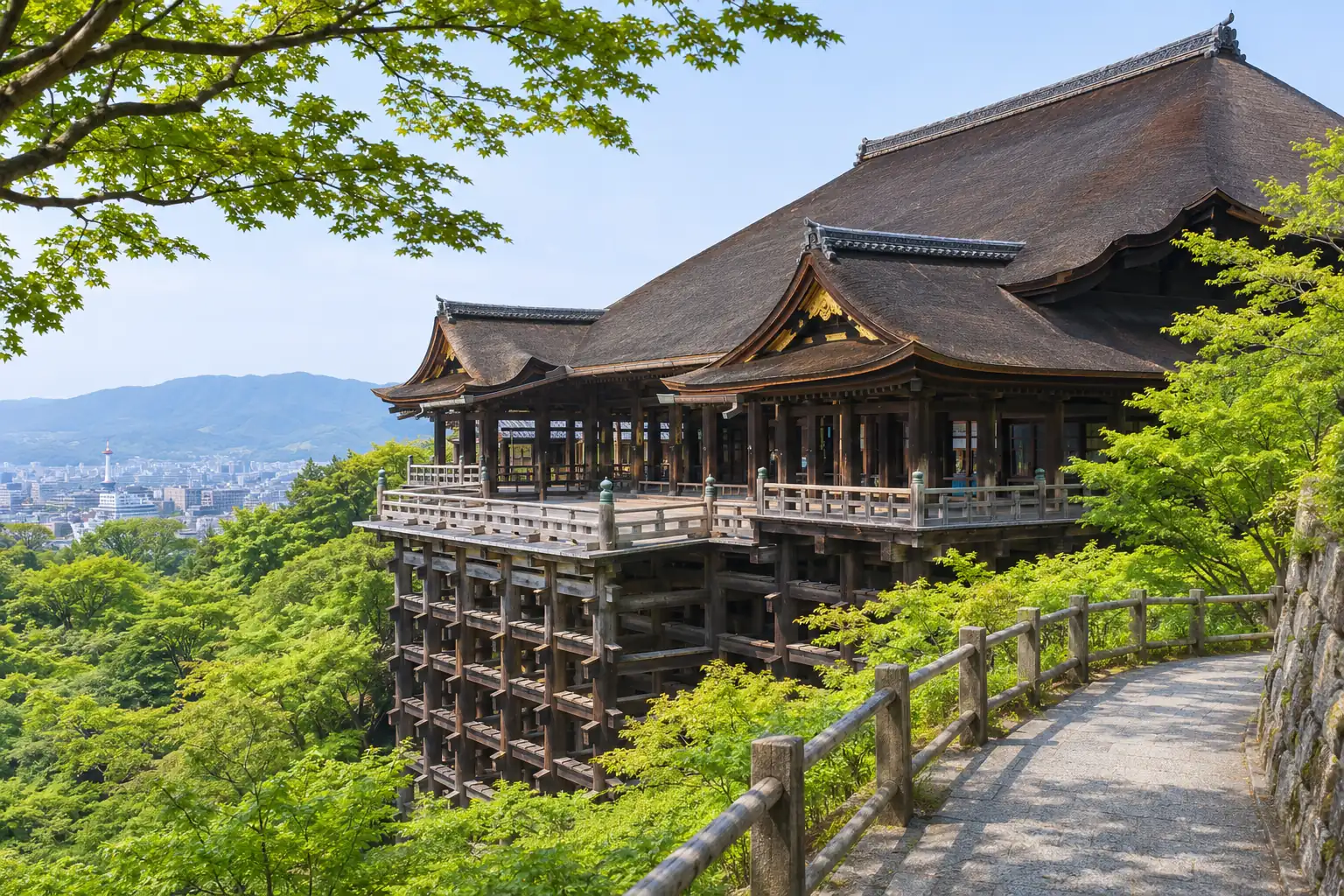
Kiyomizu-dera’s wooden stage projects over the hillside, giving you a view across the treetops toward the city. The approach is part of the experience, with sloping lanes, traditional shopfronts and places to stop for sweets on the way down.
Time: Allow 1–2 hours for the temple, with extra time for the surrounding streets.
Timing: The temple opens at 6 a.m.; closing times and special evening openings vary with the season.
Access: Expect an uphill approach. Visitors using a wheelchair should check the temple’s accessible-route map before choosing an entrance.
Visit the temple first if you arrive early, then browse Ninenzaka and Sannenzaka as shops begin opening. Sunset is another attractive option, but check that the day’s closing time allows it.
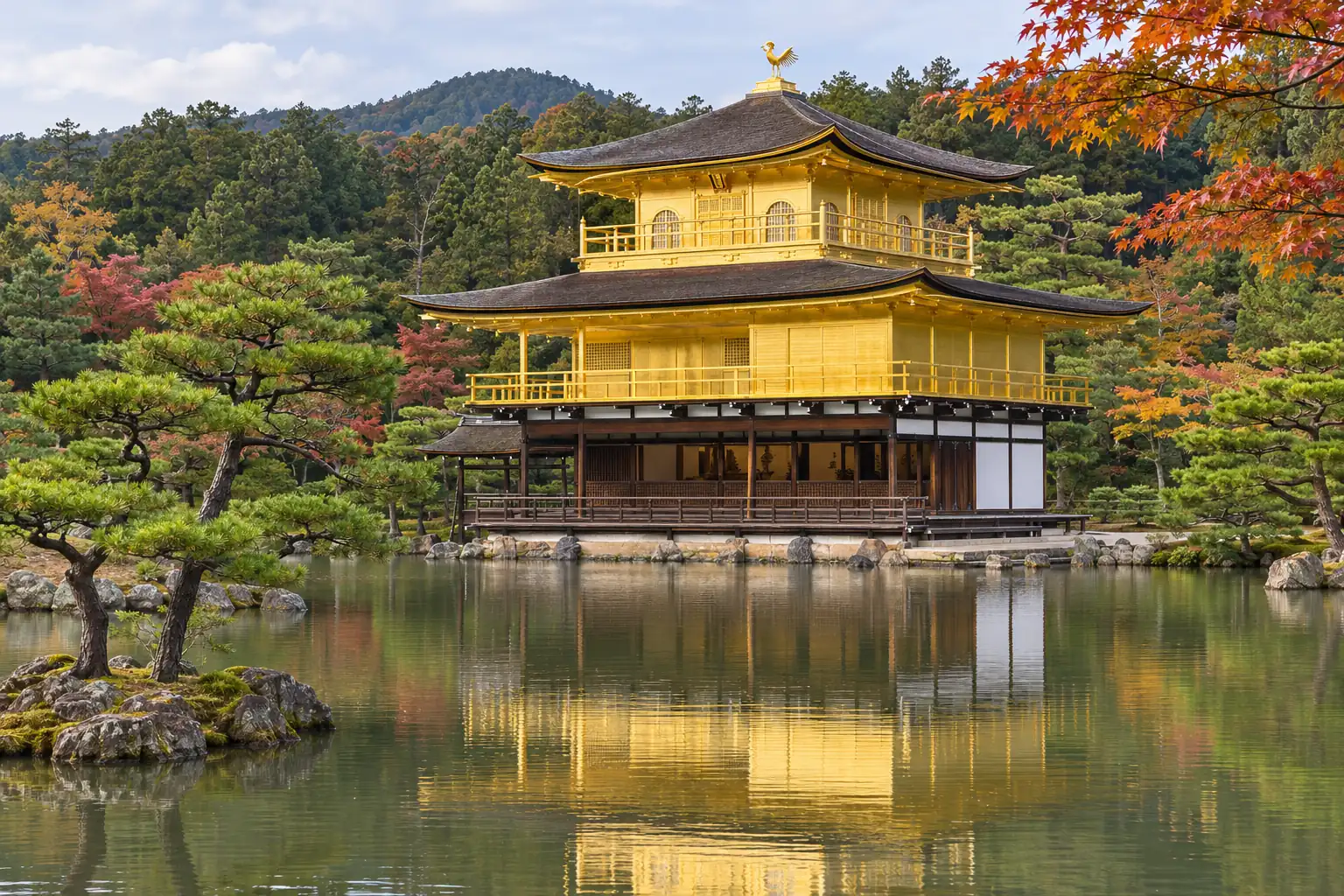
3. Admire the Golden Pavilion at Kinkaku-ji
Kinkaku-ji is best for a memorable exterior view: the gold-covered upper floors sit above a pond framed by carefully shaped trees. The visitor route takes you around the garden; the pavilion’s interior is not the focus of a standard visit.
Time: Around 45–60 minutes is a useful starting allowance.
Cost: General admission is ¥500.
Hours: Normally 9 a.m.–5 p.m.; special arrangements can change visiting conditions.
This is a worthwhile stop if the pavilion is high on your wish list, but it requires a trip to northwestern Kyoto. Do not add it between two eastern Kyoto sights simply because it looks close on a citywide map.
4. Explore the Gardens at Ginkaku-ji
Despite its English name, the Silver Pavilion is not covered in silver. Its appeal lies in the garden: pale sculpted sand, moss, trees and an elevated path that changes your view of the buildings and surrounding hills.
Allow about 60–90 minutes, especially if you enjoy gardens. General admission is ¥1,000, and winter visiting hours are shorter than those from March through November.
Ginkaku-ji works naturally with the Philosopher’s Path. Choose it over an extra cross-city temple transfer when you want a day with more walking and fewer journeys.
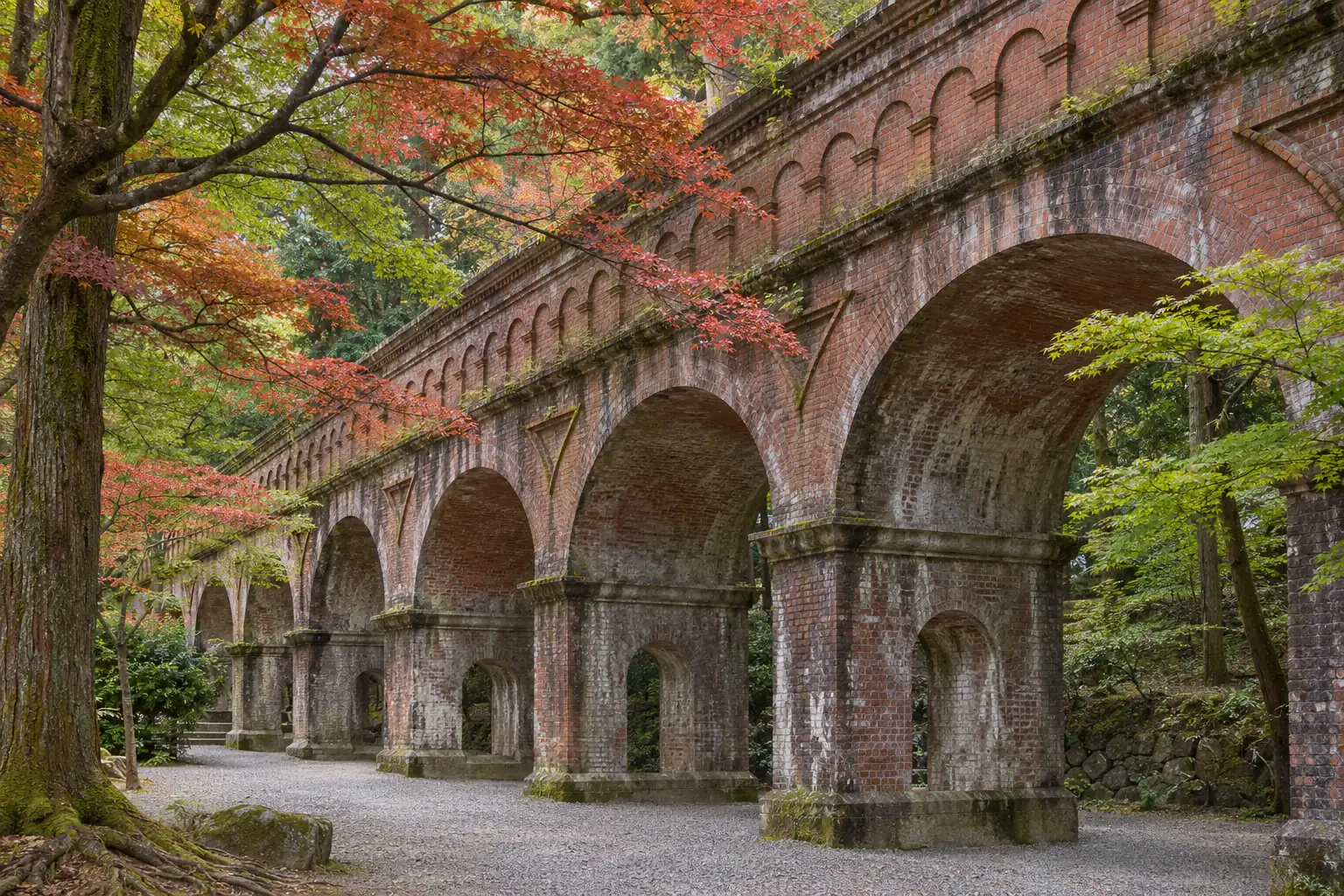
5. Visit Nanzen-ji and Its Brick Aqueduct
Nanzen-ji offers an unusual combination of Zen temple architecture and the red-brick Suirokaku aqueduct.
Walking beneath the arches is a satisfying short stop, while the temple’s paid gardens and buildings reward a slower visit.
Allow 45–60 minutes for an outdoor visit, or longer if you enter gardens or halls. The main grounds and aqueduct can be seen without buying a ticket, but paid areas have their own admission arrangements and closing times.
It pairs well with northern Higashiyama rather than with Arashiyama. After rain, take care on stone surfaces and steps instead of rushing between viewpoints.
6. Step Inside Nijo Castle
Nijo Castle adds painted palace rooms, formal gardens and the architecture of the Tokugawa shoguns to a temple-heavy itinerary. If interiors interest you, check that your ticket includes the Ninomaru-goten Palace rather than only the castle grounds.
Time: Set aside about 2 hours for the palace and gardens, with more time for additional areas.
Booking: Honmaru-goten Palace uses separate advance reservations and timed tickets.
Closures: The castle and its two palaces do not share every closing day. Ninomaru has seasonal Tuesday closures, among other exceptions.
Check the castle’s opening and closure calendar before arranging your day. Interior photography is prohibited in the Ninomaru and Honmaru palaces, so put the camera away and take time with the rooms themselves.
Explore Kyoto’s Streets and Green Spaces
Beyond the temples, Kyoto is worth exploring on foot. The stone-paved lanes below Kiyomizu-dera lead toward Gion, while Arashiyama’s bamboo grove and riverside paths make a relaxed half-day outing.
The following walks can connect nearby sights or become an enjoyable part of the day in their own right.
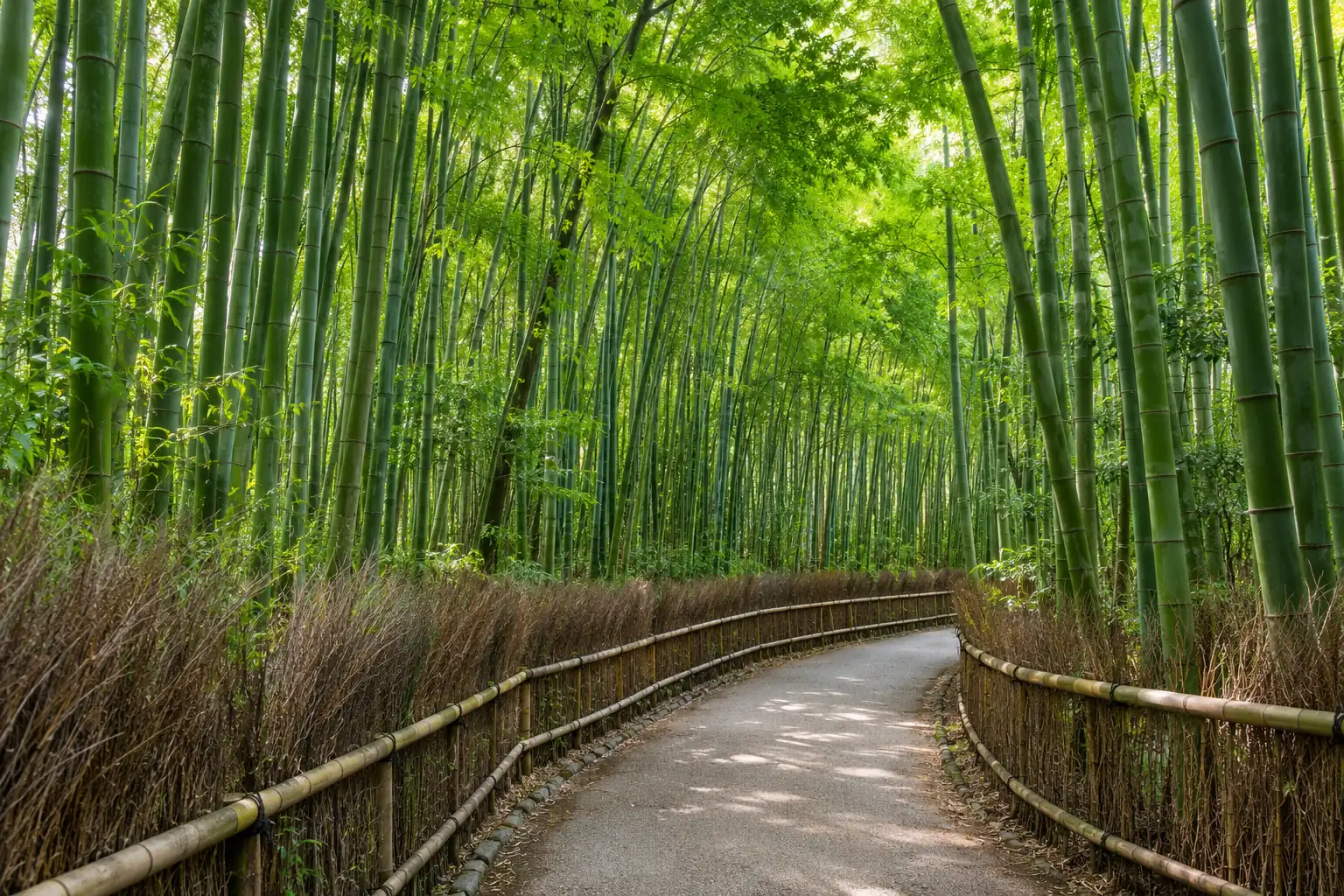
7. Walk Through Arashiyama’s Bamboo Grove
The bamboo grove is a relatively short public walking route, with tall green stems rising above both sides of the path. Its atmosphere is the attraction; arrive expecting a scenic walk rather than an all-day forest excursion.
The grove is free, and 30–45 minutes is usually enough for the main path and a few stops. Go early for a better chance of lighter crowds, stay outside fenced areas and combine it with the nearby garden at Tenryu-ji.
8. Slow Down in Tenryu-ji’s Garden
Tenryu-ji’s pond garden gives an Arashiyama morning more variety than the bamboo path alone.
Rocks, water and the wooded hills form a carefully composed landscape, with different details emerging as you follow the garden route.
Cost: The garden is ¥500 for high-school-age visitors and older; adding the main buildings costs another ¥300.
Time: Allow 45–75 minutes for the garden, depending on how often you stop.
Ticket choice: The Cloud Dragon painting in the Dharma Hall has separate admission and a limited opening schedule.
For a compact morning, link the garden, bamboo path and river near Togetsukyo Bridge. Add lunch before returning toward central Kyoto rather than scheduling a second distant district immediately afterward.
9. Explore Higashiyama’s Old Streets and Gion
Ninenzaka and Sannenzaka are good for stone-paved slopes, small shops and views toward Yasaka Pagoda.
Farther north, Gion offers wooden facades, teahouse streets and the Shirakawa canal area, making the walk varied even without entering another temple.
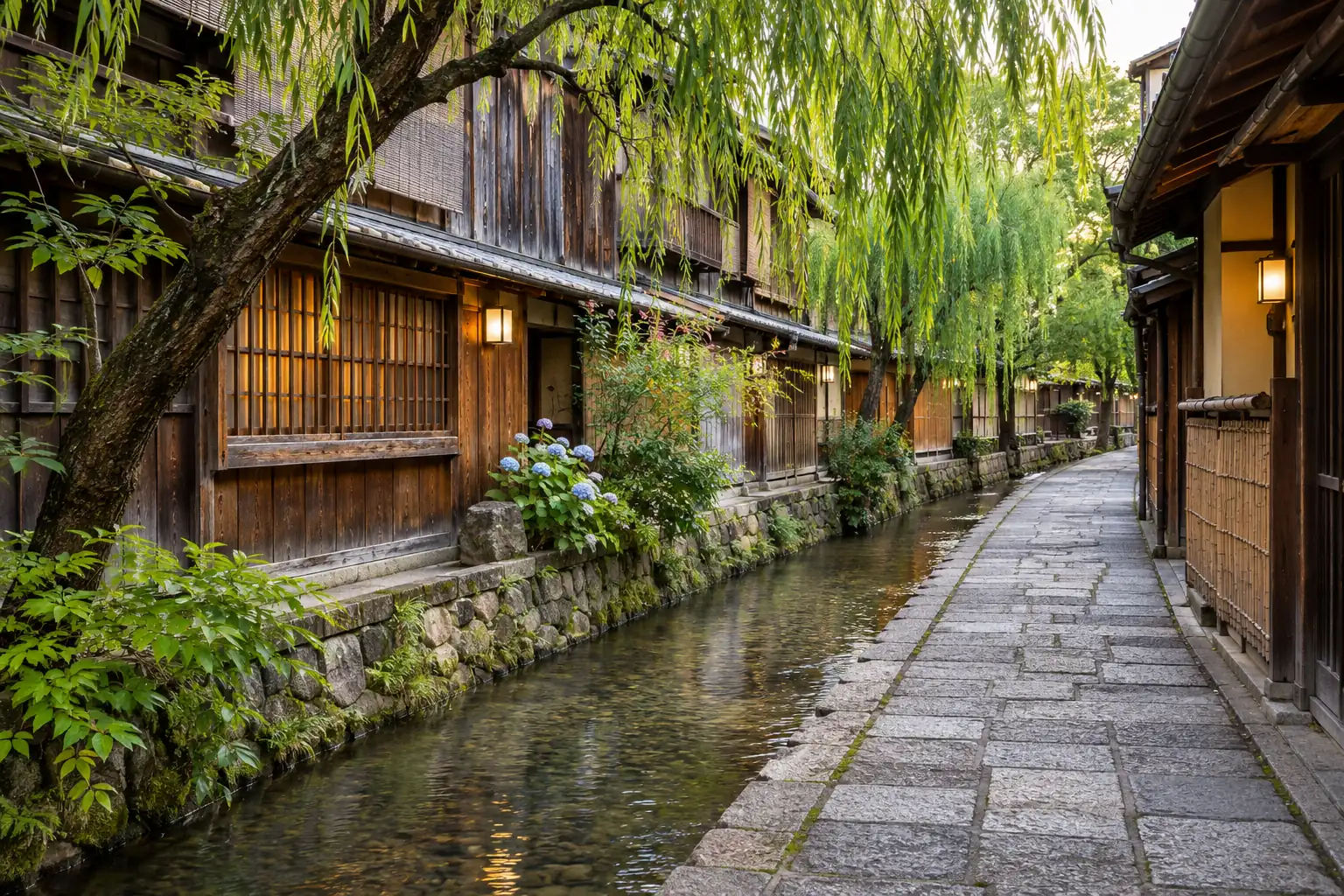
Allow a relaxed half-day if you include Kiyomizu-dera, shopping and a break. Early morning favors architecture and lighter foot traffic; later hours offer more open shops, with busier lanes.
Follow signs restricting photography or access, especially around private lanes. Give geiko and maiko space to get to work, and choose a ticketed performance if you want to experience their arts.
10. Follow the Philosopher’s Path or the Kamo River
The Philosopher’s Path follows a narrow canal in eastern Kyoto, with cherry trees, small bridges and nearby temples.
Allow roughly 45–60 minutes for the main walk without long stops; connecting Ginkaku-ji to Nanzen-ji takes longer once temple visits and the linking streets are included.
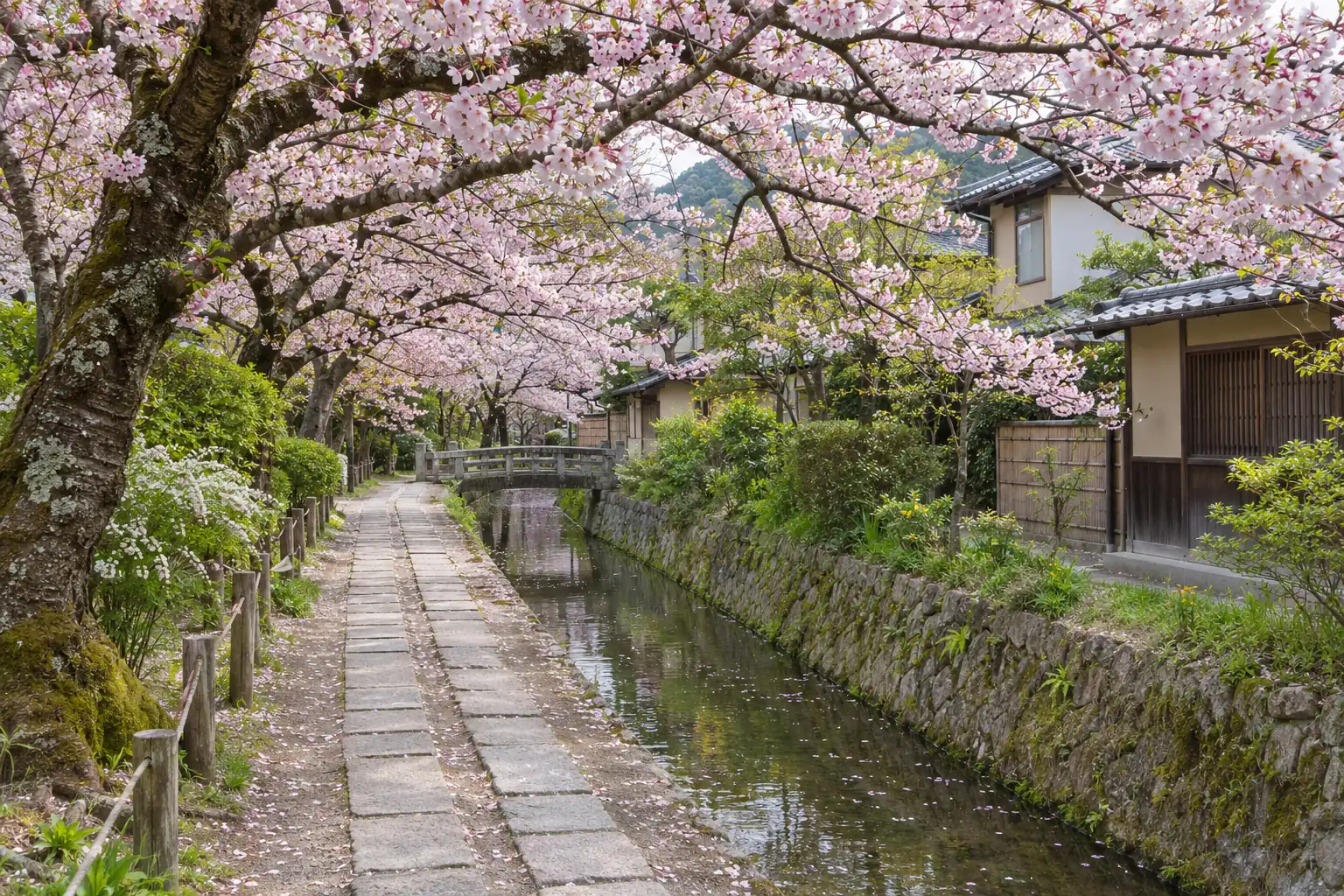
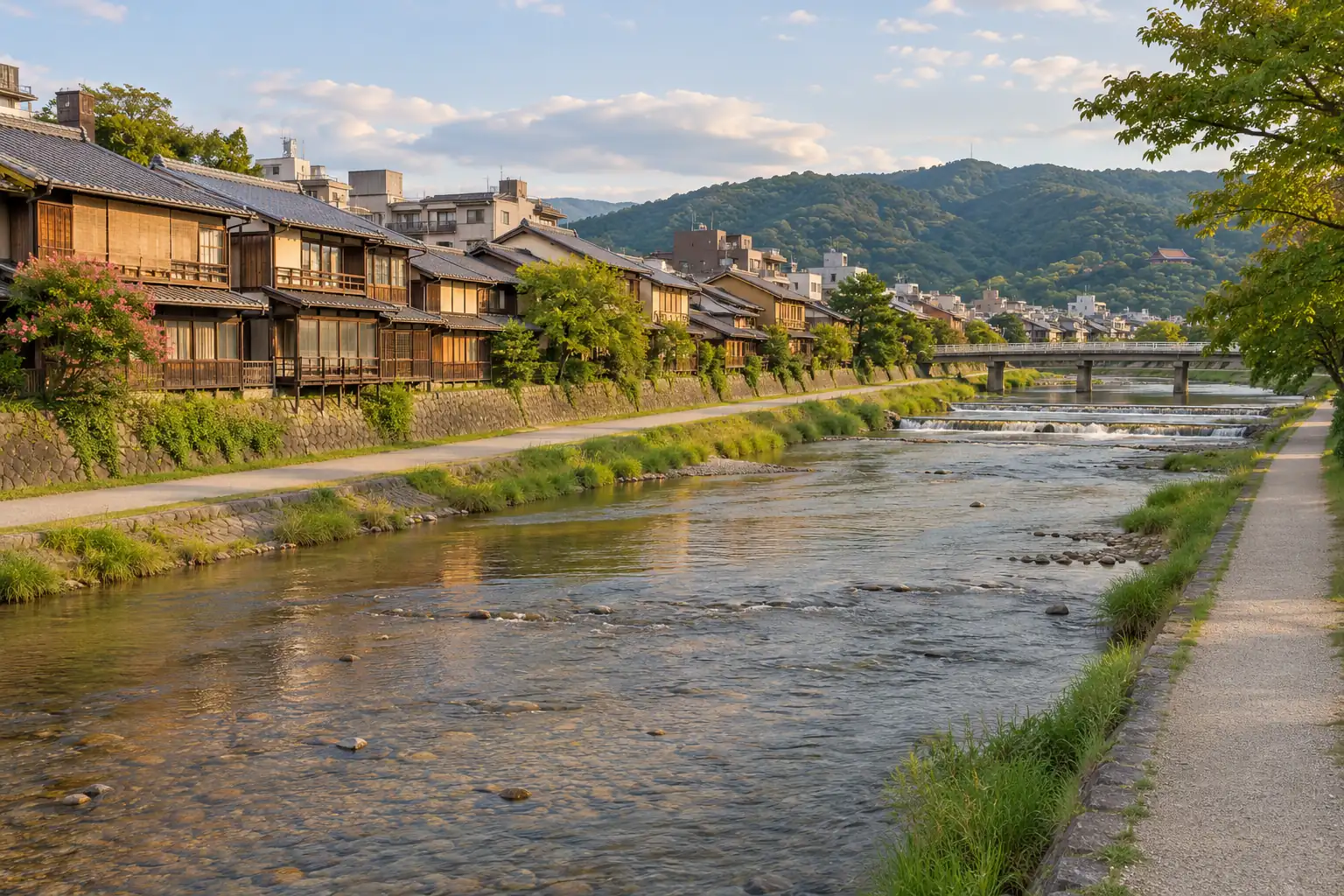
For a shorter, more flexible break downtown, walk beside the Kamo River near Sanjo or Shijo instead. The open water and broad views work well before dinner, and you can leave the path whenever you are ready to return to the streets.
Choose the canal for a dedicated eastern Kyoto walk and the river for an easy pause in a central-city day. In either place, weather matters more than a fixed sightseeing schedule.
Experience Kyoto’s Culture and Traditions
After exploring Kyoto’s streets and temples, a guided cultural experience can help you understand what you have seen.
A tea ceremony introduces the utensils and etiquette behind a bowl of matcha, while performances and craft workshops offer other ways to take part. For a change of pace on a rainy day, the Railway Museum is another option.
11. Join a Tea Ceremony
A hosted tea ceremony helps you understand the preparation, utensils and gestures behind a bowl of matcha. It suits travelers who want a guided cultural experience rather than simply ordering tea and a sweet at a café.
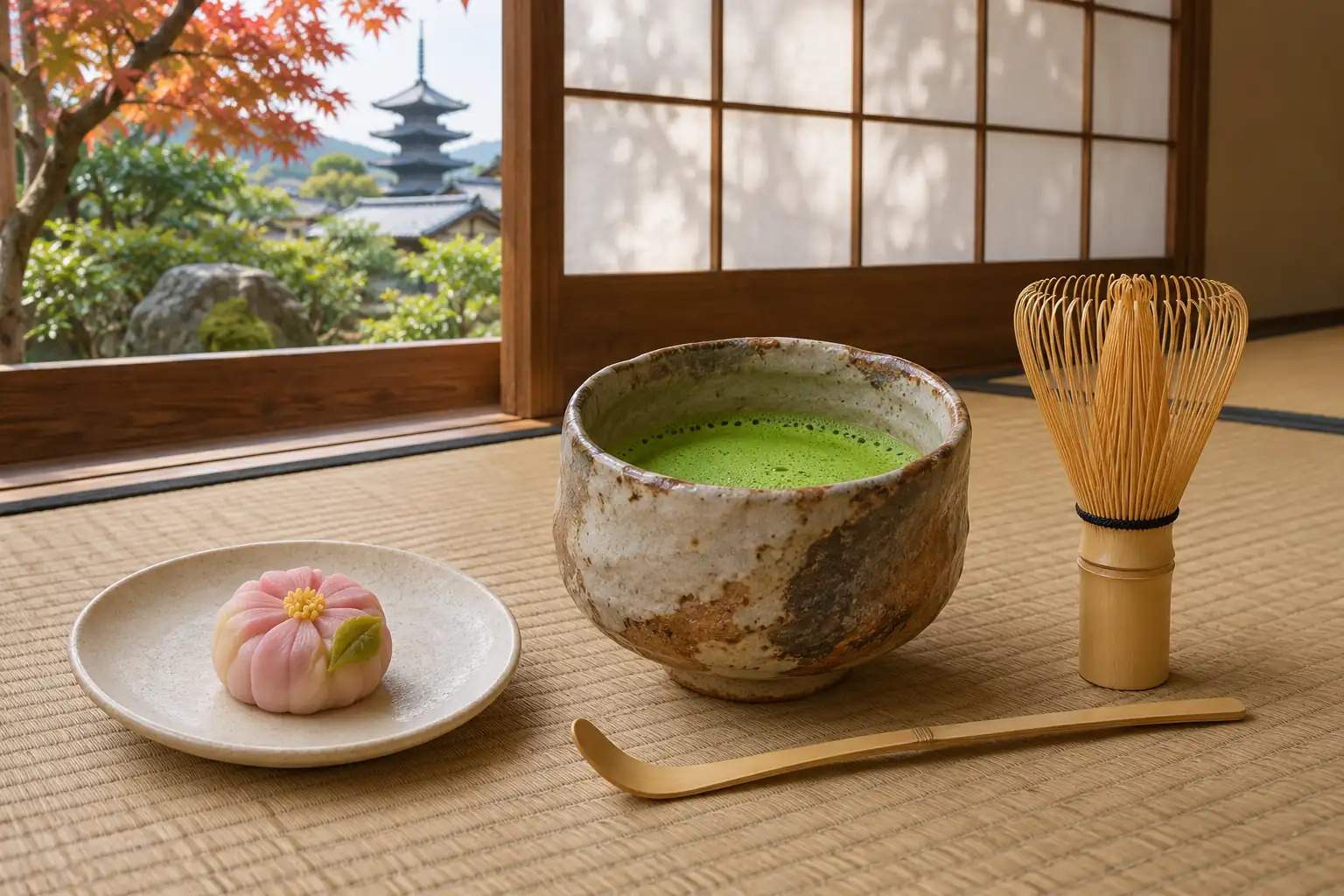
Compare the language of instruction, group size, length and what you will actually do before booking.
If kneeling on tatami is uncomfortable, ask for a chair-based arrangement; reserve a session that fits near the sights you already plan to visit.
12. Watch Traditional Arts at Gion Corner
Gion Corner introduces several performing arts in one compact program, including a tea presentation, Kyomai dance and music. It is a practical choice when you want an accessible introduction during an evening in Gion.
Regular performances last about 50 minutes, but winter programs, operating days and the arts presented can differ.
Check the current program and seats before committing; a theater performance and a private hosted dinner are different experiences, with different prices and levels of interaction.
13. Try a Kyoto Craft Workshop
A craft session lets you work with materials you have been seeing in shops and temples.
Look for options such as painting ceramics or decorating a folding fan, then choose according to whether you value learning a technique or taking home a finished souvenir.
Kyoto Handicraft Center offers clay-bell and folding-fan painting on scheduled dates, with English guidance and a finished item to take away.
Confirm the current calendar, minimum age and reservation conditions rather than assuming workshops operate daily.
For pottery, ask whether your piece needs firing, when it will be ready and whether overseas shipping is available at an extra charge. A same-day decorated item may suit a short stay better than a piece you cannot collect.
14. Spend a Rainy Half-Day at Kyoto Railway Museum
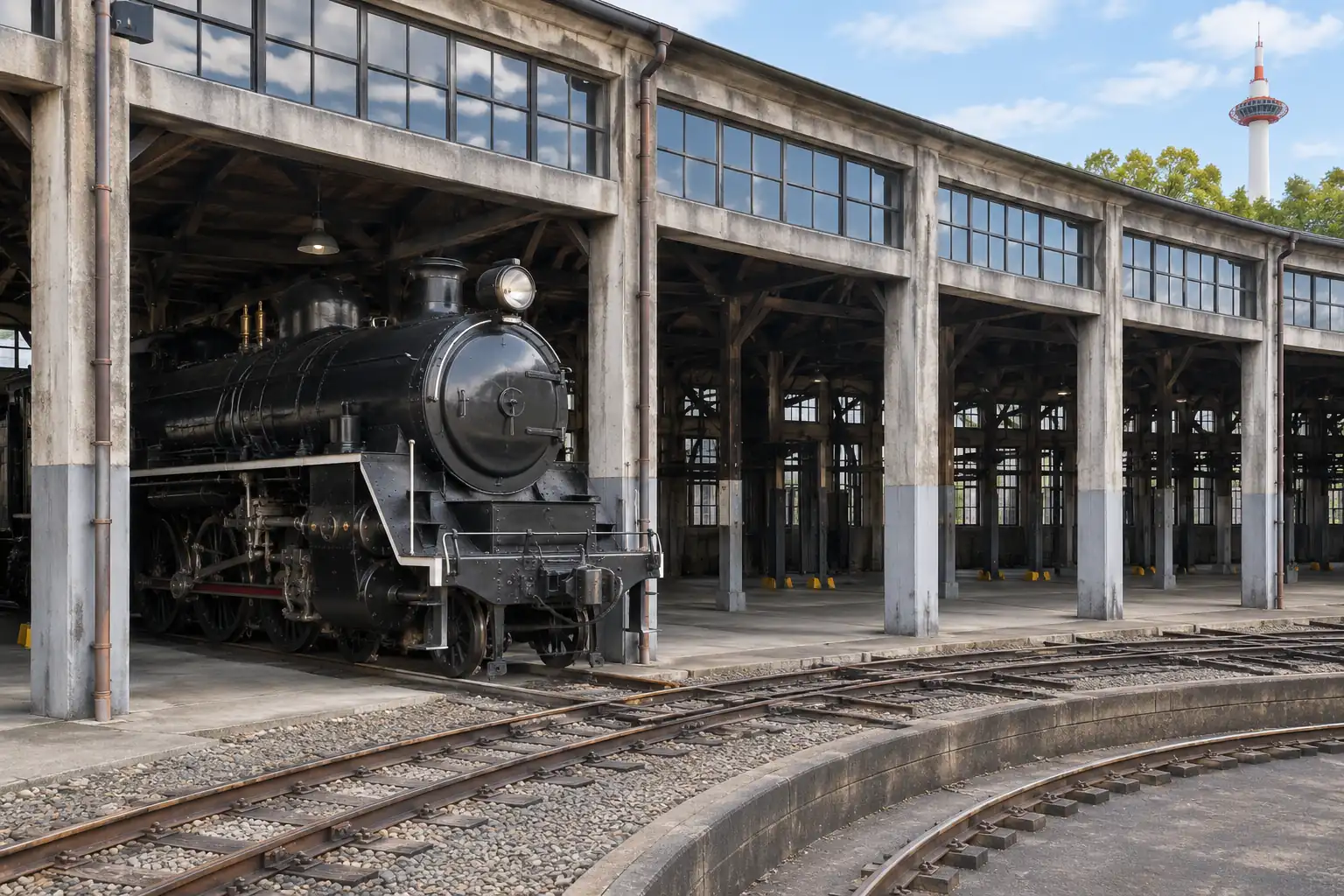
Preserved trains, railway technology and the steam-locomotive roundhouse make Kyoto Railway Museum a useful change of pace for families and rail enthusiasts. Much of the visit is indoors, although some outdoor areas are best explored between showers.
Time: Allow 2–3 hours, or longer for keen train fans.
Cost: General admission for adults aged 18 and over is ¥1,500; some activities cost extra.
Booking: Driving-simulator experiences require advance tickets; ordinary entry does not include a simulator session.
Calendar: Wednesday is the usual closing day, with holiday and seasonal exceptions. Check the museum’s tickets and calendar before going.
The museum is near Umekoji-Kyotonishi Station, making it a manageable alternative to an outdoor afternoon. Leave the longer temple walk for better weather instead of trying to keep both plans.
What to Eat and Buy in Kyoto
Kyoto’s food and shops offer another way to explore the city. Tofu restaurants near temples, market snacks and matcha at a tea shop fit naturally into different parts of a sightseeing day.
If you discover a flavor or an object you love, the following stops also offer opportunities to choose something to take home.
15. Taste Local Specialties at Nishiki Market
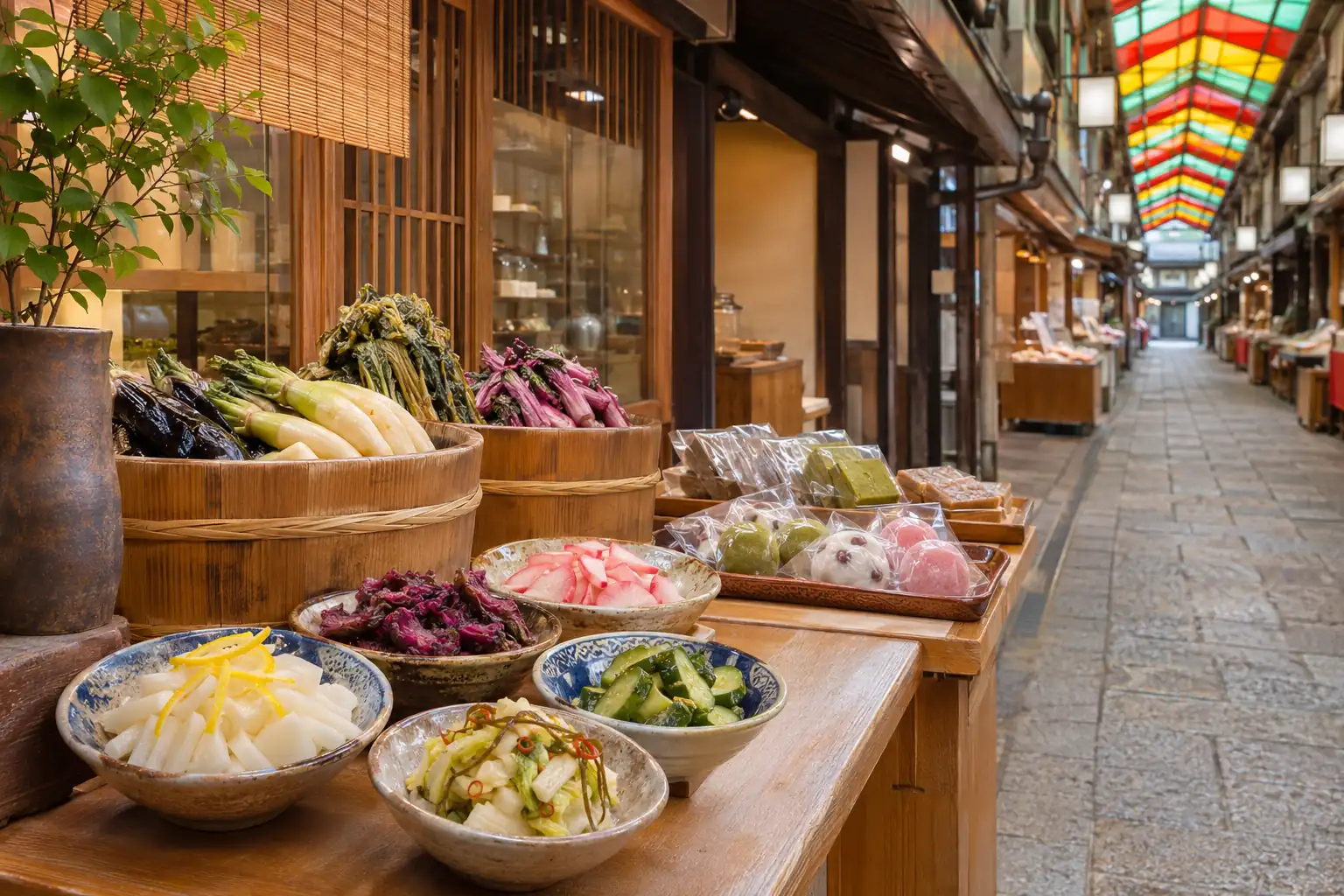
Nishiki is a good place to explore Kyoto’s ingredients through small purchases: try tofu products, yuba, pickles or a fresh sweet, depending on the shops you find open.
Come for a daytime browse and a few tastes rather than assuming every stall operates late into the evening.
Eat purchases at the shop’s permitted eating space, not while walking through the crowded passage. Ask before photographing displays, and keep bags close so other shoppers can pass.
For gifts, look for packaged seasonings, tea or sweets with storage instructions you can follow. Refrigerated pickles and fresh confectionery need more planning than shelf-stable snacks, especially before a long flight.
16. Try Yudofu, Yuba or a Seasonal Kyoto Meal
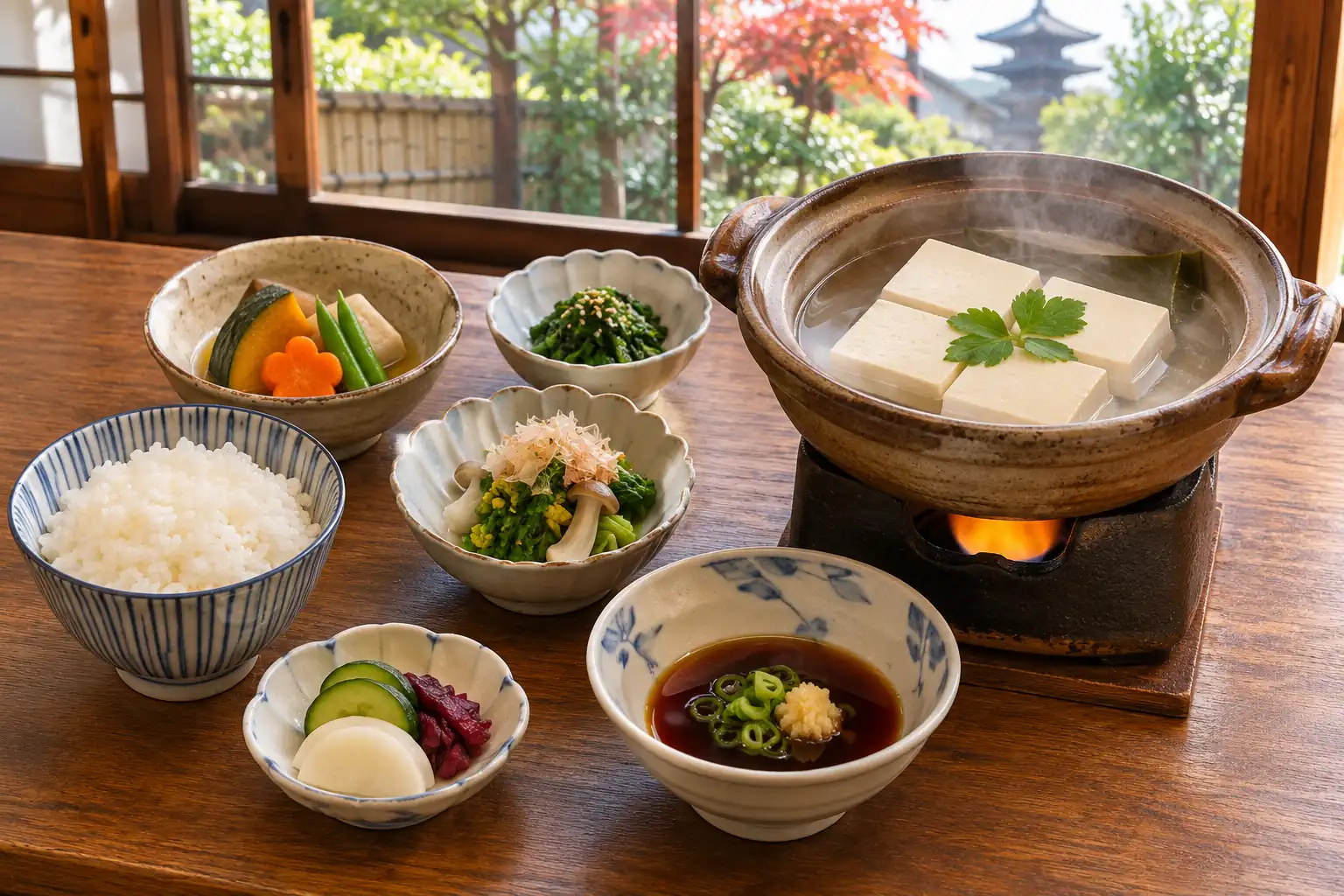
Yudofu is tofu warmed in a hotpot and eaten with condiments, while yuba is the delicate skin formed when soy milk is heated.
Tofu-focused restaurants around Nanzen-ji and Arashiyama make either a natural lunch choice during sightseeing.
For a more elaborate meal, consider seasonal Kyoto cuisine or a kaiseki course menu.
A lunch menu can make this easier to fit into your schedule and budget, but compare the actual courses and total price rather than assuming lunch always costs less.
Pontocho is a convenient place to look for an evening restaurant near the river.
Read menus before choosing: ask about reservations, seating charges and dietary needs, since a tofu dish may still contain fish-based stock and a riverside location does not guarantee an outdoor seat.
17. Take a Matcha Break and Choose Tea to Bring Home
A bowl of unsweetened matcha with wagashi offers a different experience from a sweet matcha latte or parfait. Choose the former if you want to taste the tea itself, or the latter when you want dessert after a long walk.
Ippodo’s Kyoto main store on Teramachi has a shop and the Kaboku Tearoom, making it useful for both tasting and buying tea.
Ask staff which tea suits whisking, drinking as leaf tea or mixing into milk, rather than choosing by packaging alone.
Buy a quantity you can use while it is fresh, follow the package’s storage guidance and check current stock before making a special detour.
A café visit and a formal tea ceremony serve different purposes, so there is no need to book both unless tea is a particular interest.
18. Shop for Ceramics, Paper and Small Gifts
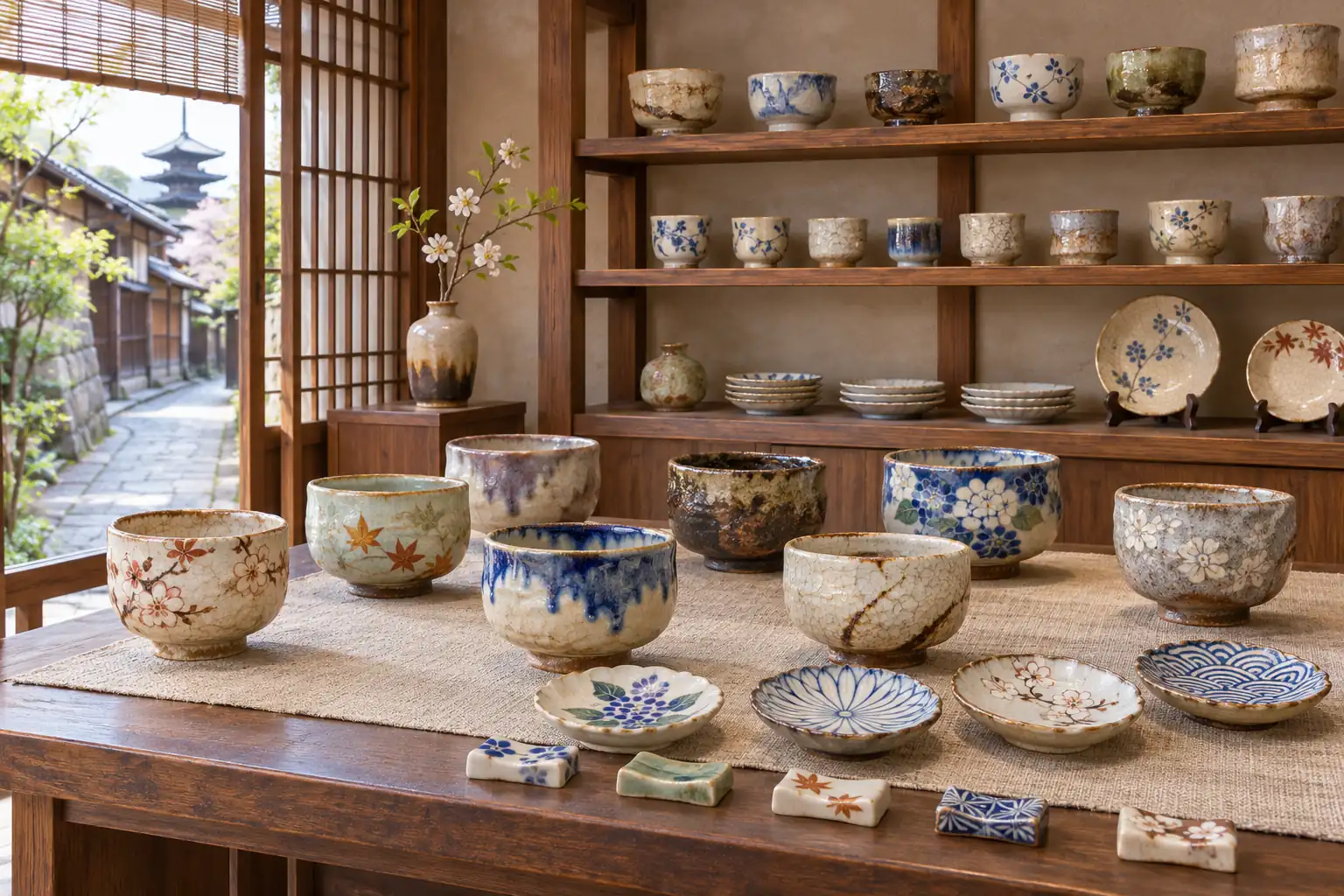
The streets around Kiyomizu-dera and Gojozaka are a useful starting point for Kyo-yaki and Kiyomizu-yaki pottery.
Compare tea bowls, small plates and chopstick rests; ask about the maker, care instructions and protective packing before buying a fragile piece.
For lighter gifts, explore Teramachi’s shops for paper goods, incense and everyday accessories. Kyukyodo is a specific stop to check for stationery and incense, while the covered shopping arcades make browsing easier in light rain.
If you are shopping just before departure, Kyoto Station’s department-store food floors are convenient for boxed sweets and tea gifts.
Check expiry dates and storage labels, and save enough luggage space to keep gift boxes and ceramics from being crushed.
How to Spend Three Days in Kyoto
Once you have chosen your priorities, the next step is fitting them together.
Arashiyama, Higashiyama and Fushimi Inari lie in different parts of Kyoto, so using each as the focus of a separate day makes nearby meals and activities easier to arrange.
The following three-day route leaves room for adjustments and can be shortened or extended.
Day | Suggested route | How to adjust it |
|---|---|---|
1: Southern Higashiyama | Kiyomizu-dera early, then Ninenzaka and Sannenzaka, a lunch break and Gion. | Reserve tea or an evening performance if it matters to you; keep the late afternoon free if the slopes are tiring. |
2: Arashiyama | Bamboo grove, Tenryu-ji garden, riverside walk and lunch. | Return downtown for shopping, or add Kinkaku-ji only if you are happy to spend more time transferring. |
3: Fushimi Inari and a chosen afternoon | Visit Fushimi Inari early, then have lunch and choose Nijo Castle or Nishiki and central shops. | Use the Railway Museum for a rainy afternoon. Garden enthusiasts can give a separate half-day to Ginkaku-ji and the Philosopher’s Path instead. |
With only two days, keep the eastern Kyoto day and choose between Arashiyama and Fushimi Inari according to your interests.
With four days, add northern Higashiyama rather than squeezing its gardens into an already full afternoon.
When to Visit and Getting Around
With a suggested route in mind, consider how the season and transport connections will affect it.
Long summer walks, blossom-season crowds and journeys between districts all influence how much you can comfortably fit into a day. The advice below will help you adapt the route and leave enough time for reserved activities.
Choose the Season for Your Priorities
Spring cherry blossoms and autumn foliage are strong reasons to visit, but they also bring pressure on accommodation and the most famous sights.
Peak color and bloom dates change each year, so avoid building an entire trip around one assumed date.
Summer can be hot and humid: do demanding walks early and leave space for an indoor activity or a long lunch.
Winter suits travelers comfortable with cold mornings and shorter sightseeing hours; snow is an occasional bonus rather than something to expect.
Use Trains for Distance and Walk Within Each Area
JR, subway and private railway lines serve different parts of Kyoto. Useful pairings include JR Inari Station for Fushimi Inari, JR Saga-Arashiyama for the western district, and Nijojo-mae subway station for Nijo Castle.
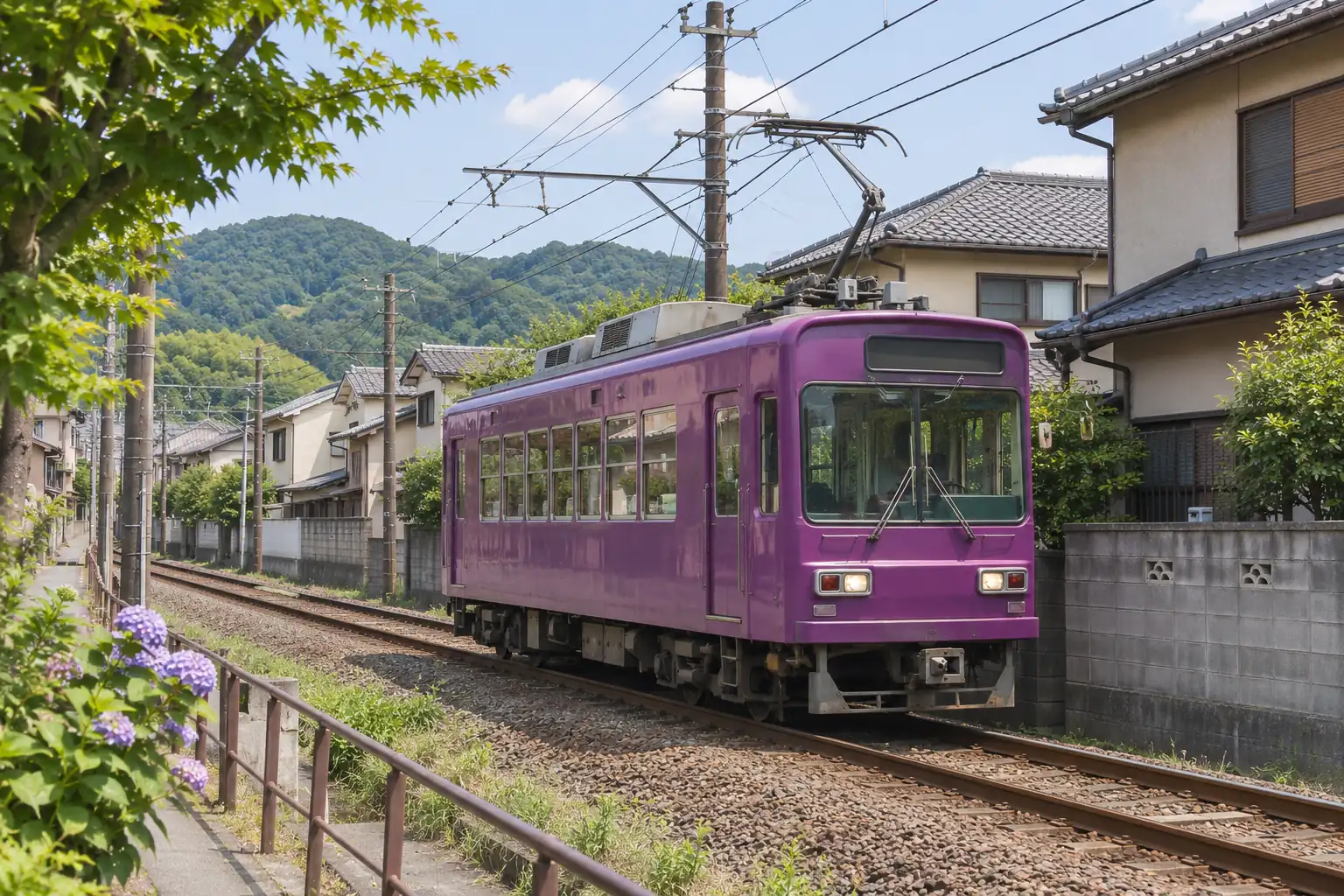
Use buses where they help with the last part of a journey, but allow for road traffic and crowded stops.
Check the actual route and operator before buying a pass; a city transport ticket does not automatically cover every JR or private railway journey.
Leave Room in Your Budget and Schedule
Free walks and paid visits combine easily: the bamboo grove, Kamo River and Fushimi Inari grounds can balance garden tickets, museum entry or one reserved activity.
Carry a payment backup and some yen for small purchases, and budget separately for cultural sessions, special exhibitions and meals.
Save your hotel address and important tickets offline, then use mobile data for live routes, menu translation and booking changes.
If you need a travel data option, check an iRoamly Japan eSIM against your phone’s compatibility and trip needs before departure.
FAQ
1. What Are the Best Free Things to Do in Kyoto?
Start with Fushimi Inari’s shrine grounds, the public bamboo path in Arashiyama and a walk beside the Kamo River. Gion’s public streets also cost nothing to explore, provided you respect private areas and photography signs.
2. Is Kyoto a Good Choice with Children?
Yes, if you mix short visits with activities and breaks. The Railway Museum is an option for train-loving children, while a suitable craft session can be more engaging than several consecutive temple interiors; check minimum ages and the amount of walking involved.
3. Can You Enjoy Kyoto with Limited Mobility?
You can plan a rewarding visit, but access varies sharply between sites. Ask each venue about step-free routes, accessible toilets and seating, and do not assume an accessible main entrance means that hillside paths or every historic interior are accessible.
4. Should You Stay in Kyoto or Visit from Osaka?
A day trip can work for a small, focused route. Staying in Kyoto is more convenient when early temple starts, an evening performance or several districts are important, because you avoid making the intercity journey at both ends of each day.
Conclusion
Kyoto’s appeal lies both in the landmarks that bring you here and in the pauses between them. A tea break or a shop you happen to step into may become one of the parts of your trip you remember longest.
On a first visit, there is no need to include every famous temple. Give the places that interest you enough time, and leave yourself room to change plans so you can explore beyond a quick stop.
Start with the place you most want to see, give Kyoto a few days and discover what might bring you back.