
Nara may first bring to mind its bowing deer. But if you leave after feeding them and taking a few photos, you could miss some of the ancient capital’s most rewarding experiences.
The Great Buddha at Todai-ji, lantern-lined forest paths, wooden townhouses, and freshly made mugwort mochi all deserve your time. On a day trip from Kyoto or Osaka, how much can you experience—and where should you start?
This guide features 15 things to do in Nara, from classic sights to local food, helping you choose your favorites and connect them into an easy-to-follow route.

Nara’s Essential Temples and Shrines
Nara’s temples and shrines are among the best places to discover the ancient capital’s history.
As an important center of early Japanese Buddhism, the city preserves monumental halls, treasured statues, and sacred paths leading into the forest. The following sites offer distinct experiences worth including in a first visit.
1. See the Great Buddha at Todai-ji
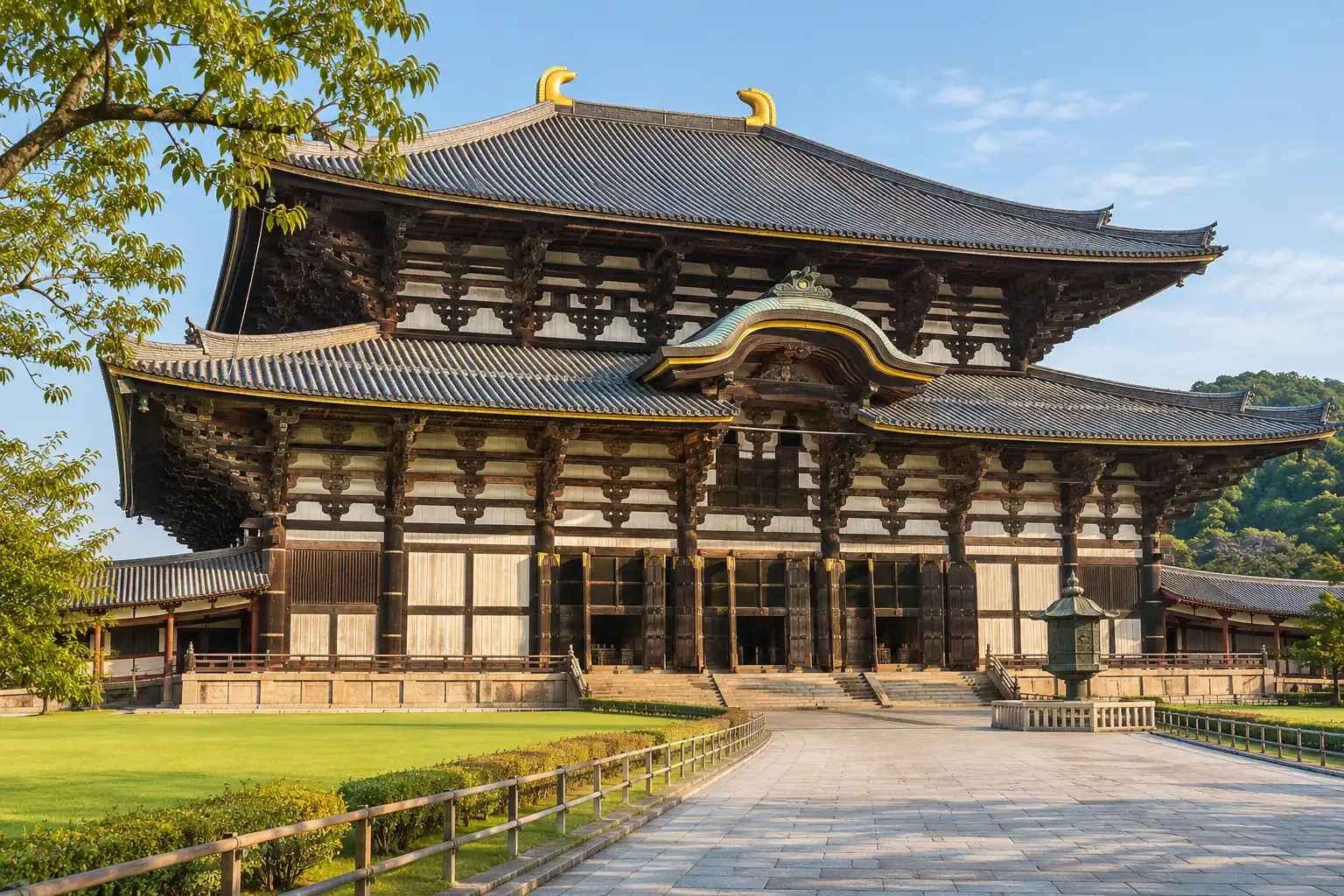
Even before you enter the Great Buddha Hall, the scale of Todai-ji is striking. Approach through Nandaimon, the Great South Gate, and look for its towering wooden guardian figures before continuing to the hall and its seated bronze Buddha.
This is the paid sight to prioritize if you want one major temple experience. Leave time to walk around the statue and examine the hall’s timber construction rather than treating the doorway as a quick photo stop.
Time: Allow 60–90 minutes for the approach and Great Buddha Hall.
Admission: The hall costs ¥800 for adults and ¥400 for children aged 6–12. An adult joint ticket with the Todai-ji Museum costs ¥1,200; other paid halls have separate admission.
Hours: The Great Buddha Hall opens 7:30–17:30 from April through October and 8:00–17:00 from November through March. Arriving near opening helps you get ahead of many tour groups.
2. Walk Up to Nigatsu-do
Nigatsu-do belongs to the Todai-ji complex, but its elevated wooden terrace gives you a different experience from the Great Buddha Hall. The view across temple roofs and the city rewards the climb, especially when you want an outdoor break after the busy main hall.
Time and cost: Set aside about 30–45 minutes from the Great Buddha Hall area; the terrace is free to visit.
Access: The approach includes slopes and steps. Travelers avoiding stairs can spend longer around Todai-ji’s lower grounds instead.
3. Follow the Lanterns to Kasuga Taisha
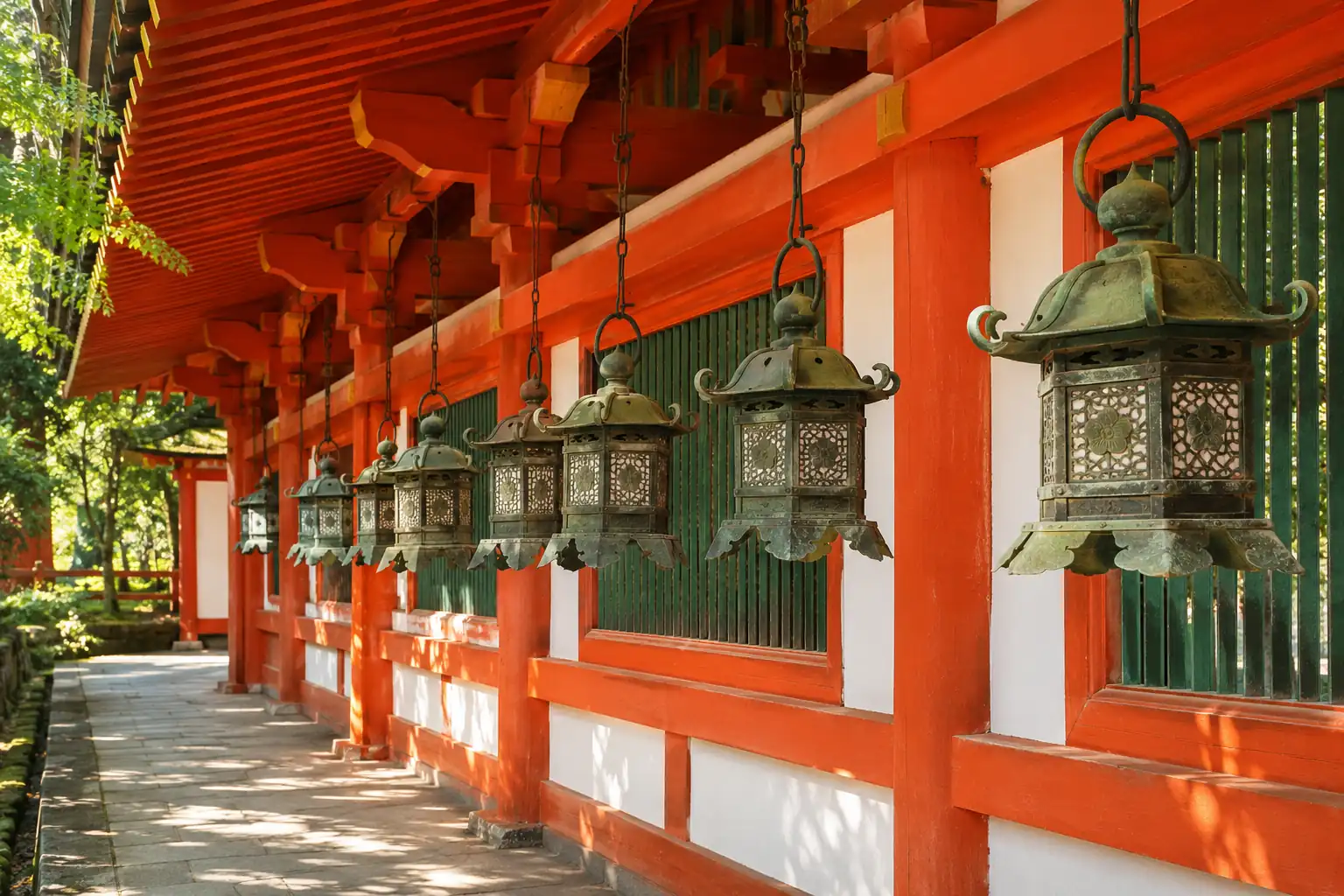
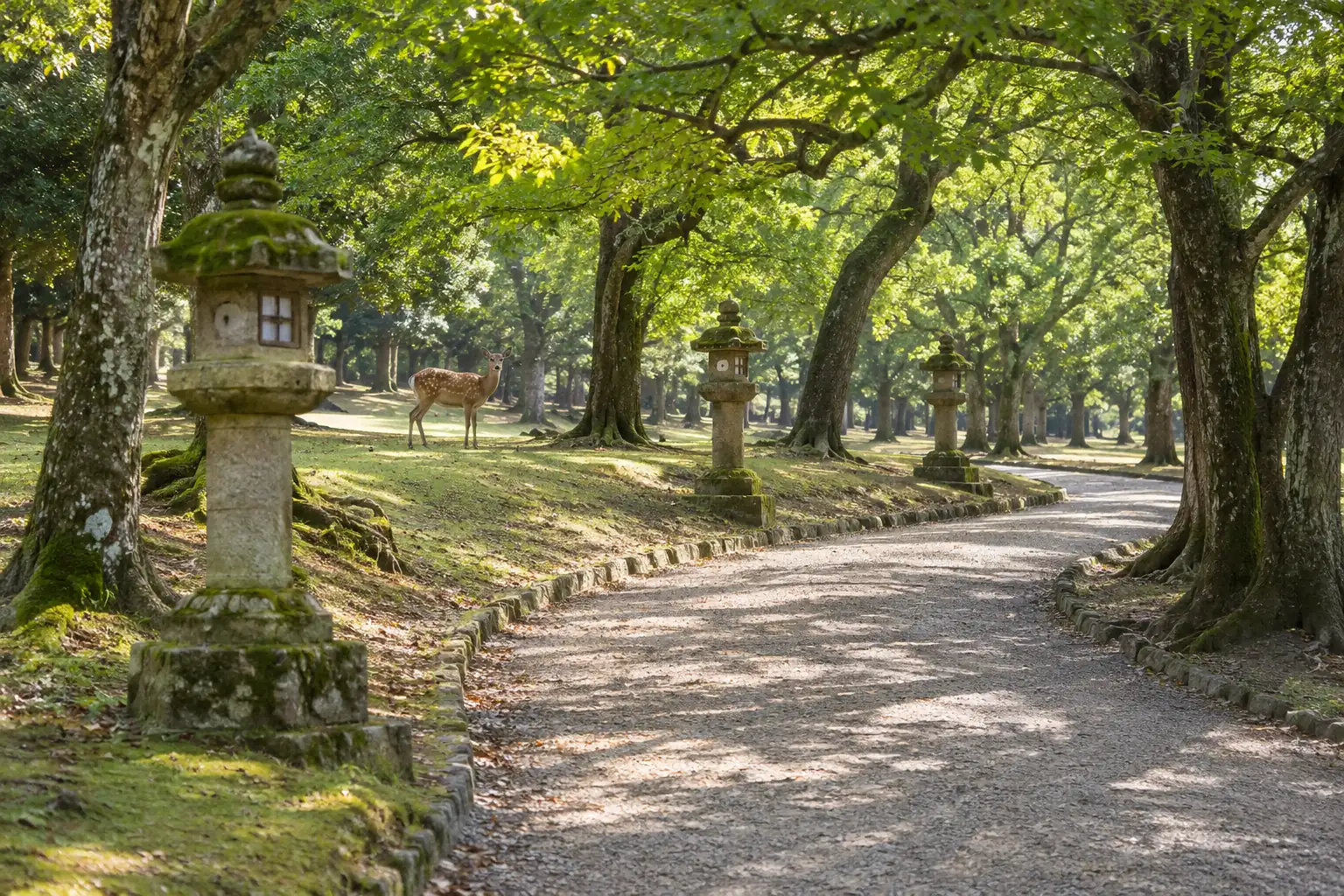
Kasuga Taisha’s stone lanterns line the wooded approach, while bronze lanterns hang beneath vermilion corridors nearer the sanctuary. Walking here is part of the attraction, so give the path as much attention as the buildings.
Choose the paid inner cloister if you want a closer look at the hanging lanterns and access to Fujinami-no-ya, the darkened lantern hall. You do not need a festival visit to see illuminated lanterns there, although access can change during ceremonies.
Time: Allow 45–60 minutes at the shrine, plus the walk from your previous stop.
Admission: The outer approach and ordinary worship area are free. Special admission inside the cloister costs ¥700, with reception normally 9:00–16:00.
Route: It works well after Nigatsu-do via the paths near the foot of Mount Wakakusa. Wear shoes that handle uneven ground and damp stone.
4. Explore Kofuku-ji’s Halls
Near Kintetsu-Nara Station, Kofuku-ji is an easy stop at the beginning or end of a city walk. Its open grounds give you a free introduction, while the National Treasure Hall is particularly worthwhile if you want to study Buddhist sculpture, including the celebrated Ashura figure.
Time and cost: Allow 20–30 minutes for an outdoor look, or about an hour with the National Treasure Hall. Adult admission to that hall is ¥900; tickets for the golden halls are separate.
Opening and payment: The National Treasure Hall normally opens 9:00–17:00, with last admission at 16:45, and accepts cash.
Restoration: The five-storied pagoda is enclosed for major conservation. Repairs are currently scheduled to finish in March 2034, so plan around the halls and grounds rather than an unobstructed pagoda view.
Nara Park and Outdoor Sights
After exploring the temples and shrines, slow down in the surrounding parkland.
Deer wandering among the lawns and trees are one of Nara’s biggest attractions, but nearby pond gardens and grassy hills offer more to discover. These spots make welcome stops between visits to the religious sites.
5. Watch the Deer in Nara Park
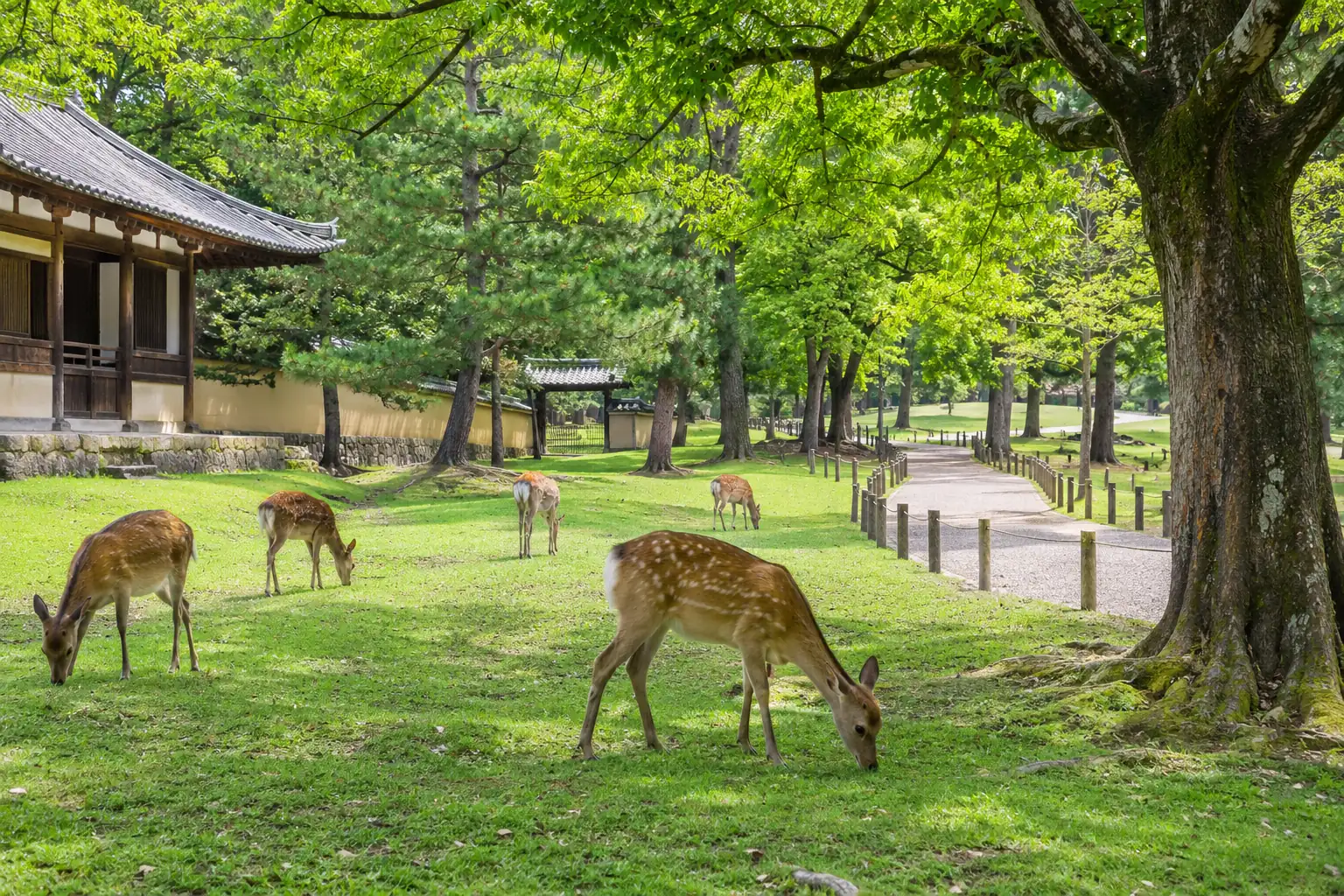
Seeing sika deer graze beneath the trees is one of Nara’s defining experiences, and watching them costs nothing. The park is a broad area of lawns and paths around the temples, so you will encounter deer as you move between sights rather than at a single entrance.
These are wild animals accustomed to people. You can enjoy them from a distance; feeding is optional and should never become a reason to touch, chase or corner them.
Feeding: Give only the special shika senbei crackers sold around the park. Hand them over promptly without teasing, and show empty palms when you have finished.
Belongings: Keep snacks, maps and plastic bags out of reach, and take litter with you.
Children and seasons: Stay beside small children and give extra space to males during the autumn rut and mothers with young. Do not approach or touch fawns.
6. Take Your Time in Isuien Garden
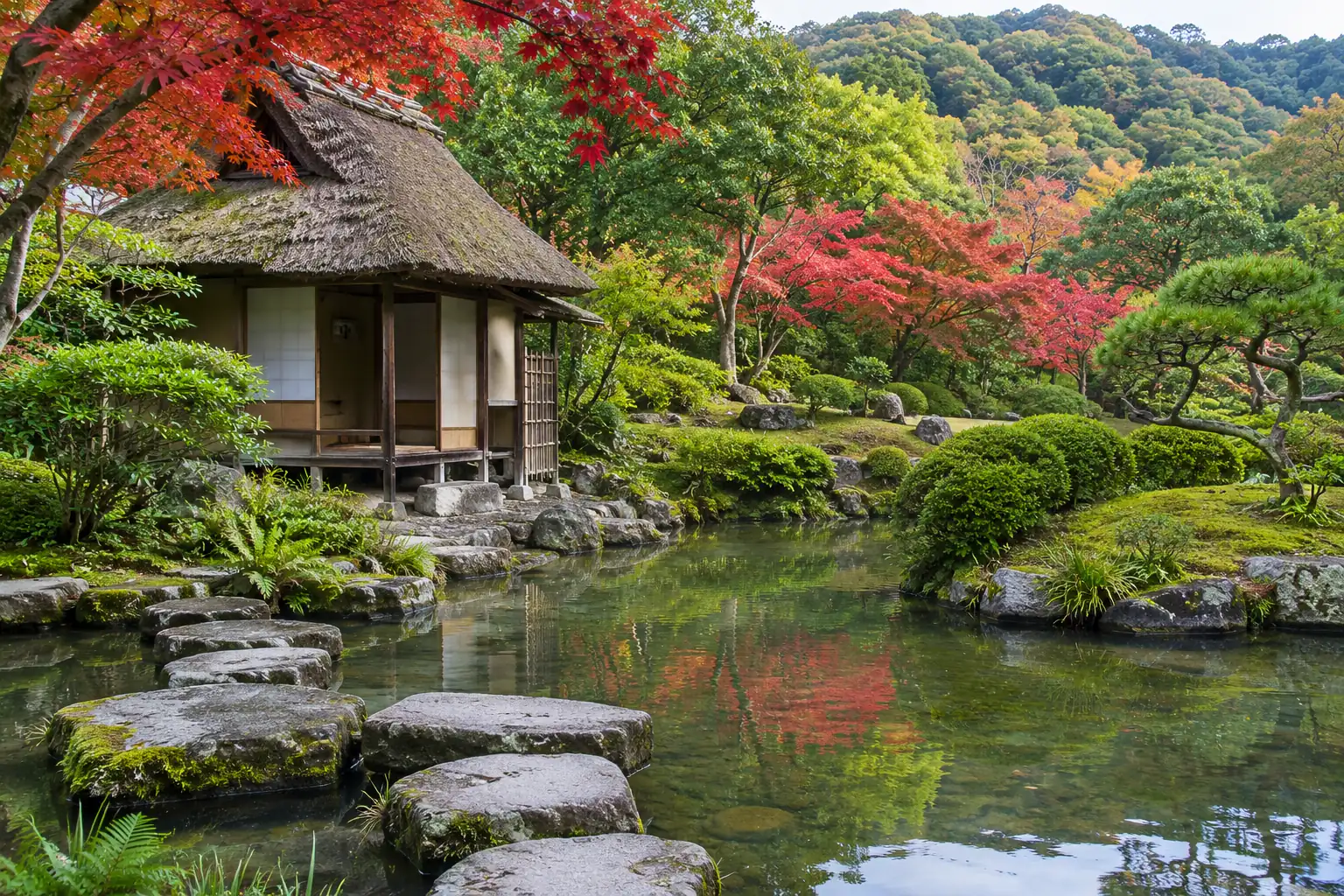
Isuien rewards a slow circuit around its ponds, stepping stones and carefully framed views. Its use of surrounding scenery gives the garden depth, making it a good choice when you enjoy landscape design rather than simply want another photo stop.
Time and cost: Allow 45–60 minutes. Adult admission is ¥1,200 and includes the Neiraku Museum.
Hours: Normally 9:30–16:30, with entry by 16:00. It closes on Tuesdays, with holiday exceptions, and during maintenance periods in late September and around the year-end period.
Access: Uneven stepping stones make the garden unsuitable for wheelchair access. Check directly before visiting if you use a walking aid.
7. Visit Yoshikien’s Moss and Pond Gardens
Immediately beside Isuien, Yoshikien combines a pond garden, a moss garden and a garden of plants used in tea arrangements. Its smaller scale makes it a useful alternative when your budget or afternoon will not stretch to Isuien.
Admission is free for all visitors; a foreign passport is not required for an exemption. Normal hours are 9:00–17:00, with last entry at 16:30, and the garden closes February 24–28; allow around 30–45 minutes and follow the paths around the delicate moss.
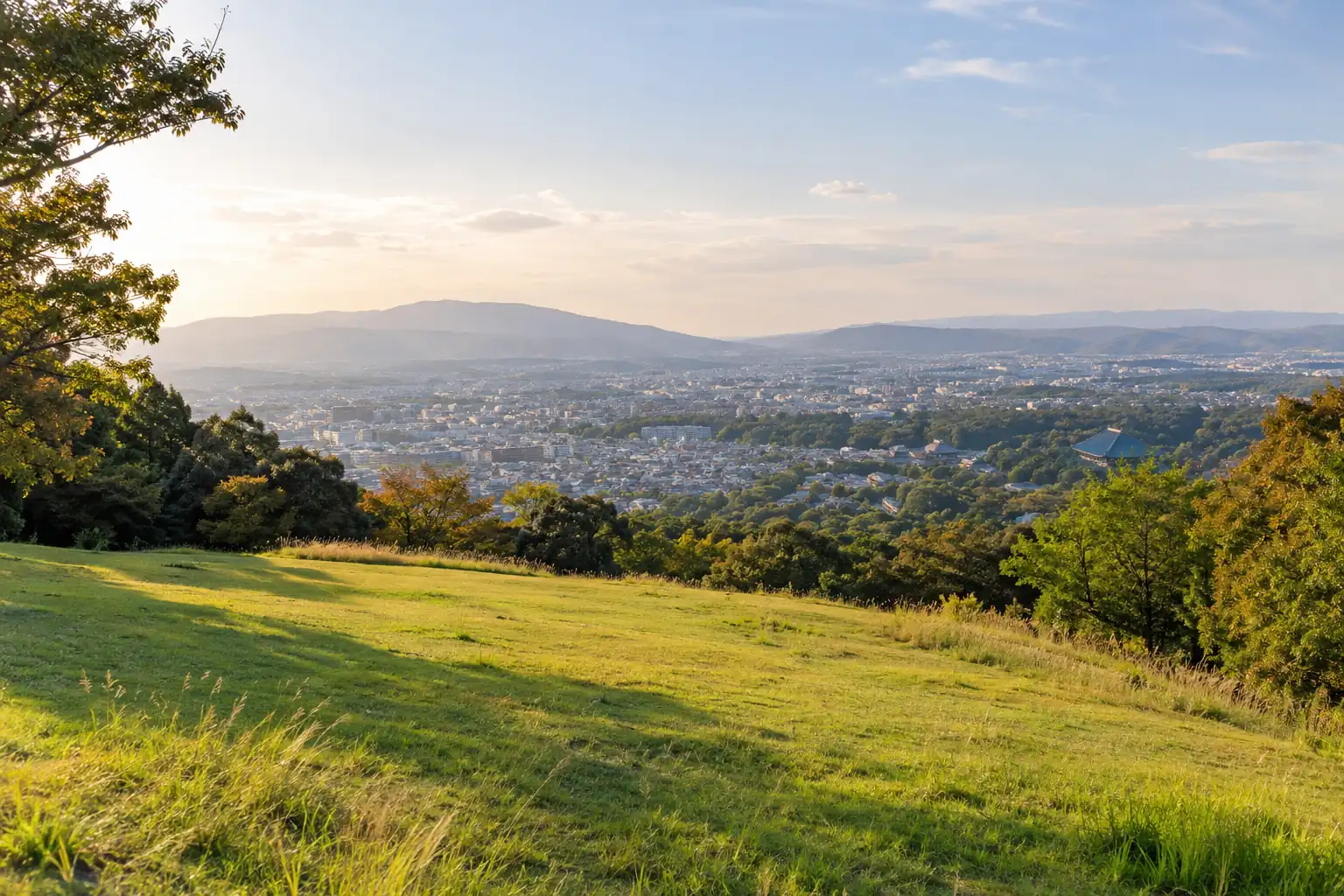
8. Climb Mount Wakakusa for City Views
The open grassy slopes of Mount Wakakusa give you a wider view of the Nara basin than the wooded park below. A lower viewpoint can be enough if you want the scenery without committing to the summit.
Time: Budget roughly 60–90 minutes for an unhurried climb and descent, depending on your turnaround point and fitness.
Season and cost: The paid hillside walking area normally opens from the third Saturday in March to the second Sunday in December, 9:00–17:00. Adult admission is ¥150.
Conditions: The climb includes steep, exposed stretches. Carry water, allow time to descend before closing, and choose a garden instead in heavy rain or strong heat.
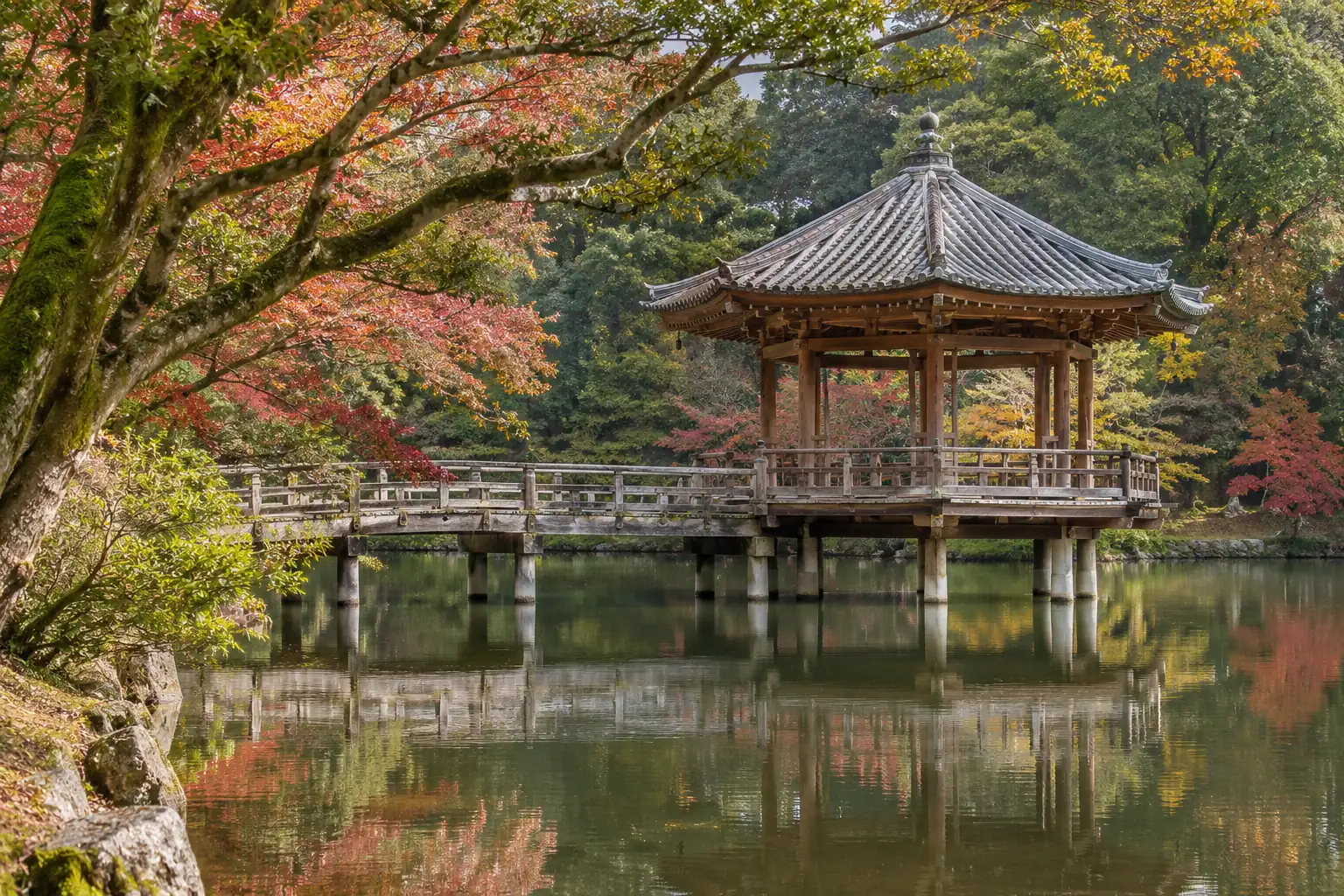
9. Pause by Ukimido Pavilion
Ukimido is a small hexagonal wooden pavilion over Sagi-ike pond, south of the main Kasuga approach. The bridge, reflected roof and trees make this a pleasant short detour when you want open-air scenery without another ticket or hill climb.
Allow around 20–30 minutes for the free pondside walk. It fits naturally between the southern park paths and Naramachi, although you should skip the detour if you are trying to reach a townhouse or shop before closing.
Naramachi and Museums
Beyond the deer park and ancient temples, Nara’s streets and art reveal more of the city’s story.
Naramachi’s timber townhouses preserve traces of merchant life, while museums offer opportunities to examine Buddhist art more closely. Step inside to explore the history behind the buildings and scenery.
10. Visit Gango-ji in the Old Town
Gango-ji offers a quieter temple setting within Naramachi, with tiled roofs, wooden halls and rows of weathered stone figures. Choose it if you are interested in the neighborhood’s origins or want to spend longer with Nara’s religious heritage.
Allow 30–45 minutes and expect paid admission, with different charges possible during special exhibitions.
It is about a 15-minute walk from Kintetsu-Nara Station, so it pairs more conveniently with Naramachi than with a rushed return across the park.
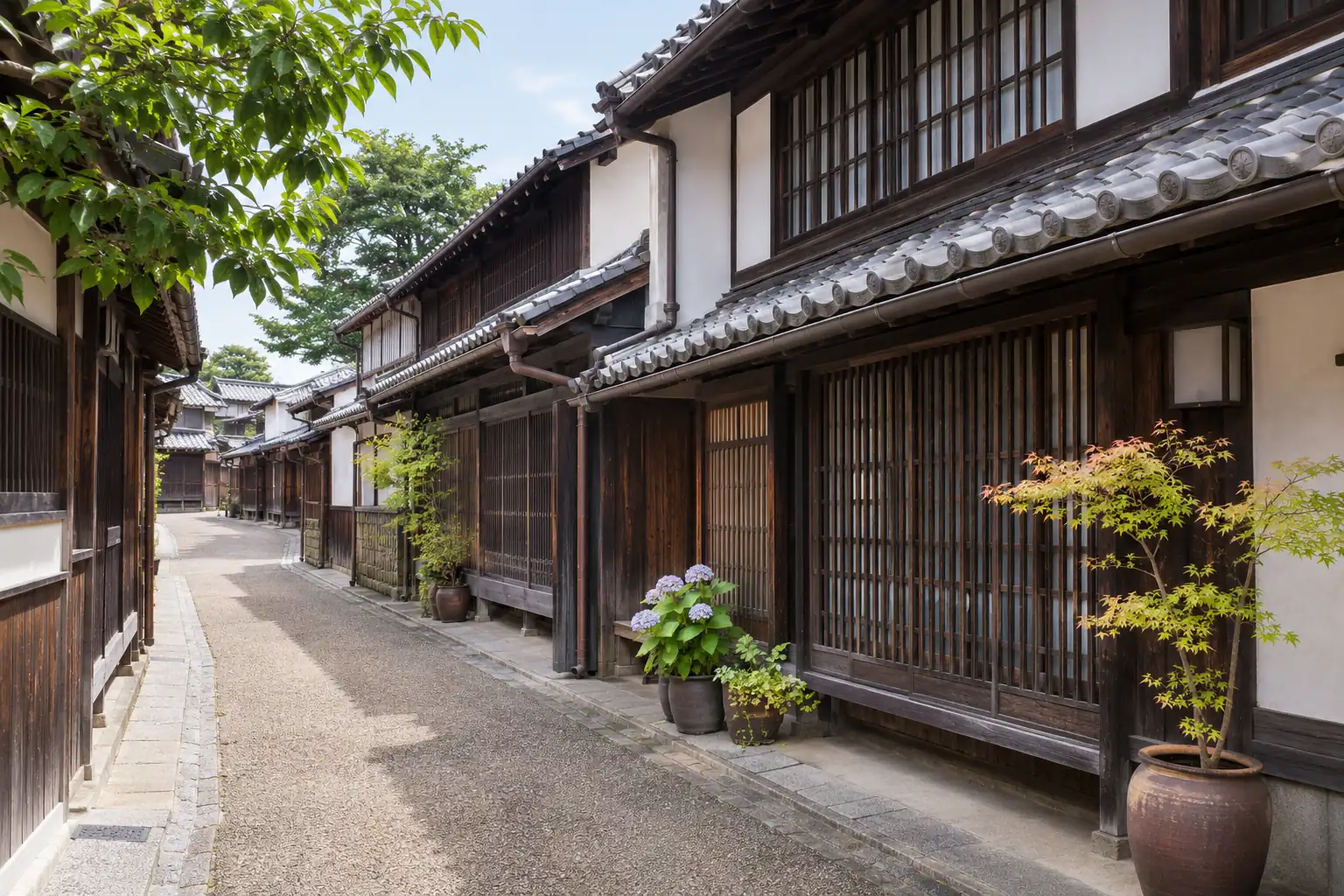
11. Step Inside a Naramachi Townhouse
The appeal of Naramachi is not limited to its facades.
At Nigiwai-no-Ie, a preserved merchant house, you can see tatami rooms and a courtyard garden; Koshi-no-Ie is a reconstructed lattice-fronted house that helps explain the long, narrow layout of local homes.
Time and admission: Both are free; choose one for a 20–30-minute visit or allow longer to walk between them and browse the surrounding lanes.
Timing: Nigiwai-no-Ie normally opens 9:00–17:00 and closes Wednesdays, with holiday exceptions. Check the individual house’s calendar before making it your final stop.
Etiquette: Remove shoes where requested and follow signs about photography. These interiors are a useful choice when you prefer everyday history to another monumental hall.
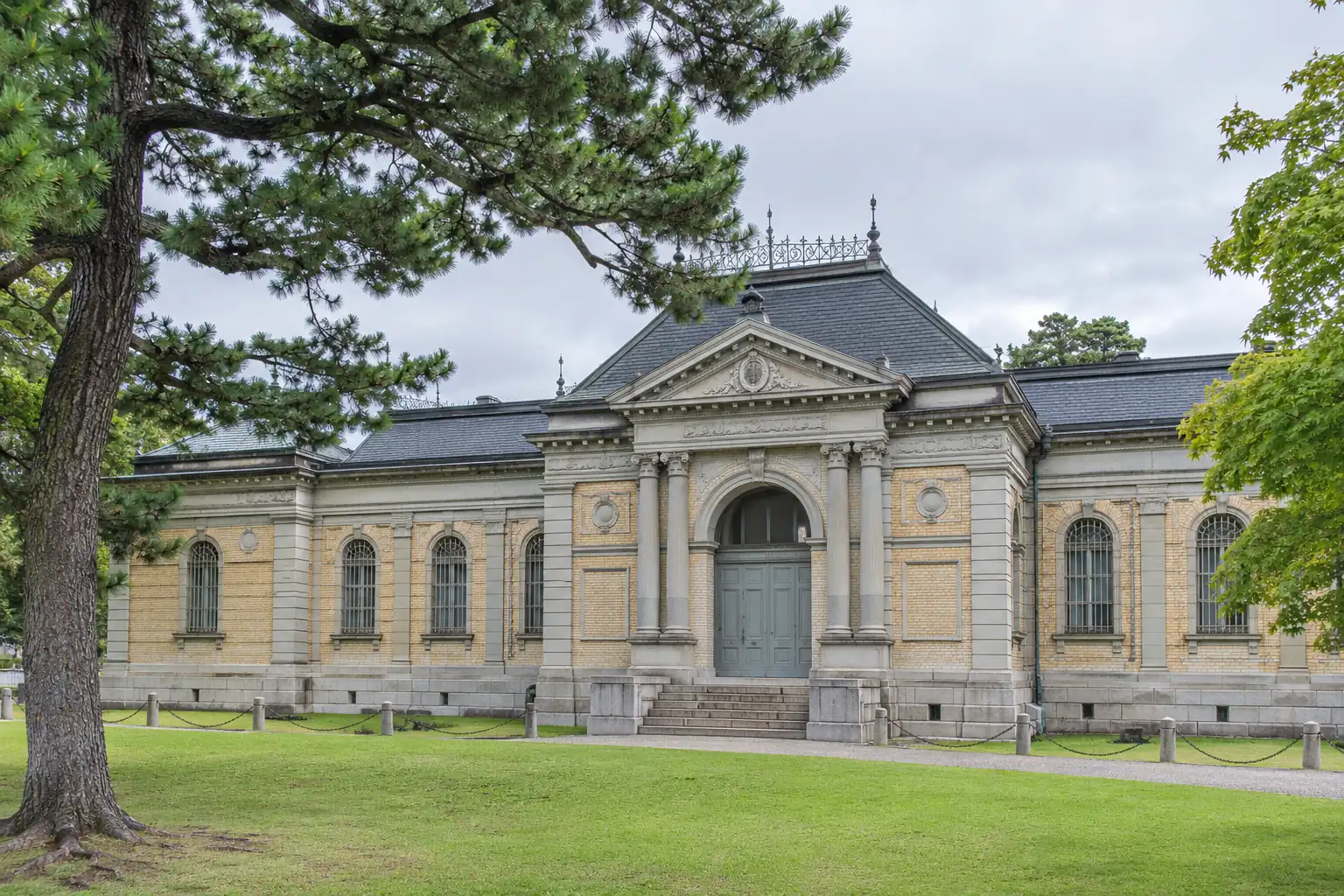
12. Check the Exhibitions at Nara National Museum
Nara National Museum is worth considering if Buddhist art is a priority, but check the exhibition calendar before allocating an afternoon.
Its Buddhist Sculpture Hall has been closed for renovation since September 14, 2026, with reopening planned around spring 2028.
Other galleries and special exhibitions have their own operating arrangements and tickets.
Consult the museum’s current opening information, and allow 60–90 minutes only if an available exhibition interests you; do not assume the full permanent collection is accessible.
What to Eat and Drink in Nara
After discovering Nara’s architecture and streets, take time to taste its local specialties.
From persimmon-leaf sushi and delicate tea porridge to freshly made mugwort mochi, the food deserves attention too. These dishes and sake experiences fit naturally into lunch or a break between sights.
13. Try Fresh Yomogi Mochi at Nakatanidou
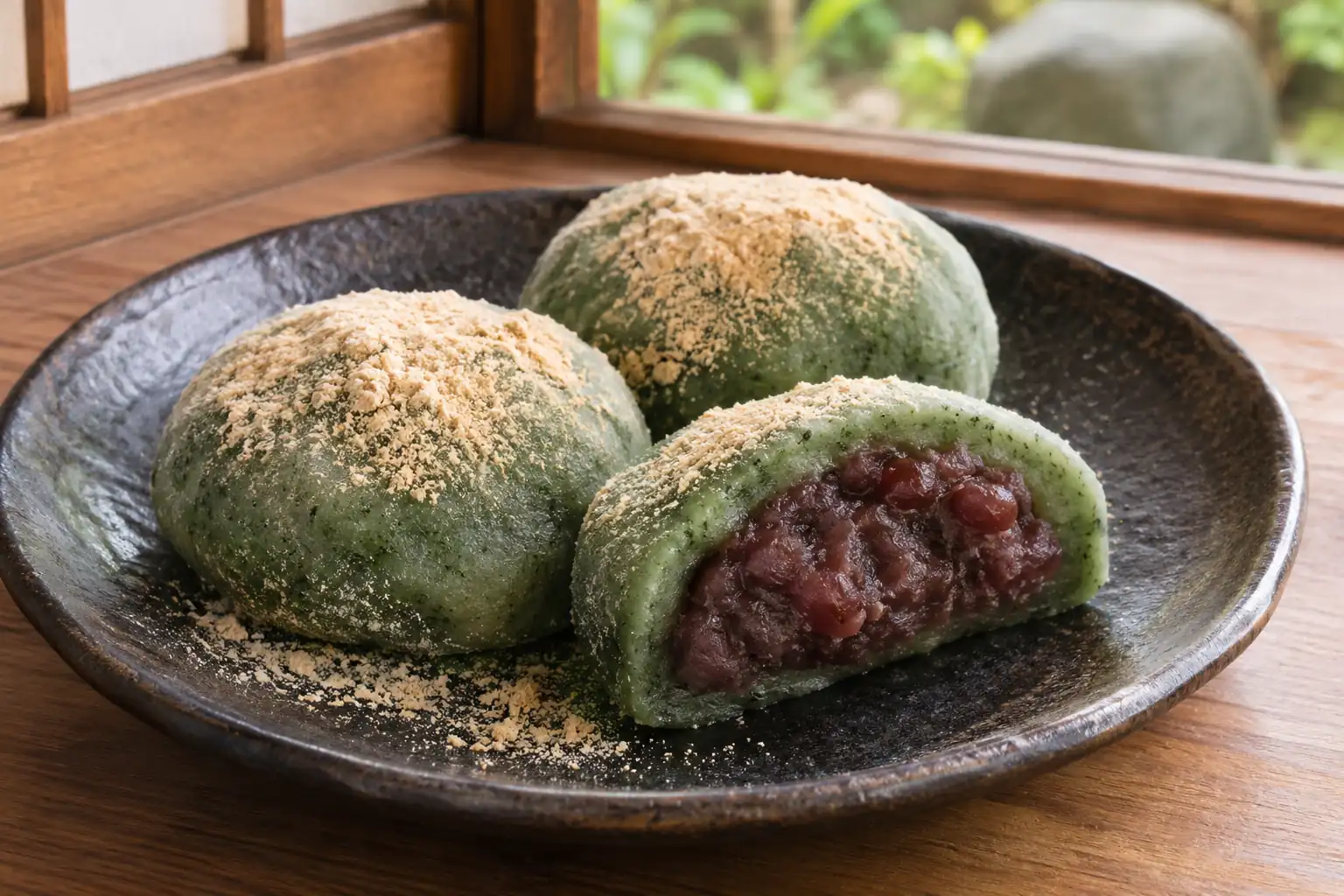
Nakatanidou, near the meeting of Sanjo-dori and Higashimuki, is known for rapid mochi pounding and soft green mugwort rice cakes filled with sweet red bean paste. Buy a freshly made piece and eat it promptly to enjoy the texture.
Demonstrations: Pounding follows production needs, with no fixed show schedule. Treat catching a demonstration as a bonus rather than planning a timed appointment.
Hours: The shop normally opens 10:00–19:00 but may close earlier when sold out. Stop during the day if this is a priority.
Practical detail: The coating contains roasted soybean flour; check ingredients if needed. Finish your own snack away from the deer.
14. Eat Kakinoha Sushi or Tea Porridge
Kakinoha-zushi is pressed rice topped with fish and wrapped in persimmon leaves. Hiraso’s Nara shop near Sarusawa Pond is a useful stop for a meal or takeaway box, though it normally closes Mondays. Unwrap the leaf before eating the sushi.
For a gentler sit-down dish, look for chagayu, rice porridge cooked in roasted tea, on local menus.
Kasuga Ninai Jyaya near the shrine offers a different porridge tradition, manyo-gayu with changing seasonal ingredients, making it a convenient option while you are still in the park.
Check the day’s menu before relying on a particular set meal, especially near the end of lunch service. For takeaway sushi, follow the seller’s storage instructions and use-by time rather than assuming it will keep until the next day.
15. Sample Sake at Harushika
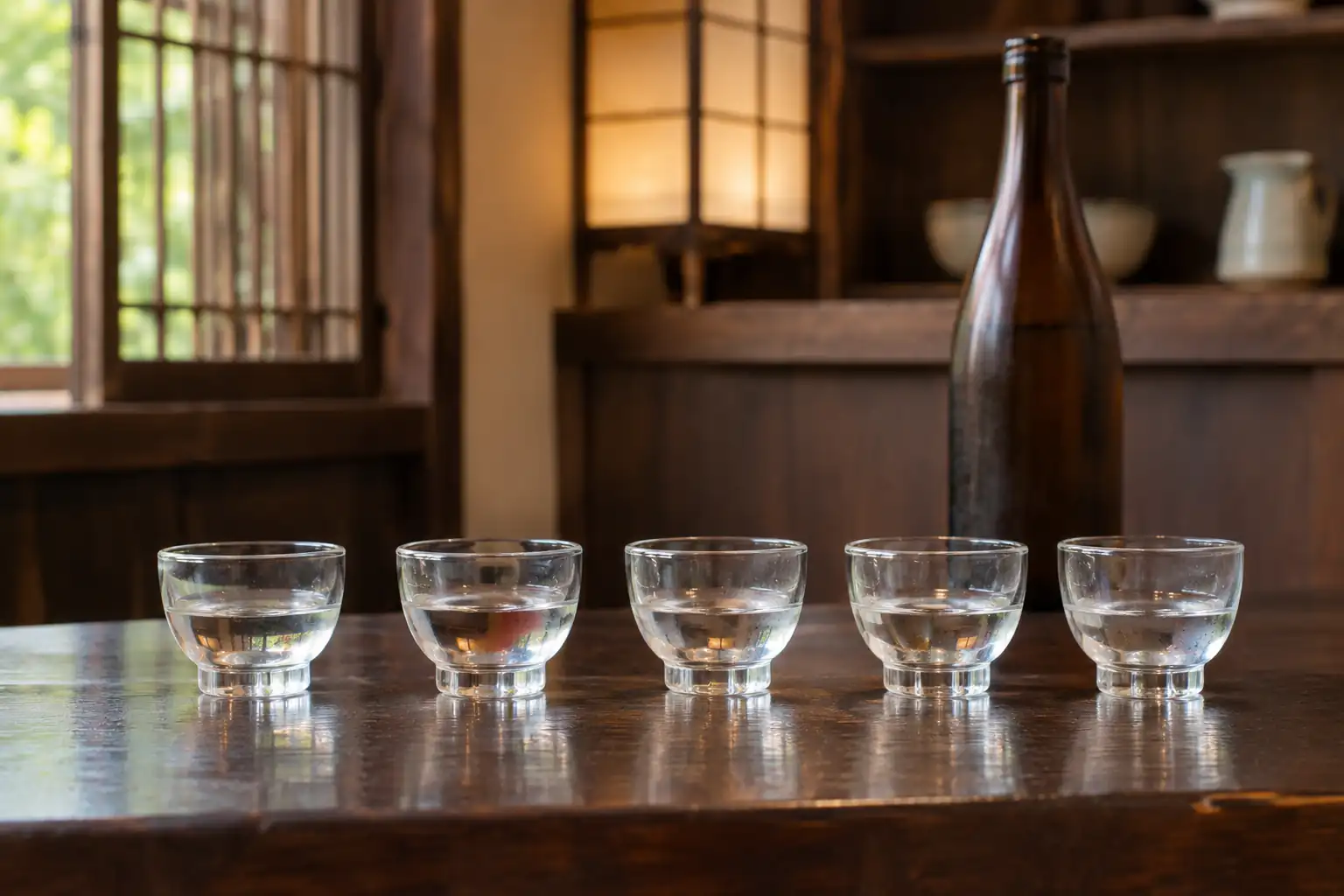
Harushika’s brewery shop in Naramachi offers a manageable introduction to local sake: a tasting of five varieties lets you compare styles without ordering a full bottle of each. The shop is a good final cultural stop if you have chosen the old-town branch of your day.
Price and time: The five-sake tasting costs ¥700 and takes about 30 minutes; allow extra time if there is a queue.
Availability: Tasting reception normally runs 10:00–16:30. The shop closes Tuesdays, with holiday exceptions, and during some holiday periods.
Booking: Ordinary visits are handled in order of arrival; limited morning reservations are available for groups of four to eight. A tasting is separate from a brewery tour, which is offered only during limited periods.
Who can join: Participants must be at least 20. Do not drive after drinking.
Where to Shop in Nara
Once you have sampled Nara’s food, you may want to bring some local flavors home.
Alongside tea and packaged sweets, look for woven cloths, pottery, and wooden crafts. Naramachi’s small shops and the shopping streets near the stations offer different places to browse for gifts.
Browse Local Crafts in Naramachi
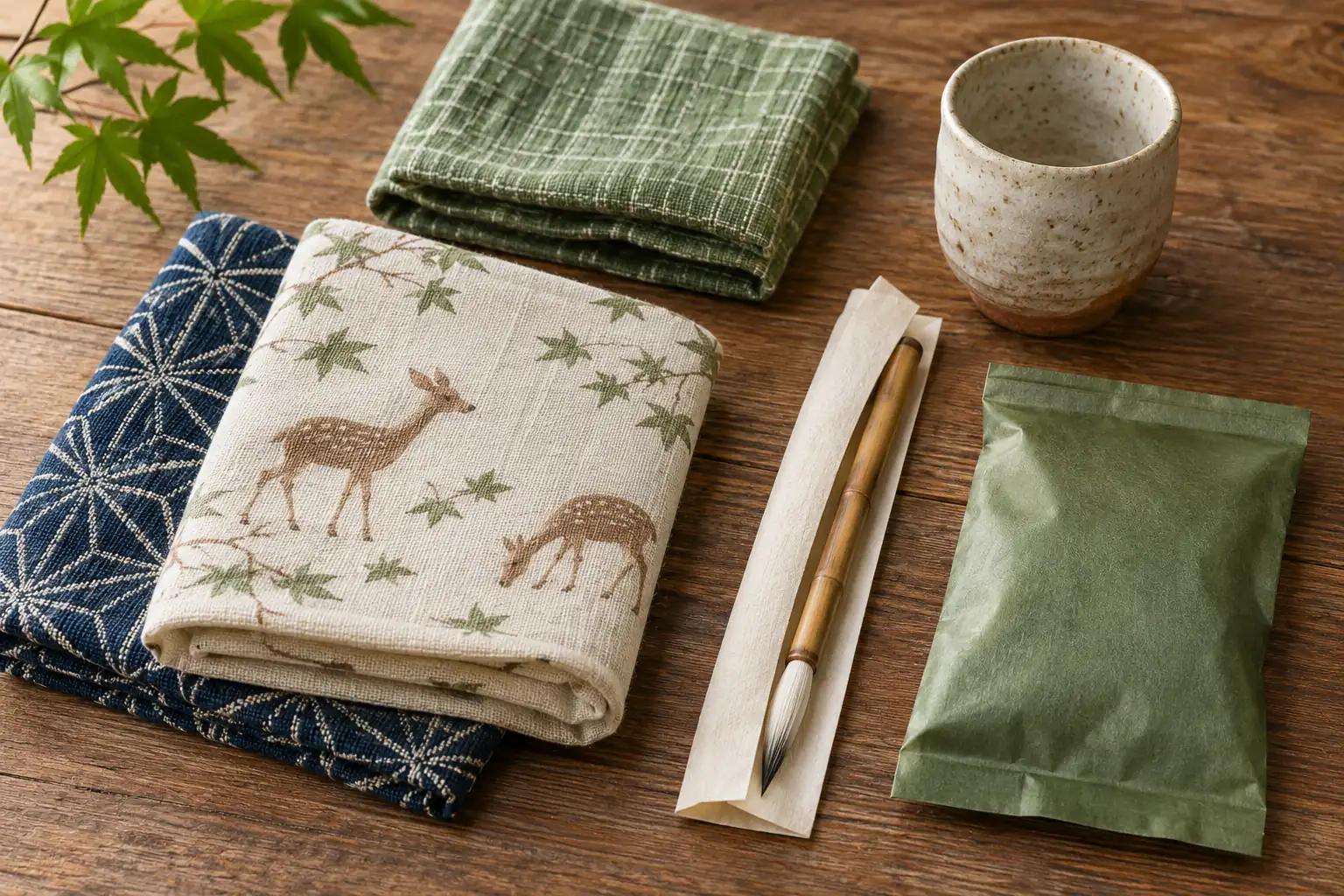
For useful gifts that travel well, look at Nakagawa Masashichi’s Nara shops for woven cloths, handkerchiefs and small household goods.
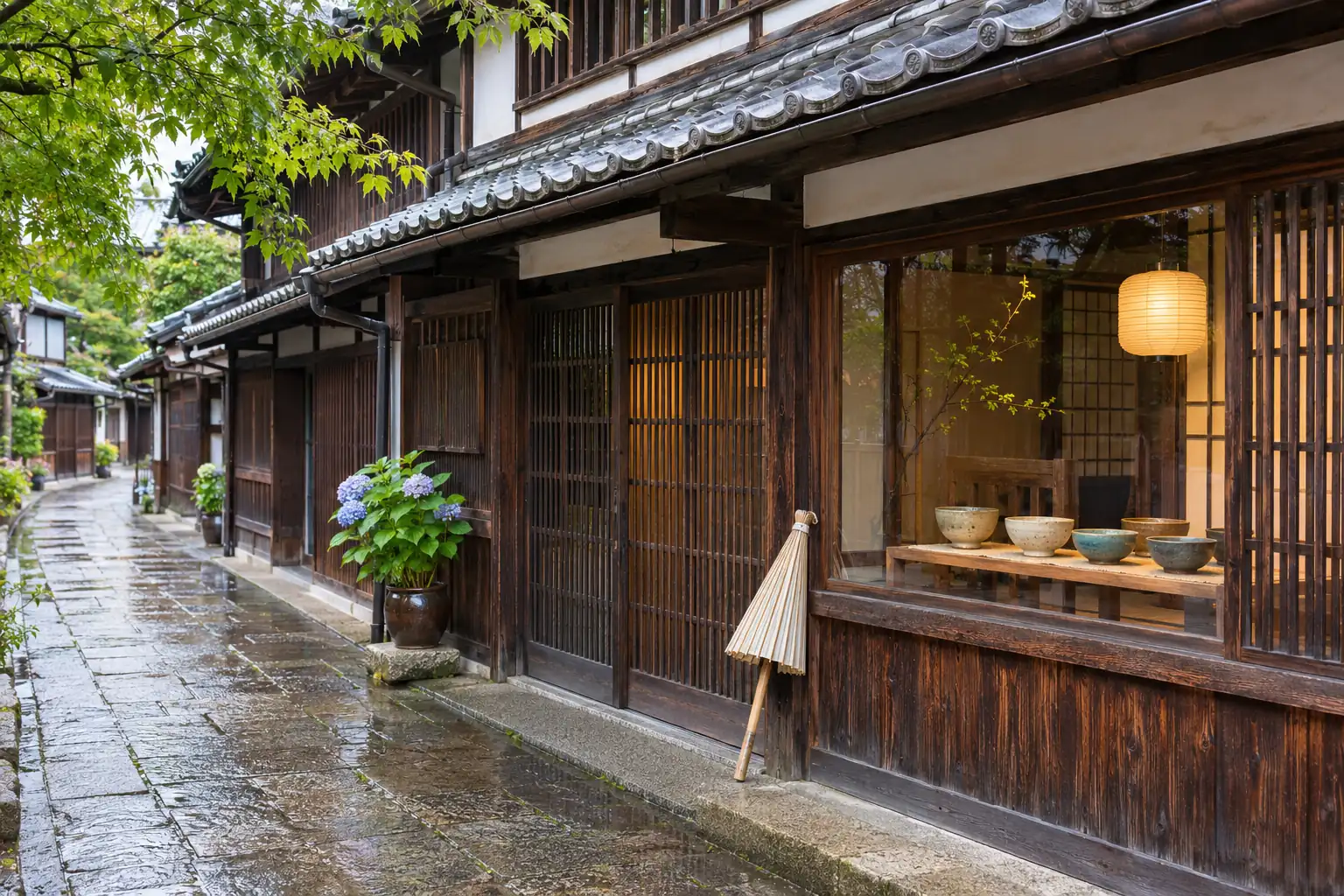
The Nara Sanjo souvenir branch is convenient on a central walking route, while Naramachi’s surrounding lanes reward browsing for ceramics, brushes and carved wooden pieces.
A cloth or handkerchief is light and easy to pack; pottery needs protective wrapping and space in your bag. Check the maker and place of production if buying something specifically made in Nara, since a local shop may stock crafts from elsewhere in Japan.
Pick Up Food Gifts Near the Stations
Higashimuki Shopping Street is a covered browse near Kintetsu-Nara Station, with deer-themed gifts, confectionery and local food. On Sanjo-dori, Nara Meihinkan is useful for comparing Yamato tea, narazuke pickles, Yoshino kudzu products and local sake in one stop.
Choose sealed tea or packaged sweets for a longer journey, and check storage labels on pickles and fresh food.
Narazuke has a pronounced sake-lees flavor; ask about alcohol content if that matters to the recipient, and buy fresh sushi for the current travel day rather than as a long-haul gift.
A One-Day Nara Itinerary
Temples, parkland, old streets, and local food give you plenty of ways to spend a day in Nara. Connecting nearby stops helps you enjoy them without unnecessary backtracking.
The route below centers on Todai-ji and Kasuga Taisha, then leaves the afternoon open for gardens or Naramachi.
Morning: Arrive around 8:30–9:00 and head toward Todai-ji, passing through the park. Visit the Great Buddha Hall, then continue uphill to Nigatsu-do if steps are comfortable for you.
Late morning and lunch: Walk south toward Kasuga Taisha via the paths near Mount Wakakusa’s base. Allow about 25–35 minutes for this connection, more if you stop often, and eat near the shrine or on your way back west.
Afternoon: Choose one branch: loop back to Isuien or Yoshikien for gardens, or head toward Ukimido and Naramachi for townhouses, Gango-ji or sake. A Mount Wakakusa climb should replace much of this optional sightseeing.
Before departure: Return through central Nara for mochi and shopping. Add Kofuku-ji’s paid hall only if you have enough time before last admission; its outdoor grounds also work as a brief earlier stop.
The core route involves several kilometers of walking, so use a bus or taxi for one connection if needed. If you want both a garden and a substantial Naramachi visit, reduce the temple stops or stay overnight instead of depending on a tightly packed afternoon.
Planning Your Visit to Nara
With a route in mind, a few practical details will help the day run smoothly.
Your arrival station affects where sightseeing begins, while the season, walking conditions, and admission fees can shape your plans. Check the following before setting out from Kyoto or Osaka.
Choose the Right Arrival Station
Kintetsu-Nara is closer to Kofuku-ji and the western edge of Nara Park. From Osaka-Namba, many direct services take roughly 40 minutes; from Kyoto, the journey varies by train, with some services requiring a change at Yamato-Saidaiji.
JR Nara is farther west but can be convenient from Osaka, Tennoji or Kyoto, especially if you already have a suitable JR ticket or pass.
Allow roughly 45–60 minutes from Kyoto or Osaka on relevant rapid services, then add time to reach the park on foot or by bus.
Use a route planner for your actual departure point, and distinguish ordinary express trains from limited express services that need an additional ticket. Nara’s two main stations are different places, so save the name of your return station before setting off.
Match the Season to Your Plans
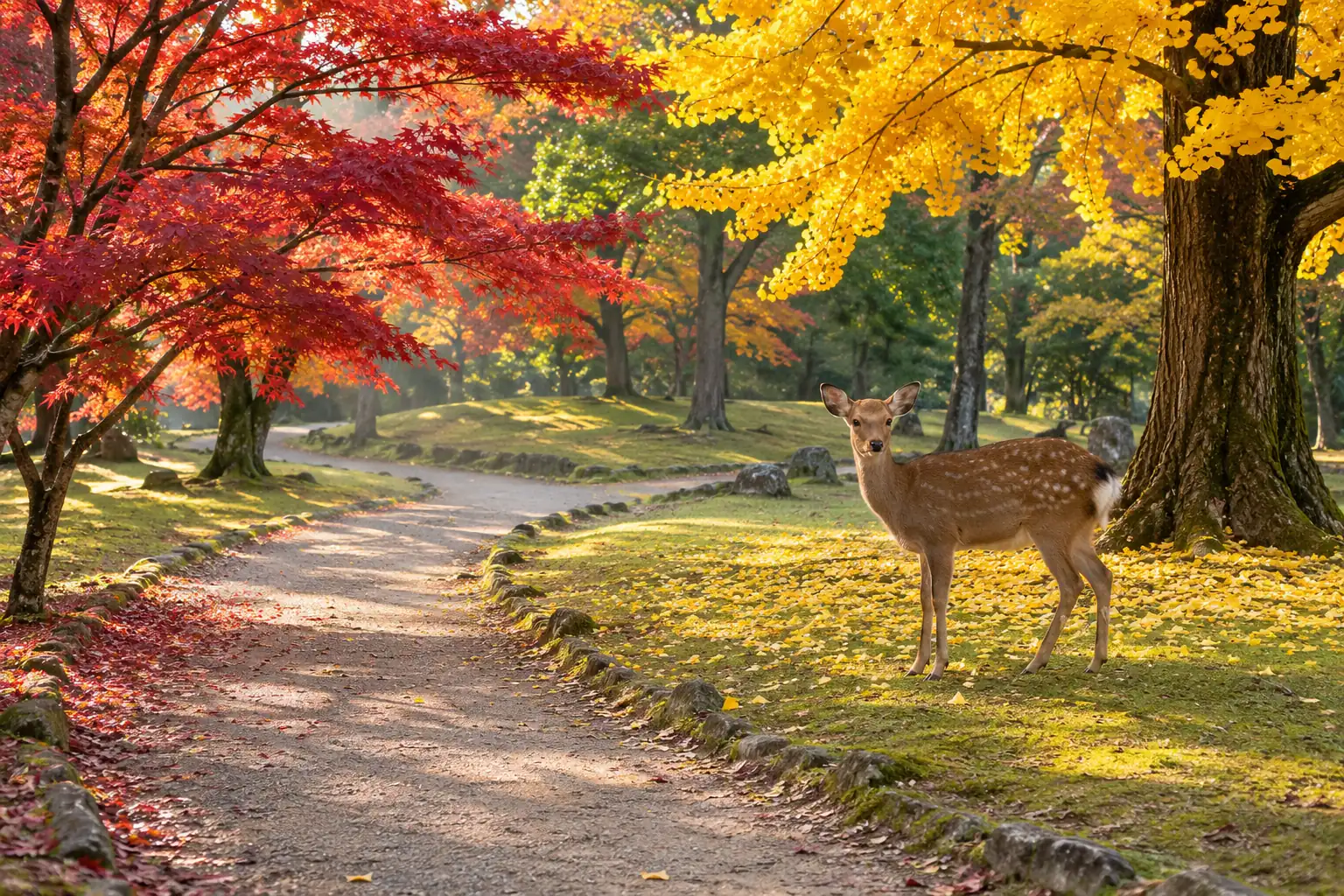
Spring blossom season and autumn foliage are attractive times for park walks, but popular weekends bring crowds.
In summer, start early and shorten exposed walks; in winter, plan around earlier closing times and the seasonal closure of Mount Wakakusa’s hillside gates.
For festivals, use the Nara City tourism website to confirm the year’s dates and viewing arrangements. A lantern event or fire ritual can change crowd levels, access and the best time to arrive.
Walking and Accessibility
Nara’s main sights may look close together, but visiting them still involves considerable walking over gravel, slopes, and steps. Plan breaks around your group’s stamina, and use a bus or taxi when needed.
If you use a wheelchair, walking aid, or stroller, check suitable entrances and accessible routes directly with each attraction before visiting.
Maps and Mobile Data
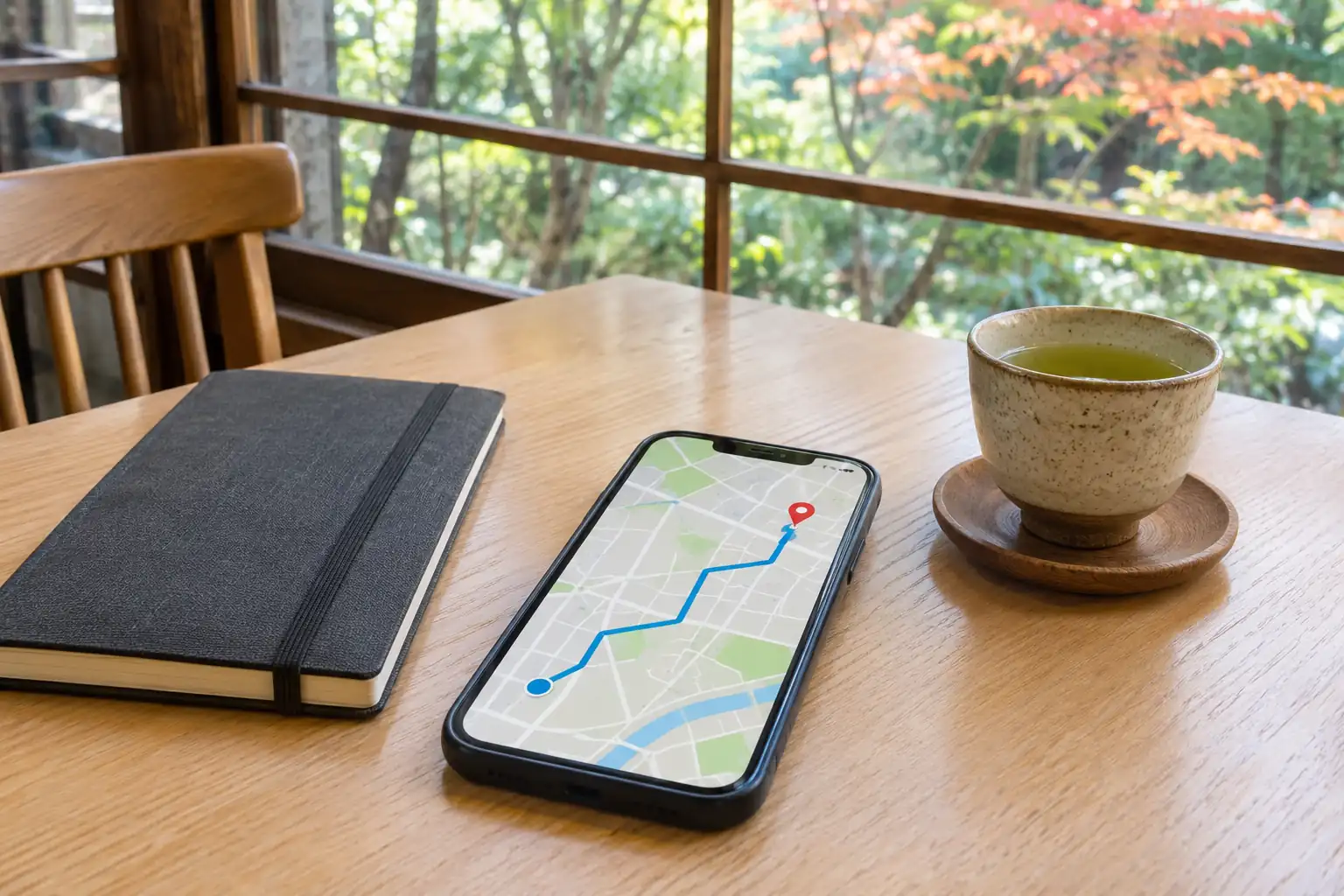
Save your chosen sights and return route before setting out. Mobile data is useful for checking trains, finding bus stops, and translating menus.
If your phone supports eSIM and is carrier-unlocked, consider an iRoamly Japan eSIM. Before buying, confirm device compatibility and your chosen plan’s data allowance and validity.
FAQ
1. Is Four Hours Enough for Nara?
Four hours in the city can cover Todai-ji, a walk through the deer park and a short food stop if you arrive promptly and keep your route compact. A full day is better when you also want Kasuga Taisha, a garden or Naramachi.
2. What Can You Do in Nara When It Rains?
Consider Kofuku-ji’s National Treasure Hall, a Naramachi townhouse, cafes and the covered Higashimuki arcade. The National Museum is another possibility only after checking open exhibitions; the walks between these places still require rain protection.
3. Is Nara a Good Trip with Young Children?
Yes, with a shorter route, regular breaks and close supervision around deer. Watching from a distance is enough; adults can handle any crackers, and you can leave the stair climb and mountain walk out of the day.
4. Is Staying Overnight Worth It?
An overnight stay is useful if you want an early park walk and a separate afternoon for gardens or Naramachi. With a second day, you can also plan the Nishinokyo temples as a separate excursion rather than adding them to the central park circuit.
Conclusion
Nara is worth a dedicated visit—and perhaps a little more time than you first planned. The details inside an ancient temple, a quiet woodland walk, and a meal in the old town are best enjoyed without rushing.
Choose a few experiences that truly interest you. Rather than hurrying away to fit in another stop, linger somewhere you enjoy and leave room for a small shop you discover along the way.
Set aside a full day for Nara during your Kyoto or Osaka trip. Come with a few places in mind, but allow time to explore freely, making room for both the experiences you anticipated and the surprises you find.