
Looking for a day trip from Tokyo? Yokohama combines harbor walks, historic buildings, and Chinatown food, with waterfront views worth staying for after dark.
Make your own cup noodles, board a historic ocean liner, or explore Yamate’s Western-style houses. There is plenty to enjoy beyond the skyline.
Discover 16 things to do in Yokohama, with food, shopping, and transport tips to connect your favorites. Choose a few highlights and leave time to explore along the way.
Places to Visit in Yokohama
Yokohama's harbor gives you open views and maritime landmarks, while its gardens and hillside houses offer quieter places to explore. These two sides of the city suit different paces, so choose a few stops rather than treating every sight as essential.
Waterfront Walks and Maritime History
1. Walk Through Minato Mirai
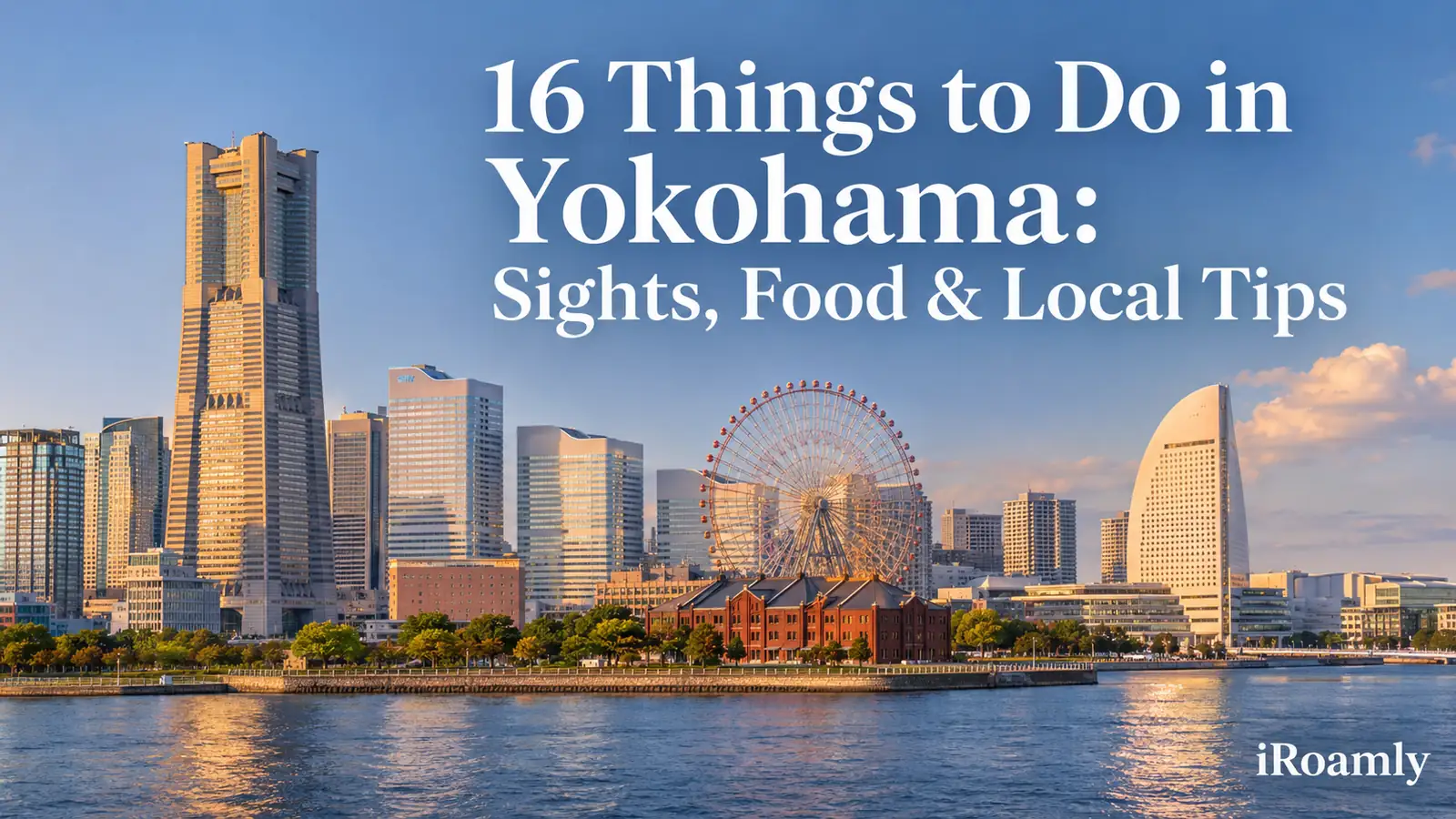
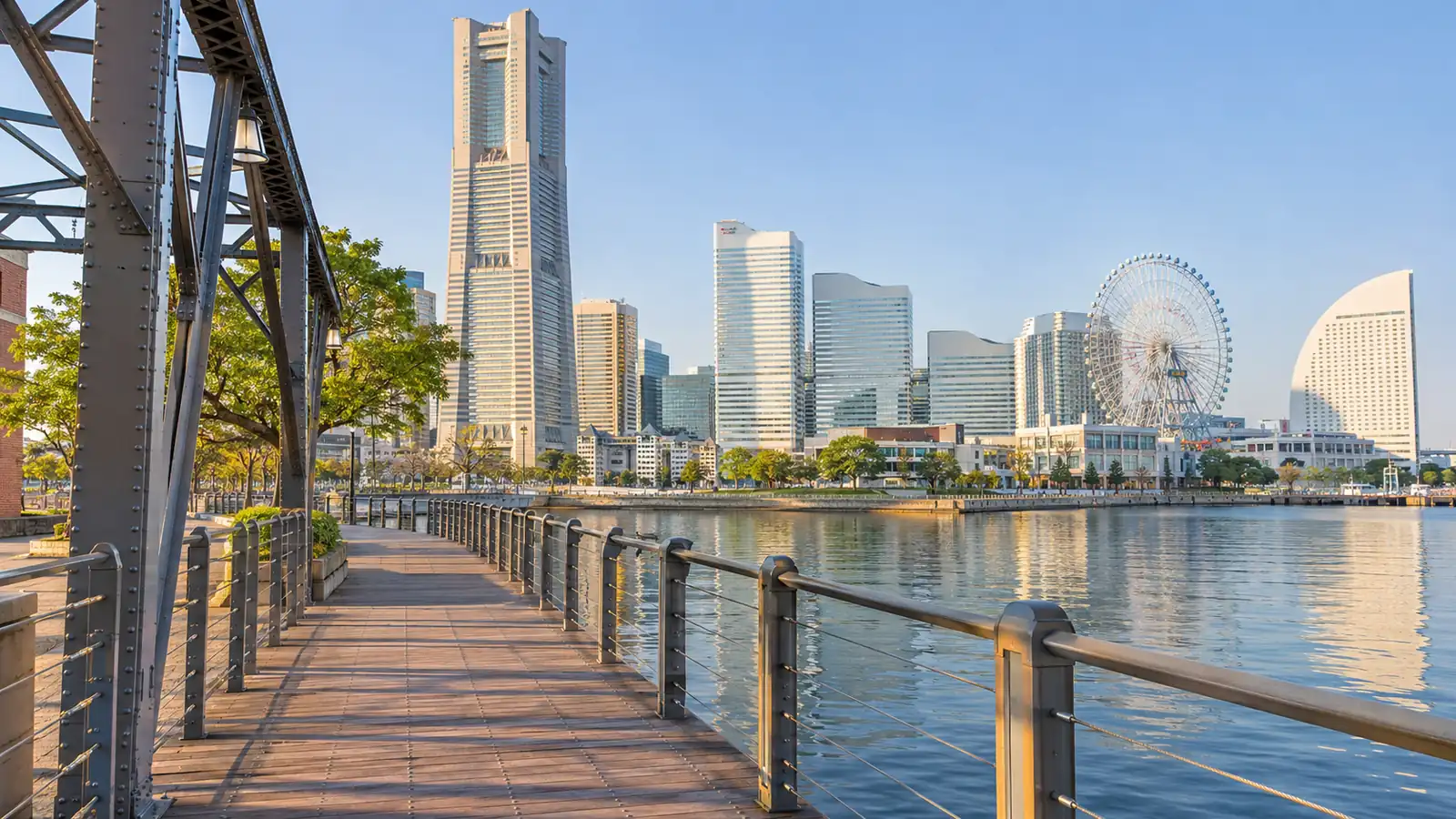
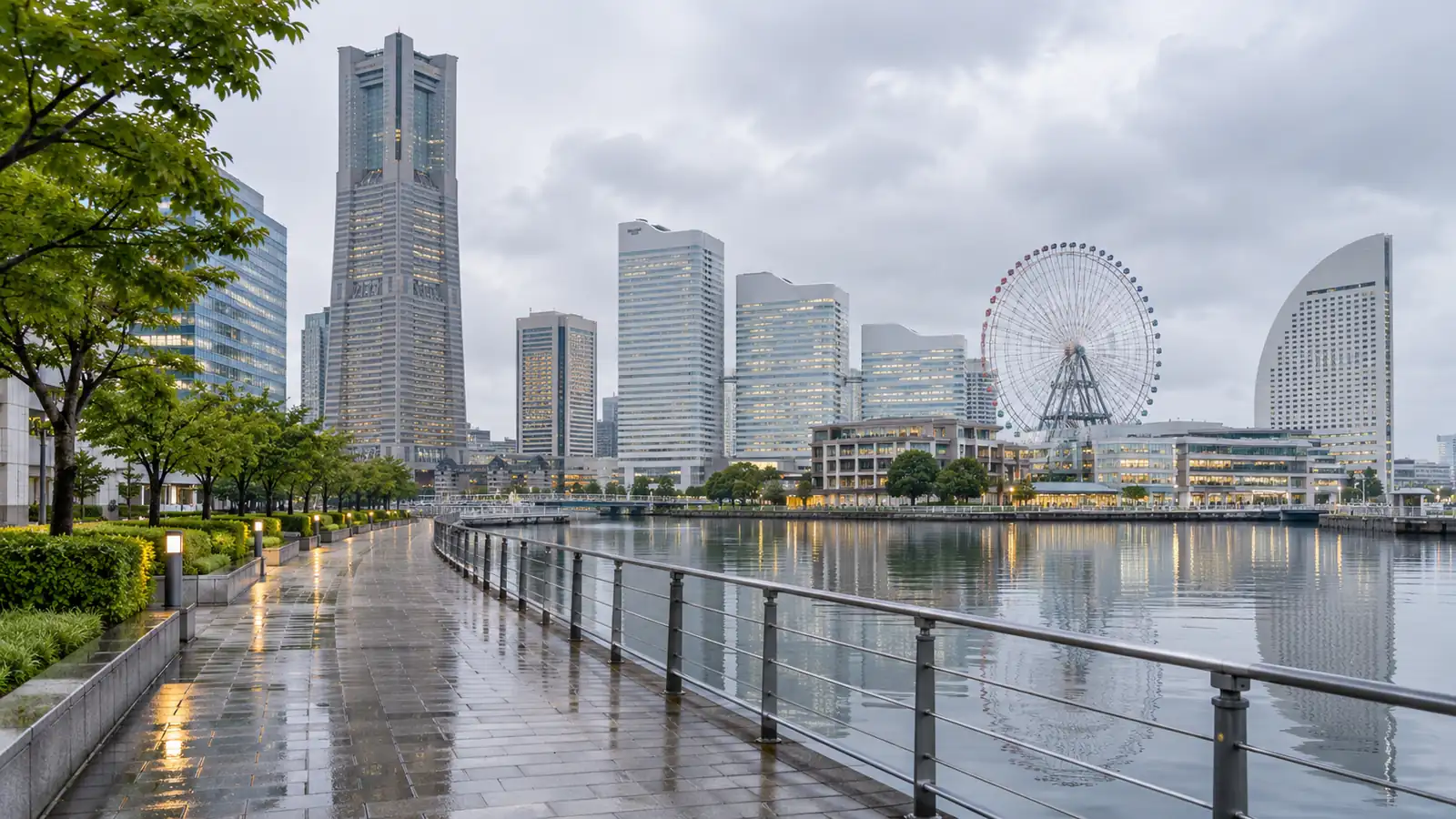
Minato Mirai is the waterfront district behind Yokohama's familiar skyline, with Landmark Tower, the sail-shaped InterContinental hotel, and Cosmo Clock 21.
Walking around the water lets you see those landmarks together without paying for a viewpoint.
Start near Sakuragicho Station and follow the Kishamichi promenade, which reuses former railway bridges. Allow about an hour for an unhurried introduction, or return after dark when the Ferris wheel and buildings light up.
2. Take a Break in Yamashita Park
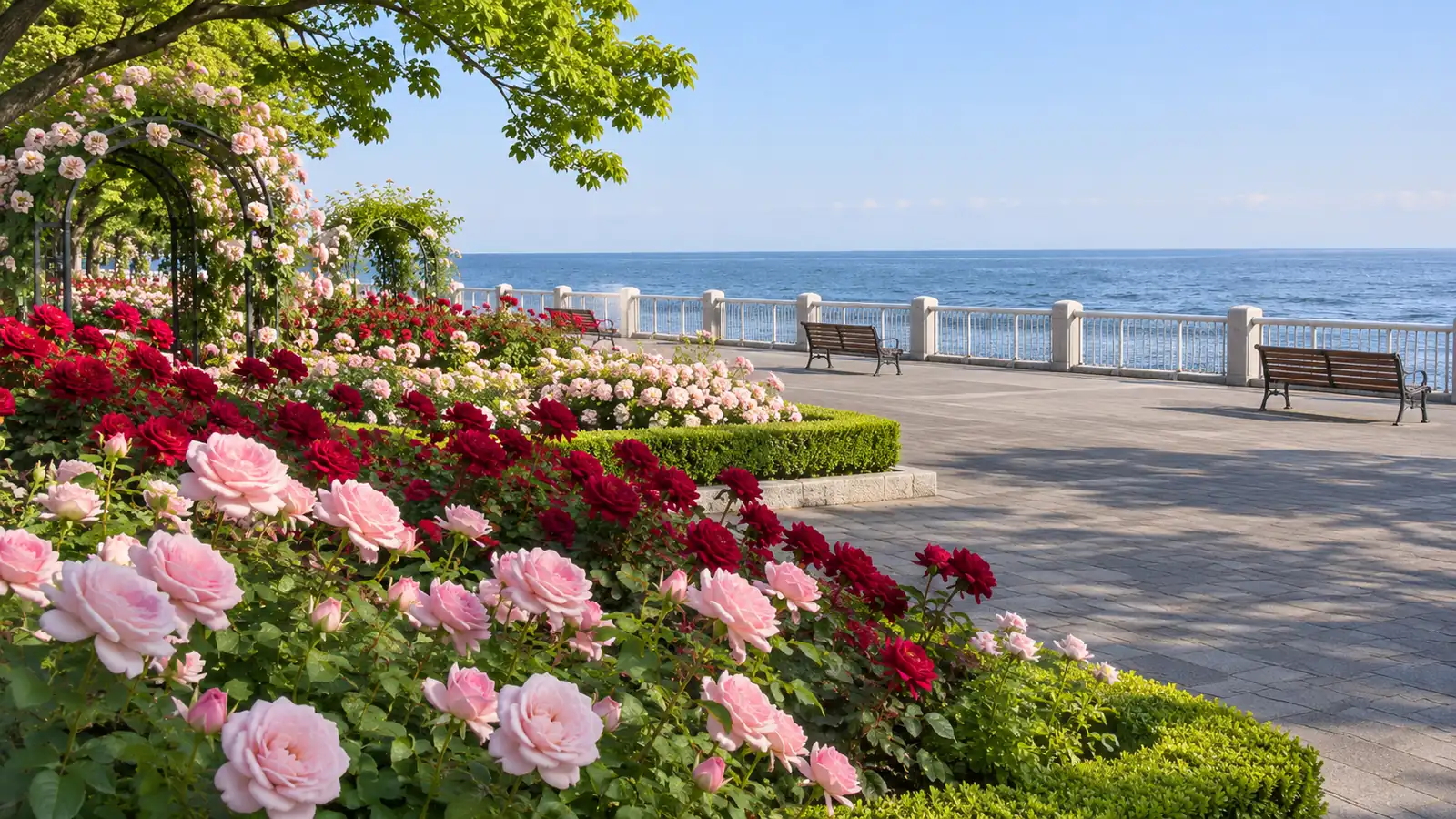
Yamashita Park is an easy place to slow down between Chinatown and the harbor. Its waterfront paths, benches, and rose beds make it particularly useful when your group wants a break from shops or museums.
Give it 30–45 minutes, longer if the roses are in bloom, and look for Hikawa Maru moored beside the promenade. Nearby Yokohama Marine Tower offers a paid elevated view if you prefer an observation deck to a walk.
3. See the Skyline from Osanbashi Pier
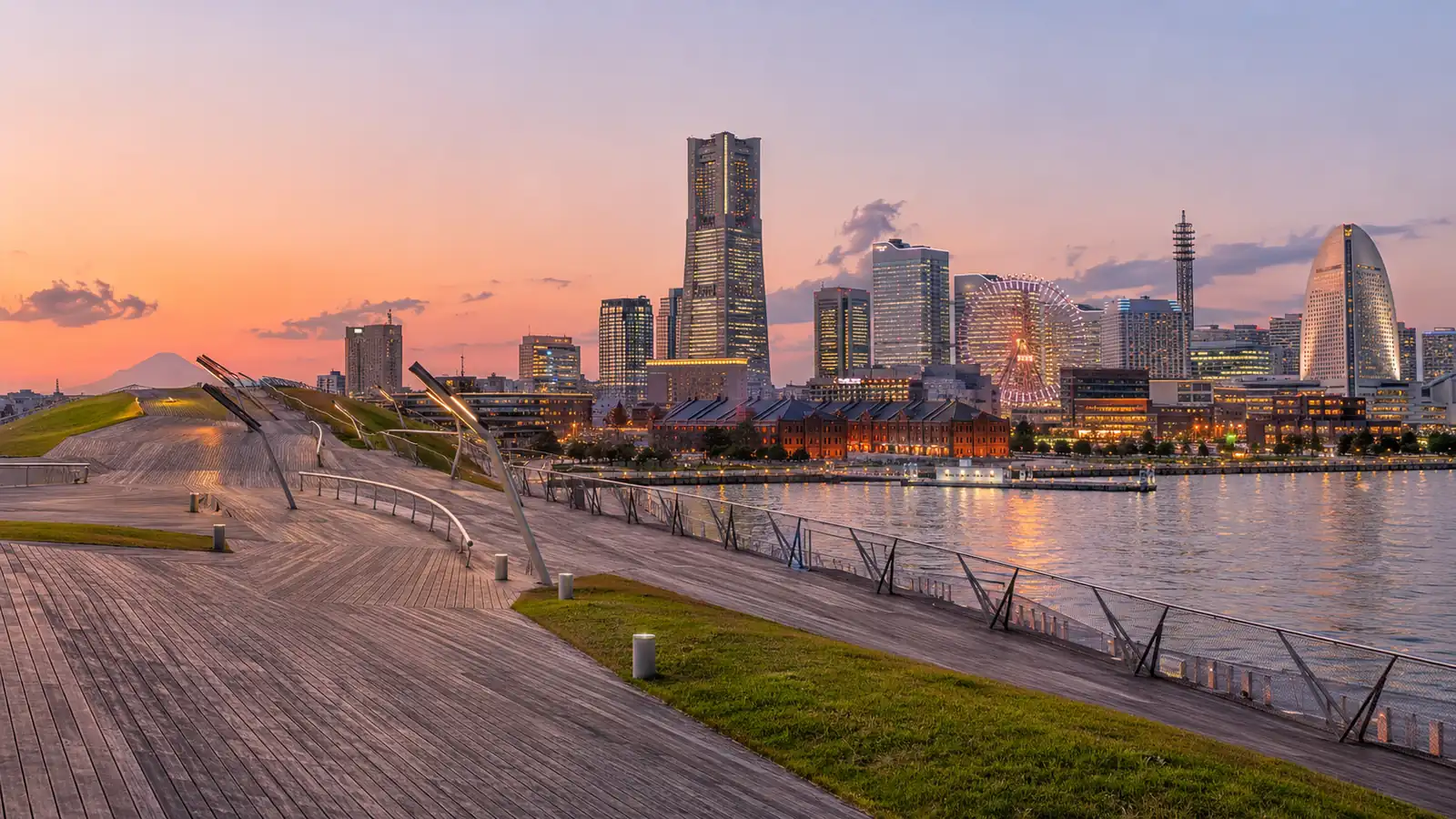
Osanbashi is an international passenger terminal with an undulating wooden rooftop that doubles as a public waterfront space. It is one of the most rewarding free stops for a broad view back toward Minato Mirai.
Arrive before sunset if you want daylight, dusk, and illuminated skyline views in one visit.
Allow 30–45 minutes; the exposed deck can feel windy even when nearby streets are comfortable.
Keep terminal entrances and marked passenger routes clear when cruise ships are in port.
4. Explore the Historic Hikawa Maru
Built in 1930 for the Japan–Seattle route, Hikawa Maru lets you look inside a preserved ocean liner rather than simply admire it from shore.
Passenger rooms, working areas, and historical displays give the harbor walk a more tangible connection to the city's maritime past.
Budget around an hour and combine it with Yamashita Park. The ship normally closes on Mondays, with holiday adjustments; check access arrangements if stairs or narrow passages would affect your visit.
Gardens and Historic Houses
5. Spend a Quiet Morning at Sankeien Garden
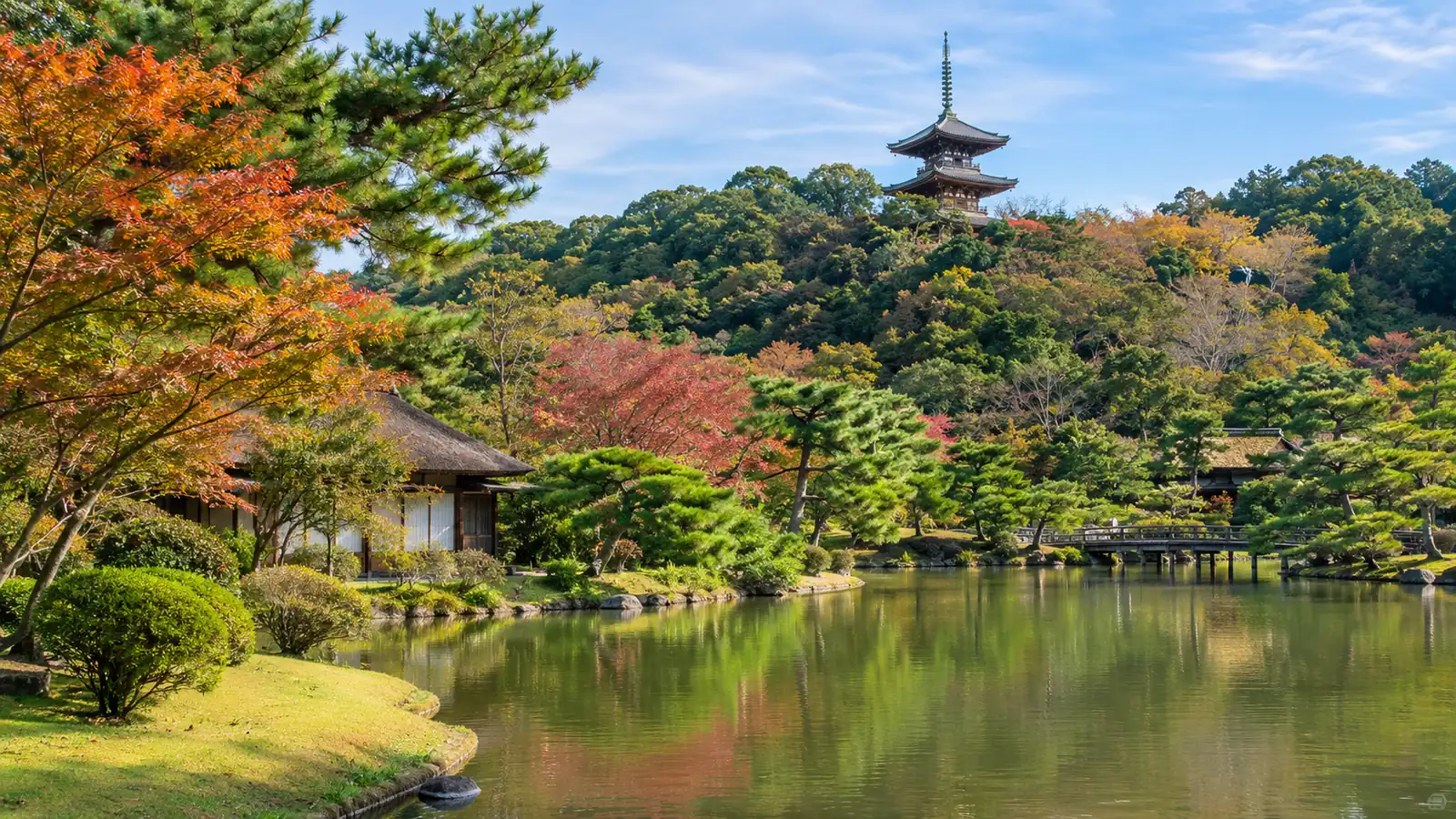
Sankeien combines a Japanese landscape garden with historic buildings brought from different parts of Japan. The pond, wooded paths, and three-story pagoda reward a slower visit, particularly during spring blossoms or autumn foliage.
It is outside the central harbor walking route, so set aside roughly half a day including travel if you want time for the garden and a tea break. A bus or taxi connection is more practical than trying to add it as a quick walk from Chinatown.
Standard admission is ¥900 for high-school age and older, and ¥200 for elementary and junior-high students.
Regular hours are 9:00–17:00, with last entry at 16:30; the garden closes December 26–31.
Some paths climb or include steps, and individual building interiors are not all continuously open.
6. Explore Yamate's Houses and Harbor View Park
Yamate's preserved Western-style houses show another side of Yokohama's international port history.
Berrick Hall, the Ehrismann Residence, and the British House are worthwhile choices for visitors interested in domestic architecture and gardens.
Choose two or three houses and allow around 90 minutes to two hours, including Harbor View Park. The area is uphill from Motomachi, so comfortable shoes and a lighter shopping bag make the visit easier; house opening days vary.
Fun Activities and Museums
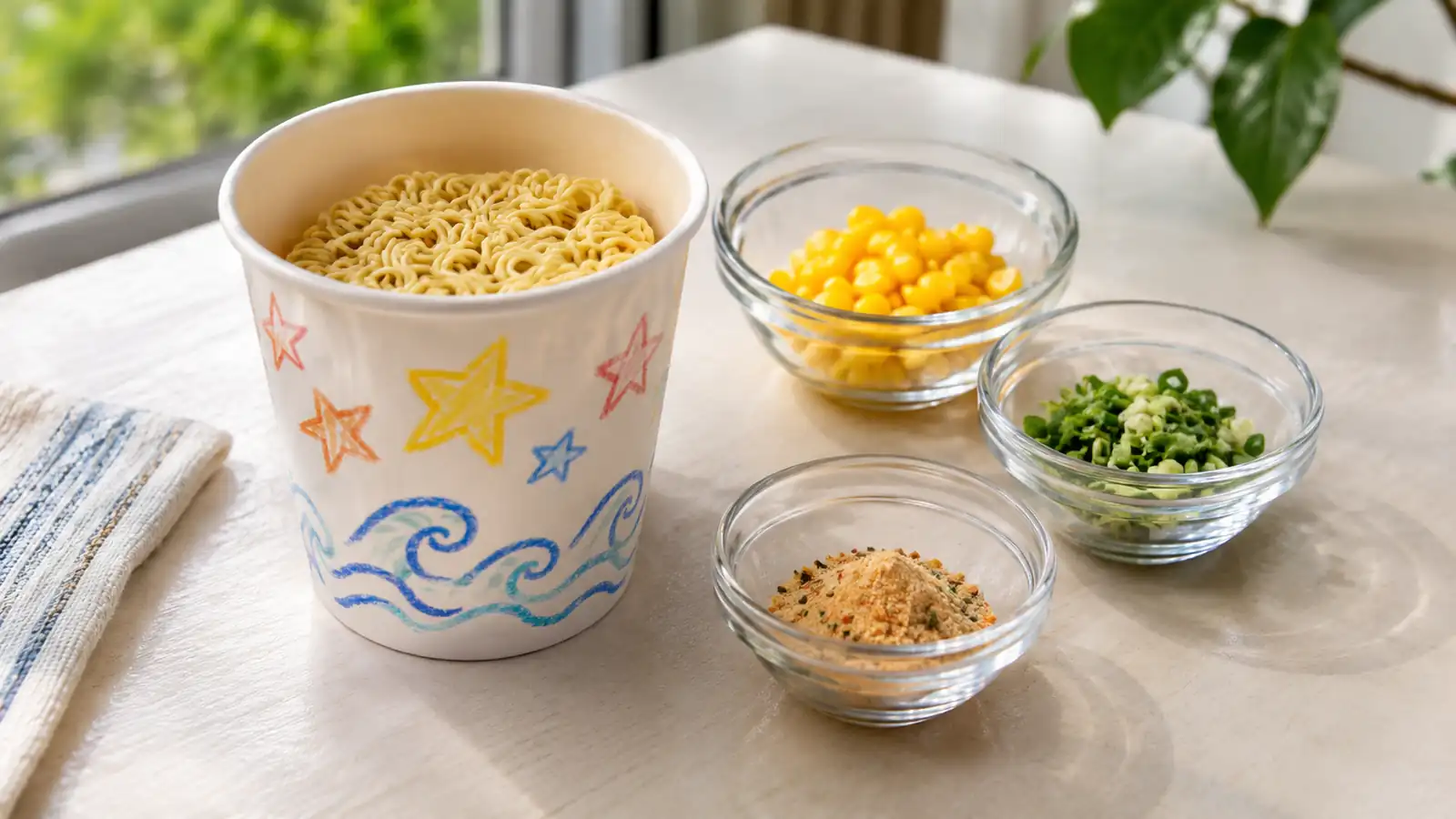
7. Make Your Own Cup Noodles
The CUPNOODLES Museum tells the story of instant noodles through packaging displays, films, and creative exhibits. At My CUPNOODLES Factory, you can decorate a cup, choose your soup and toppings, and take the finished cup home.
Time: Allow around two hours for the museum and cup activity.
Cost: Museum admission is ¥500 for adults and free for high-school age and younger. The cup activity costs an additional ¥500 per cup.
Booking: Reserve the admission-and-activity package if making a cup is a priority. Same-day numbered tickets are available only while slots remain; check the museum's activity booking guidance before your visit.
Closing days: Usually Tuesdays; when Tuesday is a national holiday, the museum normally closes the following day instead.
8. Ride Cosmo Clock 21 at Cosmo World
Cosmo World's Ferris wheel gives you a moving view of the bay and the surrounding towers.
It is an easy addition after the nearby CUPNOODLES Museum, especially if you want an evening activity without committing to a full theme-park day.
Park admission is free and rides are charged individually; Cosmo Clock 21 currently costs ¥1,000 and takes about 15 minutes per rotation.
Add queue time, and check the operating calendar and ride restrictions before promising children a particular attraction.
9. Float Above the Canal on Yokohama Air Cabin
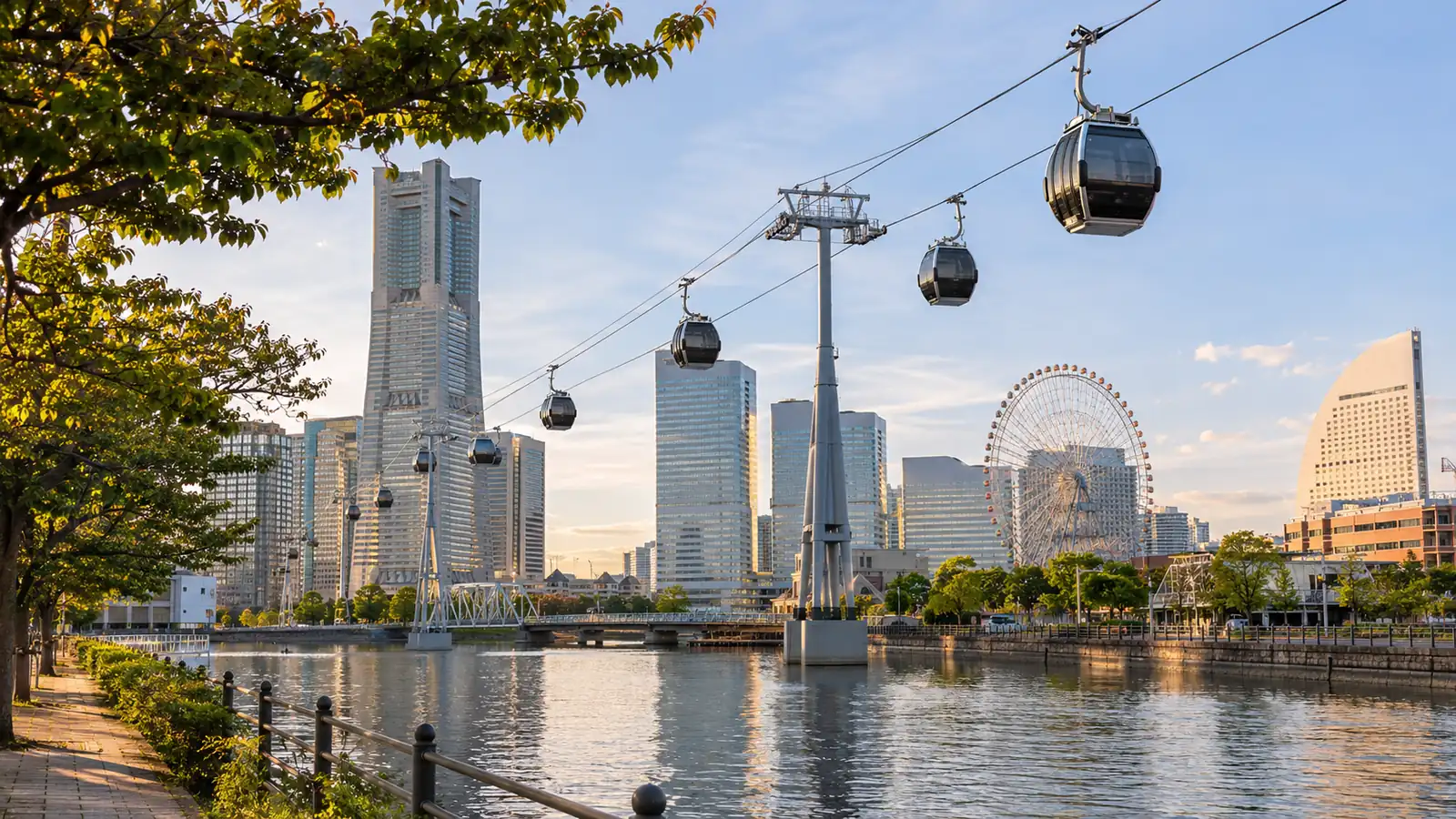
Yokohama Air Cabin connects Sakuragicho with Unga Park in enclosed gondolas above the waterfront. Choose it for the short aerial experience, particularly near dusk, rather than expecting it to replace transport across the whole city.
A one-way ride works well at the start or end of a harbor walk, leaving the other direction for Kishamichi on foot.
If your budget allows only one paid view, the Air Cabin offers movement over the canal, while Cosmo Clock 21 gives you a longer ride around a fixed point.
10. Visit Yokohama Museum of Art
Yokohama Museum of Art is a useful choice for modern and contemporary art, particularly when an exhibition matches your interests or the weather turns wet. It sits in Minato Mirai, so you can visit without abandoning the central waterfront area.
Allow around 90 minutes to two hours for a focused visit. Exhibition admission and access vary, and the museum generally closes on Thursdays; choose your date using the current program rather than assuming every gallery is always open.
What to Eat in Yokohama
11. Eat Your Way Through Chinatown
Chinatown is the strongest choice when you want a meal to be part of the sightseeing.
Look for steamed pork buns, pan-fried soup dumplings, sesame balls, and dim sum, then take a short walk past its ornate gates and Kanteibyo Temple.
For a quick visit, choose one savory snack and one sweet rather than filling up at the first stall. For a longer meal, compare the actual menu and conditions of an all-you-can-eat offer, including drinks, time limits, and any separate charges.
Use the shop's designated eating space where available and keep doorways clear. Early lunch or an early dinner can be more comfortable than the busiest weekend meal periods.
12. Try Regional Bowls at Shin-Yokohama Ramen Museum
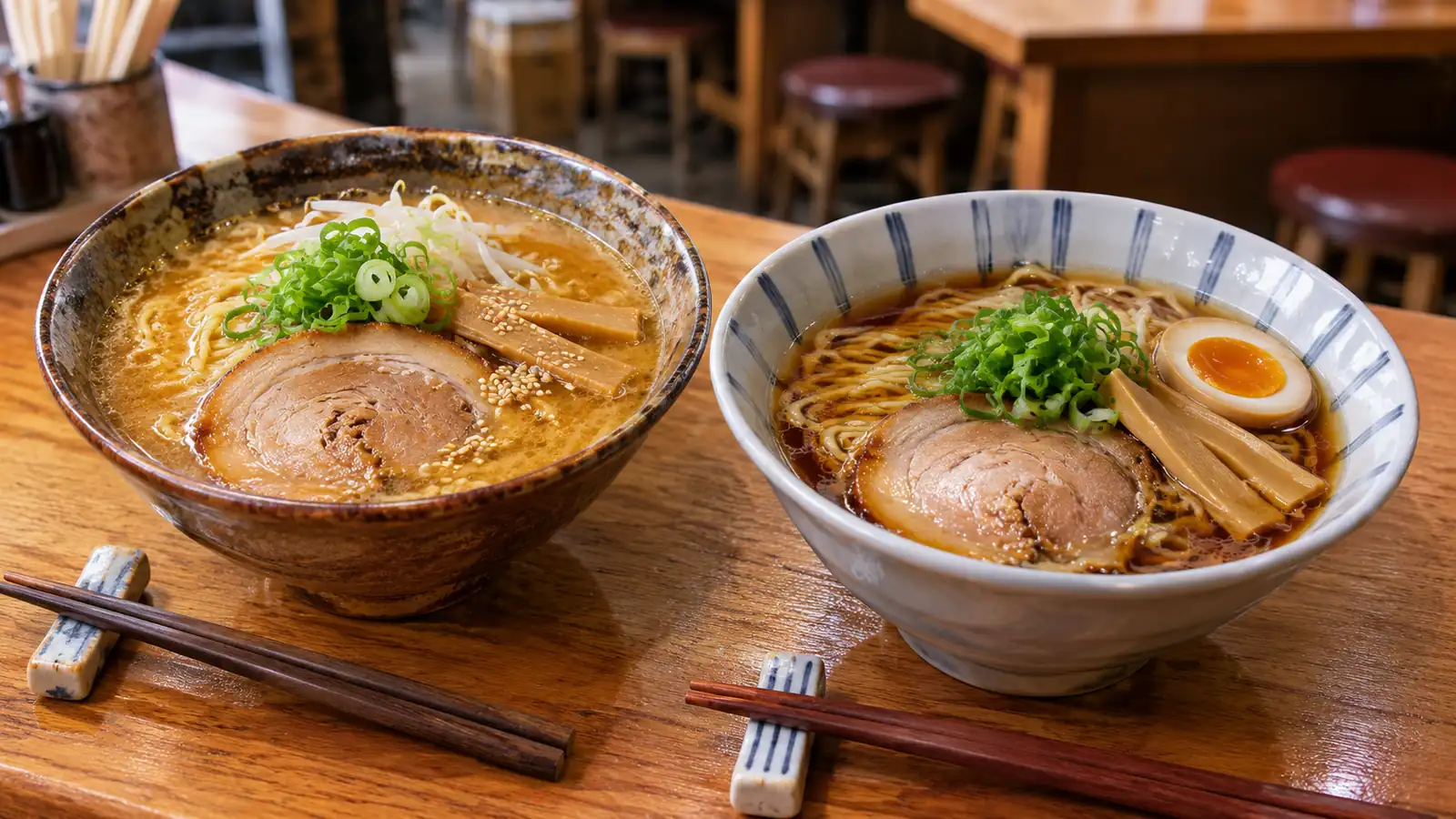
Shin-Yokohama Ramen Museum brings ramen shops together inside a recreated retro streetscape. It suits travelers who want to taste different broths and noodle styles more than those looking for a hands-on craft activity.
Choose mini bowls where offered if you want to compare two shops, and budget separately for admission and food.
Each restaurant has its own queue, so allow roughly 90 minutes to two hours rather than expecting a fast food-court lunch.
This museum is in Shin-Yokohama, away from the harbor. Make it a deliberate detour or pair it with a Shinkansen arrival or departure; it is a different place from the CUPNOODLES Museum in Minato Mirai.
13. Have an Izakaya Evening in Noge
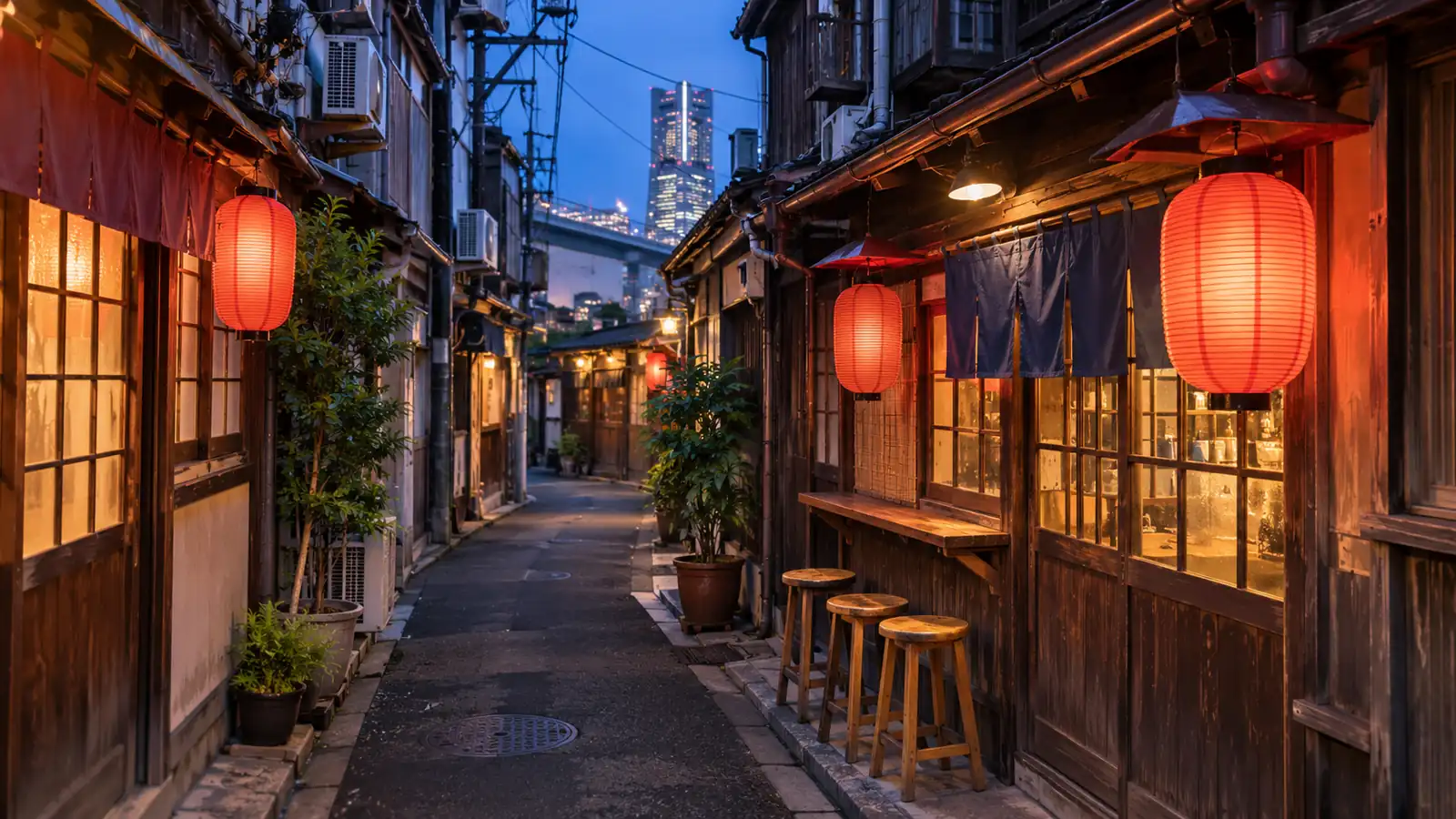
Noge, on the inland side of Sakuragicho Station, is a compact district of small bars and izakaya. Go for a casual meal of yakitori, other grilled dishes, and a drink in a more intimate setting than the large waterfront complexes.
Small venues are easier for pairs than large groups. Before sitting down, check the menu, any cover charge or compulsory appetizer, payment options, and smoking policy; a single comfortable restaurant can be more enjoyable than forcing a bar crawl.
Where to Shop and What to Buy
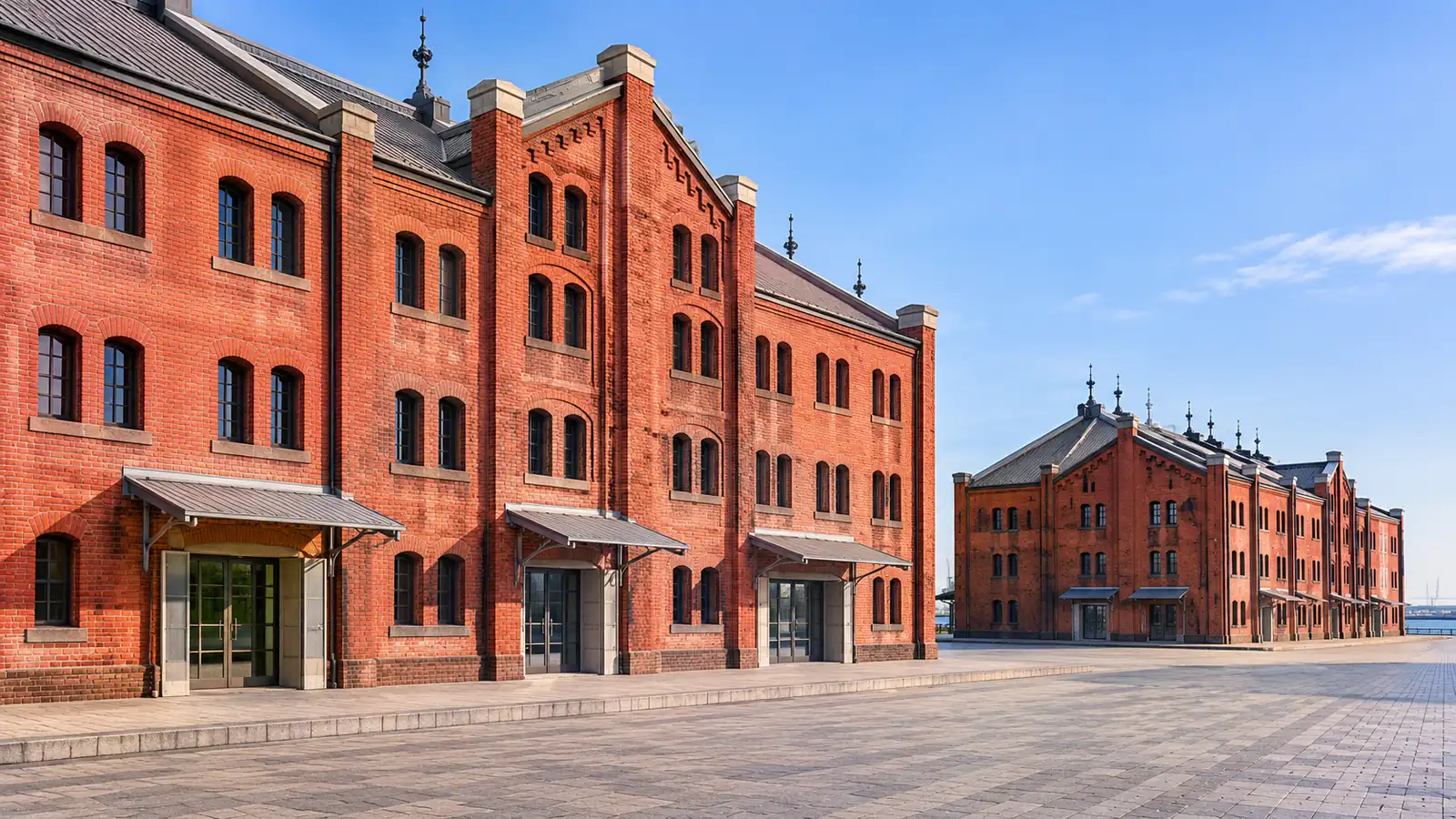
14. Browse the Red Brick Warehouse
The Red Brick Warehouse combines two historic port buildings with shops, restaurants, and an event plaza. It earns a stop even for light shoppers because the architecture and harbor setting are part of the visit.
For packable gifts, look for stickers at B-SIDE LABEL, wooden accessories at Hacoa, or boxed Yokohama sweets at the souvenir stores.
Glassware makes a more fragile keepsake, so ask for protective wrapping and leave space in your luggage.
Allow an hour for browsing and a snack, longer for a seasonal event. Entry to the public plaza does not mean every event inside it is free.
15. Choose a Local Gift on Motomachi Shopping Street
Motomachi is a better fit for a considered purchase than a quick souvenir sweep. Browse Kitamura for bags and small leather goods, Fukuzo for clothing, and Star Jewelry for jewelry, choosing according to your budget and what you will actually use.
A compact wallet or accessory is easier to carry than a larger fashion purchase. Combine 45–90 minutes here with Yamate or Chinatown, and try on clothing and check measurements instead of assuming familiar sizing will translate directly.
16. Pick Up Sweets at Yokohama Hammerhead
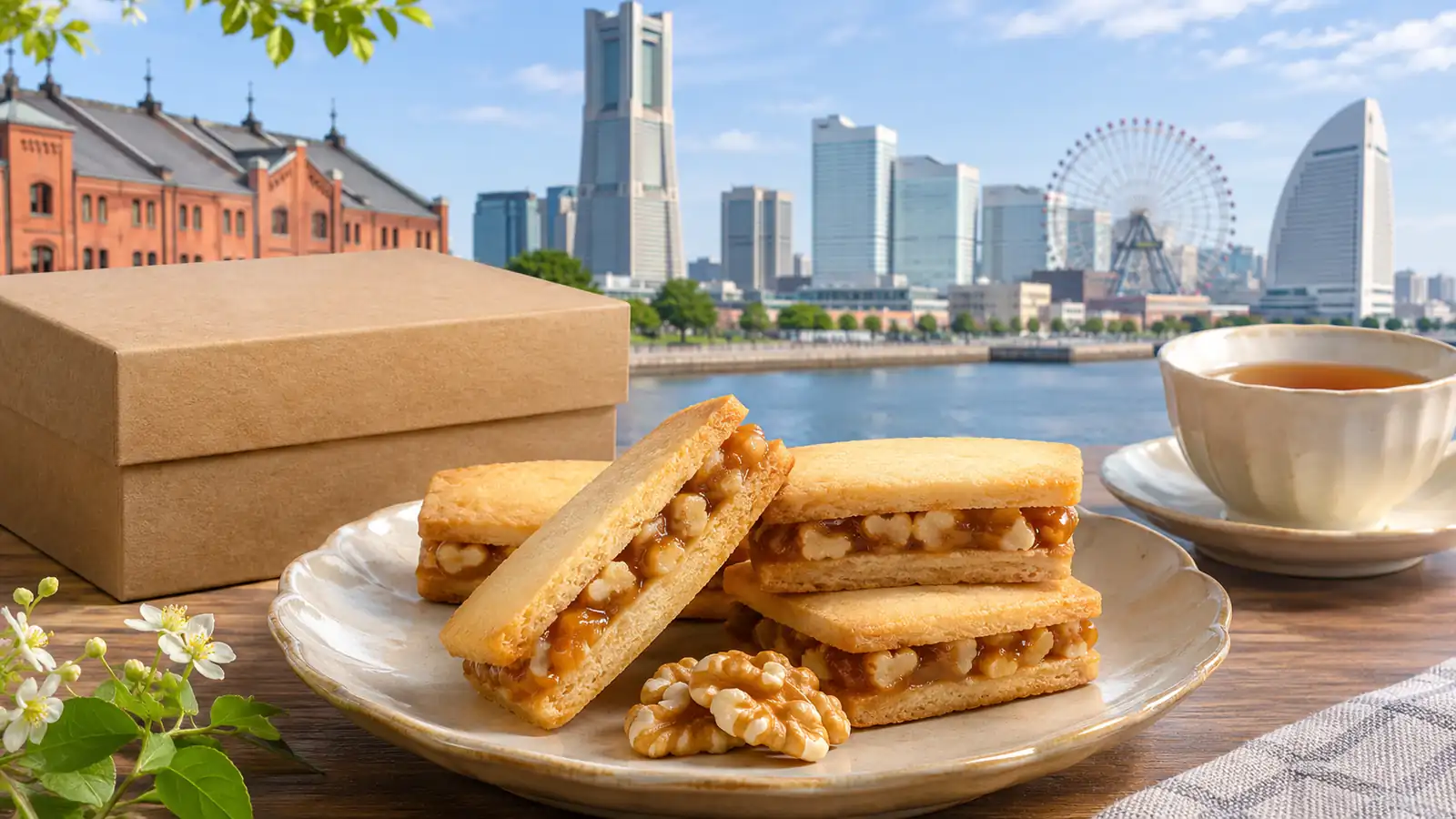
Yokohama Hammerhead is particularly useful for edible souvenirs and a café break on the Shinko waterfront.
At Kamakura Beniya's Kurumicco Factory, look for walnut-and-caramel Kurumicco sweets; Ariake Harbor Studio is another option for local confectionery.
For gifts that will travel well, compare the best-before date with your return date and follow the storage instructions on the box. Choose shelf-stable boxed sweets for a long journey, and save chilled desserts for eating locally.
A One-Day Yokohama Itinerary
For a first visit, keep the day mainly along the waterfront and include one substantial indoor attraction. The following route ends near Chinatown, avoiding a late return across the whole harbor.
Morning: arrive at Sakuragicho, walk Kishamichi into Minato Mirai, and visit the CUPNOODLES Museum at your booked activity time.
Lunch and early afternoon: eat around Shinko, then browse the Red Brick Warehouse; add Hammerhead if sweets and a café stop appeal more than extra museum time.
Late afternoon: continue via the waterfront to Osanbashi, then Yamashita Park. If you want to board Hikawa Maru, reach it before its 16:30 last admission.
Evening: have dinner in Chinatown and leave from Motomachi-Chukagai Station. For a Minato Mirai night view or a ride on Cosmo Clock 21, use the train back toward Minatomirai rather than adding another long walk.
The full route involves several kilometers of walking before museum interiors and shopping are counted. Shorten it by choosing Osanbashi or a longer Yamashita Park break, and use local transport when tired.
With only half a day, combine Chinatown, Yamashita Park, and Osanbashi, or focus on Minato Mirai and one museum.
With two days, give Sankeien and Yamate a calmer morning on the second day, or choose Shin-Yokohama Ramen Museum as your main food detour.
If Sankeien is your main reason for visiting, go there first and reduce the waterfront stops. Trying to fit the garden, both noodle museums, shopping, and an evening harbor walk into one day leaves little time to enjoy any of them.
Planning Your Yokohama Visit
Getting There and Around
From Tokyo Station, take the JR Tokaido Line to Yokohama Station. From Shibuya, choose a Tokyu Toyoko Line service that continues onto the Minatomirai Line.
Choose your final station according to your first stop:
Sakuragicho: Kishamichi and the start of the harbor walk.
Minatomirai: the central waterfront district and Yokohama Museum of Art.
Motomachi-Chukagai: Chinatown and Yamashita Park.
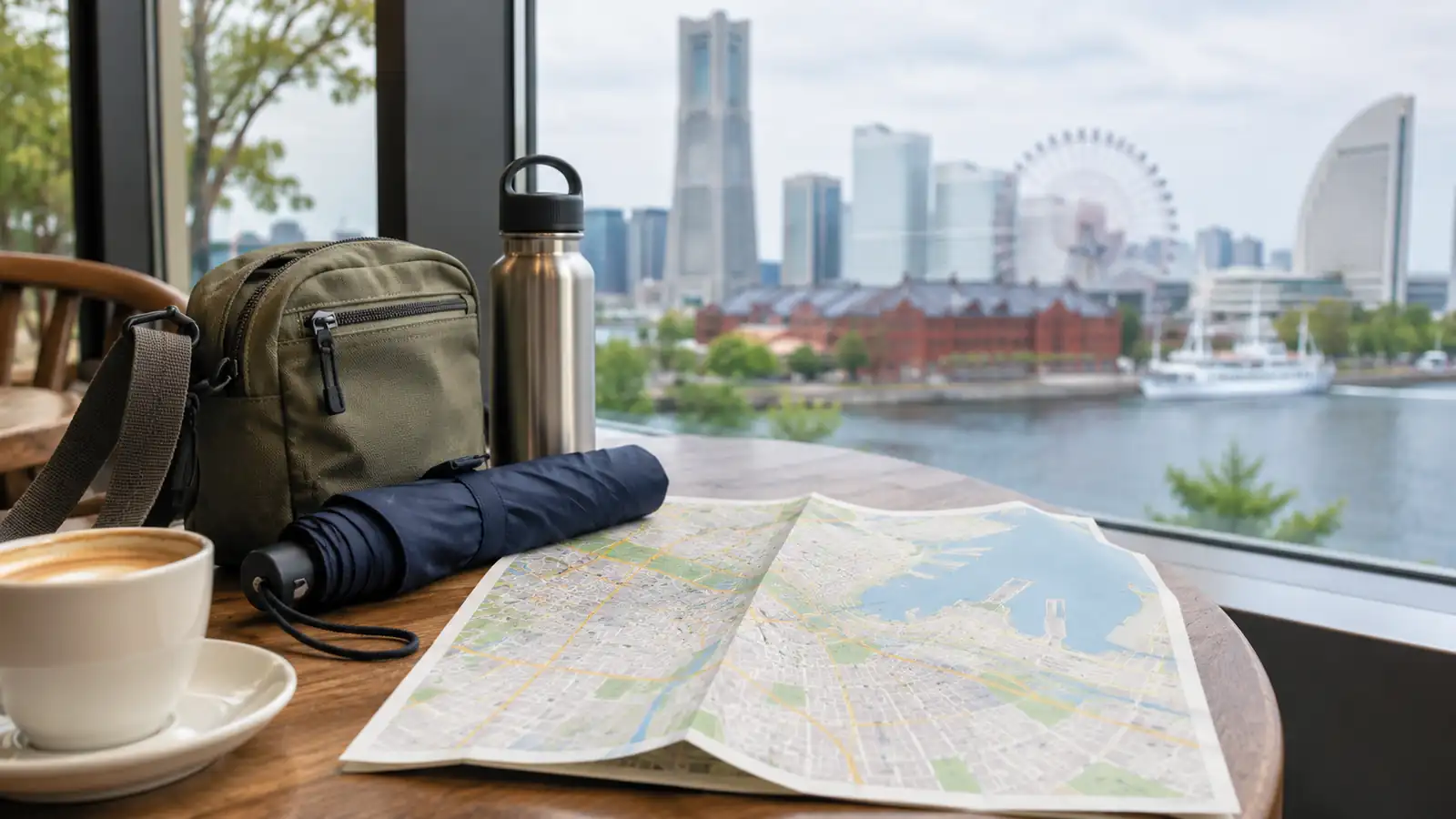
Shin-Yokohama is a separate station inland, useful for the Shinkansen and Ramen Museum. For the central sights, combine walking with local trains rather than returning to Yokohama Station between stops.
Mobile data helps with live directions and menu translation. An iRoamly Japan eSIM is one option for a compatible, unlocked phone.
When to Visit
Spring and autumn are comfortable choices for a walking-heavy visit. Choose spring for cherry blossoms and park flowers, or autumn for foliage at Sankeien; exact timing varies with the weather.
In summer, put longer outdoor stretches early or late in the day and use museums for midday breaks. In winter, bring a warm layer and reach your chosen viewpoint before the earlier sunset.
Where to Stay
Keep your Tokyo hotel if you only want the central sights in one day. An overnight stay gives you more room for a Noge evening, a relaxed waterfront dinner, or a second morning at Sankeien.
Choose Minato Mirai for harbor scenery or Yokohama Station for onward travel. The Chinatown and Kannai area also suits a stay focused on Chinatown, Yamashita Park, and nearby historic streets; check the walk from the hotel's actual station exit before booking.
Tickets and Closures
For a low-cost day, use free waterfront walks as the base and choose one or two paid experiences. Keep a separate allowance for meals and any workshops.
Check opening days and whether each ticket includes activities, food, or only admission. This matters especially at the two noodle museums.
At the CUPNOODLES Museum, book a package with a My CUPNOODLES Factory time slot if making a cup is essential; ordinary admission does not secure the activity.
Sky Garden is closed, with reopening planned for 2028 or later. Choose Osanbashi or Marine Tower for views; the former moving Gundam attraction has also closed.
Check the official Yokohama visitor guide for current visitor information.
FAQ
1. Can I Visit Yokohama and Kamakura in One Day?
It is possible if you accept a short visit to each. Choose a small number of Kamakura sights and a Yokohama evening walk with dinner, rather than expecting to include Yokohama's major museums and Sankeien as well.
2. What Can I Do in Yokohama When It Rains?
Choose the CUPNOODLES Museum, Yokohama Museum of Art, or indoor shopping and dining at the Red Brick Warehouse. Keep the number of transfers low and check bookings and closing days; exposed piers and gondola rides are less appealing in poor visibility or strong wind.
3. Is Yokohama Easy to Visit with Children?
A day combining one interactive attraction, a short waterfront walk, and regular meal breaks is manageable for many families. Check age, height, and supervision rules for individual activities, and avoid booking both noodle museums on opposite sides of the city unless your children particularly want them.
4. Do I Need a Car in Yokohama?
A car is usually unnecessary for the central sights in this article, which are linked by trains and walkable waterfront areas. For Sankeien, compare a bus or taxi connection with your group's needs rather than renting a car for the whole visit.
Conclusion
A day in Yokohama can easily stretch into the evening. The harbor takes on a different character as the lights come on, and finishing your sightseeing leaves a good reason to stay for dinner and another stroll.
For a first visit, choose one experience you are excited about and build around nearby stops. A route with fewer detours and time to rest will help you enjoy the day more than trying to complete every recommendation.
Pick a few favorites from the list, check their opening hours, and plan your Yokohama outing. Leave the evening a little open—you may reach the waterfront and decide to stay longer than expected.