
Is Sendai worth a stop on a trip through Japan’s Tohoku region? If you enjoy historic architecture and distinctive local food, the city deserves a place on your itinerary.
Date Masamune’s landmarks give Sendai a strong historical identity, while grilled beef tongue, zunda sweets and lively shopping arcades make the time between sights just as enjoyable. Nearby Matsushima Bay and Akiu Onsen offer more reasons to explore beyond the city.
For a first visit, which sights should you prioritize, and how much time should you leave for excursions? This guide brings together places to visit, local food and shopping, with practical advice to help you plan your Sendai stay.

Places to Visit in Sendai
Sendai grew as a castle town under Date Masamune, and the landmarks he left behind are a good place to start exploring.
His ornate mausoleum among the cedars, the hilltop castle site overlooking the city, and a shrine designated a National Treasure offer an introduction to that history.
From there, leafy avenues and contemporary cultural spaces reveal another side of Sendai.
Samurai History and Sacred Sites
1. Zuihoden Mausoleum
Richly colored carvings, black lacquer and gold details make Date Masamune's mausoleum one of Sendai's most memorable sights. The cedar-lined approach adds to the experience, so allow time for the wooded grounds rather than treating the ornate building as a quick photo stop.
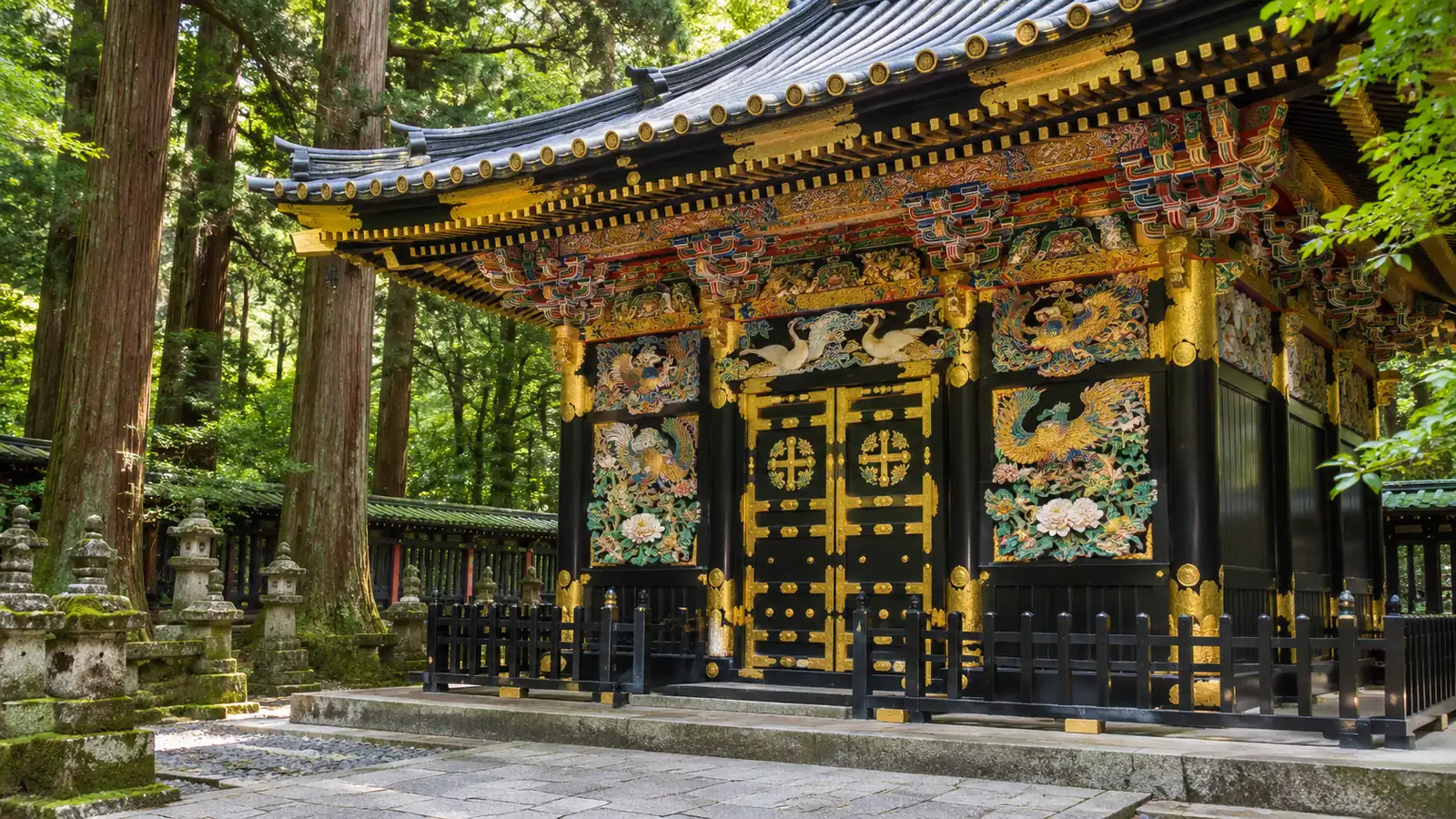
Time: Allow about 45–60 minutes for the mausoleum and nearby grounds.
Access: Take Loople Sendai to the Zuihoden stop, then continue uphill on foot; the bus does not remove the climb and steps.
Cost: Admission is charged. A Loople day pass offers an admission discount, so show it before buying your ticket.
2. Sendai Castle Ruins
The castle site on Mount Aoba is worth visiting for the city panorama and the equestrian statue of Masamune.
The former stronghold survives principally as a historical site with stone walls; arrive expecting open grounds and views, rather than a surviving castle keep.
Allow roughly 45–60 minutes at the upper site, longer if you visit the separate paid museum.
Loople Sendai is a useful way to reach the hilltop; walking up from the International Center area adds a substantial uphill stretch.
3. Osaki Hachimangu Shrine
This National Treasure shrine reveals another side of Masamune's architectural ambition: a dark, low-roofed hall decorated with gilded fittings and colorful carvings.
Look closely at the details beneath the eaves, where the ornamentation is easier to appreciate than in a distant photograph.
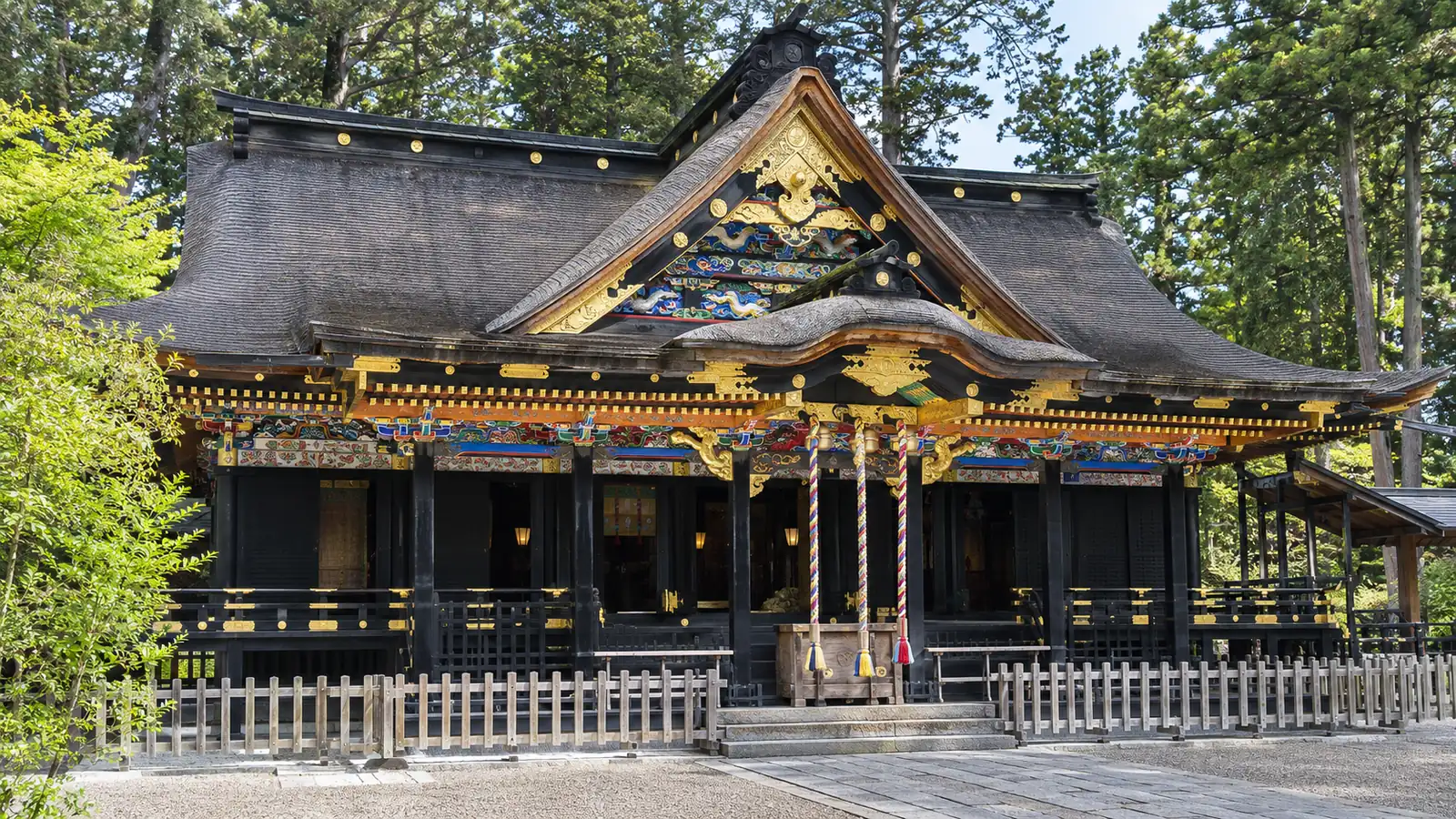
Time and cost: Set aside around 30–45 minutes; ordinary visits to the grounds are free.
Access: Loople Sendai stops nearby. The main approach has a steep stone stairway; travelers who need to avoid stairs should confirm a suitable entrance before visiting.
4. Sendai City Museum
The museum gives context to the landmarks through displays about the Date family, the castle town and Sendai's history. It is especially useful if you want to understand the objects and people behind the buildings, or need an indoor stop between outdoor sights.
Displays rotate, so do not assume that Masamune's famous armor will be on view throughout your stay. Choose an exhibition that interests you before building the rest of your historical route around it.
Time and cost: Allow about 60–90 minutes. Adult admission to the regular exhibition is ¥460; special exhibitions have separate prices.
Access: Walk about eight minutes from International Center Station on the Tozai subway line, or use the nearby Loople stop.
Opening: Usually 9 a.m.–4:45 p.m., with last entry at 4:15 p.m. Monday, holiday-related and year-end closures make the current calendar worth checking.
City Views and Cultural Landmarks
5. Jozenji-dori Avenue
Walk along the central promenade beneath mature zelkova trees to see why Sendai is called the City of Trees. Public sculptures, benches and the changing canopy make this a rewarding break from ticketed attractions, particularly in the softer light of late afternoon.
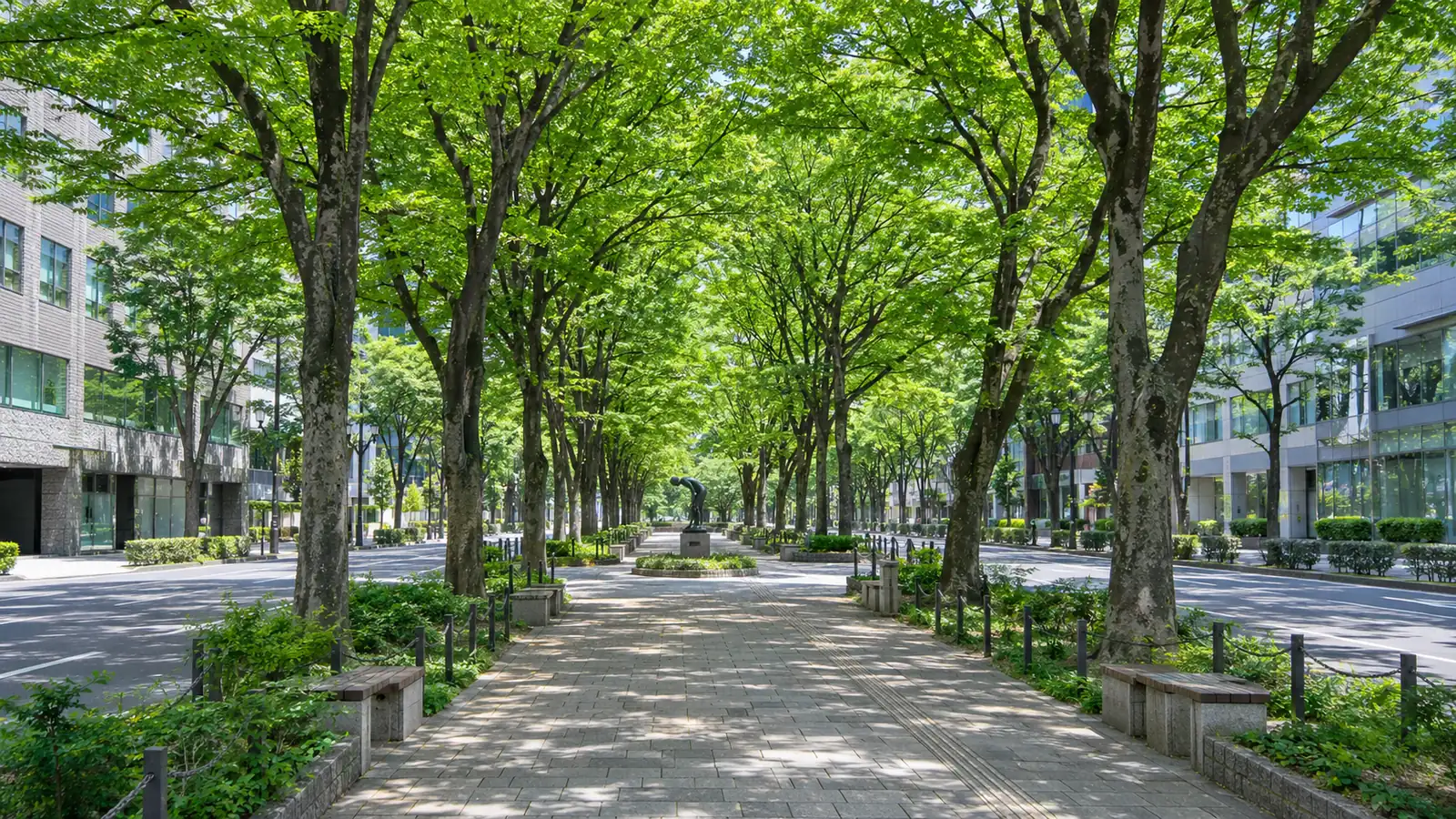
Allow around 20–30 minutes for an easy stroll, with more time for a café stop. The avenue works naturally with Sendai Mediatheque and the northern end of the Ichibancho shopping area.
6. Sendai Mediatheque
Toyo Ito's glass-fronted cultural building brings a striking contemporary contrast to the city's shrines. Inside, its distinctive tube-like structural supports run through spaces used for the library, exhibitions and other cultural activities.
Step into the public areas during a Jozenji-dori walk, or leave longer for a specific exhibition. Library, gallery and building schedules differ, so choose the activity first if this is your main rainy-day plan.
7. AER Observation Terrace
The free observation terrace on the AER building's 31st floor is a convenient way to see Sendai from above without traveling to Mount Aoba. The building is beside the station's west side, making this an easy option before dinner or a departing train.
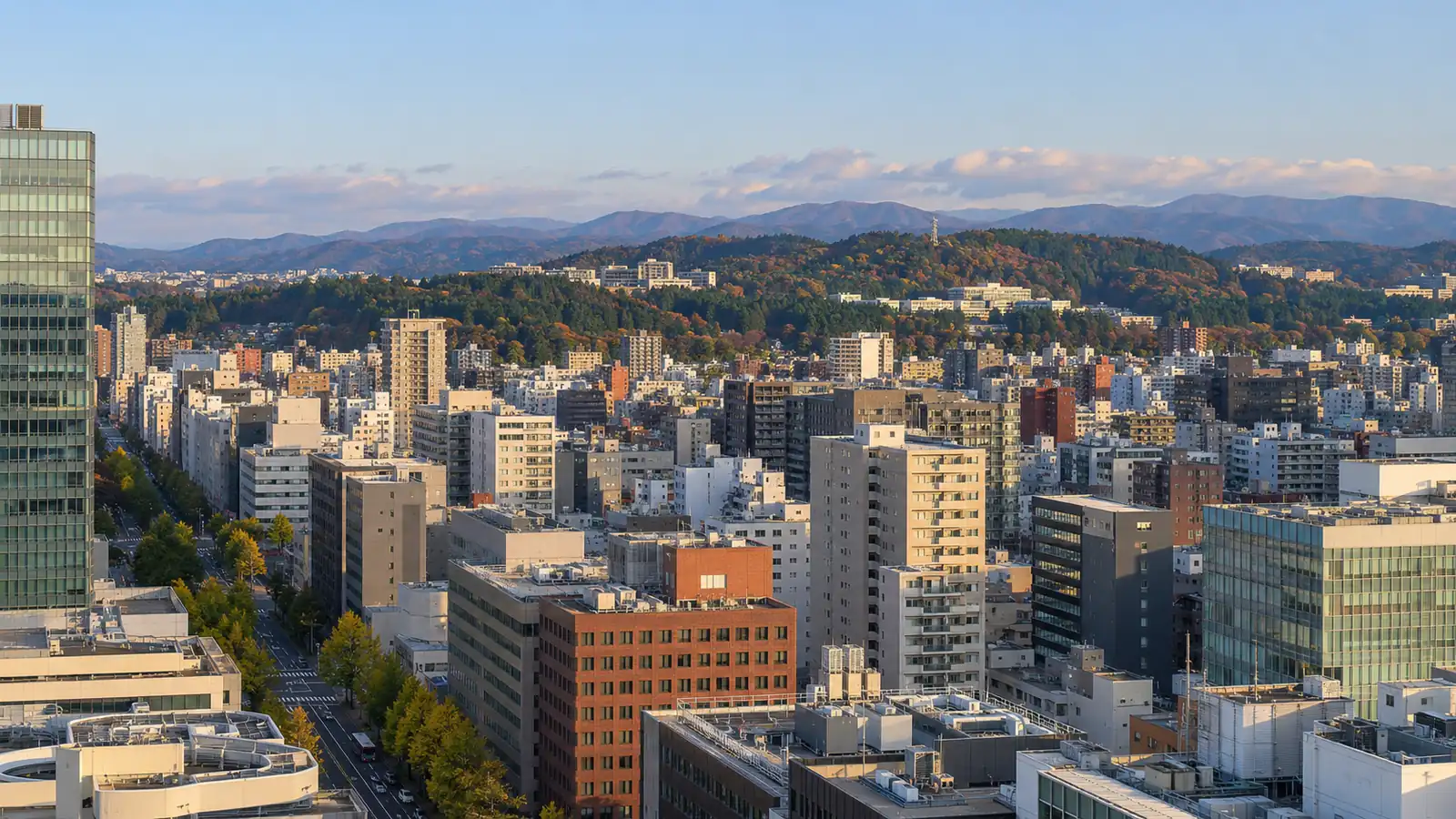
Allow around 20–30 minutes and choose a clear day for distant views. Sunset can be particularly attractive, but leave enough time to find the correct lifts rather than arriving minutes before your train.
8. Arahama Elementary School Memorial
The preserved school building explains the impact of the 2011 earthquake and tsunami through physical traces, photographs and accounts of evacuation.
This is a place to understand a community's experience and recovery; visit quietly and follow the guidance around the exhibits.
Time: Allow approximately an hour inside, plus travel; this is a separate coastal outing rather than a downtown walking stop.
Access: Take the Tozai subway line to Arai, then a city bus to the school terminus, about 14 minutes away. Check the return service before setting out.
Cost and opening: Entry is free, with opening from 9:30 a.m. to 4 p.m. September–June and to 5 p.m. July–August. It normally closes Mondays and the fourth Thursday, except public holidays, plus the year-end period.
What to Eat in Sendai
After exploring Sendai’s historic sights, take a break over a local meal. Grilled beef tongue is one of the city’s signature dishes and makes a satisfying lunch.
Follow it with a zunda sweet, or pick up freshly prepared fish cake while browsing the shopping arcades. Here are a few local specialties worth trying during your visit.
1. Order a Gyutan Set Meal
Gyutan is grilled beef tongue, typically served as a set with barley rice, pickles and oxtail soup. Its lightly charred surface and firm, juicy texture distinguish it from an ordinary sliced-beef dish.
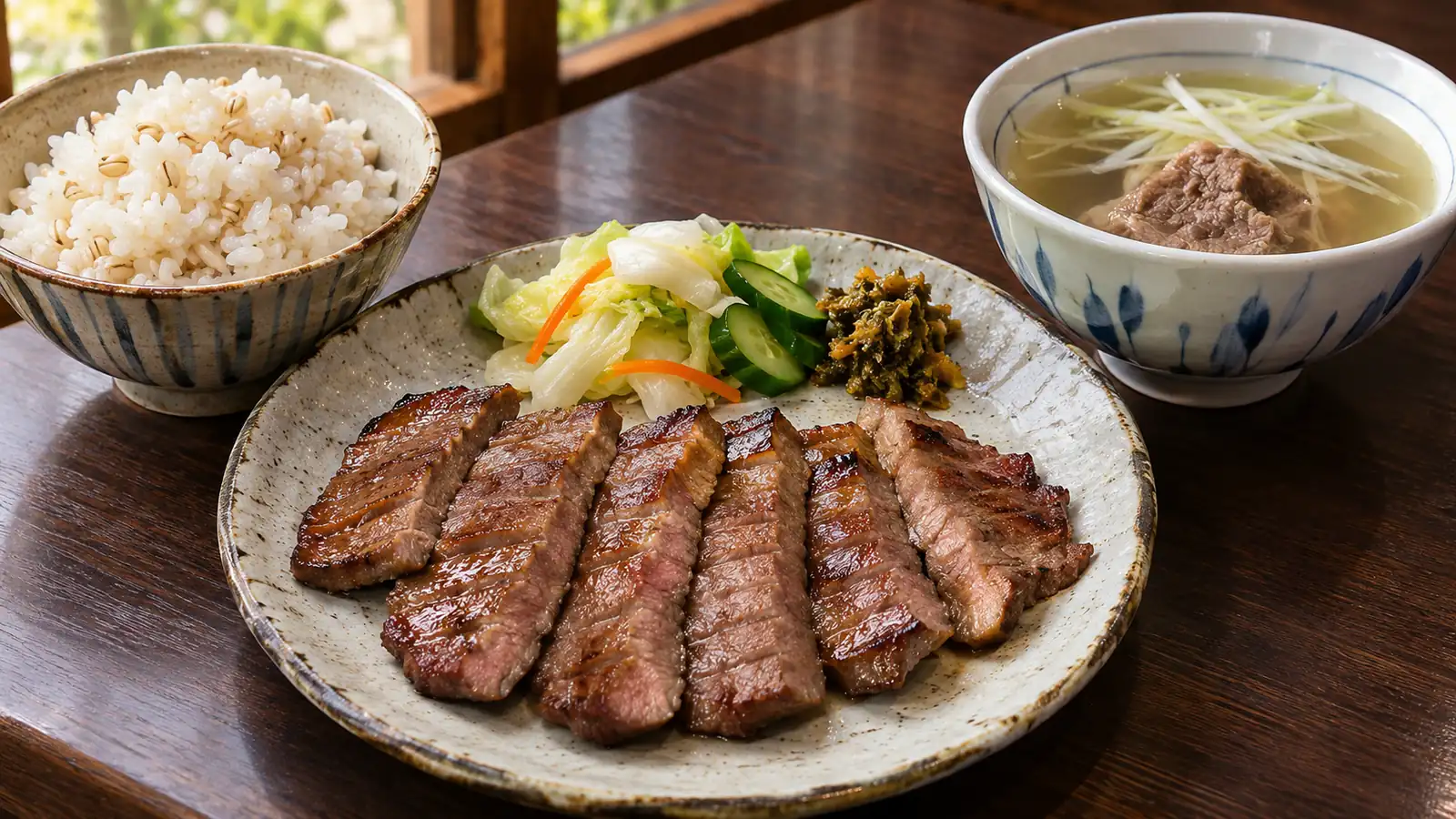
The Gyutan-dori restaurant area inside Sendai Station is a practical place to compare menus, with familiar specialists such as Rikyu and Kisuke.
Check the cut, portion and included side dishes when comparing sets, and eat outside the main lunch rush if you have a train to catch.
2. Try Zunda Mochi or a Zunda Shake
Zunda is a sweetened paste made from edamame, with a gently nutty flavor and a slightly coarse texture. Try it over soft mochi for the traditional version, or choose a milky zunda shake for an easy snack between sights.
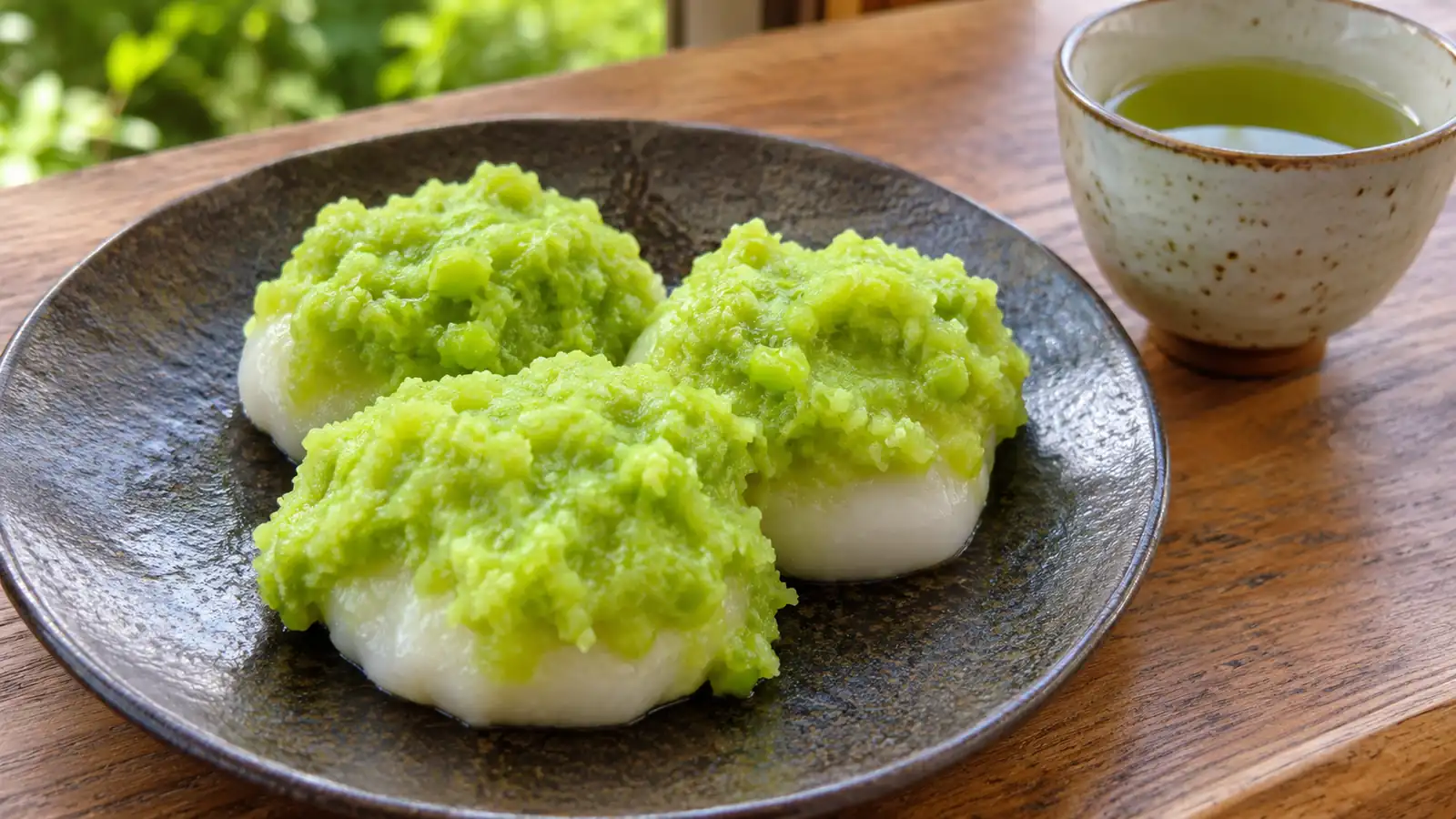
Zunda Saryo has outlets around Sendai Station, making it an accessible first taste.
Zunda contains soy, while shakes and cream-filled sweets may also contain dairy; check the individual product rather than assuming every edamame dessert suits the same diet.
3. Sample Sasakamaboko and Hyotan-age
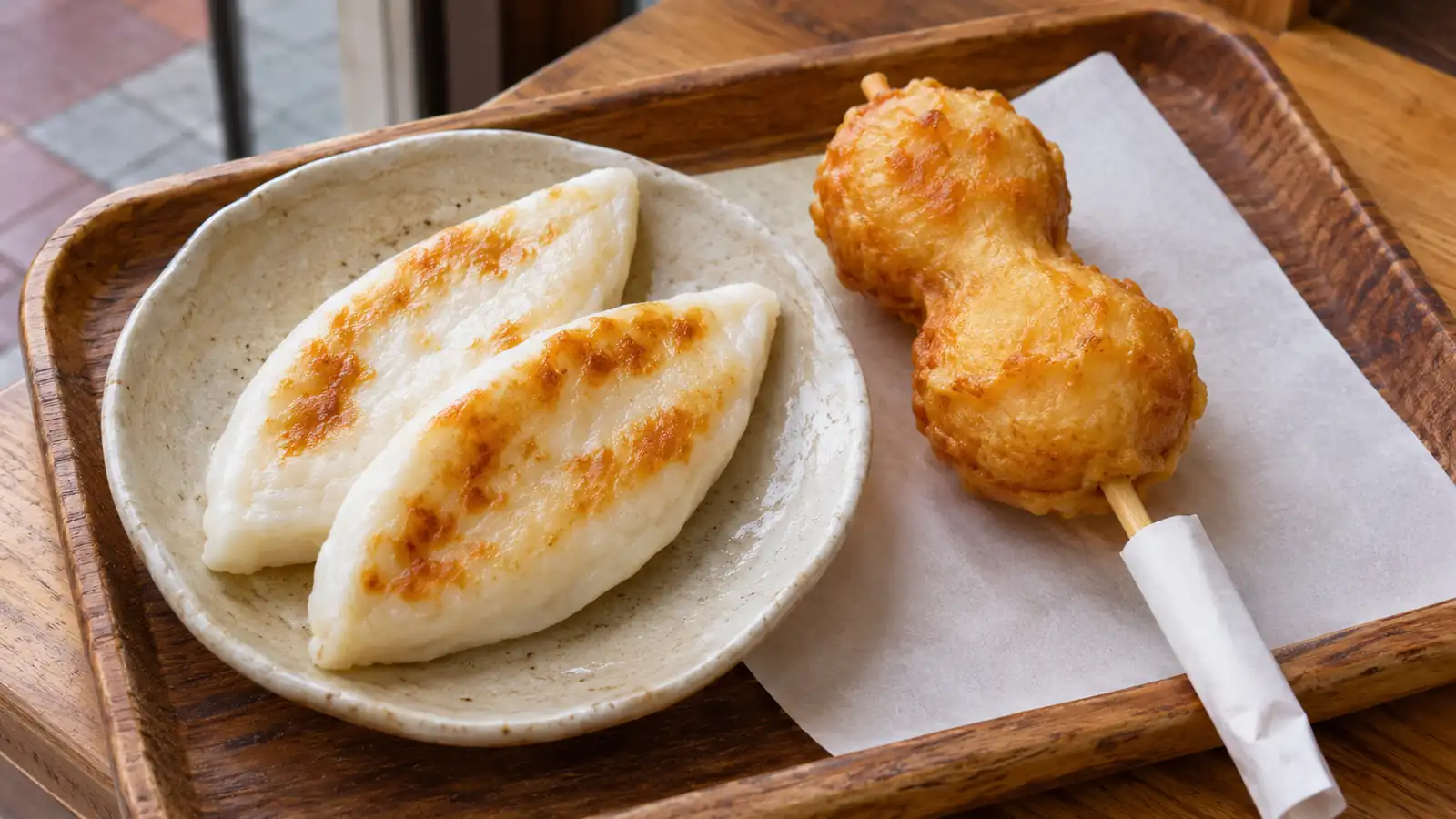
Sasakamaboko is the city's bamboo-leaf-shaped fish cake, often enjoyed lightly grilled.
Abe Kamabokoten is a useful stop in the central shopping area; its hyotan-age pairs fish cake with a sweet fried batter for a more substantial walking snack.
Choose a freshly prepared portion to eat during your arcade visit. Gift packs are also available, but fish cakes may require refrigeration, so they work better as a final-day purchase than something carried through a long sightseeing day.
4. Eat at Asaichi and the Yokocho Alleys
Sendai Asaichi is a small produce and fish market a short walk from the station's west side.
Go for a seafood bowl at a prepared-food shop and browse seasonal fruit, vegetables and fish; despite the name “morning market,” individual shops set their own trading hours and rest days.
For dinner, Bunka Yokocho and Iroha Yokocho offer tightly packed little restaurants and izakaya, with grilled dishes and regional sake.
Check the menu and any cover or seating charge before ordering, and be ready to choose another doorway if a tiny counter is full.
Where to Shop in Sendai
After sampling Sendai’s local specialties, you may want to take a few favorites home. Alongside sweets and fish cakes, look for regional crafts such as kokeshi dolls and lacquerware.
From the covered shopping arcades downtown to the malls connected to Sendai Station, the following stops offer plenty of opportunities to browse.
1. Browse the Covered Shopping Arcades
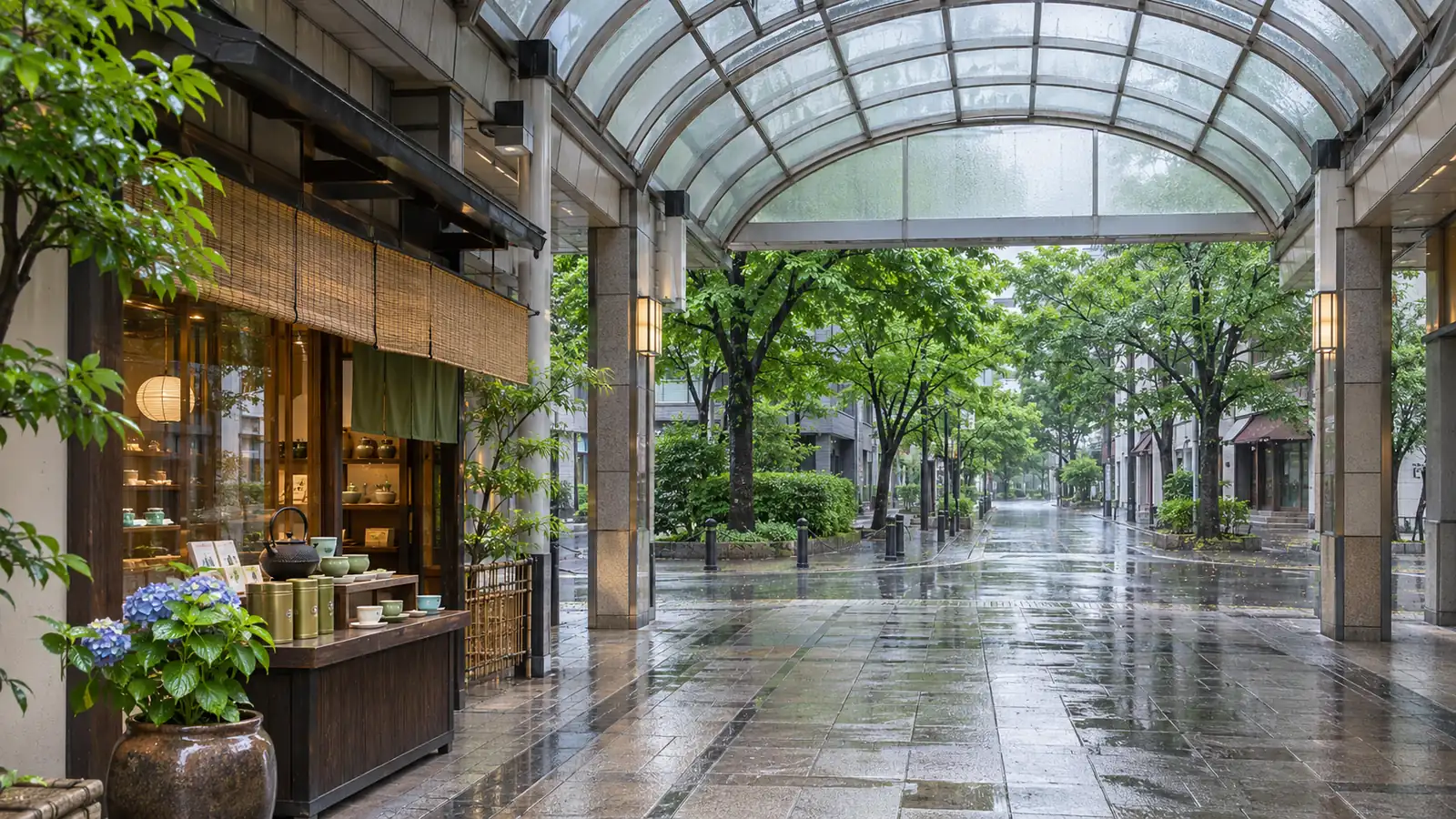
Follow the covered streets west from the station area through Clis Road and Marble Road Omachi toward Ichibancho.
These arcades suit a relaxed browse for Japanese stationery, tea, cosmetics and everyday fashion, with small specialist stores between larger retailers.
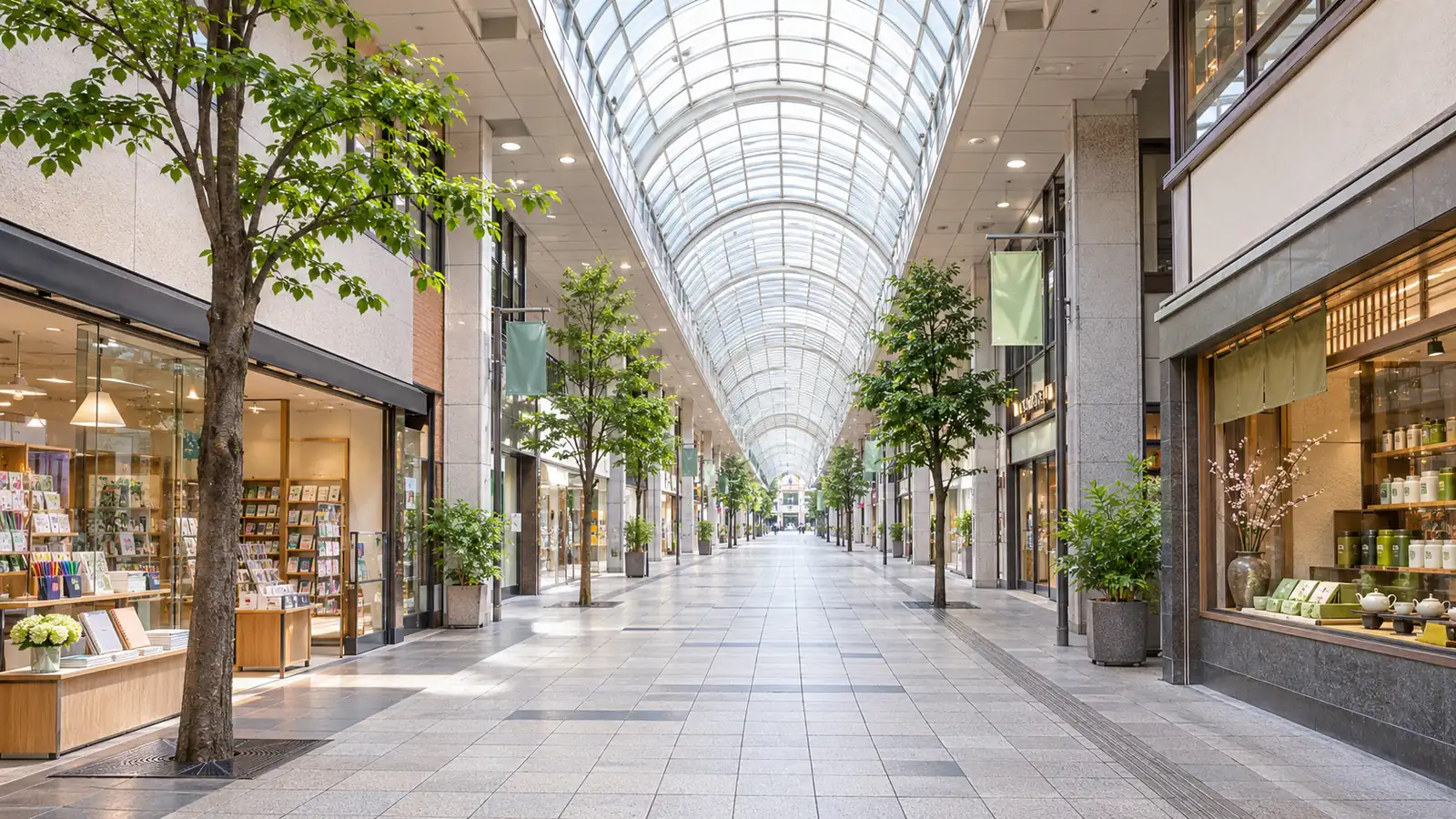
For a gift that travels easily, look for packaged tea or stationery rather than buying something chilled at the start of the walk. Allow roughly an hour with browsing stops; the network is larger than a single short shopping street.
2. Choose Local Crafts at Shimanuki
Kokeshino Shimanuki on Ichibancho is a good place to compare Miyagi kokeshi dolls, Matsukawa daruma and local lacquerware.
A small kokeshi makes a distinctive, portable souvenir, while lacquered accessories offer a useful alternative if you prefer something for everyday use.
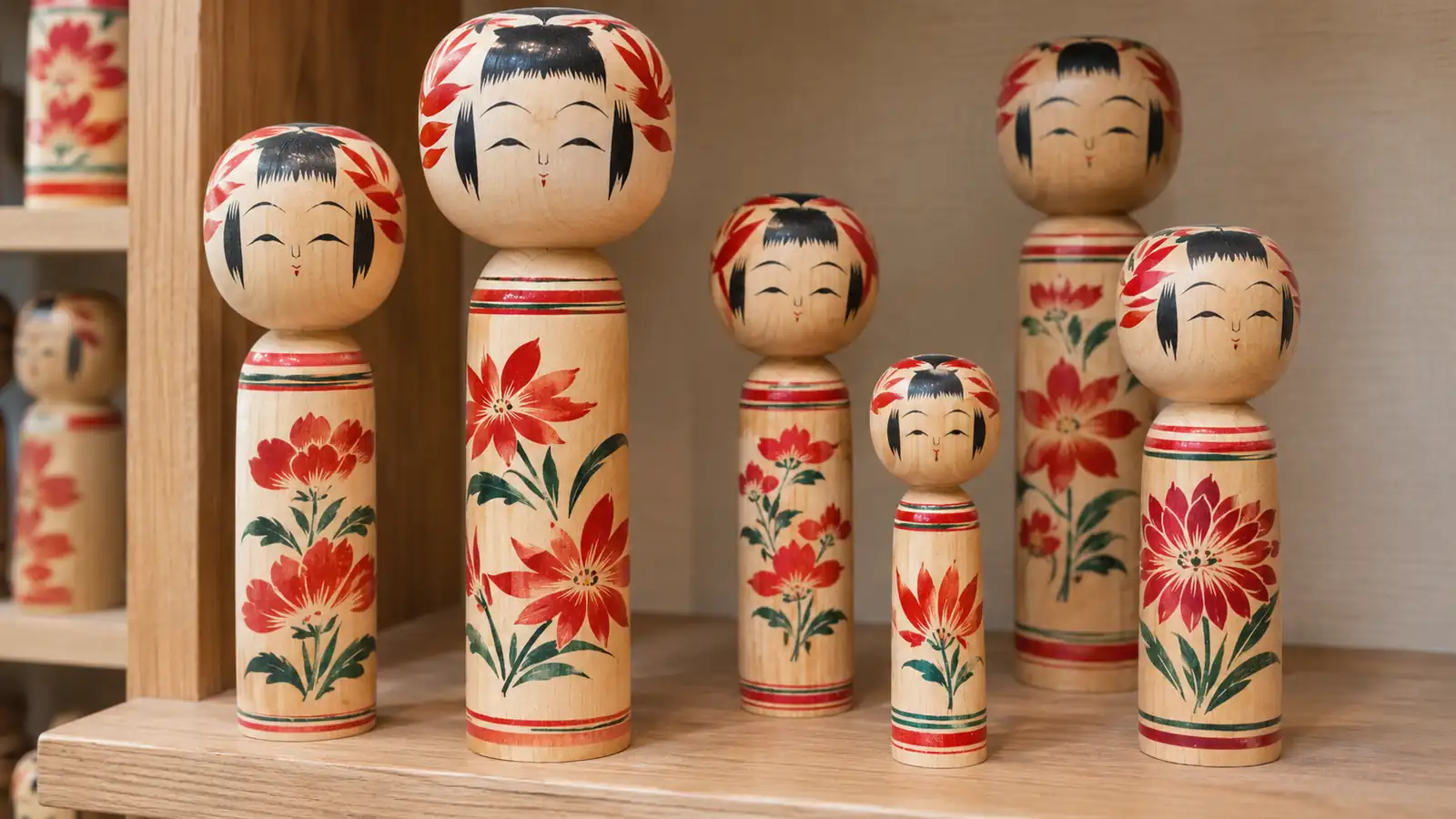
Look at the maker, painted design and finish when choosing a doll, since styles differ across Tohoku.
Ask for protective wrapping for lacquerware and keep fragile purchases in your hand luggage; painting experiences, when available, need extra time beyond ordinary shopping.
3. Buy Food Gifts at S-PAL Sendai
Connected to Sendai Station, S-PAL is convenient for comparing boxed sweets and regional food gifts before leaving.
Look for Hagi no Tsuki custard cakes, zunda sweets, Kikufuku cream-filled mochi and sasakamaboko, choosing by how long the gift must travel.
Read the storage instructions and expiry date on the exact pack. Some mochi and fish cakes are sold chilled or frozen, so ask about carrying time and cooling packs; individually wrapped cakes are generally simpler to divide among friends, subject to their own storage directions.
Day Trips from Sendai
The scenery around Sendai changes from pine-covered islands along the coast to rocky river valleys and wooded mountain slopes inland.
Hot-spring stays and hillside temple visits bring you closer to those landscapes, while a boat trip offers a different perspective on the islets of Matsushima Bay.
1. Matsushima Bay
Pine-covered islets make Matsushima the strongest choice for coastal scenery. Combine a waterfront walk with a sightseeing cruise, then visit Zuiganji or the gardens at Entsuin rather than rushing through every temple.
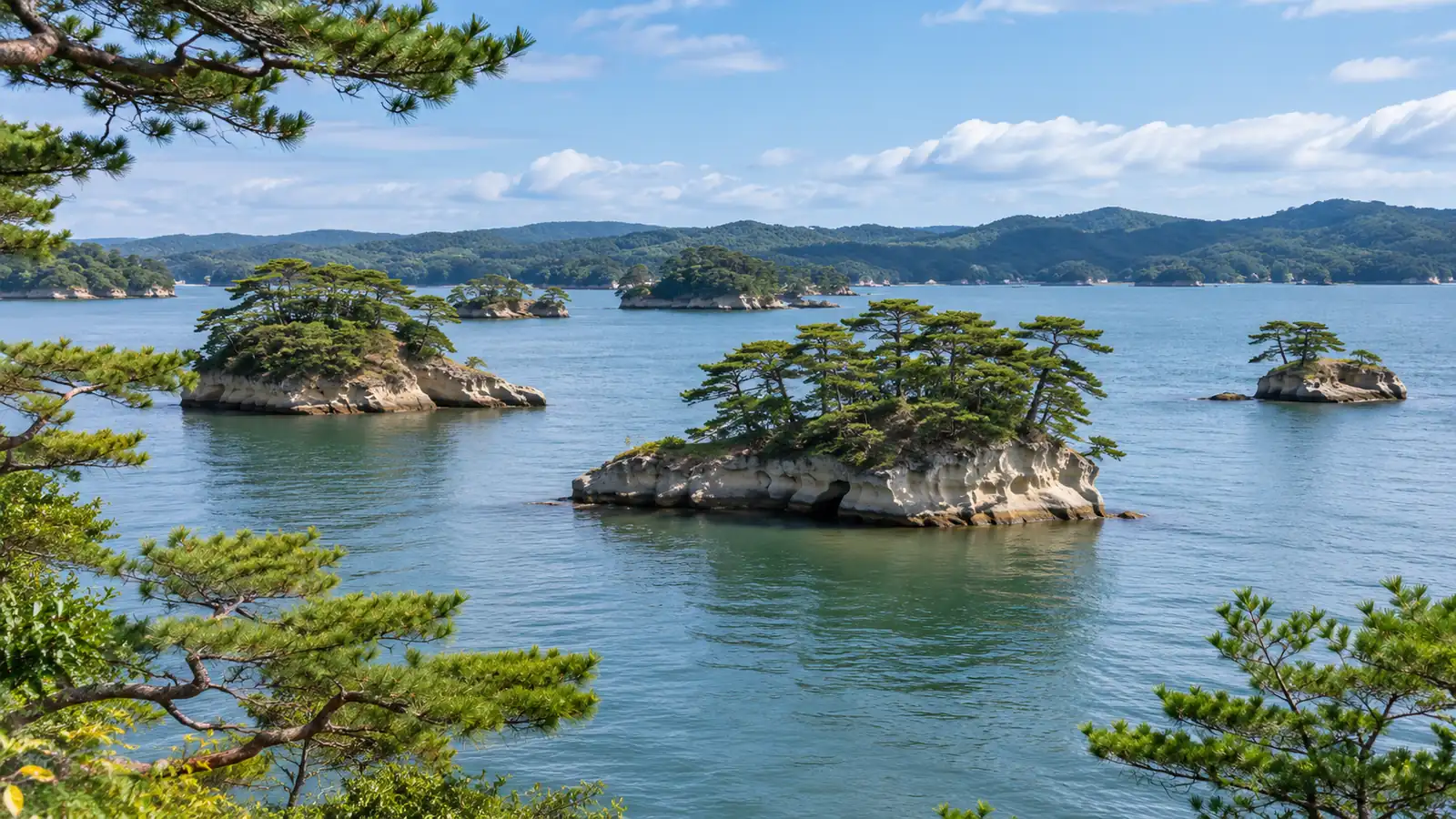
Access: The JR Senseki Line takes about 40 minutes from Sendai to Matsushima-Kaigan, the convenient station for the waterfront. Matsushima Station is a different stop with a longer walk to the bay.
Time: Allow a half day for a short visit, or most of a day for a cruise, temple and seafood lunch.
Choice: Round-trip bay cruises and one-way boats toward Shiogama create different routes; check the arrival port before buying.
2. Akiu Onsen and Rairaikyo Gorge
Akiu combines hot-spring inns with a rocky gorge along the Natori River. Pair a short Rairaikyo walk with a day-use bath for a slower outing, or stay overnight if a ryokan dinner and a longer soak are the main reason for going.
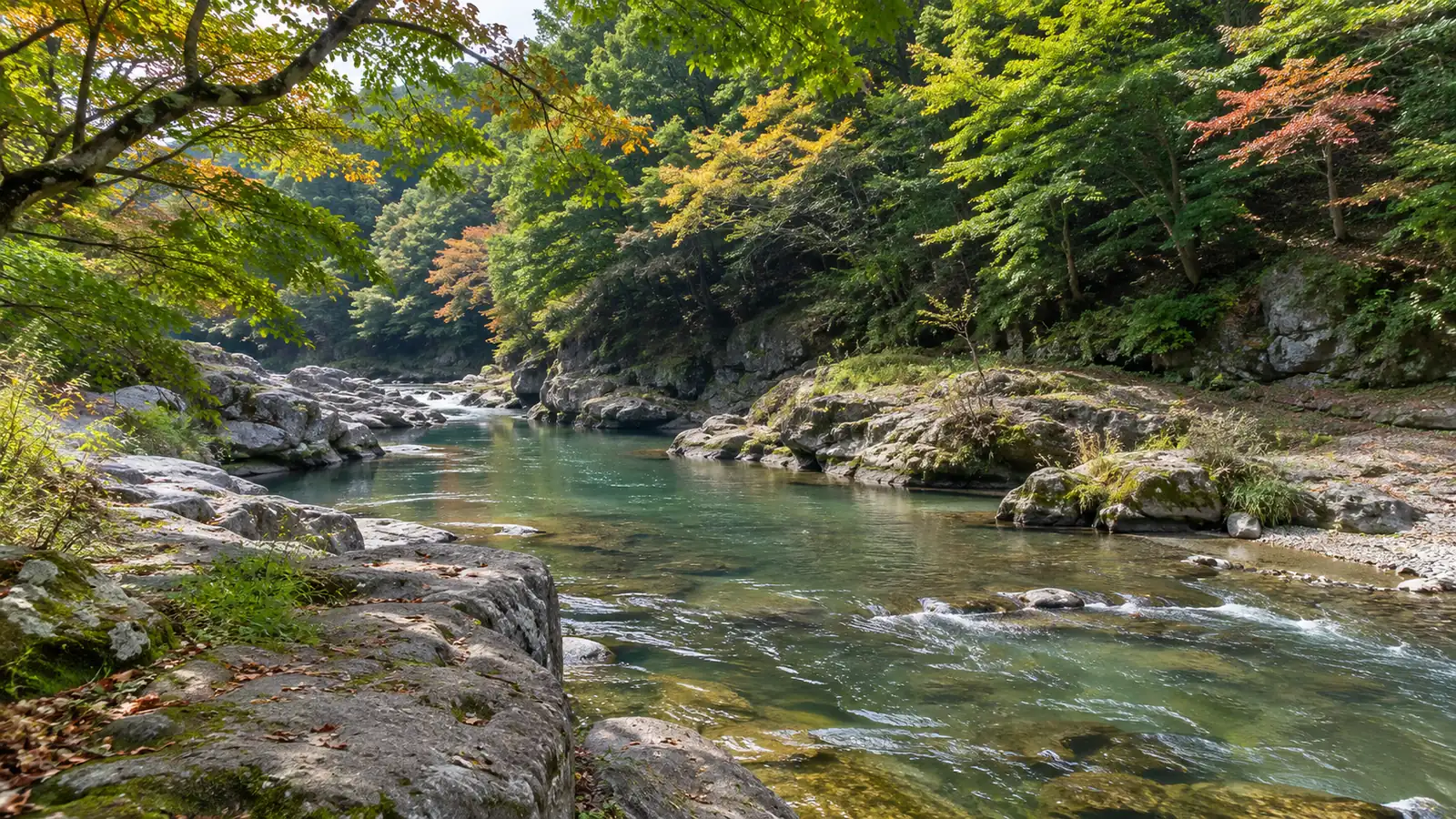
Direct buses from Sendai take roughly 40–60 minutes depending on the service and traffic.
Confirm a specific inn's day-bathing hours, admission conditions and towel arrangements before traveling; an overnight room and day-use access are separate offers.
Akiu Otaki Falls is farther up the valley, beyond the hot-spring village. Add it only after checking onward and return transport, especially without a car; the falls and Rairaikyo are separate places, and the walk toward the waterfall basin involves steeper terrain.
3. Miyagikyo Distillery
Nikka's distillery west of Sendai suits travelers who want to understand Japanese whisky production.
The standard guided tour is complimentary and conducted in Japanese, with a multilingual smartphone translation system available; reserve in advance if the production tour is your priority.
Access: Take the JR Senzan Line toward Sakunami and match your arrival to the distillery shuttle. Its timetable is much more limited on some weekdays, and taxis are not always waiting at the station.
Booking: Use Nikka's official visit and reservation information. A casual shop visit does not include access to production areas.
Drinking: Tastings are for visitors aged 20 or over who are not driving; allow about half a day overall with travel.
Winter visit notice: Nikka lists closures on December 1–2, 2026 and December 23, 2026–January 31, 2027. From December 3–22, only a temporary gift shop is scheduled to open, so do not plan a production tour during that period.
4. Yamadera Temple
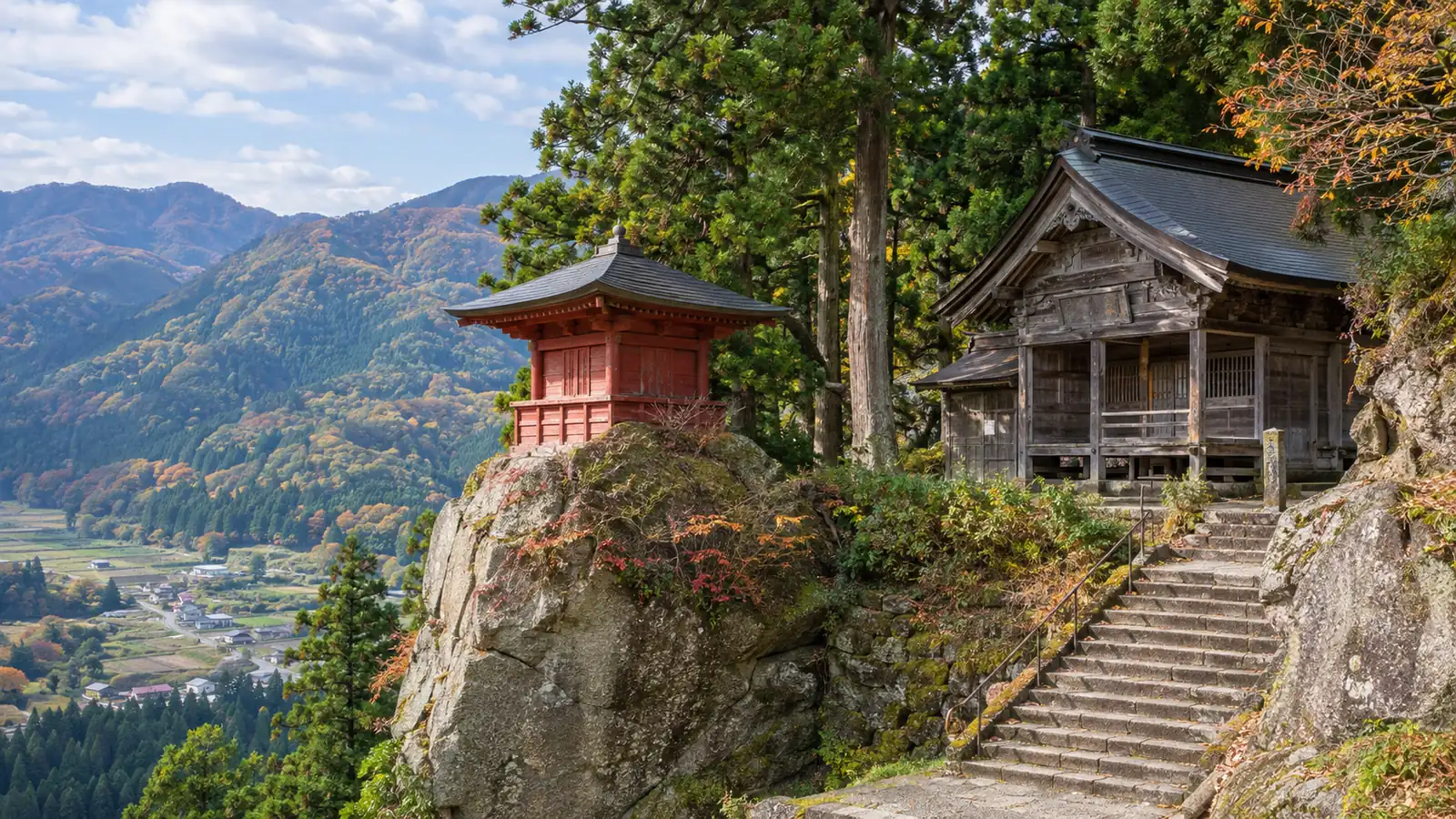
Across the prefectural border in Yamagata, Yamadera rewards a long stone stairway climb with hillside temple buildings and views over the valley.
Choose it for an active day outdoors; the upper complex is a poor fit if stairs are difficult for anyone in your group.
The JR Senzan Line journey from Sendai takes roughly 50–60 minutes, followed by a walk to the temple approach.
There are 1,015 steps from the mountain entrance to the upper sanctuary; allow at least two hours for the temple area, plus lunch, trains and weather-related delays.
Best Time to Visit Sendai
Seasonal changes are especially noticeable on the wooded slopes around Yamadera and Akiu, where the scenery is part of the visit.
In Sendai itself, flowering parks and street festivals give way to autumn color and illuminated zelkova trees, so a familiar avenue can feel quite different on a return trip.
Spring and Summer
April is the usual window for cherry blossoms at Tsutsujigaoka Park and Nishi Park, although peak dates shift with the weather.
May brings the Aoba Festival, with its distinctive Suzume Odori, or sparrow dance; check the annual program if seeing a procession is your priority.
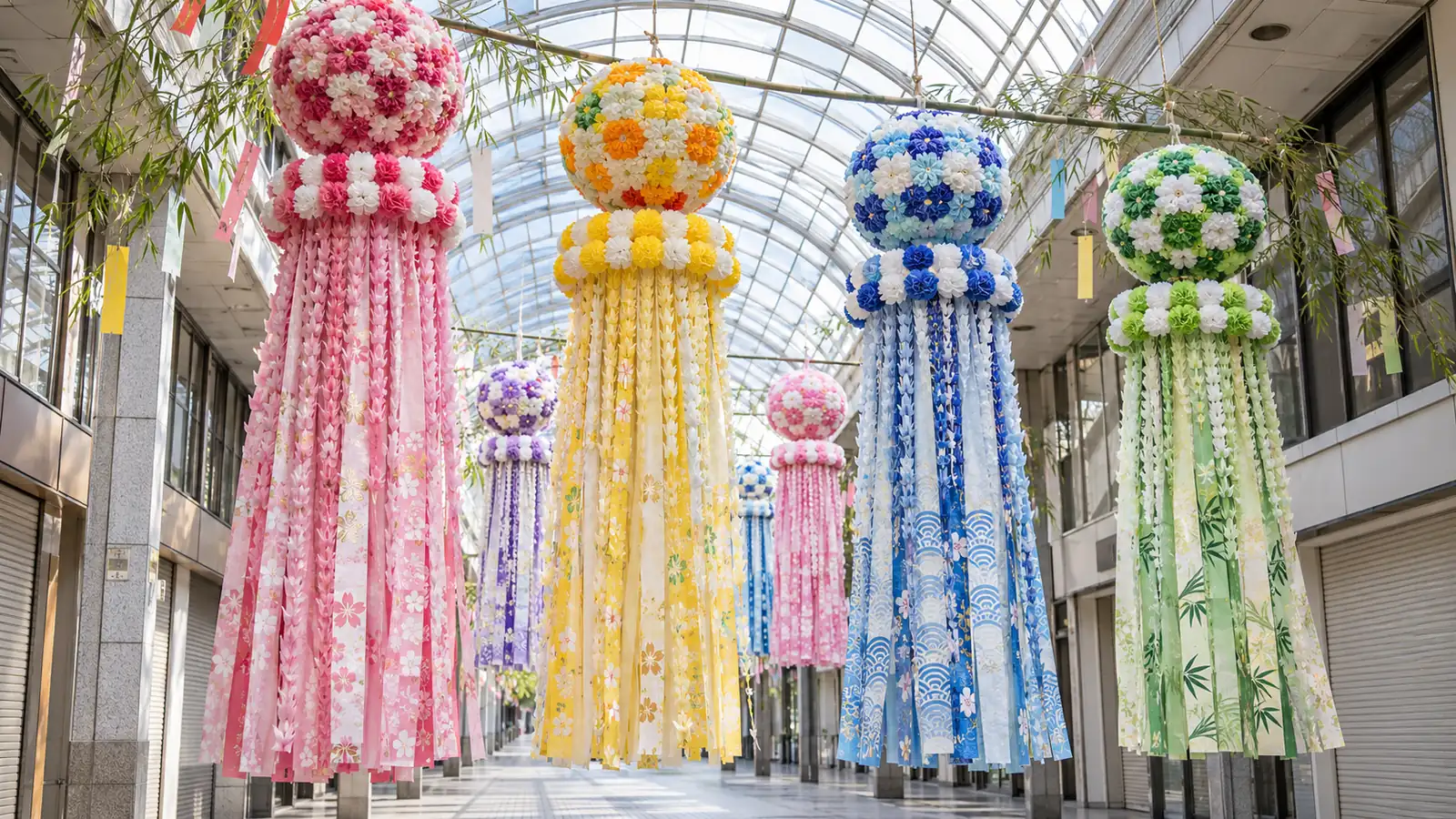
The Sendai Tanabata Festival takes place on August 6–8, when elaborate paper streamers fill the central shopping streets.
This is the best choice for the city's signature festival atmosphere, but book accommodation early and expect busy arcades and hot, humid weather.
Autumn and Winter
September's Jozenji Streetjazz Festival adds outdoor performances to the city streets, while autumn brings foliage to the city and surrounding valleys.
Higher areas and downtown do not peak together, so use current foliage reports when choosing an excursion.
December's Pageant of Starlight illuminates the zelkova trees along Jozenji-dori. Event dates and lighting hours change by year; a winter city break works well for lights and food, while mountain walks need more caution because of snow, ice and shorter daylight.
How to Plan Your Sendai Visit
A city day can combine Sendai's historical sights with meals and shopping, leaving longer excursions for another day. The coast and western valleys involve more travel, so their connections need space in the schedule.
Within the city, the one-way Loople route also shapes the order of the historical stops.
Choose One, Two or Three Days
One full day: Start with Zuihoden and the castle site, choose the museum or Osaki Hachimangu according to your interests, then return for a gyutan meal and an arcade walk. Leave Jozenji-dori or AER for the later part of the day rather than trying to include every outlying sight.
Two days: Keep one city day and use the other for Matsushima. If a hot-spring stay matters more than the coast, replace Matsushima with Akiu rather than squeezing both into the same day.
Three days: Add Yamadera, Miyagikyo when operating, or the Arahama memorial with a quieter city afternoon. Travelers specifically interested in the giant Sendai Daikannon can use part of this extra day for its suburban detour.
Use Trains, Subway and Loople Sendai
The Tohoku Shinkansen connects Tokyo with Sendai in around 90 minutes on faster services; slower trains take longer. Sendai Airport has a direct rail connection to Sendai Station, so a car is unnecessary for a city visit and most of the excursions above.
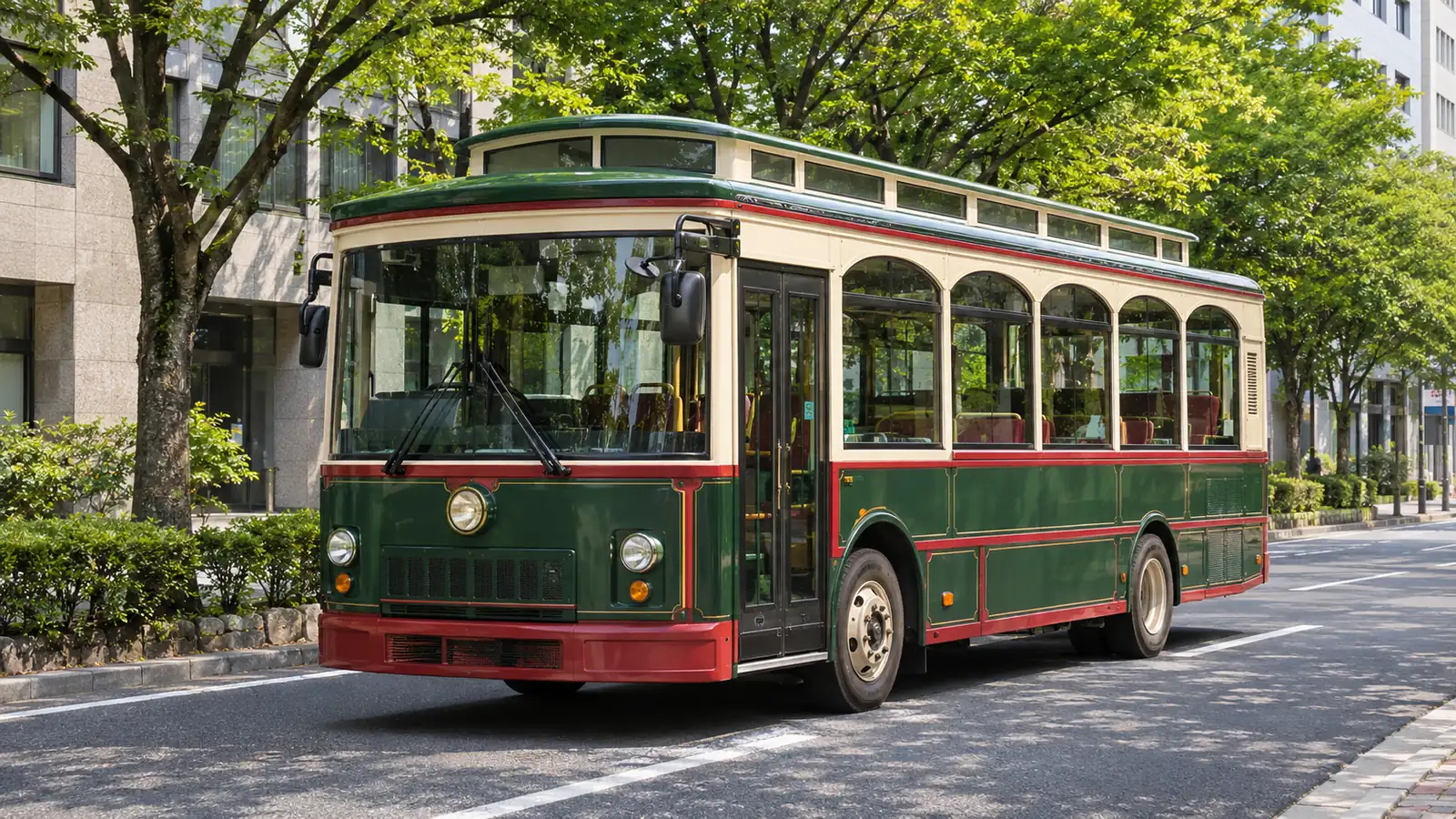
Loople Sendai is useful for the historical sights around Mount Aoba. It runs in one direction from the station's west-exit bus terminal, stop 16; the full loop takes about 70 minutes, and the final departure from Sendai Station is normally at 4 p.m.
Adult fares: A single ride is ¥300, a Loople-only day pass is ¥700, and a combined Loople-and-subway day pass is ¥1,000.
Which to choose: The Loople-only pass is worthwhile for three or more rides. The combined pass adds both subway lines; it does not turn ordinary city buses into included services.
Route planning: Consult the current Loople route and timetable, especially for the final bus from an uphill attraction. Its one-way loop makes some short-looking returns inconvenient.
Prepare for Hills and Mobile Navigation
Zuihoden, the castle approach and Yamadera involve very different amounts of climbing; choose transport and footwear for the actual route. Keep some yen available for small shops, admission and purchases where your usual card may not be accepted.
Mobile data helps with return-bus checks, restaurant searches and menu translation as you move beyond the station. If your phone supports eSIM and is unlocked, an iRoamly Japan eSIM is one option for using your usual map and translation apps during the trip.
FAQ
1. Are Sendai Castle and Aoba Castle the same place?
Yes. Aoba Castle is another name for Sendai Castle, so both names refer to the same historic site. You may see either name on maps and transport information; there is no need to plan separate visits.
2. Can I use a Suica card purchased in Tokyo in Sendai?
Yes. Sendai’s subway and city buses accept Suica, along with compatible transport IC cards such as PASMO and ICOCA. You do not need to buy a local icsca card for these services.
3. Can I store a suitcase at Sendai Station?
Yes. JR Sendai Station has coin lockers and a staffed luggage-storage service. You can check availability for some lockers through the JR East app; for larger suitcases, confirm locker dimensions or the storage counter’s acceptance conditions.
4. Are there fireworks every night during the Sendai Tanabata Festival?
No. The main festival runs from August 6–8, while the fireworks display is usually held on the evening of August 5. To see both the fireworks and the shopping-street decorations, include the preceding evening in your stay and check that year’s event announcements.
5. Can I watch professional baseball in Sendai?
Yes. Sendai is home to the Tohoku Rakuten Golden Eagles, and you can attend a game if your visit coincides with a home fixture. Check the official schedule and ticket availability in advance. The stadium is cashless, so prepare an accepted payment method for tickets, food and merchandise.
Conclusion
Sendai is worth exploring for the way its history fits naturally into a day of eating, walking and browsing. Beyond the major landmarks, its streets and local restaurants offer a chance to get to know the everyday city.
On a first visit, there is no need to fit in every recommendation. Choose the places that interest you most and leave enough time to explore them and enjoy your meals; those experiences are more likely to stay with you than a hurried series of stops.
If you are planning a trip through Tohoku, give Sendai time in its own right and make it a part of the journey to look forward to.