
Shibuya can feel overwhelming on a first visit. Neon crossings, department stores, side streets, shrines, galleries, bars, and train lines all compete for attention, so many travelers end up seeing only the scramble and moving on.
The better approach is to treat the area as a full neighborhood, not a single photo stop. Once you slow down, things to do in Shibuya start to look far more varied: rooftop views, quiet green pockets, design-heavy shopping, easy museum detours, and food streets that change mood by the hour.
This guide is built for exactly that kind of day. It covers the most worthwhile stops, how to connect them without too much backtracking, and the practical choices that make Shibuya feel exciting instead of exhausting.

12 Best Things to Do in Shibuya
If you only have half a day, focus on the first five or six entries. If you have longer, this list works well as a full afternoon that stretches naturally into dinner and nightlife.
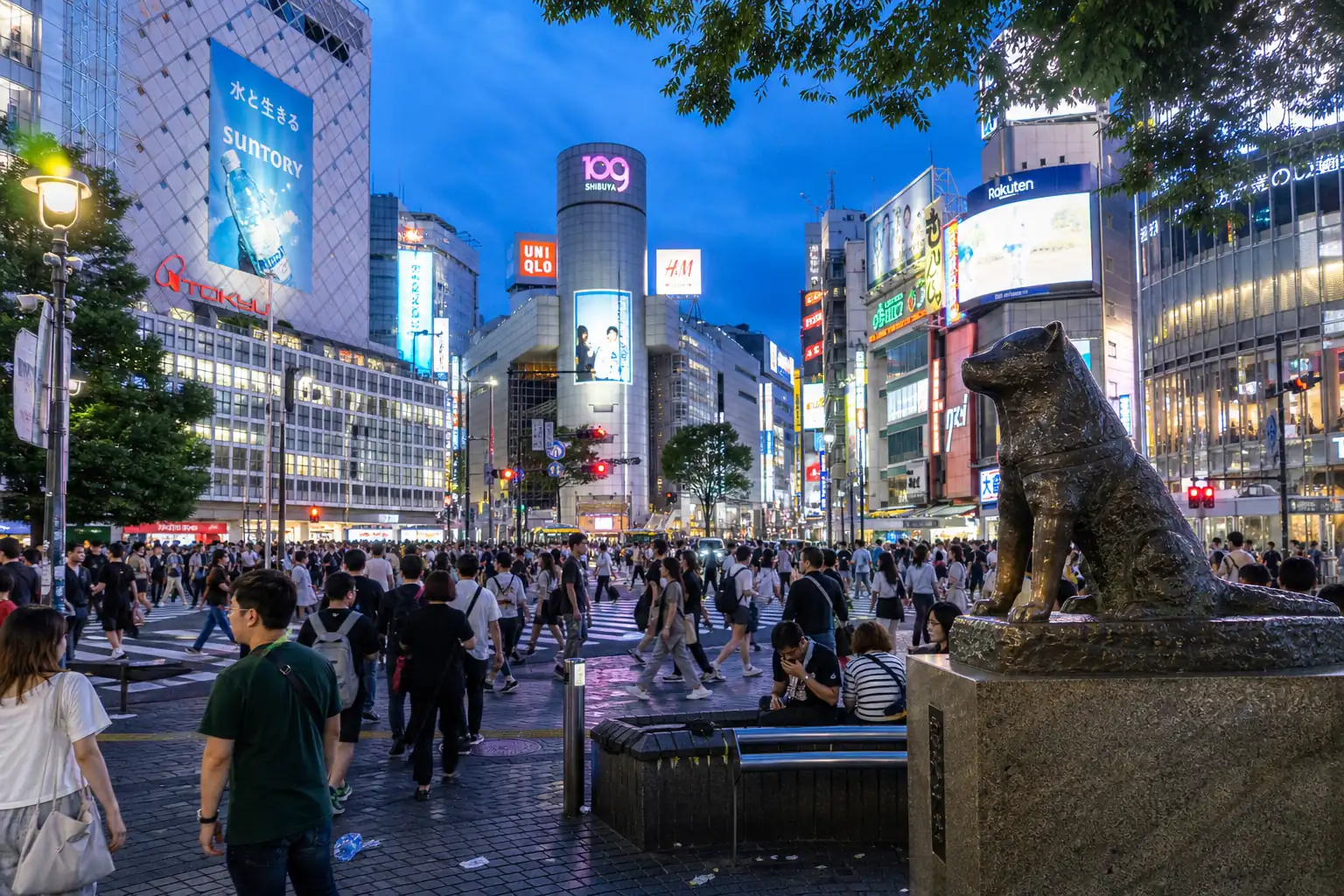
1. Walk through Shibuya Scramble Crossing
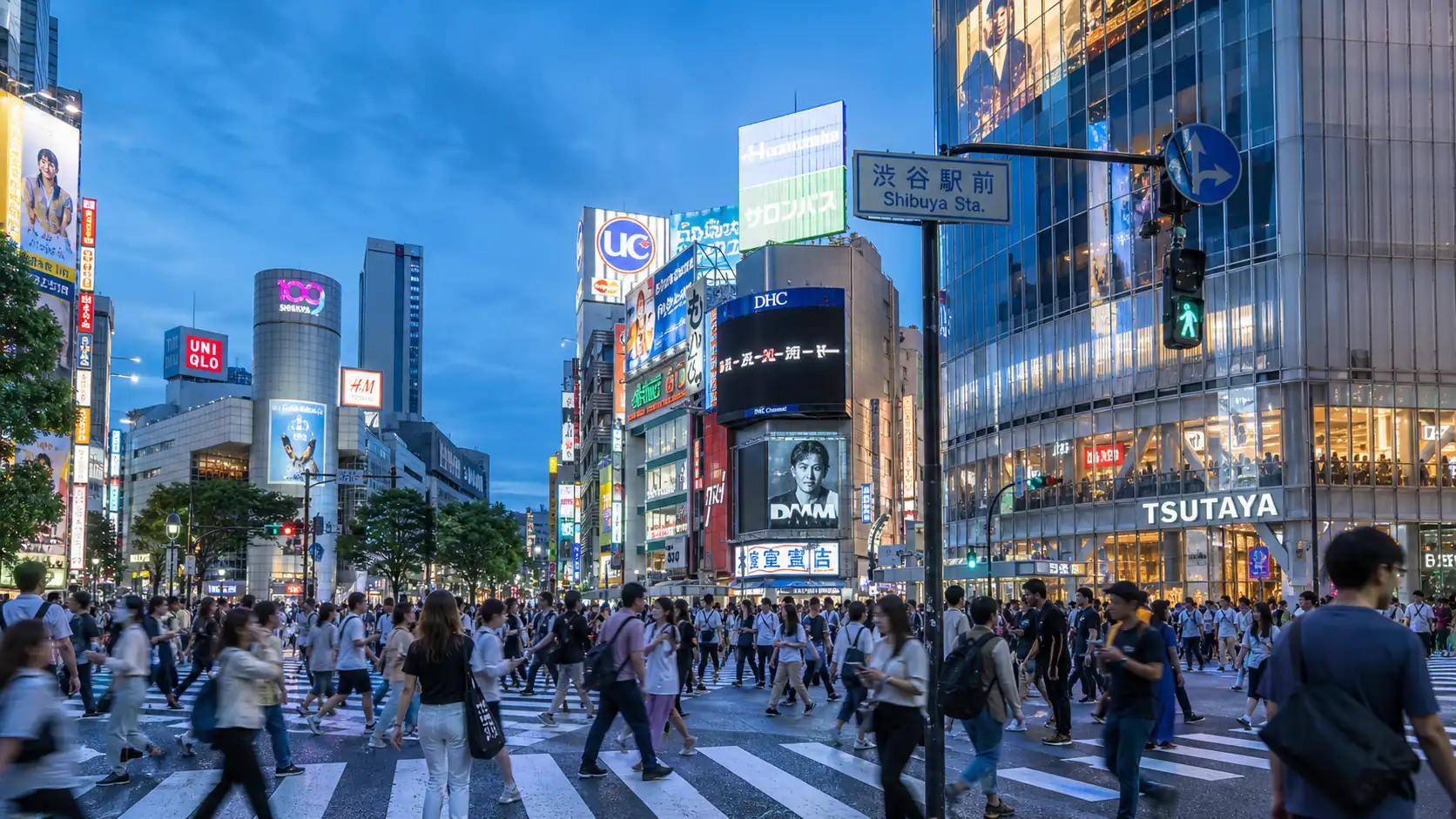
This is still the best first impression of the district. The crossing is not interesting because it is chaotic, but because it shows how organized Tokyo can feel even at its busiest. Spend a few minutes crossing from different corners instead of treating it like a one-shot photo stop.
Best moment: Late afternoon into early evening gives you the clearest mix of daylight, signs, and building lights.
Who it suits: First-time visitors, photographers, and anyone trying to get their bearings fast.
2. Visit the Hachiko Statue early in the day
The Hachiko Statue is small, but it matters because it is one of the easiest meeting points in Tokyo and one of the city’s most recognizable local stories. Arriving early makes the stop feel more meaningful, because later in the day the line for photos can grow quickly.
Travel rhythm: Pair it with the crossing before the crowds thicken.
Time needed: Ten to fifteen minutes is enough unless you want to linger and watch the station flow around you.
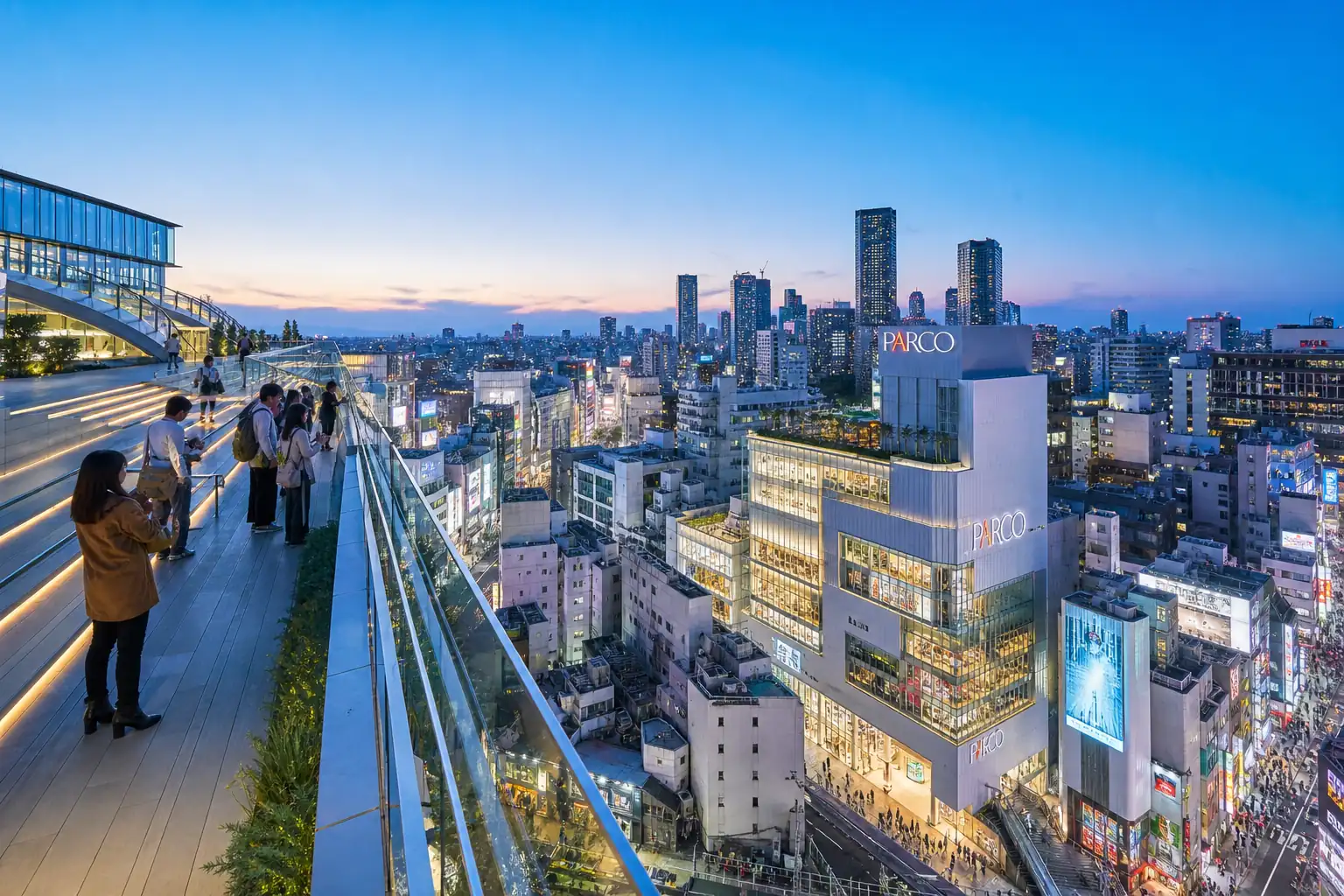
3. Go up to SHIBUYA SKY
If you want one splurge in the area, make it SHIBUYA SKY. The open-air rooftop gives you a strong sense of how central Shibuya is within greater Tokyo, and it is one of the rare viewpoints that feels just as rewarding for first-time travelers as it does for repeat visitors.
Booking tip: Sunset slots are the first to go, so reserve ahead through the SHIBUYA SKY ticket page.
Good to know: Bags with bulky items may need to be stored before rooftop entry.
4. Explore Shibuya PARCO for gaming, fashion, and design
Even travelers who are not especially into shopping usually enjoy Shibuya PARCO. It feels more curated than many large malls, with a mix of Japanese labels, global fashion, design-led floors, and pop-culture anchors that make browsing feel like part of the sightseeing.
Why it stands out: It is one of the easiest places in the neighborhood to combine style, character shops, and a polished food stop without wasting time moving between buildings.
5. Slow down at Miyashita Park
Miyashita Park works best as a reset point. You can walk the elevated stretch, look back toward surrounding buildings, and take a break from the station crush without leaving central Shibuya. It is especially useful on a hot or rainy day, when a more flexible indoor-outdoor stop helps keep your itinerary comfortable.
Best use: Mid-afternoon coffee, a short rest, or a casual shopping break.
Who it suits: Couples, solo travelers, and anyone trying to keep the day from becoming too transit-heavy.
6. Wander Center-Gai after dark
Center-Gai is where Shibuya’s fast, loud, youth-driven energy is easiest to feel. The point is not to cover every lane. Instead, move slowly, look up at the signs, and watch how the atmosphere shifts between chain stores, arcades, snack stops, and bars.
Best timing: Evening.
Travel note: It gets crowded quickly, so keep backpacks small and agree on a meeting point if you are traveling in a group.
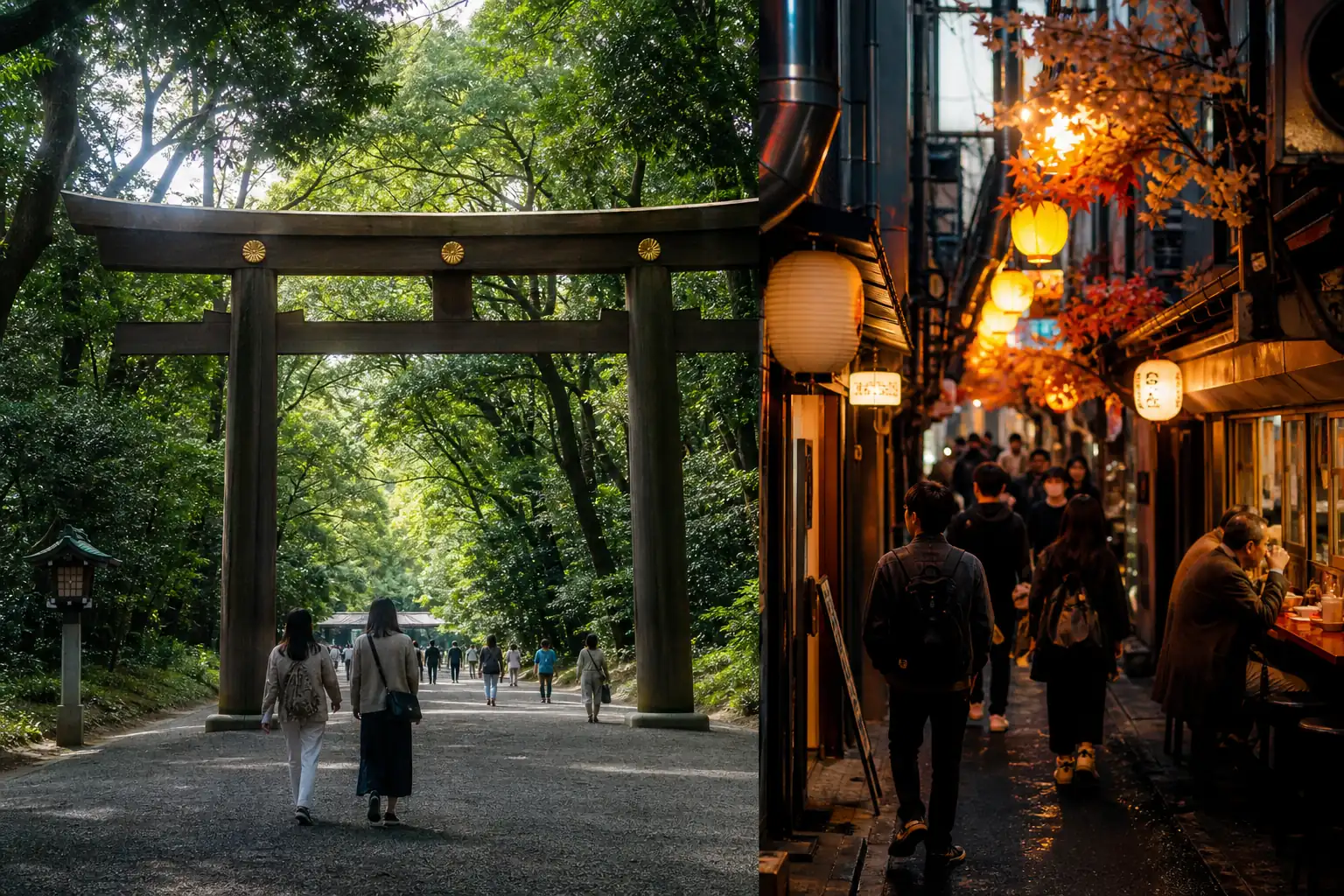
7. Walk to Meiji Jingu for a complete change of pace
One of the smartest Shibuya moves is leaving the commercial core for a while. Meiji Jingu gives you a completely different mood within easy reach, with broad forested paths and a much slower rhythm. That contrast helps the rest of the district feel sharper when you return.
Useful detail: The shrine opens daily and follows sunrise-to-sunset hours, with monthly opening times listed in the Meiji Jingu visitor information.
Suggested pace: Around one hour for the main shrine, or longer if you add the garden or museum.
8. Spend time in Yoyogi Park
Yoyogi Park is one of the easiest green breaks to add to a Shibuya route. It gives you lawn space, wider walking paths, and a more local, weekend feeling than the station area. If you have already done several indoor stops, this is where your day starts to breathe again.
Best for: Picnics, people-watching, and spring or autumn walks.
Nearby pairing: It connects naturally with Meiji Jingu and Harajuku.
9. Follow Cat Street toward Harajuku
Cat Street is the easiest way to see Shibuya become a different kind of neighborhood. The shift from bigger commercial blocks to lower-rise shops and cafes makes the walk feel more personal, and it works well for travelers who prefer independent stores over giant retail complexes.
What to look for: Streetwear, lifestyle shops, coffee stops, and quieter corners for a break from the main roads.
10. Try Nonbei Yokocho for a more intimate night scene
Nonbei Yokocho is tiny compared with the rest of Shibuya, which is exactly why it leaves a strong impression. The narrow lanes and compact bars feel more atmospheric than flashy, and the area rewards travelers who prefer conversation and local character over big club energy.
Good fit: Small groups, bar-hoppers, and returning Tokyo visitors.
Practical note: Some bars have cover charges or limited seating, so flexibility matters more than a fixed venue list.
11. Use Shibuya Hikarie as a food and culture stop
Shibuya Hikarie is handy because it combines convenience with a slightly calmer mood than the busiest station-facing blocks. It works especially well for travelers who want a dependable lunch, sweets break, or indoor browse between bigger sightseeing stops.
Why it helps: It is easy to enter, easy to leave, and rarely feels like wasted time when the weather changes or your group needs a short reset.
12. Stay for the city lights instead of leaving right after sunset
A lot of travelers leave once they have seen the crossing at dusk, but Shibuya is better when you stay another hour or two. Storefronts, restaurant signs, and rooftop views settle into a more cinematic version of the neighborhood, and the district starts to feel less like a checklist item and more like a place.
Smart finish: End with dinner, a short bar stop, or a final elevated view rather than rushing straight back to the station.
A Well-Paced One-Day Shibuya Route
Shibuya is easier when you move in one direction rather than returning to the station after every stop. This sample route balances headline sights with quieter walking time.
Time block | Suggested stops | Why the order works |
|---|---|---|
8:00–10:00 | Hachiko, Scramble Crossing, breakfast | See the famous station area before the heaviest crowds |
10:00–13:00 | Meiji Jingu and Yoyogi Park | Creates a calm walking break before indoor stops |
13:00–16:00 | Cat Street, PARCO, or Miyashita Park | Keeps shopping and lunch within one connected corridor |
16:00–19:00 | SHIBUYA SKY and an early dinner | Uses the reserved view slot as the day's fixed point |
After 19:00 | Center-Gai, Nonbei Yokocho, or a relaxed café | Leaves nightlife optional instead of exhausting the whole day |
This route fits naturally inside a broader day of Tokyo sightseeing.
If a reservation time changes, live maps and ticket confirmations remain easier to manage with a destination-specific Japan travel eSIM.
How to Plan a Smooth Shibuya Day
Once you choose a few anchor stops, Shibuya becomes one of the easiest Tokyo neighborhoods to explore on foot. The key is to build your route around energy levels rather than trying to see every nearby pin on the map.
1. Start with the busiest sights first
Begin around Hachiko, the crossing, and one indoor stop while your attention is fresh. That gives you the iconic parts early, before the district becomes tiring. If you want skyline views, decide in advance whether SHIBUYA SKY is your daylight stop or your sunset stop, because that choice affects the rest of the route.
2. Use green space to reset your pace
Meiji Jingu and Yoyogi Park are not side trips in the annoying sense. They are what make the neighborhood feel balanced. After the station area, even a forty-minute walk through quieter paths can make the afternoon far more enjoyable.
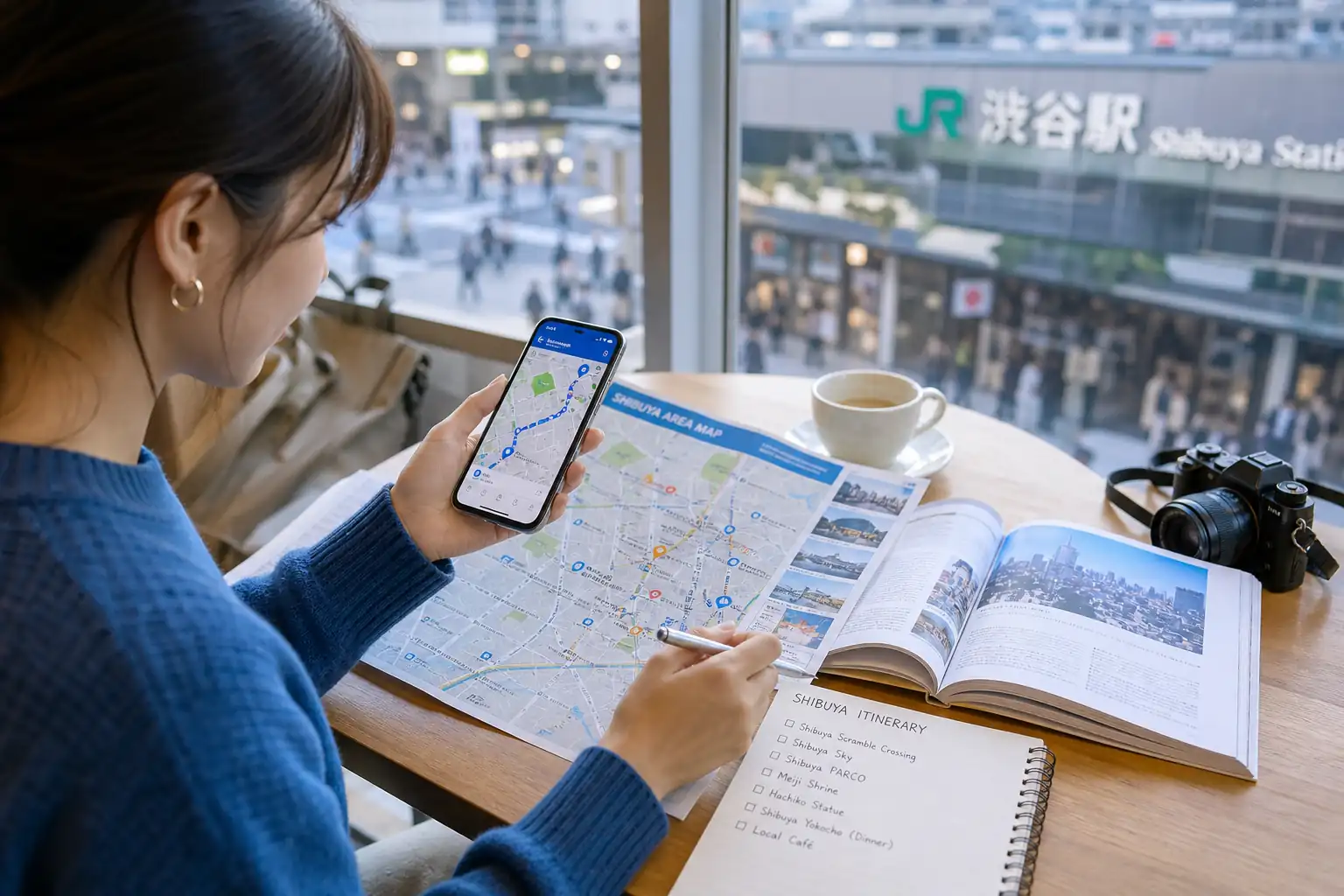
3. Stay connected for maps and reservations
Shibuya is simple once you can look up exits, compare train options, and book last-minute tickets on the move. A iRoamly travel eSIM is especially useful here because directions, restaurant searches, translation, and rooftop reservation checks all happen quickly and often between stations.
4. Leave room for one flexible meal stop
Do not over-plan lunch and dinner at the same time. Shibuya has enough food options that one reserved meal plus one spontaneous stop usually works better than locking the full day too tightly.
Where to Eat and Recharge Between Stops
Shibuya is more enjoyable when you think in terms of small breaks instead of one giant meal window. The neighborhood has enough variety that you can match your stop to your mood instead of forcing the same kind of break every time.
1. Cafes and dessert stops
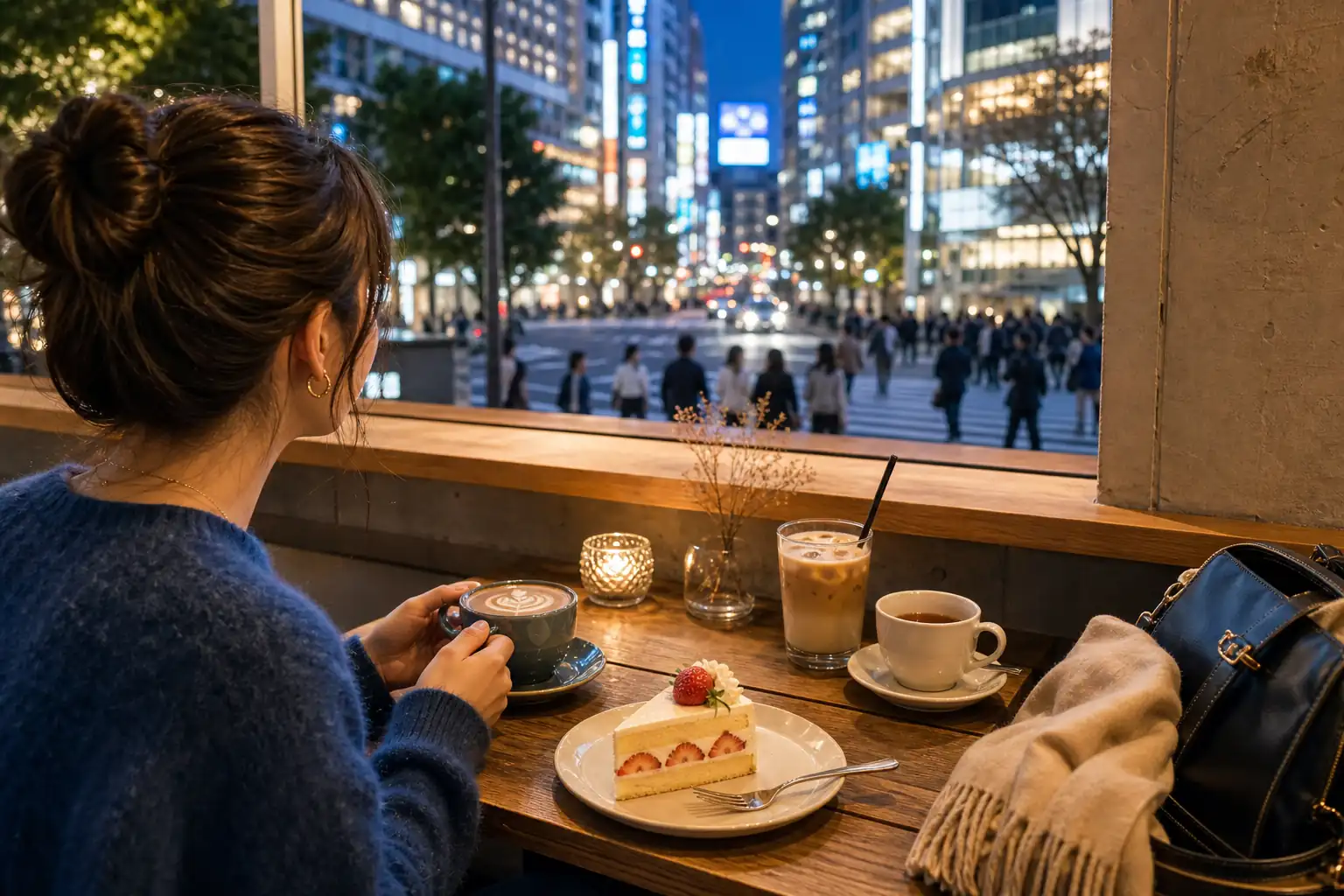
If your day already includes rooftop views, shopping, and crowded crossings, a quiet coffee or dessert break helps more than another fast sightseeing detour. Look for upper-floor cafes or spots slightly off the main avenue, where the atmosphere changes quickly even if you are only a block away from the busiest streets.
2. Food hall convenience
Department store and mall dining floors are not glamorous, but they are efficient. They work well when a group wants different foods, when rain suddenly starts, or when you need a reliable meal without adding another long queue to the day.
3. Night bites with atmosphere
For a more memorable finish, shift toward small-lane dining or bar snacks rather than another polished mall meal. The official Go Tokyo Shibuya area guide is useful if you want a quick sense of nearby subareas before deciding where to settle in.
FAQ About Things to Do in Shibuya
1. Is Shibuya worth visiting if I only have one day in Tokyo?
Yes, especially if you want a concentrated mix of modern Tokyo energy, shopping, views, and easy food options. It is one of the simplest neighborhoods to enjoy without spending much time in transit.
2. How many hours do I need in Shibuya?
Four to six hours is enough for the major highlights. A full day works better if you want to combine Shibuya with Meiji Jingu, Yoyogi Park, slower shopping, and an evening food stop.
3. What is the best free thing to do in Shibuya?
Walking the scramble area, browsing side streets, seeing Hachiko, and heading toward Meiji Jingu or Yoyogi Park all give you a strong experience without requiring admission fees.
4. Is SHIBUYA SKY better during the day or at sunset?
Sunset is the most dramatic, but it is also the busiest. Daytime is easier if you want a calmer visit or cleaner long-distance city views.
5. Can I combine Shibuya and Harajuku in one trip?
Yes. Cat Street, Meiji Jingu, and Yoyogi Park make the transition between the two areas feel natural, so they pair very well in one walking itinerary.
Final Thoughts
Shibuya is most rewarding when you stop treating it like a single crossing and let it unfold as a neighborhood with different moods. The big-name landmarks matter, but the breaks between them are often what make the day memorable.
If you are planning your first visit, keep the route simple: one rooftop view, one green escape, one shopping stop, and one evening food area. That balance usually gives you a stronger experience than trying to force every attraction into the same afternoon.
And if you have extra time, stay after dark. Shibuya becomes more atmospheric, more relaxed, and more distinct once the daytime rush starts to give way to dinner plans and city lights.