
Spain holidays can turn an ordinary city break into a memorable cultural experience, but they can also change shop hours, transport demand, and the availability of everyday services. The key is understanding that the country does not follow one identical holiday calendar everywhere.
Some dates are observed nationwide, while autonomous communities and municipalities add celebrations of their own. A public holiday in Madrid may therefore be a normal working day in Barcelona, Seville, or Bilbao, and the reverse can also be true.
This guide explains the holiday system, the most important recurring dates, major festival seasons, and practical ways to plan around closures and crowds. Use it as a framework, then confirm the calendar for the exact region and city on your itinerary.
How Spain's Holiday Calendar Works
Spain's annual calendar is built in layers. This explains why two travelers visiting different regions during the same week can have completely different experiences.
1. National holidays
National holidays apply across Spain, although the treatment of some dates may vary when they fall on a weekend. New Year's Day, Labour Day, Spain's National Day, and Christmas Day are among the dates protected across the country.
Traveler impact: Expect government offices, banks, and many independent businesses to close. Restaurants and major attractions may open on reduced schedules, especially in heavily visited areas, but this should never be assumed.
2. Autonomous community holidays
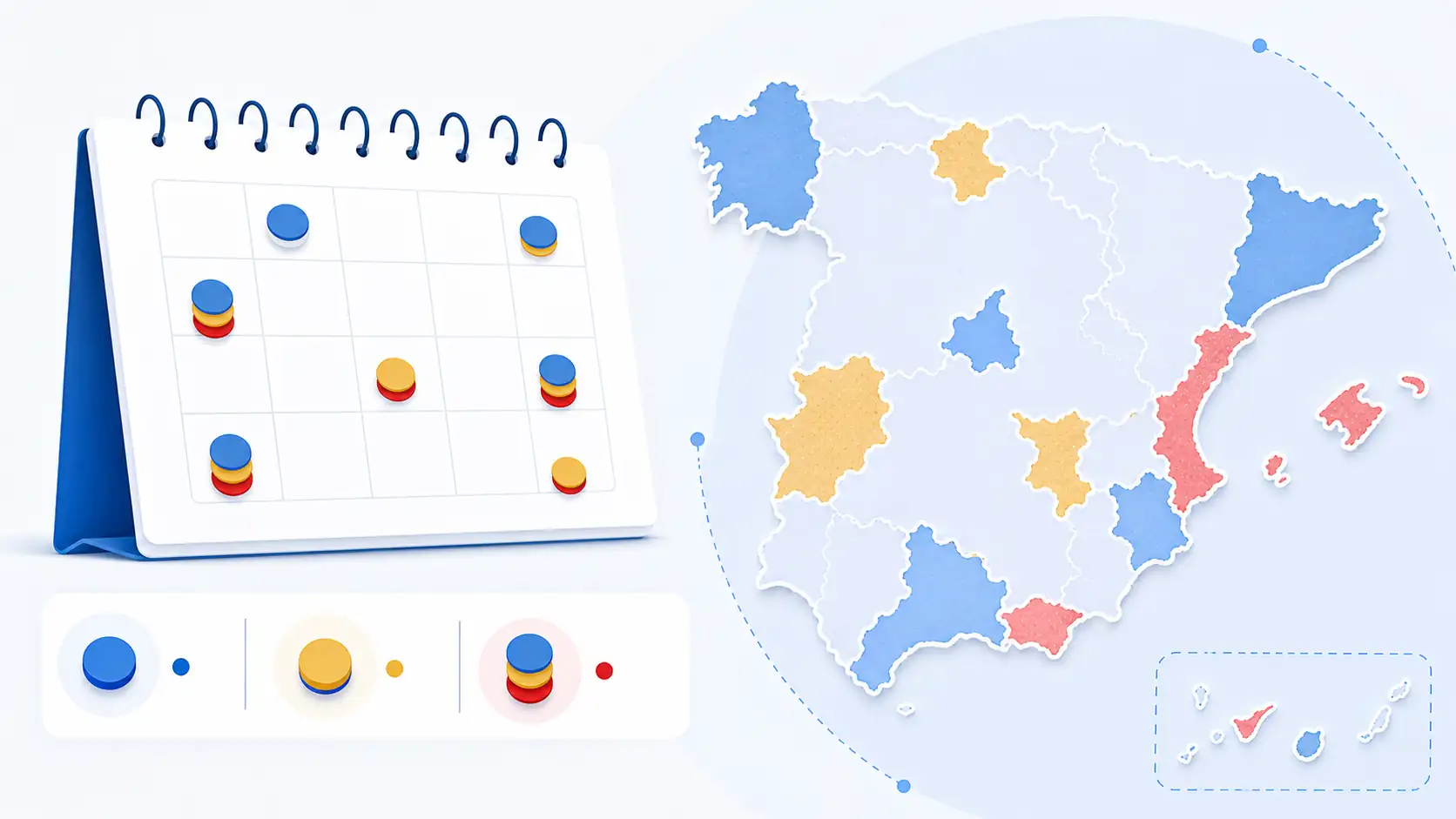
Each autonomous community can recognize regional traditions and substitute certain movable national dates within the legal annual limit. Catalonia, Andalusia, Galicia, the Basque Country, and the Canary Islands consequently have calendars that reflect their own history and patron celebrations.
3. Local holidays
Municipalities normally add two local holidays. These can have the greatest surprise effect because a celebration may close shops and offices in one city while normal life continues in the next town.
Check the autonomous community, not only “Spain,” when planning.
Search the city calendar for local patron festivals.
Confirm opening hours directly with any attraction you cannot miss.
Nationwide Dates Travelers Should Recognize
The exact calendar is published annually, and movable religious dates shift from year to year. Spain's official labor calendar is the best place to confirm the current list before booking.
The following recurring dates are useful anchors. Regional variations, substitutions, and weekend transfers mean this is a planning overview rather than a substitute for the annual calendar.
1 January — New Year's Day: A quiet morning follows late-night celebrations, and public transport may operate on a special timetable.
6 January — Epiphany: Widely associated with the Three Kings tradition; parades commonly take place on the evening of 5 January.
Good Friday: A movable spring holiday observed nationwide, with major Holy Week processions in many cities.
1 May — Labour Day: Banks, offices, and many shops close, while demonstrations can affect central streets.
15 August — Assumption: A major summer holiday that coincides with peak domestic travel and many local fiestas.
12 October — National Day: Ceremonies and road restrictions are most noticeable in Madrid.
1 November — All Saints' Day: Families visit cemeteries, and some businesses close or shorten hours.
6 December — Constitution Day: This can create a long early-December travel period when paired with the next holiday.
8 December — Immaculate Conception: Often part of the popular December bridge, or puente.
25 December — Christmas Day: Family meals dominate, public services are limited, and advance restaurant planning is essential.
Planning note: Holy Thursday, Easter Monday, Saint Joseph's Day, Saint James' Day, and transferred Monday holidays are not handled uniformly across all communities.
Regional and Local Celebrations
Regional holidays are not simply administrative days off. They often express local identity through music, food, fireworks, processions, and neighborhood traditions.
1. Community days
Many autonomous communities celebrate an official regional day. Andalusia Day falls in late February, the Day of the Canary Islands in late May, Catalonia's National Day in September, and the Valencian Community marks its day in October. These dates particularly affect regional institutions, schools, and local commerce.
2. Patron-saint festivals
City patron festivals can be larger than some national holidays. Madrid celebrates San Isidro in May, Barcelona holds La Mercè in September, and Valencia honors regional traditions around its October community day.
Best approach: Treat a patron festival as both an attraction and a logistical event. Reserve accommodation early, identify road closures, and choose a meeting point because mobile networks and central squares can become crowded.
3. Neighborhood fiestas
Smaller barrio celebrations may fill streets with temporary stages and communal meals. They are often welcoming, but visitors should respect residential areas, avoid blocking doorways, and follow local guidance about noise and waste.
Check the municipal events page one month before arrival.
Recheck during the final week for temporary changes.
Save accommodation details offline in case streets are closed to taxis.
Festival Seasons That Shape a Trip
Not every famous Spanish festival is a statutory public holiday, yet large events can affect a trip more than a conventional day off. Thinking by season helps travelers anticipate demand.
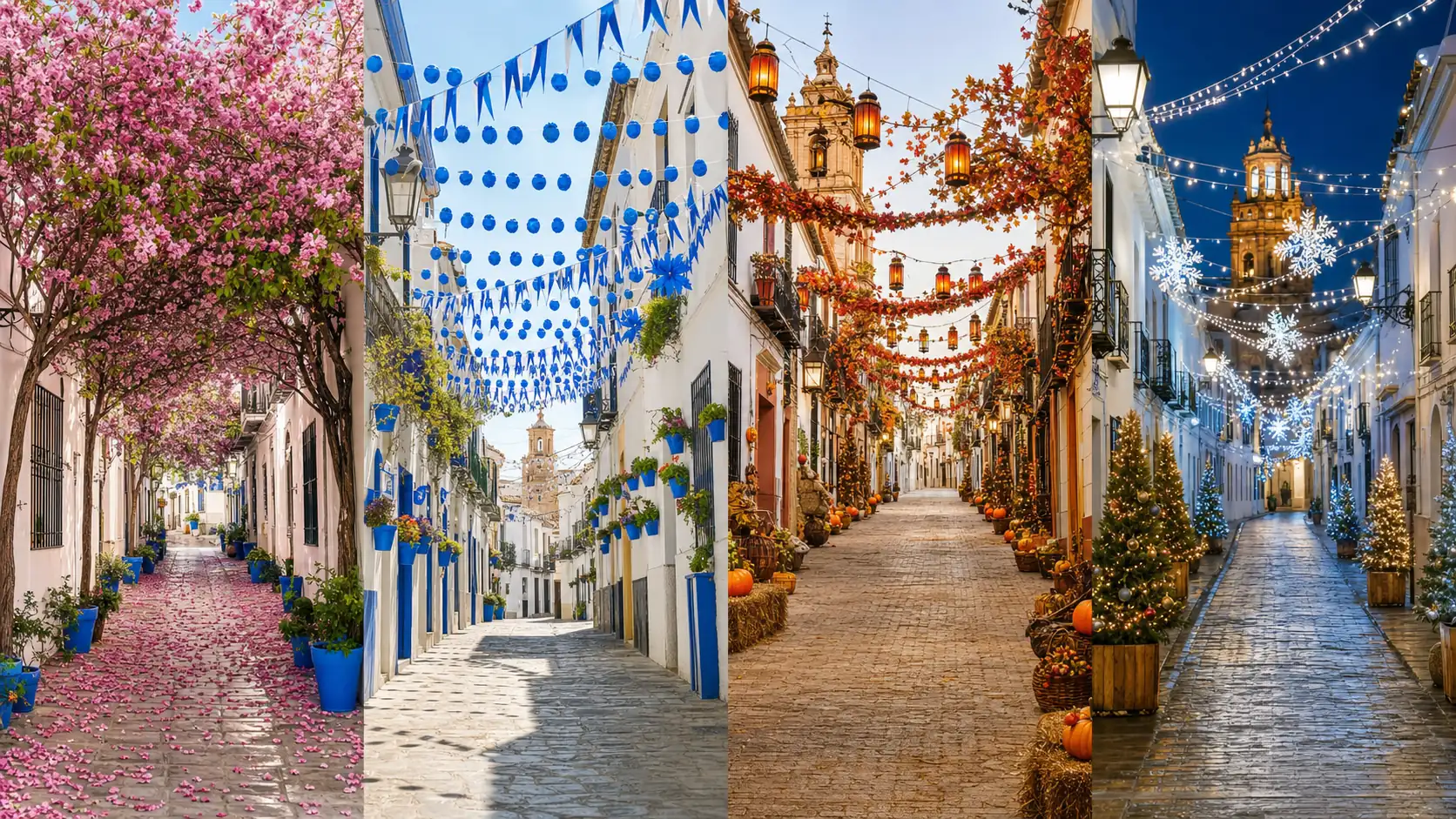
1. Spring: Holy Week and April fairs
Semana Santa processions transform cities such as Seville, Málaga, Valladolid, and Zamora. Routes can block streets for hours, while solemn daytime ceremonies and late-night gatherings create a rhythm very different from a standard sightseeing week.
Who it suits: Travelers interested in living religious traditions and ceremonial music. Those prioritizing fast museum hopping may prefer dates outside the main processional week.
2. Summer: local fiestas and night events
Summer brings patron festivals, open-air concerts, fireworks, and late dining. San Fermín in Pamplona is internationally known, but countless towns hold smaller celebrations with a more local atmosphere.
3. Autumn and winter: harvests, lights, and family dates
Wine regions celebrate harvest traditions in early autumn. December then combines Constitution Day, the Immaculate Conception holiday, Christmas markets, and family travel, producing busy long weekends even before Christmas itself.
For lower prices: Avoid the central dates of headline festivals.
For atmosphere: Stay within walking distance of the historic center.
For sleep: Choose accommodation away from temporary stages and main squares.
Planning Around Closures and Crowds
A holiday does not mean Spain shuts down completely, but services become less predictable. A few deliberate checks prevent most problems.
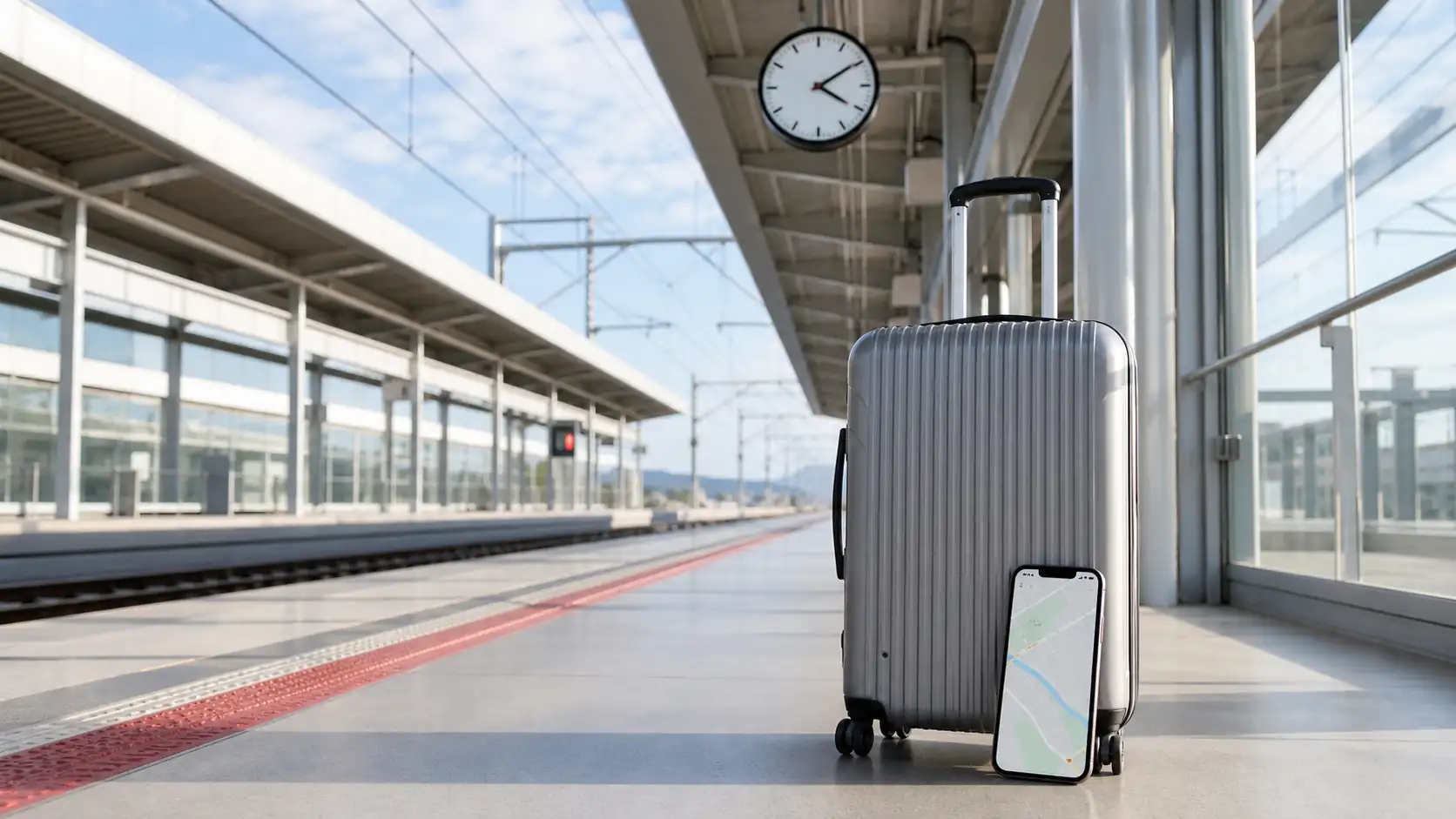
1. Book transport and restaurants early
Long weekends encourage domestic travel, so popular rail routes and coastal services can fill sooner than expected. Reserve intercity transport when schedules open and confirm whether the last local bus operates earlier than usual.
Christmas Eve, Christmas Day, and New Year's Eve require particular restaurant planning. Hotel restaurants can be a dependable fallback, but many use fixed menus and advance deposits.
2. Build a closure-proof day
Save outdoor alternatives such as parks, scenic walks, beaches, and self-guided architecture routes. Buy essential medication and groceries the previous day, then avoid scheduling time-critical errands on the holiday morning.
3. Keep mobile access reliable
Live maps, train updates, translation, and restaurant messages are especially helpful when normal routines change. A connected device using an iRoamly travel eSIM can reduce dependence on public Wi-Fi; download tickets and key addresses as an offline backup as well.
Spain Holiday FAQ
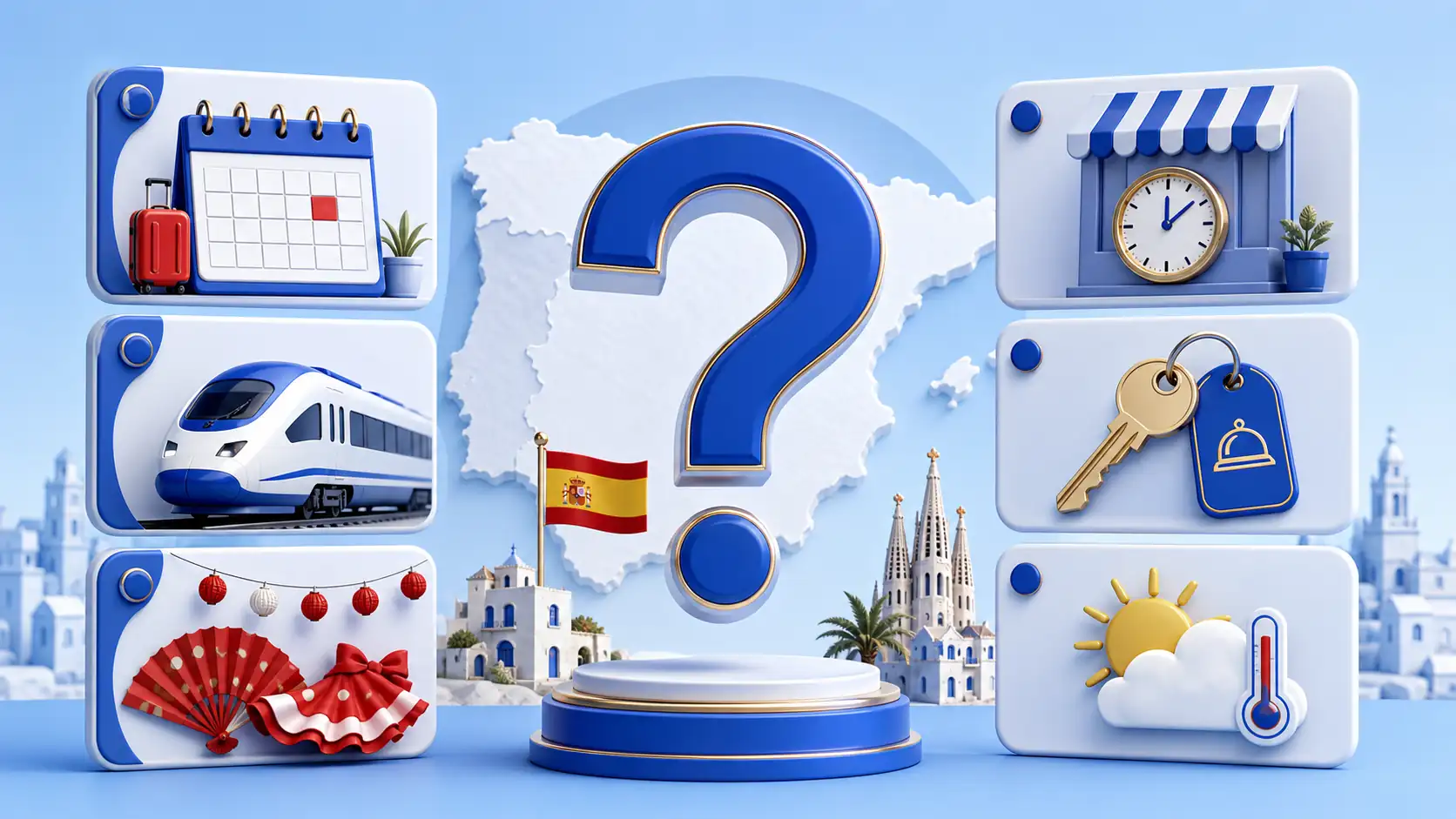
1. Are museums closed on every public holiday?
No. Policies differ by institution and date. Some major museums open with shortened hours, while others close on selected holidays such as Christmas Day. Confirm directly before traveling across a city for one venue.
2. Do restaurants open on Spanish public holidays?
Many restaurants in tourist areas do, but family-run venues may close or serve only one sitting. Reservations are sensible for major family dates and festival weekends.
3. Does public transport stop?
Urban transport usually continues on a reduced or Sunday-style schedule. Processions, parades, and demonstrations can reroute buses even when metro and rail services remain active.
4. What is a puente?
A puente, literally a bridge, is a long break created when a holiday falls near a weekend. It often increases domestic demand for trains, hotels, and short-break destinations.
5. Can local shops close even when malls stay open?
Yes. Large retail centers, supermarkets, and independent stores can follow different rules and commercial calendars. Buy essentials ahead of time rather than relying on one category of shop.
Safest habit: Verify the exact city and exact date.
Best backup: Keep one flexible outdoor activity available.
Conclusion
Spain's layered holiday system rewards travelers who look beyond a single national calendar. National dates establish the basic rhythm, while regional and local celebrations reveal the traditions that make each destination distinctive.
Plan essential transport, reservations, and shopping in advance, then leave room for the unexpected procession, concert, or decorated square. A closure can become a highlight when the day includes a thoughtful alternative.
With a confirmed local calendar and a flexible itinerary, Spain holidays become less of a disruption and more of a window into everyday culture.