
Ask what the most popular sport in China is, and there is no single answer. Basketball attracts huge audiences, while table tennis remains deeply connected to everyday life and national identity.
Popularity can mean watching, playing, or cultural influence, so looking at several sports gives a more complete picture of China’s sporting culture.
This guide explores China’s most popular sports and how to experience them while traveling. An iRoamly China travel eSIM can also keep you connected for maps, event details, and sharing your trip.

Which Sport Is Most Popular?
Basketball is the strongest single answer when the question means youth culture and spectator appeal.
Yet table tennis can lead when the measure is recreational reach or national prestige, while football stands out for its huge fan base and live-match culture. That is why credible lists disagree without necessarily contradicting one another.
Measure | Strongest Answer | Why |
|---|---|---|
Youth and spectator appeal | Basketball | The NBA, the CBA, school courts, and Yao Ming’s legacy give it exceptional visibility. |
Everyday recreational play | Table tennis and badminton | Both are inexpensive, space-efficient, and widely played in schools, parks, workplaces, and community facilities. |
Live and broadcast following | Football and basketball | Domestic leagues and major international competitions attract large audiences even when national-team results are mixed. |
National sporting prestige | Table tennis, badminton, and women’s volleyball | Long-term international success has made these sports powerful symbols of collective pride. |
Fast-growing participation | Winter and outdoor sports | New facilities, major events, and changing urban leisure habits have broadened access. |
This metric-based view also explains why a traveler may notice different “number one” sports in different settings. A campus court, a neighborhood park, a professional arena, and a winter resort each reveal a different side of China’s sports culture.
The King of Sports: Basketball
Basketball is widely popular in China, both as a hobby and a career, and it’s seen as the most popular sport, particularly among the youth.
Nielsen Sports’ 2020 survey found that more than 300 million people in China participate in basketball in some way, whether that’s watching, playing recreationally, or consuming basketball news.
This huge participation has made China one of the biggest basketball markets in the world.
The Reason Why Basketball is Popular
Basketball owes much of its popularity in China to the widespread appeal of the NBA and the career of Yao Ming, which attracted a lot of attention among the Chinese people.
Yao Ming’s career with the Houston Rockets gave Chinese fans a homegrown star on basketball’s biggest global stage.
He did not introduce the sport to China, but his success turned existing interest into a much larger cultural phenomenon and helped make NBA teams and players familiar far beyond dedicated sports circles.

Chinese Basketball Culture
Basketball’s practical advantage is that one hoop can support anything from solo shooting practice to a full game.
School campuses, residential compounds, public parks, and community sports centers make the game easy to see and, in many places, easy to join.
The Chinese Basketball Association gives fans a domestic competition to follow, while international leagues add another layer of interest.
For visitors, a professional game can be lively and accessible even when language is a barrier because the action is visually straightforward and the crowd atmosphere carries much of the experience.
China’s Most Widely Played Sports
Basketball may lead the overall conversation, but China’s sporting life is broader than one game. The following activities stand out through a mixture of participation, cultural importance, accessibility, and international success.
Table Tennis: Prestige and Everyday Play
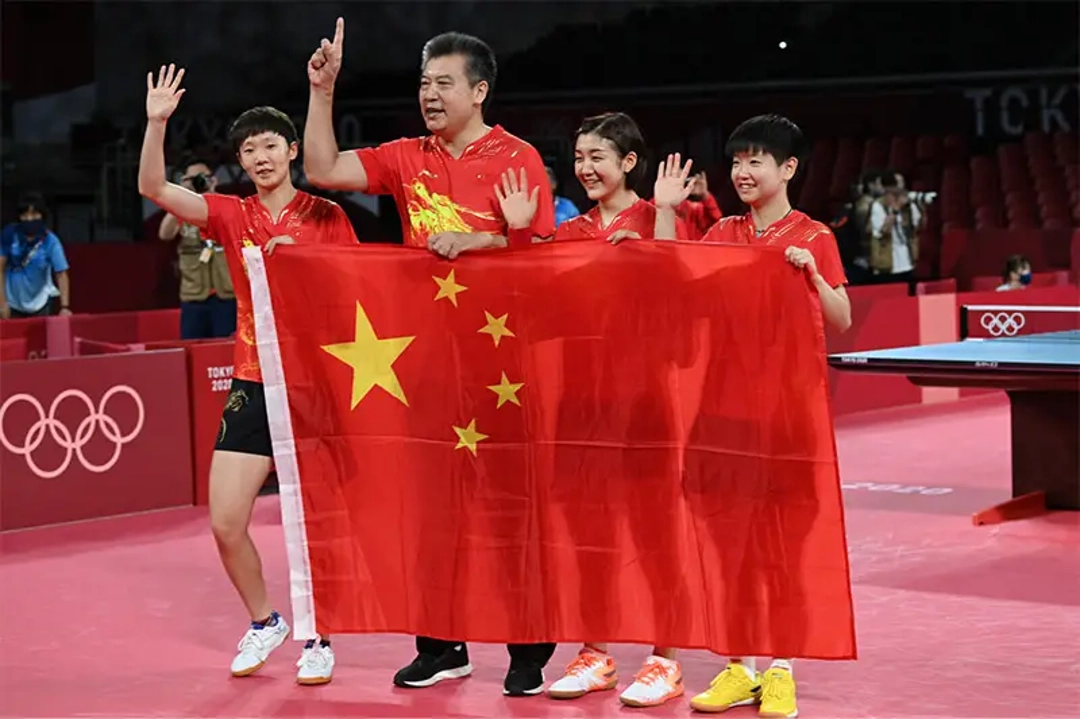
Table tennis is often called China’s national sport because of its deep public association with the country, though that phrase describes cultural status rather than a simple legal ranking.
Tables appear in schools, parks, workplaces, and recreation halls, and the game works equally well as light exercise or highly technical competition.
China’s long record at the Olympic Games and world championships gives the sport extraordinary prestige.
Its history also reaches beyond competition through “ping-pong diplomacy,” which linked sporting exchange with the reopening of China–United States relations in the early 1970s.
Badminton
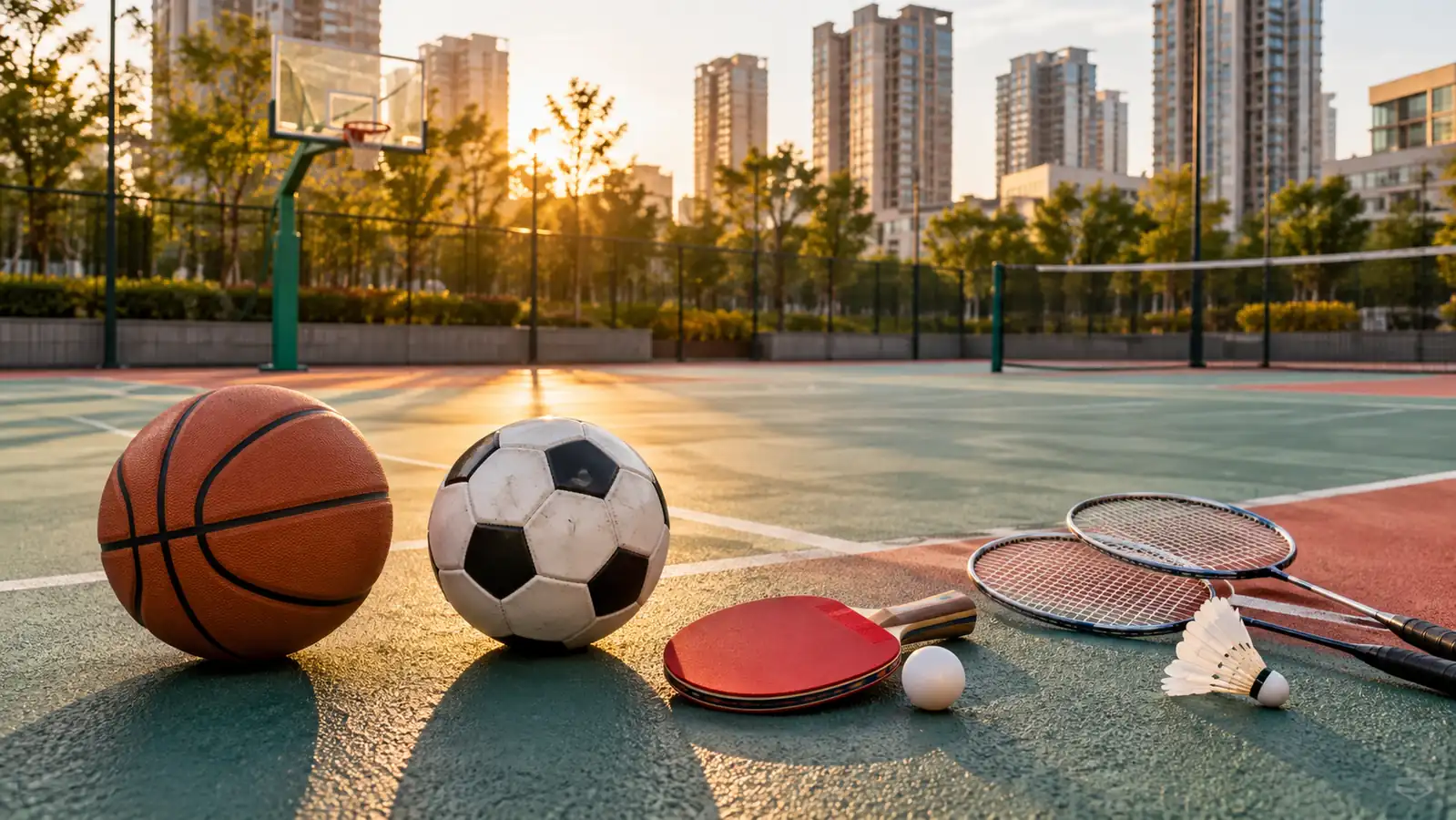
Badminton needs little space, modest equipment, and no permanent court when played casually. Families, students, office workers, and older adults can rally in parks, courtyards, gyms, and open paved areas, which helps explain its unusually broad age range.
China’s international success adds star power, but recreational badminton is usually more relaxed than the televised version. A visitor does not need advanced technique to take part; a simple cooperative rally is common and socially easy to understand.
Soccer (Football)
Football has a large following in China through the Chinese Super League, European club competitions, and major tournaments such as the World Cup.
The national team’s uneven results have not erased the sport’s appeal, although participation requires more space and organization than basketball, badminton, or table tennis.
For travelers, football is most visible through professional fixtures, sports bars, school pitches, and weekend amateur games.
Check the club’s official ticket channel before going because venues, kickoff times, and entry requirements can change.
Women’s Volleyball
Women’s volleyball occupies a distinctive place in China because international victories have been tied to stories of teamwork, resilience, and national confidence.
Players and coaches such as Zhu Ting and Lang Ping became public figures whose significance extends well beyond match results.
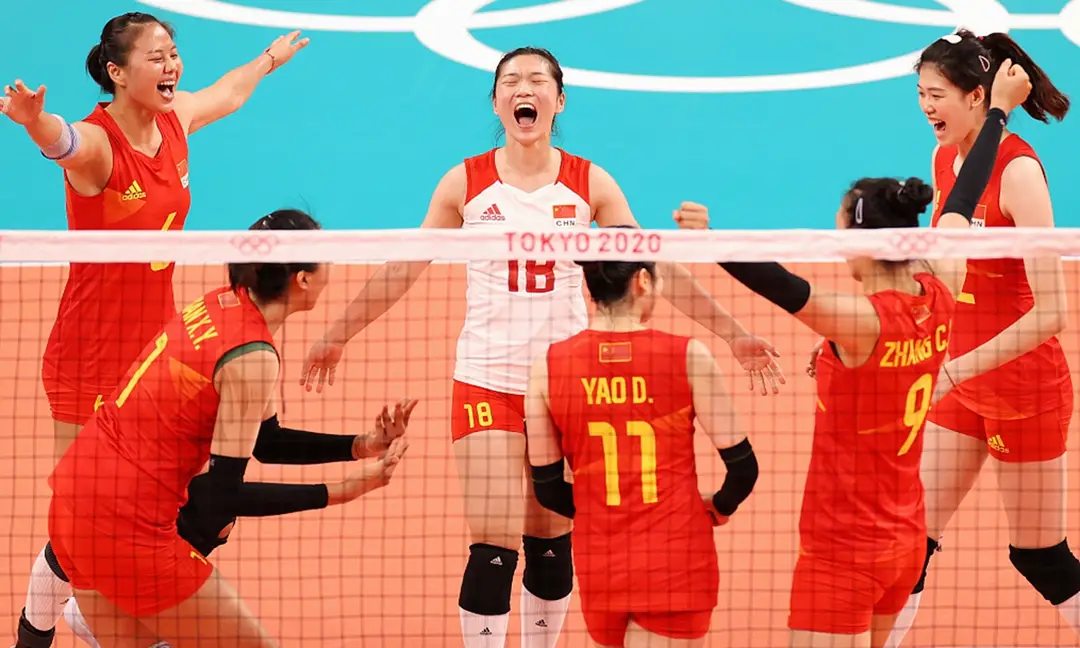
Volleyball is also played in schools, universities, community spaces, and on beaches.
It may not be as universally visible as a neighborhood basketball hoop, but its emotional importance makes it one of the country’s defining team sports.
Movement in Parks and Public Spaces
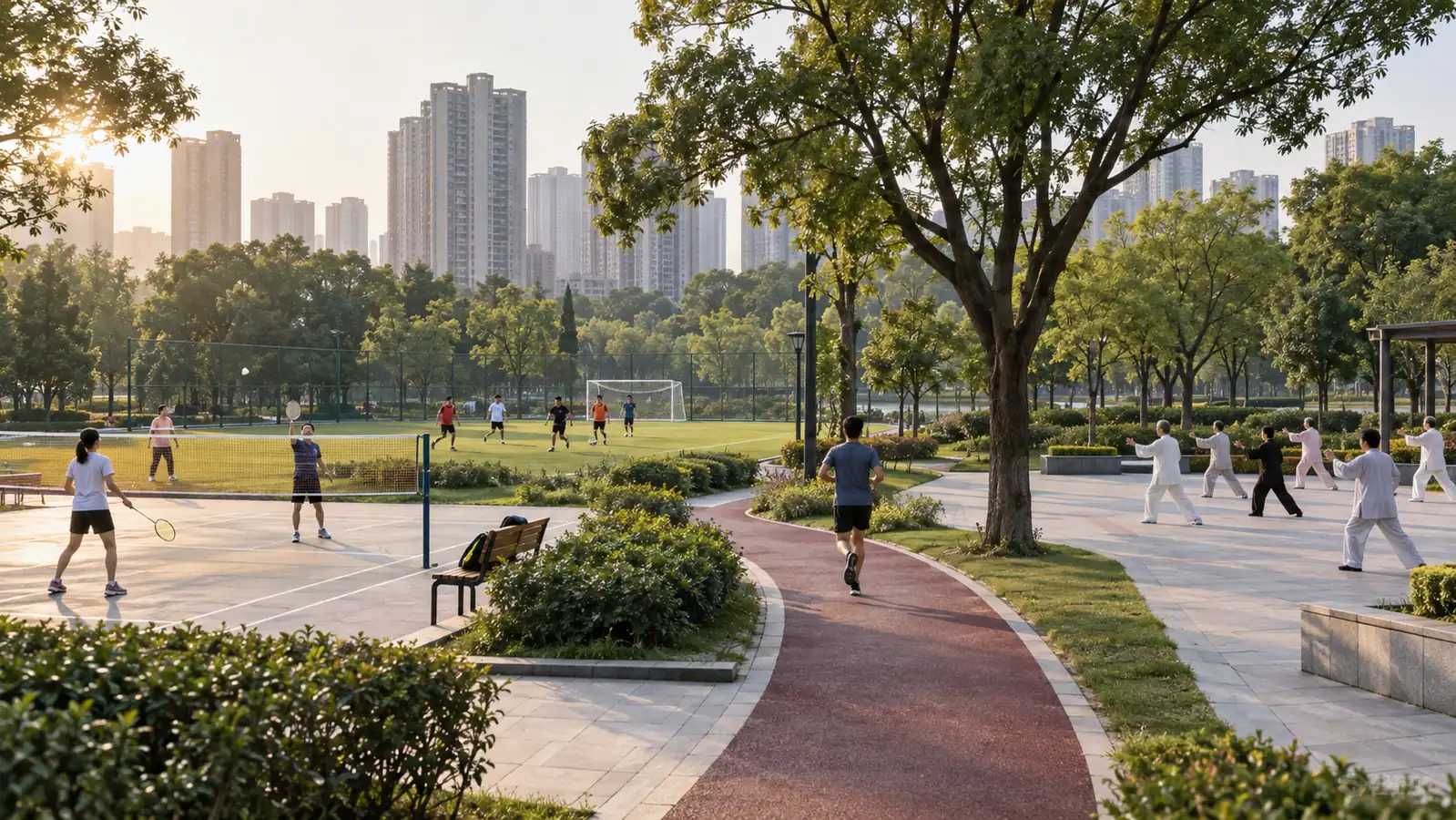
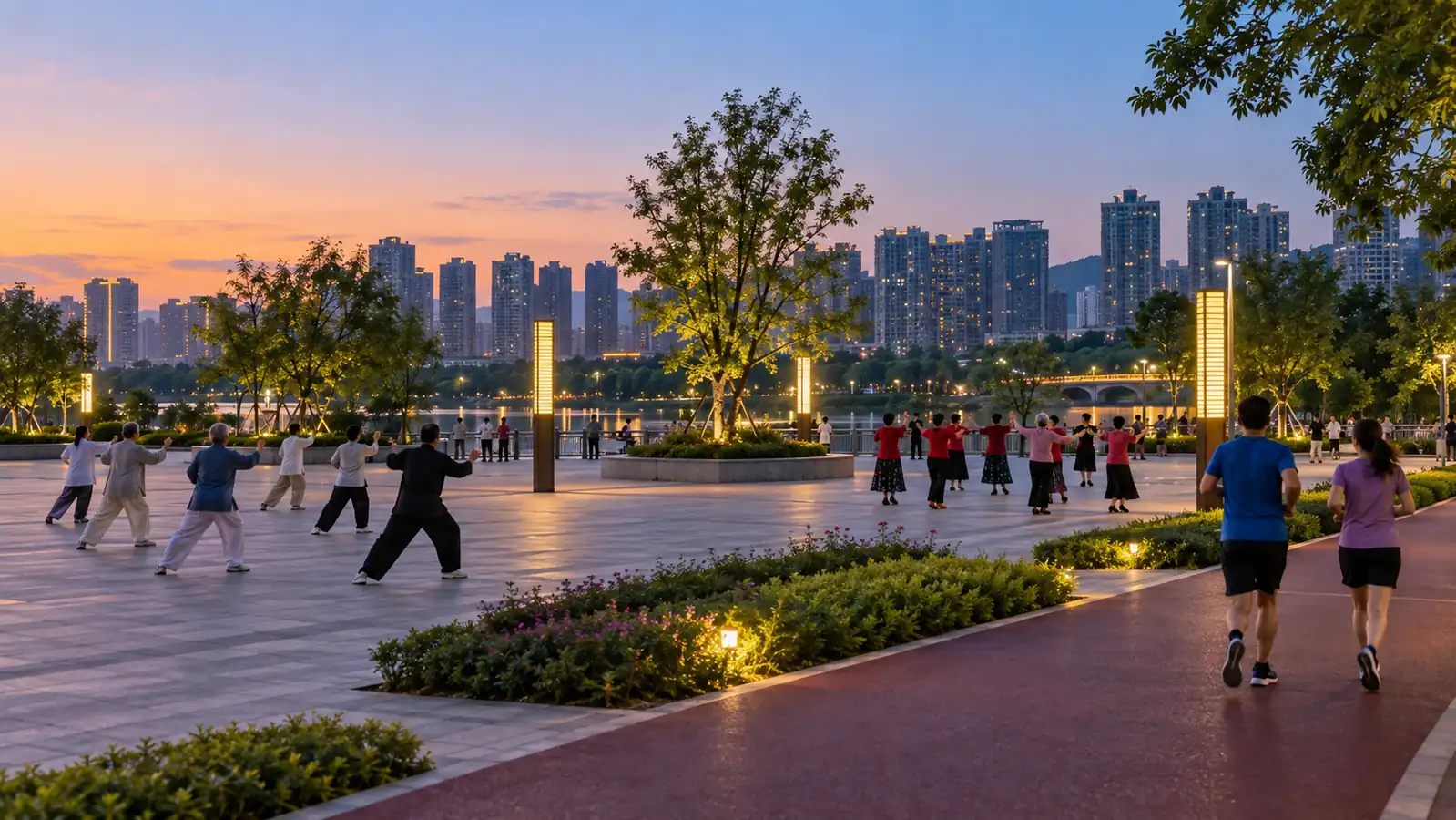
Some of China’s most revealing activities are not organized around a ticketed league. Parks and plazas bring traditional movement, personal fitness, and social exercise into the same public setting.
Martial Arts and Wushu Traditions
Chinese martial arts cover far more than the single label “kung fu.” Modern wushu includes choreographed forms and full-contact competition, while tai chi is widely practiced for controlled movement, balance, and wellbeing.
Schools, specialist academies, public demonstrations, and morning park sessions all show different parts of this tradition.
Martial arts deserve a place in a guide to popular Chinese sports because their cultural reach is exceptional even when participation is hard to compare directly with ball games.
Visitors should distinguish a staged tourist performance from a training class or formal competition; each has a different purpose and level of authenticity.
Running and Urban Fitness
Running has grown alongside urban fitness culture because it is flexible, inexpensive, and easy to organize socially.
Riverside paths, city parks, campus tracks, and neighborhood routes attract both solo runners and clubs, while major cities host marathons and shorter mass-participation races.
Race entry can require early registration and identity verification, so spontaneous participation is not always possible.
Casual running is simpler: choose a well-used public route, check air quality and weather, and avoid cycling lanes or crowded pedestrian areas at peak times.
Square Dancing as Community Exercise
In many Chinese cities, public squares and parks become evening exercise spaces for coordinated group dancing.
Known as guangchang wu, square dancing is especially associated with middle-aged and older adults, combining music, memory, movement, and social connection.
It is not usually a competitive sport, yet excluding it would miss one of the most visible forms of everyday physical activity in China.
Visitors are welcome to watch respectfully; joining is best approached with a smile and a clear invitation from the group rather than stepping directly into a formation.
Fast-Growing Sports in China
China’s sports landscape keeps changing as technology, new facilities, and different leisure habits reshape what people play and watch. The strongest growth stories do not replace traditional favorites; they add new audiences and settings.
Esports
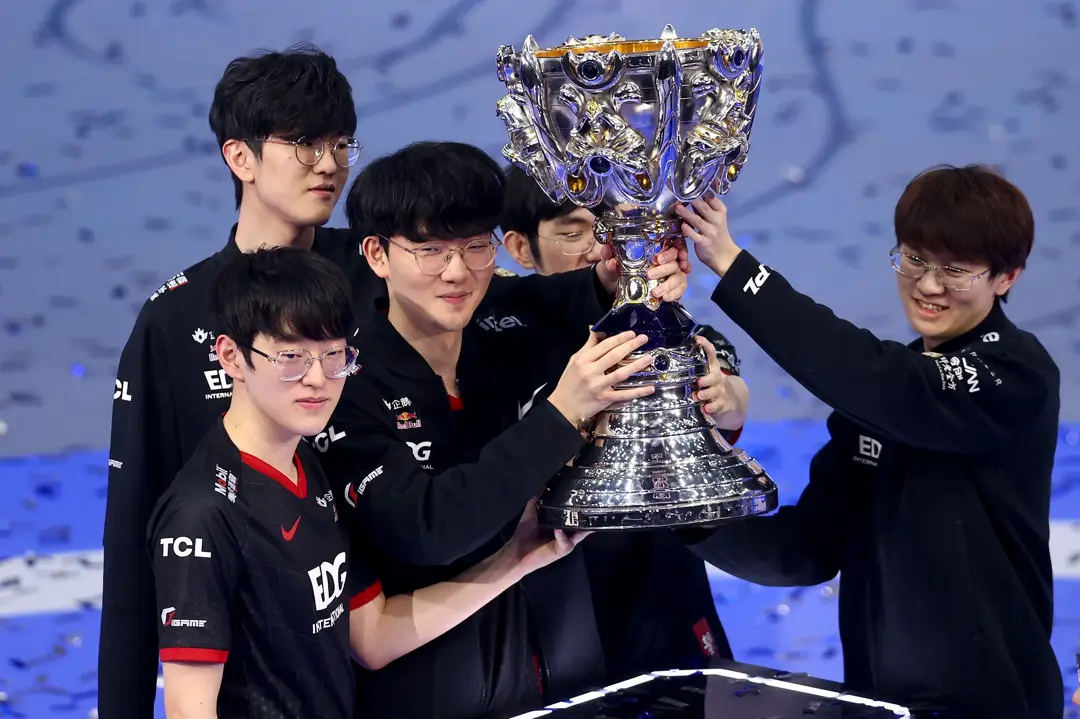
China has treated esports as an officially developed sports discipline since 2003, and competitive gaming now supports professional leagues, large arenas, streaming platforms, and dedicated fan communities.
Major titles and teams can fill venues in the same way as conventional spectator sports.
Esports is best understood as both a competitive sport and a digital entertainment industry. Its audience skews younger, and the visitor experience is closer to a high-production live show than a casual game in a public park.
Winter Sports
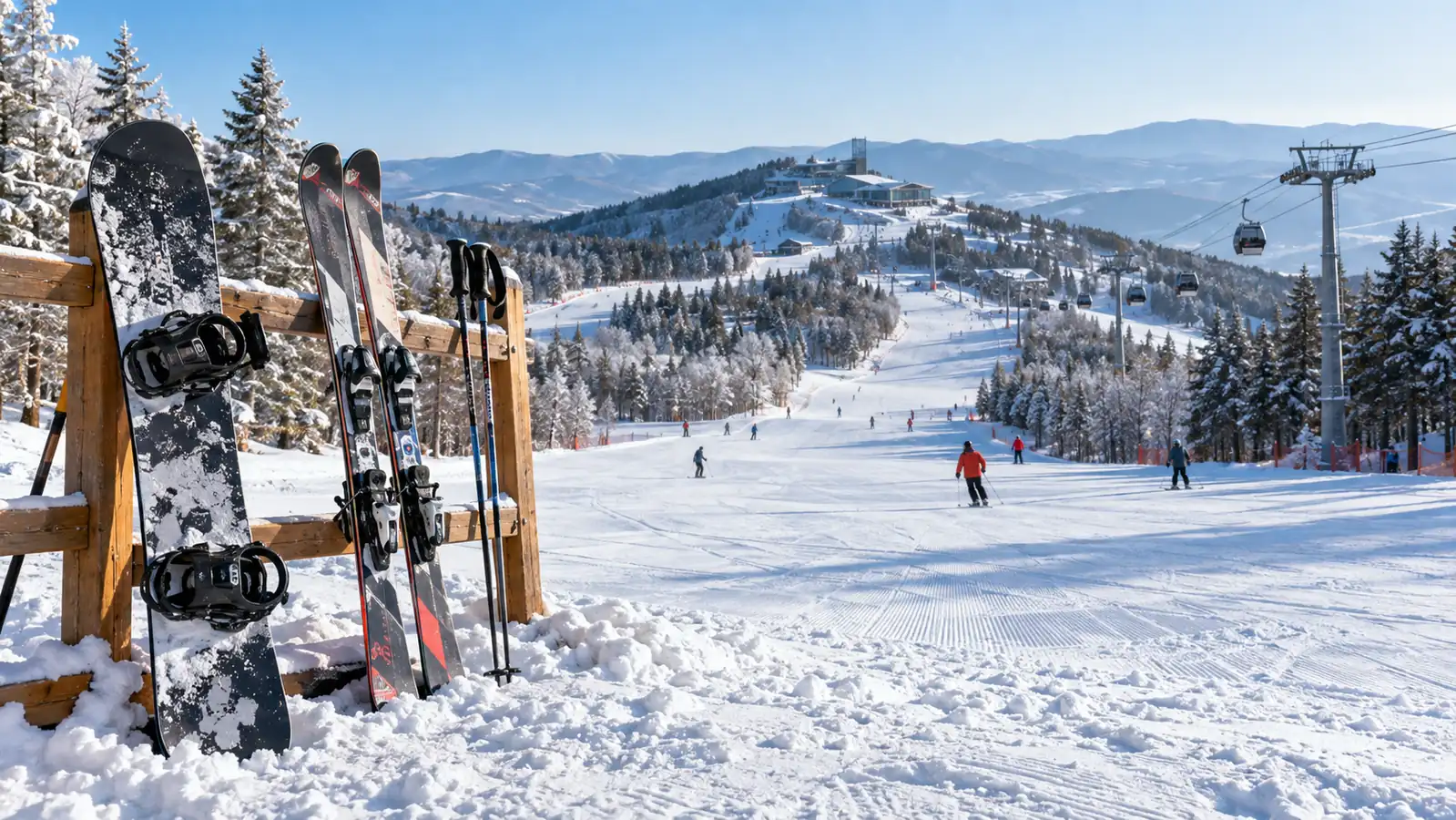
The Beijing 2022 Winter Olympics accelerated a trend that has continued through new ski areas, skating venues, indoor snow facilities, and winter tourism. China’s General Administration of Sport reported 308 million participants in ice-and-snow activities during the 2025–2026 season, showing that winter sport is no longer limited to a small northern niche.
Harbin and northeastern China remain natural centers, while indoor venues have widened access in warmer regions.
First-time visitors should compare indoor and outdoor conditions, book instruction when needed, and treat rental quality and safety briefings as part of the experience rather than an afterthought.
Tennis
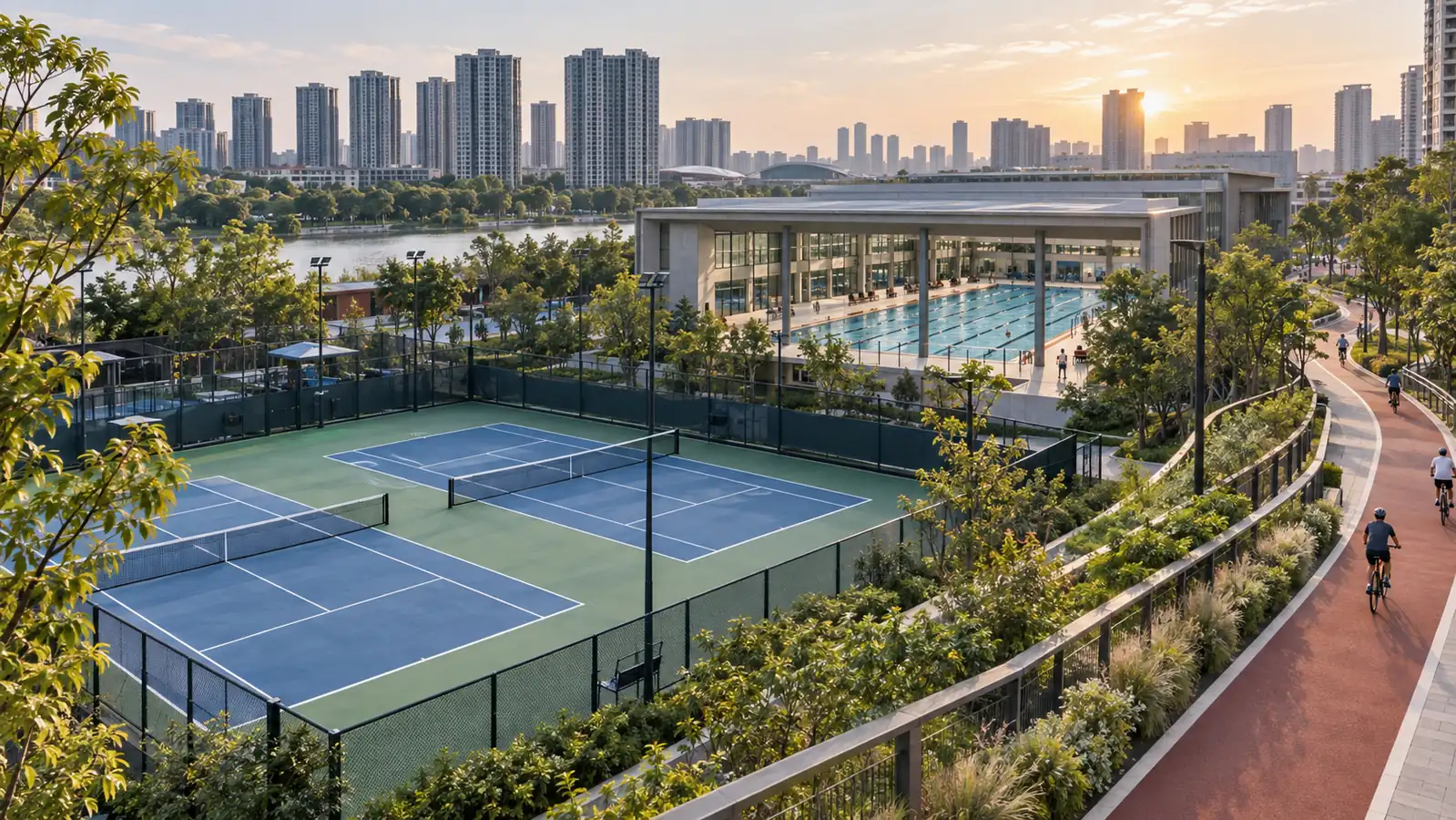
Tennis has gained visibility through Chinese champions, major tournaments, and expanding urban facilities.
Its equipment and court requirements keep it less universally accessible than badminton, but it has a strong following among students, families, and city residents with access to clubs or public courts.
Professional events in cities such as Beijing and Shanghai offer the clearest spectator experience.
Recreational players should reserve courts in advance because access and pricing vary sharply between municipal facilities, schools, hotels, and private clubs.
Swimming
Swimming has moved from an elite-performance story toward a broader family fitness activity.
Public pools, university facilities, and commercial sports centers are common in large cities, while Chinese success in international competition keeps the sport prominent.
Access rules differ by facility. Some pools require swim caps, health declarations, or advance booking, and opening hours may be divided into sessions.
Travelers should check local requirements rather than assuming walk-in access.
Cycling and Outdoor Recreation
Cycling, hiking, camping, and other outdoor sports have expanded rapidly among urban adults looking for weekend exercise and time outside crowded city centers.
An official outdoor sports report put participation above 400 million in 2025, alongside a large national network of fitness trails.
The category is broad: city cycling is not the same as mountain biking, and a paved scenic trail has different risks from a remote hiking route.
Choose an activity that matches the season, terrain, transport plan, and available safety support. For travelers, a guided outing is often the easiest way to manage equipment and local access rules.
Sports Culture Beyond Competition
Sports in China connect personal fitness with education, community life, public policy, and national pride.
The 2008 Summer Olympics and 2022 Winter Olympics left visible legacies in venues and participation, but everyday activity in schools, parks, and neighborhoods matters just as much.
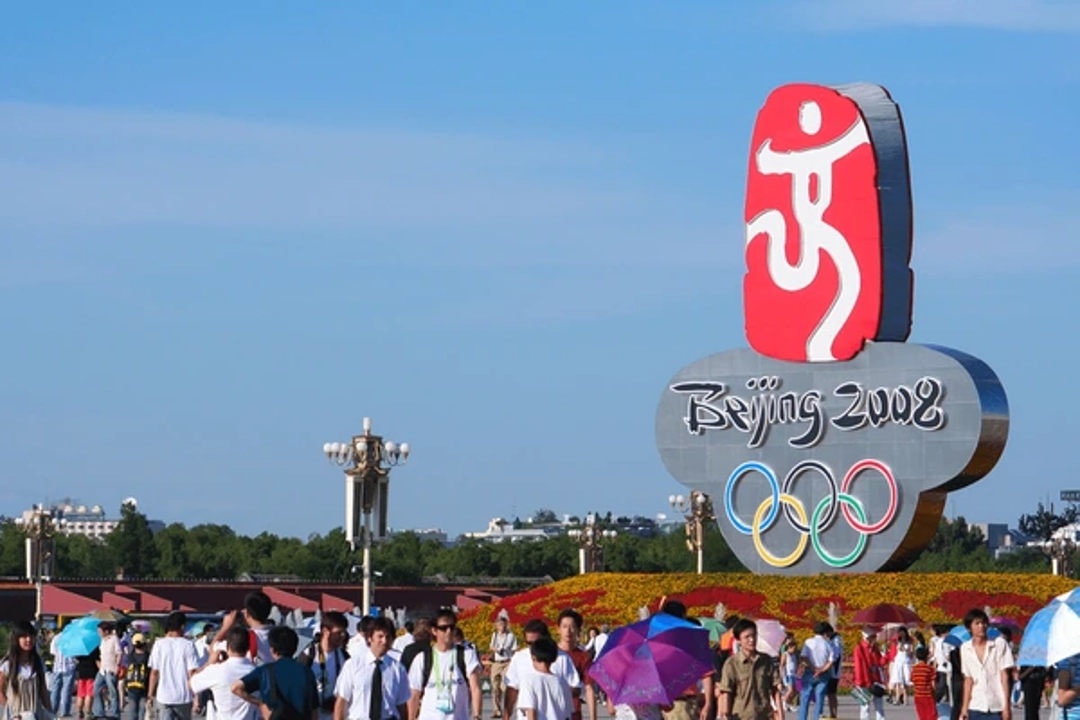
Public investment has made exercise part of the built environment through courts, tracks, community facilities, and fitness trails.
China’s 2026–2030 national fitness plan continues that direction, with goals for more local venues, stronger public services, and broader participation. The result is a sports culture that is both organized from above and sustained through ordinary social habits.
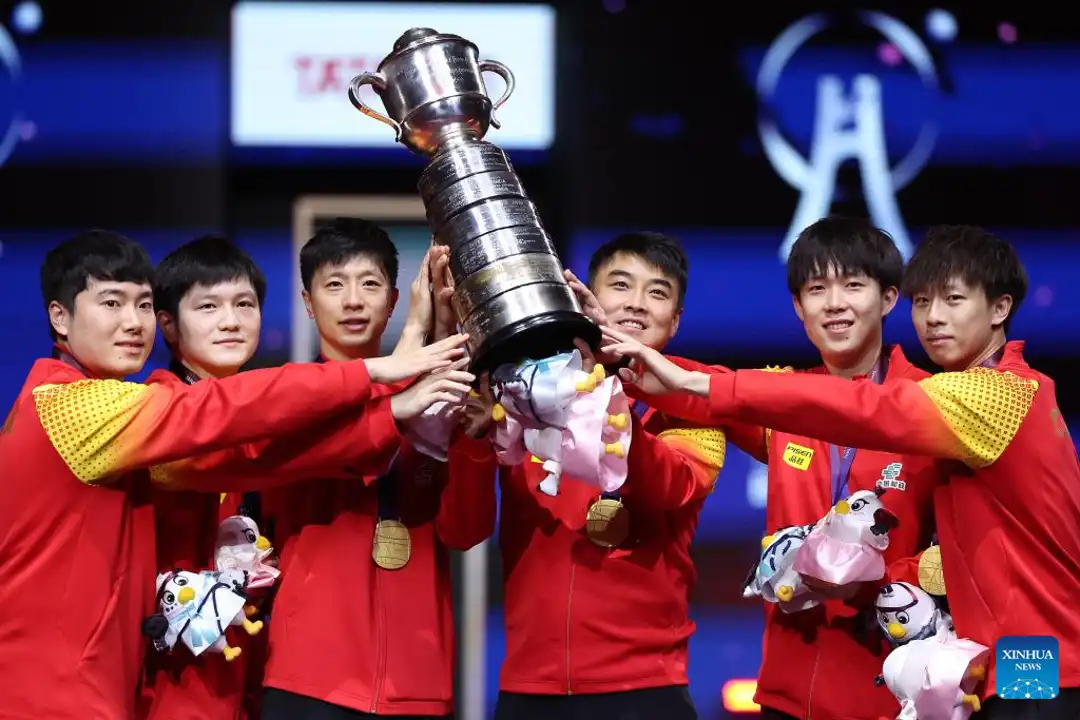
Elite success still carries special emotional weight. Table tennis, badminton, diving, weightlifting, and women’s volleyball have all produced celebrated champions, yet medal performance should not be confused with mass popularity.
Some of the sports China wins most consistently are not the ones a visitor will see most often on a neighborhood street.
How Travelers Can Join In
Choose a sports experience by city, season, and how much planning it requires.
Watching a professional event usually demands advance schedule and ticket checks, while public-park activities are easier to encounter spontaneously but call for more sensitivity to local routines.
Experience | Best Setting | Planning Note |
|---|---|---|
Watch a CBA basketball or Chinese Super League match | Major cities with professional teams | Use the club or venue’s official channel, confirm real-name entry requirements, and keep your passport available. |
Play table tennis or badminton | Community halls, campuses, parks, and sports centers | Public tables can be informal; indoor facilities may require a reservation or hourly fee. |
Run or cycle a city route | Riverside paths, parks, greenways, and fitness trails | Check weather, air quality, bike-lane rules, and the last transport option back. |
Try winter sports | Harbin, northeastern China, Beijing-area resorts, and indoor snow venues | Reserve equipment and instruction, and compare travel time with actual time on the snow or ice. |
Observe tai chi or square dancing | Public parks and plazas in the morning or evening | Watch without blocking the group, ask before photographing close up, and join only when invited. |
Sports can shape a route through major cities in China, especially when an arena, Olympic venue, park, and neighborhood food stop can fit into the same day.
Leave flexibility around event times and security checks instead of building a tightly timed itinerary.
When you are comparing sports with other activities in China, treat a professional event as the fixed point in the day and arrange flexible sightseeing around it.
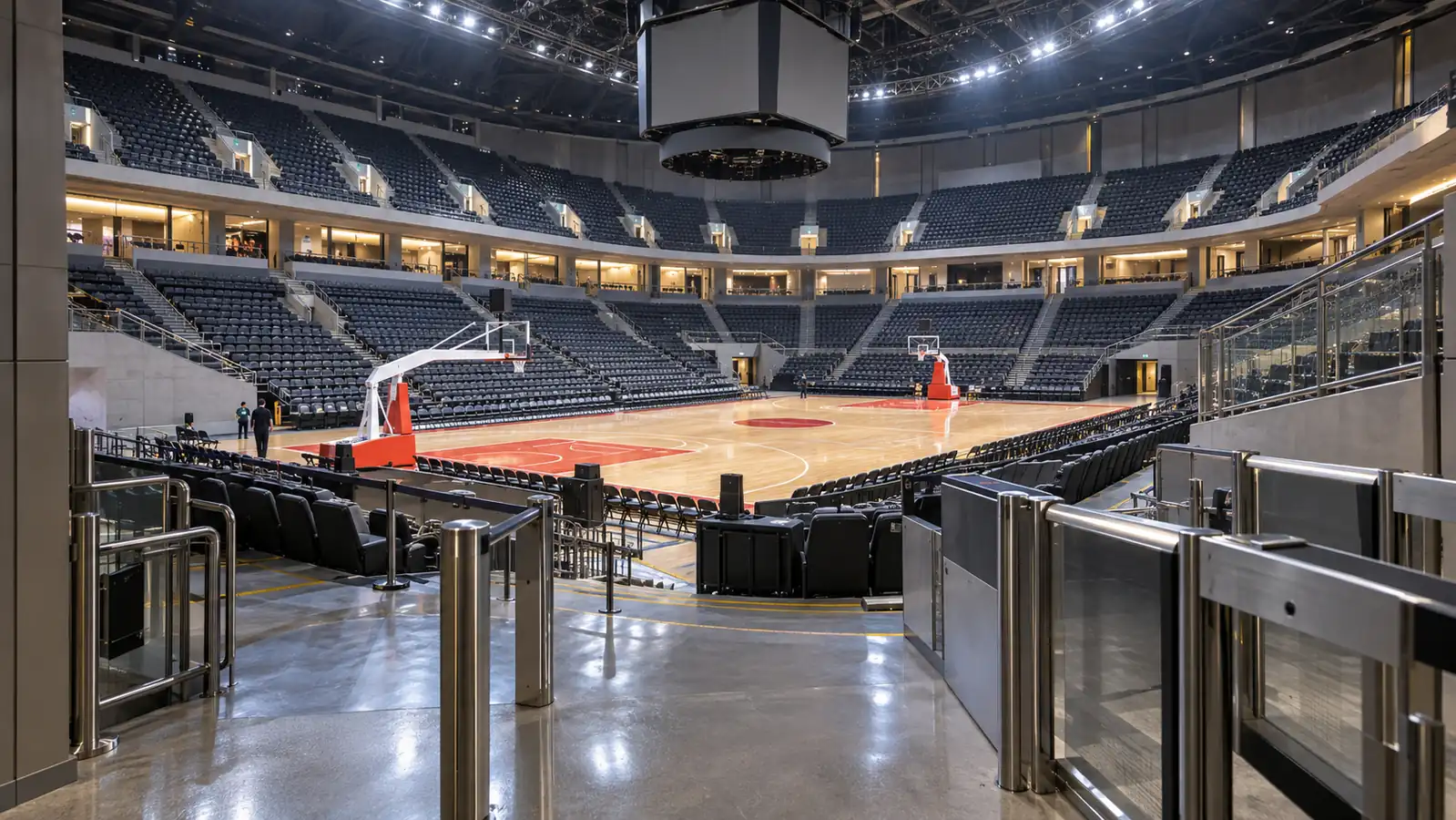
If no major match fits your dates, everyday recreation can be just as revealing.
A morning walk through a park, an evening beside a community court, or a casual table-tennis session often shows how sport functions as social life rather than a special event.
FAQ
1. At what ages do people play basketball in China?
Basketball is a popular sport for locals of all ages. You will find kids and young adults playing in schools, parks, and pickup leagues.
2. Can visitors join public sports activities?
Sometimes. Casual table tennis, badminton, running, tai chi, or square dancing may be open and friendly, but participation depends on the group and venue. Ask first, avoid interrupting a lesson or formation, and follow any facility booking rules.
3. Do travelers need Mandarin at a sports event?
Not necessarily. The game itself is easy to follow, but Mandarin helps with ticketing, venue directions, and announcements. Save the venue name and booking details in Chinese, and arrive early enough to handle identity or security checks.
Conclusion
There is no single answer to the most popular sport in China. Basketball stands out in modern fan culture, while table tennis remains deeply rooted in everyday life and national sporting identity.
Together with football, badminton, volleyball, esports, and outdoor activities, these sports reflect the diversity of China’s sporting culture.
Ultimately, understanding sports in China means looking beyond rankings to see how people play, watch, compete, and connect through them.