
Best restaurants in Japan can mean very different things depending on how you like to travel. For some people, the dream meal is a tiny sushi counter in Tokyo; for others, it is a slow Kyoto kaiseki dinner or an inventive tasting menu in Osaka.
The hard part is not finding good food. Japan has that almost everywhere. The real question is which restaurants are worth building part of your trip around, how difficult they are to book, and what kind of experience you will actually have once you sit down.
This guide focuses on destination restaurants that feel memorable for travelers, with a mix of classic Japanese masters and modern kitchens that show how wide Japan's top dining scene really is. If you are planning one or two standout meals, these are the names most worth knowing first.
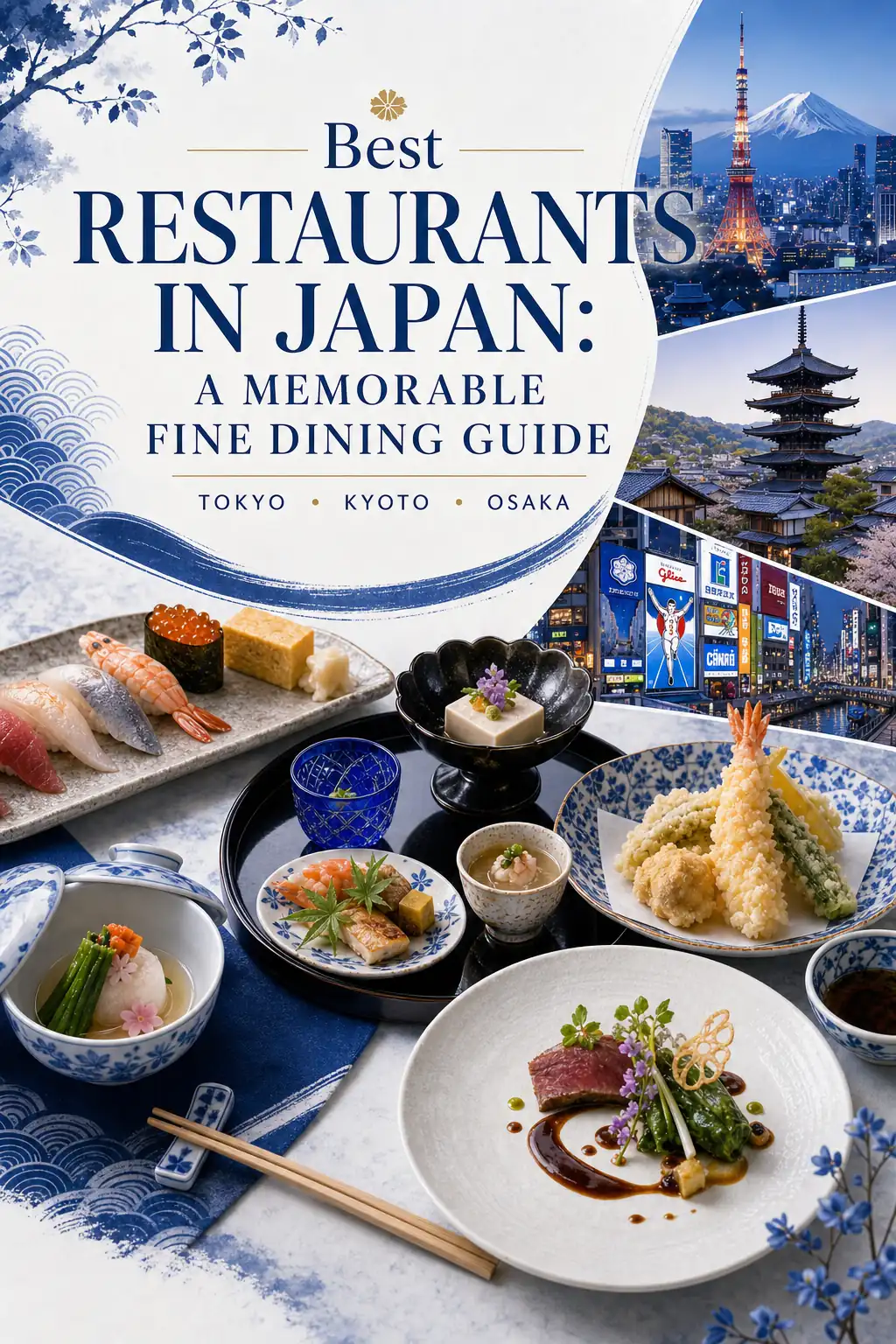
Best Restaurants in Japan at a Glance
If you want a fast shortlist before you lock in your hotels and train tickets, start here. These restaurants are not interchangeable. Some are all about purity and restraint, while others feel theatrical, intimate, or quietly historic.
Restaurant | City | Style | Best for | Booking pressure |
|---|---|---|---|---|
Sukiyabashi Jiro | Tokyo | Edomae sushi | Travelers chasing an iconic sushi counter | Very high |
Narisawa | Tokyo | Innovative Japanese | A special-occasion meal with a strong sense of place | High |
Tempura Kondo | Tokyo | Tempura | Classic technique without a long tasting-menu format | High |
Den | Tokyo | Creative Japanese | Repeat visitors who want warmth and personality | Very high |
Florilege | Tokyo | Contemporary tasting menu | Design-forward dining with a modern Tokyo feel | High |
Kikunoi Honten | Kyoto | Kaiseki | Travelers who want a classic Kyoto meal | High |
Hyotei | Kyoto | Historic kaiseki | A serene, tradition-rich splurge | Medium to high |
Gion Sasaki | Kyoto | Kappo | Travelers who want Kyoto with more energy at the counter | Very high |
HAJIME | Osaka | Modern fine dining | A once-a-trip tasting menu in Osaka | High |
Sazenka | Tokyo | Japanese Chinese fine dining | Travelers who want something beyond sushi and kaiseki | High |
Many of these restaurants are Michelin-recognized, but the bigger difference for travelers is style. A formal sushi counter asks for a different mood and budget than an old Kyoto ryotei or a modern tasting room. The official MICHELIN Guide restaurant listings are a useful cross-check, but your best pick usually comes down to cuisine, pacing, and how much effort you are willing to put into booking.
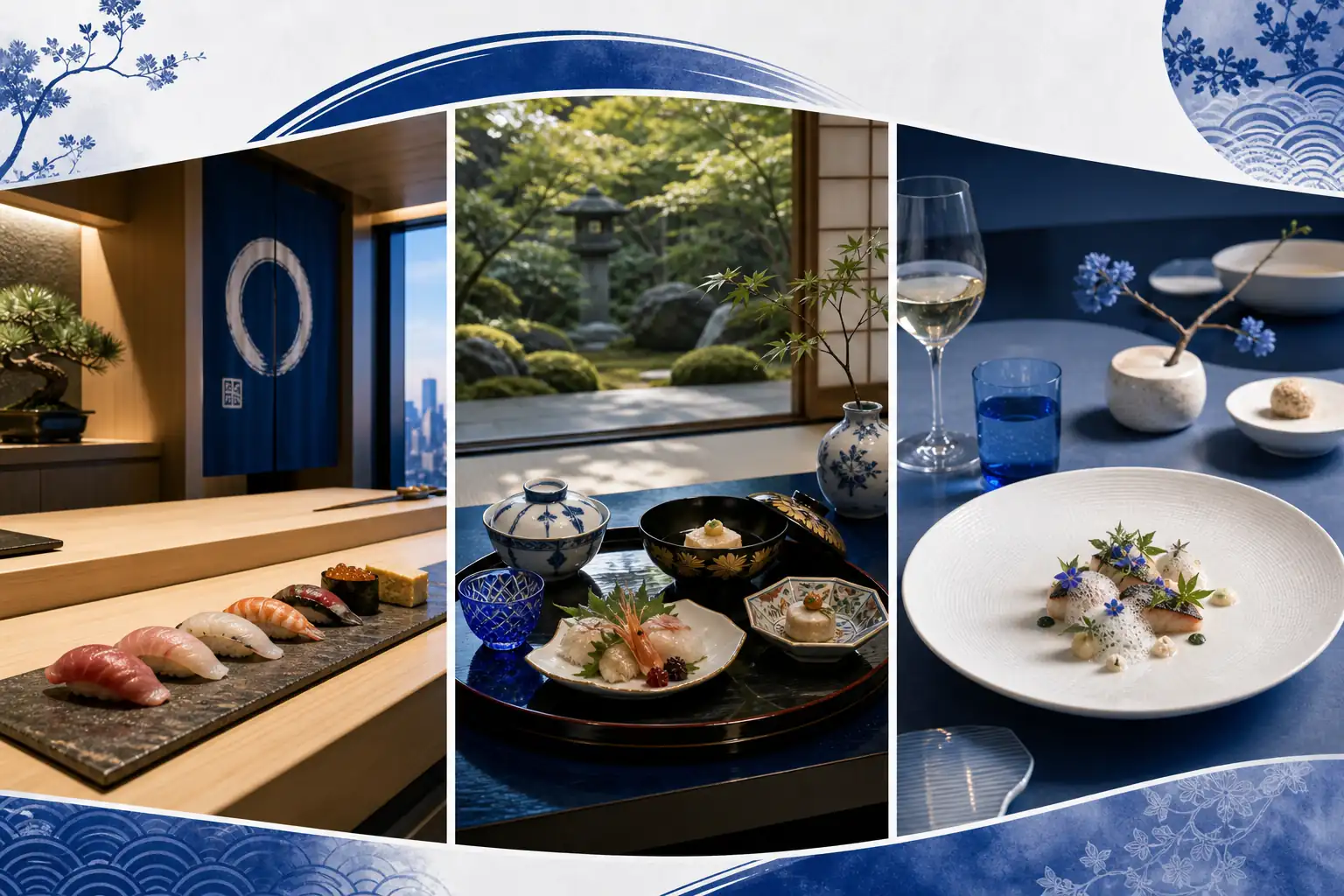
10 Best Restaurants in Japan
This list leans toward destination meals rather than casual neighborhood favorites. That is intentional. When people search for the best restaurants in Japan, they are usually trying to decide which tables are truly worth planning ahead for.
1. Sukiyabashi Jiro
Sukiyabashi Jiro remains one of the most recognizable sushi names in Japan, and that is exactly why it still matters for travelers. If you care about the stripped-back precision of Edomae sushi and want a meal that feels like a study in timing, rice temperature, and sequence, this is the benchmark-style experience people imagine when they picture elite Tokyo sushi.
It is not the right pick for everyone. The setting is formal, the expectations are high, and booking can be difficult. But for sushi purists who want one meal to anchor the Tokyo portion of their trip, few names feel more iconic.
Best for: Travelers prioritizing a classic sushi pilgrimage.
Trip fit: Works best when you are staying in central Tokyo and can keep the rest of the day light.
2. Narisawa
Narisawa is one of the easiest recommendations for travelers who want a meal that feels unmistakably Japanese without being locked into a traditional kaiseki format. The cooking is modern, seasonal, and thoughtful, but it never feels detached from place. You come here for a strong point of view rather than for old-school formality.
It is an especially good choice if your group includes people who want the sense of a major Tokyo fine-dining event without the narrowness of a sushi-only counter.
Why it stands out: It balances creativity with clear Japanese identity.
Who it suits: Couples, celebratory trips, and diners who want a long, memorable dinner in Tokyo.
3. Tempura Kondo
Tempura Kondo is proof that a focused specialist restaurant can feel just as memorable as a grand tasting menu. The appeal here is clarity. You are not juggling a dozen ideas at once. You are giving yourself over to texture, timing, and ingredients that look simple until you taste how exact the execution is.
This is a smart pick for travelers who want something deeply Japanese and high level, but less ceremonious than a full kaiseki evening.
Meal style: Refined but approachable.
Good to know: It is a strong option for diners who love seafood and vegetables prepared with precision rather than heavy sauce or spectacle.
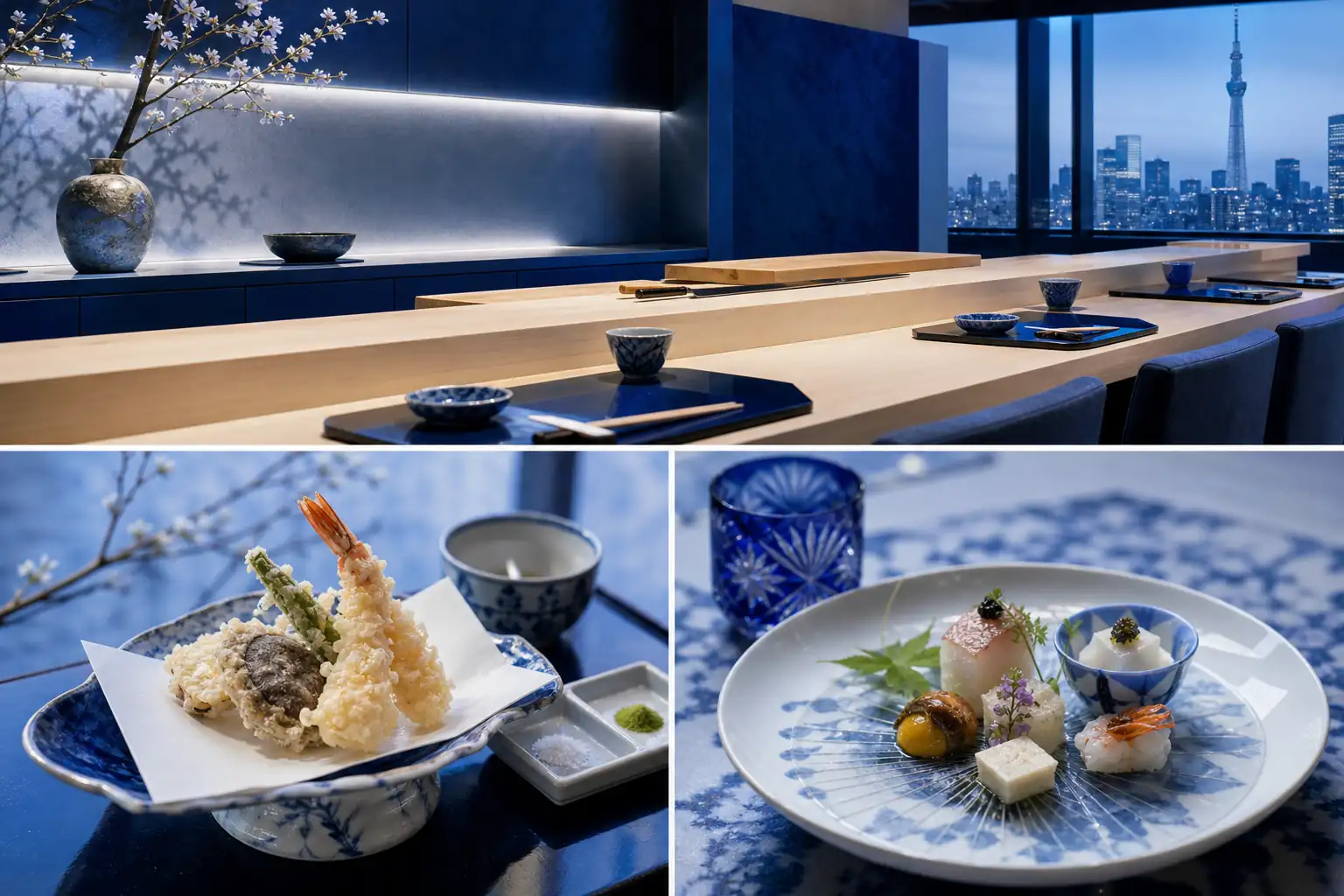
4. Den
Den is often the restaurant travelers remember most vividly because it combines serious cooking with personality. The atmosphere tends to feel warmer and more playful than many formal tasting rooms, which makes it especially appealing if you admire top-level food but do not want the evening to feel stiff.
That balance is what makes Den so useful in a Japan itinerary. It gives you a world-class dinner that still feels human and energetic.
Best match: Repeat visitors, food-focused travelers, and diners who value hospitality as much as technical skill.
Reservation reality: This is one of the harder tables to secure, so treat it as an early-planning restaurant.
5. Florilege
Florilege feels right for travelers who want to see where modern Tokyo dining is heading. The room, the presentation, and the pacing all lean contemporary, but the meal still feels grounded rather than flashy. That makes it a compelling alternative if you want a top-end dinner that does not overlap too much with sushi or Kyoto-style kaiseki.
It also works well for people who care about atmosphere and design as much as the plate itself.
Choose Florilege if: You want one polished, current, conversation-starting dinner in Tokyo.
Plan around it: Pair it with a relaxed afternoon nearby so the meal can be the event of the day.
6. Kikunoi Honten
Kikunoi Honten is one of the most dependable answers when travelers ask where to experience a classic Kyoto kaiseki meal at a very high level. The appeal is not only the food. It is the feeling of stepping into a dining tradition that makes more sense in Kyoto than anywhere else.
If you have room for one deeply traditional splurge in Kyoto, this is the sort of place that justifies it.
What makes it distinctive: A strong seasonal rhythm and a meal that rewards slow attention.
Best timing: Ideal for travelers who can give the evening their full focus instead of squeezing it between temple visits.
7. Hyotei
Hyotei offers a quieter kind of prestige. Its long history matters, but the bigger reason to choose it is the mood: calm, poised, and deeply tied to Kyoto's old dining culture. For some travelers, that serenity will feel more memorable than a louder or more theatrical meal.
This is a particularly good pick if you want your special dinner to feel elegant rather than performative.
Atmosphere: Traditional and tranquil.
Who should book it: Travelers drawn to Kyoto's tea-house world, refined service, and meals that unfold at an unhurried pace.
8. Gion Sasaki
Gion Sasaki is a great bridge between Kyoto tradition and a more energetic counter experience. It still gives you the seasonal discipline many travelers come to Kyoto for, but it often feels livelier and more direct than a hushed formal room. That can make it a better fit for diners who want skill and spontaneity together.
Because of that counter energy, Gion Sasaki often appeals to travelers who enjoy watching the room move as much as they enjoy analyzing each course.
Strong point: A Kyoto meal with momentum.
Good fit: Travelers who want one traditional-minded dinner that still feels dynamic.
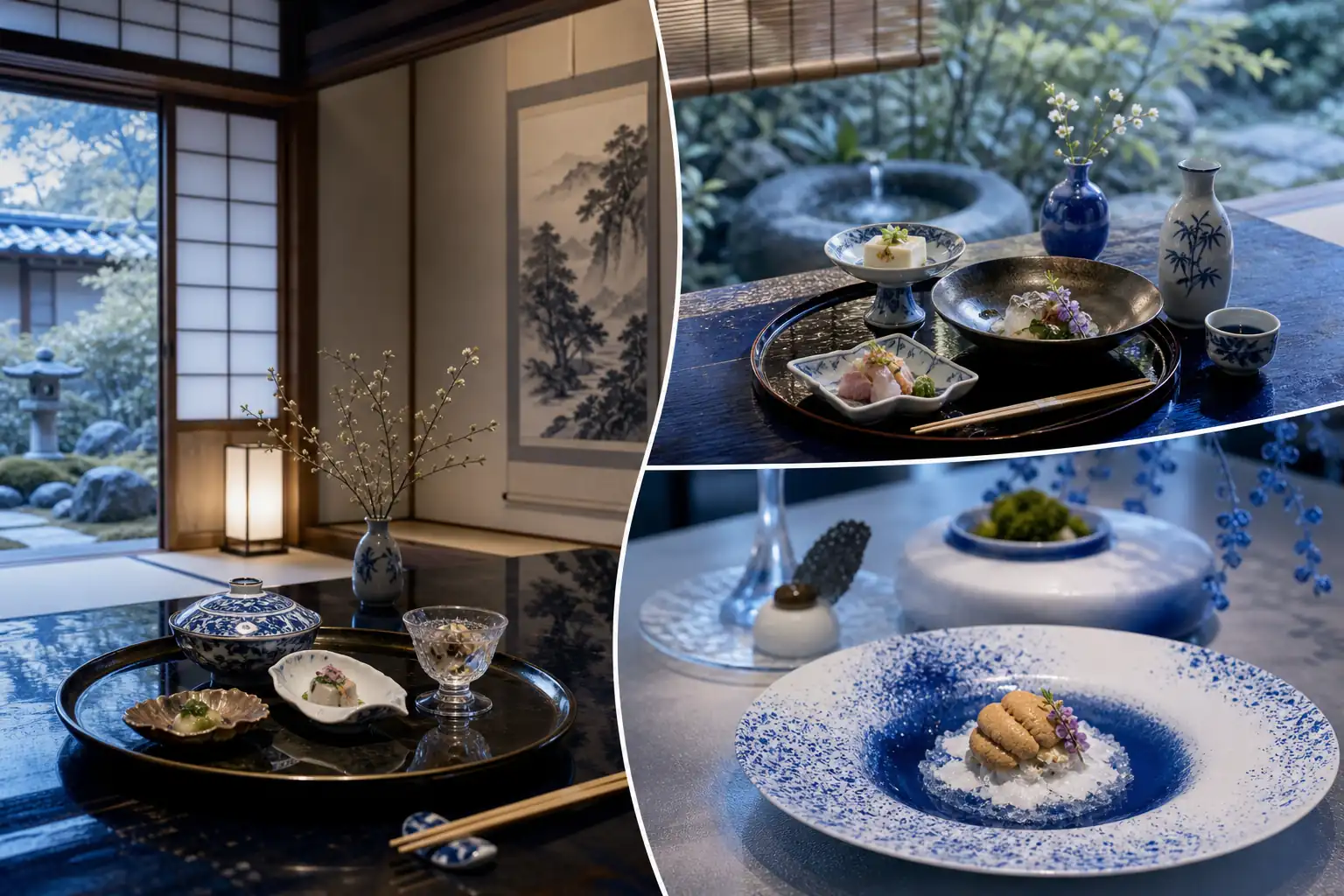
9. HAJIME
HAJIME is the sort of restaurant you plan for when you want Osaka to contribute more than street food to your trip. The city is famous for casual eating, but this is where you go when you want a meal that feels ambitious, polished, and worthy of a dedicated night out.
It works especially well for travelers who already know they enjoy long tasting menus and want something emotionally high-impact.
Best use of a reservation: A once-a-trip dinner in Osaka.
Traveler profile: Diners who want a destination restaurant with contemporary fine-dining energy rather than a purely traditional format.
10. Sazenka
Sazenka belongs on a list like this because it widens the conversation about what the best restaurants in Japan can look like. Instead of asking you to choose only between sushi, tempura, and kaiseki, it offers a high-end Japanese Chinese experience that feels distinctive enough to justify a top-tier reservation in Tokyo.
That broader perspective can be useful if you have already done a few classic Japanese counters or simply want your final special meal to break the pattern.
Why travelers love it: It feels rare and specific, not generic luxury.
When to choose it: When you want one of your Japan meals to surprise you.
How to Choose the Right Restaurant for Your Trip
Sushi, kaiseki, or a modern tasting menu?
If this is your first big restaurant booking in Japan, think about the feeling you want more than the name you know. Sushi counters are intimate and exact. Kaiseki is slower, more seasonal, and often more atmospheric. Modern tasting menus can be the easiest bridge for travelers who want Japanese ingredients and sensibility without committing to the quiet formality of a traditional meal.
Choose by city, not only by prestige
Tokyo gives you range. Kyoto gives you context. Osaka gives you contrast. If your trip is Tokyo-heavy, it often makes sense to book one classic Japanese meal and one more contemporary restaurant there. If Kyoto is your emotional center, prioritize one deeply traditional dinner. If Osaka is a shorter stop, reserve a restaurant that makes the city feel different from your Tokyo meals instead of repeating the same format.
Match the table to your energy and budget
The most expensive restaurant is not always the best one for your trip. A formal counter after a long travel day can feel wasted. A quiet Kyoto kaiseki dinner may be perfect for a slower itinerary but less ideal if you know you will be rushing in from another city. Think honestly about stamina, appetite, and whether you want one major splurge or two slightly less demanding meals.
A Reservation Workflow That Reduces Risk
Prestige alone should not decide the booking. Build the reservation around the restaurant's actual rules, your route, and the consequences of a missed seating.
Verify the official channel: Use the restaurant website, hotel concierge, or the booking service named by the restaurant.
Read the cancellation policy: Note the deadline, per-person charge, and whether a card guarantee or prepayment is required.
Declare dietary needs early: Explain allergies, restrictions, and ingredients you cannot eat before the restaurant accepts the reservation.
Protect the arrival window: Avoid a same-day intercity transfer, airport arrival, or tightly timed attraction before a fixed tasting menu.
Save proof and contact details: Keep the confirmation, map pin, restaurant phone number, and cancellation instructions available offline.
A meal can anchor one day of a seven-day Japan itinerary, but the surrounding schedule should stay light.
For day-of messages and map changes, a Japan travel eSIM keeps the reservation details on the phone without relying on restaurant Wi-Fi.
Booking Tips Before You Go
Build the day around the restaurant
The best restaurants in Japan usually reward calm planning. If a reservation is central to your trip, organize your hotel, train timing, and sightseeing so you are not arriving flustered. A long lunch can be a smart alternative when the dinner seats are gone, and it also leaves more room in the budget for a second special meal later in the trip.
Learn the house rules before you walk in
Many top Japanese restaurants expect punctual arrival, firm cancellation discipline, and close attention to the pace of the meal. That does not make dining stressful, but it does mean a little preparation helps. The official Japan National Tourism Organization guide to eating and drinking in Japan is a useful refresher if you want a quick read on dining customs before the trip.
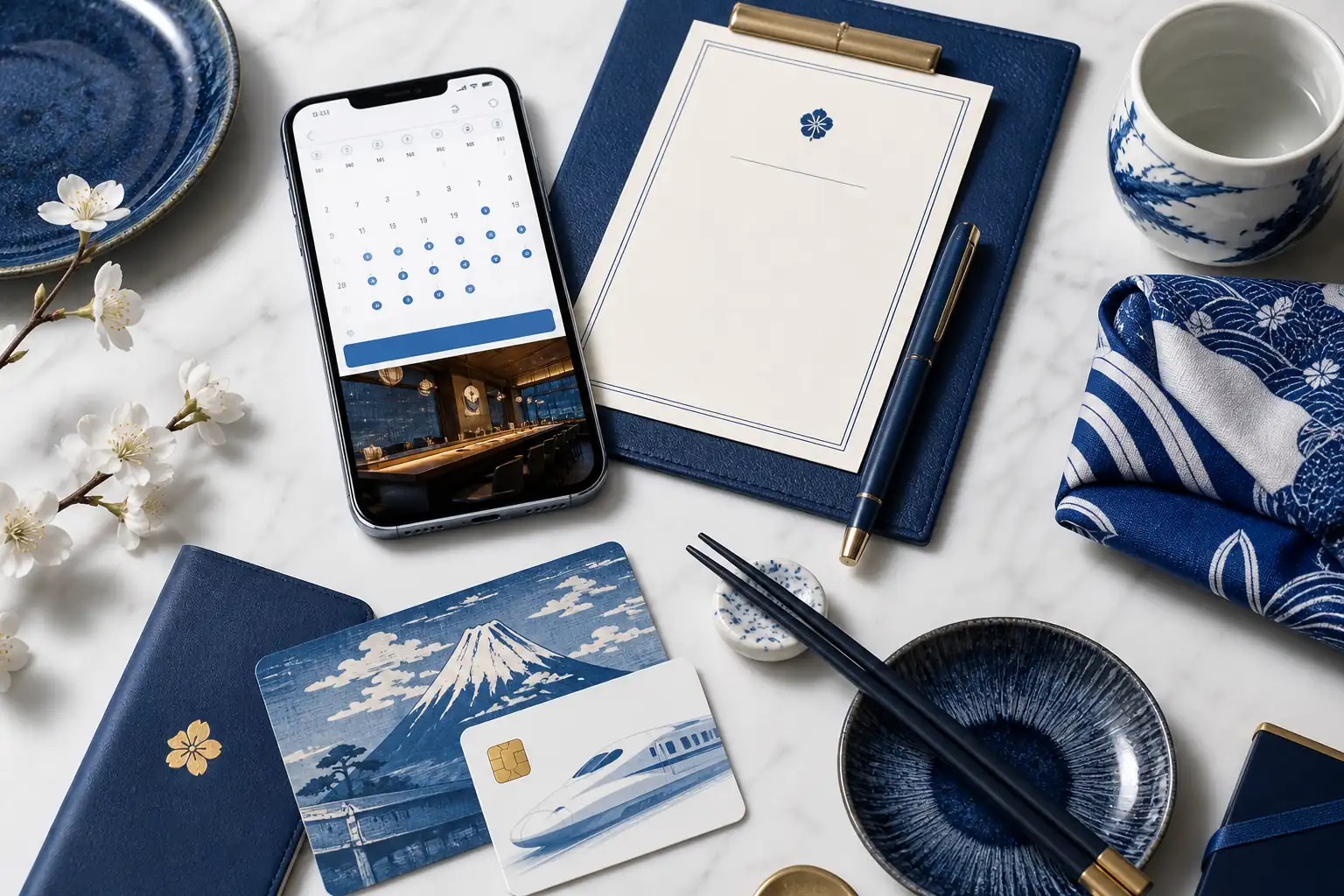
Stay connected for confirmations and day-of logistics
Good restaurant days often depend on small details: finding the right entrance, checking a reservation message, translating an address, or letting your hotel help with a last-minute call. That is where a reliable data connection matters. A iRoamly travel eSIM is a practical way to keep maps, messaging, and booking confirmations available while you move between Tokyo, Kyoto, and Osaka.
FAQ
These are the questions travelers usually still have after they pick the restaurant name. The answers below help with planning, not just ranking.
1. Do I need to reserve the best restaurants in Japan well in advance?
Usually, yes. The most in-demand tables can disappear quickly, especially for dinner and peak travel months. If a restaurant matters a lot to your trip, book as early as its system allows and shape the rest of your itinerary around that reservation instead of the other way around.
2. Is lunch a better strategy than dinner?
Often, yes. Lunch can be easier to book, a little less expensive, and better for travelers who do not want to finish a long meal late at night. It is a particularly smart move in Tokyo, where you may want to save your evenings for neighborhoods, bars, or lighter second dinners.
3. Should I tip at restaurants in Japan?
In general, no. Tipping is not a standard part of restaurant culture in Japan, so a smooth, respectful visit matters more than adding extra cash at the end. Arriving on time, following the pace of service, and honoring cancellation rules are much more important signals of good manners.
4. Can solo travelers book these restaurants?
Many can, but it depends on the restaurant and the seat configuration. Sushi counters and some modern tasting rooms can work beautifully for solo diners, while certain formal meals may be easier with two guests. If you are traveling alone, being flexible on lunch, weekdays, and city choice can help a lot.
5. What should I do if I have dietary restrictions?
Tell the restaurant as early as possible and be very clear. Some kitchens can accommodate, while others may not be able to change a tightly structured menu. Restrictions around seafood, dashi, or alliums can matter more in Japan than travelers expect, so it is better to ask directly than to assume.
6. How many special restaurant meals should I plan in a one-week trip?
For most travelers, one or two is enough. That gives you room to enjoy exceptional destination meals without turning every day into a scheduling exercise. Japan is one of the best countries in the world for spontaneous eating, so leaving open space for unplanned lunches and casual neighborhood dinners is part of the trip's pleasure.
Conclusion
The best restaurants in Japan are not all trying to do the same thing, and that is exactly why planning matters. A sushi counter in Tokyo, a historic Kyoto kaiseki room, and a modern Osaka tasting menu can all be the highlight of a trip for completely different reasons.
Start with the meal style that sounds exciting to you, then narrow by city, booking difficulty, and how much time you want to give the experience. That approach usually leads to a better choice than chasing the loudest name on a ranking.
If you reserve one or two tables that truly fit your trip, the rest can stay flexible. That is the sweet spot in Japan: a few unforgettable restaurant moments, surrounded by plenty of room for ramen shops, market snacks, kissaten breaks, and the kind of meals you never planned but remember anyway.