
Whether you need a Japan visa depends on your passport, residence, purpose of travel, and planned length of stay. Check those four details before paying for flights or accommodation.
This guide explains the main Japan visa types, the short-stay exemption check, common application documents, and the current eVISA route. Rules can change, so treat the Japanese authority responsible for your place of residence as the final source.
Before departure, save essential travel records offline. An iRoamly travel eSIM can support official updates and navigation after arrival, but border records should remain independently accessible.
Which Japan Visa Type Fits Your Trip?
Start with the purpose and duration of the trip. A short holiday is handled differently from paid work, study, family residence, or a long stay.
|
Travel purpose |
Likely route |
Key check |
|---|---|---|
|
Tourism, up to 90 days |
Visa exemption or short-term stay visa |
Passport nationality and exemption conditions |
|
Business visit, no paid work in Japan |
Visa exemption or short-term business visa |
Activities, invitation documents, and nationality |
|
Study or employment |
Long-term visa |
Certificate of Eligibility and sponsor documents |
|
Joining family or spouse |
Family-related or status-specific visa |
Relationship and residence status of the family member |
For a document-level comparison, use our guide to Japan visa requirements, then confirm the exact checklist with the embassy or consulate that serves your residence.
Do You Need a Tourist Visa for Japan?
Japan’s Ministry of Foreign Affairs listed 74 countries and regions under short-term visa exemption arrangements as of September 1, 2025. The permitted stay and passport conditions are not identical for every nationality.
Use the official visa-exemption list instead of relying on an old copied country table. Check footnotes about ePassports, machine-readable passports, pre-registration, and the length of stay.
Visa-free entry is not permission to work. If your purpose, passport, or intended stay falls outside the exemption, apply for the correct visa before travel.
|
Question |
If yes |
Next action |
|---|---|---|
|
Is your passport on the exemption list? |
Check its footnotes and permitted stay |
Prepare entry documents |
|
Will you work, study, or stay long term? |
A short-stay exemption is insufficient |
Choose the status-specific visa |
|
Are you visiting more than one country? |
Each destination has its own rules |
Compare separately before booking |
Comparing Visa Rules Across Destinations
A traveler comparing Japan with France must evaluate two separate systems. Passport nationality may produce different results, and an exemption in one destination never proves eligibility in another.
|
Comparison step |
Japan |
France |
|---|---|---|
|
Identify the authority |
Japanese Ministry of Foreign Affairs and local mission |
France-Visas and the responsible consular authority |
|
Check the trip |
Nationality, purpose, residence, and duration |
Nationality, destination territory, purpose, and duration |
|
Confirm before booking |
Use current Japanese rules |
Use the destination-specific France visa guide as a planning frame, then verify officially |
Documents for a Japan Tourist Visa
The exact list varies by nationality and application office. Common items include a valid passport, completed application form, compliant photograph, travel schedule, accommodation details, and evidence that you can fund the trip.
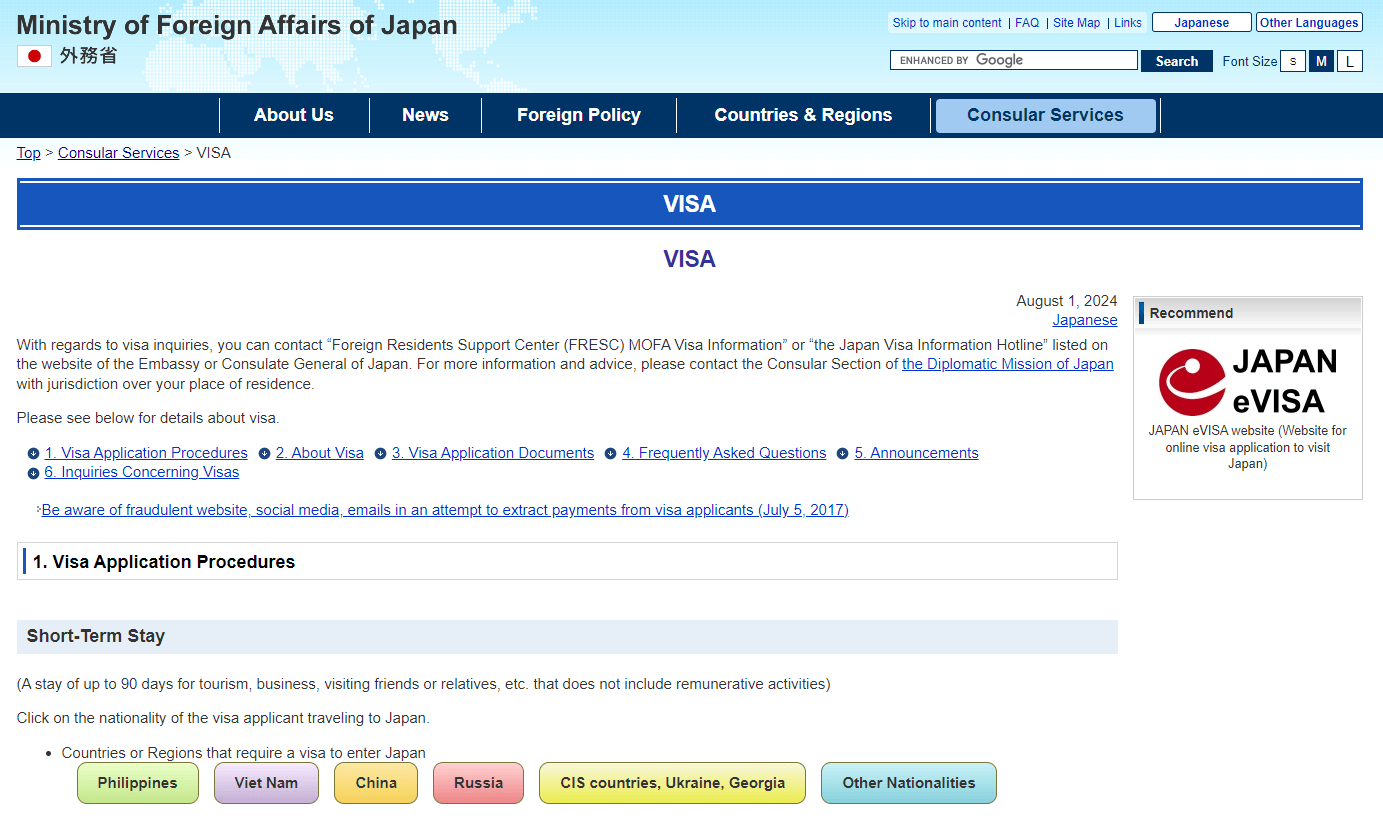
Some applications also require proof of employment, an invitation or guarantee, relationship evidence, or previous travel records. Do not add documents that your jurisdiction does not request, and do not omit locally required forms.
The separate question of Japan visa eligibility depends on the same trip facts, after which the official checklist for your residence controls the application.
|
Before submission |
What to verify |
|---|---|
|
Identity |
Name, passport number, validity, and photograph format match |
|
Trip |
Dates, route, accommodation, and purpose are consistent |
|
Finances |
Evidence covers the proposed stay |
|
Jurisdiction |
You are applying through the correct embassy, consulate, center, or eVISA route |
Japan Tourist eVISA
JAPAN eVISA currently covers eligible applicants seeking a single-entry, short-term tourism visa. Availability depends on nationality and place of residence; other purposes such as work, study, business, transit, or visiting relatives may require a paper application.
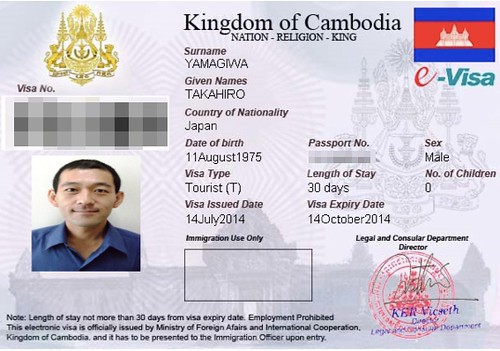
Check the official Japan eVISA page before applying. At departure, an eVISA holder must display the live visa issuance notice in an internet-connected device; a screenshot, PDF, or printout is not accepted.
Keeping Digital Visa Records Accessible
The live eVISA issuance notice and ordinary backup documents serve different purposes, so prepare both before departure.
Mobile data can support access to the live notice and official updates, but keep your passport, application reference, and other essential records available separately.
Record | Access method | Backup |
|---|---|---|
eVISA notice | Live display on connected device | Record login and recovery details |
Passport | Original document | Secure copy for recovery |
Application reference | Saved account or email | Offline note |
Incomplete applications may be cancelled without processing. Submit early, keep the application information consistent, and follow any request for an interview or additional evidence.
Processing Time, Fees, and Entry Checks
When an application has no substantive problem, the Ministry of Foreign Affairs states a standard processing period of five working days from the day after acceptance. Extra examination can take longer, so avoid non-refundable commitments until the visa is issued.
For applications accepted from July 1, 2026, Japan’s general fee is approximately ¥15,000 for a single-entry visa and ¥30,000 for a multiple-entry visa, paid in local currency. Exemptions, nationality-specific rates, and agency handling fees can change the total.
A visa does not guarantee entry. Carry your passport, proof of onward travel, accommodation details, and evidence that the visit matches the declared purpose.
Once dates are approved, a realistic Japan trip budget can align flights, accommodation, transport, insurance, and a contingency with the permitted stay.
Keep fee receipts and application records separate from the money reserved for the trip itself.
|
Stage |
Practical safeguard |
|---|---|
|
Application |
Use the jurisdiction-specific checklist and current fee page |
|
Waiting period |
Allow extra time for additional examination |
|
Departure |
Keep documents and the live eVISA notice accessible |
|
Arrival |
Answer entry questions consistently and honestly |
Mobile Access After Arrival
After immigration, mobile data supports routine travel tasks but does not replace any document required at the border.
A Japan eSIM is one digital SIM option for maps, translation, booking details, and official updates after entry. Check device compatibility and activate it before departure where possible, while keeping documents needed at the border accessible independently.
Task | Online access | Independent record |
|---|---|---|
Navigation | Live maps and routes | Saved hotel address |
Bookings | Current confirmations | Offline reference |
Official updates | Current government pages | Passport and entry papers |
FAQ
1. How long does Japan visa approval take?
The standard period is five working days after acceptance when no issue requires further examination, but some cases take longer.
2. Does Japan issue visas on arrival?
Do not plan on obtaining a tourist visa at the airport. Travelers who are not visa-exempt should secure the appropriate visa before departure.
3. How early should I apply?
Apply as early as your local mission permits, leaving enough time for extra documents or examination and avoiding non-refundable bookings.
4. Is the Japan eVISA available to everyone?
No. Eligibility depends on nationality, residence, passport type, purpose, and application channel.
5. Can I work while visiting visa-free?
No. Short-stay visa exemption does not authorize income-earning activities in Japan.
Conclusion
Choose a Japan visa route by matching your passport, residence, purpose, and length of stay rather than selecting a category by name alone.
Verify exemptions, documents, fees, and eVISA eligibility on official Japanese government pages immediately before applying.
With the correct permission and accessible travel records, you can move from paperwork to itinerary planning with far less uncertainty.